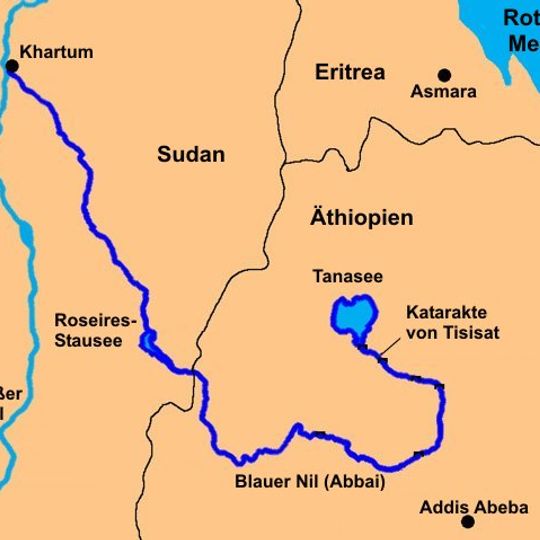
Blue Nile, Major river system in northwestern Ethiopia.
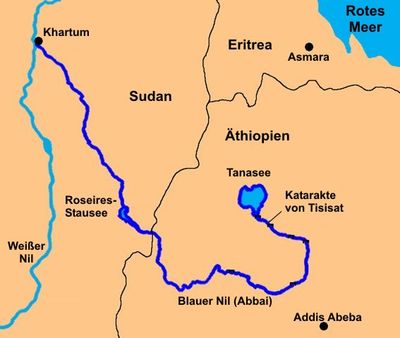
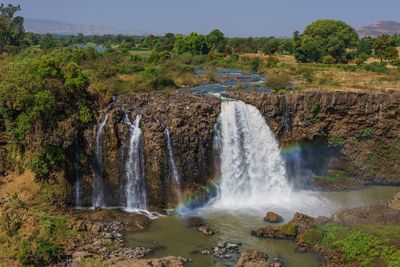
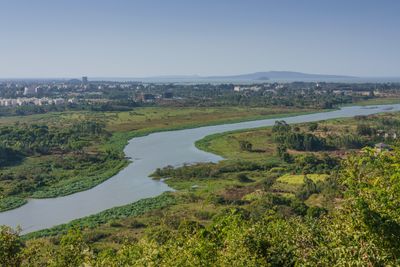
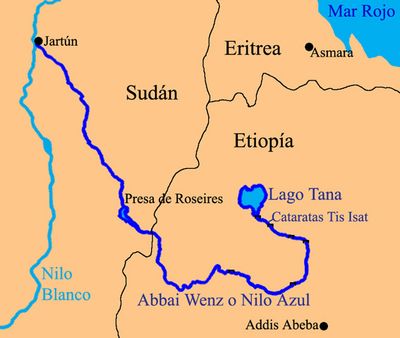
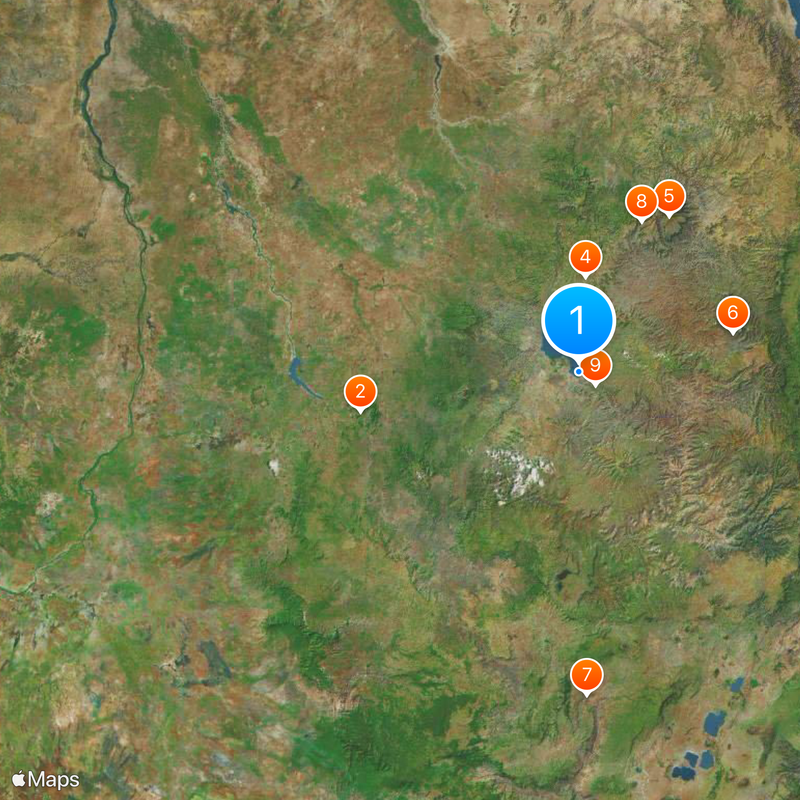
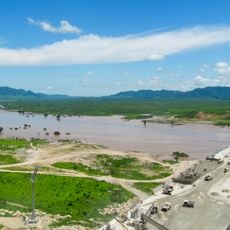
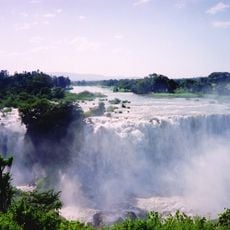
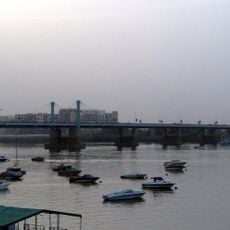
The Blue Nile rises at Lake Tana and flows through Ethiopia and Sudan, contributing 85 percent of the water to the main Nile during the flood season. The river bed runs through highlands and plains, changing width and speed depending on terrain and season.
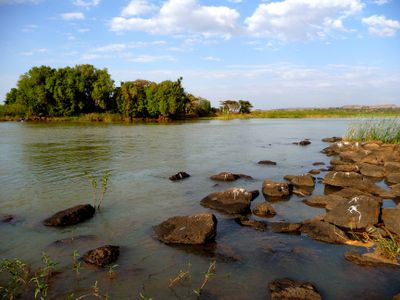
The Portuguese missionary Pedro Páez reached the source of the Blue Nile at Lake Tana on April 21, 1618, as the first European. His records later spread across Europe and sparked interest in the geography of East Africa.
The river carries the name Abay in Ethiopia and forms the basis for irrigation and harvest along its course. Communities align their planting cycles with the water level, which changes considerably throughout the year.
The river crosses remote regions where roads can be poorly developed and access to individual sections may be time-consuming. Visitors to the area should be prepared for changing weather conditions and longer travel times between places.
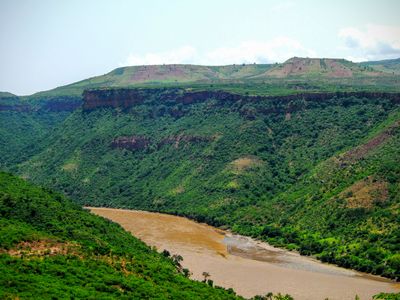
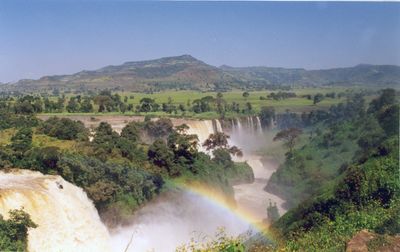
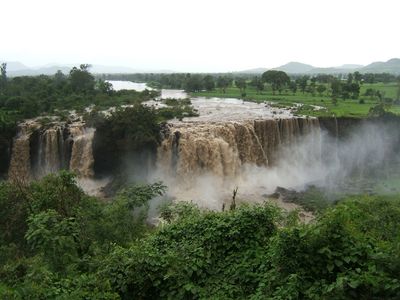
Near Lake Tana, the river cuts through a canyon roughly 400 kilometers long (249 miles), one of the longest gorges in Africa. This gorge acts as a natural barrier and has made transport and exchange between the two banks difficult for centuries.
The community of curious travelers
AroundUs brings together thousands of curated places, local tips, and hidden gems, enriched daily by 60,000 contributors worldwide.