Kallebäcks källa, Spring and architectural complex in Gothenburg, Sweden
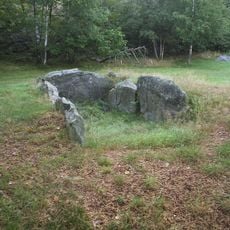
Kallebäcks källa is a historic spring with a protective stone structure, a monument, and a water distribution post built around the original water source. The site combines the natural spring with architectural additions that reflect different periods of development.
The spring is first mentioned in 1692, when councillor Laurentis Böker described more than ten veins flowing day and night from the hard sand bank. In 1785, sixty-six citizens obtained a royal permit to build a water conduit, and on 17 November 1787 Gustav III inaugurated the 4.8 km line of hollowed aspen, pine and oak logs. At the spring, the king tasted the water from a crystal goblet and granted the name Gustafs källa.
The name Gustafs källa comes from the visit of Gustav III on 17 November 1787, when Daniel Pettersson asked to name the spring after the king and a water nymph recited verses in his honour. The king tasted the water from a crystal glass and gave the nymph a gold medal; neither her identity nor the medal's fate is known.
The site lies beside Boråsvägen in Kallebäck, with a building over the spring, a monument and a water post. The spring water is not available to visitors; the post is fed by the municipal water network. The spring has been a listed building since 21 December 1973.
The name Gustafs källa comes from the visit of Gustav III on 17 November 1787, when Daniel Pettersson asked to rename the spring after the king and a water nymph read verses in his honour. The king handed the nymph a gold medal; neither her identity nor the medal's whereabouts are known.
The community of curious travelers
AroundUs brings together thousands of curated places, local tips, and hidden gems, enriched daily by 94,534 contributors worldwide.