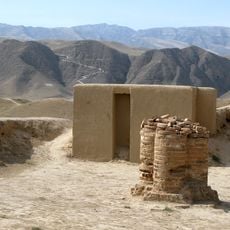
Anau, Bronze Age archaeological site near Ashgabat, Turkmenistan.
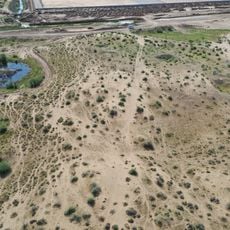
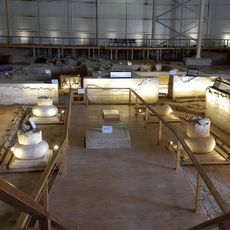
Anau is an archaeological site with multiple settlement layers containing residential buildings, communal structures, and ancient irrigation networks from early periods. The ruins show how people lived here across many centuries and managed their farmland.
Systematic investigation began in 1904 when the Carnegie Institution explored the site and found evidence of settlement dating to around 4500 BCE. These early discoveries made it one of the most important sources for understanding early civilization in the region.
The artifacts reveal how people transitioned from nomadic life to farming and what tools they used daily. Painted pottery and grain storage structures show what life was like for early settlers in Central Asia.
The site is located about 8 kilometers (5 miles) southeast of Ashgabat and can be visited with archaeological guides available. It helps to visit local museums first to better understand the finds on display here.
The site is often overlooked despite being the birthplace of the Anau culture, which later influenced large parts of Central and South Asia. This early culture became a model for many later settlements across the broader region.
The community of curious travelers
AroundUs brings together thousands of curated places, local tips, and hidden gems, enriched daily by 91,299 contributors worldwide.