Middlesex, Former administrative county in Greater London, England
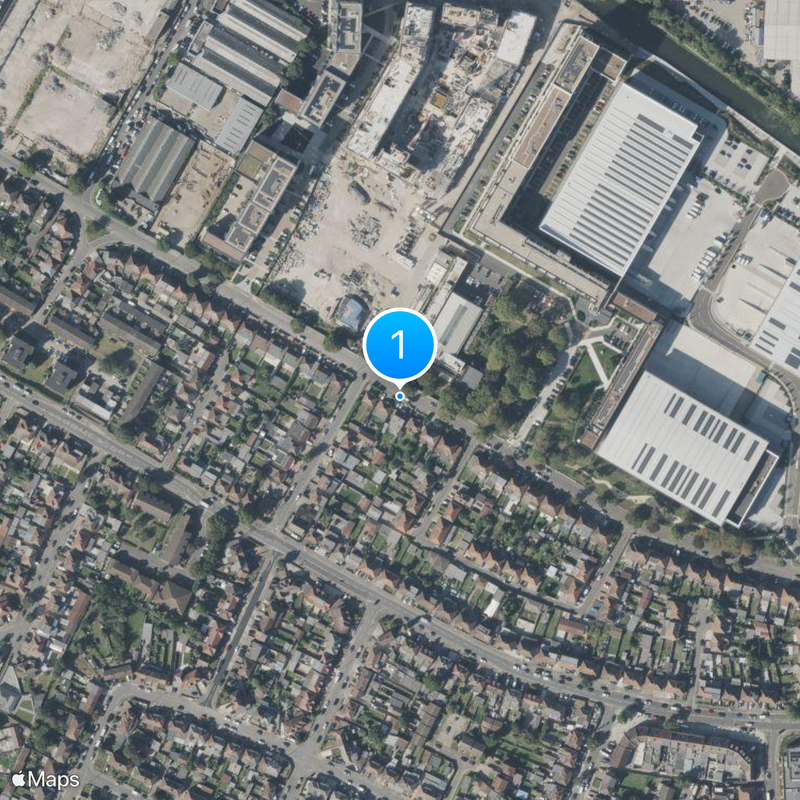
Middlesex was an administrative county that stretched north of the Thames between the Lea River to the east and the Colne River to the west, covering parts of what is now Greater London. The territory extended from the banks of the Thames in the south to a line of hills in the north that separated it from Hertfordshire, forming an elongated corridor between its two larger neighboring counties.
The name comes from the Middle Saxons, a people who settled in the region during the early Middle Ages and formed their homeland in the ninth century between the larger Saxon kingdoms. The administrative territory was largely absorbed into Greater London in 1965, while smaller portions transferred to Surrey and Hertfordshire, ending centuries of territorial unity.
Although the administrative county was abolished in 1965, the name Middlesex remains present in postal addresses, club names and local designations, keeping the historical identity of the region alive. Many cricket clubs, sports teams and community organizations continue to carry the name, connecting people to their regional past.
The former boundaries of the administrative county are now largely invisible, as the landscape has been reshaped by urban development and modern administrative divisions. Visitors can trace the historical legacy through local museums, archives and preserved boundary markers occasionally found along old routes and in parks.
The former courthouse of the administrative county was located in Parliament Square, Westminster, and remained the official seat for magistrate sessions even after dissolution. This arrangement meant that part of Westminster continued to belong administratively to Middlesex long after the county itself ceased to exist.
The community of curious travelers
AroundUs brings together thousands of curated places, local tips, and hidden gems, enriched daily by 91,727 contributors worldwide.