Cuyahoga Valley National Park, National park between Cleveland and Akron, United States
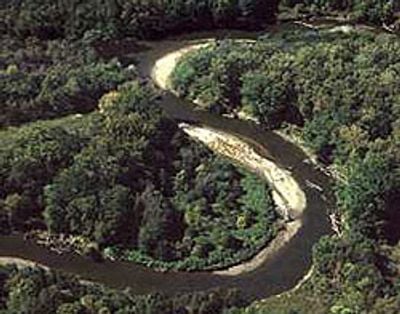
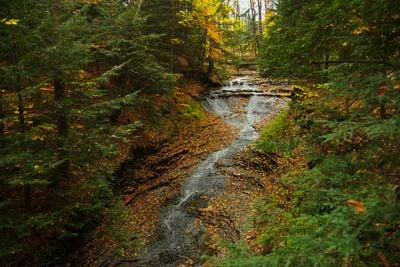
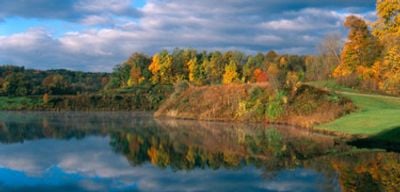
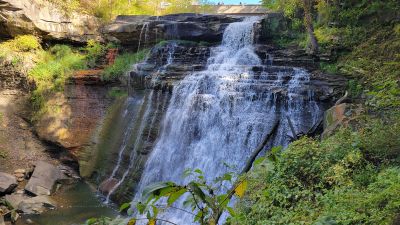
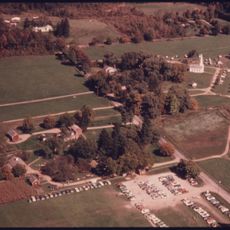
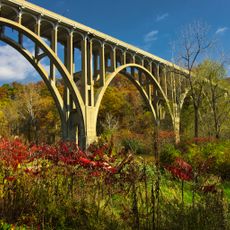
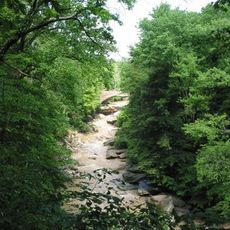
Cuyahoga Valley National Park is a national park in Summit and Cuyahoga counties in Ohio between Cleveland and Akron. The Cuyahoga River, whose name means "crooked river" in Iroquoian languages, loops through wooded land with a pale sandy bank along the inner bend. The park covers 32,783 acres of forests, meadows, and wetlands, and its slopes show layered gray and tan rock ledges capped with moss.
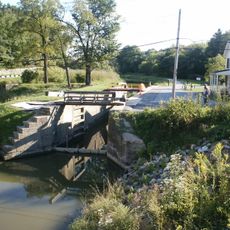
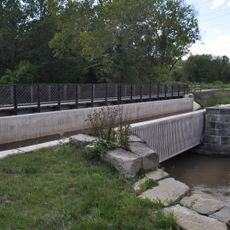
The Ohio and Erie Canal was built in the 1820s and brought commerce and settlements into the valley before railroads diminished its importance. The region was protected as a National Recreation Area in 1974 and gained national park status in 2000.
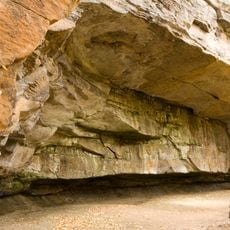
The name Cuyahoga comes from Iroquoian languages and means "crooked river," referring to the river's winding course. The 30 km Towpath Trail follows the former Ohio and Erie Canal, where horses once towed freight boats; today visitors walk and cycle it. The Ledges, layered sandstone shelves, are used by locals for climbing and photography.
Visitor centers in Boston Mills and Peninsula offer maps and information about trails and activities throughout the valley. In winter some trails may become impassable with snow, while fall and spring provide milder weather for hiking and biking.
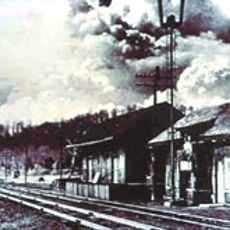
Beavers live in the park and build dams that create wetlands attracting waterfowl and amphibians. The Cuyahoga Scenic Railroad offers train rides through the valley and combines historic rail travel with nature observation.
The community of curious travelers
AroundUs brings together thousands of curated places, local tips, and hidden gems, enriched daily by 93,419 contributors worldwide.