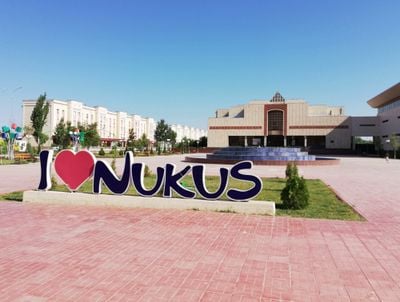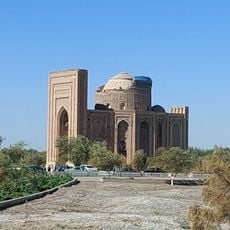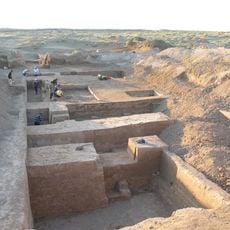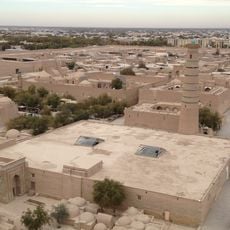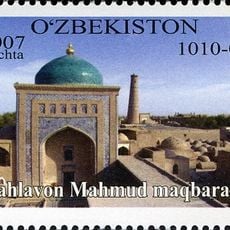
Nukus, Capital city in western Uzbekistan.
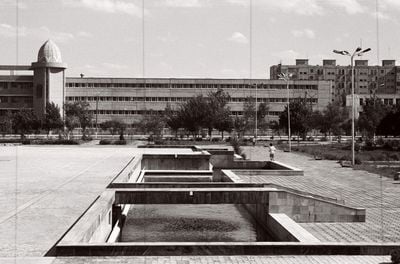
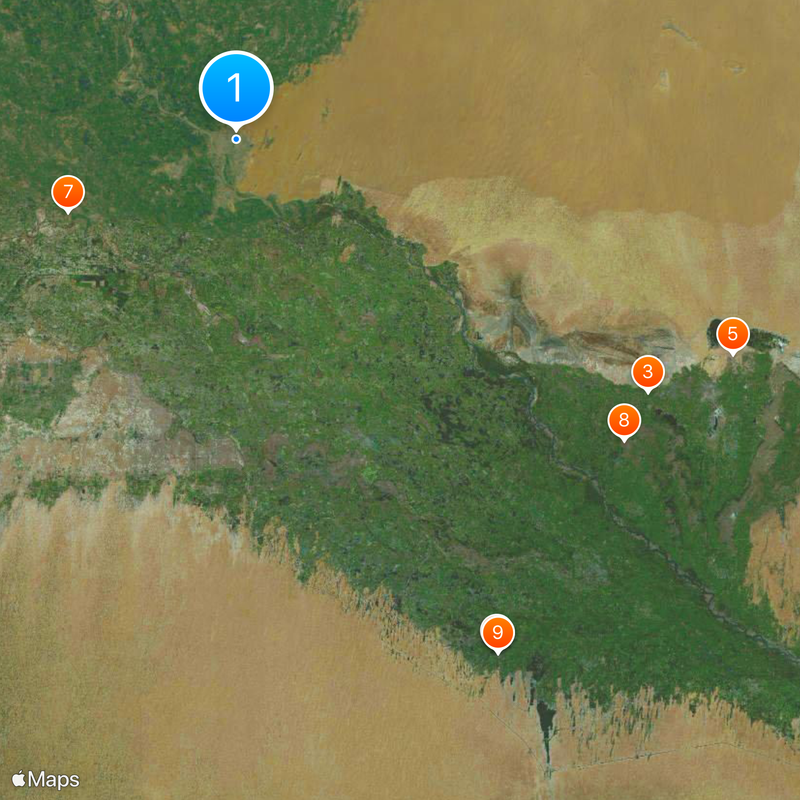
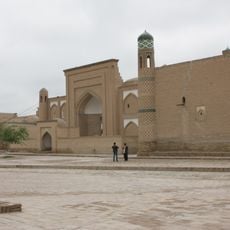
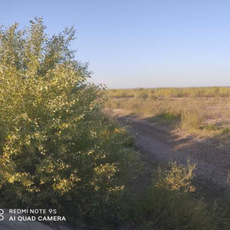
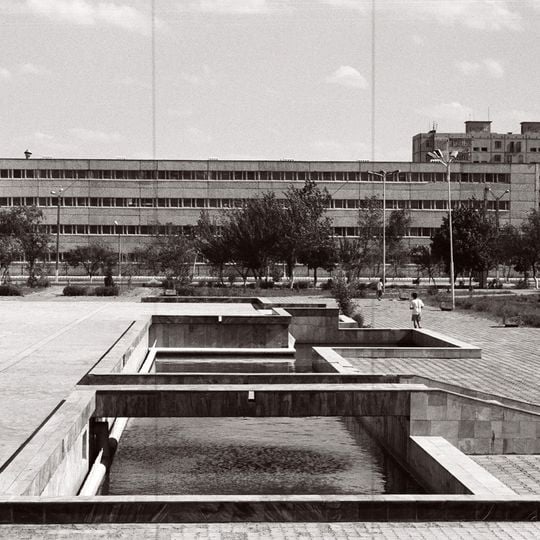
Nukus is the sixth-largest city in Uzbekistan and extends across a desert landscape with wide streets and modern buildings near the former Aral Sea basin. The architecture follows mostly Soviet designs, with rectangular squares and flat administrative structures spread over several kilometers.
The settlement was officially established in 1932 and evolved into a significant urban center with Soviet architecture by the 1950s. It later became the capital of the autonomous republic of Karakalpakstan within Uzbekistan.
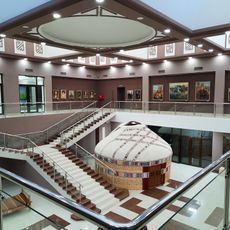
The Savitsky Museum holds 80,000 artworks, including an extensive collection of Russian avant-garde pieces from the early 20th century. This collection ended up here because it was considered too radical for Moscow or Leningrad during Soviet times.
The city sits in a flat desert region with hot summers, so spring and autumn offer more comfortable visiting conditions. Many streets are wide and straight, making it easy to navigate, though public transport options are limited.
The Museum of Local Lore contains the preserved remains of the last Turanian tiger among its 56,000 regional artifacts. This specimen is the only surviving example of its kind from the region, representing a big cat that went extinct during the 1970s.
The community of curious travelers
AroundUs brings together thousands of curated places, local tips, and hidden gems, enriched daily by 92,773 contributors worldwide.