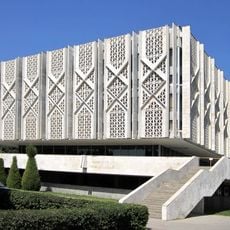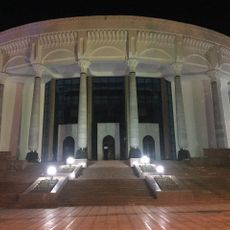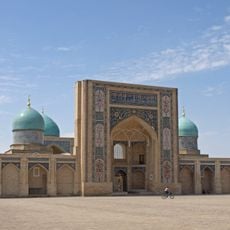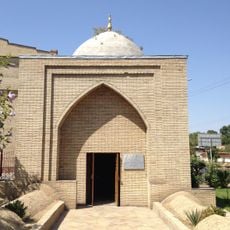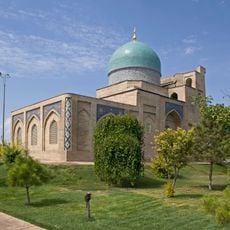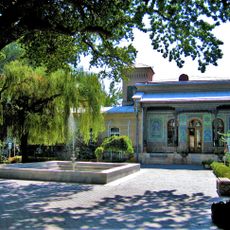
Sheihantaur complex, architectural monument in Tashkent, Uzbekistan
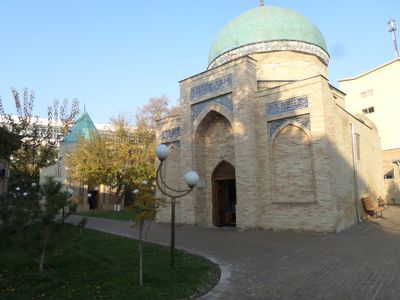
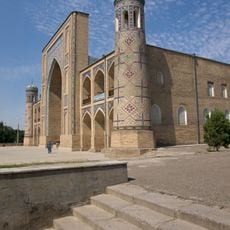
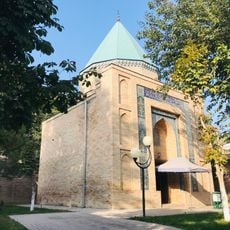
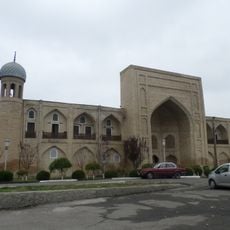
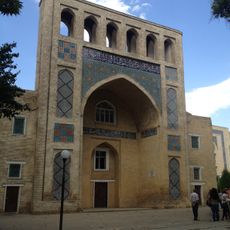
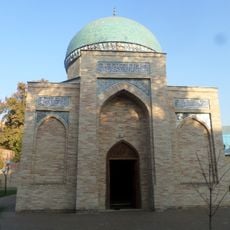
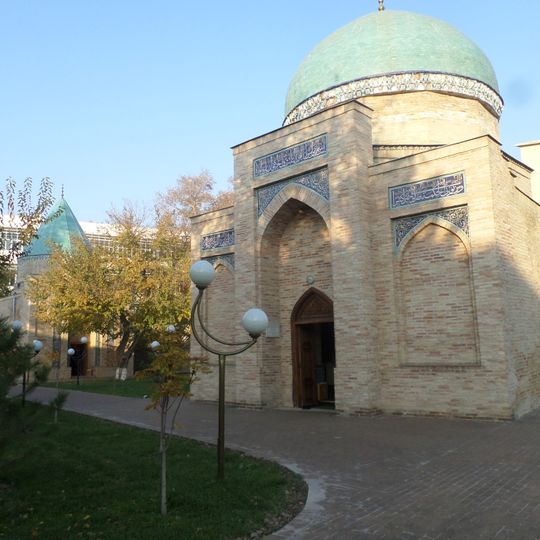
The Sheihantaur complex is a brick building with dark blue glazed tiles and a prominent dome serving as a mausoleum in Tashkent. The layout contains multiple burial chambers, including that of Sheikh Hovendi at-Tahur, along with graves of other significant local figures such as Yunus Khoja and Toli-biy.
The complex was built in the 14th century over the grave of Sheikh Hovendi at-Tahur, a late 13th-century Sufi scholar revered as a direct descendant of the Prophet Muhammad. The mausoleum underwent numerous alterations across the centuries and presently displays layering from different periods of maintenance and renovation.
The complex serves as a place of devotion and remembrance for Tashkent's communities. People gather here to connect with their spiritual roots and honor the memory of Sheihantaur as a respected spiritual guide.
The site is accessible on foot with simple pathways, though uneven ground makes comfortable shoes advisable, and visitors should allow time for leisurely walking and reflection. The complex is located in the old city area with clear signage to guide navigation.
Ancient trees dot the grounds, including a fossilized trunk called Alexander's Saur that hints at pre-Islamic times and suggests the site held sacred meaning for Zoroastrians long before Islam arrived. This hidden archaeological layer adds depth to the mausoleum, spanning multiple religious historical periods.
The community of curious travelers
AroundUs brings together thousands of curated places, local tips, and hidden gems, enriched daily by 91,389 contributors worldwide.