See the monuments around you in AROpen chests in the app
Around Us is built for your phone — point your camera at the streets and discover the monuments and places around you in augmented reality.Around Us is built for your phone — chests unlock when you walk, explore and capture nearby places.
The Jeolla region invites you to discover its Buddhist sanctuaries, bamboo forests, and bays where old ways of life still linger.
Jeolla is a region where South Korea shows its true roots. You will discover hanok villages with low houses and curved roofs, Buddhist temples tucked into the mountains, and forests that change with the seasons. The people here live by old rhythms, and traditions stay alive in the streets and homes.
In the north, Jeonju immerses you in a neighborhood entirely rebuilt according to old styles, with narrow alleys, tea houses, and local crafts. Nearby, the Naejangsan mountains turn color in autumn, while Maisan park offers striking rocky landscapes. Further west, the coast reveals its riches: wetlands where migratory birds stop over, islands covered in vegetation, and calm bays.
To the south and east, the scenery changes again. The tea fields of Boseong form soft curves on the hills, while mountain temples like Seonamsa remain hidden in the forests. You will also find spots to watch the sea from above, historic villages surrounded by walls, and even a small island famous for its purple colors. Every corner of Jeolla invites you to see how people live between nature and their traditions.
The Jeolla region invites you to discover its Buddhist sanctuaries, bamboo forests, and bays where old ways of life still linger.
Jeolla is a region where South Korea shows its true roots. You will discover hanok villages with low houses and curved roofs, Buddhist temples tucked into the mountains, and forests that change with the seasons. The people here live by old rhythms, and traditions stay alive in the streets and homes.
In the north, Jeonju immerses you in a neighborhood entirely rebuilt according to old styles, with narrow alleys, tea houses, and local crafts. Nearby, the Naejangsan mountains turn color in autumn, while Maisan park offers striking rocky landscapes. Further west, the coast reveals its riches: wetlands where migratory birds stop over, islands covered in vegetation, and calm bays.
To the south and east, the scenery changes again. The tea fields of Boseong form soft curves on the hills, while mountain temples like Seonamsa remain hidden in the forests. You will also find spots to watch the sea from above, historic villages surrounded by walls, and even a small island famous for its purple colors. Every corner of Jeolla invites you to see how people live between nature and their traditions.
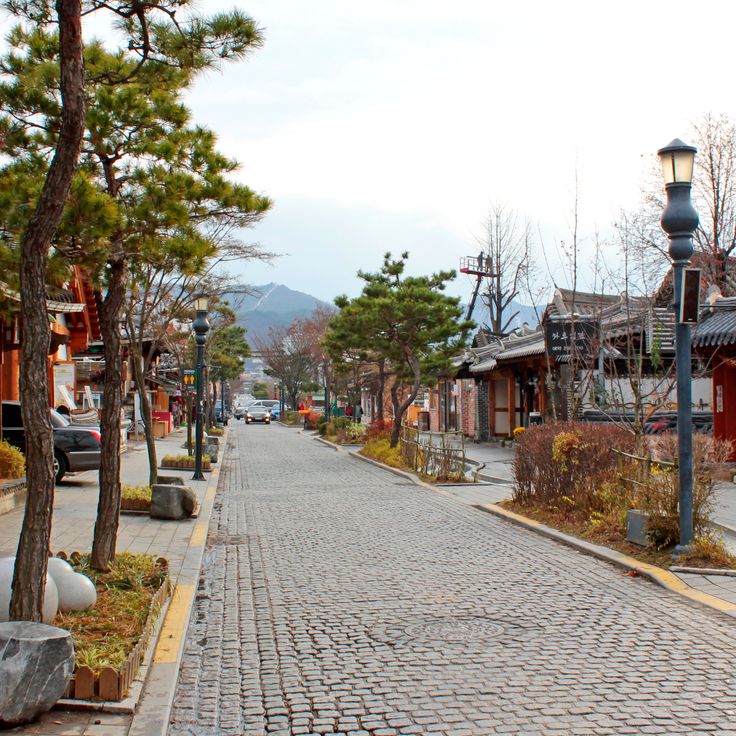
Jeonju Hanok Village is a large neighborhood filled with several hundred traditional wooden homes called hanok. Their curved tiled roofs and low stone walls line narrow lanes that invite slow walks. Along the way, small teahouses, craft workshops and local food stalls give the area a lived-in feel. The village sits in the heart of Jeonju and shows what a Korean urban neighborhood once looked like.
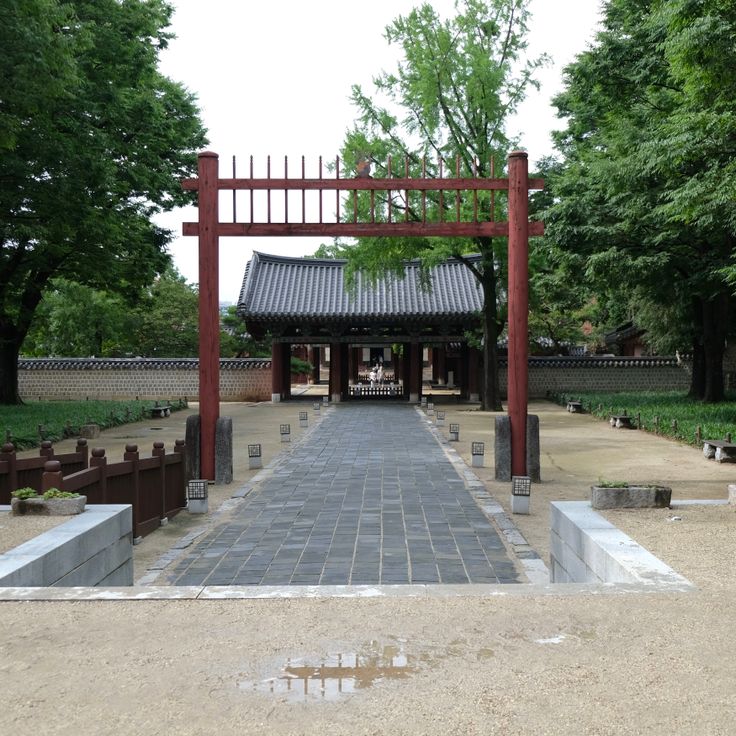
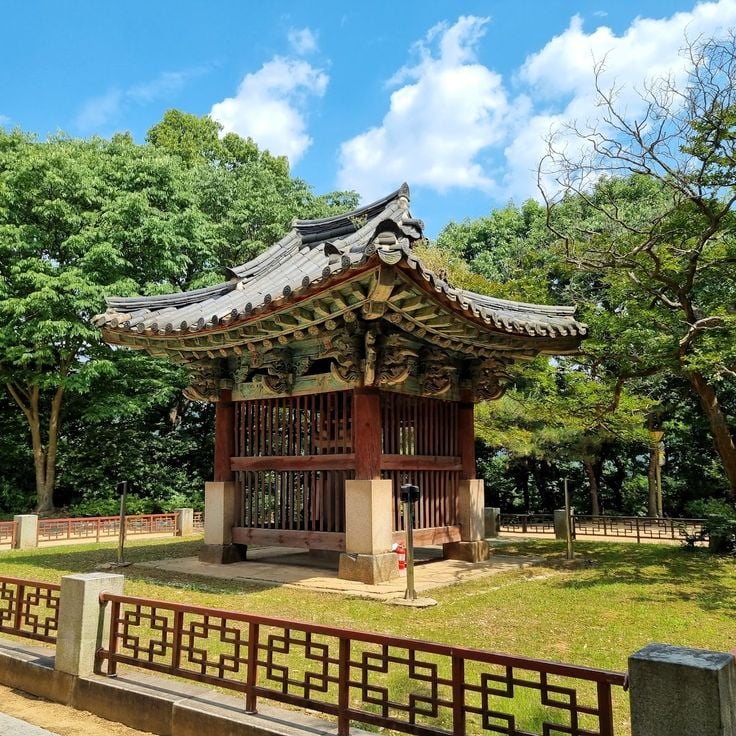
Gyeonggijeon Shrine stands in the heart of the Jeonju Hanok Village and holds the official portrait of King Taejo, the founder of the Joseon Dynasty. The shrine is enclosed by an old stone wall, with tall trees lining the paths inside. Stepping through the wooden gate feels like moving into a different time. The main hall was first built in the 15th century and has been restored over the years. Visitors walk through the grounds at a slow pace, taking in the low-roofed wooden buildings and the general sense of an older Korea.
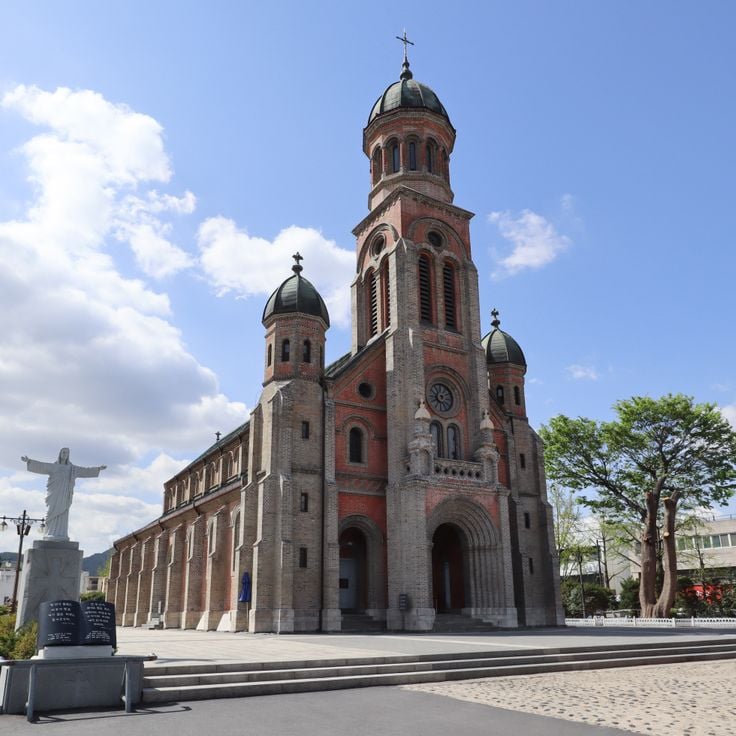
Jeondong Cathedral stands in the heart of Jeonju, just a short walk from the hanok village. The red brick building was built in a Byzantine style and immediately draws the eye when you leave the narrow lanes of the old quarter. This contrast between the curved roofs of the hanoks and the rounded arches of the cathedral shows how two very different building styles can exist side by side. The interior is plain and calm, with stained glass windows that filter the light. The cathedral was completed in the early 20th century and is today one of the most recognizable buildings in the city.
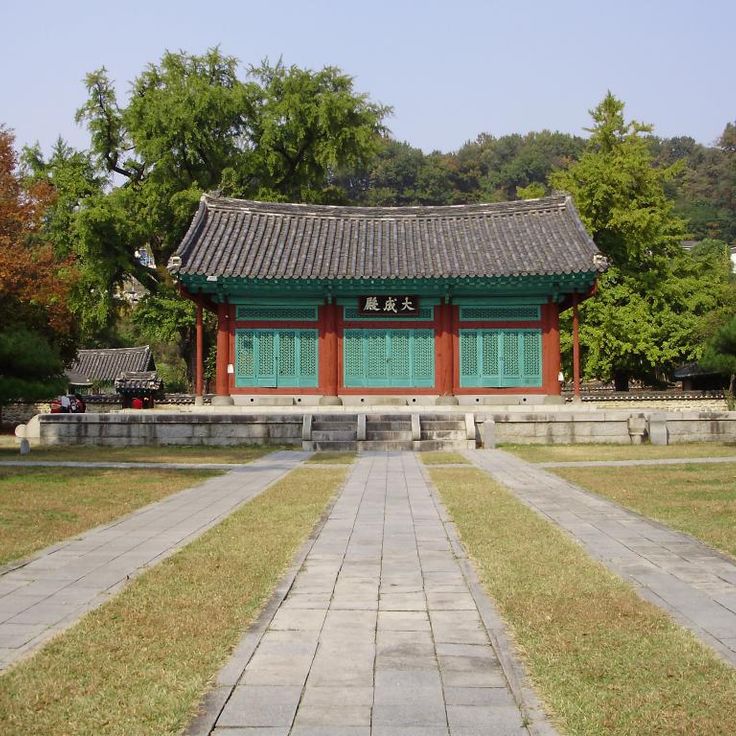
Jeonju Hyanggyo Confucian School sits in Jeonju, shaded by old trees that turn red and gold in autumn. The school is one of the oldest educational institutions in the region, and it shows how Confucian learning shaped everyday life in Korea for centuries. The buildings follow a traditional wooden style, with curved roofs and open courtyards that feel removed from the surrounding city. Walking through the grounds gives a clear sense of what formal education once looked like in this part of the country.
Omokdae and Imokdae are two historic viewpoints set on a hill above Jeonju's Hanok Village. From up here, you look down over a sea of curved tiled rooftops spreading through the old streets below. The spot has been used for centuries, once favored by officials and scholars who came to rest and take in the view. It is a good place to pause and get a sense of how the neighborhood sits in the landscape.
Naejangsan National Park, in the north of the Jeolla region, draws visitors above all in autumn, when maple trees turn the mountainsides orange and red between October and November. The trails wind through narrow gorges and past small Buddhist temples, and many people arrive early in the morning to catch the colors at their best. Outside the autumn season, the park is much quieter and easy to explore on foot.
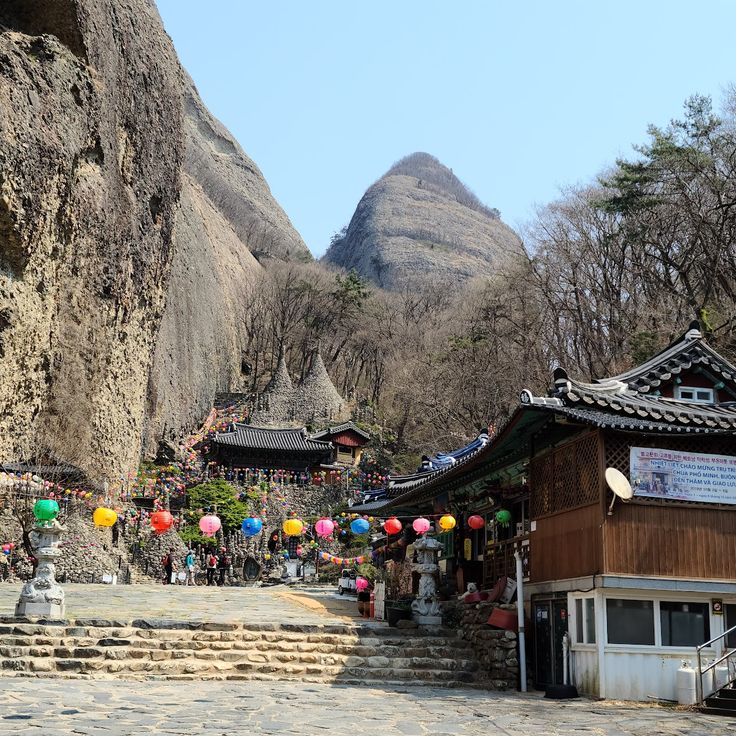
Maisan Provincial Park sits near Jinan and takes its name from two rocky peaks that look like horse ears rising above the trees. The paths through the park pass through forests and lead to old temple buildings tucked against the stone. In fall, the trees around the peaks change color, making the landscape look very different from one season to the next. Walking here gives a real sense of how nature and old Korean traditions live side by side in the Jeolla region.
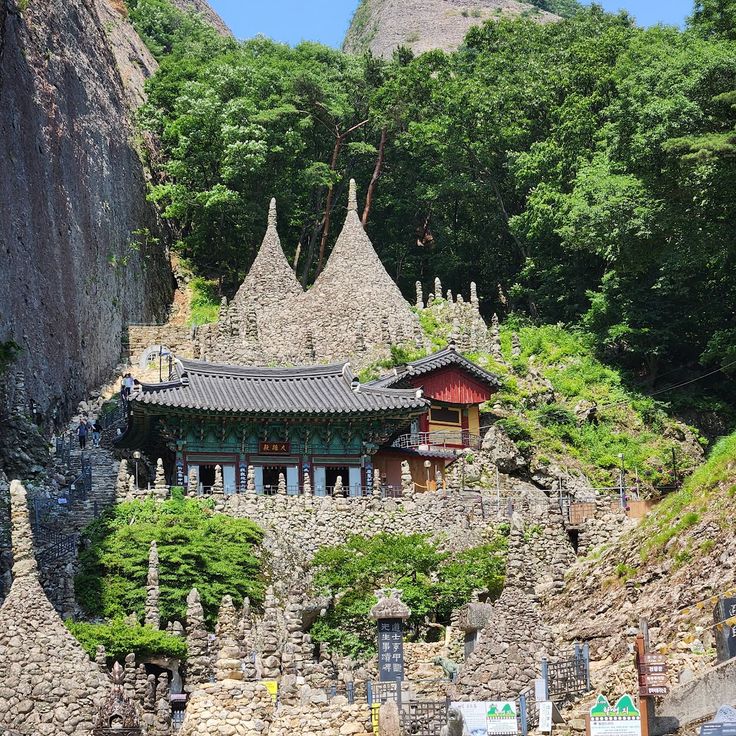
Tapsa Temple sits at the base of Maisan, a pair of rocky peaks rising above the valleys of Jeollabuk-do. The temple is known for its dozens of stone towers, built by a monk in the 19th century without mortar or tools. Each tower is stacked by hand, stone on stone, and they have stood through seasons of wind and snow without falling. Walking among them feels like stepping into something you cannot quite explain.
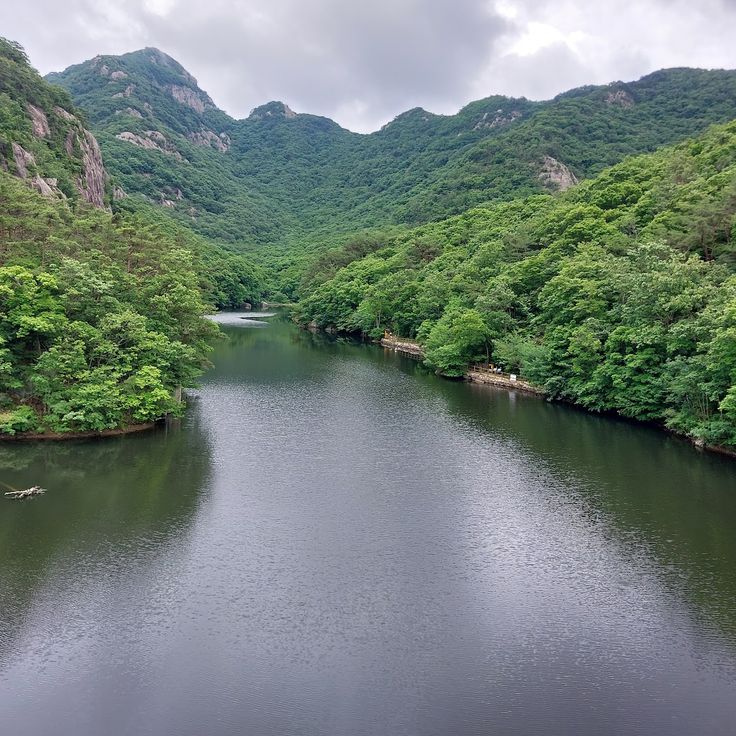
Byeonsanbando National Park sits on a peninsula in North Jeolla Province and brings together very different types of land in a small area. Rocky mountains rise toward the interior, while the coastline drops sharply into the sea in some places and opens onto sandy beaches in others. The Yellow Sea surrounds the peninsula on nearly all sides, and at low tide the water pulls back to reveal wide mudflats where birds stop to feed. The forests change color through the seasons, and coastal paths along the cliffs offer walks with open sea views. It is a place where you can move from mountains to water in a short time.
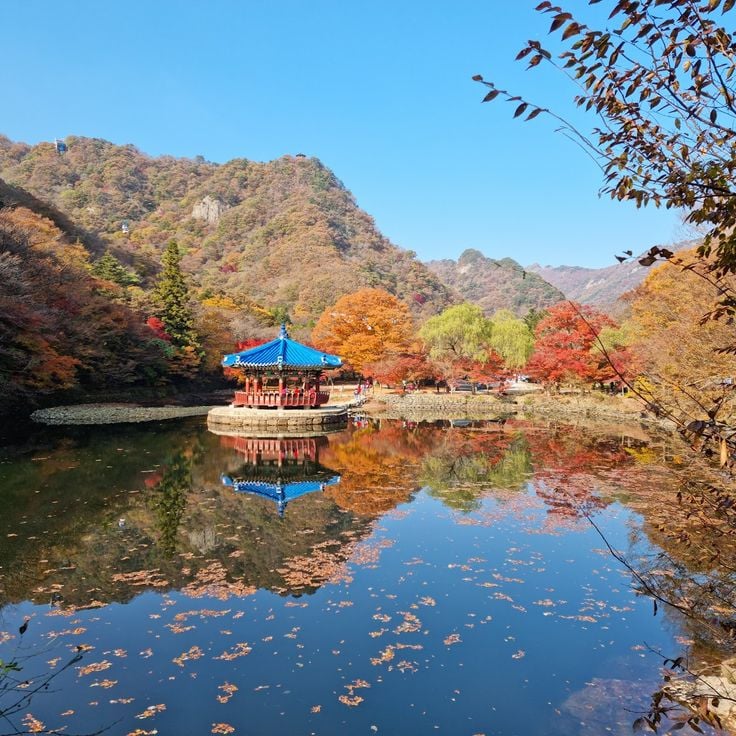
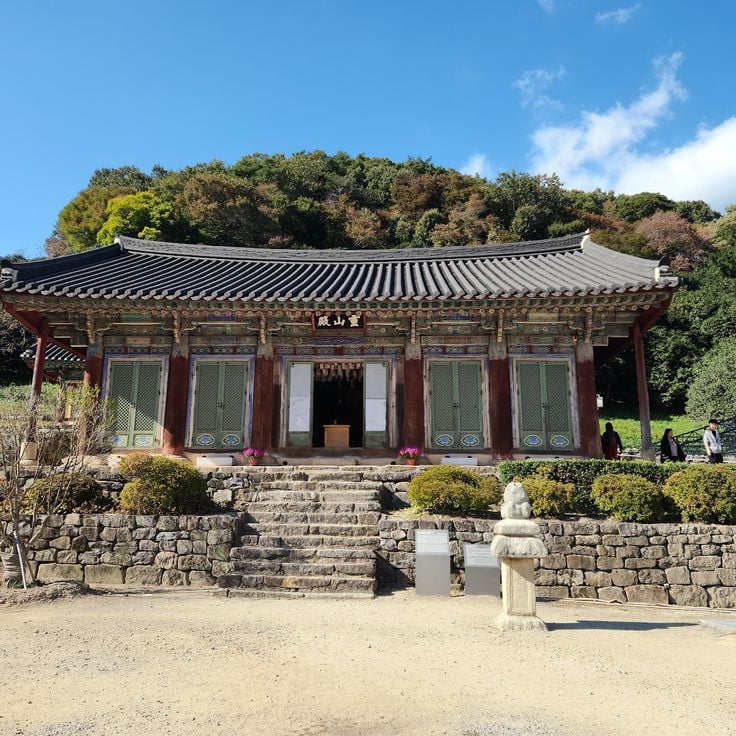
Naesosa Temple sits in the mountains of Buan, in North Jeolla Province. To get there, you walk along a long path lined with tall fir trees that filter the light and cast shade over the trail. At the end of the path, the temple complex opens up with old wooden buildings and a small pond. Monks follow a traditional way of life here, and visitors can observe the rhythm of daily monastic life up close. In autumn, the surrounding trees turn warm shades of orange and red.
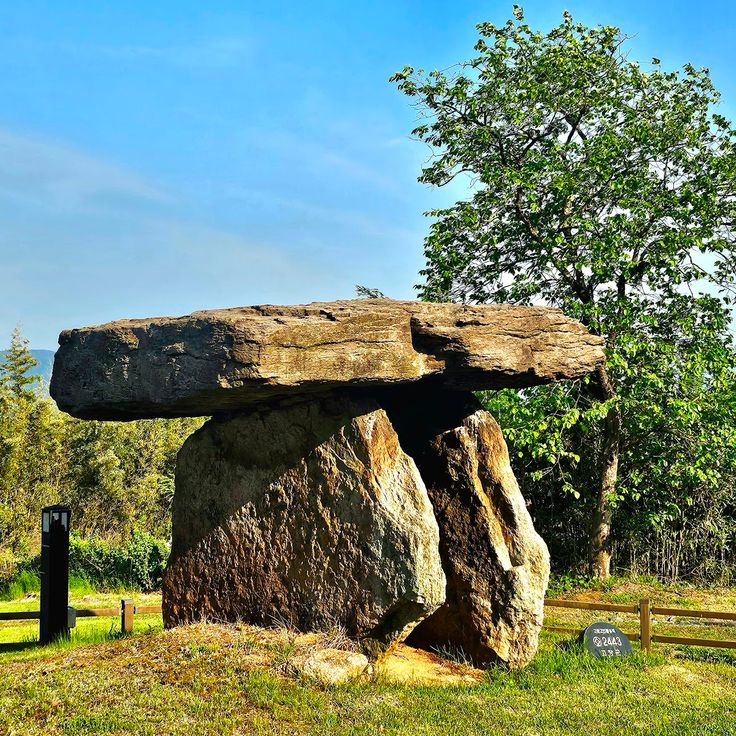
The Gochang Dolmen Site sits in the gentle hills of Jeollabuk-do and holds one of the largest gatherings of prehistoric stone tombs in Korea. More than 440 dolmens are scattered across the area, built over 3,000 years ago as burial monuments. The site is listed as a UNESCO World Heritage Site, recognized for how well it reflects the megalithic culture of ancient Northeast Asia. Walking among the stones gives a real sense of how people in this region lived and honored their dead long before written history.
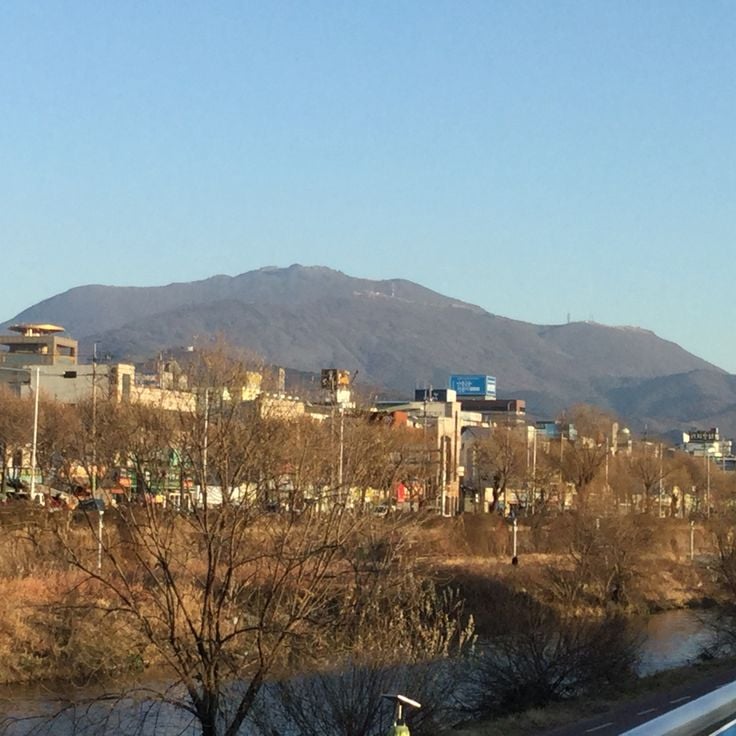
Mudeungsan National Park rises just behind Gwangju and has long defined the city's skyline. Trails wind through dense forest, opening up near the summit to reveal tall columns of basalt rock that stand like natural towers. The lower slopes fill with cherry blossoms in spring and turn gold and red in autumn. Locals come here often to hike, breathe fresh air, and step away from the city for a few hours. The park is one of the places where Gwangju feels most like itself.
The Asia Culture Center in Gwangju is a large contemporary cultural complex devoted to the arts and cultures of Asia. Its spaces host exhibitions, performances, and creative events that draw visitors from across the region. The building stands out for its modern architecture, offering a clear contrast to the older traditions found throughout Jeolla.
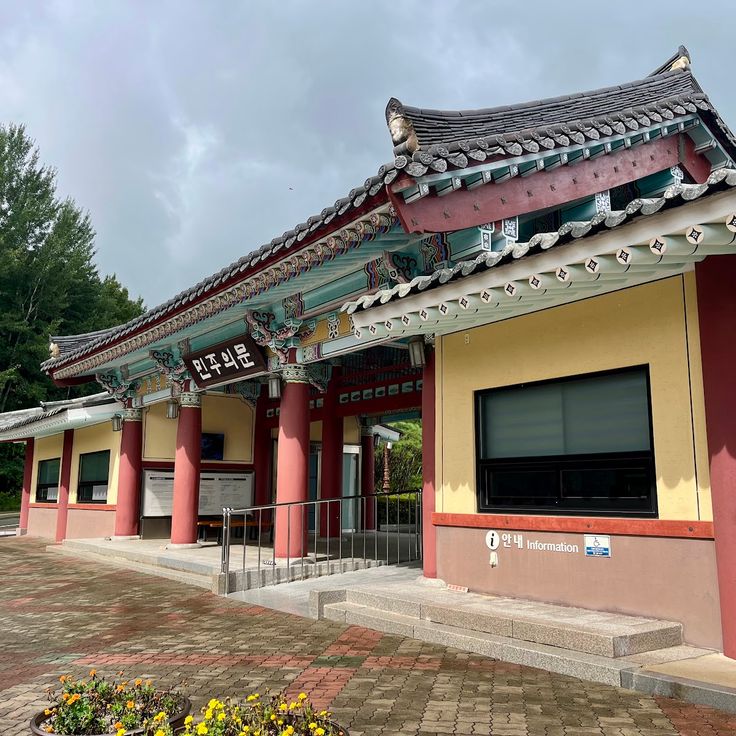
The May 18th National Cemetery in Gwangju honors those who lost their lives during the democratic uprising of May 1980. Located on the edge of the city, the site welcomes visitors with wide paths, simple grave markers, and a mood that invites reflection. Many Koreans come here to pay their respects and to understand more about this turning point in their country's history.
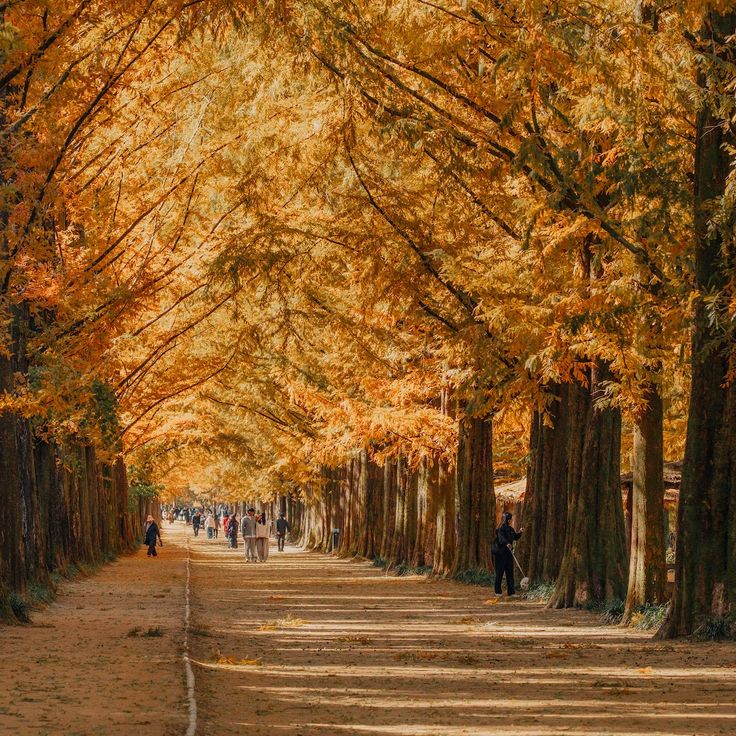
The Metasequoia-lined Road in Damyang is a long, straight path flanked by tall metasequoia trees. Their branches stretch overhead and form a canopy that filters the light in summer and turns warm shades of orange and red in autumn. People come here to walk or cycle slowly under the trees, and the road draws visitors throughout the year as the trees change with the seasons.
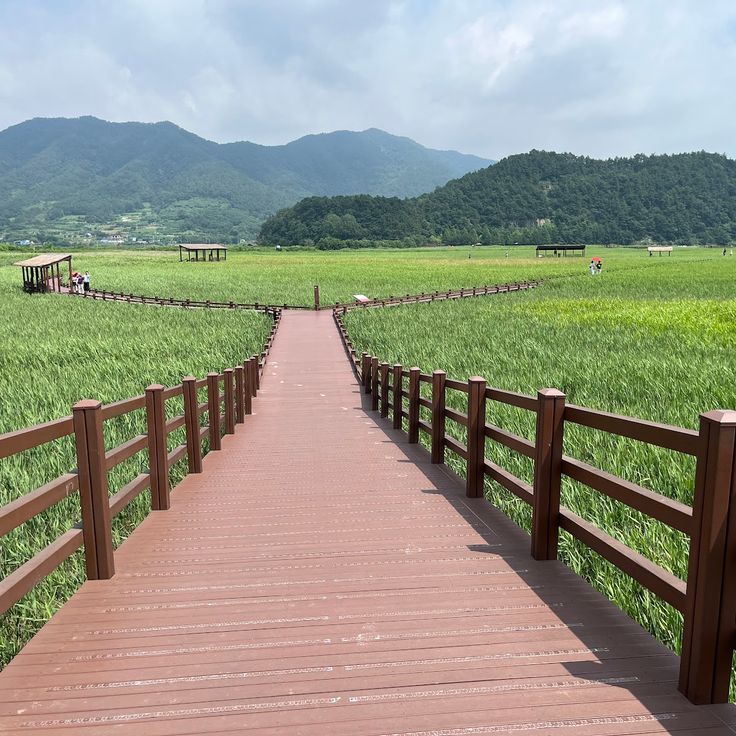
Suncheonman Bay Wetland is one of South Korea's most famous natural sites. Reed beds and mudflats stretch along the shore, and at sunset the light turns the water to shades of gold and orange. Every year, migratory birds stop here on their journey north or south, and the silence of the place makes it easy to watch them move through the reeds and across the sky.
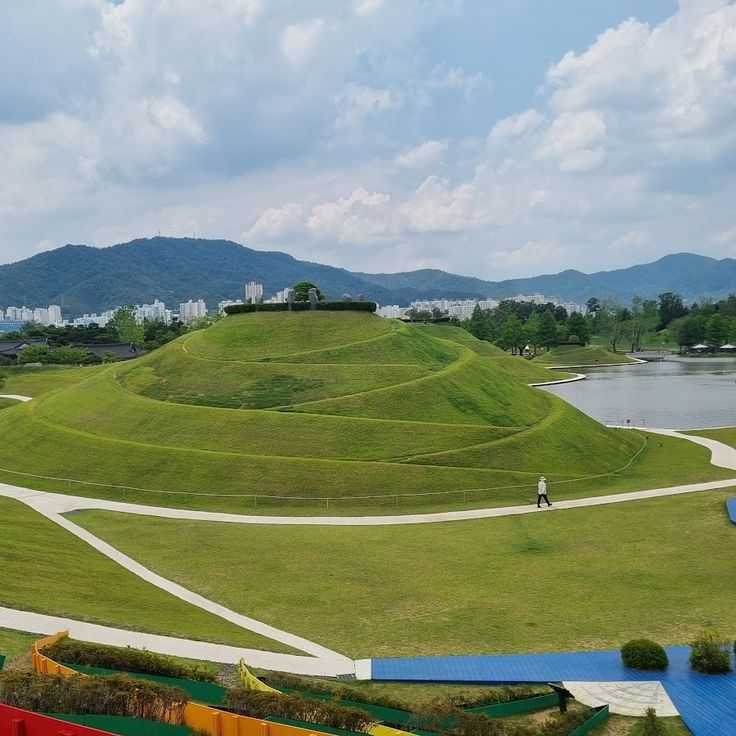
Suncheonman National Garden sits close to the wetlands of Suncheon Bay, where migratory birds stop to rest. The garden changes with each season, from flowering fields in spring to golden grasses in autumn. Paths wind through different garden sections inspired by Korean, Asian and European styles. The pace is slow, the air fresh, and the sounds are mostly wind and birdsong. It is a place where nature sets the rhythm of the day.
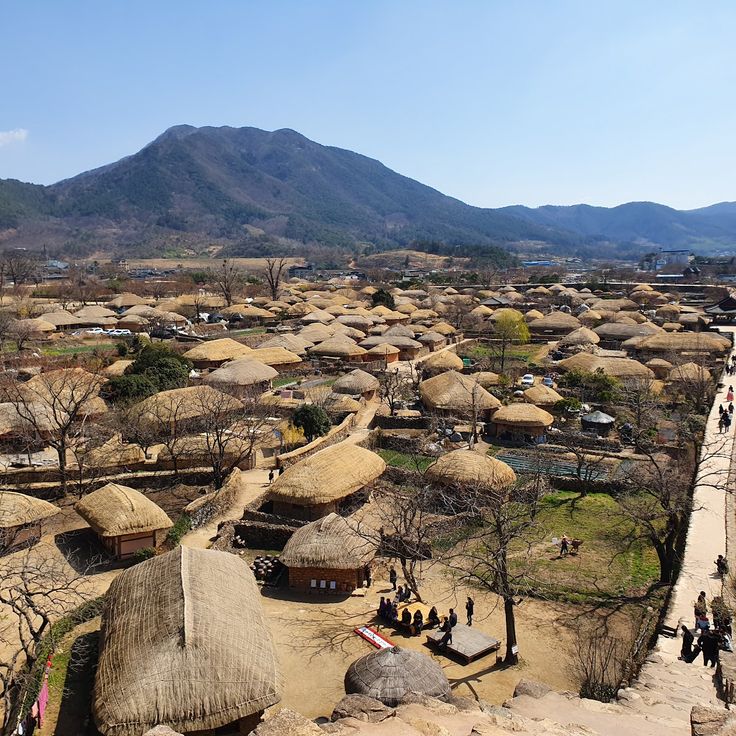
Naganeupseong Folk Village sits inside old stone walls near Suncheon, in the south of the Jeolla region. The low houses with thatched roofs have stood for centuries, and some families still live here today. Walking through the narrow lanes, you get a real sense of what rural Korean life once looked like, and in many ways still does. The walls, the courtyards, and the daily routines of residents give the place a grounded, lived-in feel.
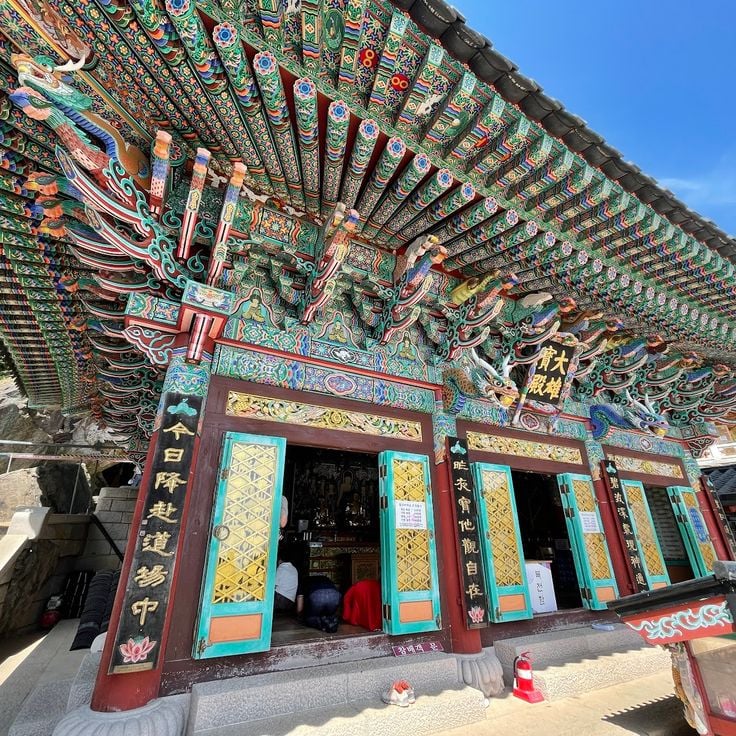
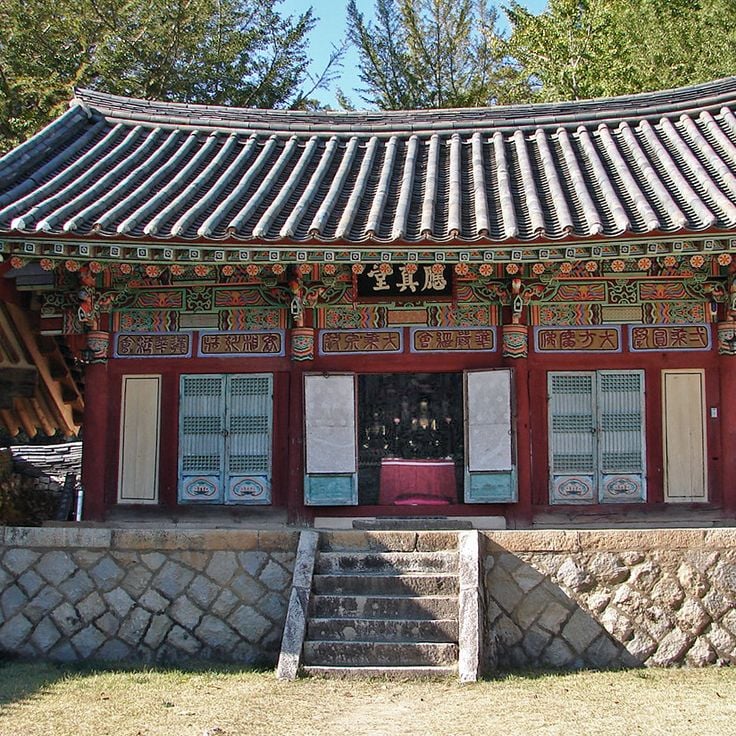
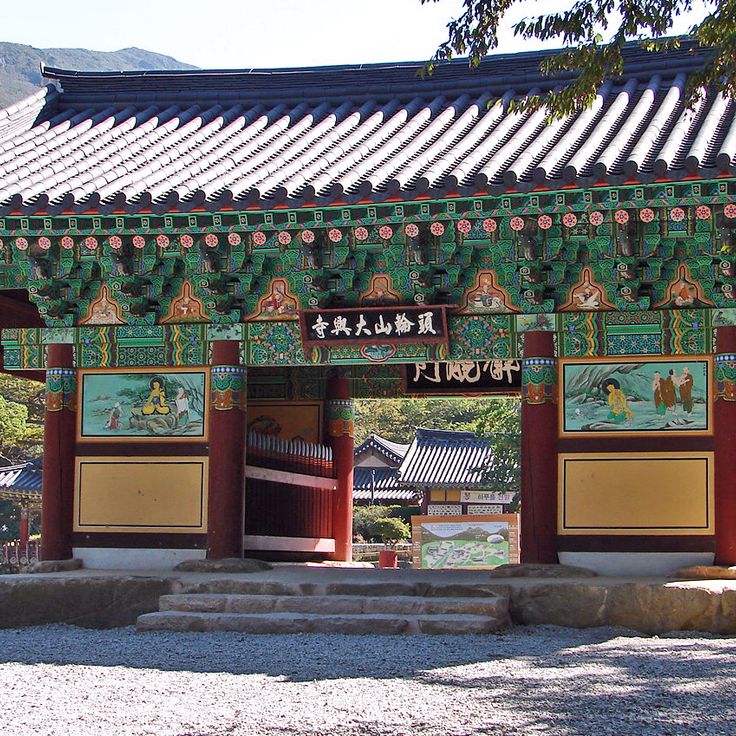
Seonamsa Temple sits deep in the forested mountains near Suncheon, in the south of the Jeolla region. It is part of the UNESCO group of Korean mountain Buddhist monasteries. The walk through the trees to reach it is gradual and quiet, with stone steps and small bridges appearing along the path. The wooden buildings, with their curved roofs and weathered beams, look as though they have grown from the hillside. Monks still live and practice here, giving the place a calm daily rhythm that visitors can feel.
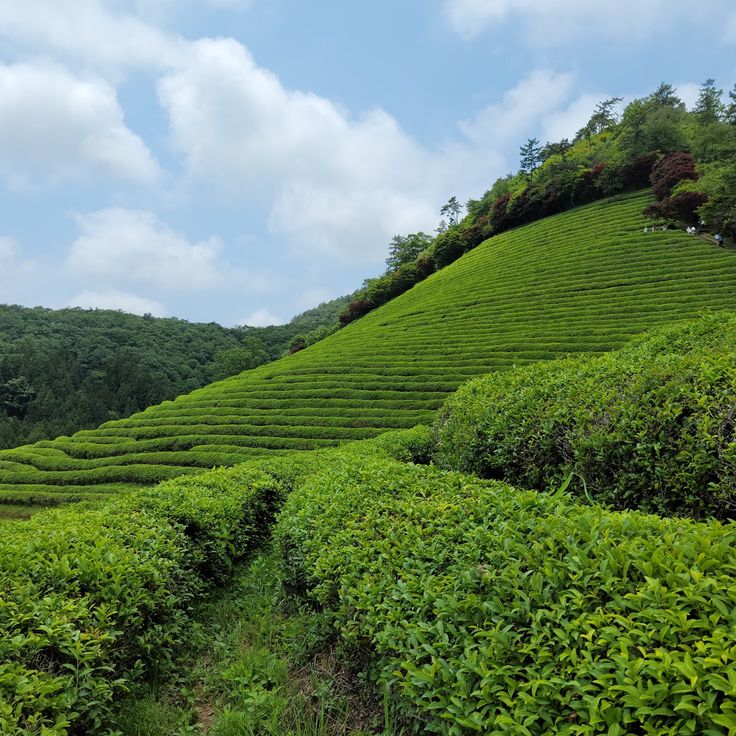
The Boseong Green Tea Fields cover rolling hills where rows of tea bushes follow the curves of the land. This area is one of the oldest centers of green tea growing in South Korea. Visitors walk along narrow paths between the rows, and the color of the leaves shifts with the seasons, giving the hills a different look throughout the year.
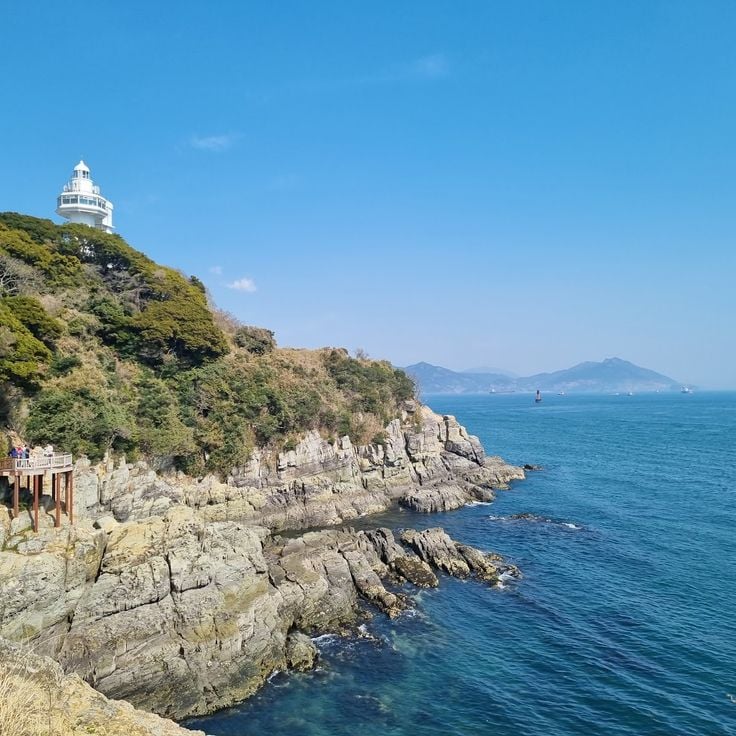
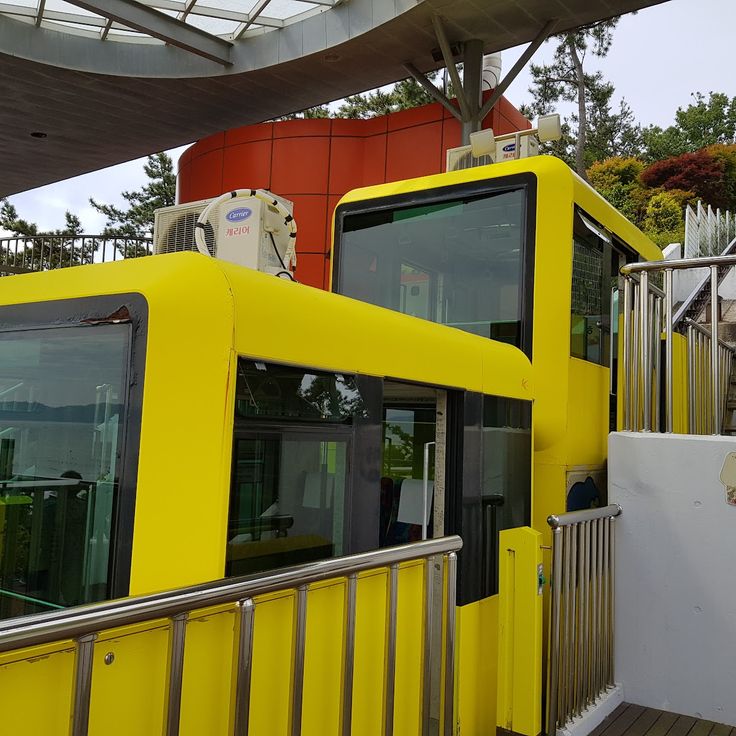
Odongdo Island sits just off the coast of Yeosu, connected to the mainland by a narrow stone walkway you can cross on foot or by a small open-air train. The island is covered in dense forest, with bamboo groves and camellia trees that bloom in winter when most other plants are bare. A lighthouse stands at the far end, and short trails wind through the trees to viewpoints over the bay. The whole island is part of Hallyeohaesang National Marine Park, which protects the coastline of South Jeolla Province. The water surrounds you on all sides, and on clear days the view across the bay toward Yeosu is wide open.
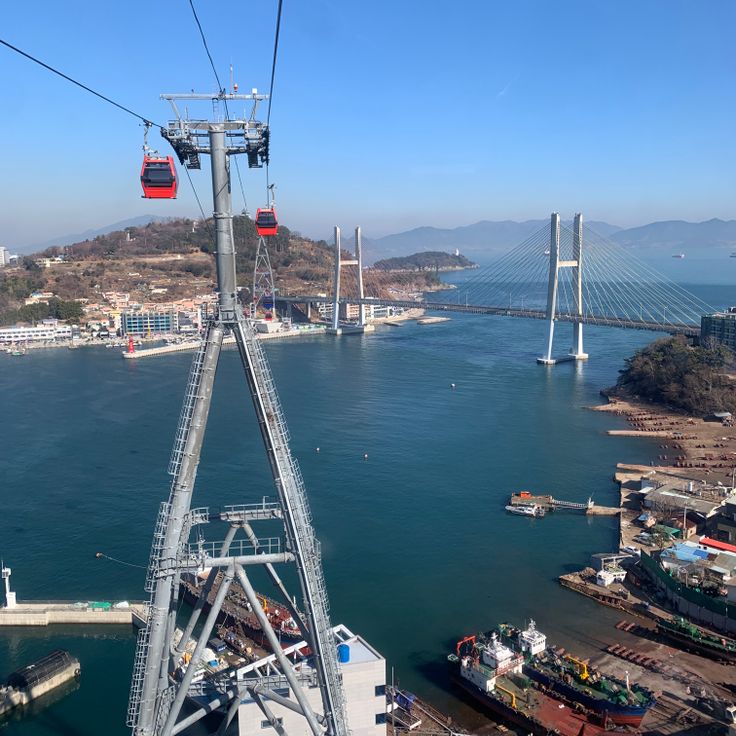
The Yeosu Maritime Cable Car runs over the sea between Dolsan Island and Jasan Park, crossing the bay of Yeosu from above. During the ride, you can see the surrounding islands, the coastline, and the water below. Some gondolas have glass floors, so you look straight down at the sea as you cross. It is a straightforward way to see the bay and the port city from a vantage point you cannot reach on foot.
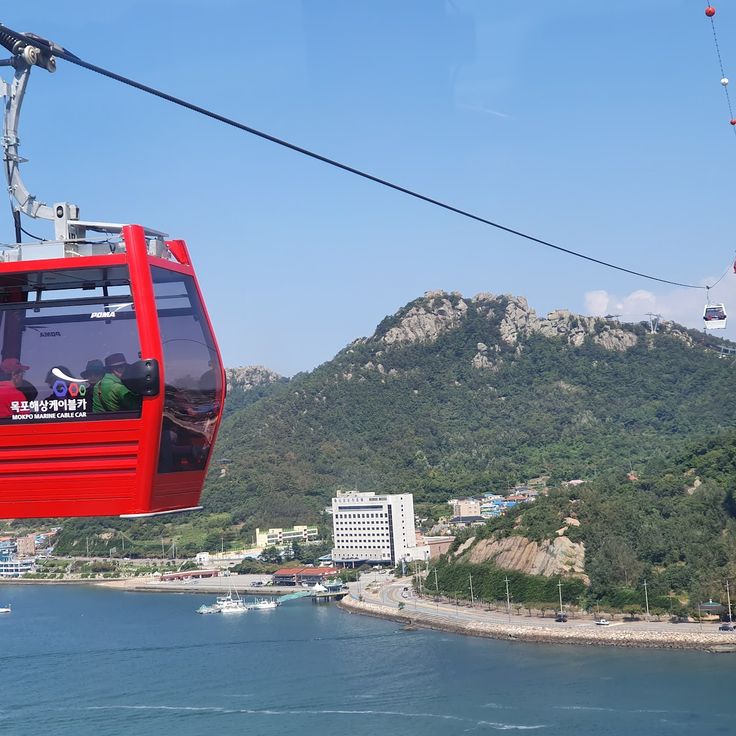
The Mokpo Marine Cable Car runs from the harbor area up to the top of Yudalsan, a rocky hill that rises in the middle of the city. The ride gives you a clear view over Mokpo, the sea, and the scattered islands of the southwestern coast. At the summit, you can walk around and take in how the city sits between the mountains and the water. It is a good way to read the geography of the area before exploring on foot.
Daeheungsa is a Buddhist temple set in the mountains of Duryunsan, in the southern part of Jeollanam-do province. It is one of the Korean mountain monasteries recognized by UNESCO as a World Heritage site. The path leading to it passes through a dense forest, and the buildings sit among the trees as if they belong to the slope itself. The temple complex holds several halls, pavilions and memorial structures built over many centuries. It has long been an important place for monks and pilgrims in the history of Korean Buddhism.
Ttangkkeut Village sits at the southern tip of the Korean peninsula. Its name means "end of the earth," and standing here, you get a clear sense of reaching the edge of the mainland. The observatory looks out over the sea, where the land simply stops and the water begins. Visitors come to this spot to mark the moment of arrival at the continent's final point, and the feeling of standing at the very end of solid ground is what draws people here.
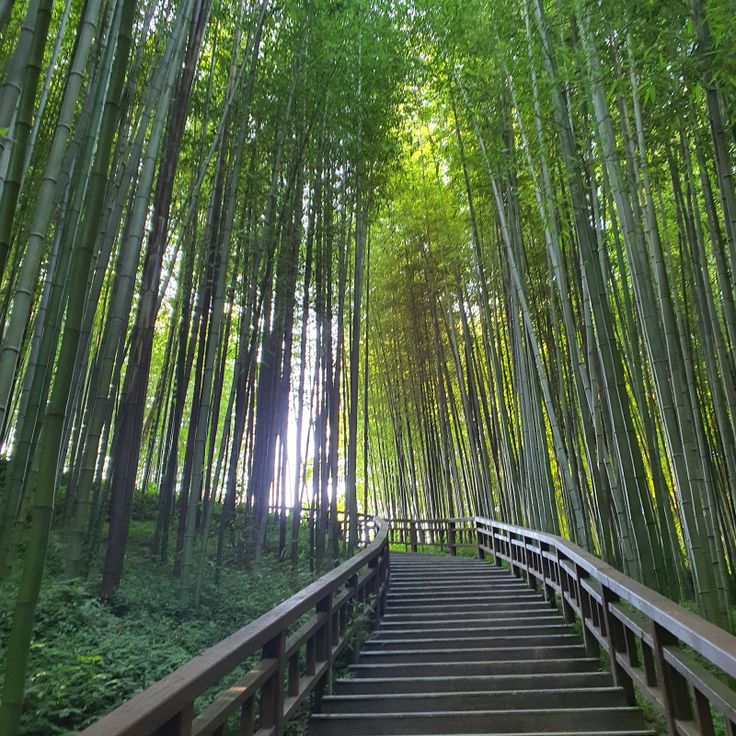
The Juknokwon Bamboo Forest in Damyang is a large grove of tall bamboo stalks crossed by narrow footpaths. Walking between the stems, you hear the rustling of leaves in the wind and the light filters through in thin rays. Damyang is known across Korea as the city of bamboo, and this forest shows why: the stalks grow dense, green and tall, and the paths invite a slow stroll.
Hyangiram is a small Buddhist hermitage built into a cliff face above the sea. It sits in the Jeolla region, where temples are often tucked deep into mountain or coastal landscapes. The path up winds through trees before opening onto a view of the water below. Many visitors come at dawn to watch the sun rise over the sea. The buildings cling to the rock, and the place feels remote even when people are around.
Jeonju Hanok Village is a large neighborhood filled with several hundred traditional wooden homes called hanok. Their curved tiled roofs and low stone walls line narrow lanes that invite slow walks. Along the way, small teahouses, craft workshops and local food stalls give the area a lived-in feel. The village sits in the heart of Jeonju and shows what a Korean urban neighborhood once looked like.
Gyeonggijeon Shrine stands in the heart of the Jeonju Hanok Village and holds the official portrait of King Taejo, the founder of the Joseon Dynasty. The shrine is enclosed by an old stone wall, with tall trees lining the paths inside. Stepping through the wooden gate feels like moving into a different time. The main hall was first built in the 15th century and has been restored over the years. Visitors walk through the grounds at a slow pace, taking in the low-roofed wooden buildings and the general sense of an older Korea.
Jeondong Cathedral stands in the heart of Jeonju, just a short walk from the hanok village. The red brick building was built in a Byzantine style and immediately draws the eye when you leave the narrow lanes of the old quarter. This contrast between the curved roofs of the hanoks and the rounded arches of the cathedral shows how two very different building styles can exist side by side. The interior is plain and calm, with stained glass windows that filter the light. The cathedral was completed in the early 20th century and is today one of the most recognizable buildings in the city.
Jeonju Hyanggyo Confucian School sits in Jeonju, shaded by old trees that turn red and gold in autumn. The school is one of the oldest educational institutions in the region, and it shows how Confucian learning shaped everyday life in Korea for centuries. The buildings follow a traditional wooden style, with curved roofs and open courtyards that feel removed from the surrounding city. Walking through the grounds gives a clear sense of what formal education once looked like in this part of the country.
Omokdae and Imokdae are two historic viewpoints set on a hill above Jeonju's Hanok Village. From up here, you look down over a sea of curved tiled rooftops spreading through the old streets below. The spot has been used for centuries, once favored by officials and scholars who came to rest and take in the view. It is a good place to pause and get a sense of how the neighborhood sits in the landscape.
Naejangsan National Park, in the north of the Jeolla region, draws visitors above all in autumn, when maple trees turn the mountainsides orange and red between October and November. The trails wind through narrow gorges and past small Buddhist temples, and many people arrive early in the morning to catch the colors at their best. Outside the autumn season, the park is much quieter and easy to explore on foot.
Maisan Provincial Park sits near Jinan and takes its name from two rocky peaks that look like horse ears rising above the trees. The paths through the park pass through forests and lead to old temple buildings tucked against the stone. In fall, the trees around the peaks change color, making the landscape look very different from one season to the next. Walking here gives a real sense of how nature and old Korean traditions live side by side in the Jeolla region.
Tapsa Temple sits at the base of Maisan, a pair of rocky peaks rising above the valleys of Jeollabuk-do. The temple is known for its dozens of stone towers, built by a monk in the 19th century without mortar or tools. Each tower is stacked by hand, stone on stone, and they have stood through seasons of wind and snow without falling. Walking among them feels like stepping into something you cannot quite explain.
Byeonsanbando National Park sits on a peninsula in North Jeolla Province and brings together very different types of land in a small area. Rocky mountains rise toward the interior, while the coastline drops sharply into the sea in some places and opens onto sandy beaches in others. The Yellow Sea surrounds the peninsula on nearly all sides, and at low tide the water pulls back to reveal wide mudflats where birds stop to feed. The forests change color through the seasons, and coastal paths along the cliffs offer walks with open sea views. It is a place where you can move from mountains to water in a short time.
Naesosa Temple sits in the mountains of Buan, in North Jeolla Province. To get there, you walk along a long path lined with tall fir trees that filter the light and cast shade over the trail. At the end of the path, the temple complex opens up with old wooden buildings and a small pond. Monks follow a traditional way of life here, and visitors can observe the rhythm of daily monastic life up close. In autumn, the surrounding trees turn warm shades of orange and red.
The Gochang Dolmen Site sits in the gentle hills of Jeollabuk-do and holds one of the largest gatherings of prehistoric stone tombs in Korea. More than 440 dolmens are scattered across the area, built over 3,000 years ago as burial monuments. The site is listed as a UNESCO World Heritage Site, recognized for how well it reflects the megalithic culture of ancient Northeast Asia. Walking among the stones gives a real sense of how people in this region lived and honored their dead long before written history.
Mudeungsan National Park rises just behind Gwangju and has long defined the city's skyline. Trails wind through dense forest, opening up near the summit to reveal tall columns of basalt rock that stand like natural towers. The lower slopes fill with cherry blossoms in spring and turn gold and red in autumn. Locals come here often to hike, breathe fresh air, and step away from the city for a few hours. The park is one of the places where Gwangju feels most like itself.
The Asia Culture Center in Gwangju is a large contemporary cultural complex devoted to the arts and cultures of Asia. Its spaces host exhibitions, performances, and creative events that draw visitors from across the region. The building stands out for its modern architecture, offering a clear contrast to the older traditions found throughout Jeolla.
The May 18th National Cemetery in Gwangju honors those who lost their lives during the democratic uprising of May 1980. Located on the edge of the city, the site welcomes visitors with wide paths, simple grave markers, and a mood that invites reflection. Many Koreans come here to pay their respects and to understand more about this turning point in their country's history.
The Metasequoia-lined Road in Damyang is a long, straight path flanked by tall metasequoia trees. Their branches stretch overhead and form a canopy that filters the light in summer and turns warm shades of orange and red in autumn. People come here to walk or cycle slowly under the trees, and the road draws visitors throughout the year as the trees change with the seasons.
Suncheonman Bay Wetland is one of South Korea's most famous natural sites. Reed beds and mudflats stretch along the shore, and at sunset the light turns the water to shades of gold and orange. Every year, migratory birds stop here on their journey north or south, and the silence of the place makes it easy to watch them move through the reeds and across the sky.
Suncheonman National Garden sits close to the wetlands of Suncheon Bay, where migratory birds stop to rest. The garden changes with each season, from flowering fields in spring to golden grasses in autumn. Paths wind through different garden sections inspired by Korean, Asian and European styles. The pace is slow, the air fresh, and the sounds are mostly wind and birdsong. It is a place where nature sets the rhythm of the day.
Naganeupseong Folk Village sits inside old stone walls near Suncheon, in the south of the Jeolla region. The low houses with thatched roofs have stood for centuries, and some families still live here today. Walking through the narrow lanes, you get a real sense of what rural Korean life once looked like, and in many ways still does. The walls, the courtyards, and the daily routines of residents give the place a grounded, lived-in feel.
Seonamsa Temple sits deep in the forested mountains near Suncheon, in the south of the Jeolla region. It is part of the UNESCO group of Korean mountain Buddhist monasteries. The walk through the trees to reach it is gradual and quiet, with stone steps and small bridges appearing along the path. The wooden buildings, with their curved roofs and weathered beams, look as though they have grown from the hillside. Monks still live and practice here, giving the place a calm daily rhythm that visitors can feel.
The Boseong Green Tea Fields cover rolling hills where rows of tea bushes follow the curves of the land. This area is one of the oldest centers of green tea growing in South Korea. Visitors walk along narrow paths between the rows, and the color of the leaves shifts with the seasons, giving the hills a different look throughout the year.
Odongdo Island sits just off the coast of Yeosu, connected to the mainland by a narrow stone walkway you can cross on foot or by a small open-air train. The island is covered in dense forest, with bamboo groves and camellia trees that bloom in winter when most other plants are bare. A lighthouse stands at the far end, and short trails wind through the trees to viewpoints over the bay. The whole island is part of Hallyeohaesang National Marine Park, which protects the coastline of South Jeolla Province. The water surrounds you on all sides, and on clear days the view across the bay toward Yeosu is wide open.
The Yeosu Maritime Cable Car runs over the sea between Dolsan Island and Jasan Park, crossing the bay of Yeosu from above. During the ride, you can see the surrounding islands, the coastline, and the water below. Some gondolas have glass floors, so you look straight down at the sea as you cross. It is a straightforward way to see the bay and the port city from a vantage point you cannot reach on foot.
The Mokpo Marine Cable Car runs from the harbor area up to the top of Yudalsan, a rocky hill that rises in the middle of the city. The ride gives you a clear view over Mokpo, the sea, and the scattered islands of the southwestern coast. At the summit, you can walk around and take in how the city sits between the mountains and the water. It is a good way to read the geography of the area before exploring on foot.
Daeheungsa is a Buddhist temple set in the mountains of Duryunsan, in the southern part of Jeollanam-do province. It is one of the Korean mountain monasteries recognized by UNESCO as a World Heritage site. The path leading to it passes through a dense forest, and the buildings sit among the trees as if they belong to the slope itself. The temple complex holds several halls, pavilions and memorial structures built over many centuries. It has long been an important place for monks and pilgrims in the history of Korean Buddhism.
Ttangkkeut Village sits at the southern tip of the Korean peninsula. Its name means "end of the earth," and standing here, you get a clear sense of reaching the edge of the mainland. The observatory looks out over the sea, where the land simply stops and the water begins. Visitors come to this spot to mark the moment of arrival at the continent's final point, and the feeling of standing at the very end of solid ground is what draws people here.
The Juknokwon Bamboo Forest in Damyang is a large grove of tall bamboo stalks crossed by narrow footpaths. Walking between the stems, you hear the rustling of leaves in the wind and the light filters through in thin rays. Damyang is known across Korea as the city of bamboo, and this forest shows why: the stalks grow dense, green and tall, and the paths invite a slow stroll.
Hyangiram is a small Buddhist hermitage built into a cliff face above the sea. It sits in the Jeolla region, where temples are often tucked deep into mountain or coastal landscapes. The path up winds through trees before opening onto a view of the water below. Many visitors come at dawn to watch the sun rise over the sea. The buildings cling to the rock, and the place feels remote even when people are around.
Jeonju Hanok Village is a large neighborhood filled with several hundred traditional wooden homes called hanok. Their curved tiled roofs and low stone walls line narrow lanes that invite slow walks. Along the way, small teahouses, craft workshops and local food stalls give the area a lived-in feel. The village sits in the heart of Jeonju and shows what a Korean urban neighborhood once looked like.
Gyeonggijeon Shrine stands in the heart of the Jeonju Hanok Village and holds the official portrait of King Taejo, the founder of the Joseon Dynasty. The shrine is enclosed by an old stone wall, with tall trees lining the paths inside. Stepping through the wooden gate feels like moving into a different time. The main hall was first built in the 15th century and has been restored over the years. Visitors walk through the grounds at a slow pace, taking in the low-roofed wooden buildings and the general sense of an older Korea.
Jeondong Cathedral stands in the heart of Jeonju, just a short walk from the hanok village. The red brick building was built in a Byzantine style and immediately draws the eye when you leave the narrow lanes of the old quarter. This contrast between the curved roofs of the hanoks and the rounded arches of the cathedral shows how two very different building styles can exist side by side. The interior is plain and calm, with stained glass windows that filter the light. The cathedral was completed in the early 20th century and is today one of the most recognizable buildings in the city.
Jeonju Hyanggyo Confucian School sits in Jeonju, shaded by old trees that turn red and gold in autumn. The school is one of the oldest educational institutions in the region, and it shows how Confucian learning shaped everyday life in Korea for centuries. The buildings follow a traditional wooden style, with curved roofs and open courtyards that feel removed from the surrounding city. Walking through the grounds gives a clear sense of what formal education once looked like in this part of the country.
Omokdae and Imokdae are two historic viewpoints set on a hill above Jeonju's Hanok Village. From up here, you look down over a sea of curved tiled rooftops spreading through the old streets below. The spot has been used for centuries, once favored by officials and scholars who came to rest and take in the view. It is a good place to pause and get a sense of how the neighborhood sits in the landscape.
Naejangsan National Park, in the north of the Jeolla region, draws visitors above all in autumn, when maple trees turn the mountainsides orange and red between October and November. The trails wind through narrow gorges and past small Buddhist temples, and many people arrive early in the morning to catch the colors at their best. Outside the autumn season, the park is much quieter and easy to explore on foot.
Maisan Provincial Park sits near Jinan and takes its name from two rocky peaks that look like horse ears rising above the trees. The paths through the park pass through forests and lead to old temple buildings tucked against the stone. In fall, the trees around the peaks change color, making the landscape look very different from one season to the next. Walking here gives a real sense of how nature and old Korean traditions live side by side in the Jeolla region.
Tapsa Temple sits at the base of Maisan, a pair of rocky peaks rising above the valleys of Jeollabuk-do. The temple is known for its dozens of stone towers, built by a monk in the 19th century without mortar or tools. Each tower is stacked by hand, stone on stone, and they have stood through seasons of wind and snow without falling. Walking among them feels like stepping into something you cannot quite explain.
Byeonsanbando National Park sits on a peninsula in North Jeolla Province and brings together very different types of land in a small area. Rocky mountains rise toward the interior, while the coastline drops sharply into the sea in some places and opens onto sandy beaches in others. The Yellow Sea surrounds the peninsula on nearly all sides, and at low tide the water pulls back to reveal wide mudflats where birds stop to feed. The forests change color through the seasons, and coastal paths along the cliffs offer walks with open sea views. It is a place where you can move from mountains to water in a short time.
Naesosa Temple sits in the mountains of Buan, in North Jeolla Province. To get there, you walk along a long path lined with tall fir trees that filter the light and cast shade over the trail. At the end of the path, the temple complex opens up with old wooden buildings and a small pond. Monks follow a traditional way of life here, and visitors can observe the rhythm of daily monastic life up close. In autumn, the surrounding trees turn warm shades of orange and red.
The Gochang Dolmen Site sits in the gentle hills of Jeollabuk-do and holds one of the largest gatherings of prehistoric stone tombs in Korea. More than 440 dolmens are scattered across the area, built over 3,000 years ago as burial monuments. The site is listed as a UNESCO World Heritage Site, recognized for how well it reflects the megalithic culture of ancient Northeast Asia. Walking among the stones gives a real sense of how people in this region lived and honored their dead long before written history.
Mudeungsan National Park rises just behind Gwangju and has long defined the city's skyline. Trails wind through dense forest, opening up near the summit to reveal tall columns of basalt rock that stand like natural towers. The lower slopes fill with cherry blossoms in spring and turn gold and red in autumn. Locals come here often to hike, breathe fresh air, and step away from the city for a few hours. The park is one of the places where Gwangju feels most like itself.
The Asia Culture Center in Gwangju is a large contemporary cultural complex devoted to the arts and cultures of Asia. Its spaces host exhibitions, performances, and creative events that draw visitors from across the region. The building stands out for its modern architecture, offering a clear contrast to the older traditions found throughout Jeolla.
The May 18th National Cemetery in Gwangju honors those who lost their lives during the democratic uprising of May 1980. Located on the edge of the city, the site welcomes visitors with wide paths, simple grave markers, and a mood that invites reflection. Many Koreans come here to pay their respects and to understand more about this turning point in their country's history.
The Metasequoia-lined Road in Damyang is a long, straight path flanked by tall metasequoia trees. Their branches stretch overhead and form a canopy that filters the light in summer and turns warm shades of orange and red in autumn. People come here to walk or cycle slowly under the trees, and the road draws visitors throughout the year as the trees change with the seasons.
Suncheonman Bay Wetland is one of South Korea's most famous natural sites. Reed beds and mudflats stretch along the shore, and at sunset the light turns the water to shades of gold and orange. Every year, migratory birds stop here on their journey north or south, and the silence of the place makes it easy to watch them move through the reeds and across the sky.
Suncheonman National Garden sits close to the wetlands of Suncheon Bay, where migratory birds stop to rest. The garden changes with each season, from flowering fields in spring to golden grasses in autumn. Paths wind through different garden sections inspired by Korean, Asian and European styles. The pace is slow, the air fresh, and the sounds are mostly wind and birdsong. It is a place where nature sets the rhythm of the day.
Naganeupseong Folk Village sits inside old stone walls near Suncheon, in the south of the Jeolla region. The low houses with thatched roofs have stood for centuries, and some families still live here today. Walking through the narrow lanes, you get a real sense of what rural Korean life once looked like, and in many ways still does. The walls, the courtyards, and the daily routines of residents give the place a grounded, lived-in feel.
Seonamsa Temple sits deep in the forested mountains near Suncheon, in the south of the Jeolla region. It is part of the UNESCO group of Korean mountain Buddhist monasteries. The walk through the trees to reach it is gradual and quiet, with stone steps and small bridges appearing along the path. The wooden buildings, with their curved roofs and weathered beams, look as though they have grown from the hillside. Monks still live and practice here, giving the place a calm daily rhythm that visitors can feel.
The Boseong Green Tea Fields cover rolling hills where rows of tea bushes follow the curves of the land. This area is one of the oldest centers of green tea growing in South Korea. Visitors walk along narrow paths between the rows, and the color of the leaves shifts with the seasons, giving the hills a different look throughout the year.
Odongdo Island sits just off the coast of Yeosu, connected to the mainland by a narrow stone walkway you can cross on foot or by a small open-air train. The island is covered in dense forest, with bamboo groves and camellia trees that bloom in winter when most other plants are bare. A lighthouse stands at the far end, and short trails wind through the trees to viewpoints over the bay. The whole island is part of Hallyeohaesang National Marine Park, which protects the coastline of South Jeolla Province. The water surrounds you on all sides, and on clear days the view across the bay toward Yeosu is wide open.
The Yeosu Maritime Cable Car runs over the sea between Dolsan Island and Jasan Park, crossing the bay of Yeosu from above. During the ride, you can see the surrounding islands, the coastline, and the water below. Some gondolas have glass floors, so you look straight down at the sea as you cross. It is a straightforward way to see the bay and the port city from a vantage point you cannot reach on foot.
The Mokpo Marine Cable Car runs from the harbor area up to the top of Yudalsan, a rocky hill that rises in the middle of the city. The ride gives you a clear view over Mokpo, the sea, and the scattered islands of the southwestern coast. At the summit, you can walk around and take in how the city sits between the mountains and the water. It is a good way to read the geography of the area before exploring on foot.
Daeheungsa is a Buddhist temple set in the mountains of Duryunsan, in the southern part of Jeollanam-do province. It is one of the Korean mountain monasteries recognized by UNESCO as a World Heritage site. The path leading to it passes through a dense forest, and the buildings sit among the trees as if they belong to the slope itself. The temple complex holds several halls, pavilions and memorial structures built over many centuries. It has long been an important place for monks and pilgrims in the history of Korean Buddhism.
Ttangkkeut Village sits at the southern tip of the Korean peninsula. Its name means "end of the earth," and standing here, you get a clear sense of reaching the edge of the mainland. The observatory looks out over the sea, where the land simply stops and the water begins. Visitors come to this spot to mark the moment of arrival at the continent's final point, and the feeling of standing at the very end of solid ground is what draws people here.
The Juknokwon Bamboo Forest in Damyang is a large grove of tall bamboo stalks crossed by narrow footpaths. Walking between the stems, you hear the rustling of leaves in the wind and the light filters through in thin rays. Damyang is known across Korea as the city of bamboo, and this forest shows why: the stalks grow dense, green and tall, and the paths invite a slow stroll.
Hyangiram is a small Buddhist hermitage built into a cliff face above the sea. It sits in the Jeolla region, where temples are often tucked deep into mountain or coastal landscapes. The path up winds through trees before opening onto a view of the water below. Many visitors come at dawn to watch the sun rise over the sea. The buildings cling to the rock, and the place feels remote even when people are around.
Jeolla reveals South Korea through its Buddhist sanctuaries perched in the mountains, its bamboo forests that sway gently, and its bays where old ways of life continue with the rhythm of the seasons. Here, villages with curved roofs stand as witnesses to the past, while traditions remain alive in every alley and home. Before you go, check on seasonal events: the maples of Naejangsan in autumn and the bird migration at Suncheonman create moments not to be missed. Bring comfortable shoes for exploring mountain trails and schedule your temple visits early in the day to avoid the crowds.