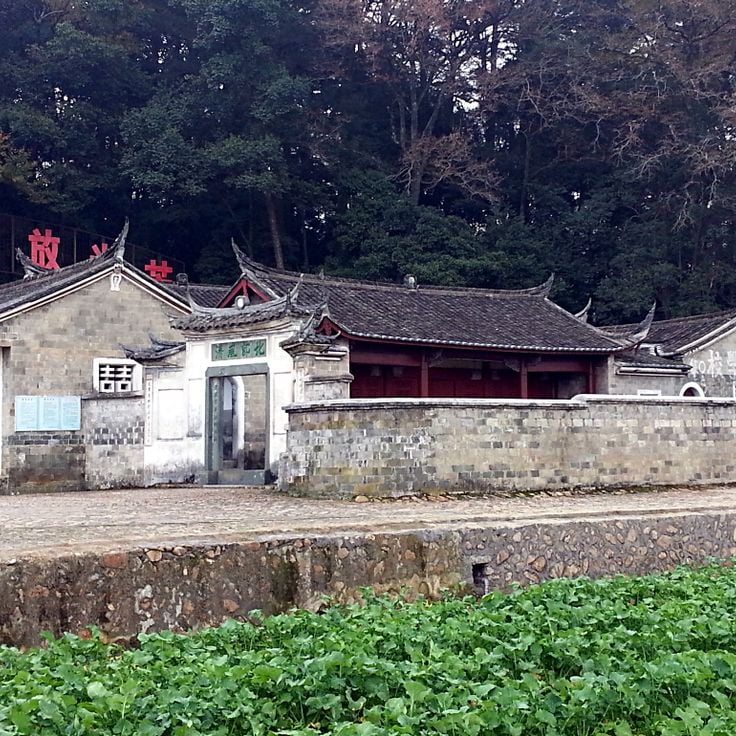
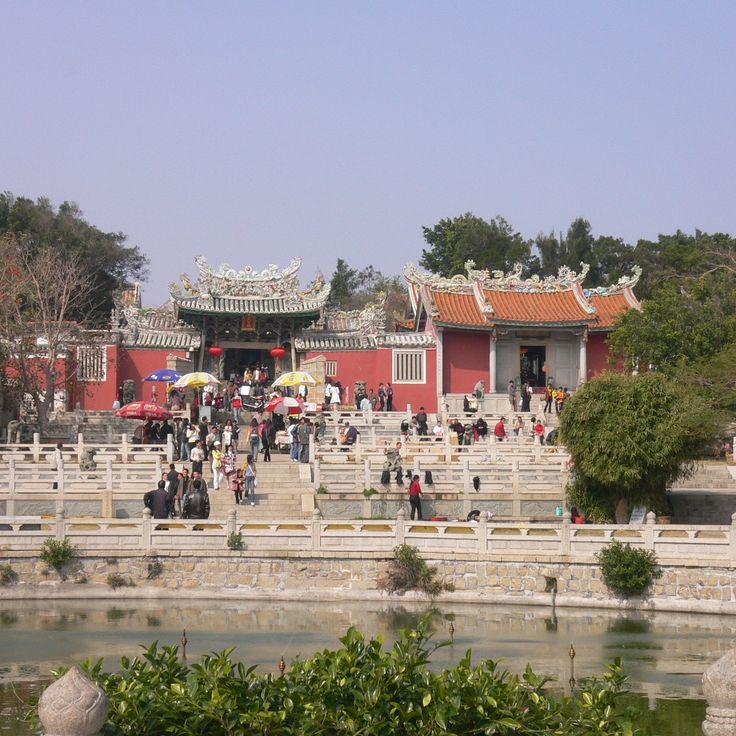
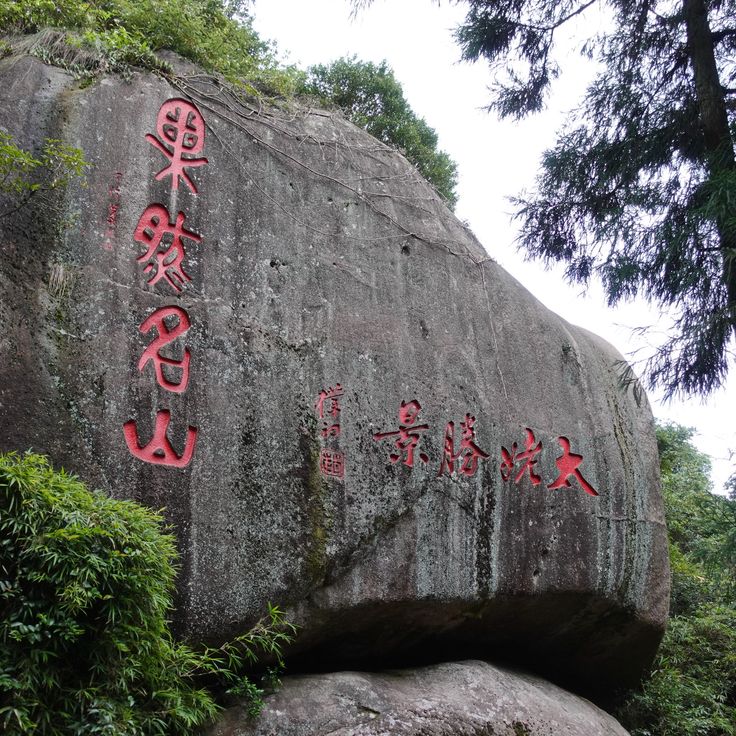
Fujian province in southeastern China showcases layers of history and natural beauty. Old temples stand alongside traditional Hakka buildings, while tea plantations climb mountain slopes and coastal areas meet the sea. The region reflects different periods and ways of life. The Quanzhou Maritime Museum tells of the time when the city was a major port. Gulangyu Island features colorful houses from the 1800s set among green gardens. The round Hakka houses in Yongding and Zhangzhou are striking in scale and show how extended families once lived together.
The landscape of Fujian offers much to explore. Mount Wuyi draws visitors with mountains, rivers, and tea fields. The mudflats of Xiapu shift in color with the light, especially at sunrise and sunset. Taining Danxia displays red rock formations that look almost painted. Pingtan Island and Meizhou Island offer beaches and sea air. Those interested in history can walk through Fuzhou's Three Lanes and Seven Alleys, where old streets and houses reveal how people lived in earlier times.
Many places in Fujian are easy to reach and close to one another. Temples like Kaiyuan in Quanzhou and Nanputuo in Xiamen are spaces of calm within cities. The people of Fujian have kept their traditions while the province has grown and changed. Whether you enjoy old buildings, hiking in nature, or visiting museums, Fujian has something to offer.
Fujian province in southeastern China showcases layers of history and natural beauty. Old temples stand alongside traditional Hakka buildings, while tea plantations climb mountain slopes and coastal areas meet the sea. The region reflects different periods and ways of life. The Quanzhou Maritime Museum tells of the time when the city was a major port. Gulangyu Island features colorful houses from the 1800s set among green gardens. The round Hakka houses in Yongding and Zhangzhou are striking in scale and show how extended families once lived together.
The landscape of Fujian offers much to explore. Mount Wuyi draws visitors with mountains, rivers, and tea fields. The mudflats of Xiapu shift in color with the light, especially at sunrise and sunset. Taining Danxia displays red rock formations that look almost painted. Pingtan Island and Meizhou Island offer beaches and sea air. Those interested in history can walk through Fuzhou's Three Lanes and Seven Alleys, where old streets and houses reveal how people lived in earlier times.
Many places in Fujian are easy to reach and close to one another. Temples like Kaiyuan in Quanzhou and Nanputuo in Xiamen are spaces of calm within cities. The people of Fujian have kept their traditions while the province has grown and changed. Whether you enjoy old buildings, hiking in nature, or visiting museums, Fujian has something to offer.
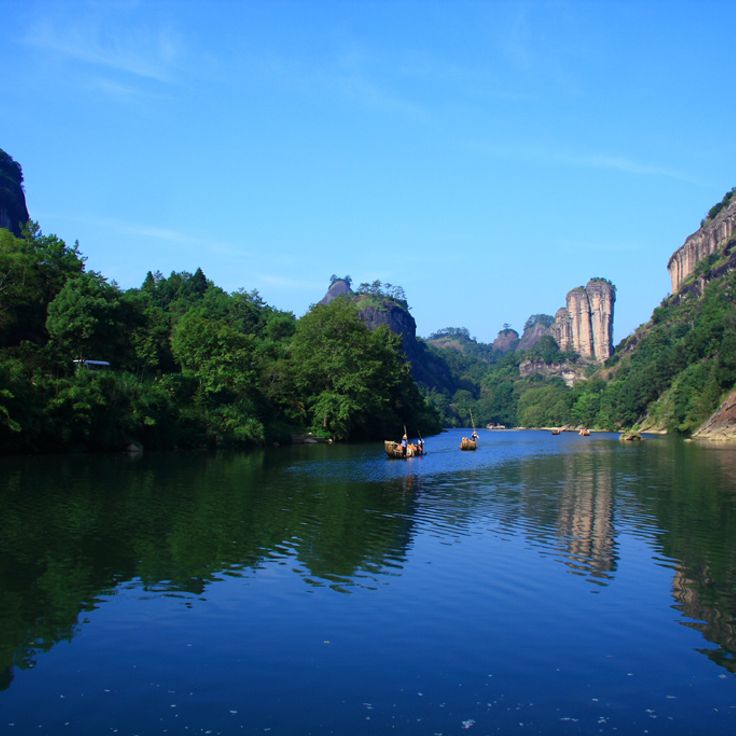
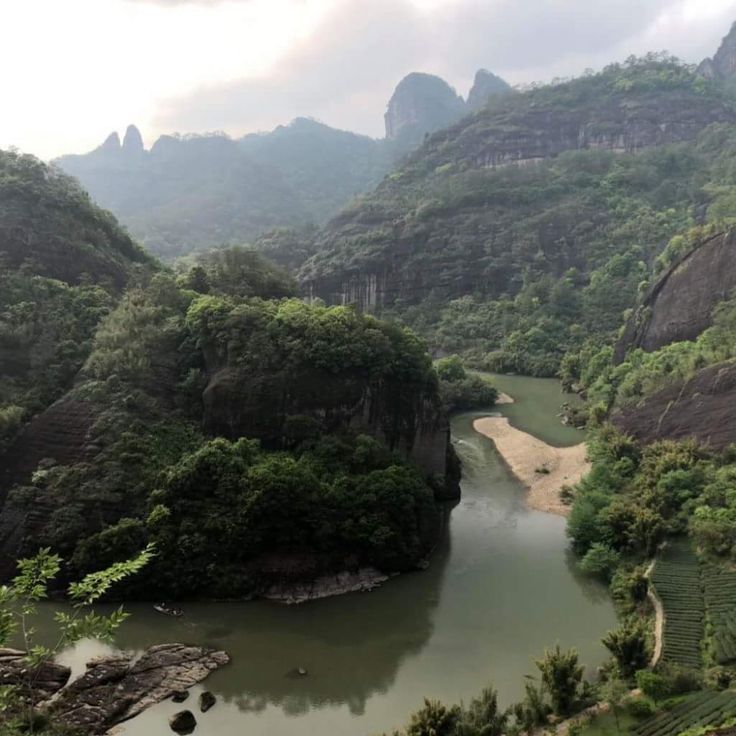
Mount Wuyi is a UNESCO World Heritage site that represents the natural diversity featured in this collection of cultural landmarks and natural sites in Fujian province. The mountain combines tea plantations on its slopes with ancient temples and a national park offering hiking trails through varied terrain. The tea gardens here connect to the region's traditions, showing how local communities have worked with the landscape for centuries.
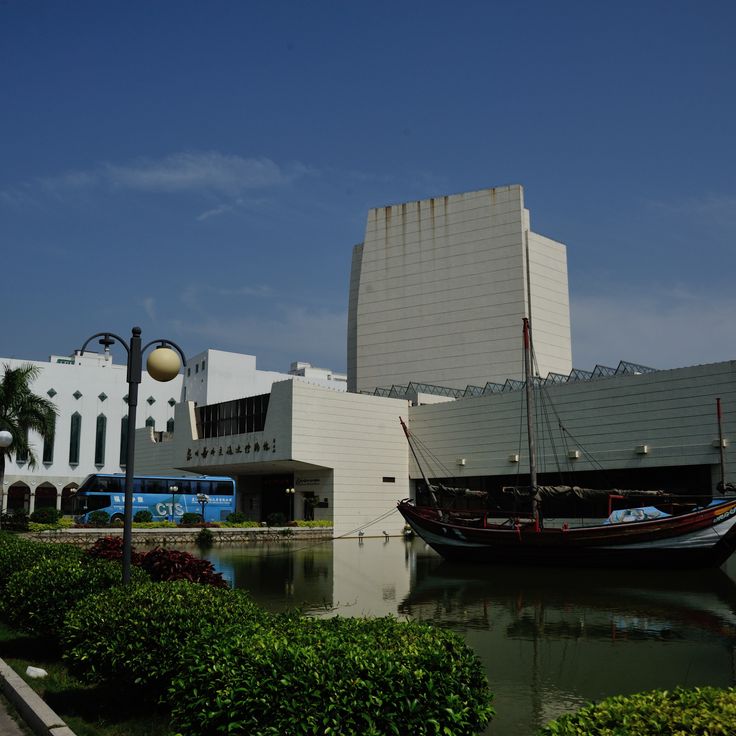
The Quanzhou Maritime Museum displays trade routes, ship models, nautical instruments and artifacts from the city's maritime history spanning the 10th to 14th centuries. This museum documents the significant role Quanzhou played as a trading center and contributes to understanding the region's heritage alongside other cultural landmarks in Fujian.
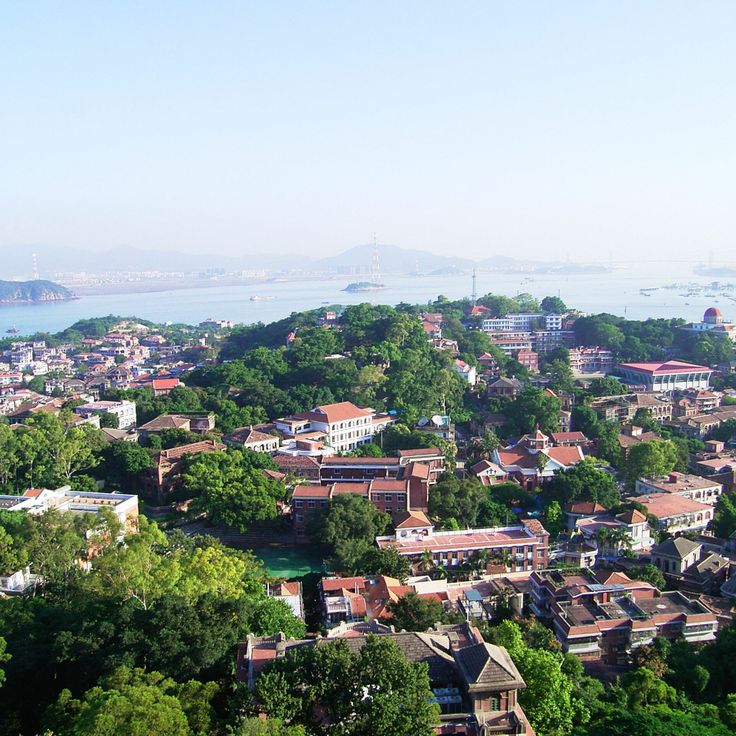
Gulangyu Island is part of the collection of cultural landmarks and natural sites in Fujian province. This vehicle-free island displays 19th-century European architecture, sandy beaches and a botanical garden where subtropical plants grow. It represents a piece of European history that developed along the Chinese coast, reflecting the region's role in maritime trade and cultural exchange.
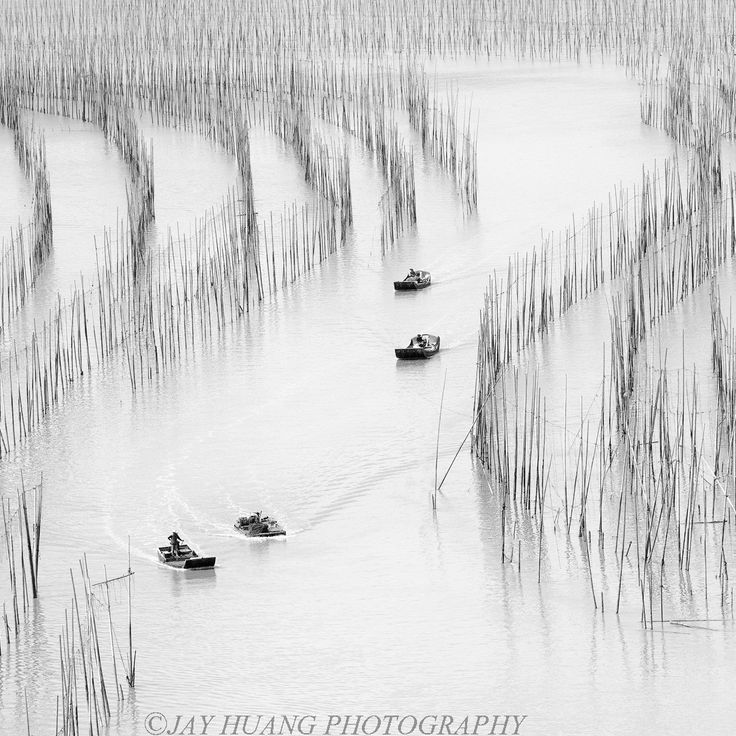
Xiapu Mudflat is a coastal landscape in Fujian where mud flats blend with seaweed farms, fishing nets and traditional bamboo structures used for marine production. This place shows how coastal communities have worked the sea for generations and represents the natural diversity of the Fujian region alongside its historic temples and traditional architecture.
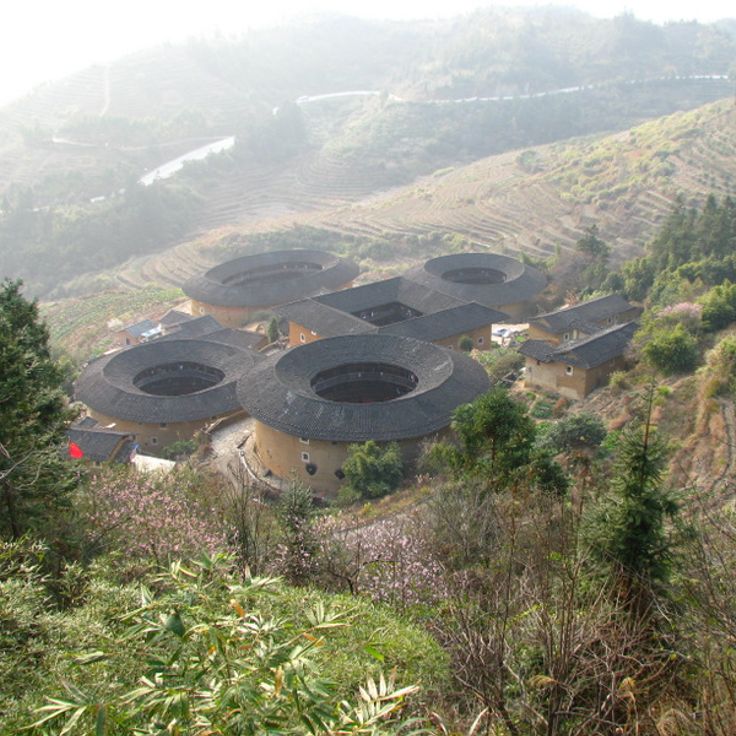
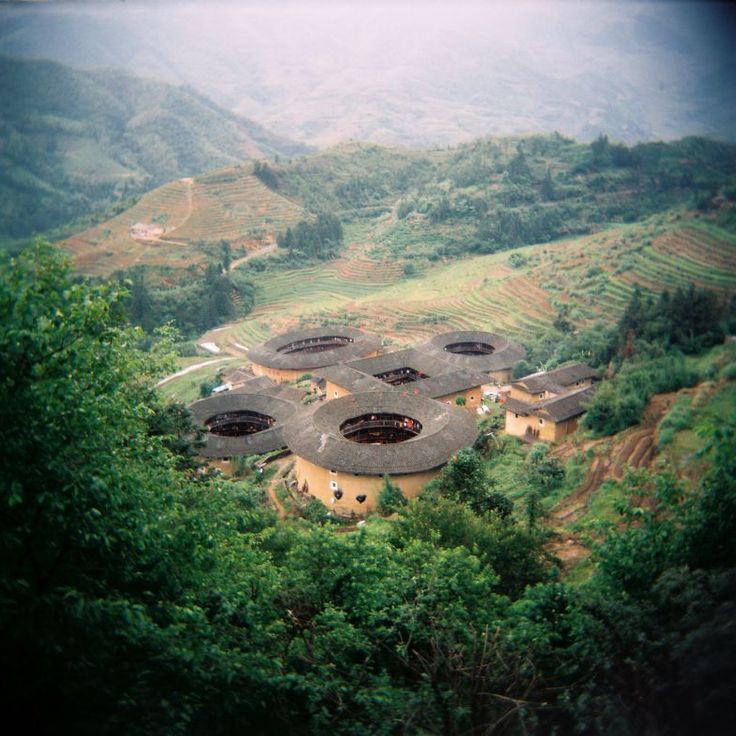
The Tulou of Yongding are circular communal buildings constructed from rammed earth that have housed multiple Hakka families since the 12th century. These structures represent the architectural heritage of Fujian and demonstrate the traditional building practices of the Hakka people. The Tulou exemplify the cultural diversity and historical continuity that define the region.
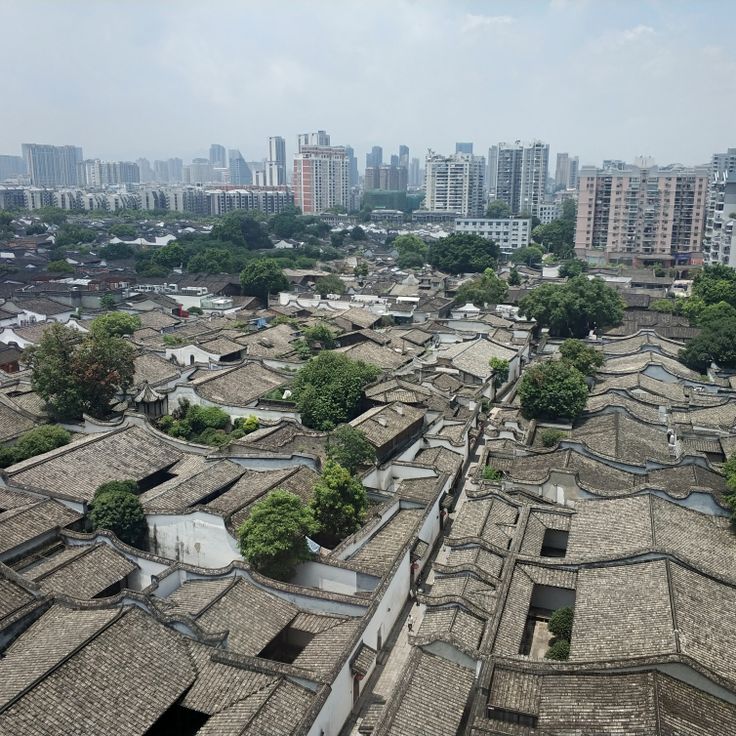
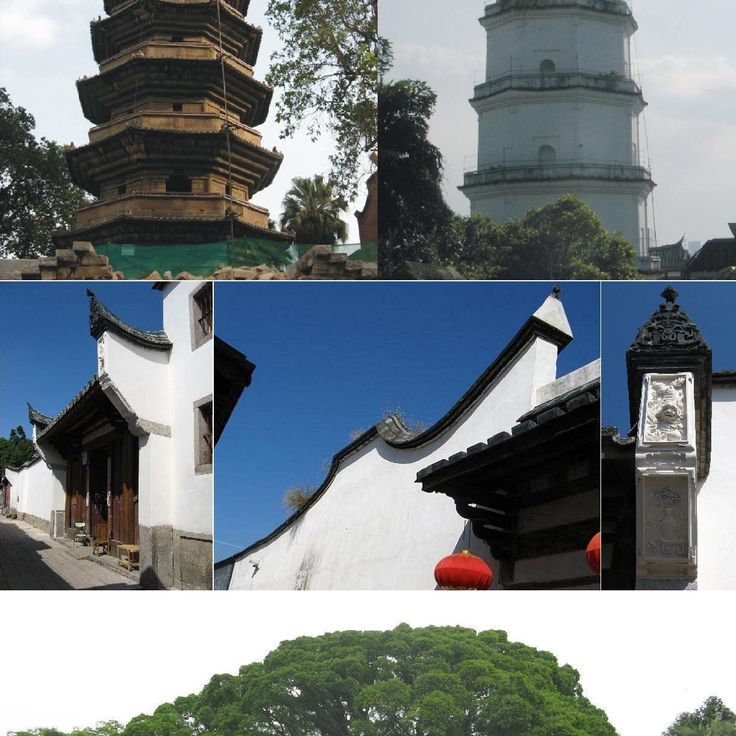
The Three Lanes and Seven Alleys in Fuzhou is a historical district that preserves over 250 residences from the Ming and Qing dynasties. These homes showcase traditional Min architecture and contribute to the architectural diversity of Fujian, where historic temples, traditional Hakka buildings, and natural areas reflect the region's cultural heritage. Walking through this district offers a direct view of how people lived in this part of China.
Fuzhou is a major city on China's southeast coast and reflects the cultural and natural diversity of Fujian province. It has been an important economic center since the Tang dynasty and sits within a region that combines historic temples, traditional Hakka buildings, and natural areas. The city represents the architectural heritage found in places like Gulangyu Island, the Quanzhou Maritime Museum, and the Hakka round houses of Yongding.
Pingtan Island is the largest island in Fujian province and plays an important role in the region's culture and economy. The island is known for its fishing and seafood production, which shapes the lives of its residents. Pingtan Island demonstrates the maritime traditions of Fujian and complements the varied landscapes of the province, from the tea plantations of Mount Wuyi to the coastal areas of Xiapu.
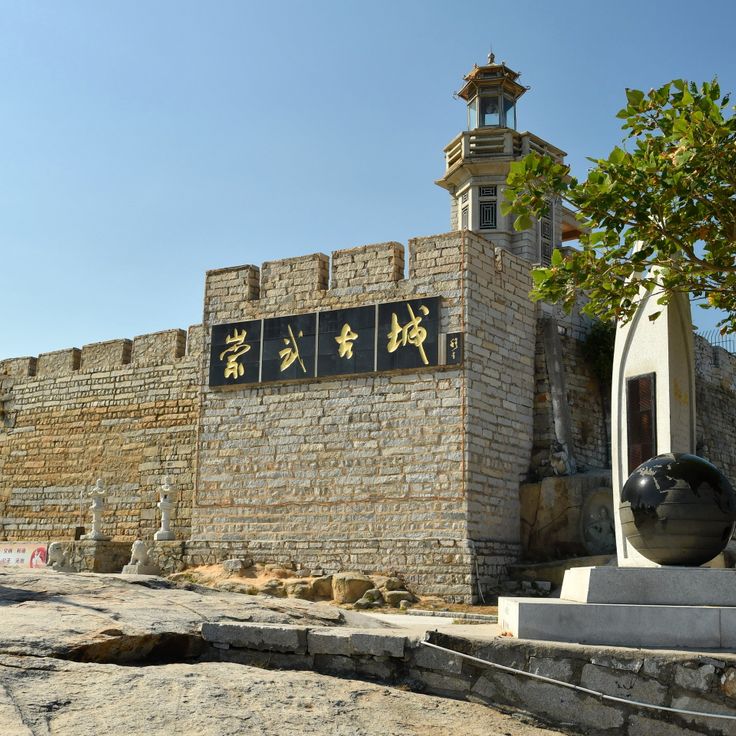
Chongwu Ancient Town is a fortified settlement from the 14th century located in Quanzhou, Fujian. It displays traditional Ming architecture with stone walls and guard towers that form a protective perimeter around the entire site. This town represents the architectural heritage of the region and offers insight into the historical defense systems that shaped coastal Fujian.
Meizhou Island is part of Fujian's cultural landmarks and represents an important pilgrimage site with numerous temples and shrines dedicated to Mazu, a sea deity venerated since the 10th century. This island displays the religious traditions and maritime heritage of the region.
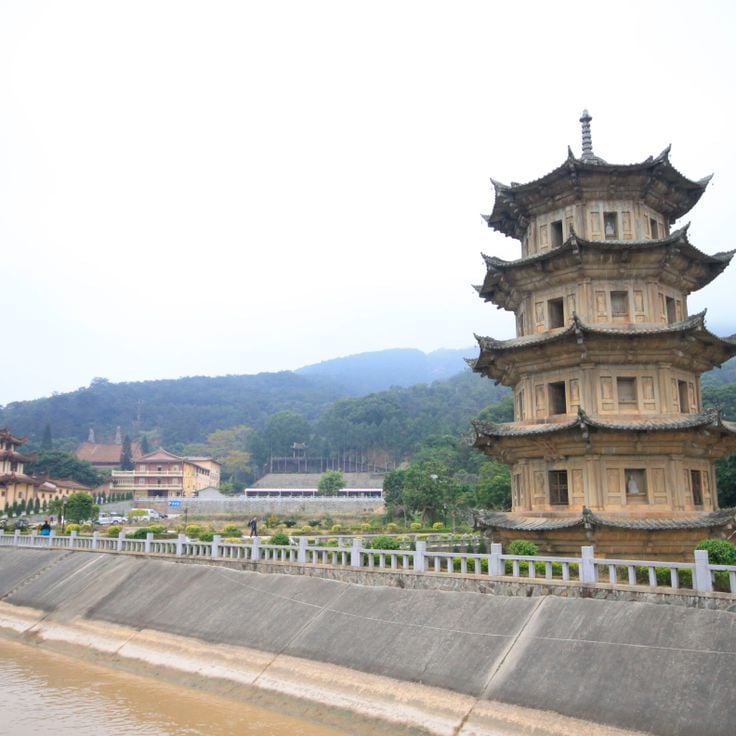
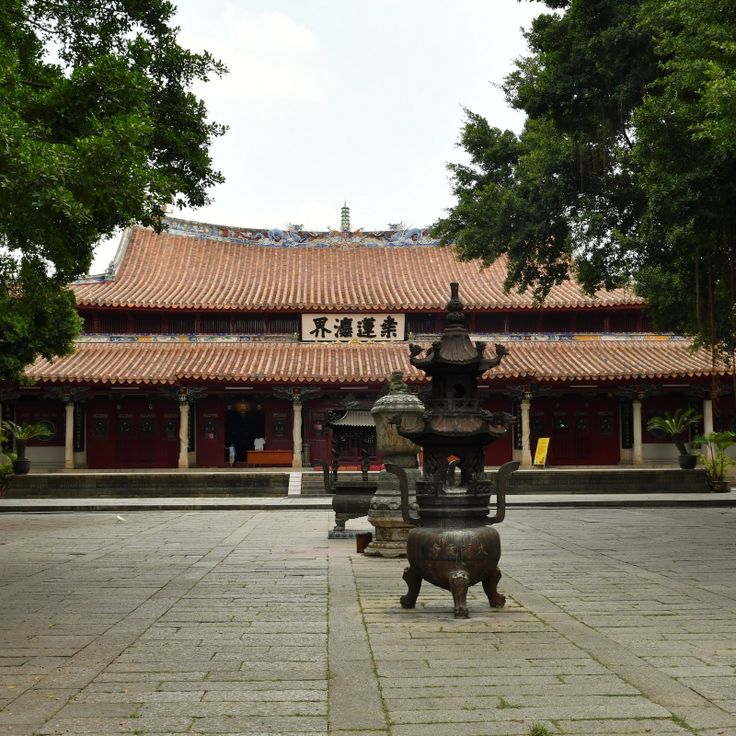
Guanghua Temple in Putian is part of Fujian's architectural and cultural heritage. As a Buddhist temple from the Tang dynasty, it houses historic statues and a pagoda garden with ancient trees. The temple demonstrates the long connection between Fujian and Buddhist traditions, adding to the diversity of cultural sites across the province.
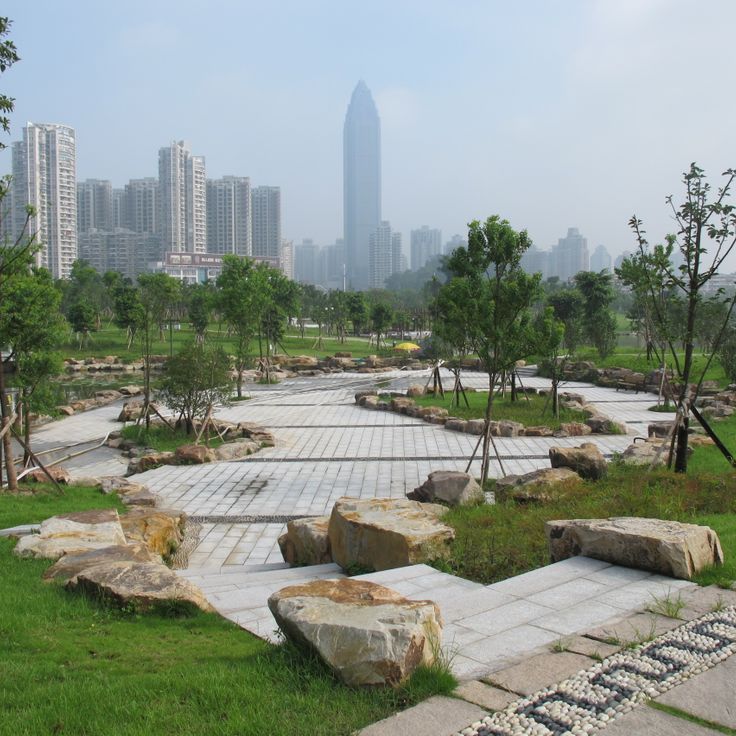
Bailuzhou Park is a city park in Xiamen that reflects the cultural diversity of Fujian province. The park features pavilions, ponds and a stage for traditional music performances and tea ceremonies. Like other cultural landmarks in the region, this park brings together historical traditions and natural spaces, inviting visitors to experience local customs and practices.
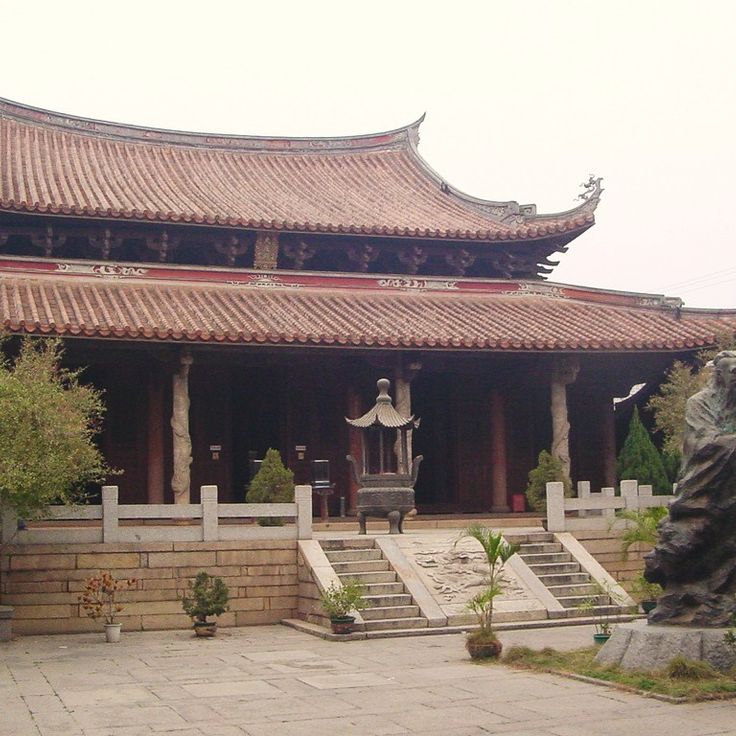
The Zhangzhou Confucian Temple is a Song Dynasty structure that demonstrates traditional Chinese architecture and fits within Fujian province's rich cultural heritage. The temple contains wooden pavilions, gardens and halls that once served for ceremonies and scholarly study. It stands as part of the region's architectural legacy alongside other historic temples, the Quanzhou Maritime Museum and Hakka round houses in Yongding.
Kaiyuan Temple is an ancient Buddhist temple from the Tang dynasty in Quanzhou that displays stone carvings, wooden structures and religious sculptures reflecting centuries of worship. It represents part of Fujian province's blend of historic temples, traditional Hakka architecture and natural areas.
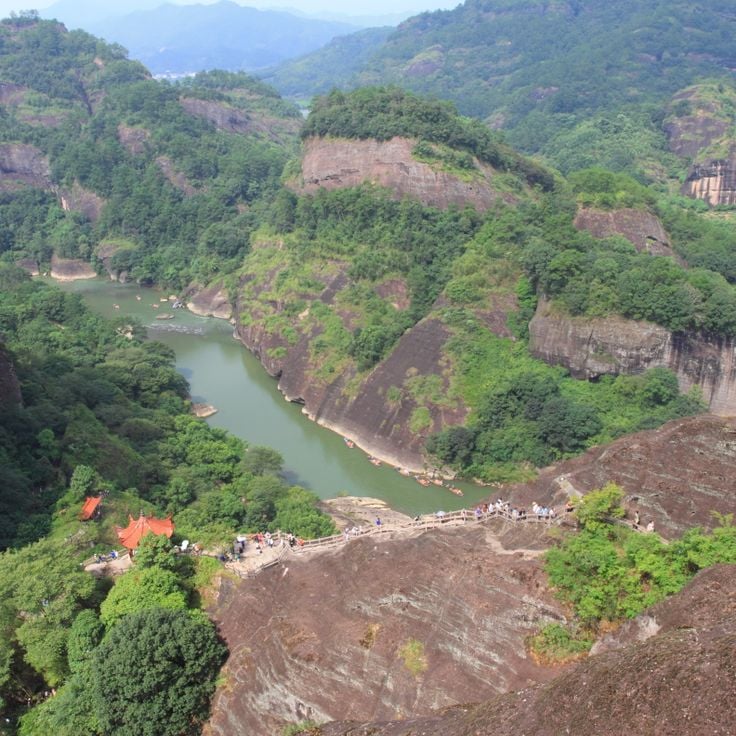
Taining Danxia Landform is a geological area that fits within Fujian's collection of cultural landmarks and natural sites. This site features steep red rock formations with walking paths, caves and views of valleys and river canyons. It complements the province's diverse landscape alongside tea plantations on Mount Wuyi and the coastal areas of Xiapu.
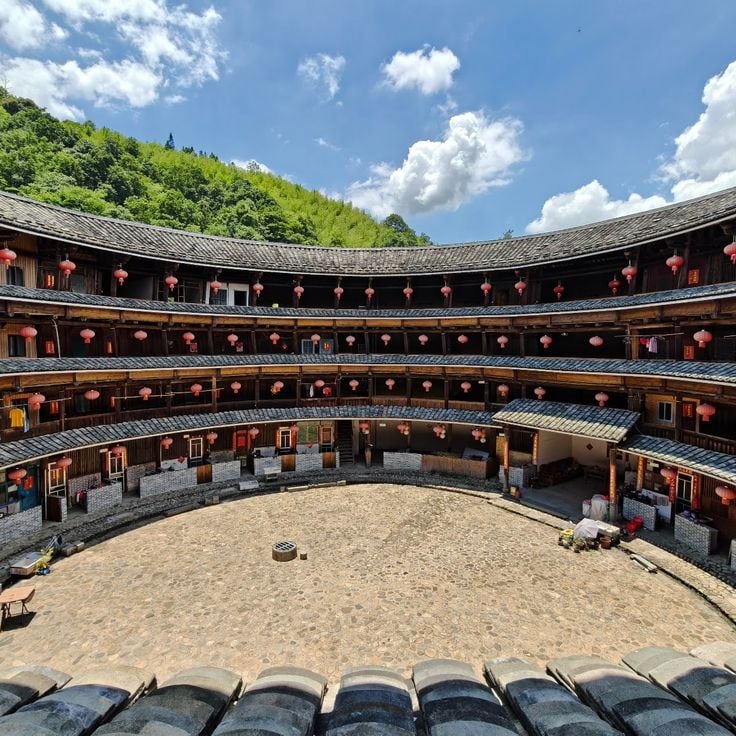
Zhangzhou Tulou are circular earthen structures that define Hakka architecture. These buildings served as homes for large extended families over many generations. They show the practical solutions and craftsmanship that shaped Hakka culture. These dwellings are part of Fujian's cultural heritage, which blends historic temples, traditional Hakka buildings and natural areas.
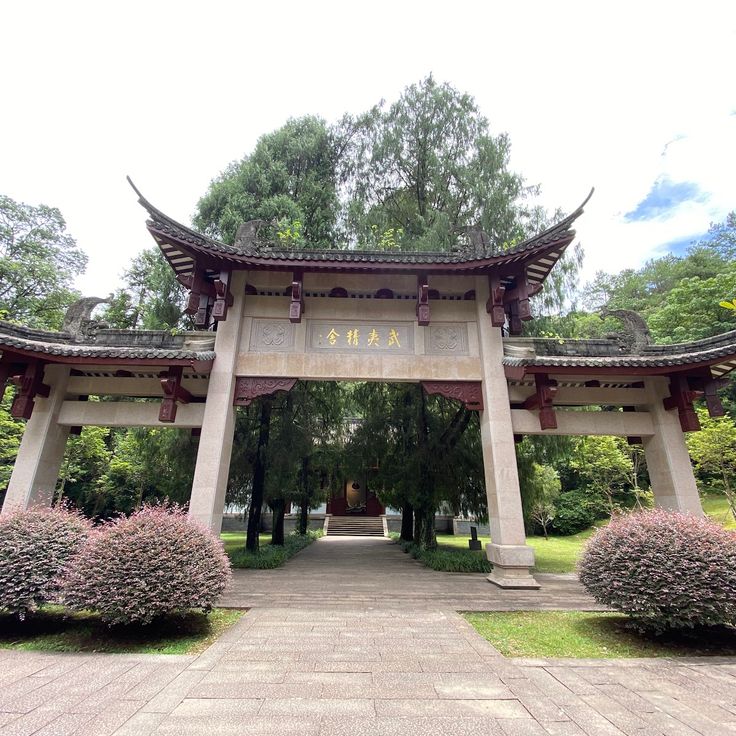
Wuyi Palace fits within the collection of cultural landmarks and natural sites in Fujian. This temple honors ancient scholars and officials, combining religious and educational functions within traditional architectural spaces. It represents the region's cultural heritage alongside tea plantations on Mount Wuyi, coastal landscapes, and historic Hakka round houses.
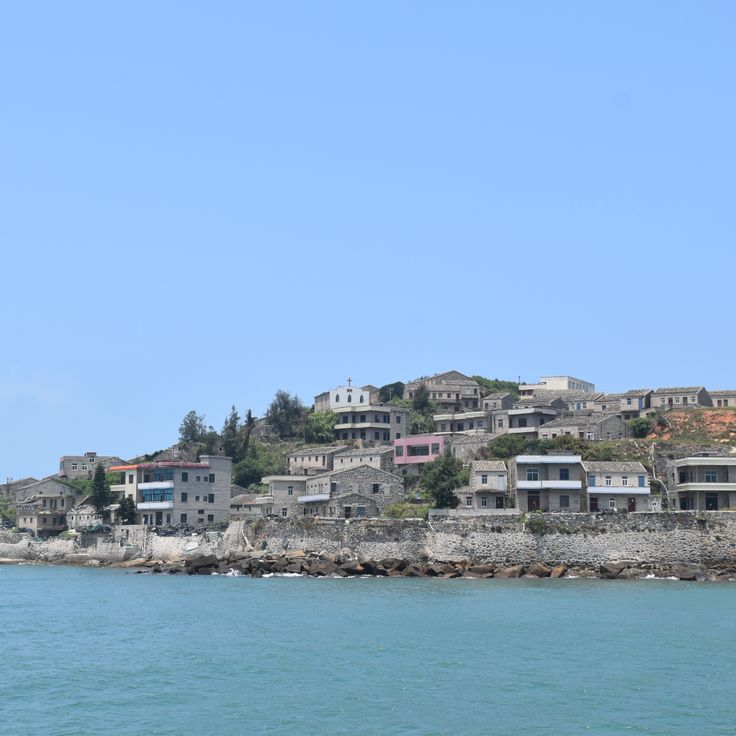
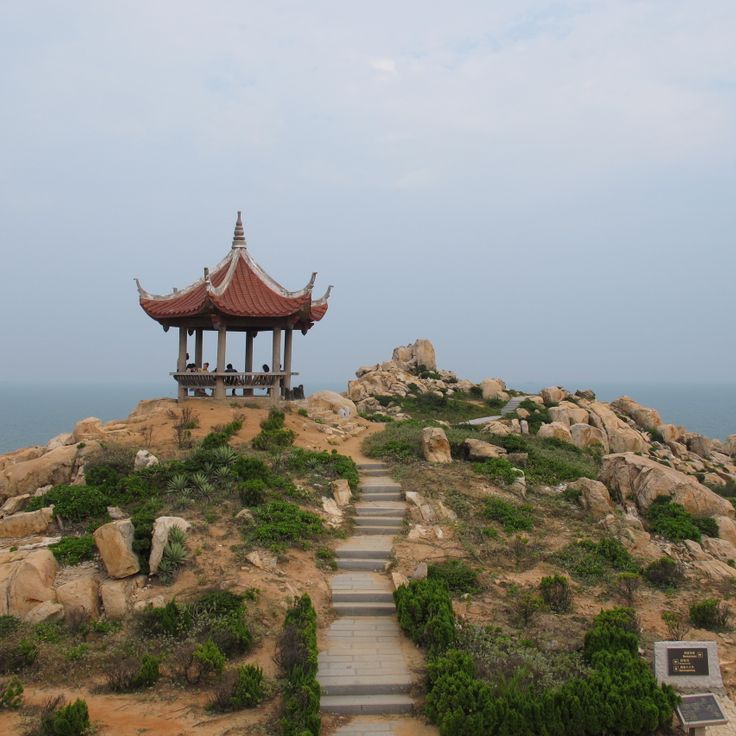
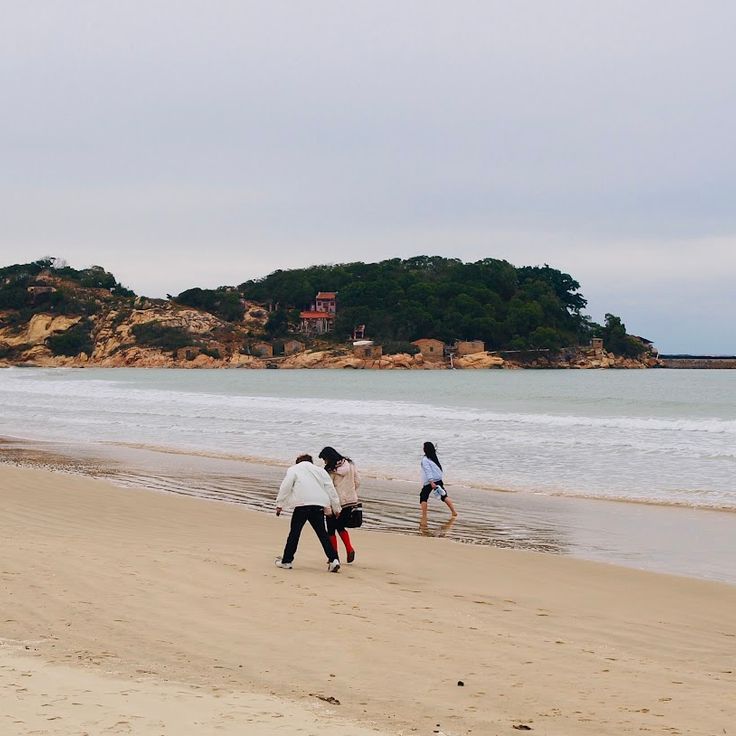
Dongshan Island in Zhangzhou, Fujian, represents part of the region's cultural and natural diversity. This coastal island features fishing villages, distinctive rock formations and traditional boats used by locals for seafood harvesting. The island shows how people have lived and worked along these coasts for generations, relying on the sea for their livelihood.
Yunshuiyao is an ancient settlement with stone buildings and narrow streets that display traditional coastal village design from centuries past. This town fits within Fujian's heritage of historic temples, traditional Hakka architecture and cultural landmarks that shape the region's character.
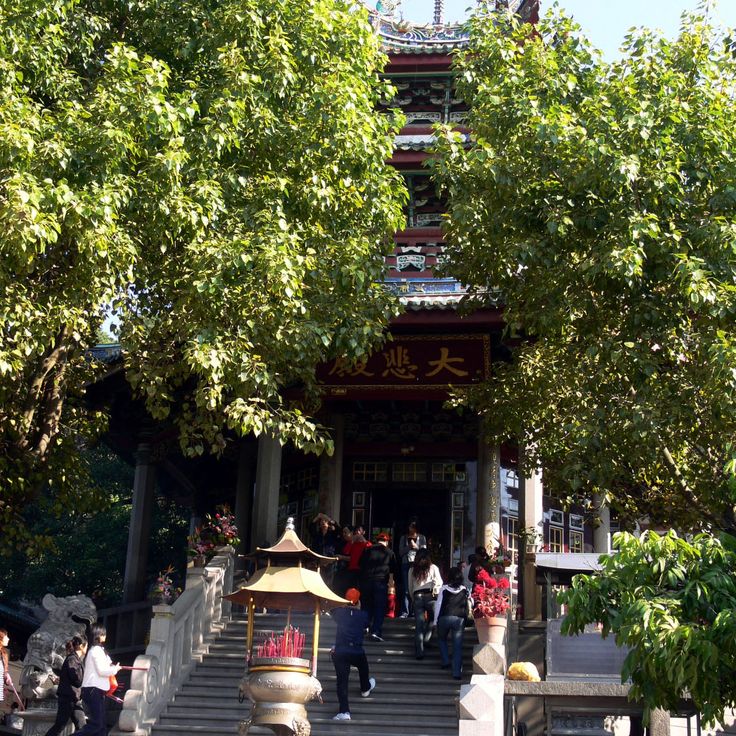
Nanputuo Temple is a Buddhist temple in Xiamen that rests against a mountain, representing the spiritual and architectural heritage found throughout Fujian. The temple contains prayer halls, gardens, and stone steps that climb through forested slopes. Visitors can experience how religious buildings in this region integrate with the natural landscape, much like the historic temples and traditional structures that define Fujian's character.
The Meihuashan Nature Reserve in Longyan is a protected forest area that supports diverse plant and animal life. The site exemplifies the natural diversity of Fujian province with its forest trails and natural water features that invite visitors to explore the landscape.
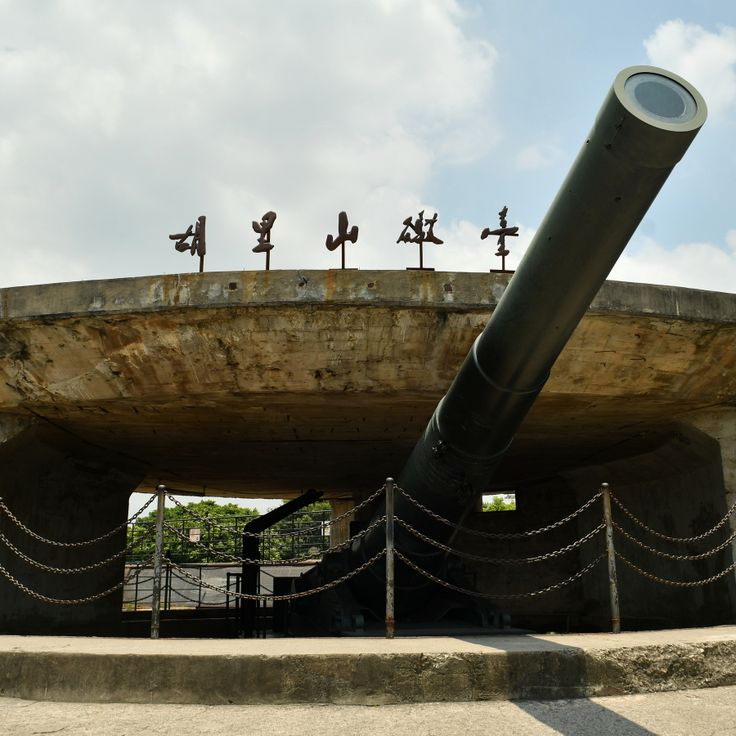
Hulishan Fortress is a 19th century military structure in Xiamen that demonstrates the importance of coastal defense in Fujian's history. It represents the cultural landmarks of the region and contains cannons, fortification walls and exhibits that document its role in protecting the coast.
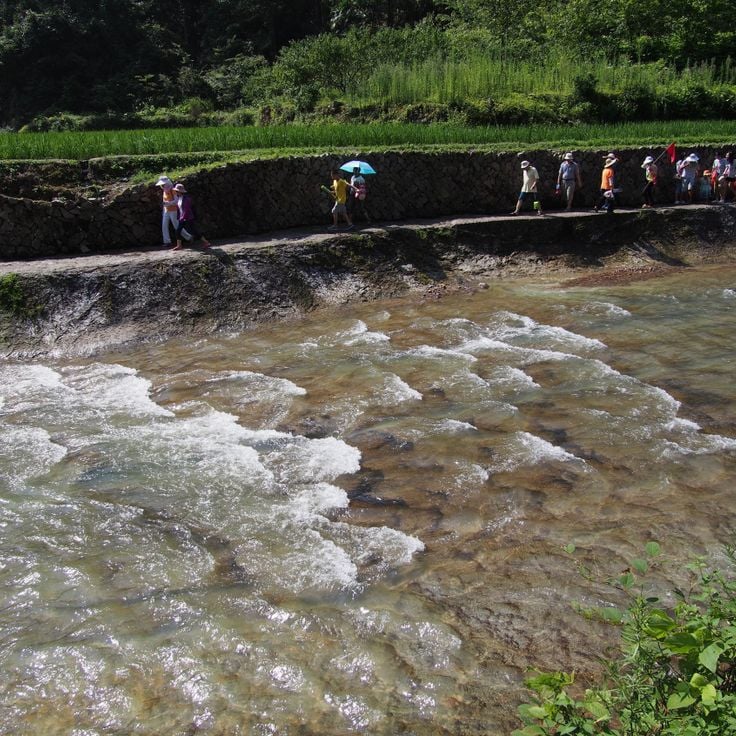
The Baishuiyang Scenic Area in Ningde represents the natural diversity of Fujian province. This riverside area features waterfalls, bamboo forests and valleys with natural pools and walking paths. It fits alongside other natural sites in the region, such as the tea plantations on Mount Wuyi and the coastal landscapes of Xiapu.
The Gutian Conference Site in Longyan commemorates an important historical meeting through its exhibits, preserved buildings and gardens. This location documents a significant event and demonstrates how the province preserves its cultural record alongside temples, traditional architecture and natural landscapes. The site offers insight into the political and cultural history that shaped the region.
Zhangzhou Guandi Temple honors a historical military general and represents the religious and architectural heritage of Fujian province. The temple features traditional architecture, intricate altars and serves as a place for religious ceremonies. It stands as one of the region's important cultural sites, reflecting Fujian's combination of historic temples, traditional Hakka buildings and natural areas.
Fuding Taimu Mountain is part of Fujian province's mix of cultural and natural sites. This mountain offers hiking trails, temples at higher elevations and views across forests and coastal regions. It represents the natural diversity of an area known for its historic temples, traditional Hakka buildings and varied landscapes.
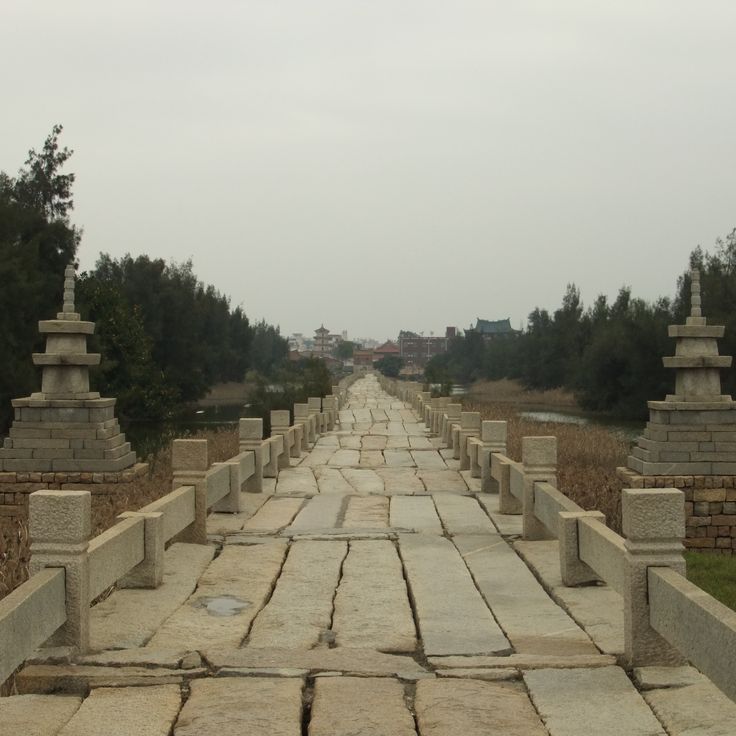
Anping Bridge in Quanzhou is an ancient stone structure that spans a river with multiple arches, reaching back more than 500 years into the past. This crossing served as a vital link for trade and travel in Fujian, connecting communities and facilitating commerce. The bridge displays the craftsmanship of earlier times and stands as an important part of the region's architectural heritage, alongside historic temples, traditional Hakka buildings, and other landmarks that define Fujian's cultural landscape.
Mount Wuyi is a UNESCO World Heritage site that represents the natural diversity featured in this collection of cultural landmarks and natural sites in Fujian province. The mountain combines tea plantations on its slopes with ancient temples and a national park offering hiking trails through varied terrain. The tea gardens here connect to the region's traditions, showing how local communities have worked with the landscape for centuries.
The Quanzhou Maritime Museum displays trade routes, ship models, nautical instruments and artifacts from the city's maritime history spanning the 10th to 14th centuries. This museum documents the significant role Quanzhou played as a trading center and contributes to understanding the region's heritage alongside other cultural landmarks in Fujian.
Gulangyu Island is part of the collection of cultural landmarks and natural sites in Fujian province. This vehicle-free island displays 19th-century European architecture, sandy beaches and a botanical garden where subtropical plants grow. It represents a piece of European history that developed along the Chinese coast, reflecting the region's role in maritime trade and cultural exchange.
Xiapu Mudflat is a coastal landscape in Fujian where mud flats blend with seaweed farms, fishing nets and traditional bamboo structures used for marine production. This place shows how coastal communities have worked the sea for generations and represents the natural diversity of the Fujian region alongside its historic temples and traditional architecture.
The Tulou of Yongding are circular communal buildings constructed from rammed earth that have housed multiple Hakka families since the 12th century. These structures represent the architectural heritage of Fujian and demonstrate the traditional building practices of the Hakka people. The Tulou exemplify the cultural diversity and historical continuity that define the region.
The Three Lanes and Seven Alleys in Fuzhou is a historical district that preserves over 250 residences from the Ming and Qing dynasties. These homes showcase traditional Min architecture and contribute to the architectural diversity of Fujian, where historic temples, traditional Hakka buildings, and natural areas reflect the region's cultural heritage. Walking through this district offers a direct view of how people lived in this part of China.
Fuzhou is a major city on China's southeast coast and reflects the cultural and natural diversity of Fujian province. It has been an important economic center since the Tang dynasty and sits within a region that combines historic temples, traditional Hakka buildings, and natural areas. The city represents the architectural heritage found in places like Gulangyu Island, the Quanzhou Maritime Museum, and the Hakka round houses of Yongding.
Pingtan Island is the largest island in Fujian province and plays an important role in the region's culture and economy. The island is known for its fishing and seafood production, which shapes the lives of its residents. Pingtan Island demonstrates the maritime traditions of Fujian and complements the varied landscapes of the province, from the tea plantations of Mount Wuyi to the coastal areas of Xiapu.
Chongwu Ancient Town is a fortified settlement from the 14th century located in Quanzhou, Fujian. It displays traditional Ming architecture with stone walls and guard towers that form a protective perimeter around the entire site. This town represents the architectural heritage of the region and offers insight into the historical defense systems that shaped coastal Fujian.
Meizhou Island is part of Fujian's cultural landmarks and represents an important pilgrimage site with numerous temples and shrines dedicated to Mazu, a sea deity venerated since the 10th century. This island displays the religious traditions and maritime heritage of the region.
Guanghua Temple in Putian is part of Fujian's architectural and cultural heritage. As a Buddhist temple from the Tang dynasty, it houses historic statues and a pagoda garden with ancient trees. The temple demonstrates the long connection between Fujian and Buddhist traditions, adding to the diversity of cultural sites across the province.
Bailuzhou Park is a city park in Xiamen that reflects the cultural diversity of Fujian province. The park features pavilions, ponds and a stage for traditional music performances and tea ceremonies. Like other cultural landmarks in the region, this park brings together historical traditions and natural spaces, inviting visitors to experience local customs and practices.
The Zhangzhou Confucian Temple is a Song Dynasty structure that demonstrates traditional Chinese architecture and fits within Fujian province's rich cultural heritage. The temple contains wooden pavilions, gardens and halls that once served for ceremonies and scholarly study. It stands as part of the region's architectural legacy alongside other historic temples, the Quanzhou Maritime Museum and Hakka round houses in Yongding.
Kaiyuan Temple is an ancient Buddhist temple from the Tang dynasty in Quanzhou that displays stone carvings, wooden structures and religious sculptures reflecting centuries of worship. It represents part of Fujian province's blend of historic temples, traditional Hakka architecture and natural areas.
Taining Danxia Landform is a geological area that fits within Fujian's collection of cultural landmarks and natural sites. This site features steep red rock formations with walking paths, caves and views of valleys and river canyons. It complements the province's diverse landscape alongside tea plantations on Mount Wuyi and the coastal areas of Xiapu.
Zhangzhou Tulou are circular earthen structures that define Hakka architecture. These buildings served as homes for large extended families over many generations. They show the practical solutions and craftsmanship that shaped Hakka culture. These dwellings are part of Fujian's cultural heritage, which blends historic temples, traditional Hakka buildings and natural areas.
Wuyi Palace fits within the collection of cultural landmarks and natural sites in Fujian. This temple honors ancient scholars and officials, combining religious and educational functions within traditional architectural spaces. It represents the region's cultural heritage alongside tea plantations on Mount Wuyi, coastal landscapes, and historic Hakka round houses.
Dongshan Island in Zhangzhou, Fujian, represents part of the region's cultural and natural diversity. This coastal island features fishing villages, distinctive rock formations and traditional boats used by locals for seafood harvesting. The island shows how people have lived and worked along these coasts for generations, relying on the sea for their livelihood.
Yunshuiyao is an ancient settlement with stone buildings and narrow streets that display traditional coastal village design from centuries past. This town fits within Fujian's heritage of historic temples, traditional Hakka architecture and cultural landmarks that shape the region's character.
Nanputuo Temple is a Buddhist temple in Xiamen that rests against a mountain, representing the spiritual and architectural heritage found throughout Fujian. The temple contains prayer halls, gardens, and stone steps that climb through forested slopes. Visitors can experience how religious buildings in this region integrate with the natural landscape, much like the historic temples and traditional structures that define Fujian's character.
The Meihuashan Nature Reserve in Longyan is a protected forest area that supports diverse plant and animal life. The site exemplifies the natural diversity of Fujian province with its forest trails and natural water features that invite visitors to explore the landscape.
Hulishan Fortress is a 19th century military structure in Xiamen that demonstrates the importance of coastal defense in Fujian's history. It represents the cultural landmarks of the region and contains cannons, fortification walls and exhibits that document its role in protecting the coast.
The Baishuiyang Scenic Area in Ningde represents the natural diversity of Fujian province. This riverside area features waterfalls, bamboo forests and valleys with natural pools and walking paths. It fits alongside other natural sites in the region, such as the tea plantations on Mount Wuyi and the coastal landscapes of Xiapu.
The Gutian Conference Site in Longyan commemorates an important historical meeting through its exhibits, preserved buildings and gardens. This location documents a significant event and demonstrates how the province preserves its cultural record alongside temples, traditional architecture and natural landscapes. The site offers insight into the political and cultural history that shaped the region.
Zhangzhou Guandi Temple honors a historical military general and represents the religious and architectural heritage of Fujian province. The temple features traditional architecture, intricate altars and serves as a place for religious ceremonies. It stands as one of the region's important cultural sites, reflecting Fujian's combination of historic temples, traditional Hakka buildings and natural areas.
Fuding Taimu Mountain is part of Fujian province's mix of cultural and natural sites. This mountain offers hiking trails, temples at higher elevations and views across forests and coastal regions. It represents the natural diversity of an area known for its historic temples, traditional Hakka buildings and varied landscapes.
Anping Bridge in Quanzhou is an ancient stone structure that spans a river with multiple arches, reaching back more than 500 years into the past. This crossing served as a vital link for trade and travel in Fujian, connecting communities and facilitating commerce. The bridge displays the craftsmanship of earlier times and stands as an important part of the region's architectural heritage, alongside historic temples, traditional Hakka buildings, and other landmarks that define Fujian's cultural landscape.
Mount Wuyi is a UNESCO World Heritage site that represents the natural diversity featured in this collection of cultural landmarks and natural sites in Fujian province. The mountain combines tea plantations on its slopes with ancient temples and a national park offering hiking trails through varied terrain. The tea gardens here connect to the region's traditions, showing how local communities have worked with the landscape for centuries.
The Quanzhou Maritime Museum displays trade routes, ship models, nautical instruments and artifacts from the city's maritime history spanning the 10th to 14th centuries. This museum documents the significant role Quanzhou played as a trading center and contributes to understanding the region's heritage alongside other cultural landmarks in Fujian.
Gulangyu Island is part of the collection of cultural landmarks and natural sites in Fujian province. This vehicle-free island displays 19th-century European architecture, sandy beaches and a botanical garden where subtropical plants grow. It represents a piece of European history that developed along the Chinese coast, reflecting the region's role in maritime trade and cultural exchange.
Xiapu Mudflat is a coastal landscape in Fujian where mud flats blend with seaweed farms, fishing nets and traditional bamboo structures used for marine production. This place shows how coastal communities have worked the sea for generations and represents the natural diversity of the Fujian region alongside its historic temples and traditional architecture.
The Tulou of Yongding are circular communal buildings constructed from rammed earth that have housed multiple Hakka families since the 12th century. These structures represent the architectural heritage of Fujian and demonstrate the traditional building practices of the Hakka people. The Tulou exemplify the cultural diversity and historical continuity that define the region.
The Three Lanes and Seven Alleys in Fuzhou is a historical district that preserves over 250 residences from the Ming and Qing dynasties. These homes showcase traditional Min architecture and contribute to the architectural diversity of Fujian, where historic temples, traditional Hakka buildings, and natural areas reflect the region's cultural heritage. Walking through this district offers a direct view of how people lived in this part of China.
Fuzhou is a major city on China's southeast coast and reflects the cultural and natural diversity of Fujian province. It has been an important economic center since the Tang dynasty and sits within a region that combines historic temples, traditional Hakka buildings, and natural areas. The city represents the architectural heritage found in places like Gulangyu Island, the Quanzhou Maritime Museum, and the Hakka round houses of Yongding.
Pingtan Island is the largest island in Fujian province and plays an important role in the region's culture and economy. The island is known for its fishing and seafood production, which shapes the lives of its residents. Pingtan Island demonstrates the maritime traditions of Fujian and complements the varied landscapes of the province, from the tea plantations of Mount Wuyi to the coastal areas of Xiapu.
Chongwu Ancient Town is a fortified settlement from the 14th century located in Quanzhou, Fujian. It displays traditional Ming architecture with stone walls and guard towers that form a protective perimeter around the entire site. This town represents the architectural heritage of the region and offers insight into the historical defense systems that shaped coastal Fujian.
Meizhou Island is part of Fujian's cultural landmarks and represents an important pilgrimage site with numerous temples and shrines dedicated to Mazu, a sea deity venerated since the 10th century. This island displays the religious traditions and maritime heritage of the region.
Guanghua Temple in Putian is part of Fujian's architectural and cultural heritage. As a Buddhist temple from the Tang dynasty, it houses historic statues and a pagoda garden with ancient trees. The temple demonstrates the long connection between Fujian and Buddhist traditions, adding to the diversity of cultural sites across the province.
Bailuzhou Park is a city park in Xiamen that reflects the cultural diversity of Fujian province. The park features pavilions, ponds and a stage for traditional music performances and tea ceremonies. Like other cultural landmarks in the region, this park brings together historical traditions and natural spaces, inviting visitors to experience local customs and practices.
The Zhangzhou Confucian Temple is a Song Dynasty structure that demonstrates traditional Chinese architecture and fits within Fujian province's rich cultural heritage. The temple contains wooden pavilions, gardens and halls that once served for ceremonies and scholarly study. It stands as part of the region's architectural legacy alongside other historic temples, the Quanzhou Maritime Museum and Hakka round houses in Yongding.
Kaiyuan Temple is an ancient Buddhist temple from the Tang dynasty in Quanzhou that displays stone carvings, wooden structures and religious sculptures reflecting centuries of worship. It represents part of Fujian province's blend of historic temples, traditional Hakka architecture and natural areas.
Taining Danxia Landform is a geological area that fits within Fujian's collection of cultural landmarks and natural sites. This site features steep red rock formations with walking paths, caves and views of valleys and river canyons. It complements the province's diverse landscape alongside tea plantations on Mount Wuyi and the coastal areas of Xiapu.
Zhangzhou Tulou are circular earthen structures that define Hakka architecture. These buildings served as homes for large extended families over many generations. They show the practical solutions and craftsmanship that shaped Hakka culture. These dwellings are part of Fujian's cultural heritage, which blends historic temples, traditional Hakka buildings and natural areas.
Wuyi Palace fits within the collection of cultural landmarks and natural sites in Fujian. This temple honors ancient scholars and officials, combining religious and educational functions within traditional architectural spaces. It represents the region's cultural heritage alongside tea plantations on Mount Wuyi, coastal landscapes, and historic Hakka round houses.
Dongshan Island in Zhangzhou, Fujian, represents part of the region's cultural and natural diversity. This coastal island features fishing villages, distinctive rock formations and traditional boats used by locals for seafood harvesting. The island shows how people have lived and worked along these coasts for generations, relying on the sea for their livelihood.
Yunshuiyao is an ancient settlement with stone buildings and narrow streets that display traditional coastal village design from centuries past. This town fits within Fujian's heritage of historic temples, traditional Hakka architecture and cultural landmarks that shape the region's character.
Nanputuo Temple is a Buddhist temple in Xiamen that rests against a mountain, representing the spiritual and architectural heritage found throughout Fujian. The temple contains prayer halls, gardens, and stone steps that climb through forested slopes. Visitors can experience how religious buildings in this region integrate with the natural landscape, much like the historic temples and traditional structures that define Fujian's character.
The Meihuashan Nature Reserve in Longyan is a protected forest area that supports diverse plant and animal life. The site exemplifies the natural diversity of Fujian province with its forest trails and natural water features that invite visitors to explore the landscape.
Hulishan Fortress is a 19th century military structure in Xiamen that demonstrates the importance of coastal defense in Fujian's history. It represents the cultural landmarks of the region and contains cannons, fortification walls and exhibits that document its role in protecting the coast.
The Baishuiyang Scenic Area in Ningde represents the natural diversity of Fujian province. This riverside area features waterfalls, bamboo forests and valleys with natural pools and walking paths. It fits alongside other natural sites in the region, such as the tea plantations on Mount Wuyi and the coastal landscapes of Xiapu.
The Gutian Conference Site in Longyan commemorates an important historical meeting through its exhibits, preserved buildings and gardens. This location documents a significant event and demonstrates how the province preserves its cultural record alongside temples, traditional architecture and natural landscapes. The site offers insight into the political and cultural history that shaped the region.
Zhangzhou Guandi Temple honors a historical military general and represents the religious and architectural heritage of Fujian province. The temple features traditional architecture, intricate altars and serves as a place for religious ceremonies. It stands as one of the region's important cultural sites, reflecting Fujian's combination of historic temples, traditional Hakka buildings and natural areas.
Fuding Taimu Mountain is part of Fujian province's mix of cultural and natural sites. This mountain offers hiking trails, temples at higher elevations and views across forests and coastal regions. It represents the natural diversity of an area known for its historic temples, traditional Hakka buildings and varied landscapes.
Anping Bridge in Quanzhou is an ancient stone structure that spans a river with multiple arches, reaching back more than 500 years into the past. This crossing served as a vital link for trade and travel in Fujian, connecting communities and facilitating commerce. The bridge displays the craftsmanship of earlier times and stands as an important part of the region's architectural heritage, alongside historic temples, traditional Hakka buildings, and other landmarks that define Fujian's cultural landscape.