Whether you are interested in medieval art at the Prado, religious buildings at the Almudena Cathedral, football at the Bernabeu, or the tradition of the Las Ventas arena, Madrid offers many sides of Spanish culture.
Madrid ranks among Europe's richest cultural capitals. The city brings together royal heritage, art, and everyday life behind its wide avenues and animated squares. The Prado, Thyssen-Bornemisza, and Reina Sofía museums display works from the medieval period to contemporary times. The Royal Palace, Almudena Cathedral, and the Basilica of San Francisco el Grande speak to Spain's religious past. Parks like Retiro and Madrid Río offer spaces to rest, while Gran Vía, Plaza Mayor, and Puerta del Sol pulse with the city's energy.
Those interested in history will find treasures from various periods at the National Archaeological Museum. Art lovers discover works by Goya, Velázquez, and modern artists across numerous galleries. The Paseo del Prado connects several major museums within an easy walk. Markets such as San Miguel and El Rastro show how locals live and shop. The Sorolla Museum and Cerralbo Museum offer intimate glimpses into artistic life through private collections.
Madrid also provides space for quiet moments in the Retiro Gardens or Royal Botanical Garden. The Temple of Debod, with Egyptian origins, offers views across the city. Football fans visit Santiago Bernabéu Stadium, while Las Ventas Arena represents the tradition of bullfighting. Between royal palaces, modern districts like Salamanca, and lively squares, Madrid reveals itself as a city where history and present-day life exist side by side.
Whether you are interested in medieval art at the Prado, religious buildings at the Almudena Cathedral, football at the Bernabeu, or the tradition of the Las Ventas arena, Madrid offers many sides of Spanish culture.
Madrid ranks among Europe's richest cultural capitals. The city brings together royal heritage, art, and everyday life behind its wide avenues and animated squares. The Prado, Thyssen-Bornemisza, and Reina Sofía museums display works from the medieval period to contemporary times. The Royal Palace, Almudena Cathedral, and the Basilica of San Francisco el Grande speak to Spain's religious past. Parks like Retiro and Madrid Río offer spaces to rest, while Gran Vía, Plaza Mayor, and Puerta del Sol pulse with the city's energy.
Those interested in history will find treasures from various periods at the National Archaeological Museum. Art lovers discover works by Goya, Velázquez, and modern artists across numerous galleries. The Paseo del Prado connects several major museums within an easy walk. Markets such as San Miguel and El Rastro show how locals live and shop. The Sorolla Museum and Cerralbo Museum offer intimate glimpses into artistic life through private collections.
Madrid also provides space for quiet moments in the Retiro Gardens or Royal Botanical Garden. The Temple of Debod, with Egyptian origins, offers views across the city. Football fans visit Santiago Bernabéu Stadium, while Las Ventas Arena represents the tradition of bullfighting. Between royal palaces, modern districts like Salamanca, and lively squares, Madrid reveals itself as a city where history and present-day life exist side by side.
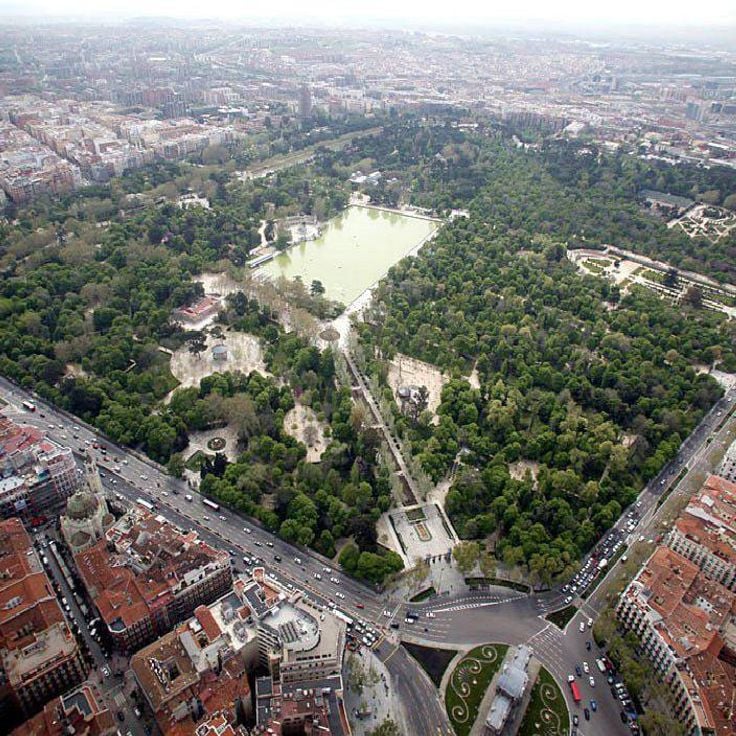
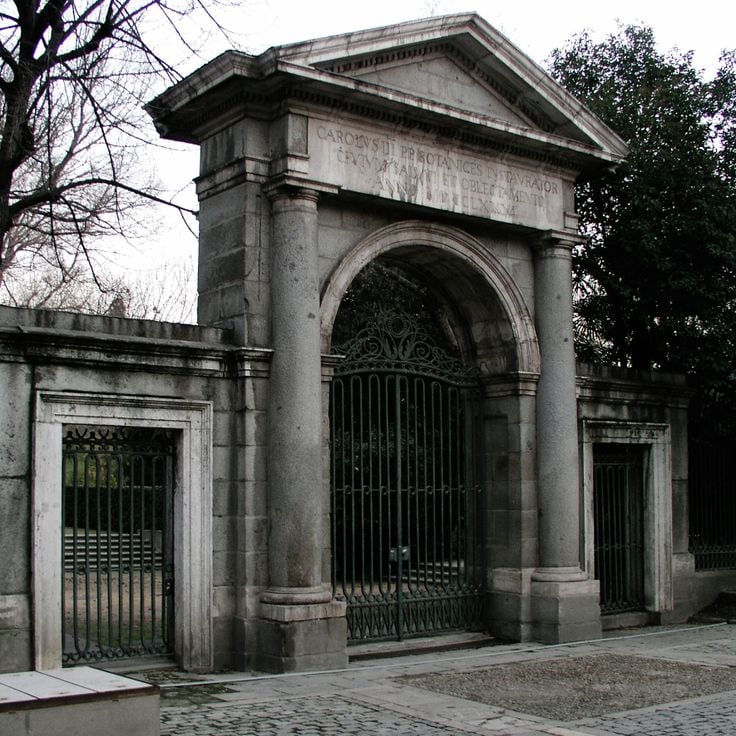
The green lung of the city, Retiro Park features a lake, glass greenhouses, sculptures, and tree-lined pathways. It is a favorite spot for walkers in Madrid and an important part of the city's cultural heritage. The park invites visitors to stroll among historical monuments and artworks while enjoying nature in the heart of the bustling capital.
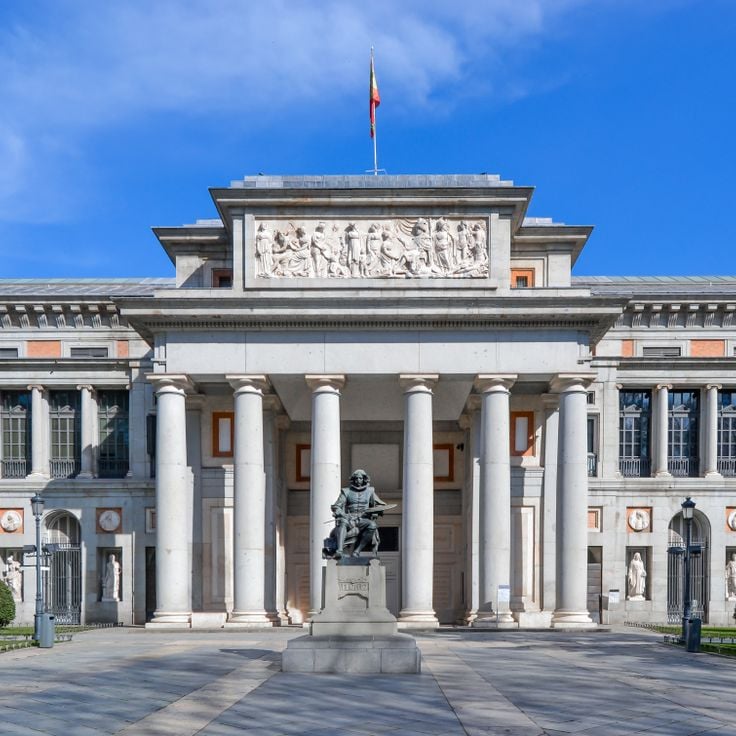
The Prado Museum in Madrid is one of the largest art museums in the world, displaying masterpieces by Spanish, Italian, and Flemish artists. Here, works by Velázquez, Goya, and Rubens meet across five centuries of European art. This museum is an essential place to understand Madrid's artistic heritage and the treasures of Spanish culture.
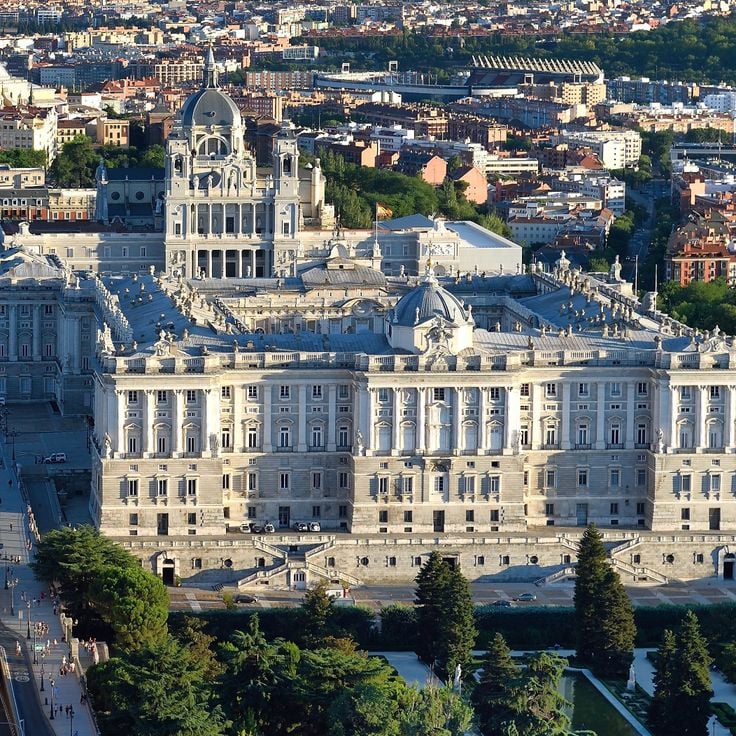
The Royal Palace of Madrid is the official residence of the Spanish monarchy at the heart of the city. This baroque building displays the grandeur of Spanish history with over 3,000 rooms. Frescoes decorate the walls and antique furniture fills the spaces. From the terraces, you can gaze across Madrid. The palace is one of the key sites that represents Madrid's royal heritage and helps visitors understand the city's history.
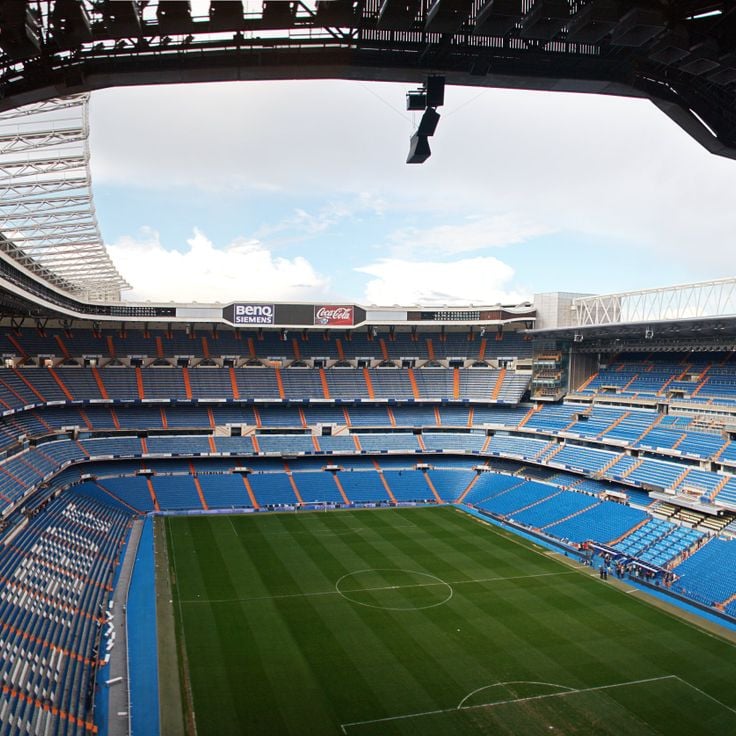
The Santiago Bernabéu Stadium is where Spanish football comes alive. As the home of Real Madrid since 1947, this stadium has hosted countless matches that have moved fans around the world. With over 81,000 seats, it offers a window into Madrid's football culture. Visitors can explore the stands, visit the locker rooms, and see the museum that tells the club's story. Here, sport, history, and the passion of Madrilenians for their team come together.
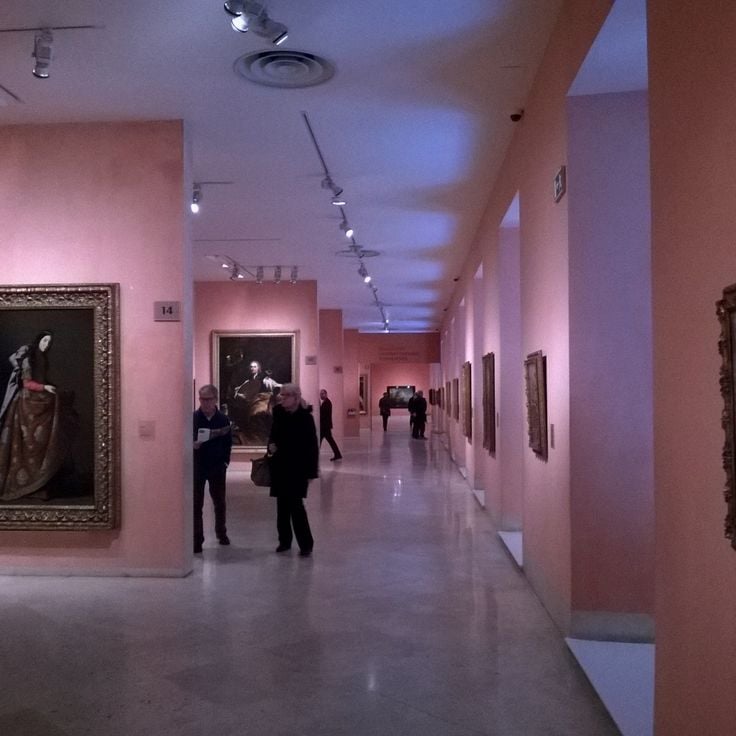
The Thyssen-Bornemisza Museum displays European painting from the Middle Ages through the pop art era, completing the picture of Madrid's major art collections. Located between the Prado and the Reina Sofía, it holds works that fill gaps in the other museums' collections. You will find paintings by Italian masters, Dutch painters, German Expressionists, and American artists. The museum helps you understand how European art developed across the centuries.
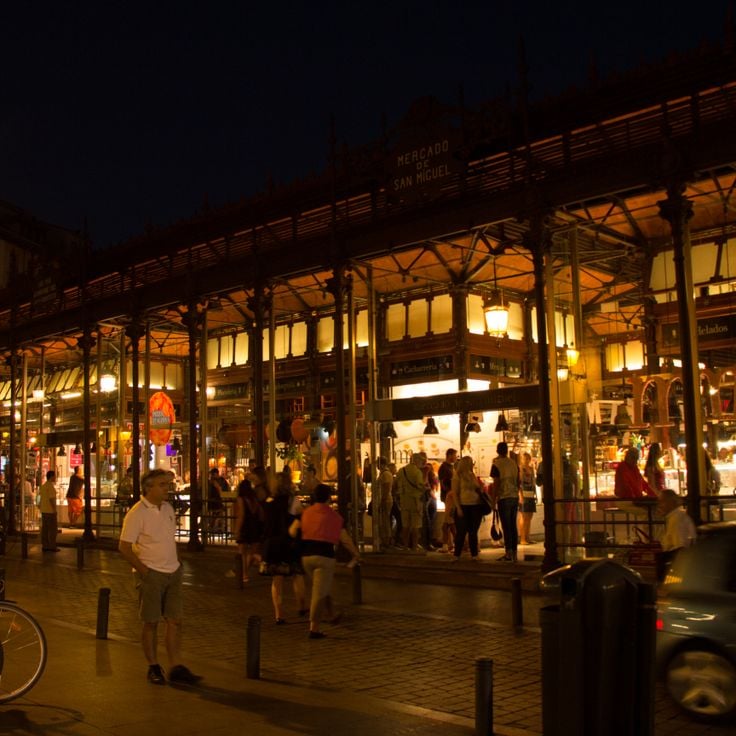
San Miguel Market represents Madrid's culinary heritage in a remarkable setting of metal and glass. The market opened in 1916 and houses about 30 stalls where visitors discover Spanish specialties, wines, and fresh products. Here locals and travelers meet to experience the flavors and traditions of the city. Located at the heart of Madrid, the market connects history with the city's daily life.
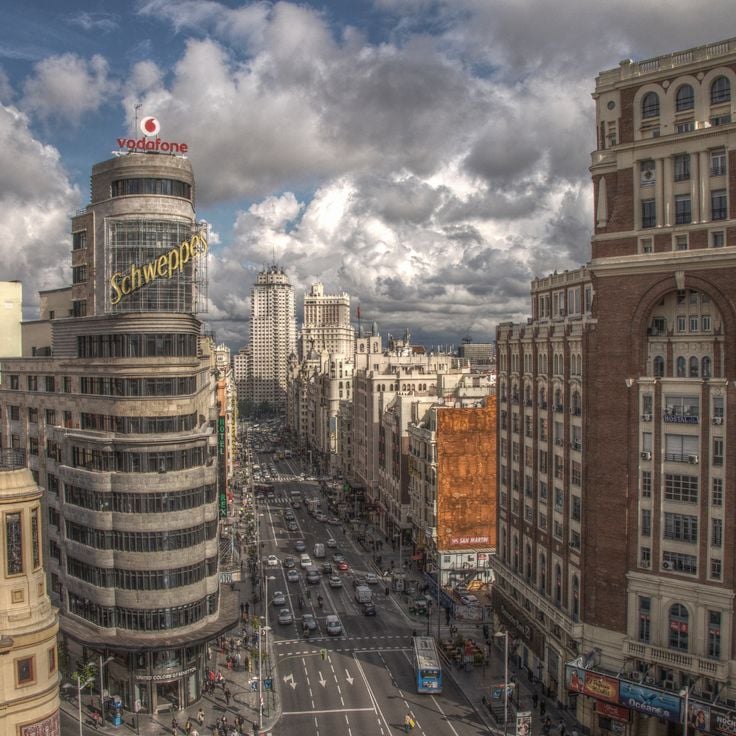
Gran Via is Madrid's main street that cuts through the heart of the city. Created in the 1920s, it continues to define Madrid's character with its spacious facades and elegant buildings. Theaters, shops, and hotels line the avenue, reflecting the city's history. The street connects different neighborhoods and serves as a central place for walking, shopping, and experiencing Madrid's diversity.
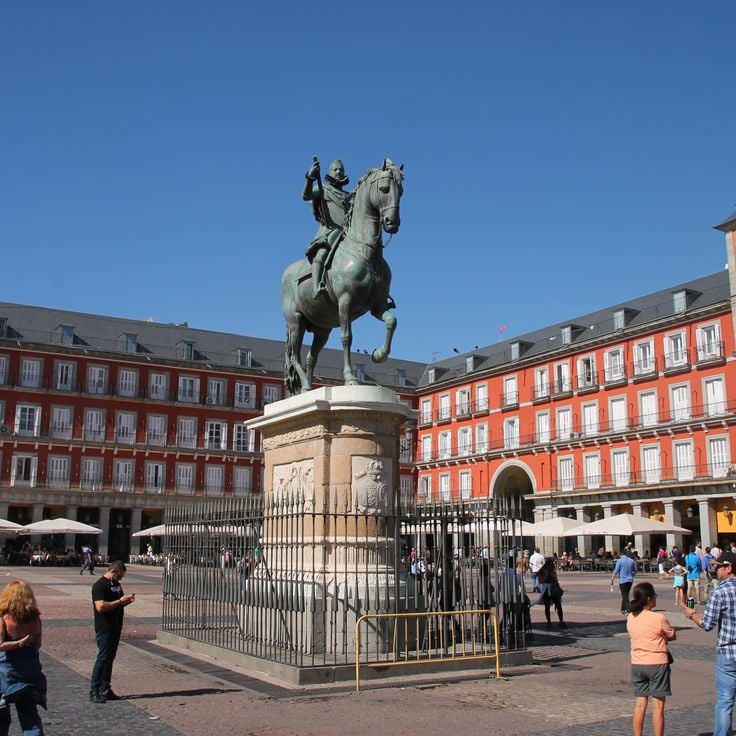
Plaza Mayor is a rectangular square at the heart of Madrid and one of the city's most important gathering places. With covered arcades running along its edges and an equestrian statue of King Philip III from 1616 at its center, this space blends royal history with everyday life. Locals and visitors come here to sit, eat, watch street performers, and feel the pulse of the city.
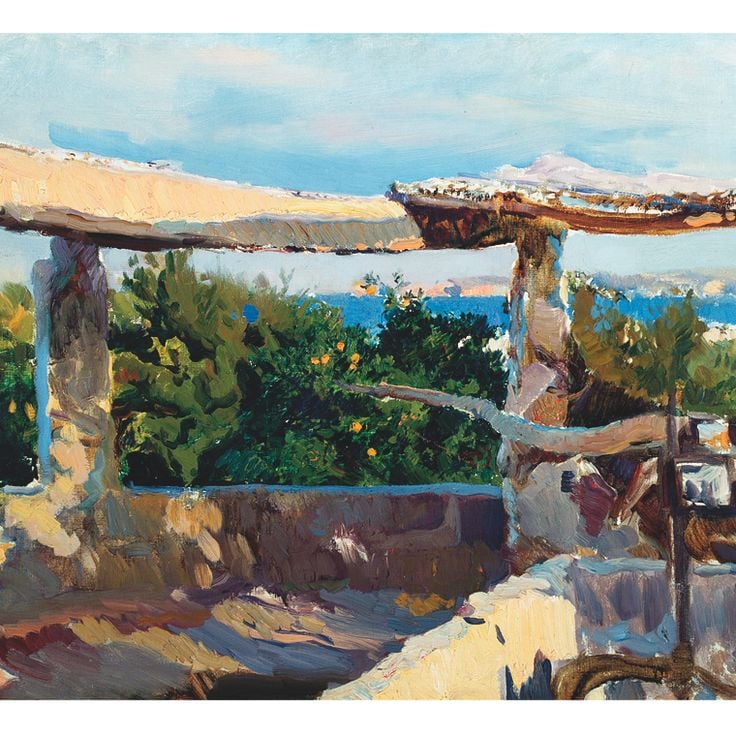
The Sorolla Museum was the home of Spanish painter Joaquín Sorolla. It displays his art studio, personal furniture, and original paintings. The museum's gardens feature Mediterranean-style tiled fountains. This house helps you understand Madrid's artistic heritage by showing how a painter lived and worked in the early 1900s.
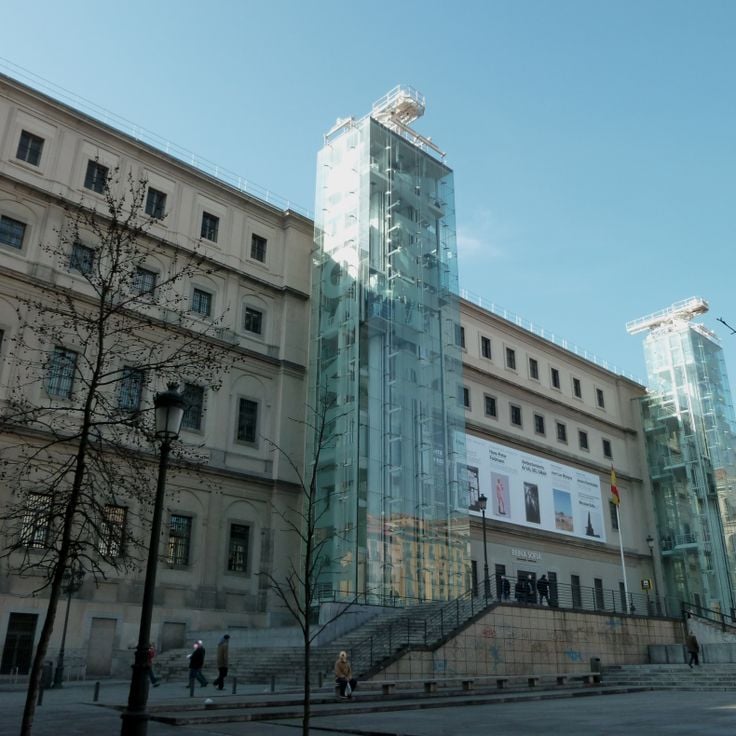
The Reina Sofía Museum is a national museum dedicated to 20th century art, housed in an 18th century building. Its collection features works by Spanish artists including Picasso, Dalí, and Miró. As part of Madrid's rich cultural landscape, this museum helps visitors understand the development of modern Spanish art and reflects the city's standing as one of Europe's leading cultural capitals.
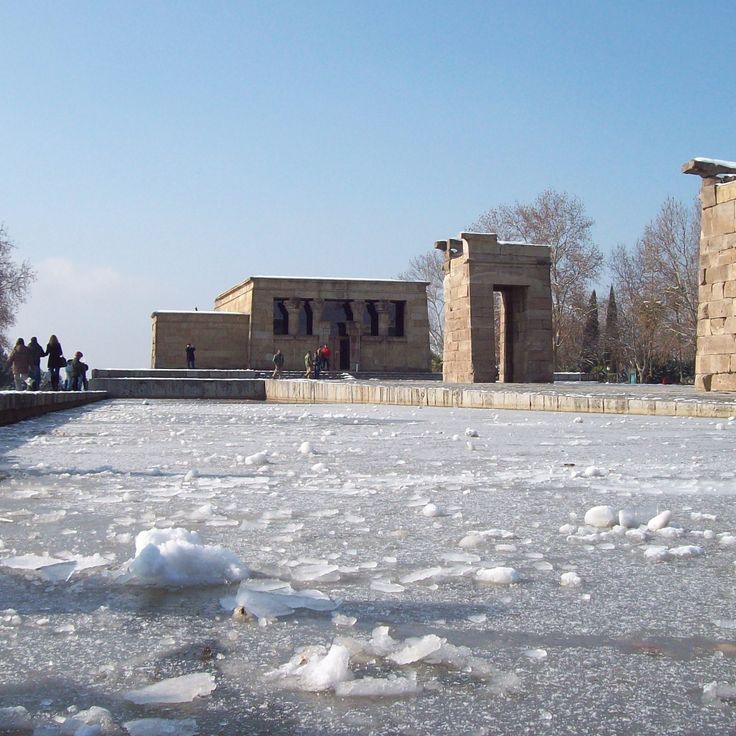
The Temple of Debod is a genuine Egyptian sanctuary that Egypt gifted to Spain. Stone by stone, it was transported to Madrid. Today it stands at the edge of the city and reflects in a pool of water, especially striking at sunset. For visitors exploring Madrid's rich cultural heritage, this temple shows how the city has integrated ancient wonders into its modern landscape.
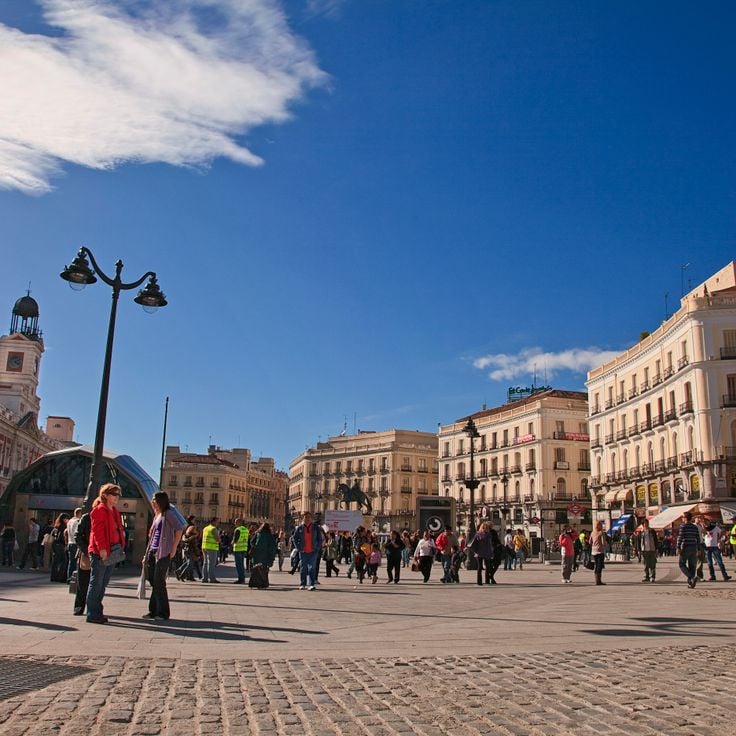
The Puerta del Sol is Madrid's central square and the city's beating heart. The square showcases a 19th century clock tower that plays a key role during New Year's Eve celebrations. Here you find the zero kilometer marker, from which all Spanish roads are measured outward. A bronze bear statue, the symbol of the city, stands at this plaza and serves as a gathering spot for locals and visitors alike. The Puerta del Sol connects Madrid's royal past with its vibrant present-day life.
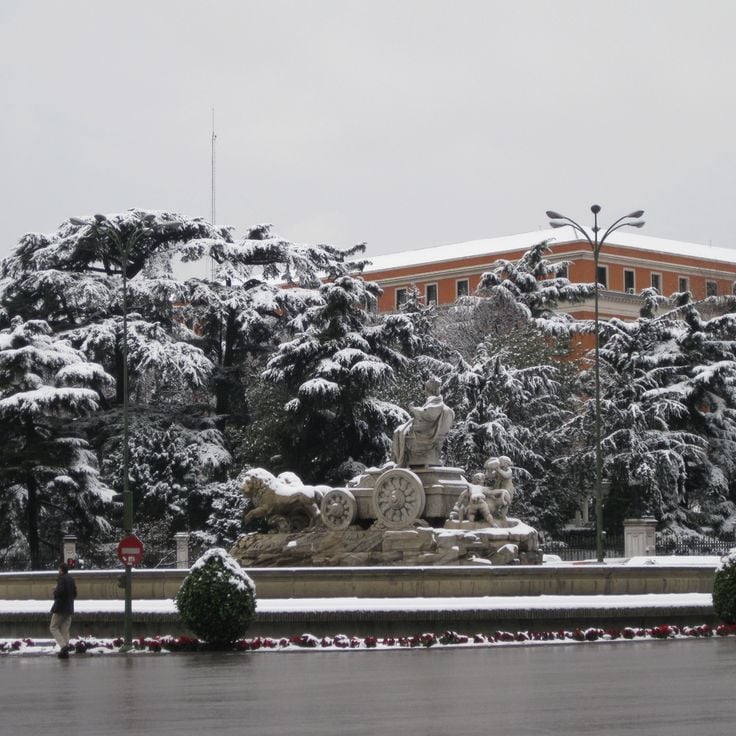
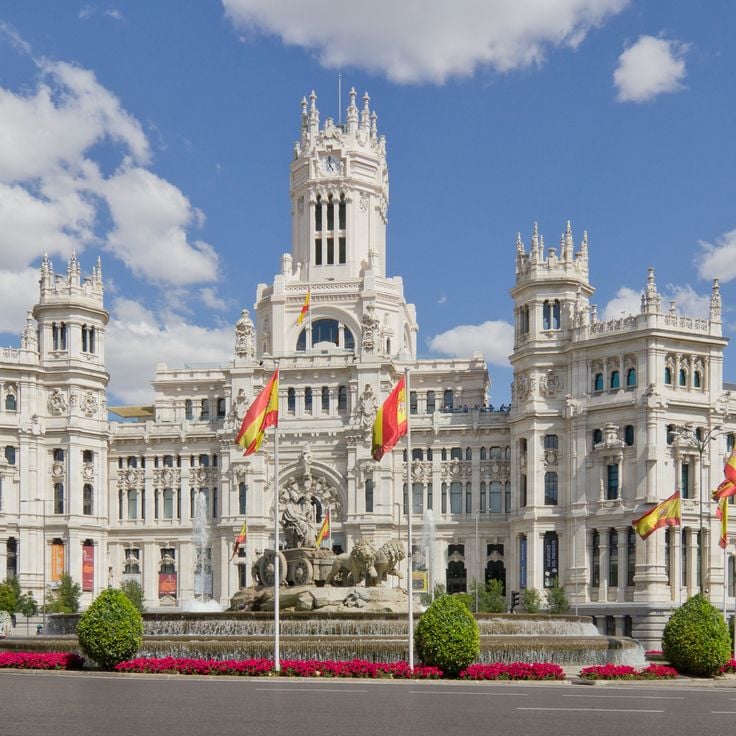
Plaza de Cibeles is a large circular square at Madrid's heart, serving as a vital meeting point in the city. At its center stands a neoclassical fountain depicting the goddess Cybele riding a lion-drawn carriage, a sculptural work rooted in Spanish artistic tradition. Government buildings frame the intersection, lending the plaza a dignified character. This square reflects Madrid's blend of royal heritage, public spaces, and artistic expression, making it an essential site for understanding how the city balances history and daily life.
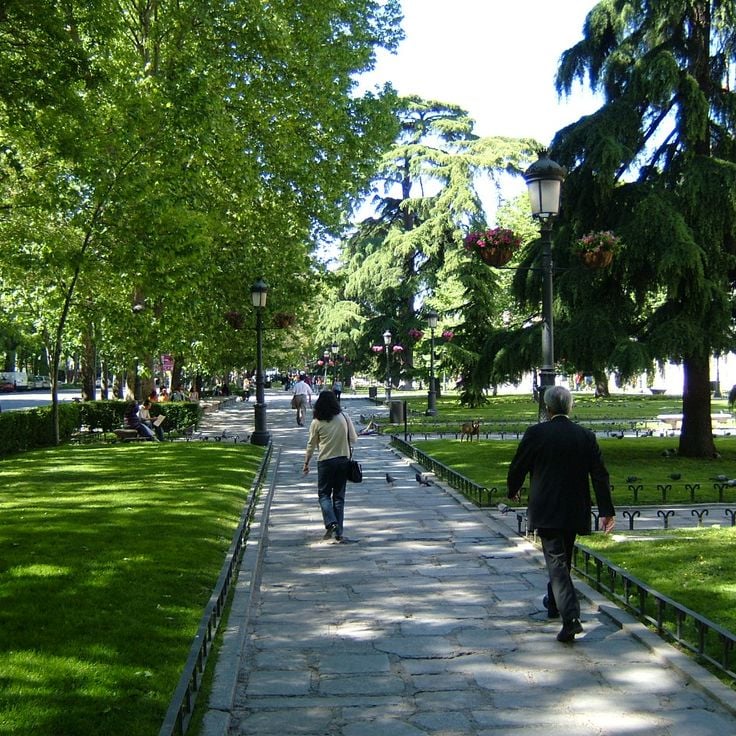
The Paseo del Prado is a historic boulevard in Madrid that stretches from Plaza Cibeles to Plaza del Emperador Carlos V near Atocha Station. This tree-lined avenue with its large plane trees is one of the city's most important cultural routes. Here you find major museums like the Prado, Reina Sofía, and Thyssen-Bornemisza Museum, which together display a great artistic heritage. The avenue itself is a pleasant place to walk, where visitors stroll between green shade and historic buildings. The Paseo del Prado connects tradition and art in a natural way and is essential to understanding Madrid's beauty and energy.
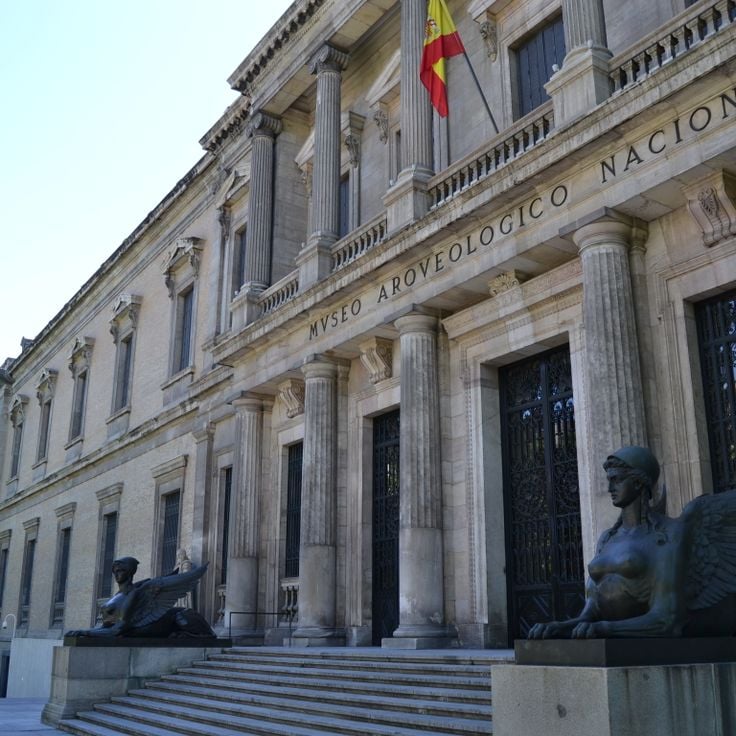
This museum occupies a neoclassical building and displays important archaeological finds from Spain. Visitors can see Iberian artworks, Roman mosaics, Egyptian mummies, and the famous Lady of Elche sculpture. The collection spans from ancient times through the medieval period, offering insight into Spain's past. Within Madrid's cultural landscape, this museum provides an essential look at the region's archaeological treasures and helps visitors understand how different civilizations shaped Spanish heritage.
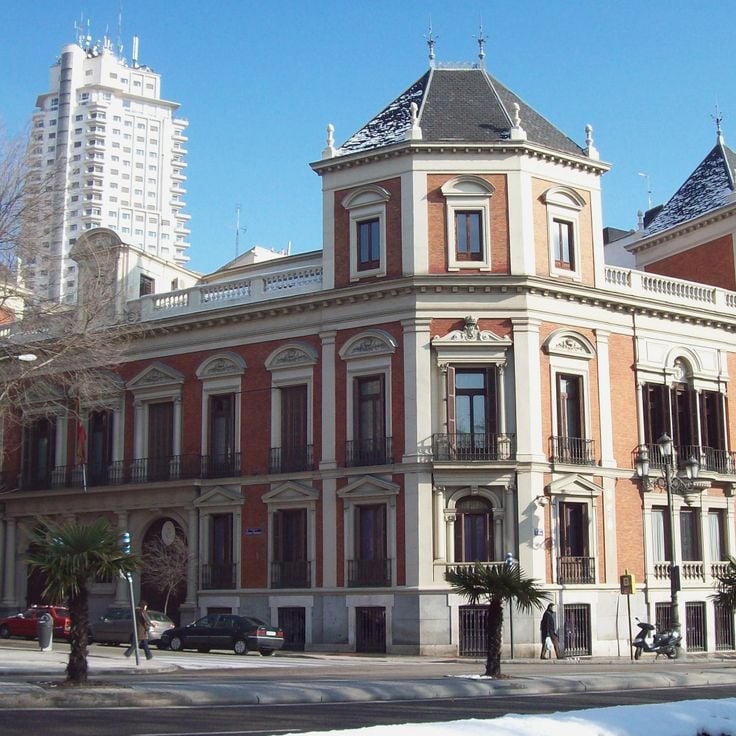
The Cerralbo Museum occupies a 19th-century palace that holds the personal collection of the Marquis of Cerralbo. The museum displays historical weapons, paintings, furniture, and decorative arts arranged in their original room settings. It offers visitors a chance to explore the treasures and lifestyle of Spanish aristocracy, adding to Madrid's diverse cultural heritage.
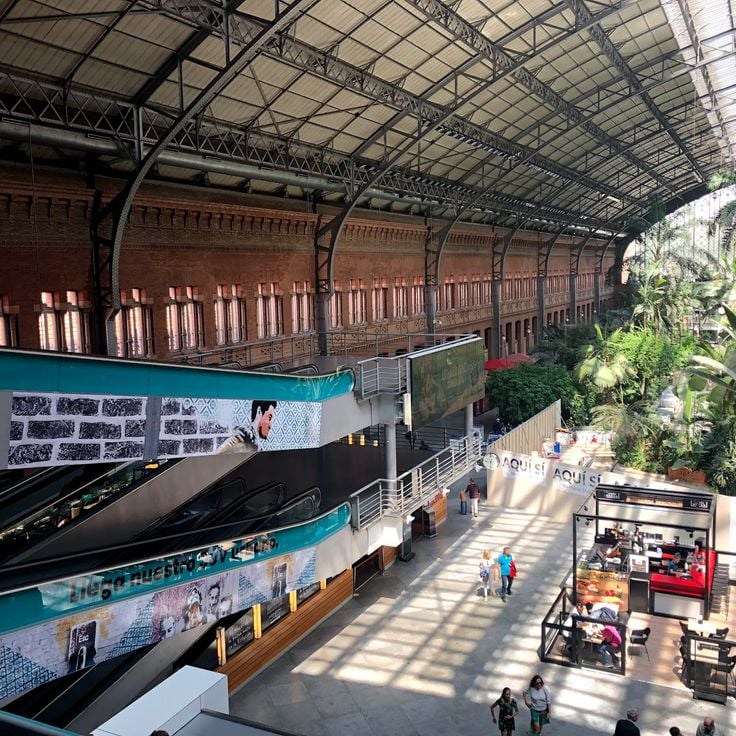
Atocha Station is Madrid's main railway hub and showcases the engineering of the late 1800s. Built from iron and glass, the station houses a tropical garden under its roof with ponds and around 260 plant species spread across an indoor space. This station connects travelers from across Spain and represents how Madrid blends history and modernity - a place where architecture, engineering, and nature meet within the city's journey.
The Palace of Cibeles was originally Madrid's central post office, built in 1919. Today it houses the city government and hosts cultural exhibitions. This stone building with its striking architecture is a key place to understand Madrid's history and artistic development. It bridges the city's past with its present role as a cultural capital.
The Salamanca District is one of Madrid's essential destinations to understand the city's transformation in the 19th century. This neighborhood showcases a geometric street layout that reflects the urban planning ambitions of its era. Ornate stone facades adorn residential buildings throughout the area, creating a cohesive architectural character. Luxury shops and restaurants line the streets, making this district a place where locals and visitors experience Madrid's elegant side and sense of style.
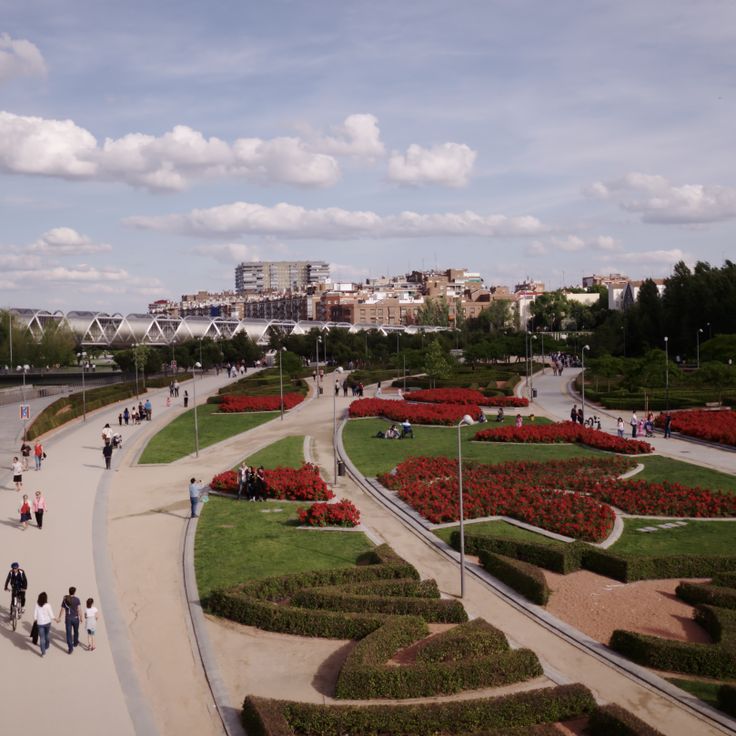
Madrid Rio Park stretches along the Manzanares River and brings nature into the heart of the city. The park offers walking paths, cycling lanes, sports fields, concert areas, and playgrounds for families. Ten bridges cross the water, connecting different parts of the park and the city. This green space shows how Madrid blends outdoor life with urban culture, giving residents and visitors a place to enjoy the river and relax away from the busy streets.
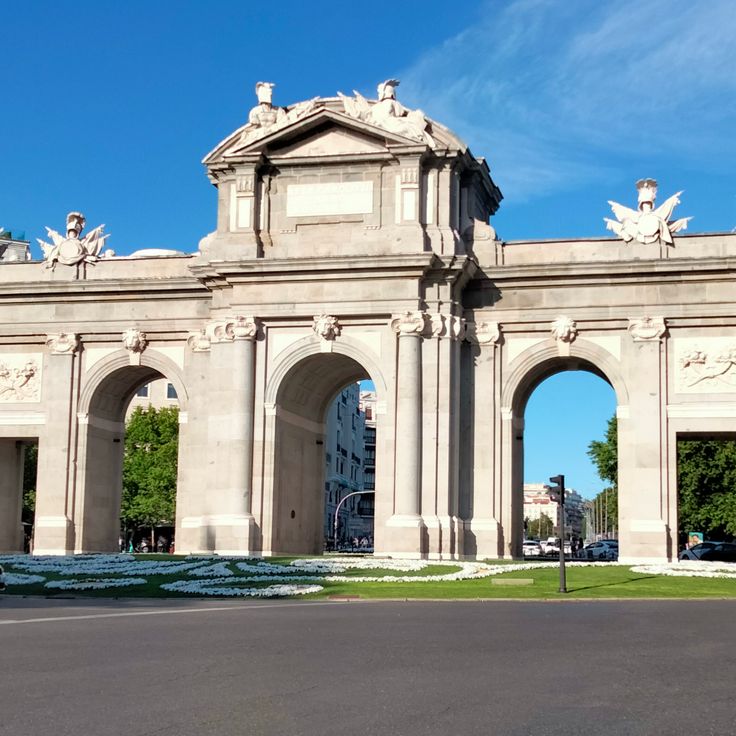
The Puerta de Alcalá is a former royal gate on Plaza de la Independencia and stands as a witness to Madrid's rich history. This structure was one of five historic entrances to the city and represents the royal heritage that lies behind the city's wide avenues and active squares. With its classical architecture, it contributes to understanding Madrid's beauty and the interplay between tradition and modernity.
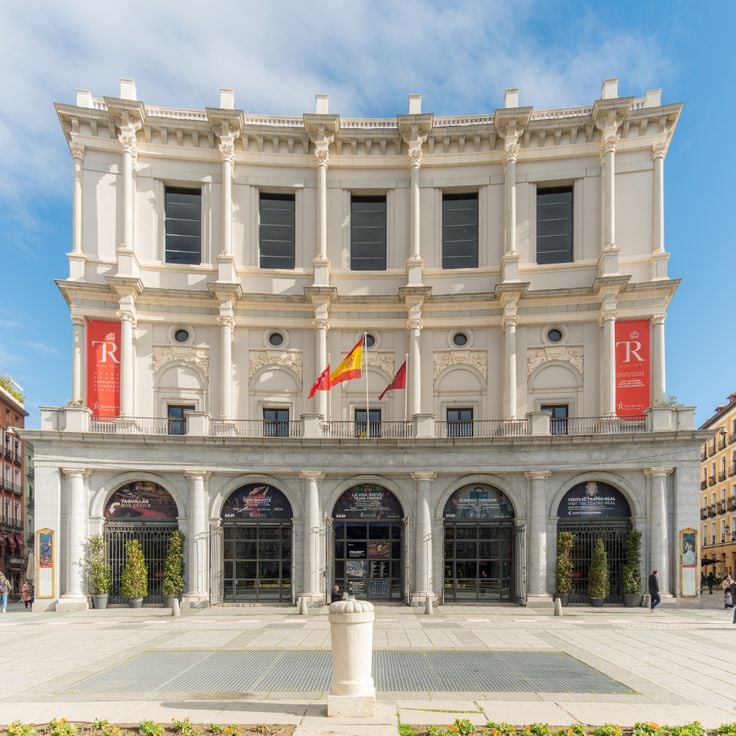
The Royal Theatre is Madrid's principal opera house, standing opposite the Royal Palace on Plaza de Oriente. This venue hosts operas, ballets, and classical performances that form part of the city's cultural life. Within Madrid's rich artistic heritage, the theatre demonstrates how the city values classical traditions while presenting contemporary artists.
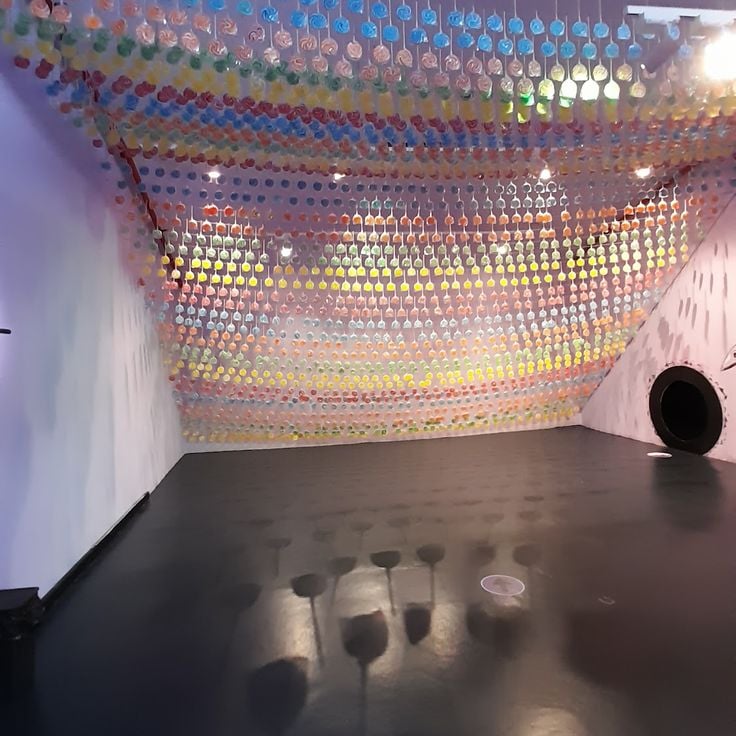
The Sweet Space Museum is a playful and interactive space dedicated to the world of sugar and desserts. Within Madrid's diverse cultural landscape, this museum offers colorful displays and sensory installations that introduce visitors to the history and craft of confectionery. The museum fits into Madrid's blend of tradition and modernity, offering an engaging place to explore and learn about the artistry behind sweet treats.
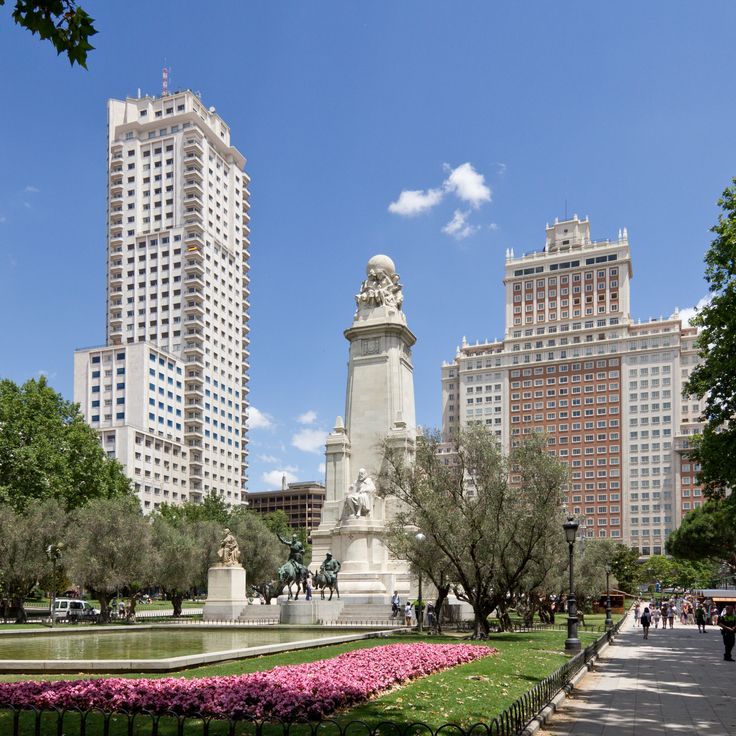
Plaza España is a large square in central Madrid surrounded by tall buildings and gardens. A monumental statue of Cervantes stands here as a tribute to Don Quixote. The square is an important location where visitors experience how the city balances its literary heritage with modern urban life. People gather here to admire the architecture and spend time in this lively public space.
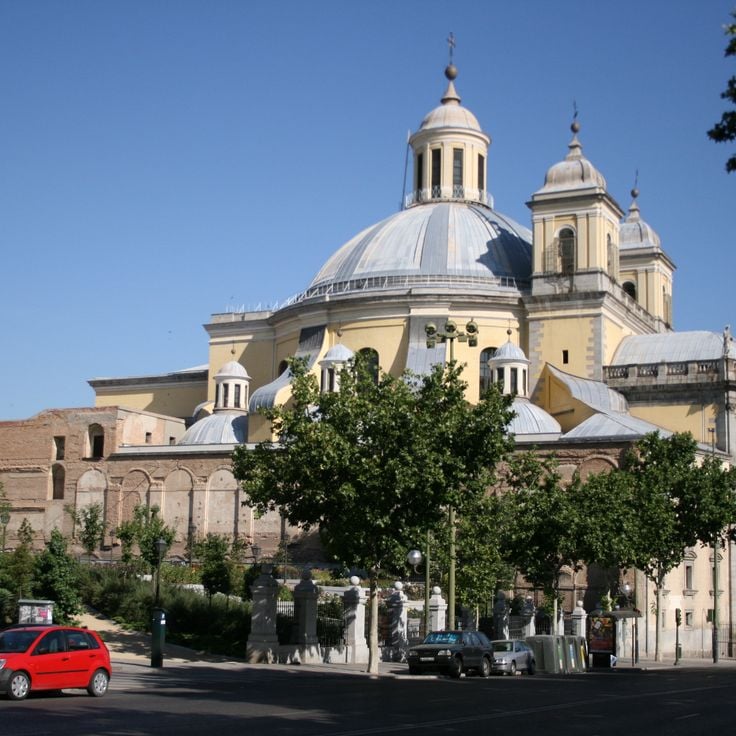
The San Francisco el Grande Basilica is a neoclassical church built in 1784 that sits within Madrid's rich cultural landscape. Its interior features a 33-meter dome, marble columns, frescoes, and paintings by Spanish masters from the 18th century. This basilica represents the artistic and religious expression of Spain's Golden Age and stands as a testament to Madrid's role as a center of artistic achievement during the period when the city was establishing itself as a major European capital.
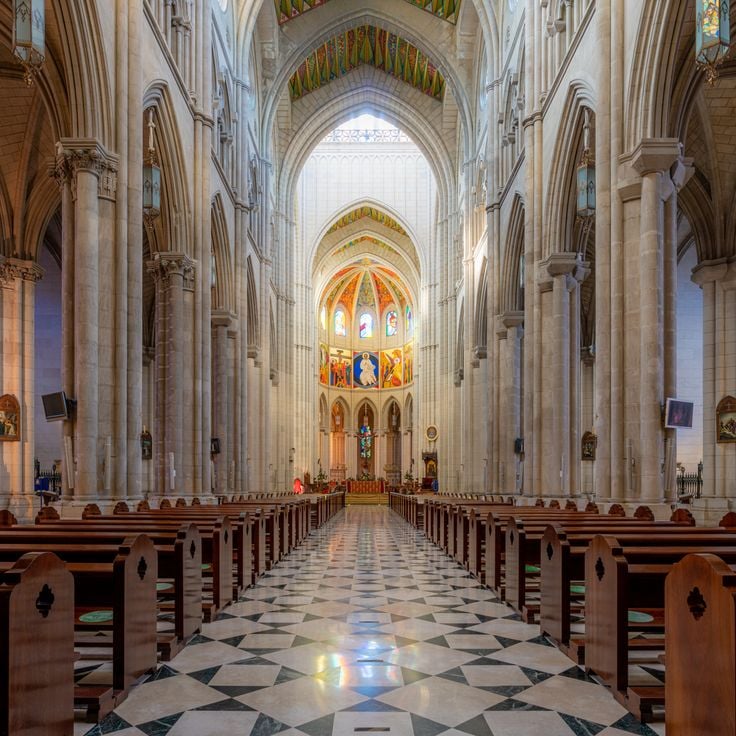
The Almudena Cathedral stands as an important site for understanding Madrid's blend of royal tradition and religious significance. Located opposite the Royal Palace, this building brings together neoclassical, Gothic, and modern architectural styles. The cathedral was consecrated by Pope John Paul II in 1993 and holds a central place in the city's religious life. Positioned between the palace and the heart of Madrid, it shows how history and the present day sit side by side in the city.
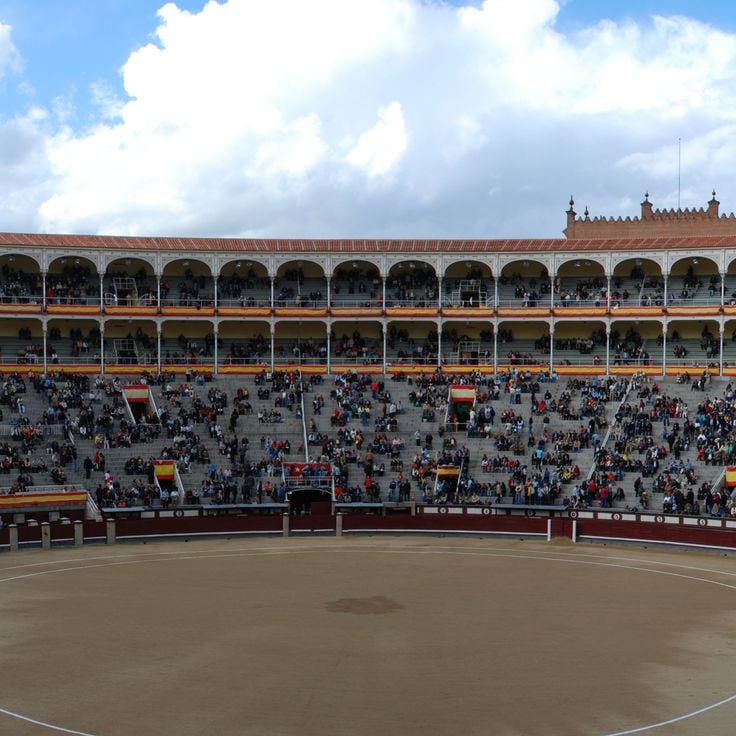
Las Ventas Bullring is a 1929 building that forms part of Madrid's rich cultural heritage. With its red brick and ceramic details in the Neo-Mudéjar style, this arena with about 23,800 seats offers insight into a traditional Spanish art form. Visitors can experience the history of bullfighting here and admire the craftsmanship of the architecture, which reflects the city's artistic legacy.
The Royal Botanical Garden is a scientific collection founded in 1755 that contributes to Madrid's cultural richness. It spreads across organized thematic terraces housing numerous plant species. The garden displays historical greenhouses and invites visitors to explore the world of botany. It is a place where nature and science meet, where Madrilenians spend time surrounded by greenery.
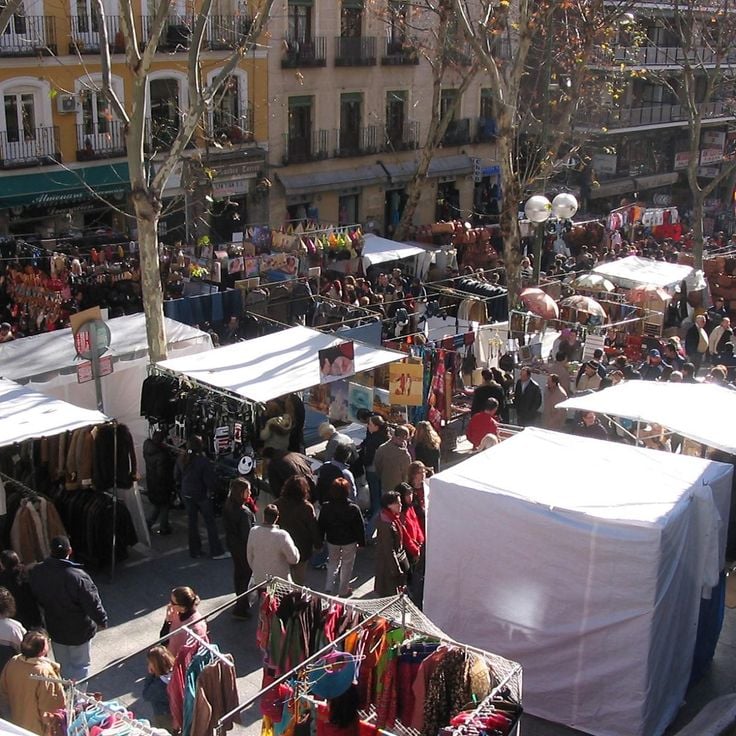
El Rastro is the legendary flea market in La Latina that has drawn Madriders and visitors for generations. On Sundays, the cobblestone streets transform into a sprawling marketplace where antiques, clothing, crafts, and curiosities are bought and sold. The market is part of Madrid's rich cultural tapestry, offering a glimpse into the everyday life and popular culture of the city that extends beyond its grand museums and royal palaces.
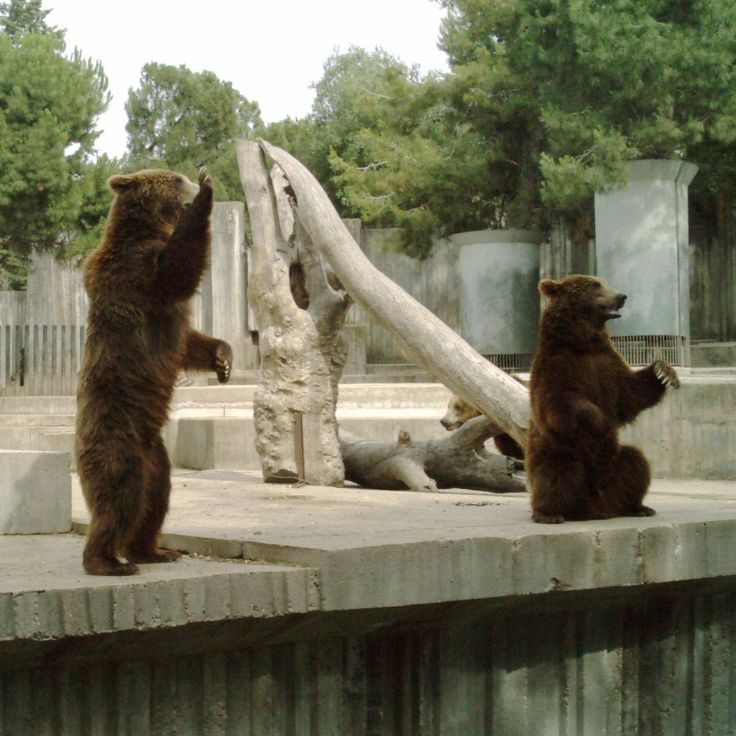
The Madrid Zoo Aquarium brings together thousands of animals from around the world on its spacious grounds. You can observe pandas, dolphins, and countless other species living in large enclosures. The aquarium displays marine life in extensive tanks that hold millions of liters of water. This zoo offers a chance to experience wildlife and spend time outdoors. It adds another layer to Madrid's cultural offerings, complementing the city's art museums, historic palaces, and public squares where residents and visitors enjoy their daily lives.
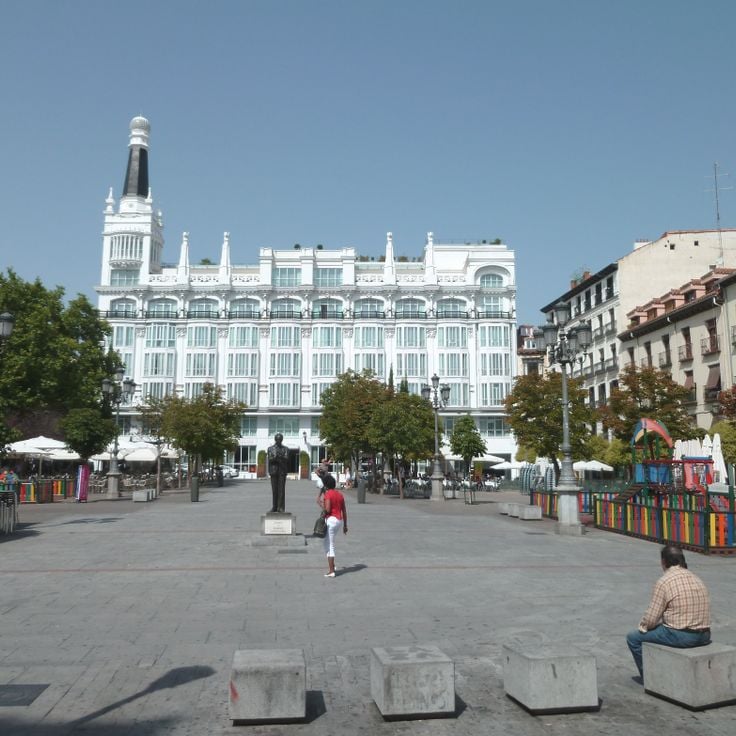
Plaza de Santa Ana is a central square in the Huertas district that shows how Madrileños use their public spaces. Here you find the statue of Federico García Lorca and restaurant terraces where people gather. The square connects history with the everyday life of the city and is part of Madrid's rich heritage that reveals itself through its neighborhoods.
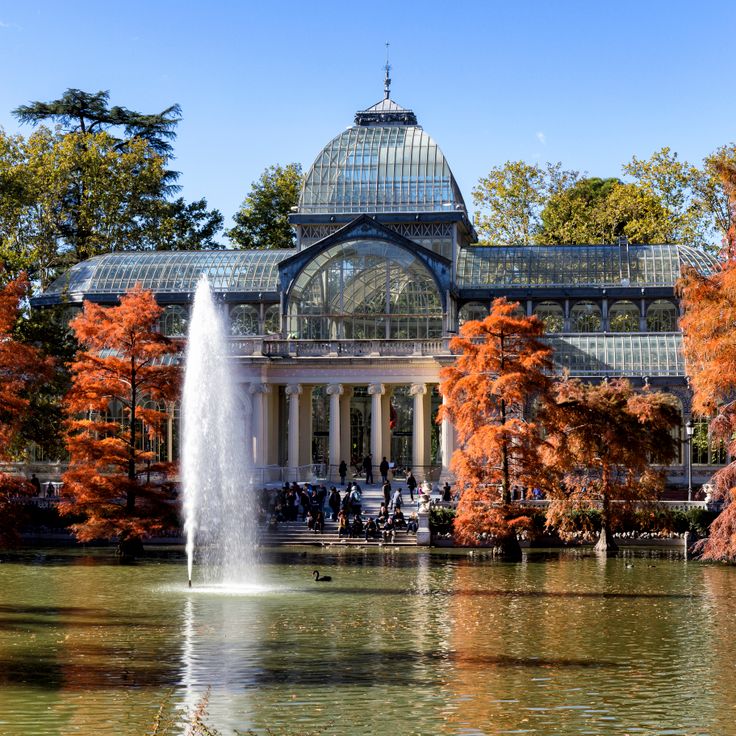
The Crystal Palace in this park is a metal and glass structure built in 1887 for the Philippines Exhibition. The building stands beside a small lake and hosts temporary art exhibitions. It represents the industrial style of the 19th century and offers a place where visitors can discover contemporary works set within the park's green surroundings.
The green lung of the city, Retiro Park features a lake, glass greenhouses, sculptures, and tree-lined pathways. It is a favorite spot for walkers in Madrid and an important part of the city's cultural heritage. The park invites visitors to stroll among historical monuments and artworks while enjoying nature in the heart of the bustling capital.
The Prado Museum in Madrid is one of the largest art museums in the world, displaying masterpieces by Spanish, Italian, and Flemish artists. Here, works by Velázquez, Goya, and Rubens meet across five centuries of European art. This museum is an essential place to understand Madrid's artistic heritage and the treasures of Spanish culture.
The Royal Palace of Madrid is the official residence of the Spanish monarchy at the heart of the city. This baroque building displays the grandeur of Spanish history with over 3,000 rooms. Frescoes decorate the walls and antique furniture fills the spaces. From the terraces, you can gaze across Madrid. The palace is one of the key sites that represents Madrid's royal heritage and helps visitors understand the city's history.
The Santiago Bernabéu Stadium is where Spanish football comes alive. As the home of Real Madrid since 1947, this stadium has hosted countless matches that have moved fans around the world. With over 81,000 seats, it offers a window into Madrid's football culture. Visitors can explore the stands, visit the locker rooms, and see the museum that tells the club's story. Here, sport, history, and the passion of Madrilenians for their team come together.
The Thyssen-Bornemisza Museum displays European painting from the Middle Ages through the pop art era, completing the picture of Madrid's major art collections. Located between the Prado and the Reina Sofía, it holds works that fill gaps in the other museums' collections. You will find paintings by Italian masters, Dutch painters, German Expressionists, and American artists. The museum helps you understand how European art developed across the centuries.
San Miguel Market represents Madrid's culinary heritage in a remarkable setting of metal and glass. The market opened in 1916 and houses about 30 stalls where visitors discover Spanish specialties, wines, and fresh products. Here locals and travelers meet to experience the flavors and traditions of the city. Located at the heart of Madrid, the market connects history with the city's daily life.
Gran Via is Madrid's main street that cuts through the heart of the city. Created in the 1920s, it continues to define Madrid's character with its spacious facades and elegant buildings. Theaters, shops, and hotels line the avenue, reflecting the city's history. The street connects different neighborhoods and serves as a central place for walking, shopping, and experiencing Madrid's diversity.
Plaza Mayor is a rectangular square at the heart of Madrid and one of the city's most important gathering places. With covered arcades running along its edges and an equestrian statue of King Philip III from 1616 at its center, this space blends royal history with everyday life. Locals and visitors come here to sit, eat, watch street performers, and feel the pulse of the city.
The Sorolla Museum was the home of Spanish painter Joaquín Sorolla. It displays his art studio, personal furniture, and original paintings. The museum's gardens feature Mediterranean-style tiled fountains. This house helps you understand Madrid's artistic heritage by showing how a painter lived and worked in the early 1900s.
The Reina Sofía Museum is a national museum dedicated to 20th century art, housed in an 18th century building. Its collection features works by Spanish artists including Picasso, Dalí, and Miró. As part of Madrid's rich cultural landscape, this museum helps visitors understand the development of modern Spanish art and reflects the city's standing as one of Europe's leading cultural capitals.
The Temple of Debod is a genuine Egyptian sanctuary that Egypt gifted to Spain. Stone by stone, it was transported to Madrid. Today it stands at the edge of the city and reflects in a pool of water, especially striking at sunset. For visitors exploring Madrid's rich cultural heritage, this temple shows how the city has integrated ancient wonders into its modern landscape.
The Puerta del Sol is Madrid's central square and the city's beating heart. The square showcases a 19th century clock tower that plays a key role during New Year's Eve celebrations. Here you find the zero kilometer marker, from which all Spanish roads are measured outward. A bronze bear statue, the symbol of the city, stands at this plaza and serves as a gathering spot for locals and visitors alike. The Puerta del Sol connects Madrid's royal past with its vibrant present-day life.
Plaza de Cibeles is a large circular square at Madrid's heart, serving as a vital meeting point in the city. At its center stands a neoclassical fountain depicting the goddess Cybele riding a lion-drawn carriage, a sculptural work rooted in Spanish artistic tradition. Government buildings frame the intersection, lending the plaza a dignified character. This square reflects Madrid's blend of royal heritage, public spaces, and artistic expression, making it an essential site for understanding how the city balances history and daily life.
The Paseo del Prado is a historic boulevard in Madrid that stretches from Plaza Cibeles to Plaza del Emperador Carlos V near Atocha Station. This tree-lined avenue with its large plane trees is one of the city's most important cultural routes. Here you find major museums like the Prado, Reina Sofía, and Thyssen-Bornemisza Museum, which together display a great artistic heritage. The avenue itself is a pleasant place to walk, where visitors stroll between green shade and historic buildings. The Paseo del Prado connects tradition and art in a natural way and is essential to understanding Madrid's beauty and energy.
This museum occupies a neoclassical building and displays important archaeological finds from Spain. Visitors can see Iberian artworks, Roman mosaics, Egyptian mummies, and the famous Lady of Elche sculpture. The collection spans from ancient times through the medieval period, offering insight into Spain's past. Within Madrid's cultural landscape, this museum provides an essential look at the region's archaeological treasures and helps visitors understand how different civilizations shaped Spanish heritage.
The Cerralbo Museum occupies a 19th-century palace that holds the personal collection of the Marquis of Cerralbo. The museum displays historical weapons, paintings, furniture, and decorative arts arranged in their original room settings. It offers visitors a chance to explore the treasures and lifestyle of Spanish aristocracy, adding to Madrid's diverse cultural heritage.
Atocha Station is Madrid's main railway hub and showcases the engineering of the late 1800s. Built from iron and glass, the station houses a tropical garden under its roof with ponds and around 260 plant species spread across an indoor space. This station connects travelers from across Spain and represents how Madrid blends history and modernity - a place where architecture, engineering, and nature meet within the city's journey.
The Palace of Cibeles was originally Madrid's central post office, built in 1919. Today it houses the city government and hosts cultural exhibitions. This stone building with its striking architecture is a key place to understand Madrid's history and artistic development. It bridges the city's past with its present role as a cultural capital.
The Salamanca District is one of Madrid's essential destinations to understand the city's transformation in the 19th century. This neighborhood showcases a geometric street layout that reflects the urban planning ambitions of its era. Ornate stone facades adorn residential buildings throughout the area, creating a cohesive architectural character. Luxury shops and restaurants line the streets, making this district a place where locals and visitors experience Madrid's elegant side and sense of style.
Madrid Rio Park stretches along the Manzanares River and brings nature into the heart of the city. The park offers walking paths, cycling lanes, sports fields, concert areas, and playgrounds for families. Ten bridges cross the water, connecting different parts of the park and the city. This green space shows how Madrid blends outdoor life with urban culture, giving residents and visitors a place to enjoy the river and relax away from the busy streets.
The Puerta de Alcalá is a former royal gate on Plaza de la Independencia and stands as a witness to Madrid's rich history. This structure was one of five historic entrances to the city and represents the royal heritage that lies behind the city's wide avenues and active squares. With its classical architecture, it contributes to understanding Madrid's beauty and the interplay between tradition and modernity.
The Royal Theatre is Madrid's principal opera house, standing opposite the Royal Palace on Plaza de Oriente. This venue hosts operas, ballets, and classical performances that form part of the city's cultural life. Within Madrid's rich artistic heritage, the theatre demonstrates how the city values classical traditions while presenting contemporary artists.
The Sweet Space Museum is a playful and interactive space dedicated to the world of sugar and desserts. Within Madrid's diverse cultural landscape, this museum offers colorful displays and sensory installations that introduce visitors to the history and craft of confectionery. The museum fits into Madrid's blend of tradition and modernity, offering an engaging place to explore and learn about the artistry behind sweet treats.
Plaza España is a large square in central Madrid surrounded by tall buildings and gardens. A monumental statue of Cervantes stands here as a tribute to Don Quixote. The square is an important location where visitors experience how the city balances its literary heritage with modern urban life. People gather here to admire the architecture and spend time in this lively public space.
The San Francisco el Grande Basilica is a neoclassical church built in 1784 that sits within Madrid's rich cultural landscape. Its interior features a 33-meter dome, marble columns, frescoes, and paintings by Spanish masters from the 18th century. This basilica represents the artistic and religious expression of Spain's Golden Age and stands as a testament to Madrid's role as a center of artistic achievement during the period when the city was establishing itself as a major European capital.
The Almudena Cathedral stands as an important site for understanding Madrid's blend of royal tradition and religious significance. Located opposite the Royal Palace, this building brings together neoclassical, Gothic, and modern architectural styles. The cathedral was consecrated by Pope John Paul II in 1993 and holds a central place in the city's religious life. Positioned between the palace and the heart of Madrid, it shows how history and the present day sit side by side in the city.
Las Ventas Bullring is a 1929 building that forms part of Madrid's rich cultural heritage. With its red brick and ceramic details in the Neo-Mudéjar style, this arena with about 23,800 seats offers insight into a traditional Spanish art form. Visitors can experience the history of bullfighting here and admire the craftsmanship of the architecture, which reflects the city's artistic legacy.
The Royal Botanical Garden is a scientific collection founded in 1755 that contributes to Madrid's cultural richness. It spreads across organized thematic terraces housing numerous plant species. The garden displays historical greenhouses and invites visitors to explore the world of botany. It is a place where nature and science meet, where Madrilenians spend time surrounded by greenery.
El Rastro is the legendary flea market in La Latina that has drawn Madriders and visitors for generations. On Sundays, the cobblestone streets transform into a sprawling marketplace where antiques, clothing, crafts, and curiosities are bought and sold. The market is part of Madrid's rich cultural tapestry, offering a glimpse into the everyday life and popular culture of the city that extends beyond its grand museums and royal palaces.
The Madrid Zoo Aquarium brings together thousands of animals from around the world on its spacious grounds. You can observe pandas, dolphins, and countless other species living in large enclosures. The aquarium displays marine life in extensive tanks that hold millions of liters of water. This zoo offers a chance to experience wildlife and spend time outdoors. It adds another layer to Madrid's cultural offerings, complementing the city's art museums, historic palaces, and public squares where residents and visitors enjoy their daily lives.
Plaza de Santa Ana is a central square in the Huertas district that shows how Madrileños use their public spaces. Here you find the statue of Federico García Lorca and restaurant terraces where people gather. The square connects history with the everyday life of the city and is part of Madrid's rich heritage that reveals itself through its neighborhoods.
The Crystal Palace in this park is a metal and glass structure built in 1887 for the Philippines Exhibition. The building stands beside a small lake and hosts temporary art exhibitions. It represents the industrial style of the 19th century and offers a place where visitors can discover contemporary works set within the park's green surroundings.
The green lung of the city, Retiro Park features a lake, glass greenhouses, sculptures, and tree-lined pathways. It is a favorite spot for walkers in Madrid and an important part of the city's cultural heritage. The park invites visitors to stroll among historical monuments and artworks while enjoying nature in the heart of the bustling capital.
The Prado Museum in Madrid is one of the largest art museums in the world, displaying masterpieces by Spanish, Italian, and Flemish artists. Here, works by Velázquez, Goya, and Rubens meet across five centuries of European art. This museum is an essential place to understand Madrid's artistic heritage and the treasures of Spanish culture.
The Royal Palace of Madrid is the official residence of the Spanish monarchy at the heart of the city. This baroque building displays the grandeur of Spanish history with over 3,000 rooms. Frescoes decorate the walls and antique furniture fills the spaces. From the terraces, you can gaze across Madrid. The palace is one of the key sites that represents Madrid's royal heritage and helps visitors understand the city's history.
The Santiago Bernabéu Stadium is where Spanish football comes alive. As the home of Real Madrid since 1947, this stadium has hosted countless matches that have moved fans around the world. With over 81,000 seats, it offers a window into Madrid's football culture. Visitors can explore the stands, visit the locker rooms, and see the museum that tells the club's story. Here, sport, history, and the passion of Madrilenians for their team come together.
The Thyssen-Bornemisza Museum displays European painting from the Middle Ages through the pop art era, completing the picture of Madrid's major art collections. Located between the Prado and the Reina Sofía, it holds works that fill gaps in the other museums' collections. You will find paintings by Italian masters, Dutch painters, German Expressionists, and American artists. The museum helps you understand how European art developed across the centuries.
San Miguel Market represents Madrid's culinary heritage in a remarkable setting of metal and glass. The market opened in 1916 and houses about 30 stalls where visitors discover Spanish specialties, wines, and fresh products. Here locals and travelers meet to experience the flavors and traditions of the city. Located at the heart of Madrid, the market connects history with the city's daily life.
Gran Via is Madrid's main street that cuts through the heart of the city. Created in the 1920s, it continues to define Madrid's character with its spacious facades and elegant buildings. Theaters, shops, and hotels line the avenue, reflecting the city's history. The street connects different neighborhoods and serves as a central place for walking, shopping, and experiencing Madrid's diversity.
Plaza Mayor is a rectangular square at the heart of Madrid and one of the city's most important gathering places. With covered arcades running along its edges and an equestrian statue of King Philip III from 1616 at its center, this space blends royal history with everyday life. Locals and visitors come here to sit, eat, watch street performers, and feel the pulse of the city.
The Sorolla Museum was the home of Spanish painter Joaquín Sorolla. It displays his art studio, personal furniture, and original paintings. The museum's gardens feature Mediterranean-style tiled fountains. This house helps you understand Madrid's artistic heritage by showing how a painter lived and worked in the early 1900s.
The Reina Sofía Museum is a national museum dedicated to 20th century art, housed in an 18th century building. Its collection features works by Spanish artists including Picasso, Dalí, and Miró. As part of Madrid's rich cultural landscape, this museum helps visitors understand the development of modern Spanish art and reflects the city's standing as one of Europe's leading cultural capitals.
The Temple of Debod is a genuine Egyptian sanctuary that Egypt gifted to Spain. Stone by stone, it was transported to Madrid. Today it stands at the edge of the city and reflects in a pool of water, especially striking at sunset. For visitors exploring Madrid's rich cultural heritage, this temple shows how the city has integrated ancient wonders into its modern landscape.
The Puerta del Sol is Madrid's central square and the city's beating heart. The square showcases a 19th century clock tower that plays a key role during New Year's Eve celebrations. Here you find the zero kilometer marker, from which all Spanish roads are measured outward. A bronze bear statue, the symbol of the city, stands at this plaza and serves as a gathering spot for locals and visitors alike. The Puerta del Sol connects Madrid's royal past with its vibrant present-day life.
Plaza de Cibeles is a large circular square at Madrid's heart, serving as a vital meeting point in the city. At its center stands a neoclassical fountain depicting the goddess Cybele riding a lion-drawn carriage, a sculptural work rooted in Spanish artistic tradition. Government buildings frame the intersection, lending the plaza a dignified character. This square reflects Madrid's blend of royal heritage, public spaces, and artistic expression, making it an essential site for understanding how the city balances history and daily life.
The Paseo del Prado is a historic boulevard in Madrid that stretches from Plaza Cibeles to Plaza del Emperador Carlos V near Atocha Station. This tree-lined avenue with its large plane trees is one of the city's most important cultural routes. Here you find major museums like the Prado, Reina Sofía, and Thyssen-Bornemisza Museum, which together display a great artistic heritage. The avenue itself is a pleasant place to walk, where visitors stroll between green shade and historic buildings. The Paseo del Prado connects tradition and art in a natural way and is essential to understanding Madrid's beauty and energy.
This museum occupies a neoclassical building and displays important archaeological finds from Spain. Visitors can see Iberian artworks, Roman mosaics, Egyptian mummies, and the famous Lady of Elche sculpture. The collection spans from ancient times through the medieval period, offering insight into Spain's past. Within Madrid's cultural landscape, this museum provides an essential look at the region's archaeological treasures and helps visitors understand how different civilizations shaped Spanish heritage.
The Cerralbo Museum occupies a 19th-century palace that holds the personal collection of the Marquis of Cerralbo. The museum displays historical weapons, paintings, furniture, and decorative arts arranged in their original room settings. It offers visitors a chance to explore the treasures and lifestyle of Spanish aristocracy, adding to Madrid's diverse cultural heritage.
Atocha Station is Madrid's main railway hub and showcases the engineering of the late 1800s. Built from iron and glass, the station houses a tropical garden under its roof with ponds and around 260 plant species spread across an indoor space. This station connects travelers from across Spain and represents how Madrid blends history and modernity - a place where architecture, engineering, and nature meet within the city's journey.
The Palace of Cibeles was originally Madrid's central post office, built in 1919. Today it houses the city government and hosts cultural exhibitions. This stone building with its striking architecture is a key place to understand Madrid's history and artistic development. It bridges the city's past with its present role as a cultural capital.
The Salamanca District is one of Madrid's essential destinations to understand the city's transformation in the 19th century. This neighborhood showcases a geometric street layout that reflects the urban planning ambitions of its era. Ornate stone facades adorn residential buildings throughout the area, creating a cohesive architectural character. Luxury shops and restaurants line the streets, making this district a place where locals and visitors experience Madrid's elegant side and sense of style.
Madrid Rio Park stretches along the Manzanares River and brings nature into the heart of the city. The park offers walking paths, cycling lanes, sports fields, concert areas, and playgrounds for families. Ten bridges cross the water, connecting different parts of the park and the city. This green space shows how Madrid blends outdoor life with urban culture, giving residents and visitors a place to enjoy the river and relax away from the busy streets.
The Puerta de Alcalá is a former royal gate on Plaza de la Independencia and stands as a witness to Madrid's rich history. This structure was one of five historic entrances to the city and represents the royal heritage that lies behind the city's wide avenues and active squares. With its classical architecture, it contributes to understanding Madrid's beauty and the interplay between tradition and modernity.
The Royal Theatre is Madrid's principal opera house, standing opposite the Royal Palace on Plaza de Oriente. This venue hosts operas, ballets, and classical performances that form part of the city's cultural life. Within Madrid's rich artistic heritage, the theatre demonstrates how the city values classical traditions while presenting contemporary artists.
The Sweet Space Museum is a playful and interactive space dedicated to the world of sugar and desserts. Within Madrid's diverse cultural landscape, this museum offers colorful displays and sensory installations that introduce visitors to the history and craft of confectionery. The museum fits into Madrid's blend of tradition and modernity, offering an engaging place to explore and learn about the artistry behind sweet treats.
Plaza España is a large square in central Madrid surrounded by tall buildings and gardens. A monumental statue of Cervantes stands here as a tribute to Don Quixote. The square is an important location where visitors experience how the city balances its literary heritage with modern urban life. People gather here to admire the architecture and spend time in this lively public space.
The San Francisco el Grande Basilica is a neoclassical church built in 1784 that sits within Madrid's rich cultural landscape. Its interior features a 33-meter dome, marble columns, frescoes, and paintings by Spanish masters from the 18th century. This basilica represents the artistic and religious expression of Spain's Golden Age and stands as a testament to Madrid's role as a center of artistic achievement during the period when the city was establishing itself as a major European capital.
The Almudena Cathedral stands as an important site for understanding Madrid's blend of royal tradition and religious significance. Located opposite the Royal Palace, this building brings together neoclassical, Gothic, and modern architectural styles. The cathedral was consecrated by Pope John Paul II in 1993 and holds a central place in the city's religious life. Positioned between the palace and the heart of Madrid, it shows how history and the present day sit side by side in the city.
Las Ventas Bullring is a 1929 building that forms part of Madrid's rich cultural heritage. With its red brick and ceramic details in the Neo-Mudéjar style, this arena with about 23,800 seats offers insight into a traditional Spanish art form. Visitors can experience the history of bullfighting here and admire the craftsmanship of the architecture, which reflects the city's artistic legacy.
The Royal Botanical Garden is a scientific collection founded in 1755 that contributes to Madrid's cultural richness. It spreads across organized thematic terraces housing numerous plant species. The garden displays historical greenhouses and invites visitors to explore the world of botany. It is a place where nature and science meet, where Madrilenians spend time surrounded by greenery.
El Rastro is the legendary flea market in La Latina that has drawn Madriders and visitors for generations. On Sundays, the cobblestone streets transform into a sprawling marketplace where antiques, clothing, crafts, and curiosities are bought and sold. The market is part of Madrid's rich cultural tapestry, offering a glimpse into the everyday life and popular culture of the city that extends beyond its grand museums and royal palaces.
The Madrid Zoo Aquarium brings together thousands of animals from around the world on its spacious grounds. You can observe pandas, dolphins, and countless other species living in large enclosures. The aquarium displays marine life in extensive tanks that hold millions of liters of water. This zoo offers a chance to experience wildlife and spend time outdoors. It adds another layer to Madrid's cultural offerings, complementing the city's art museums, historic palaces, and public squares where residents and visitors enjoy their daily lives.
Plaza de Santa Ana is a central square in the Huertas district that shows how Madrileños use their public spaces. Here you find the statue of Federico García Lorca and restaurant terraces where people gather. The square connects history with the everyday life of the city and is part of Madrid's rich heritage that reveals itself through its neighborhoods.
The Crystal Palace in this park is a metal and glass structure built in 1887 for the Philippines Exhibition. The building stands beside a small lake and hosts temporary art exhibitions. It represents the industrial style of the 19th century and offers a place where visitors can discover contemporary works set within the park's green surroundings.
Good to know: watch out for quiet hours. Many museums close in the afternoon or have strange hours. Restaurants do not serve lunch before midday thirty, and dinner starts at nine. Adjust your pace to the city rather than the other way around.