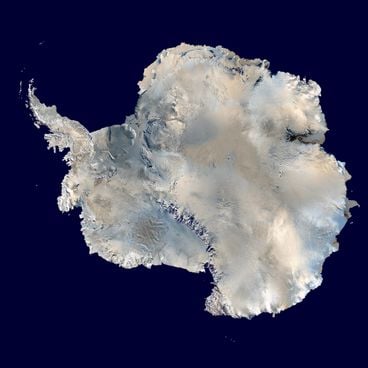
The national parks, deserts, lakes, and natural sites in Mongolia form a diverse natural heritage. The Gobi Desert features sand dunes and rock formations. National parks like Gurvan Saikhan and Gorkhi-Terelj offer mountain and canyon landscapes. Lake Khövsgöl and the Orkhon Valley are major natural sites. Buddhist monasteries, including Amarbayasgalant and Erdene Zuu, reflect the country's religious history. Ulaanbaatar, the capital, combines historical monuments and modern architecture.
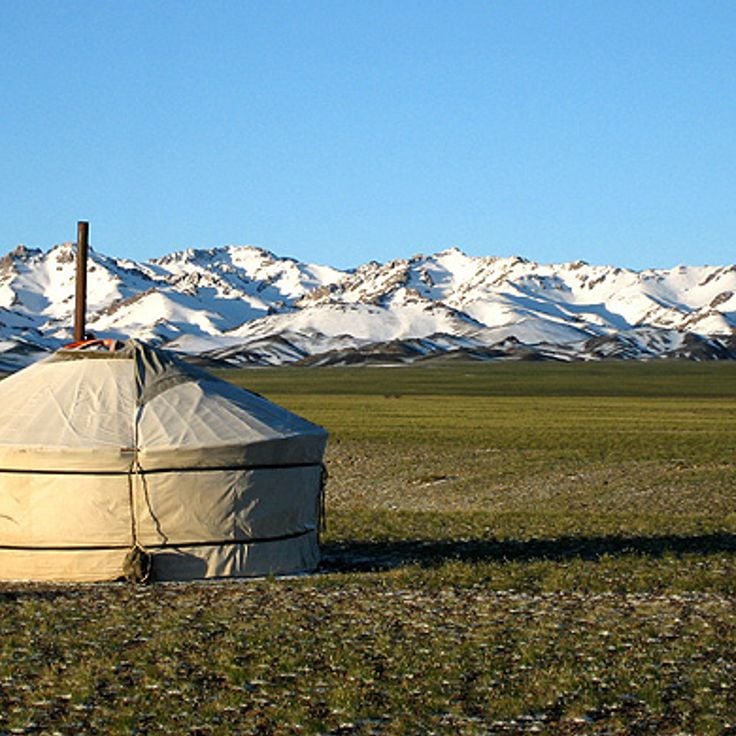
Mongolia
A protected area in the Gobi Desert featuring canyons, mountains, and valleys. It is an important region for vultures and wild sheep.
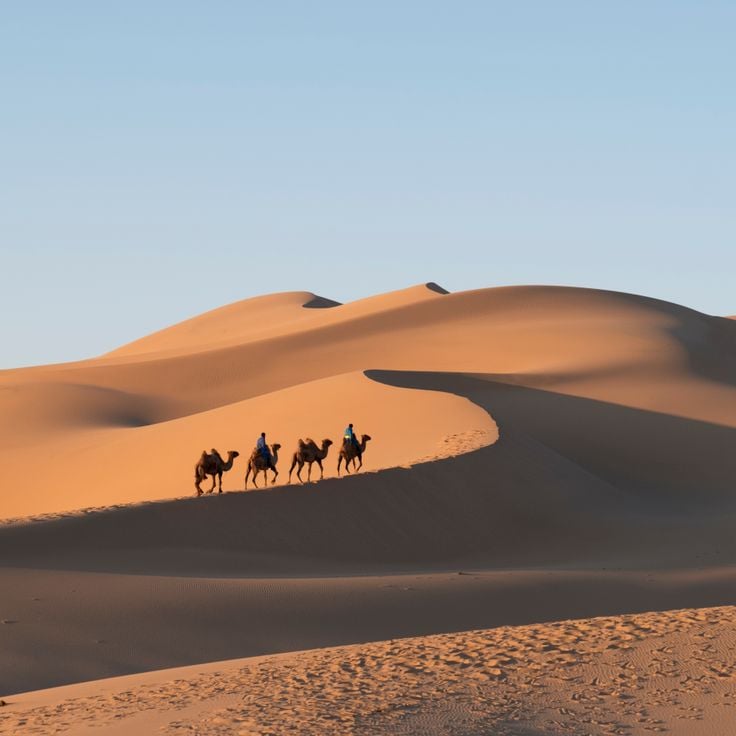
Mongolia
A vast desert in Asia situated between Mongolia and northern China. Temperatures range from -40°C in winter to +50°C in summer.
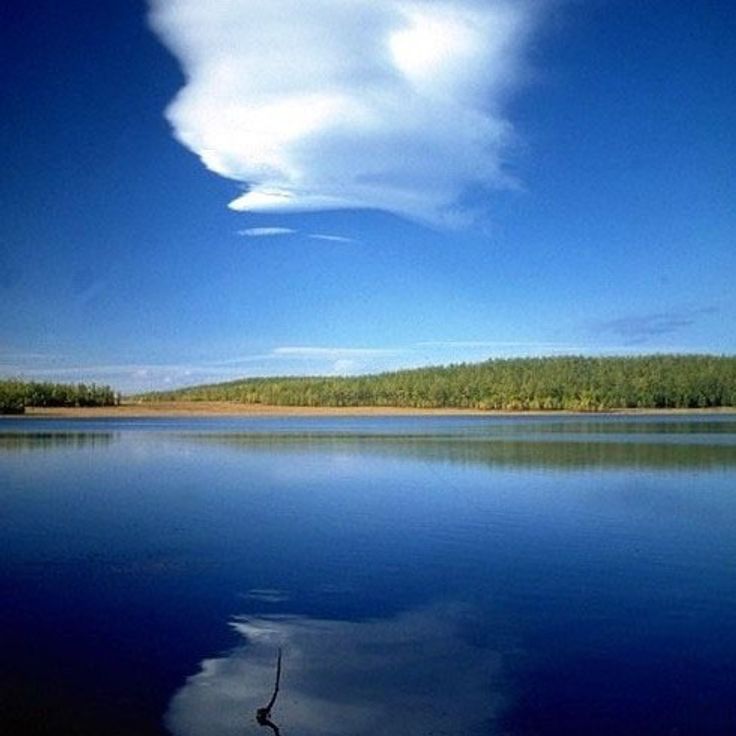
Mongolia
The deepest freshwater lake in Mongolia contains one percent of the world's fresh water, located in northern Mongolia near the Russian border.
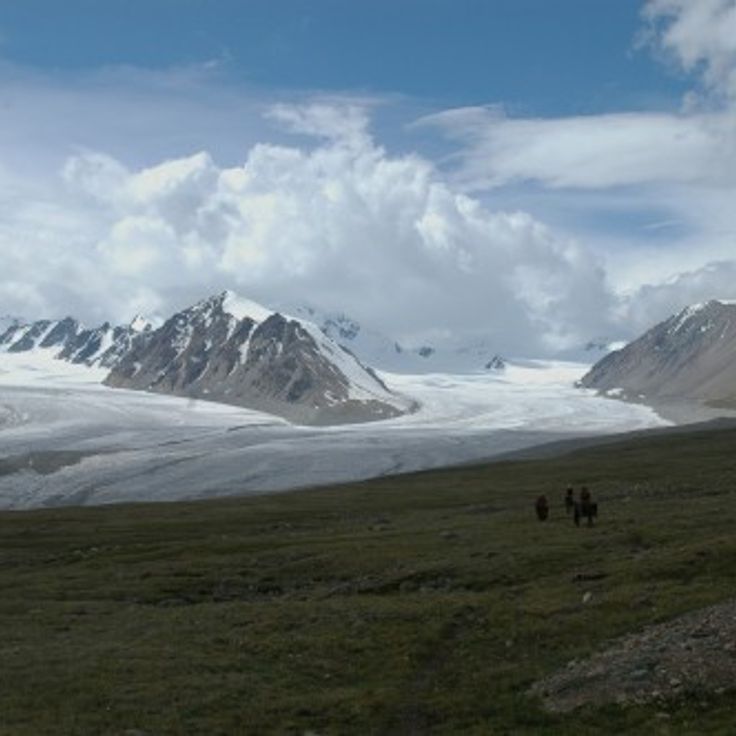
Ölgii, Mongolia
A protected natural area that includes the highest peaks in Mongolia and three main glaciers. The alpine meadows are used by Kazakh herders for grazing.
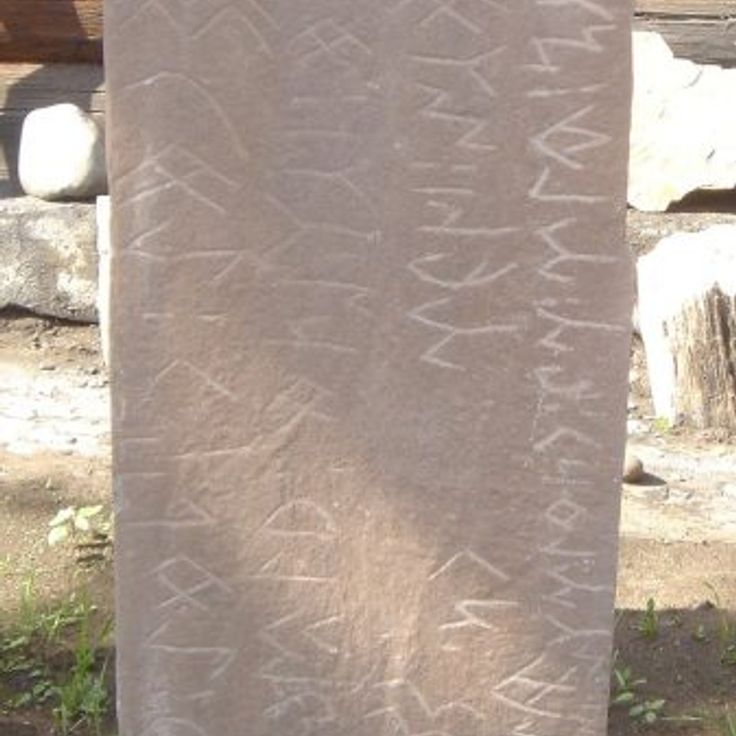
Mongolia
Historical valley containing Karakorum ruins, former capital of the Mongol Empire. Location of Buddhist monasteries and burial monuments.
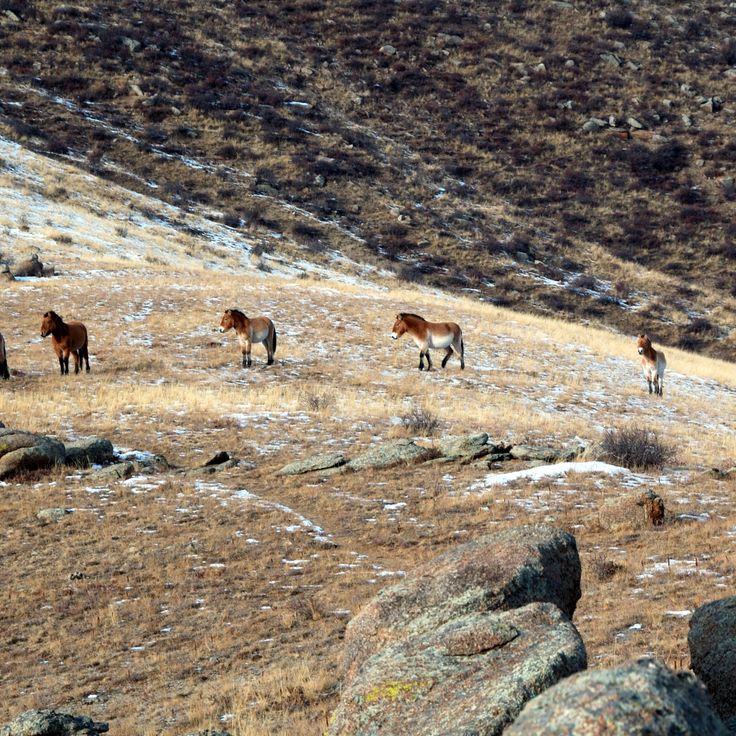
Mongolia
Protected area in central Mongolia where wild Przewalski horses live in the grasslands and forests of the Khentii Mountains.
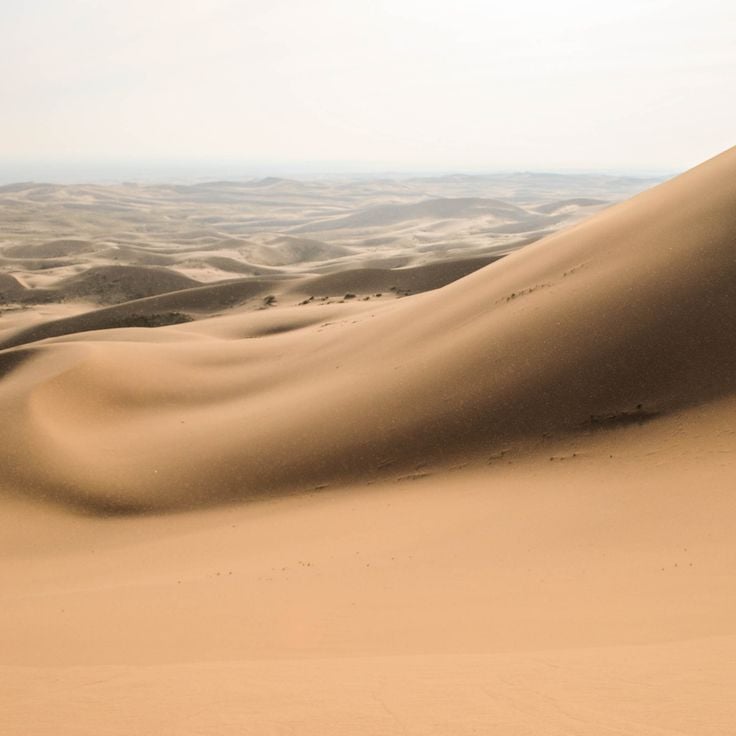
Gobi Desert, Mongolia
A set of sand dunes stretching 180 kilometers long and reaching 300 meters high. The wind creates distinct sounds here.
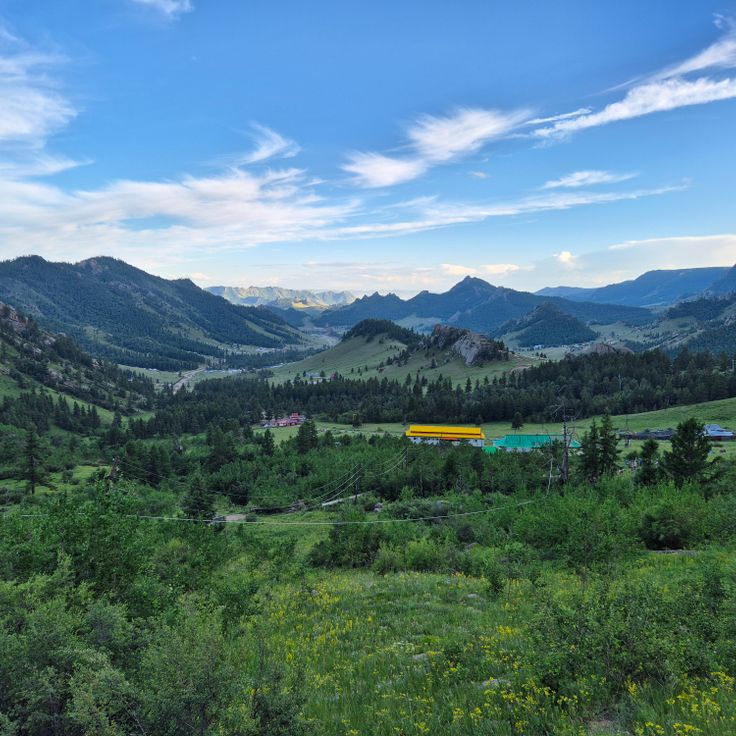
Mongolia
Natural area 40 kilometers from Ulaanbaatar with large rock formations, alpine meadows and a Buddhist monastery at the base of a mountain.
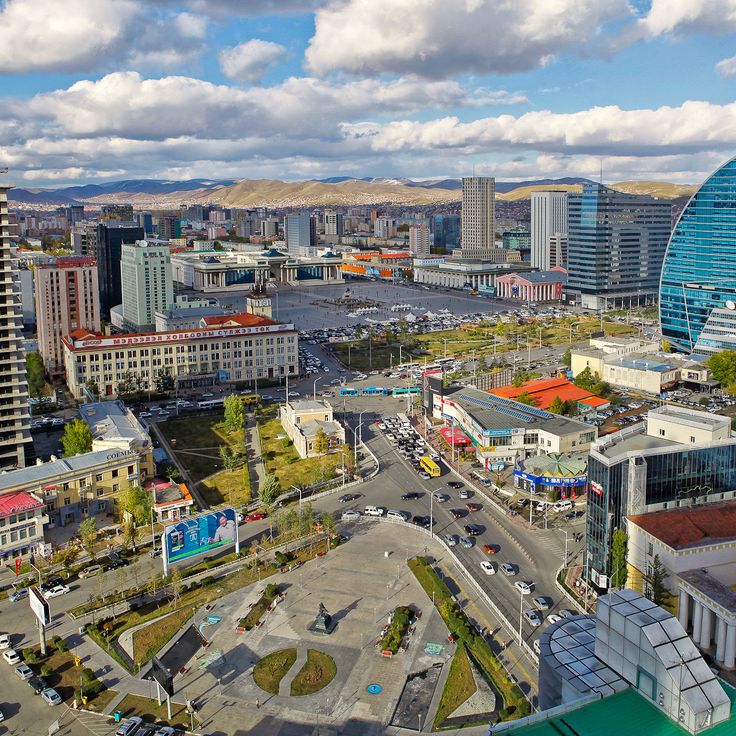
Mongolia
Mongolia's capital and largest city, located in a valley between four mountains, with a mix of modern buildings and traditional temples.
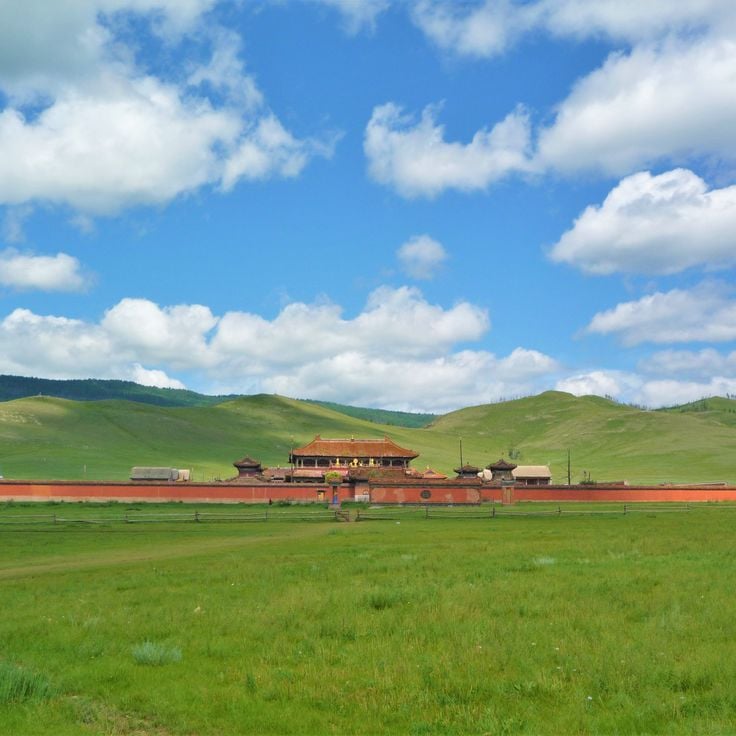
Selenge Province, Mongolia
A religious establishment dating back to 1727, consisting of 40 temples and buildings adorned with sculptures and paintings in Mongolian Buddhist traditions.
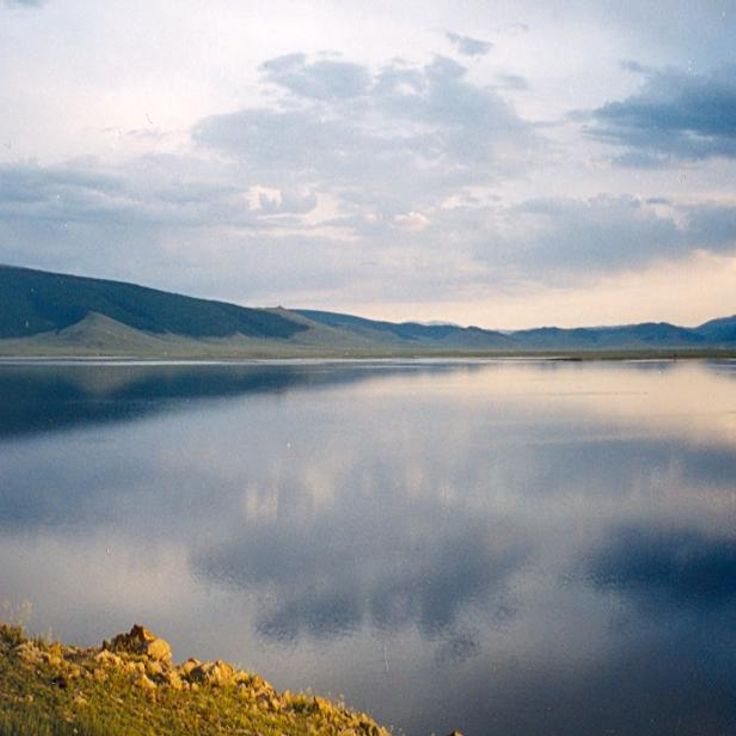
Arkhangai Province, Mongolia
A 16-square-kilometer body of water formed by an ancient volcanic eruption. Black basaltic rocks contrast with the lake's blue surface.
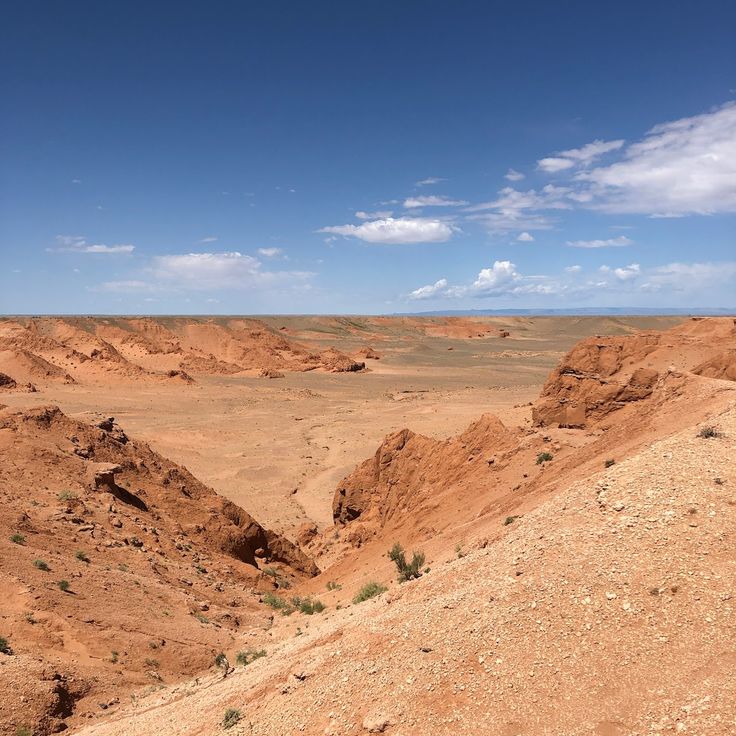
Ömnögovi Province, Mongolia
Red sandstone cliffs where dinosaur bones and fossilized egg nests from the Late Cretaceous period were discovered.
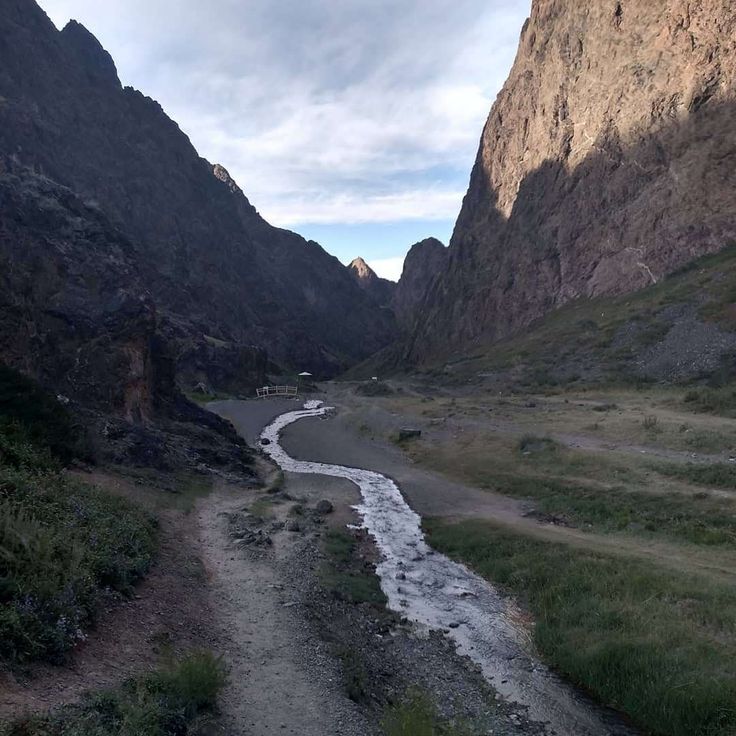
Mongolia
This narrow gorge located in the Gobi Desert features vertical rock walls and is home to bearded vultures. In winter, ice persists in the lower part.
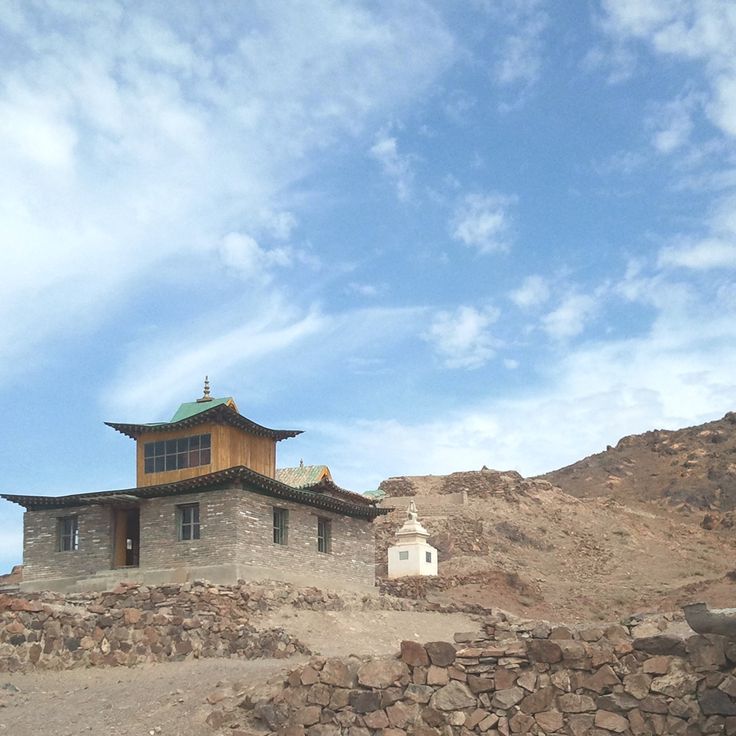
Mongolia
Ruins of a 17th-century Buddhist monastery destroyed in 1939. Foundations and several walls indicate the presence of two complexes along the Ongiin River banks.
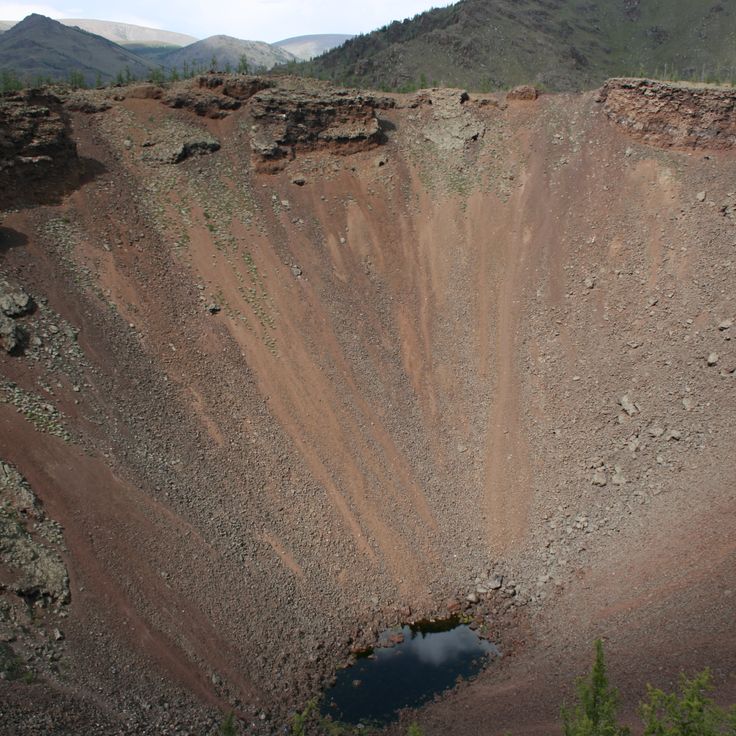
Mongolia
An extinct volcano rising to 2240 meters altitude. Its crater measures 200 meters in diameter and 80 meters deep. Black lava flows extend for several kilometers.
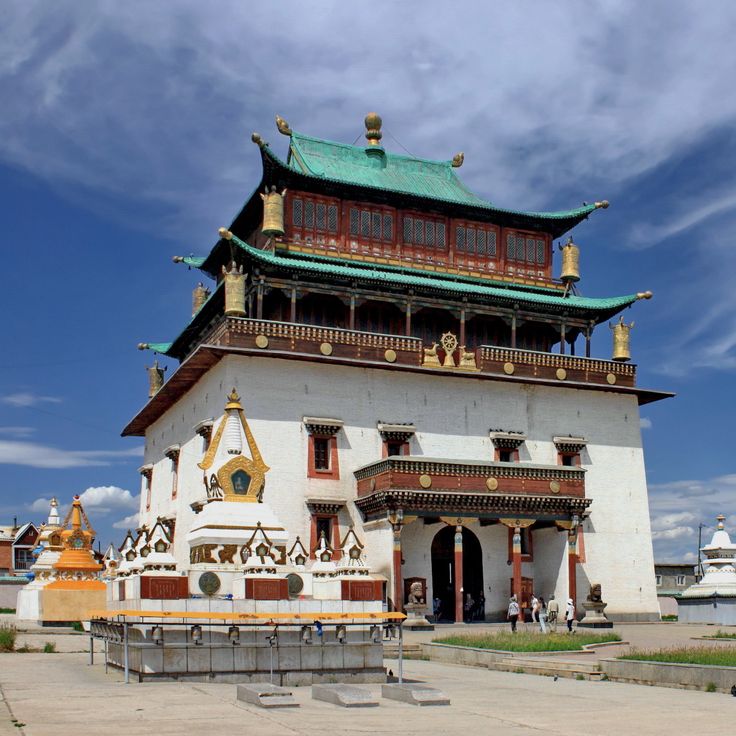
Ulaanbaatar, Mongolia
A Tibetan Buddhist monastery founded in 1835, comprising several temples and a 26-meter-high Buddha statue. More than 150 monks reside here.
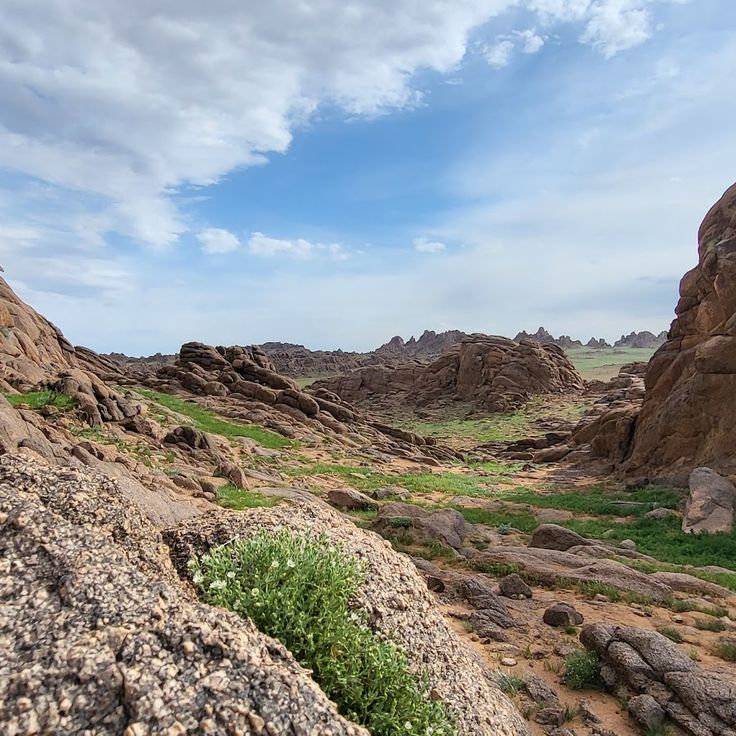
Mongolia
A granite geological formation spanning 286 square kilometers in the eastern part of the Gobi Desert. The site includes several caves and water sources.
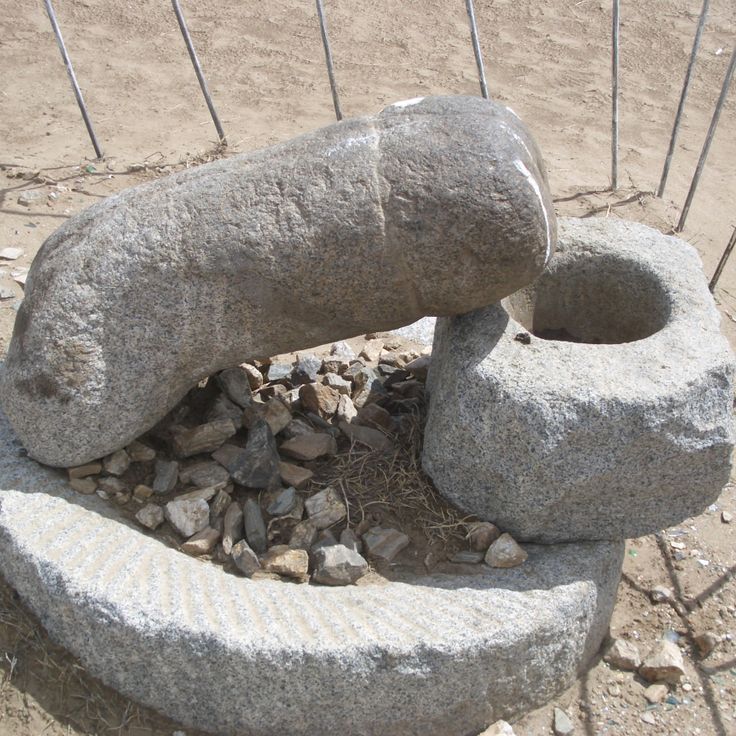
Karakorum, Mongolia
A Buddhist monastery built in 1585 with stones from the ancient Karakorum capital. The site has 108 white stupas arranged in a square around three main temples.
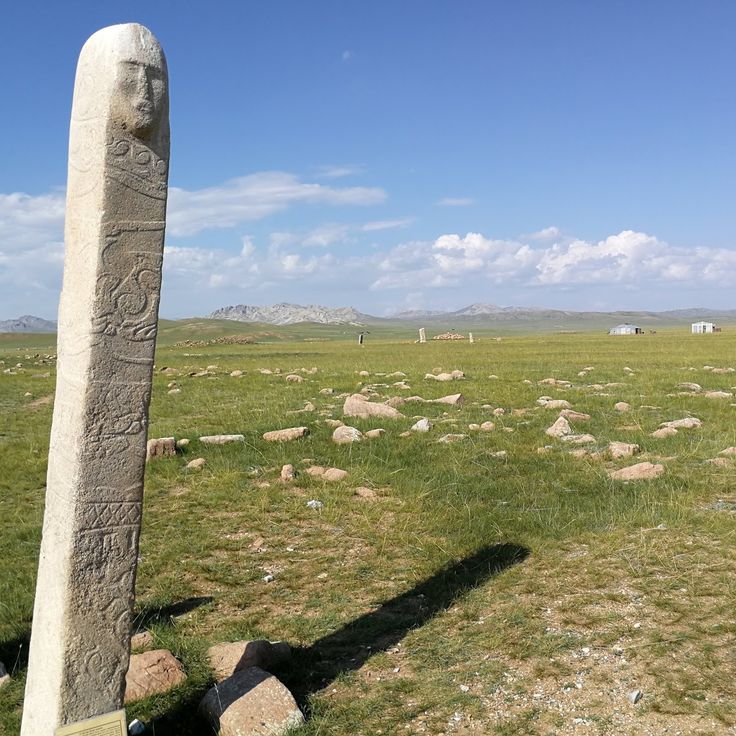
Mongolia
A group of 14 stone slabs from the Bronze Age, decorated with carvings of deer. The steles range from 1.5 to 4 meters in height.
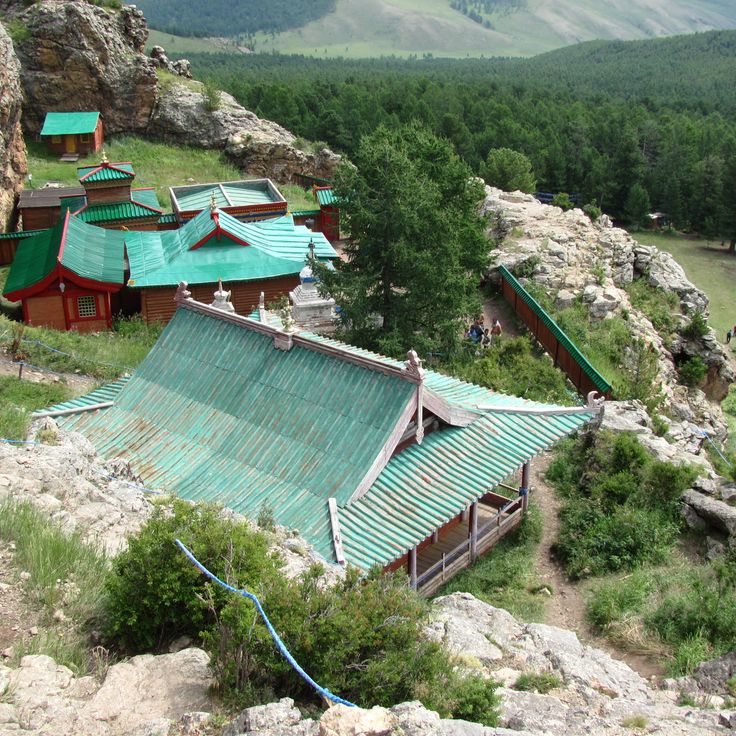
Mongolia
A Buddhist temple built in 1648 at 2312 meters altitude on the sacred mountain of Shireet Ulaan. The site includes several shrines and meditation caves.
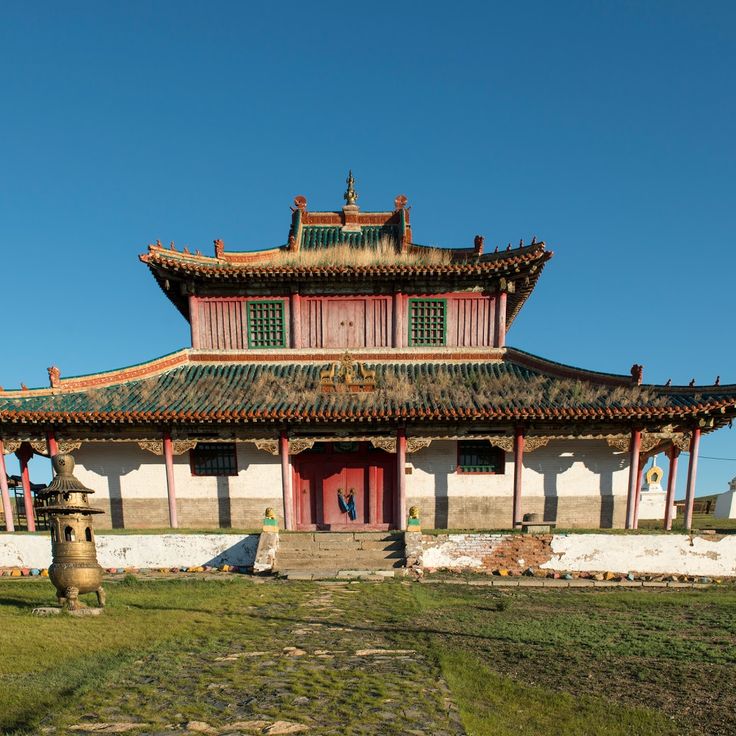
Mongolia
A religious center founded in 1647 by Zanabazar. The monastery houses a collection of sacred Buddhist texts and historical ritual objects.
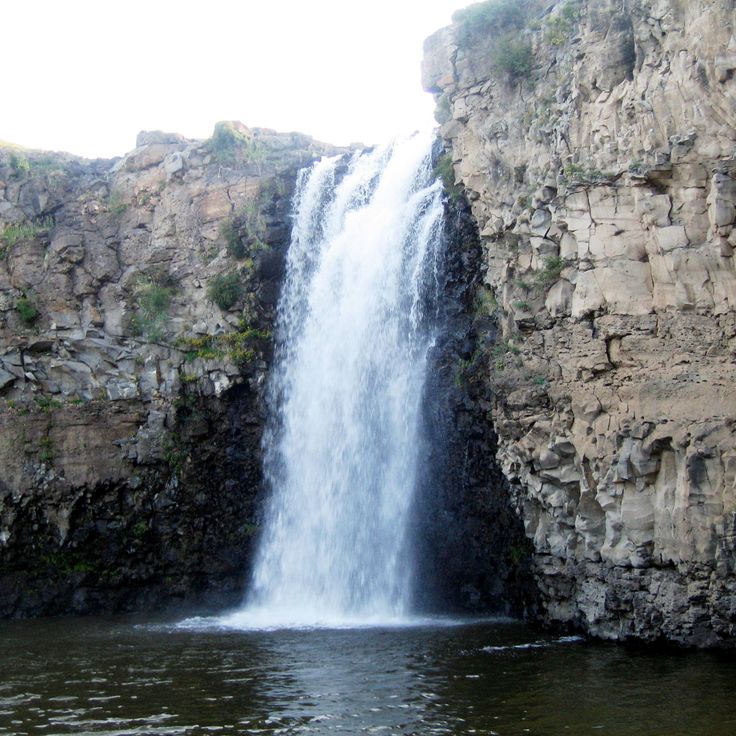
Mongolia
A 16-meter-high waterfall on the Ulaan Tsutgalan river. The water originates from the Khangai Mountains, forming a natural basin.
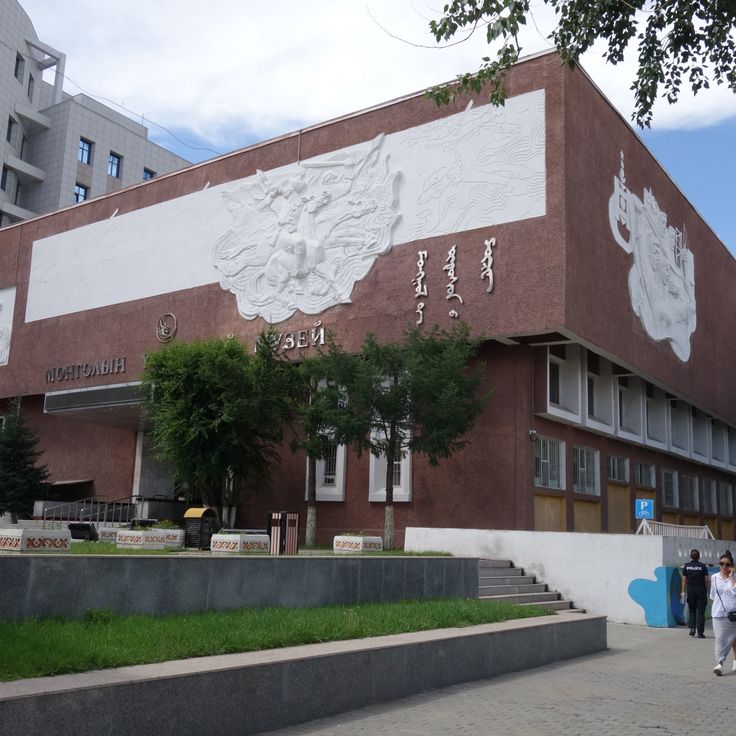
Ulaanbaatar, Mongolia
A collection of items tracing Mongolia's history from prehistory to present, including traditional costumes, weapons, and nomadic artifacts.
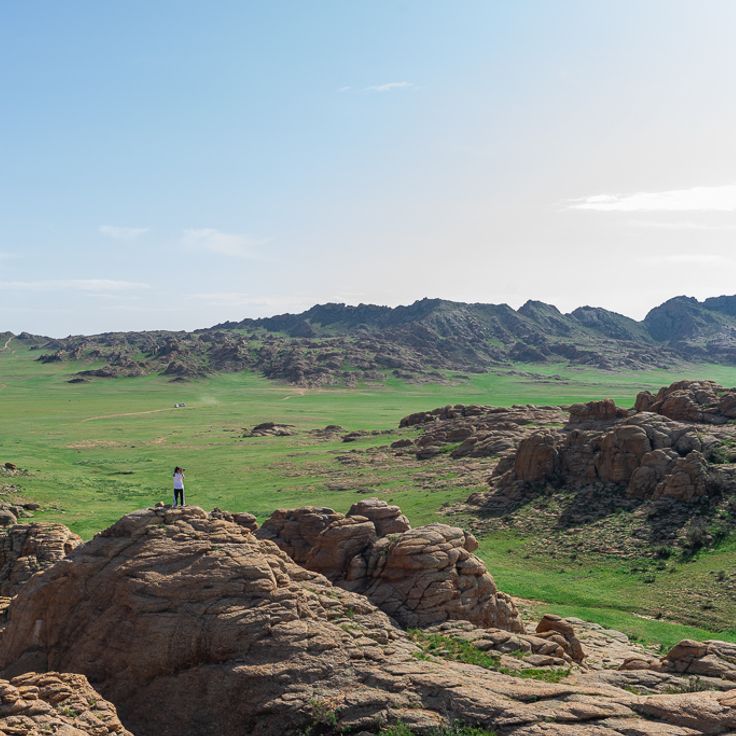
Mongolia
A granite area at 1500 meters altitude in the Gobi Desert. The rocks have natural shapes sculpted by erosion.
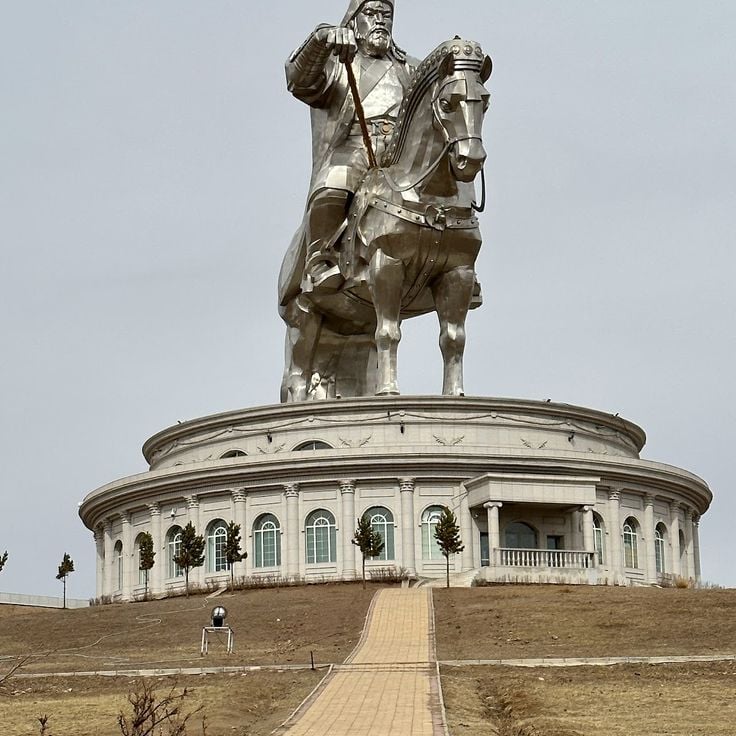
Mongolia
A 40-meter-tall stainless steel equestrian statue erected in 2008 on the banks of the Tuul River.
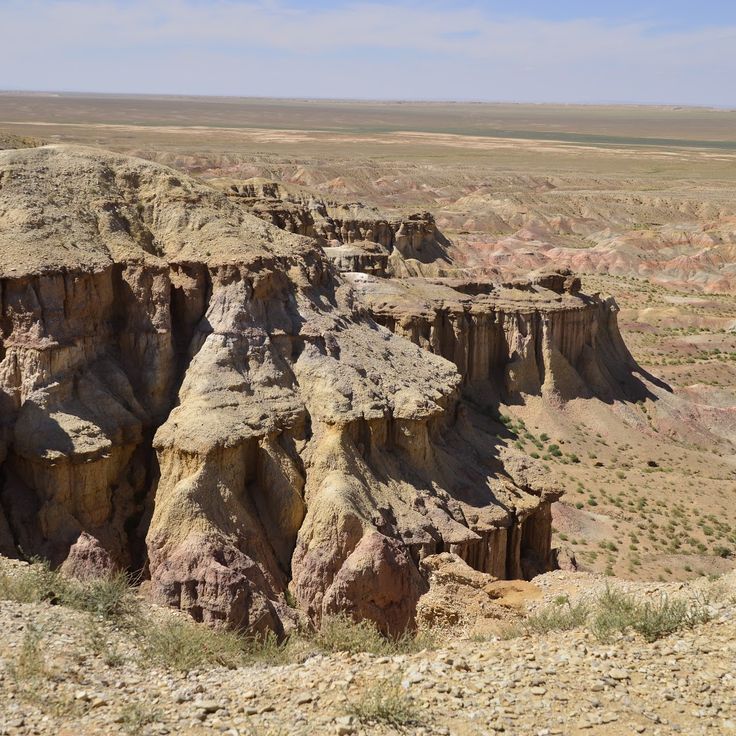
Mongolia
A limestone rock formation 30 meters high in the Gobi Desert. The white cliffs result from prehistoric marine erosion.
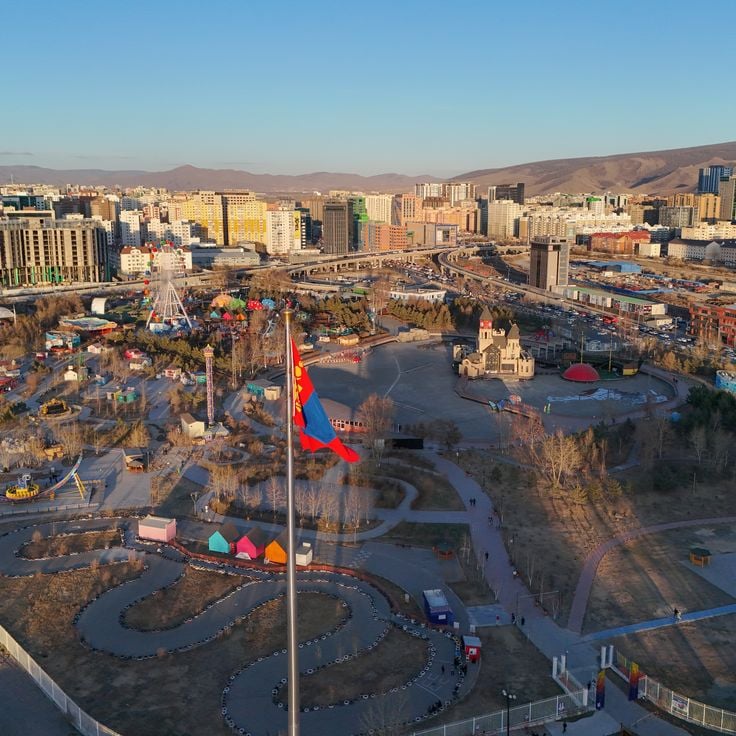
Mongolia
A group of eight natural lakes at 2500 meters altitude. The park includes larch forests and alpine meadows.
Mongolia
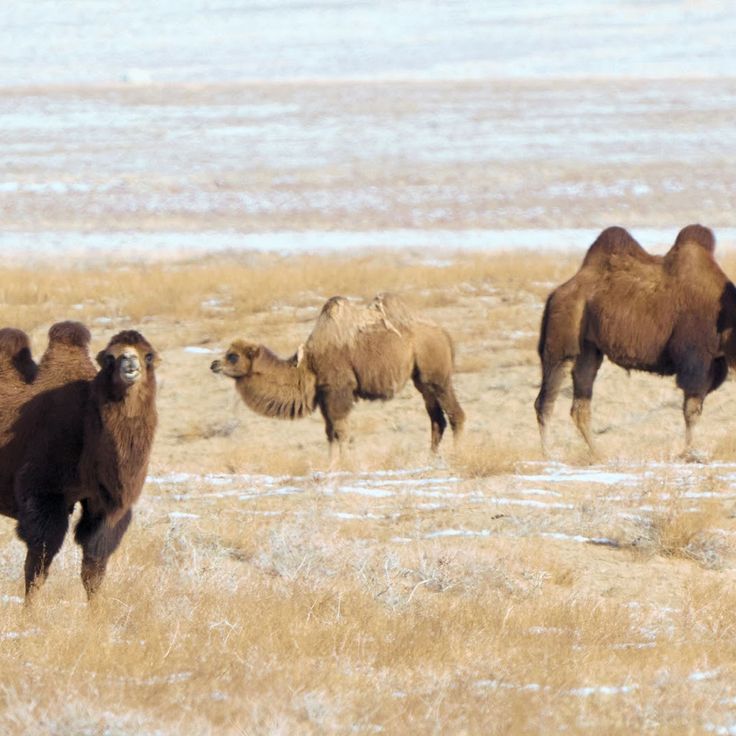
A protected area of 20,000 hectares hosting argalis and serving as a resting site for migratory birds.
Mongolia
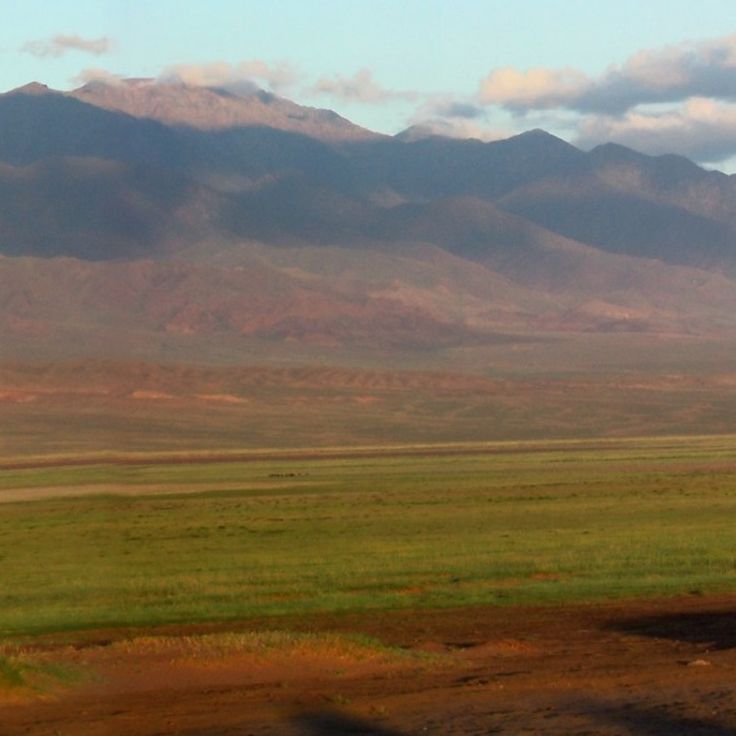
A mountain peaking at 3957 meters altitude, featuring two lakes created during an earthquake in 1957.
Mongolia
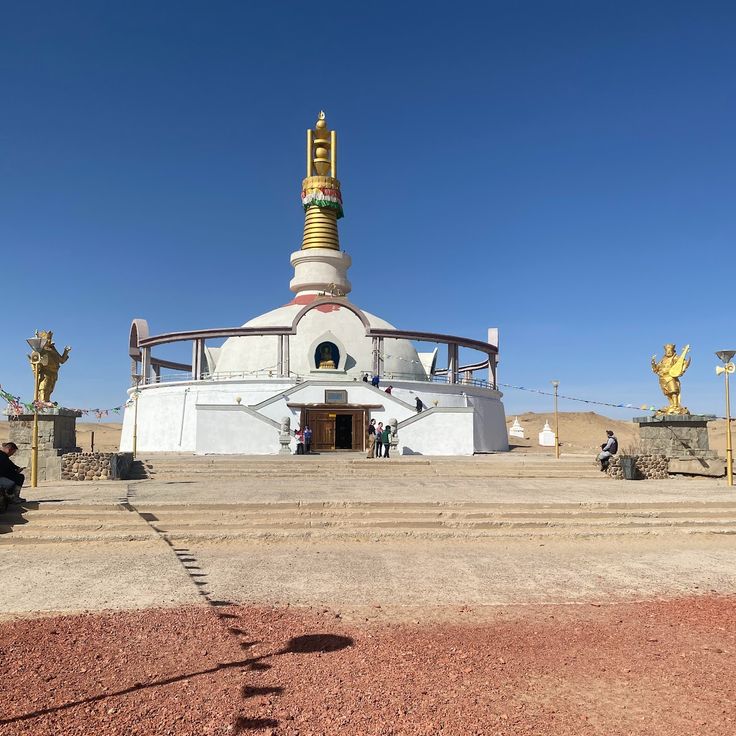
A religious building dating to 1680, located on the slopes of Khogno Khan mountain at 1800 meters altitude.
Ulaanbaatar, Mongolia
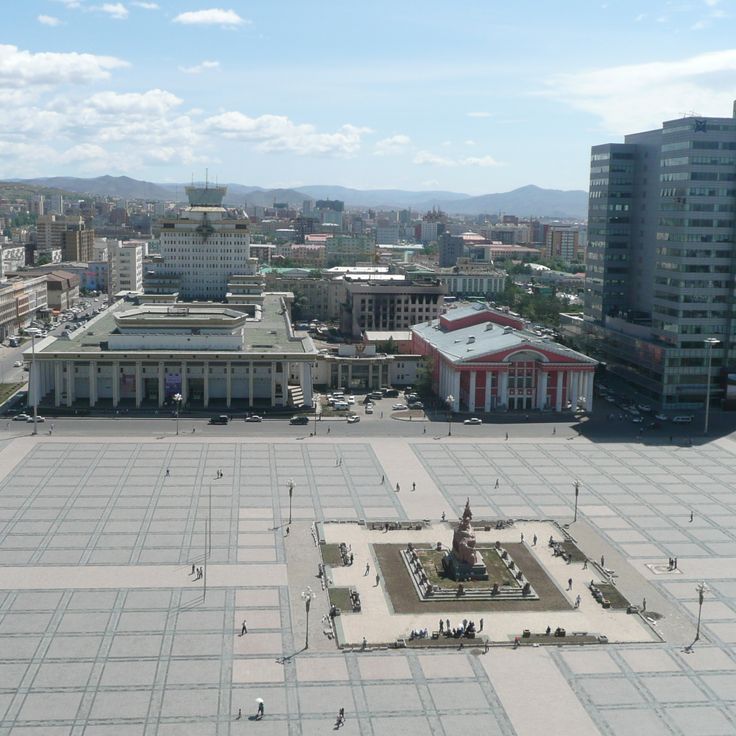
The central square of Ulaanbaatar surrounded by government buildings, featuring an equestrian statue of Damdin Sukhbaatar and the Mongolian Parliament to the north.
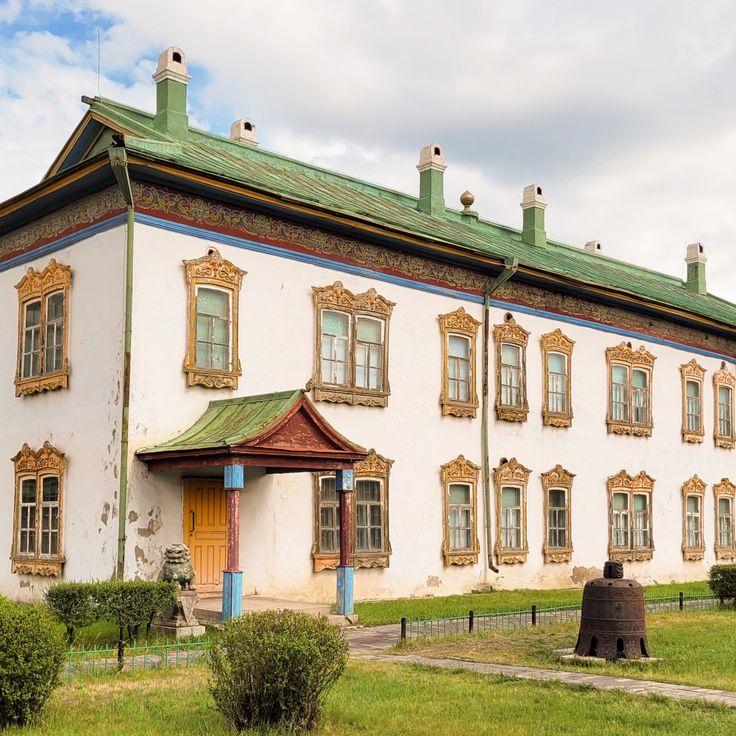
Ulaanbaatar, Mongolia
A former winter palace built in 1893, transformed into a museum exhibiting personal items, diplomatic gifts, and artworks of the royal family.
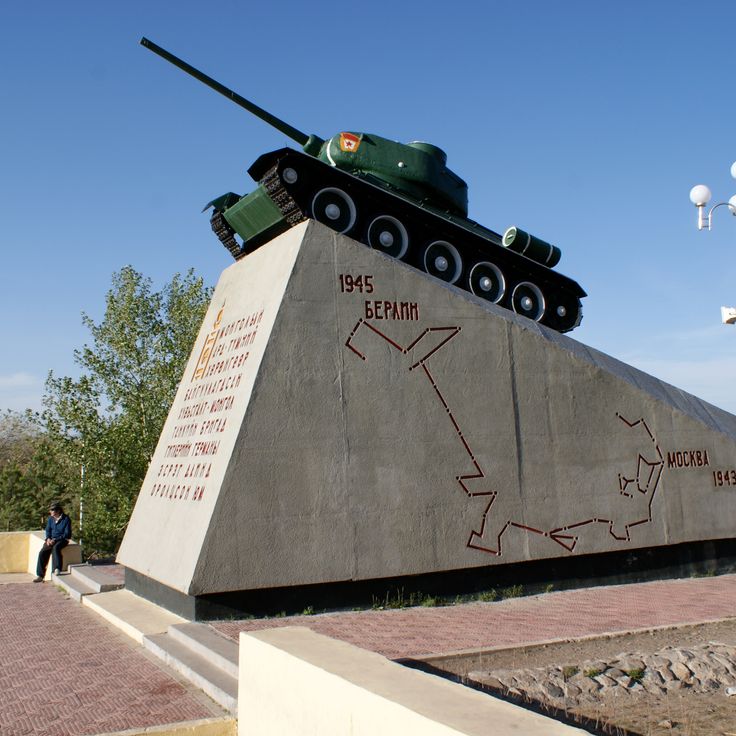
Ulaanbaatar, Mongolia
A circular monument located atop a hill, featuring a fresco commemorating Soviet soldiers who died during World War II.