See the monuments around you in AROpen chests in the app
Around Us is built for your phone — point your camera at the streets and discover the monuments and places around you in augmented reality.Around Us is built for your phone — chests unlock when you walk, explore and capture nearby places.
The most beautiful natural and cultural sites of Montenegro
Montenegro is a small country where history and nature blend together in unexpected ways. Along the Adriatic coast, you find medieval towns with stone walls, sheltered bays, and islands that have watched over the sea for centuries. Inland, the landscape changes completely: thick forests cover the mountains, glacial lakes sit in high valleys, and canyons cut deep into the earth. Throughout the country, you can see how different cultures have left their mark. Venetian traders built fortified towns with narrow streets and sturdy walls. Ottoman rule added its own layers to the architecture. And Orthodox monasteries, some carved directly into cliff faces, dot the landscape as spiritual centers that have endured for centuries.
Walking through Montenegro, you move between different worlds in just a few hours. You can start in a medieval town like Kotor, where stone buildings cluster around a harbor, then drive into mountains to find a monastery hidden in rock or a lake surrounded by virgin forest. Traditional villages still exist in remote areas, where life follows rhythms that have barely changed for generations. The architectural style you see everywhere reflects this layered history: rounded arches from Ottoman times, defensive towers from Venetian periods, and religious icons from Orthodox traditions all coexist in the same town.
The country's natural sites are just as varied as its cultural ones. National parks protect old-growth forests and mountain ranges. Rivers carve canyons that drop hundreds of meters into narrow gorges. Caves along the coast open onto blue water, and smaller islands hold churches and chapels that seem to float on the sea. Whether you are interested in exploring fortress walls, walking through ancient forests, kayaking in bays, or discovering hidden monasteries, Montenegro offers something unexpected around each turn.
The most beautiful natural and cultural sites of Montenegro
Montenegro is a small country where history and nature blend together in unexpected ways. Along the Adriatic coast, you find medieval towns with stone walls, sheltered bays, and islands that have watched over the sea for centuries. Inland, the landscape changes completely: thick forests cover the mountains, glacial lakes sit in high valleys, and canyons cut deep into the earth. Throughout the country, you can see how different cultures have left their mark. Venetian traders built fortified towns with narrow streets and sturdy walls. Ottoman rule added its own layers to the architecture. And Orthodox monasteries, some carved directly into cliff faces, dot the landscape as spiritual centers that have endured for centuries.
Walking through Montenegro, you move between different worlds in just a few hours. You can start in a medieval town like Kotor, where stone buildings cluster around a harbor, then drive into mountains to find a monastery hidden in rock or a lake surrounded by virgin forest. Traditional villages still exist in remote areas, where life follows rhythms that have barely changed for generations. The architectural style you see everywhere reflects this layered history: rounded arches from Ottoman times, defensive towers from Venetian periods, and religious icons from Orthodox traditions all coexist in the same town.
The country's natural sites are just as varied as its cultural ones. National parks protect old-growth forests and mountain ranges. Rivers carve canyons that drop hundreds of meters into narrow gorges. Caves along the coast open onto blue water, and smaller islands hold churches and chapels that seem to float on the sea. Whether you are interested in exploring fortress walls, walking through ancient forests, kayaking in bays, or discovering hidden monasteries, Montenegro offers something unexpected around each turn.
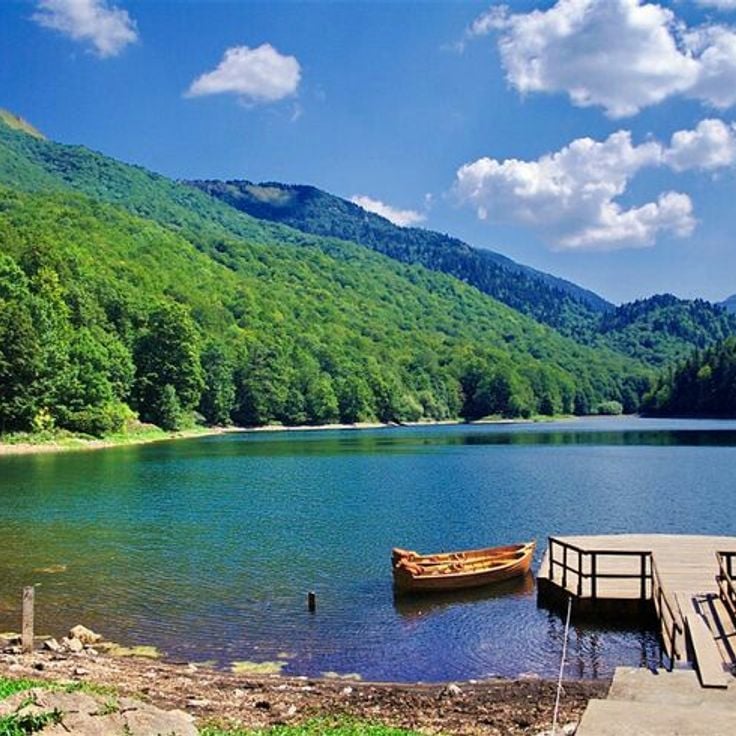
Biogradska Gora National Park is one of the protected natural sites that represents Montenegro's varied landscape. This park preserves an ancient forest that has grown undisturbed for over a century, surrounded by mountains and fed by glacial activity. Within its boundaries lie a mountain lake and peaks that rise above 2000 meters (6,500 feet). The park offers visitors a chance to walk through old-growth woodland, discover how water has shaped the land over time, and experience the raw beauty of Montenegro's interior mountains away from the coast.
The Old Town of Kotor shows how history is written into the streets of a medieval settlement. Stone walls enclose the town and connect it to the mountains beyond. Narrow streets wind between buildings whose architecture reflects Venetian and Byzantine periods. The harbor lies directly before the walls, with mountains rising behind. Churches and chapels scattered throughout the old town display religious traditions that have endured across centuries. Walking here, you experience the layers of history directly: rounded arches from Ottoman times meet defensive towers from Venetian periods, and traces of different cultures appear at every turn.
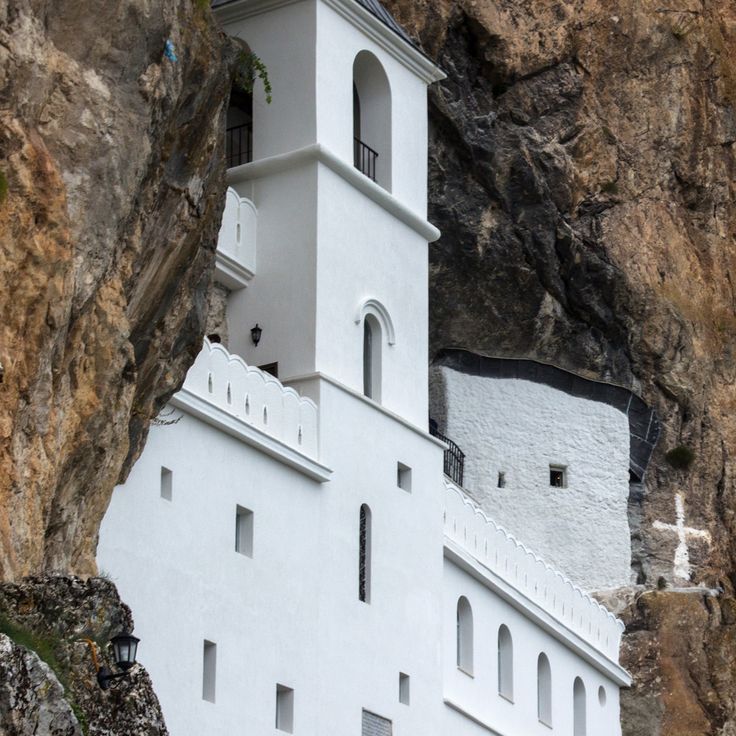
Ostrog Monastery is a 17th-century Orthodox religious complex built directly into a vertical rock face at 900 meters (2,950 feet) altitude. The site represents the spiritual centers that dot Montenegro's landscape and have endured for centuries. Housing frescoes and relics, it demonstrates how the Orthodox tradition has left its mark throughout the country, creating sacred spaces in some of the most remote and dramatic natural settings.
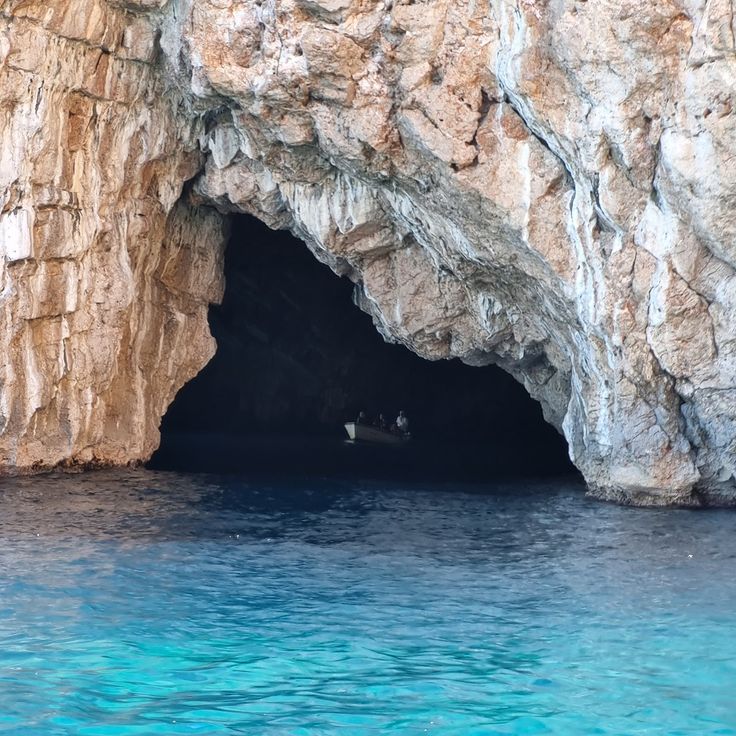
The Blue Cave of Herceg Novi is a marine cavern within limestone rock that reaches about 9 meters into the interior. Sunlight enters through the cave opening and reflects off the water, filling the space with a brilliant blue hue. This natural formation reveals the geological diversity that shapes Montenegro's coast and demonstrates how water and stone interact over time. Visitors reach the cave by boat and experience the interplay of light and color that shifts throughout the day as the sun moves across the sky.
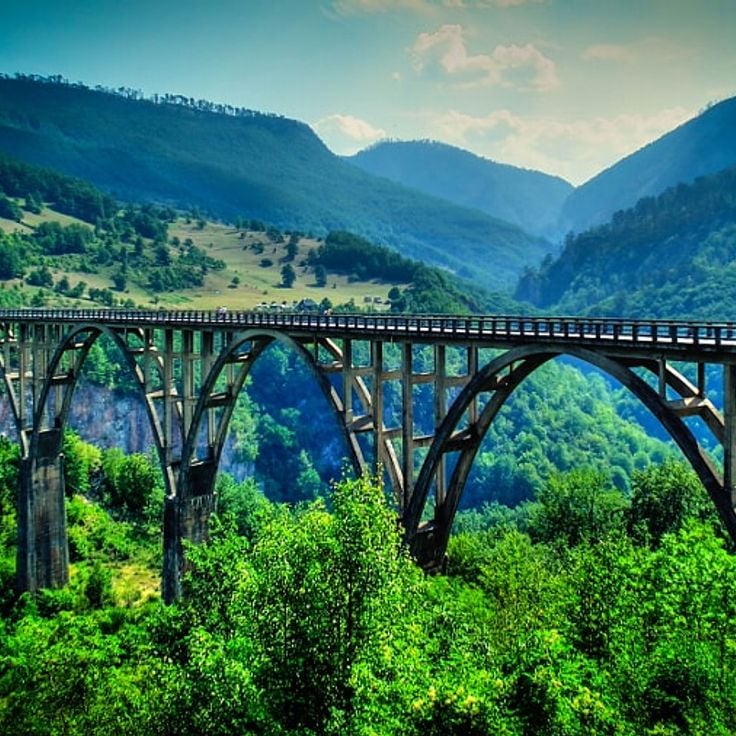
The Đurđevića Tara Bridge is a concrete arch bridge built in 1940 that carries traffic across the Tara Canyon. Spanning 172 meters above the gorge, it represents an engineering achievement that connects two sides of Montenegro's most dramatic landscape. The bridge stands as a testament to human determination to overcome natural barriers, linking remote communities and opening mountain regions to the wider country. Its construction reflects the importance of this passage through one of Europe's deepest canyons, and today it remains a striking reminder of how people have shaped this land.
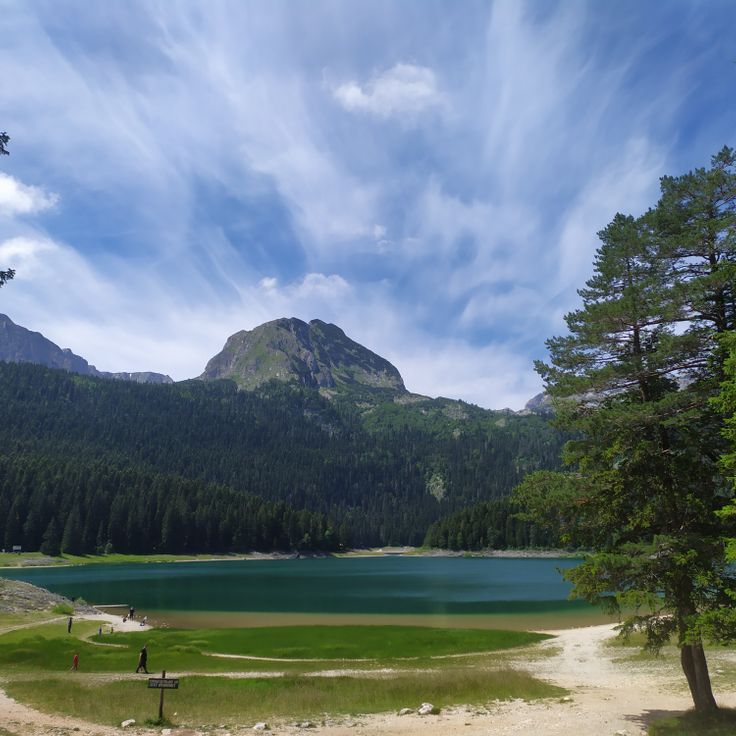
Black Lake is one of Montenegro's natural treasures and shows the variety of the country's landscape. This lake was created by glaciers and sits high in the Durmitor Mountains. Dense pine forests surround it like a natural frame around the water. The water here reflects the mountains and offers a quiet place to experience the wild nature of Montenegro's interior. Black Lake shows how nature in Montenegro has created its own forms, separate from human history.
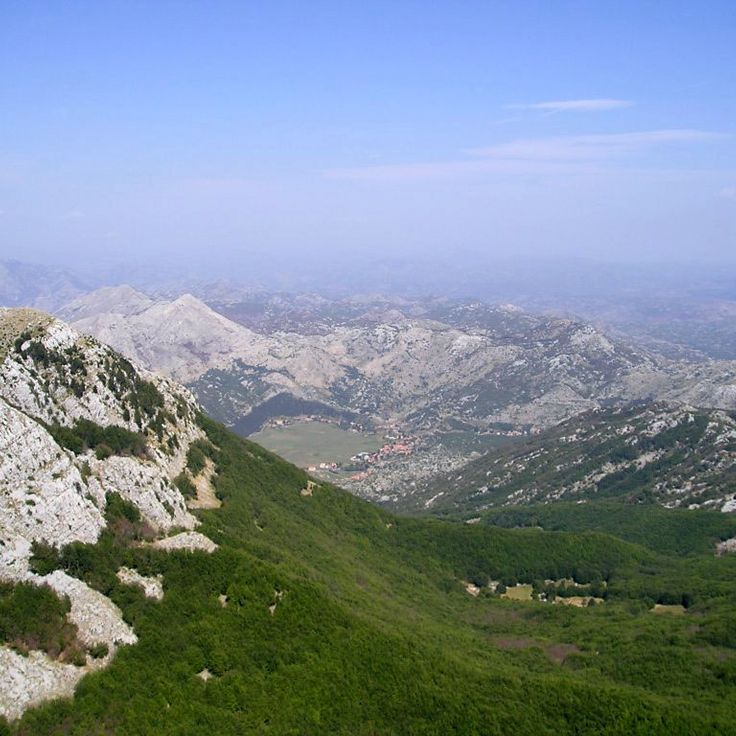
Lovćen National Park is a protected mountain area above Cetinje where nature and history of Montenegro meet. The park centers on two main peaks that rise above the surrounding landscape. On Mount Jezerski stands the mausoleum of Petar II. Petrović-Njegoš, an important leader and spiritual guide from Montenegrin history. The park offers walking paths through forests and along ridge lines, with views across to the coast and inland valleys. Visitors can hike through the landscape and experience the connection between the natural terrain and the cultural heritage of the country.
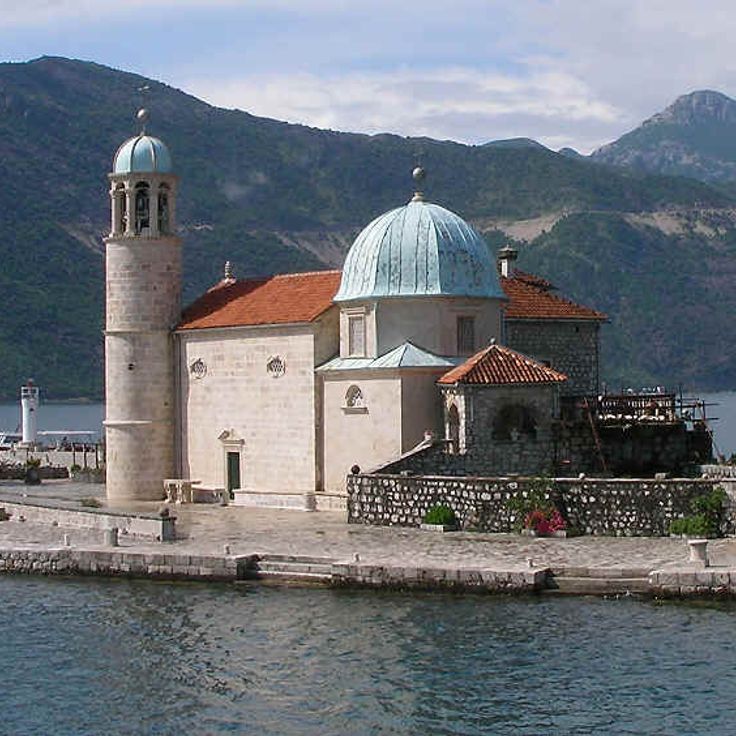
Our Lady of the Rocks is an island built in the 15th century from rocks and shipwrecks, representing how culture and nature intertwine in Montenegro. This Catholic church sits on the water and displays 68 frescoes painted by Tripo Kokolja, showing the artistic skills that developed under different cultural influences. The church stands as a spiritual center emerging from the sea, just like other religious buildings scattered throughout Montenegro that have endured for centuries.
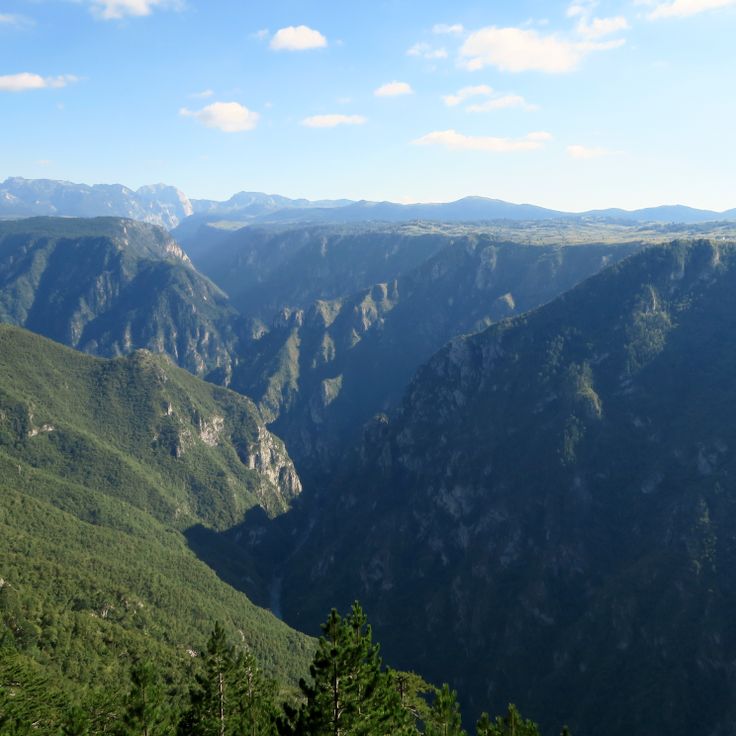
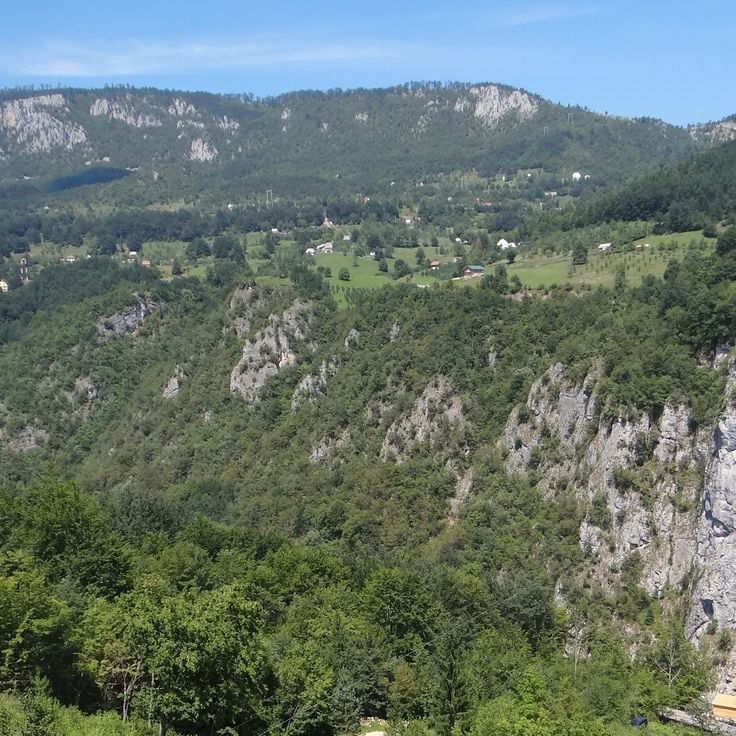
The Tara Canyon stands as one of Montenegro's most striking natural sites, revealing how water and time shape the landscape into something powerful. This valley was carved into the rock over thousands of years and stretches for 82 kilometers, dropping more than 1300 meters at its deepest points. Sheer rock faces tower on both sides, and the river cuts through the narrow gorge below. From the canyon rim, you can look down and grasp the true scale of what water can do to stone. Boats travel through the waterway, offering views of the towering walls that rise all around. The canyon sits within a protected area that safeguards both the geological formations and the wild river landscape.
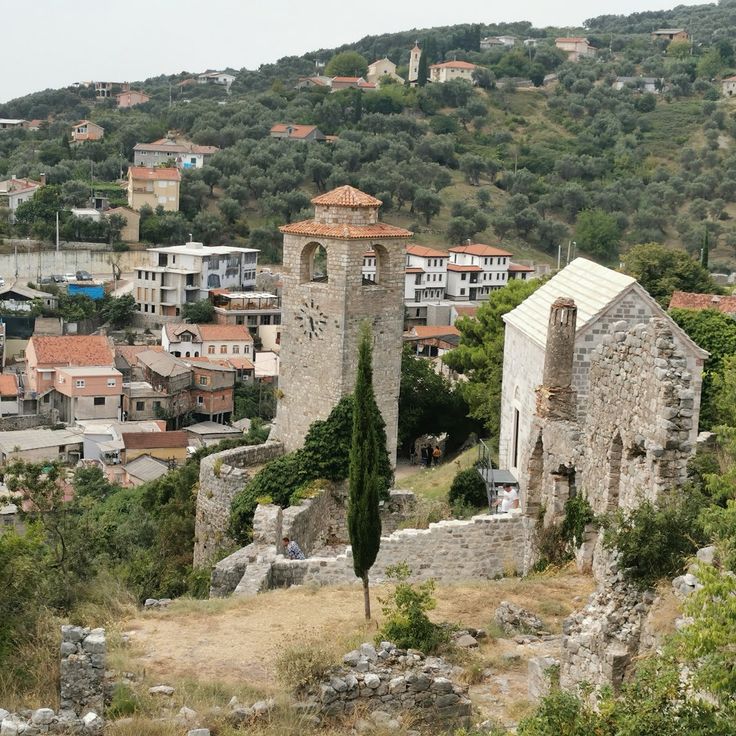
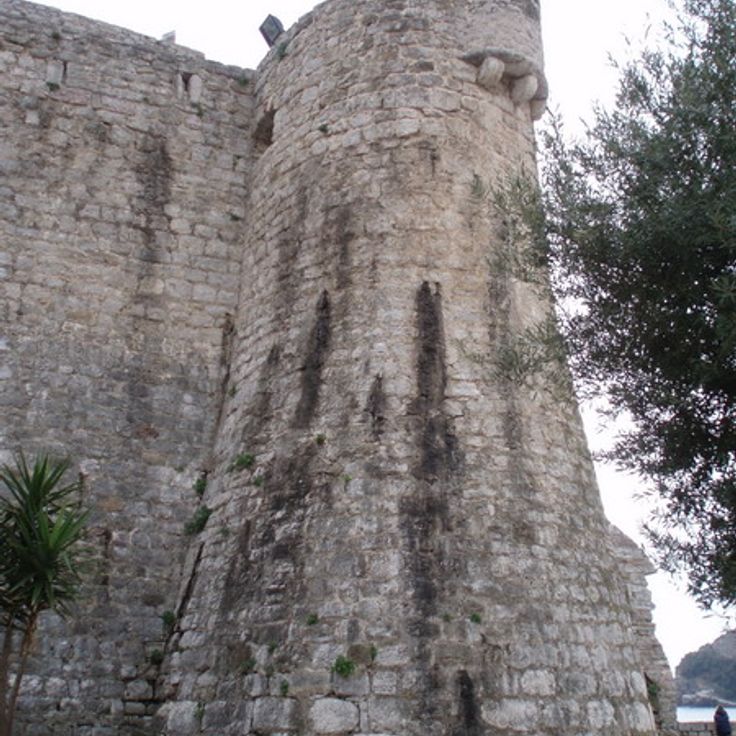
Stari Bar is an 11th-century fortified city perched on a rocky spur, part of Montenegro's layered cultural landscape. Destroyed by an explosion in 1878, the city has remained deserted ever since. Its ruined stone structures reveal how Venetian and Ottoman influences shaped the architecture of this small country.
The Durmitor Massif is a mountain range featured in the collection of Montenegro's most beautiful natural and cultural sites. It represents the varied landscape of the country, where nature and history come together. The massif consists of a chain of peaks rising above 2000 meters in elevation. Dense forests of pine trees cover the slopes. In the high valleys sit glacial lakes formed by ice ages long past. The Durmitor Massif lies within a national park and is a place where you can hike, explore forests, and experience the mountain landscape directly.
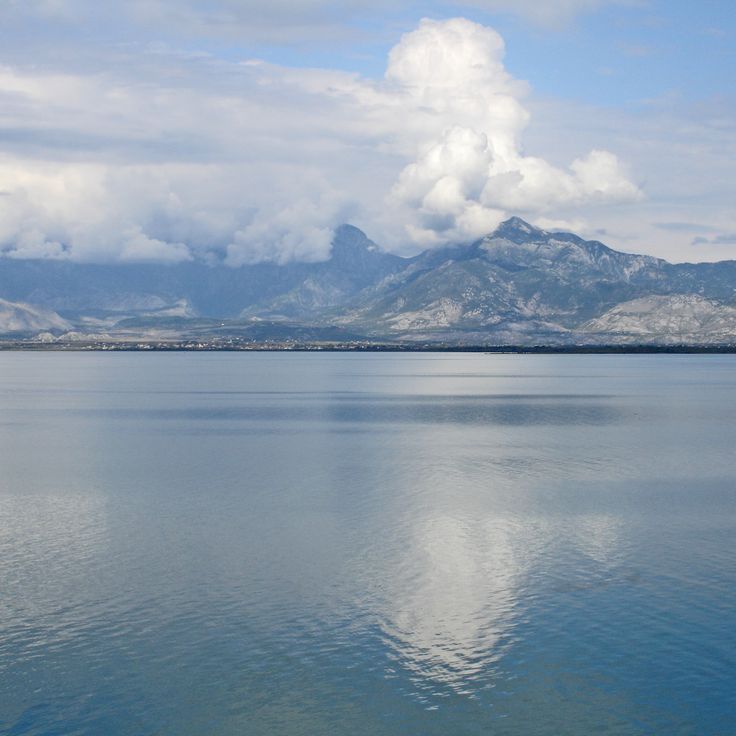
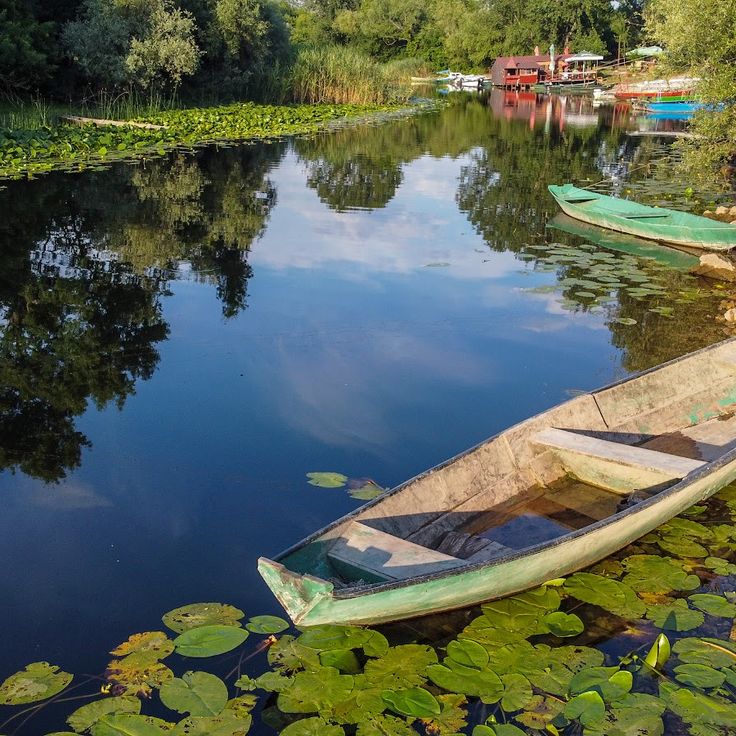
Lake Shkodra is a freshwater body shared between Montenegro and Albania, covering 370 km² and serving as a vital habitat for over 260 bird species. The lake sits in a landscape shaped by fishing traditions and small settlements on its shores, with mountains rising in the distance. The waters reflect reed beds and create a rhythm of life tied to the seasons and the movements of migratory birds. This lake represents the natural diversity that defines Montenegro's inland regions, where forests and water create spaces far removed from the coast. Local fishermen continue their work using methods passed down through generations, and the lake remains an important meeting point between two countries and cultures.
Sveti Stefan is a 15th-century fortified village on an island connected to the mainland by a narrow road. Stone walls protect the old fisherman's houses in this settlement, which reflects Montenegro's layered history where Venetian fortifications and traditional architecture coexist. The village demonstrates how earlier generations lived in this part of the Adriatic and built their structures to withstand the elements and potential threats.
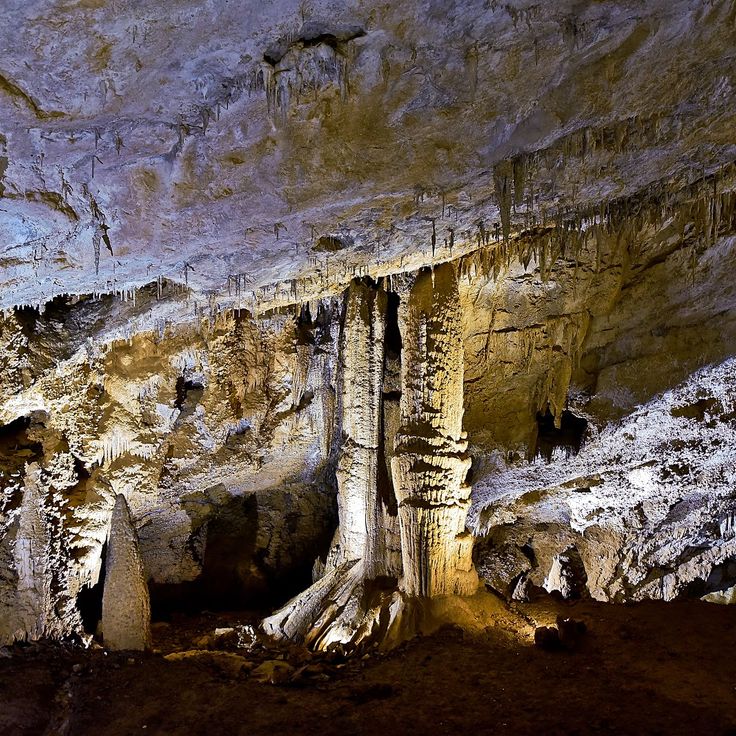
Lipa Cave is a natural karst formation in the Lovćen massif featuring underground galleries with stalactites, stalagmites, and limestone columns. It represents one of Montenegro's diverse natural sites, where forests, mountains, and geological formations shape the landscape together. Exploring this cave reveals the hidden layers of the earth that have formed over vast stretches of time.
Budva is a medieval town that shows how history shaped Montenegro. Venetian walls surround the old city, which sits on the Adriatic coast. Cobbled streets wind through narrow passages where stone buildings stand close together. Small squares with fountains break up the layout. Here you can see how Venetian traders left their mark with fortified structures and tight street patterns that still define the city today. Budva demonstrates how the different cultures that shaped Montenegro remain alive in its walls and stones.
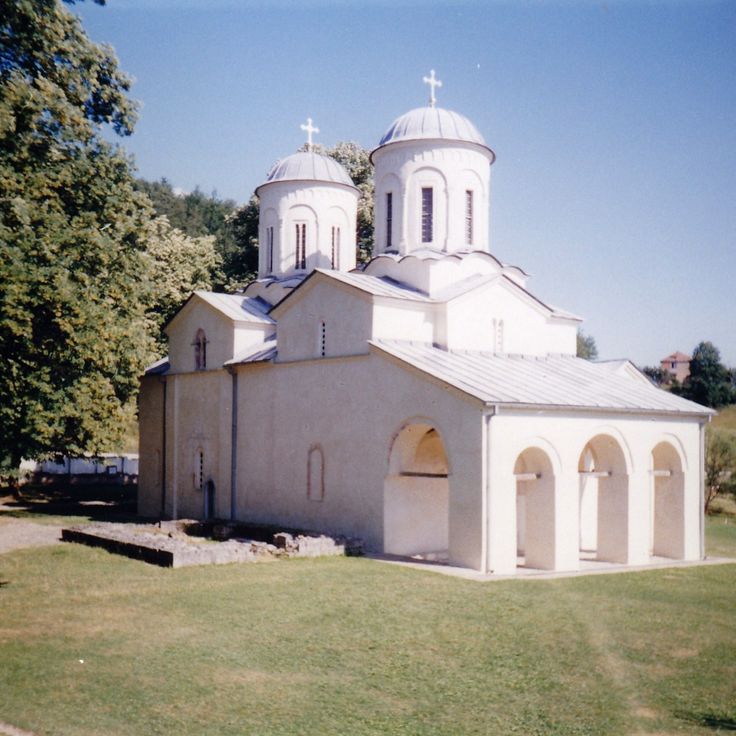
Banja Monastery is a 14th-century Serbian Orthodox monastery that represents the spiritual heritage woven throughout Montenegro's landscape. The monastery features a church decorated with frescoes that depict religious narratives and stories. A Mediterranean garden surrounds the complex, creating a contemplative space overlooking the Bay of Kotor. This monastery exemplifies how Orthodox traditions have shaped the country's cultural identity and how religious communities established themselves in this region centuries ago.
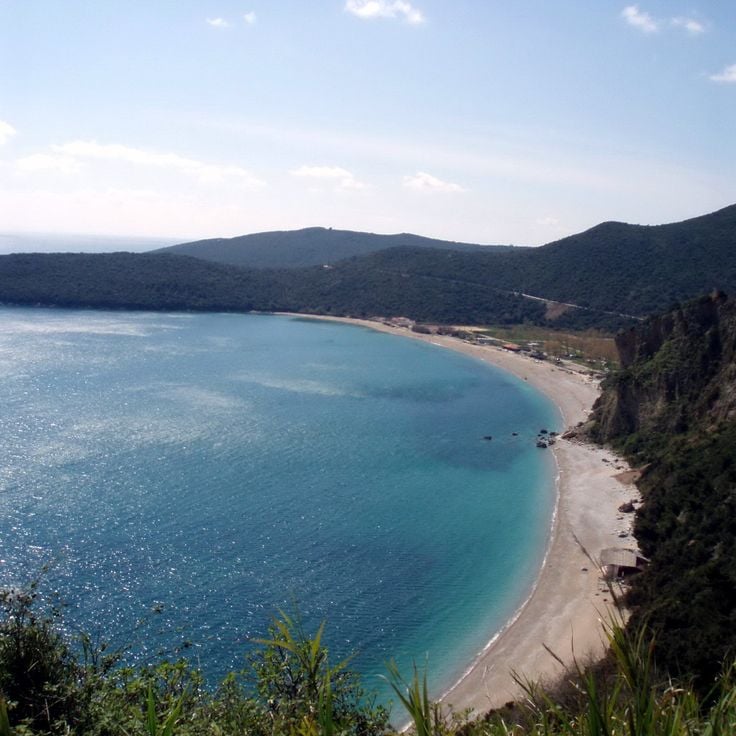
Jaz Beach is a coastal strip near Budva where fine sand and small pebbles alternate along the water's edge. This beach sits on Montenegro's Adriatic coast, in a country where medieval towns, Orthodox monasteries, and mountain landscapes create a layered history within short distances. Visitors can swim in the sea, eat at nearby restaurants, or simply sit and watch the horizon. The beach has parking areas and is easy to access.
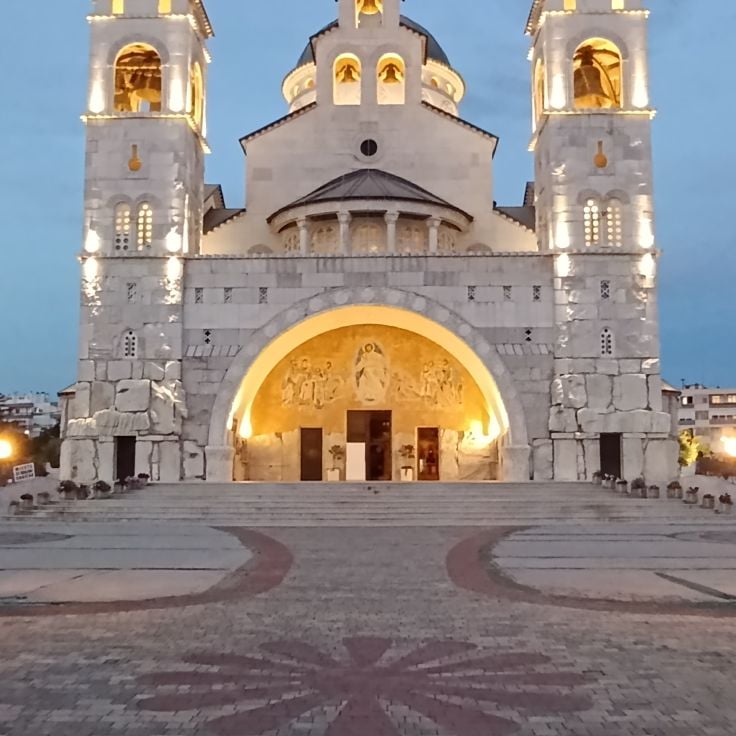
The Cathedral of the Resurrection is Montenegro's largest Orthodox church and stands as a symbol of the religious and cultural heritage that defines this country where history and nature come together. Built in 1993, this structure showcases Neo-Byzantine architecture with two bell towers that rise above the city. Inside, religious frescoes cover the walls, creating a space where Orthodox tradition continues to thrive. The cathedral reflects how Montenegro weaves its spiritual past into modern life, connecting visitors to centuries of faith that shaped the region.
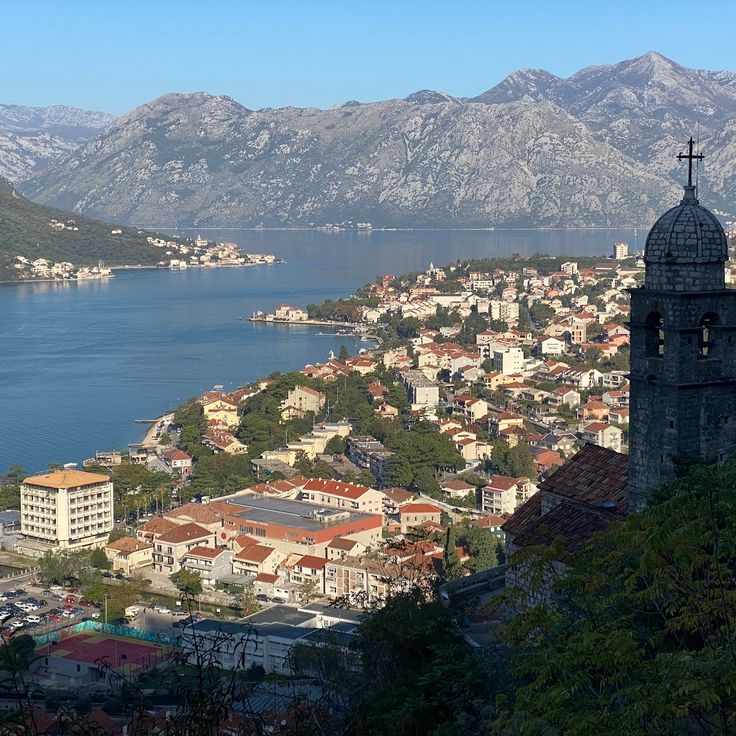
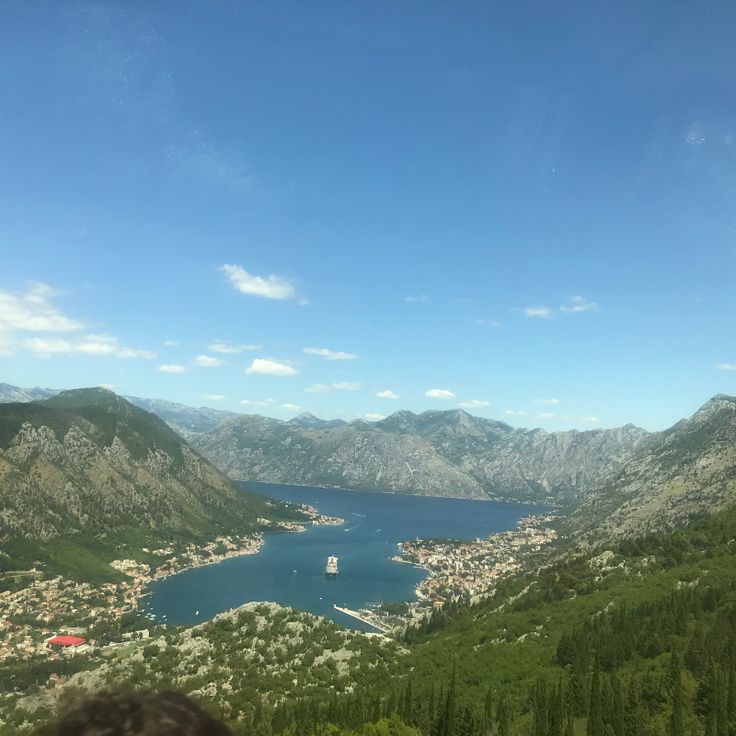
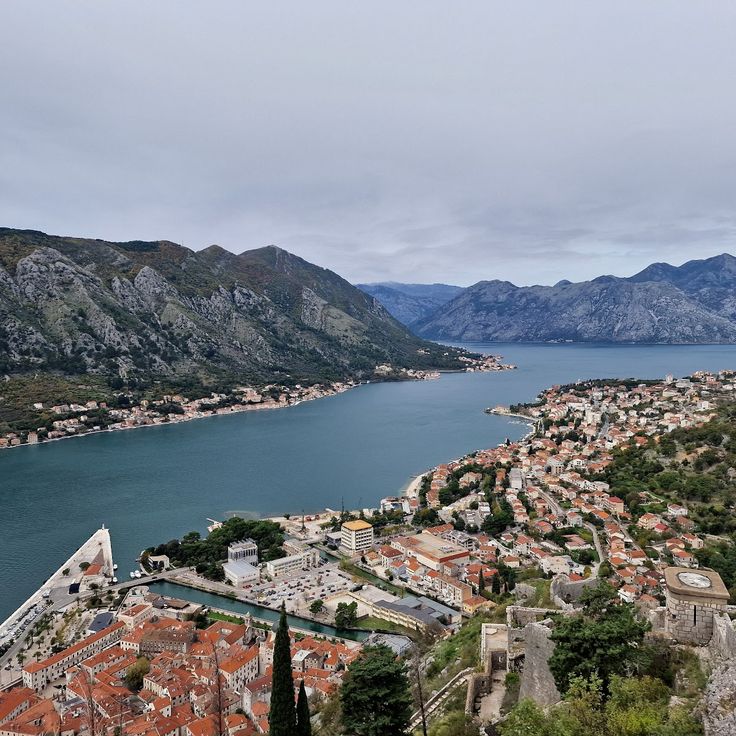
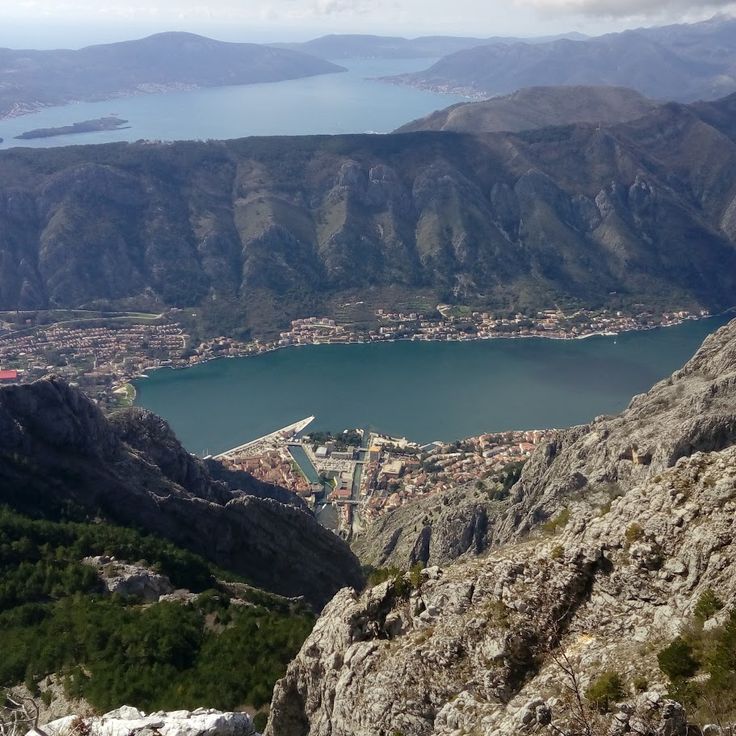
The Kotor-Lovcen Viewpoint is a winding road that climbs to 940 meters in elevation and belongs among the most beautiful natural and cultural sites of Montenegro featured in this collection. From this vantage point, you look down at the Bay of Kotor, the villages scattered along its shores, and the mountains that rise beyond. The drive itself is part of the experience: with each turn in the road, the view expands, and you see how the medieval town sits along the water below and how the landscape transitions from sea to peaks.
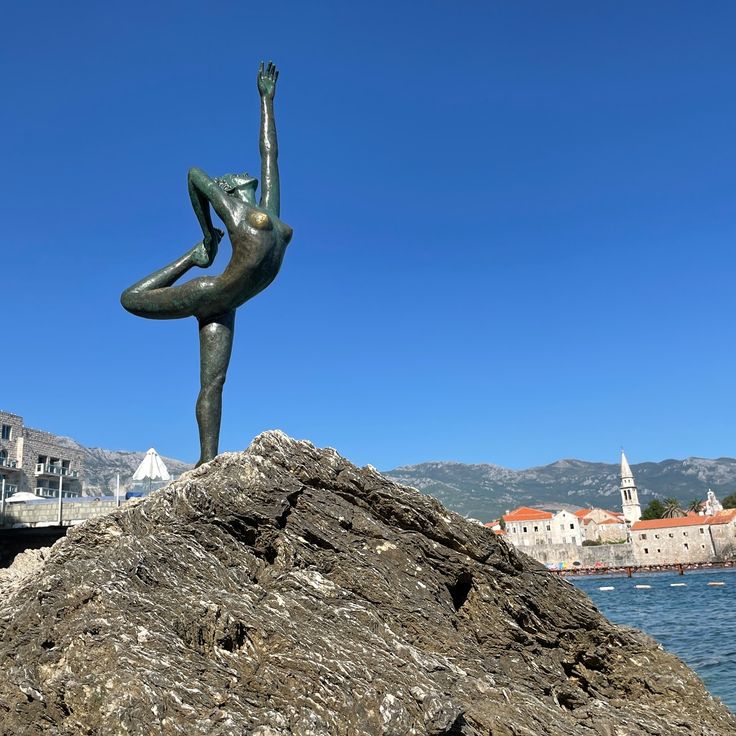
This bronze Statue of the Dancer is an artwork on Montenegro's coast. It depicts a ballerina in a dance position and stands on the seaside promenade of Budva. The figure is about 2 meters high and expresses movement and grace. It fits into Montenegro's cultural landscape, where history and nature meet in unexpected ways. This statue is part of the rich artistic tradition of the city, which sits on the Adriatic Sea.
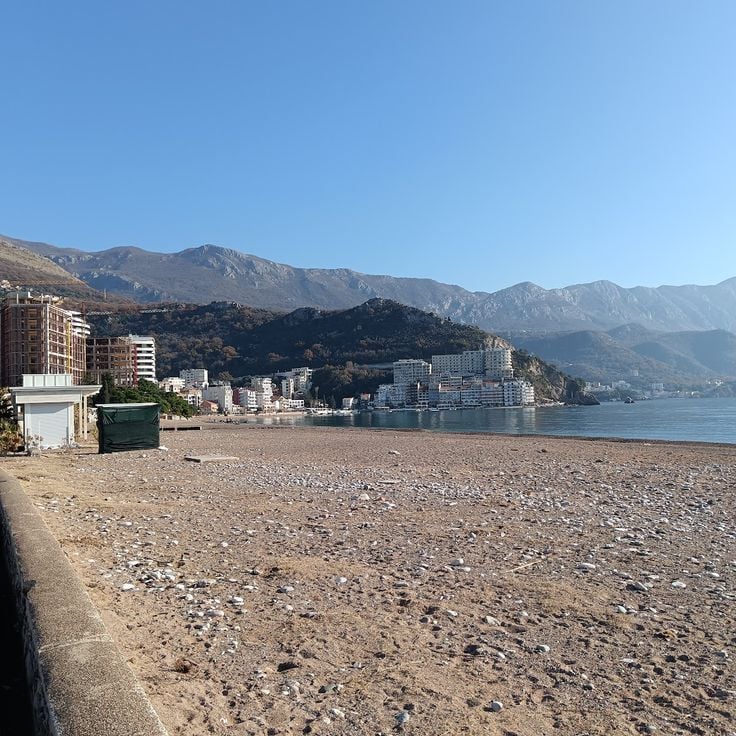
Becici Beach is a 2-kilometer stretch of sand along the Adriatic Sea, featuring a paved pedestrian path and waterfront restaurants. This beach represents the natural beauty that Montenegro offers as part of its varied landscape. The beach sits within a region where medieval towns with stone walls and mountain forests meet the coast. It provides a place to swim and rest while exploring the cultural and natural sites that define this small country, from fortress walls to hidden monasteries and glacial lakes.
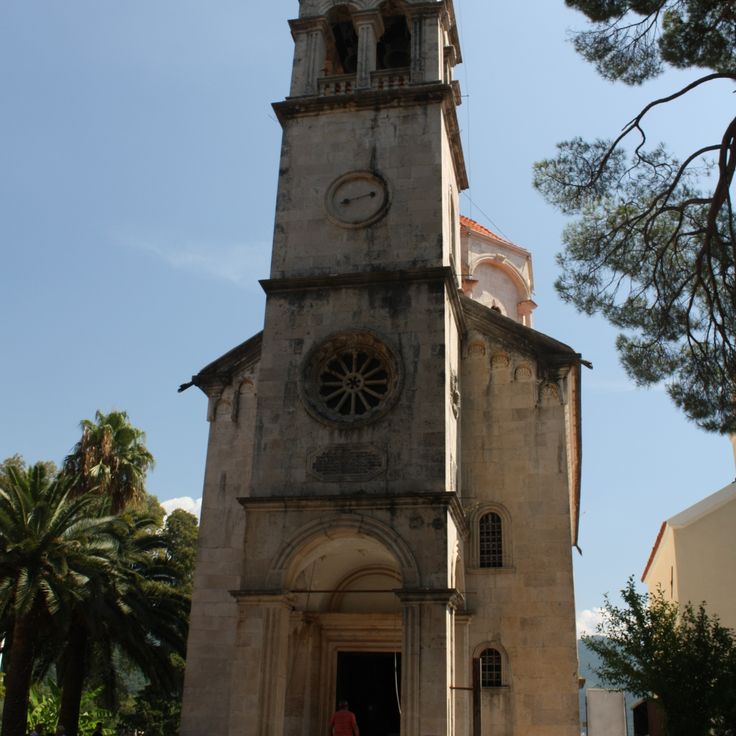
The Savina Monastery is an Orthodox religious complex built in the 17th century, located on the heights of Herceg Novi. It consists of three churches and holds a collection of historical liturgical objects. This monastery demonstrates the deep connection between spirituality and history that runs throughout Montenegro. The buildings were constructed and expanded over centuries, and together with their valuable collection, they represent the country's cultural heritage. The site offers insight into how Orthodox traditions and religious practices have shaped Montenegro's landscape and identity.
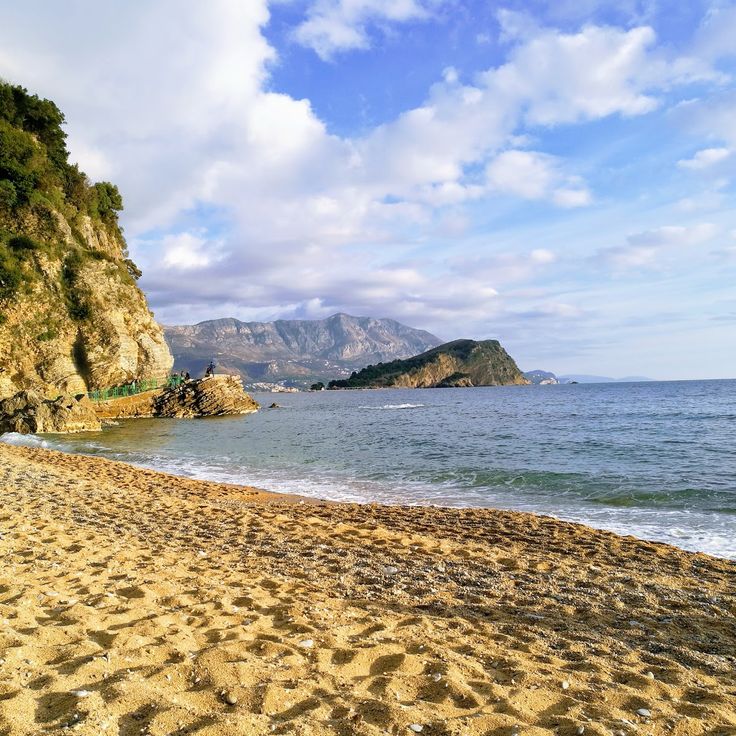
Mogren Beach is part of Montenegro's coastal treasures, where sandy shores meet the Adriatic in unexpected ways. Two beaches connect through a rock tunnel, creating a natural passage that feels like stepping between two different worlds. The water here is clear and inviting, and the sandy bottom makes swimming comfortable. Sunbeds and umbrellas are available for rent, making it easy to spend a full day by the sea. The beach sits just 500 meters from Budva's Old Town, so you can easily walk between the medieval streets and the shore. This location brings together what makes Montenegro special: a place where history and nature exist side by side, where you can explore fortress walls in the morning and relax on sand in the afternoon.
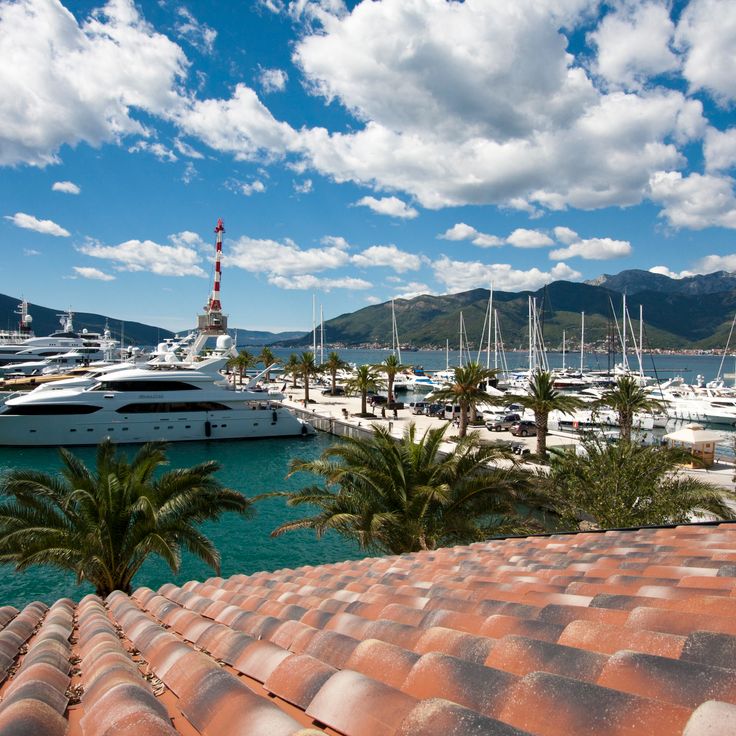
Porto Montenegro is a modern marina in Tivat, built on the site of a former naval arsenal. With 450 berths, shops, restaurants, and luxury residences, this location represents the contemporary side of Montenegro. It shows how historic industrial sites can transform into vibrant waterfront destinations while honoring their maritime heritage. This marina sits along the Adriatic coast that also holds medieval towns, islands, and sheltered bays where history and nature intertwine.
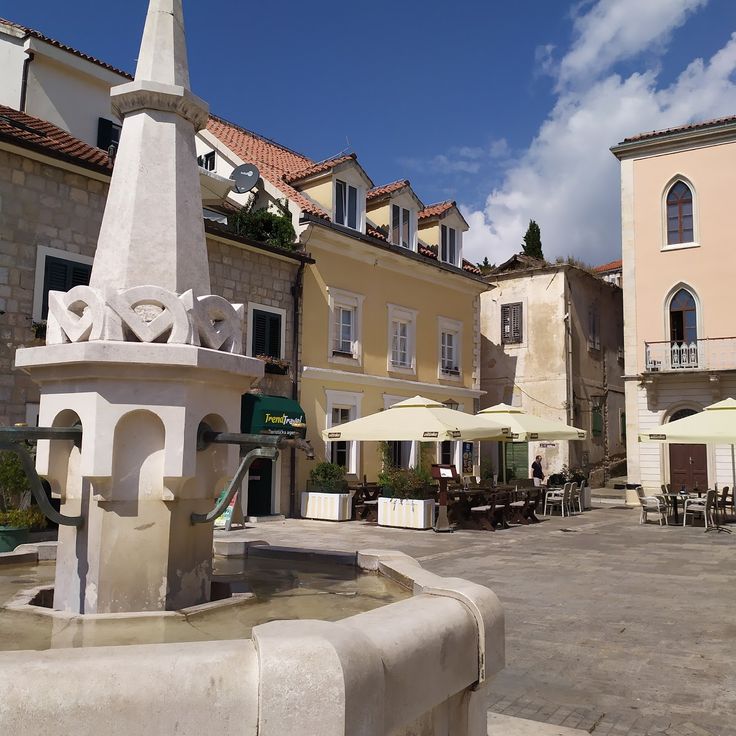
This square sits in the heart of the Old Town of Herceg Novi and represents the layered cultural history that defines Montenegro in this collection. The paved central square is surrounded by historical buildings that reflect different periods and influences. Cafes with outdoor terraces occupy the ground level, creating a place where locals and visitors gather. The architecture around the square shows the marks left by Venetian traders, Ottoman rule, and Orthodox traditions, all visible in the structures and details that frame this public space.
Saint John's Fortress sits high above Kotor, watching over the bay from 280 meters above sea level. Built and rebuilt from the 9th century through the 19th century, it shows how different rulers shaped this region over time. Walking up to the fortress, you see defensive walls, towers, and structures carved into the rock itself. From the top, you look down at the medieval town below, the water of the bay, and the mountains beyond. The fortress reveals layers of history through its architecture, from Venetian fortifications to Ottoman additions and later expansions that kept changing its form across the centuries.
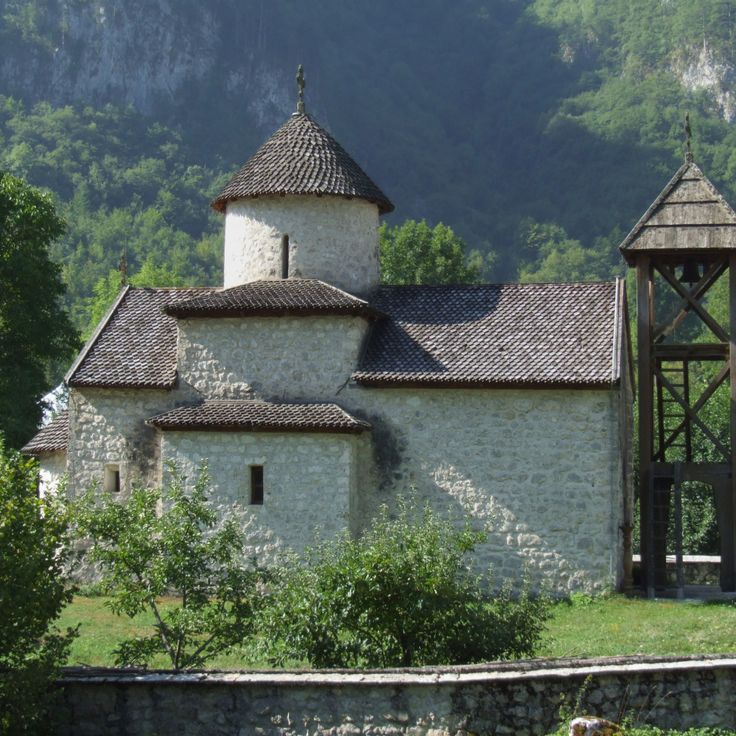
Dobrilovina Monastery is a Serbian Orthodox monastery built in 1592 along the Tara River, representing the spiritual centers that have endured throughout Montenegro's layered history. The building contains 17th-century frescoes that showcase the religious art and Orthodox traditions that have left their mark across the country, offering visitors a glimpse into the artistic heritage preserved within Montenegro's monastic sites.
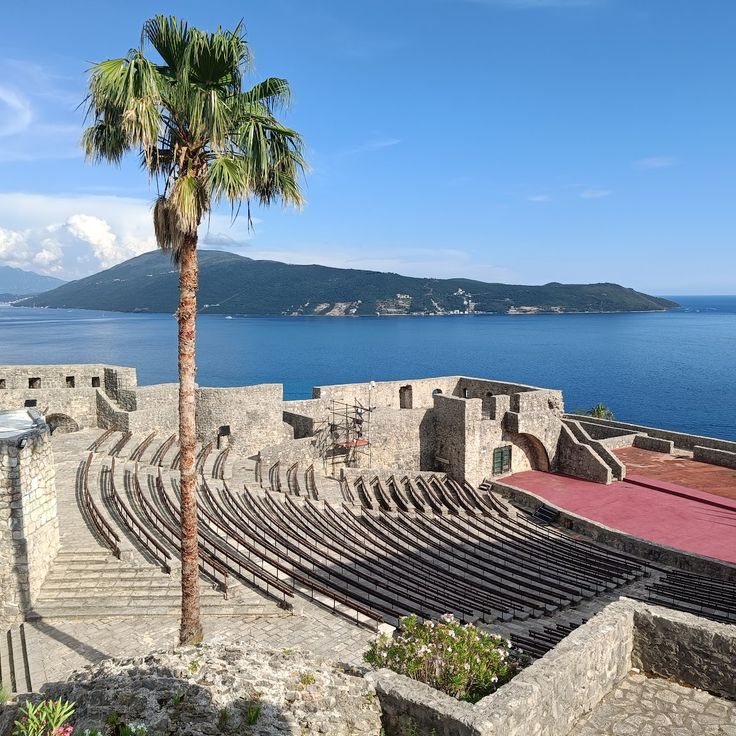
Kanli Kula is an Ottoman fortress built in 1539 that shows how history lives in Montenegro's individual structures. This fortress served as a prison for centuries before transforming into an open-air theater. Visitors can see how stone walls and historic spaces now host performances and cultural events, keeping the region's heritage alive in a living way.
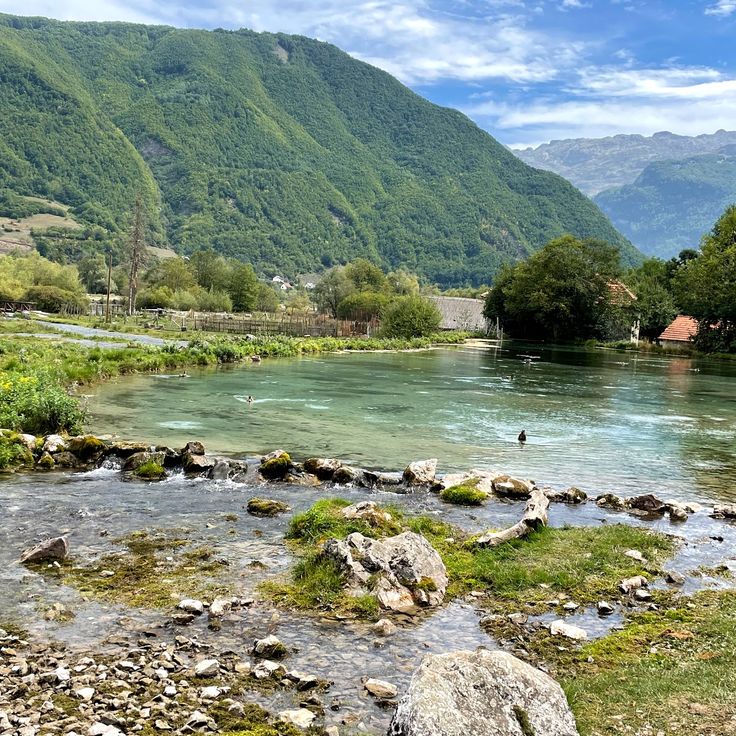
Ali Pasha's Waterfall in Gusinje represents the natural diversity that defines Montenegro's landscape. The water plunges 25 meters down and is fed by melting snow from the surrounding peaks. Located in Prokletije National Park, this waterfall sits within a protected area where forests and mountains create a setting far from towns and modern development.
Njegusi is a rural settlement perched at 900 meters (2,950 feet) on Mount Lovcen, showing how mountain life has developed in Montenegro over centuries. The houses are built from stone using construction methods from the 18th century that have remained largely unchanged. This village fits into the collection of Montenegro's most beautiful natural and cultural sites because it demonstrates how traditional communities have maintained their way of life and building practices in remote mountain areas. Walking through Njegusi gives you a real sense of how people adapted to the harsh mountain environment and created lasting architecture that still stands today.
The Rijeka Crnojevica represents what this collection captures about Montenegro: places where history and nature meet. This locality was founded in the 15th century on the shores of Lake Skadar and carries the marks of different times. A stone arch bridge built in 1853 crosses the river as it flows into the lake. The site shows how traditional settlements fit into the natural landscape, with old stone structures standing beside water and forests. Walking here, you move between the built environment and the wild surroundings that define the region.
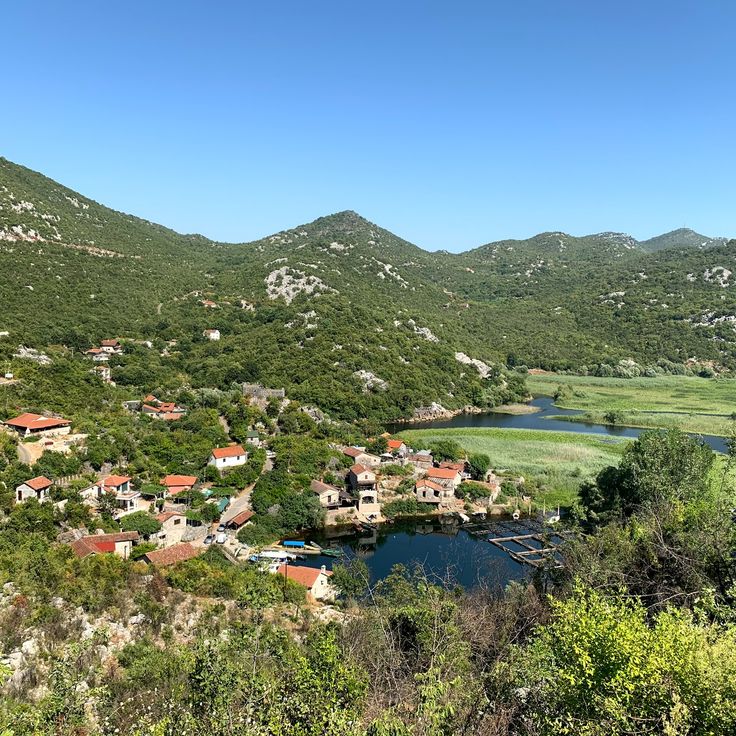
The village of Karuc is a fishing hamlet situated on a peninsula of Lake Skadar, representing how traditional ways of life persist in Montenegro. The residents practice handcrafted fishing techniques that have been passed down through generations, shaping daily life on the lake. This village shows how people in Montenegro live and work with their environment, offering insight into rural lifestyles that have endured for a long time.
Biogradska Gora National Park is one of the protected natural sites that represents Montenegro's varied landscape. This park preserves an ancient forest that has grown undisturbed for over a century, surrounded by mountains and fed by glacial activity. Within its boundaries lie a mountain lake and peaks that rise above 2000 meters (6,500 feet). The park offers visitors a chance to walk through old-growth woodland, discover how water has shaped the land over time, and experience the raw beauty of Montenegro's interior mountains away from the coast.
The Old Town of Kotor shows how history is written into the streets of a medieval settlement. Stone walls enclose the town and connect it to the mountains beyond. Narrow streets wind between buildings whose architecture reflects Venetian and Byzantine periods. The harbor lies directly before the walls, with mountains rising behind. Churches and chapels scattered throughout the old town display religious traditions that have endured across centuries. Walking here, you experience the layers of history directly: rounded arches from Ottoman times meet defensive towers from Venetian periods, and traces of different cultures appear at every turn.
Ostrog Monastery is a 17th-century Orthodox religious complex built directly into a vertical rock face at 900 meters (2,950 feet) altitude. The site represents the spiritual centers that dot Montenegro's landscape and have endured for centuries. Housing frescoes and relics, it demonstrates how the Orthodox tradition has left its mark throughout the country, creating sacred spaces in some of the most remote and dramatic natural settings.
The Blue Cave of Herceg Novi is a marine cavern within limestone rock that reaches about 9 meters into the interior. Sunlight enters through the cave opening and reflects off the water, filling the space with a brilliant blue hue. This natural formation reveals the geological diversity that shapes Montenegro's coast and demonstrates how water and stone interact over time. Visitors reach the cave by boat and experience the interplay of light and color that shifts throughout the day as the sun moves across the sky.
The Đurđevića Tara Bridge is a concrete arch bridge built in 1940 that carries traffic across the Tara Canyon. Spanning 172 meters above the gorge, it represents an engineering achievement that connects two sides of Montenegro's most dramatic landscape. The bridge stands as a testament to human determination to overcome natural barriers, linking remote communities and opening mountain regions to the wider country. Its construction reflects the importance of this passage through one of Europe's deepest canyons, and today it remains a striking reminder of how people have shaped this land.
Black Lake is one of Montenegro's natural treasures and shows the variety of the country's landscape. This lake was created by glaciers and sits high in the Durmitor Mountains. Dense pine forests surround it like a natural frame around the water. The water here reflects the mountains and offers a quiet place to experience the wild nature of Montenegro's interior. Black Lake shows how nature in Montenegro has created its own forms, separate from human history.
Lovćen National Park is a protected mountain area above Cetinje where nature and history of Montenegro meet. The park centers on two main peaks that rise above the surrounding landscape. On Mount Jezerski stands the mausoleum of Petar II. Petrović-Njegoš, an important leader and spiritual guide from Montenegrin history. The park offers walking paths through forests and along ridge lines, with views across to the coast and inland valleys. Visitors can hike through the landscape and experience the connection between the natural terrain and the cultural heritage of the country.
Our Lady of the Rocks is an island built in the 15th century from rocks and shipwrecks, representing how culture and nature intertwine in Montenegro. This Catholic church sits on the water and displays 68 frescoes painted by Tripo Kokolja, showing the artistic skills that developed under different cultural influences. The church stands as a spiritual center emerging from the sea, just like other religious buildings scattered throughout Montenegro that have endured for centuries.
The Tara Canyon stands as one of Montenegro's most striking natural sites, revealing how water and time shape the landscape into something powerful. This valley was carved into the rock over thousands of years and stretches for 82 kilometers, dropping more than 1300 meters at its deepest points. Sheer rock faces tower on both sides, and the river cuts through the narrow gorge below. From the canyon rim, you can look down and grasp the true scale of what water can do to stone. Boats travel through the waterway, offering views of the towering walls that rise all around. The canyon sits within a protected area that safeguards both the geological formations and the wild river landscape.
Stari Bar is an 11th-century fortified city perched on a rocky spur, part of Montenegro's layered cultural landscape. Destroyed by an explosion in 1878, the city has remained deserted ever since. Its ruined stone structures reveal how Venetian and Ottoman influences shaped the architecture of this small country.
The Durmitor Massif is a mountain range featured in the collection of Montenegro's most beautiful natural and cultural sites. It represents the varied landscape of the country, where nature and history come together. The massif consists of a chain of peaks rising above 2000 meters in elevation. Dense forests of pine trees cover the slopes. In the high valleys sit glacial lakes formed by ice ages long past. The Durmitor Massif lies within a national park and is a place where you can hike, explore forests, and experience the mountain landscape directly.
Lake Shkodra is a freshwater body shared between Montenegro and Albania, covering 370 km² and serving as a vital habitat for over 260 bird species. The lake sits in a landscape shaped by fishing traditions and small settlements on its shores, with mountains rising in the distance. The waters reflect reed beds and create a rhythm of life tied to the seasons and the movements of migratory birds. This lake represents the natural diversity that defines Montenegro's inland regions, where forests and water create spaces far removed from the coast. Local fishermen continue their work using methods passed down through generations, and the lake remains an important meeting point between two countries and cultures.
Sveti Stefan is a 15th-century fortified village on an island connected to the mainland by a narrow road. Stone walls protect the old fisherman's houses in this settlement, which reflects Montenegro's layered history where Venetian fortifications and traditional architecture coexist. The village demonstrates how earlier generations lived in this part of the Adriatic and built their structures to withstand the elements and potential threats.
Lipa Cave is a natural karst formation in the Lovćen massif featuring underground galleries with stalactites, stalagmites, and limestone columns. It represents one of Montenegro's diverse natural sites, where forests, mountains, and geological formations shape the landscape together. Exploring this cave reveals the hidden layers of the earth that have formed over vast stretches of time.
Budva is a medieval town that shows how history shaped Montenegro. Venetian walls surround the old city, which sits on the Adriatic coast. Cobbled streets wind through narrow passages where stone buildings stand close together. Small squares with fountains break up the layout. Here you can see how Venetian traders left their mark with fortified structures and tight street patterns that still define the city today. Budva demonstrates how the different cultures that shaped Montenegro remain alive in its walls and stones.
Banja Monastery is a 14th-century Serbian Orthodox monastery that represents the spiritual heritage woven throughout Montenegro's landscape. The monastery features a church decorated with frescoes that depict religious narratives and stories. A Mediterranean garden surrounds the complex, creating a contemplative space overlooking the Bay of Kotor. This monastery exemplifies how Orthodox traditions have shaped the country's cultural identity and how religious communities established themselves in this region centuries ago.
Jaz Beach is a coastal strip near Budva where fine sand and small pebbles alternate along the water's edge. This beach sits on Montenegro's Adriatic coast, in a country where medieval towns, Orthodox monasteries, and mountain landscapes create a layered history within short distances. Visitors can swim in the sea, eat at nearby restaurants, or simply sit and watch the horizon. The beach has parking areas and is easy to access.
The Cathedral of the Resurrection is Montenegro's largest Orthodox church and stands as a symbol of the religious and cultural heritage that defines this country where history and nature come together. Built in 1993, this structure showcases Neo-Byzantine architecture with two bell towers that rise above the city. Inside, religious frescoes cover the walls, creating a space where Orthodox tradition continues to thrive. The cathedral reflects how Montenegro weaves its spiritual past into modern life, connecting visitors to centuries of faith that shaped the region.
The Kotor-Lovcen Viewpoint is a winding road that climbs to 940 meters in elevation and belongs among the most beautiful natural and cultural sites of Montenegro featured in this collection. From this vantage point, you look down at the Bay of Kotor, the villages scattered along its shores, and the mountains that rise beyond. The drive itself is part of the experience: with each turn in the road, the view expands, and you see how the medieval town sits along the water below and how the landscape transitions from sea to peaks.
This bronze Statue of the Dancer is an artwork on Montenegro's coast. It depicts a ballerina in a dance position and stands on the seaside promenade of Budva. The figure is about 2 meters high and expresses movement and grace. It fits into Montenegro's cultural landscape, where history and nature meet in unexpected ways. This statue is part of the rich artistic tradition of the city, which sits on the Adriatic Sea.
Becici Beach is a 2-kilometer stretch of sand along the Adriatic Sea, featuring a paved pedestrian path and waterfront restaurants. This beach represents the natural beauty that Montenegro offers as part of its varied landscape. The beach sits within a region where medieval towns with stone walls and mountain forests meet the coast. It provides a place to swim and rest while exploring the cultural and natural sites that define this small country, from fortress walls to hidden monasteries and glacial lakes.
The Savina Monastery is an Orthodox religious complex built in the 17th century, located on the heights of Herceg Novi. It consists of three churches and holds a collection of historical liturgical objects. This monastery demonstrates the deep connection between spirituality and history that runs throughout Montenegro. The buildings were constructed and expanded over centuries, and together with their valuable collection, they represent the country's cultural heritage. The site offers insight into how Orthodox traditions and religious practices have shaped Montenegro's landscape and identity.
Mogren Beach is part of Montenegro's coastal treasures, where sandy shores meet the Adriatic in unexpected ways. Two beaches connect through a rock tunnel, creating a natural passage that feels like stepping between two different worlds. The water here is clear and inviting, and the sandy bottom makes swimming comfortable. Sunbeds and umbrellas are available for rent, making it easy to spend a full day by the sea. The beach sits just 500 meters from Budva's Old Town, so you can easily walk between the medieval streets and the shore. This location brings together what makes Montenegro special: a place where history and nature exist side by side, where you can explore fortress walls in the morning and relax on sand in the afternoon.
Porto Montenegro is a modern marina in Tivat, built on the site of a former naval arsenal. With 450 berths, shops, restaurants, and luxury residences, this location represents the contemporary side of Montenegro. It shows how historic industrial sites can transform into vibrant waterfront destinations while honoring their maritime heritage. This marina sits along the Adriatic coast that also holds medieval towns, islands, and sheltered bays where history and nature intertwine.
This square sits in the heart of the Old Town of Herceg Novi and represents the layered cultural history that defines Montenegro in this collection. The paved central square is surrounded by historical buildings that reflect different periods and influences. Cafes with outdoor terraces occupy the ground level, creating a place where locals and visitors gather. The architecture around the square shows the marks left by Venetian traders, Ottoman rule, and Orthodox traditions, all visible in the structures and details that frame this public space.
Saint John's Fortress sits high above Kotor, watching over the bay from 280 meters above sea level. Built and rebuilt from the 9th century through the 19th century, it shows how different rulers shaped this region over time. Walking up to the fortress, you see defensive walls, towers, and structures carved into the rock itself. From the top, you look down at the medieval town below, the water of the bay, and the mountains beyond. The fortress reveals layers of history through its architecture, from Venetian fortifications to Ottoman additions and later expansions that kept changing its form across the centuries.
Dobrilovina Monastery is a Serbian Orthodox monastery built in 1592 along the Tara River, representing the spiritual centers that have endured throughout Montenegro's layered history. The building contains 17th-century frescoes that showcase the religious art and Orthodox traditions that have left their mark across the country, offering visitors a glimpse into the artistic heritage preserved within Montenegro's monastic sites.
Kanli Kula is an Ottoman fortress built in 1539 that shows how history lives in Montenegro's individual structures. This fortress served as a prison for centuries before transforming into an open-air theater. Visitors can see how stone walls and historic spaces now host performances and cultural events, keeping the region's heritage alive in a living way.
Ali Pasha's Waterfall in Gusinje represents the natural diversity that defines Montenegro's landscape. The water plunges 25 meters down and is fed by melting snow from the surrounding peaks. Located in Prokletije National Park, this waterfall sits within a protected area where forests and mountains create a setting far from towns and modern development.
Njegusi is a rural settlement perched at 900 meters (2,950 feet) on Mount Lovcen, showing how mountain life has developed in Montenegro over centuries. The houses are built from stone using construction methods from the 18th century that have remained largely unchanged. This village fits into the collection of Montenegro's most beautiful natural and cultural sites because it demonstrates how traditional communities have maintained their way of life and building practices in remote mountain areas. Walking through Njegusi gives you a real sense of how people adapted to the harsh mountain environment and created lasting architecture that still stands today.
The Rijeka Crnojevica represents what this collection captures about Montenegro: places where history and nature meet. This locality was founded in the 15th century on the shores of Lake Skadar and carries the marks of different times. A stone arch bridge built in 1853 crosses the river as it flows into the lake. The site shows how traditional settlements fit into the natural landscape, with old stone structures standing beside water and forests. Walking here, you move between the built environment and the wild surroundings that define the region.
The village of Karuc is a fishing hamlet situated on a peninsula of Lake Skadar, representing how traditional ways of life persist in Montenegro. The residents practice handcrafted fishing techniques that have been passed down through generations, shaping daily life on the lake. This village shows how people in Montenegro live and work with their environment, offering insight into rural lifestyles that have endured for a long time.
Biogradska Gora National Park is one of the protected natural sites that represents Montenegro's varied landscape. This park preserves an ancient forest that has grown undisturbed for over a century, surrounded by mountains and fed by glacial activity. Within its boundaries lie a mountain lake and peaks that rise above 2000 meters (6,500 feet). The park offers visitors a chance to walk through old-growth woodland, discover how water has shaped the land over time, and experience the raw beauty of Montenegro's interior mountains away from the coast.
The Old Town of Kotor shows how history is written into the streets of a medieval settlement. Stone walls enclose the town and connect it to the mountains beyond. Narrow streets wind between buildings whose architecture reflects Venetian and Byzantine periods. The harbor lies directly before the walls, with mountains rising behind. Churches and chapels scattered throughout the old town display religious traditions that have endured across centuries. Walking here, you experience the layers of history directly: rounded arches from Ottoman times meet defensive towers from Venetian periods, and traces of different cultures appear at every turn.
Ostrog Monastery is a 17th-century Orthodox religious complex built directly into a vertical rock face at 900 meters (2,950 feet) altitude. The site represents the spiritual centers that dot Montenegro's landscape and have endured for centuries. Housing frescoes and relics, it demonstrates how the Orthodox tradition has left its mark throughout the country, creating sacred spaces in some of the most remote and dramatic natural settings.
The Blue Cave of Herceg Novi is a marine cavern within limestone rock that reaches about 9 meters into the interior. Sunlight enters through the cave opening and reflects off the water, filling the space with a brilliant blue hue. This natural formation reveals the geological diversity that shapes Montenegro's coast and demonstrates how water and stone interact over time. Visitors reach the cave by boat and experience the interplay of light and color that shifts throughout the day as the sun moves across the sky.
The Đurđevića Tara Bridge is a concrete arch bridge built in 1940 that carries traffic across the Tara Canyon. Spanning 172 meters above the gorge, it represents an engineering achievement that connects two sides of Montenegro's most dramatic landscape. The bridge stands as a testament to human determination to overcome natural barriers, linking remote communities and opening mountain regions to the wider country. Its construction reflects the importance of this passage through one of Europe's deepest canyons, and today it remains a striking reminder of how people have shaped this land.
Black Lake is one of Montenegro's natural treasures and shows the variety of the country's landscape. This lake was created by glaciers and sits high in the Durmitor Mountains. Dense pine forests surround it like a natural frame around the water. The water here reflects the mountains and offers a quiet place to experience the wild nature of Montenegro's interior. Black Lake shows how nature in Montenegro has created its own forms, separate from human history.
Lovćen National Park is a protected mountain area above Cetinje where nature and history of Montenegro meet. The park centers on two main peaks that rise above the surrounding landscape. On Mount Jezerski stands the mausoleum of Petar II. Petrović-Njegoš, an important leader and spiritual guide from Montenegrin history. The park offers walking paths through forests and along ridge lines, with views across to the coast and inland valleys. Visitors can hike through the landscape and experience the connection between the natural terrain and the cultural heritage of the country.
Our Lady of the Rocks is an island built in the 15th century from rocks and shipwrecks, representing how culture and nature intertwine in Montenegro. This Catholic church sits on the water and displays 68 frescoes painted by Tripo Kokolja, showing the artistic skills that developed under different cultural influences. The church stands as a spiritual center emerging from the sea, just like other religious buildings scattered throughout Montenegro that have endured for centuries.
The Tara Canyon stands as one of Montenegro's most striking natural sites, revealing how water and time shape the landscape into something powerful. This valley was carved into the rock over thousands of years and stretches for 82 kilometers, dropping more than 1300 meters at its deepest points. Sheer rock faces tower on both sides, and the river cuts through the narrow gorge below. From the canyon rim, you can look down and grasp the true scale of what water can do to stone. Boats travel through the waterway, offering views of the towering walls that rise all around. The canyon sits within a protected area that safeguards both the geological formations and the wild river landscape.
Stari Bar is an 11th-century fortified city perched on a rocky spur, part of Montenegro's layered cultural landscape. Destroyed by an explosion in 1878, the city has remained deserted ever since. Its ruined stone structures reveal how Venetian and Ottoman influences shaped the architecture of this small country.
The Durmitor Massif is a mountain range featured in the collection of Montenegro's most beautiful natural and cultural sites. It represents the varied landscape of the country, where nature and history come together. The massif consists of a chain of peaks rising above 2000 meters in elevation. Dense forests of pine trees cover the slopes. In the high valleys sit glacial lakes formed by ice ages long past. The Durmitor Massif lies within a national park and is a place where you can hike, explore forests, and experience the mountain landscape directly.
Lake Shkodra is a freshwater body shared between Montenegro and Albania, covering 370 km² and serving as a vital habitat for over 260 bird species. The lake sits in a landscape shaped by fishing traditions and small settlements on its shores, with mountains rising in the distance. The waters reflect reed beds and create a rhythm of life tied to the seasons and the movements of migratory birds. This lake represents the natural diversity that defines Montenegro's inland regions, where forests and water create spaces far removed from the coast. Local fishermen continue their work using methods passed down through generations, and the lake remains an important meeting point between two countries and cultures.
Sveti Stefan is a 15th-century fortified village on an island connected to the mainland by a narrow road. Stone walls protect the old fisherman's houses in this settlement, which reflects Montenegro's layered history where Venetian fortifications and traditional architecture coexist. The village demonstrates how earlier generations lived in this part of the Adriatic and built their structures to withstand the elements and potential threats.
Lipa Cave is a natural karst formation in the Lovćen massif featuring underground galleries with stalactites, stalagmites, and limestone columns. It represents one of Montenegro's diverse natural sites, where forests, mountains, and geological formations shape the landscape together. Exploring this cave reveals the hidden layers of the earth that have formed over vast stretches of time.
Budva is a medieval town that shows how history shaped Montenegro. Venetian walls surround the old city, which sits on the Adriatic coast. Cobbled streets wind through narrow passages where stone buildings stand close together. Small squares with fountains break up the layout. Here you can see how Venetian traders left their mark with fortified structures and tight street patterns that still define the city today. Budva demonstrates how the different cultures that shaped Montenegro remain alive in its walls and stones.
Banja Monastery is a 14th-century Serbian Orthodox monastery that represents the spiritual heritage woven throughout Montenegro's landscape. The monastery features a church decorated with frescoes that depict religious narratives and stories. A Mediterranean garden surrounds the complex, creating a contemplative space overlooking the Bay of Kotor. This monastery exemplifies how Orthodox traditions have shaped the country's cultural identity and how religious communities established themselves in this region centuries ago.
Jaz Beach is a coastal strip near Budva where fine sand and small pebbles alternate along the water's edge. This beach sits on Montenegro's Adriatic coast, in a country where medieval towns, Orthodox monasteries, and mountain landscapes create a layered history within short distances. Visitors can swim in the sea, eat at nearby restaurants, or simply sit and watch the horizon. The beach has parking areas and is easy to access.
The Cathedral of the Resurrection is Montenegro's largest Orthodox church and stands as a symbol of the religious and cultural heritage that defines this country where history and nature come together. Built in 1993, this structure showcases Neo-Byzantine architecture with two bell towers that rise above the city. Inside, religious frescoes cover the walls, creating a space where Orthodox tradition continues to thrive. The cathedral reflects how Montenegro weaves its spiritual past into modern life, connecting visitors to centuries of faith that shaped the region.
The Kotor-Lovcen Viewpoint is a winding road that climbs to 940 meters in elevation and belongs among the most beautiful natural and cultural sites of Montenegro featured in this collection. From this vantage point, you look down at the Bay of Kotor, the villages scattered along its shores, and the mountains that rise beyond. The drive itself is part of the experience: with each turn in the road, the view expands, and you see how the medieval town sits along the water below and how the landscape transitions from sea to peaks.
This bronze Statue of the Dancer is an artwork on Montenegro's coast. It depicts a ballerina in a dance position and stands on the seaside promenade of Budva. The figure is about 2 meters high and expresses movement and grace. It fits into Montenegro's cultural landscape, where history and nature meet in unexpected ways. This statue is part of the rich artistic tradition of the city, which sits on the Adriatic Sea.
Becici Beach is a 2-kilometer stretch of sand along the Adriatic Sea, featuring a paved pedestrian path and waterfront restaurants. This beach represents the natural beauty that Montenegro offers as part of its varied landscape. The beach sits within a region where medieval towns with stone walls and mountain forests meet the coast. It provides a place to swim and rest while exploring the cultural and natural sites that define this small country, from fortress walls to hidden monasteries and glacial lakes.
The Savina Monastery is an Orthodox religious complex built in the 17th century, located on the heights of Herceg Novi. It consists of three churches and holds a collection of historical liturgical objects. This monastery demonstrates the deep connection between spirituality and history that runs throughout Montenegro. The buildings were constructed and expanded over centuries, and together with their valuable collection, they represent the country's cultural heritage. The site offers insight into how Orthodox traditions and religious practices have shaped Montenegro's landscape and identity.
Mogren Beach is part of Montenegro's coastal treasures, where sandy shores meet the Adriatic in unexpected ways. Two beaches connect through a rock tunnel, creating a natural passage that feels like stepping between two different worlds. The water here is clear and inviting, and the sandy bottom makes swimming comfortable. Sunbeds and umbrellas are available for rent, making it easy to spend a full day by the sea. The beach sits just 500 meters from Budva's Old Town, so you can easily walk between the medieval streets and the shore. This location brings together what makes Montenegro special: a place where history and nature exist side by side, where you can explore fortress walls in the morning and relax on sand in the afternoon.
Porto Montenegro is a modern marina in Tivat, built on the site of a former naval arsenal. With 450 berths, shops, restaurants, and luxury residences, this location represents the contemporary side of Montenegro. It shows how historic industrial sites can transform into vibrant waterfront destinations while honoring their maritime heritage. This marina sits along the Adriatic coast that also holds medieval towns, islands, and sheltered bays where history and nature intertwine.
This square sits in the heart of the Old Town of Herceg Novi and represents the layered cultural history that defines Montenegro in this collection. The paved central square is surrounded by historical buildings that reflect different periods and influences. Cafes with outdoor terraces occupy the ground level, creating a place where locals and visitors gather. The architecture around the square shows the marks left by Venetian traders, Ottoman rule, and Orthodox traditions, all visible in the structures and details that frame this public space.
Saint John's Fortress sits high above Kotor, watching over the bay from 280 meters above sea level. Built and rebuilt from the 9th century through the 19th century, it shows how different rulers shaped this region over time. Walking up to the fortress, you see defensive walls, towers, and structures carved into the rock itself. From the top, you look down at the medieval town below, the water of the bay, and the mountains beyond. The fortress reveals layers of history through its architecture, from Venetian fortifications to Ottoman additions and later expansions that kept changing its form across the centuries.
Dobrilovina Monastery is a Serbian Orthodox monastery built in 1592 along the Tara River, representing the spiritual centers that have endured throughout Montenegro's layered history. The building contains 17th-century frescoes that showcase the religious art and Orthodox traditions that have left their mark across the country, offering visitors a glimpse into the artistic heritage preserved within Montenegro's monastic sites.
Kanli Kula is an Ottoman fortress built in 1539 that shows how history lives in Montenegro's individual structures. This fortress served as a prison for centuries before transforming into an open-air theater. Visitors can see how stone walls and historic spaces now host performances and cultural events, keeping the region's heritage alive in a living way.
Ali Pasha's Waterfall in Gusinje represents the natural diversity that defines Montenegro's landscape. The water plunges 25 meters down and is fed by melting snow from the surrounding peaks. Located in Prokletije National Park, this waterfall sits within a protected area where forests and mountains create a setting far from towns and modern development.
Njegusi is a rural settlement perched at 900 meters (2,950 feet) on Mount Lovcen, showing how mountain life has developed in Montenegro over centuries. The houses are built from stone using construction methods from the 18th century that have remained largely unchanged. This village fits into the collection of Montenegro's most beautiful natural and cultural sites because it demonstrates how traditional communities have maintained their way of life and building practices in remote mountain areas. Walking through Njegusi gives you a real sense of how people adapted to the harsh mountain environment and created lasting architecture that still stands today.
The Rijeka Crnojevica represents what this collection captures about Montenegro: places where history and nature meet. This locality was founded in the 15th century on the shores of Lake Skadar and carries the marks of different times. A stone arch bridge built in 1853 crosses the river as it flows into the lake. The site shows how traditional settlements fit into the natural landscape, with old stone structures standing beside water and forests. Walking here, you move between the built environment and the wild surroundings that define the region.
The village of Karuc is a fishing hamlet situated on a peninsula of Lake Skadar, representing how traditional ways of life persist in Montenegro. The residents practice handcrafted fishing techniques that have been passed down through generations, shaping daily life on the lake. This village shows how people in Montenegro live and work with their environment, offering insight into rural lifestyles that have endured for a long time.