See the monuments around you in AROpen chests in the app
Around Us is built for your phone — point your camera at the streets and discover the monuments and places around you in augmented reality.Around Us is built for your phone — chests unlock when you walk, explore and capture nearby places.
Honduras: national parks, Copán ruins, Caribbean islands
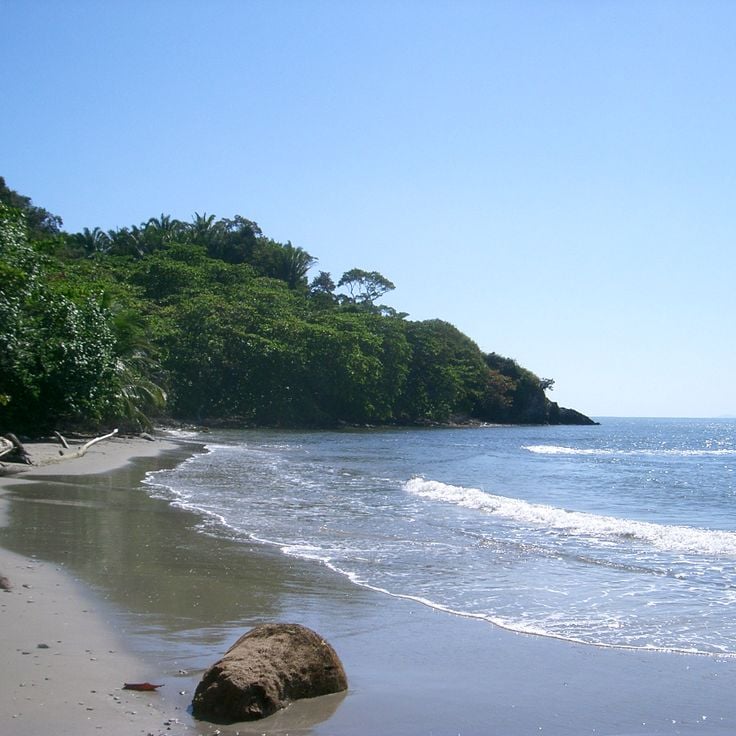
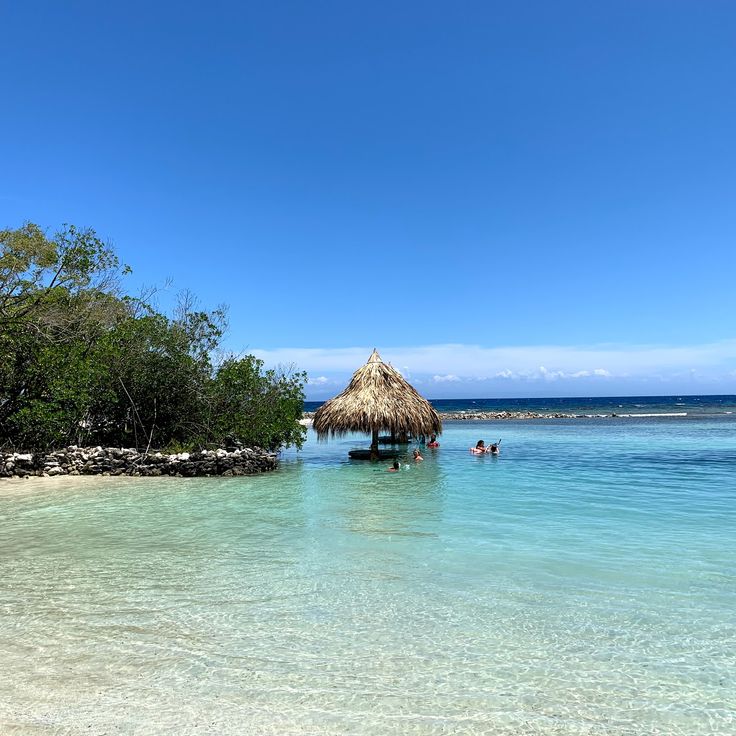
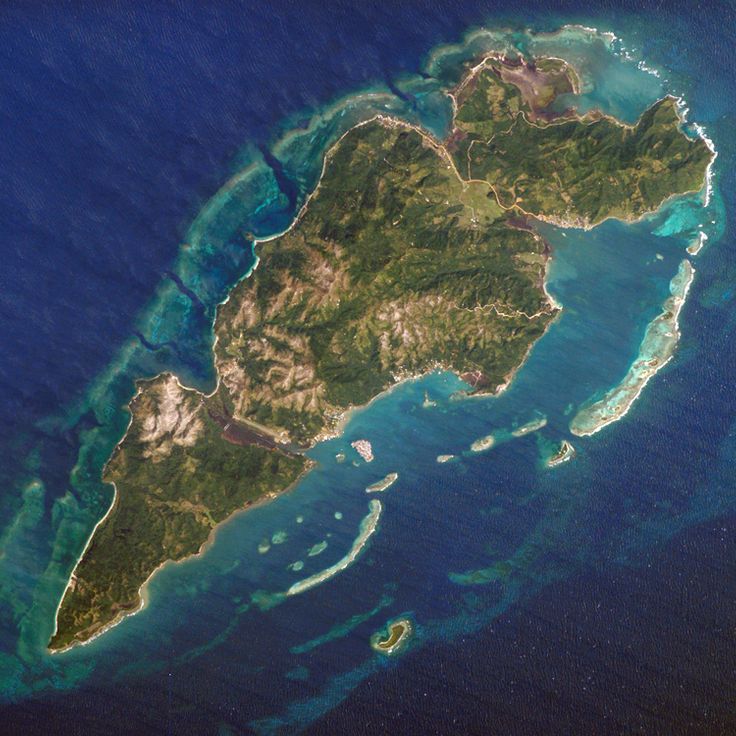
Honduras holds a range of natural sites and archaeological locations along its Caribbean coastline and mountainous interior. The Copán ruins stand among the most important remnants of the Mayan civilization, displaying intricate stonework and the Hieroglyphic Stairway. Several islands in the Bay Islands, including Roatán, Utila, and Guanaja, offer sandy shores and access to coral reefs. National parks such as Pico Bonito, La Tigra, and Celaque protect rainforests and mountain ecosystems with trails through dense vegetation. Lake Yojoa sits between forested hills and serves as a habitat for migratory birds.
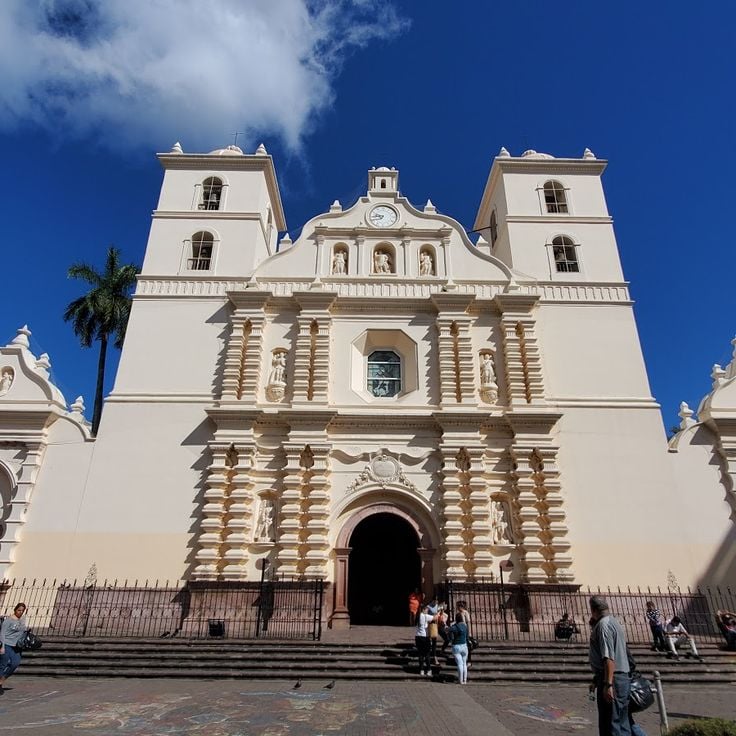
The capital city of Tegucigalpa contains the 18th-century cathedral, along with the Museum for National Identity and the Garífuna Cultural Center, which provide insight into the country's history and culture. The Christ of Picacho statue overlooks the city from a hilltop. Along the northern coast, the Lancetilla Botanical Garden in Tela holds collections of tropical plants. Protected areas like the Río Plátano Biosphere Reserve and the Moskitia region in the east preserve remote rainforests and wetlands. Cayos Cochinos consists of small islands with clear waters off the coast near La Ceiba.
Honduras: national parks, Copán ruins, Caribbean islands
Honduras holds a range of natural sites and archaeological locations along its Caribbean coastline and mountainous interior. The Copán ruins stand among the most important remnants of the Mayan civilization, displaying intricate stonework and the Hieroglyphic Stairway. Several islands in the Bay Islands, including Roatán, Utila, and Guanaja, offer sandy shores and access to coral reefs. National parks such as Pico Bonito, La Tigra, and Celaque protect rainforests and mountain ecosystems with trails through dense vegetation. Lake Yojoa sits between forested hills and serves as a habitat for migratory birds.
The capital city of Tegucigalpa contains the 18th-century cathedral, along with the Museum for National Identity and the Garífuna Cultural Center, which provide insight into the country's history and culture. The Christ of Picacho statue overlooks the city from a hilltop. Along the northern coast, the Lancetilla Botanical Garden in Tela holds collections of tropical plants. Protected areas like the Río Plátano Biosphere Reserve and the Moskitia region in the east preserve remote rainforests and wetlands. Cayos Cochinos consists of small islands with clear waters off the coast near La Ceiba.
This national park stretches along the Caribbean coast and combines coral reefs, mangrove forests, rainforests, and sandy beaches in a wide conservation area. Howler monkeys move through the trees, and migratory birds rest here on their long routes. The waters remain shallow and warm, while dense vegetation reaches down to the shore and the green of the forest blends into the blue lagoons.
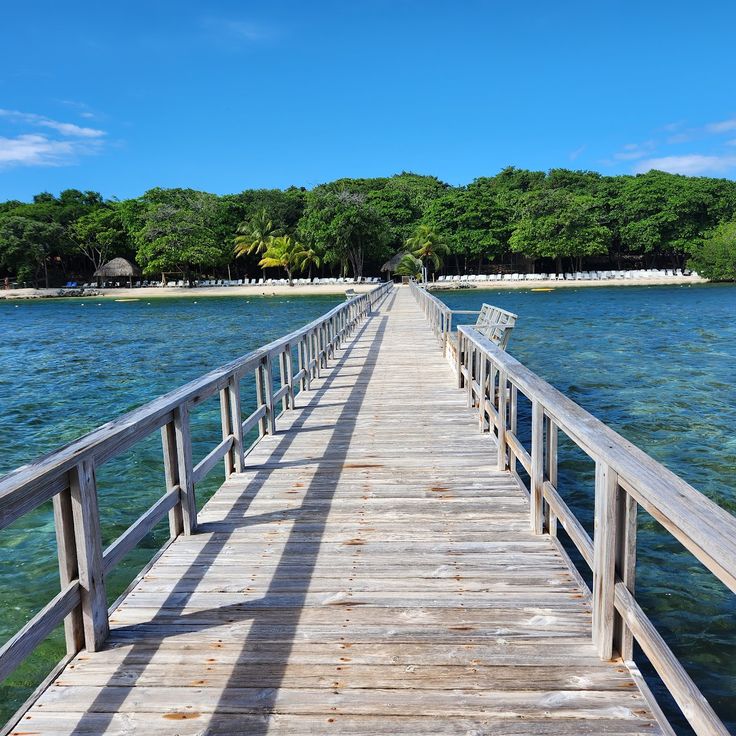
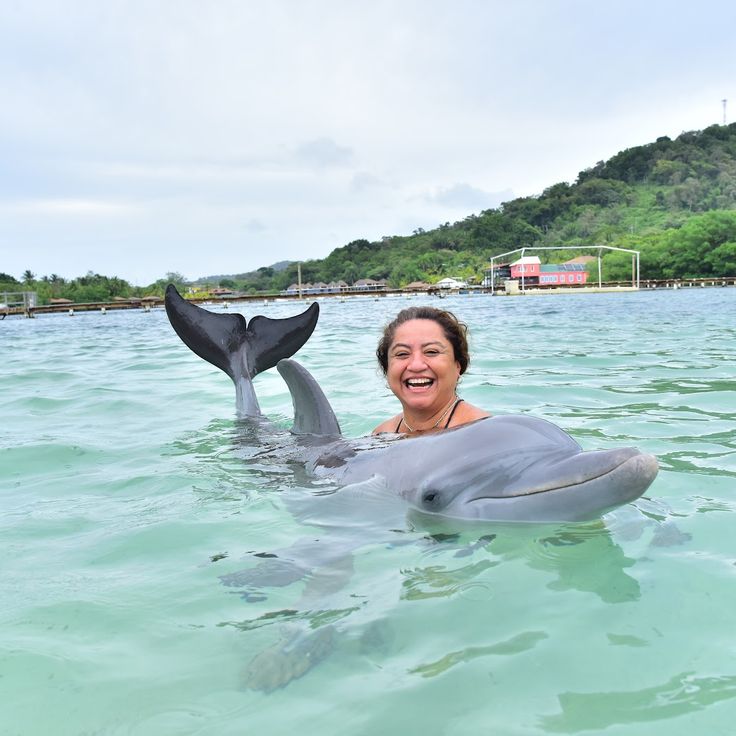
This private island in the Caribbean Sea covers 3 hectares and offers white sand beaches with diving zones offshore. Little French Key houses a center for rehabilitating marine animals where visitors can meet various inhabitants of the region. The island shows tropical plant life and provides direct access to the sea where coral formations and fish can be observed. Guests can walk along the beach, swim in the clear water, or see the rescued animals in their enclosures.
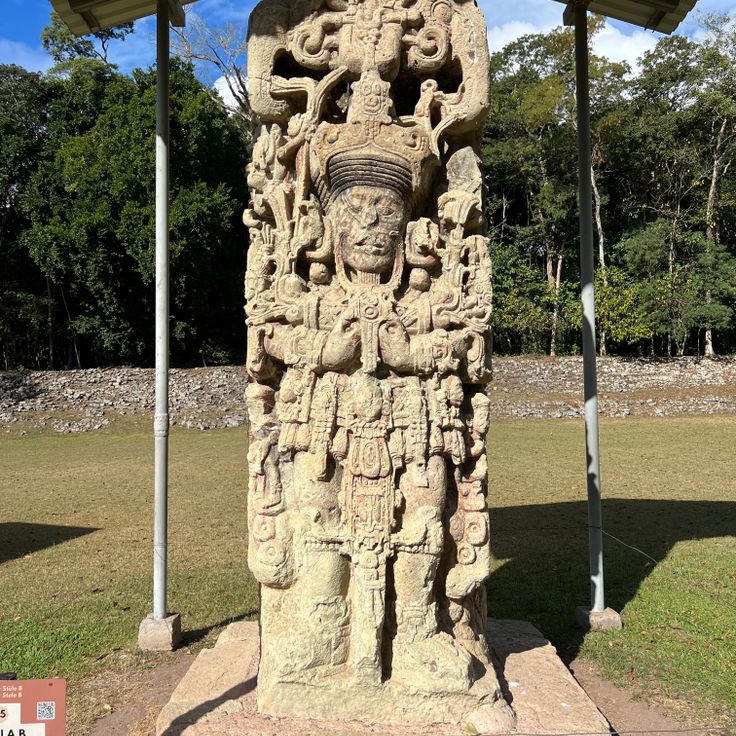
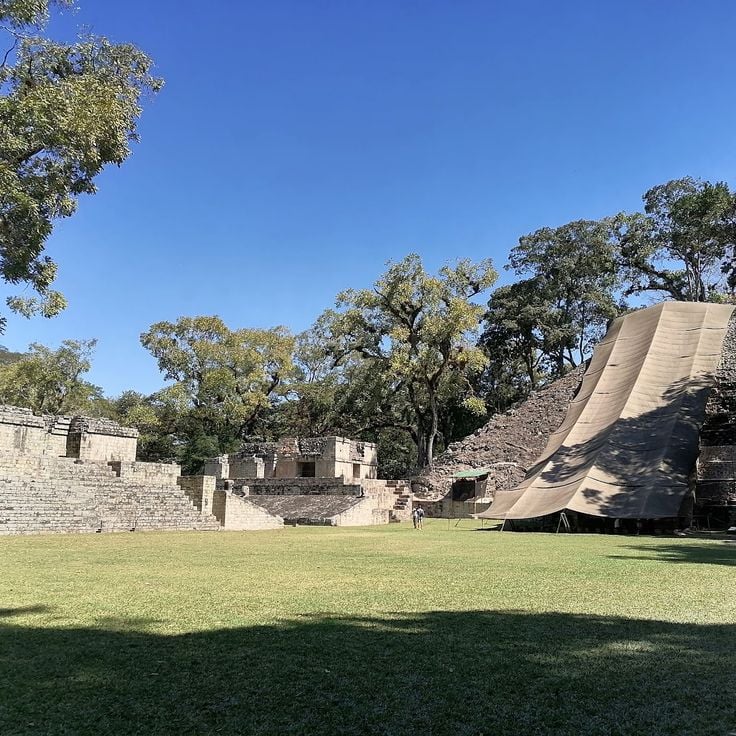
Copán is an archaeological site of the Maya built between 400 and 800. This ceremonial center includes pyramid temples, a ball court, and carved stelae depicting rulers from past eras. The reliefs and glyphs on the stones document dynasties and ritual ceremonies. Trees grow among the ruins, and paths lead through terraces and plazas where religious and political gatherings once took place.
This island in the Islas de la Bahía rises through forested hills covered with Caribbean pines. Reefs surround the coastline and create habitats for marine life. Sandy beaches line the shores, while the highest points of Guanaja reach around 1,230 feet (375 meters) above sea level.
This cathedral stands in the center of the capital and was built starting in 1765 in the colonial style. The facade shows elements of the baroque style with columns and niches. Inside there are several gilded wooden altars, side chapels, and a main nave with vaults. The building has served as a bishop's church since the eighteenth century and is a witness to colonial period architecture in Honduras.
This island sits in the Caribbean Sea and forms one of the smaller parts of the Islas de la Bahía. Utila is surrounded by coral reefs that attract whale sharks, especially between March and April and from August to September. The beaches have white sand and are lined with palm trees. The interior of the island consists of hills and mangrove areas. Dive schools and small guesthouses shape the towns along the coast. Fishermen head out to sea daily. The atmosphere is calm and shaped by tourism, but less developed than other islands in the region.
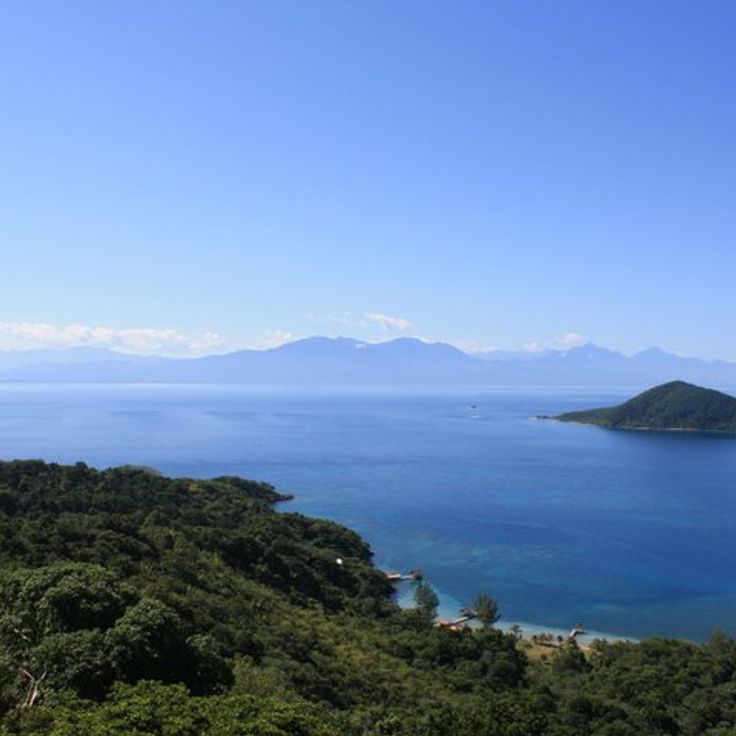
This group of islands off the northern coast of Honduras consists of two larger islands and thirteen smaller ones covered with tropical vegetation and sandy beaches. The water around Cayos Cochinos shows clear visibility and hosts coral formations where different species of fish, sea turtles, and other marine life gather. The islands have few residents and no roads. Most visitors arrive for the day from La Ceiba to snorkel or walk along the shore. The reefs form part of a protected marine area.
This settlement was the first Garifuna community in Honduras, founded in 1797. Its inhabitants still maintain their traditional dances, foods, and customs. Visitors can experience how daily life follows the rhythm of old traditions.
This national park covers mountain slopes and valleys filled with dense rainforest, where rivers flow through the vegetation and turn into waterfalls. The area is home to jaguars, pumas, and more than 400 bird species that live among the trees. Trails lead through the forest, where visitors hear the calls of howler monkeys and the distant sound of cascading water. The park borders the coast near La Ceiba, and the elevation changes create different climate zones and plant communities throughout the reserve.
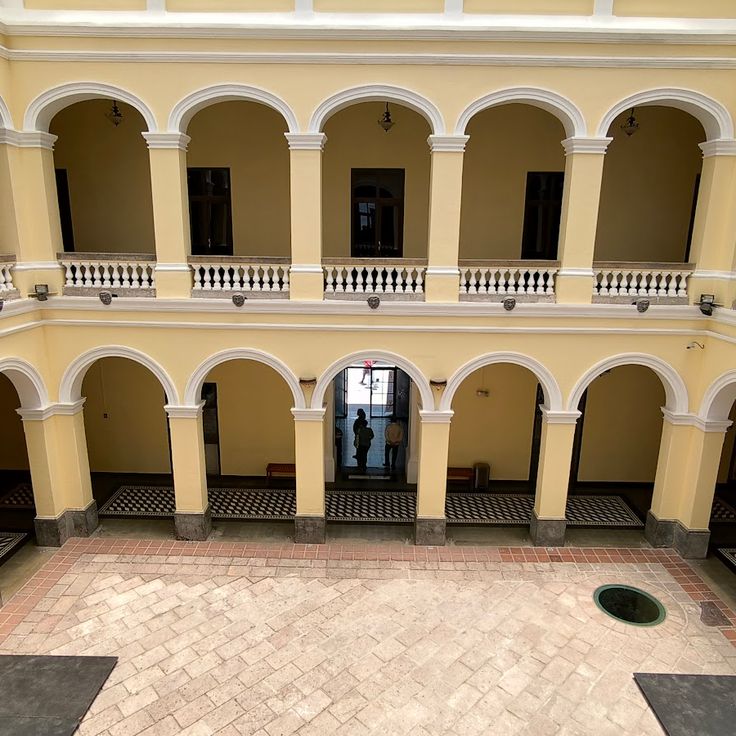
This museum presents exhibitions on Honduran history and culture. It houses pre-Columbian artifacts and displays the country's development through different periods. The collections range from archaeological finds to objects from colonial times and modern history. The rooms guide visitors through the past of Honduras and explain key events and traditions that have shaped the nation.
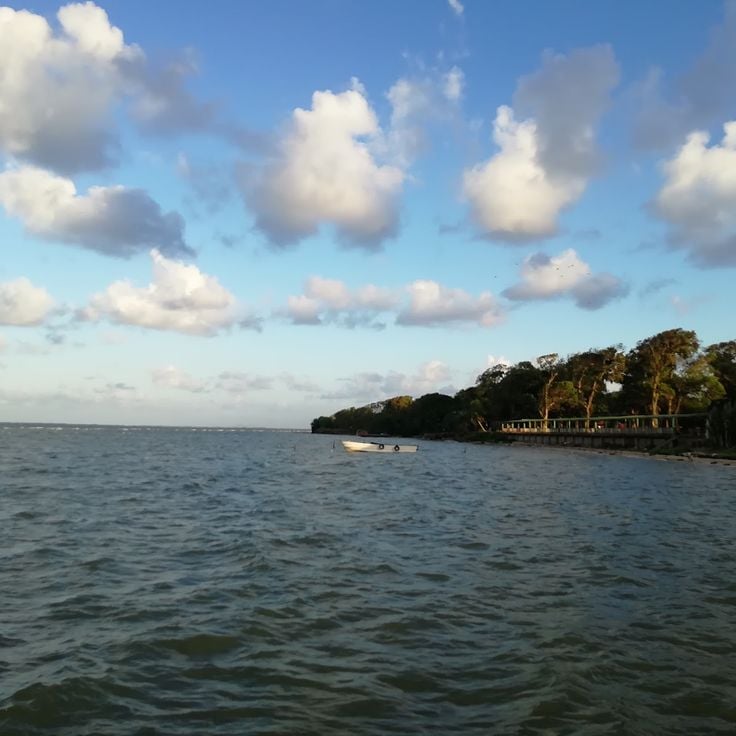
This freshwater lake forms a quiet part of the Honduran highland landscape and draws visitors seeking solitude in nature. Local restaurants along the shore serve freshly caught fish, while the surrounding forests and wetlands provide habitat for hundreds of bird species. Early morning hours often bring mist over the water, and fishermen head out in small boats. Trails lead through the nearby hills, and the lake itself invites kayaking and swimming.
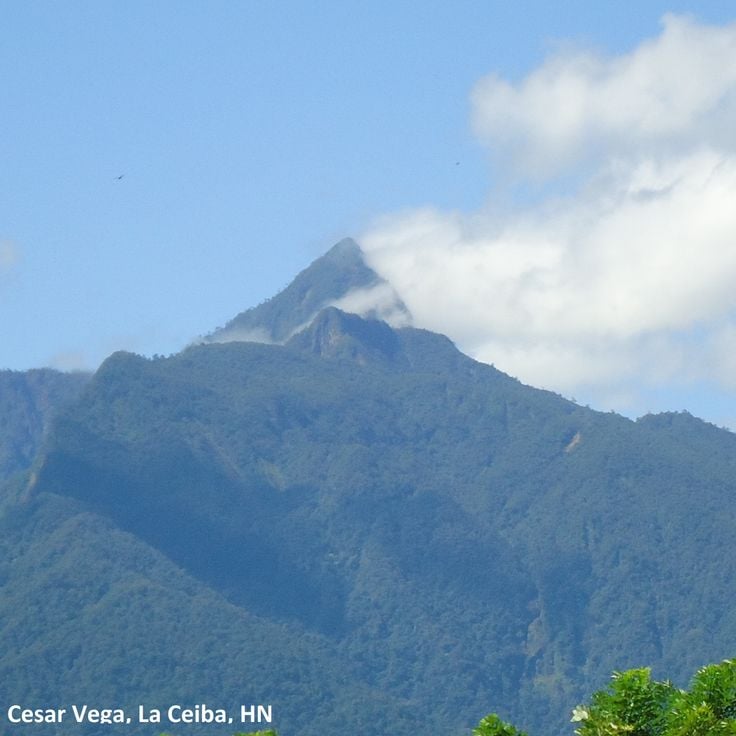
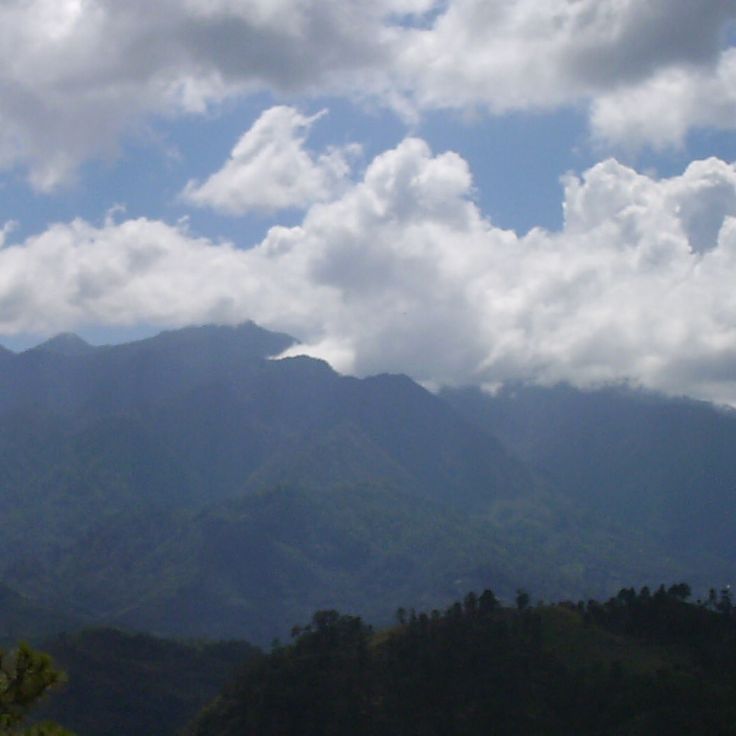
This national park sits around the second highest mountain in Honduras. The paths lead through cloud forests where ferns and mosses grow on the trees. Clouds often hang between the trunks in the morning, and the air is damp and cool. Hikers come across small streams and hear birds in the canopy. The park is among the less visited natural areas in the country and shows the mountain landscapes of the region.
This protected area covers 20,000 hectares and consists of forested mountains, several waterfalls, and marked trails through rainforest. The vegetation ranges from lower elevations to cloud forest zones at higher altitudes. Visitors can explore different paths that lead to natural springs and viewpoints. Cerro Azul Meámbar National Park preserves forest ecosystems and provides access to remote mountain regions.
This cultural center presents the history and traditions of the Garinagu, a community with African and indigenous roots. The displays show everyday objects, musical instruments, and textiles that document the life of this group. Visitors can walk through the rooms and learn about dances, songs, and customs passed down through generations. The center serves as a place of encounter and exchange about a culture deeply rooted in Honduras.
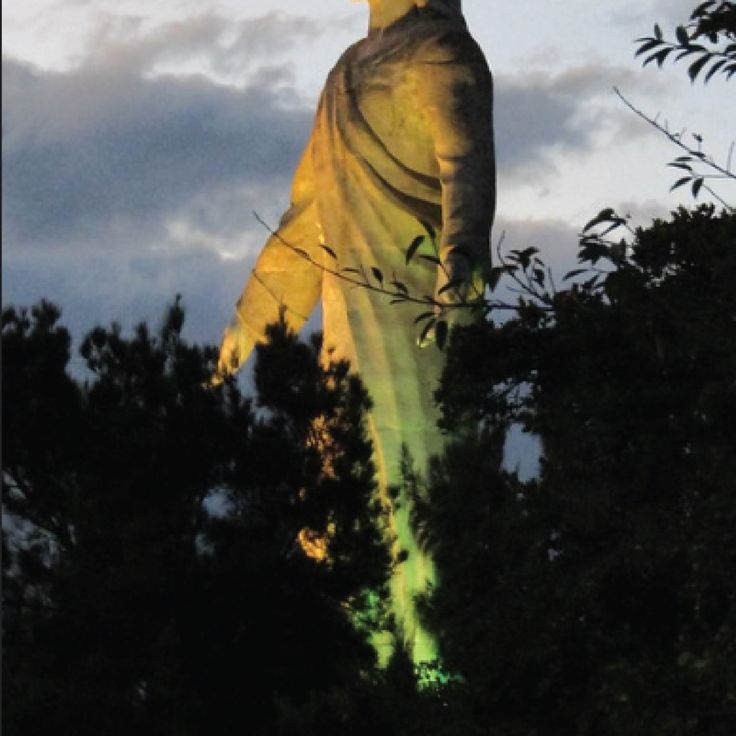
This white concrete figure of Christ stands on top of El Picacho at 1240 meters above Tegucigalpa. The statue rises from a natural viewpoint and overlooks the capital and surrounding valleys. The approach passes through pine forests and open rock formations within the surrounding national park. Visitors use the platform at the base to look across the city and mountain ranges. The monument was erected in the 1990s and forms part of a larger park with trails and picnic areas.
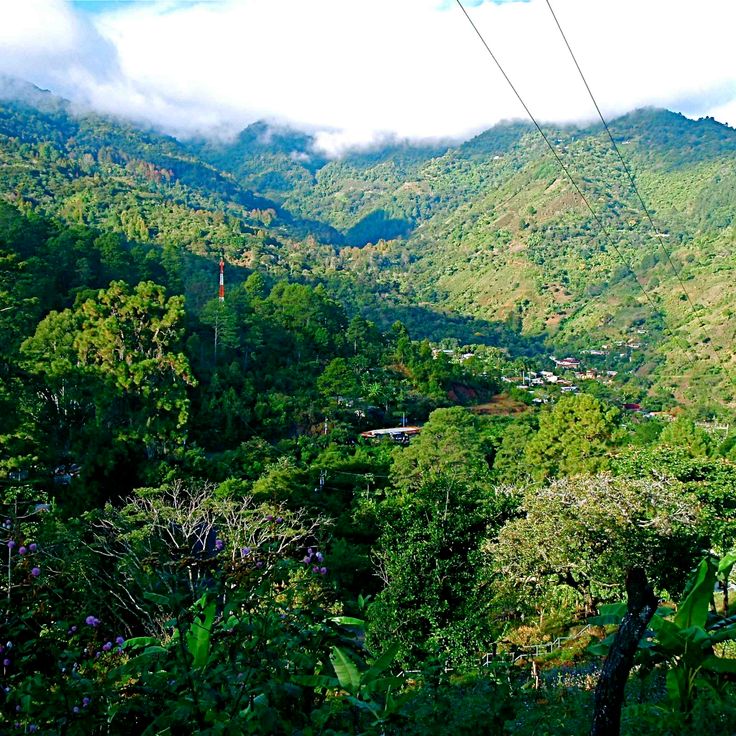
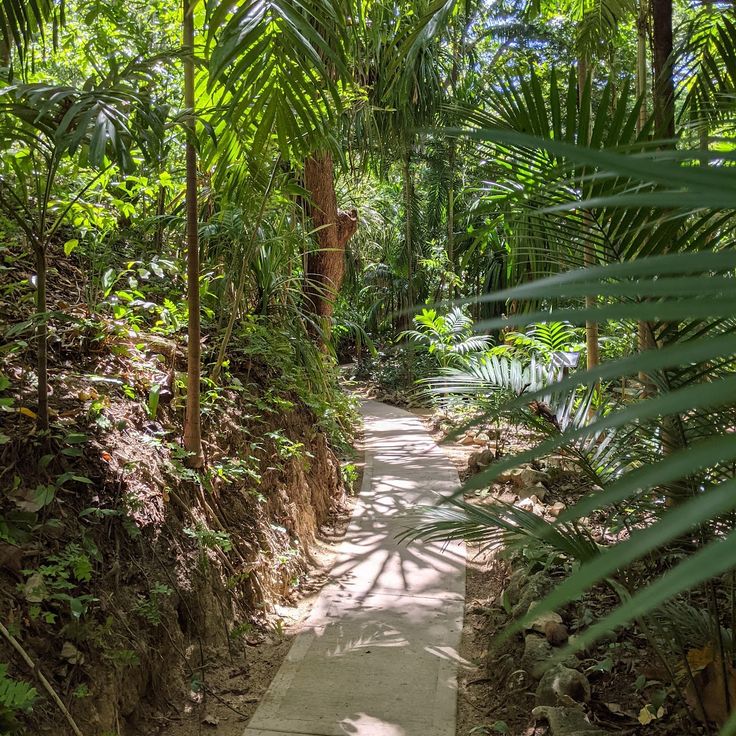
This national park covers cloud forests, waterfalls, and numerous animal species. La Tigra National Park sits in the mountains north of Tegucigalpa and extends across elevations between 5900 and 7400 feet (1800 and 2270 meters). Trails lead through dense vegetation, past streams and small cascades. Visitors can observe birds, mammals, and amphibians living in the cool, moist forests. The area was once a mining region; today pines, oaks, and ferns shape the landscape.
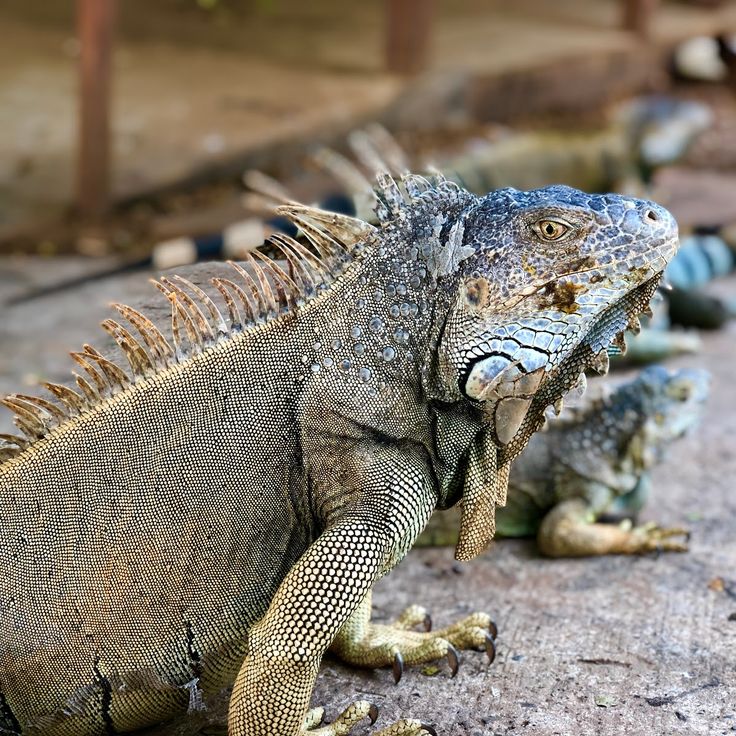
This center on Roatán focuses on the protection of iguanas and offers educational programs about these reptiles. Visitors can observe, feed, and photograph the animals in their habitat while walking along trails through the grounds. The park contributes to the conservation of local iguana populations and helps guests learn about the behavior and needs of these lizards.
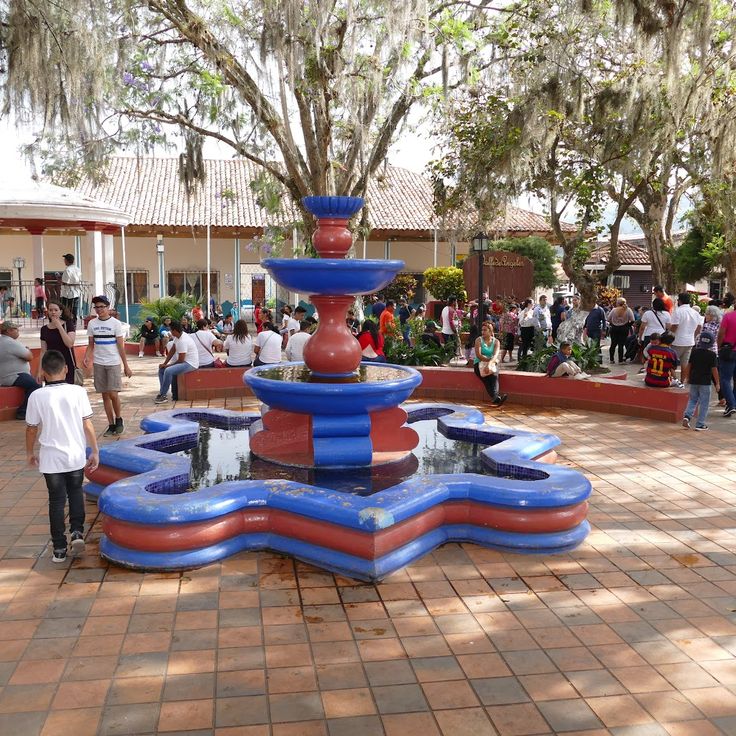
This former mining village sits in the mountains about 15 miles (25 kilometers) from Tegucigalpa. Valle de Ángeles began in the 16th century as a colonial silver extraction site. Today, craftspeople work in numerous workshops that specialize in wooden furniture and carved objects. Cobblestone streets wind between colorful colonial houses. The central plaza is surrounded by shops selling regional handicrafts. The cooler mountain air and small-town quiet contrast with the capital's climate.
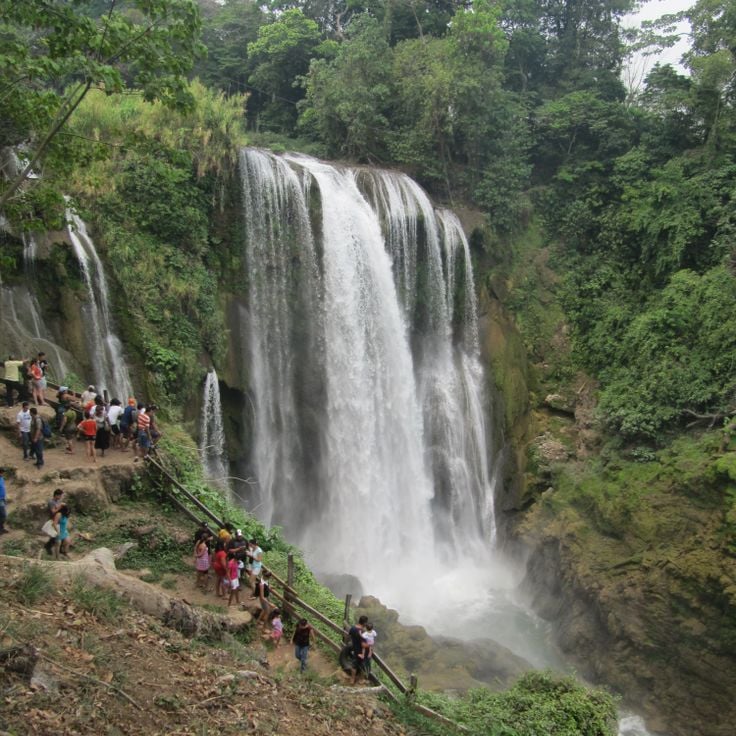
This 43-meter (141-foot) waterfall lets visitors swim in the water, walk along the edge, or climb in the gorge. A suspension bridge offers a view of the cascade and the forested surroundings. The river flows over volcanic rock and forms a deep pool at the base where swimmers can gather.
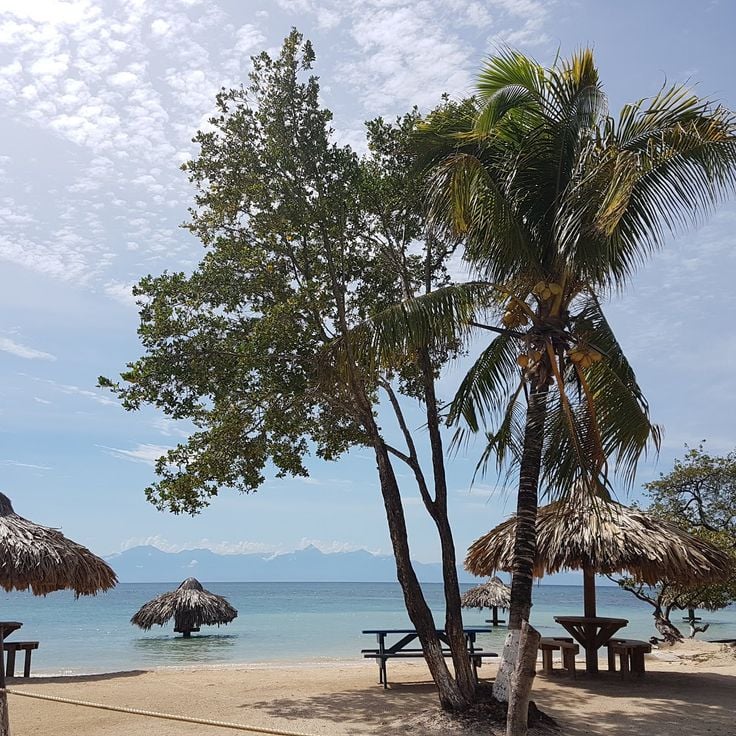
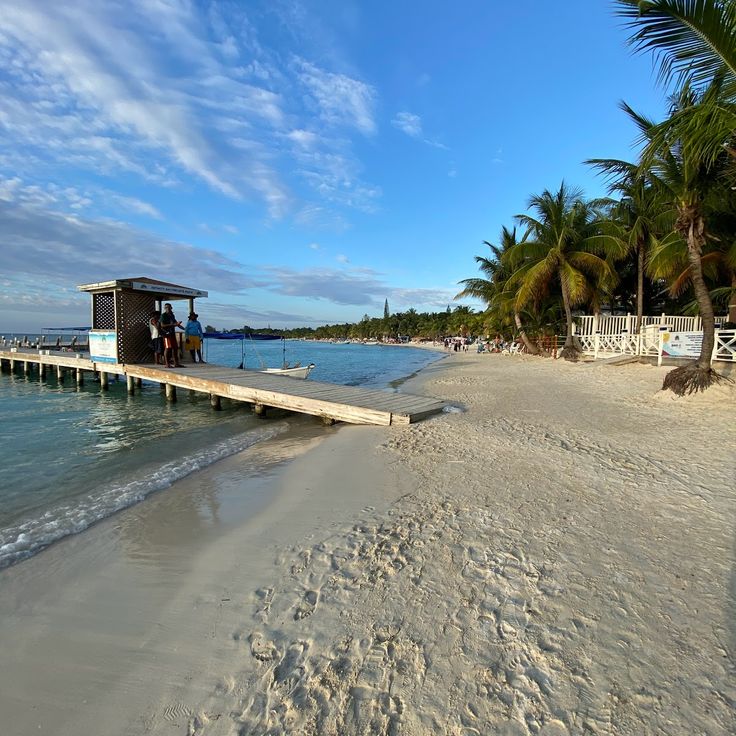
This beach stretches for 2 kilometers along the coast and features white sand with access to coral reefs. The clear water is suitable for diving and reveals a variety of tropical fish. The shallow waters gradually deepen where reefs can be found at different depths. West Bay Beach sits on the western side of the island and draws visitors who come to swim, snorkel, or walk along the shore. Palm trees line parts of the beach, and small restaurants are located nearby.
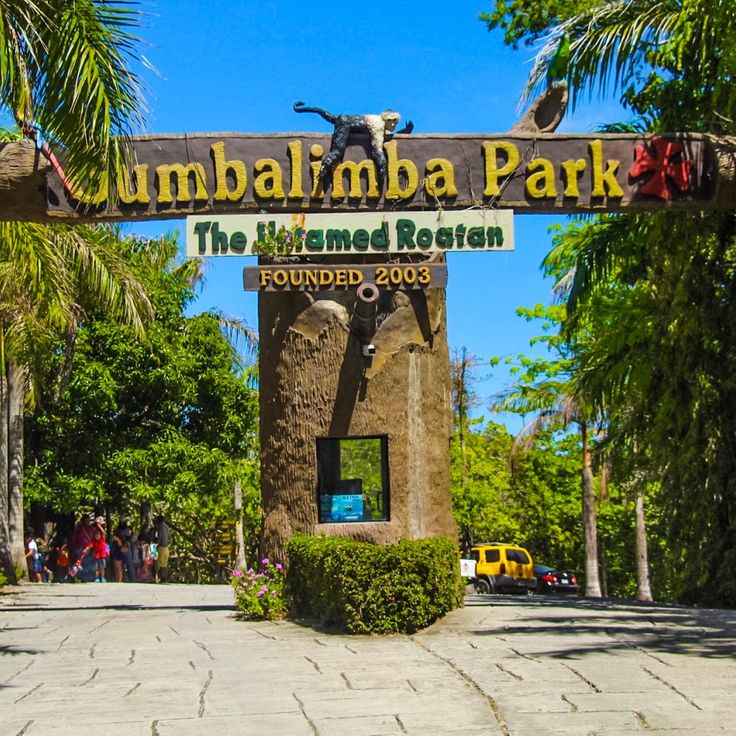
This park covers 20 hectares of forest with trails through tropical vegetation, where monkeys and parrots live among the trees. Gumbalimba Park features botanical gardens and several animal observation areas that offer views of the natural flora and fauna of Roatán.
This park on Roatán features reconstructed Mayan temples and a cultural center. The site covers about 5 hectares (12 acres) and serves to present knowledge of Mayan culture. Alongside the temple structures, a wildlife sanctuary forms part of the grounds, where visitors can observe regional animals. The park combines architectural reproductions with natural habitats and offers insight into the history of the Maya in Central America.
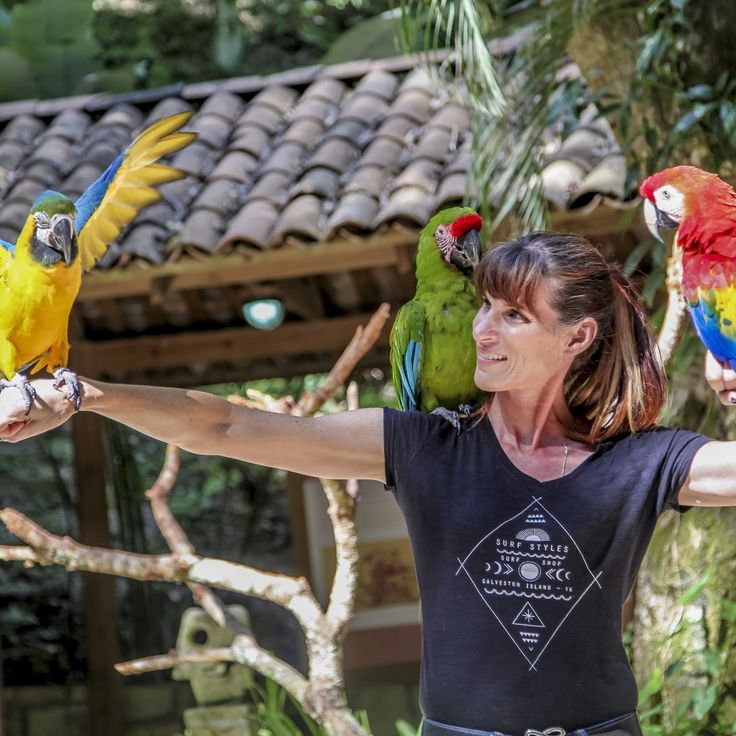
This conservation park spreads across four hectares near Copán and focuses on protecting macaws and other tropical birds found in Honduras. The center guides visitors along trails that wind through forest sections, where aviaries and open spaces alternate. In several spots you can watch the birds feeding or playing with branches and ropes. Caretakers explain the habits of each species and share how injured or confiscated animals are taken in. The park works to release parrots and parakeets back into the wild once they are ready. Between the trees you hear calls and wingbeats while bright feathers flutter through the canopy.
This stairway is part of the Mayan archaeological sites in Honduras and counts 63 steps from the eighth century. The surfaces show more than 2000 carved characters that tell about the rulers of the city and their deeds. Visitors see here one of the longest continuous inscriptions from pre-Columbian times in Central America. The stairway rises steeply and the characters run across each step, so that long passages of text unfold as you climb.
These botanical gardens display tropical plants across a large area, including orchids, palms, and fruit trees native to the Caribbean. Visitors can walk along laid-out paths and discover the variety of vegetation that grows in this part of Honduras. The gardens provide a calm spot to learn about the plant life of the region and understand more about the native species. Shaded trails lead through different sections where trees and flowers grow in their natural setting.
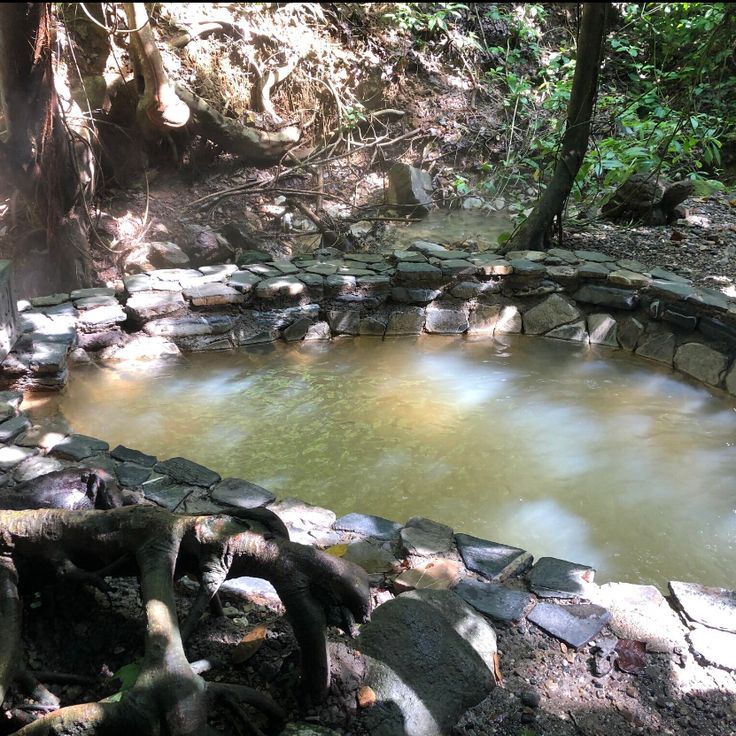
This hot spring sits in a forested area near Copán and offers several pools fed by underground thermal currents at varying water temperatures. Paths wind through the trees to each pool, where visitors can soak in the warm water. The natural setting with tropical vegetation frames these thermal baths, which serve as a popular destination in the region. Luna Jaguar is a place where you can experience the geothermal activity of the area firsthand.
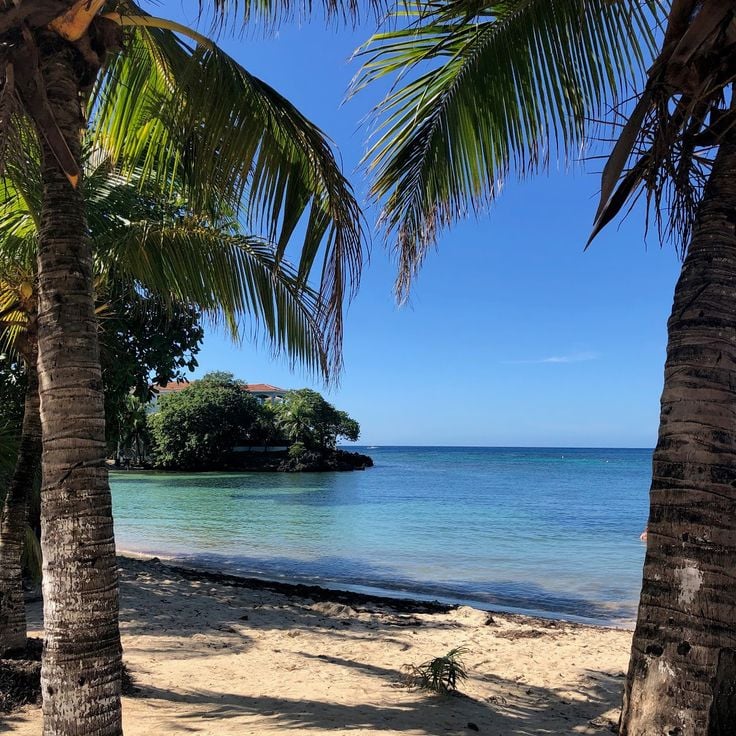
This bay sits on the coast of Roatán and offers a half-circle beach with shallow water. Palm trees line the shore, and small restaurants serve local dishes. A coral reef extends close to the coast and can be reached from the beach. Snorkelers see tropical fish and sea plants here. The water is clear, and the sand is light. Half Moon Bay is a place where visitors can swim, dive, or rest in the sun while listening to the sounds of the sea.
This protected island off the coast of Honduras offers coral reefs for diving and snorkeling. Barbareta Marine Park also shows beaches of light sand and forest trails that wind through tropical vegetation. Scattered across the island are remnants of pre-Columbian settlements. The area sits in the Caribbean Sea and belongs to the smaller islands of the region, where the water stays warm and clear. The reefs host fish, sea turtles and other marine life.
This national park covers a mountain range blanketed by cloud and pine forests. Rivers cut through the slopes and feed natural hot springs that emerge among the trees. Trails lead through different elevations where vegetation shifts from dense rainforest to open pine groves. The peaks often sit wrapped in mist, giving the landscape a soft, filtered light.
This national park in the mountains near San Pedro Sula protects cloud forest and tropical rainforest across different elevations. Quetzals, howler monkeys, and many endemic species live among dense trees and ferns. Trails lead through wet vegetation, past streams and over steep slopes, where bird calls and mist define the forest.
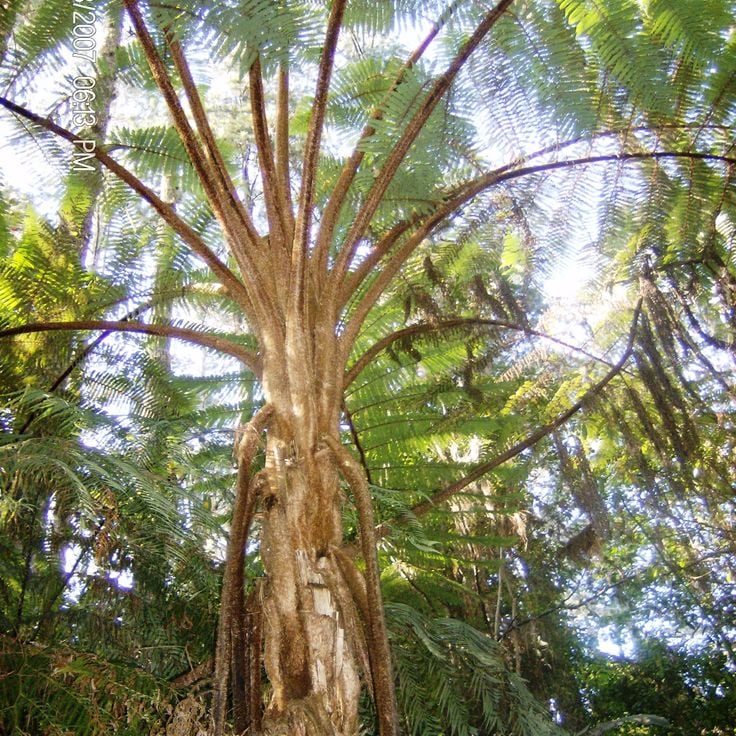
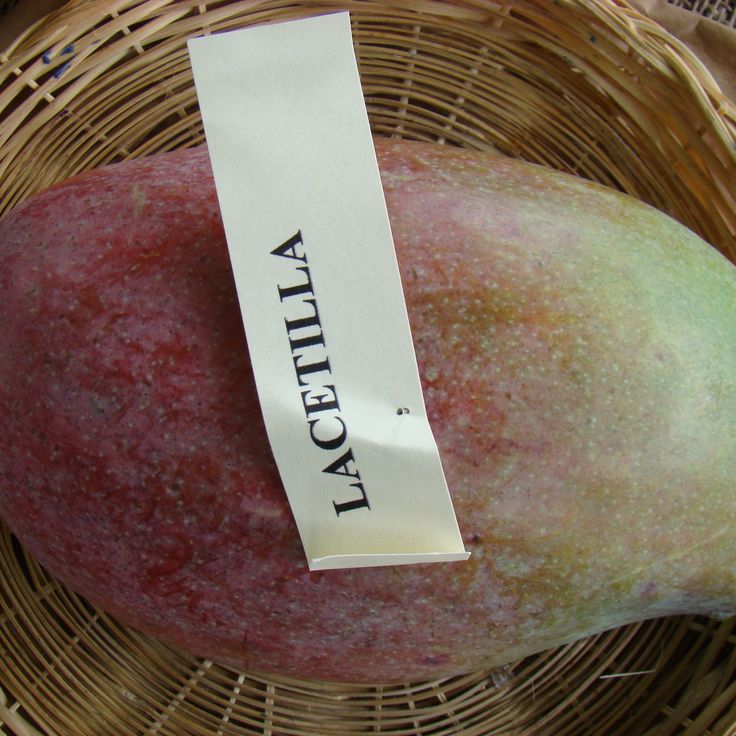
This botanical garden near Tela was founded in 1926 as a research center. Across 1700 hectares (4200 acres), around 2000 tropical plant species from different continents grow. Visitors follow paths through dense vegetation, past palms, orchids, and ferns. The site serves to preserve rare species and support scientific work. Birds and insects move among the trees, while rivers flow through the grounds.
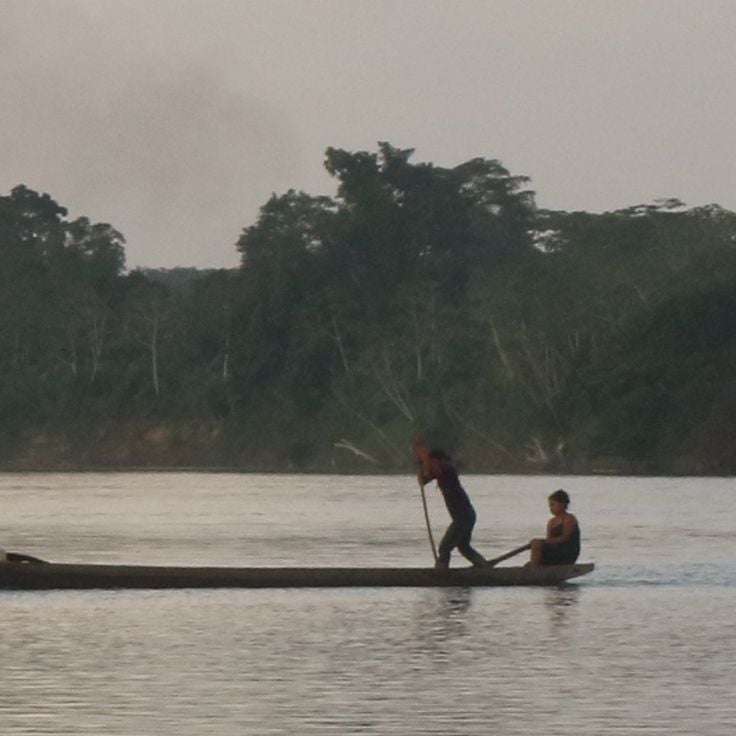
The Río Plátano Biosphere Reserve covers a large area of Honduran rainforest and provides habitat for jaguars, howler monkeys, and scarlet macaws. This protected area preserves one of the largest remaining rainforests in Central America and is home to indigenous communities who have lived in harmony with the forest for centuries. Visitors can explore waterways, discover archaeological sites, and observe the diversity of tropical wildlife and plant life.
The Caratasca Lagoon is a coastal water body of 1200 square kilometers connected to the Caribbean Sea. Mangroves surround the shores, where manatees and sea turtles live. The brackish water of this lagoon forms a transition between river and sea. Fishermen use the shallow areas, while birds nest in the mangrove forests. The lagoon sits in a remote region and remains largely untouched by major settlements.
This coffee plantation sits on a 150-acre family farm in the Copán region, producing both coffee and cacao. Visitors can join guided tours to learn about growing methods and see how beans move from harvest to roasting. Demonstrations highlight traditional and modern farming techniques, and hosts explain the varieties and their characteristics. The farm occupies hilly terrain with shade trees that protect the plants. Paths wind through the fields, where guests observe the work of the plantation and learn about daily life for coffee farmers.
This national park stretches along the Caribbean coast and combines coral reefs, mangrove forests, rainforests, and sandy beaches in a wide conservation area. Howler monkeys move through the trees, and migratory birds rest here on their long routes. The waters remain shallow and warm, while dense vegetation reaches down to the shore and the green of the forest blends into the blue lagoons.
This private island in the Caribbean Sea covers 3 hectares and offers white sand beaches with diving zones offshore. Little French Key houses a center for rehabilitating marine animals where visitors can meet various inhabitants of the region. The island shows tropical plant life and provides direct access to the sea where coral formations and fish can be observed. Guests can walk along the beach, swim in the clear water, or see the rescued animals in their enclosures.
Copán is an archaeological site of the Maya built between 400 and 800. This ceremonial center includes pyramid temples, a ball court, and carved stelae depicting rulers from past eras. The reliefs and glyphs on the stones document dynasties and ritual ceremonies. Trees grow among the ruins, and paths lead through terraces and plazas where religious and political gatherings once took place.
This island in the Islas de la Bahía rises through forested hills covered with Caribbean pines. Reefs surround the coastline and create habitats for marine life. Sandy beaches line the shores, while the highest points of Guanaja reach around 1,230 feet (375 meters) above sea level.
This cathedral stands in the center of the capital and was built starting in 1765 in the colonial style. The facade shows elements of the baroque style with columns and niches. Inside there are several gilded wooden altars, side chapels, and a main nave with vaults. The building has served as a bishop's church since the eighteenth century and is a witness to colonial period architecture in Honduras.
This island sits in the Caribbean Sea and forms one of the smaller parts of the Islas de la Bahía. Utila is surrounded by coral reefs that attract whale sharks, especially between March and April and from August to September. The beaches have white sand and are lined with palm trees. The interior of the island consists of hills and mangrove areas. Dive schools and small guesthouses shape the towns along the coast. Fishermen head out to sea daily. The atmosphere is calm and shaped by tourism, but less developed than other islands in the region.
This group of islands off the northern coast of Honduras consists of two larger islands and thirteen smaller ones covered with tropical vegetation and sandy beaches. The water around Cayos Cochinos shows clear visibility and hosts coral formations where different species of fish, sea turtles, and other marine life gather. The islands have few residents and no roads. Most visitors arrive for the day from La Ceiba to snorkel or walk along the shore. The reefs form part of a protected marine area.
This settlement was the first Garifuna community in Honduras, founded in 1797. Its inhabitants still maintain their traditional dances, foods, and customs. Visitors can experience how daily life follows the rhythm of old traditions.
This national park covers mountain slopes and valleys filled with dense rainforest, where rivers flow through the vegetation and turn into waterfalls. The area is home to jaguars, pumas, and more than 400 bird species that live among the trees. Trails lead through the forest, where visitors hear the calls of howler monkeys and the distant sound of cascading water. The park borders the coast near La Ceiba, and the elevation changes create different climate zones and plant communities throughout the reserve.
This museum presents exhibitions on Honduran history and culture. It houses pre-Columbian artifacts and displays the country's development through different periods. The collections range from archaeological finds to objects from colonial times and modern history. The rooms guide visitors through the past of Honduras and explain key events and traditions that have shaped the nation.
This freshwater lake forms a quiet part of the Honduran highland landscape and draws visitors seeking solitude in nature. Local restaurants along the shore serve freshly caught fish, while the surrounding forests and wetlands provide habitat for hundreds of bird species. Early morning hours often bring mist over the water, and fishermen head out in small boats. Trails lead through the nearby hills, and the lake itself invites kayaking and swimming.
This national park sits around the second highest mountain in Honduras. The paths lead through cloud forests where ferns and mosses grow on the trees. Clouds often hang between the trunks in the morning, and the air is damp and cool. Hikers come across small streams and hear birds in the canopy. The park is among the less visited natural areas in the country and shows the mountain landscapes of the region.
This protected area covers 20,000 hectares and consists of forested mountains, several waterfalls, and marked trails through rainforest. The vegetation ranges from lower elevations to cloud forest zones at higher altitudes. Visitors can explore different paths that lead to natural springs and viewpoints. Cerro Azul Meámbar National Park preserves forest ecosystems and provides access to remote mountain regions.
This cultural center presents the history and traditions of the Garinagu, a community with African and indigenous roots. The displays show everyday objects, musical instruments, and textiles that document the life of this group. Visitors can walk through the rooms and learn about dances, songs, and customs passed down through generations. The center serves as a place of encounter and exchange about a culture deeply rooted in Honduras.
This white concrete figure of Christ stands on top of El Picacho at 1240 meters above Tegucigalpa. The statue rises from a natural viewpoint and overlooks the capital and surrounding valleys. The approach passes through pine forests and open rock formations within the surrounding national park. Visitors use the platform at the base to look across the city and mountain ranges. The monument was erected in the 1990s and forms part of a larger park with trails and picnic areas.
This national park covers cloud forests, waterfalls, and numerous animal species. La Tigra National Park sits in the mountains north of Tegucigalpa and extends across elevations between 5900 and 7400 feet (1800 and 2270 meters). Trails lead through dense vegetation, past streams and small cascades. Visitors can observe birds, mammals, and amphibians living in the cool, moist forests. The area was once a mining region; today pines, oaks, and ferns shape the landscape.
This center on Roatán focuses on the protection of iguanas and offers educational programs about these reptiles. Visitors can observe, feed, and photograph the animals in their habitat while walking along trails through the grounds. The park contributes to the conservation of local iguana populations and helps guests learn about the behavior and needs of these lizards.
This former mining village sits in the mountains about 15 miles (25 kilometers) from Tegucigalpa. Valle de Ángeles began in the 16th century as a colonial silver extraction site. Today, craftspeople work in numerous workshops that specialize in wooden furniture and carved objects. Cobblestone streets wind between colorful colonial houses. The central plaza is surrounded by shops selling regional handicrafts. The cooler mountain air and small-town quiet contrast with the capital's climate.
This 43-meter (141-foot) waterfall lets visitors swim in the water, walk along the edge, or climb in the gorge. A suspension bridge offers a view of the cascade and the forested surroundings. The river flows over volcanic rock and forms a deep pool at the base where swimmers can gather.
This beach stretches for 2 kilometers along the coast and features white sand with access to coral reefs. The clear water is suitable for diving and reveals a variety of tropical fish. The shallow waters gradually deepen where reefs can be found at different depths. West Bay Beach sits on the western side of the island and draws visitors who come to swim, snorkel, or walk along the shore. Palm trees line parts of the beach, and small restaurants are located nearby.
This park covers 20 hectares of forest with trails through tropical vegetation, where monkeys and parrots live among the trees. Gumbalimba Park features botanical gardens and several animal observation areas that offer views of the natural flora and fauna of Roatán.
This park on Roatán features reconstructed Mayan temples and a cultural center. The site covers about 5 hectares (12 acres) and serves to present knowledge of Mayan culture. Alongside the temple structures, a wildlife sanctuary forms part of the grounds, where visitors can observe regional animals. The park combines architectural reproductions with natural habitats and offers insight into the history of the Maya in Central America.
This conservation park spreads across four hectares near Copán and focuses on protecting macaws and other tropical birds found in Honduras. The center guides visitors along trails that wind through forest sections, where aviaries and open spaces alternate. In several spots you can watch the birds feeding or playing with branches and ropes. Caretakers explain the habits of each species and share how injured or confiscated animals are taken in. The park works to release parrots and parakeets back into the wild once they are ready. Between the trees you hear calls and wingbeats while bright feathers flutter through the canopy.
This stairway is part of the Mayan archaeological sites in Honduras and counts 63 steps from the eighth century. The surfaces show more than 2000 carved characters that tell about the rulers of the city and their deeds. Visitors see here one of the longest continuous inscriptions from pre-Columbian times in Central America. The stairway rises steeply and the characters run across each step, so that long passages of text unfold as you climb.
These botanical gardens display tropical plants across a large area, including orchids, palms, and fruit trees native to the Caribbean. Visitors can walk along laid-out paths and discover the variety of vegetation that grows in this part of Honduras. The gardens provide a calm spot to learn about the plant life of the region and understand more about the native species. Shaded trails lead through different sections where trees and flowers grow in their natural setting.
This hot spring sits in a forested area near Copán and offers several pools fed by underground thermal currents at varying water temperatures. Paths wind through the trees to each pool, where visitors can soak in the warm water. The natural setting with tropical vegetation frames these thermal baths, which serve as a popular destination in the region. Luna Jaguar is a place where you can experience the geothermal activity of the area firsthand.
This bay sits on the coast of Roatán and offers a half-circle beach with shallow water. Palm trees line the shore, and small restaurants serve local dishes. A coral reef extends close to the coast and can be reached from the beach. Snorkelers see tropical fish and sea plants here. The water is clear, and the sand is light. Half Moon Bay is a place where visitors can swim, dive, or rest in the sun while listening to the sounds of the sea.
This protected island off the coast of Honduras offers coral reefs for diving and snorkeling. Barbareta Marine Park also shows beaches of light sand and forest trails that wind through tropical vegetation. Scattered across the island are remnants of pre-Columbian settlements. The area sits in the Caribbean Sea and belongs to the smaller islands of the region, where the water stays warm and clear. The reefs host fish, sea turtles and other marine life.
This national park covers a mountain range blanketed by cloud and pine forests. Rivers cut through the slopes and feed natural hot springs that emerge among the trees. Trails lead through different elevations where vegetation shifts from dense rainforest to open pine groves. The peaks often sit wrapped in mist, giving the landscape a soft, filtered light.
This national park in the mountains near San Pedro Sula protects cloud forest and tropical rainforest across different elevations. Quetzals, howler monkeys, and many endemic species live among dense trees and ferns. Trails lead through wet vegetation, past streams and over steep slopes, where bird calls and mist define the forest.
This botanical garden near Tela was founded in 1926 as a research center. Across 1700 hectares (4200 acres), around 2000 tropical plant species from different continents grow. Visitors follow paths through dense vegetation, past palms, orchids, and ferns. The site serves to preserve rare species and support scientific work. Birds and insects move among the trees, while rivers flow through the grounds.
The Río Plátano Biosphere Reserve covers a large area of Honduran rainforest and provides habitat for jaguars, howler monkeys, and scarlet macaws. This protected area preserves one of the largest remaining rainforests in Central America and is home to indigenous communities who have lived in harmony with the forest for centuries. Visitors can explore waterways, discover archaeological sites, and observe the diversity of tropical wildlife and plant life.
The Caratasca Lagoon is a coastal water body of 1200 square kilometers connected to the Caribbean Sea. Mangroves surround the shores, where manatees and sea turtles live. The brackish water of this lagoon forms a transition between river and sea. Fishermen use the shallow areas, while birds nest in the mangrove forests. The lagoon sits in a remote region and remains largely untouched by major settlements.
This coffee plantation sits on a 150-acre family farm in the Copán region, producing both coffee and cacao. Visitors can join guided tours to learn about growing methods and see how beans move from harvest to roasting. Demonstrations highlight traditional and modern farming techniques, and hosts explain the varieties and their characteristics. The farm occupies hilly terrain with shade trees that protect the plants. Paths wind through the fields, where guests observe the work of the plantation and learn about daily life for coffee farmers.
This national park stretches along the Caribbean coast and combines coral reefs, mangrove forests, rainforests, and sandy beaches in a wide conservation area. Howler monkeys move through the trees, and migratory birds rest here on their long routes. The waters remain shallow and warm, while dense vegetation reaches down to the shore and the green of the forest blends into the blue lagoons.
This private island in the Caribbean Sea covers 3 hectares and offers white sand beaches with diving zones offshore. Little French Key houses a center for rehabilitating marine animals where visitors can meet various inhabitants of the region. The island shows tropical plant life and provides direct access to the sea where coral formations and fish can be observed. Guests can walk along the beach, swim in the clear water, or see the rescued animals in their enclosures.
Copán is an archaeological site of the Maya built between 400 and 800. This ceremonial center includes pyramid temples, a ball court, and carved stelae depicting rulers from past eras. The reliefs and glyphs on the stones document dynasties and ritual ceremonies. Trees grow among the ruins, and paths lead through terraces and plazas where religious and political gatherings once took place.
This island in the Islas de la Bahía rises through forested hills covered with Caribbean pines. Reefs surround the coastline and create habitats for marine life. Sandy beaches line the shores, while the highest points of Guanaja reach around 1,230 feet (375 meters) above sea level.
This cathedral stands in the center of the capital and was built starting in 1765 in the colonial style. The facade shows elements of the baroque style with columns and niches. Inside there are several gilded wooden altars, side chapels, and a main nave with vaults. The building has served as a bishop's church since the eighteenth century and is a witness to colonial period architecture in Honduras.
This island sits in the Caribbean Sea and forms one of the smaller parts of the Islas de la Bahía. Utila is surrounded by coral reefs that attract whale sharks, especially between March and April and from August to September. The beaches have white sand and are lined with palm trees. The interior of the island consists of hills and mangrove areas. Dive schools and small guesthouses shape the towns along the coast. Fishermen head out to sea daily. The atmosphere is calm and shaped by tourism, but less developed than other islands in the region.
This group of islands off the northern coast of Honduras consists of two larger islands and thirteen smaller ones covered with tropical vegetation and sandy beaches. The water around Cayos Cochinos shows clear visibility and hosts coral formations where different species of fish, sea turtles, and other marine life gather. The islands have few residents and no roads. Most visitors arrive for the day from La Ceiba to snorkel or walk along the shore. The reefs form part of a protected marine area.
This settlement was the first Garifuna community in Honduras, founded in 1797. Its inhabitants still maintain their traditional dances, foods, and customs. Visitors can experience how daily life follows the rhythm of old traditions.
This national park covers mountain slopes and valleys filled with dense rainforest, where rivers flow through the vegetation and turn into waterfalls. The area is home to jaguars, pumas, and more than 400 bird species that live among the trees. Trails lead through the forest, where visitors hear the calls of howler monkeys and the distant sound of cascading water. The park borders the coast near La Ceiba, and the elevation changes create different climate zones and plant communities throughout the reserve.
This museum presents exhibitions on Honduran history and culture. It houses pre-Columbian artifacts and displays the country's development through different periods. The collections range from archaeological finds to objects from colonial times and modern history. The rooms guide visitors through the past of Honduras and explain key events and traditions that have shaped the nation.
This freshwater lake forms a quiet part of the Honduran highland landscape and draws visitors seeking solitude in nature. Local restaurants along the shore serve freshly caught fish, while the surrounding forests and wetlands provide habitat for hundreds of bird species. Early morning hours often bring mist over the water, and fishermen head out in small boats. Trails lead through the nearby hills, and the lake itself invites kayaking and swimming.
This national park sits around the second highest mountain in Honduras. The paths lead through cloud forests where ferns and mosses grow on the trees. Clouds often hang between the trunks in the morning, and the air is damp and cool. Hikers come across small streams and hear birds in the canopy. The park is among the less visited natural areas in the country and shows the mountain landscapes of the region.
This protected area covers 20,000 hectares and consists of forested mountains, several waterfalls, and marked trails through rainforest. The vegetation ranges from lower elevations to cloud forest zones at higher altitudes. Visitors can explore different paths that lead to natural springs and viewpoints. Cerro Azul Meámbar National Park preserves forest ecosystems and provides access to remote mountain regions.
This cultural center presents the history and traditions of the Garinagu, a community with African and indigenous roots. The displays show everyday objects, musical instruments, and textiles that document the life of this group. Visitors can walk through the rooms and learn about dances, songs, and customs passed down through generations. The center serves as a place of encounter and exchange about a culture deeply rooted in Honduras.
This white concrete figure of Christ stands on top of El Picacho at 1240 meters above Tegucigalpa. The statue rises from a natural viewpoint and overlooks the capital and surrounding valleys. The approach passes through pine forests and open rock formations within the surrounding national park. Visitors use the platform at the base to look across the city and mountain ranges. The monument was erected in the 1990s and forms part of a larger park with trails and picnic areas.
This national park covers cloud forests, waterfalls, and numerous animal species. La Tigra National Park sits in the mountains north of Tegucigalpa and extends across elevations between 5900 and 7400 feet (1800 and 2270 meters). Trails lead through dense vegetation, past streams and small cascades. Visitors can observe birds, mammals, and amphibians living in the cool, moist forests. The area was once a mining region; today pines, oaks, and ferns shape the landscape.
This center on Roatán focuses on the protection of iguanas and offers educational programs about these reptiles. Visitors can observe, feed, and photograph the animals in their habitat while walking along trails through the grounds. The park contributes to the conservation of local iguana populations and helps guests learn about the behavior and needs of these lizards.
This former mining village sits in the mountains about 15 miles (25 kilometers) from Tegucigalpa. Valle de Ángeles began in the 16th century as a colonial silver extraction site. Today, craftspeople work in numerous workshops that specialize in wooden furniture and carved objects. Cobblestone streets wind between colorful colonial houses. The central plaza is surrounded by shops selling regional handicrafts. The cooler mountain air and small-town quiet contrast with the capital's climate.
This 43-meter (141-foot) waterfall lets visitors swim in the water, walk along the edge, or climb in the gorge. A suspension bridge offers a view of the cascade and the forested surroundings. The river flows over volcanic rock and forms a deep pool at the base where swimmers can gather.
This beach stretches for 2 kilometers along the coast and features white sand with access to coral reefs. The clear water is suitable for diving and reveals a variety of tropical fish. The shallow waters gradually deepen where reefs can be found at different depths. West Bay Beach sits on the western side of the island and draws visitors who come to swim, snorkel, or walk along the shore. Palm trees line parts of the beach, and small restaurants are located nearby.
This park covers 20 hectares of forest with trails through tropical vegetation, where monkeys and parrots live among the trees. Gumbalimba Park features botanical gardens and several animal observation areas that offer views of the natural flora and fauna of Roatán.
This park on Roatán features reconstructed Mayan temples and a cultural center. The site covers about 5 hectares (12 acres) and serves to present knowledge of Mayan culture. Alongside the temple structures, a wildlife sanctuary forms part of the grounds, where visitors can observe regional animals. The park combines architectural reproductions with natural habitats and offers insight into the history of the Maya in Central America.
This conservation park spreads across four hectares near Copán and focuses on protecting macaws and other tropical birds found in Honduras. The center guides visitors along trails that wind through forest sections, where aviaries and open spaces alternate. In several spots you can watch the birds feeding or playing with branches and ropes. Caretakers explain the habits of each species and share how injured or confiscated animals are taken in. The park works to release parrots and parakeets back into the wild once they are ready. Between the trees you hear calls and wingbeats while bright feathers flutter through the canopy.
This stairway is part of the Mayan archaeological sites in Honduras and counts 63 steps from the eighth century. The surfaces show more than 2000 carved characters that tell about the rulers of the city and their deeds. Visitors see here one of the longest continuous inscriptions from pre-Columbian times in Central America. The stairway rises steeply and the characters run across each step, so that long passages of text unfold as you climb.
These botanical gardens display tropical plants across a large area, including orchids, palms, and fruit trees native to the Caribbean. Visitors can walk along laid-out paths and discover the variety of vegetation that grows in this part of Honduras. The gardens provide a calm spot to learn about the plant life of the region and understand more about the native species. Shaded trails lead through different sections where trees and flowers grow in their natural setting.
This hot spring sits in a forested area near Copán and offers several pools fed by underground thermal currents at varying water temperatures. Paths wind through the trees to each pool, where visitors can soak in the warm water. The natural setting with tropical vegetation frames these thermal baths, which serve as a popular destination in the region. Luna Jaguar is a place where you can experience the geothermal activity of the area firsthand.
This bay sits on the coast of Roatán and offers a half-circle beach with shallow water. Palm trees line the shore, and small restaurants serve local dishes. A coral reef extends close to the coast and can be reached from the beach. Snorkelers see tropical fish and sea plants here. The water is clear, and the sand is light. Half Moon Bay is a place where visitors can swim, dive, or rest in the sun while listening to the sounds of the sea.
This protected island off the coast of Honduras offers coral reefs for diving and snorkeling. Barbareta Marine Park also shows beaches of light sand and forest trails that wind through tropical vegetation. Scattered across the island are remnants of pre-Columbian settlements. The area sits in the Caribbean Sea and belongs to the smaller islands of the region, where the water stays warm and clear. The reefs host fish, sea turtles and other marine life.
This national park covers a mountain range blanketed by cloud and pine forests. Rivers cut through the slopes and feed natural hot springs that emerge among the trees. Trails lead through different elevations where vegetation shifts from dense rainforest to open pine groves. The peaks often sit wrapped in mist, giving the landscape a soft, filtered light.
This national park in the mountains near San Pedro Sula protects cloud forest and tropical rainforest across different elevations. Quetzals, howler monkeys, and many endemic species live among dense trees and ferns. Trails lead through wet vegetation, past streams and over steep slopes, where bird calls and mist define the forest.
This botanical garden near Tela was founded in 1926 as a research center. Across 1700 hectares (4200 acres), around 2000 tropical plant species from different continents grow. Visitors follow paths through dense vegetation, past palms, orchids, and ferns. The site serves to preserve rare species and support scientific work. Birds and insects move among the trees, while rivers flow through the grounds.
The Río Plátano Biosphere Reserve covers a large area of Honduran rainforest and provides habitat for jaguars, howler monkeys, and scarlet macaws. This protected area preserves one of the largest remaining rainforests in Central America and is home to indigenous communities who have lived in harmony with the forest for centuries. Visitors can explore waterways, discover archaeological sites, and observe the diversity of tropical wildlife and plant life.
The Caratasca Lagoon is a coastal water body of 1200 square kilometers connected to the Caribbean Sea. Mangroves surround the shores, where manatees and sea turtles live. The brackish water of this lagoon forms a transition between river and sea. Fishermen use the shallow areas, while birds nest in the mangrove forests. The lagoon sits in a remote region and remains largely untouched by major settlements.
This coffee plantation sits on a 150-acre family farm in the Copán region, producing both coffee and cacao. Visitors can join guided tours to learn about growing methods and see how beans move from harvest to roasting. Demonstrations highlight traditional and modern farming techniques, and hosts explain the varieties and their characteristics. The farm occupies hilly terrain with shade trees that protect the plants. Paths wind through the fields, where guests observe the work of the plantation and learn about daily life for coffee farmers.