expiré${chestInfoExpiresMinutes()} min${Math.floor(chestInfoExpiresMinutes() / 60)} h ${chestInfoExpiresMinutes() % 60} min
Tu es dans la zone de fouille. Une fois ouvert, le contenu n'est révélé qu'après le tirage.
🔑
Cet item nécessite une clé
IllustratorAmbassadorGuide.
Tu n'en as pas pour l'instant.Tu en as ${chestInfoMatchingKeyCount()} — réessaie pour la consommer.
Tu peux mettre ce coffre en attente : il restera dans ta file
(${(collectibles_meta.savedChests || []).length} / ${collectibles_meta.savedChestsMax || 10})
jusqu'à ce que tu décroches la clé manquante.
Coffre
Trouve la paire
Gratte 3 cases. Deux symboles identiques = coffre ouvert.
The city of Annecy invites you to explore its canals, castles from the medieval period, and the lake where you can swim or sail.
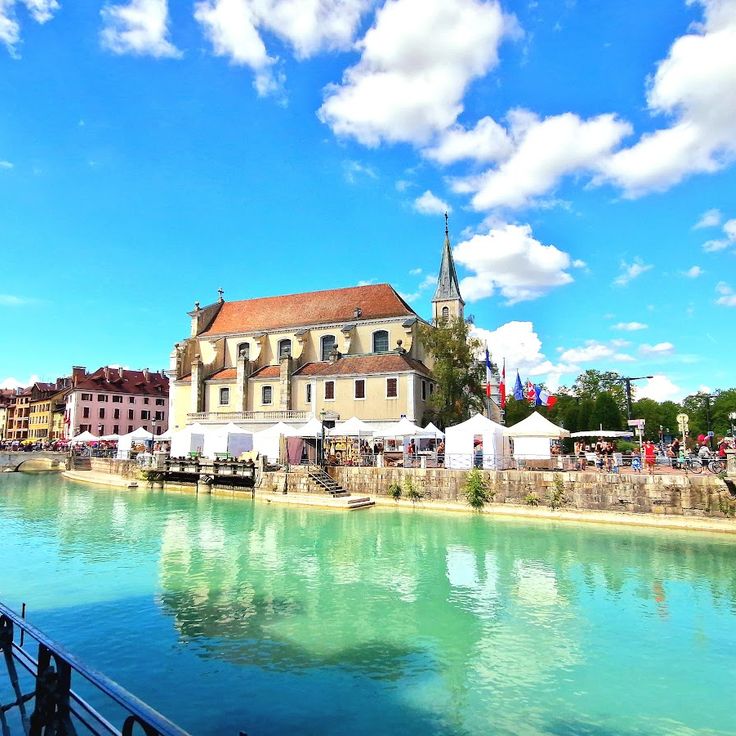
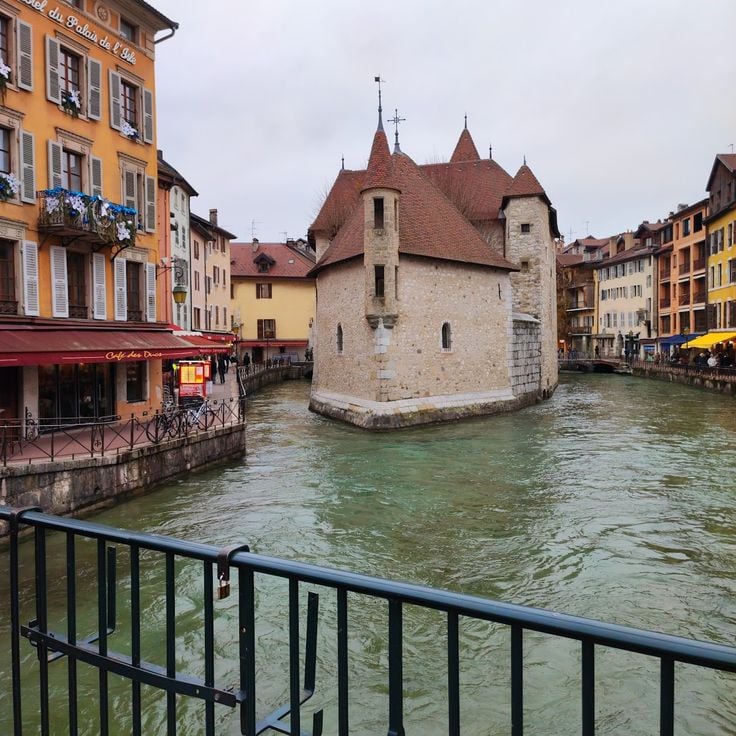
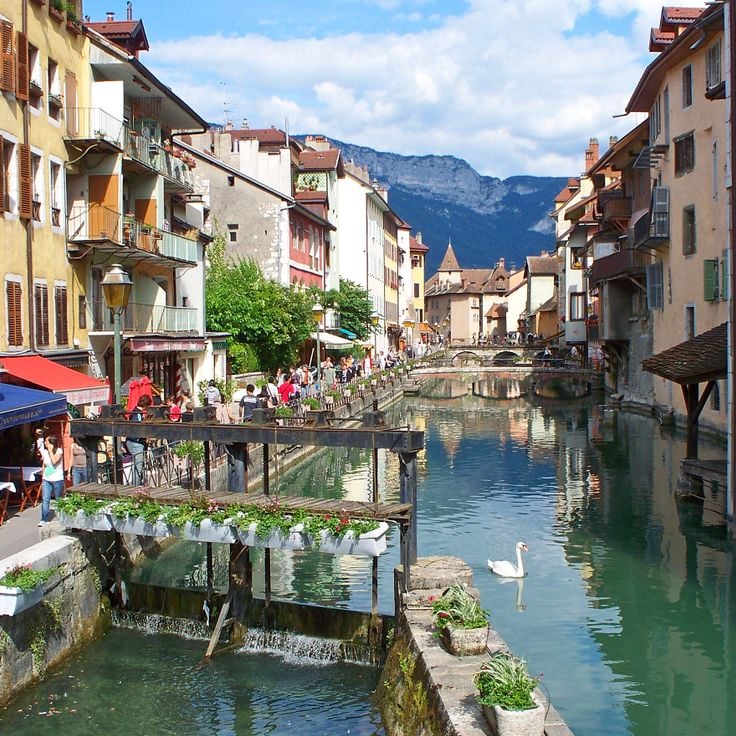
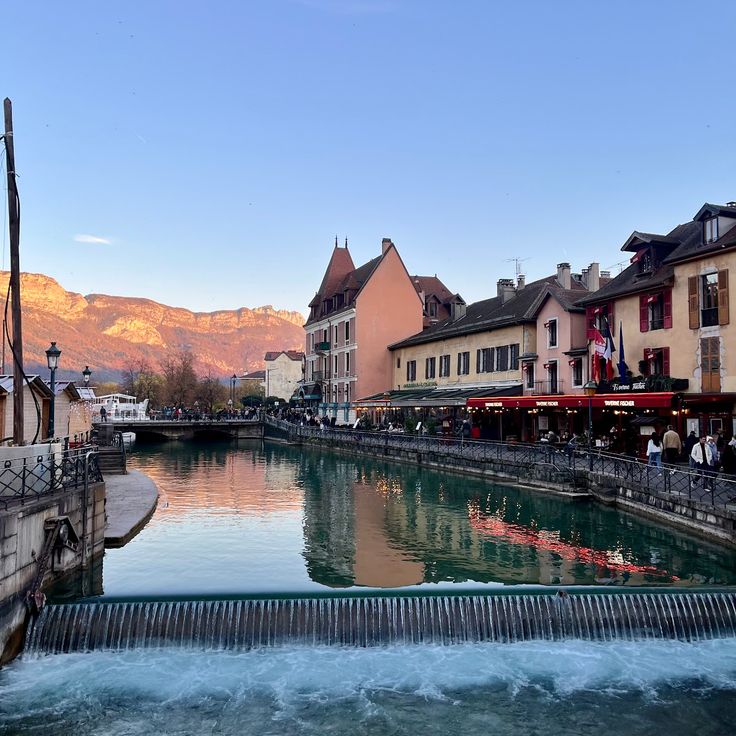
Annecy is found between the lake water and the mountains. The old town can be explored on foot, along the Thiou and its canals lined with colorful buildings. You can see the Isle Palace, an old jail from the 12th century on a small island, and the Annecy Castle, sitting above the roofs from its medieval walls. The Pont des Amours gives a clear view of the lake, while the Gardens of Europe invite walks.
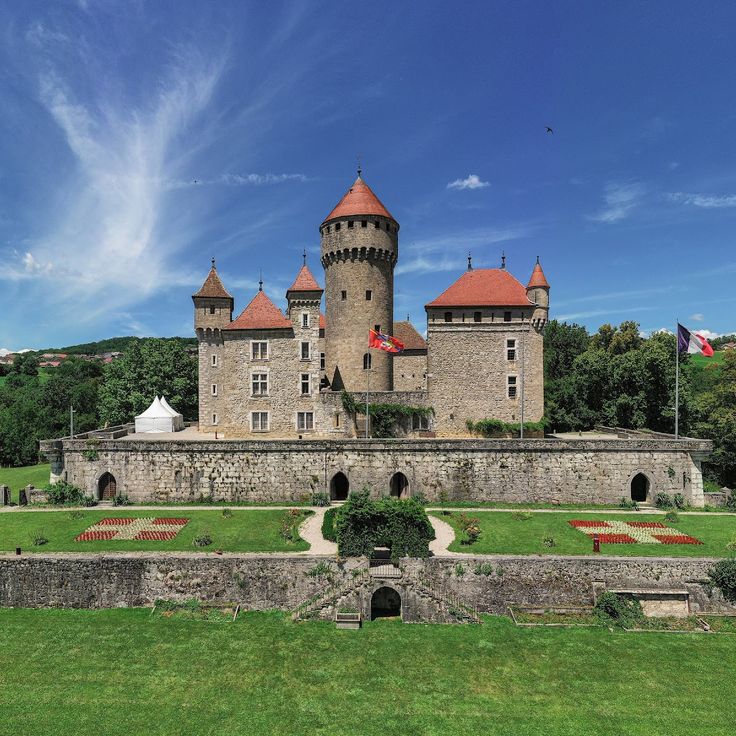
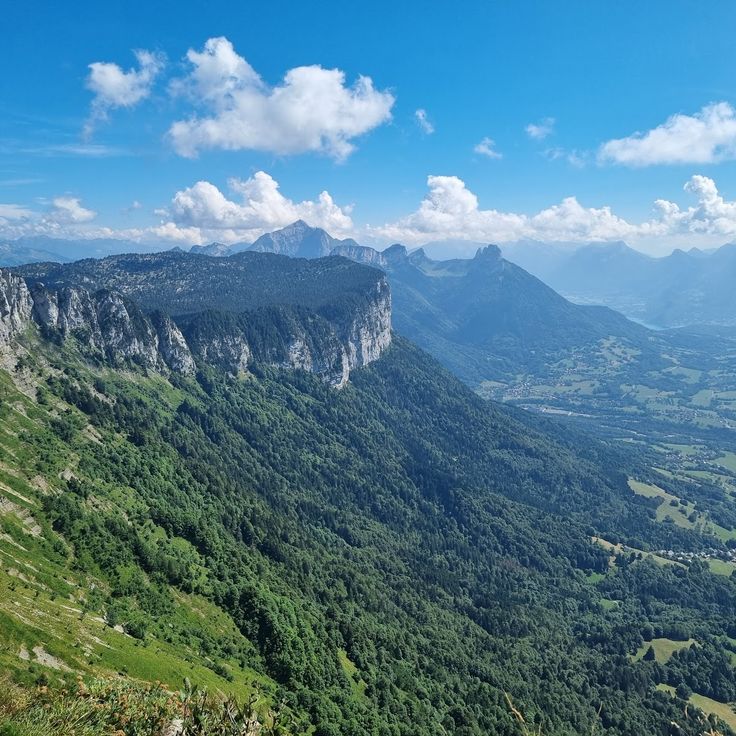
Around the city, the lake is good for swimming and water sports. There is a bike trail, about 42 km long, that circles the lake. It passes by beaches and small ports. Further up, Parmelan and the Glières Plateau offer forest and mountain meadow trips, with views of the Alps. The area also has some castles like Montrottier with its octagonal tower, and Clermont with Renaissance galleries.
In summer, markets fill the squares, and the terraces near the water become busy. In winter, the first snows fall on the Aravis mountains. Every season changes the look of the place and gives a new reason to visit again.
The city of Annecy invites you to explore its canals, castles from the medieval period, and the lake where you can swim or sail.
Annecy is found between the lake water and the mountains. The old town can be explored on foot, along the Thiou and its canals lined with colorful buildings. You can see the Isle Palace, an old jail from the 12th century on a small island, and the Annecy Castle, sitting above the roofs from its medieval walls. The Pont des Amours gives a clear view of the lake, while the Gardens of Europe invite walks.
Around the city, the lake is good for swimming and water sports. There is a bike trail, about 42 km long, that circles the lake. It passes by beaches and small ports. Further up, Parmelan and the Glières Plateau offer forest and mountain meadow trips, with views of the Alps. The area also has some castles like Montrottier with its octagonal tower, and Clermont with Renaissance galleries.
In summer, markets fill the squares, and the terraces near the water become busy. In winter, the first snows fall on the Aravis mountains. Every season changes the look of the place and gives a new reason to visit again.
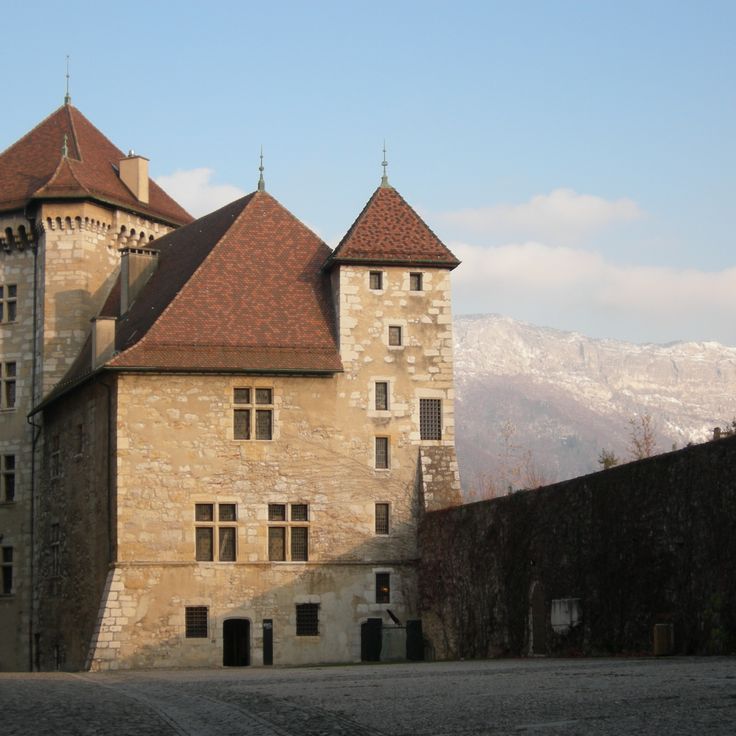
The Château d'Annecy sits above the rooftops of the old town and ranks among the oldest structures in the region. The fortress dates from the 12th century and was later expanded several times. Inside the halls, archaeological finds, paintings, and objects related to Alpine history are on display. From the walls, you can see the city roofs, the lake, and the surrounding mountains. The castle stands above the narrow streets and is reachable on foot from the town center.
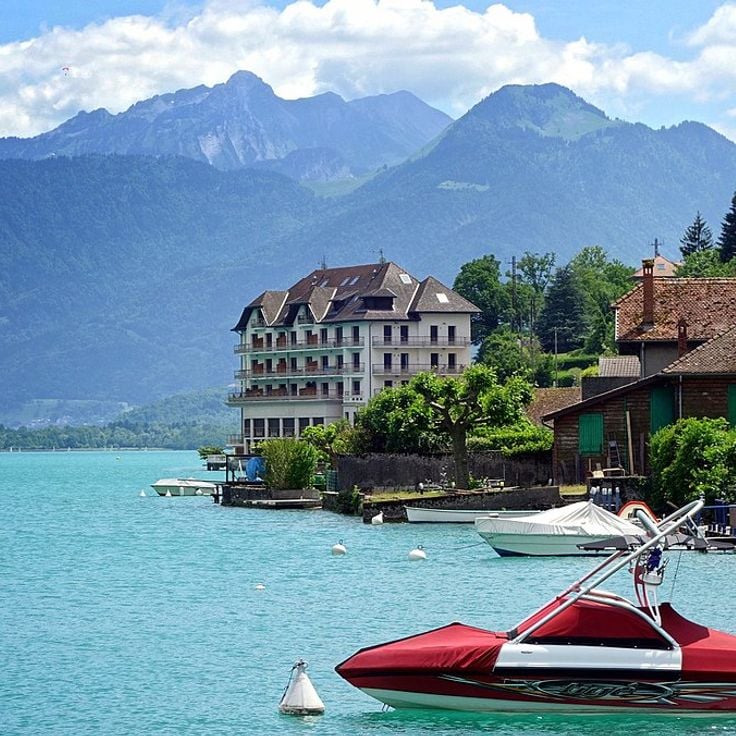
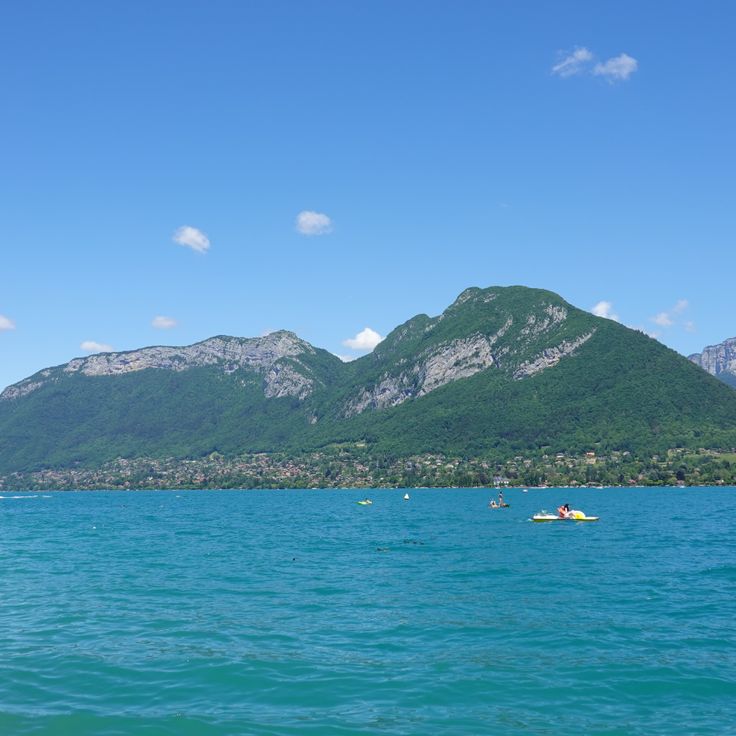
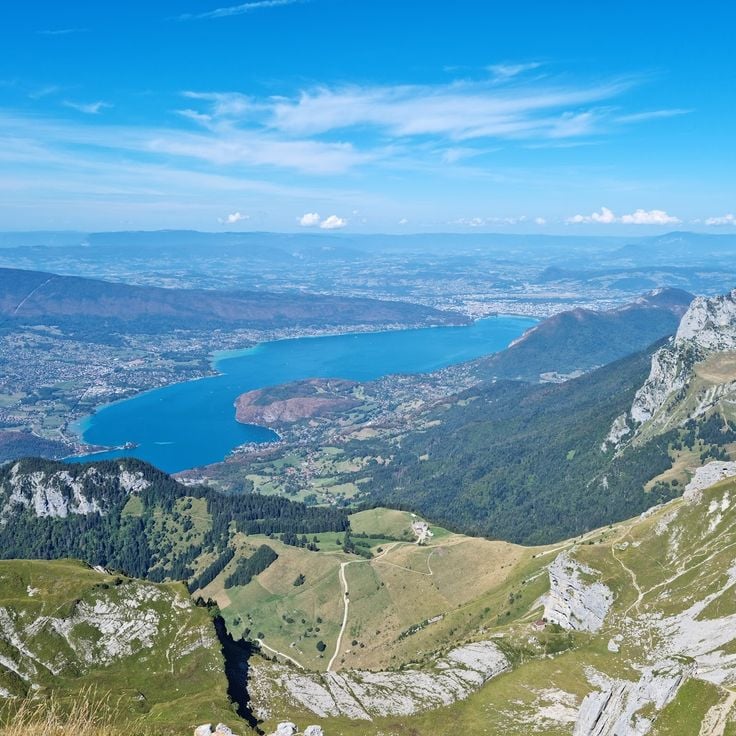
Lac d'Annecy stretches between the mountains and invites you to swim, paddle, kayak, or sail. Its water is among the cleanest in Europe. A 26-mile (42-kilometer) bike path runs along the shoreline, passing beaches and small harbors that fill with families and swimmers in summer. You can reach the water directly from public access points or settle by the shore, where trees provide shade and the mountains frame the horizon.
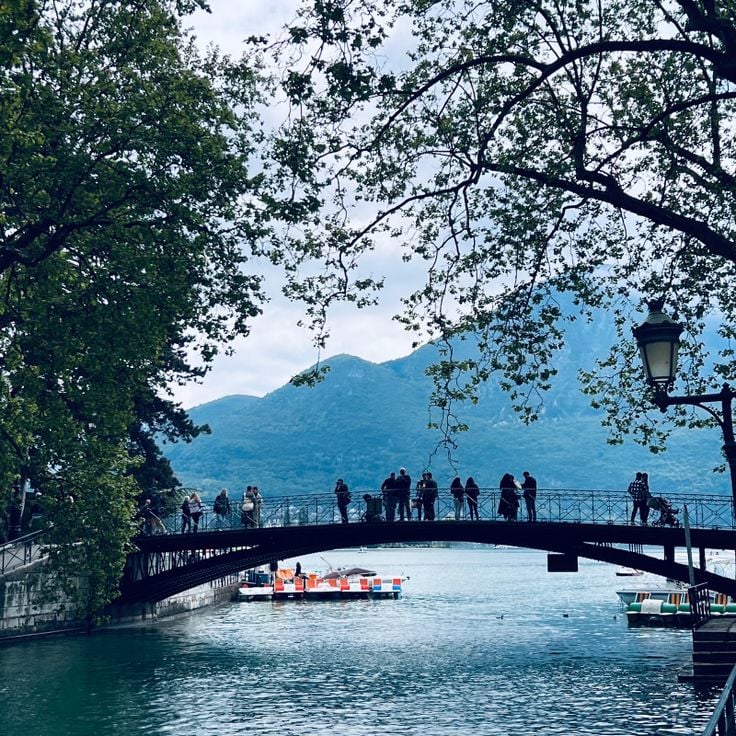
The bridge connects the Jardins de l'Europe to Parc Charles Bosson at the edge of the lake. The white iron structure dates from the early 20th century and stands where the Vassé canal flows into the lake. People walking by often stop here to look at the clear water, watch the mountains on the horizon, or simply gaze at the docks below. The name comes from a time when young couples would stroll here before returning to town under supervision. Today people of all ages come here, some pausing briefly, others staying longer. The area stays calm even when visitors are numerous, and in summer the trees along both banks cast shade over the water.
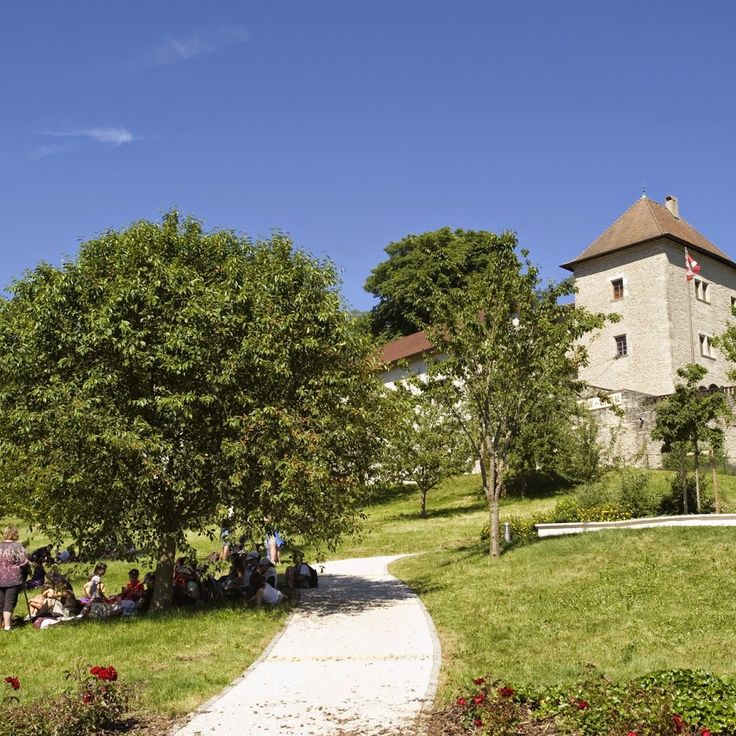
This castle from the 13th century, near Annecy, stands on a rocky outcrop above the Fier River. The octagonal keep, raised in the 15th century, gives the castle its recognizable profile. Inside, collections of weapons, porcelain and objects from the Far East are displayed, gathered by former owners. In summer, guided visits include storytelling that brings the history of the place to life. From the walls, views open toward the surrounding landscape of mountains and forests.
Le Parmelan is a limestone mountain that rises to 1832 meters. Several trails lead there, crossing forests and alpine meadows. The rocky cliffs offer views of Lake Annecy and the surrounding mountain peaks. Some passages are equipped with cables and require a sure footing. In summer, hikers come here; in winter, snow often covers the upper slopes. The mountain is part of the heights that shape the horizon of Annecy and can be seen from the lake's shores on clear days.
The Palais de l'Isle sits on a small island in the Thiou, right in the heart of the old town. Built in the 12th century, it served as a prison for many years. Its triangular shape follows the outline of the rock it stands on. Today it houses a museum that tells the story of Annecy and its people through the centuries. From the bridges you can see the facade with its old walls rising directly from the water.
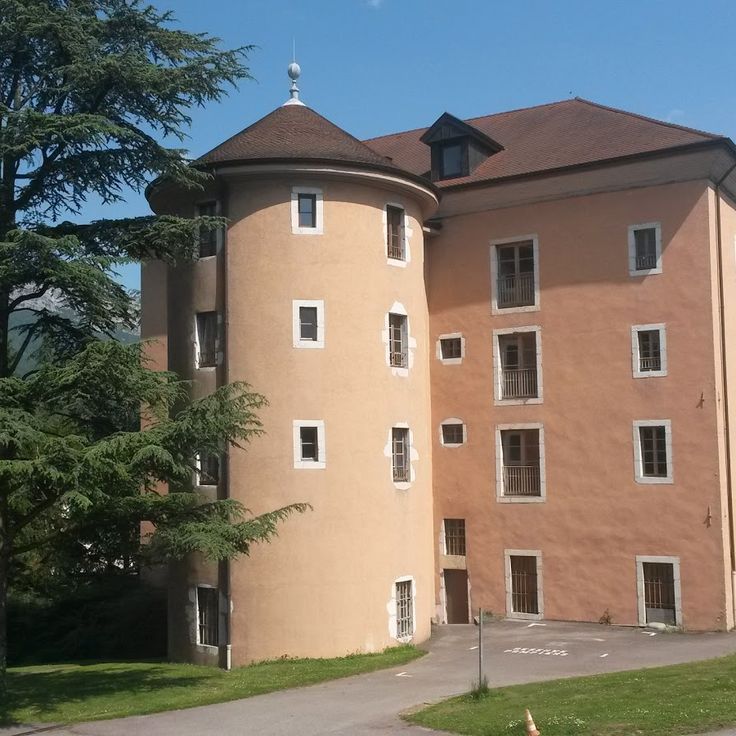
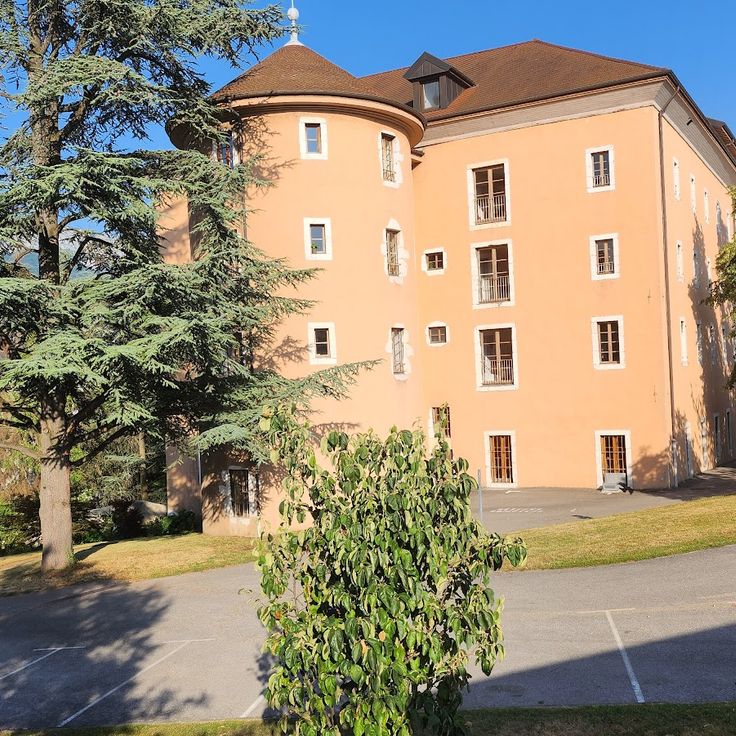
The Conservatoire d'Art et d'Histoire occupies the former episcopal palace and displays paintings, sculptures and archival documents tracing the cultural and religious life of Haute-Savoie since the Middle Ages. The collection documents the history of the region through artworks and historical records spanning several centuries. Visitors discover religious objects, portraits of local figures and documents about the development of Annecy and its surroundings. The palace rooms themselves tell the story of the city's episcopal past, which dates back to the 16th century. A visit combines exploring the art collection with experiencing the architecture of this historic building.
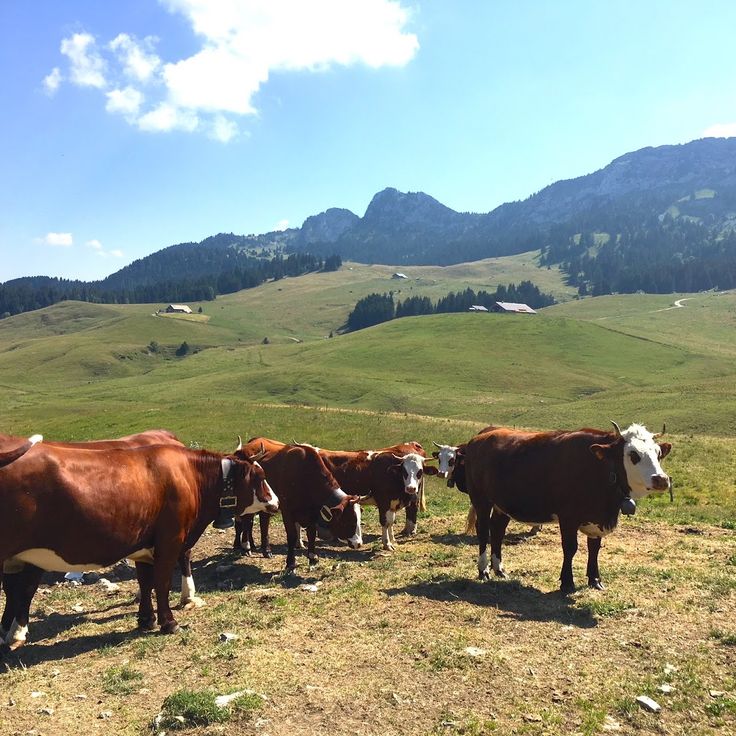
The Plateau des Glières sits at 4,725 feet (1,440 meters) above Annecy and is a place of history and hiking. In 1944, resistance fighters gathered here, and the national monument on the plateau honors the Maquisards who fought in the mountains at that time. Today, trails wind through forests and across alpine pastures, passing cabins and open meadows where cows graze in summer and snow transforms the landscape in winter. Silence is broken only by the wind, the air is clear, and on fine days the surrounding Alps come into view. Visitors come to hike, to remember, and for the view that stretches across the massif. The climb follows forest paths or forestry roads, and the highest point offers open views in all directions. The plateau is a place where nature and memory meet, away from the city but close enough for a day trip.
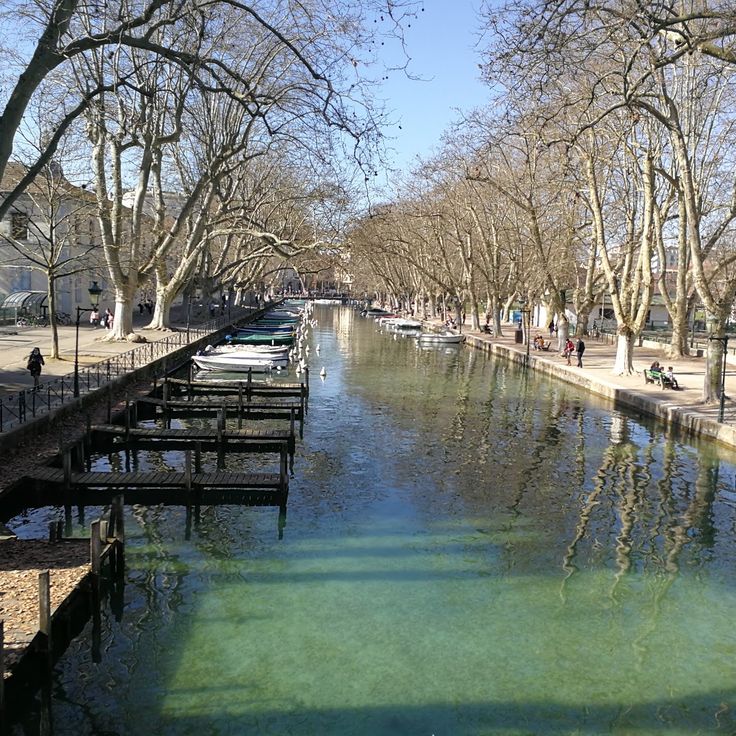
The Canal du Thiou flows through the center and leaves the lake toward the Fier. The banks show the old structure of the town, with pastel houses, small bridges, and terraces facing the water. The canals divide the historic quarter into several parts and are bordered by paved paths and wrought-iron railings. Many locals use the waterside walkways for short strolls, while others sit on benches and watch the water. The facades along the Thiou date from different centuries and show varying building styles. In summer, restaurants open their terraces to the canal, and in the evening the lights reflect on the water.
Château de Clermont was built in the 16th century following Italian models, with arched galleries and mullioned windows. The palace sits on the lakeshore and opens its rooms for exhibitions and summer performances. The carved stone facades frame a courtyard shaped by Renaissance elements. The surrounding gardens descend toward the water and offer views of the mountains. In summer the terraces fill with visitors walking between culture and nature.
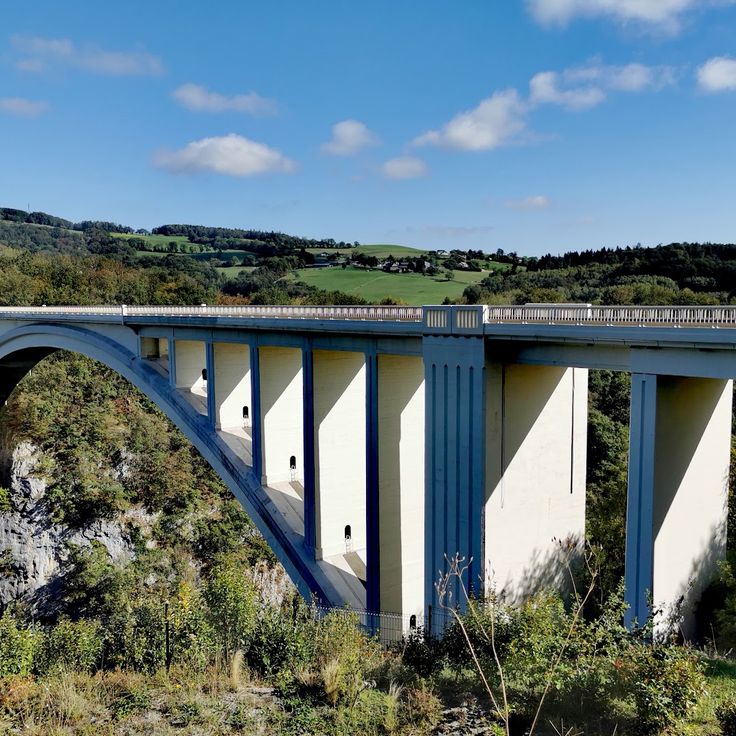
The Ponts de la Caille span the Usses gorge in two levels, about 460 feet (140 meters) above the river. The older suspension bridge from 1839 is now open only to walkers and offers a direct view down into the forested slopes below. Next to it runs a modern road bridge carrying traffic, while on the old structure you feel the sway underfoot and hear the sound of water far below. The site sits at the edge of the Annecy area, between lake and mountains, and shows both the technical daring of the 19th century and the raw landscape of the Haute-Savoie.
This restaurant is the work of chef Laurent Petit in the Annecy-le-Vieux neighborhood. He earned three Michelin stars for his approach to vegetables, plants and lake produce. Dishes follow the rhythm of harvests from the kitchen garden and deliveries from fishermen along the shore. Trout, whitefish, leafy greens, roots and herbs appear on plates, prepared in ways that respect the taste of each ingredient. The dining room opens onto a garden where some of the produce grows. Everything is presented without fuss, with focus on what matters.
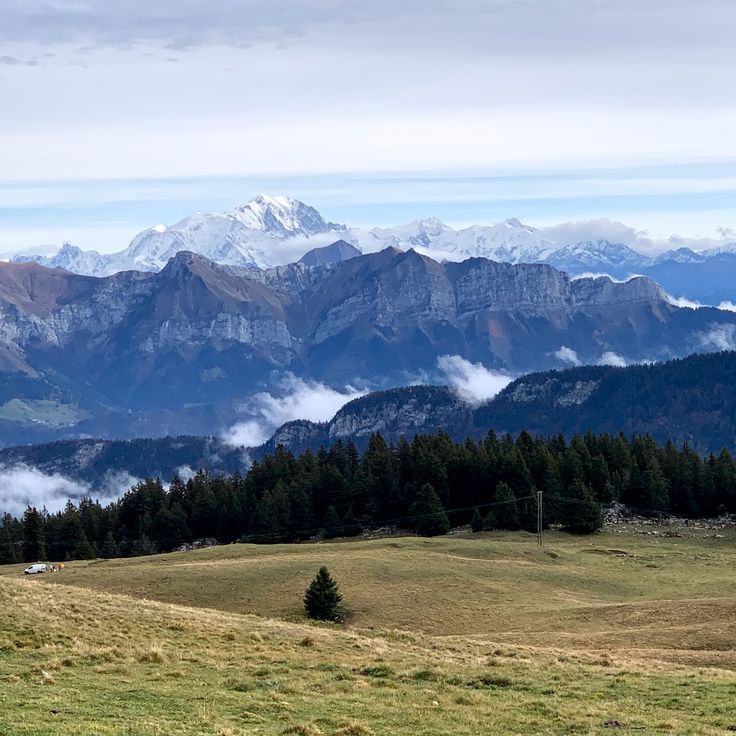
Le Semnoz rises to 5,577 feet (1,699 meters) and sits a short drive from Annecy. In winter, families use the small slopes and lifts, and in summer, hikers and cyclists head up the mountain. At the top, meadows and trails spread through forests and open hillsides. On clear days, the view reaches as far as Mont Blanc and across the Alps. Picnic areas sit along the ridges, and several inns serve local dishes. The summit is reachable by car or bicycle, with the road winding through thick woods up to the plateau. Paragliders launch regularly from here, and mountain bikers use the descents back to the valley.
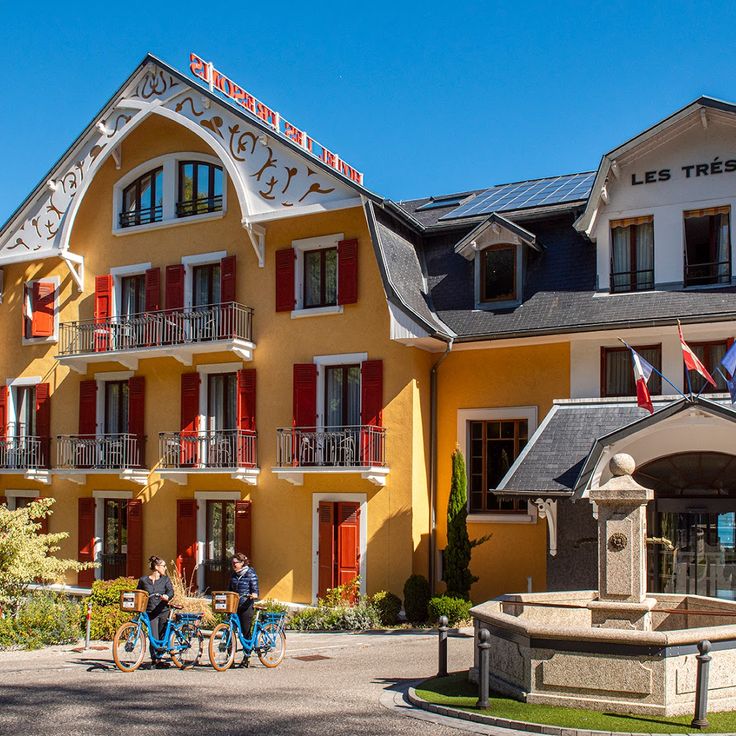
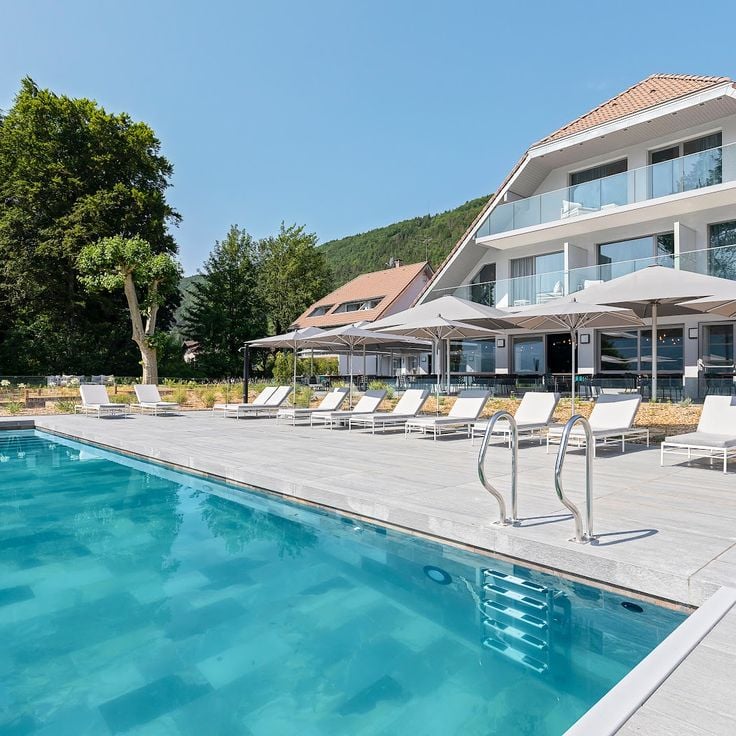
Les Trésoms is a hotel from the 1930s, perched on the hills above Annecy. Its terraces look directly over the lake, especially at sunset. The property has a swimming pool, a spa, and a restaurant. You can reach the old town on foot or by car in just a few minutes. Rooms open toward the lake or the mountains. In summer, the outdoor terrace is a place to linger, while in winter, guests warm up inside.
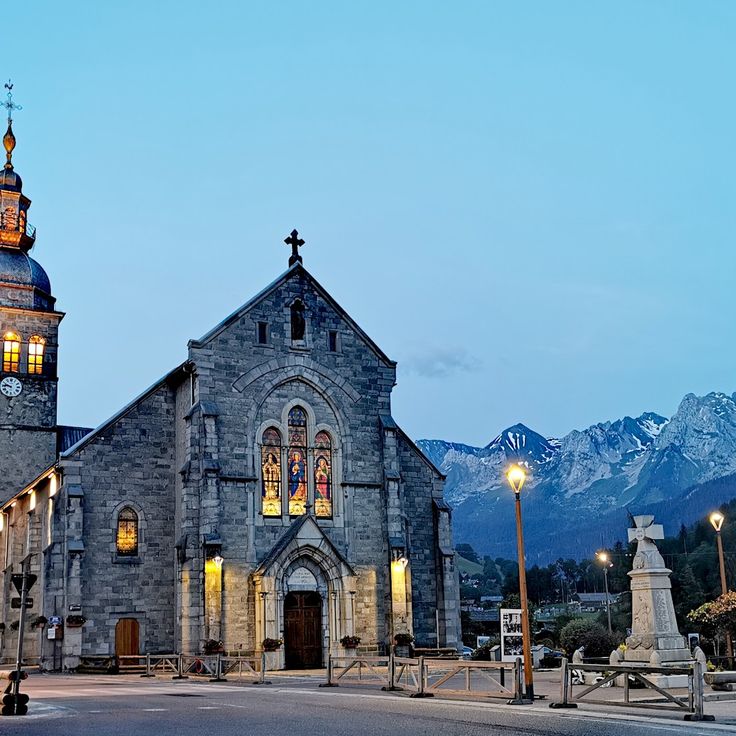
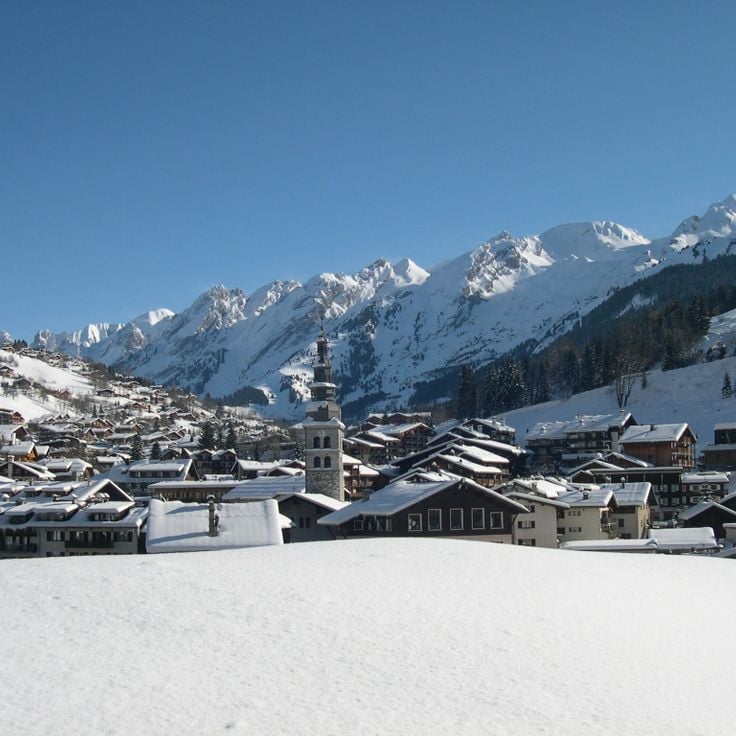
Le Grand Bornand sits in the Aravis mountains and combines a ski village with a working town center. In winter, lifts run to heights above 6,500 feet (2,000 meters), while in summer hikers use the same slopes. Wooden chalets line the streets, balconies often decorated with flower boxes. The Wednesday morning market fills the village square with stalls selling Reblochon cheese, sausages, and mountain herbs. Restaurants serve tartiflette and fondue on most menus. The church with its pointed steeple stands in the center, framed by old timber houses. Outside the village, trails lead through meadows and pine forests. In spring, cowbells echo across the pastures, and in autumn leaves turn color. Some farms open their doors to show how Tomme is made. In the evenings, skiers or hikers return to restaurants for warm soups and baked dishes. The village stays inhabited year-round and does not feel like a resort town alone.
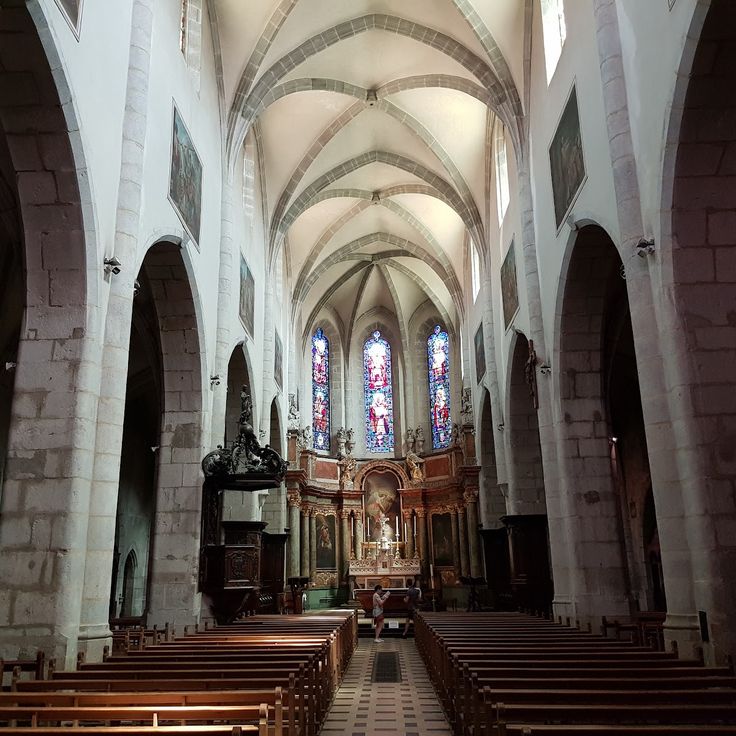
The Cathédrale Saint-Pierre stands in the old town of Annecy and dates back to the 16th century. Its gray stone facade shows simple Renaissance lines. Inside, several side chapels follow one another, each with its own decoration: gilded woodwork, paintings from different centuries, and frescoes restored over time. The nave is covered with a barrel vault, and the columns support heavy capitals. Religious scenes hang on the walls, some faded, others well preserved. The organ dates from the 19th century and sits on a gallery above the entrance. In the morning, light falls through the tall windows and draws bright patches on the stone floor.
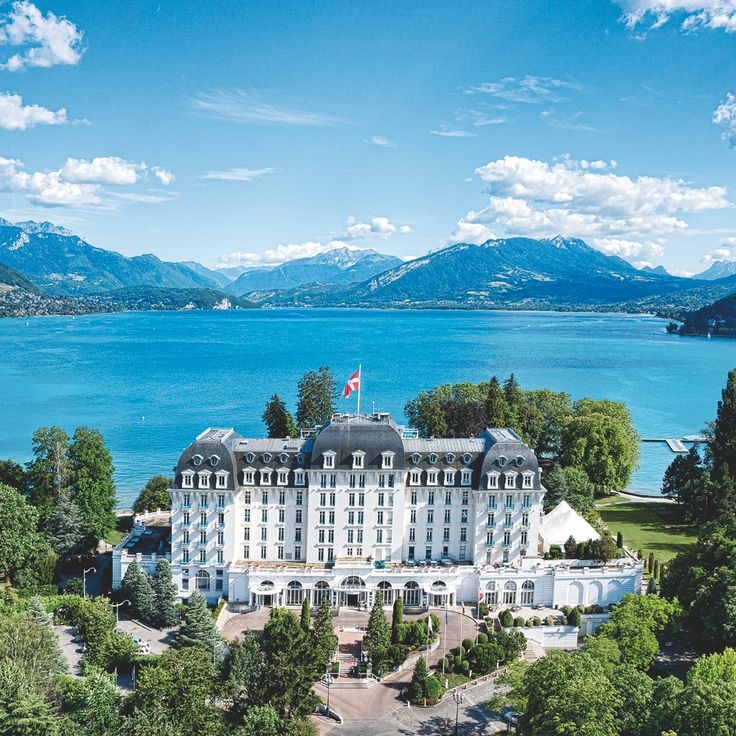
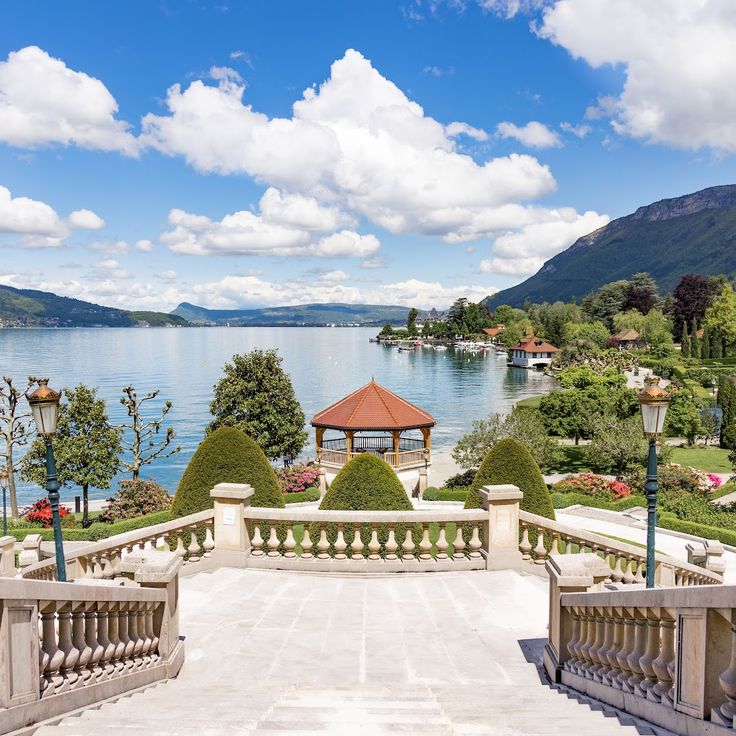
The Imperial Palace stands at the edge of Lake Annecy. This Belle Époque building was completed in 1913 and brings together several functions under one roof. It houses a hotel, a spa, a casino, and several restaurants, all of which open onto views of the water. The architecture reflects the style of the early 20th century, with facades and proportions that still shape the shoreline today. The palace is part of the local setting where mountains meet the lake. Guests and visitors come here to relax, to try their luck, or simply to dine by the water.
These gardens along the lakeshore date back to the 19th century and remain one of Annecy's oldest public parks. Shaded pathways wind between mature trees, some over a hundred years old. Wide lawns draw families and walkers, especially on sunny days. At the water's edge, small boats dock to take visitors on lake tours. The park sits between the old town and the Pont des Amours, so many people pass through on their way to the waterfront. In summer, locals sit on benches or on the grass, facing the mountains across the lake. The mood stays calm even when the park fills up. In autumn, leaves turn color and cover the paths.
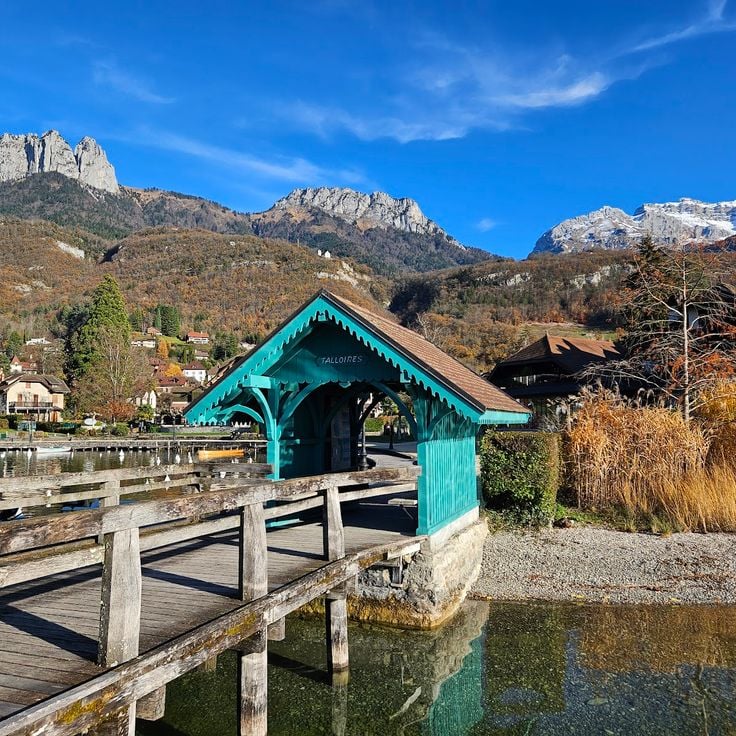
The Auberge du Père Bise is a restaurant in Talloires where chef Jean Sulpice reworks mountain cooking. Tables face the lake, the terrace opens onto the water, and the wine cellar is well stocked. People come here to eat and enjoy the view. The dishes combine produce from the Alps with modern techniques. The dining room is bright, the interior understated, and the mood matches the surroundings. On sunny days, guests sit outside with the water and mountains in sight.
Mont Veyrier rises to 4235 feet (1291 meters) directly across from the Tournette and offers a hiking trail suited to walkers looking to reach a viewpoint without heavy effort. The ascent begins on the eastern shore of the lake and passes through forests before the view opens. From the lookout points, you see the old town of Annecy spreading between the canals, the lake in its full length, and the Alpine mountain ranges in the background. On clear days, the view extends to the snow-covered peaks. The mountain is popular among locals who come here to hike at sunrise or in the late afternoon, when the light casts the landscape in warm colors. The trails are well marked, and the loop routes allow you to return to the starting point along different paths after the descent.
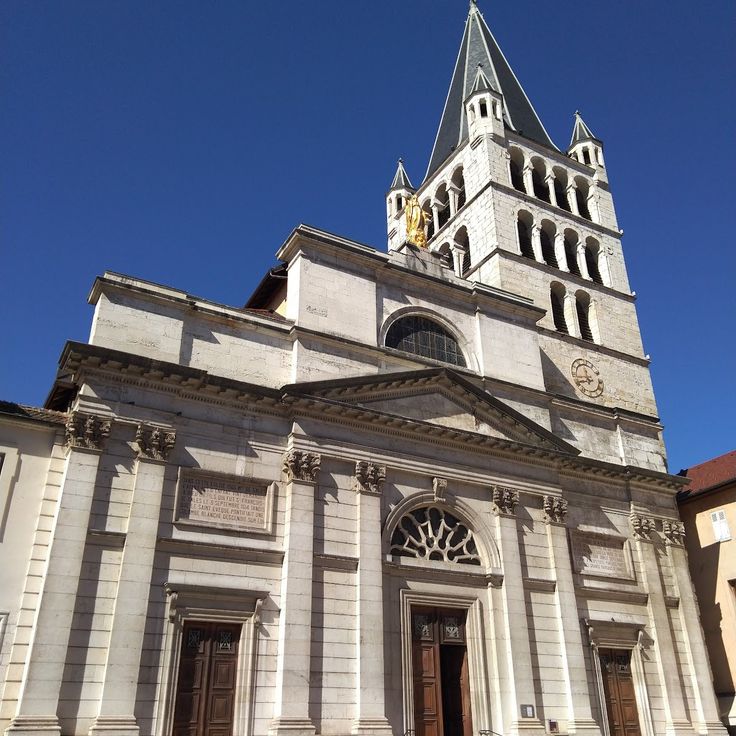
The church of Notre-Dame-de-Liesse was built in the 16th century on the ruins of an older sanctuary that belonged to the Counts of Geneva. Its clock tower stands on Rue de la Filaterie, a short walk from the Thiou canal. The Gothic architecture shows in the pointed arches and the colored glass windows that light the interior. The facade still carries traces of the different periods when the building was expanded or restored. In the old town of Annecy, this church is one of the historic buildings that stand between the narrow streets and the canals.
The Musée du Film d'Animation preserves the history of animated film, which Annecy has celebrated for over 60 years through its international festival. The collection features original drawings, painted cels, models, and puppets used in the making of animated films. Visitors see how characters come to life, frame by frame, from early hand-painted sequences to digital techniques. Film excerpts play in the galleries, showing the evolution of the genre from silent films to today. The museum sits near the lakeshore and connects the technical side of cinema with the artistic work of animators and directors.
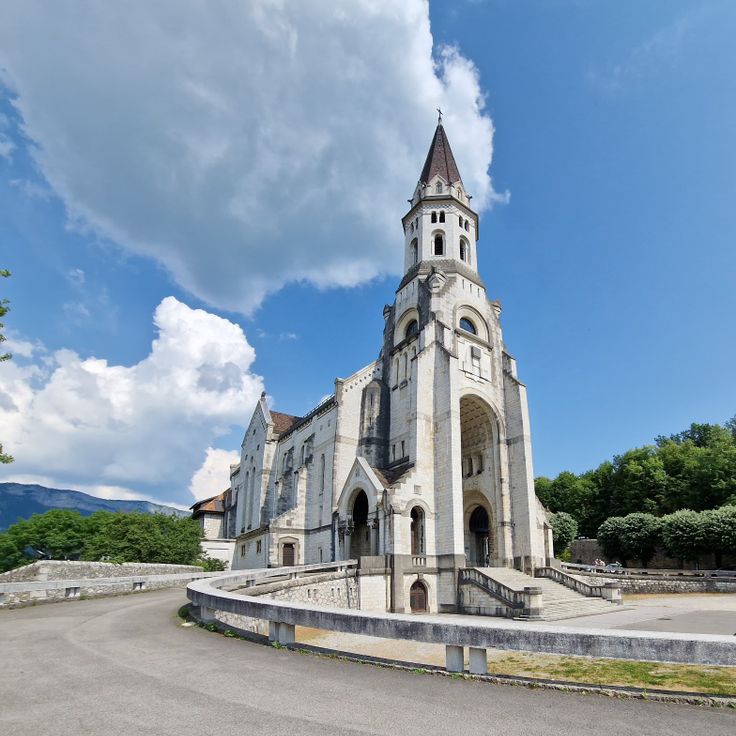
The Basilica of the Visitation stands on the Crêt du Maure hill above Annecy and holds the relics of Francis de Sales and Jane Frances de Chantal. This 20th-century church draws pilgrims and visitors who come for the wide view over the old town, the lake, and the surrounding mountains. You reach it by a stairway or an access road that winds between residential neighborhoods. Inside, you will notice the mosaics, the high vaulted ceiling, and the simple lines. Outside, a terrace invites you to take in the panorama at your own pace.
La Tournette is the highest peak overlooking Lake Annecy, rising to 2,351 meters (7,713 feet). From the town, you can see the distinctive shape of the mountain above the eastern shore. Several trails lead to the summit, passing through forests, alpine meadows, and rocky sections. The climb takes several hours and requires good fitness. At the top, the view extends over the entire lake, the town of Annecy, and the surrounding Alpine ranges. On clear days, you can see as far as Mont Blanc. The mountain is popular with hikers and climbers, especially in spring and summer when the snow has melted. In winter, the summit often remains snow-covered and requires proper equipment.
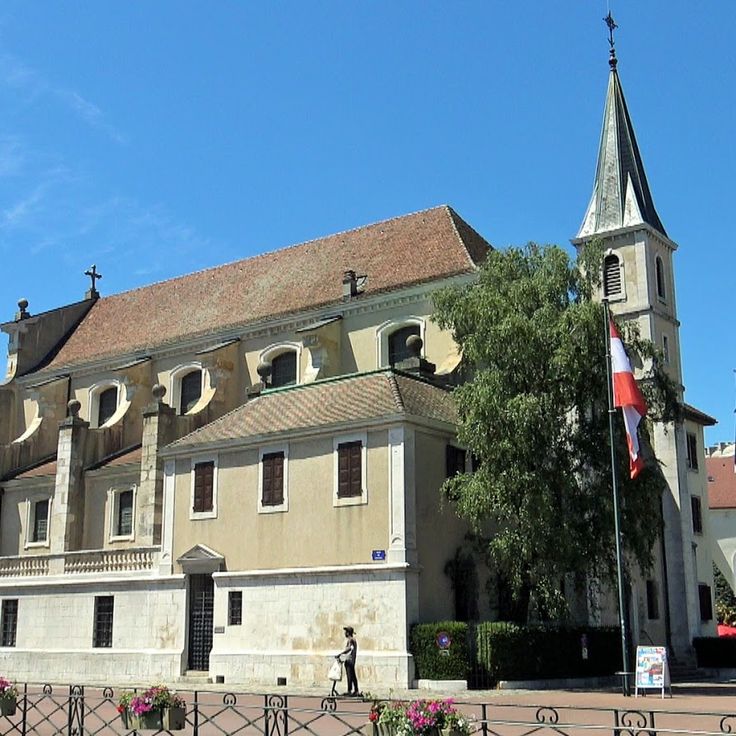
The Eglise Saint-François-de-Sales served as a Dominican convent in the 15th century. This church sits along the Thiou River in the old quarter of Annecy. From outside, you see a plain facade with little ornament or decoration. Inside, the space opens up with high walls and wide windows that bring in steady daylight. Light falls gently across the pews and side walls. The quiet atmosphere offers a moment of rest, especially after walking through the busy lanes of the old town. You can sometimes hear the Thiou flowing just outside the walls.
The Parc animalier de la Grande Jeanne sits in a wooded area near the Semnoz. Red deer, fallow deer and mouflon roam freely in a landscaped space that visitors can enter at no charge. The animals live in a natural setting, and trails wind through the enclosure. Families come here to watch the wildlife up close, while children wander through the forest. The park combines a walk in nature with the chance to see animals, without asking for admission.
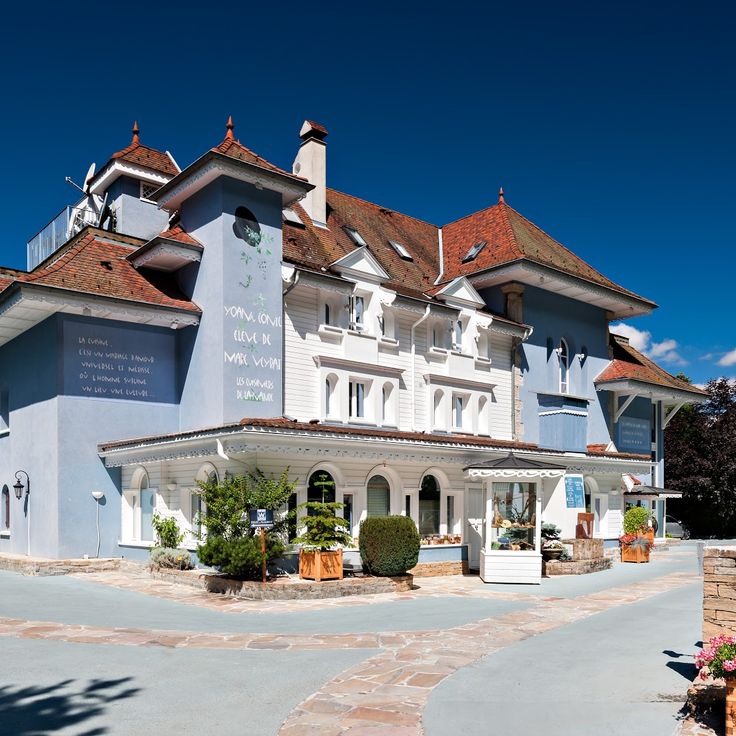
The restaurant led by Yoann Conte sits at the edge of the lake in Veyrier-du-Lac, in a house with direct water views. The chef works with regional ingredients from the mountains and the lake, combining them with a personal approach. Dishes follow the seasons and reflect the flavors of Savoyard cooking without copying it. The dining room opens onto a terrace, tables are set close to the shore, and the view stretches across the water to the mountains. Service is attentive, and the wine list features many local producers. The house holds two Michelin stars and draws guests looking for refined cooking in a quiet setting.
Founded in the 11th century and converted into a hotel-restaurant, this abbey preserves its medieval vaults and gardens overlooking the lake. The complex sits on the shore of Lake Annecy, nestled between wooded slopes and clear water. You will find old stone walls, cloisters, and barrel-vaulted rooms that recall its monastic past. The gardens descend in terraces toward the water, offering views of the mountains across the lake. Inside, historical architecture and modern use come together. The abbey now serves as a place of rest, where visitors can stay and dine in a setting that holds centuries of history. The village of Talloires lies nearby, on the eastern shore of the lake, surrounded by forests and hiking trails.
La Clusaz is a mountain village in the Aravis range that combines its role as a winter sports base with the daily life of a working community. Wooden chalets line the main street, where bakeries, cheese shops, and restaurants keep the center busy. In winter, the slopes open across several faces, offering gentle runs for beginners alongside steeper sections for experienced skiers. The lifts start close to the village core and carry skiers to higher ground with views over the surrounding peaks. In summer, the trails turn into hiking routes through meadows and pine forests, while mountain farms produce cheese using traditional methods. The village maintains its character with working farms, small craft workshops, and regular markets selling local produce. In the evening, terraces fill with visitors and locals stopping in after a day in the mountains. La Clusaz stays inhabited and active throughout the year, far from the rush of larger resorts.
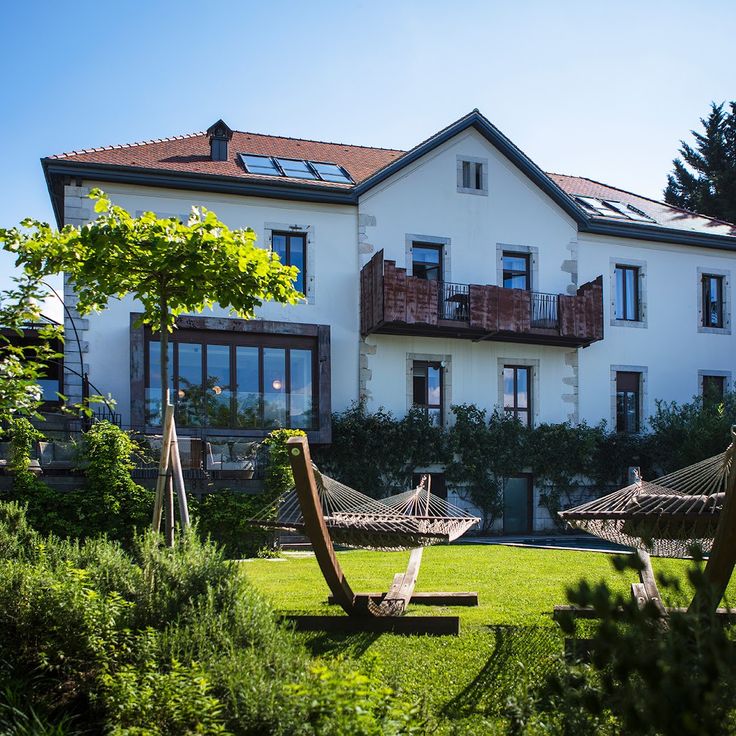
The Palace de Menthon is an early 20th-century manor house converted into a five-star hotel. The rooms are bright and spacious. The hotel has a spa and a restaurant. From here, you overlook the bay of Menthon-Saint-Bernard and the opposite shore of the lake. The building sits right by the water, with access to a private beach. The interiors combine old wood paneling with modern facilities. The terrace opens onto the lake and offers clear views of the surrounding mountains.
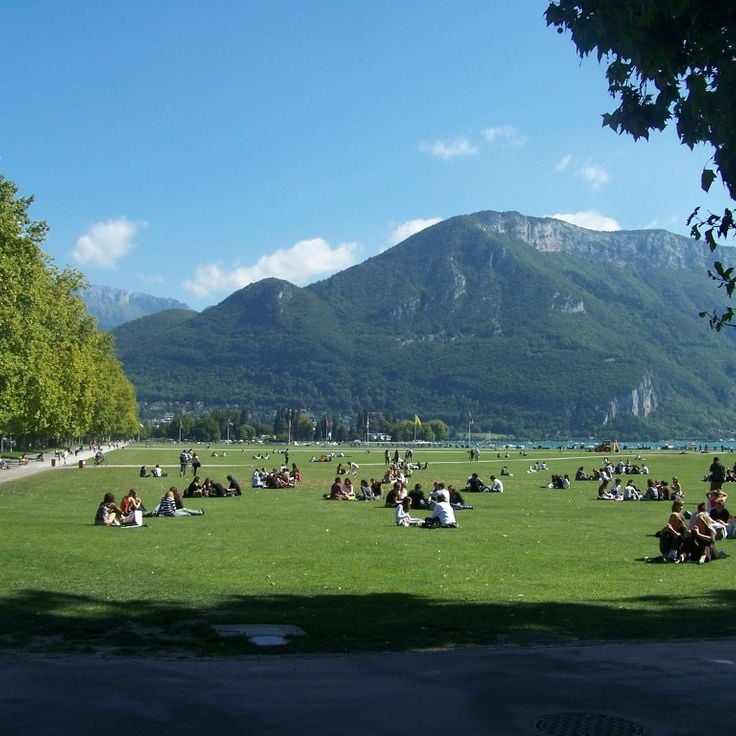
Le Pâquier forms a large, open lawn that stretches along the lakeshore and serves as a gathering place for festivals and fireworks. People come here to jog, picnic, or simply sit by the water and watch the lake. On summer days, families spread their blankets on the grass, children play, and at sunset, walkers gather near the water's edge. The space opens directly onto the lake, with mountains forming the backdrop, and offers plenty of room for events or just relaxing outdoors.
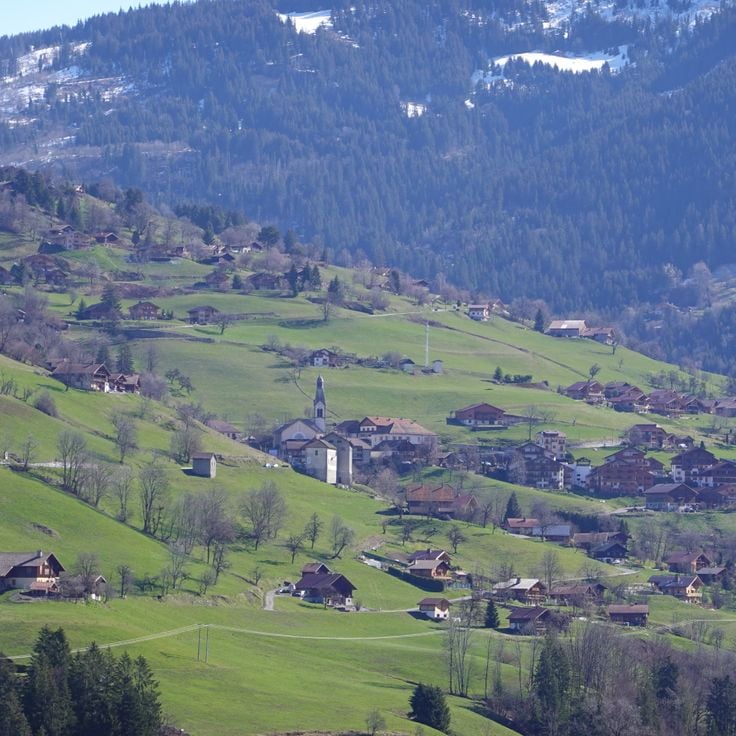
Manigod sits on the mountain side of Annecy, in the Aravis range. The village spreads across several hamlets scattered over gentle slopes. In winter, ski runs cut through forests and open areas, without large crowds. In summer, hiking trails open toward the peaks, between pastures and mountain huts. Farms produce Reblochon cheese, which can be tasted on site. Wooden chalets keep a rural character. The mood remains quiet, far from bigger resorts. From above, you see Lake Annecy and the surrounding massifs. Restaurants serve tartiflette and other mountain dishes. Narrow roads wind between farms. Manigod suits those who prefer skiing or hiking without relying on entertainment or nightlife.
This tourist office sits in central Annecy and provides maps, information on hikes, boat trips on the lake, and events across the area. Staff answer questions about museum hours, bus routes, bike rentals, and places to stay. The desk holds brochures in several languages, suggestions for day trips into the mountains, and tips on local markets. In summer the office shares details on swimming spots and boat excursions, in winter on snowshoe trails and ski resorts in the Aravis range.
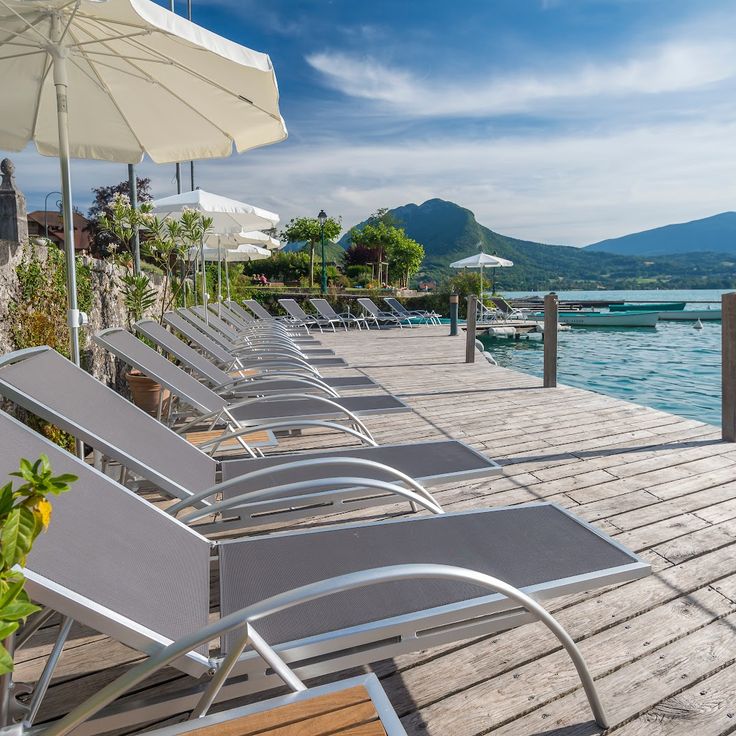
The Black Bass Hôtel sits right at the edge of the lake in a quiet area, away from the center of Annecy. The rooms are modern with clean lines and neutral colors. An outdoor pool faces the water, and guests can sit on the wooden deck by the shore. The restaurant serves refined cuisine with views of the mountains reflected in the lake. Access to the water is direct, and the setting remains green and quiet, even in high season.
The old town of Annecy sits between the Thiou River and its canals, lined with pastel facades. Cobbled lanes lead to small squares where cheese shops, craftspeople and market stalls are found. Centuries-old buildings stand shoulder to shoulder while the river water flows beneath stone bridges, dividing the town in two.
The Château d'Annecy sits above the rooftops of the old town and ranks among the oldest structures in the region. The fortress dates from the 12th century and was later expanded several times. Inside the halls, archaeological finds, paintings, and objects related to Alpine history are on display. From the walls, you can see the city roofs, the lake, and the surrounding mountains. The castle stands above the narrow streets and is reachable on foot from the town center.
Lac d'Annecy stretches between the mountains and invites you to swim, paddle, kayak, or sail. Its water is among the cleanest in Europe. A 26-mile (42-kilometer) bike path runs along the shoreline, passing beaches and small harbors that fill with families and swimmers in summer. You can reach the water directly from public access points or settle by the shore, where trees provide shade and the mountains frame the horizon.
The bridge connects the Jardins de l'Europe to Parc Charles Bosson at the edge of the lake. The white iron structure dates from the early 20th century and stands where the Vassé canal flows into the lake. People walking by often stop here to look at the clear water, watch the mountains on the horizon, or simply gaze at the docks below. The name comes from a time when young couples would stroll here before returning to town under supervision. Today people of all ages come here, some pausing briefly, others staying longer. The area stays calm even when visitors are numerous, and in summer the trees along both banks cast shade over the water.
This castle from the 13th century, near Annecy, stands on a rocky outcrop above the Fier River. The octagonal keep, raised in the 15th century, gives the castle its recognizable profile. Inside, collections of weapons, porcelain and objects from the Far East are displayed, gathered by former owners. In summer, guided visits include storytelling that brings the history of the place to life. From the walls, views open toward the surrounding landscape of mountains and forests.
Le Parmelan is a limestone mountain that rises to 1832 meters. Several trails lead there, crossing forests and alpine meadows. The rocky cliffs offer views of Lake Annecy and the surrounding mountain peaks. Some passages are equipped with cables and require a sure footing. In summer, hikers come here; in winter, snow often covers the upper slopes. The mountain is part of the heights that shape the horizon of Annecy and can be seen from the lake's shores on clear days.
The Palais de l'Isle sits on a small island in the Thiou, right in the heart of the old town. Built in the 12th century, it served as a prison for many years. Its triangular shape follows the outline of the rock it stands on. Today it houses a museum that tells the story of Annecy and its people through the centuries. From the bridges you can see the facade with its old walls rising directly from the water.
The Conservatoire d'Art et d'Histoire occupies the former episcopal palace and displays paintings, sculptures and archival documents tracing the cultural and religious life of Haute-Savoie since the Middle Ages. The collection documents the history of the region through artworks and historical records spanning several centuries. Visitors discover religious objects, portraits of local figures and documents about the development of Annecy and its surroundings. The palace rooms themselves tell the story of the city's episcopal past, which dates back to the 16th century. A visit combines exploring the art collection with experiencing the architecture of this historic building.
The Plateau des Glières sits at 4,725 feet (1,440 meters) above Annecy and is a place of history and hiking. In 1944, resistance fighters gathered here, and the national monument on the plateau honors the Maquisards who fought in the mountains at that time. Today, trails wind through forests and across alpine pastures, passing cabins and open meadows where cows graze in summer and snow transforms the landscape in winter. Silence is broken only by the wind, the air is clear, and on fine days the surrounding Alps come into view. Visitors come to hike, to remember, and for the view that stretches across the massif. The climb follows forest paths or forestry roads, and the highest point offers open views in all directions. The plateau is a place where nature and memory meet, away from the city but close enough for a day trip.
The Canal du Thiou flows through the center and leaves the lake toward the Fier. The banks show the old structure of the town, with pastel houses, small bridges, and terraces facing the water. The canals divide the historic quarter into several parts and are bordered by paved paths and wrought-iron railings. Many locals use the waterside walkways for short strolls, while others sit on benches and watch the water. The facades along the Thiou date from different centuries and show varying building styles. In summer, restaurants open their terraces to the canal, and in the evening the lights reflect on the water.
Château de Clermont was built in the 16th century following Italian models, with arched galleries and mullioned windows. The palace sits on the lakeshore and opens its rooms for exhibitions and summer performances. The carved stone facades frame a courtyard shaped by Renaissance elements. The surrounding gardens descend toward the water and offer views of the mountains. In summer the terraces fill with visitors walking between culture and nature.
The Ponts de la Caille span the Usses gorge in two levels, about 460 feet (140 meters) above the river. The older suspension bridge from 1839 is now open only to walkers and offers a direct view down into the forested slopes below. Next to it runs a modern road bridge carrying traffic, while on the old structure you feel the sway underfoot and hear the sound of water far below. The site sits at the edge of the Annecy area, between lake and mountains, and shows both the technical daring of the 19th century and the raw landscape of the Haute-Savoie.
This restaurant is the work of chef Laurent Petit in the Annecy-le-Vieux neighborhood. He earned three Michelin stars for his approach to vegetables, plants and lake produce. Dishes follow the rhythm of harvests from the kitchen garden and deliveries from fishermen along the shore. Trout, whitefish, leafy greens, roots and herbs appear on plates, prepared in ways that respect the taste of each ingredient. The dining room opens onto a garden where some of the produce grows. Everything is presented without fuss, with focus on what matters.
Le Semnoz rises to 5,577 feet (1,699 meters) and sits a short drive from Annecy. In winter, families use the small slopes and lifts, and in summer, hikers and cyclists head up the mountain. At the top, meadows and trails spread through forests and open hillsides. On clear days, the view reaches as far as Mont Blanc and across the Alps. Picnic areas sit along the ridges, and several inns serve local dishes. The summit is reachable by car or bicycle, with the road winding through thick woods up to the plateau. Paragliders launch regularly from here, and mountain bikers use the descents back to the valley.
Les Trésoms is a hotel from the 1930s, perched on the hills above Annecy. Its terraces look directly over the lake, especially at sunset. The property has a swimming pool, a spa, and a restaurant. You can reach the old town on foot or by car in just a few minutes. Rooms open toward the lake or the mountains. In summer, the outdoor terrace is a place to linger, while in winter, guests warm up inside.
Le Grand Bornand sits in the Aravis mountains and combines a ski village with a working town center. In winter, lifts run to heights above 6,500 feet (2,000 meters), while in summer hikers use the same slopes. Wooden chalets line the streets, balconies often decorated with flower boxes. The Wednesday morning market fills the village square with stalls selling Reblochon cheese, sausages, and mountain herbs. Restaurants serve tartiflette and fondue on most menus. The church with its pointed steeple stands in the center, framed by old timber houses. Outside the village, trails lead through meadows and pine forests. In spring, cowbells echo across the pastures, and in autumn leaves turn color. Some farms open their doors to show how Tomme is made. In the evenings, skiers or hikers return to restaurants for warm soups and baked dishes. The village stays inhabited year-round and does not feel like a resort town alone.
The Cathédrale Saint-Pierre stands in the old town of Annecy and dates back to the 16th century. Its gray stone facade shows simple Renaissance lines. Inside, several side chapels follow one another, each with its own decoration: gilded woodwork, paintings from different centuries, and frescoes restored over time. The nave is covered with a barrel vault, and the columns support heavy capitals. Religious scenes hang on the walls, some faded, others well preserved. The organ dates from the 19th century and sits on a gallery above the entrance. In the morning, light falls through the tall windows and draws bright patches on the stone floor.
The Imperial Palace stands at the edge of Lake Annecy. This Belle Époque building was completed in 1913 and brings together several functions under one roof. It houses a hotel, a spa, a casino, and several restaurants, all of which open onto views of the water. The architecture reflects the style of the early 20th century, with facades and proportions that still shape the shoreline today. The palace is part of the local setting where mountains meet the lake. Guests and visitors come here to relax, to try their luck, or simply to dine by the water.
These gardens along the lakeshore date back to the 19th century and remain one of Annecy's oldest public parks. Shaded pathways wind between mature trees, some over a hundred years old. Wide lawns draw families and walkers, especially on sunny days. At the water's edge, small boats dock to take visitors on lake tours. The park sits between the old town and the Pont des Amours, so many people pass through on their way to the waterfront. In summer, locals sit on benches or on the grass, facing the mountains across the lake. The mood stays calm even when the park fills up. In autumn, leaves turn color and cover the paths.
The Auberge du Père Bise is a restaurant in Talloires where chef Jean Sulpice reworks mountain cooking. Tables face the lake, the terrace opens onto the water, and the wine cellar is well stocked. People come here to eat and enjoy the view. The dishes combine produce from the Alps with modern techniques. The dining room is bright, the interior understated, and the mood matches the surroundings. On sunny days, guests sit outside with the water and mountains in sight.
Mont Veyrier rises to 4235 feet (1291 meters) directly across from the Tournette and offers a hiking trail suited to walkers looking to reach a viewpoint without heavy effort. The ascent begins on the eastern shore of the lake and passes through forests before the view opens. From the lookout points, you see the old town of Annecy spreading between the canals, the lake in its full length, and the Alpine mountain ranges in the background. On clear days, the view extends to the snow-covered peaks. The mountain is popular among locals who come here to hike at sunrise or in the late afternoon, when the light casts the landscape in warm colors. The trails are well marked, and the loop routes allow you to return to the starting point along different paths after the descent.
The church of Notre-Dame-de-Liesse was built in the 16th century on the ruins of an older sanctuary that belonged to the Counts of Geneva. Its clock tower stands on Rue de la Filaterie, a short walk from the Thiou canal. The Gothic architecture shows in the pointed arches and the colored glass windows that light the interior. The facade still carries traces of the different periods when the building was expanded or restored. In the old town of Annecy, this church is one of the historic buildings that stand between the narrow streets and the canals.
The Musée du Film d'Animation preserves the history of animated film, which Annecy has celebrated for over 60 years through its international festival. The collection features original drawings, painted cels, models, and puppets used in the making of animated films. Visitors see how characters come to life, frame by frame, from early hand-painted sequences to digital techniques. Film excerpts play in the galleries, showing the evolution of the genre from silent films to today. The museum sits near the lakeshore and connects the technical side of cinema with the artistic work of animators and directors.
The Basilica of the Visitation stands on the Crêt du Maure hill above Annecy and holds the relics of Francis de Sales and Jane Frances de Chantal. This 20th-century church draws pilgrims and visitors who come for the wide view over the old town, the lake, and the surrounding mountains. You reach it by a stairway or an access road that winds between residential neighborhoods. Inside, you will notice the mosaics, the high vaulted ceiling, and the simple lines. Outside, a terrace invites you to take in the panorama at your own pace.
La Tournette is the highest peak overlooking Lake Annecy, rising to 2,351 meters (7,713 feet). From the town, you can see the distinctive shape of the mountain above the eastern shore. Several trails lead to the summit, passing through forests, alpine meadows, and rocky sections. The climb takes several hours and requires good fitness. At the top, the view extends over the entire lake, the town of Annecy, and the surrounding Alpine ranges. On clear days, you can see as far as Mont Blanc. The mountain is popular with hikers and climbers, especially in spring and summer when the snow has melted. In winter, the summit often remains snow-covered and requires proper equipment.
The Eglise Saint-François-de-Sales served as a Dominican convent in the 15th century. This church sits along the Thiou River in the old quarter of Annecy. From outside, you see a plain facade with little ornament or decoration. Inside, the space opens up with high walls and wide windows that bring in steady daylight. Light falls gently across the pews and side walls. The quiet atmosphere offers a moment of rest, especially after walking through the busy lanes of the old town. You can sometimes hear the Thiou flowing just outside the walls.
The Parc animalier de la Grande Jeanne sits in a wooded area near the Semnoz. Red deer, fallow deer and mouflon roam freely in a landscaped space that visitors can enter at no charge. The animals live in a natural setting, and trails wind through the enclosure. Families come here to watch the wildlife up close, while children wander through the forest. The park combines a walk in nature with the chance to see animals, without asking for admission.
The restaurant led by Yoann Conte sits at the edge of the lake in Veyrier-du-Lac, in a house with direct water views. The chef works with regional ingredients from the mountains and the lake, combining them with a personal approach. Dishes follow the seasons and reflect the flavors of Savoyard cooking without copying it. The dining room opens onto a terrace, tables are set close to the shore, and the view stretches across the water to the mountains. Service is attentive, and the wine list features many local producers. The house holds two Michelin stars and draws guests looking for refined cooking in a quiet setting.
Founded in the 11th century and converted into a hotel-restaurant, this abbey preserves its medieval vaults and gardens overlooking the lake. The complex sits on the shore of Lake Annecy, nestled between wooded slopes and clear water. You will find old stone walls, cloisters, and barrel-vaulted rooms that recall its monastic past. The gardens descend in terraces toward the water, offering views of the mountains across the lake. Inside, historical architecture and modern use come together. The abbey now serves as a place of rest, where visitors can stay and dine in a setting that holds centuries of history. The village of Talloires lies nearby, on the eastern shore of the lake, surrounded by forests and hiking trails.
La Clusaz is a mountain village in the Aravis range that combines its role as a winter sports base with the daily life of a working community. Wooden chalets line the main street, where bakeries, cheese shops, and restaurants keep the center busy. In winter, the slopes open across several faces, offering gentle runs for beginners alongside steeper sections for experienced skiers. The lifts start close to the village core and carry skiers to higher ground with views over the surrounding peaks. In summer, the trails turn into hiking routes through meadows and pine forests, while mountain farms produce cheese using traditional methods. The village maintains its character with working farms, small craft workshops, and regular markets selling local produce. In the evening, terraces fill with visitors and locals stopping in after a day in the mountains. La Clusaz stays inhabited and active throughout the year, far from the rush of larger resorts.
The Palace de Menthon is an early 20th-century manor house converted into a five-star hotel. The rooms are bright and spacious. The hotel has a spa and a restaurant. From here, you overlook the bay of Menthon-Saint-Bernard and the opposite shore of the lake. The building sits right by the water, with access to a private beach. The interiors combine old wood paneling with modern facilities. The terrace opens onto the lake and offers clear views of the surrounding mountains.
Le Pâquier forms a large, open lawn that stretches along the lakeshore and serves as a gathering place for festivals and fireworks. People come here to jog, picnic, or simply sit by the water and watch the lake. On summer days, families spread their blankets on the grass, children play, and at sunset, walkers gather near the water's edge. The space opens directly onto the lake, with mountains forming the backdrop, and offers plenty of room for events or just relaxing outdoors.
Manigod sits on the mountain side of Annecy, in the Aravis range. The village spreads across several hamlets scattered over gentle slopes. In winter, ski runs cut through forests and open areas, without large crowds. In summer, hiking trails open toward the peaks, between pastures and mountain huts. Farms produce Reblochon cheese, which can be tasted on site. Wooden chalets keep a rural character. The mood remains quiet, far from bigger resorts. From above, you see Lake Annecy and the surrounding massifs. Restaurants serve tartiflette and other mountain dishes. Narrow roads wind between farms. Manigod suits those who prefer skiing or hiking without relying on entertainment or nightlife.
This tourist office sits in central Annecy and provides maps, information on hikes, boat trips on the lake, and events across the area. Staff answer questions about museum hours, bus routes, bike rentals, and places to stay. The desk holds brochures in several languages, suggestions for day trips into the mountains, and tips on local markets. In summer the office shares details on swimming spots and boat excursions, in winter on snowshoe trails and ski resorts in the Aravis range.
The Black Bass Hôtel sits right at the edge of the lake in a quiet area, away from the center of Annecy. The rooms are modern with clean lines and neutral colors. An outdoor pool faces the water, and guests can sit on the wooden deck by the shore. The restaurant serves refined cuisine with views of the mountains reflected in the lake. Access to the water is direct, and the setting remains green and quiet, even in high season.
The old town of Annecy sits between the Thiou River and its canals, lined with pastel facades. Cobbled lanes lead to small squares where cheese shops, craftspeople and market stalls are found. Centuries-old buildings stand shoulder to shoulder while the river water flows beneath stone bridges, dividing the town in two.
The Château d'Annecy sits above the rooftops of the old town and ranks among the oldest structures in the region. The fortress dates from the 12th century and was later expanded several times. Inside the halls, archaeological finds, paintings, and objects related to Alpine history are on display. From the walls, you can see the city roofs, the lake, and the surrounding mountains. The castle stands above the narrow streets and is reachable on foot from the town center.
Lac d'Annecy stretches between the mountains and invites you to swim, paddle, kayak, or sail. Its water is among the cleanest in Europe. A 26-mile (42-kilometer) bike path runs along the shoreline, passing beaches and small harbors that fill with families and swimmers in summer. You can reach the water directly from public access points or settle by the shore, where trees provide shade and the mountains frame the horizon.
The bridge connects the Jardins de l'Europe to Parc Charles Bosson at the edge of the lake. The white iron structure dates from the early 20th century and stands where the Vassé canal flows into the lake. People walking by often stop here to look at the clear water, watch the mountains on the horizon, or simply gaze at the docks below. The name comes from a time when young couples would stroll here before returning to town under supervision. Today people of all ages come here, some pausing briefly, others staying longer. The area stays calm even when visitors are numerous, and in summer the trees along both banks cast shade over the water.
This castle from the 13th century, near Annecy, stands on a rocky outcrop above the Fier River. The octagonal keep, raised in the 15th century, gives the castle its recognizable profile. Inside, collections of weapons, porcelain and objects from the Far East are displayed, gathered by former owners. In summer, guided visits include storytelling that brings the history of the place to life. From the walls, views open toward the surrounding landscape of mountains and forests.
Le Parmelan is a limestone mountain that rises to 1832 meters. Several trails lead there, crossing forests and alpine meadows. The rocky cliffs offer views of Lake Annecy and the surrounding mountain peaks. Some passages are equipped with cables and require a sure footing. In summer, hikers come here; in winter, snow often covers the upper slopes. The mountain is part of the heights that shape the horizon of Annecy and can be seen from the lake's shores on clear days.
The Palais de l'Isle sits on a small island in the Thiou, right in the heart of the old town. Built in the 12th century, it served as a prison for many years. Its triangular shape follows the outline of the rock it stands on. Today it houses a museum that tells the story of Annecy and its people through the centuries. From the bridges you can see the facade with its old walls rising directly from the water.
The Conservatoire d'Art et d'Histoire occupies the former episcopal palace and displays paintings, sculptures and archival documents tracing the cultural and religious life of Haute-Savoie since the Middle Ages. The collection documents the history of the region through artworks and historical records spanning several centuries. Visitors discover religious objects, portraits of local figures and documents about the development of Annecy and its surroundings. The palace rooms themselves tell the story of the city's episcopal past, which dates back to the 16th century. A visit combines exploring the art collection with experiencing the architecture of this historic building.
The Plateau des Glières sits at 4,725 feet (1,440 meters) above Annecy and is a place of history and hiking. In 1944, resistance fighters gathered here, and the national monument on the plateau honors the Maquisards who fought in the mountains at that time. Today, trails wind through forests and across alpine pastures, passing cabins and open meadows where cows graze in summer and snow transforms the landscape in winter. Silence is broken only by the wind, the air is clear, and on fine days the surrounding Alps come into view. Visitors come to hike, to remember, and for the view that stretches across the massif. The climb follows forest paths or forestry roads, and the highest point offers open views in all directions. The plateau is a place where nature and memory meet, away from the city but close enough for a day trip.
The Canal du Thiou flows through the center and leaves the lake toward the Fier. The banks show the old structure of the town, with pastel houses, small bridges, and terraces facing the water. The canals divide the historic quarter into several parts and are bordered by paved paths and wrought-iron railings. Many locals use the waterside walkways for short strolls, while others sit on benches and watch the water. The facades along the Thiou date from different centuries and show varying building styles. In summer, restaurants open their terraces to the canal, and in the evening the lights reflect on the water.
Château de Clermont was built in the 16th century following Italian models, with arched galleries and mullioned windows. The palace sits on the lakeshore and opens its rooms for exhibitions and summer performances. The carved stone facades frame a courtyard shaped by Renaissance elements. The surrounding gardens descend toward the water and offer views of the mountains. In summer the terraces fill with visitors walking between culture and nature.
The Ponts de la Caille span the Usses gorge in two levels, about 460 feet (140 meters) above the river. The older suspension bridge from 1839 is now open only to walkers and offers a direct view down into the forested slopes below. Next to it runs a modern road bridge carrying traffic, while on the old structure you feel the sway underfoot and hear the sound of water far below. The site sits at the edge of the Annecy area, between lake and mountains, and shows both the technical daring of the 19th century and the raw landscape of the Haute-Savoie.
This restaurant is the work of chef Laurent Petit in the Annecy-le-Vieux neighborhood. He earned three Michelin stars for his approach to vegetables, plants and lake produce. Dishes follow the rhythm of harvests from the kitchen garden and deliveries from fishermen along the shore. Trout, whitefish, leafy greens, roots and herbs appear on plates, prepared in ways that respect the taste of each ingredient. The dining room opens onto a garden where some of the produce grows. Everything is presented without fuss, with focus on what matters.
Le Semnoz rises to 5,577 feet (1,699 meters) and sits a short drive from Annecy. In winter, families use the small slopes and lifts, and in summer, hikers and cyclists head up the mountain. At the top, meadows and trails spread through forests and open hillsides. On clear days, the view reaches as far as Mont Blanc and across the Alps. Picnic areas sit along the ridges, and several inns serve local dishes. The summit is reachable by car or bicycle, with the road winding through thick woods up to the plateau. Paragliders launch regularly from here, and mountain bikers use the descents back to the valley.
Les Trésoms is a hotel from the 1930s, perched on the hills above Annecy. Its terraces look directly over the lake, especially at sunset. The property has a swimming pool, a spa, and a restaurant. You can reach the old town on foot or by car in just a few minutes. Rooms open toward the lake or the mountains. In summer, the outdoor terrace is a place to linger, while in winter, guests warm up inside.
Le Grand Bornand sits in the Aravis mountains and combines a ski village with a working town center. In winter, lifts run to heights above 6,500 feet (2,000 meters), while in summer hikers use the same slopes. Wooden chalets line the streets, balconies often decorated with flower boxes. The Wednesday morning market fills the village square with stalls selling Reblochon cheese, sausages, and mountain herbs. Restaurants serve tartiflette and fondue on most menus. The church with its pointed steeple stands in the center, framed by old timber houses. Outside the village, trails lead through meadows and pine forests. In spring, cowbells echo across the pastures, and in autumn leaves turn color. Some farms open their doors to show how Tomme is made. In the evenings, skiers or hikers return to restaurants for warm soups and baked dishes. The village stays inhabited year-round and does not feel like a resort town alone.
The Cathédrale Saint-Pierre stands in the old town of Annecy and dates back to the 16th century. Its gray stone facade shows simple Renaissance lines. Inside, several side chapels follow one another, each with its own decoration: gilded woodwork, paintings from different centuries, and frescoes restored over time. The nave is covered with a barrel vault, and the columns support heavy capitals. Religious scenes hang on the walls, some faded, others well preserved. The organ dates from the 19th century and sits on a gallery above the entrance. In the morning, light falls through the tall windows and draws bright patches on the stone floor.
The Imperial Palace stands at the edge of Lake Annecy. This Belle Époque building was completed in 1913 and brings together several functions under one roof. It houses a hotel, a spa, a casino, and several restaurants, all of which open onto views of the water. The architecture reflects the style of the early 20th century, with facades and proportions that still shape the shoreline today. The palace is part of the local setting where mountains meet the lake. Guests and visitors come here to relax, to try their luck, or simply to dine by the water.
These gardens along the lakeshore date back to the 19th century and remain one of Annecy's oldest public parks. Shaded pathways wind between mature trees, some over a hundred years old. Wide lawns draw families and walkers, especially on sunny days. At the water's edge, small boats dock to take visitors on lake tours. The park sits between the old town and the Pont des Amours, so many people pass through on their way to the waterfront. In summer, locals sit on benches or on the grass, facing the mountains across the lake. The mood stays calm even when the park fills up. In autumn, leaves turn color and cover the paths.
The Auberge du Père Bise is a restaurant in Talloires where chef Jean Sulpice reworks mountain cooking. Tables face the lake, the terrace opens onto the water, and the wine cellar is well stocked. People come here to eat and enjoy the view. The dishes combine produce from the Alps with modern techniques. The dining room is bright, the interior understated, and the mood matches the surroundings. On sunny days, guests sit outside with the water and mountains in sight.
Mont Veyrier rises to 4235 feet (1291 meters) directly across from the Tournette and offers a hiking trail suited to walkers looking to reach a viewpoint without heavy effort. The ascent begins on the eastern shore of the lake and passes through forests before the view opens. From the lookout points, you see the old town of Annecy spreading between the canals, the lake in its full length, and the Alpine mountain ranges in the background. On clear days, the view extends to the snow-covered peaks. The mountain is popular among locals who come here to hike at sunrise or in the late afternoon, when the light casts the landscape in warm colors. The trails are well marked, and the loop routes allow you to return to the starting point along different paths after the descent.
The church of Notre-Dame-de-Liesse was built in the 16th century on the ruins of an older sanctuary that belonged to the Counts of Geneva. Its clock tower stands on Rue de la Filaterie, a short walk from the Thiou canal. The Gothic architecture shows in the pointed arches and the colored glass windows that light the interior. The facade still carries traces of the different periods when the building was expanded or restored. In the old town of Annecy, this church is one of the historic buildings that stand between the narrow streets and the canals.
The Musée du Film d'Animation preserves the history of animated film, which Annecy has celebrated for over 60 years through its international festival. The collection features original drawings, painted cels, models, and puppets used in the making of animated films. Visitors see how characters come to life, frame by frame, from early hand-painted sequences to digital techniques. Film excerpts play in the galleries, showing the evolution of the genre from silent films to today. The museum sits near the lakeshore and connects the technical side of cinema with the artistic work of animators and directors.
The Basilica of the Visitation stands on the Crêt du Maure hill above Annecy and holds the relics of Francis de Sales and Jane Frances de Chantal. This 20th-century church draws pilgrims and visitors who come for the wide view over the old town, the lake, and the surrounding mountains. You reach it by a stairway or an access road that winds between residential neighborhoods. Inside, you will notice the mosaics, the high vaulted ceiling, and the simple lines. Outside, a terrace invites you to take in the panorama at your own pace.
La Tournette is the highest peak overlooking Lake Annecy, rising to 2,351 meters (7,713 feet). From the town, you can see the distinctive shape of the mountain above the eastern shore. Several trails lead to the summit, passing through forests, alpine meadows, and rocky sections. The climb takes several hours and requires good fitness. At the top, the view extends over the entire lake, the town of Annecy, and the surrounding Alpine ranges. On clear days, you can see as far as Mont Blanc. The mountain is popular with hikers and climbers, especially in spring and summer when the snow has melted. In winter, the summit often remains snow-covered and requires proper equipment.
The Eglise Saint-François-de-Sales served as a Dominican convent in the 15th century. This church sits along the Thiou River in the old quarter of Annecy. From outside, you see a plain facade with little ornament or decoration. Inside, the space opens up with high walls and wide windows that bring in steady daylight. Light falls gently across the pews and side walls. The quiet atmosphere offers a moment of rest, especially after walking through the busy lanes of the old town. You can sometimes hear the Thiou flowing just outside the walls.
The Parc animalier de la Grande Jeanne sits in a wooded area near the Semnoz. Red deer, fallow deer and mouflon roam freely in a landscaped space that visitors can enter at no charge. The animals live in a natural setting, and trails wind through the enclosure. Families come here to watch the wildlife up close, while children wander through the forest. The park combines a walk in nature with the chance to see animals, without asking for admission.
The restaurant led by Yoann Conte sits at the edge of the lake in Veyrier-du-Lac, in a house with direct water views. The chef works with regional ingredients from the mountains and the lake, combining them with a personal approach. Dishes follow the seasons and reflect the flavors of Savoyard cooking without copying it. The dining room opens onto a terrace, tables are set close to the shore, and the view stretches across the water to the mountains. Service is attentive, and the wine list features many local producers. The house holds two Michelin stars and draws guests looking for refined cooking in a quiet setting.
Founded in the 11th century and converted into a hotel-restaurant, this abbey preserves its medieval vaults and gardens overlooking the lake. The complex sits on the shore of Lake Annecy, nestled between wooded slopes and clear water. You will find old stone walls, cloisters, and barrel-vaulted rooms that recall its monastic past. The gardens descend in terraces toward the water, offering views of the mountains across the lake. Inside, historical architecture and modern use come together. The abbey now serves as a place of rest, where visitors can stay and dine in a setting that holds centuries of history. The village of Talloires lies nearby, on the eastern shore of the lake, surrounded by forests and hiking trails.
La Clusaz is a mountain village in the Aravis range that combines its role as a winter sports base with the daily life of a working community. Wooden chalets line the main street, where bakeries, cheese shops, and restaurants keep the center busy. In winter, the slopes open across several faces, offering gentle runs for beginners alongside steeper sections for experienced skiers. The lifts start close to the village core and carry skiers to higher ground with views over the surrounding peaks. In summer, the trails turn into hiking routes through meadows and pine forests, while mountain farms produce cheese using traditional methods. The village maintains its character with working farms, small craft workshops, and regular markets selling local produce. In the evening, terraces fill with visitors and locals stopping in after a day in the mountains. La Clusaz stays inhabited and active throughout the year, far from the rush of larger resorts.
The Palace de Menthon is an early 20th-century manor house converted into a five-star hotel. The rooms are bright and spacious. The hotel has a spa and a restaurant. From here, you overlook the bay of Menthon-Saint-Bernard and the opposite shore of the lake. The building sits right by the water, with access to a private beach. The interiors combine old wood paneling with modern facilities. The terrace opens onto the lake and offers clear views of the surrounding mountains.
Le Pâquier forms a large, open lawn that stretches along the lakeshore and serves as a gathering place for festivals and fireworks. People come here to jog, picnic, or simply sit by the water and watch the lake. On summer days, families spread their blankets on the grass, children play, and at sunset, walkers gather near the water's edge. The space opens directly onto the lake, with mountains forming the backdrop, and offers plenty of room for events or just relaxing outdoors.
Manigod sits on the mountain side of Annecy, in the Aravis range. The village spreads across several hamlets scattered over gentle slopes. In winter, ski runs cut through forests and open areas, without large crowds. In summer, hiking trails open toward the peaks, between pastures and mountain huts. Farms produce Reblochon cheese, which can be tasted on site. Wooden chalets keep a rural character. The mood remains quiet, far from bigger resorts. From above, you see Lake Annecy and the surrounding massifs. Restaurants serve tartiflette and other mountain dishes. Narrow roads wind between farms. Manigod suits those who prefer skiing or hiking without relying on entertainment or nightlife.
This tourist office sits in central Annecy and provides maps, information on hikes, boat trips on the lake, and events across the area. Staff answer questions about museum hours, bus routes, bike rentals, and places to stay. The desk holds brochures in several languages, suggestions for day trips into the mountains, and tips on local markets. In summer the office shares details on swimming spots and boat excursions, in winter on snowshoe trails and ski resorts in the Aravis range.
The Black Bass Hôtel sits right at the edge of the lake in a quiet area, away from the center of Annecy. The rooms are modern with clean lines and neutral colors. An outdoor pool faces the water, and guests can sit on the wooden deck by the shore. The restaurant serves refined cuisine with views of the mountains reflected in the lake. Access to the water is direct, and the setting remains green and quiet, even in high season.
The old town of Annecy sits between the Thiou River and its canals, lined with pastel facades. Cobbled lanes lead to small squares where cheese shops, craftspeople and market stalls are found. Centuries-old buildings stand shoulder to shoulder while the river water flows beneath stone bridges, dividing the town in two.
Plan your visit based on what you like to do: swimming and sailing in summer, hiking in autumn, or winter sports and snowy landscapes in winter.