See the monuments around you in AROpen chests in the app
Around Us is built for your phone — point your camera at the streets and discover the monuments and places around you in augmented reality.Around Us is built for your phone — chests unlock when you walk, explore and capture nearby places.
Lakes of Auvergne-Rhône-Alpes: volcanic craters, glacier waters, mountain dams
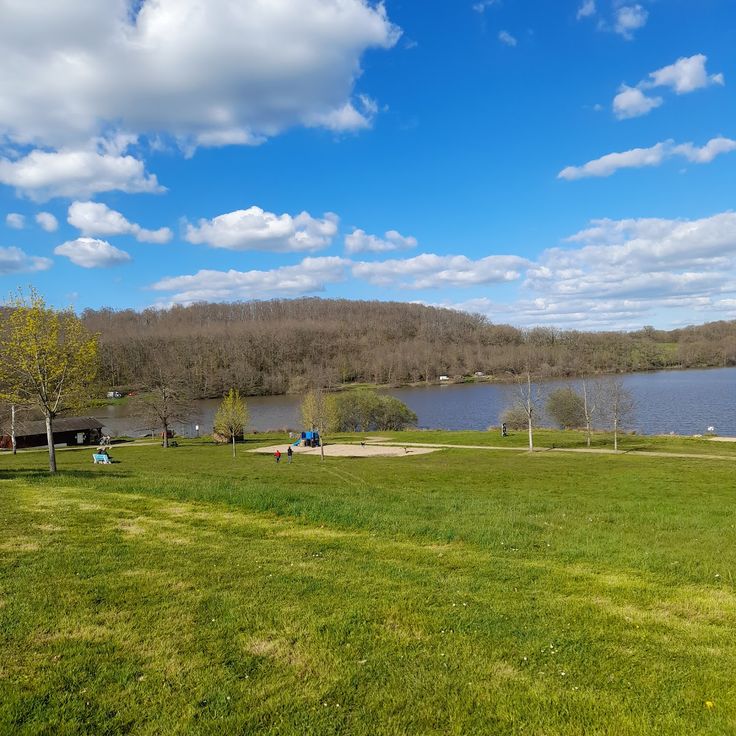
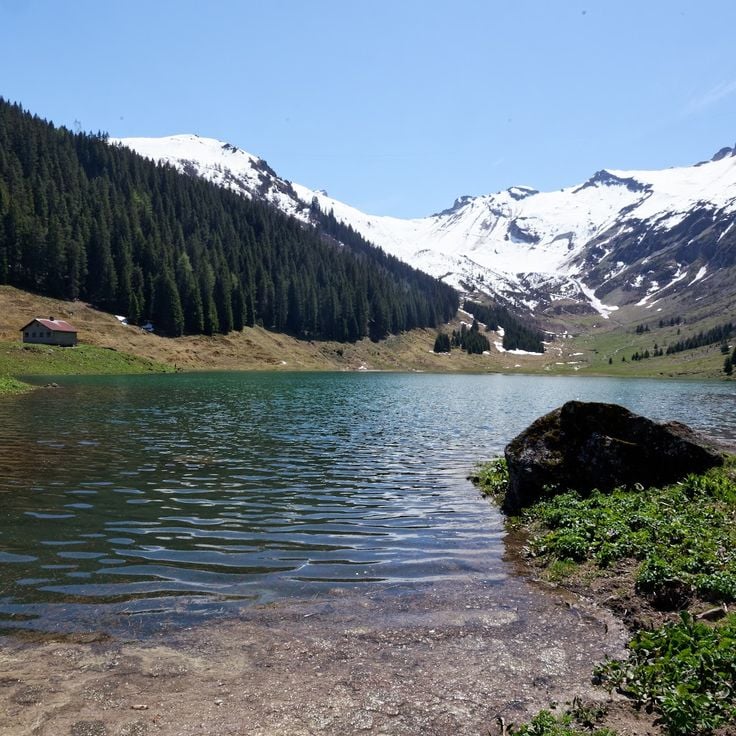
The Auvergne-Rhône-Alpes area has lakes from very different beginnings. Large lakes that formed from glaciers, like Lake Bourget or Lake Annecy, appeared after the glaciers in the Alps melted. They have deep water surrounded by mountains. In the Massif Central, volcanic lakes sit in old craters, such as Lake Pavin, which is nearly 7,000 years old, and Lake Issarlès, which goes down more than 100 meters deep. Some lakes are high up in the mountains, like Lake Guéry at 1250 meters, while others are in flat land or in deep valleys.
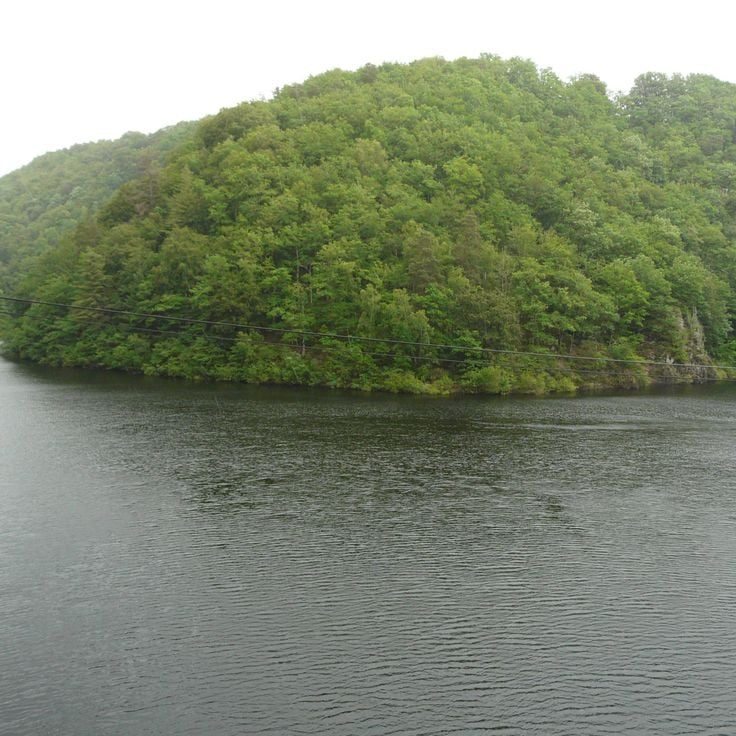
There are also several artificial lakes built in the 20th century to make electricity or manage water flow. Lake Monteynard was created in 1962 on the Drac river, and Lake Saint-Étienne-Cantalès, held back by a dam on the Cère river since 1945, are popular spots for swimming, sailing, and fishing. Each lake feels different: clear and cold mountain waters, wooded shores in Jura, changing colors in volcanic craters. Visitors can walk around these places, go by boat, or just enjoy the views from the banks.
Lakes of Auvergne-Rhône-Alpes: volcanic craters, glacier waters, mountain dams
The Auvergne-Rhône-Alpes area has lakes from very different beginnings. Large lakes that formed from glaciers, like Lake Bourget or Lake Annecy, appeared after the glaciers in the Alps melted. They have deep water surrounded by mountains. In the Massif Central, volcanic lakes sit in old craters, such as Lake Pavin, which is nearly 7,000 years old, and Lake Issarlès, which goes down more than 100 meters deep. Some lakes are high up in the mountains, like Lake Guéry at 1250 meters, while others are in flat land or in deep valleys.
There are also several artificial lakes built in the 20th century to make electricity or manage water flow. Lake Monteynard was created in 1962 on the Drac river, and Lake Saint-Étienne-Cantalès, held back by a dam on the Cère river since 1945, are popular spots for swimming, sailing, and fishing. Each lake feels different: clear and cold mountain waters, wooded shores in Jura, changing colors in volcanic craters. Visitors can walk around these places, go by boat, or just enjoy the views from the banks.
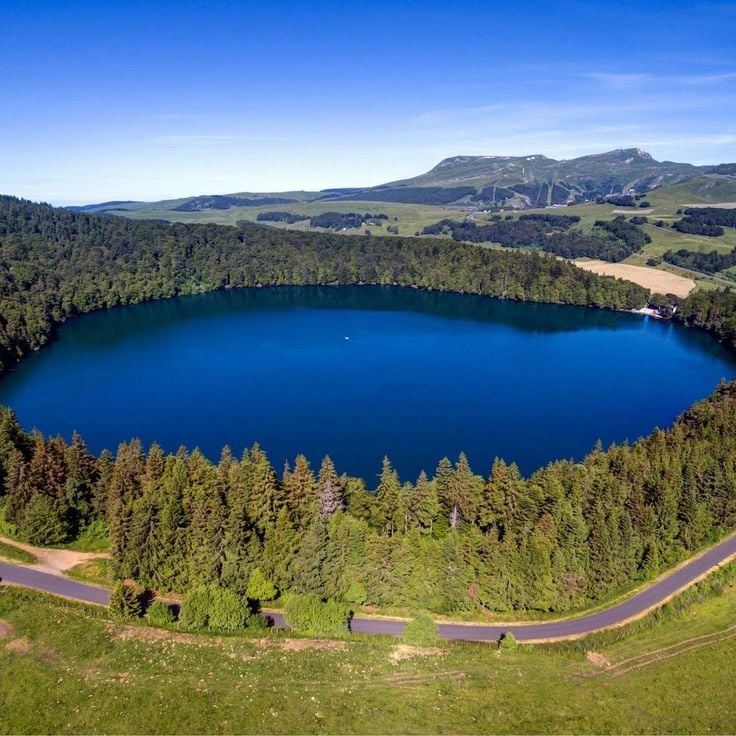
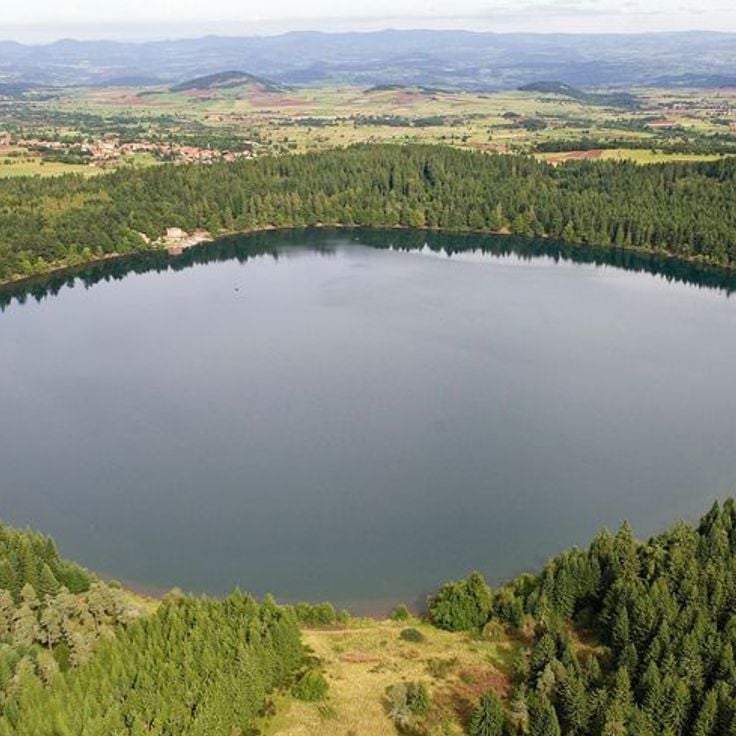
Lac Pavin fills an almost perfectly circular volcanic crater that formed about 7,000 years ago in the Massif Central. The water reaches more than 295 feet (90 meters) deep and shifts between dark green and blue depending on the light. Dense forests surround the shores, which drop steeply into the water over most of the perimeter. A narrow path circles the crater and opens up views of the water surface in places. The air stays cool even in summer, and the shores remain quiet, with no swimming area or boat traffic. Sometimes you hear birds or the rustling of undergrowth, but little else.
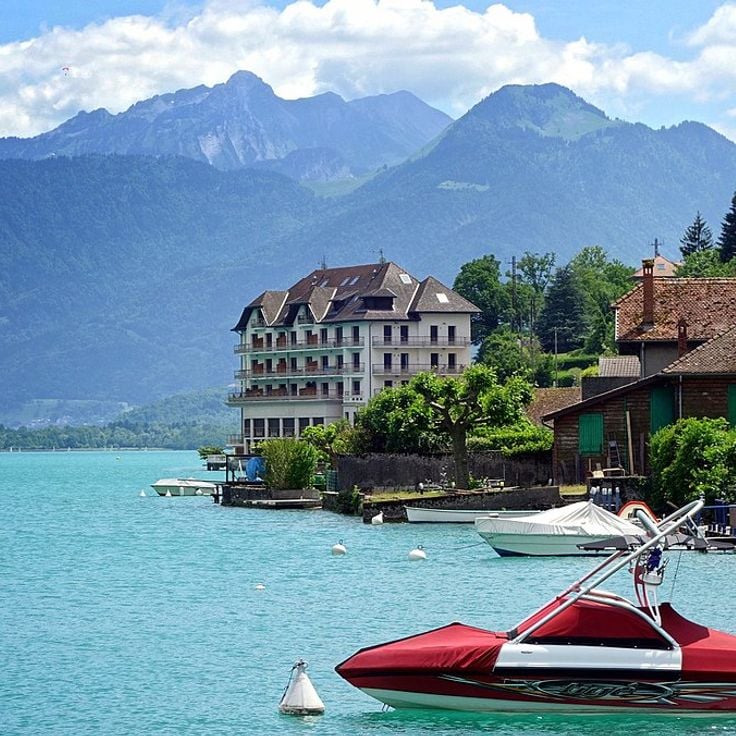
Lake Annecy sits at the foot of the Alps and belongs to the large glacial lakes of the Auvergne-Rhône-Alpes region. This body of water formed after alpine glaciers retreated and extends between mountains and wooded shores. The water is clear and cold, with depths reaching over 260 feet (80 meters). Walking paths circle the lake through villages and parks. Along the shores you find beaches and docks for boats. People use the lake for swimming, sailing, rowing, and rowing boat trips. The surroundings are shaped by forests, meadows, and the peaks of the foothills. This place draws visitors seeking calm waters amid the mountains.
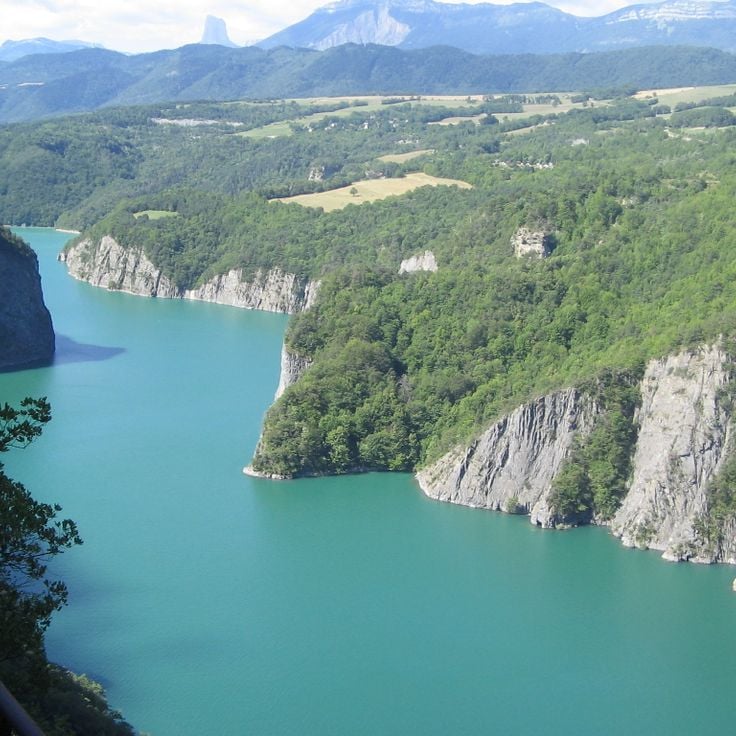
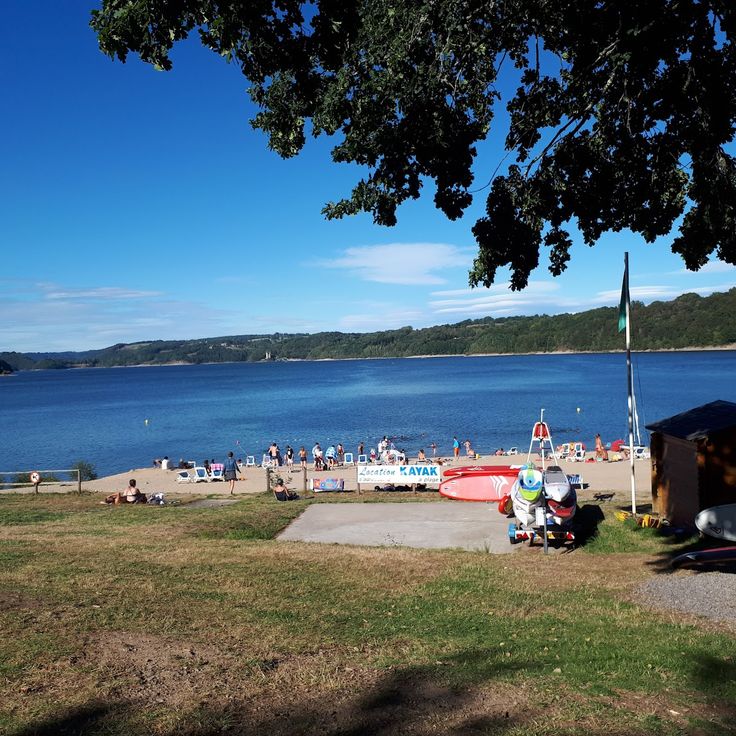
Lake Monteynard formed in 1962 after the construction of the Monteynard-Avignonet dam on the Drac River. The water fills a narrow valley between mountains that often rise more than 330 feet (100 meters) above the surface. The shores alternate between steep slopes and accessible coves. Some areas allow swimming, others sailing or kayaking. The surroundings remain quiet, with a few villages and plenty of forest.
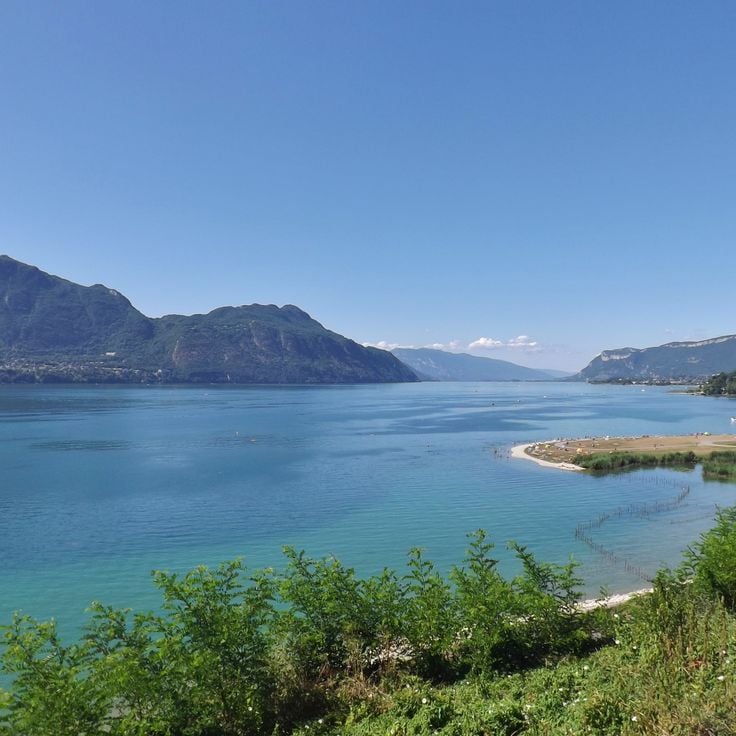
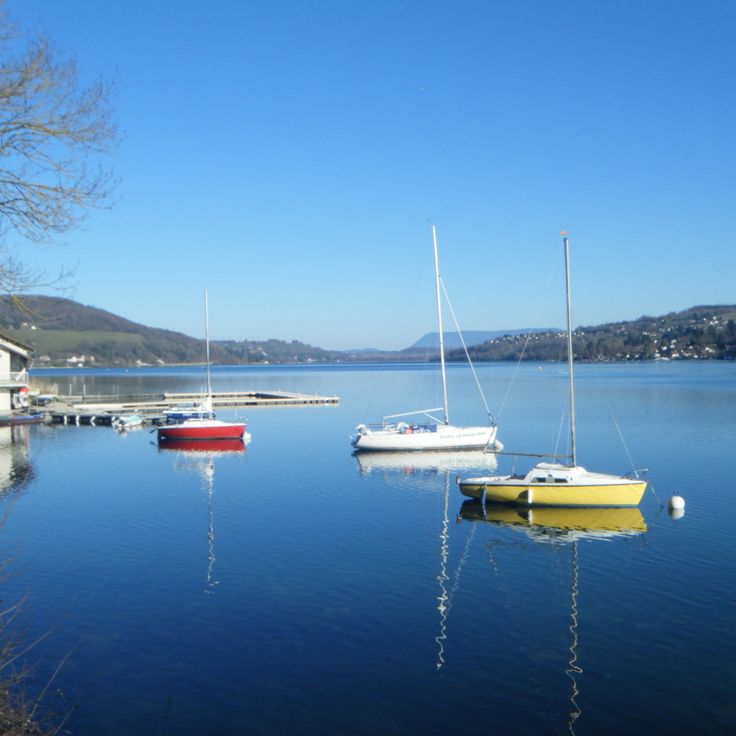
Lac du Bourget formed after a glacier retreated and now stretches between wooded slopes and mountain ridges in the Alps. The water often lies still and reflects the light of the seasons. Small harbors, swimming areas and villages line the shores. In summer, families come to swim, others go out in boats or fish along the banks. Mornings sometimes bring mist over the water, and the air stays cool. The lake lies between Savoie and Jura, and the surroundings invite walking and cycling. Some days the area feels wide and open, others it seems to draw into itself.
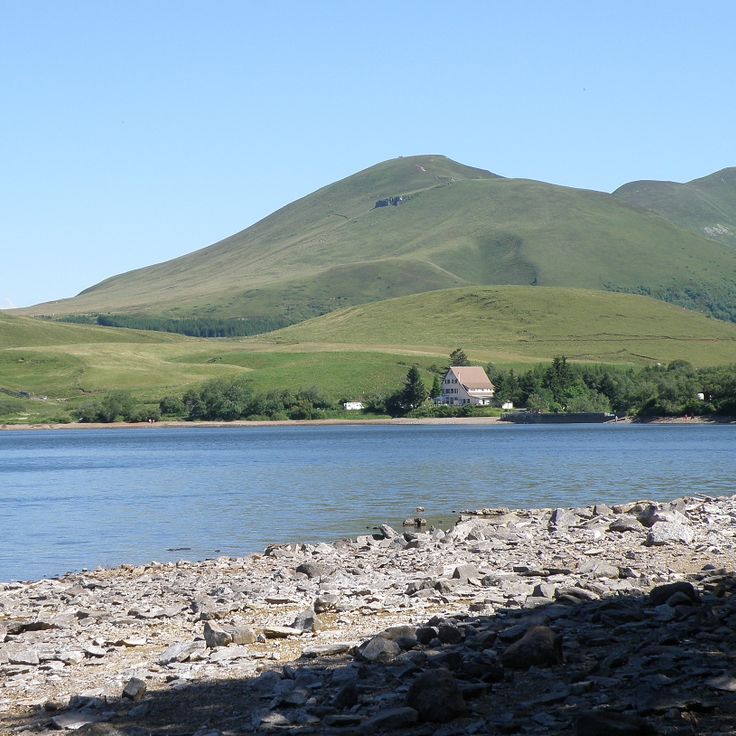
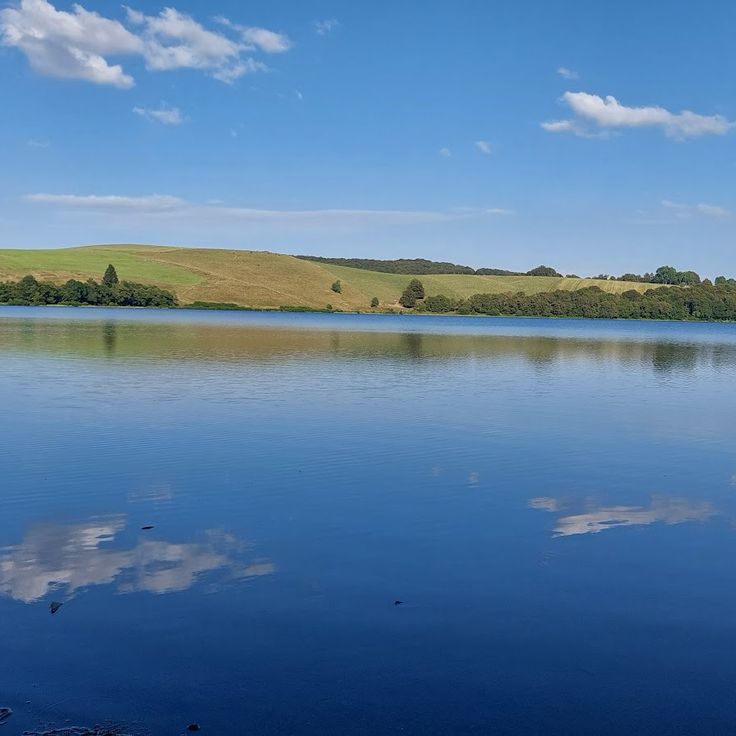
Lac du Guéry sits at an elevation of 4100 feet (1250 meters) between the volcanoes of the Chaîne des Puys, surrounded by gentle slopes and open meadows. This mountain lake is part of the glacial and volcanic lakes of the Auvergne-Rhône-Alpes region. The water stays cold and clear all year long. Anglers come here for trout and perch. The area is good for walking, and on still days the surrounding peaks mirror themselves on the motionless surface.
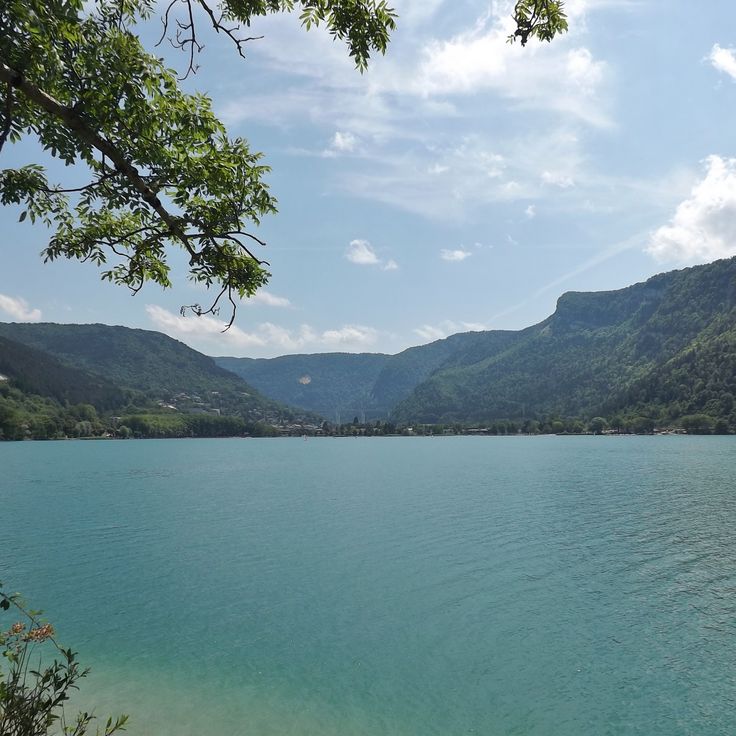
This glacial lake lies in the southern Jura and covers about 350 acres (140 hectares). The water reaches a depth of roughly 130 feet (40 meters), surrounded by wooded slopes and rock formations. Most of the shoreline is accessible and offers pleasant walks. You can swim here, go boating, or fish along the water. The town of Nantua sits right on the shore and has grown up around the lake. On clear days, the surrounding mountains reflect in the water. The lake belongs to the glacial waters of the region, formed after the Alpine glaciers retreated.
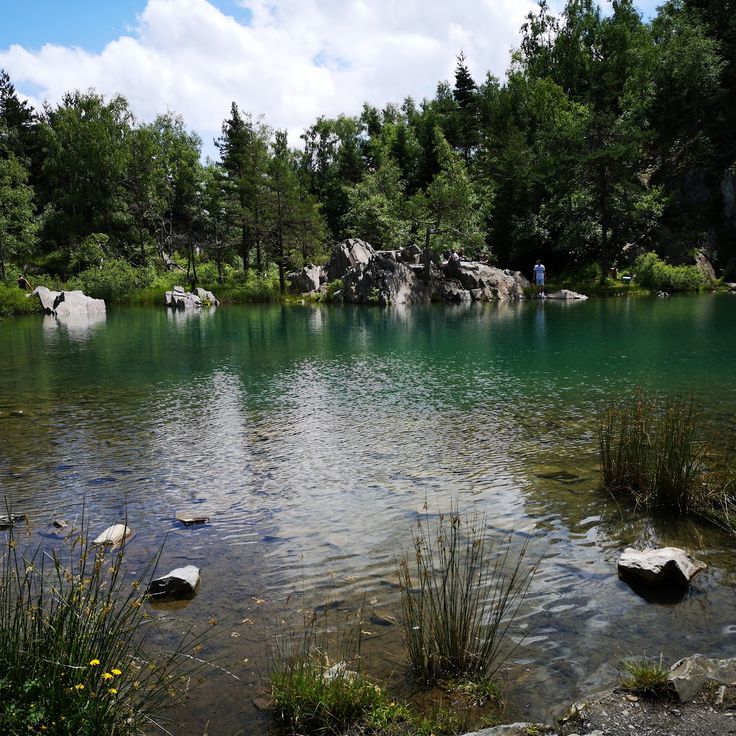
Lac Bleu sits in the Meygal massif at 3,940 feet (1,200 meters) above sea level and belongs to the man-made lakes of the Auvergne-Rhône-Alpes region. This lake was built in the 20th century and today draws mostly anglers. The water stays cool even in summer, and the surrounding area consists of meadows and low forests typical of this mid-mountain elevation. Grasses grow along the shores, and a few scattered trees give the lake a quiet character. Hikers reach it by trails that cross open landscapes, and some stop for a few hours to fish or simply watch the water.
Lac d'Issarlès fills a former volcanic crater at 3,280 feet (1,000 meters) elevation in the Massif Central. Like other crater lakes across Auvergne-Rhône-Alpes, it formed through volcanic activity and ranks among the deepest natural lakes in the region. The water reaches a depth of 354 feet (108 meters) and remains cool even in summer. The circular shoreline clearly shows its volcanic origin, while forests cover the surrounding slopes. The lake supplies water to several nearby villages. Depending on the light, the surface appears in shades of blue or almost black.
Lac du Bouchet fills a volcanic crater that formed about 800,000 years ago. The water is cold and clear, and the shores are surrounded by forest. The lake sits at an elevation of about 3,940 feet (1,200 meters) in the Massif Central and belongs to the volcanic lakes of the Auvergne-Rhône-Alpes region. A walking trail circles the crater and offers views of the wooded slopes and the surrounding highlands. The lake is a quiet place that hikers appreciate when exploring the volcanic landscapes of the Massif Central.
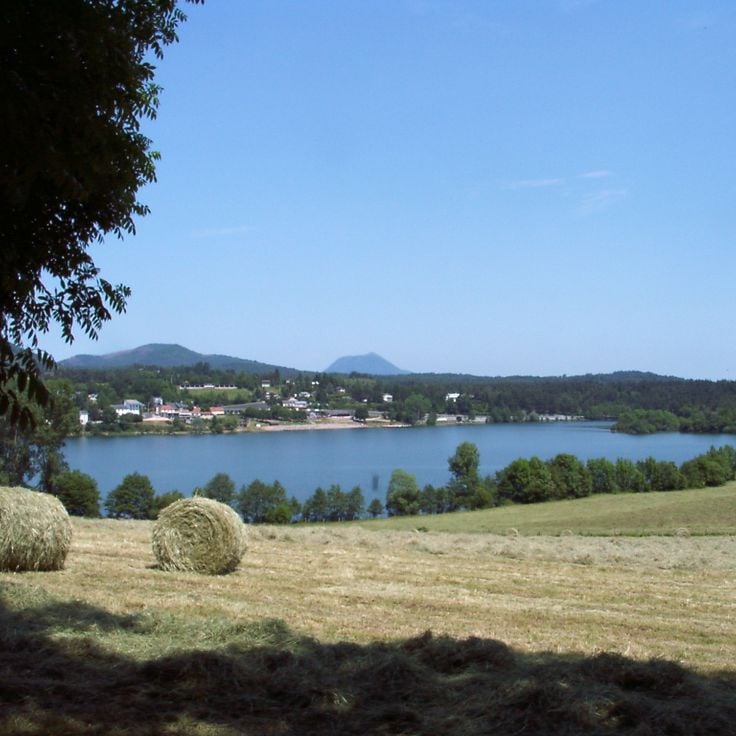
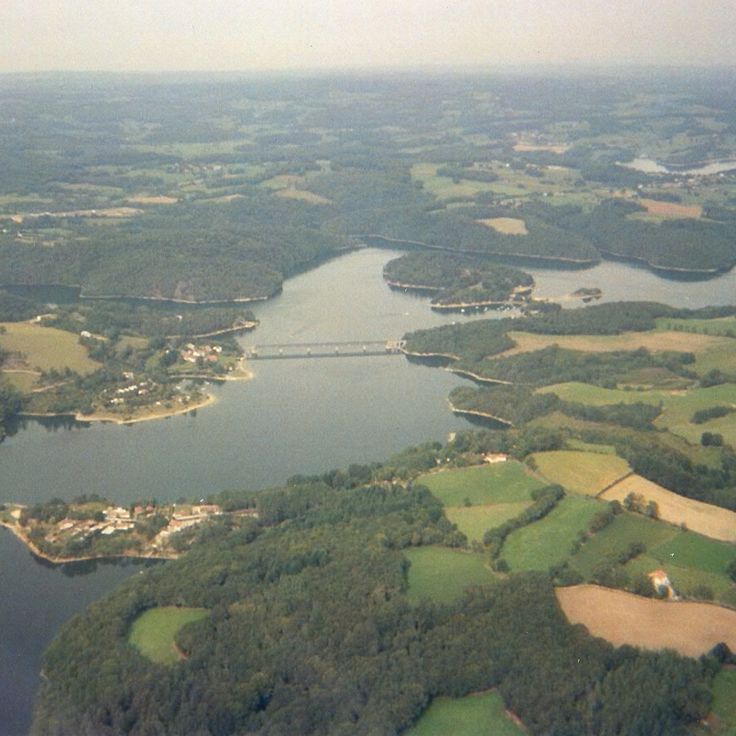
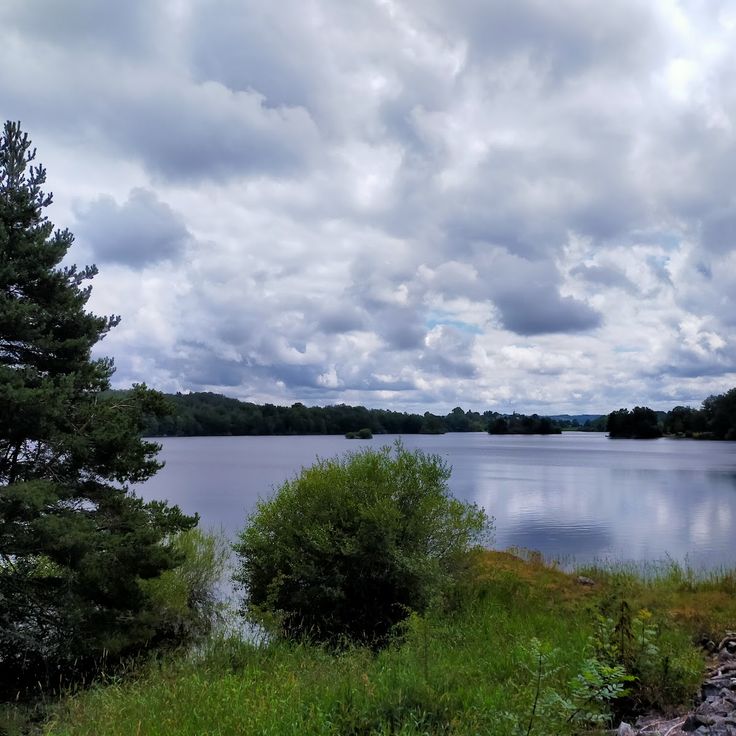
The Lac de Saint-Étienne-Cantalès formed in 1945 after a dam was built on the Cère river. The water stretches in a narrow, winding shape between wooded hills of Cantal. The shores alternate between rocky sections and small coves. In summer, visitors come to swim and fish. Boats cross the calm water surface. Walking paths run along the banks in places. The surroundings remain rural and thinly populated. On sunny days, the green slopes reflect in the water.
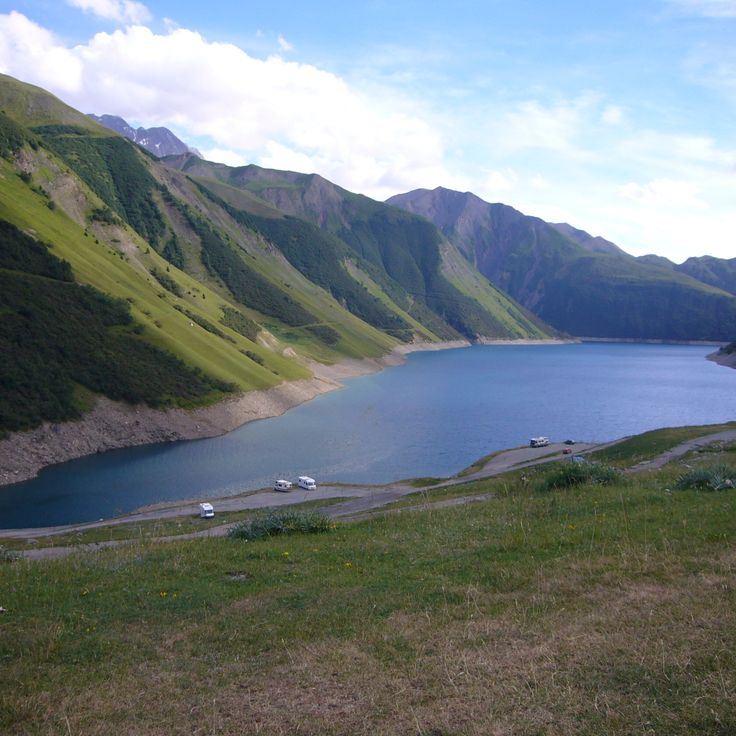
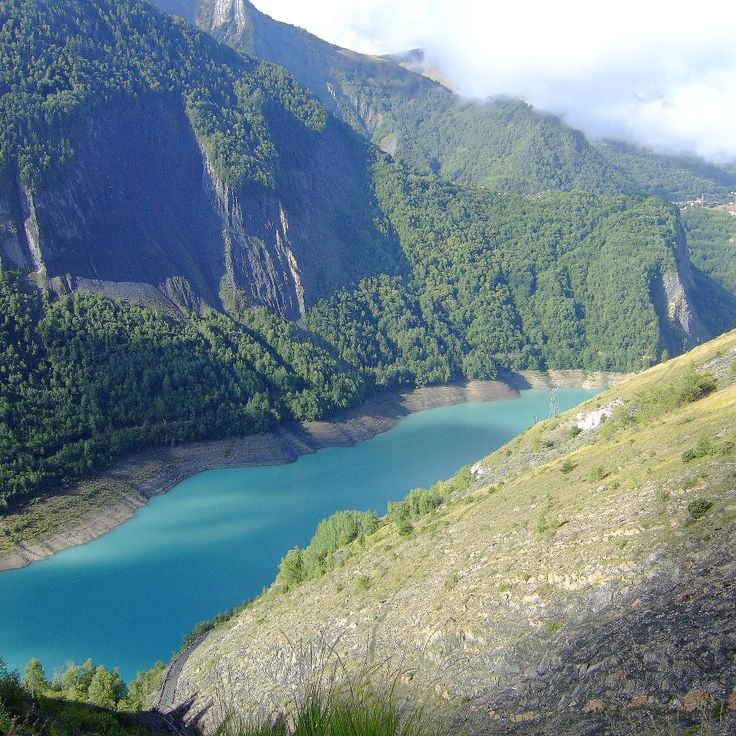
Lac de Grand Maison sits at 5,600 feet (1,700 meters) in the French Alps and belongs to the more recent additions in this collection. This reservoir came into being in 1985 through the construction of a hydroelectric dam. The cold mountain water mirrors the surrounding peaks. Trails run along the shores, where visitors enjoy the quiet of the high mountain landscape. In summer, cows graze on the nearby alpine pastures. The access road climbs in tight switchbacks to the lake. On windless days, the water surface remains smooth between the steep slopes.
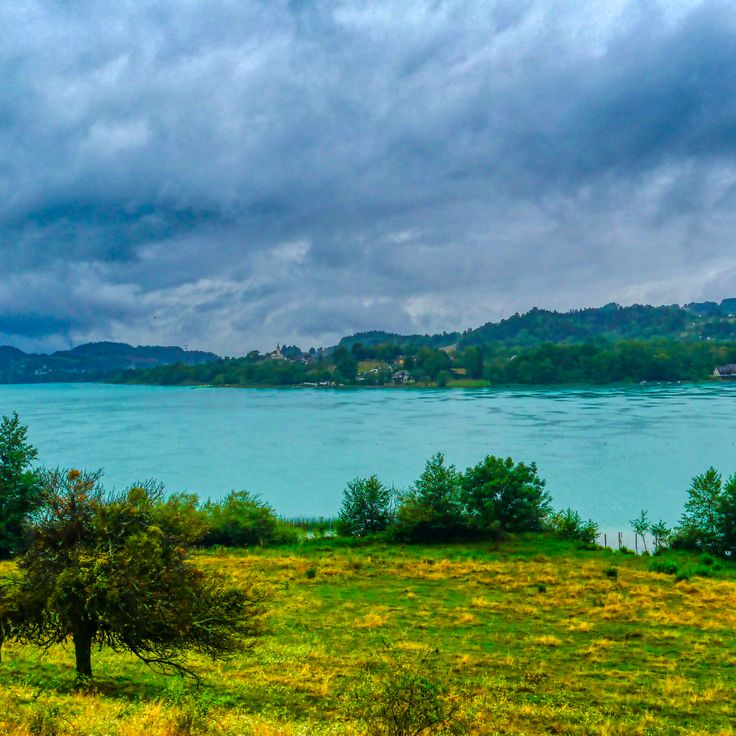
Lac d'Aiguebelette formed during the last ice age as Alpine glaciers withdrew, and now rests between wooded hills. The water shows a greenish color in summer due to algae, warming to around 80 degrees Fahrenheit (27 degrees Celsius) during this season. Five small islands covered with dense trees rise from the surface. The calm setting makes it a place for rowing competitions, and shallow shoreline areas draw walkers and swimmers. On sunny days the surrounding forests reflect on the water. Bird calls and gentle lapping of waves accompany the silence. The lake sits between nature and nearby mountains.
This natural lake lies in the Voironnais area and has a pale limestone bottom that catches the light. The water reaches about 115 feet (35 meters) deep while staying clear enough to see through. The pale bottom gives Lac de Paladru a particular appearance that shifts with weather and time of day. In calm conditions, the wooded shores reflect on the surface. During summer, people come here to swim or go out on boats. Divers also appreciate the visibility underwater. The lake sits in a gentle landscape of low hills, surrounded by small villages and fields that slope down toward the shores.
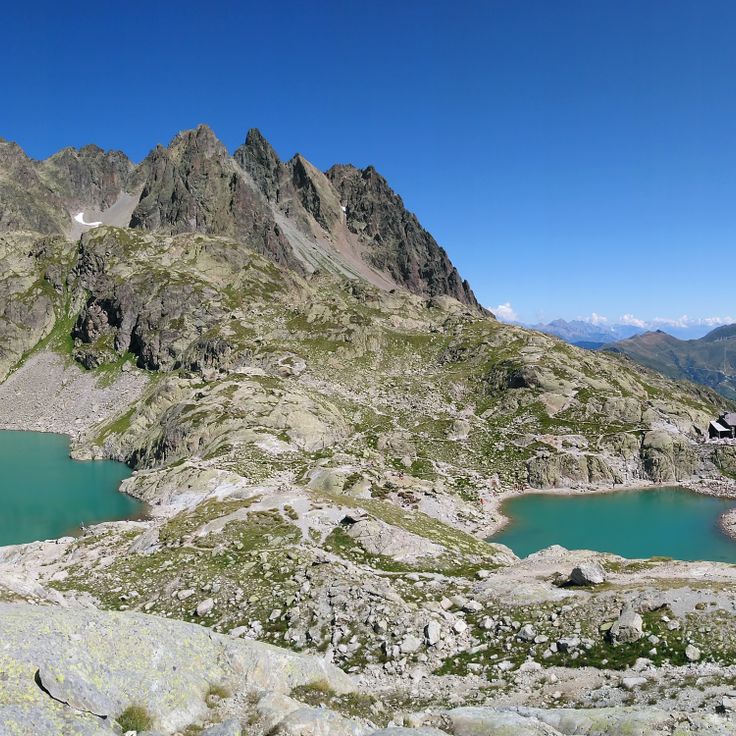
Lac Blanc sits at 7,715 feet (2,352 meters) elevation in the Aiguilles Rouges nature reserve and belongs to the mountain lakes of Auvergne-Rhône-Alpes. The water reflects the peaks of the Mont Blanc massif and shifts in color depending on the light. You reach the lake after a hike through alpine terrain, between meadows and rocks. The surroundings are bare and windy, with little vegetation at this elevation. In summer, hikers come here to enjoy the view and rest by the water. The water stays cold, even in warm weather.
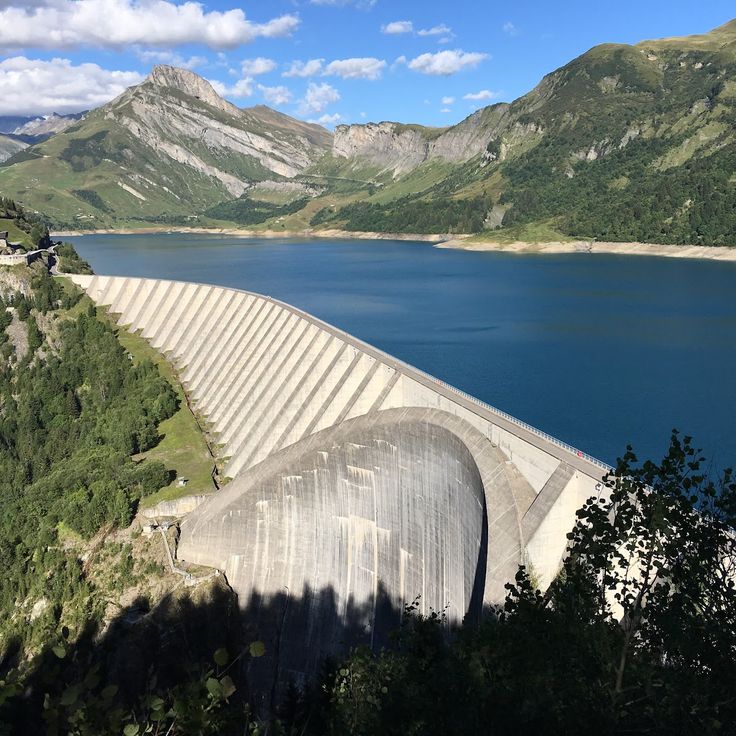
Lac de Roselend was created in 1961 when a dam was built in the Beaufortain range. The water covers around 300 hectares at about 5120 feet (1560 meters) above sea level, surrounded by steep peaks and mountain pastures. This lake is part of the hydroelectric projects completed in the postwar years to harness the power of alpine rivers. In summer, cows graze on the slopes that border the reservoir, and hikers stop here to rest or explore the nearby valleys. The water is cold and clear, the shores are rocky and sometimes flecked with leftover snow. When the water level drops, remnants of the flooded hamlets and an old chapel reappear. The lake connects two valleys and is often crossed by cyclists heading up toward the Cormet de Roselend pass.
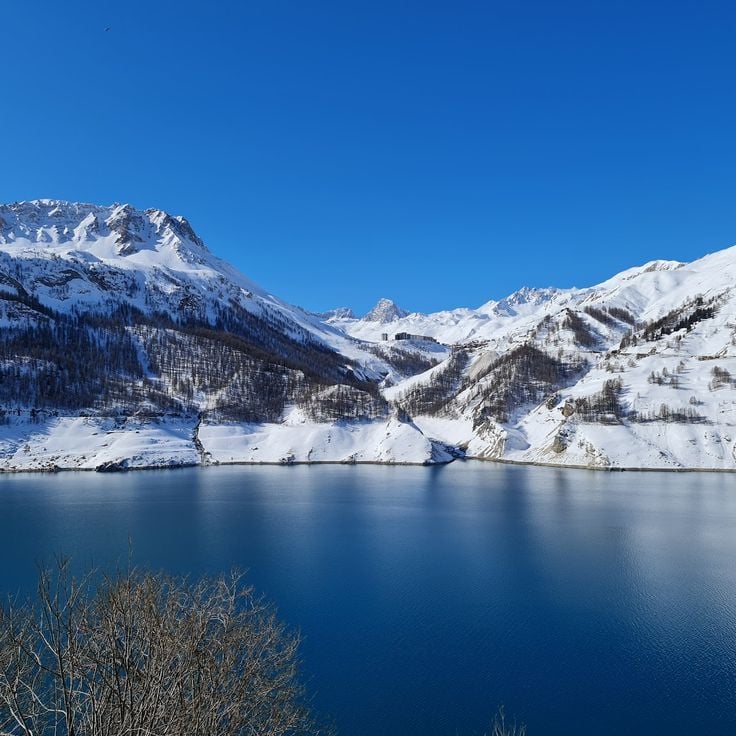
Lac du Chevril formed in 1952 when the Tignes dam was built in the Isère valley, creating a 580-acre reservoir at over 5,580 feet (1,700 meters) elevation in the Savoie Alps. This man-made lake supplies hydroelectric plants and belongs to the collection of reservoirs in the region. In winter the water level drops sharply and exposes the remains of the old village of Tignes, flooded before the dam began operating. In summer the lake refills and the dark blue water reflects the surrounding peaks. Steep shores and changing water levels define this body of water, which fits into the landscape of the upper Isère valley.
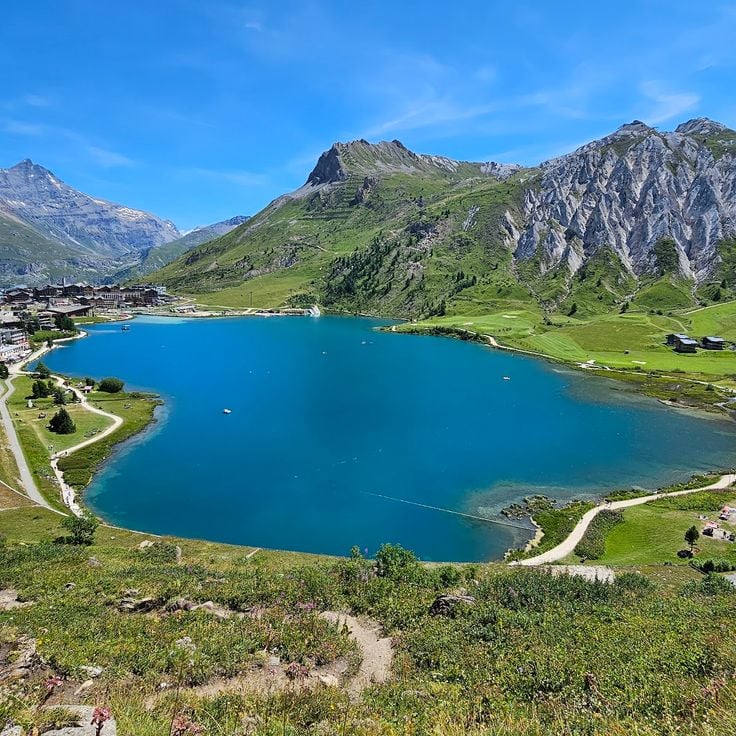
The Lac de Tignes sits at 6,900 feet (2,100 meters) in the Tarentaise valley and collects meltwater from the glaciers of the Grande Motte. This mountain lake formed in the mid-20th century when a dam flooded the old village of Tignes. In summer, surrounding peaks reflect in the calm water while hikers walk along the shores. In winter, the lake often disappears under a thick layer of snow. The area draws mostly skiers who come to one of the highest winter sports resorts in the Alps. The water stays cold year-round, fed by glacial streams flowing down from the steep slopes.
Lac du Chambon sits between the mountains along the Alpine road. The water mirrors the peaks and forests all around. Hiking trails and a cycling path circle the lake. Anglers come here, families picnic on the shore. The bank is rocky in some places, grassy in others. In summer, the water warms up enough for swimming. The lake lies between the Oisans mountains, not far from La Meije glacier. It is one of the Alpine reservoirs created in the 20th century. You reach it by a mountain pass road that continues toward the high peaks. The water color changes with the light and the season.
Lac Chauvet sits in Puy-de-Dôme and fills an old volcanic crater of the Sancy range that formed around 150,000 years ago. This lake rests at 3,858 feet (1,176 meters) above sea level and collects rainwater in a rounded basin that reaches down 207 feet (63 meters). The surrounding slopes carry grass and low trees that whisper in the wind. In summer the water stays cold and clear, in winter the surface sometimes freezes. Hikers stop here and watch the play of light and shadow on the still water.
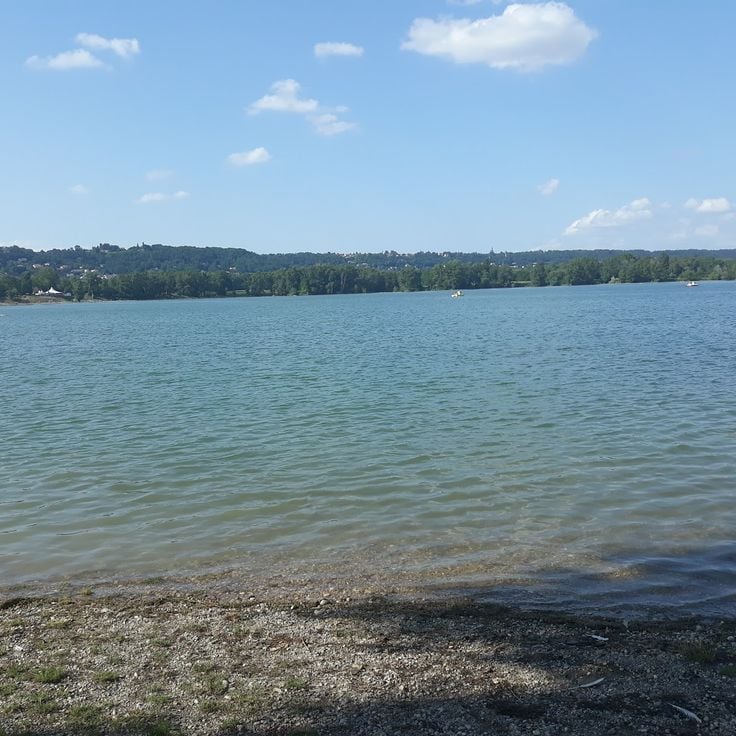
The Lac des Eaux Bleues formed from an old gravel pit and now offers a large body of water with several beaches and swimming areas. During summer, some sections have lifeguards. The water shows the characteristic color of lakes created by gravel extraction. The shores are sometimes covered with plants, sometimes open. People come here to swim, walk along the water, or simply rest by the shore. This lake is among the large recreational lakes in the region and adds to the variety of waters in Auvergne-Rhône-Alpes, each with its own formation story.
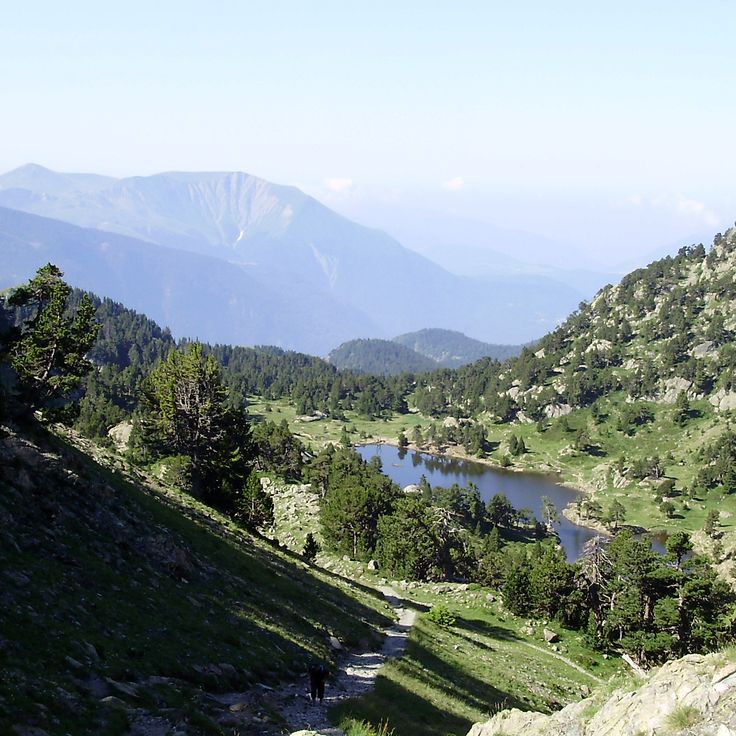
Lac Achard sits at 6,500 feet (2,000 meters) in the Belledonne range and belongs to the mountain lakes of Auvergne-Rhône-Alpes. This natural lake welcomes hikers after a climb through alpine pastures and rocky slopes. The water is cold and clear, surrounded by peaks and scree. In summer, cows sometimes graze nearby. The trail crosses open terrain with wide views over the surrounding valleys. On windless days, the mountains reflect on the water surface. The lake remains frozen several months each year.
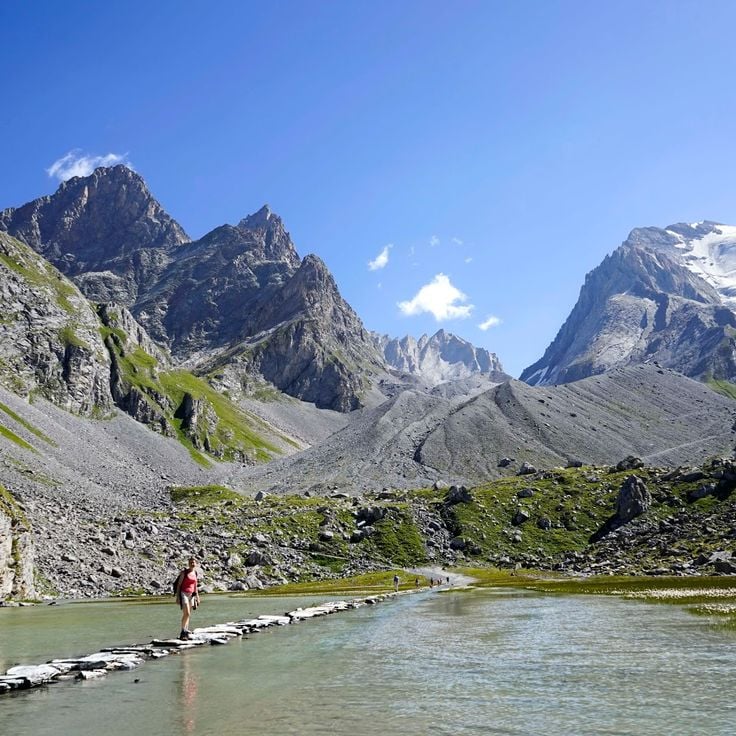
The Lac des Vaches sits at 7600 feet (2318 meters) in the Vanoise massif. This mountain lake fills a hollow between steep slopes in the Alps. The water is cold and clear, fed by melting snow and small springs. The surroundings are made of rock, alpine meadows and scattered patches of snow that often remain into summer. A marked trail leads to the lake, starting from the valley below. The climb takes several hours and crosses alpine terrain. There are no trees near the shores, only low-growing plants. This lake belongs to the high-altitude waters shaped by the glaciers of the region, formed after the ice retreated. The air is thin and the light often harsh.
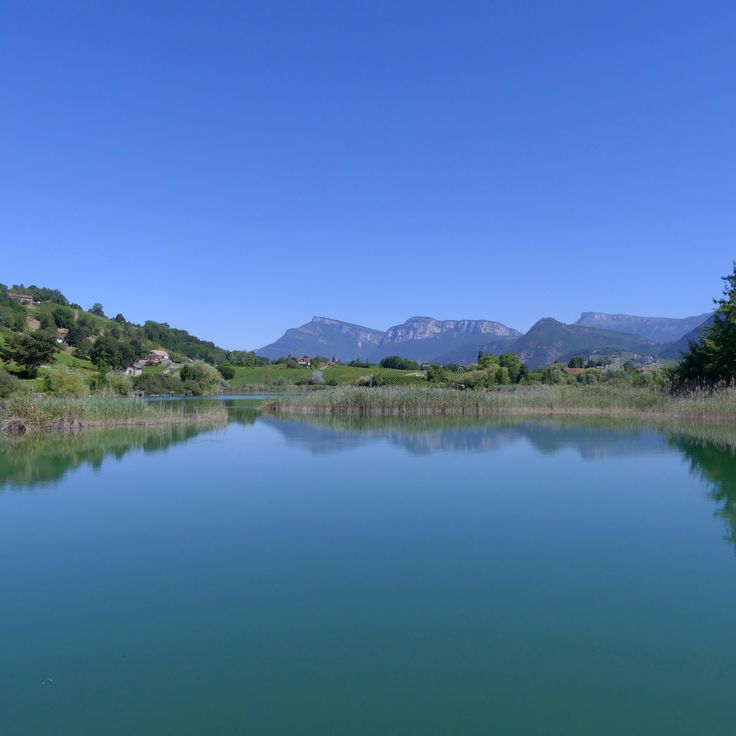
Lac de Saint-André sits in a protected natural area between meadows and reed beds, where the water stays shallow and warms slowly. Cattails and rushes grow along the shore, then open into wet meadows that fill with water depending on the season. In spring and fall, migrating birds stop here, and on calm evenings you hear frogs and toads. Paths follow the shore through tall grass, where dragonflies fly and water birds nest. This lake is one of many bodies of water in Savoie formed after the glaciers retreated.
Lac de Servières sits at 3940 feet (1200 m) inside an old volcanic crater in the Monts Dore. Its round shape recalls the volcanic past. Beech forests grow around the shore and reflect in the water. A footpath circles the lake, passing through the woods and over patches covered with moss. The water remains still even when wind crosses the ridges. In summer, people come here to walk, in autumn the trees turn red and yellow. This lake is one of the smaller volcanic lakes in the region, but it sits higher than many others in the collection of lakes from Auvergne-Rhône-Alpes.
Lac de la Landie sits at 4100 feet (1250 meters) in the Cantal mountains and formed after ancient glaciers retreated. This small lake rests in a hollow at the foot of Puy de la Tourte, surrounded by gentle grassy slopes. The water stays cold and dark throughout the year. Those who walk here find no beaches or lawns, only narrow shores and marshy patches where cows sometimes graze. The place feels remote and nearly empty, with wind sweeping across the water and pulling mist along.
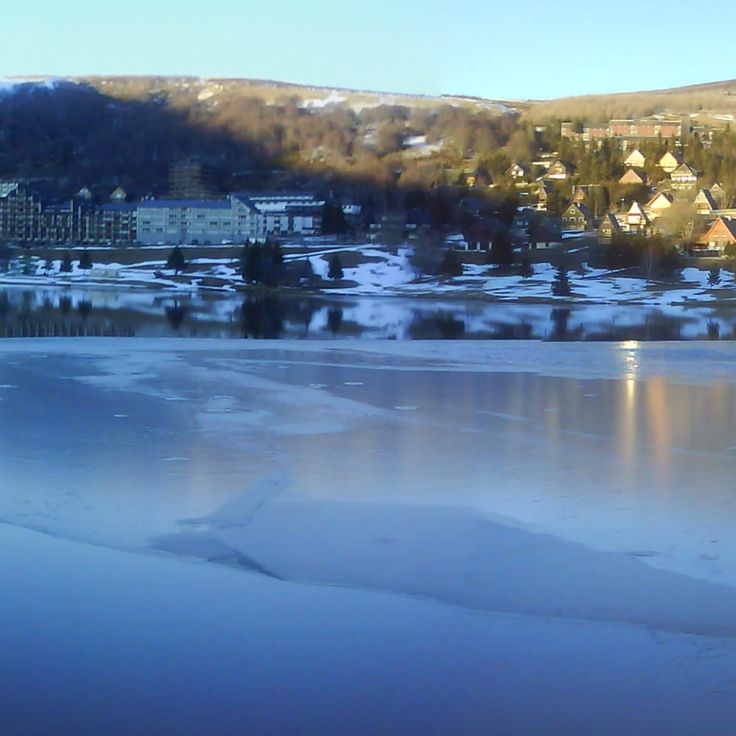
Lac des Hermines is a three-acre artificial reservoir built in 1980, located at 4,430 feet (1,350 meters) of altitude in the ski resort of Super-Besse. This water body sits in the volcanic landscape of the Sancy massif. In winter, the surface often freezes, while in summer the calm water reflects the surrounding peaks. Walking trails circle the shores and offer views of open pastures and nearby mountains. This reservoir fits into the high-altitude terrain and draws hikers and skiers throughout the year.
Lac de Lavalette is a reservoir built in the 1960s in the gorges of the Lignon, now surrounded by wooded hills. The water is used for sailing, windsurfing, and fishing. Along the shores, paths cross quiet landscapes where hikers and cyclists pass through. The surroundings show dense forest and gentle slopes leading down to the water. On warm days, families come to swim or picnic. The shoreline alternates between small coves and open sections with direct access to the water. Outside holiday periods, the place remains generally quiet.
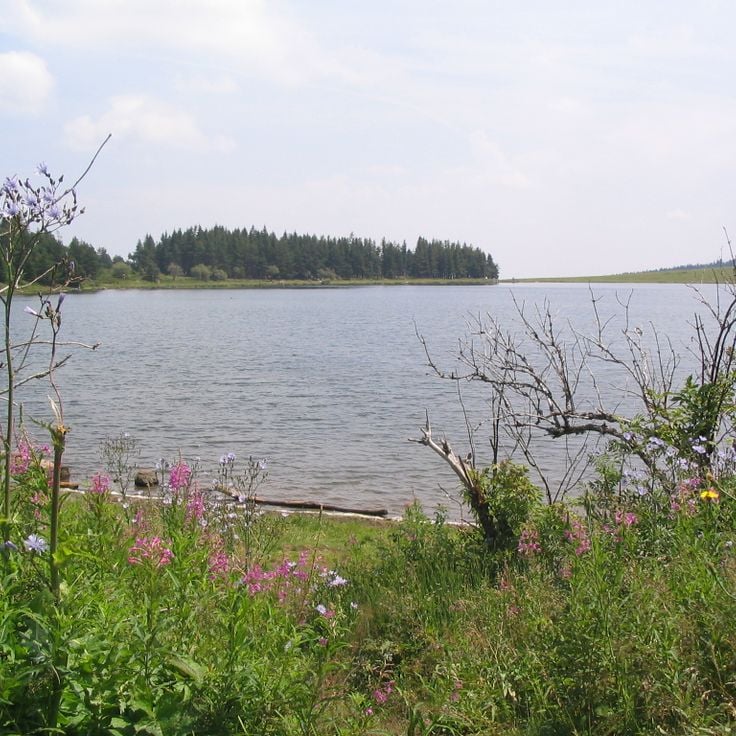
Lac de la Crégut sits at 2,827 feet (862 meters) in the Cantal massif and ranks among the larger natural lakes in the region. This glacial lake covers 34 hectares and is surrounded by pastures and gentle slopes. The water runs cold and clear. Along the shores, marshy zones alternate with reed beds that draw birds. In summer, cows graze nearby; in winter, the surface can freeze. The lake lies off the main roads and is reached by small lanes that wind between meadows and woods. Anglers come here, walkers seek the quiet of the plateau. Light shifts with clouds drifting in from the Atlantic. The area stays calm even in high summer. Lac de la Crégut shows how glaciers from the last ice age shaped this land.
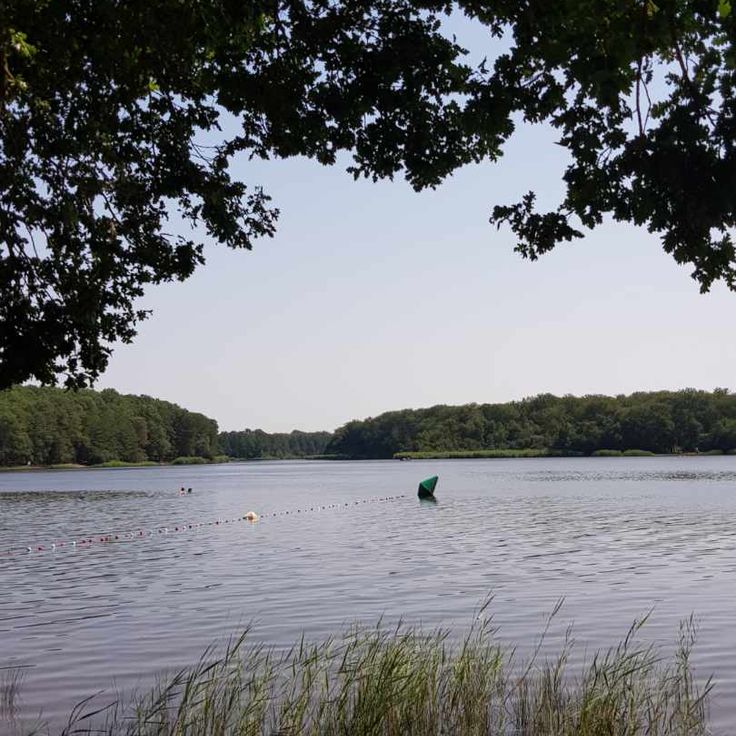
The Lac de Saint-Bonnet-de-Tronçais spreads over roughly 111 acres (45 hectares) along the edge of the Cher. This man-made lake was created as a leisure area and sits within the forested landscapes of the Allier department. The water invites swimming, while the shores are lined with trees. Anglers use the lake regularly, and families come here to picnic on the grassy areas or take walks. The setting is quiet, with the soft sound of water and the shade of surrounding forests. This lake belongs to the group of reservoirs built across the Auvergne-Rhône-Alpes region to provide relaxation and outdoor activities.
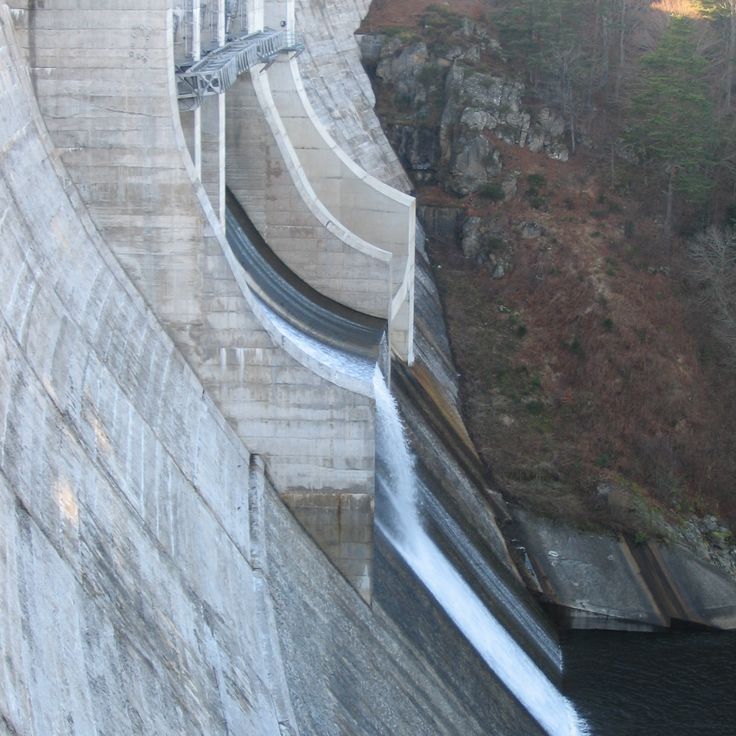
This lake formed in 1947 as an artificial reservoir for a hydroelectric plant in northern Cantal. Situated at 2,732 feet (833 meters) above sea level, Lac de Lastioulles belongs to the dam lakes of the region that generate electricity while becoming places for walking and rest. The water spreads across 311 acres (126 hectares) and sits surrounded by wooded slopes. The shores offer quiet spots for fishing or walking along the water. The landscape combines the quietness of a mountain lake with the technical history of the 20th century. You can see the dam that closes the valley and follow the paths that run along the shore. The lake forms part of the chain of hydroelectric installations that have marked the Massif Central since the postwar period.
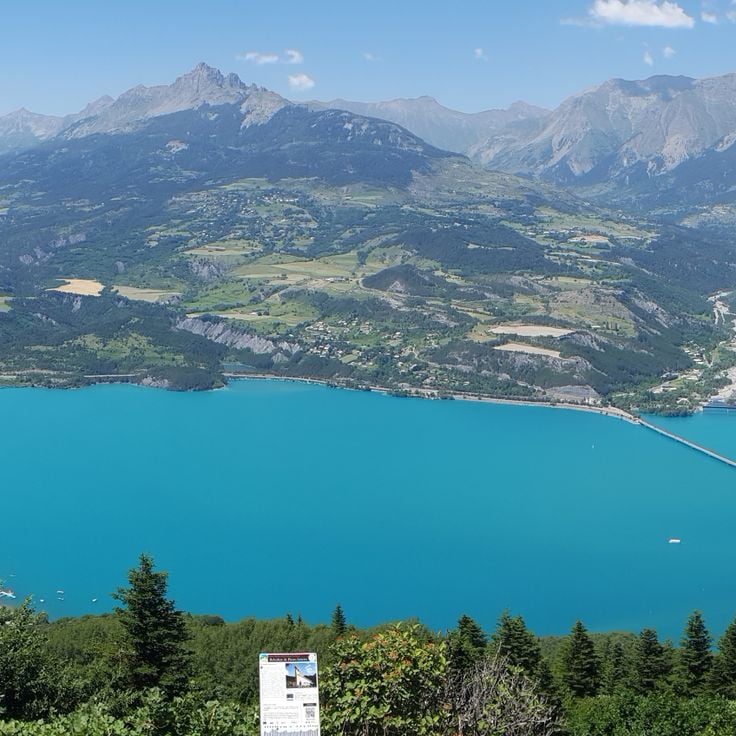
Lac de Serre-Ponçon was created in 1961 when a dam blocked the Durance and Ubaye rivers at their meeting point. The reservoir fills a valley in the Hautes-Alpes and now generates electricity while regulating the flow of the Durance. The shores run along forested slopes and small rocky coves, with the peaks of the southern Alps rising behind them. The water shifts between turquoise and blue depending on the light and weather. Campsites and villages sit along the waterline, drawing more visitors in summer. Some people sail, swim or fish in the lake. Paths follow the shoreline and open views toward the surrounding mountains. Quiet returns in autumn after the beaches see crowds during warmer months.
Lac de Vieure is a man-made lake with Pavillon bleu status in the Bourbonnais bocage. This lake sits in a landscape of gentle hills, hedgerows, meadows and scattered groves. The water is used for swimming, fishing and canoeing. A small beach and grassy areas along the shore welcome families for picnics. The mood stays quiet, even during summer months. Trails circle the lake and offer views over the water and surrounding fields. The lake belongs to the group of man-made lakes in the Auvergne-Rhône-Alpes region, and locals come here for short outings and moments of rest by the water.
Lac de Bort-les-Orgues formed in 1952 after a dam was built where the Dordogne and Rhue rivers meet. The water stretches for several miles and reaches into narrow valleys. The shores show a mix of wooded slopes and small coves. At Lanobre, beaches have been set up where visitors can swim and sunbathe. In summer, people come to sail and fish. The water has a dark color that changes with the light. Some villages disappeared beneath the surface when the dam was built. Today, this lake produces electricity and serves as a place for leisure.
Lac des Gers sits in the mountains of Haute-Savoie and fills a hollow surrounded by grassy slopes. This mountain lake is reached by a hiking trail that crosses pastures and alpine meadows. The water is cold and clear, the shores flat and covered with grass. Around the lake there are no trees, only low plants and rocks. A mountain shelter stands at the water's edge and welcomes hikers from June to September. The place is quiet, wind often blows from the ridge. Cows sometimes graze nearby. In winter snow covers everything, in summer alpine flowers bloom by the water. You can only come here on foot, no road goes up to the lake.
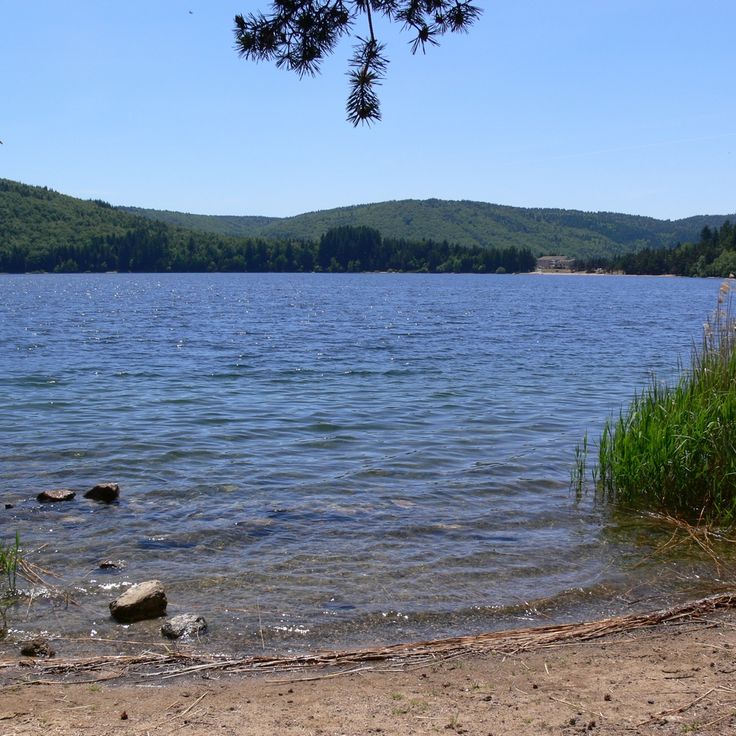
Lac d'Aydat formed when a lava flow blocked a valley. The water rests between wooded slopes and stays cool throughout the year. A trail circles the shoreline, in places trees reach down to the edge. In summer, families come to swim in the shallow zones, others paddle or fish. This lake belongs to the volcanic lakes of the Massif Central and shows how an earlier eruption shaped the landscape. The water is clear enough to see the bottom near the shore. A small beach sits on the north bank, elsewhere reeds grow along the margins.
Lac Pavin fills an almost perfectly circular volcanic crater that formed about 7,000 years ago in the Massif Central. The water reaches more than 295 feet (90 meters) deep and shifts between dark green and blue depending on the light. Dense forests surround the shores, which drop steeply into the water over most of the perimeter. A narrow path circles the crater and opens up views of the water surface in places. The air stays cool even in summer, and the shores remain quiet, with no swimming area or boat traffic. Sometimes you hear birds or the rustling of undergrowth, but little else.
Lake Annecy sits at the foot of the Alps and belongs to the large glacial lakes of the Auvergne-Rhône-Alpes region. This body of water formed after alpine glaciers retreated and extends between mountains and wooded shores. The water is clear and cold, with depths reaching over 260 feet (80 meters). Walking paths circle the lake through villages and parks. Along the shores you find beaches and docks for boats. People use the lake for swimming, sailing, rowing, and rowing boat trips. The surroundings are shaped by forests, meadows, and the peaks of the foothills. This place draws visitors seeking calm waters amid the mountains.
Lake Monteynard formed in 1962 after the construction of the Monteynard-Avignonet dam on the Drac River. The water fills a narrow valley between mountains that often rise more than 330 feet (100 meters) above the surface. The shores alternate between steep slopes and accessible coves. Some areas allow swimming, others sailing or kayaking. The surroundings remain quiet, with a few villages and plenty of forest.
Lac du Bourget formed after a glacier retreated and now stretches between wooded slopes and mountain ridges in the Alps. The water often lies still and reflects the light of the seasons. Small harbors, swimming areas and villages line the shores. In summer, families come to swim, others go out in boats or fish along the banks. Mornings sometimes bring mist over the water, and the air stays cool. The lake lies between Savoie and Jura, and the surroundings invite walking and cycling. Some days the area feels wide and open, others it seems to draw into itself.
Lac du Guéry sits at an elevation of 4100 feet (1250 meters) between the volcanoes of the Chaîne des Puys, surrounded by gentle slopes and open meadows. This mountain lake is part of the glacial and volcanic lakes of the Auvergne-Rhône-Alpes region. The water stays cold and clear all year long. Anglers come here for trout and perch. The area is good for walking, and on still days the surrounding peaks mirror themselves on the motionless surface.
This glacial lake lies in the southern Jura and covers about 350 acres (140 hectares). The water reaches a depth of roughly 130 feet (40 meters), surrounded by wooded slopes and rock formations. Most of the shoreline is accessible and offers pleasant walks. You can swim here, go boating, or fish along the water. The town of Nantua sits right on the shore and has grown up around the lake. On clear days, the surrounding mountains reflect in the water. The lake belongs to the glacial waters of the region, formed after the Alpine glaciers retreated.
Lac Bleu sits in the Meygal massif at 3,940 feet (1,200 meters) above sea level and belongs to the man-made lakes of the Auvergne-Rhône-Alpes region. This lake was built in the 20th century and today draws mostly anglers. The water stays cool even in summer, and the surrounding area consists of meadows and low forests typical of this mid-mountain elevation. Grasses grow along the shores, and a few scattered trees give the lake a quiet character. Hikers reach it by trails that cross open landscapes, and some stop for a few hours to fish or simply watch the water.
Lac d'Issarlès fills a former volcanic crater at 3,280 feet (1,000 meters) elevation in the Massif Central. Like other crater lakes across Auvergne-Rhône-Alpes, it formed through volcanic activity and ranks among the deepest natural lakes in the region. The water reaches a depth of 354 feet (108 meters) and remains cool even in summer. The circular shoreline clearly shows its volcanic origin, while forests cover the surrounding slopes. The lake supplies water to several nearby villages. Depending on the light, the surface appears in shades of blue or almost black.
Lac du Bouchet fills a volcanic crater that formed about 800,000 years ago. The water is cold and clear, and the shores are surrounded by forest. The lake sits at an elevation of about 3,940 feet (1,200 meters) in the Massif Central and belongs to the volcanic lakes of the Auvergne-Rhône-Alpes region. A walking trail circles the crater and offers views of the wooded slopes and the surrounding highlands. The lake is a quiet place that hikers appreciate when exploring the volcanic landscapes of the Massif Central.
The Lac de Saint-Étienne-Cantalès formed in 1945 after a dam was built on the Cère river. The water stretches in a narrow, winding shape between wooded hills of Cantal. The shores alternate between rocky sections and small coves. In summer, visitors come to swim and fish. Boats cross the calm water surface. Walking paths run along the banks in places. The surroundings remain rural and thinly populated. On sunny days, the green slopes reflect in the water.
Lac de Grand Maison sits at 5,600 feet (1,700 meters) in the French Alps and belongs to the more recent additions in this collection. This reservoir came into being in 1985 through the construction of a hydroelectric dam. The cold mountain water mirrors the surrounding peaks. Trails run along the shores, where visitors enjoy the quiet of the high mountain landscape. In summer, cows graze on the nearby alpine pastures. The access road climbs in tight switchbacks to the lake. On windless days, the water surface remains smooth between the steep slopes.
Lac d'Aiguebelette formed during the last ice age as Alpine glaciers withdrew, and now rests between wooded hills. The water shows a greenish color in summer due to algae, warming to around 80 degrees Fahrenheit (27 degrees Celsius) during this season. Five small islands covered with dense trees rise from the surface. The calm setting makes it a place for rowing competitions, and shallow shoreline areas draw walkers and swimmers. On sunny days the surrounding forests reflect on the water. Bird calls and gentle lapping of waves accompany the silence. The lake sits between nature and nearby mountains.
This natural lake lies in the Voironnais area and has a pale limestone bottom that catches the light. The water reaches about 115 feet (35 meters) deep while staying clear enough to see through. The pale bottom gives Lac de Paladru a particular appearance that shifts with weather and time of day. In calm conditions, the wooded shores reflect on the surface. During summer, people come here to swim or go out on boats. Divers also appreciate the visibility underwater. The lake sits in a gentle landscape of low hills, surrounded by small villages and fields that slope down toward the shores.
Lac Blanc sits at 7,715 feet (2,352 meters) elevation in the Aiguilles Rouges nature reserve and belongs to the mountain lakes of Auvergne-Rhône-Alpes. The water reflects the peaks of the Mont Blanc massif and shifts in color depending on the light. You reach the lake after a hike through alpine terrain, between meadows and rocks. The surroundings are bare and windy, with little vegetation at this elevation. In summer, hikers come here to enjoy the view and rest by the water. The water stays cold, even in warm weather.
Lac de Roselend was created in 1961 when a dam was built in the Beaufortain range. The water covers around 300 hectares at about 5120 feet (1560 meters) above sea level, surrounded by steep peaks and mountain pastures. This lake is part of the hydroelectric projects completed in the postwar years to harness the power of alpine rivers. In summer, cows graze on the slopes that border the reservoir, and hikers stop here to rest or explore the nearby valleys. The water is cold and clear, the shores are rocky and sometimes flecked with leftover snow. When the water level drops, remnants of the flooded hamlets and an old chapel reappear. The lake connects two valleys and is often crossed by cyclists heading up toward the Cormet de Roselend pass.
Lac du Chevril formed in 1952 when the Tignes dam was built in the Isère valley, creating a 580-acre reservoir at over 5,580 feet (1,700 meters) elevation in the Savoie Alps. This man-made lake supplies hydroelectric plants and belongs to the collection of reservoirs in the region. In winter the water level drops sharply and exposes the remains of the old village of Tignes, flooded before the dam began operating. In summer the lake refills and the dark blue water reflects the surrounding peaks. Steep shores and changing water levels define this body of water, which fits into the landscape of the upper Isère valley.
The Lac de Tignes sits at 6,900 feet (2,100 meters) in the Tarentaise valley and collects meltwater from the glaciers of the Grande Motte. This mountain lake formed in the mid-20th century when a dam flooded the old village of Tignes. In summer, surrounding peaks reflect in the calm water while hikers walk along the shores. In winter, the lake often disappears under a thick layer of snow. The area draws mostly skiers who come to one of the highest winter sports resorts in the Alps. The water stays cold year-round, fed by glacial streams flowing down from the steep slopes.
Lac du Chambon sits between the mountains along the Alpine road. The water mirrors the peaks and forests all around. Hiking trails and a cycling path circle the lake. Anglers come here, families picnic on the shore. The bank is rocky in some places, grassy in others. In summer, the water warms up enough for swimming. The lake lies between the Oisans mountains, not far from La Meije glacier. It is one of the Alpine reservoirs created in the 20th century. You reach it by a mountain pass road that continues toward the high peaks. The water color changes with the light and the season.
Lac Chauvet sits in Puy-de-Dôme and fills an old volcanic crater of the Sancy range that formed around 150,000 years ago. This lake rests at 3,858 feet (1,176 meters) above sea level and collects rainwater in a rounded basin that reaches down 207 feet (63 meters). The surrounding slopes carry grass and low trees that whisper in the wind. In summer the water stays cold and clear, in winter the surface sometimes freezes. Hikers stop here and watch the play of light and shadow on the still water.
The Lac des Eaux Bleues formed from an old gravel pit and now offers a large body of water with several beaches and swimming areas. During summer, some sections have lifeguards. The water shows the characteristic color of lakes created by gravel extraction. The shores are sometimes covered with plants, sometimes open. People come here to swim, walk along the water, or simply rest by the shore. This lake is among the large recreational lakes in the region and adds to the variety of waters in Auvergne-Rhône-Alpes, each with its own formation story.
Lac Achard sits at 6,500 feet (2,000 meters) in the Belledonne range and belongs to the mountain lakes of Auvergne-Rhône-Alpes. This natural lake welcomes hikers after a climb through alpine pastures and rocky slopes. The water is cold and clear, surrounded by peaks and scree. In summer, cows sometimes graze nearby. The trail crosses open terrain with wide views over the surrounding valleys. On windless days, the mountains reflect on the water surface. The lake remains frozen several months each year.
The Lac des Vaches sits at 7600 feet (2318 meters) in the Vanoise massif. This mountain lake fills a hollow between steep slopes in the Alps. The water is cold and clear, fed by melting snow and small springs. The surroundings are made of rock, alpine meadows and scattered patches of snow that often remain into summer. A marked trail leads to the lake, starting from the valley below. The climb takes several hours and crosses alpine terrain. There are no trees near the shores, only low-growing plants. This lake belongs to the high-altitude waters shaped by the glaciers of the region, formed after the ice retreated. The air is thin and the light often harsh.
Lac de Saint-André sits in a protected natural area between meadows and reed beds, where the water stays shallow and warms slowly. Cattails and rushes grow along the shore, then open into wet meadows that fill with water depending on the season. In spring and fall, migrating birds stop here, and on calm evenings you hear frogs and toads. Paths follow the shore through tall grass, where dragonflies fly and water birds nest. This lake is one of many bodies of water in Savoie formed after the glaciers retreated.
Lac de Servières sits at 3940 feet (1200 m) inside an old volcanic crater in the Monts Dore. Its round shape recalls the volcanic past. Beech forests grow around the shore and reflect in the water. A footpath circles the lake, passing through the woods and over patches covered with moss. The water remains still even when wind crosses the ridges. In summer, people come here to walk, in autumn the trees turn red and yellow. This lake is one of the smaller volcanic lakes in the region, but it sits higher than many others in the collection of lakes from Auvergne-Rhône-Alpes.
Lac de la Landie sits at 4100 feet (1250 meters) in the Cantal mountains and formed after ancient glaciers retreated. This small lake rests in a hollow at the foot of Puy de la Tourte, surrounded by gentle grassy slopes. The water stays cold and dark throughout the year. Those who walk here find no beaches or lawns, only narrow shores and marshy patches where cows sometimes graze. The place feels remote and nearly empty, with wind sweeping across the water and pulling mist along.
Lac des Hermines is a three-acre artificial reservoir built in 1980, located at 4,430 feet (1,350 meters) of altitude in the ski resort of Super-Besse. This water body sits in the volcanic landscape of the Sancy massif. In winter, the surface often freezes, while in summer the calm water reflects the surrounding peaks. Walking trails circle the shores and offer views of open pastures and nearby mountains. This reservoir fits into the high-altitude terrain and draws hikers and skiers throughout the year.
Lac de Lavalette is a reservoir built in the 1960s in the gorges of the Lignon, now surrounded by wooded hills. The water is used for sailing, windsurfing, and fishing. Along the shores, paths cross quiet landscapes where hikers and cyclists pass through. The surroundings show dense forest and gentle slopes leading down to the water. On warm days, families come to swim or picnic. The shoreline alternates between small coves and open sections with direct access to the water. Outside holiday periods, the place remains generally quiet.
Lac de la Crégut sits at 2,827 feet (862 meters) in the Cantal massif and ranks among the larger natural lakes in the region. This glacial lake covers 34 hectares and is surrounded by pastures and gentle slopes. The water runs cold and clear. Along the shores, marshy zones alternate with reed beds that draw birds. In summer, cows graze nearby; in winter, the surface can freeze. The lake lies off the main roads and is reached by small lanes that wind between meadows and woods. Anglers come here, walkers seek the quiet of the plateau. Light shifts with clouds drifting in from the Atlantic. The area stays calm even in high summer. Lac de la Crégut shows how glaciers from the last ice age shaped this land.
The Lac de Saint-Bonnet-de-Tronçais spreads over roughly 111 acres (45 hectares) along the edge of the Cher. This man-made lake was created as a leisure area and sits within the forested landscapes of the Allier department. The water invites swimming, while the shores are lined with trees. Anglers use the lake regularly, and families come here to picnic on the grassy areas or take walks. The setting is quiet, with the soft sound of water and the shade of surrounding forests. This lake belongs to the group of reservoirs built across the Auvergne-Rhône-Alpes region to provide relaxation and outdoor activities.
This lake formed in 1947 as an artificial reservoir for a hydroelectric plant in northern Cantal. Situated at 2,732 feet (833 meters) above sea level, Lac de Lastioulles belongs to the dam lakes of the region that generate electricity while becoming places for walking and rest. The water spreads across 311 acres (126 hectares) and sits surrounded by wooded slopes. The shores offer quiet spots for fishing or walking along the water. The landscape combines the quietness of a mountain lake with the technical history of the 20th century. You can see the dam that closes the valley and follow the paths that run along the shore. The lake forms part of the chain of hydroelectric installations that have marked the Massif Central since the postwar period.
Lac de Serre-Ponçon was created in 1961 when a dam blocked the Durance and Ubaye rivers at their meeting point. The reservoir fills a valley in the Hautes-Alpes and now generates electricity while regulating the flow of the Durance. The shores run along forested slopes and small rocky coves, with the peaks of the southern Alps rising behind them. The water shifts between turquoise and blue depending on the light and weather. Campsites and villages sit along the waterline, drawing more visitors in summer. Some people sail, swim or fish in the lake. Paths follow the shoreline and open views toward the surrounding mountains. Quiet returns in autumn after the beaches see crowds during warmer months.
Lac de Vieure is a man-made lake with Pavillon bleu status in the Bourbonnais bocage. This lake sits in a landscape of gentle hills, hedgerows, meadows and scattered groves. The water is used for swimming, fishing and canoeing. A small beach and grassy areas along the shore welcome families for picnics. The mood stays quiet, even during summer months. Trails circle the lake and offer views over the water and surrounding fields. The lake belongs to the group of man-made lakes in the Auvergne-Rhône-Alpes region, and locals come here for short outings and moments of rest by the water.
Lac de Bort-les-Orgues formed in 1952 after a dam was built where the Dordogne and Rhue rivers meet. The water stretches for several miles and reaches into narrow valleys. The shores show a mix of wooded slopes and small coves. At Lanobre, beaches have been set up where visitors can swim and sunbathe. In summer, people come to sail and fish. The water has a dark color that changes with the light. Some villages disappeared beneath the surface when the dam was built. Today, this lake produces electricity and serves as a place for leisure.
Lac des Gers sits in the mountains of Haute-Savoie and fills a hollow surrounded by grassy slopes. This mountain lake is reached by a hiking trail that crosses pastures and alpine meadows. The water is cold and clear, the shores flat and covered with grass. Around the lake there are no trees, only low plants and rocks. A mountain shelter stands at the water's edge and welcomes hikers from June to September. The place is quiet, wind often blows from the ridge. Cows sometimes graze nearby. In winter snow covers everything, in summer alpine flowers bloom by the water. You can only come here on foot, no road goes up to the lake.
Lac d'Aydat formed when a lava flow blocked a valley. The water rests between wooded slopes and stays cool throughout the year. A trail circles the shoreline, in places trees reach down to the edge. In summer, families come to swim in the shallow zones, others paddle or fish. This lake belongs to the volcanic lakes of the Massif Central and shows how an earlier eruption shaped the landscape. The water is clear enough to see the bottom near the shore. A small beach sits on the north bank, elsewhere reeds grow along the margins.
Lac Pavin fills an almost perfectly circular volcanic crater that formed about 7,000 years ago in the Massif Central. The water reaches more than 295 feet (90 meters) deep and shifts between dark green and blue depending on the light. Dense forests surround the shores, which drop steeply into the water over most of the perimeter. A narrow path circles the crater and opens up views of the water surface in places. The air stays cool even in summer, and the shores remain quiet, with no swimming area or boat traffic. Sometimes you hear birds or the rustling of undergrowth, but little else.
Lake Annecy sits at the foot of the Alps and belongs to the large glacial lakes of the Auvergne-Rhône-Alpes region. This body of water formed after alpine glaciers retreated and extends between mountains and wooded shores. The water is clear and cold, with depths reaching over 260 feet (80 meters). Walking paths circle the lake through villages and parks. Along the shores you find beaches and docks for boats. People use the lake for swimming, sailing, rowing, and rowing boat trips. The surroundings are shaped by forests, meadows, and the peaks of the foothills. This place draws visitors seeking calm waters amid the mountains.
Lake Monteynard formed in 1962 after the construction of the Monteynard-Avignonet dam on the Drac River. The water fills a narrow valley between mountains that often rise more than 330 feet (100 meters) above the surface. The shores alternate between steep slopes and accessible coves. Some areas allow swimming, others sailing or kayaking. The surroundings remain quiet, with a few villages and plenty of forest.
Lac du Bourget formed after a glacier retreated and now stretches between wooded slopes and mountain ridges in the Alps. The water often lies still and reflects the light of the seasons. Small harbors, swimming areas and villages line the shores. In summer, families come to swim, others go out in boats or fish along the banks. Mornings sometimes bring mist over the water, and the air stays cool. The lake lies between Savoie and Jura, and the surroundings invite walking and cycling. Some days the area feels wide and open, others it seems to draw into itself.
Lac du Guéry sits at an elevation of 4100 feet (1250 meters) between the volcanoes of the Chaîne des Puys, surrounded by gentle slopes and open meadows. This mountain lake is part of the glacial and volcanic lakes of the Auvergne-Rhône-Alpes region. The water stays cold and clear all year long. Anglers come here for trout and perch. The area is good for walking, and on still days the surrounding peaks mirror themselves on the motionless surface.
This glacial lake lies in the southern Jura and covers about 350 acres (140 hectares). The water reaches a depth of roughly 130 feet (40 meters), surrounded by wooded slopes and rock formations. Most of the shoreline is accessible and offers pleasant walks. You can swim here, go boating, or fish along the water. The town of Nantua sits right on the shore and has grown up around the lake. On clear days, the surrounding mountains reflect in the water. The lake belongs to the glacial waters of the region, formed after the Alpine glaciers retreated.
Lac Bleu sits in the Meygal massif at 3,940 feet (1,200 meters) above sea level and belongs to the man-made lakes of the Auvergne-Rhône-Alpes region. This lake was built in the 20th century and today draws mostly anglers. The water stays cool even in summer, and the surrounding area consists of meadows and low forests typical of this mid-mountain elevation. Grasses grow along the shores, and a few scattered trees give the lake a quiet character. Hikers reach it by trails that cross open landscapes, and some stop for a few hours to fish or simply watch the water.
Lac d'Issarlès fills a former volcanic crater at 3,280 feet (1,000 meters) elevation in the Massif Central. Like other crater lakes across Auvergne-Rhône-Alpes, it formed through volcanic activity and ranks among the deepest natural lakes in the region. The water reaches a depth of 354 feet (108 meters) and remains cool even in summer. The circular shoreline clearly shows its volcanic origin, while forests cover the surrounding slopes. The lake supplies water to several nearby villages. Depending on the light, the surface appears in shades of blue or almost black.
Lac du Bouchet fills a volcanic crater that formed about 800,000 years ago. The water is cold and clear, and the shores are surrounded by forest. The lake sits at an elevation of about 3,940 feet (1,200 meters) in the Massif Central and belongs to the volcanic lakes of the Auvergne-Rhône-Alpes region. A walking trail circles the crater and offers views of the wooded slopes and the surrounding highlands. The lake is a quiet place that hikers appreciate when exploring the volcanic landscapes of the Massif Central.
The Lac de Saint-Étienne-Cantalès formed in 1945 after a dam was built on the Cère river. The water stretches in a narrow, winding shape between wooded hills of Cantal. The shores alternate between rocky sections and small coves. In summer, visitors come to swim and fish. Boats cross the calm water surface. Walking paths run along the banks in places. The surroundings remain rural and thinly populated. On sunny days, the green slopes reflect in the water.
Lac de Grand Maison sits at 5,600 feet (1,700 meters) in the French Alps and belongs to the more recent additions in this collection. This reservoir came into being in 1985 through the construction of a hydroelectric dam. The cold mountain water mirrors the surrounding peaks. Trails run along the shores, where visitors enjoy the quiet of the high mountain landscape. In summer, cows graze on the nearby alpine pastures. The access road climbs in tight switchbacks to the lake. On windless days, the water surface remains smooth between the steep slopes.
Lac d'Aiguebelette formed during the last ice age as Alpine glaciers withdrew, and now rests between wooded hills. The water shows a greenish color in summer due to algae, warming to around 80 degrees Fahrenheit (27 degrees Celsius) during this season. Five small islands covered with dense trees rise from the surface. The calm setting makes it a place for rowing competitions, and shallow shoreline areas draw walkers and swimmers. On sunny days the surrounding forests reflect on the water. Bird calls and gentle lapping of waves accompany the silence. The lake sits between nature and nearby mountains.
This natural lake lies in the Voironnais area and has a pale limestone bottom that catches the light. The water reaches about 115 feet (35 meters) deep while staying clear enough to see through. The pale bottom gives Lac de Paladru a particular appearance that shifts with weather and time of day. In calm conditions, the wooded shores reflect on the surface. During summer, people come here to swim or go out on boats. Divers also appreciate the visibility underwater. The lake sits in a gentle landscape of low hills, surrounded by small villages and fields that slope down toward the shores.
Lac Blanc sits at 7,715 feet (2,352 meters) elevation in the Aiguilles Rouges nature reserve and belongs to the mountain lakes of Auvergne-Rhône-Alpes. The water reflects the peaks of the Mont Blanc massif and shifts in color depending on the light. You reach the lake after a hike through alpine terrain, between meadows and rocks. The surroundings are bare and windy, with little vegetation at this elevation. In summer, hikers come here to enjoy the view and rest by the water. The water stays cold, even in warm weather.
Lac de Roselend was created in 1961 when a dam was built in the Beaufortain range. The water covers around 300 hectares at about 5120 feet (1560 meters) above sea level, surrounded by steep peaks and mountain pastures. This lake is part of the hydroelectric projects completed in the postwar years to harness the power of alpine rivers. In summer, cows graze on the slopes that border the reservoir, and hikers stop here to rest or explore the nearby valleys. The water is cold and clear, the shores are rocky and sometimes flecked with leftover snow. When the water level drops, remnants of the flooded hamlets and an old chapel reappear. The lake connects two valleys and is often crossed by cyclists heading up toward the Cormet de Roselend pass.
Lac du Chevril formed in 1952 when the Tignes dam was built in the Isère valley, creating a 580-acre reservoir at over 5,580 feet (1,700 meters) elevation in the Savoie Alps. This man-made lake supplies hydroelectric plants and belongs to the collection of reservoirs in the region. In winter the water level drops sharply and exposes the remains of the old village of Tignes, flooded before the dam began operating. In summer the lake refills and the dark blue water reflects the surrounding peaks. Steep shores and changing water levels define this body of water, which fits into the landscape of the upper Isère valley.
The Lac de Tignes sits at 6,900 feet (2,100 meters) in the Tarentaise valley and collects meltwater from the glaciers of the Grande Motte. This mountain lake formed in the mid-20th century when a dam flooded the old village of Tignes. In summer, surrounding peaks reflect in the calm water while hikers walk along the shores. In winter, the lake often disappears under a thick layer of snow. The area draws mostly skiers who come to one of the highest winter sports resorts in the Alps. The water stays cold year-round, fed by glacial streams flowing down from the steep slopes.
Lac du Chambon sits between the mountains along the Alpine road. The water mirrors the peaks and forests all around. Hiking trails and a cycling path circle the lake. Anglers come here, families picnic on the shore. The bank is rocky in some places, grassy in others. In summer, the water warms up enough for swimming. The lake lies between the Oisans mountains, not far from La Meije glacier. It is one of the Alpine reservoirs created in the 20th century. You reach it by a mountain pass road that continues toward the high peaks. The water color changes with the light and the season.
Lac Chauvet sits in Puy-de-Dôme and fills an old volcanic crater of the Sancy range that formed around 150,000 years ago. This lake rests at 3,858 feet (1,176 meters) above sea level and collects rainwater in a rounded basin that reaches down 207 feet (63 meters). The surrounding slopes carry grass and low trees that whisper in the wind. In summer the water stays cold and clear, in winter the surface sometimes freezes. Hikers stop here and watch the play of light and shadow on the still water.
The Lac des Eaux Bleues formed from an old gravel pit and now offers a large body of water with several beaches and swimming areas. During summer, some sections have lifeguards. The water shows the characteristic color of lakes created by gravel extraction. The shores are sometimes covered with plants, sometimes open. People come here to swim, walk along the water, or simply rest by the shore. This lake is among the large recreational lakes in the region and adds to the variety of waters in Auvergne-Rhône-Alpes, each with its own formation story.
Lac Achard sits at 6,500 feet (2,000 meters) in the Belledonne range and belongs to the mountain lakes of Auvergne-Rhône-Alpes. This natural lake welcomes hikers after a climb through alpine pastures and rocky slopes. The water is cold and clear, surrounded by peaks and scree. In summer, cows sometimes graze nearby. The trail crosses open terrain with wide views over the surrounding valleys. On windless days, the mountains reflect on the water surface. The lake remains frozen several months each year.
The Lac des Vaches sits at 7600 feet (2318 meters) in the Vanoise massif. This mountain lake fills a hollow between steep slopes in the Alps. The water is cold and clear, fed by melting snow and small springs. The surroundings are made of rock, alpine meadows and scattered patches of snow that often remain into summer. A marked trail leads to the lake, starting from the valley below. The climb takes several hours and crosses alpine terrain. There are no trees near the shores, only low-growing plants. This lake belongs to the high-altitude waters shaped by the glaciers of the region, formed after the ice retreated. The air is thin and the light often harsh.
Lac de Saint-André sits in a protected natural area between meadows and reed beds, where the water stays shallow and warms slowly. Cattails and rushes grow along the shore, then open into wet meadows that fill with water depending on the season. In spring and fall, migrating birds stop here, and on calm evenings you hear frogs and toads. Paths follow the shore through tall grass, where dragonflies fly and water birds nest. This lake is one of many bodies of water in Savoie formed after the glaciers retreated.
Lac de Servières sits at 3940 feet (1200 m) inside an old volcanic crater in the Monts Dore. Its round shape recalls the volcanic past. Beech forests grow around the shore and reflect in the water. A footpath circles the lake, passing through the woods and over patches covered with moss. The water remains still even when wind crosses the ridges. In summer, people come here to walk, in autumn the trees turn red and yellow. This lake is one of the smaller volcanic lakes in the region, but it sits higher than many others in the collection of lakes from Auvergne-Rhône-Alpes.
Lac de la Landie sits at 4100 feet (1250 meters) in the Cantal mountains and formed after ancient glaciers retreated. This small lake rests in a hollow at the foot of Puy de la Tourte, surrounded by gentle grassy slopes. The water stays cold and dark throughout the year. Those who walk here find no beaches or lawns, only narrow shores and marshy patches where cows sometimes graze. The place feels remote and nearly empty, with wind sweeping across the water and pulling mist along.
Lac des Hermines is a three-acre artificial reservoir built in 1980, located at 4,430 feet (1,350 meters) of altitude in the ski resort of Super-Besse. This water body sits in the volcanic landscape of the Sancy massif. In winter, the surface often freezes, while in summer the calm water reflects the surrounding peaks. Walking trails circle the shores and offer views of open pastures and nearby mountains. This reservoir fits into the high-altitude terrain and draws hikers and skiers throughout the year.
Lac de Lavalette is a reservoir built in the 1960s in the gorges of the Lignon, now surrounded by wooded hills. The water is used for sailing, windsurfing, and fishing. Along the shores, paths cross quiet landscapes where hikers and cyclists pass through. The surroundings show dense forest and gentle slopes leading down to the water. On warm days, families come to swim or picnic. The shoreline alternates between small coves and open sections with direct access to the water. Outside holiday periods, the place remains generally quiet.
Lac de la Crégut sits at 2,827 feet (862 meters) in the Cantal massif and ranks among the larger natural lakes in the region. This glacial lake covers 34 hectares and is surrounded by pastures and gentle slopes. The water runs cold and clear. Along the shores, marshy zones alternate with reed beds that draw birds. In summer, cows graze nearby; in winter, the surface can freeze. The lake lies off the main roads and is reached by small lanes that wind between meadows and woods. Anglers come here, walkers seek the quiet of the plateau. Light shifts with clouds drifting in from the Atlantic. The area stays calm even in high summer. Lac de la Crégut shows how glaciers from the last ice age shaped this land.
The Lac de Saint-Bonnet-de-Tronçais spreads over roughly 111 acres (45 hectares) along the edge of the Cher. This man-made lake was created as a leisure area and sits within the forested landscapes of the Allier department. The water invites swimming, while the shores are lined with trees. Anglers use the lake regularly, and families come here to picnic on the grassy areas or take walks. The setting is quiet, with the soft sound of water and the shade of surrounding forests. This lake belongs to the group of reservoirs built across the Auvergne-Rhône-Alpes region to provide relaxation and outdoor activities.
This lake formed in 1947 as an artificial reservoir for a hydroelectric plant in northern Cantal. Situated at 2,732 feet (833 meters) above sea level, Lac de Lastioulles belongs to the dam lakes of the region that generate electricity while becoming places for walking and rest. The water spreads across 311 acres (126 hectares) and sits surrounded by wooded slopes. The shores offer quiet spots for fishing or walking along the water. The landscape combines the quietness of a mountain lake with the technical history of the 20th century. You can see the dam that closes the valley and follow the paths that run along the shore. The lake forms part of the chain of hydroelectric installations that have marked the Massif Central since the postwar period.
Lac de Serre-Ponçon was created in 1961 when a dam blocked the Durance and Ubaye rivers at their meeting point. The reservoir fills a valley in the Hautes-Alpes and now generates electricity while regulating the flow of the Durance. The shores run along forested slopes and small rocky coves, with the peaks of the southern Alps rising behind them. The water shifts between turquoise and blue depending on the light and weather. Campsites and villages sit along the waterline, drawing more visitors in summer. Some people sail, swim or fish in the lake. Paths follow the shoreline and open views toward the surrounding mountains. Quiet returns in autumn after the beaches see crowds during warmer months.
Lac de Vieure is a man-made lake with Pavillon bleu status in the Bourbonnais bocage. This lake sits in a landscape of gentle hills, hedgerows, meadows and scattered groves. The water is used for swimming, fishing and canoeing. A small beach and grassy areas along the shore welcome families for picnics. The mood stays quiet, even during summer months. Trails circle the lake and offer views over the water and surrounding fields. The lake belongs to the group of man-made lakes in the Auvergne-Rhône-Alpes region, and locals come here for short outings and moments of rest by the water.
Lac de Bort-les-Orgues formed in 1952 after a dam was built where the Dordogne and Rhue rivers meet. The water stretches for several miles and reaches into narrow valleys. The shores show a mix of wooded slopes and small coves. At Lanobre, beaches have been set up where visitors can swim and sunbathe. In summer, people come to sail and fish. The water has a dark color that changes with the light. Some villages disappeared beneath the surface when the dam was built. Today, this lake produces electricity and serves as a place for leisure.
Lac des Gers sits in the mountains of Haute-Savoie and fills a hollow surrounded by grassy slopes. This mountain lake is reached by a hiking trail that crosses pastures and alpine meadows. The water is cold and clear, the shores flat and covered with grass. Around the lake there are no trees, only low plants and rocks. A mountain shelter stands at the water's edge and welcomes hikers from June to September. The place is quiet, wind often blows from the ridge. Cows sometimes graze nearby. In winter snow covers everything, in summer alpine flowers bloom by the water. You can only come here on foot, no road goes up to the lake.
Lac d'Aydat formed when a lava flow blocked a valley. The water rests between wooded slopes and stays cool throughout the year. A trail circles the shoreline, in places trees reach down to the edge. In summer, families come to swim in the shallow zones, others paddle or fish. This lake belongs to the volcanic lakes of the Massif Central and shows how an earlier eruption shaped the landscape. The water is clear enough to see the bottom near the shore. A small beach sits on the north bank, elsewhere reeds grow along the margins.