See the monuments around you in AROpen chests in the app
Around Us is built for your phone — point your camera at the streets and discover the monuments and places around you in augmented reality.Around Us is built for your phone — chests unlock when you walk, explore and capture nearby places.
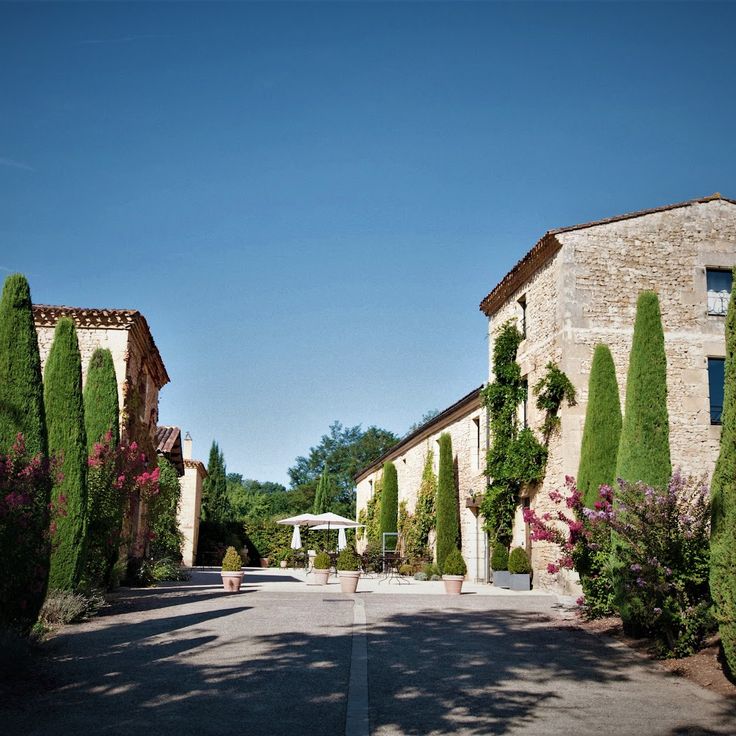
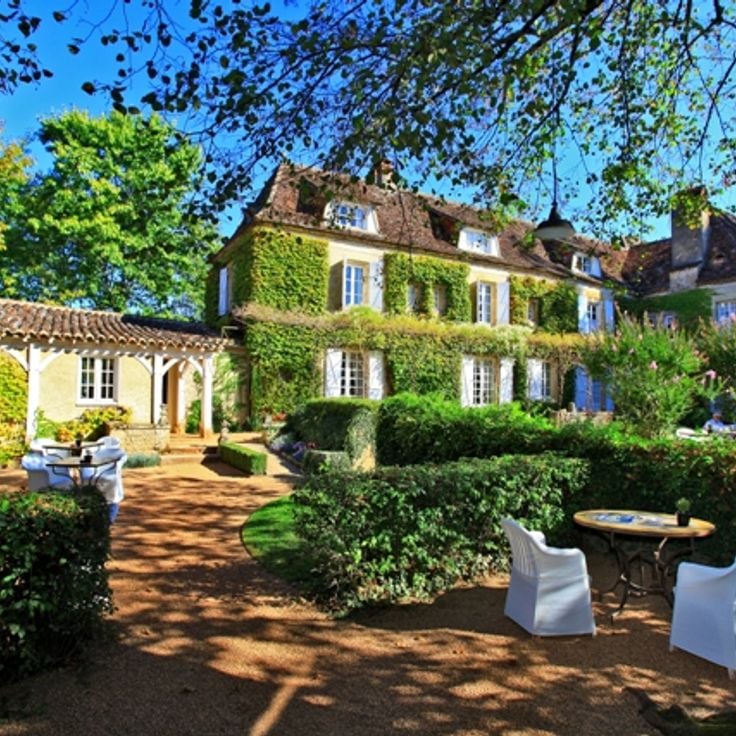
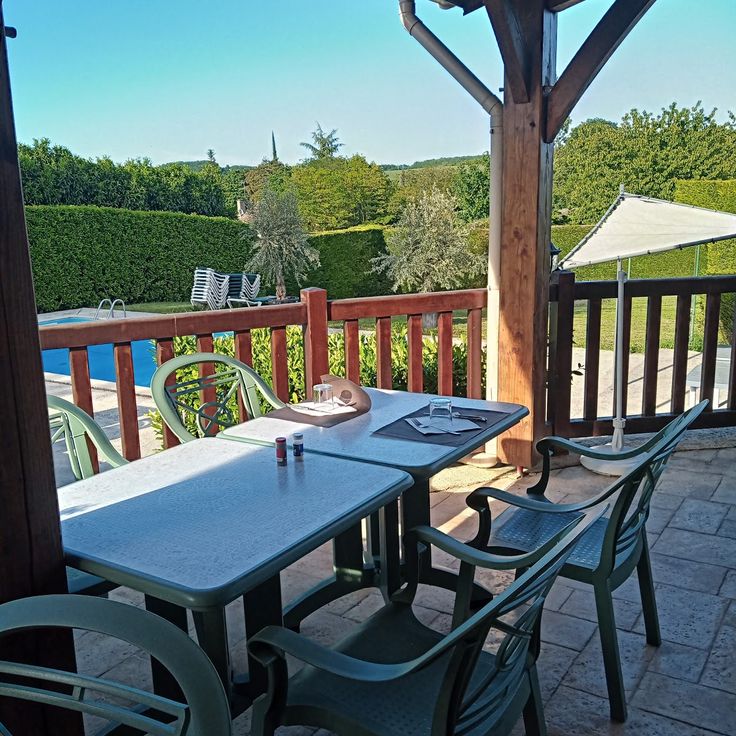
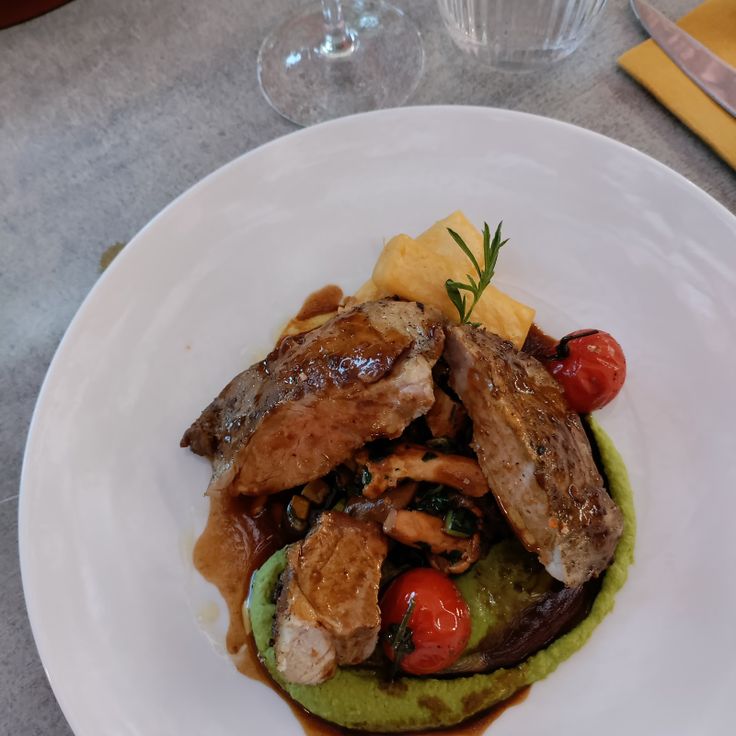
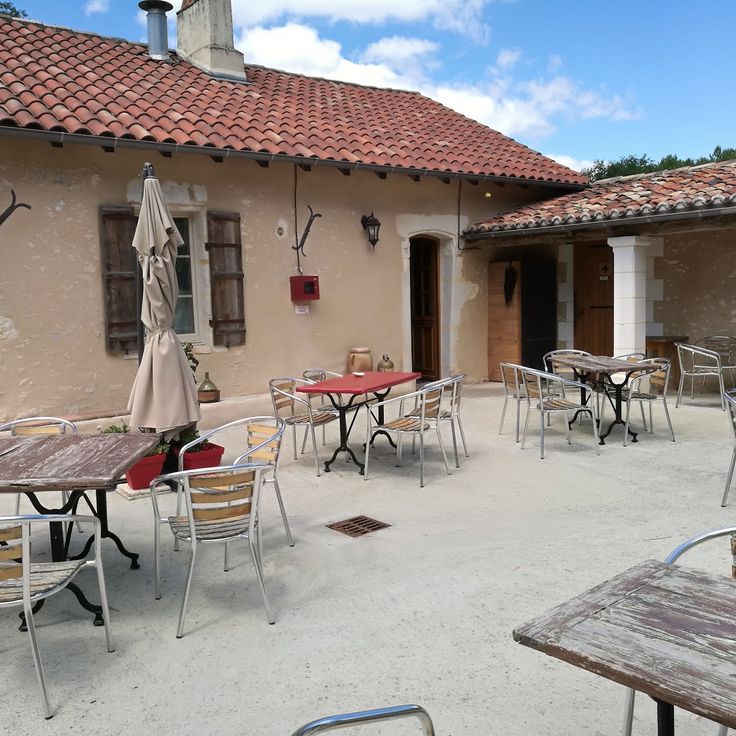
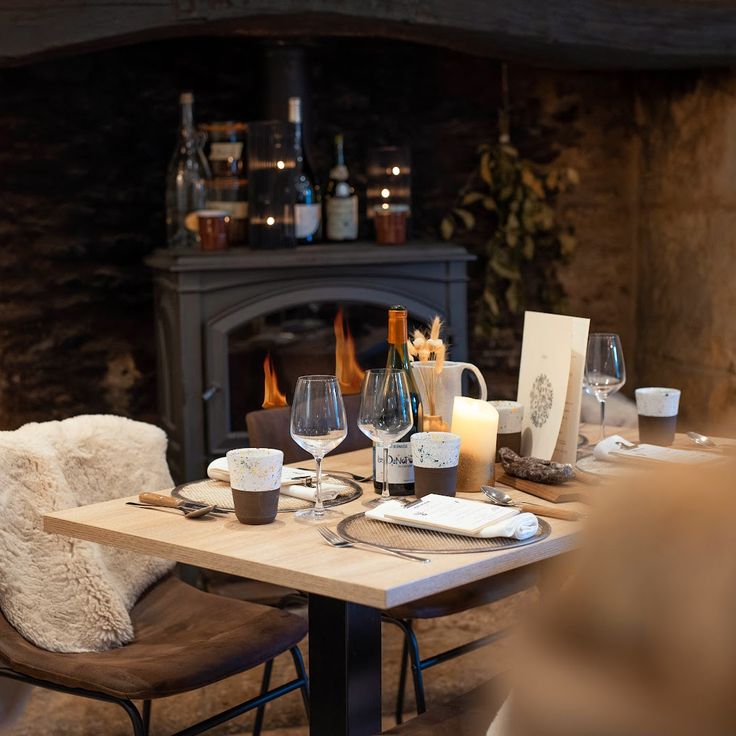
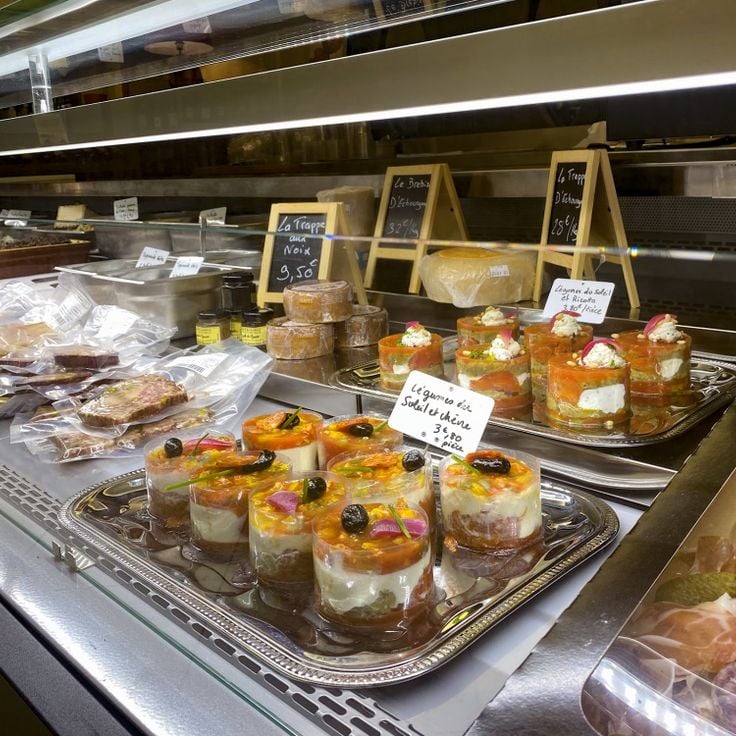
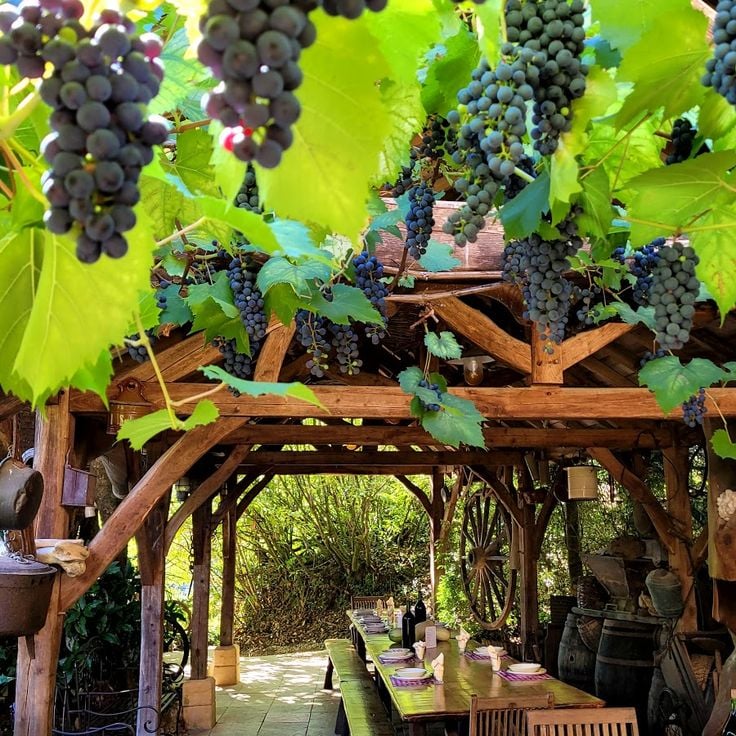
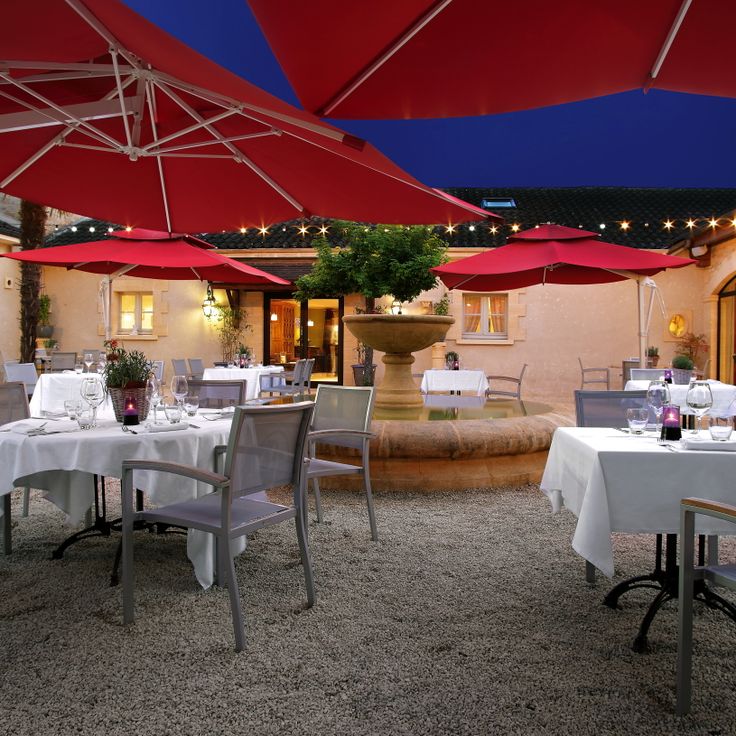
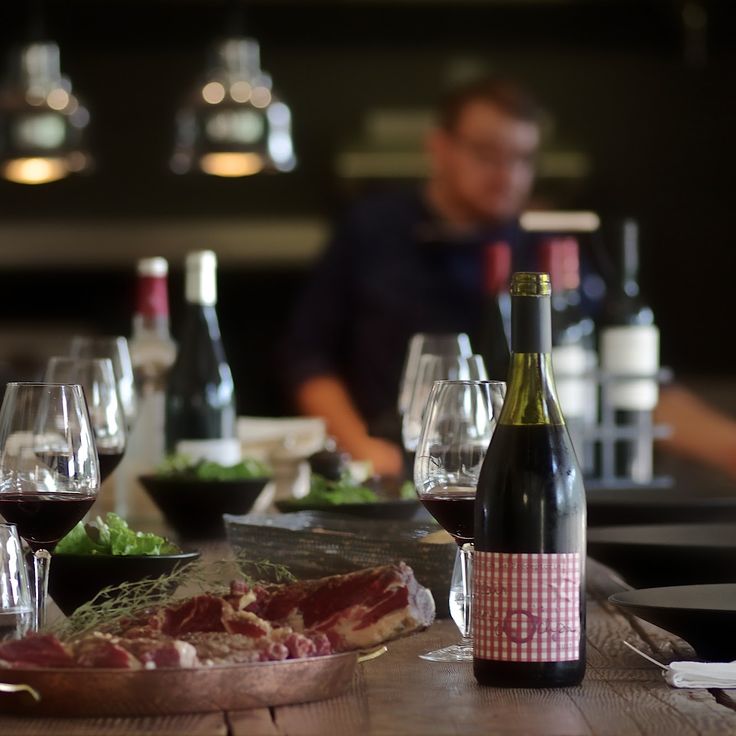
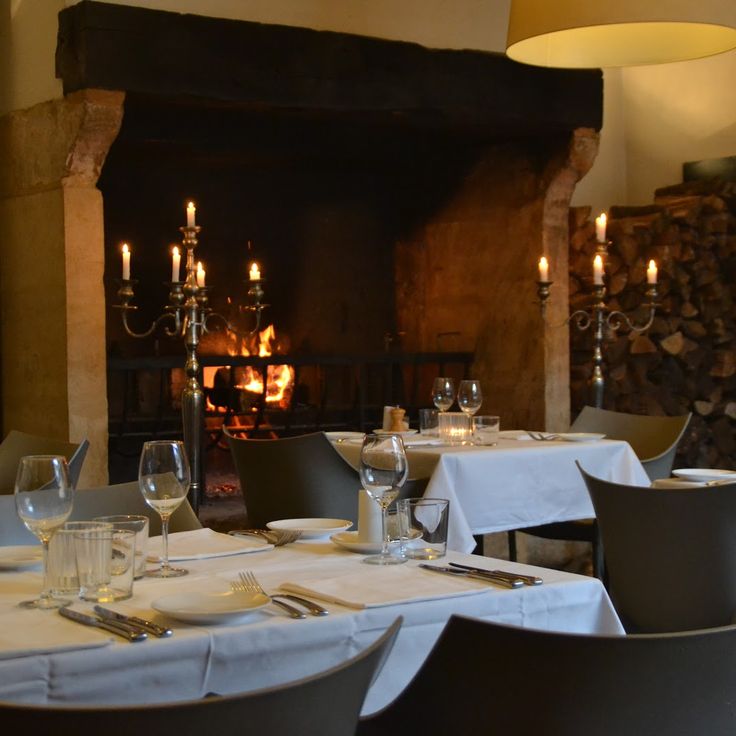
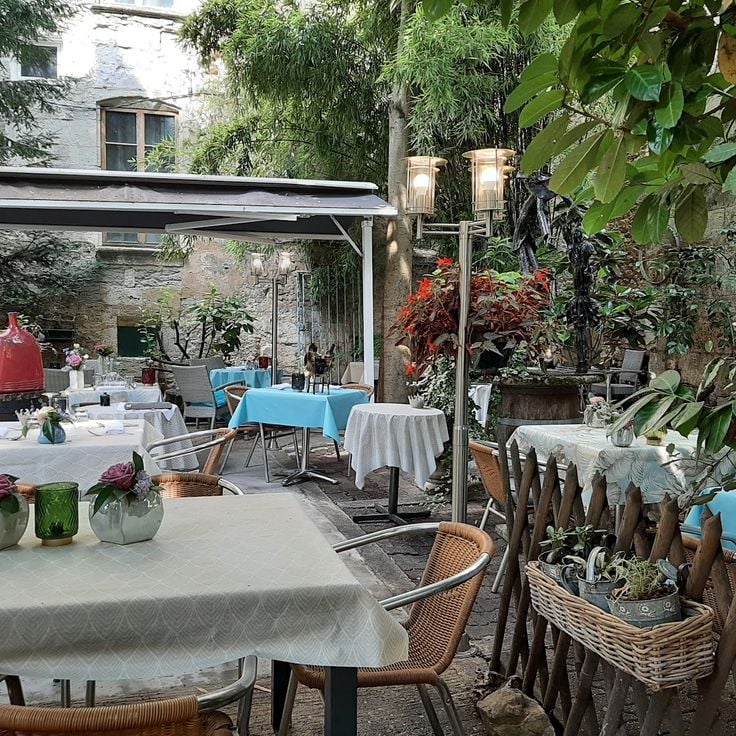
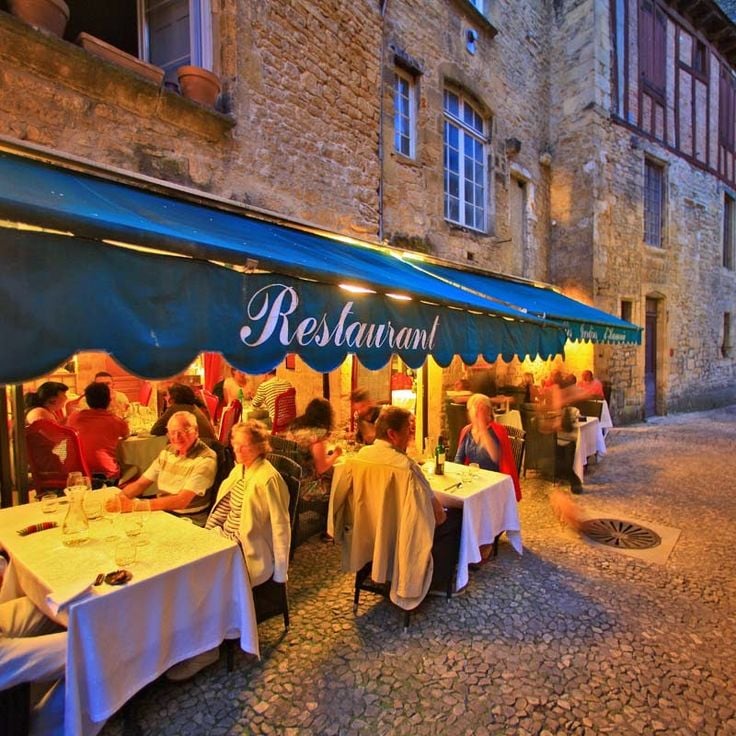
Dordogne's restaurants celebrate the flavors that have defined Périgord cooking for centuries. You'll find black truffles, foie gras, duck, and local cheeses appearing on menus throughout the region, prepared by chefs who source directly from nearby producers and seasonal markets. What makes dining here special is not just the food, but where you eat it. Many of these restaurants occupy historic buildings—old mills, castles, stone farmhouses—each with its own character and story. Walking into these spaces, you step into rooms where people have gathered to share meals for generations.
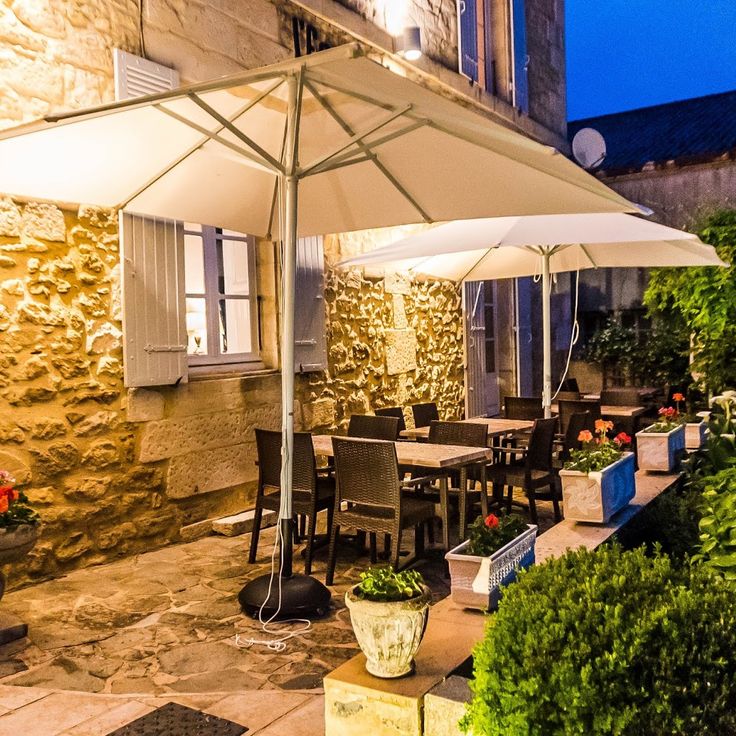
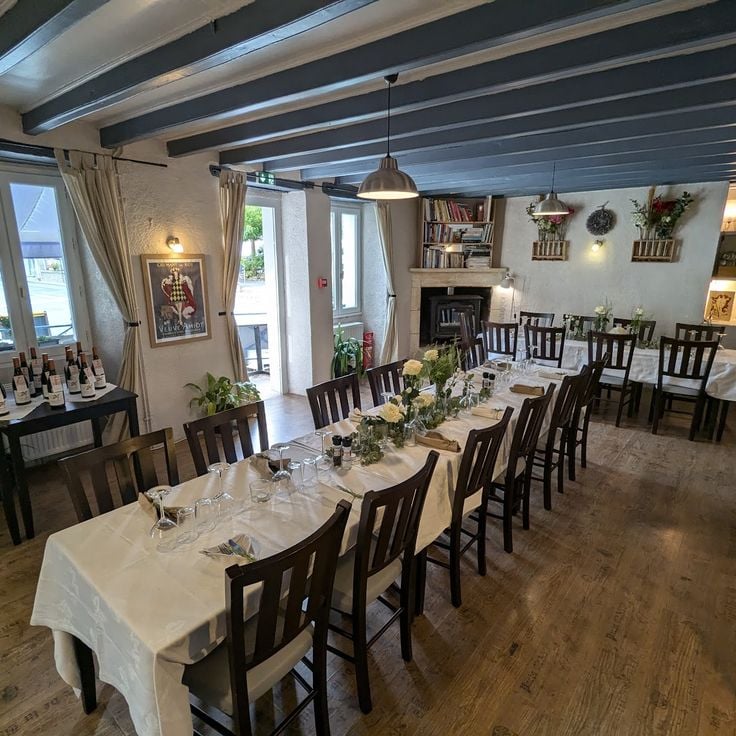
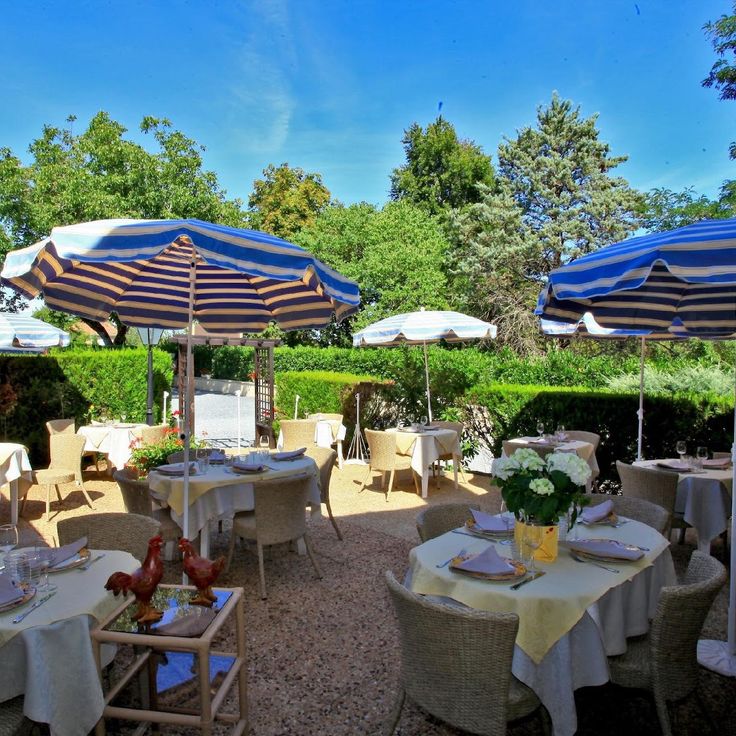
From a converted 17th-century convent in Trémolat with views of manicured gardens, to a 19th-century watermill in Saint-Estèphe overlooking a pond, each restaurant offers a different way to experience Périgord's culinary traditions. Some chefs honor classic recipes exactly as they have always been made, while others bring contemporary techniques to traditional ingredients. Whether you find yourself at a castle table, a riverside terrace, or an intimate dining room in a restored stone house, the focus remains the same: letting the region's finest ingredients speak for themselves, prepared with care and respect for where they come from.
These establishments show how closely food and place are connected in Dordogne. The restaurants work with the seasons, changing their menus as local ingredients become available. In autumn, truffles and game appear; in spring, fresh vegetables and herbs. This rhythm of eating with the seasons, in beautiful old buildings, surrounded by the Périgord landscape, is what draws people back to this corner of southwestern France again and again.
Dordogne's restaurants celebrate the flavors that have defined Périgord cooking for centuries. You'll find black truffles, foie gras, duck, and local cheeses appearing on menus throughout the region, prepared by chefs who source directly from nearby producers and seasonal markets. What makes dining here special is not just the food, but where you eat it. Many of these restaurants occupy historic buildings—old mills, castles, stone farmhouses—each with its own character and story. Walking into these spaces, you step into rooms where people have gathered to share meals for generations.
From a converted 17th-century convent in Trémolat with views of manicured gardens, to a 19th-century watermill in Saint-Estèphe overlooking a pond, each restaurant offers a different way to experience Périgord's culinary traditions. Some chefs honor classic recipes exactly as they have always been made, while others bring contemporary techniques to traditional ingredients. Whether you find yourself at a castle table, a riverside terrace, or an intimate dining room in a restored stone house, the focus remains the same: letting the region's finest ingredients speak for themselves, prepared with care and respect for where they come from.
These establishments show how closely food and place are connected in Dordogne. The restaurants work with the seasons, changing their menus as local ingredients become available. In autumn, truffles and game appear; in spring, fresh vegetables and herbs. This rhythm of eating with the seasons, in beautiful old buildings, surrounded by the Périgord landscape, is what draws people back to this corner of southwestern France again and again.
Le Vieux Logis is a restaurant housed in a 17th-century former convent in Trémolat. The building shows how closely food and place are connected in the Périgord region. The kitchen works with the seasons, using ingredients as they become available—truffles and game in autumn, fresh vegetables and herbs in spring. The dining room opens onto a French garden, and each dish carries the story of the local producers and markets that supply it. Eating here means taking part in a tradition that generations of people have nurtured over time.
L'Escapade des Sens in Thiviers shows how Périgord cooking lives today. The restaurant works with what is in season—truffles in autumn, fresh vegetables in spring—and blends traditional French recipes with modern cooking techniques. The chef sources ingredients from local producers and nearby markets. Here, eating is understood as a connection between the land and the plate.
Le M de Rochebois sits within a 19th-century castle in Vitrac, and it carries forward the culinary traditions that define this corner of Dordogne. The kitchen works with the seasons, preparing dishes from regional products as they become available. The castle itself serves as more than a backdrop—it is part of how food and place connect here. When you dine in these stone walls, you sit where meals have been shared for generations, and the focus stays on ingredients prepared with care and respect for where they come from.
Les Singuliers is a gourmet restaurant in Saint-Astier that fits into the culinary landscape of Dordogne. The restaurant serves contemporary French cuisine and works closely with the seasons. The chef creates menus that change as local ingredients become available. Like other restaurants in the region, Les Singuliers draws on the products that Périgord offers: black truffles, foie gras, duck, and local cheeses. The restaurant shows how closely food and place are connected in Dordogne.
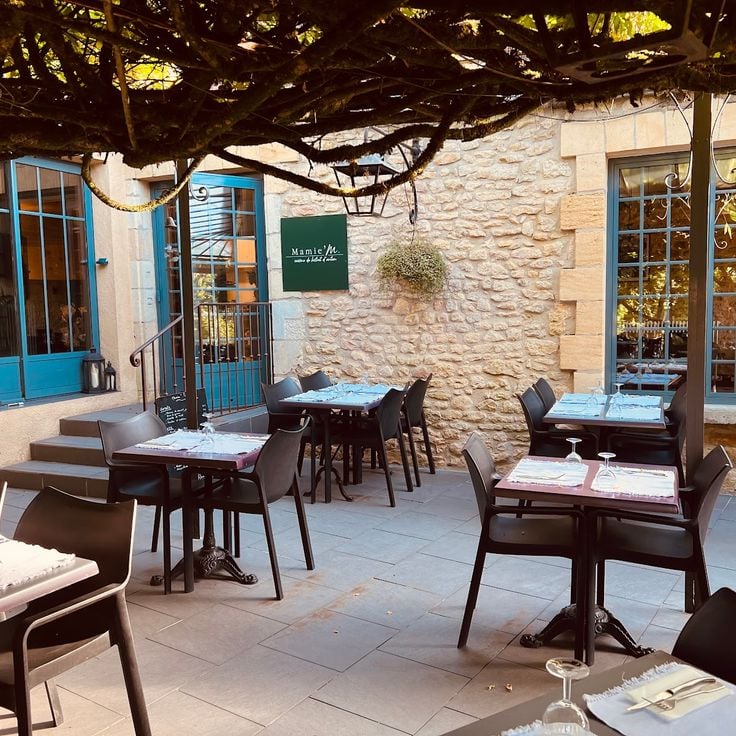
Mamie'M serves traditional Périgord dishes in a stone house overlooking the river, as part of Dordogne's dining scene where chefs source local ingredients directly from nearby producers and seasonal markets. Here you'll find black truffles, foie gras, duck, and local cheeses, prepared with care and respect for where they come from. What makes this place special is not just the food, but the setting itself—an old stone building where people have gathered to share meals for generations. The kitchen follows the rhythm of the seasons, with truffles and game in autumn, fresh vegetables and herbs in spring.
L'Essentiel is a restaurant in Périgueux that reinterprets the classic dishes of Périgord cooking using modern techniques and local ingredients. Here, traditional recipes are given a contemporary approach, with regional products like black truffles, foie gras, and duck at the center of each plate. The restaurant demonstrates how local ingredients can be approached in new ways while maintaining respect for the flavors that have defined this region's culinary traditions.
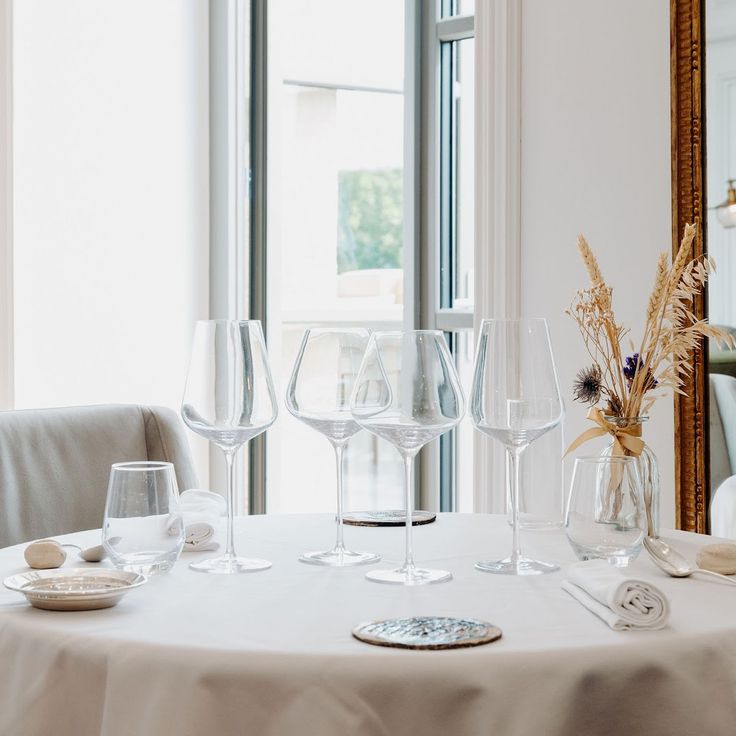
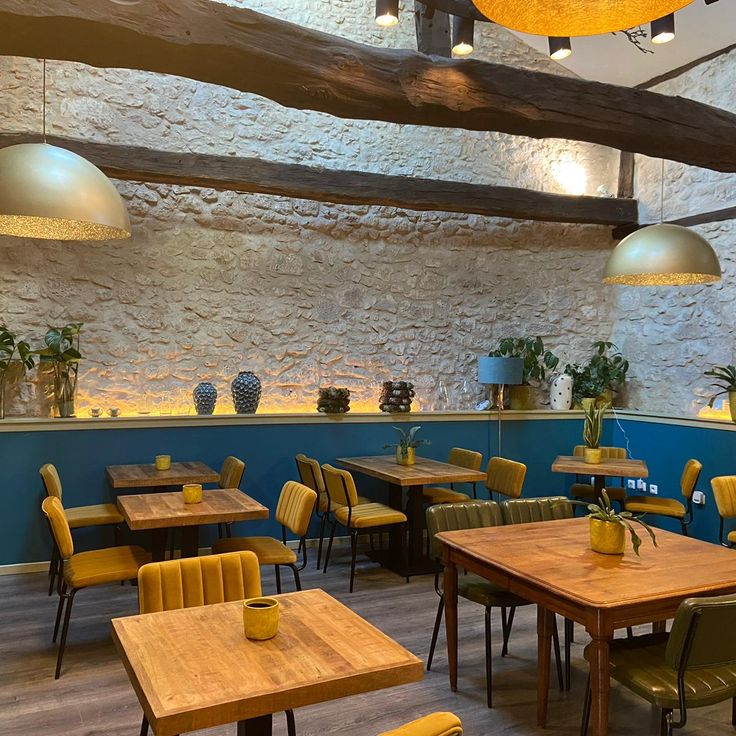
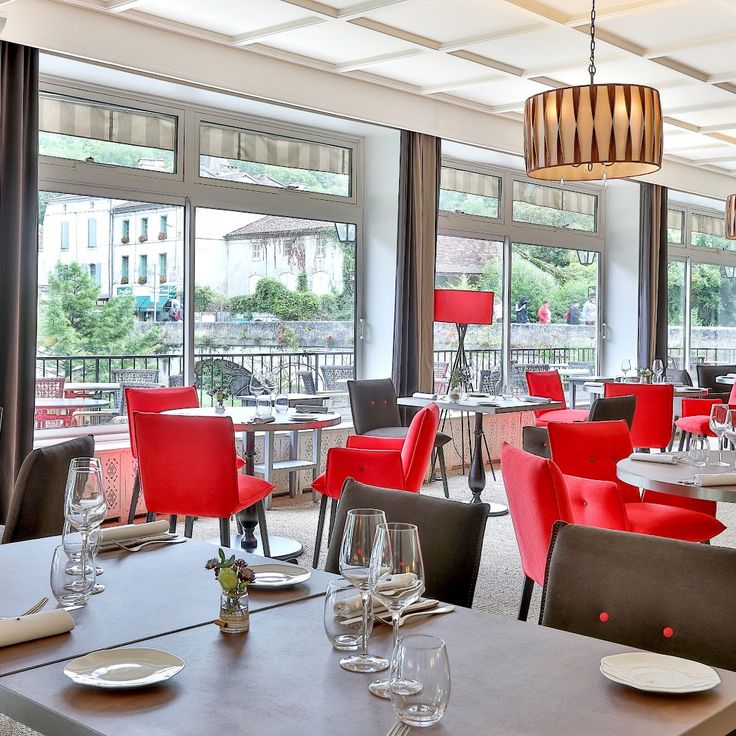
Le Confluence exemplifies how Périgord's culinary traditions embrace contemporary approaches while honoring local ingredients. The restaurant prepares seasonal French cuisine featuring black truffles, foie gras, duck, and regional cheeses sourced directly from nearby producers. Its spacious, bright dining room provides a modern setting for the region's time-honored flavors. Each dish reflects the connection between the Dordogne landscape and the food that comes from it, allowing the finest ingredients to be the focus of every meal.
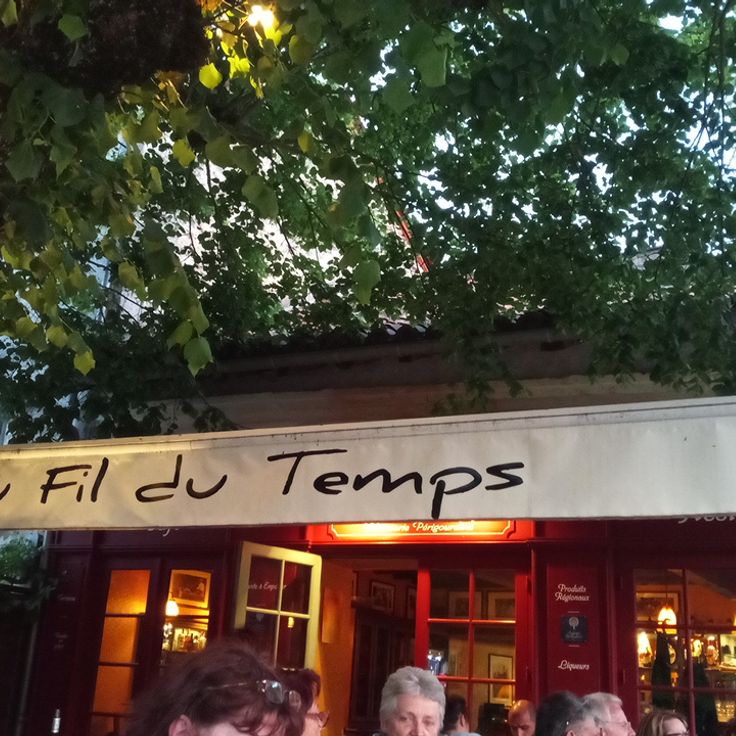
Set in a 16th-century building overlooking the Dronne river, Au Fil du Temps carries forward the Périgord cooking traditions that define this collection of Dordogne restaurants. You dine in rooms with history, where people have gathered for generations to share meals. The menu showcases the region's signature ingredients—black truffles, foie gras, duck, and local cheeses—prepared by chefs who source directly from nearby producers and seasonal markets, honoring both classic recipes and contemporary approaches to traditional ingredients.
Restaurant Renaissance occupies a 16th-century residence and exemplifies this collection of gourmet dining in Dordogne. The restaurant combines regional products—truffles, foie gras, duck—with modern cooking techniques. Its kitchen changes menus with the seasons as local ingredients become available. Guests dine indoors or on the terrace, experiencing how closely food and place connect in Périgord cooking, where ingredients are sourced directly from nearby producers and prepared with respect for their origins.
Le Moulin du Grand Étang is a restaurant housed in a 19th-century watermill. Located in Saint-Estèphe, it embodies the culinary traditions of Périgord. The restaurant sources ingredients from local producers and seasonal markets, honoring regional recipes and techniques. Diners enjoy views of the pond from the dining room, where the building's history as a working mill becomes part of the experience. This is one of those places where the food and the setting are inseparable—eating here means experiencing both the flavors of the region and the landscape that produces them.
Chez Hannah is a family restaurant in Cherval that celebrates French cuisine with Mediterranean influences. Vegetables come from the owners' personal garden, bringing direct freshness to every dish. This restaurant embodies Dordogne's approach to dining: local and seasonal ingredients, prepared with care in a setting full of character and history.
Étincelles occupies a former post house, bringing together Périgord's culinary heritage with influences from the chef's travels. Working with local ingredients such as black truffles, foie gras, and duck, the chef honors regional traditions while adding contemporary touches. The historic building, which once welcomed travelers over the centuries, provides an intimate setting where you can experience how local products are prepared with care and creativity. Here, the restaurant shows how Périgord cooking connects to the wider world.
Brin de Thym is a restaurant in a renovated farm that celebrates the flavors defining Périgord cooking for centuries. Here you'll find black truffles, foie gras, duck, and local cheeses on the menu, prepared by chefs who source directly from nearby producers and seasonal markets. The menu changes with the seasons and the arrival of local ingredients. In autumn, truffles and game appear; in spring, fresh vegetables and herbs take their place.
Chez Bonnebouche represents the heart of gourmet dining in Dordogne, celebrating the flavors that have shaped Périgord cooking for centuries. Set within this restaurant's old stone farmhouse, the dining room honors regional traditions by serving local products—black truffles, foie gras, duck, and seasonal ingredients—prepared with care and respect for their origins. The historic setting itself becomes part of the experience, a space where gathering around a table connects diners to generations of culinary tradition in southwestern France.
Le Boïdicou sits in a Périgord house and participates in Dordogne's dining tradition that has shaped regional cooking for centuries. This restaurant serves traditional dishes like confit de canard and black truffle when in season. The kitchen sources ingredients from nearby producers and follows the rhythm of local markets. In these rooms where people have gathered for meals across generations, the connection between food and place becomes clear.
L'Eclade is a restaurant situated along the Isle river, specializing in fish and seafood. The restaurant demonstrates how Dordogne's kitchens draw from local waters and prepare seasonal catches with skill. The terrace allows diners to eat outdoors, enjoying views of the water while experiencing traditional Périgord cooking techniques in contemporary interpretations.
The Auberge de Layotte in Tursac serves French cuisine made with local Périgord products, representing the culinary tradition this collection celebrates. The restaurant changes its menu with the seasons, working with fresh ingredients grown in the region. Here, careful preparation and regional sourcing come together to show how closely food and place connect in Dordogne.
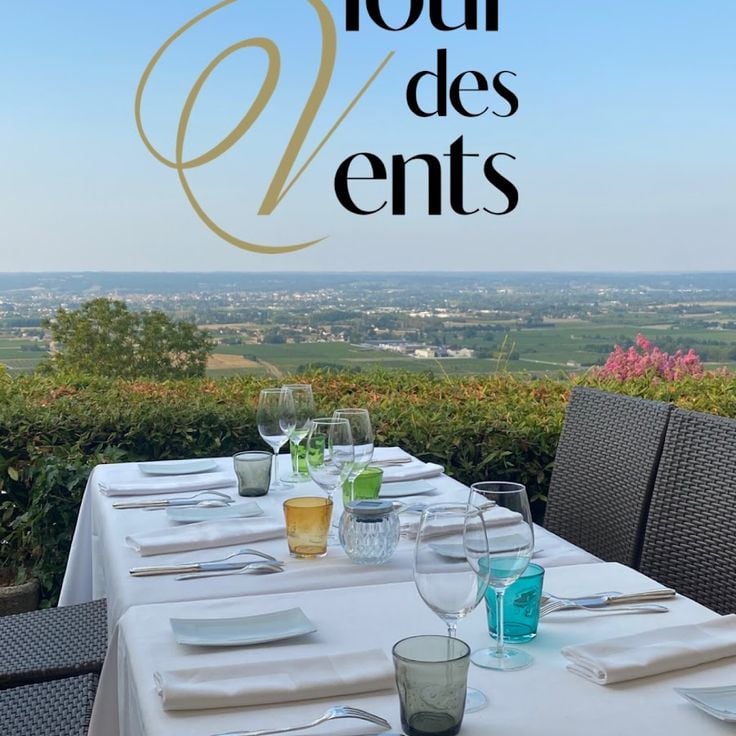
La Tour des Vents occupies a 16th-century windmill and represents the restaurants of Dordogne that serve traditional Périgord cooking in historic spaces. Here you'll find the ingredients that define this region: black truffles, foie gras, duck, and local cheeses, prepared by chefs who work directly with nearby producers and seasonal markets. What makes dining here special is not just the food, but the setting itself. The old stone walls and history of this mill building create a space where people have gathered for meals across generations. The wine list focuses on local productions, showing how closely food and place are connected in Dordogne.
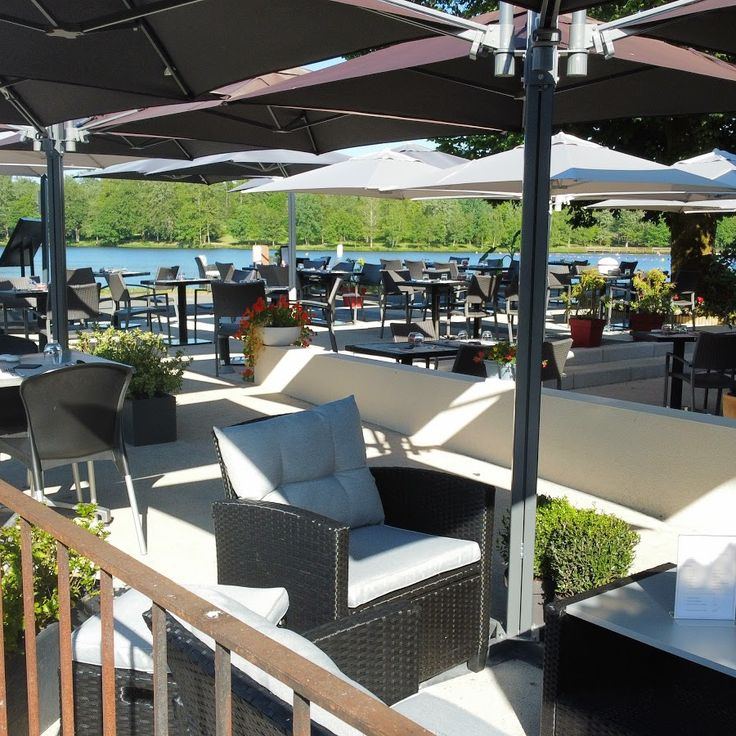
Ô Moulin is a restaurant in a former mill that focuses on Périgord specialties and contemporary dishes. This establishment shows how closely food and place are connected in Dordogne. The kitchen works with the seasons, changing menus as local ingredients become available. In autumn, truffles and game appear; in spring, fresh vegetables and herbs. The terrace of Ô Moulin overlooks the Dordogne river and offers guests a place where people have gathered to share meals for generations.
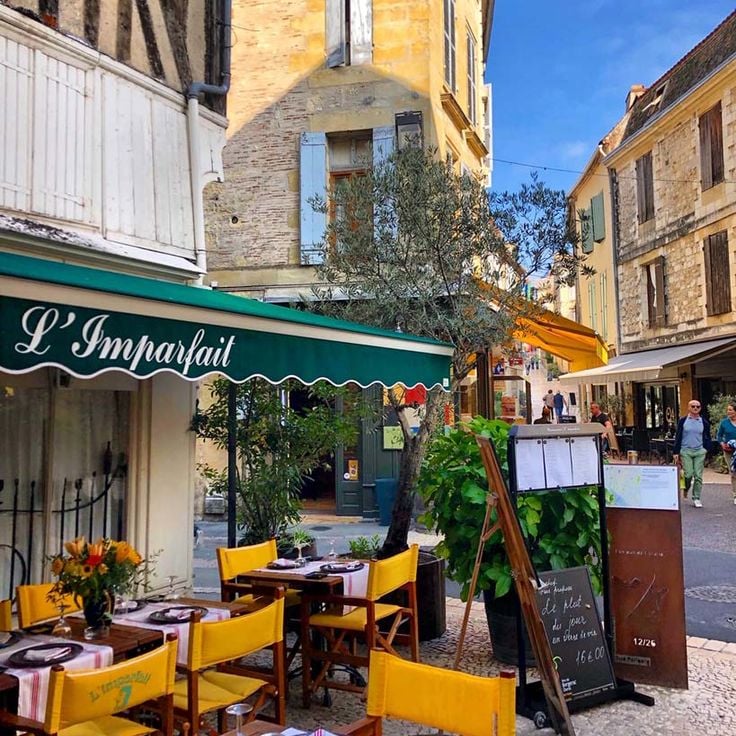
Located in historic Bergerac, L'Imparfait is a restaurant dedicated to fish and regional dishes that honors Périgord's culinary traditions. The menu brings together the finest local ingredients—including duck, cheeses, and seasonal produce—prepared with care and respect for their origins. The wine selection features varieties from the surrounding vineyards, deepening the connection between place and food. In a town where people have gathered to share meals for generations, this restaurant embodies what makes dining in this corner of southwestern France so special.
L'Atelier in Périgueux is a restaurant that brings together inventive cooking and the seasonal ingredients that define Périgord cuisine. It fits squarely within this collection of gourmet dining in Dordogne, where black truffles, foie gras, duck, and local cheeses appear on menus, prepared by chefs who source directly from nearby producers and seasonal markets. What sets L'Atelier apart is its commitment to letting the region's finest ingredients speak for themselves through thoughtful preparation that respects where they come from. The restaurant changes its menu with the seasons, offering truffles and game in autumn, fresh vegetables and herbs in spring.
La Petite Tonnelle is housed in a 13th-century stone house in Beynac-et-Cazenac and represents the kind of dining that defines Périgord. The restaurant prepares dishes with local ingredients and vegetables grown in its own garden. The old stone walls carry the history of generations gathering to eat, and the food reflects what grows nearby and changes with the seasons.
Les Voyageurs is a traditional restaurant in La Coquille that embodies the gourmet dining experience this collection celebrates throughout the Dordogne. The restaurant serves regional specialties shaped by centuries of Périgord cooking: foie gras, black truffles, duck, and local cheeses. The chef sources directly from nearby producers and seasonal markets, letting the region's finest ingredients take center stage. Within these walls, guests step into a space where meals have been shared and memories made across generations.
O'Plaisir des Sens exemplifies how restaurants in this collection honor Périgord's culinary traditions. This establishment serves dishes made with fresh, locally sourced ingredients in a dining room overlooking the Dordogne valley. The menu changes with the seasons, following when local producers bring their best harvests to market. It represents how food and landscape come together in this part of southwestern France.
Les Glycines is a restaurant in a 19th-century hotel offering modern French cuisine made with regional products and a menu that shifts with the seasons. This establishment embodies the culinary traditions of Périgord, where black truffles, foie gras, duck, and local cheeses have defined the cooking for centuries. The chefs source directly from nearby producers and seasonal markets, letting the region's finest ingredients speak for themselves. What makes dining at Les Glycines special is not just the food, but the setting itself—a historic building with its own character and story, where people have gathered to share meals for generations.
The restaurant at Château Les Merles in Mouleydier serves dishes prepared with vegetables from its own garden and local Dordogne products. Here you eat in a castle that embodies the region's culinary traditions. The kitchen works with the seasons, using ingredients at their peak. The castle itself carries history—a place where people have gathered to share meals for generations.
Le Clos Saint-Front is part of this collection of Dordogne restaurants that celebrate the flavors defining Périgord cooking for centuries. This restaurant sources fresh products directly from the markets of Périgueux and prepares them with care and respect. Like the other establishments in this collection, Le Clos Saint-Front connects good food with the place where you eat it. The restaurant works with the seasons, changing its menu as local ingredients become available. In autumn, truffles and game appear; in spring, fresh vegetables and herbs. Here, you experience Périgord's culinary traditions in a space with its own story.
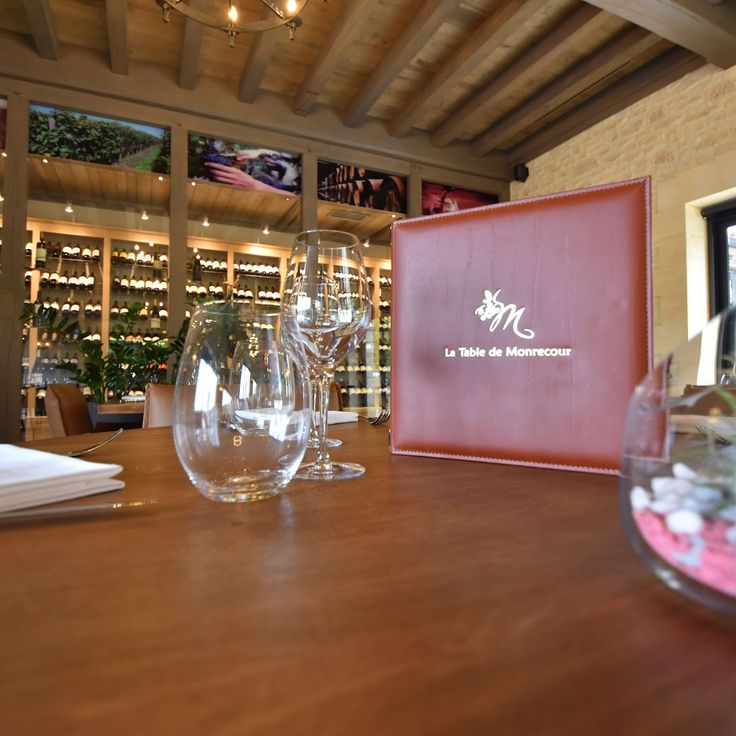
La Table de Monrecour sits in a 13th-century castle and embodies the dining traditions this collection celebrates. The restaurant prepares dishes that highlight Périgord products—black truffles, foie gras, and duck—sourced directly from local producers and seasonal markets. Chefs here honor the region's cooking heritage while working with the seasons, changing their menus as fresh ingredients become available. The dining room overlooks a wooded park, providing a setting where people gather to share meals in a historic space with its own story and character.
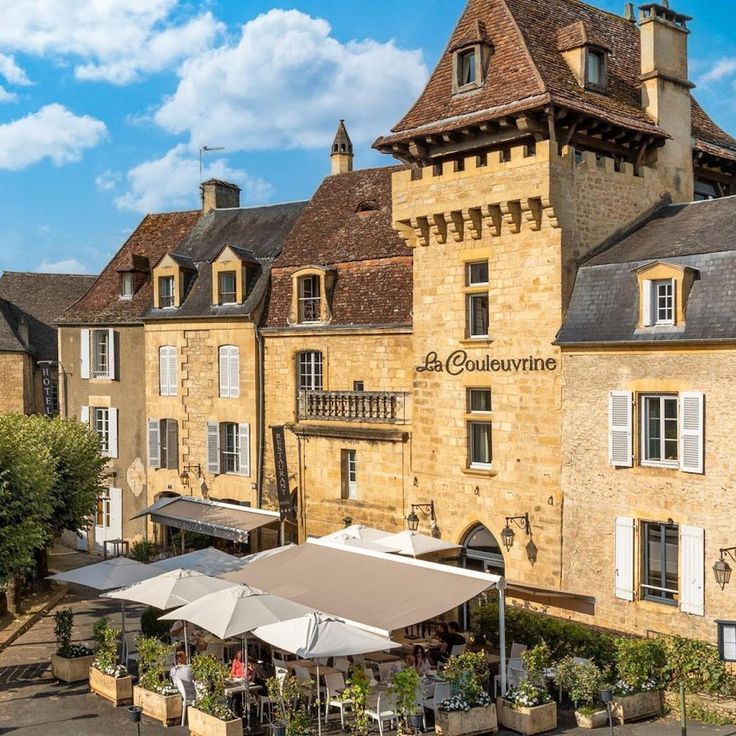
La Couleuvrine is a restaurant housed in a 15th-century residence in the center of Sarlat-la-Canéda, exemplifying the collection's focus on dining spaces with deep roots. The kitchen celebrates Périgord noir specialties—truffles, foie gras, and other regional ingredients—prepared by chefs who respect where these foods come from. Within these historic walls, diners experience the connection between food and place that defines gourmet dining in Dordogne.
Café Rivière presents traditional recipes with modern interpretation. The restaurant follows the rhythm of the seasons and works directly with local producers. The kitchen honors Périgord traditions while employing contemporary techniques to let local ingredients shine. Situated in a historic building, Café Rivière connects the place's history with its food.
Le Bistrot in Sarlat-la-Canéda showcases Périgord cooking as it has been passed down through generations. The restaurant sources local ingredients that change with each season, focusing on classic dishes like duck confit and foie gras. Dining here, you experience not just traditional recipes, but the character of a place where people have gathered to share meals for a long time.
Les Jardins d'Harmonie is a restaurant in this collection of gourmet dining establishments in Dordogne, offering regional cuisine with market-fresh ingredients. The menu highlights seasonal products and traditional Périgord recipes. This restaurant is part of a region where chefs source directly from local producers and serve their food in historic buildings—old mills, castles, and restored stone farmhouses that carry the stories of generations of diners.
Restaurant Charbonnel is part of Dordogne's gourmet dining scene and serves regional Périgord cuisine made with local products. Dishes are prepared in an open kitchen visible from the dining room. Like the other restaurants in this collection, it works with seasonal ingredients and demonstrates how closely food and place are connected in this region.
The Auberge de la Truffe is a restaurant that centers on the black truffles of the Périgord region. Within this establishment, classic Périgord dishes are prepared enriched with truffles, with the kitchen following the rhythm of the seasons. The menu changes based on what the harvest brings at any given time. Here you see how closely food and place are connected in Dordogne, with each dish reflecting the tradition and local ingredients of this southwestern French region.
La Table de la Villa Romaine celebrates the flavors that have defined Périgord cooking for centuries. This restaurant, set in a 19th-century residence, invites you to dishes that change with the seasons and follow what local producers bring to market. The kitchen works closely with nearby sources: black truffles, foie gras, duck, and cheeses made in the region appear on the menu, prepared with care and respect for where they come from.
Le Vieux Logis is a restaurant housed in a 17th-century former convent in Trémolat. The building shows how closely food and place are connected in the Périgord region. The kitchen works with the seasons, using ingredients as they become available—truffles and game in autumn, fresh vegetables and herbs in spring. The dining room opens onto a French garden, and each dish carries the story of the local producers and markets that supply it. Eating here means taking part in a tradition that generations of people have nurtured over time.
L'Escapade des Sens in Thiviers shows how Périgord cooking lives today. The restaurant works with what is in season—truffles in autumn, fresh vegetables in spring—and blends traditional French recipes with modern cooking techniques. The chef sources ingredients from local producers and nearby markets. Here, eating is understood as a connection between the land and the plate.
Le M de Rochebois sits within a 19th-century castle in Vitrac, and it carries forward the culinary traditions that define this corner of Dordogne. The kitchen works with the seasons, preparing dishes from regional products as they become available. The castle itself serves as more than a backdrop—it is part of how food and place connect here. When you dine in these stone walls, you sit where meals have been shared for generations, and the focus stays on ingredients prepared with care and respect for where they come from.
Les Singuliers is a gourmet restaurant in Saint-Astier that fits into the culinary landscape of Dordogne. The restaurant serves contemporary French cuisine and works closely with the seasons. The chef creates menus that change as local ingredients become available. Like other restaurants in the region, Les Singuliers draws on the products that Périgord offers: black truffles, foie gras, duck, and local cheeses. The restaurant shows how closely food and place are connected in Dordogne.
Mamie'M serves traditional Périgord dishes in a stone house overlooking the river, as part of Dordogne's dining scene where chefs source local ingredients directly from nearby producers and seasonal markets. Here you'll find black truffles, foie gras, duck, and local cheeses, prepared with care and respect for where they come from. What makes this place special is not just the food, but the setting itself—an old stone building where people have gathered to share meals for generations. The kitchen follows the rhythm of the seasons, with truffles and game in autumn, fresh vegetables and herbs in spring.
L'Essentiel is a restaurant in Périgueux that reinterprets the classic dishes of Périgord cooking using modern techniques and local ingredients. Here, traditional recipes are given a contemporary approach, with regional products like black truffles, foie gras, and duck at the center of each plate. The restaurant demonstrates how local ingredients can be approached in new ways while maintaining respect for the flavors that have defined this region's culinary traditions.
Le Confluence exemplifies how Périgord's culinary traditions embrace contemporary approaches while honoring local ingredients. The restaurant prepares seasonal French cuisine featuring black truffles, foie gras, duck, and regional cheeses sourced directly from nearby producers. Its spacious, bright dining room provides a modern setting for the region's time-honored flavors. Each dish reflects the connection between the Dordogne landscape and the food that comes from it, allowing the finest ingredients to be the focus of every meal.
Set in a 16th-century building overlooking the Dronne river, Au Fil du Temps carries forward the Périgord cooking traditions that define this collection of Dordogne restaurants. You dine in rooms with history, where people have gathered for generations to share meals. The menu showcases the region's signature ingredients—black truffles, foie gras, duck, and local cheeses—prepared by chefs who source directly from nearby producers and seasonal markets, honoring both classic recipes and contemporary approaches to traditional ingredients.
Restaurant Renaissance occupies a 16th-century residence and exemplifies this collection of gourmet dining in Dordogne. The restaurant combines regional products—truffles, foie gras, duck—with modern cooking techniques. Its kitchen changes menus with the seasons as local ingredients become available. Guests dine indoors or on the terrace, experiencing how closely food and place connect in Périgord cooking, where ingredients are sourced directly from nearby producers and prepared with respect for their origins.
Le Moulin du Grand Étang is a restaurant housed in a 19th-century watermill. Located in Saint-Estèphe, it embodies the culinary traditions of Périgord. The restaurant sources ingredients from local producers and seasonal markets, honoring regional recipes and techniques. Diners enjoy views of the pond from the dining room, where the building's history as a working mill becomes part of the experience. This is one of those places where the food and the setting are inseparable—eating here means experiencing both the flavors of the region and the landscape that produces them.
Chez Hannah is a family restaurant in Cherval that celebrates French cuisine with Mediterranean influences. Vegetables come from the owners' personal garden, bringing direct freshness to every dish. This restaurant embodies Dordogne's approach to dining: local and seasonal ingredients, prepared with care in a setting full of character and history.
Étincelles occupies a former post house, bringing together Périgord's culinary heritage with influences from the chef's travels. Working with local ingredients such as black truffles, foie gras, and duck, the chef honors regional traditions while adding contemporary touches. The historic building, which once welcomed travelers over the centuries, provides an intimate setting where you can experience how local products are prepared with care and creativity. Here, the restaurant shows how Périgord cooking connects to the wider world.
Brin de Thym is a restaurant in a renovated farm that celebrates the flavors defining Périgord cooking for centuries. Here you'll find black truffles, foie gras, duck, and local cheeses on the menu, prepared by chefs who source directly from nearby producers and seasonal markets. The menu changes with the seasons and the arrival of local ingredients. In autumn, truffles and game appear; in spring, fresh vegetables and herbs take their place.
Chez Bonnebouche represents the heart of gourmet dining in Dordogne, celebrating the flavors that have shaped Périgord cooking for centuries. Set within this restaurant's old stone farmhouse, the dining room honors regional traditions by serving local products—black truffles, foie gras, duck, and seasonal ingredients—prepared with care and respect for their origins. The historic setting itself becomes part of the experience, a space where gathering around a table connects diners to generations of culinary tradition in southwestern France.
Le Boïdicou sits in a Périgord house and participates in Dordogne's dining tradition that has shaped regional cooking for centuries. This restaurant serves traditional dishes like confit de canard and black truffle when in season. The kitchen sources ingredients from nearby producers and follows the rhythm of local markets. In these rooms where people have gathered for meals across generations, the connection between food and place becomes clear.
L'Eclade is a restaurant situated along the Isle river, specializing in fish and seafood. The restaurant demonstrates how Dordogne's kitchens draw from local waters and prepare seasonal catches with skill. The terrace allows diners to eat outdoors, enjoying views of the water while experiencing traditional Périgord cooking techniques in contemporary interpretations.
The Auberge de Layotte in Tursac serves French cuisine made with local Périgord products, representing the culinary tradition this collection celebrates. The restaurant changes its menu with the seasons, working with fresh ingredients grown in the region. Here, careful preparation and regional sourcing come together to show how closely food and place connect in Dordogne.
La Tour des Vents occupies a 16th-century windmill and represents the restaurants of Dordogne that serve traditional Périgord cooking in historic spaces. Here you'll find the ingredients that define this region: black truffles, foie gras, duck, and local cheeses, prepared by chefs who work directly with nearby producers and seasonal markets. What makes dining here special is not just the food, but the setting itself. The old stone walls and history of this mill building create a space where people have gathered for meals across generations. The wine list focuses on local productions, showing how closely food and place are connected in Dordogne.
Ô Moulin is a restaurant in a former mill that focuses on Périgord specialties and contemporary dishes. This establishment shows how closely food and place are connected in Dordogne. The kitchen works with the seasons, changing menus as local ingredients become available. In autumn, truffles and game appear; in spring, fresh vegetables and herbs. The terrace of Ô Moulin overlooks the Dordogne river and offers guests a place where people have gathered to share meals for generations.
Located in historic Bergerac, L'Imparfait is a restaurant dedicated to fish and regional dishes that honors Périgord's culinary traditions. The menu brings together the finest local ingredients—including duck, cheeses, and seasonal produce—prepared with care and respect for their origins. The wine selection features varieties from the surrounding vineyards, deepening the connection between place and food. In a town where people have gathered to share meals for generations, this restaurant embodies what makes dining in this corner of southwestern France so special.
L'Atelier in Périgueux is a restaurant that brings together inventive cooking and the seasonal ingredients that define Périgord cuisine. It fits squarely within this collection of gourmet dining in Dordogne, where black truffles, foie gras, duck, and local cheeses appear on menus, prepared by chefs who source directly from nearby producers and seasonal markets. What sets L'Atelier apart is its commitment to letting the region's finest ingredients speak for themselves through thoughtful preparation that respects where they come from. The restaurant changes its menu with the seasons, offering truffles and game in autumn, fresh vegetables and herbs in spring.
La Petite Tonnelle is housed in a 13th-century stone house in Beynac-et-Cazenac and represents the kind of dining that defines Périgord. The restaurant prepares dishes with local ingredients and vegetables grown in its own garden. The old stone walls carry the history of generations gathering to eat, and the food reflects what grows nearby and changes with the seasons.
Les Voyageurs is a traditional restaurant in La Coquille that embodies the gourmet dining experience this collection celebrates throughout the Dordogne. The restaurant serves regional specialties shaped by centuries of Périgord cooking: foie gras, black truffles, duck, and local cheeses. The chef sources directly from nearby producers and seasonal markets, letting the region's finest ingredients take center stage. Within these walls, guests step into a space where meals have been shared and memories made across generations.
O'Plaisir des Sens exemplifies how restaurants in this collection honor Périgord's culinary traditions. This establishment serves dishes made with fresh, locally sourced ingredients in a dining room overlooking the Dordogne valley. The menu changes with the seasons, following when local producers bring their best harvests to market. It represents how food and landscape come together in this part of southwestern France.
Les Glycines is a restaurant in a 19th-century hotel offering modern French cuisine made with regional products and a menu that shifts with the seasons. This establishment embodies the culinary traditions of Périgord, where black truffles, foie gras, duck, and local cheeses have defined the cooking for centuries. The chefs source directly from nearby producers and seasonal markets, letting the region's finest ingredients speak for themselves. What makes dining at Les Glycines special is not just the food, but the setting itself—a historic building with its own character and story, where people have gathered to share meals for generations.
The restaurant at Château Les Merles in Mouleydier serves dishes prepared with vegetables from its own garden and local Dordogne products. Here you eat in a castle that embodies the region's culinary traditions. The kitchen works with the seasons, using ingredients at their peak. The castle itself carries history—a place where people have gathered to share meals for generations.
Le Clos Saint-Front is part of this collection of Dordogne restaurants that celebrate the flavors defining Périgord cooking for centuries. This restaurant sources fresh products directly from the markets of Périgueux and prepares them with care and respect. Like the other establishments in this collection, Le Clos Saint-Front connects good food with the place where you eat it. The restaurant works with the seasons, changing its menu as local ingredients become available. In autumn, truffles and game appear; in spring, fresh vegetables and herbs. Here, you experience Périgord's culinary traditions in a space with its own story.
La Table de Monrecour sits in a 13th-century castle and embodies the dining traditions this collection celebrates. The restaurant prepares dishes that highlight Périgord products—black truffles, foie gras, and duck—sourced directly from local producers and seasonal markets. Chefs here honor the region's cooking heritage while working with the seasons, changing their menus as fresh ingredients become available. The dining room overlooks a wooded park, providing a setting where people gather to share meals in a historic space with its own story and character.
La Couleuvrine is a restaurant housed in a 15th-century residence in the center of Sarlat-la-Canéda, exemplifying the collection's focus on dining spaces with deep roots. The kitchen celebrates Périgord noir specialties—truffles, foie gras, and other regional ingredients—prepared by chefs who respect where these foods come from. Within these historic walls, diners experience the connection between food and place that defines gourmet dining in Dordogne.
Café Rivière presents traditional recipes with modern interpretation. The restaurant follows the rhythm of the seasons and works directly with local producers. The kitchen honors Périgord traditions while employing contemporary techniques to let local ingredients shine. Situated in a historic building, Café Rivière connects the place's history with its food.
Le Bistrot in Sarlat-la-Canéda showcases Périgord cooking as it has been passed down through generations. The restaurant sources local ingredients that change with each season, focusing on classic dishes like duck confit and foie gras. Dining here, you experience not just traditional recipes, but the character of a place where people have gathered to share meals for a long time.
Les Jardins d'Harmonie is a restaurant in this collection of gourmet dining establishments in Dordogne, offering regional cuisine with market-fresh ingredients. The menu highlights seasonal products and traditional Périgord recipes. This restaurant is part of a region where chefs source directly from local producers and serve their food in historic buildings—old mills, castles, and restored stone farmhouses that carry the stories of generations of diners.
Restaurant Charbonnel is part of Dordogne's gourmet dining scene and serves regional Périgord cuisine made with local products. Dishes are prepared in an open kitchen visible from the dining room. Like the other restaurants in this collection, it works with seasonal ingredients and demonstrates how closely food and place are connected in this region.
The Auberge de la Truffe is a restaurant that centers on the black truffles of the Périgord region. Within this establishment, classic Périgord dishes are prepared enriched with truffles, with the kitchen following the rhythm of the seasons. The menu changes based on what the harvest brings at any given time. Here you see how closely food and place are connected in Dordogne, with each dish reflecting the tradition and local ingredients of this southwestern French region.
La Table de la Villa Romaine celebrates the flavors that have defined Périgord cooking for centuries. This restaurant, set in a 19th-century residence, invites you to dishes that change with the seasons and follow what local producers bring to market. The kitchen works closely with nearby sources: black truffles, foie gras, duck, and cheeses made in the region appear on the menu, prepared with care and respect for where they come from.
Le Vieux Logis is a restaurant housed in a 17th-century former convent in Trémolat. The building shows how closely food and place are connected in the Périgord region. The kitchen works with the seasons, using ingredients as they become available—truffles and game in autumn, fresh vegetables and herbs in spring. The dining room opens onto a French garden, and each dish carries the story of the local producers and markets that supply it. Eating here means taking part in a tradition that generations of people have nurtured over time.
L'Escapade des Sens in Thiviers shows how Périgord cooking lives today. The restaurant works with what is in season—truffles in autumn, fresh vegetables in spring—and blends traditional French recipes with modern cooking techniques. The chef sources ingredients from local producers and nearby markets. Here, eating is understood as a connection between the land and the plate.
Le M de Rochebois sits within a 19th-century castle in Vitrac, and it carries forward the culinary traditions that define this corner of Dordogne. The kitchen works with the seasons, preparing dishes from regional products as they become available. The castle itself serves as more than a backdrop—it is part of how food and place connect here. When you dine in these stone walls, you sit where meals have been shared for generations, and the focus stays on ingredients prepared with care and respect for where they come from.
Les Singuliers is a gourmet restaurant in Saint-Astier that fits into the culinary landscape of Dordogne. The restaurant serves contemporary French cuisine and works closely with the seasons. The chef creates menus that change as local ingredients become available. Like other restaurants in the region, Les Singuliers draws on the products that Périgord offers: black truffles, foie gras, duck, and local cheeses. The restaurant shows how closely food and place are connected in Dordogne.
Mamie'M serves traditional Périgord dishes in a stone house overlooking the river, as part of Dordogne's dining scene where chefs source local ingredients directly from nearby producers and seasonal markets. Here you'll find black truffles, foie gras, duck, and local cheeses, prepared with care and respect for where they come from. What makes this place special is not just the food, but the setting itself—an old stone building where people have gathered to share meals for generations. The kitchen follows the rhythm of the seasons, with truffles and game in autumn, fresh vegetables and herbs in spring.
L'Essentiel is a restaurant in Périgueux that reinterprets the classic dishes of Périgord cooking using modern techniques and local ingredients. Here, traditional recipes are given a contemporary approach, with regional products like black truffles, foie gras, and duck at the center of each plate. The restaurant demonstrates how local ingredients can be approached in new ways while maintaining respect for the flavors that have defined this region's culinary traditions.
Le Confluence exemplifies how Périgord's culinary traditions embrace contemporary approaches while honoring local ingredients. The restaurant prepares seasonal French cuisine featuring black truffles, foie gras, duck, and regional cheeses sourced directly from nearby producers. Its spacious, bright dining room provides a modern setting for the region's time-honored flavors. Each dish reflects the connection between the Dordogne landscape and the food that comes from it, allowing the finest ingredients to be the focus of every meal.
Set in a 16th-century building overlooking the Dronne river, Au Fil du Temps carries forward the Périgord cooking traditions that define this collection of Dordogne restaurants. You dine in rooms with history, where people have gathered for generations to share meals. The menu showcases the region's signature ingredients—black truffles, foie gras, duck, and local cheeses—prepared by chefs who source directly from nearby producers and seasonal markets, honoring both classic recipes and contemporary approaches to traditional ingredients.
Restaurant Renaissance occupies a 16th-century residence and exemplifies this collection of gourmet dining in Dordogne. The restaurant combines regional products—truffles, foie gras, duck—with modern cooking techniques. Its kitchen changes menus with the seasons as local ingredients become available. Guests dine indoors or on the terrace, experiencing how closely food and place connect in Périgord cooking, where ingredients are sourced directly from nearby producers and prepared with respect for their origins.
Le Moulin du Grand Étang is a restaurant housed in a 19th-century watermill. Located in Saint-Estèphe, it embodies the culinary traditions of Périgord. The restaurant sources ingredients from local producers and seasonal markets, honoring regional recipes and techniques. Diners enjoy views of the pond from the dining room, where the building's history as a working mill becomes part of the experience. This is one of those places where the food and the setting are inseparable—eating here means experiencing both the flavors of the region and the landscape that produces them.
Chez Hannah is a family restaurant in Cherval that celebrates French cuisine with Mediterranean influences. Vegetables come from the owners' personal garden, bringing direct freshness to every dish. This restaurant embodies Dordogne's approach to dining: local and seasonal ingredients, prepared with care in a setting full of character and history.
Étincelles occupies a former post house, bringing together Périgord's culinary heritage with influences from the chef's travels. Working with local ingredients such as black truffles, foie gras, and duck, the chef honors regional traditions while adding contemporary touches. The historic building, which once welcomed travelers over the centuries, provides an intimate setting where you can experience how local products are prepared with care and creativity. Here, the restaurant shows how Périgord cooking connects to the wider world.
Brin de Thym is a restaurant in a renovated farm that celebrates the flavors defining Périgord cooking for centuries. Here you'll find black truffles, foie gras, duck, and local cheeses on the menu, prepared by chefs who source directly from nearby producers and seasonal markets. The menu changes with the seasons and the arrival of local ingredients. In autumn, truffles and game appear; in spring, fresh vegetables and herbs take their place.
Chez Bonnebouche represents the heart of gourmet dining in Dordogne, celebrating the flavors that have shaped Périgord cooking for centuries. Set within this restaurant's old stone farmhouse, the dining room honors regional traditions by serving local products—black truffles, foie gras, duck, and seasonal ingredients—prepared with care and respect for their origins. The historic setting itself becomes part of the experience, a space where gathering around a table connects diners to generations of culinary tradition in southwestern France.
Le Boïdicou sits in a Périgord house and participates in Dordogne's dining tradition that has shaped regional cooking for centuries. This restaurant serves traditional dishes like confit de canard and black truffle when in season. The kitchen sources ingredients from nearby producers and follows the rhythm of local markets. In these rooms where people have gathered for meals across generations, the connection between food and place becomes clear.
L'Eclade is a restaurant situated along the Isle river, specializing in fish and seafood. The restaurant demonstrates how Dordogne's kitchens draw from local waters and prepare seasonal catches with skill. The terrace allows diners to eat outdoors, enjoying views of the water while experiencing traditional Périgord cooking techniques in contemporary interpretations.
The Auberge de Layotte in Tursac serves French cuisine made with local Périgord products, representing the culinary tradition this collection celebrates. The restaurant changes its menu with the seasons, working with fresh ingredients grown in the region. Here, careful preparation and regional sourcing come together to show how closely food and place connect in Dordogne.
La Tour des Vents occupies a 16th-century windmill and represents the restaurants of Dordogne that serve traditional Périgord cooking in historic spaces. Here you'll find the ingredients that define this region: black truffles, foie gras, duck, and local cheeses, prepared by chefs who work directly with nearby producers and seasonal markets. What makes dining here special is not just the food, but the setting itself. The old stone walls and history of this mill building create a space where people have gathered for meals across generations. The wine list focuses on local productions, showing how closely food and place are connected in Dordogne.
Ô Moulin is a restaurant in a former mill that focuses on Périgord specialties and contemporary dishes. This establishment shows how closely food and place are connected in Dordogne. The kitchen works with the seasons, changing menus as local ingredients become available. In autumn, truffles and game appear; in spring, fresh vegetables and herbs. The terrace of Ô Moulin overlooks the Dordogne river and offers guests a place where people have gathered to share meals for generations.
Located in historic Bergerac, L'Imparfait is a restaurant dedicated to fish and regional dishes that honors Périgord's culinary traditions. The menu brings together the finest local ingredients—including duck, cheeses, and seasonal produce—prepared with care and respect for their origins. The wine selection features varieties from the surrounding vineyards, deepening the connection between place and food. In a town where people have gathered to share meals for generations, this restaurant embodies what makes dining in this corner of southwestern France so special.
L'Atelier in Périgueux is a restaurant that brings together inventive cooking and the seasonal ingredients that define Périgord cuisine. It fits squarely within this collection of gourmet dining in Dordogne, where black truffles, foie gras, duck, and local cheeses appear on menus, prepared by chefs who source directly from nearby producers and seasonal markets. What sets L'Atelier apart is its commitment to letting the region's finest ingredients speak for themselves through thoughtful preparation that respects where they come from. The restaurant changes its menu with the seasons, offering truffles and game in autumn, fresh vegetables and herbs in spring.
La Petite Tonnelle is housed in a 13th-century stone house in Beynac-et-Cazenac and represents the kind of dining that defines Périgord. The restaurant prepares dishes with local ingredients and vegetables grown in its own garden. The old stone walls carry the history of generations gathering to eat, and the food reflects what grows nearby and changes with the seasons.
Les Voyageurs is a traditional restaurant in La Coquille that embodies the gourmet dining experience this collection celebrates throughout the Dordogne. The restaurant serves regional specialties shaped by centuries of Périgord cooking: foie gras, black truffles, duck, and local cheeses. The chef sources directly from nearby producers and seasonal markets, letting the region's finest ingredients take center stage. Within these walls, guests step into a space where meals have been shared and memories made across generations.
O'Plaisir des Sens exemplifies how restaurants in this collection honor Périgord's culinary traditions. This establishment serves dishes made with fresh, locally sourced ingredients in a dining room overlooking the Dordogne valley. The menu changes with the seasons, following when local producers bring their best harvests to market. It represents how food and landscape come together in this part of southwestern France.
Les Glycines is a restaurant in a 19th-century hotel offering modern French cuisine made with regional products and a menu that shifts with the seasons. This establishment embodies the culinary traditions of Périgord, where black truffles, foie gras, duck, and local cheeses have defined the cooking for centuries. The chefs source directly from nearby producers and seasonal markets, letting the region's finest ingredients speak for themselves. What makes dining at Les Glycines special is not just the food, but the setting itself—a historic building with its own character and story, where people have gathered to share meals for generations.
The restaurant at Château Les Merles in Mouleydier serves dishes prepared with vegetables from its own garden and local Dordogne products. Here you eat in a castle that embodies the region's culinary traditions. The kitchen works with the seasons, using ingredients at their peak. The castle itself carries history—a place where people have gathered to share meals for generations.
Le Clos Saint-Front is part of this collection of Dordogne restaurants that celebrate the flavors defining Périgord cooking for centuries. This restaurant sources fresh products directly from the markets of Périgueux and prepares them with care and respect. Like the other establishments in this collection, Le Clos Saint-Front connects good food with the place where you eat it. The restaurant works with the seasons, changing its menu as local ingredients become available. In autumn, truffles and game appear; in spring, fresh vegetables and herbs. Here, you experience Périgord's culinary traditions in a space with its own story.
La Table de Monrecour sits in a 13th-century castle and embodies the dining traditions this collection celebrates. The restaurant prepares dishes that highlight Périgord products—black truffles, foie gras, and duck—sourced directly from local producers and seasonal markets. Chefs here honor the region's cooking heritage while working with the seasons, changing their menus as fresh ingredients become available. The dining room overlooks a wooded park, providing a setting where people gather to share meals in a historic space with its own story and character.
La Couleuvrine is a restaurant housed in a 15th-century residence in the center of Sarlat-la-Canéda, exemplifying the collection's focus on dining spaces with deep roots. The kitchen celebrates Périgord noir specialties—truffles, foie gras, and other regional ingredients—prepared by chefs who respect where these foods come from. Within these historic walls, diners experience the connection between food and place that defines gourmet dining in Dordogne.
Café Rivière presents traditional recipes with modern interpretation. The restaurant follows the rhythm of the seasons and works directly with local producers. The kitchen honors Périgord traditions while employing contemporary techniques to let local ingredients shine. Situated in a historic building, Café Rivière connects the place's history with its food.
Le Bistrot in Sarlat-la-Canéda showcases Périgord cooking as it has been passed down through generations. The restaurant sources local ingredients that change with each season, focusing on classic dishes like duck confit and foie gras. Dining here, you experience not just traditional recipes, but the character of a place where people have gathered to share meals for a long time.
Les Jardins d'Harmonie is a restaurant in this collection of gourmet dining establishments in Dordogne, offering regional cuisine with market-fresh ingredients. The menu highlights seasonal products and traditional Périgord recipes. This restaurant is part of a region where chefs source directly from local producers and serve their food in historic buildings—old mills, castles, and restored stone farmhouses that carry the stories of generations of diners.
Restaurant Charbonnel is part of Dordogne's gourmet dining scene and serves regional Périgord cuisine made with local products. Dishes are prepared in an open kitchen visible from the dining room. Like the other restaurants in this collection, it works with seasonal ingredients and demonstrates how closely food and place are connected in this region.
The Auberge de la Truffe is a restaurant that centers on the black truffles of the Périgord region. Within this establishment, classic Périgord dishes are prepared enriched with truffles, with the kitchen following the rhythm of the seasons. The menu changes based on what the harvest brings at any given time. Here you see how closely food and place are connected in Dordogne, with each dish reflecting the tradition and local ingredients of this southwestern French region.
La Table de la Villa Romaine celebrates the flavors that have defined Périgord cooking for centuries. This restaurant, set in a 19th-century residence, invites you to dishes that change with the seasons and follow what local producers bring to market. The kitchen works closely with nearby sources: black truffles, foie gras, duck, and cheeses made in the region appear on the menu, prepared with care and respect for where they come from.