The Loire Valley has castles built between the 15th and 17th centuries. They show the history of the French Renaissance and the classical period. These royal and noble homes tell stories of how people lived and built during those times. You can see carved staircases, water galleries, moats, defensive towers, and parks with geometric designs. Some castles like Chambord or Chenonceau are large and bold in design. Others, like Azay-le-Rideau or Villandry, are charming for their natural settings and restored gardens. Leonardo da Vinci is buried in Amboise. In Blois, four different building styles appear one after another. Loches has a medieval tower. Each place offers a different view of how kings, queens, and noble families lived and shaped this region.
Châteaux of the Loire: Renaissance architecture, historic gardens, and royal residences
The Loire Valley has castles built between the 15th and 17th centuries. They show the history of the French Renaissance and the classical period. These royal and noble homes tell stories of how people lived and built during those times. You can see carved staircases, water galleries, moats, defensive towers, and parks with geometric designs. Some castles like Chambord or Chenonceau are large and bold in design. Others, like Azay-le-Rideau or Villandry, are charming for their natural settings and restored gardens. Leonardo da Vinci is buried in Amboise. In Blois, four different building styles appear one after another. Loches has a medieval tower. Each place offers a different view of how kings, queens, and noble families lived and shaped this region.
In this article
31 places to discover — Don't miss the last!
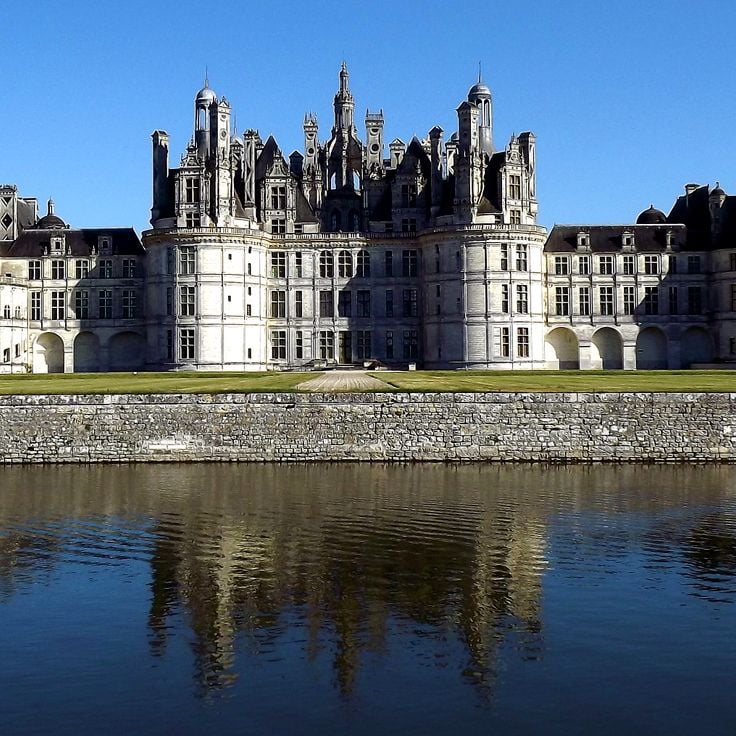
Chambord, France
The castle combines French tradition with designs said to be inspired by Leonardo da Vinci. At its center stands a double helix staircase, with two separate spirals that cross without ever meeting. The building spreads across several floors with hundreds of rooms, chimneys, and towers. The roofs are marked by lanterns, chimneys, and turrets. Francis I commissioned the castle in the 16th century but used it only for short hunting stays. A forested park surrounds the building, crossed by paths and enclosed by a wall.
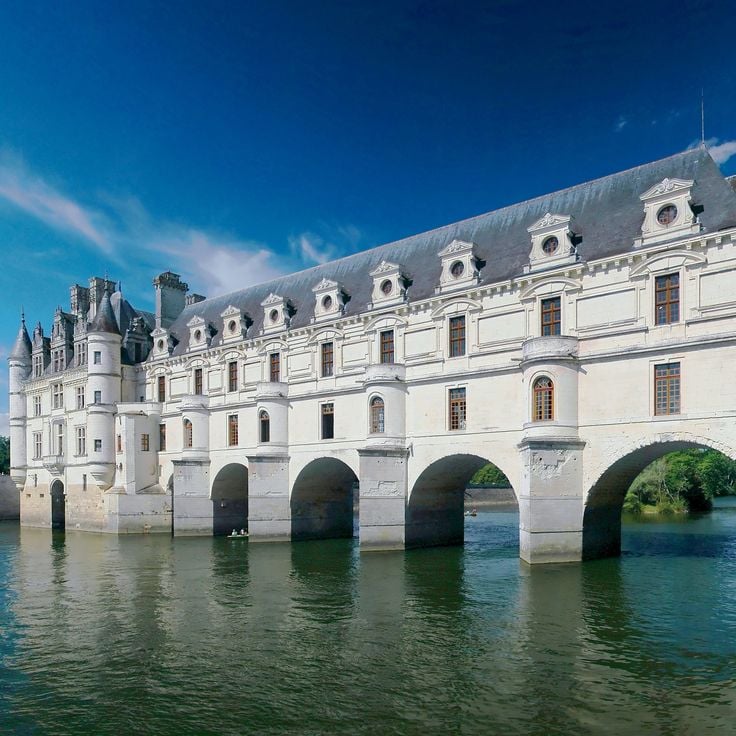
Chenonceaux, France
This château stands on a five-arch bridge over the Cher River. Catherine de Medici and Diane de Poitiers shaped it in the 16th century. Both women added galleries, halls and gardens to display their influence. The structure links both banks of the river and reflects in the water. Inside, long rooms run along the arches. The chambers hold furniture, tapestries and paintings from the Renaissance. The gardens on each side of the river follow a geometric plan. The place shows how women at court shaped architecture and taste.
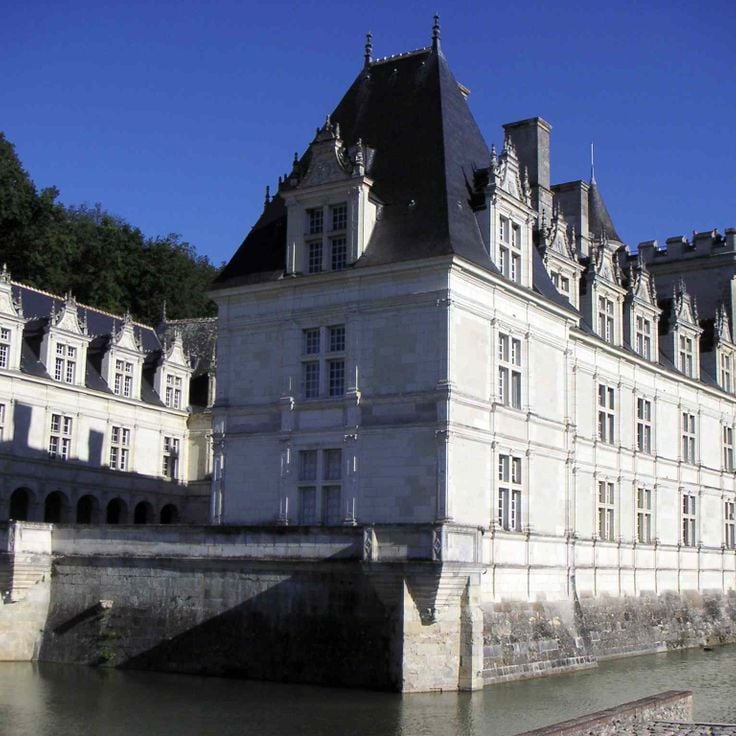
Villandry, France
Villandry is a castle from the 16th century on the banks of the Cher, known mainly for its gardens. These gardens were laid out in the 20th century following historical models and show geometric beds on three levels. You will find vegetable gardens with colored plants, ornamental gardens with boxwood figures, water basins and terraces that cover six hectares (about 15 acres). The castle itself combines medieval and Renaissance elements. The interior rooms are furnished with period furniture and paintings. From the upper garden, you can see the entire estate and the surrounding countryside. The place is still inhabited today by the descendants of the family who acquired it in the early 20th century.
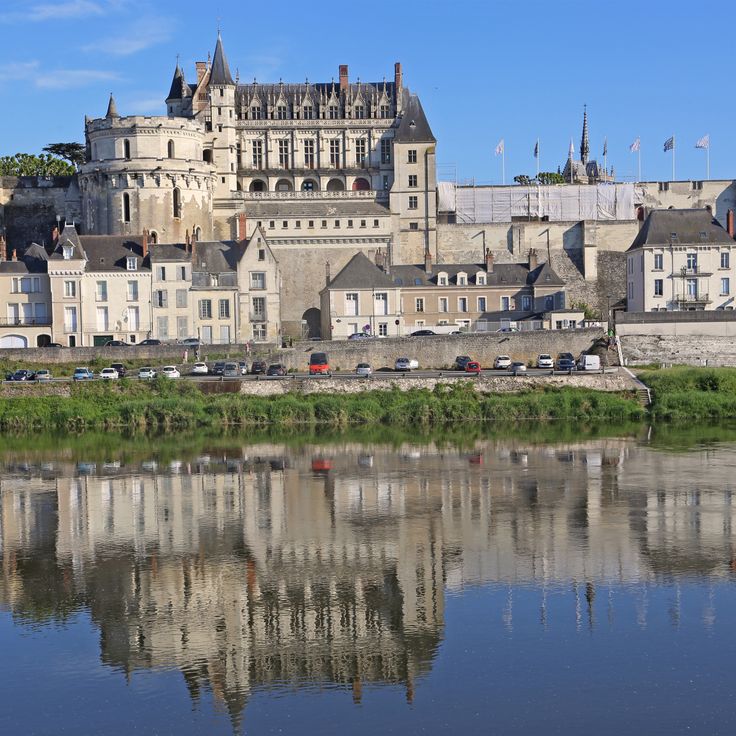
Amboise, France
The Château d'Amboise rises from a limestone cliff above the Loire and belongs to the major royal residences of the region. King Charles VIII was born here and ordered extensive renovations during the 15th century. Leonardo da Vinci is buried in the castle chapel after spending his final years at nearby Clos Lucé. The terraces offer wide views over the river and the rooftops of the old town. The rooms display furniture and tapestries from the Renaissance period. The garden holds old trees and the remains of medieval fortifications are still visible.
Azay-le-Rideau, France
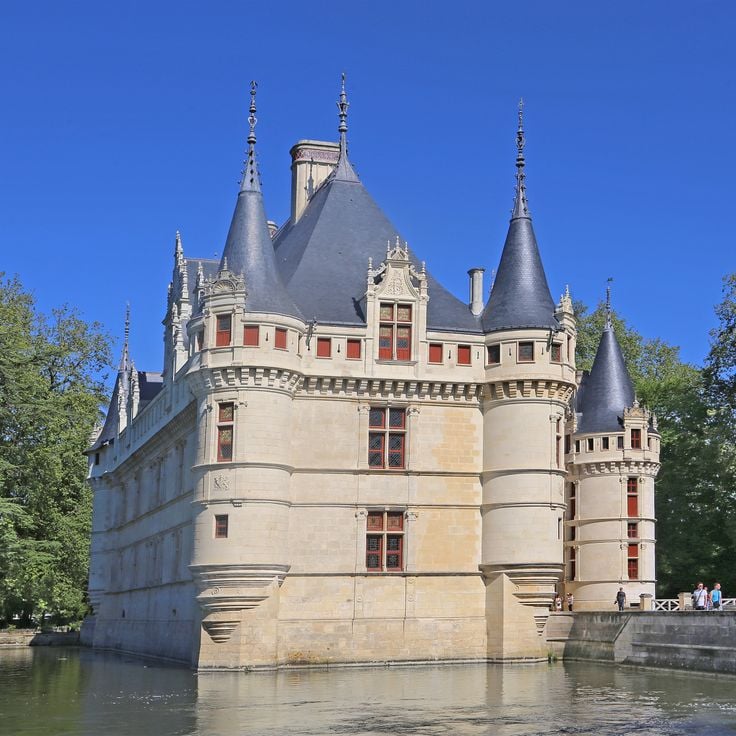
The Château d'Azay-le-Rideau was built in the 16th century on an artificial island in the Indre River. The facades display the characteristic features of early French Renaissance architecture, blending Gothic towers with Italian pilasters. The moats surround the building completely, creating reflections of the structure in the water. Inside, the rooms are furnished with pieces from the 16th and 17th centuries. The park follows an English garden style and was laid out in the 19th century.
Blois, France
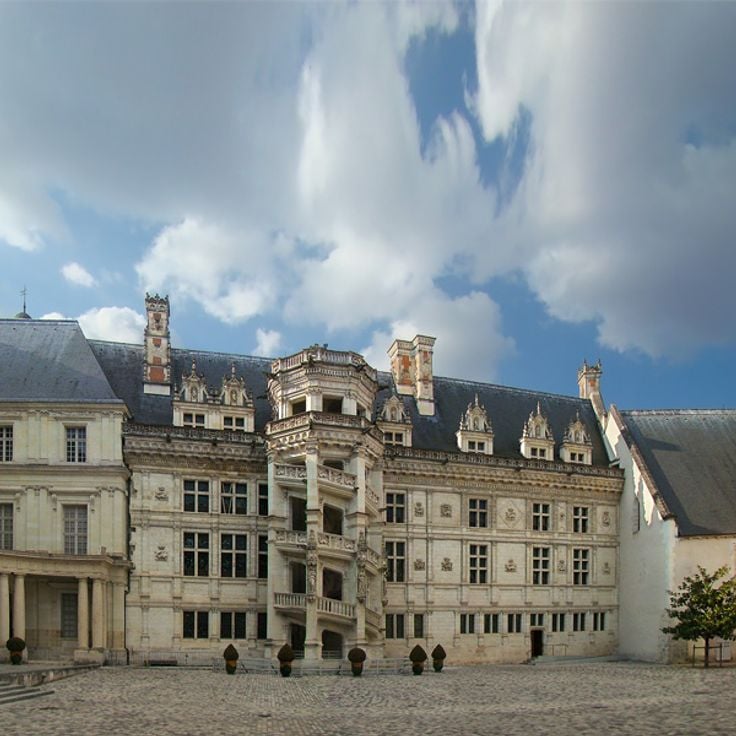
The Château de Blois brings together four architectural styles from different periods, documenting the evolution of construction from the 13th to the 17th century. The Gothic wing contains medieval halls, the Francis I wing displays a spiral staircase with stone ornaments, and the Gaston d'Orléans wing was built in the classical style of the 1600s. Seven French kings lived in this palace, where state rooms, living quarters, and a chapel alternate. The facades shift between brick, white tufa stone, and slate, while the inner courtyards offer a view of this range of styles.
Cheverny, France
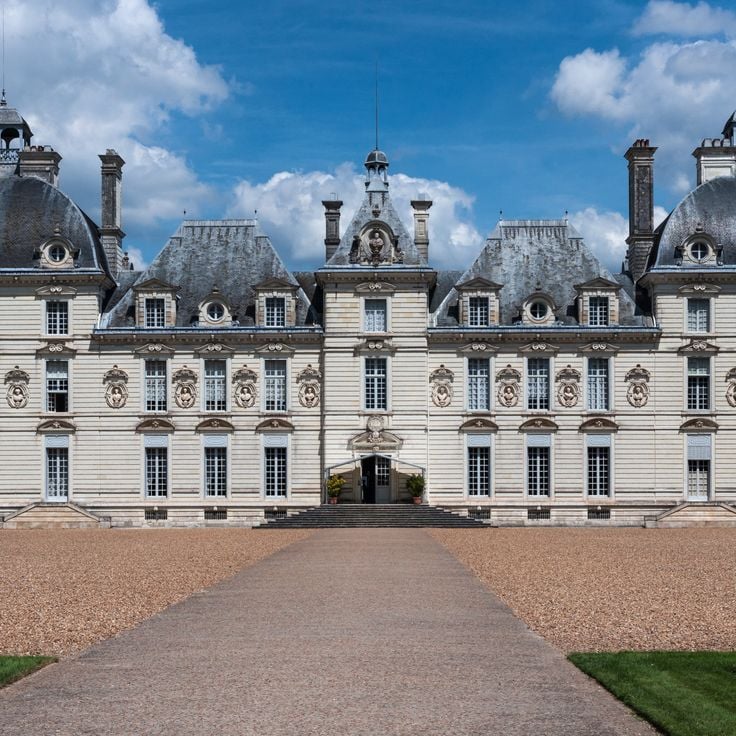
This château was built in the 17th century and has belonged to the same family, the Huraults, for over six centuries. The symmetrical facade made of pale limestone shows the architecture of the classical period. Inside, furniture, wood paneling and tapestries have been preserved, including wall hangings from the Gobelins manufacture. On the upper floors there are bedrooms with original decorations that show how a noble family lived in the 17th century. Part of the château remains inhabited while other rooms are open to visitors. The French-style park is surrounded by woods. The outbuildings display a collection of hunting objects and historical costumes. This château is also known because its silhouette inspired Hergé when he drew Marlinspike Hall, Captain Haddock's residence in the Tintin adventures.
Langeais, France
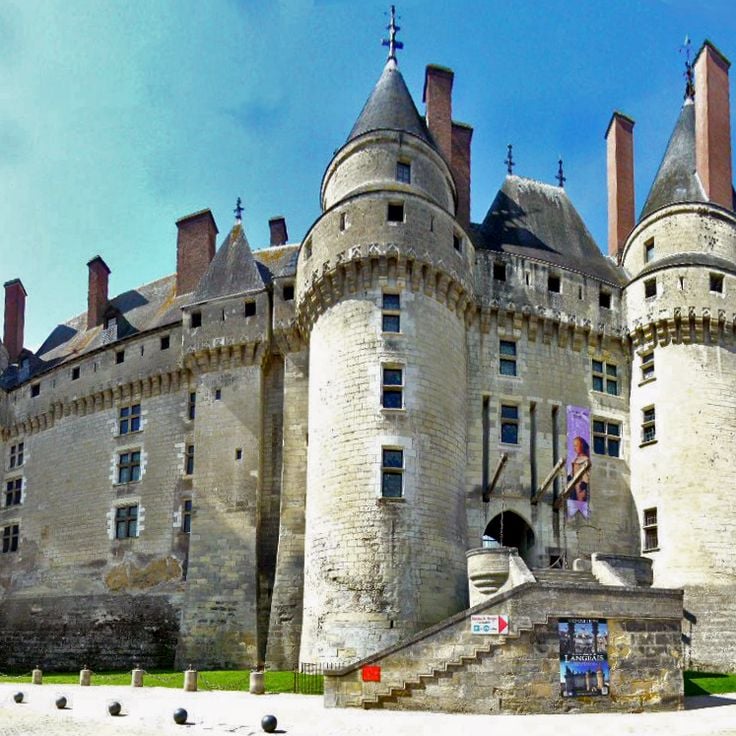
This 15th-century château combines military defenses with living quarters. The medieval fortress displays high walls and defensive towers. Located on the Loire, Château de Langeais is among the châteaux built during the Renaissance and classical periods. The architecture blends late medieval fortification techniques with the needs of a royal residence. Inside, rooms are furnished with pieces from different periods.
Loches, France
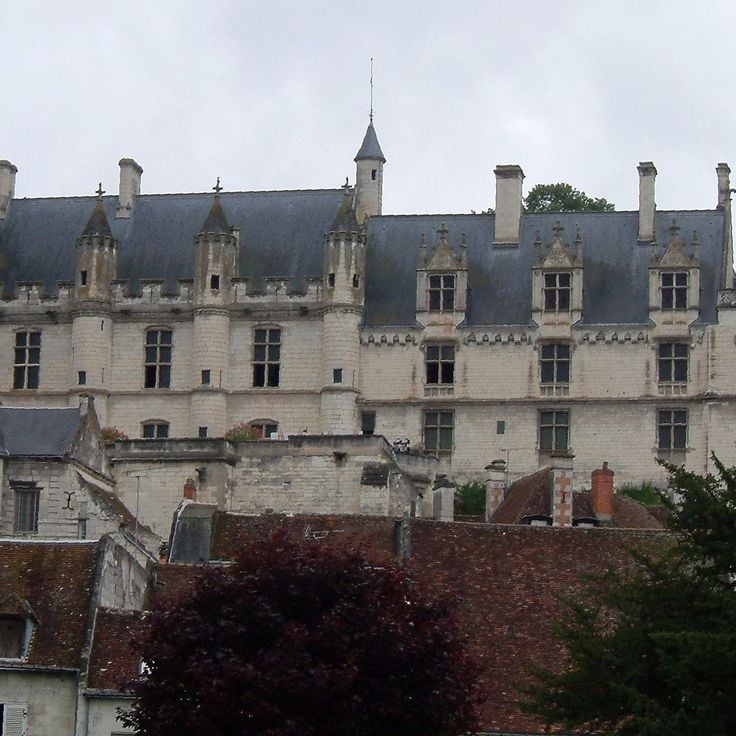
The Château de Loches combines an 11th-century fortress with a keep that rises 36 meters high. The complex served for centuries as a stronghold and a prison. You walk through thick stone walls, descend into underground cells, and enter rooms where prisoners carved their names into the stone. From the top of the tower, you gain a wide view over the rooftops of Loches and the surrounding forests. The site shows how royal power and military defense worked together in the Middle Ages, while later additions document the shift toward the Renaissance.
Valençay, France
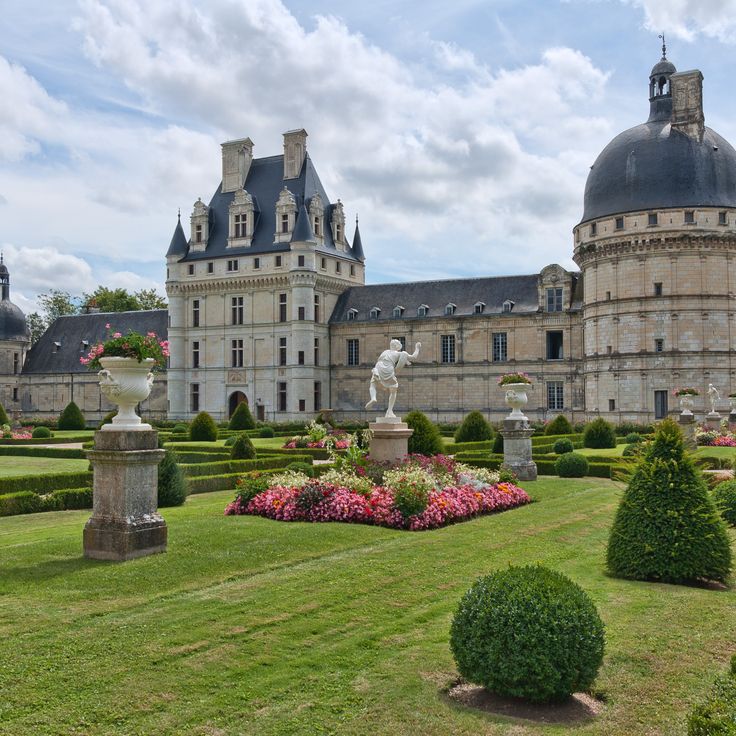
This château combines Renaissance architecture with classical elements from later centuries. The interior rooms contain furniture from the 18th and 19th centuries that belonged to the original furnishings. The halls show how nobles and diplomats lived and received guests during this period. Valençay served at times as a residence and reception place for political guests. You see wood paneling, decorated ceilings, and rooms arranged according to their function at the time.
Amboise, France
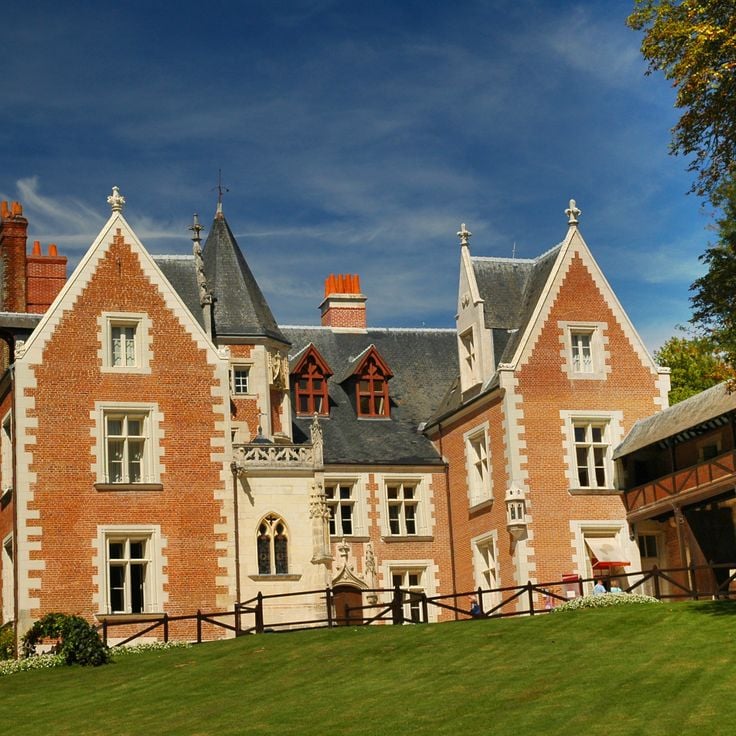
The Château du Clos Lucé is a manor house built of red brick in the 15th century where Leonardo da Vinci lived and worked. The Italian master spent the final years of his life here, from 1516 until his death in 1519, as a guest of King Francis I. The rooms preserve furniture and objects from that period, and an underground passage once connected the estate to the royal château of Amboise. The park and workshops display models of his inventions, built from his original drawings. Visitors see machines, bridges, flying devices, and mechanical systems that reflect his technical imagination. The garden features plants Leonardo used for his botanical studies, and the grounds invite exploration of the world of an artist and inventor who worked in peace here and developed his final projects.
Rigny-Ussé, France
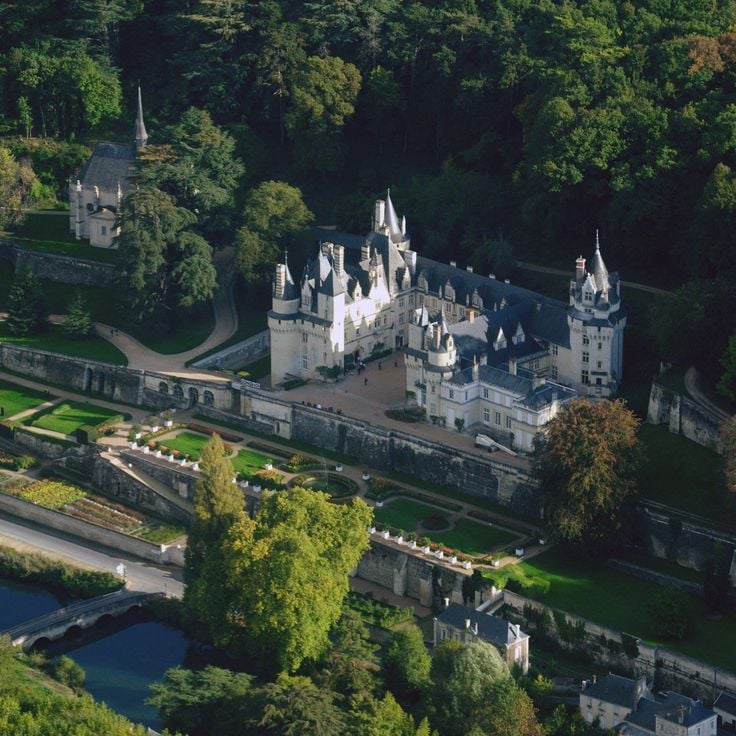
The Château d'Ussé stands on the banks of the Indre, combining medieval fortifications with 15th-century residential buildings. White towers with battlements frame the facades. The interior rooms preserve furniture and tapestries from different periods. The terraced garden was designed by Le Nôtre. Charles Perrault spent time here and drew inspiration from the architecture for his fairy tales, especially Sleeping Beauty. Visitors walk through rooms with fireplaces, a Renaissance chapel, and passages leading into the towers. The view from the upper floor extends over the river and the surrounding forests.
Saumur, France
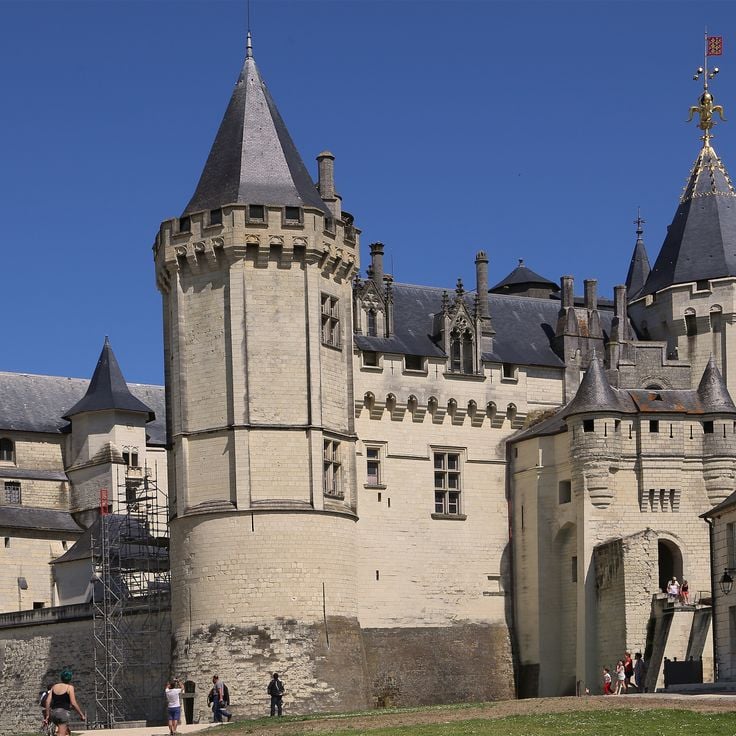
The Château de Saumur sits on a hill overlooking the town and combines features from several centuries. Construction began in the 14th century as a fortress, later adding towers and living quarters in Renaissance style. The walls are built from pale stone, the roofs covered with slate. From the terraces you can see the Loire River and the surrounding vineyards. Inside, collections display ceramics, tapestries, and armor. The rooms connect through courtyards and spiral staircases. Down in the town is the national riding school, which has ties to the château. The building served as a residence, prison, and museum over time. Today you can trace the defensive architecture and the later modifications.
Sully-sur-Loire, France
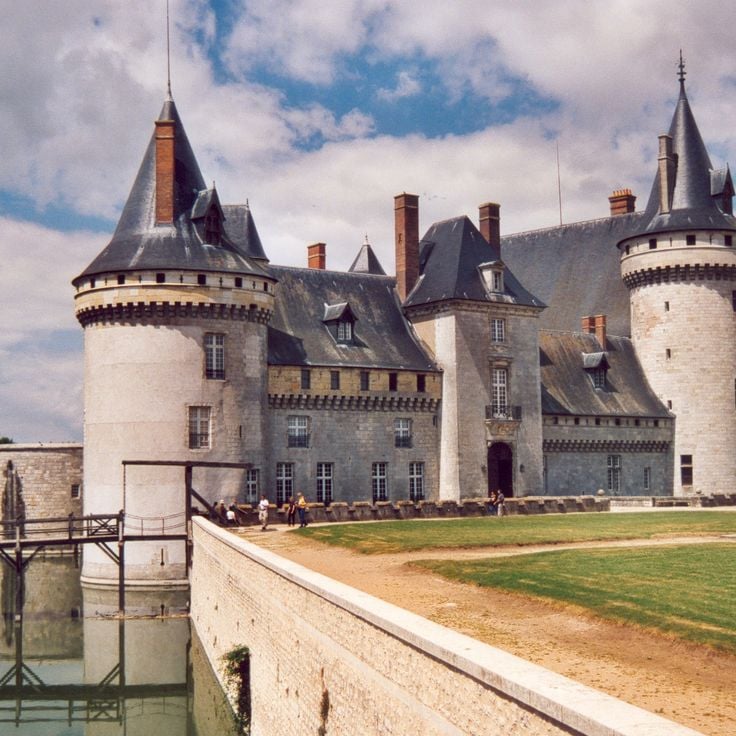
The Château de Sully-sur-Loire started as a fortified castle on the banks of the Loire during the Middle Ages and was gradually transformed into a residence. Maximilien de Béthune, Duke of Sully and minister to Henry IV, redesigned the interior in the 17th century, introducing Renaissance style into the rooms. The outer walls still show thick towers and arrow slits from the era of defense, while the galleries and chambers feature wooden paneling and stonework from a later period. The keep rises above the moats and offers views over the river and surrounding rooftops. In the park, you can walk among old trees and observe the mix of military past and aristocratic living.

Chinon, France
This medieval fortress stands above the town and the Vienne river. Its white tufa walls stretch for several hundred yards along the rocky outcrop. In the 15th century, Charles VII received Joan of Arc here, and she convinced him to travel to Reims for his coronation. Before that, the site served as a royal residence for the Plantagenets, and Richard the Lionheart died nearby after a siege. From the keep, you can see the rooftops of the old town, the vineyards, and the course of the river. Inside, exhibition rooms recall the meetings between the Maid of Orléans and the king. The ruins of some towers and curtain walls reveal the military past of the place.
Brissac-Quincé, France
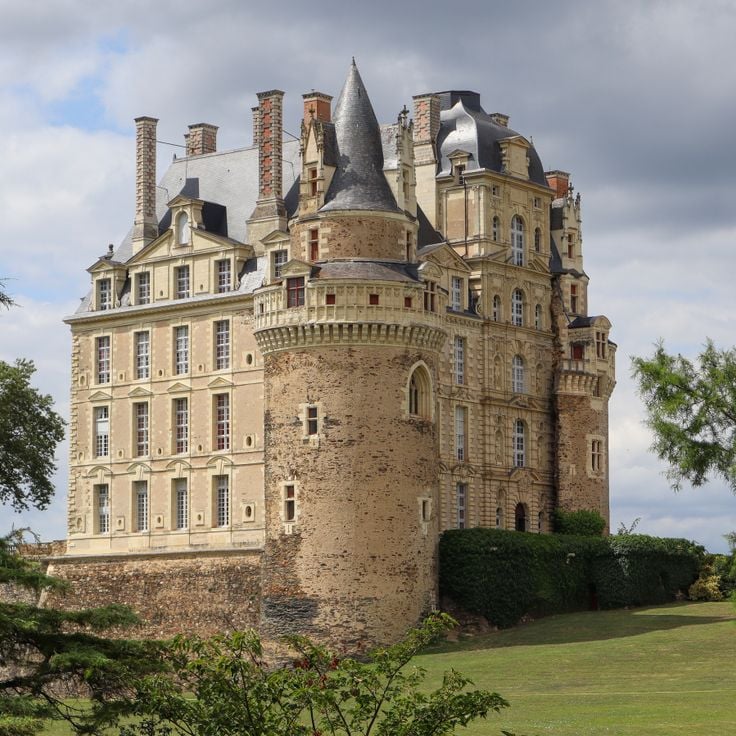
The Château de Brissac rises to seven floors and reaches a height greater than other Loire castles. The building from the 15th and 17th centuries combines parts of a medieval fortress with a Renaissance and Baroque façade. Inside, gilded ceilings, painted tapestries and furniture from different centuries follow one another. Staircases with carved railings lead through the rooms, the salons display silk curtains and crystal chandeliers. In the park stand tall trees and kept paths. The castle remains in family ownership and is lived in, which gives it a different atmosphere from the state monuments of the region.
Céré-la-Ronde, France
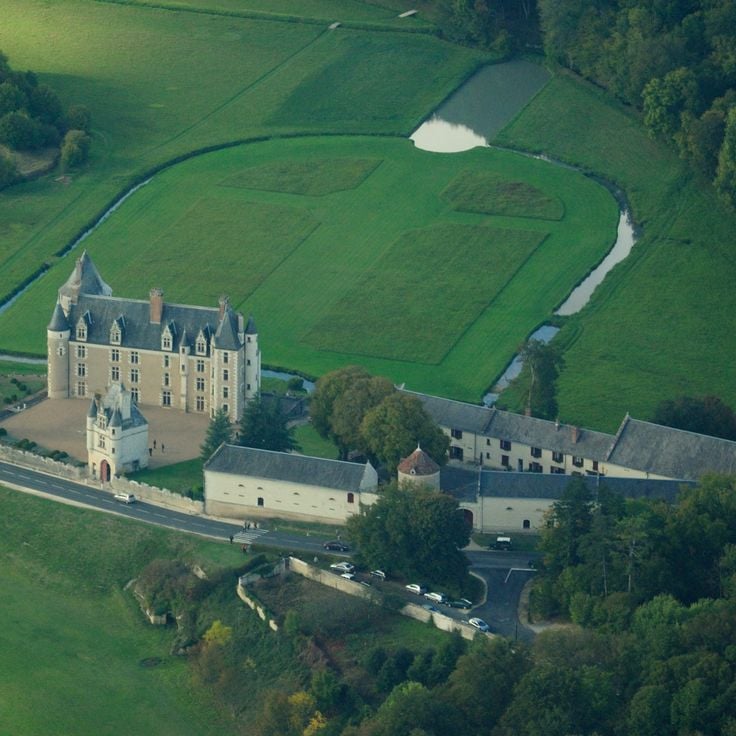
This castle from the 13th century stands in a wooded area and displays a collection on the history of hunting. The rooms inside preserve furniture, tapestries, and weapons from several centuries. Part of the castle remains owned by the family who has lived here for generations. The visit leads through the living quarters, the chapel, and the stables where carriages and riding equipment are on view. The site lies away from the main tourist routes and conveys the feeling of an inhabited residence.
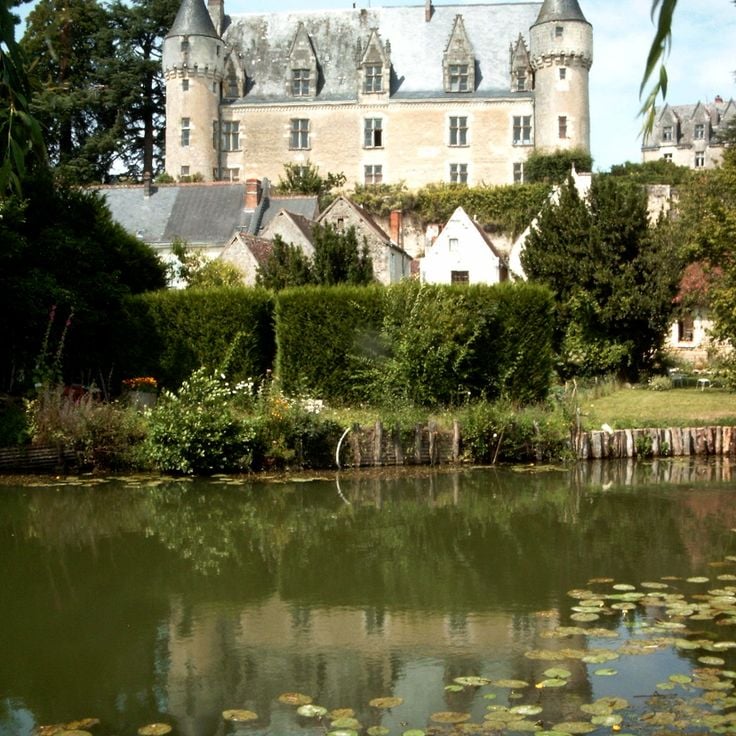
Montrésor, France
This château rises above the village of Montrésor and combines a medieval structure with rooms furnished from later centuries. The building includes towers and walls from the Middle Ages along with interiors filled with Renaissance and 19th-century furniture. Inside, tapestries, paintings and wood paneling reflect different periods. The château sits at the edge of a valley, surrounded by gardens and old trees that extend down to the riverbank.
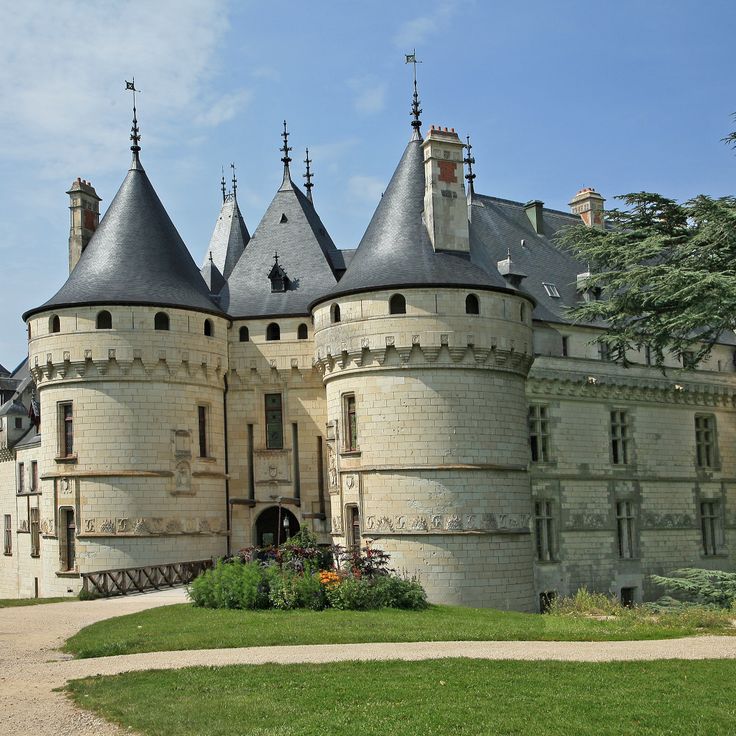
Chaumont-sur-Loire, France
The château of Chaumont sits on a hillside above the Loire and has passed through the hands of many owners over the centuries. Its facades show influences from Gothic and Renaissance periods, with round towers and carved chimneys. Since the late 20th century, it hosts an annual international festival that brings contemporary garden design into the historic park. Artists and landscape architects create installations that weave between the old trees and pathways. Inside the rooms, modern artworks are displayed alongside wooden ceilings, tapestries, and furniture from past centuries. From the terraces, you can see the river and the surrounding forests.
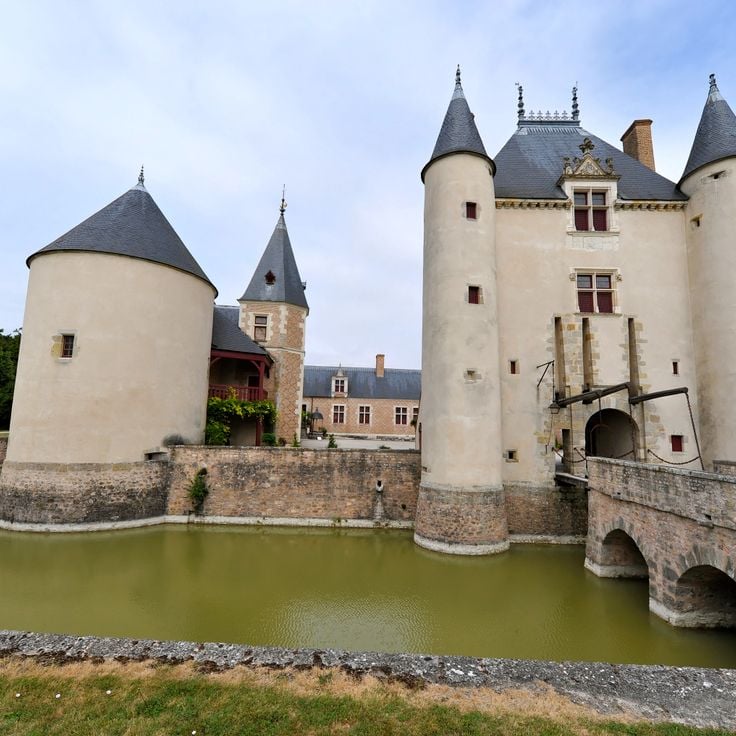
Chilleurs-aux-Bois, France
The Château de Chamerolles was built in the 16th century and now houses a collection on the history of scents and perfumery. The rooms show the development of personal care from the Middle Ages to the 19th century through bottles, toiletries and recreated fragrances. Visitors walk through rooms with different themes: hygiene at court, perfume making, cosmetic habits and the use of essences in daily life. The architecture of this château combines defensive elements with the openings and decorations of the Renaissance. A square layout encloses an inner courtyard, towers mark the corners, and a moat surrounds the building. The gardens were laid out according to historical plans and display plants used in perfumery.
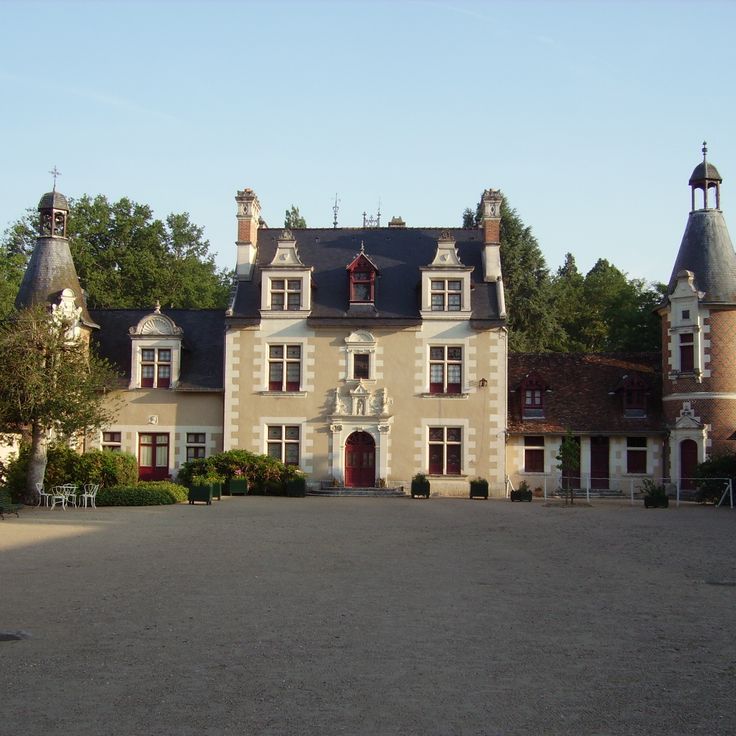
Cheverny, France
Château de Troussay is a 16th-century residence where rooms are furnished with period pieces and collections from the Renaissance era. The park contains centuries-old trees alongside a restored vegetable garden, where visitors can see the layout and plantings based on historical models. The architecture shows the Loire castle style on a smaller scale, with corner towers, carved stone facades, and a courtyard. The estate was restored in the 19th century by a historian who brought elements from other castles in the region here, including door frames, fireplaces, and wall paneling. This collection offers insight into the work of Renaissance craftsmen.
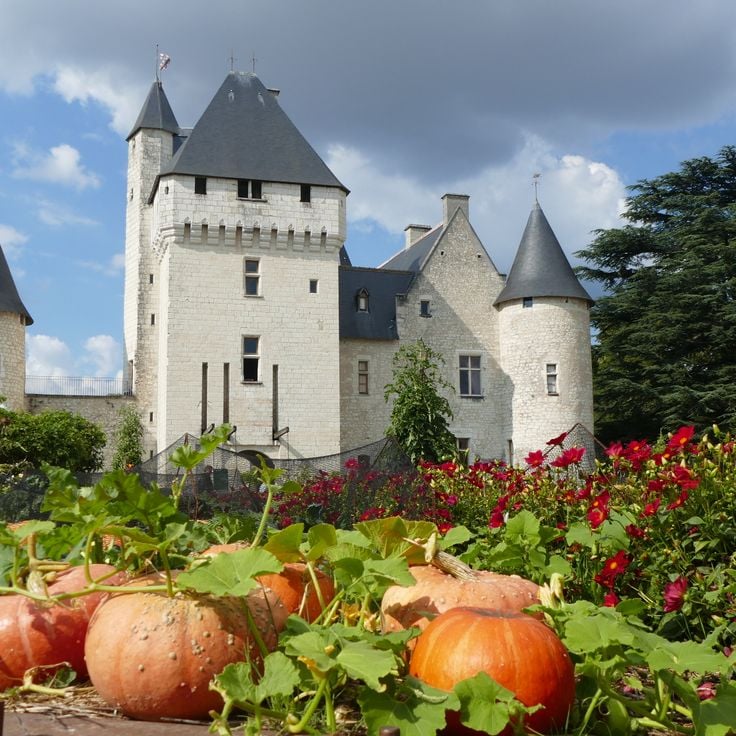
Lémeré, France
This medieval castle rises at the edge of the Loire valley with its fortified towers and battlements. The 15th century stables show vaulted stone ceilings and wooden troughs. The gardens were recreated in the 20th century based on historical sources and host sculptures and installations by contemporary artists. You walk through themed gardens surrounded by walls, hedges and roses that carry fairy tale names. The courtyard leads to the living quarters, where tapestries and wood paneling decorate the interior. From the rampart walk you overlook the surrounding fields and vineyards.
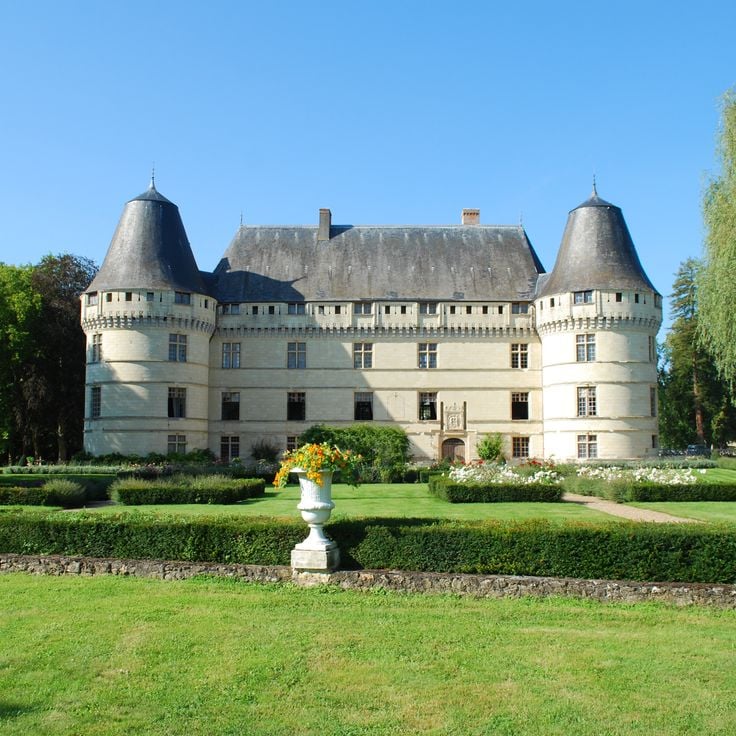
Azay-le-Rideau, France
The Château de l'Islette sits on the banks of the Indre River and was built in the 16th century. The architecture combines living quarters with small defensive towers and a dovecote. At the end of the 19th century, Auguste Rodin and Camille Claudel stayed here during several summers, giving the place an artistic past. The garden has old trees and roses, with terraces leading down to the water. The interior rooms show furniture from different periods, fireplaces, and wood paneling. You can walk through the rooms and imagine how artists worked here and enjoyed the calm of the countryside.
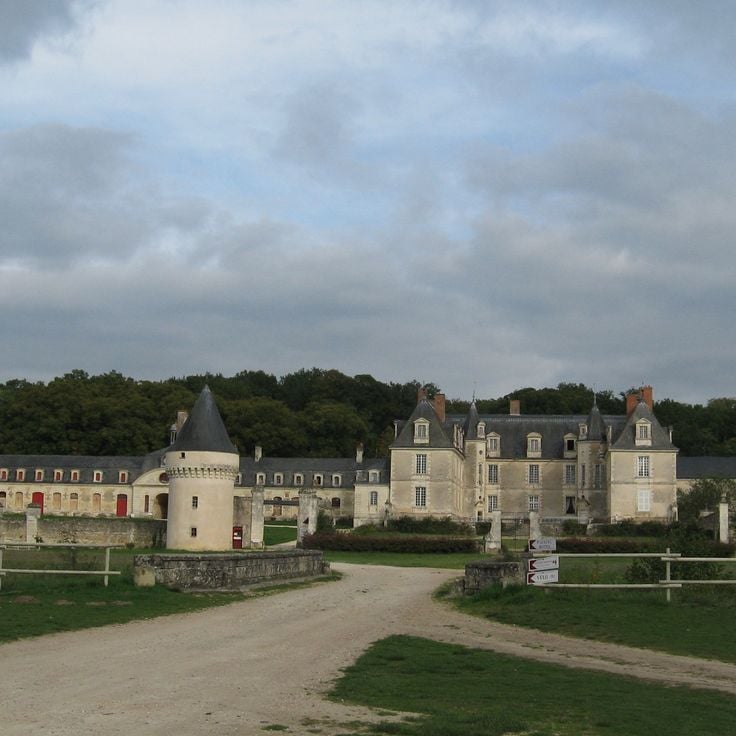
Gizeux, France
The Château de Gizeux combines Renaissance architecture with changes made in the 17th century. The building spans 820 feet (250 meters) and contains living quarters, service areas and a gallery with wall paintings from the 17th century. The paintings show scenes from mythology and court life of the time. This château receives fewer visitors than other sites in the Loire valley and still holds the atmosphere of a noble residence. Furniture, decorations and fittings here trace the daily life of a family that lived in this place for centuries.
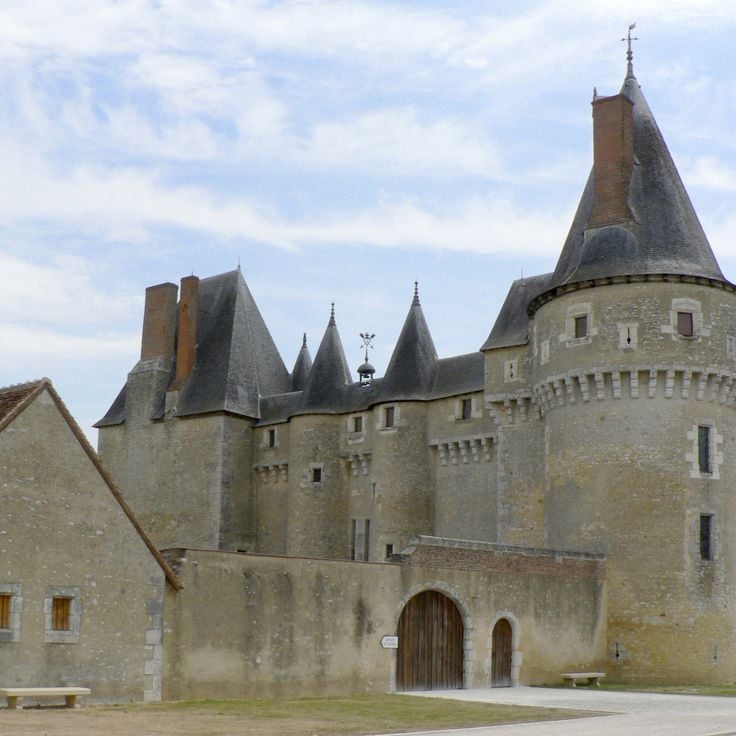
Fougères-sur-Bièvre, France
This small castle from the 15th century combines the features of a medieval fortress with early Renaissance touches. The structure was built on the site of an older stronghold and shows a compact layout with strong round towers and an enclosed courtyard. Fougères-sur-Bièvre is less decorated than other Loire residences, but its thick walls, arrow slits, and square plan speak of the transition between defense and living comfort, as it was common in rural France.
Talcy, France
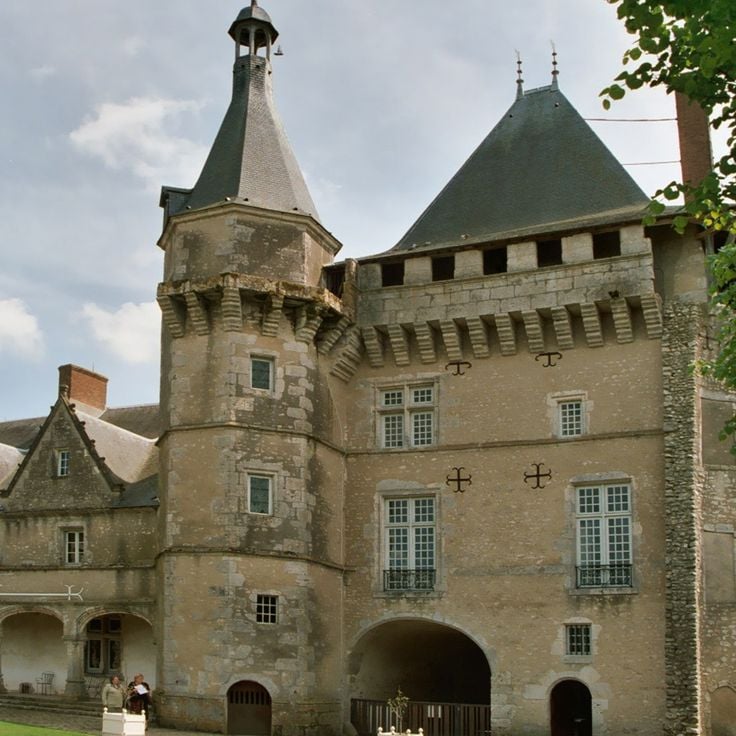
Château de Talcy is a manor built in the 16th century and still furnished with original Renaissance pieces. The rooms show how a noble family lived over several generations. In the garden grow old fruit trees maintained using historical methods. There is also a dovecote and a press room where wine was once made. The atmosphere here is quiet and rural, far removed from the courtly splendor of the great royal residences.
Cellettes, France
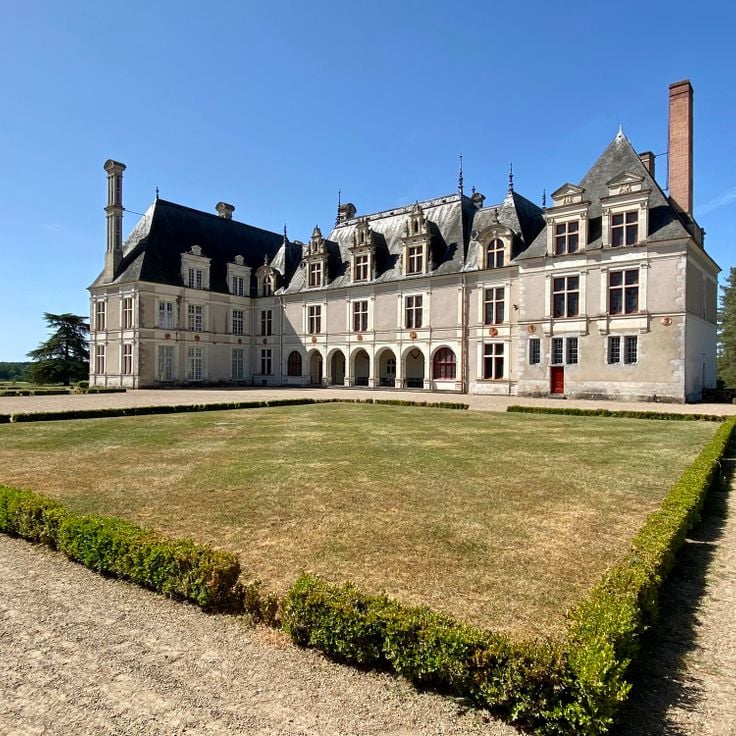
The portrait hall at Château de Beauregard displays 327 portraits of European figures from the 14th to the 17th centuries, one of the largest collections of its kind in France. The paintings hang on the walls in several rows and cover a period of more than three centuries. Visitors can identify kings, queens, military leaders, and scholars who took part in the events of their time. The hall is located on the first floor of the château and was created in the 17th century. The portraits are arranged in historical order and accompanied by explanatory texts. The floor is made of glazed tiles from the 17th century depicting military scenes. This place gives a sense of how people during the Renaissance and classical periods recorded history and preserved the memory of important individuals.
Mazé, France
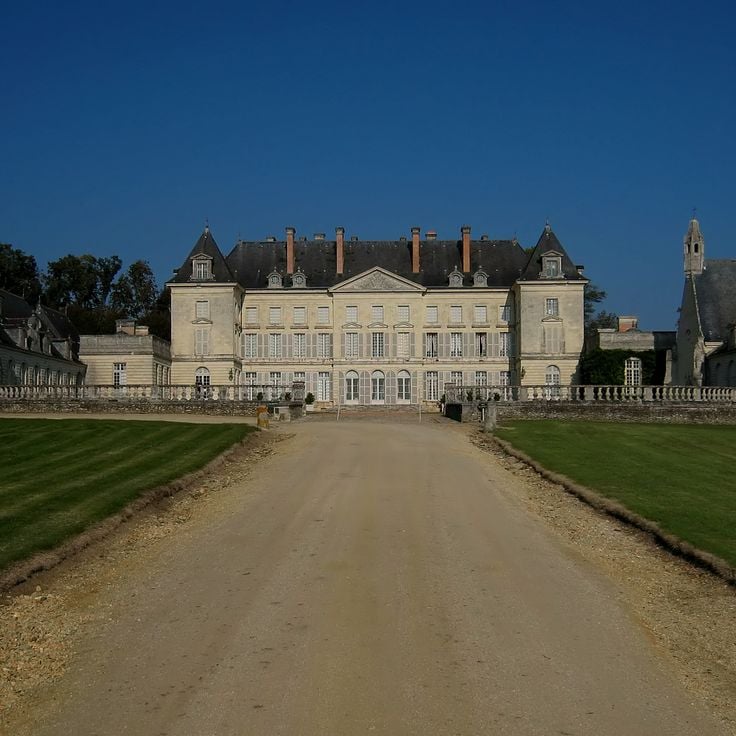
This castle was built in the 18th century and retains its original furnishings: furniture, paneling, fabrics, and everyday objects from before the Revolution. The rooms show how a noble family lived in Anjou, with salons, a library, bedrooms, and service areas. The facade of pale tuff stone opens onto a French garden. Inside, you find tapestries, mirrors, porcelain, and a kitchen with copper cookware. The castle has belonged to the same family since it was built and gives the impression of a lived-in place where time has stood still.
Meung-sur-Loire, France
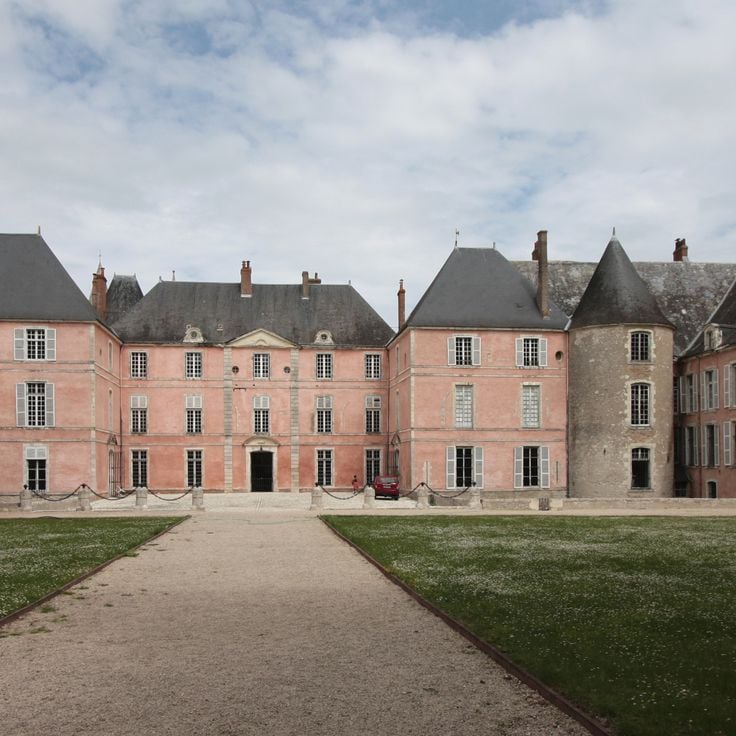
The Château de Meung-sur-Loire dates back to the Middle Ages and served for a long time as a residence for bishops. Inside, a 13th-century episcopal hall and period furniture are preserved. The castle shows different building phases that span several centuries, and it adds to the history of the Loire châteaux through its ecclesiastical past and defensive architecture.
Le Lude, France
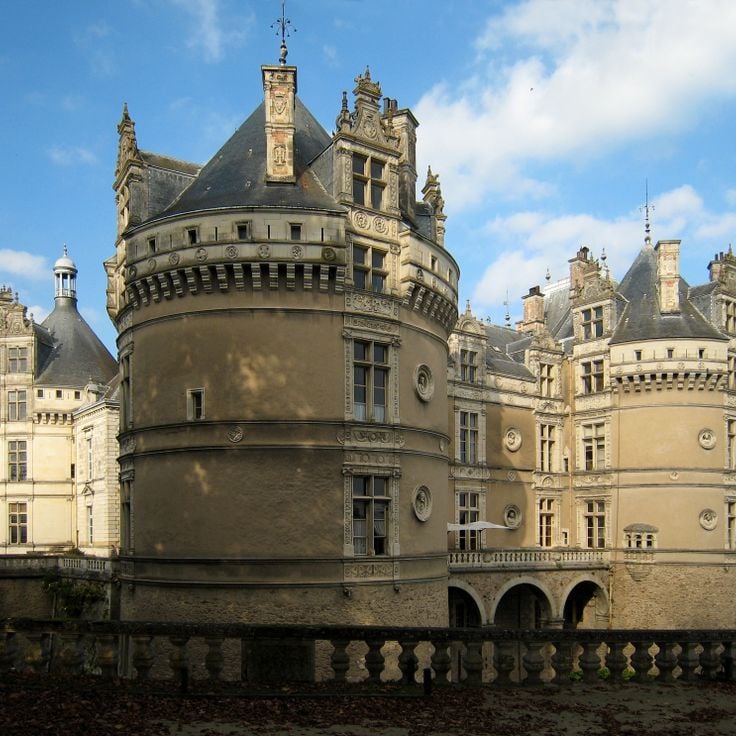
The Château du Lude brings together elements from ten centuries of building history. The fortress walls date from the 10th century, while the interiors were redesigned during the Renaissance. You will find tapestries from that era, carved wooden paneling, and painted ceilings. The facades show different architectural styles, from medieval defensive towers to 17th-century classical galleries. The grounds extend over several terraces with geometric flower beds and fruit trees. This estate was owned and occupied by noble families for several centuries, which explains the well-preserved furnishings and the collection of everyday objects.
Monts, France
The Château de Candé combines 15th-century architecture with early 20th-century renovations. Its interior houses an organ with 1800 pipes, installed between 1928 and 1933. In 1937 the Duke of Windsor married Wallis Simpson here after abdicating the British throne. You walk through sitting rooms, a library and living quarters furnished according to the taste of past owners. The surrounding park invites strolls among old trees. This castle belongs to those Loire residences built not for royal use but for private owners who realized their own idea of comfort and display.
In this article
31 places to discover — Don't miss the last!
Chambord, France
The castle combines French tradition with designs said to be inspired by Leonardo da Vinci. At its center stands a double helix staircase, with two separate spirals that cross without ever meeting. The building spreads across several floors with hundreds of rooms, chimneys, and towers. The roofs are marked by lanterns, chimneys, and turrets. Francis I commissioned the castle in the 16th century but used it only for short hunting stays. A forested park surrounds the building, crossed by paths and enclosed by a wall.
Chenonceaux, France
This château stands on a five-arch bridge over the Cher River. Catherine de Medici and Diane de Poitiers shaped it in the 16th century. Both women added galleries, halls and gardens to display their influence. The structure links both banks of the river and reflects in the water. Inside, long rooms run along the arches. The chambers hold furniture, tapestries and paintings from the Renaissance. The gardens on each side of the river follow a geometric plan. The place shows how women at court shaped architecture and taste.
Villandry, France
Villandry is a castle from the 16th century on the banks of the Cher, known mainly for its gardens. These gardens were laid out in the 20th century following historical models and show geometric beds on three levels. You will find vegetable gardens with colored plants, ornamental gardens with boxwood figures, water basins and terraces that cover six hectares (about 15 acres). The castle itself combines medieval and Renaissance elements. The interior rooms are furnished with period furniture and paintings. From the upper garden, you can see the entire estate and the surrounding countryside. The place is still inhabited today by the descendants of the family who acquired it in the early 20th century.
Amboise, France
The Château d'Amboise rises from a limestone cliff above the Loire and belongs to the major royal residences of the region. King Charles VIII was born here and ordered extensive renovations during the 15th century. Leonardo da Vinci is buried in the castle chapel after spending his final years at nearby Clos Lucé. The terraces offer wide views over the river and the rooftops of the old town. The rooms display furniture and tapestries from the Renaissance period. The garden holds old trees and the remains of medieval fortifications are still visible.
Azay-le-Rideau, France
The Château d'Azay-le-Rideau was built in the 16th century on an artificial island in the Indre River. The facades display the characteristic features of early French Renaissance architecture, blending Gothic towers with Italian pilasters. The moats surround the building completely, creating reflections of the structure in the water. Inside, the rooms are furnished with pieces from the 16th and 17th centuries. The park follows an English garden style and was laid out in the 19th century.
Blois, France
The Château de Blois brings together four architectural styles from different periods, documenting the evolution of construction from the 13th to the 17th century. The Gothic wing contains medieval halls, the Francis I wing displays a spiral staircase with stone ornaments, and the Gaston d'Orléans wing was built in the classical style of the 1600s. Seven French kings lived in this palace, where state rooms, living quarters, and a chapel alternate. The facades shift between brick, white tufa stone, and slate, while the inner courtyards offer a view of this range of styles.
Cheverny, France
This château was built in the 17th century and has belonged to the same family, the Huraults, for over six centuries. The symmetrical facade made of pale limestone shows the architecture of the classical period. Inside, furniture, wood paneling and tapestries have been preserved, including wall hangings from the Gobelins manufacture. On the upper floors there are bedrooms with original decorations that show how a noble family lived in the 17th century. Part of the château remains inhabited while other rooms are open to visitors. The French-style park is surrounded by woods. The outbuildings display a collection of hunting objects and historical costumes. This château is also known because its silhouette inspired Hergé when he drew Marlinspike Hall, Captain Haddock's residence in the Tintin adventures.
Langeais, France
This 15th-century château combines military defenses with living quarters. The medieval fortress displays high walls and defensive towers. Located on the Loire, Château de Langeais is among the châteaux built during the Renaissance and classical periods. The architecture blends late medieval fortification techniques with the needs of a royal residence. Inside, rooms are furnished with pieces from different periods.
Loches, France
The Château de Loches combines an 11th-century fortress with a keep that rises 36 meters high. The complex served for centuries as a stronghold and a prison. You walk through thick stone walls, descend into underground cells, and enter rooms where prisoners carved their names into the stone. From the top of the tower, you gain a wide view over the rooftops of Loches and the surrounding forests. The site shows how royal power and military defense worked together in the Middle Ages, while later additions document the shift toward the Renaissance.
Valençay, France
This château combines Renaissance architecture with classical elements from later centuries. The interior rooms contain furniture from the 18th and 19th centuries that belonged to the original furnishings. The halls show how nobles and diplomats lived and received guests during this period. Valençay served at times as a residence and reception place for political guests. You see wood paneling, decorated ceilings, and rooms arranged according to their function at the time.
Amboise, France
The Château du Clos Lucé is a manor house built of red brick in the 15th century where Leonardo da Vinci lived and worked. The Italian master spent the final years of his life here, from 1516 until his death in 1519, as a guest of King Francis I. The rooms preserve furniture and objects from that period, and an underground passage once connected the estate to the royal château of Amboise. The park and workshops display models of his inventions, built from his original drawings. Visitors see machines, bridges, flying devices, and mechanical systems that reflect his technical imagination. The garden features plants Leonardo used for his botanical studies, and the grounds invite exploration of the world of an artist and inventor who worked in peace here and developed his final projects.
Rigny-Ussé, France
The Château d'Ussé stands on the banks of the Indre, combining medieval fortifications with 15th-century residential buildings. White towers with battlements frame the facades. The interior rooms preserve furniture and tapestries from different periods. The terraced garden was designed by Le Nôtre. Charles Perrault spent time here and drew inspiration from the architecture for his fairy tales, especially Sleeping Beauty. Visitors walk through rooms with fireplaces, a Renaissance chapel, and passages leading into the towers. The view from the upper floor extends over the river and the surrounding forests.
Saumur, France
The Château de Saumur sits on a hill overlooking the town and combines features from several centuries. Construction began in the 14th century as a fortress, later adding towers and living quarters in Renaissance style. The walls are built from pale stone, the roofs covered with slate. From the terraces you can see the Loire River and the surrounding vineyards. Inside, collections display ceramics, tapestries, and armor. The rooms connect through courtyards and spiral staircases. Down in the town is the national riding school, which has ties to the château. The building served as a residence, prison, and museum over time. Today you can trace the defensive architecture and the later modifications.
Sully-sur-Loire, France
The Château de Sully-sur-Loire started as a fortified castle on the banks of the Loire during the Middle Ages and was gradually transformed into a residence. Maximilien de Béthune, Duke of Sully and minister to Henry IV, redesigned the interior in the 17th century, introducing Renaissance style into the rooms. The outer walls still show thick towers and arrow slits from the era of defense, while the galleries and chambers feature wooden paneling and stonework from a later period. The keep rises above the moats and offers views over the river and surrounding rooftops. In the park, you can walk among old trees and observe the mix of military past and aristocratic living.
Chinon, France
This medieval fortress stands above the town and the Vienne river. Its white tufa walls stretch for several hundred yards along the rocky outcrop. In the 15th century, Charles VII received Joan of Arc here, and she convinced him to travel to Reims for his coronation. Before that, the site served as a royal residence for the Plantagenets, and Richard the Lionheart died nearby after a siege. From the keep, you can see the rooftops of the old town, the vineyards, and the course of the river. Inside, exhibition rooms recall the meetings between the Maid of Orléans and the king. The ruins of some towers and curtain walls reveal the military past of the place.
Brissac-Quincé, France
The Château de Brissac rises to seven floors and reaches a height greater than other Loire castles. The building from the 15th and 17th centuries combines parts of a medieval fortress with a Renaissance and Baroque façade. Inside, gilded ceilings, painted tapestries and furniture from different centuries follow one another. Staircases with carved railings lead through the rooms, the salons display silk curtains and crystal chandeliers. In the park stand tall trees and kept paths. The castle remains in family ownership and is lived in, which gives it a different atmosphere from the state monuments of the region.
Céré-la-Ronde, France
This castle from the 13th century stands in a wooded area and displays a collection on the history of hunting. The rooms inside preserve furniture, tapestries, and weapons from several centuries. Part of the castle remains owned by the family who has lived here for generations. The visit leads through the living quarters, the chapel, and the stables where carriages and riding equipment are on view. The site lies away from the main tourist routes and conveys the feeling of an inhabited residence.
Montrésor, France
This château rises above the village of Montrésor and combines a medieval structure with rooms furnished from later centuries. The building includes towers and walls from the Middle Ages along with interiors filled with Renaissance and 19th-century furniture. Inside, tapestries, paintings and wood paneling reflect different periods. The château sits at the edge of a valley, surrounded by gardens and old trees that extend down to the riverbank.
Chaumont-sur-Loire, France
The château of Chaumont sits on a hillside above the Loire and has passed through the hands of many owners over the centuries. Its facades show influences from Gothic and Renaissance periods, with round towers and carved chimneys. Since the late 20th century, it hosts an annual international festival that brings contemporary garden design into the historic park. Artists and landscape architects create installations that weave between the old trees and pathways. Inside the rooms, modern artworks are displayed alongside wooden ceilings, tapestries, and furniture from past centuries. From the terraces, you can see the river and the surrounding forests.
Chilleurs-aux-Bois, France
The Château de Chamerolles was built in the 16th century and now houses a collection on the history of scents and perfumery. The rooms show the development of personal care from the Middle Ages to the 19th century through bottles, toiletries and recreated fragrances. Visitors walk through rooms with different themes: hygiene at court, perfume making, cosmetic habits and the use of essences in daily life. The architecture of this château combines defensive elements with the openings and decorations of the Renaissance. A square layout encloses an inner courtyard, towers mark the corners, and a moat surrounds the building. The gardens were laid out according to historical plans and display plants used in perfumery.
Cheverny, France
Château de Troussay is a 16th-century residence where rooms are furnished with period pieces and collections from the Renaissance era. The park contains centuries-old trees alongside a restored vegetable garden, where visitors can see the layout and plantings based on historical models. The architecture shows the Loire castle style on a smaller scale, with corner towers, carved stone facades, and a courtyard. The estate was restored in the 19th century by a historian who brought elements from other castles in the region here, including door frames, fireplaces, and wall paneling. This collection offers insight into the work of Renaissance craftsmen.
Lémeré, France
This medieval castle rises at the edge of the Loire valley with its fortified towers and battlements. The 15th century stables show vaulted stone ceilings and wooden troughs. The gardens were recreated in the 20th century based on historical sources and host sculptures and installations by contemporary artists. You walk through themed gardens surrounded by walls, hedges and roses that carry fairy tale names. The courtyard leads to the living quarters, where tapestries and wood paneling decorate the interior. From the rampart walk you overlook the surrounding fields and vineyards.
Azay-le-Rideau, France
The Château de l'Islette sits on the banks of the Indre River and was built in the 16th century. The architecture combines living quarters with small defensive towers and a dovecote. At the end of the 19th century, Auguste Rodin and Camille Claudel stayed here during several summers, giving the place an artistic past. The garden has old trees and roses, with terraces leading down to the water. The interior rooms show furniture from different periods, fireplaces, and wood paneling. You can walk through the rooms and imagine how artists worked here and enjoyed the calm of the countryside.
Gizeux, France
The Château de Gizeux combines Renaissance architecture with changes made in the 17th century. The building spans 820 feet (250 meters) and contains living quarters, service areas and a gallery with wall paintings from the 17th century. The paintings show scenes from mythology and court life of the time. This château receives fewer visitors than other sites in the Loire valley and still holds the atmosphere of a noble residence. Furniture, decorations and fittings here trace the daily life of a family that lived in this place for centuries.
Fougères-sur-Bièvre, France
This small castle from the 15th century combines the features of a medieval fortress with early Renaissance touches. The structure was built on the site of an older stronghold and shows a compact layout with strong round towers and an enclosed courtyard. Fougères-sur-Bièvre is less decorated than other Loire residences, but its thick walls, arrow slits, and square plan speak of the transition between defense and living comfort, as it was common in rural France.
Talcy, France
Château de Talcy is a manor built in the 16th century and still furnished with original Renaissance pieces. The rooms show how a noble family lived over several generations. In the garden grow old fruit trees maintained using historical methods. There is also a dovecote and a press room where wine was once made. The atmosphere here is quiet and rural, far removed from the courtly splendor of the great royal residences.
Cellettes, France
The portrait hall at Château de Beauregard displays 327 portraits of European figures from the 14th to the 17th centuries, one of the largest collections of its kind in France. The paintings hang on the walls in several rows and cover a period of more than three centuries. Visitors can identify kings, queens, military leaders, and scholars who took part in the events of their time. The hall is located on the first floor of the château and was created in the 17th century. The portraits are arranged in historical order and accompanied by explanatory texts. The floor is made of glazed tiles from the 17th century depicting military scenes. This place gives a sense of how people during the Renaissance and classical periods recorded history and preserved the memory of important individuals.
Mazé, France
This castle was built in the 18th century and retains its original furnishings: furniture, paneling, fabrics, and everyday objects from before the Revolution. The rooms show how a noble family lived in Anjou, with salons, a library, bedrooms, and service areas. The facade of pale tuff stone opens onto a French garden. Inside, you find tapestries, mirrors, porcelain, and a kitchen with copper cookware. The castle has belonged to the same family since it was built and gives the impression of a lived-in place where time has stood still.
Meung-sur-Loire, France
The Château de Meung-sur-Loire dates back to the Middle Ages and served for a long time as a residence for bishops. Inside, a 13th-century episcopal hall and period furniture are preserved. The castle shows different building phases that span several centuries, and it adds to the history of the Loire châteaux through its ecclesiastical past and defensive architecture.
Le Lude, France
The Château du Lude brings together elements from ten centuries of building history. The fortress walls date from the 10th century, while the interiors were redesigned during the Renaissance. You will find tapestries from that era, carved wooden paneling, and painted ceilings. The facades show different architectural styles, from medieval defensive towers to 17th-century classical galleries. The grounds extend over several terraces with geometric flower beds and fruit trees. This estate was owned and occupied by noble families for several centuries, which explains the well-preserved furnishings and the collection of everyday objects.
Monts, France
The Château de Candé combines 15th-century architecture with early 20th-century renovations. Its interior houses an organ with 1800 pipes, installed between 1928 and 1933. In 1937 the Duke of Windsor married Wallis Simpson here after abdicating the British throne. You walk through sitting rooms, a library and living quarters furnished according to the taste of past owners. The surrounding park invites strolls among old trees. This castle belongs to those Loire residences built not for royal use but for private owners who realized their own idea of comfort and display.