Alaska presents natural sites in remote areas distant from urban centers. These locations display the geological diversity of the state: glaciers, volcanoes, dunes, hot springs and waterfalls. Visitors discover historical mining sites, indigenous cultural locations and museums. The region enables encounters with brown bears, whales and other wildlife in their natural habitat.
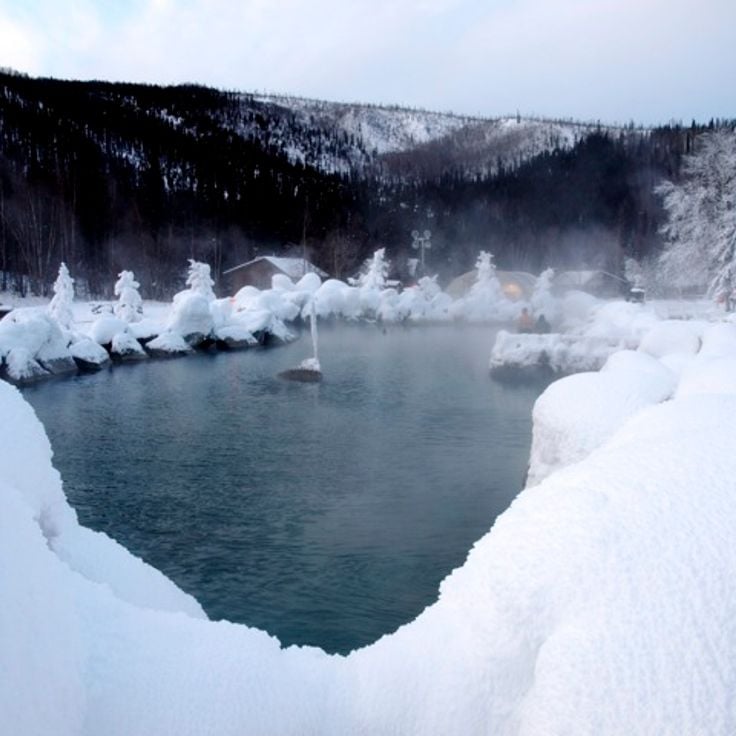
Fairbanks North Star, Alaska
The thermal resort sits 56 miles from Fairbanks and offers mineral-rich springs maintaining temperatures of 106 degrees Fahrenheit throughout the year.
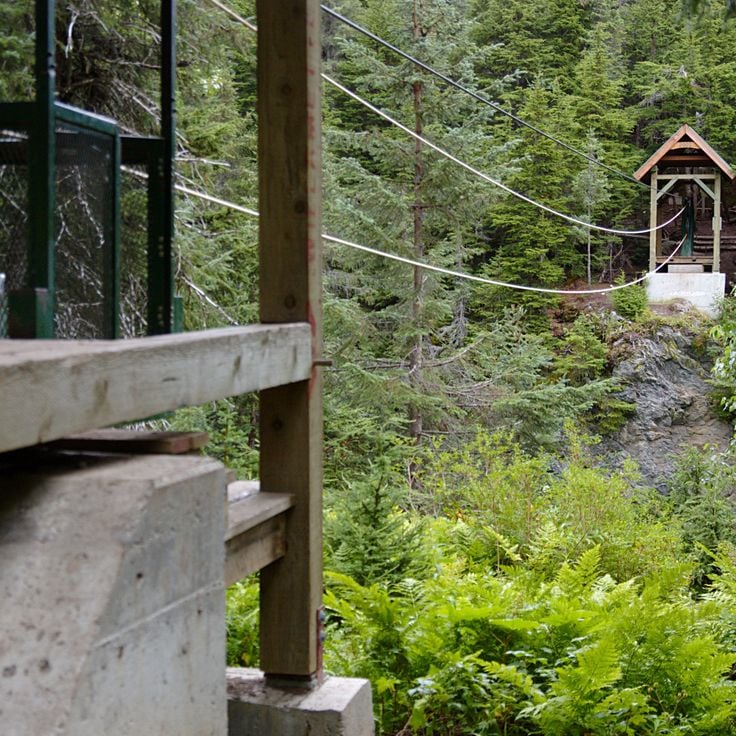
Girdwood, Alaska
The manual cable car transports hikers across a 100-foot deep gorge. Crossing requires pulling ropes to move the cart.
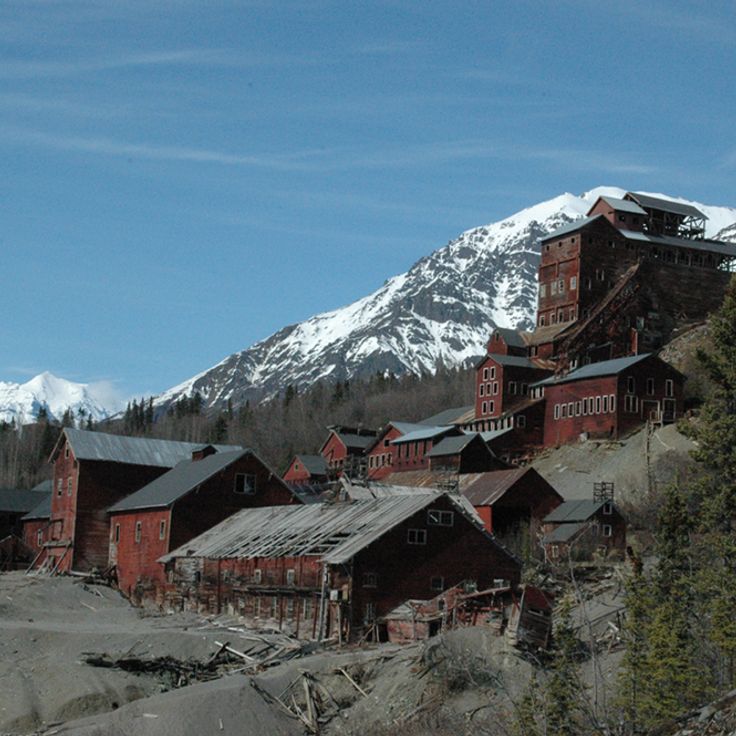
Wrangell-St. Elias National Park, Alaska
This abandoned mining town produced copper from 1911 to 1938. The red mill building and mining structures remain standing.
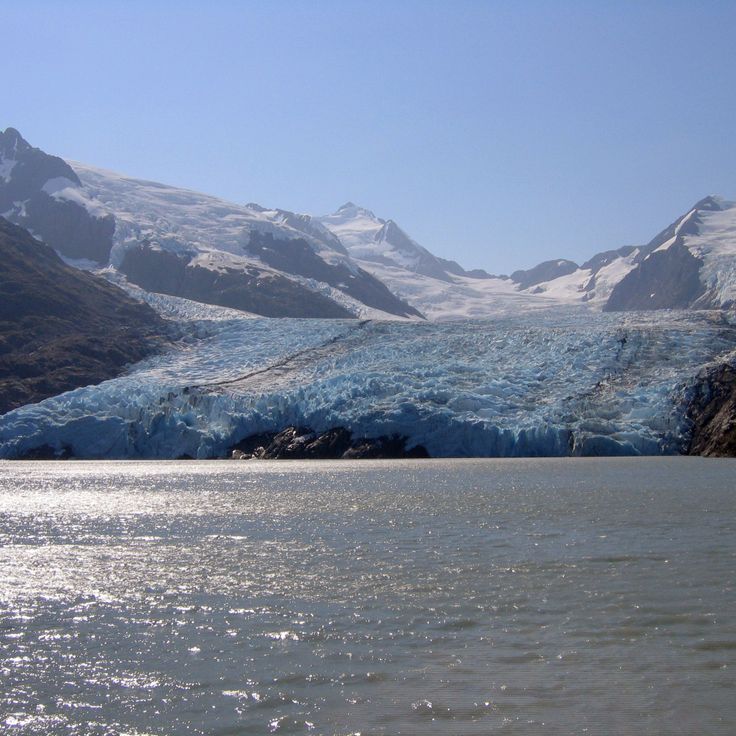
Chugach National Forest, Alaska
The glacier extends 6 miles and calves into Portage Lake. A visitor center provides information about glacial history.
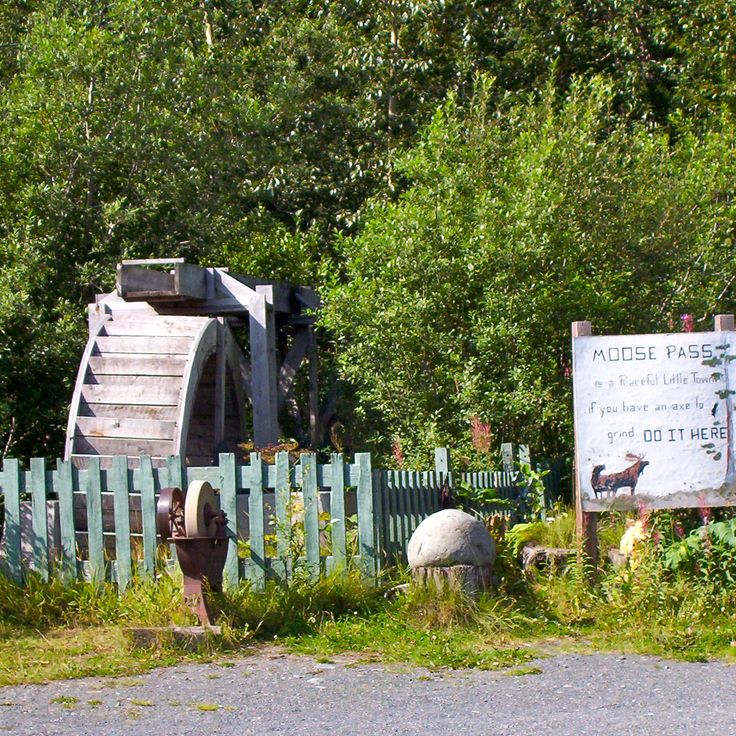
Kenai Peninsula, Alaska
This village sits at 700 feet elevation between mountains in the Chugach National Forest.
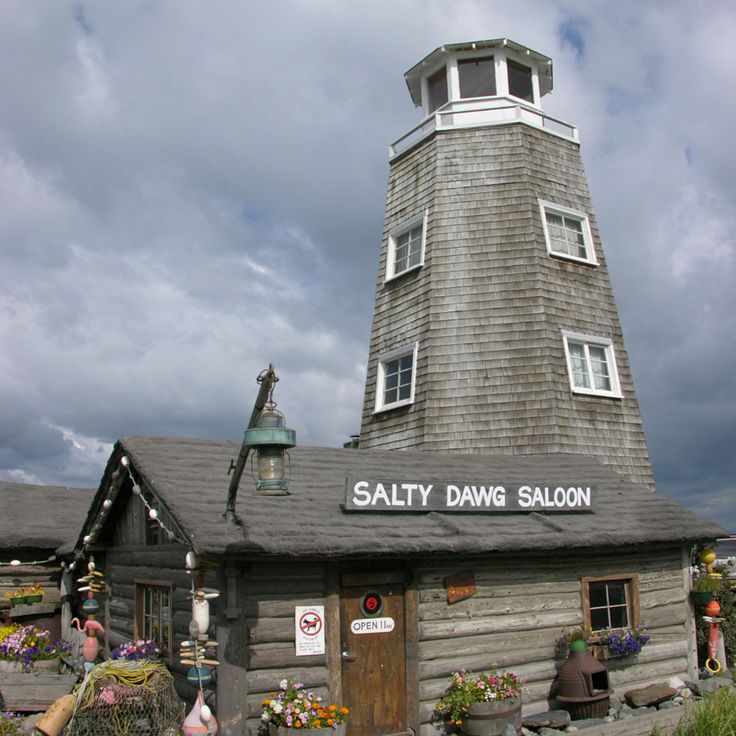
Homer, Alaska
A bar in an 1897 log cabin featuring walls covered with paper currency from visitors.
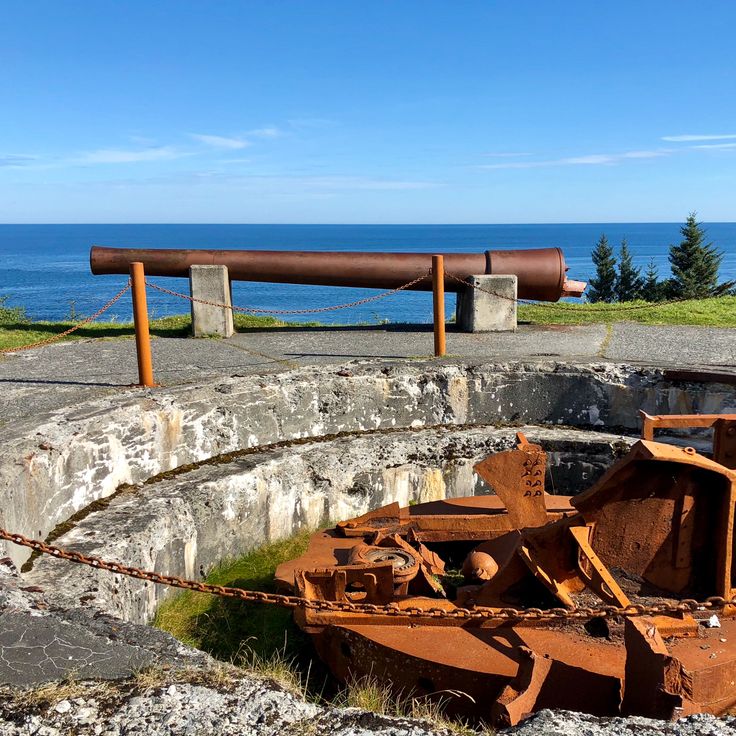
Kodiak, Alaska
A park containing 1941 military remnants and walking paths through coniferous forest.
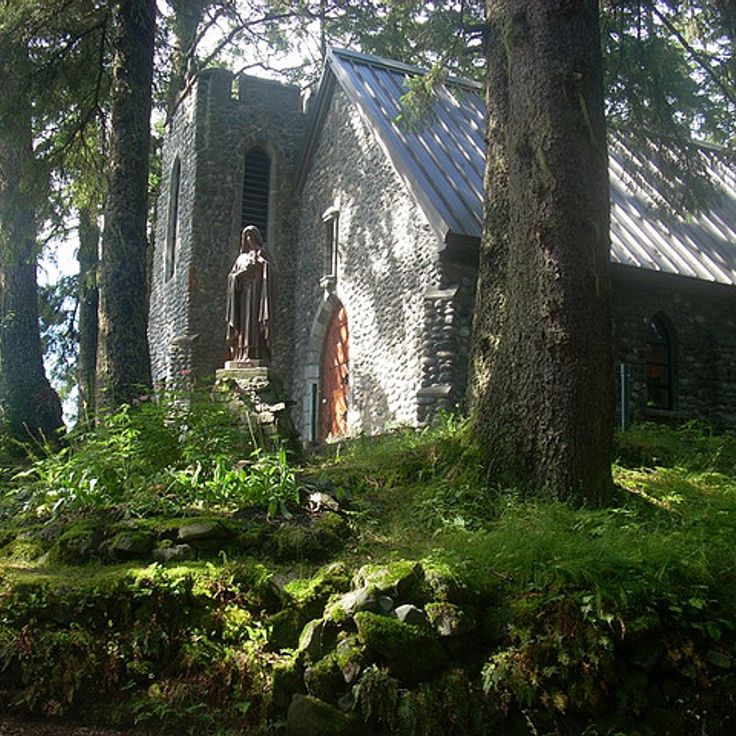
Juneau, Alaska
A Catholic chapel on a small island, connected by a stone path over water.
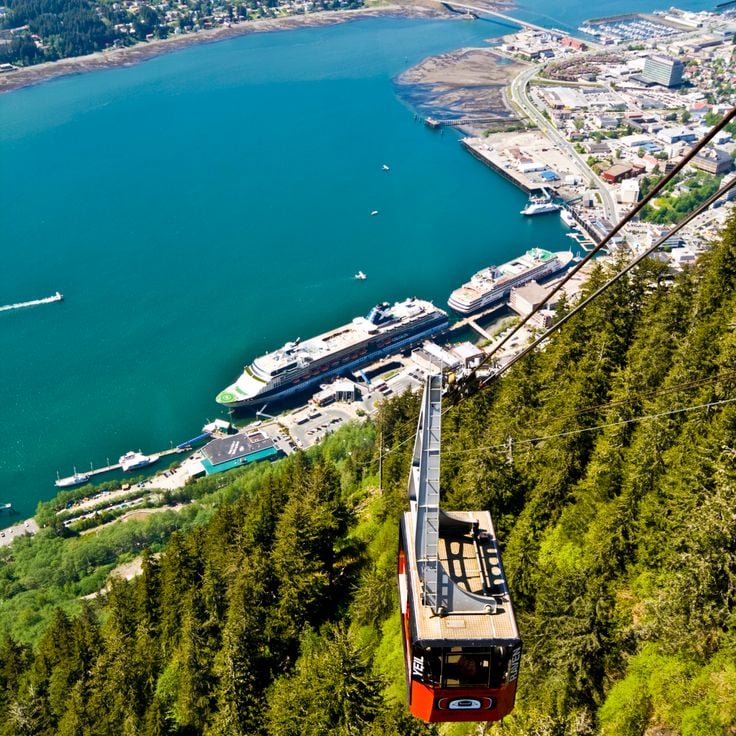
Juneau, Alaska
This aerial tram transports visitors to an elevation of 1,800 feet, providing views of Gastineau Channel and surrounding mountains.
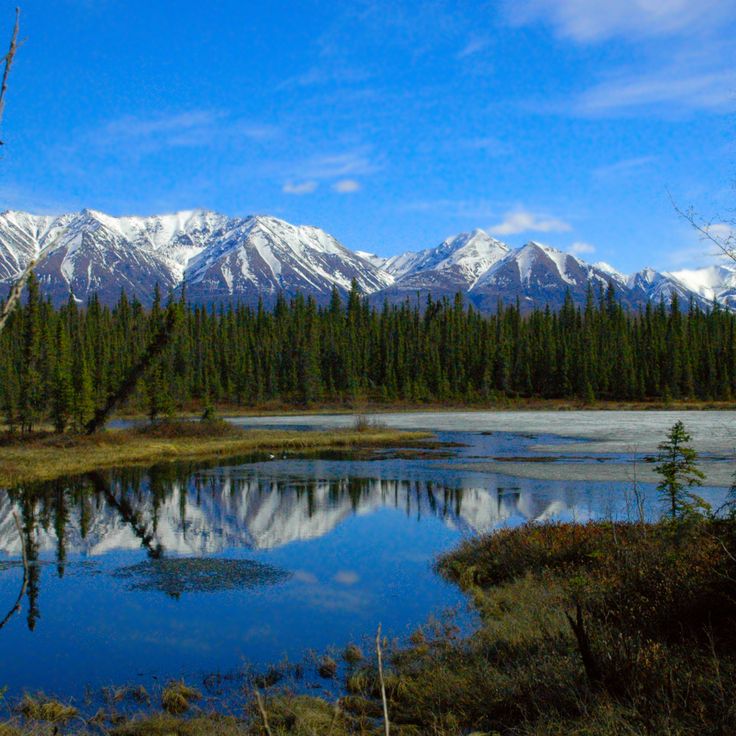
Chitina, Alaska
This 60-mile gravel road follows a former railroad bed through Wrangell-St. Elias National Park.
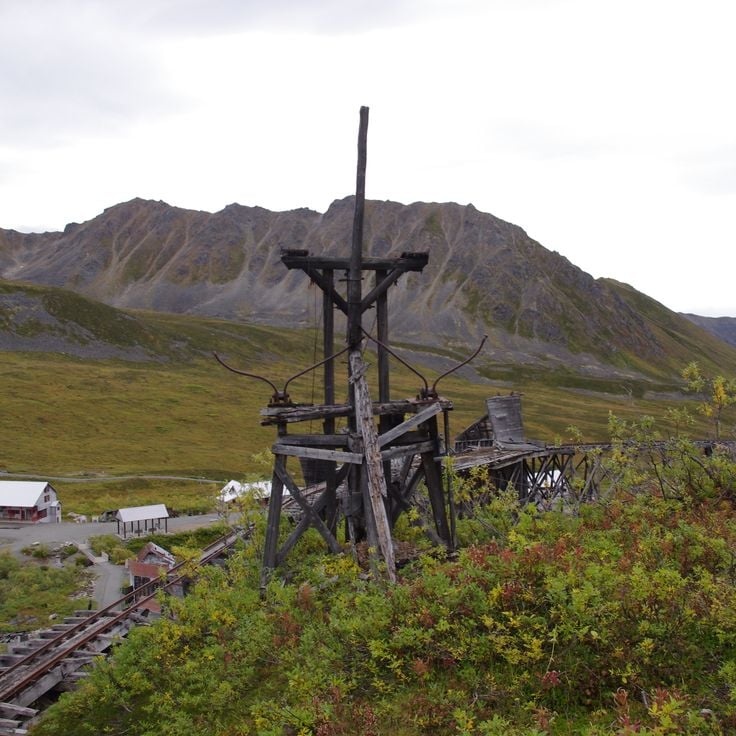
Hatcher Pass, Alaska
A 1930s mining complex with preserved buildings, mining equipment, and 3 miles of marked hiking trails.
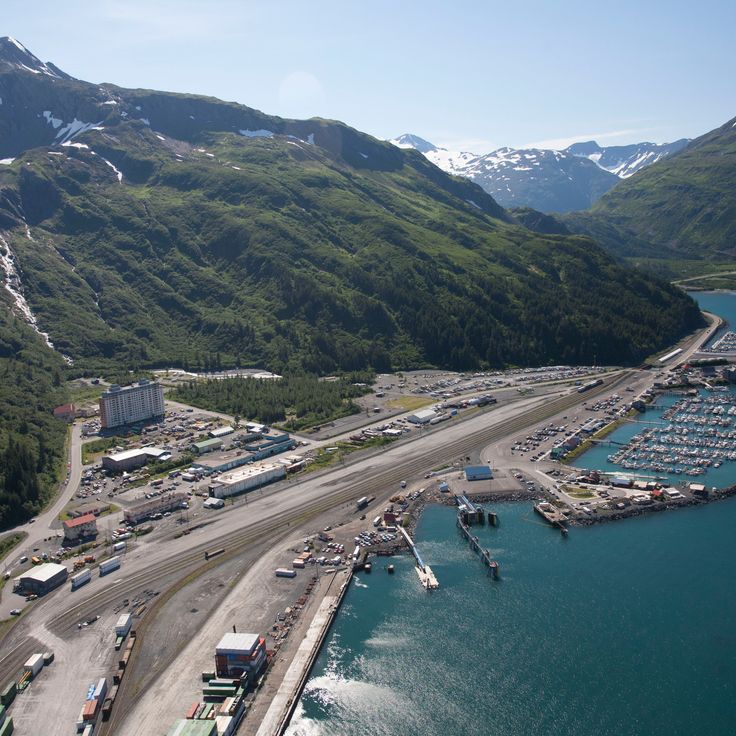
Whittier, Alaska
A protected marine area with glaciers along shores, regular whale appearances, and icebergs in the water.
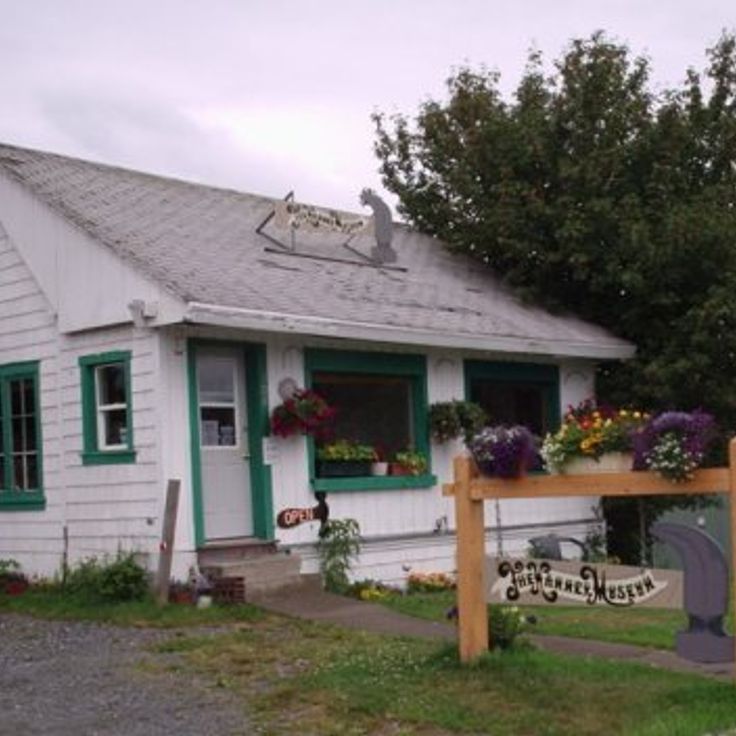
Haines, Alaska
The museum displays over 2000 hammer specimens from different periods and applications. The collection demonstrates the evolution of this tool.
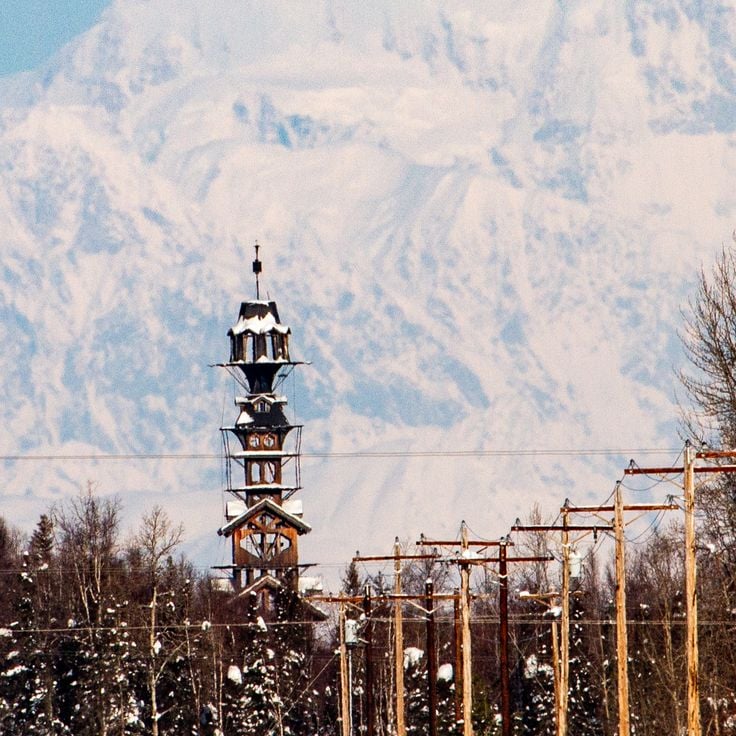
Willow, Alaska
A wooden house with multiple ascending towers and irregular levels. The construction took more than ten years.
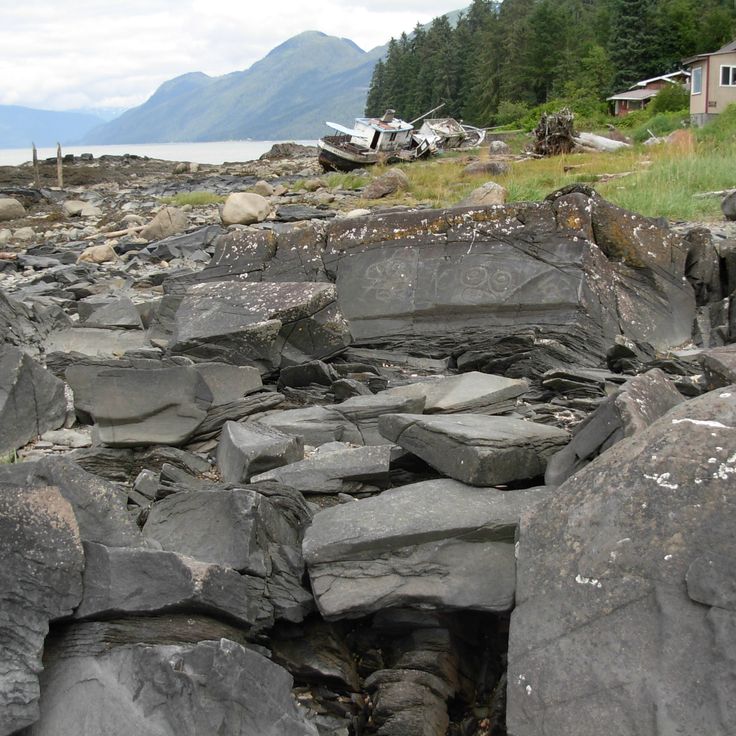
Wrangell, Alaska
This coastline contains over 40 prehistoric figures carved in stone. The engravings depict humans and animals.
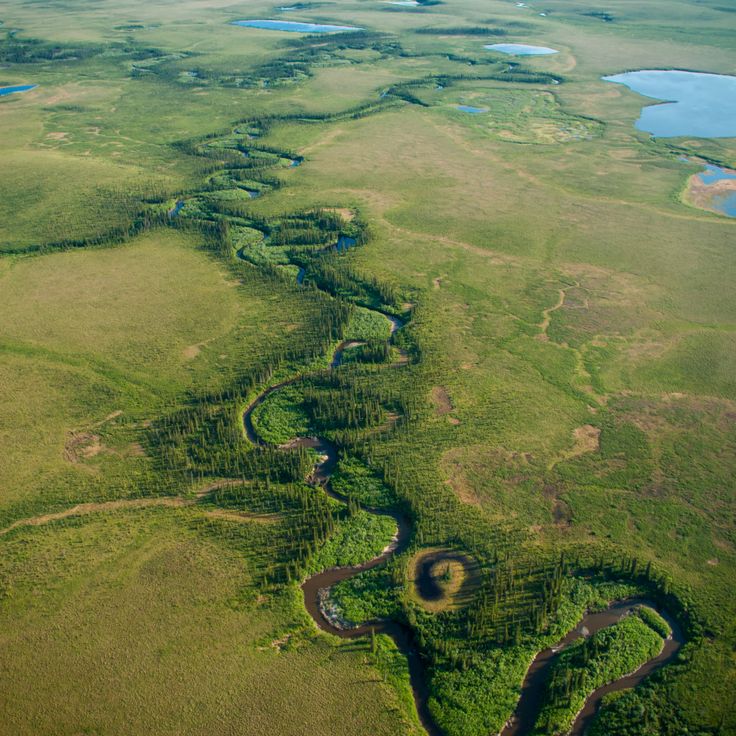
Northwest Arctic Borough, Alaska
The district contains 114 archaeological sites on 70 beach ridges. The artifacts date back to 4000 BCE.
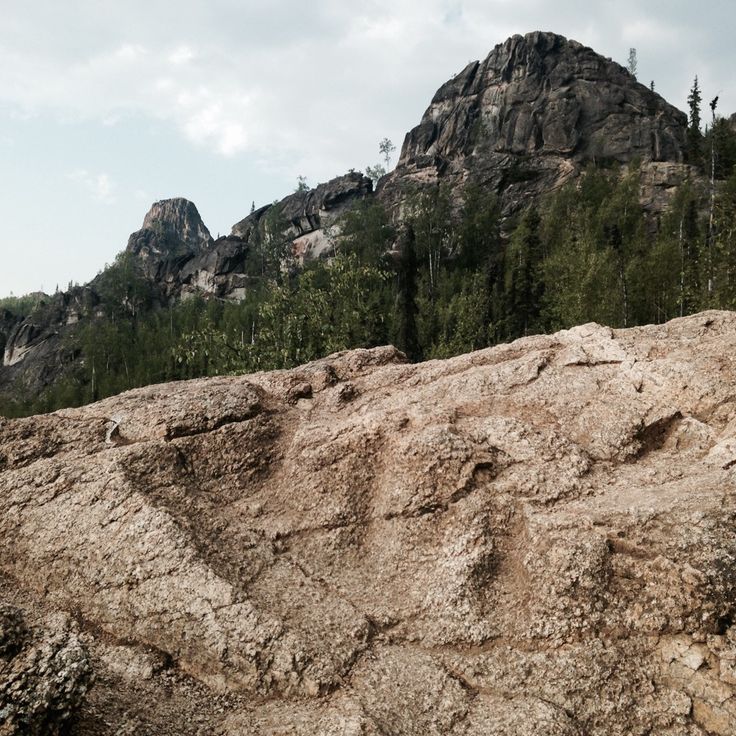
Fairbanks, Alaska
The 3.5-mile path climbs 1,200 feet, leading to granite outcrops with views over the Chena River Valley.
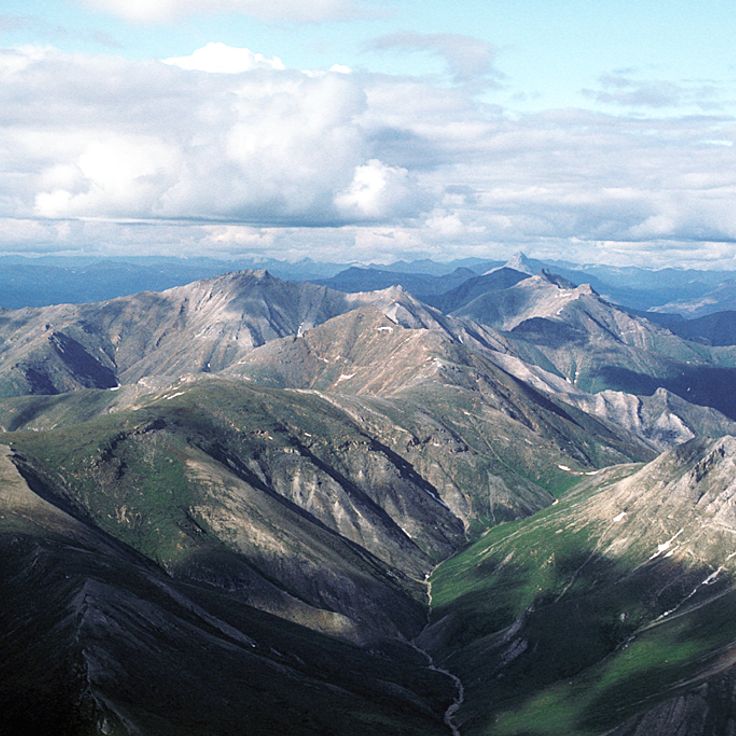
Northern Alaska
The park spans 8.4 million acres north of the Arctic Circle with alpine valleys and tundra without marked trails.
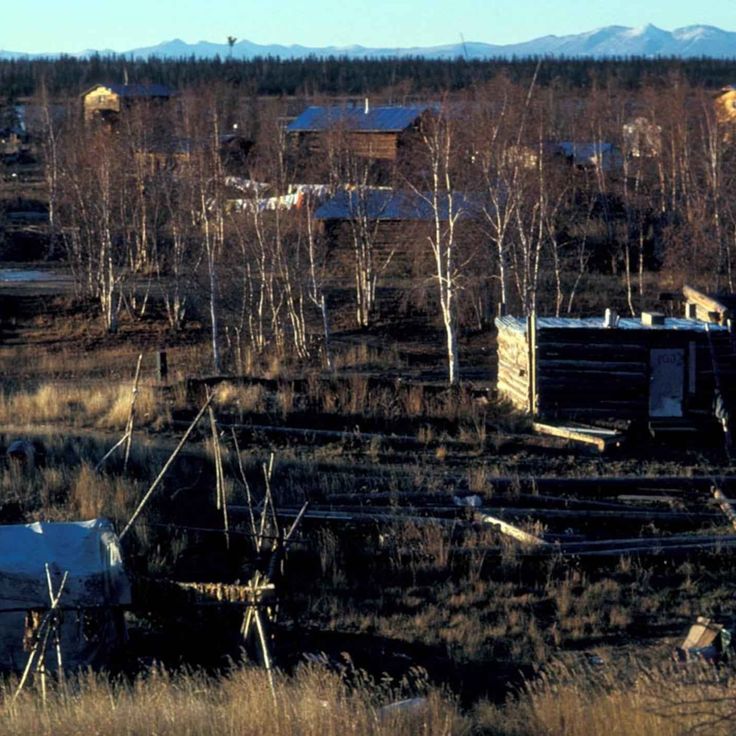
Interior Alaska
This settlement of 275 people along the Koyukuk River maintains traditional hunting, fishing, and crafts of the Koyukon Athabaskans.
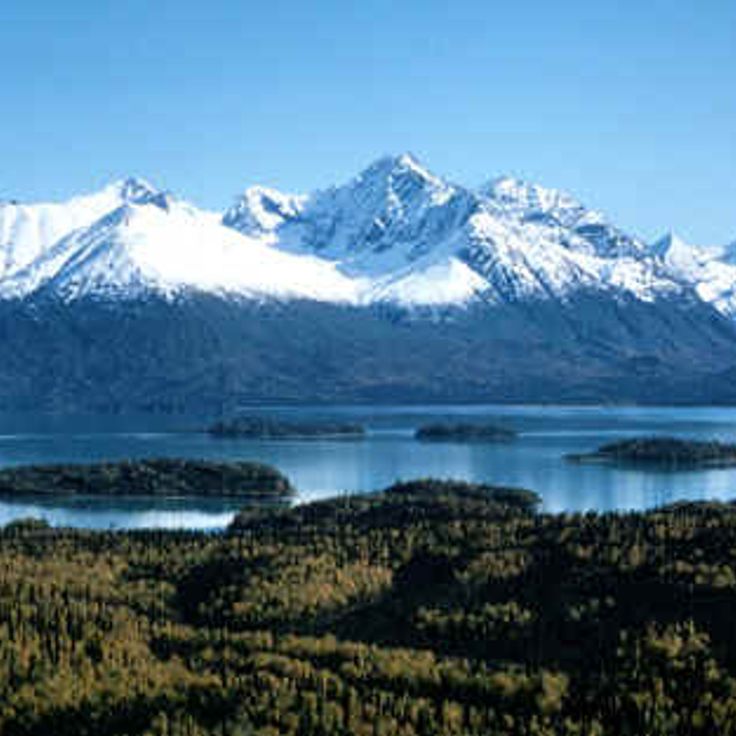
Southwest Alaska
The park covers 4 million acres with two active volcanoes, glaciers, rainforests, and lakes containing salmon populations.
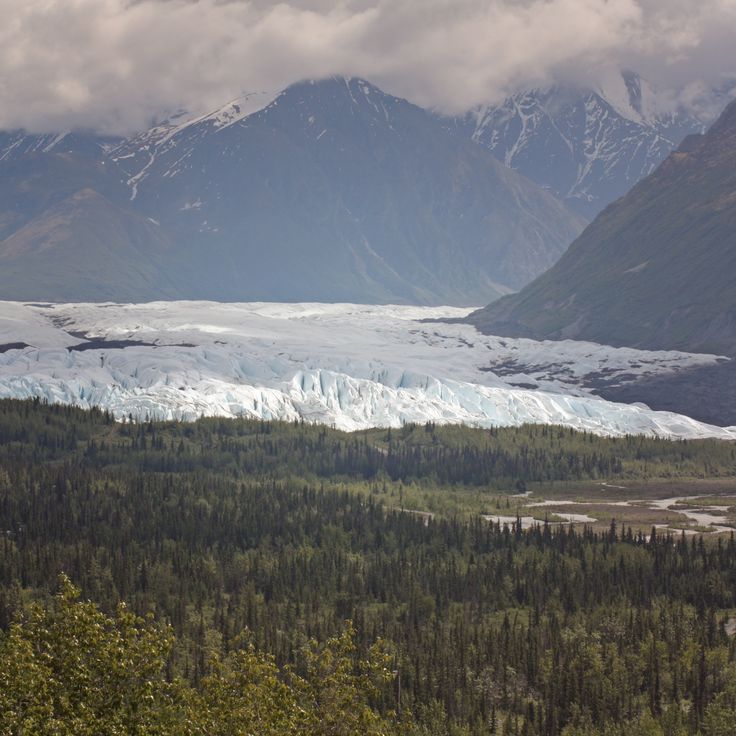
Alaska, USA
The glacier park allows visitors to explore the ice directly via a trail from the parking area.
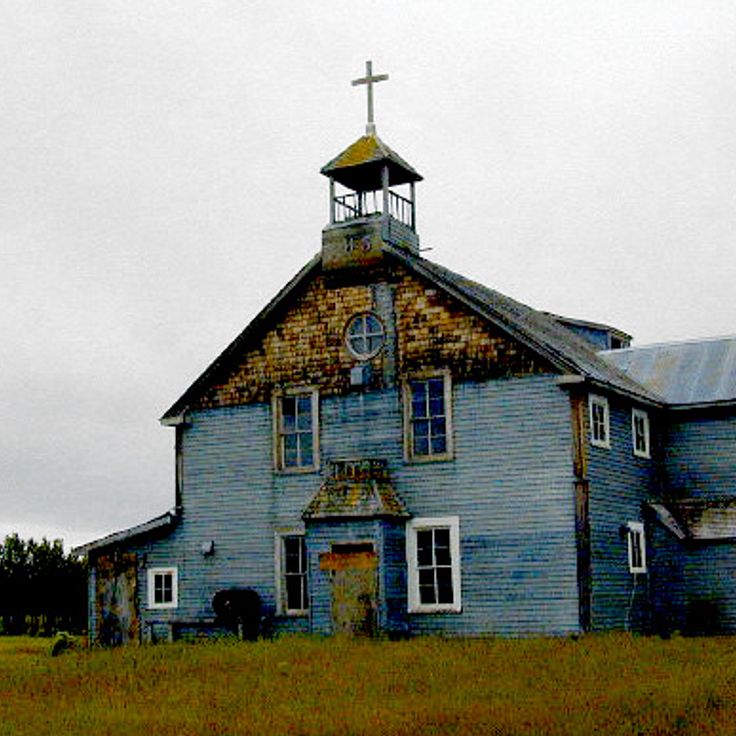
Nome, Alaska, USA
Thermal pools and remnants of an old mission stand at this historical site from the gold rush era.
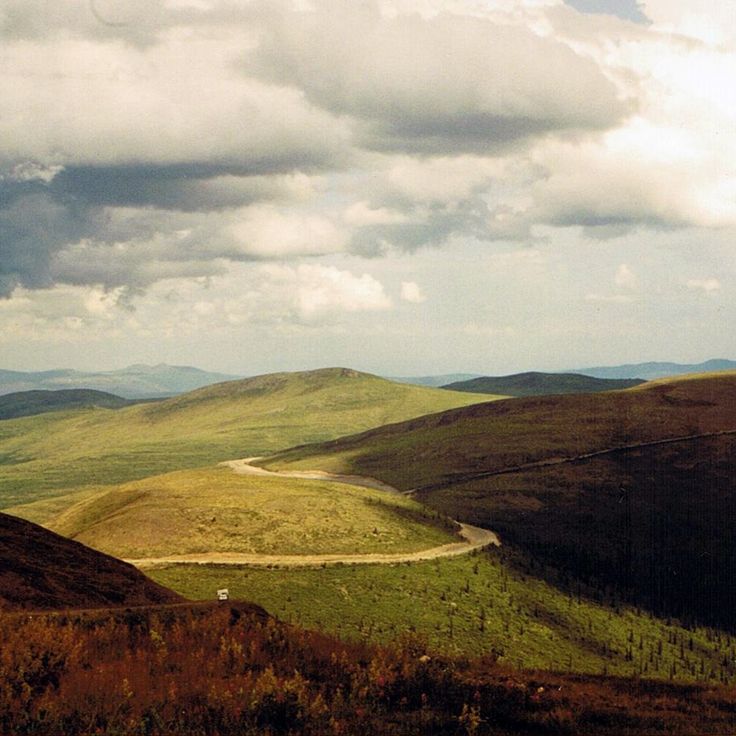
Alaska, USA
The mountain road crosses through northern wilderness and connects Alaska with Canada's Yukon Territory.
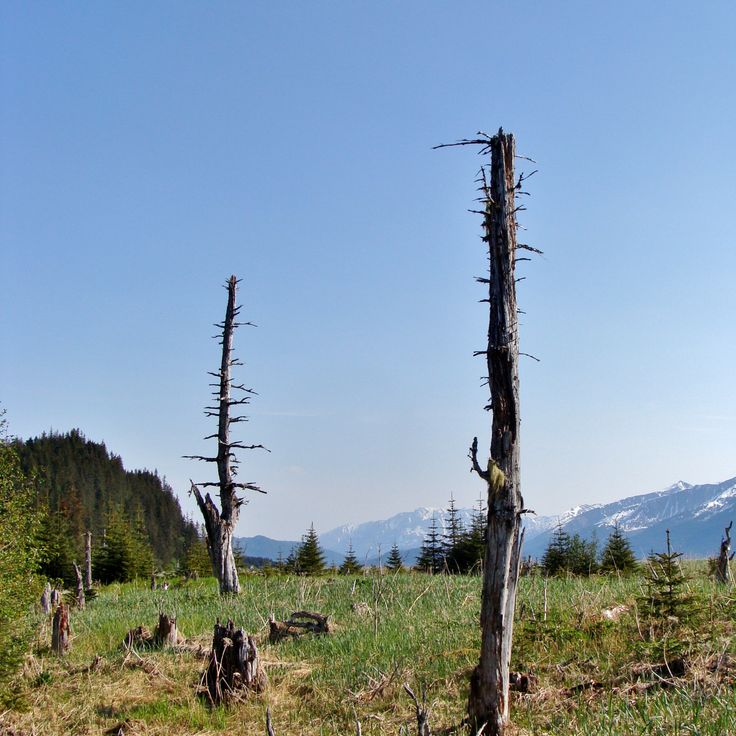
Seward, Alaska, USA
The coastal trail leads through dense conifer forest to a beach where seals and sea otters are visible.
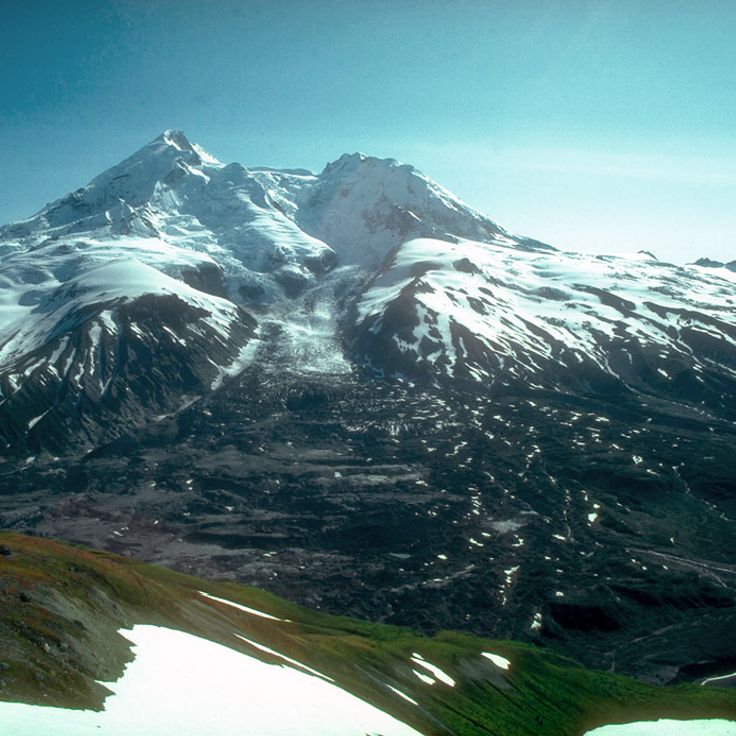
Lake Clark National Park, Alaska
The 3,108-meter stratovolcano displays regular volcanic activity with steam and ash clouds. The summit region contains several glaciers.
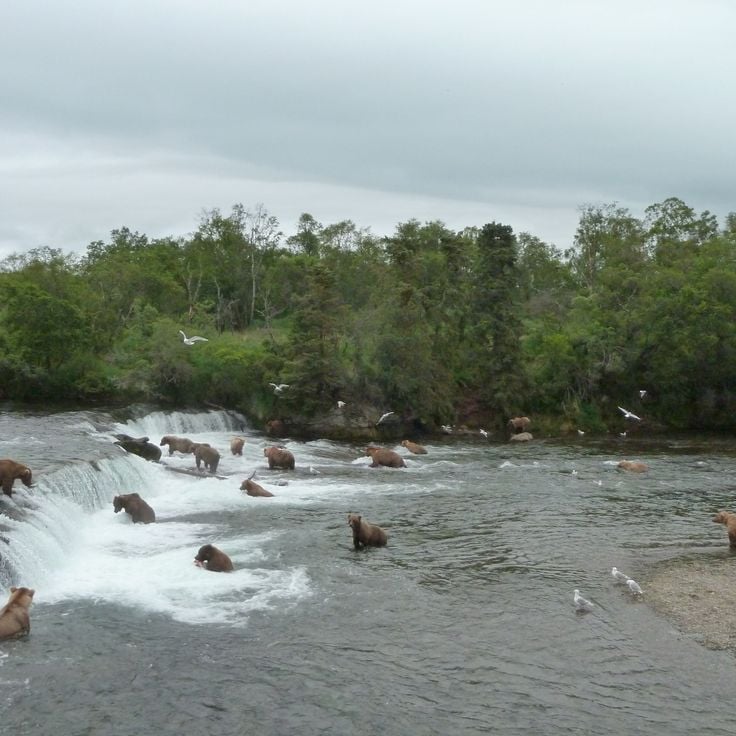
Katmai National Park, Alaska
The waterfalls form a major salmon migration route where brown bears feed from June to September. An observation platform allows safe viewing.
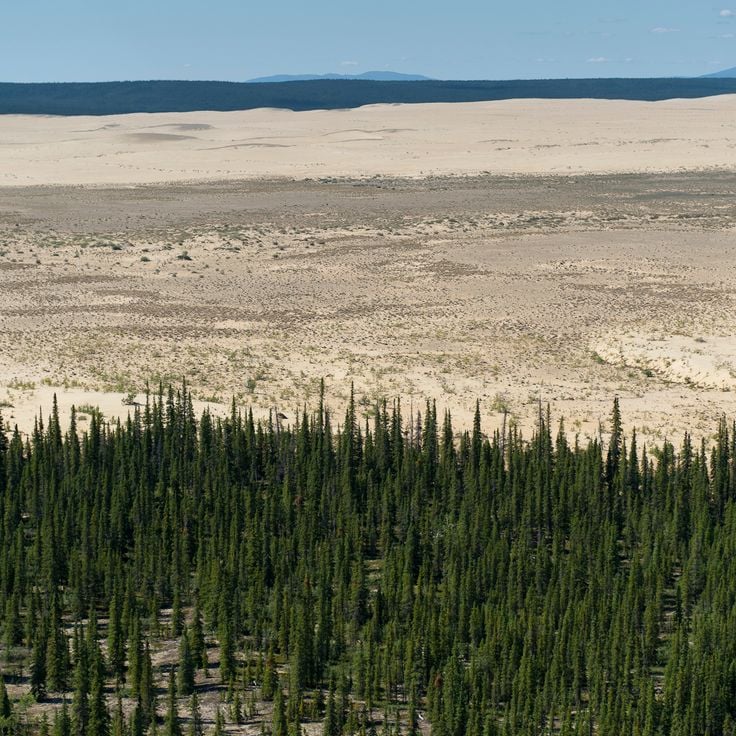
Kobuk Valley National Park, Alaska
These dune fields cover 65 square kilometers and reach heights of 30 meters. The sand originates from ancient glaciers.
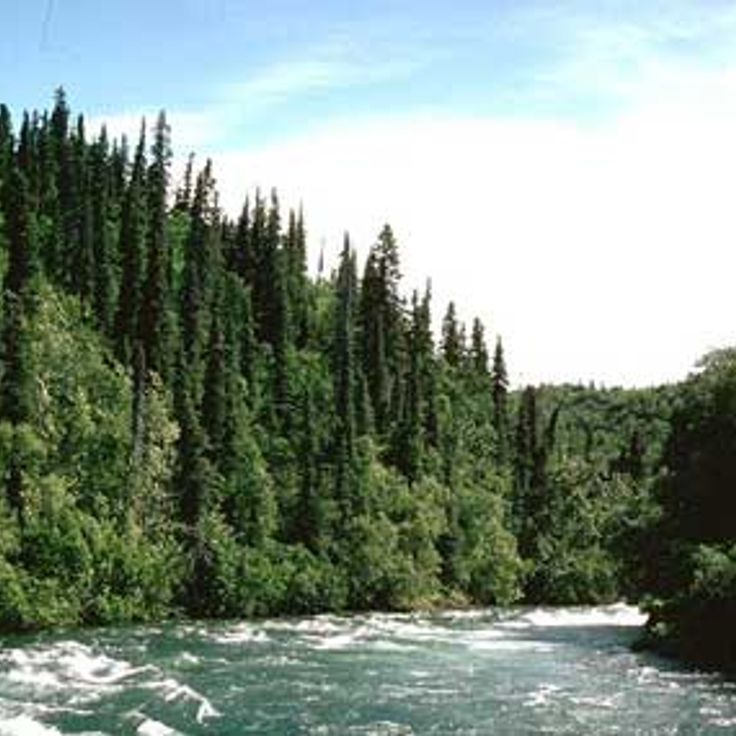
Katmai National Park, Alaska
The 127-kilometer river flows through natural terrain and hosts five salmon species. Moose and brown bears inhabit its banks.
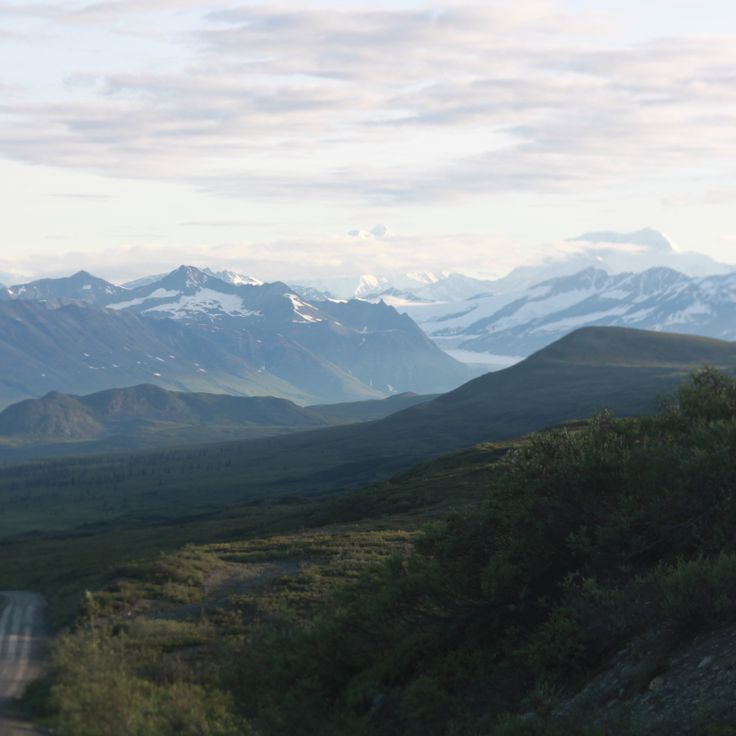
Denali Borough, Alaska
The 135-mile gravel road offers views of the Alaska Range and crosses through undeveloped wilderness.
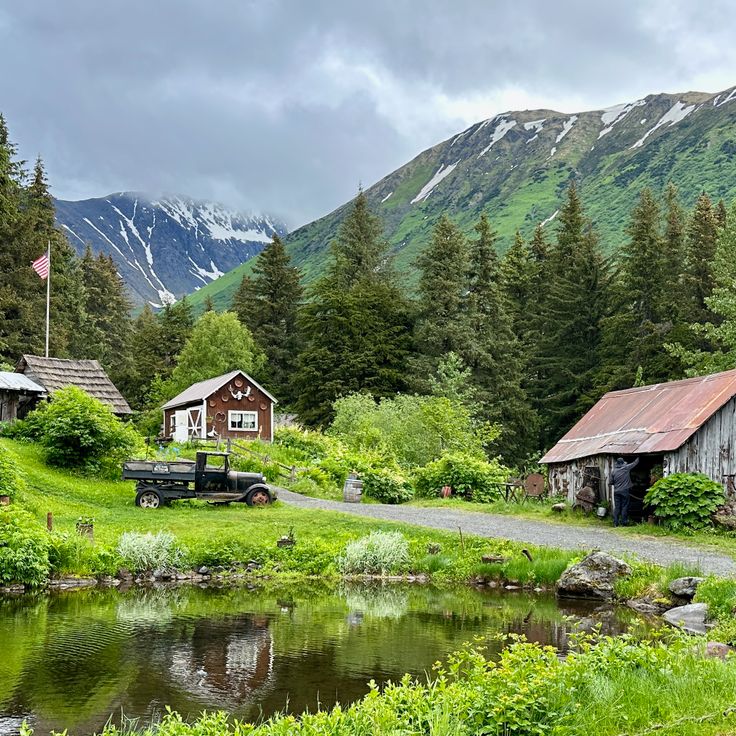
Girdwood, Alaska
The 1890s site contains original equipment, buildings and gold panning opportunities for visitors.
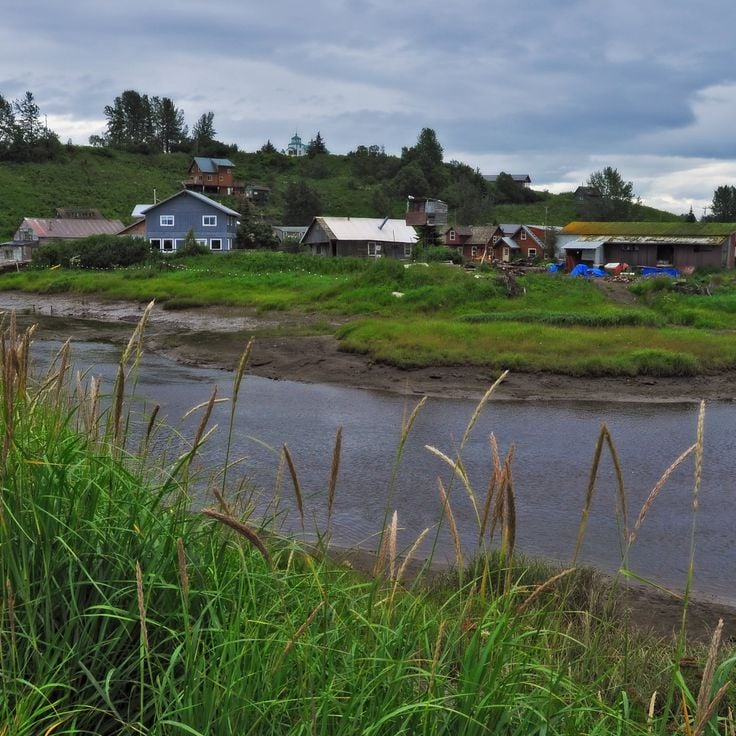
Ninilchik, Alaska
This coastal settlement combines Russian architecture with traditional fishing and features the old Russian Orthodox church.
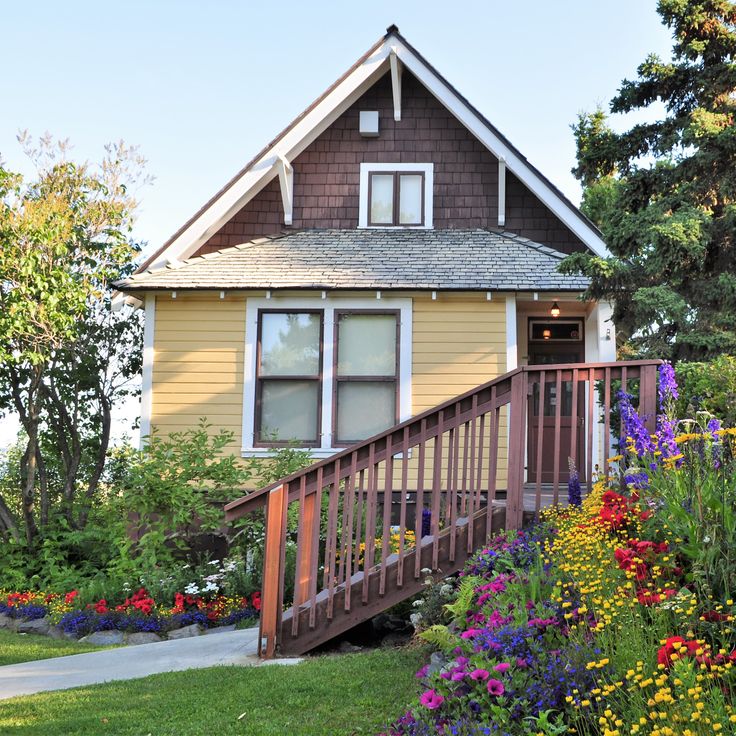
Anchorage, Alaska
The wooden house built in 1915 displays original furniture and items from the first Swedish family in Anchorage.
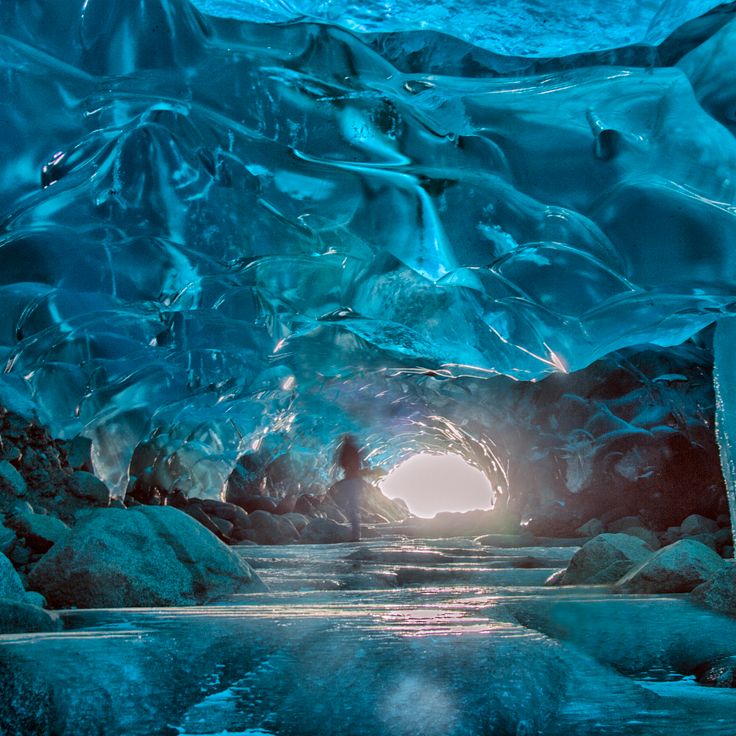
Juneau, Alaska
These natural caves within the glacier feature blue ice formations and require a guided hike to access.