Cape Krusenstern National Monument, National monument and historic landmark in Northwest Arctic Borough, United States.
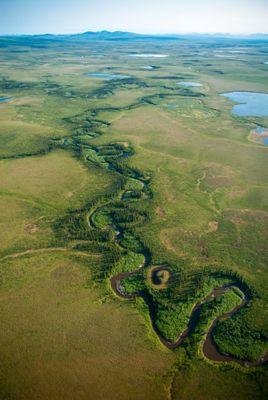
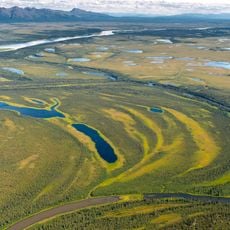
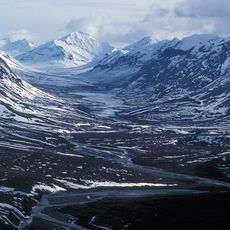
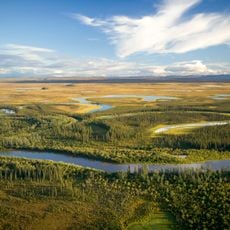
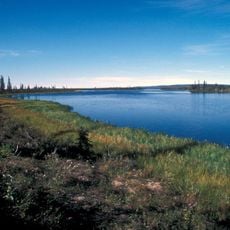
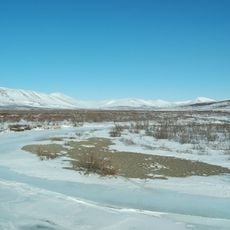
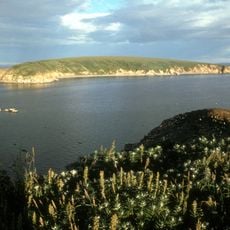
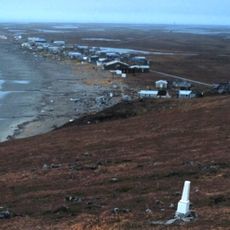
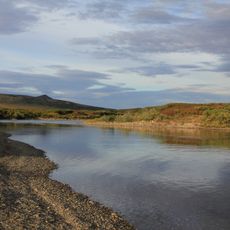
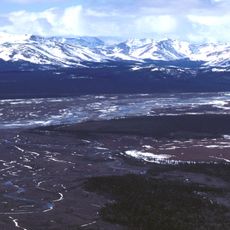
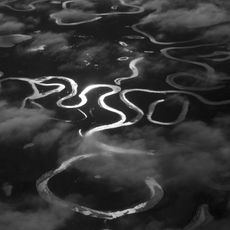
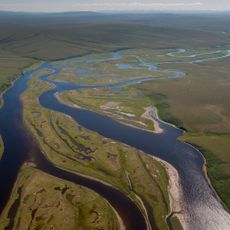
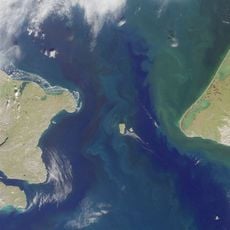
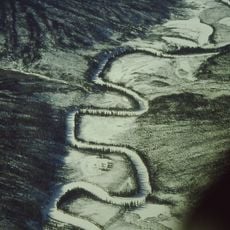
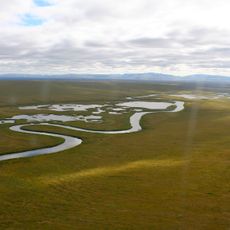
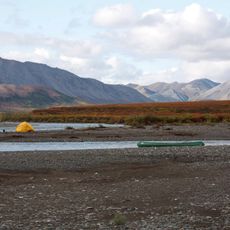
Cape Krusenstern National Monument stretches along the Chukchi Sea coast from the mouth of the Kobuk River north to Imikruk Lagoon, extending about 20 miles inland. Its central feature is a series of 114 beach ridges at the cape, alternating sandy and gravelly ridges with narrow ponds. The monument includes limestone hills reaching 2,285 feet at Kikmiksot Mountain and thermokarst features such as pingos and polygon ice wedges.
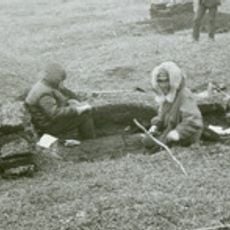
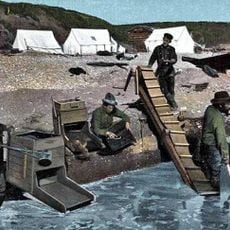
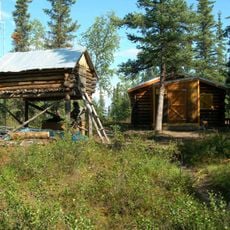
Archaeologist J. Louis Giddings found campsites on the cape in the late 1940s that were up to 4,000 years old, while older mainland sites such as Battle Rock and Rabbit Mountain date to the Paleo-Arctic tradition, about 10,000 to 7,000 years before present. The 114 beach ridges record over 5,000 years of Inupiat occupation and more than 9,000 years of human presence. The district was designated a National Historic Landmark on November 7, 1973.
The beach ridges preserve evidence of 5,000 years of occupation by the Iñupiat, and the wider area shows more than 9,000 years of human use. The Kotzebue area was the site of Qatnut, a regional trade fair for Native peoples, still celebrated in Kotzebue every other summer.
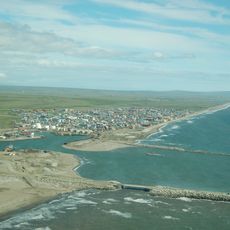
The monument lies entirely above the Arctic Circle in a permafrost region, with no roads and no facilities inside its boundaries. Boats and small aircraft reach the coast from Kotzebue, about 10 miles away; the Northwest Arctic Heritage Center there provides orientation. Summer travel is easiest when the Kobuk River mouth and the lagoons are free of ice.
The 114 beach ridges at the cape formed roughly 60 years apart, so each one marks a separate stretch of time. Archaeologist J. Louis Giddings found campsites up to 4,000 years old here in the late 1940s, and older sites on the mainland behind them.
The community of curious travelers
AroundUs brings together thousands of curated places, local tips, and hidden gems, enriched daily by 93,023 contributors worldwide.