Pennsylvania combines historical sites and natural areas. The region features waterfalls, mining museums, colonial architecture, and nature parks. Visitors can explore archaeological sites, historic mansions, Japanese gardens, and lighthouses. The landscape includes mountains, lakes, and forests with hiking trails.
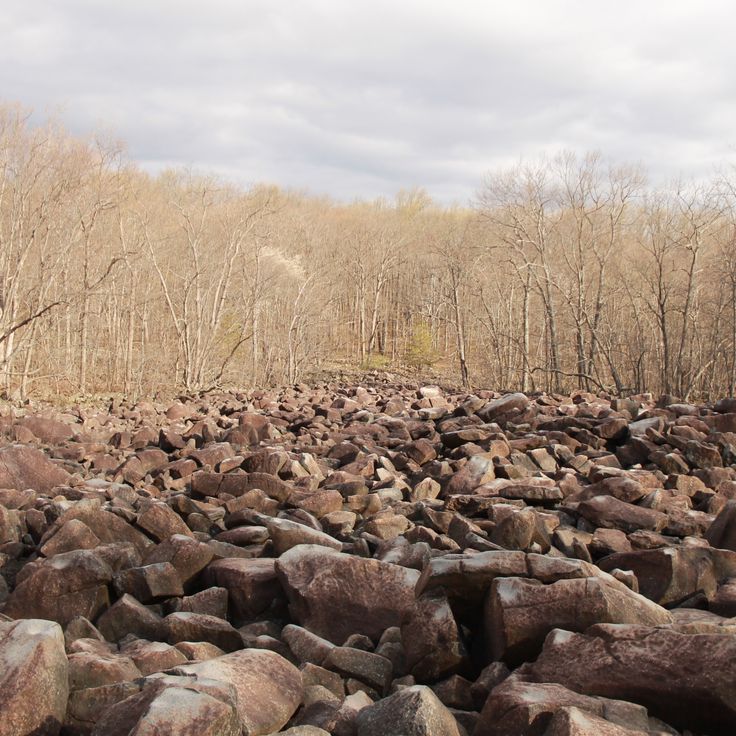
Bucks County, Pennsylvania
The diabase boulder field covers 2 hectares. The stones create different metallic sounds when visitors strike them with hammers.
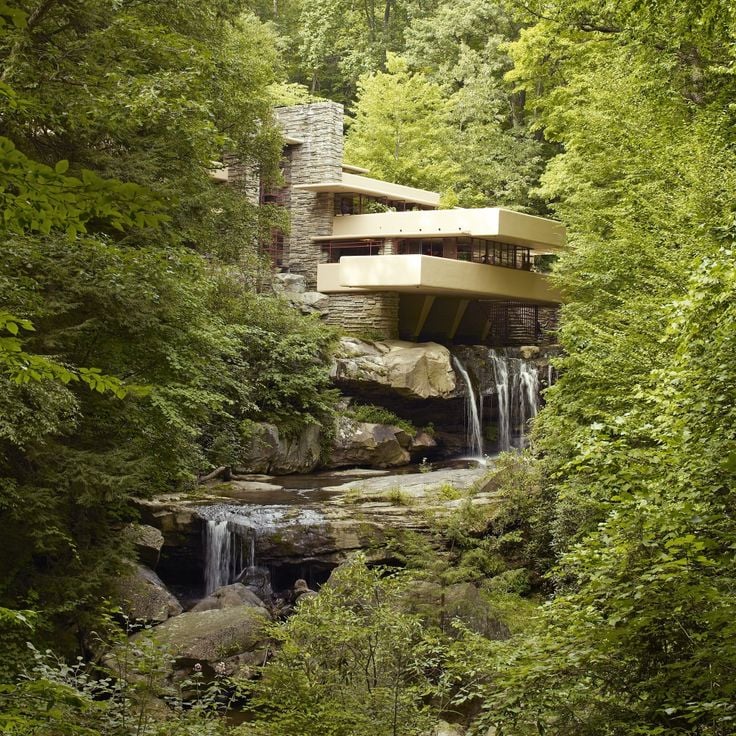
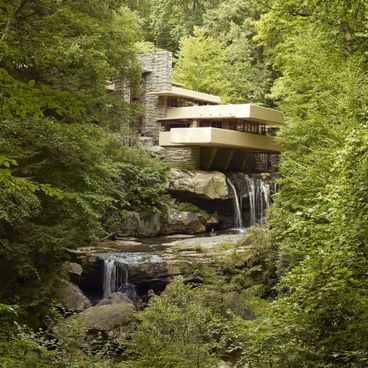
Mill Run, Pennsylvania
The private residence integrates into the landscape through horizontal concrete planes extending over Bear Run creek with its 30-foot waterfall.
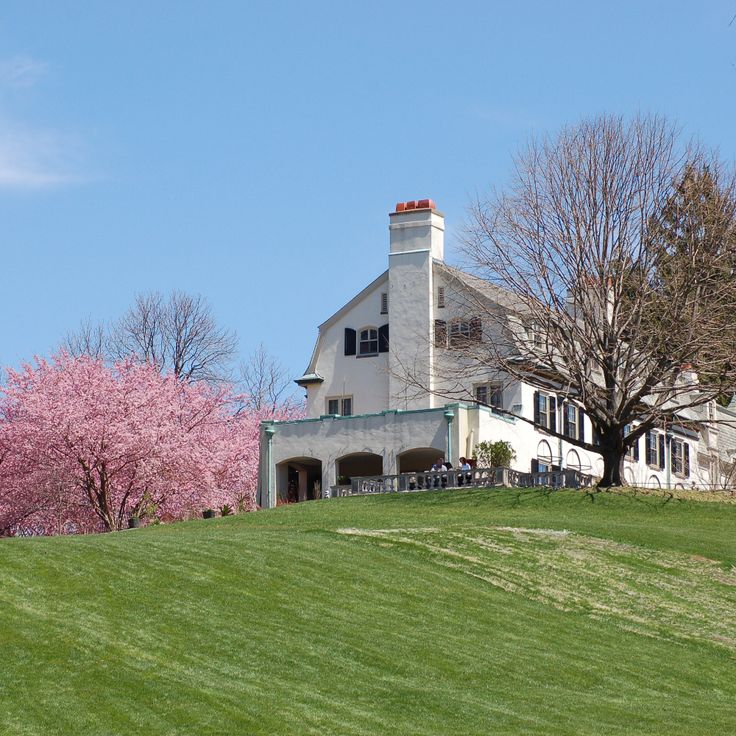
Wayne, Pennsylvania
The garden spans 35 acres and contains multiple garden spaces with native and exotic plants, water gardens and art installations.
Columbia County, Pennsylvania
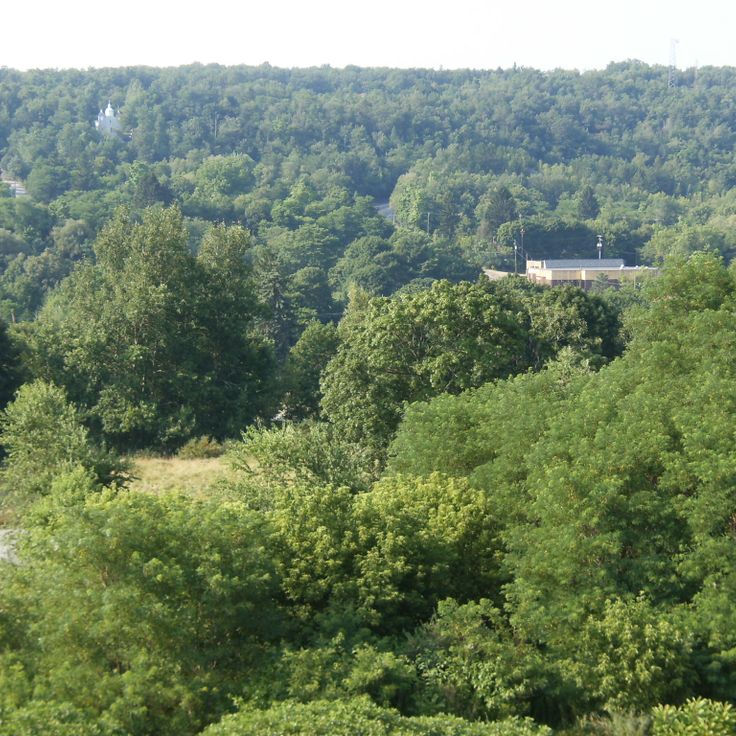
The underground fire in this former mining town has been burning since 1962 and led to the complete evacuation of its population.
Bangor, Pennsylvania
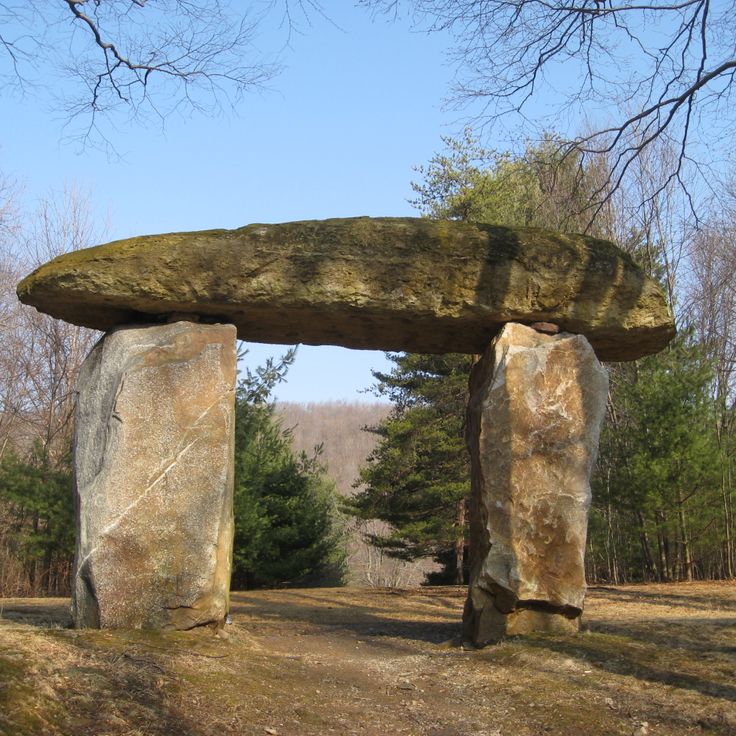
A spiritual garden containing 80 stones and monuments built in Celtic tradition. The park features stone circles and a replica tower.
Pocono Mountains, Pennsylvania
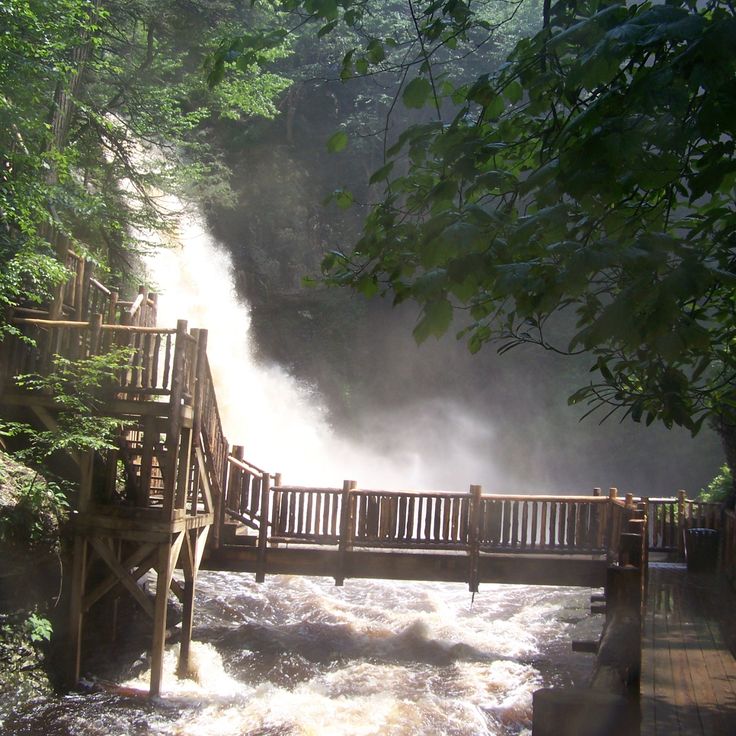
Eight connected waterfalls in private property with wooden walkways and observation platforms throughout the Pocono Mountains forest.
Scranton, Pennsylvania
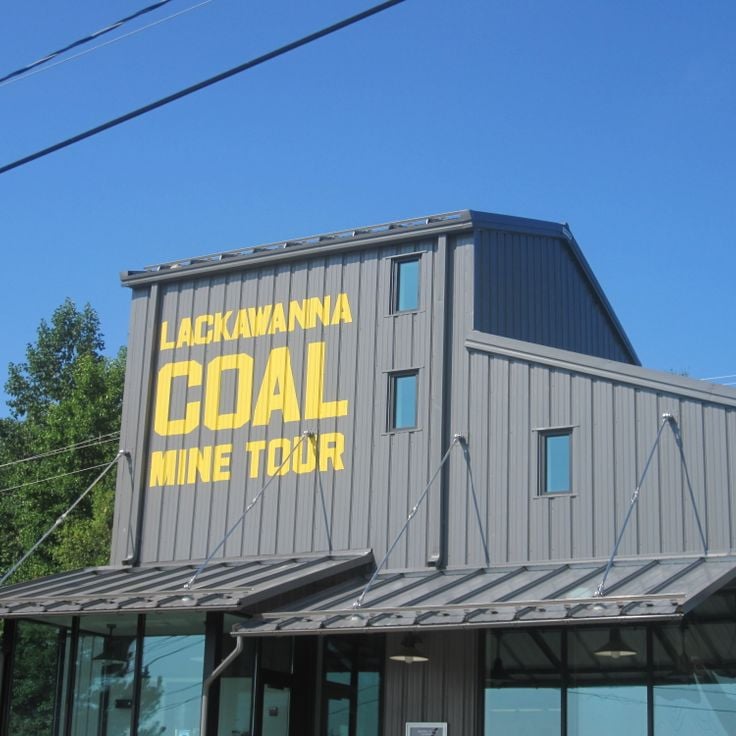
The mine extends 300 feet underground. Former miners guide visitors and explain coal extraction methods from the 19th century.
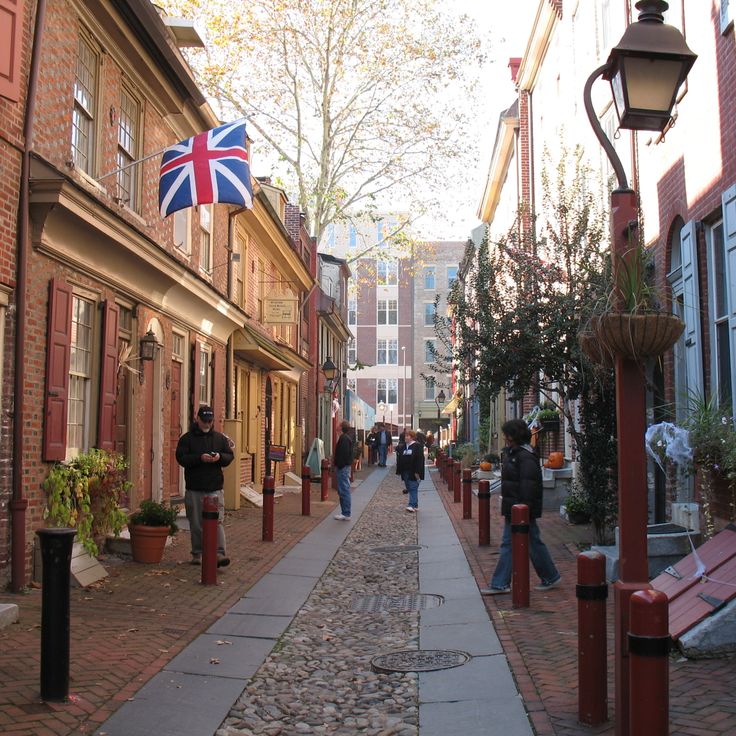
Philadelphia, Pennsylvania
This street from 1703 contains 32 houses in Georgian and Federal architectural styles with original doors and windows.
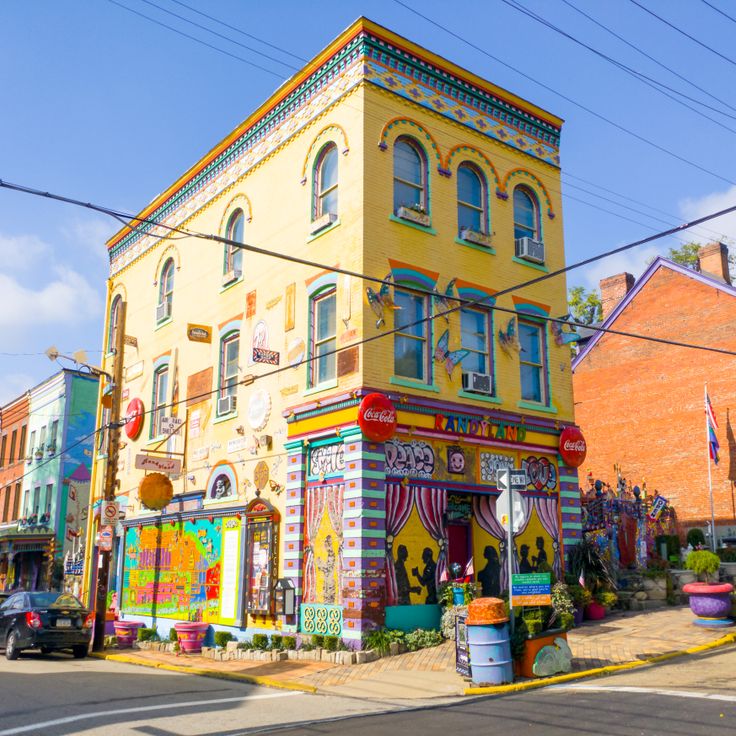
Pittsburgh, Pennsylvania
A public art space showcasing mosaics, wall paintings, sculptures and metal objects across a 5,500 square foot property in the North Side neighborhood.
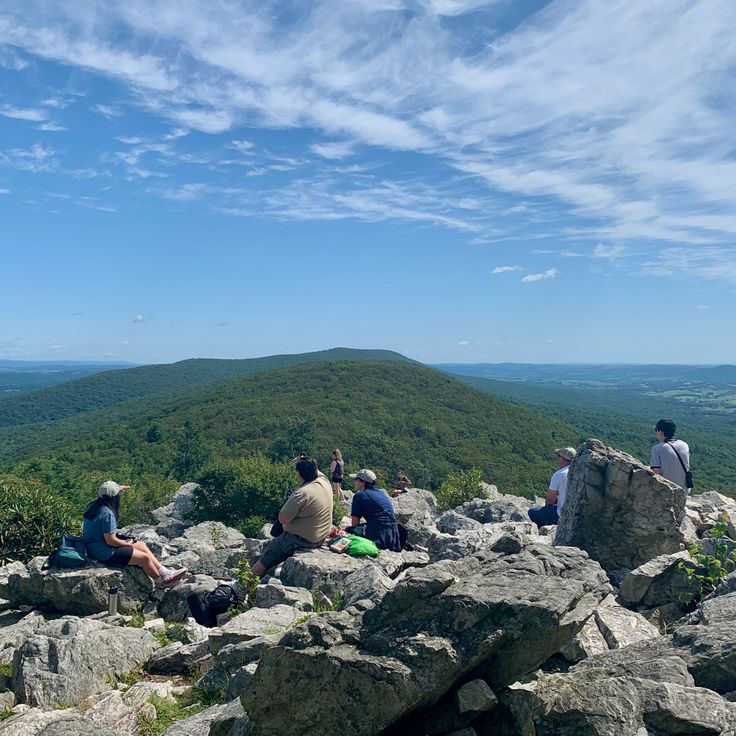
Berks County, Pennsylvania
Research center and bird monitoring site spanning 2,200 acres with hiking trails where visitors observe migrating hawks and eagles.
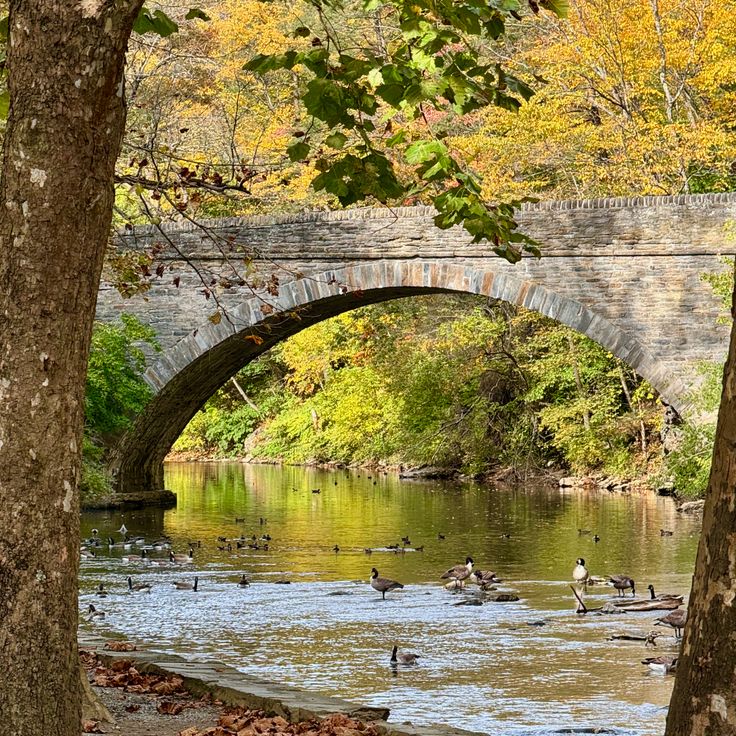
Philadelphia, Pennsylvania
The public park contains a creek, several historical stone structures and a network of hiking trails through dense mixed forest.
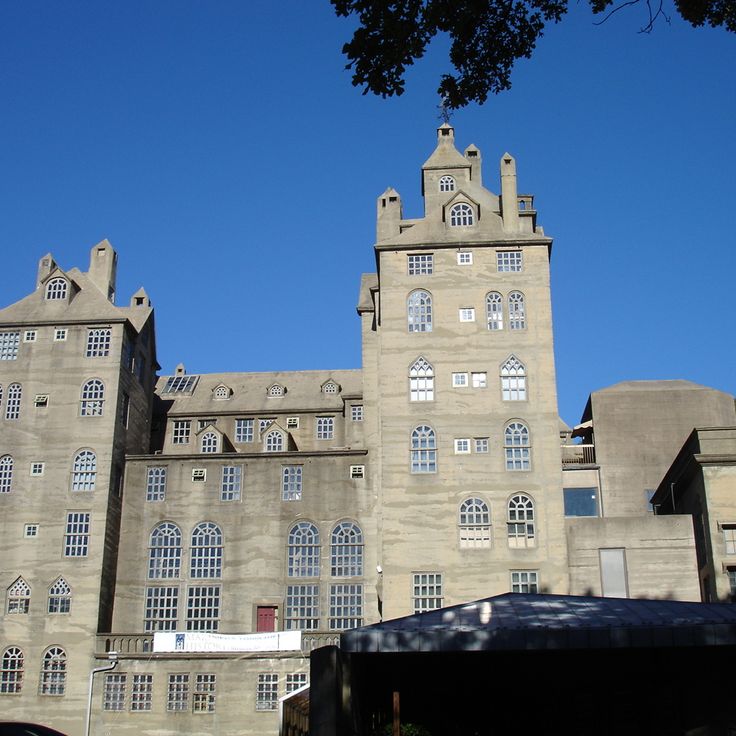
Doylestown, Pennsylvania
This concrete museum building constructed in 1916 displays a collection of 50,000 historical hand tools and household items from past centuries.
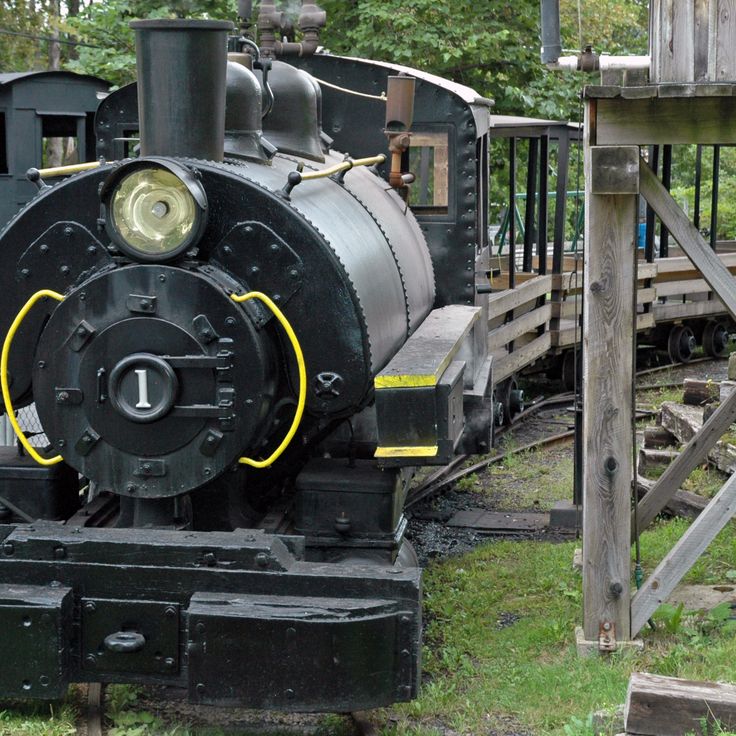
Ashland, Pennsylvania
The retired anthracite mine features a horizontal tunnel extending 1500 feet into Mahanoy Mountain. An authentic steam train operates on a one-mile track.
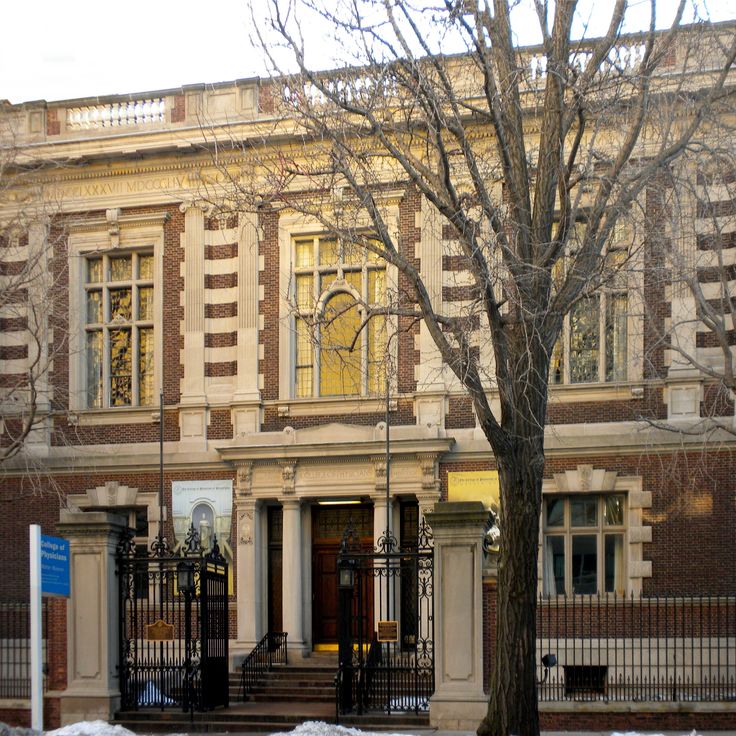
Philadelphia, Pennsylvania
The medical museum contains a collection of anatomical preparations, pathological specimens, skeletons, historical equipment and medical documents.
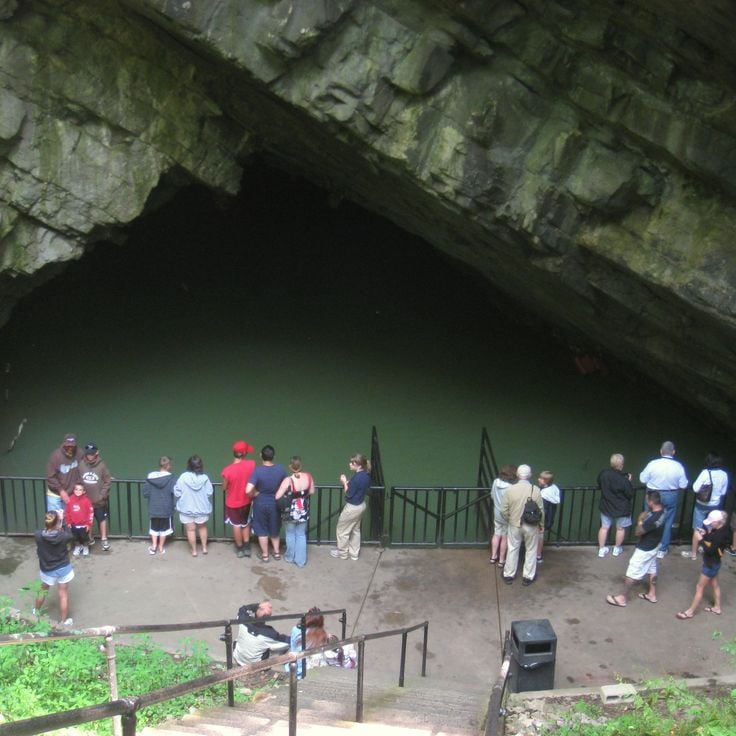
Centre Hall, Pennsylvania
The cave system takes visitors by boat through underground limestone passages. The wildlife park features North American animal species.

Pittsburgh, Pennsylvania
The world's largest bicycle museum displays over 6000 models, including historical specimens and collectibles from different time periods.
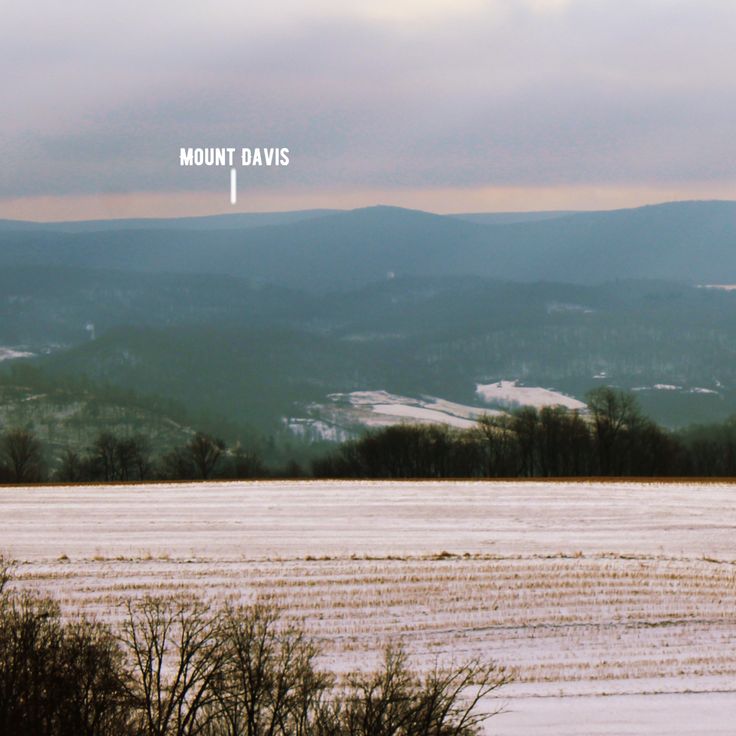
Somerset County, Pennsylvania
The highest point in Pennsylvania features a stone tower, viewing platform and trails crossing through Forbes State Forest.
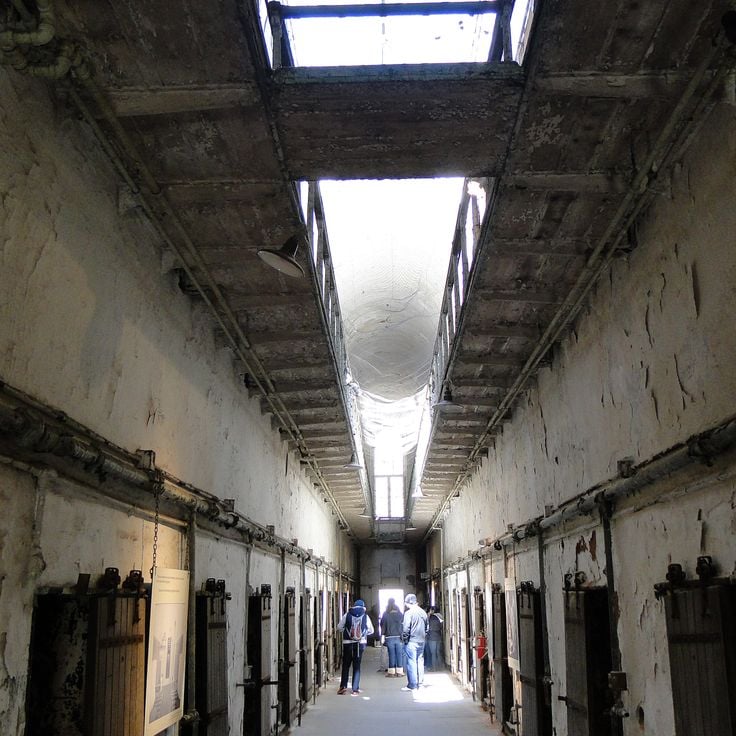
Philadelphia, Pennsylvania
A prison opened in 1829 with a radial floor plan. The facility contains seven original cell blocks and offers guided tours.
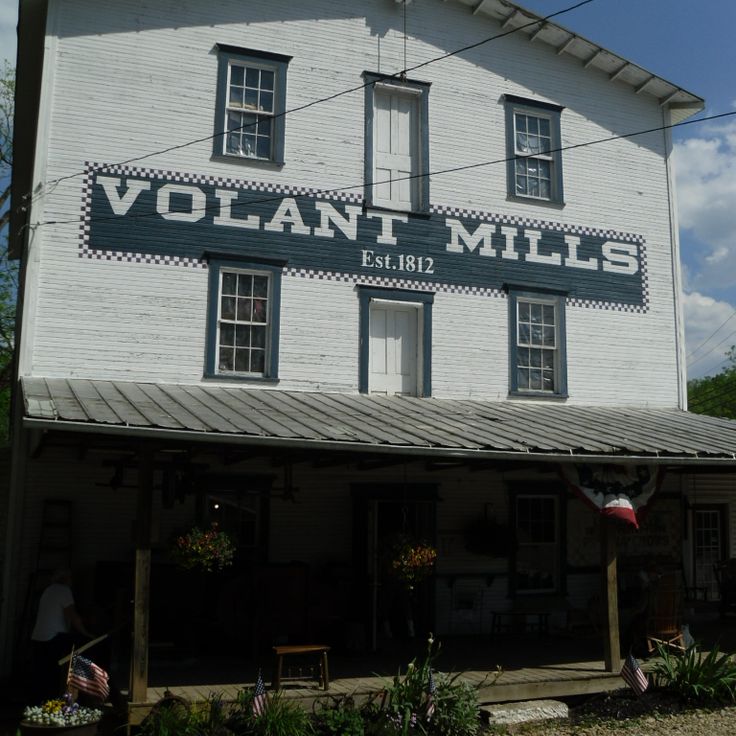
Volant, Pennsylvania
The grain mill from 1812 still produces flour using historical machinery. The building contains a museum and local artisan shops.
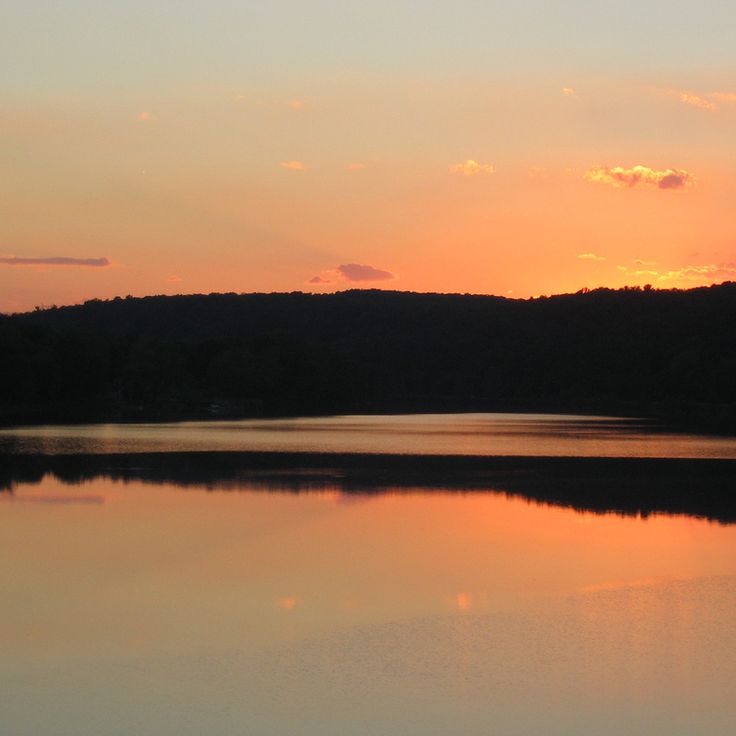
Newport, Pennsylvania
The state park contains a lake for fishing and boating, 10 miles of marked hiking trails, and a restored 19th century water-powered mill.
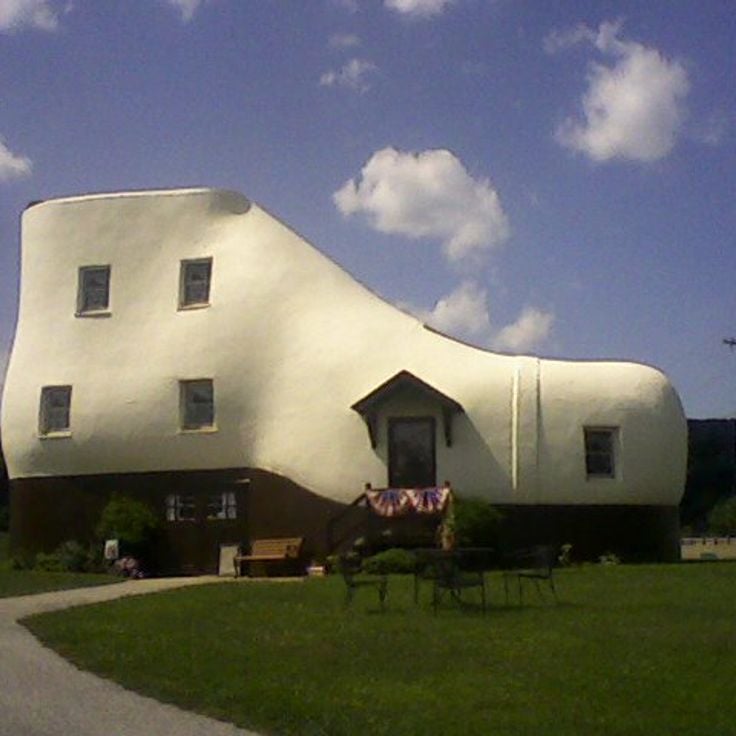
York County, Pennsylvania
A residential building shaped like a shoe with five floors and a height of 25 feet. Mahlon Haines built it in 1948 as marketing for his shoe company.
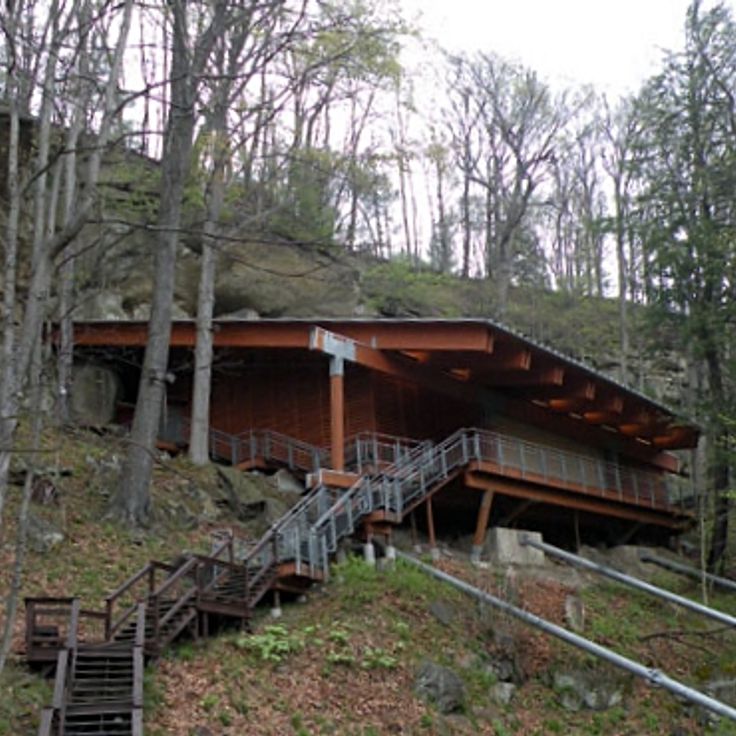
Avella, Pennsylvania
An archaeological site containing artifacts dating back 16,000 years. The location was discovered in 1973.
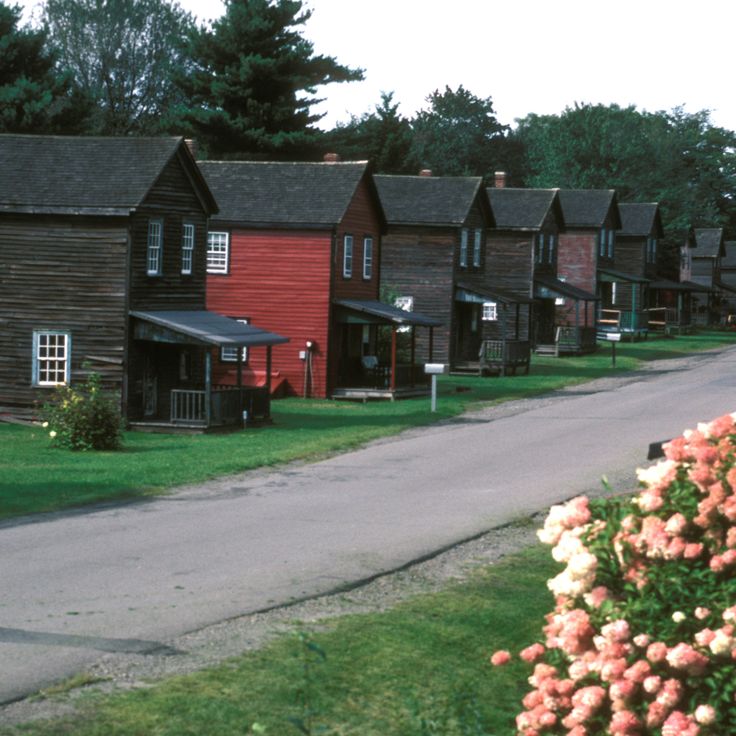
Weatherly, Pennsylvania
Mining settlement from 1854 with preserved original buildings and exhibitions about miners' life in the 19th century.
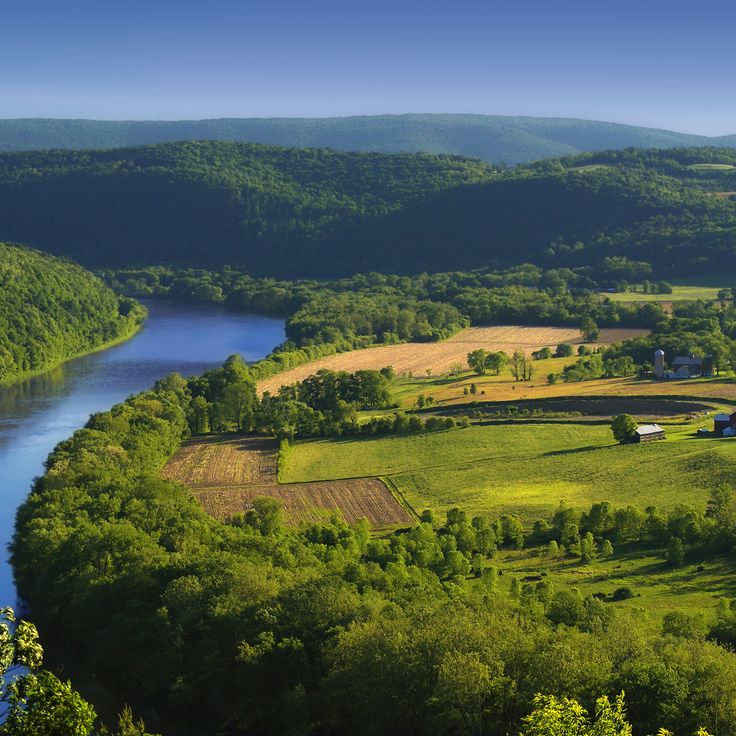
Towanda, Pennsylvania
A settlement from 1793 for French nobility. The site contained 300 acres of land with more than 50 houses.
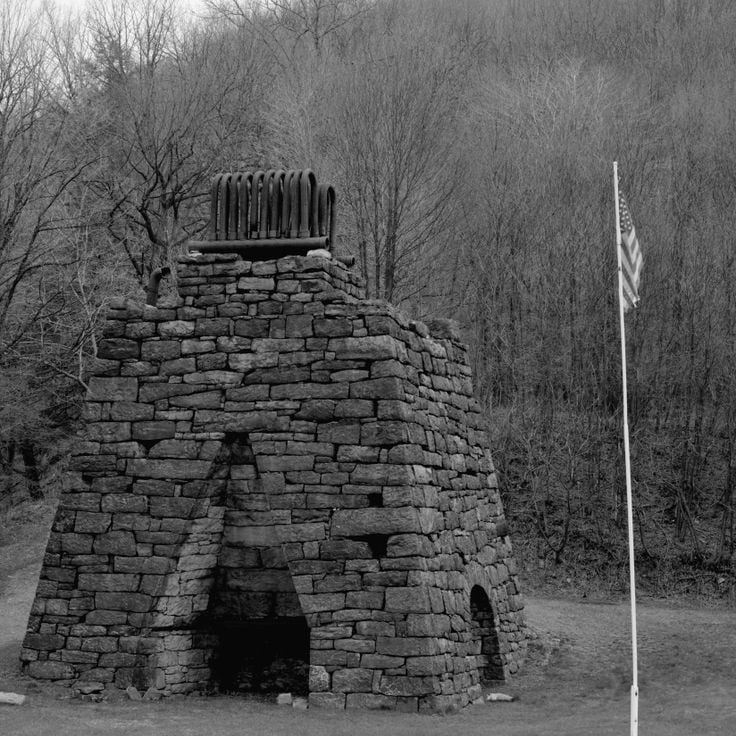
Indiana and Cambria Counties, Pennsylvania
This 36-mile recreational path built on former railroad tracks crosses abandoned mining settlements and features industrial heritage structures.
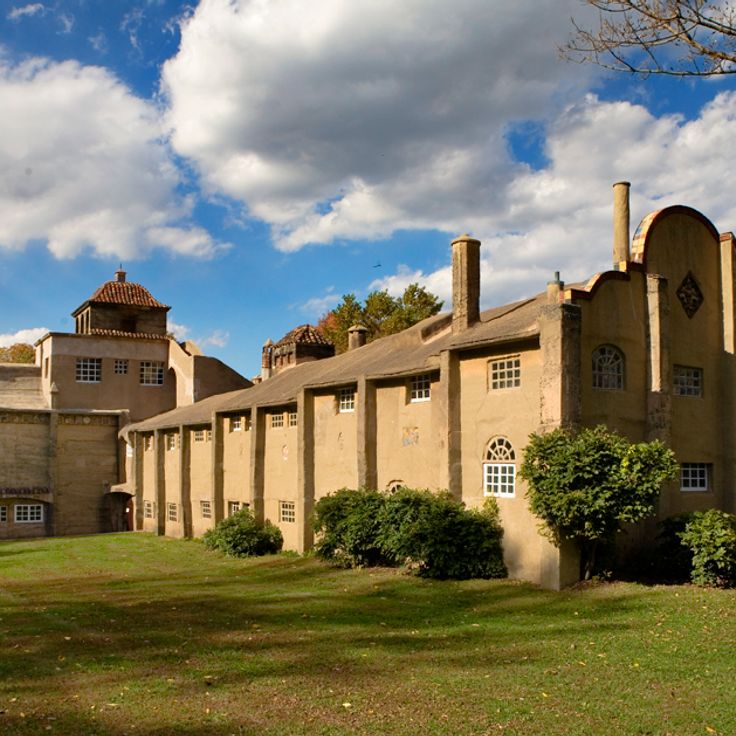
Doylestown, Pennsylvania
A working history museum producing handmade tiles in a traditional manner.
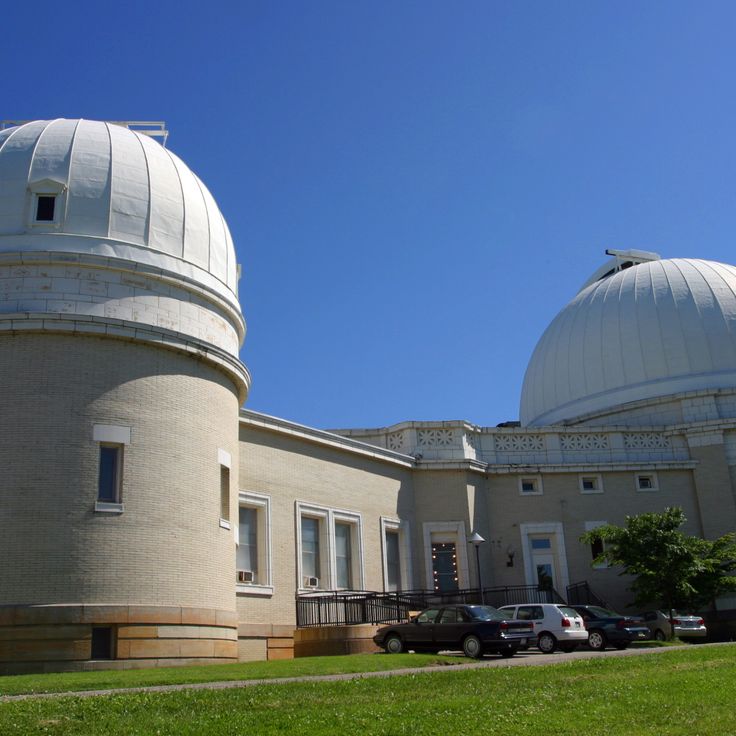
Pittsburgh, Pennsylvania
The University of Pittsburgh's scientific facility conducts astronomical research and hosts regular guided tours with telescope observations for visitors.
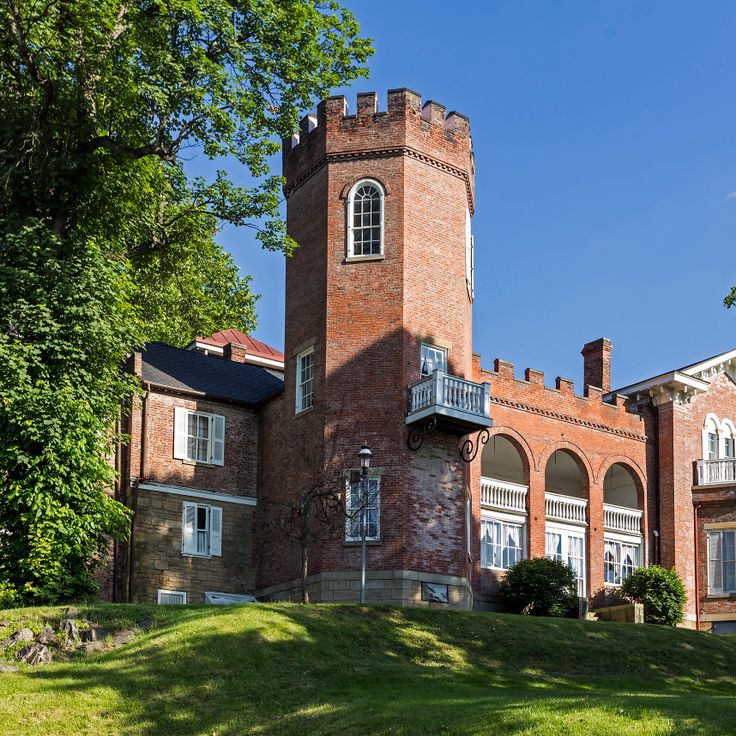
Brownsville, Pennsylvania
Eighteenth century brick house containing period furniture, antique collections and regular informational events throughout the restored interior rooms.
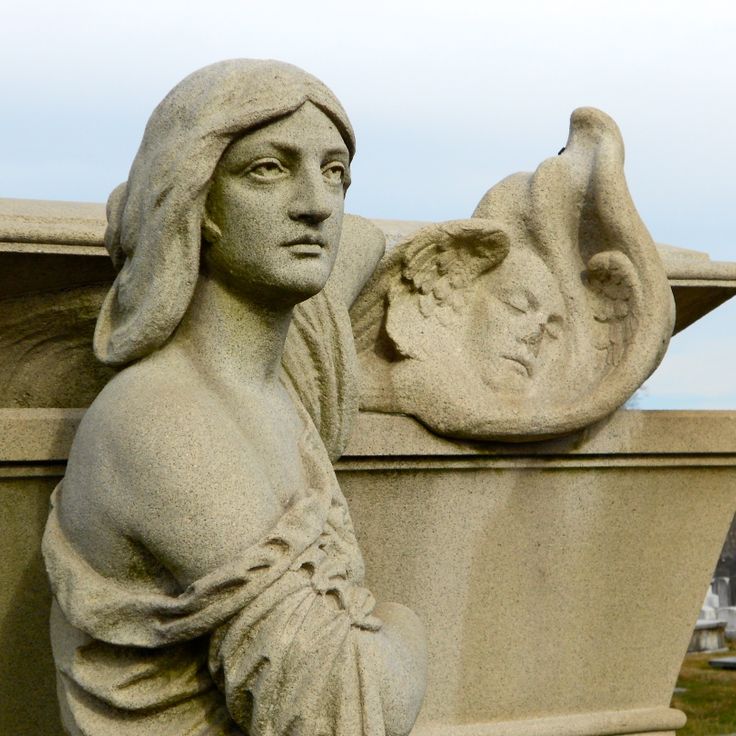
Philadelphia, Pennsylvania
National Historic Landmark since 1998, featuring graves of 19th century generals, politicians and industrial leaders.
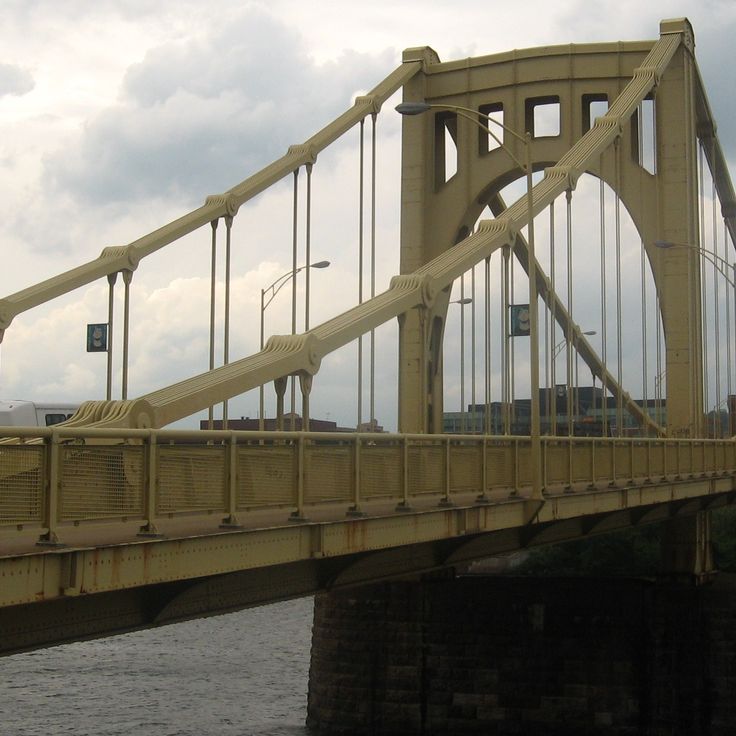
Pittsburgh, Pennsylvania
This yellow steel bridge spans the Allegheny River connecting Downtown Pittsburgh to North Shore since 1926. The name honors the Pittsburgh-born artist.
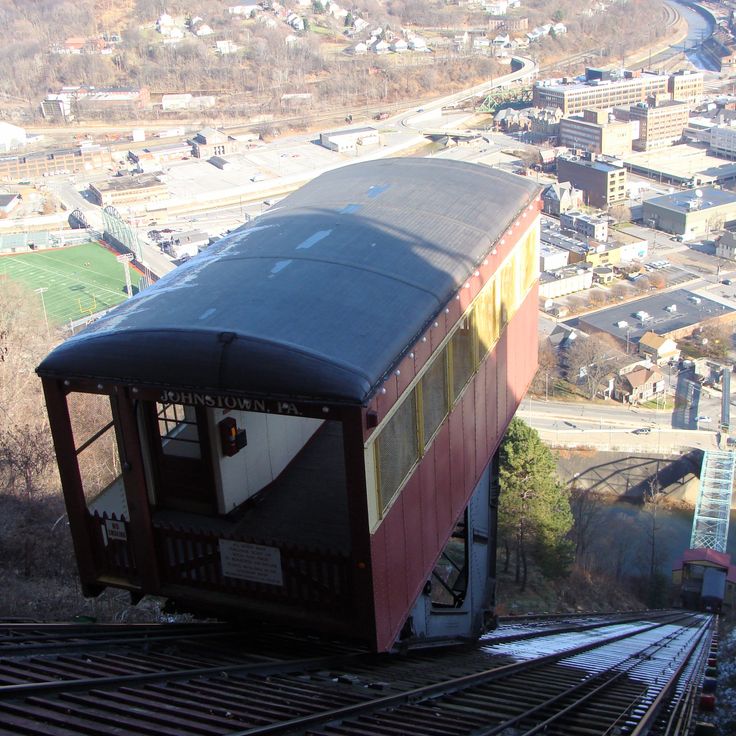
Johnstown, Pennsylvania
This funicular railway with 71 percent grade operates since 1891 and transported people and vehicles during the major flood of 1936.
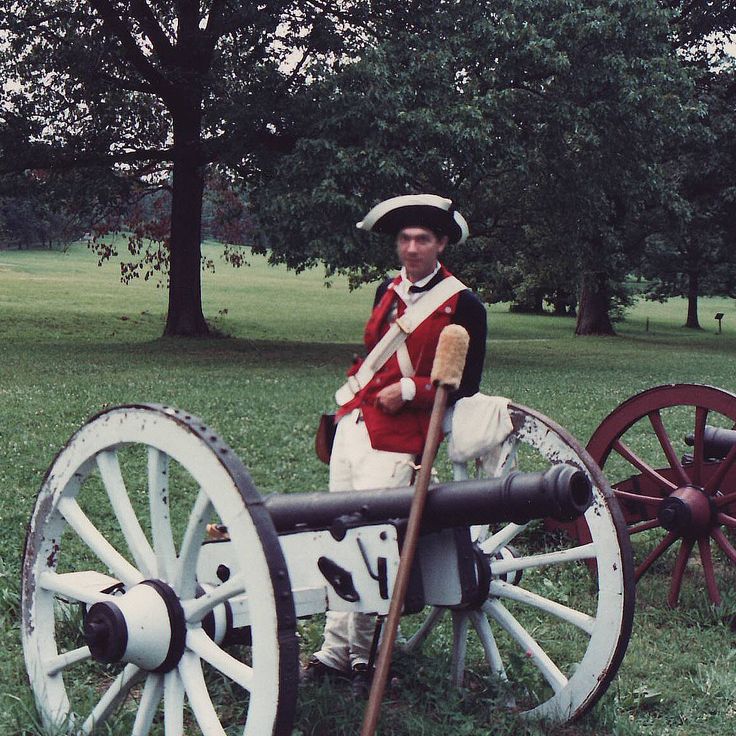
Valley Forge, Pennsylvania
Site of the 1777-1778 winter encampment of the Continental Army during the American Revolutionary War.
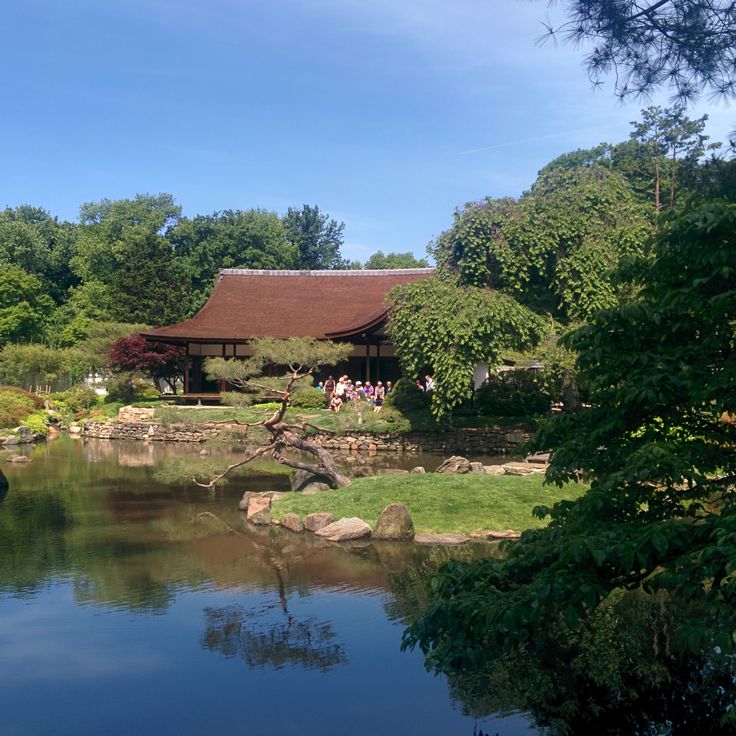
Philadelphia, Pennsylvania
The estate features Edo period architecture with tatami floors, sliding doors and a pond containing koi fish.
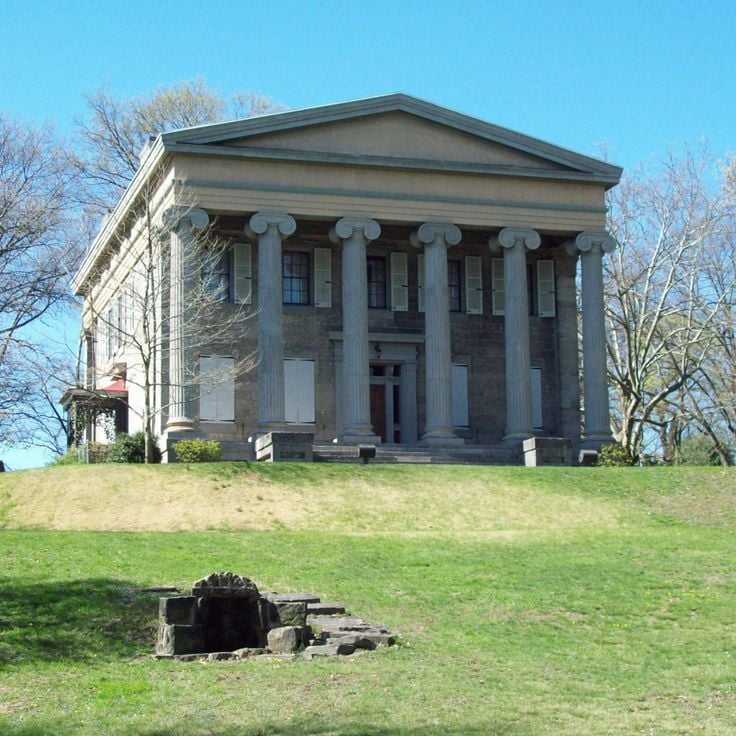
Altoona, Pennsylvania
The building contains furniture, artworks and objects from 19th century railroad industry life.
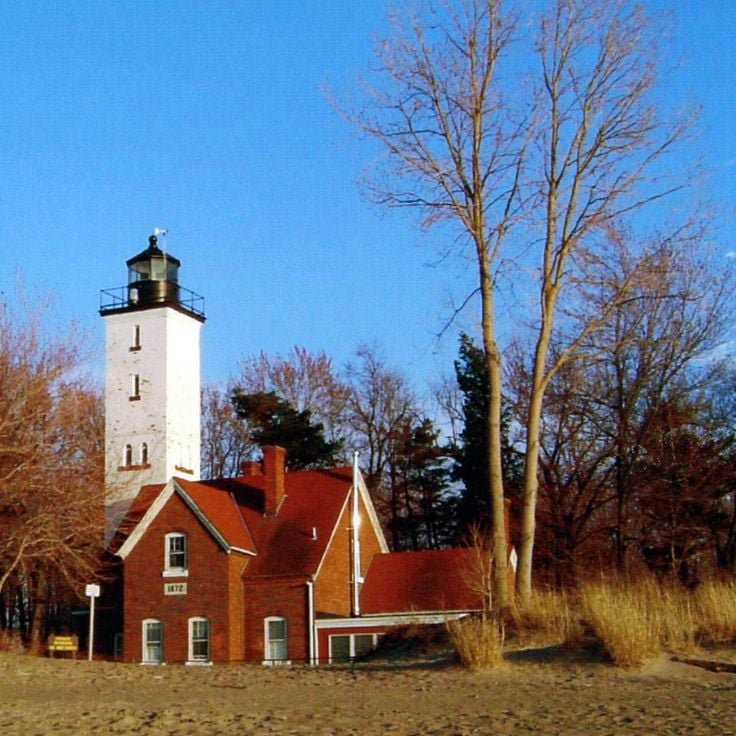
Erie, Pennsylvania
Built in 1873, the tower measures 68 feet and displays original lighthouse keeper quarters.
Similar collections
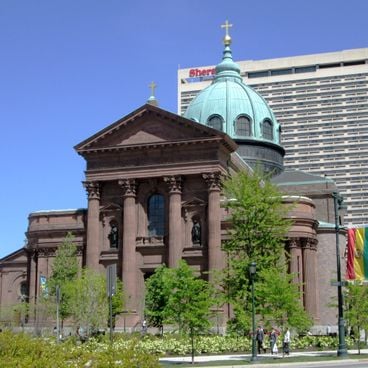
Historical Sites and Main Attractions of Philadelphia
Architecture: famous buildings, modern and historical structures
Historic homes in North America: architecture of major families, residences from the 19th and 20th centuries
Frank Lloyd Wright architecture