See the monuments around you in AROpen chests in the app
Around Us is built for your phone — point your camera at the streets and discover the monuments and places around you in augmented reality.Around Us is built for your phone — chests unlock when you walk, explore and capture nearby places.
Pennsylvania offers visitors a notable mix of stories from the past and natural sights. You will see waterfalls tumbling down the sides of the Pocono Mountains, underground museums in old coal mines, and colonial houses that tell the story of the first settlers. Many parks, lakes, and forests invite you to explore trails where you can feel connected to nature.
The places to visit are very different from each other. You can walk through the paved streets of Elfreth in Philadelphia, where 18th-century houses are still lived in, or see modern buildings like the Wright's Fallingwater. Well-kept gardens like Chanticleer Gardens give peaceful spots to walk around, and unusual sites like the Columcille Megalithic Park with its standing stones surprise with their mysterious look.
If you like history, nature, or surprises, Pennsylvania has routes for every interest. Many people come back because each area tells its own story and shows its own scenery.
Pennsylvania offers visitors a notable mix of stories from the past and natural sights. You will see waterfalls tumbling down the sides of the Pocono Mountains, underground museums in old coal mines, and colonial houses that tell the story of the first settlers. Many parks, lakes, and forests invite you to explore trails where you can feel connected to nature.
The places to visit are very different from each other. You can walk through the paved streets of Elfreth in Philadelphia, where 18th-century houses are still lived in, or see modern buildings like the Wright's Fallingwater. Well-kept gardens like Chanticleer Gardens give peaceful spots to walk around, and unusual sites like the Columcille Megalithic Park with its standing stones surprise with their mysterious look.
If you like history, nature, or surprises, Pennsylvania has routes for every interest. Many people come back because each area tells its own story and shows its own scenery.
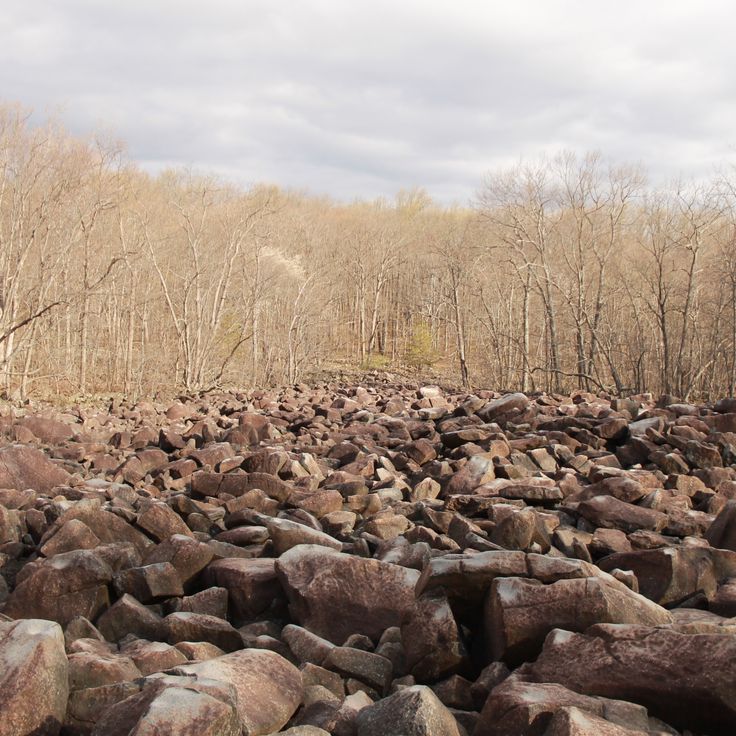
The Ringing Rocks Park in Bucks County features an unusual field of diabase stones. When visitors strike the rocks, they produce different metallic sounds. This natural phenomenon spans several hectares and draws people interested in geology and the acoustic properties of stone formations. The park offers an interactive way to experience the natural forces that shaped this location. Many visitors enjoy discovering how each rock produces its own distinct tone when struck.
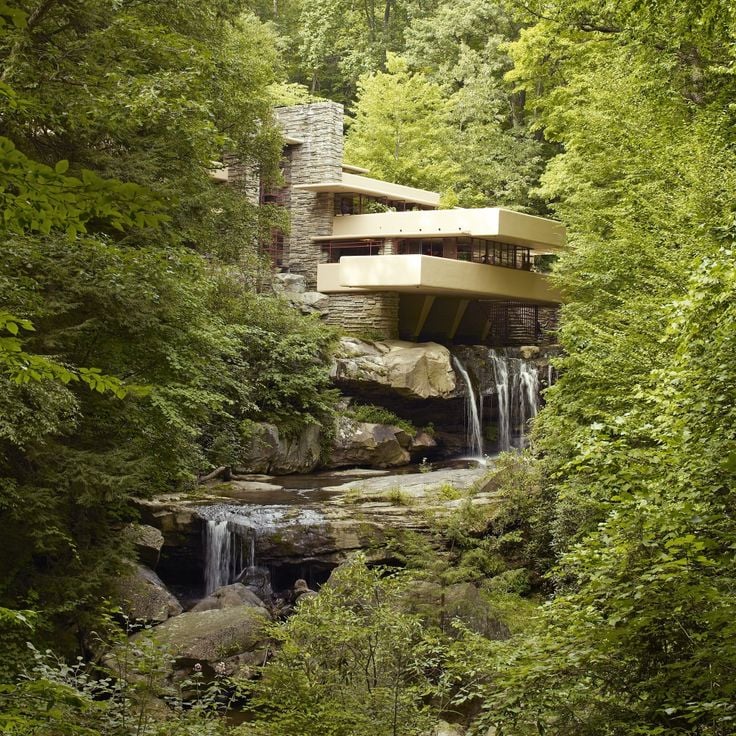
The house at Mill Run demonstrates how modern design can merge with the natural landscape. This private residence extends horizontally over multiple levels of concrete that cantilevered above the Bear Run creek and its 9-meter waterfall. The structure integrates so closely with its surroundings that the water and forest become part of the living experience. The building shows how architecture can work alongside nature rather than against it, creating spaces where residents feel connected to both shelter and wilderness.
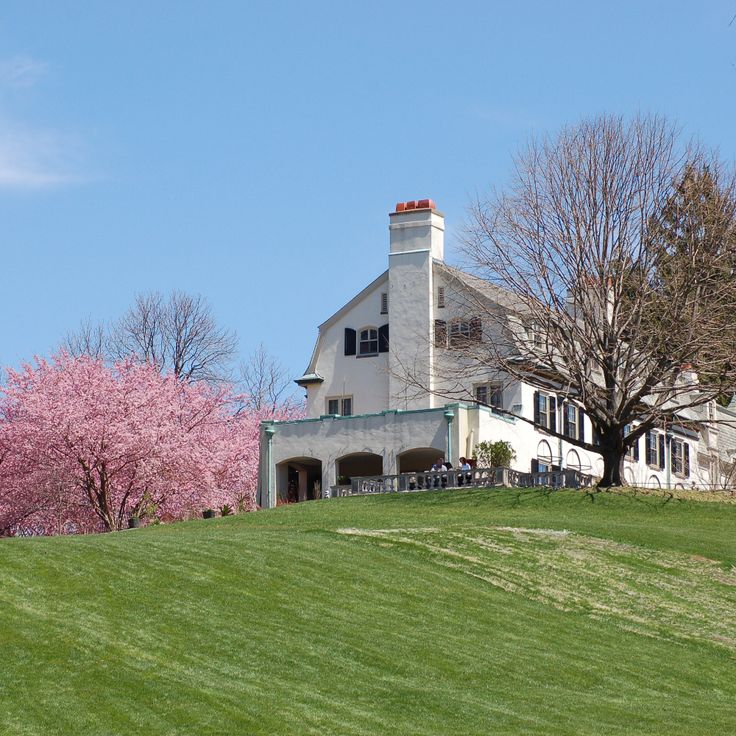
Chanticleer Garden in Wayne is a sprawling garden covering 14 hectares with different areas filled with native and exotic plants. The garden features water gardens and artistic installations scattered throughout the grounds. It is a place to walk through where you can discover the carefully arranged vegetation and the surprising artistic elements. The garden fits into Pennsylvania's diverse landscape, which blends history, nature, and creative work.
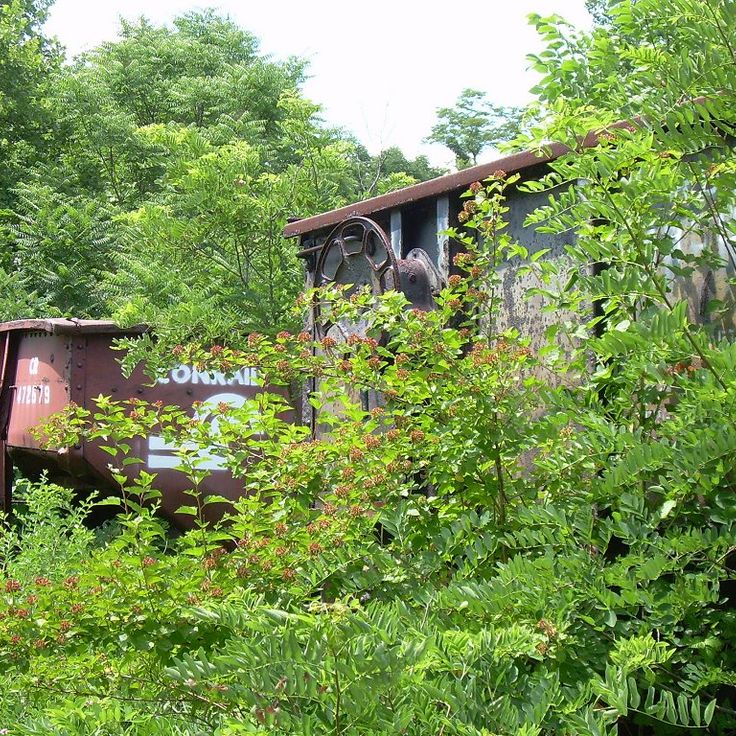
Centralia is a former mining town in Columbia County that has been affected by underground fires since 1962. These fires destroyed the town's infrastructure and led to the complete evacuation of its population. Today, Centralia shows the marks of this disaster: crumbling roads, abandoned houses, and cracks in the ground releasing smoke. The town tells a quiet story of loss and transformation, offering an unusual glimpse into the consequences of forces beyond human control.
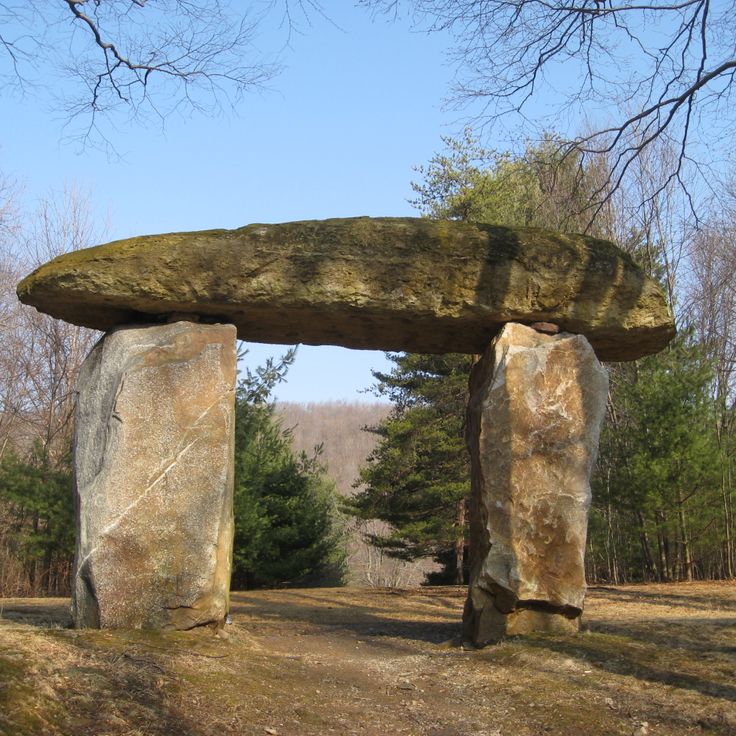
Columcille Megalithic Park is a spiritual garden containing 80 stones and monuments built according to Celtic tradition. The park features stone circles and a replica tower. Visitors can walk among these structures and experience the traditions of ancient Celtic culture. The arrangement of stones creates a space where people come to reflect on history and connect with the spiritual heritage that inspired their creation.
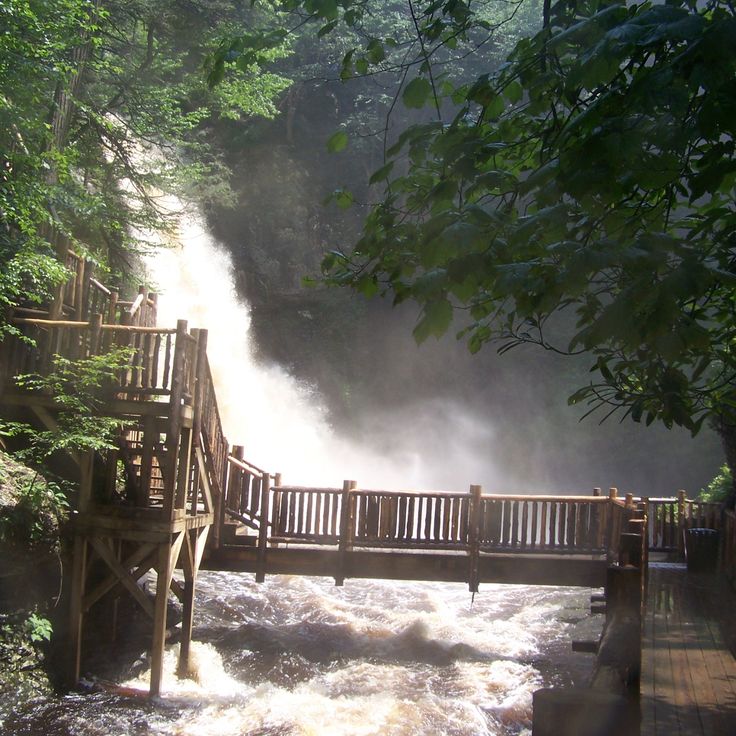
Bushkill Falls is a system of eight private waterfalls nestled in the Pocono Mountains with wooden walkways and viewing platforms winding through the forest. These cascades form an important part of Pennsylvania's natural attractions, where visitors can experience the power of falling water while walking through thick woods. The falls drop down the mountainsides and create a refreshing escape into nature, offering a chance to see how water has shaped the landscape over time.
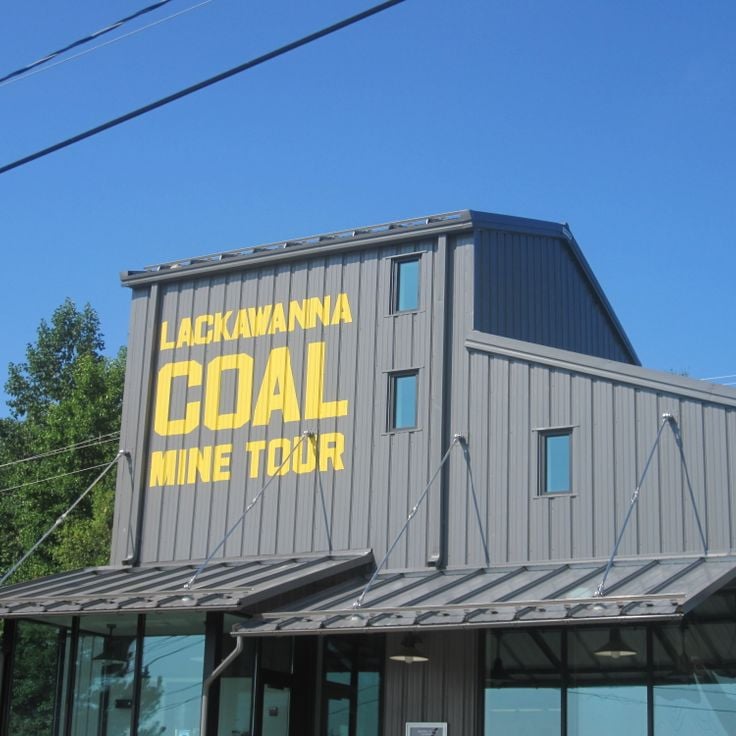
The Lackawanna Coal Mine Tour takes visitors 300 feet (91 meters) below the surface. Former miners share the techniques used to extract coal and give insight into the difficult conditions workers faced underground. The tour reveals the tools, equipment, and daily life of the miners who worked in these tunnels.
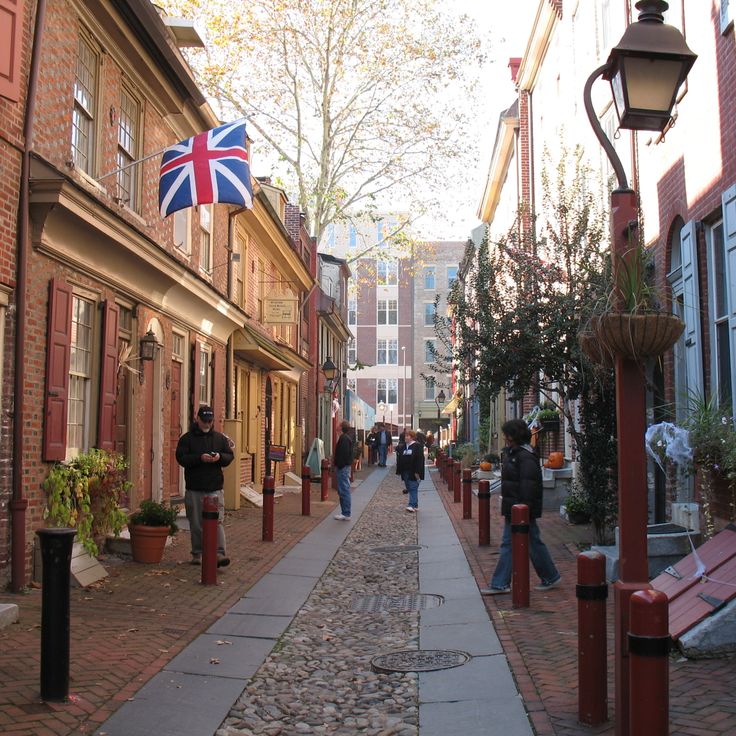
Elfreth's Alley in Philadelphia is one of the oldest continuously inhabited streets in the United States. The alley holds a collection of houses from the early 18th century that remain as residences today. The buildings blend Georgian and Federal styles with characteristic red brick, narrow facades, and preserved original doors and windows. The street offers a direct sense of what daily life was like during the colonial period. Visitors can walk through the paved lanes and experience a living historical place where history is not kept in museums but in the homes where people actually live.
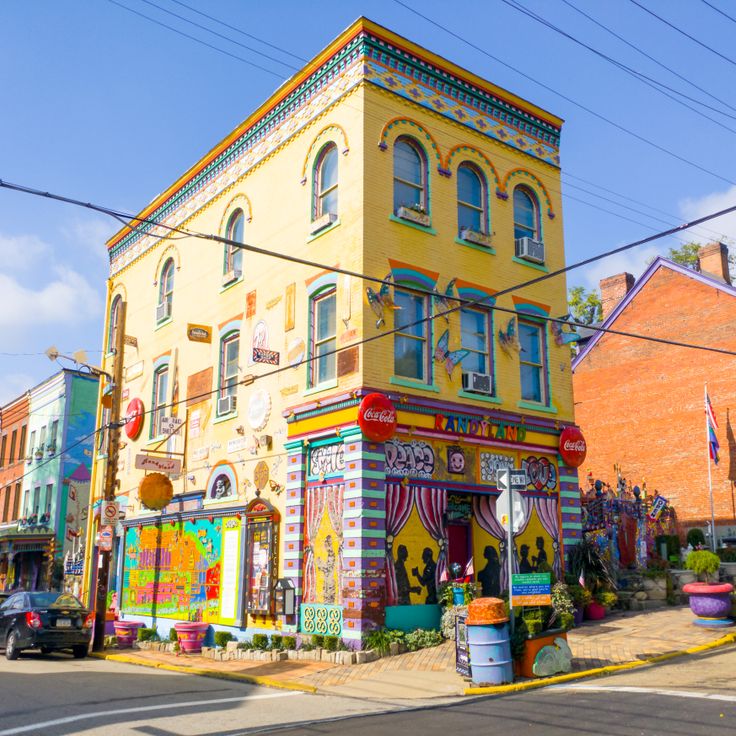
Randyland is an outdoor art space in Pittsburgh's North Side neighborhood where an artist has been creating vibrant works for many years. Across the grounds, mosaics, wall paintings, metal sculptures, and collected objects are layered together in a riot of color and form. Walking through Randyland feels like stepping into someone's imaginative world, where every surface tells a story. The site keeps growing and changing as new pieces are added, making it a living artwork that visitors experience differently with each visit. This place shows how personal creative expression can completely transform an urban space.
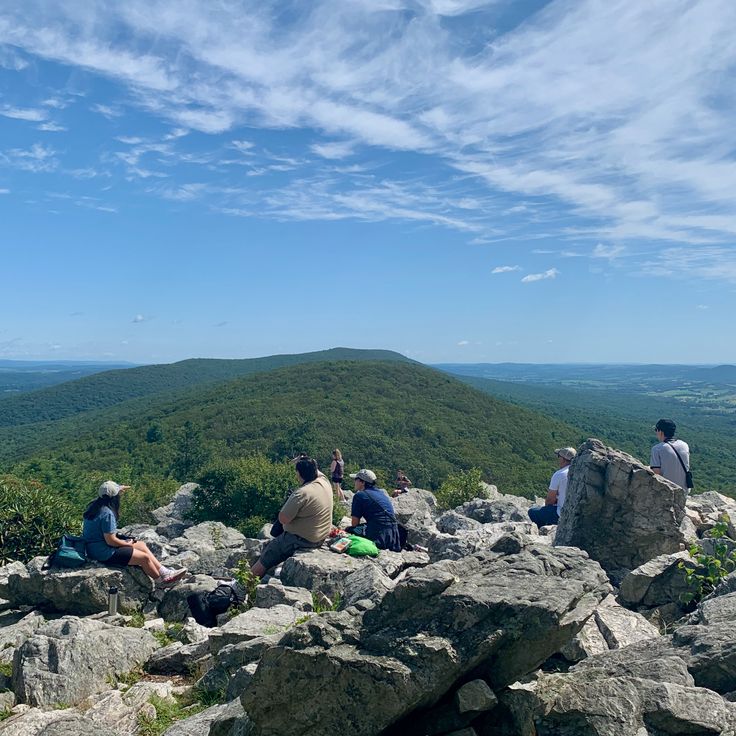
Hawk Mountain Sanctuary is a research and observation center covering about 890 hectares in Berks County. Visitors can walk trails throughout the property and watch migrating falcons and eagles as they pass through on their seasonal journeys. The site offers a direct connection to nature and the rhythms of wildlife. Many people visit to learn about bird watching and understand the importance of these migration routes to raptors.
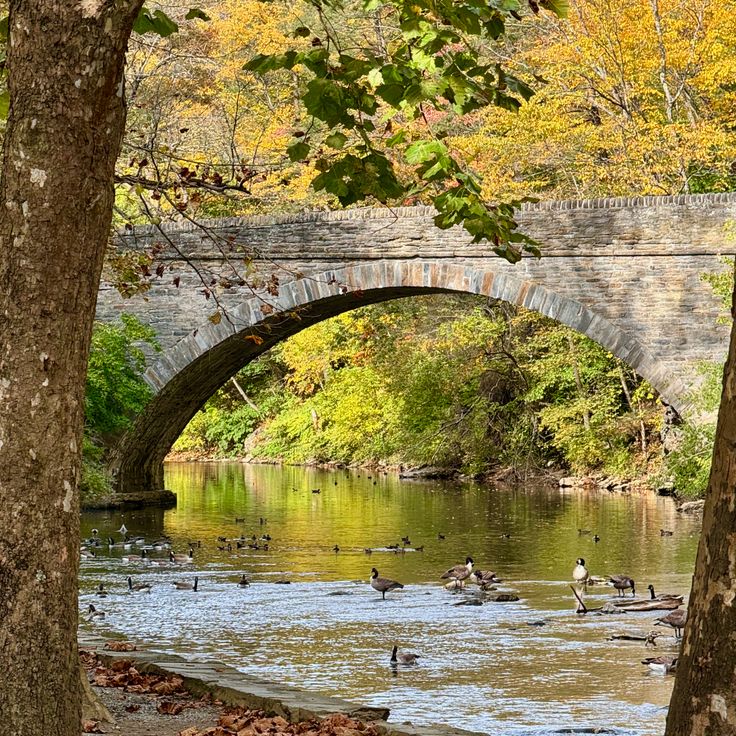
Wissahickon Forest in Philadelphia is a public park with a flowing stream, historic stone structures, and a network of trails through dense mixed woodland. Visitors can walk along various paths that wind through the forest, encounter the waterway, and discover the old stone buildings that remain from earlier times. This green space provides a natural retreat within the city where people can connect with nature.
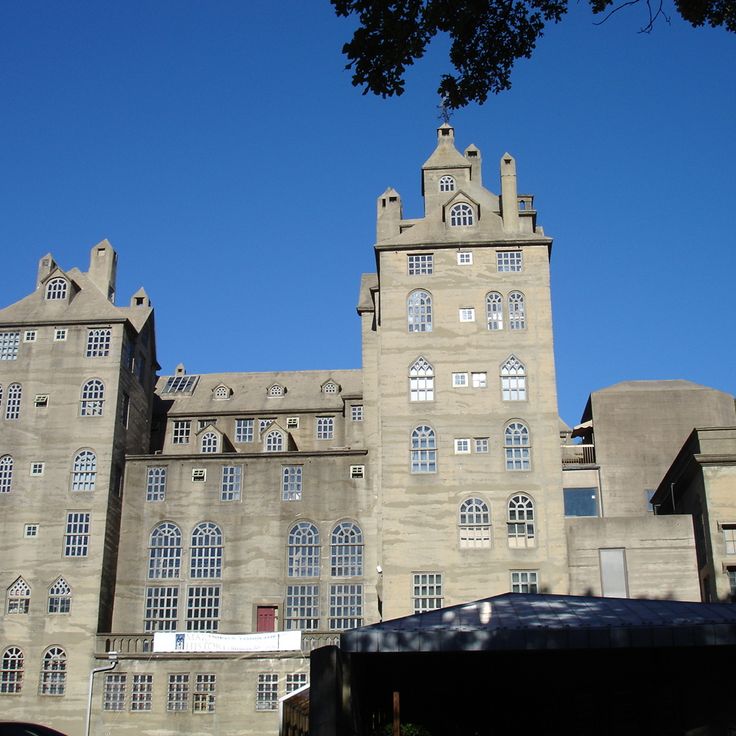
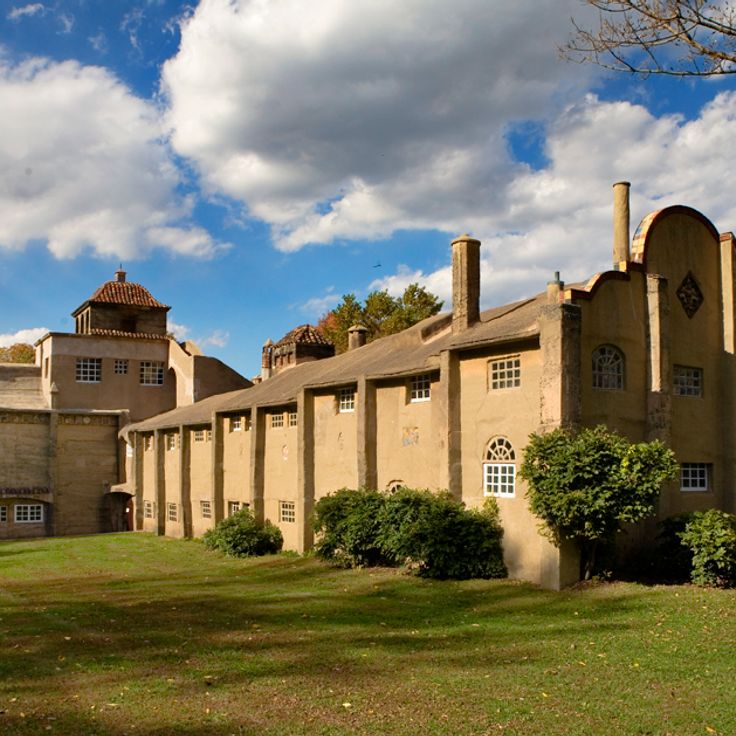
The Mercer Museum in Doylestown holds over 50.000 handcrafted tools and household objects spanning centuries of daily life. Built in 1916, this concrete building stands like a fortress filled with artifacts. Walking through its rooms, you see how people worked and lived in earlier times. Tools hang from ceilings and walls alongside furniture, kitchen items, and personal objects. The building itself tells a story through its unusual structure, with multiple floors packed with collections. It feels like stepping into a time capsule where ordinary objects become windows into the past.
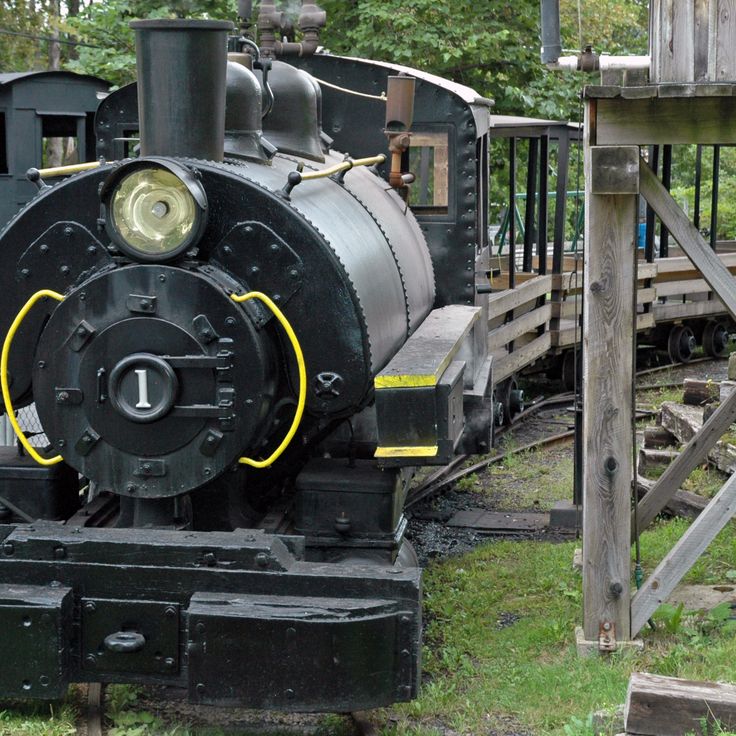
The Pioneer Tunnel is a closed anthracite mine that lets visitors step into the underground world of coal mining. A horizontal tunnel stretches about 457 meters into Mahanoy Mountain, showing how miners once worked in darkness and dangerous conditions. A steam train travels a 1.5 km track, moving you through the history of mining in this region. The experience connects the hard labor of the past with the natural beauty surrounding the Pocono Mountains.
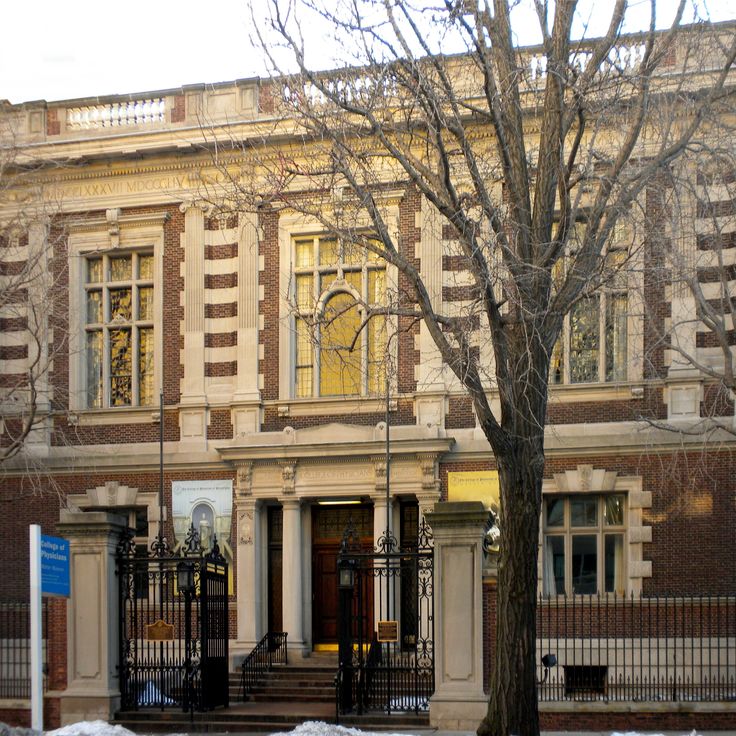
The Mütter Museum in Philadelphia displays an extensive collection of anatomical preparations and pathological specimens. The exhibition features skeletons, historical medical equipment, and documents that tell the story of medical science throughout history. Visitors can trace how doctors and scientists worked to understand the human body across different periods. The museum offers insight into medical knowledge and practices from various eras.
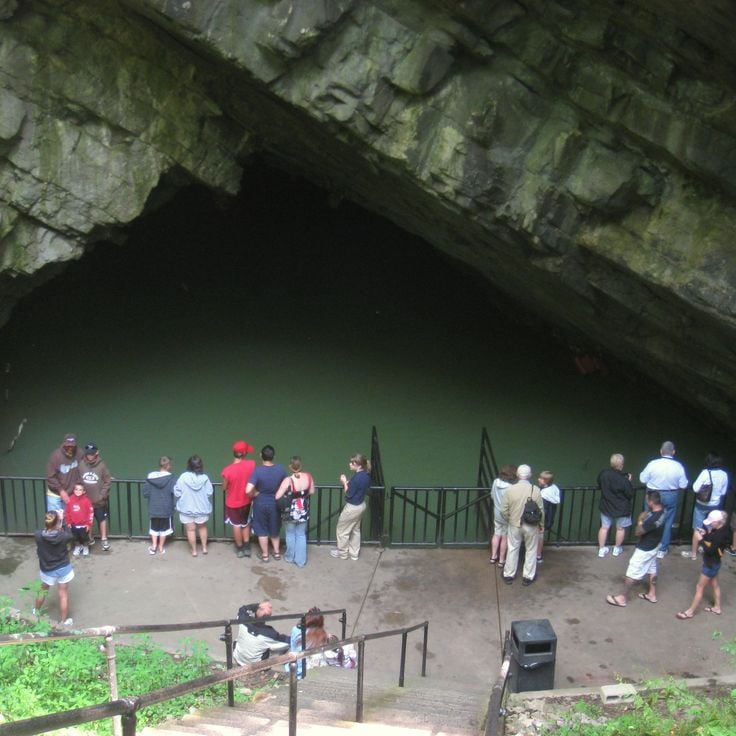
This cave and wildlife park near Centre Hall lets visitors walk through limestone passages deep underground and see North American animals in their natural habitat. The park combines cave exploration with wildlife viewing, showing you the rock formations beneath Pennsylvania and the creatures that live in the region.
Bicycle Heaven in Pittsburgh is the world's largest bicycle museum, displaying more than 6000 models spanning different eras. The museum showcases historical bicycles and rare collectible pieces that document how this vehicle has evolved over time. Visitors can explore the range of bicycle designs on display, from early constructions to modern variations. Through its collection, the museum tells stories about craftsmanship, innovation, and the role bicycles have played in society.
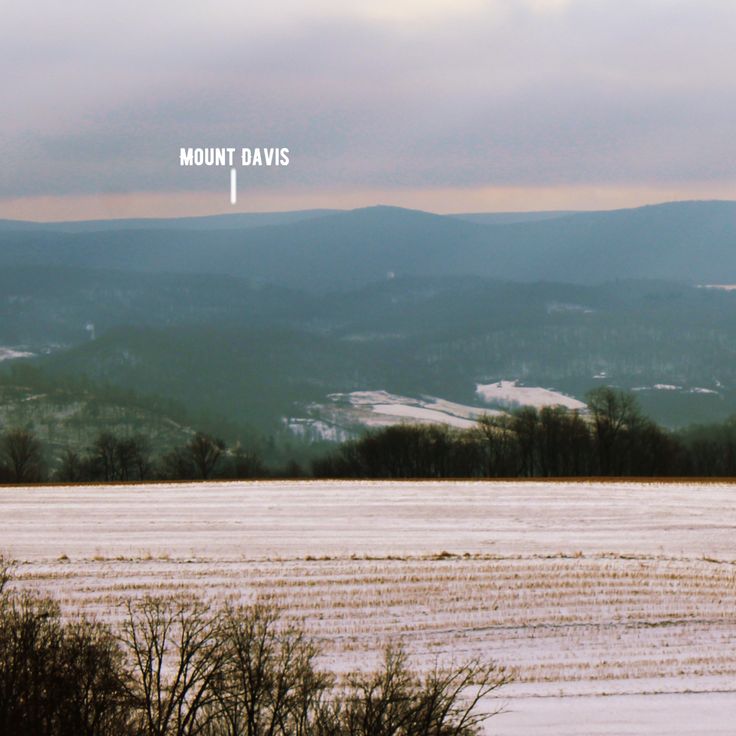
Mount Davis is the highest point in Pennsylvania. This location features a stone tower, an observation platform, and trails that wind through the Forbes State Forest. From this summit, visitors can look out over the surrounding landscape and explore the natural environment that surrounds this place.
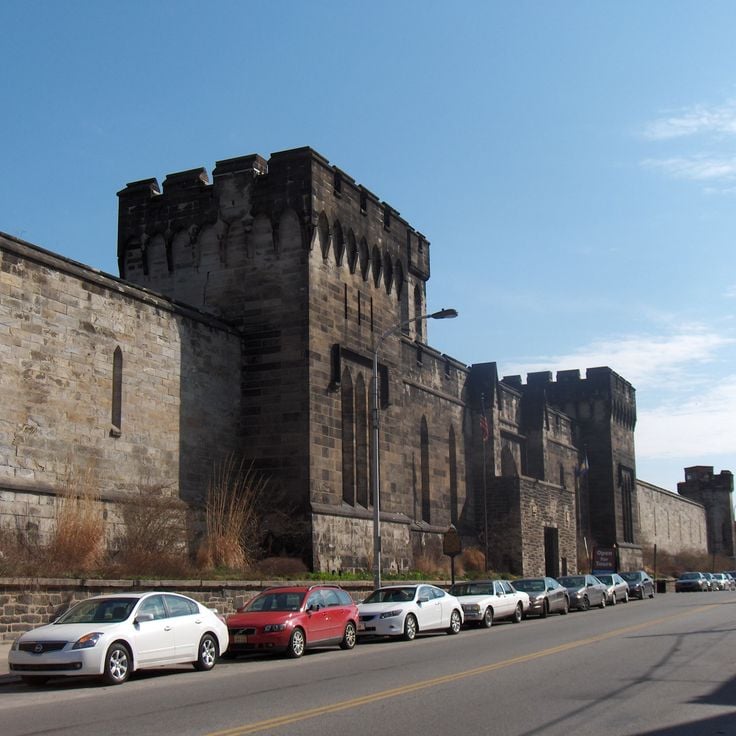
The Eastern State Penitentiary is a prison that opened in Philadelphia in 1829 and is notable for its radial floor plan. The building preserves seven original cell blocks and offers guided tours that explore the history of incarceration. This structure shows how innovative architectural solutions were created to establish a new approach to prison design. Visitors can walk through the layout and learn about the conditions where inmates lived.
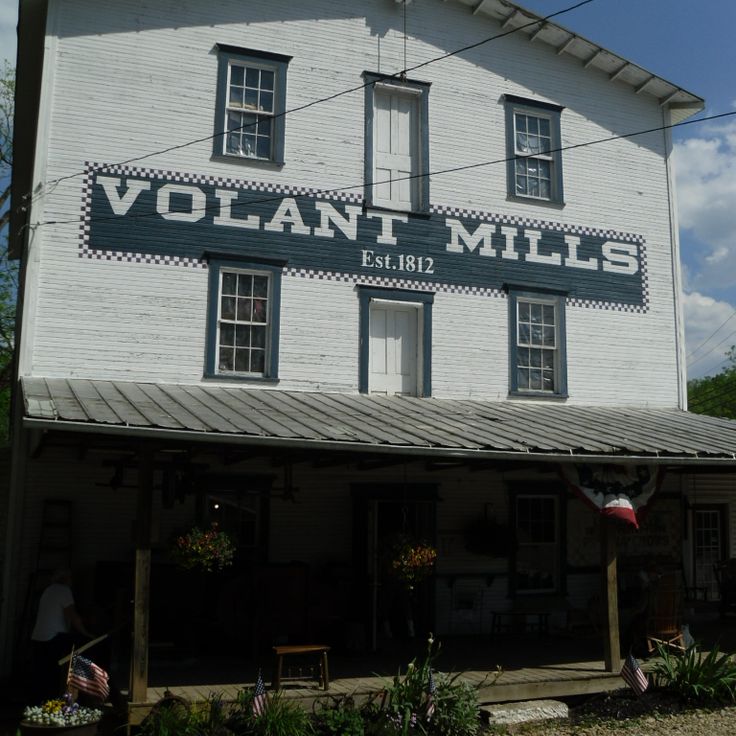
The mills of Volant are a working grain mill building from 1812 that still produces flour using historic machinery. The building houses a museum and several craft shops, where visitors can see traditional craftwork techniques and purchase local products. This place shows how the mill has been used over time and remains a location where old craftsmanship traditions are kept alive.
Little Buffalo State Park invites visitors to fish and paddle on its lake, hike along more than 10 kilometers of marked trails, and explore a restored 19th-century grist mill. The park shows how water shaped life in this region, from powering mills to providing a place for outdoor activities today. Whether you choose an easy walk or a longer hike, you will pass through forests and meadows that reveal the natural side of Pennsylvania.
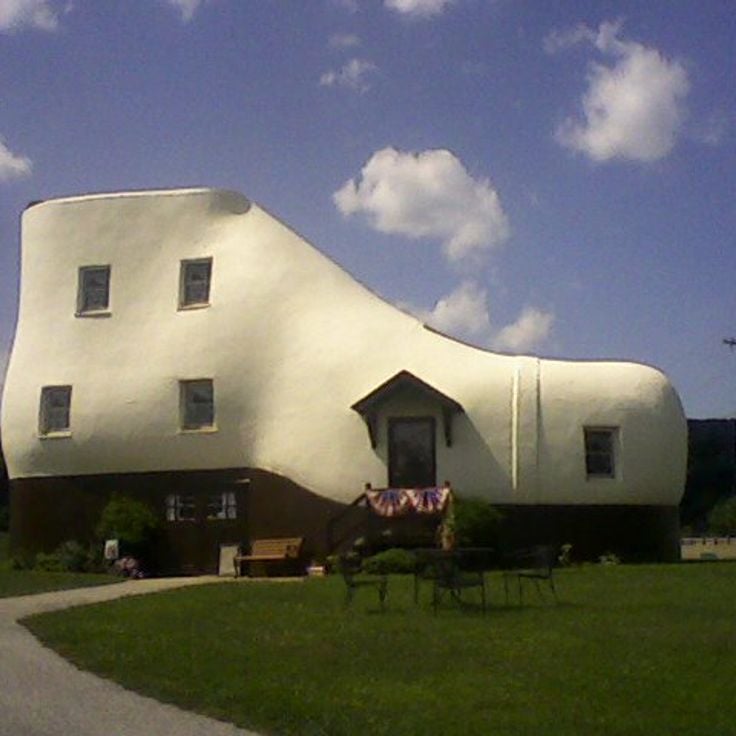
The Haines Shoe House is an unusual five-story residential building shaped like a shoe, built in 1948 by Mahlon Haines. This distinctive structure was created as a marketing tool for his shoe business and stands today as a testament to creative business practices from the mid-20th century. Rising approximately 25 feet (7.6 meters) tall, it attracts visitors curious about unconventional and quirky architecture. The building shows how business ingenuity and imagination came together in American advertising of that era.
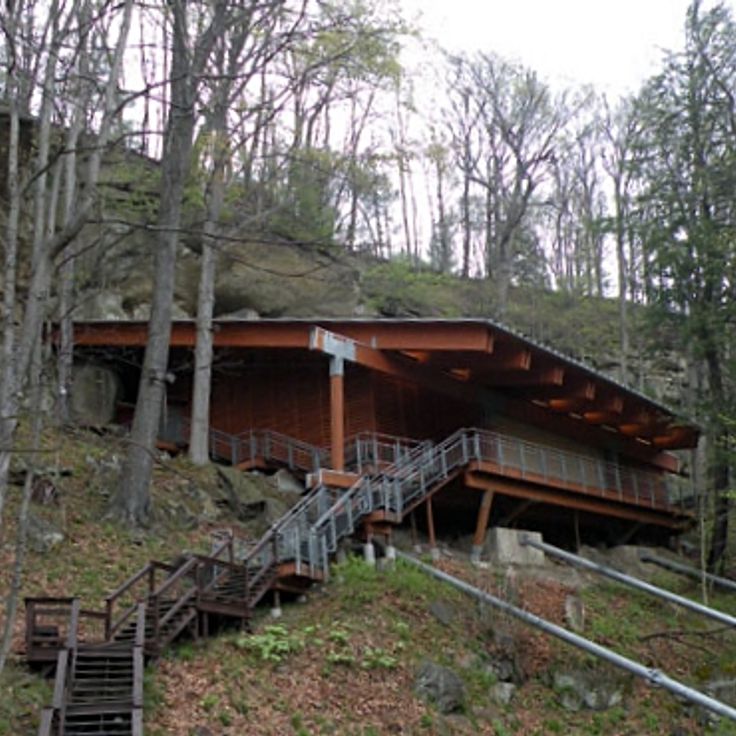
The Meadowcroft Rockshelter in Avella is an archaeological site holding artifacts from 16,000 years of human history. This place shows how early people lived and adapted to their surroundings in this region. When you visit, you can see the layers of time preserved in the rock walls and understand what tools and objects the first inhabitants of the area used.
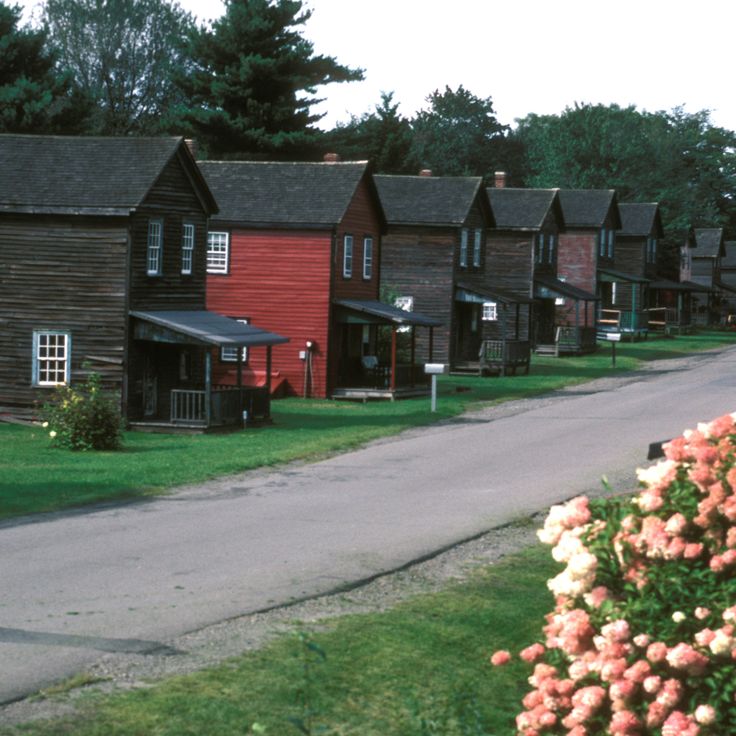
Eckley Anthracite Coal Mine Village in Weatherly shows how mining families lived during the 1800s. The village dates from 1854 and preserves the original buildings and homes as they were then. Walking through the streets, visitors see where miners and their families lived and worked. Exhibits explain the harsh conditions in the coal mines and how people spent their daily lives. The village tells the story of working people and their communities in a direct, honest way.
The French Azilum site in Towanda was a refuge for French nobility fleeing the French Revolution. The colony was established in 1793 and offered newcomers a fresh start in the New World. Visitors can explore the remains of this historic settlement and learn about the lives of the French families who made their home here. The site tells an unusual story in Pennsylvania history, when European refugees transformed this area.
This recreational path in Pennsylvania's Indiana and Cambria counties stretches 58 kilometers along former railway routes through abandoned mining villages. As you walk along this trail, you encounter the remains of old mines and workers' homes nestled among the hills. The structures tell the story of coal extraction and the daily lives of those who worked in these communities. The pathway shows how mining shaped the landscape and economy of this region. Walking here connects you with the industrial past that defined these mountain communities.
The Moravian Pottery and Tile Works in Doylestown is a working historical factory where artisans still create tiles using traditional methods. Visitors can watch craftspeople design patterns by hand and fire tiles in kilns, observing the entire ceramic process. The site demonstrates how this pottery tradition has continued for generations in Pennsylvania. The workshop preserves handmade techniques and provides insight into an important chapter of American decorative arts.
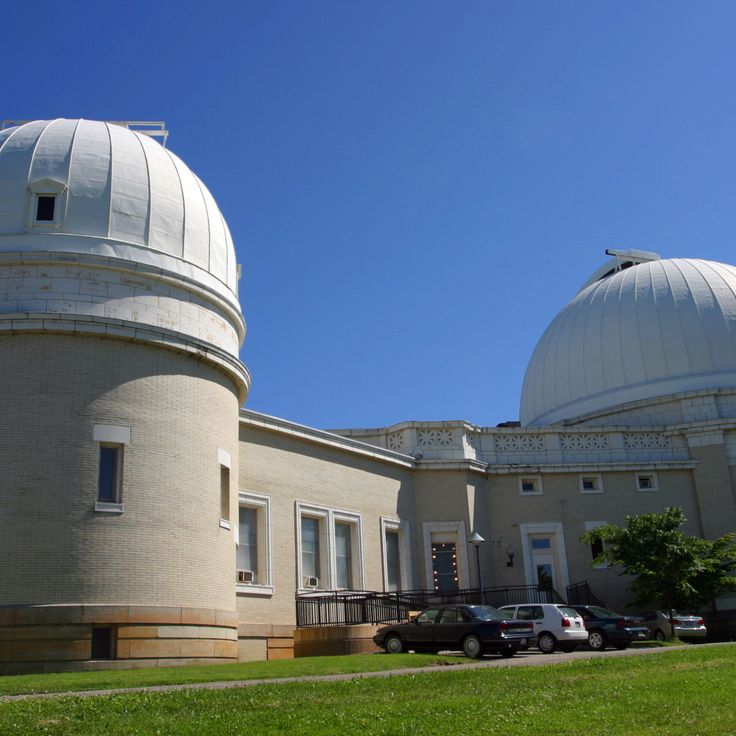
The Allegheny Observatory at the University of Pittsburgh is a scientific facility dedicated to astronomical research. The observatory welcomes visitors for regular guided tours where you can observe the sky through telescopes. Here you can see stars and planets up close and learn more about the mysteries of the universe. The observatory offers a fascinating window into the world of astronomy and shows how scientists explore the heavens.
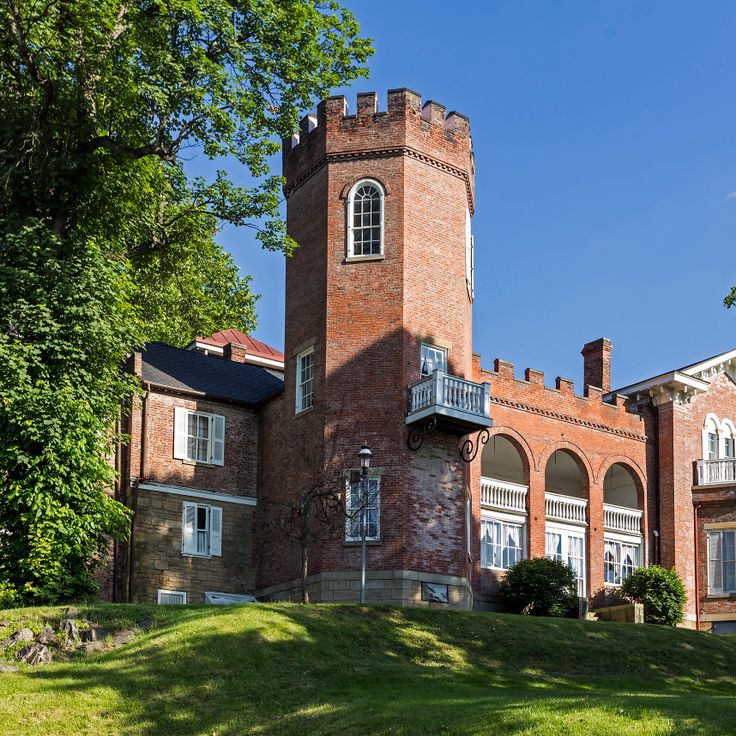
Château Nemacolin in Brownsville is an 18th century brick house that opens a window into the lives of people from the past. Its rooms are furnished with period pieces, and the carefully restored interiors display antiques from different eras. The house hosts regular information events where visitors can learn about the family's history and the region's past. It is a place where Pennsylvania's past comes alive directly, showing how people lived during this period.
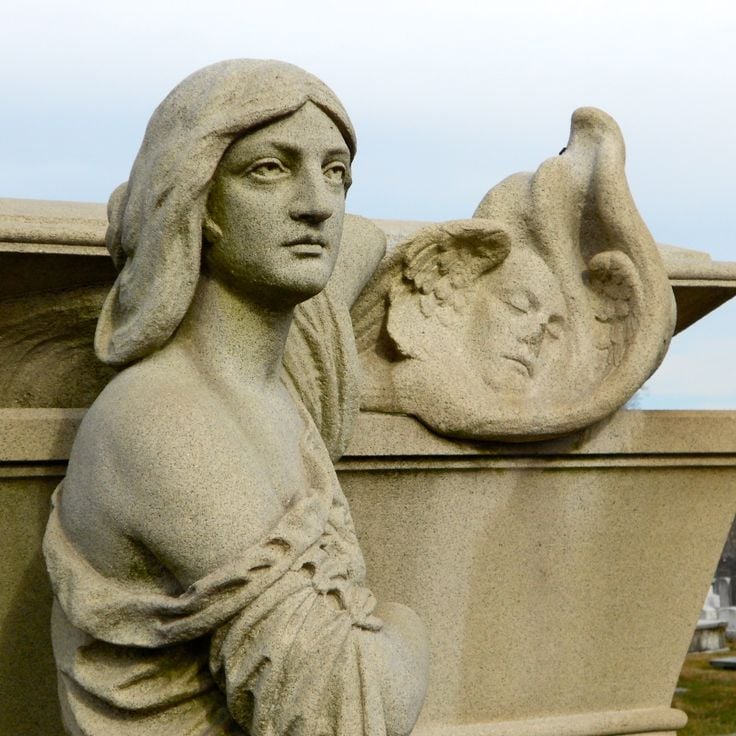
Laurel Hill Cemetery in Philadelphia has been a national historic landmark since 1998. It holds the graves of generals, politicians, and industrial leaders from the 19th century. The cemetery tells the story of the city through the people buried there. Its paths wind through a landscape of old trees and stone monuments that speak to a past era. Visitors can walk and experience the quiet of the place while reading the names and stories of those who shaped this location.
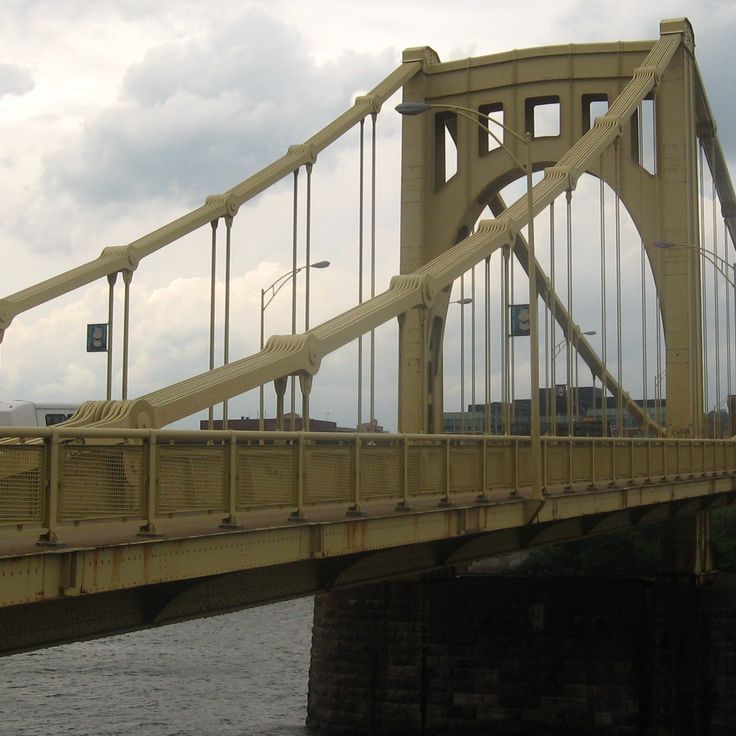
This bridge with its distinctive yellow steel crosses the Allegheny River since 1926, connecting downtown Pittsburgh to the North Shore neighborhood. The bridge bears the name of artist Andy Warhol, who was born in Pittsburgh. The structure is part of the industrial history of Pittsburgh and shows the kind of engineering that shaped the city. Many people use this bridge daily, and it has become a recognizable landmark that reflects Pittsburgh's past and its connection to the art world.
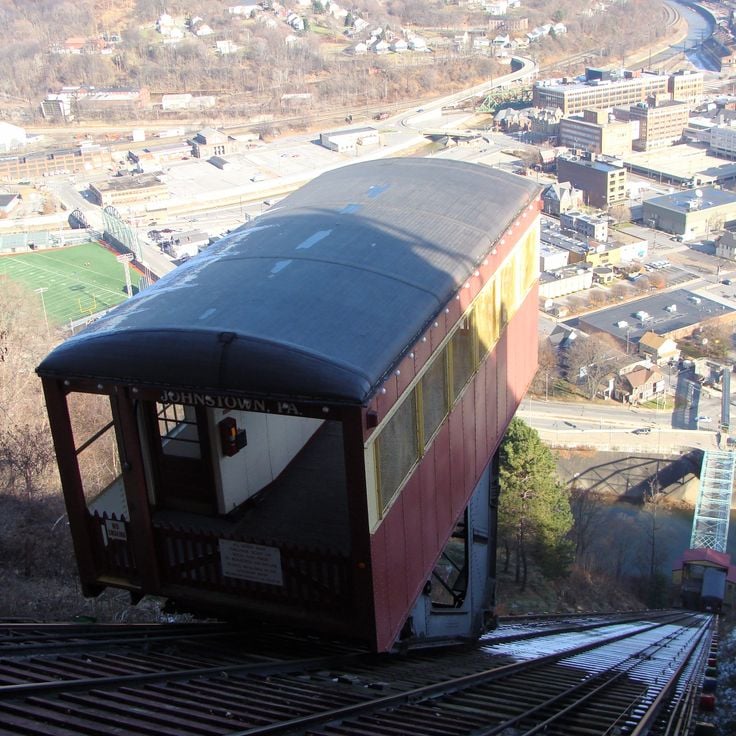
Johnstown's Inclined Plane is a cable railway with a 71 percent grade that has operated since 1891. It connects the upper and lower parts of the city and represents an engineering feat from the industrial era. During the great flood of 1936, this cable car helped rescue people and vehicles. Today, visitors can ride the historic cable car and view the city from above. The journey shows how people once solved problems created by geography and nature.
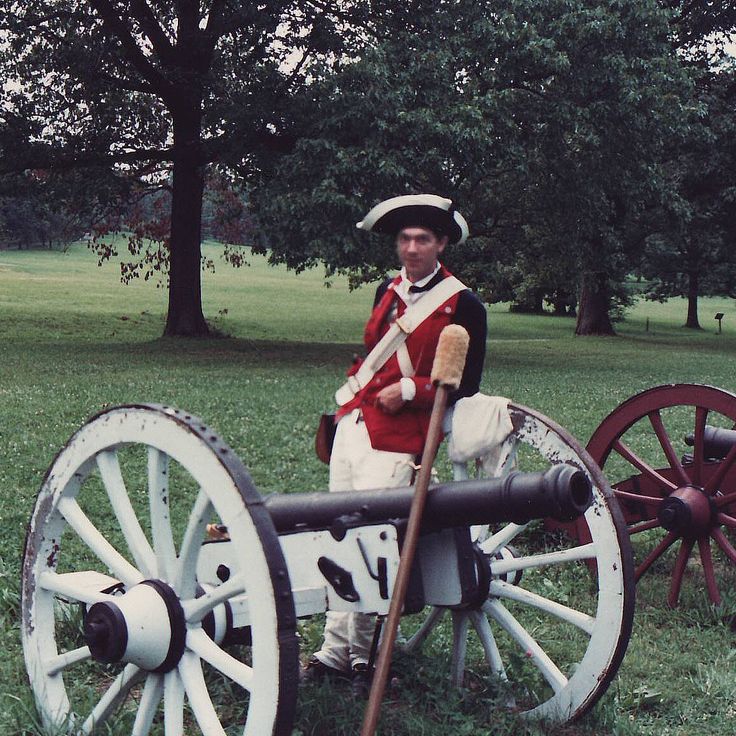
Valley Forge National Historical Park marks the winter encampment of the Continental Army from 1777 to 1778 during the American Revolutionary War. This site witnessed one of the most defining periods in American history, when soldiers endured harsh conditions while building the strength of a young nation. Visitors can walk through the grounds to see reconstructed soldier huts, monuments, and memorial structures. The park weaves history into its landscape, with trails passing through forests and open fields. Museum exhibits tell the stories of the troops, their daily struggles, and their resilience through those difficult winter months.
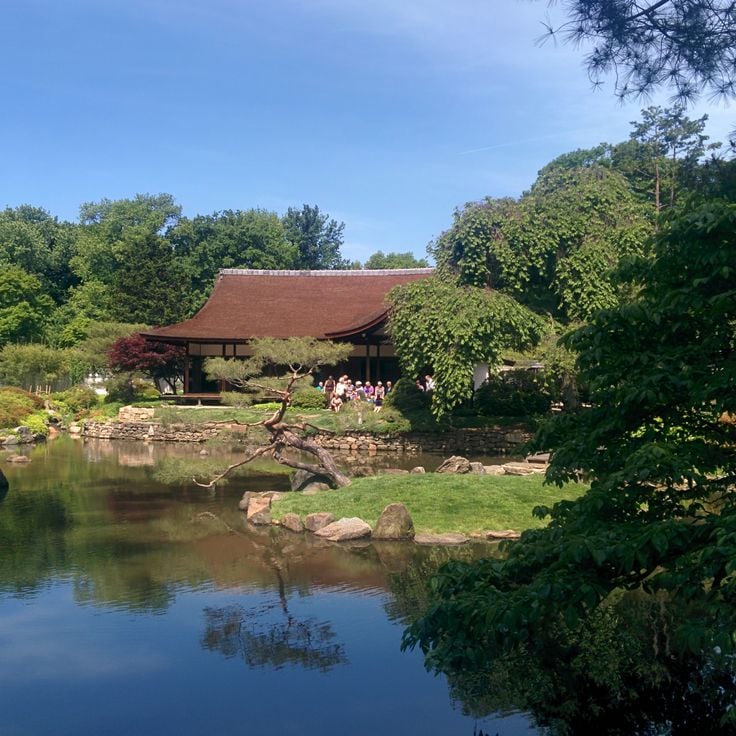
This Philadelphia property features Edo Period Japanese architecture with tatami mat floors, sliding shoji doors, and a koi pond. Shofuso Japanese House and Garden presents an authentic look at how Japanese families lived and how they designed their outdoor spaces. Walking through the rooms and pathways, visitors experience the careful relationship between building and nature that defines Japanese design. The garden flows naturally from the house, creating a sense of harmony throughout the property.
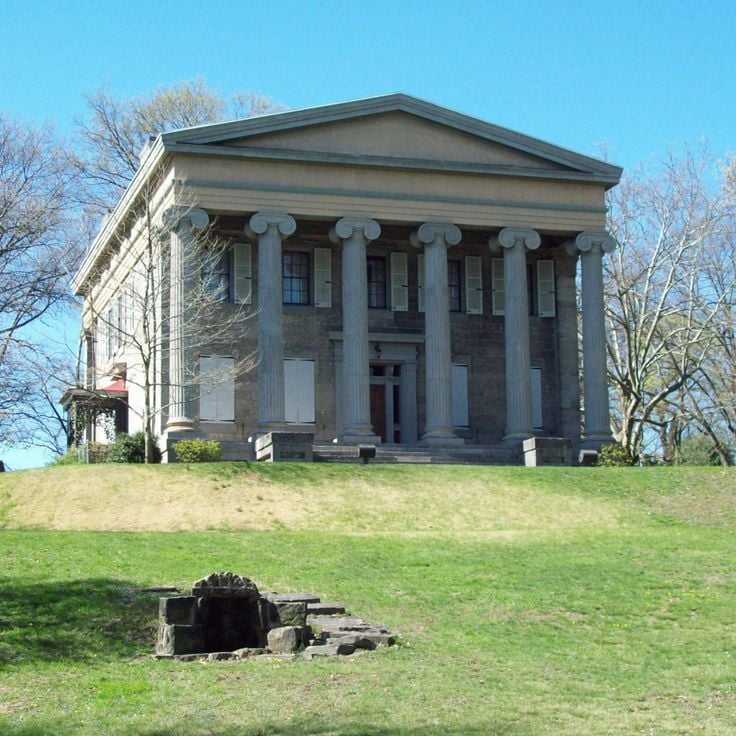
The Baker Mansion Museum in Altoona shows what life was like during the railroad boom of the 1800s. Inside this house you will find furniture, artwork, and objects that belonged to a wealthy industrial family. The rooms display original items that tell the story of daily life in that era. Visitors can see how the railroad industry shaped the region and learn about the important role it played in Pennsylvania's growth and development.
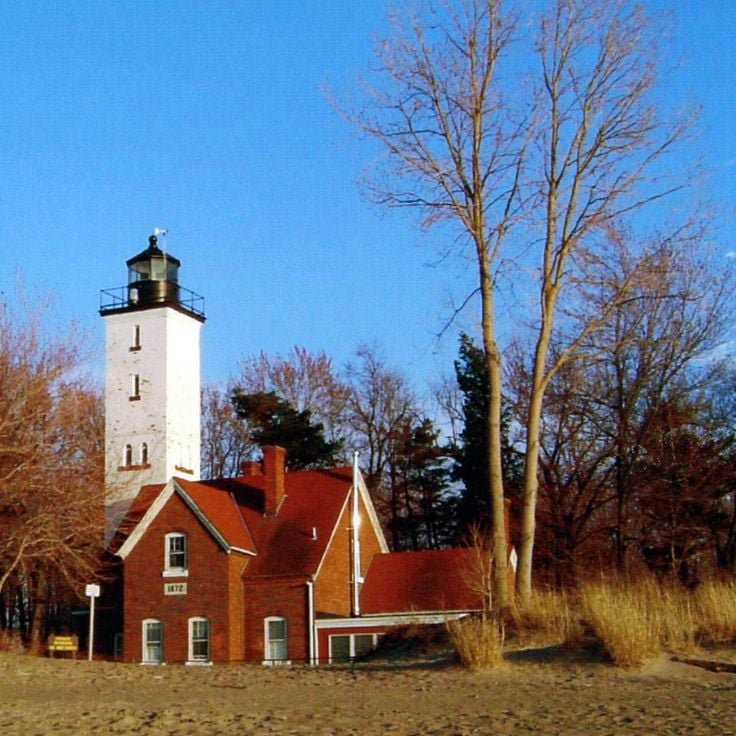
The Presque Isle Lighthouse has stood since 1873 at the tip of a peninsula jutting into Lake Erie. This 20-meter-tall tower served as a vital navigation aid for ships passing through Erie's waters. The original keeper's quarters remain visible today, offering a glimpse into how the lighthouse keepers lived and worked to guide ships safely through the darkness. This location tells the story of maritime life and navigation along Lake Erie's shoreline.
The Ringing Rocks Park in Bucks County features an unusual field of diabase stones. When visitors strike the rocks, they produce different metallic sounds. This natural phenomenon spans several hectares and draws people interested in geology and the acoustic properties of stone formations. The park offers an interactive way to experience the natural forces that shaped this location. Many visitors enjoy discovering how each rock produces its own distinct tone when struck.
The house at Mill Run demonstrates how modern design can merge with the natural landscape. This private residence extends horizontally over multiple levels of concrete that cantilevered above the Bear Run creek and its 9-meter waterfall. The structure integrates so closely with its surroundings that the water and forest become part of the living experience. The building shows how architecture can work alongside nature rather than against it, creating spaces where residents feel connected to both shelter and wilderness.
Chanticleer Garden in Wayne is a sprawling garden covering 14 hectares with different areas filled with native and exotic plants. The garden features water gardens and artistic installations scattered throughout the grounds. It is a place to walk through where you can discover the carefully arranged vegetation and the surprising artistic elements. The garden fits into Pennsylvania's diverse landscape, which blends history, nature, and creative work.
Centralia is a former mining town in Columbia County that has been affected by underground fires since 1962. These fires destroyed the town's infrastructure and led to the complete evacuation of its population. Today, Centralia shows the marks of this disaster: crumbling roads, abandoned houses, and cracks in the ground releasing smoke. The town tells a quiet story of loss and transformation, offering an unusual glimpse into the consequences of forces beyond human control.
Columcille Megalithic Park is a spiritual garden containing 80 stones and monuments built according to Celtic tradition. The park features stone circles and a replica tower. Visitors can walk among these structures and experience the traditions of ancient Celtic culture. The arrangement of stones creates a space where people come to reflect on history and connect with the spiritual heritage that inspired their creation.
Bushkill Falls is a system of eight private waterfalls nestled in the Pocono Mountains with wooden walkways and viewing platforms winding through the forest. These cascades form an important part of Pennsylvania's natural attractions, where visitors can experience the power of falling water while walking through thick woods. The falls drop down the mountainsides and create a refreshing escape into nature, offering a chance to see how water has shaped the landscape over time.
The Lackawanna Coal Mine Tour takes visitors 300 feet (91 meters) below the surface. Former miners share the techniques used to extract coal and give insight into the difficult conditions workers faced underground. The tour reveals the tools, equipment, and daily life of the miners who worked in these tunnels.
Elfreth's Alley in Philadelphia is one of the oldest continuously inhabited streets in the United States. The alley holds a collection of houses from the early 18th century that remain as residences today. The buildings blend Georgian and Federal styles with characteristic red brick, narrow facades, and preserved original doors and windows. The street offers a direct sense of what daily life was like during the colonial period. Visitors can walk through the paved lanes and experience a living historical place where history is not kept in museums but in the homes where people actually live.
Randyland is an outdoor art space in Pittsburgh's North Side neighborhood where an artist has been creating vibrant works for many years. Across the grounds, mosaics, wall paintings, metal sculptures, and collected objects are layered together in a riot of color and form. Walking through Randyland feels like stepping into someone's imaginative world, where every surface tells a story. The site keeps growing and changing as new pieces are added, making it a living artwork that visitors experience differently with each visit. This place shows how personal creative expression can completely transform an urban space.
Hawk Mountain Sanctuary is a research and observation center covering about 890 hectares in Berks County. Visitors can walk trails throughout the property and watch migrating falcons and eagles as they pass through on their seasonal journeys. The site offers a direct connection to nature and the rhythms of wildlife. Many people visit to learn about bird watching and understand the importance of these migration routes to raptors.
Wissahickon Forest in Philadelphia is a public park with a flowing stream, historic stone structures, and a network of trails through dense mixed woodland. Visitors can walk along various paths that wind through the forest, encounter the waterway, and discover the old stone buildings that remain from earlier times. This green space provides a natural retreat within the city where people can connect with nature.
The Mercer Museum in Doylestown holds over 50.000 handcrafted tools and household objects spanning centuries of daily life. Built in 1916, this concrete building stands like a fortress filled with artifacts. Walking through its rooms, you see how people worked and lived in earlier times. Tools hang from ceilings and walls alongside furniture, kitchen items, and personal objects. The building itself tells a story through its unusual structure, with multiple floors packed with collections. It feels like stepping into a time capsule where ordinary objects become windows into the past.
The Pioneer Tunnel is a closed anthracite mine that lets visitors step into the underground world of coal mining. A horizontal tunnel stretches about 457 meters into Mahanoy Mountain, showing how miners once worked in darkness and dangerous conditions. A steam train travels a 1.5 km track, moving you through the history of mining in this region. The experience connects the hard labor of the past with the natural beauty surrounding the Pocono Mountains.
The Mütter Museum in Philadelphia displays an extensive collection of anatomical preparations and pathological specimens. The exhibition features skeletons, historical medical equipment, and documents that tell the story of medical science throughout history. Visitors can trace how doctors and scientists worked to understand the human body across different periods. The museum offers insight into medical knowledge and practices from various eras.
This cave and wildlife park near Centre Hall lets visitors walk through limestone passages deep underground and see North American animals in their natural habitat. The park combines cave exploration with wildlife viewing, showing you the rock formations beneath Pennsylvania and the creatures that live in the region.
Bicycle Heaven in Pittsburgh is the world's largest bicycle museum, displaying more than 6000 models spanning different eras. The museum showcases historical bicycles and rare collectible pieces that document how this vehicle has evolved over time. Visitors can explore the range of bicycle designs on display, from early constructions to modern variations. Through its collection, the museum tells stories about craftsmanship, innovation, and the role bicycles have played in society.
Mount Davis is the highest point in Pennsylvania. This location features a stone tower, an observation platform, and trails that wind through the Forbes State Forest. From this summit, visitors can look out over the surrounding landscape and explore the natural environment that surrounds this place.
The Eastern State Penitentiary is a prison that opened in Philadelphia in 1829 and is notable for its radial floor plan. The building preserves seven original cell blocks and offers guided tours that explore the history of incarceration. This structure shows how innovative architectural solutions were created to establish a new approach to prison design. Visitors can walk through the layout and learn about the conditions where inmates lived.
The mills of Volant are a working grain mill building from 1812 that still produces flour using historic machinery. The building houses a museum and several craft shops, where visitors can see traditional craftwork techniques and purchase local products. This place shows how the mill has been used over time and remains a location where old craftsmanship traditions are kept alive.
Little Buffalo State Park invites visitors to fish and paddle on its lake, hike along more than 10 kilometers of marked trails, and explore a restored 19th-century grist mill. The park shows how water shaped life in this region, from powering mills to providing a place for outdoor activities today. Whether you choose an easy walk or a longer hike, you will pass through forests and meadows that reveal the natural side of Pennsylvania.
The Haines Shoe House is an unusual five-story residential building shaped like a shoe, built in 1948 by Mahlon Haines. This distinctive structure was created as a marketing tool for his shoe business and stands today as a testament to creative business practices from the mid-20th century. Rising approximately 25 feet (7.6 meters) tall, it attracts visitors curious about unconventional and quirky architecture. The building shows how business ingenuity and imagination came together in American advertising of that era.
The Meadowcroft Rockshelter in Avella is an archaeological site holding artifacts from 16,000 years of human history. This place shows how early people lived and adapted to their surroundings in this region. When you visit, you can see the layers of time preserved in the rock walls and understand what tools and objects the first inhabitants of the area used.
Eckley Anthracite Coal Mine Village in Weatherly shows how mining families lived during the 1800s. The village dates from 1854 and preserves the original buildings and homes as they were then. Walking through the streets, visitors see where miners and their families lived and worked. Exhibits explain the harsh conditions in the coal mines and how people spent their daily lives. The village tells the story of working people and their communities in a direct, honest way.
The French Azilum site in Towanda was a refuge for French nobility fleeing the French Revolution. The colony was established in 1793 and offered newcomers a fresh start in the New World. Visitors can explore the remains of this historic settlement and learn about the lives of the French families who made their home here. The site tells an unusual story in Pennsylvania history, when European refugees transformed this area.
This recreational path in Pennsylvania's Indiana and Cambria counties stretches 58 kilometers along former railway routes through abandoned mining villages. As you walk along this trail, you encounter the remains of old mines and workers' homes nestled among the hills. The structures tell the story of coal extraction and the daily lives of those who worked in these communities. The pathway shows how mining shaped the landscape and economy of this region. Walking here connects you with the industrial past that defined these mountain communities.
The Moravian Pottery and Tile Works in Doylestown is a working historical factory where artisans still create tiles using traditional methods. Visitors can watch craftspeople design patterns by hand and fire tiles in kilns, observing the entire ceramic process. The site demonstrates how this pottery tradition has continued for generations in Pennsylvania. The workshop preserves handmade techniques and provides insight into an important chapter of American decorative arts.
The Allegheny Observatory at the University of Pittsburgh is a scientific facility dedicated to astronomical research. The observatory welcomes visitors for regular guided tours where you can observe the sky through telescopes. Here you can see stars and planets up close and learn more about the mysteries of the universe. The observatory offers a fascinating window into the world of astronomy and shows how scientists explore the heavens.
Château Nemacolin in Brownsville is an 18th century brick house that opens a window into the lives of people from the past. Its rooms are furnished with period pieces, and the carefully restored interiors display antiques from different eras. The house hosts regular information events where visitors can learn about the family's history and the region's past. It is a place where Pennsylvania's past comes alive directly, showing how people lived during this period.
Laurel Hill Cemetery in Philadelphia has been a national historic landmark since 1998. It holds the graves of generals, politicians, and industrial leaders from the 19th century. The cemetery tells the story of the city through the people buried there. Its paths wind through a landscape of old trees and stone monuments that speak to a past era. Visitors can walk and experience the quiet of the place while reading the names and stories of those who shaped this location.
This bridge with its distinctive yellow steel crosses the Allegheny River since 1926, connecting downtown Pittsburgh to the North Shore neighborhood. The bridge bears the name of artist Andy Warhol, who was born in Pittsburgh. The structure is part of the industrial history of Pittsburgh and shows the kind of engineering that shaped the city. Many people use this bridge daily, and it has become a recognizable landmark that reflects Pittsburgh's past and its connection to the art world.
Johnstown's Inclined Plane is a cable railway with a 71 percent grade that has operated since 1891. It connects the upper and lower parts of the city and represents an engineering feat from the industrial era. During the great flood of 1936, this cable car helped rescue people and vehicles. Today, visitors can ride the historic cable car and view the city from above. The journey shows how people once solved problems created by geography and nature.
Valley Forge National Historical Park marks the winter encampment of the Continental Army from 1777 to 1778 during the American Revolutionary War. This site witnessed one of the most defining periods in American history, when soldiers endured harsh conditions while building the strength of a young nation. Visitors can walk through the grounds to see reconstructed soldier huts, monuments, and memorial structures. The park weaves history into its landscape, with trails passing through forests and open fields. Museum exhibits tell the stories of the troops, their daily struggles, and their resilience through those difficult winter months.
This Philadelphia property features Edo Period Japanese architecture with tatami mat floors, sliding shoji doors, and a koi pond. Shofuso Japanese House and Garden presents an authentic look at how Japanese families lived and how they designed their outdoor spaces. Walking through the rooms and pathways, visitors experience the careful relationship between building and nature that defines Japanese design. The garden flows naturally from the house, creating a sense of harmony throughout the property.
The Baker Mansion Museum in Altoona shows what life was like during the railroad boom of the 1800s. Inside this house you will find furniture, artwork, and objects that belonged to a wealthy industrial family. The rooms display original items that tell the story of daily life in that era. Visitors can see how the railroad industry shaped the region and learn about the important role it played in Pennsylvania's growth and development.
The Presque Isle Lighthouse has stood since 1873 at the tip of a peninsula jutting into Lake Erie. This 20-meter-tall tower served as a vital navigation aid for ships passing through Erie's waters. The original keeper's quarters remain visible today, offering a glimpse into how the lighthouse keepers lived and worked to guide ships safely through the darkness. This location tells the story of maritime life and navigation along Lake Erie's shoreline.
The Ringing Rocks Park in Bucks County features an unusual field of diabase stones. When visitors strike the rocks, they produce different metallic sounds. This natural phenomenon spans several hectares and draws people interested in geology and the acoustic properties of stone formations. The park offers an interactive way to experience the natural forces that shaped this location. Many visitors enjoy discovering how each rock produces its own distinct tone when struck.
The house at Mill Run demonstrates how modern design can merge with the natural landscape. This private residence extends horizontally over multiple levels of concrete that cantilevered above the Bear Run creek and its 9-meter waterfall. The structure integrates so closely with its surroundings that the water and forest become part of the living experience. The building shows how architecture can work alongside nature rather than against it, creating spaces where residents feel connected to both shelter and wilderness.
Chanticleer Garden in Wayne is a sprawling garden covering 14 hectares with different areas filled with native and exotic plants. The garden features water gardens and artistic installations scattered throughout the grounds. It is a place to walk through where you can discover the carefully arranged vegetation and the surprising artistic elements. The garden fits into Pennsylvania's diverse landscape, which blends history, nature, and creative work.
Centralia is a former mining town in Columbia County that has been affected by underground fires since 1962. These fires destroyed the town's infrastructure and led to the complete evacuation of its population. Today, Centralia shows the marks of this disaster: crumbling roads, abandoned houses, and cracks in the ground releasing smoke. The town tells a quiet story of loss and transformation, offering an unusual glimpse into the consequences of forces beyond human control.
Columcille Megalithic Park is a spiritual garden containing 80 stones and monuments built according to Celtic tradition. The park features stone circles and a replica tower. Visitors can walk among these structures and experience the traditions of ancient Celtic culture. The arrangement of stones creates a space where people come to reflect on history and connect with the spiritual heritage that inspired their creation.
Bushkill Falls is a system of eight private waterfalls nestled in the Pocono Mountains with wooden walkways and viewing platforms winding through the forest. These cascades form an important part of Pennsylvania's natural attractions, where visitors can experience the power of falling water while walking through thick woods. The falls drop down the mountainsides and create a refreshing escape into nature, offering a chance to see how water has shaped the landscape over time.
The Lackawanna Coal Mine Tour takes visitors 300 feet (91 meters) below the surface. Former miners share the techniques used to extract coal and give insight into the difficult conditions workers faced underground. The tour reveals the tools, equipment, and daily life of the miners who worked in these tunnels.
Elfreth's Alley in Philadelphia is one of the oldest continuously inhabited streets in the United States. The alley holds a collection of houses from the early 18th century that remain as residences today. The buildings blend Georgian and Federal styles with characteristic red brick, narrow facades, and preserved original doors and windows. The street offers a direct sense of what daily life was like during the colonial period. Visitors can walk through the paved lanes and experience a living historical place where history is not kept in museums but in the homes where people actually live.
Randyland is an outdoor art space in Pittsburgh's North Side neighborhood where an artist has been creating vibrant works for many years. Across the grounds, mosaics, wall paintings, metal sculptures, and collected objects are layered together in a riot of color and form. Walking through Randyland feels like stepping into someone's imaginative world, where every surface tells a story. The site keeps growing and changing as new pieces are added, making it a living artwork that visitors experience differently with each visit. This place shows how personal creative expression can completely transform an urban space.
Hawk Mountain Sanctuary is a research and observation center covering about 890 hectares in Berks County. Visitors can walk trails throughout the property and watch migrating falcons and eagles as they pass through on their seasonal journeys. The site offers a direct connection to nature and the rhythms of wildlife. Many people visit to learn about bird watching and understand the importance of these migration routes to raptors.
Wissahickon Forest in Philadelphia is a public park with a flowing stream, historic stone structures, and a network of trails through dense mixed woodland. Visitors can walk along various paths that wind through the forest, encounter the waterway, and discover the old stone buildings that remain from earlier times. This green space provides a natural retreat within the city where people can connect with nature.
The Mercer Museum in Doylestown holds over 50.000 handcrafted tools and household objects spanning centuries of daily life. Built in 1916, this concrete building stands like a fortress filled with artifacts. Walking through its rooms, you see how people worked and lived in earlier times. Tools hang from ceilings and walls alongside furniture, kitchen items, and personal objects. The building itself tells a story through its unusual structure, with multiple floors packed with collections. It feels like stepping into a time capsule where ordinary objects become windows into the past.
The Pioneer Tunnel is a closed anthracite mine that lets visitors step into the underground world of coal mining. A horizontal tunnel stretches about 457 meters into Mahanoy Mountain, showing how miners once worked in darkness and dangerous conditions. A steam train travels a 1.5 km track, moving you through the history of mining in this region. The experience connects the hard labor of the past with the natural beauty surrounding the Pocono Mountains.
The Mütter Museum in Philadelphia displays an extensive collection of anatomical preparations and pathological specimens. The exhibition features skeletons, historical medical equipment, and documents that tell the story of medical science throughout history. Visitors can trace how doctors and scientists worked to understand the human body across different periods. The museum offers insight into medical knowledge and practices from various eras.
This cave and wildlife park near Centre Hall lets visitors walk through limestone passages deep underground and see North American animals in their natural habitat. The park combines cave exploration with wildlife viewing, showing you the rock formations beneath Pennsylvania and the creatures that live in the region.
Bicycle Heaven in Pittsburgh is the world's largest bicycle museum, displaying more than 6000 models spanning different eras. The museum showcases historical bicycles and rare collectible pieces that document how this vehicle has evolved over time. Visitors can explore the range of bicycle designs on display, from early constructions to modern variations. Through its collection, the museum tells stories about craftsmanship, innovation, and the role bicycles have played in society.
Mount Davis is the highest point in Pennsylvania. This location features a stone tower, an observation platform, and trails that wind through the Forbes State Forest. From this summit, visitors can look out over the surrounding landscape and explore the natural environment that surrounds this place.
The Eastern State Penitentiary is a prison that opened in Philadelphia in 1829 and is notable for its radial floor plan. The building preserves seven original cell blocks and offers guided tours that explore the history of incarceration. This structure shows how innovative architectural solutions were created to establish a new approach to prison design. Visitors can walk through the layout and learn about the conditions where inmates lived.
The mills of Volant are a working grain mill building from 1812 that still produces flour using historic machinery. The building houses a museum and several craft shops, where visitors can see traditional craftwork techniques and purchase local products. This place shows how the mill has been used over time and remains a location where old craftsmanship traditions are kept alive.
Little Buffalo State Park invites visitors to fish and paddle on its lake, hike along more than 10 kilometers of marked trails, and explore a restored 19th-century grist mill. The park shows how water shaped life in this region, from powering mills to providing a place for outdoor activities today. Whether you choose an easy walk or a longer hike, you will pass through forests and meadows that reveal the natural side of Pennsylvania.
The Haines Shoe House is an unusual five-story residential building shaped like a shoe, built in 1948 by Mahlon Haines. This distinctive structure was created as a marketing tool for his shoe business and stands today as a testament to creative business practices from the mid-20th century. Rising approximately 25 feet (7.6 meters) tall, it attracts visitors curious about unconventional and quirky architecture. The building shows how business ingenuity and imagination came together in American advertising of that era.
The Meadowcroft Rockshelter in Avella is an archaeological site holding artifacts from 16,000 years of human history. This place shows how early people lived and adapted to their surroundings in this region. When you visit, you can see the layers of time preserved in the rock walls and understand what tools and objects the first inhabitants of the area used.
Eckley Anthracite Coal Mine Village in Weatherly shows how mining families lived during the 1800s. The village dates from 1854 and preserves the original buildings and homes as they were then. Walking through the streets, visitors see where miners and their families lived and worked. Exhibits explain the harsh conditions in the coal mines and how people spent their daily lives. The village tells the story of working people and their communities in a direct, honest way.
The French Azilum site in Towanda was a refuge for French nobility fleeing the French Revolution. The colony was established in 1793 and offered newcomers a fresh start in the New World. Visitors can explore the remains of this historic settlement and learn about the lives of the French families who made their home here. The site tells an unusual story in Pennsylvania history, when European refugees transformed this area.
This recreational path in Pennsylvania's Indiana and Cambria counties stretches 58 kilometers along former railway routes through abandoned mining villages. As you walk along this trail, you encounter the remains of old mines and workers' homes nestled among the hills. The structures tell the story of coal extraction and the daily lives of those who worked in these communities. The pathway shows how mining shaped the landscape and economy of this region. Walking here connects you with the industrial past that defined these mountain communities.
The Moravian Pottery and Tile Works in Doylestown is a working historical factory where artisans still create tiles using traditional methods. Visitors can watch craftspeople design patterns by hand and fire tiles in kilns, observing the entire ceramic process. The site demonstrates how this pottery tradition has continued for generations in Pennsylvania. The workshop preserves handmade techniques and provides insight into an important chapter of American decorative arts.
The Allegheny Observatory at the University of Pittsburgh is a scientific facility dedicated to astronomical research. The observatory welcomes visitors for regular guided tours where you can observe the sky through telescopes. Here you can see stars and planets up close and learn more about the mysteries of the universe. The observatory offers a fascinating window into the world of astronomy and shows how scientists explore the heavens.
Château Nemacolin in Brownsville is an 18th century brick house that opens a window into the lives of people from the past. Its rooms are furnished with period pieces, and the carefully restored interiors display antiques from different eras. The house hosts regular information events where visitors can learn about the family's history and the region's past. It is a place where Pennsylvania's past comes alive directly, showing how people lived during this period.
Laurel Hill Cemetery in Philadelphia has been a national historic landmark since 1998. It holds the graves of generals, politicians, and industrial leaders from the 19th century. The cemetery tells the story of the city through the people buried there. Its paths wind through a landscape of old trees and stone monuments that speak to a past era. Visitors can walk and experience the quiet of the place while reading the names and stories of those who shaped this location.
This bridge with its distinctive yellow steel crosses the Allegheny River since 1926, connecting downtown Pittsburgh to the North Shore neighborhood. The bridge bears the name of artist Andy Warhol, who was born in Pittsburgh. The structure is part of the industrial history of Pittsburgh and shows the kind of engineering that shaped the city. Many people use this bridge daily, and it has become a recognizable landmark that reflects Pittsburgh's past and its connection to the art world.
Johnstown's Inclined Plane is a cable railway with a 71 percent grade that has operated since 1891. It connects the upper and lower parts of the city and represents an engineering feat from the industrial era. During the great flood of 1936, this cable car helped rescue people and vehicles. Today, visitors can ride the historic cable car and view the city from above. The journey shows how people once solved problems created by geography and nature.
Valley Forge National Historical Park marks the winter encampment of the Continental Army from 1777 to 1778 during the American Revolutionary War. This site witnessed one of the most defining periods in American history, when soldiers endured harsh conditions while building the strength of a young nation. Visitors can walk through the grounds to see reconstructed soldier huts, monuments, and memorial structures. The park weaves history into its landscape, with trails passing through forests and open fields. Museum exhibits tell the stories of the troops, their daily struggles, and their resilience through those difficult winter months.
This Philadelphia property features Edo Period Japanese architecture with tatami mat floors, sliding shoji doors, and a koi pond. Shofuso Japanese House and Garden presents an authentic look at how Japanese families lived and how they designed their outdoor spaces. Walking through the rooms and pathways, visitors experience the careful relationship between building and nature that defines Japanese design. The garden flows naturally from the house, creating a sense of harmony throughout the property.
The Baker Mansion Museum in Altoona shows what life was like during the railroad boom of the 1800s. Inside this house you will find furniture, artwork, and objects that belonged to a wealthy industrial family. The rooms display original items that tell the story of daily life in that era. Visitors can see how the railroad industry shaped the region and learn about the important role it played in Pennsylvania's growth and development.
The Presque Isle Lighthouse has stood since 1873 at the tip of a peninsula jutting into Lake Erie. This 20-meter-tall tower served as a vital navigation aid for ships passing through Erie's waters. The original keeper's quarters remain visible today, offering a glimpse into how the lighthouse keepers lived and worked to guide ships safely through the darkness. This location tells the story of maritime life and navigation along Lake Erie's shoreline.