See the monuments around you in AROpen chests in the app
Around Us is built for your phone — point your camera at the streets and discover the monuments and places around you in augmented reality.Around Us is built for your phone — chests unlock when you walk, explore and capture nearby places.
Somerset preserves a broad range of historical sites away from the main visitor routes. The region shows medieval abbeys such as Muchelney and Cleeve, Norman castles like Stogursey and Nunney, Elizabethan manor houses including Cothay Manor and Lytes Cary, and prehistoric stone bridges such as Tarr Steps. The landscape ranges from limestone gorges like Ebbor Gorge to ancient oak woodlands and coastal sections with geological formations at Kilve Beach. The villages contain market halls, dovecotes and small churches that reflect centuries of local use.
Somerset preserves a broad range of historical sites away from the main visitor routes. The region shows medieval abbeys such as Muchelney and Cleeve, Norman castles like Stogursey and Nunney, Elizabethan manor houses including Cothay Manor and Lytes Cary, and prehistoric stone bridges such as Tarr Steps. The landscape ranges from limestone gorges like Ebbor Gorge to ancient oak woodlands and coastal sections with geological formations at Kilve Beach. The villages contain market halls, dovecotes and small churches that reflect centuries of local use.
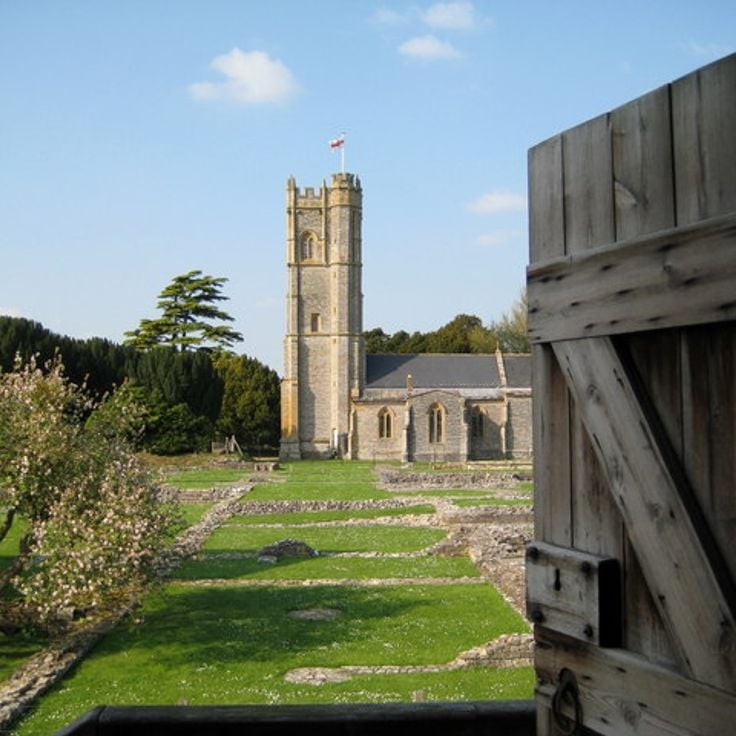
Muchelney Abbey was founded in the 7th century and forms part of the historical sites away from the main visitor routes in Somerset. The monastery ruins stand on a rise that was once surrounded by marshland, and the name means great island. Visitors see the foundations of the church, sections of the cloister and service buildings, and the medieval monastery kitchen with its original drainage system. The abbot's lodging and individual vaults show how the daily life of the monks was structured. A 15th-century parish house with painted walls stands nearby. This abbey sits in the quiet landscape of meadows and waterways.
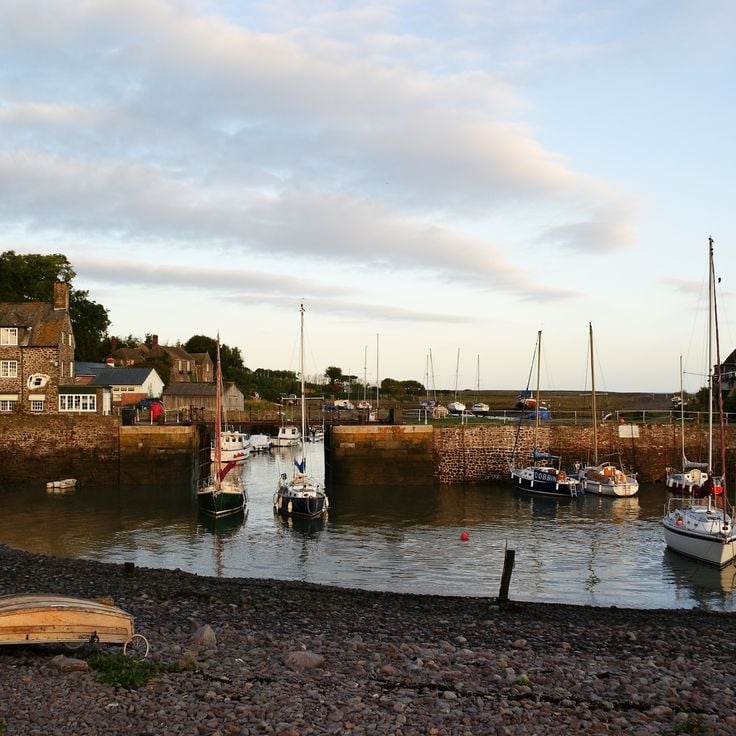
This 13th-century harbor connected Somerset to Wales across the Celtic Sea, enabling transport of lime, coal and timber. Small fishing boats still use the bay. The stone pier provides protection from Bristol Channel tides. Cottages built with local stone and slate roofs line the waterfront. A narrow path leads west through oak woodland along the coast.
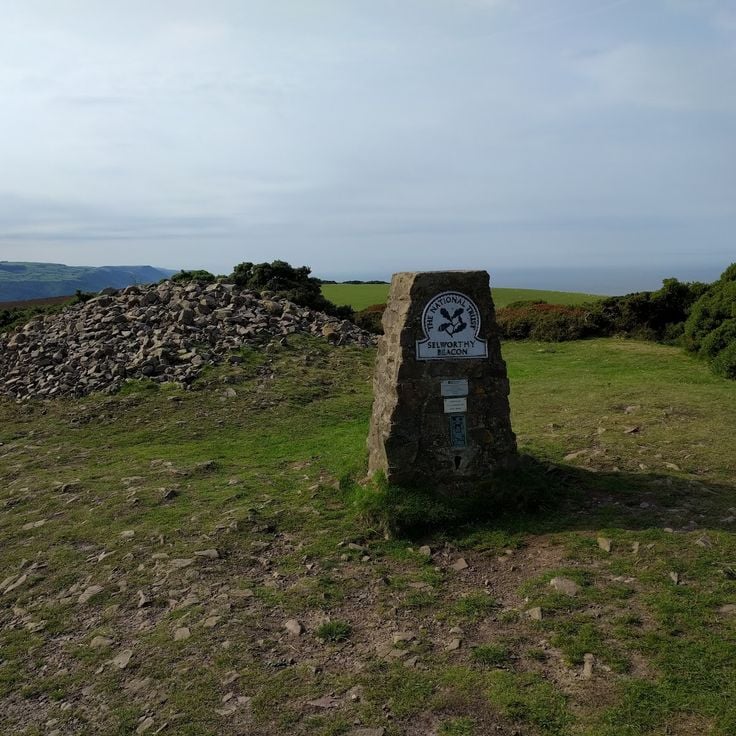
This 308-meter (1010-foot) hill offers views across the Bristol Channel and the Quantock Hills. Selworthy Beacon rises at the edge of Exmoor National Park, where gentle slopes are covered with heather and grasses. On clear days the view reaches the Welsh coast. Walkers arrive at the summit along paths that pass through old woodland and open moorland. The spot has been a landmark for travelers and fishermen for centuries. On the horizon the hill ranges of Somerset appear, while below lie fields and small villages. The wind often blows strongly up here. The light changes with the clouds that roll in from the sea. Sheep graze on the upper pastures. The place draws walkers who prefer to stay away from the more traveled routes.
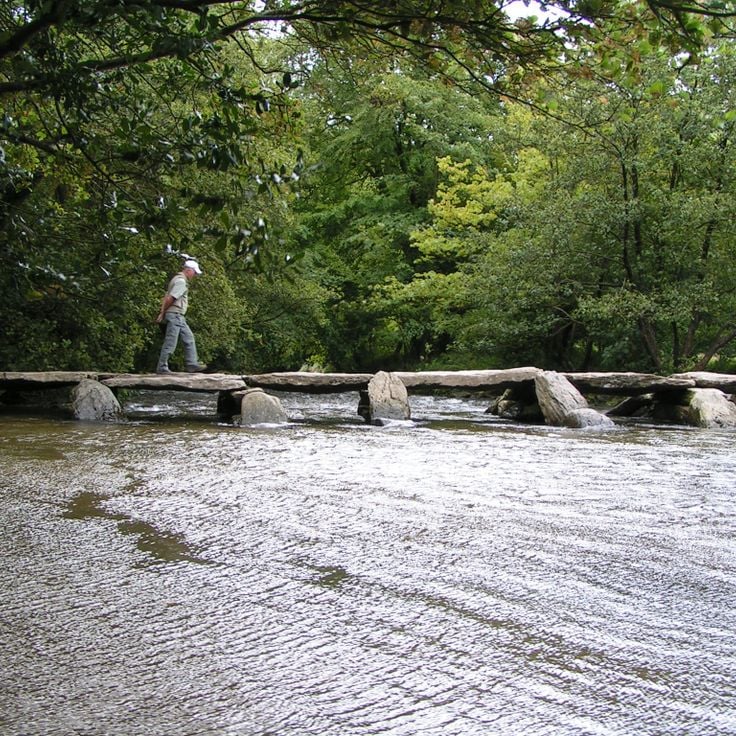
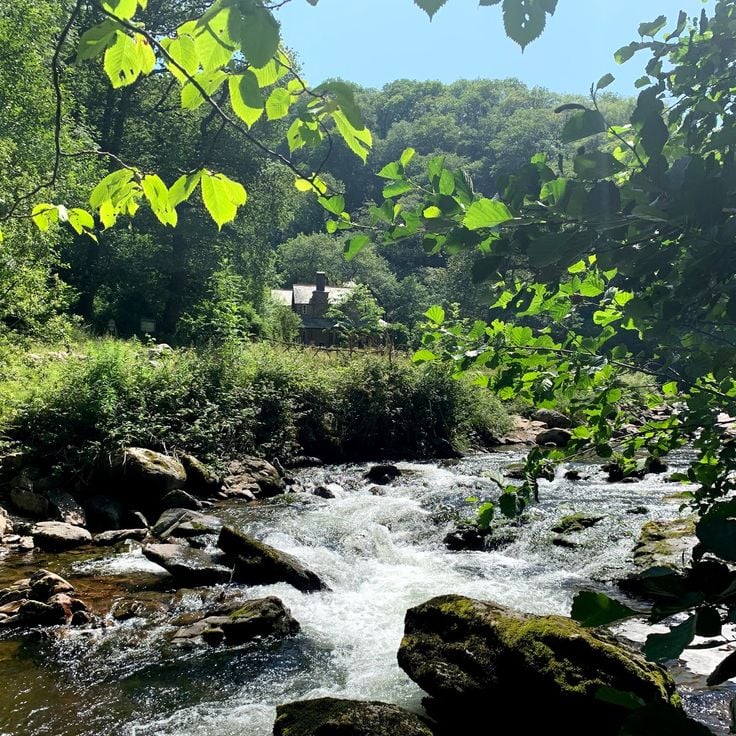
This prehistoric stone bridge crosses the River Barle in Exmoor National Park and consists of flat slabs resting on natural stone pillars. Tarr Steps was probably built during the Bronze Age and ranks among the oldest surviving river crossings in Somerset. The bridge sits within oak woodlands and moorland where water flows over smooth stones and anglers stand along the banks. It connects walking paths through the valley and fits into the landscape as if shaped by nature itself.
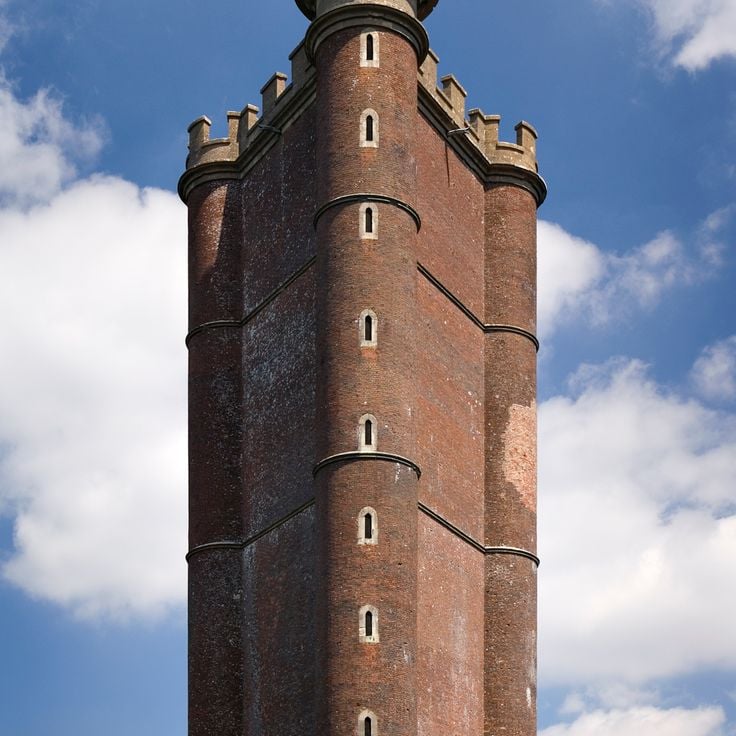
This red brick tower from the 18th century rises 49 meters (160 feet) above the Somerset hills and marks the spot where King Alfred the Great is said to have rallied his troops before driving back the Danish armies. The tower stands on a wooded hilltop and offers views across three counties after a climb up the spiral staircase. The surrounding fields and forests show the rural landscape of this remote corner of the region, far from the familiar routes through Somerset.
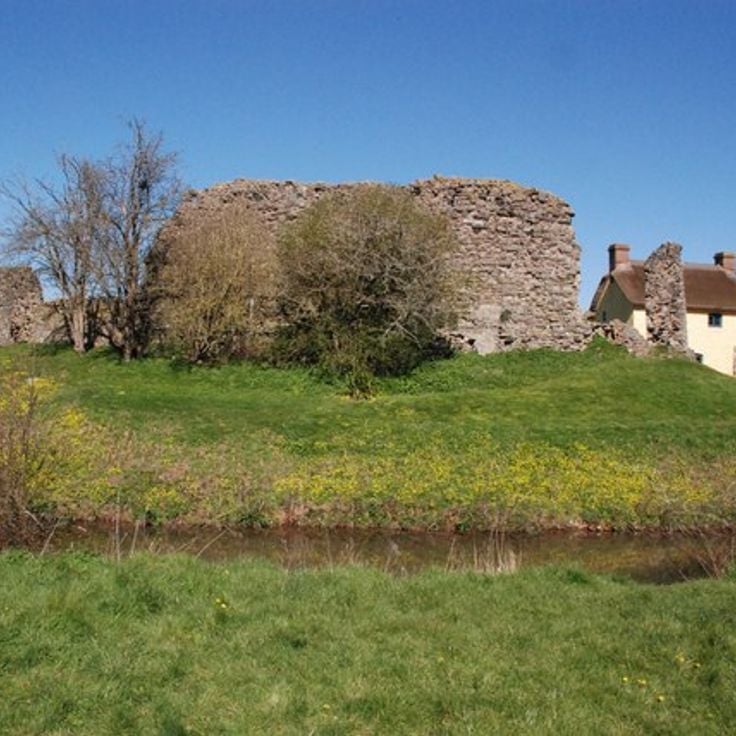
This Norman castle from the 12th century sits in a Somerset village and shows how noble families replaced their wooden defenses with stone walls. The wide moat still surrounds the entire site today and makes the original shape of the fortress visible. The gatehouse survives in part, along with sections of the outer walls and foundations of several towers. Grassed earthworks mark the locations of earlier buildings within the castle walls, while mature trees grow between the ruins.
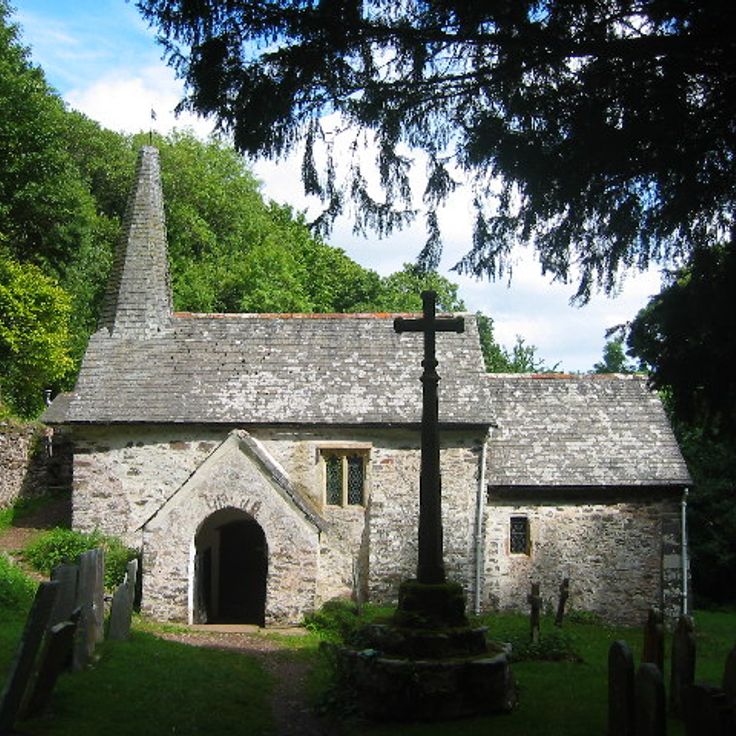
This church from the 12th century sits between forest and sea and measures only 10 meters (33 feet) in length. The building stands on a steep slope above the coast, surrounded by old oaks and thick undergrowth. The structure shows Norman round arches, a small bell tower and stone walls that have been repaired many times over the centuries. Inside you find plain wooden pews and medieval window openings. A footpath leads down through the woods from the nearest parking area to the churchyard. This church belongs to the historical places in Somerset away from the main visitor routes and shows the construction of small rural houses of worship from the medieval period.
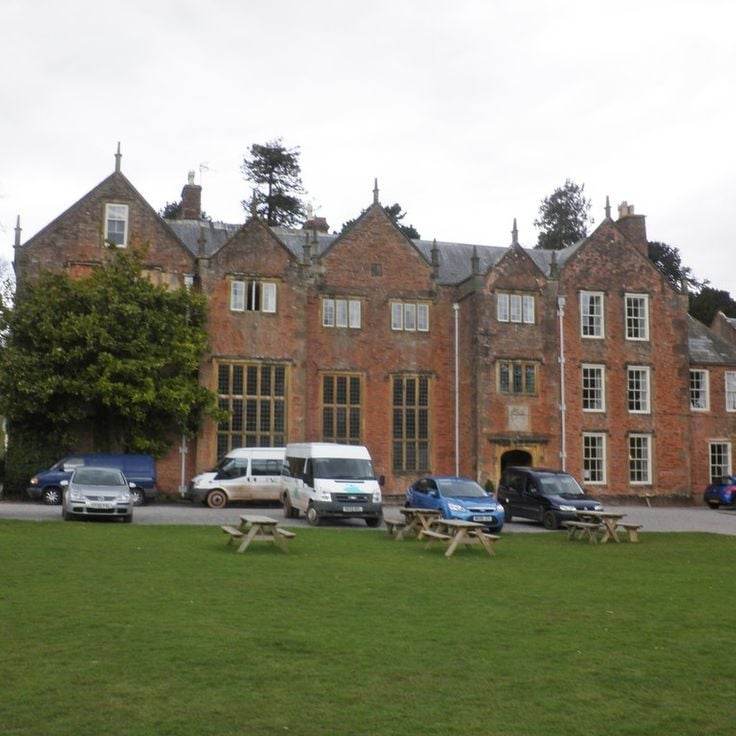
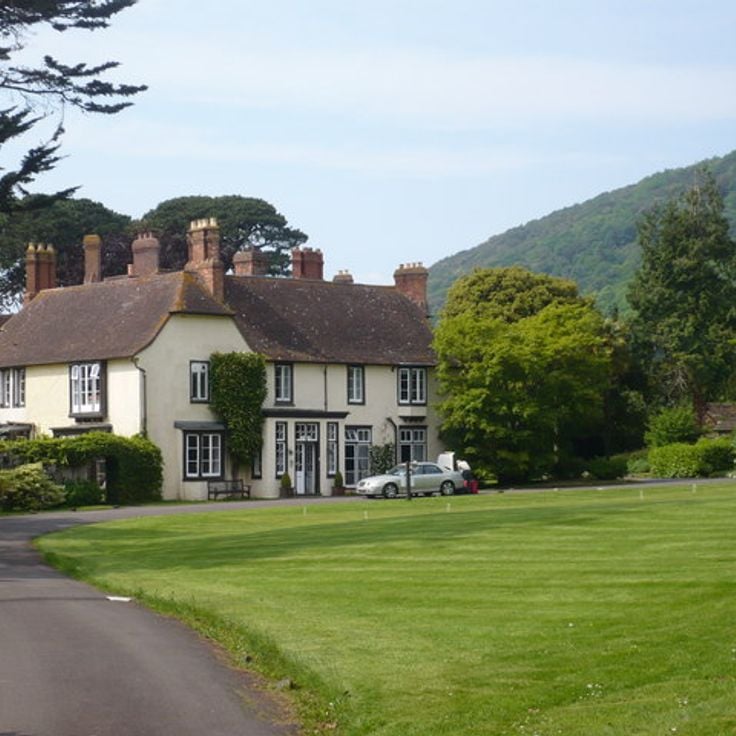
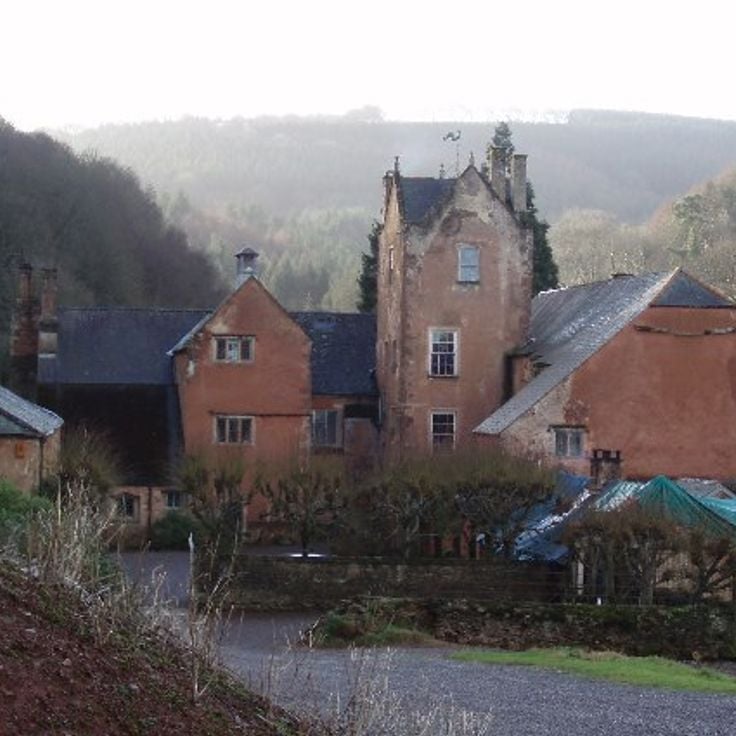
Nettlecombe Court is a 16th century manor set on the slopes of the Quantock Hills. The stone facade shows Tudor period construction, with mullioned windows and tall chimneys that reflect the domestic style of the era. The historical gardens extend around the building, combining formal areas with woodland paths that merge into the surrounding landscape. The estate preserves the structure of an Elizabetian country seat that remained in use for centuries, illustrating how such houses in Somerset persist away from main routes.
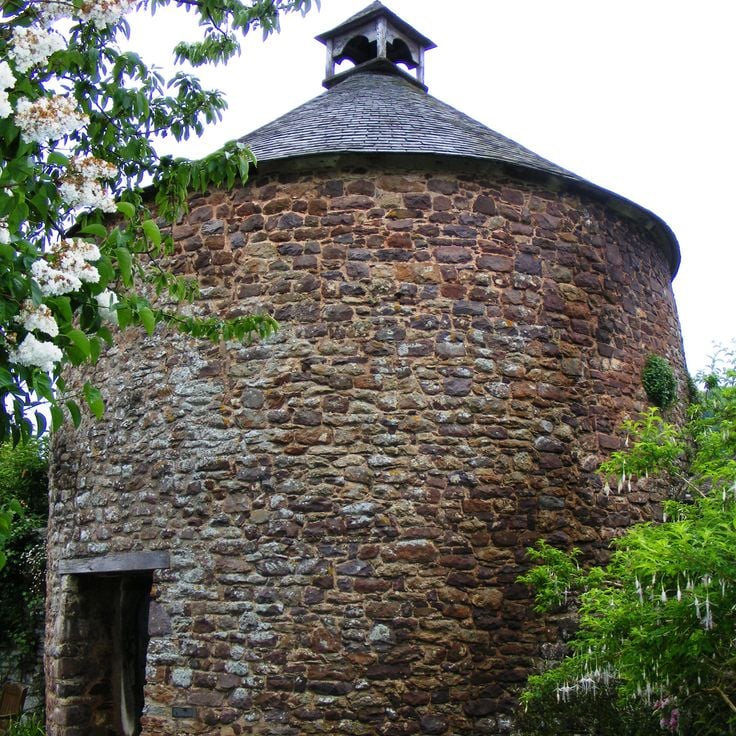
This dovecote stands in Somerset as evidence of medieval rural economy. The cylindrical stone building contains 200 nesting boxes and shows the methods of poultry farming used when pigeons provided an important source of meat and fertilizer in the region.
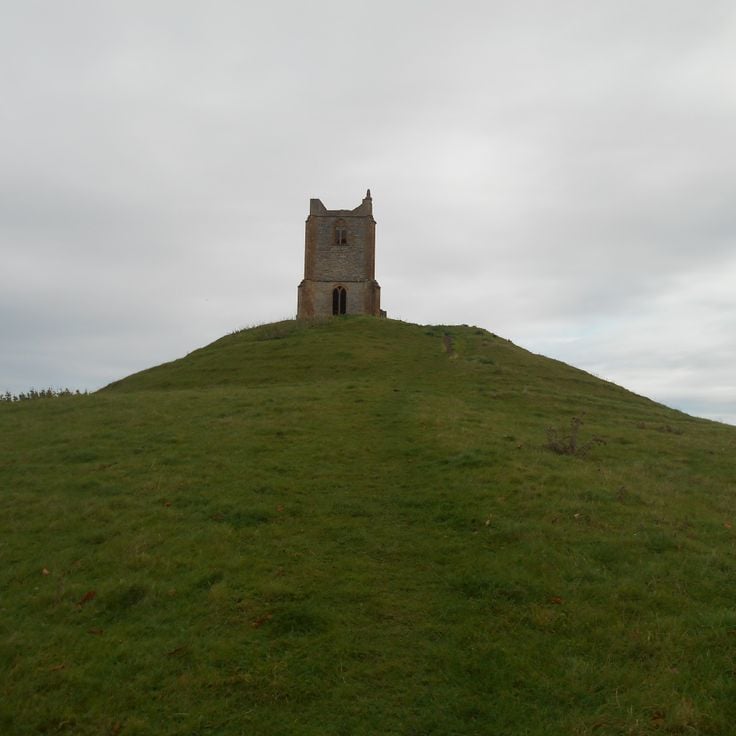
This hill rises 24 meters above the Somerset Levels wetlands and carries the remains of an 18th-century church at its summit. Burrow Mump stands alone in the flat landscape and has served for centuries as a landmark for travelers crossing the marshland. The ruin shows wall fragments and part of the tower, while the top offers wide views over meadows, drainage channels and scattered farmsteads.
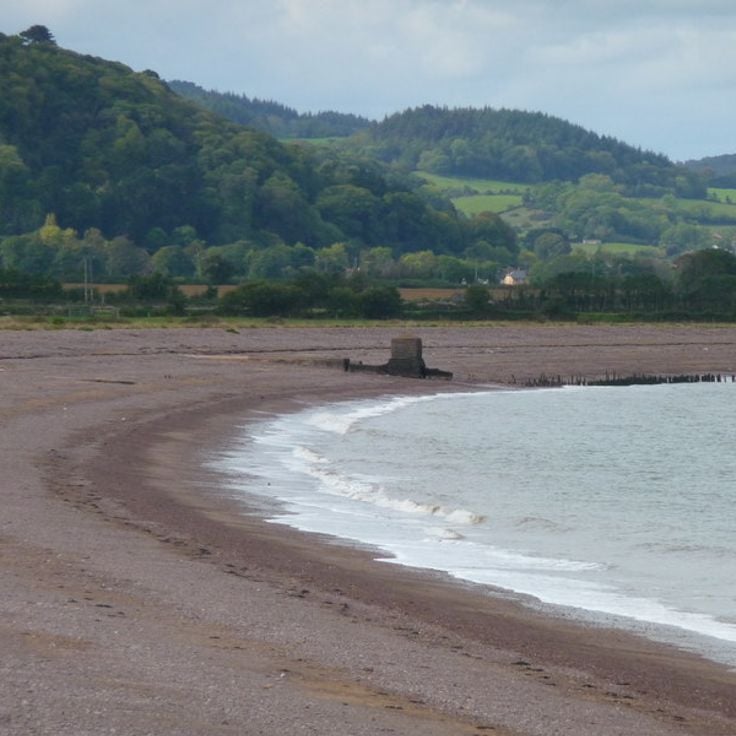
This bay runs along the Somerset coast and shows red cliffs from the Jurassic period, revealing rock layers and fossil remains. The beach is made of pebbles and offers a view into the geological history of the region. The rock faces change appearance depending on light and tide. Visitors find traces of ancient times here, while the water strikes against the stones and gradually shapes the geological formations.
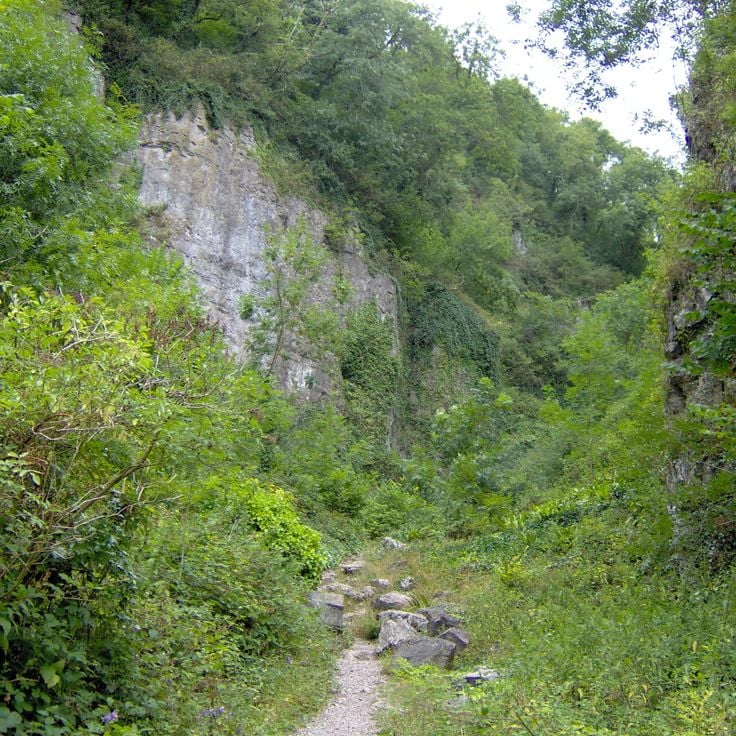
This limestone gorge shows the geological history of the Mendip Hills and the plants that grow on the rock walls. It leads through a wooded valley with caves that were inhabited thousands of years ago. The path winds through old trees and up rock steps to a view over Somerset. The plant species here have adapted to limestone and shade. The rocks are old and have been shaped by water and time. The place lies away from the larger routes through Somerset.
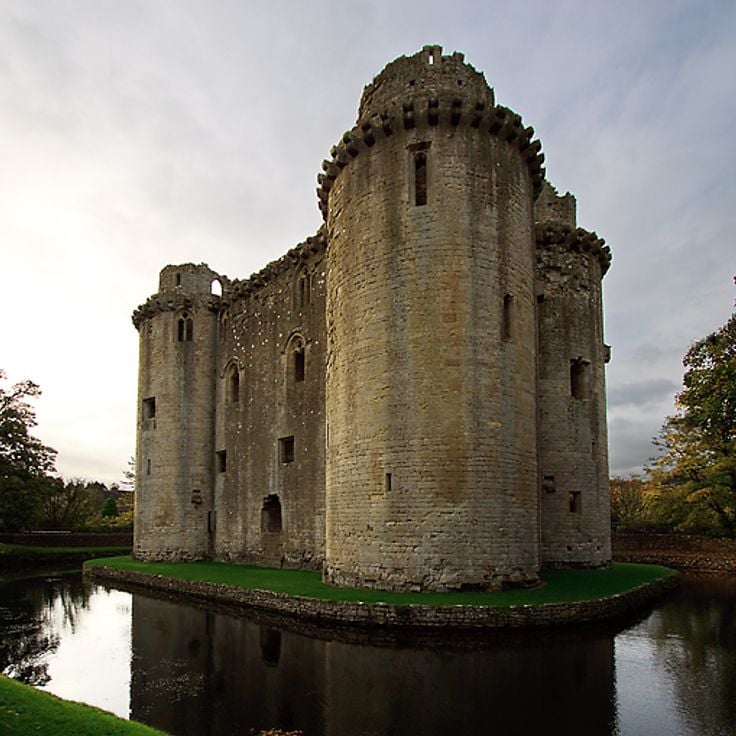
This medieval fortress from the 14th century stands in the village of Nunney and shows four round towers surrounded by a wide water-filled moat. The castle was built around 1373 by Sir John Delamare and followed the French style of fortification of its time. The tall stone walls rise directly from the water. Part of the south wall collapsed in the 17th century during the English Civil War and still lies in the moat. Visitors can walk through the site and explore the interior rooms, where fireplaces and window openings reveal the earlier domestic use.
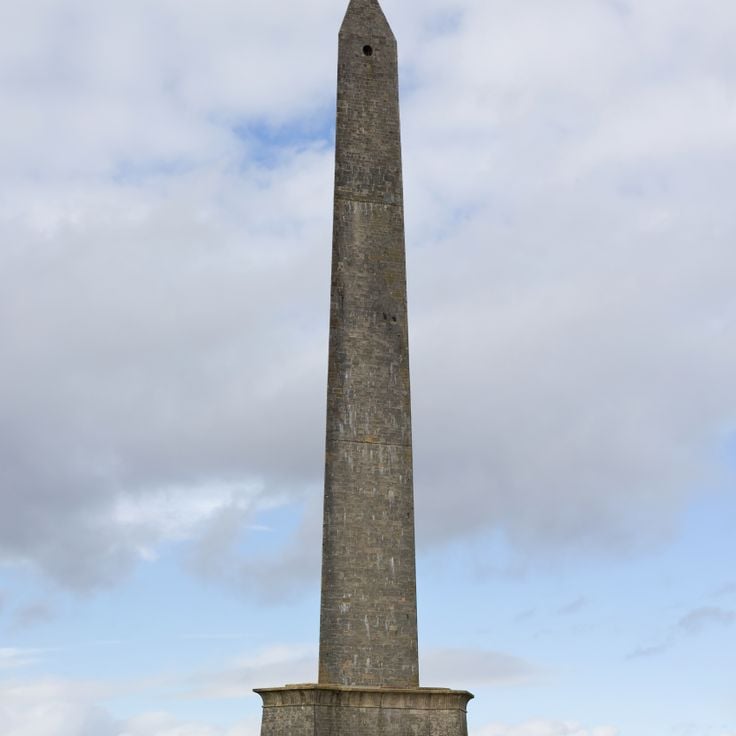
This obelisk stands at the highest point of the Blackdown Hills and honors the victory at Waterloo. At 175 feet tall, the monument has marked Somerset's landscape since 1817, far from the main tourist routes. The stone structure rises between woodlands and open ridges where the wind often blows strongly. From up here you can see across the Exmoor region toward the coast. The tower itself remains mostly closed, but the walking trails pass through beech groves and pastureland that surround this remote memorial.
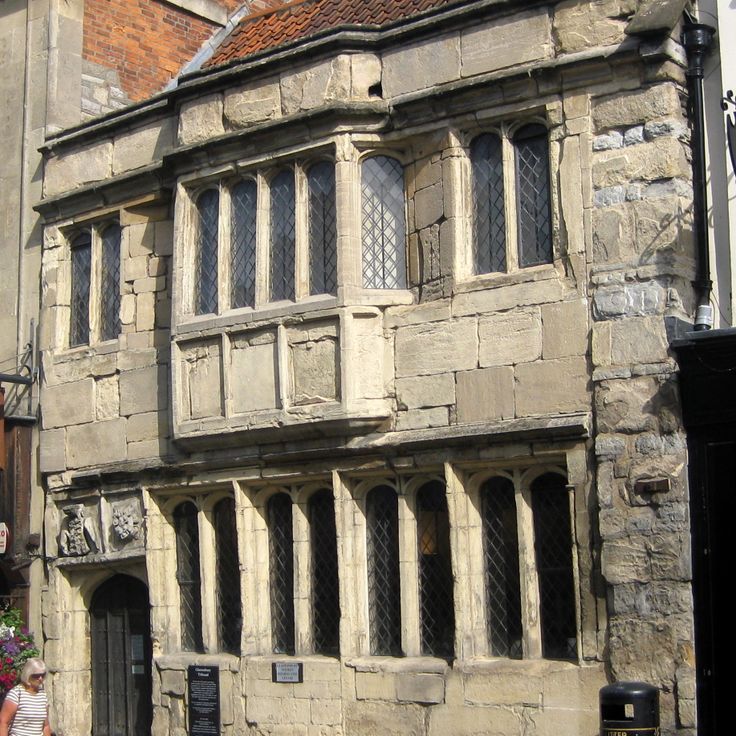
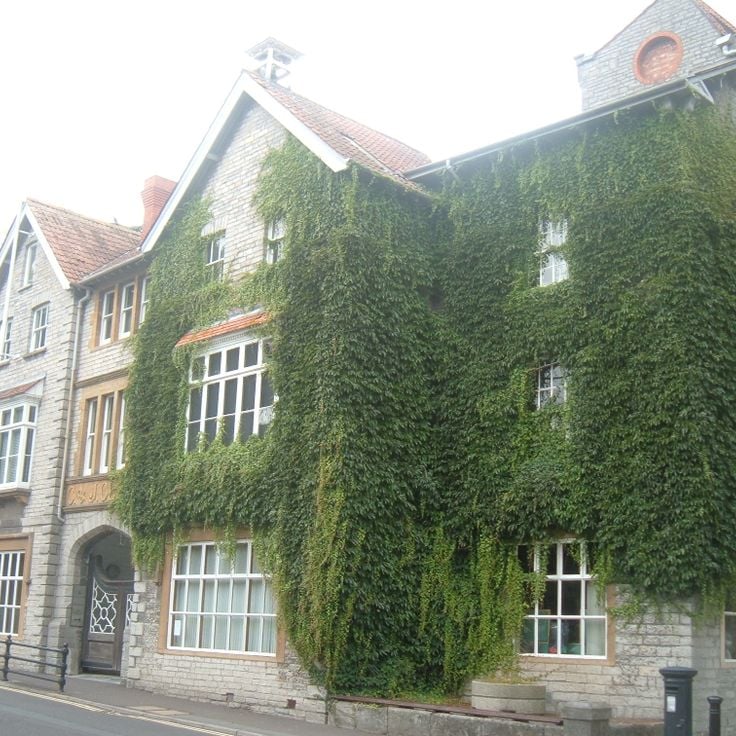
This stone building from the 15th century houses a museum containing artifacts from the region and the abbey of Glastonbury, offering insights into the medieval history and monastic life of this historical area in Somerset away from the main visitor routes.
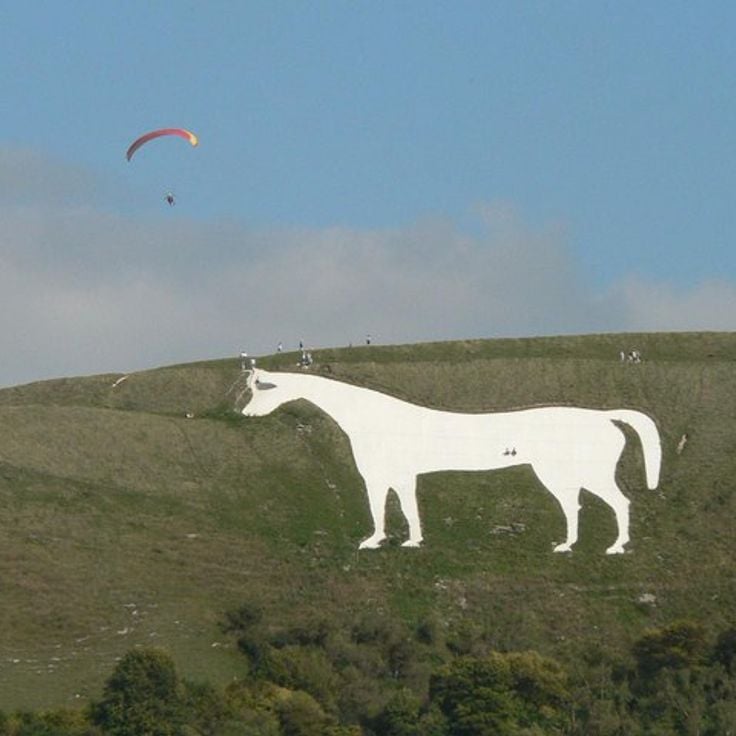
This horse figure was cut into the limestone and covered with white concrete. It measures about 180 feet from head to tail and belongs to a series of historical land figures in Somerset that lie mostly away from the main visitor routes. The pale color stands out against the green of the surrounding hills, and the shape is visible from a distance across the plain. Such figures often arose from local traditions and were maintained by communities over generations. Westbury White Horse stands in a landscape marked by medieval settlements, Norman fortifications and prehistoric pathways, and fits into a region that shows centuries of different use.
Holnicote Estate covers a large area between the hills of Exmoor, bringing together moorland, woodland and coastal sections that define this part of Somerset. The landscape moves from open heather-covered slopes down through forested valleys to the coast. Walking paths cross ancient oak woods and pass through villages with traditional stone cottages. The estate has been part of the region's history for centuries, maintaining a connection between farming, forestry and rural life. Moorland areas turn purple with heather in late summer, while the woods shelter red deer and other wildlife. Several small settlements sit within the estate boundaries, showing thatched roofs, stone walls and cobbled lanes. The coastline offers rocky coves and pebble beaches where the land meets the sea. This estate forms part of the collection of historical places in Somerset away from main tourist routes, linking moorland heights with wooded slopes and a stretch of coast that reflects the variety of the region.
Fyne Court combines botanical gardens with the remains of a laboratory where Andrew Crosse conducted his electricity experiments in the 19th century. The site sits away from the main visitor routes in Somerset and shows plant collections alongside the historical structures. Paths lead through different planting areas while information panels explain the work of the researcher who experimented here with electrical current and crystal formation. Old walls mark the spot of the former house, which was destroyed by fire.
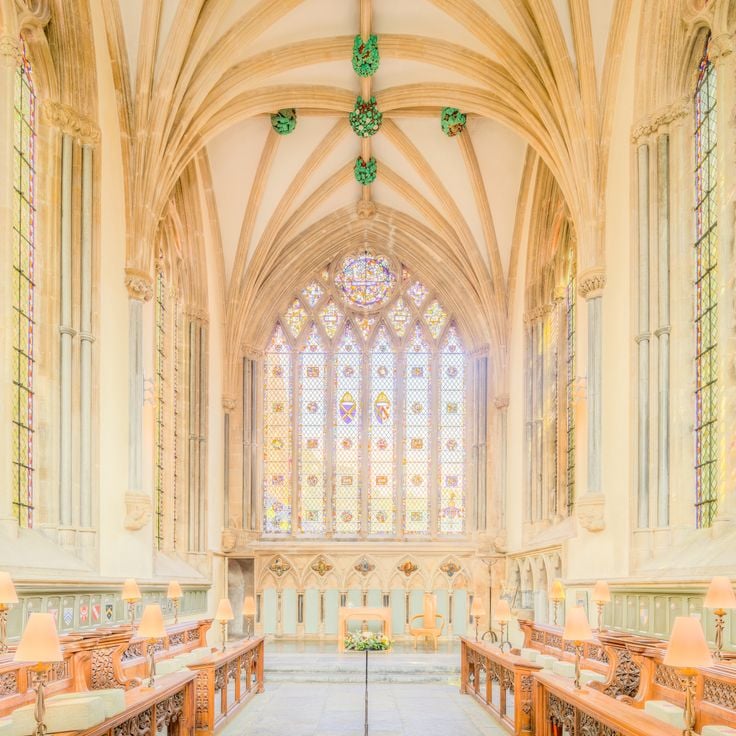
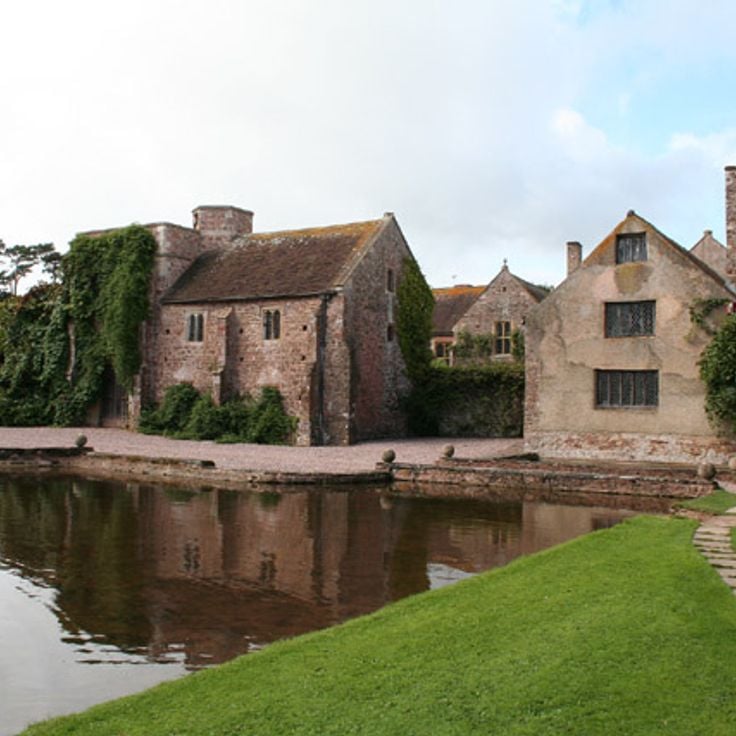
This medieval palace dates from the 13th century and has served as the residence of the bishops of Bath and Wells since its construction. The complex sits within moats fed by natural springs, and swans live on the water. The gardens extend over five hectares and contain old trees, lawns and flower beds. The architecture shows Gothic windows, stone walls and a fortified gatehouse. Visitors see the chapel, the hall and parts of the private quarters when they are accessible. The palace stands beside Wells Cathedral and forms the ecclesiastical center of the town together with it.
Combe Sydenham Hall is a Tudor manor house with historical connections to the Drake family and original architectural features from the 16th century. The estate lies away from the main visitor routes in Somerset and shows the building methods of Elizabethan country seats. The interior spaces preserve wood paneling, stone fireplaces and original window surrounds from the 16th century. The Drake family used the house for several generations, and the building documents the social conditions and domestic forms of the rural gentry in that era.
This mill from the 18th century shows brass working in Somerset away from the known routes. The Saltford Brass Mill preserves the water wheels and forging tools used to shape brass. The rooms show the work areas where the metal was heated, hammered and rolled into sheets. The machinery connects the river's water power to the workshops inside. The site sits by the riverbank, where the water drove production for decades.
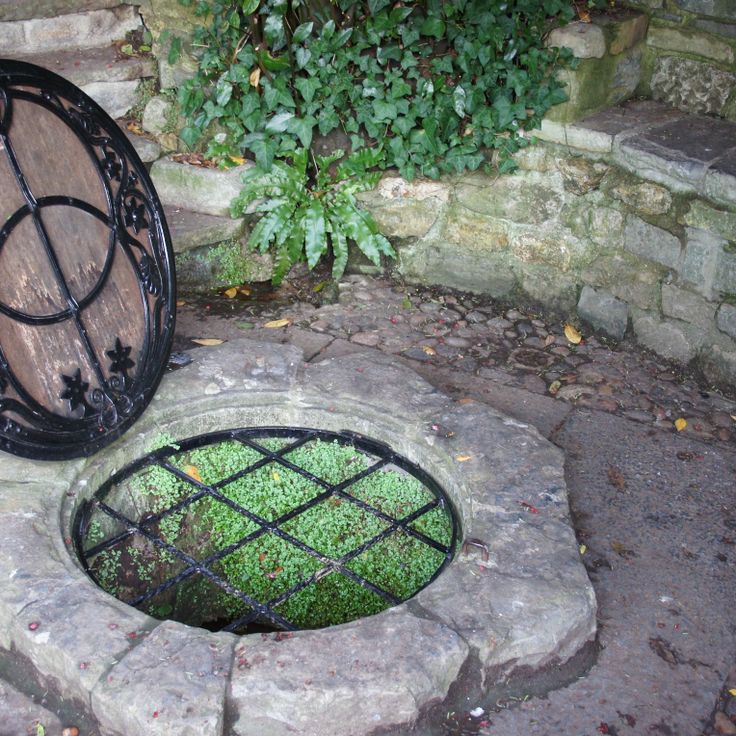
This garden was designed around a spring with reddish-tinted water. Stone paths wind through planted beds, past several pools and resting areas. The color comes from iron in the water that flows from the ground. Trees provide shade along the routes, and benches offer places to pause and sit quietly.
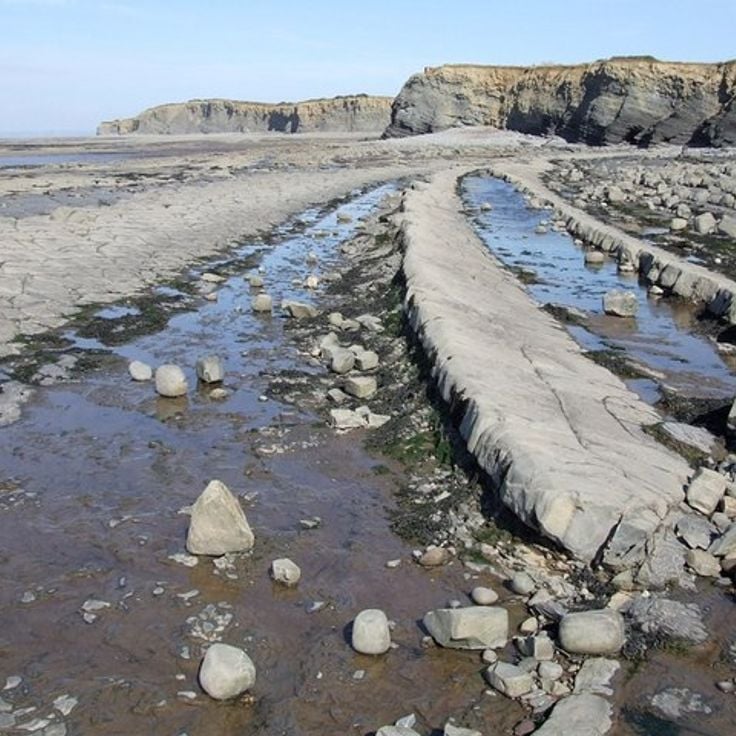
This beach presents limestone cliffs and flat rock platforms along the coast. The deposits date from the Jurassic period and contain ammonites, fossilized shells and other remains visible on the surface. The rock lies in thin layers exposed at low tide. Kilve Beach is among the geological sites in Somerset that lie away from the main routes. You see sediment structures and fossils directly in the rock without needing tools. The shoreline runs between wooded slopes and open water.
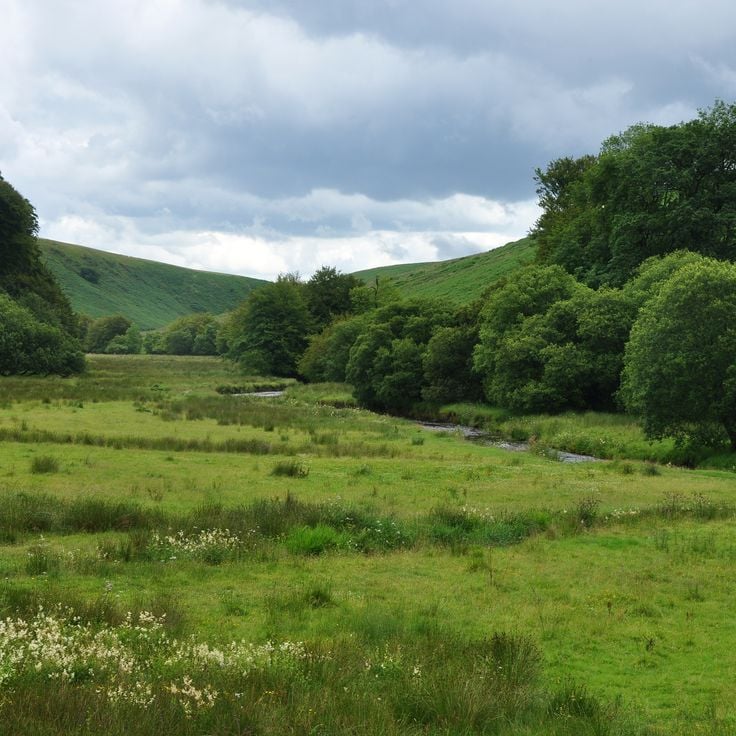
This valley cuts through the county along the Barle between old oak forests and open moorland. Deer, foxes and many bird species inhabit the slopes and riverbanks. The Barle Valley sits away from the main routes through Somerset and shows quiet landscapes with forest streams and shallow fords. The riverbed runs over sandstone and forms shallow pools between the trees. Walking paths follow the valley and connect medieval bridge remnants with little-used trails through fern and scrub.
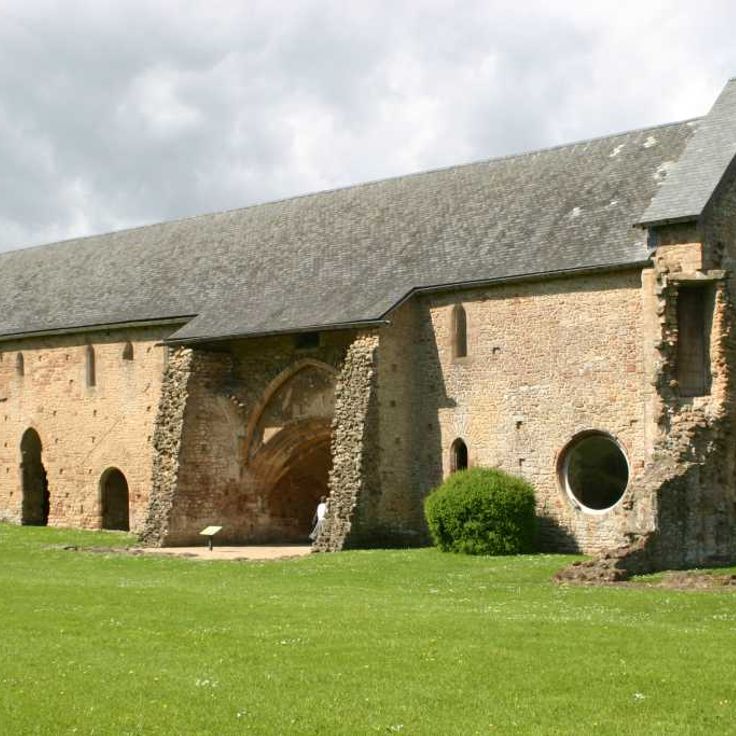
This medieval monastery complex from the 13th century shows original cloisters and stonework that document the development of monastic life in Somerset. The abbey preserves one of the most complete monastery ensembles in England, with refectories, dormitories and service buildings still standing. The stone vaults and wall paintings provide insight into the daily order of Cistercian monks. The ensemble lies away from the main visitor routes, allowing quiet observation of monastic architecture.
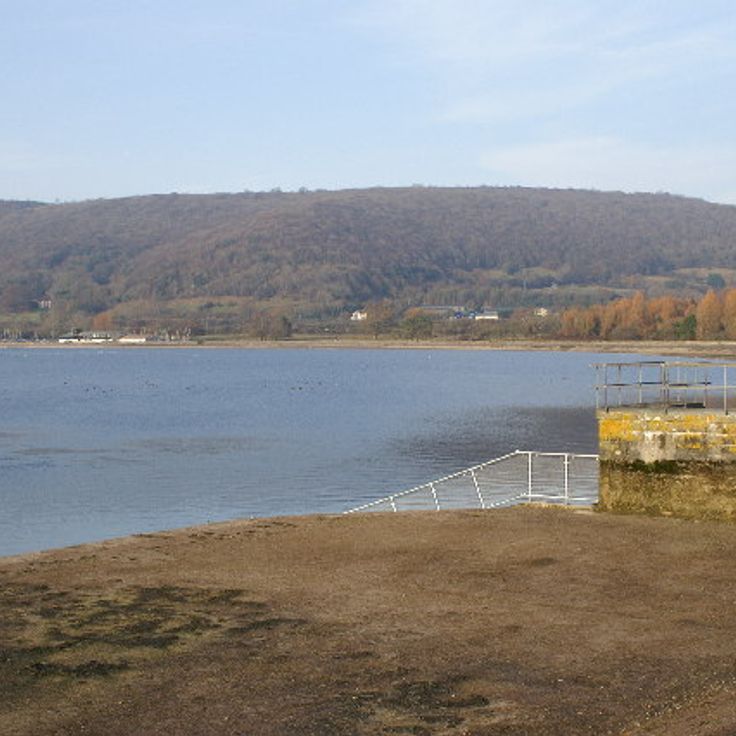
This reservoir sits at the edge of the Mendip plateau and forms part of the historical places in Somerset away from tourists. A circular path around the water invites walkers, while water birds rest along the shores in winter. Sailors use the open surface for training and practice.
This wood stands on old ground, and some of the oaks reach 500 years in age. More than 300 lichen species grow on trunks and branches, a sign of moist air and long undisturbed conditions. Footpaths thread between the trees and connect different parts of the area. The wood lies away from the main routes that cross Somerset and shows the layering of age and vegetation that has built up over centuries.
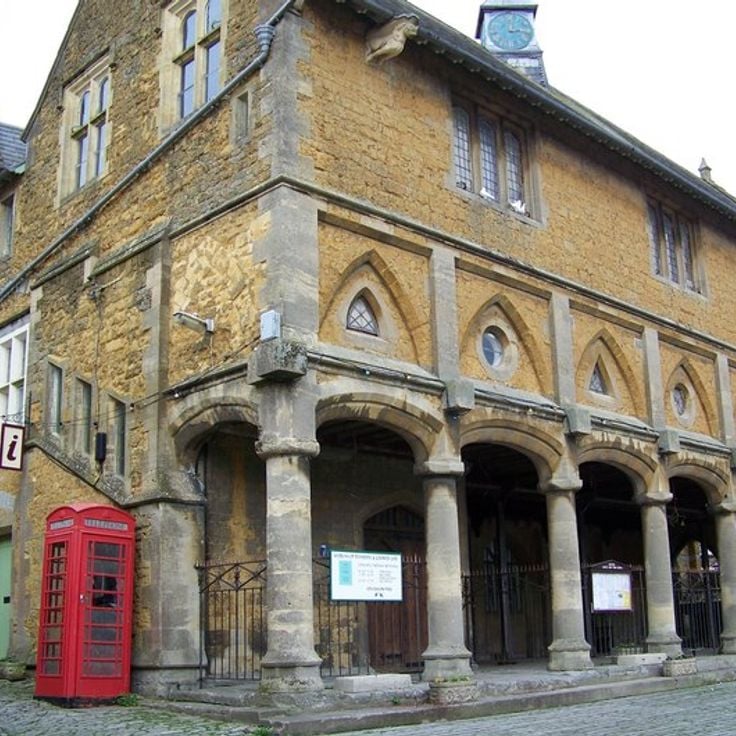
This town hall from 1855 has served as a center of local life for more than a century and a half. Every Tuesday a market takes place here where regional producers sell their goods. Between market days the building opens its rooms for art exhibitions by local artists and for gatherings of the community. The architecture belongs to the Victorian era when Somerset built many public structures for trade and communal life.
Hestercombe Gardens brings together different garden styles from several centuries on this Somerset estate. The grounds show a formal terrace garden from the early 20th century with stone pools, channels and carefully arranged beds. A Georgian landscape garden from the 18th century leads through meadows and woodlands to a temple and a lake. The paths connect both areas and open views across the surrounding countryside. Between the walks grow herbaceous borders, roses and old trees. The water features reflect the architecture while steps and pergolas lead through the different levels. Benches stand at quiet spots among the plantings.
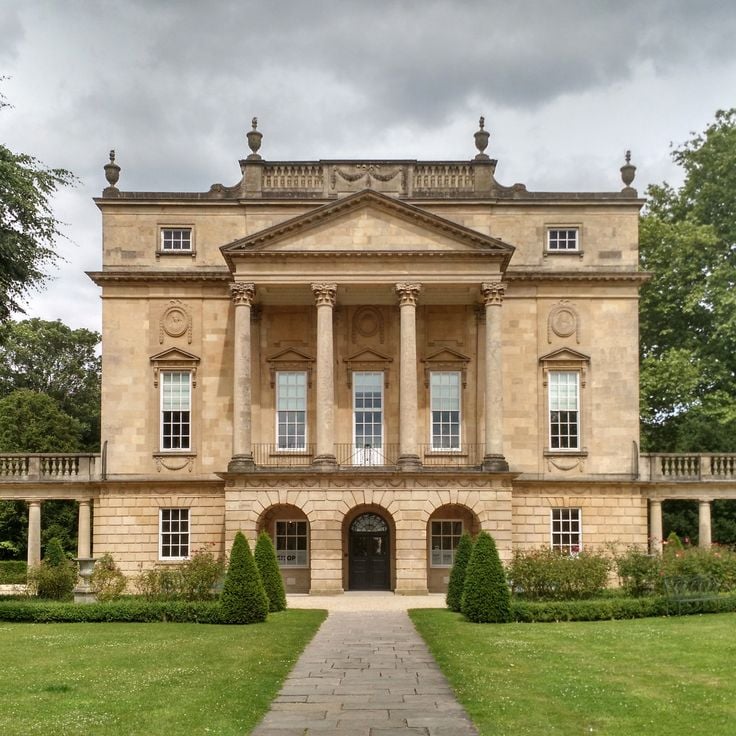
This museum shows 18th century paintings, porcelain and silver in historic rooms in western England. The collection covers English and European art including works by Gainsborough and Stubbs. The exhibition rooms keep the feel of a Georgian townhouse with muted colors and wood paneling. The building stands in a park at the edge of Bath and connects the art collection with regional finds from Somerset.
This manor house dates from the 15th century and stands among the early examples of residential architecture in Somerset away from the main tourist routes. The interiors preserve original wall paintings from the period of construction, offering glimpses into the decorative preferences of that era. Cothay Manor is surrounded by twelve garden rooms planted with roses and divided by walls and hedges, so each section develops its own character.
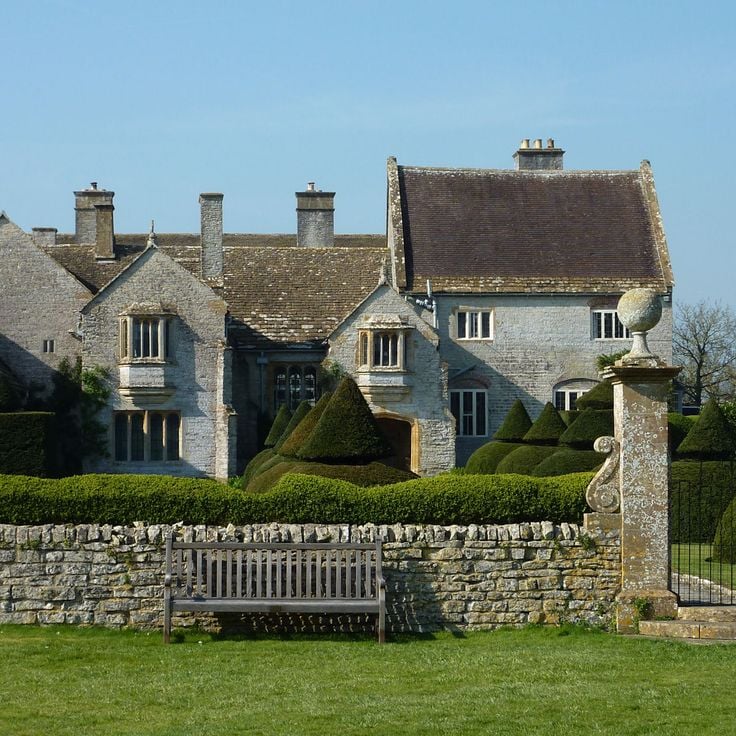
This country house combines forms from the 14th and 15th centuries with a geometrically arranged garden and fruit trees. Lytes Cary Manor sits away from the usual routes in Somerset and shows how Elizabethan gentry estates were inhabited and managed in rural England. The rooms preserve wood paneling, stone fireplaces and narrow staircases from the time when the Lyte family lived here. The garden follows clear lines with hedges, flower beds and old apple varieties that are still maintained today.
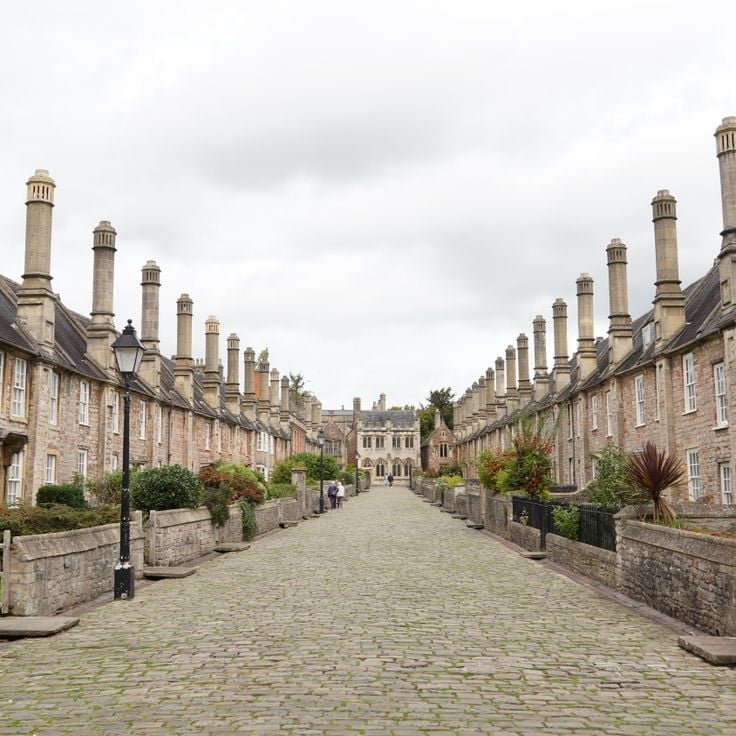
This street from the 14th century was built for the choir singers of Wells Cathedral and forms part of the historical places in Somerset away from the main visitor routes. The 27 houses remain in their original form and share a continuous stone front with tall chimneys. Cobblestones run the full length connecting a chapel at one end with a hall at the other. Light falls between the gables and reaches the small windows and doorways. The space feels enclosed and quiet, like a place designed for communal living that continues to be inhabited today. Walking through gives a sense of how the choir members lived together in close quarters with their daily routines centered around the cathedral.
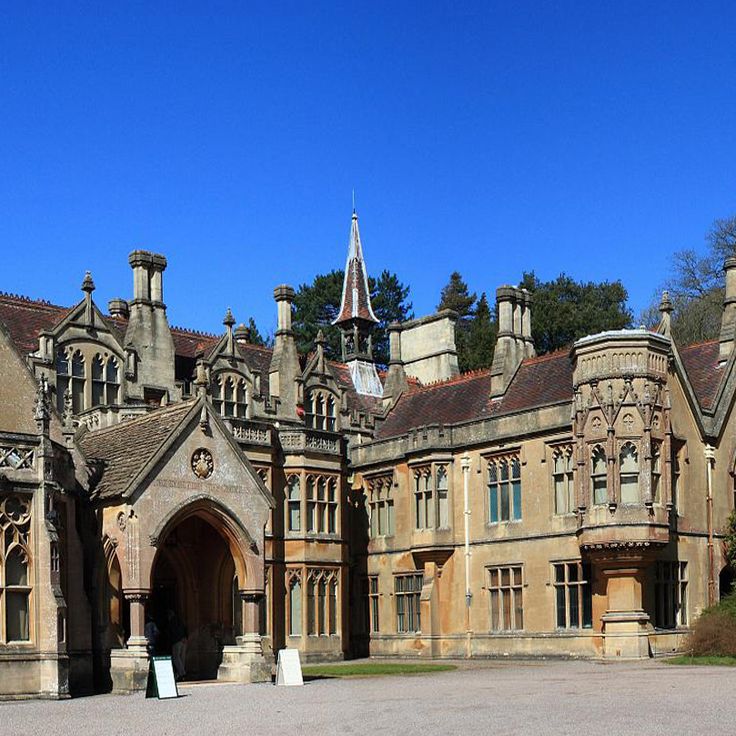
This 19th century country house sits on 500 acres with orchards, greenhouses, and a private chapel. The estate shows Victorian architecture and gardens away from the main visitor routes in Somerset, which also include medieval abbeys and Norman castles across the region. The rooms contain original furniture and wall decorations from the period. The chapel stands beside the main building with colored windows and wooden pews. The gardens lead through terraces, a kitchen garden, and several paths under old trees. In spring, rhododendrons and azaleas bloom along the paths.
This museum preserves 1500 historical pairs of shoes and documents the development of the Clarks shoe factory since 1825. The collection displays footwear from different periods and explains the manufacturing techniques used in this region across several generations. Visitors see Roman sandals, Victorian boots and everyday shoes from the 20th century. The museum connects local industrial history with the social role of footwear in England.
This museum brings together 5000 objects made from Bakelite and other early plastics. The collection includes radios, telephones, cameras and household appliances from the first half of the 20th century. The displays show how the first synthetic plastic changed design and everyday life, from Art Deco radios to colorful kitchen items that have almost disappeared today.
Muchelney Abbey was founded in the 7th century and forms part of the historical sites away from the main visitor routes in Somerset. The monastery ruins stand on a rise that was once surrounded by marshland, and the name means great island. Visitors see the foundations of the church, sections of the cloister and service buildings, and the medieval monastery kitchen with its original drainage system. The abbot's lodging and individual vaults show how the daily life of the monks was structured. A 15th-century parish house with painted walls stands nearby. This abbey sits in the quiet landscape of meadows and waterways.
This 13th-century harbor connected Somerset to Wales across the Celtic Sea, enabling transport of lime, coal and timber. Small fishing boats still use the bay. The stone pier provides protection from Bristol Channel tides. Cottages built with local stone and slate roofs line the waterfront. A narrow path leads west through oak woodland along the coast.
This 308-meter (1010-foot) hill offers views across the Bristol Channel and the Quantock Hills. Selworthy Beacon rises at the edge of Exmoor National Park, where gentle slopes are covered with heather and grasses. On clear days the view reaches the Welsh coast. Walkers arrive at the summit along paths that pass through old woodland and open moorland. The spot has been a landmark for travelers and fishermen for centuries. On the horizon the hill ranges of Somerset appear, while below lie fields and small villages. The wind often blows strongly up here. The light changes with the clouds that roll in from the sea. Sheep graze on the upper pastures. The place draws walkers who prefer to stay away from the more traveled routes.
This prehistoric stone bridge crosses the River Barle in Exmoor National Park and consists of flat slabs resting on natural stone pillars. Tarr Steps was probably built during the Bronze Age and ranks among the oldest surviving river crossings in Somerset. The bridge sits within oak woodlands and moorland where water flows over smooth stones and anglers stand along the banks. It connects walking paths through the valley and fits into the landscape as if shaped by nature itself.
This red brick tower from the 18th century rises 49 meters (160 feet) above the Somerset hills and marks the spot where King Alfred the Great is said to have rallied his troops before driving back the Danish armies. The tower stands on a wooded hilltop and offers views across three counties after a climb up the spiral staircase. The surrounding fields and forests show the rural landscape of this remote corner of the region, far from the familiar routes through Somerset.
This Norman castle from the 12th century sits in a Somerset village and shows how noble families replaced their wooden defenses with stone walls. The wide moat still surrounds the entire site today and makes the original shape of the fortress visible. The gatehouse survives in part, along with sections of the outer walls and foundations of several towers. Grassed earthworks mark the locations of earlier buildings within the castle walls, while mature trees grow between the ruins.
This church from the 12th century sits between forest and sea and measures only 10 meters (33 feet) in length. The building stands on a steep slope above the coast, surrounded by old oaks and thick undergrowth. The structure shows Norman round arches, a small bell tower and stone walls that have been repaired many times over the centuries. Inside you find plain wooden pews and medieval window openings. A footpath leads down through the woods from the nearest parking area to the churchyard. This church belongs to the historical places in Somerset away from the main visitor routes and shows the construction of small rural houses of worship from the medieval period.
Nettlecombe Court is a 16th century manor set on the slopes of the Quantock Hills. The stone facade shows Tudor period construction, with mullioned windows and tall chimneys that reflect the domestic style of the era. The historical gardens extend around the building, combining formal areas with woodland paths that merge into the surrounding landscape. The estate preserves the structure of an Elizabetian country seat that remained in use for centuries, illustrating how such houses in Somerset persist away from main routes.
This dovecote stands in Somerset as evidence of medieval rural economy. The cylindrical stone building contains 200 nesting boxes and shows the methods of poultry farming used when pigeons provided an important source of meat and fertilizer in the region.
This hill rises 24 meters above the Somerset Levels wetlands and carries the remains of an 18th-century church at its summit. Burrow Mump stands alone in the flat landscape and has served for centuries as a landmark for travelers crossing the marshland. The ruin shows wall fragments and part of the tower, while the top offers wide views over meadows, drainage channels and scattered farmsteads.
This bay runs along the Somerset coast and shows red cliffs from the Jurassic period, revealing rock layers and fossil remains. The beach is made of pebbles and offers a view into the geological history of the region. The rock faces change appearance depending on light and tide. Visitors find traces of ancient times here, while the water strikes against the stones and gradually shapes the geological formations.
This limestone gorge shows the geological history of the Mendip Hills and the plants that grow on the rock walls. It leads through a wooded valley with caves that were inhabited thousands of years ago. The path winds through old trees and up rock steps to a view over Somerset. The plant species here have adapted to limestone and shade. The rocks are old and have been shaped by water and time. The place lies away from the larger routes through Somerset.
This medieval fortress from the 14th century stands in the village of Nunney and shows four round towers surrounded by a wide water-filled moat. The castle was built around 1373 by Sir John Delamare and followed the French style of fortification of its time. The tall stone walls rise directly from the water. Part of the south wall collapsed in the 17th century during the English Civil War and still lies in the moat. Visitors can walk through the site and explore the interior rooms, where fireplaces and window openings reveal the earlier domestic use.
This obelisk stands at the highest point of the Blackdown Hills and honors the victory at Waterloo. At 175 feet tall, the monument has marked Somerset's landscape since 1817, far from the main tourist routes. The stone structure rises between woodlands and open ridges where the wind often blows strongly. From up here you can see across the Exmoor region toward the coast. The tower itself remains mostly closed, but the walking trails pass through beech groves and pastureland that surround this remote memorial.
This stone building from the 15th century houses a museum containing artifacts from the region and the abbey of Glastonbury, offering insights into the medieval history and monastic life of this historical area in Somerset away from the main visitor routes.
This horse figure was cut into the limestone and covered with white concrete. It measures about 180 feet from head to tail and belongs to a series of historical land figures in Somerset that lie mostly away from the main visitor routes. The pale color stands out against the green of the surrounding hills, and the shape is visible from a distance across the plain. Such figures often arose from local traditions and were maintained by communities over generations. Westbury White Horse stands in a landscape marked by medieval settlements, Norman fortifications and prehistoric pathways, and fits into a region that shows centuries of different use.
Holnicote Estate covers a large area between the hills of Exmoor, bringing together moorland, woodland and coastal sections that define this part of Somerset. The landscape moves from open heather-covered slopes down through forested valleys to the coast. Walking paths cross ancient oak woods and pass through villages with traditional stone cottages. The estate has been part of the region's history for centuries, maintaining a connection between farming, forestry and rural life. Moorland areas turn purple with heather in late summer, while the woods shelter red deer and other wildlife. Several small settlements sit within the estate boundaries, showing thatched roofs, stone walls and cobbled lanes. The coastline offers rocky coves and pebble beaches where the land meets the sea. This estate forms part of the collection of historical places in Somerset away from main tourist routes, linking moorland heights with wooded slopes and a stretch of coast that reflects the variety of the region.
Fyne Court combines botanical gardens with the remains of a laboratory where Andrew Crosse conducted his electricity experiments in the 19th century. The site sits away from the main visitor routes in Somerset and shows plant collections alongside the historical structures. Paths lead through different planting areas while information panels explain the work of the researcher who experimented here with electrical current and crystal formation. Old walls mark the spot of the former house, which was destroyed by fire.
This medieval palace dates from the 13th century and has served as the residence of the bishops of Bath and Wells since its construction. The complex sits within moats fed by natural springs, and swans live on the water. The gardens extend over five hectares and contain old trees, lawns and flower beds. The architecture shows Gothic windows, stone walls and a fortified gatehouse. Visitors see the chapel, the hall and parts of the private quarters when they are accessible. The palace stands beside Wells Cathedral and forms the ecclesiastical center of the town together with it.
Combe Sydenham Hall is a Tudor manor house with historical connections to the Drake family and original architectural features from the 16th century. The estate lies away from the main visitor routes in Somerset and shows the building methods of Elizabethan country seats. The interior spaces preserve wood paneling, stone fireplaces and original window surrounds from the 16th century. The Drake family used the house for several generations, and the building documents the social conditions and domestic forms of the rural gentry in that era.
This mill from the 18th century shows brass working in Somerset away from the known routes. The Saltford Brass Mill preserves the water wheels and forging tools used to shape brass. The rooms show the work areas where the metal was heated, hammered and rolled into sheets. The machinery connects the river's water power to the workshops inside. The site sits by the riverbank, where the water drove production for decades.
This garden was designed around a spring with reddish-tinted water. Stone paths wind through planted beds, past several pools and resting areas. The color comes from iron in the water that flows from the ground. Trees provide shade along the routes, and benches offer places to pause and sit quietly.
This beach presents limestone cliffs and flat rock platforms along the coast. The deposits date from the Jurassic period and contain ammonites, fossilized shells and other remains visible on the surface. The rock lies in thin layers exposed at low tide. Kilve Beach is among the geological sites in Somerset that lie away from the main routes. You see sediment structures and fossils directly in the rock without needing tools. The shoreline runs between wooded slopes and open water.
This valley cuts through the county along the Barle between old oak forests and open moorland. Deer, foxes and many bird species inhabit the slopes and riverbanks. The Barle Valley sits away from the main routes through Somerset and shows quiet landscapes with forest streams and shallow fords. The riverbed runs over sandstone and forms shallow pools between the trees. Walking paths follow the valley and connect medieval bridge remnants with little-used trails through fern and scrub.
This medieval monastery complex from the 13th century shows original cloisters and stonework that document the development of monastic life in Somerset. The abbey preserves one of the most complete monastery ensembles in England, with refectories, dormitories and service buildings still standing. The stone vaults and wall paintings provide insight into the daily order of Cistercian monks. The ensemble lies away from the main visitor routes, allowing quiet observation of monastic architecture.
This reservoir sits at the edge of the Mendip plateau and forms part of the historical places in Somerset away from tourists. A circular path around the water invites walkers, while water birds rest along the shores in winter. Sailors use the open surface for training and practice.
This wood stands on old ground, and some of the oaks reach 500 years in age. More than 300 lichen species grow on trunks and branches, a sign of moist air and long undisturbed conditions. Footpaths thread between the trees and connect different parts of the area. The wood lies away from the main routes that cross Somerset and shows the layering of age and vegetation that has built up over centuries.
This town hall from 1855 has served as a center of local life for more than a century and a half. Every Tuesday a market takes place here where regional producers sell their goods. Between market days the building opens its rooms for art exhibitions by local artists and for gatherings of the community. The architecture belongs to the Victorian era when Somerset built many public structures for trade and communal life.
Hestercombe Gardens brings together different garden styles from several centuries on this Somerset estate. The grounds show a formal terrace garden from the early 20th century with stone pools, channels and carefully arranged beds. A Georgian landscape garden from the 18th century leads through meadows and woodlands to a temple and a lake. The paths connect both areas and open views across the surrounding countryside. Between the walks grow herbaceous borders, roses and old trees. The water features reflect the architecture while steps and pergolas lead through the different levels. Benches stand at quiet spots among the plantings.
This museum shows 18th century paintings, porcelain and silver in historic rooms in western England. The collection covers English and European art including works by Gainsborough and Stubbs. The exhibition rooms keep the feel of a Georgian townhouse with muted colors and wood paneling. The building stands in a park at the edge of Bath and connects the art collection with regional finds from Somerset.
This manor house dates from the 15th century and stands among the early examples of residential architecture in Somerset away from the main tourist routes. The interiors preserve original wall paintings from the period of construction, offering glimpses into the decorative preferences of that era. Cothay Manor is surrounded by twelve garden rooms planted with roses and divided by walls and hedges, so each section develops its own character.
This country house combines forms from the 14th and 15th centuries with a geometrically arranged garden and fruit trees. Lytes Cary Manor sits away from the usual routes in Somerset and shows how Elizabethan gentry estates were inhabited and managed in rural England. The rooms preserve wood paneling, stone fireplaces and narrow staircases from the time when the Lyte family lived here. The garden follows clear lines with hedges, flower beds and old apple varieties that are still maintained today.
This street from the 14th century was built for the choir singers of Wells Cathedral and forms part of the historical places in Somerset away from the main visitor routes. The 27 houses remain in their original form and share a continuous stone front with tall chimneys. Cobblestones run the full length connecting a chapel at one end with a hall at the other. Light falls between the gables and reaches the small windows and doorways. The space feels enclosed and quiet, like a place designed for communal living that continues to be inhabited today. Walking through gives a sense of how the choir members lived together in close quarters with their daily routines centered around the cathedral.
This 19th century country house sits on 500 acres with orchards, greenhouses, and a private chapel. The estate shows Victorian architecture and gardens away from the main visitor routes in Somerset, which also include medieval abbeys and Norman castles across the region. The rooms contain original furniture and wall decorations from the period. The chapel stands beside the main building with colored windows and wooden pews. The gardens lead through terraces, a kitchen garden, and several paths under old trees. In spring, rhododendrons and azaleas bloom along the paths.
This museum preserves 1500 historical pairs of shoes and documents the development of the Clarks shoe factory since 1825. The collection displays footwear from different periods and explains the manufacturing techniques used in this region across several generations. Visitors see Roman sandals, Victorian boots and everyday shoes from the 20th century. The museum connects local industrial history with the social role of footwear in England.
This museum brings together 5000 objects made from Bakelite and other early plastics. The collection includes radios, telephones, cameras and household appliances from the first half of the 20th century. The displays show how the first synthetic plastic changed design and everyday life, from Art Deco radios to colorful kitchen items that have almost disappeared today.
Muchelney Abbey was founded in the 7th century and forms part of the historical sites away from the main visitor routes in Somerset. The monastery ruins stand on a rise that was once surrounded by marshland, and the name means great island. Visitors see the foundations of the church, sections of the cloister and service buildings, and the medieval monastery kitchen with its original drainage system. The abbot's lodging and individual vaults show how the daily life of the monks was structured. A 15th-century parish house with painted walls stands nearby. This abbey sits in the quiet landscape of meadows and waterways.
This 13th-century harbor connected Somerset to Wales across the Celtic Sea, enabling transport of lime, coal and timber. Small fishing boats still use the bay. The stone pier provides protection from Bristol Channel tides. Cottages built with local stone and slate roofs line the waterfront. A narrow path leads west through oak woodland along the coast.
This 308-meter (1010-foot) hill offers views across the Bristol Channel and the Quantock Hills. Selworthy Beacon rises at the edge of Exmoor National Park, where gentle slopes are covered with heather and grasses. On clear days the view reaches the Welsh coast. Walkers arrive at the summit along paths that pass through old woodland and open moorland. The spot has been a landmark for travelers and fishermen for centuries. On the horizon the hill ranges of Somerset appear, while below lie fields and small villages. The wind often blows strongly up here. The light changes with the clouds that roll in from the sea. Sheep graze on the upper pastures. The place draws walkers who prefer to stay away from the more traveled routes.
This prehistoric stone bridge crosses the River Barle in Exmoor National Park and consists of flat slabs resting on natural stone pillars. Tarr Steps was probably built during the Bronze Age and ranks among the oldest surviving river crossings in Somerset. The bridge sits within oak woodlands and moorland where water flows over smooth stones and anglers stand along the banks. It connects walking paths through the valley and fits into the landscape as if shaped by nature itself.
This red brick tower from the 18th century rises 49 meters (160 feet) above the Somerset hills and marks the spot where King Alfred the Great is said to have rallied his troops before driving back the Danish armies. The tower stands on a wooded hilltop and offers views across three counties after a climb up the spiral staircase. The surrounding fields and forests show the rural landscape of this remote corner of the region, far from the familiar routes through Somerset.
This Norman castle from the 12th century sits in a Somerset village and shows how noble families replaced their wooden defenses with stone walls. The wide moat still surrounds the entire site today and makes the original shape of the fortress visible. The gatehouse survives in part, along with sections of the outer walls and foundations of several towers. Grassed earthworks mark the locations of earlier buildings within the castle walls, while mature trees grow between the ruins.
This church from the 12th century sits between forest and sea and measures only 10 meters (33 feet) in length. The building stands on a steep slope above the coast, surrounded by old oaks and thick undergrowth. The structure shows Norman round arches, a small bell tower and stone walls that have been repaired many times over the centuries. Inside you find plain wooden pews and medieval window openings. A footpath leads down through the woods from the nearest parking area to the churchyard. This church belongs to the historical places in Somerset away from the main visitor routes and shows the construction of small rural houses of worship from the medieval period.
Nettlecombe Court is a 16th century manor set on the slopes of the Quantock Hills. The stone facade shows Tudor period construction, with mullioned windows and tall chimneys that reflect the domestic style of the era. The historical gardens extend around the building, combining formal areas with woodland paths that merge into the surrounding landscape. The estate preserves the structure of an Elizabetian country seat that remained in use for centuries, illustrating how such houses in Somerset persist away from main routes.
This dovecote stands in Somerset as evidence of medieval rural economy. The cylindrical stone building contains 200 nesting boxes and shows the methods of poultry farming used when pigeons provided an important source of meat and fertilizer in the region.
This hill rises 24 meters above the Somerset Levels wetlands and carries the remains of an 18th-century church at its summit. Burrow Mump stands alone in the flat landscape and has served for centuries as a landmark for travelers crossing the marshland. The ruin shows wall fragments and part of the tower, while the top offers wide views over meadows, drainage channels and scattered farmsteads.
This bay runs along the Somerset coast and shows red cliffs from the Jurassic period, revealing rock layers and fossil remains. The beach is made of pebbles and offers a view into the geological history of the region. The rock faces change appearance depending on light and tide. Visitors find traces of ancient times here, while the water strikes against the stones and gradually shapes the geological formations.
This limestone gorge shows the geological history of the Mendip Hills and the plants that grow on the rock walls. It leads through a wooded valley with caves that were inhabited thousands of years ago. The path winds through old trees and up rock steps to a view over Somerset. The plant species here have adapted to limestone and shade. The rocks are old and have been shaped by water and time. The place lies away from the larger routes through Somerset.
This medieval fortress from the 14th century stands in the village of Nunney and shows four round towers surrounded by a wide water-filled moat. The castle was built around 1373 by Sir John Delamare and followed the French style of fortification of its time. The tall stone walls rise directly from the water. Part of the south wall collapsed in the 17th century during the English Civil War and still lies in the moat. Visitors can walk through the site and explore the interior rooms, where fireplaces and window openings reveal the earlier domestic use.
This obelisk stands at the highest point of the Blackdown Hills and honors the victory at Waterloo. At 175 feet tall, the monument has marked Somerset's landscape since 1817, far from the main tourist routes. The stone structure rises between woodlands and open ridges where the wind often blows strongly. From up here you can see across the Exmoor region toward the coast. The tower itself remains mostly closed, but the walking trails pass through beech groves and pastureland that surround this remote memorial.
This stone building from the 15th century houses a museum containing artifacts from the region and the abbey of Glastonbury, offering insights into the medieval history and monastic life of this historical area in Somerset away from the main visitor routes.
This horse figure was cut into the limestone and covered with white concrete. It measures about 180 feet from head to tail and belongs to a series of historical land figures in Somerset that lie mostly away from the main visitor routes. The pale color stands out against the green of the surrounding hills, and the shape is visible from a distance across the plain. Such figures often arose from local traditions and were maintained by communities over generations. Westbury White Horse stands in a landscape marked by medieval settlements, Norman fortifications and prehistoric pathways, and fits into a region that shows centuries of different use.
Holnicote Estate covers a large area between the hills of Exmoor, bringing together moorland, woodland and coastal sections that define this part of Somerset. The landscape moves from open heather-covered slopes down through forested valleys to the coast. Walking paths cross ancient oak woods and pass through villages with traditional stone cottages. The estate has been part of the region's history for centuries, maintaining a connection between farming, forestry and rural life. Moorland areas turn purple with heather in late summer, while the woods shelter red deer and other wildlife. Several small settlements sit within the estate boundaries, showing thatched roofs, stone walls and cobbled lanes. The coastline offers rocky coves and pebble beaches where the land meets the sea. This estate forms part of the collection of historical places in Somerset away from main tourist routes, linking moorland heights with wooded slopes and a stretch of coast that reflects the variety of the region.
Fyne Court combines botanical gardens with the remains of a laboratory where Andrew Crosse conducted his electricity experiments in the 19th century. The site sits away from the main visitor routes in Somerset and shows plant collections alongside the historical structures. Paths lead through different planting areas while information panels explain the work of the researcher who experimented here with electrical current and crystal formation. Old walls mark the spot of the former house, which was destroyed by fire.
This medieval palace dates from the 13th century and has served as the residence of the bishops of Bath and Wells since its construction. The complex sits within moats fed by natural springs, and swans live on the water. The gardens extend over five hectares and contain old trees, lawns and flower beds. The architecture shows Gothic windows, stone walls and a fortified gatehouse. Visitors see the chapel, the hall and parts of the private quarters when they are accessible. The palace stands beside Wells Cathedral and forms the ecclesiastical center of the town together with it.
Combe Sydenham Hall is a Tudor manor house with historical connections to the Drake family and original architectural features from the 16th century. The estate lies away from the main visitor routes in Somerset and shows the building methods of Elizabethan country seats. The interior spaces preserve wood paneling, stone fireplaces and original window surrounds from the 16th century. The Drake family used the house for several generations, and the building documents the social conditions and domestic forms of the rural gentry in that era.
This mill from the 18th century shows brass working in Somerset away from the known routes. The Saltford Brass Mill preserves the water wheels and forging tools used to shape brass. The rooms show the work areas where the metal was heated, hammered and rolled into sheets. The machinery connects the river's water power to the workshops inside. The site sits by the riverbank, where the water drove production for decades.
This garden was designed around a spring with reddish-tinted water. Stone paths wind through planted beds, past several pools and resting areas. The color comes from iron in the water that flows from the ground. Trees provide shade along the routes, and benches offer places to pause and sit quietly.
This beach presents limestone cliffs and flat rock platforms along the coast. The deposits date from the Jurassic period and contain ammonites, fossilized shells and other remains visible on the surface. The rock lies in thin layers exposed at low tide. Kilve Beach is among the geological sites in Somerset that lie away from the main routes. You see sediment structures and fossils directly in the rock without needing tools. The shoreline runs between wooded slopes and open water.
This valley cuts through the county along the Barle between old oak forests and open moorland. Deer, foxes and many bird species inhabit the slopes and riverbanks. The Barle Valley sits away from the main routes through Somerset and shows quiet landscapes with forest streams and shallow fords. The riverbed runs over sandstone and forms shallow pools between the trees. Walking paths follow the valley and connect medieval bridge remnants with little-used trails through fern and scrub.
This medieval monastery complex from the 13th century shows original cloisters and stonework that document the development of monastic life in Somerset. The abbey preserves one of the most complete monastery ensembles in England, with refectories, dormitories and service buildings still standing. The stone vaults and wall paintings provide insight into the daily order of Cistercian monks. The ensemble lies away from the main visitor routes, allowing quiet observation of monastic architecture.
This reservoir sits at the edge of the Mendip plateau and forms part of the historical places in Somerset away from tourists. A circular path around the water invites walkers, while water birds rest along the shores in winter. Sailors use the open surface for training and practice.
This wood stands on old ground, and some of the oaks reach 500 years in age. More than 300 lichen species grow on trunks and branches, a sign of moist air and long undisturbed conditions. Footpaths thread between the trees and connect different parts of the area. The wood lies away from the main routes that cross Somerset and shows the layering of age and vegetation that has built up over centuries.
This town hall from 1855 has served as a center of local life for more than a century and a half. Every Tuesday a market takes place here where regional producers sell their goods. Between market days the building opens its rooms for art exhibitions by local artists and for gatherings of the community. The architecture belongs to the Victorian era when Somerset built many public structures for trade and communal life.
Hestercombe Gardens brings together different garden styles from several centuries on this Somerset estate. The grounds show a formal terrace garden from the early 20th century with stone pools, channels and carefully arranged beds. A Georgian landscape garden from the 18th century leads through meadows and woodlands to a temple and a lake. The paths connect both areas and open views across the surrounding countryside. Between the walks grow herbaceous borders, roses and old trees. The water features reflect the architecture while steps and pergolas lead through the different levels. Benches stand at quiet spots among the plantings.
This museum shows 18th century paintings, porcelain and silver in historic rooms in western England. The collection covers English and European art including works by Gainsborough and Stubbs. The exhibition rooms keep the feel of a Georgian townhouse with muted colors and wood paneling. The building stands in a park at the edge of Bath and connects the art collection with regional finds from Somerset.
This manor house dates from the 15th century and stands among the early examples of residential architecture in Somerset away from the main tourist routes. The interiors preserve original wall paintings from the period of construction, offering glimpses into the decorative preferences of that era. Cothay Manor is surrounded by twelve garden rooms planted with roses and divided by walls and hedges, so each section develops its own character.
This country house combines forms from the 14th and 15th centuries with a geometrically arranged garden and fruit trees. Lytes Cary Manor sits away from the usual routes in Somerset and shows how Elizabethan gentry estates were inhabited and managed in rural England. The rooms preserve wood paneling, stone fireplaces and narrow staircases from the time when the Lyte family lived here. The garden follows clear lines with hedges, flower beds and old apple varieties that are still maintained today.
This street from the 14th century was built for the choir singers of Wells Cathedral and forms part of the historical places in Somerset away from the main visitor routes. The 27 houses remain in their original form and share a continuous stone front with tall chimneys. Cobblestones run the full length connecting a chapel at one end with a hall at the other. Light falls between the gables and reaches the small windows and doorways. The space feels enclosed and quiet, like a place designed for communal living that continues to be inhabited today. Walking through gives a sense of how the choir members lived together in close quarters with their daily routines centered around the cathedral.
This 19th century country house sits on 500 acres with orchards, greenhouses, and a private chapel. The estate shows Victorian architecture and gardens away from the main visitor routes in Somerset, which also include medieval abbeys and Norman castles across the region. The rooms contain original furniture and wall decorations from the period. The chapel stands beside the main building with colored windows and wooden pews. The gardens lead through terraces, a kitchen garden, and several paths under old trees. In spring, rhododendrons and azaleas bloom along the paths.
This museum preserves 1500 historical pairs of shoes and documents the development of the Clarks shoe factory since 1825. The collection displays footwear from different periods and explains the manufacturing techniques used in this region across several generations. Visitors see Roman sandals, Victorian boots and everyday shoes from the 20th century. The museum connects local industrial history with the social role of footwear in England.
This museum brings together 5000 objects made from Bakelite and other early plastics. The collection includes radios, telephones, cameras and household appliances from the first half of the 20th century. The displays show how the first synthetic plastic changed design and everyday life, from Art Deco radios to colorful kitchen items that have almost disappeared today.