See the monuments around you in AROpen chests in the app
Around Us is built for your phone — point your camera at the streets and discover the monuments and places around you in augmented reality.Around Us is built for your phone — chests unlock when you walk, explore and capture nearby places.
Brussels offers photographers a range of architectural subjects spanning several centuries. The medieval Grand-Place forms the historic center, while Art Nouveau buildings such as the Musée Horta and Maison Cauchie document the artistic flourishing around 1900. The Atomium, built for the 1958 World's Fair, represents postwar modernism and has become one of the city's most photographed landmarks. The Galeries Royales Saint-Hubert ranks among Europe's oldest covered shopping arcades and displays the elegant construction techniques of the 19th century. The Mont des Arts connects different neighborhoods through a terraced garden with views over the old town. Parc du Cinquantenaire features neoclassical triumphal arches, while the Porte de Hal remains the last surviving medieval city gate. The Basilique du Sacré-Cœur in Koekelberg shows Art Deco influences in its monumental architecture. Quieter spots include the Étangs d'Ixelles, two ponds in the neighborhood of the same name, or the Forêt de Soignes, an extensive beech forest on the city's edge. Avenue Louise connects residential and commercial districts through various architectural styles. Smaller passages such as Galerie Bortier or Passage du Nord complement the major arcades. Rue des Bouchers is known for its restaurant facades, while Rue de la Cigogne features historic townhouses. Photographically interesting details include the Art Nouveau metro station Pannenhuis or the modernist Bâtiment CBR. The Château de Laeken serves as a royal residence and opens to visitors only during the annual opening of the Serres Royales. Le Botanique, a former botanical garden, now houses a cultural center. Place Royale and the adjacent Palais Royal form the political heart of the city. Smaller squares like Place Flagey offer local scenes away from the main routes.
Brussels offers photographers a range of architectural subjects spanning several centuries. The medieval Grand-Place forms the historic center, while Art Nouveau buildings such as the Musée Horta and Maison Cauchie document the artistic flourishing around 1900. The Atomium, built for the 1958 World's Fair, represents postwar modernism and has become one of the city's most photographed landmarks. The Galeries Royales Saint-Hubert ranks among Europe's oldest covered shopping arcades and displays the elegant construction techniques of the 19th century. The Mont des Arts connects different neighborhoods through a terraced garden with views over the old town. Parc du Cinquantenaire features neoclassical triumphal arches, while the Porte de Hal remains the last surviving medieval city gate. The Basilique du Sacré-Cœur in Koekelberg shows Art Deco influences in its monumental architecture. Quieter spots include the Étangs d'Ixelles, two ponds in the neighborhood of the same name, or the Forêt de Soignes, an extensive beech forest on the city's edge. Avenue Louise connects residential and commercial districts through various architectural styles. Smaller passages such as Galerie Bortier or Passage du Nord complement the major arcades. Rue des Bouchers is known for its restaurant facades, while Rue de la Cigogne features historic townhouses. Photographically interesting details include the Art Nouveau metro station Pannenhuis or the modernist Bâtiment CBR. The Château de Laeken serves as a royal residence and opens to visitors only during the annual opening of the Serres Royales. Le Botanique, a former botanical garden, now houses a cultural center. Place Royale and the adjacent Palais Royal form the political heart of the city. Smaller squares like Place Flagey offer local scenes away from the main routes.
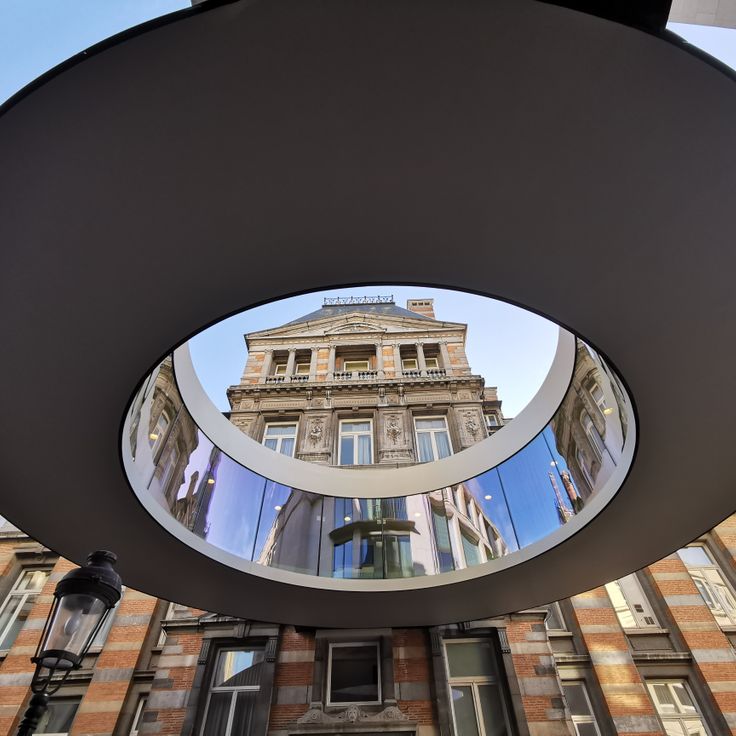
This steel pedestrian bridge features a circular design spanning 130 feet (40 meters) and connects two neighborhoods across railway tracks. The bridge provides views of urban landscapes and serves as an example of contemporary infrastructure solutions in Brussels.
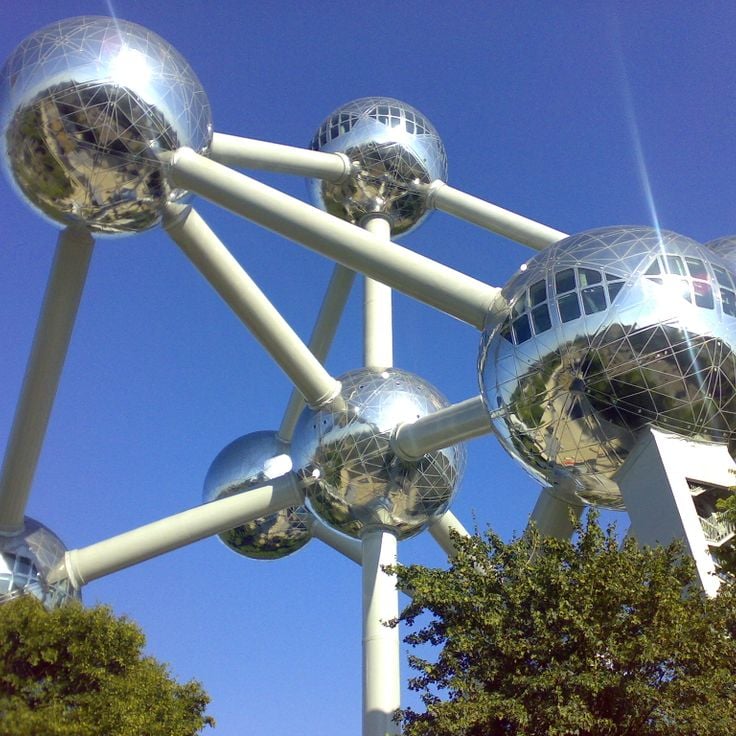
The Atomium represents a metal structure depicting an iron crystal magnified 165 billion times. Standing 335 feet (102 meters) tall, the building houses exhibition spaces and a restaurant. Nine spheres are connected by tubes, six of which are accessible to visitors. The top sphere offers views across the city and surrounding areas. Built for the 1958 World's Fair, the structure has become a symbol of the Belgian capital and provides a setting for photography that emphasizes geometric forms and reflective surfaces.
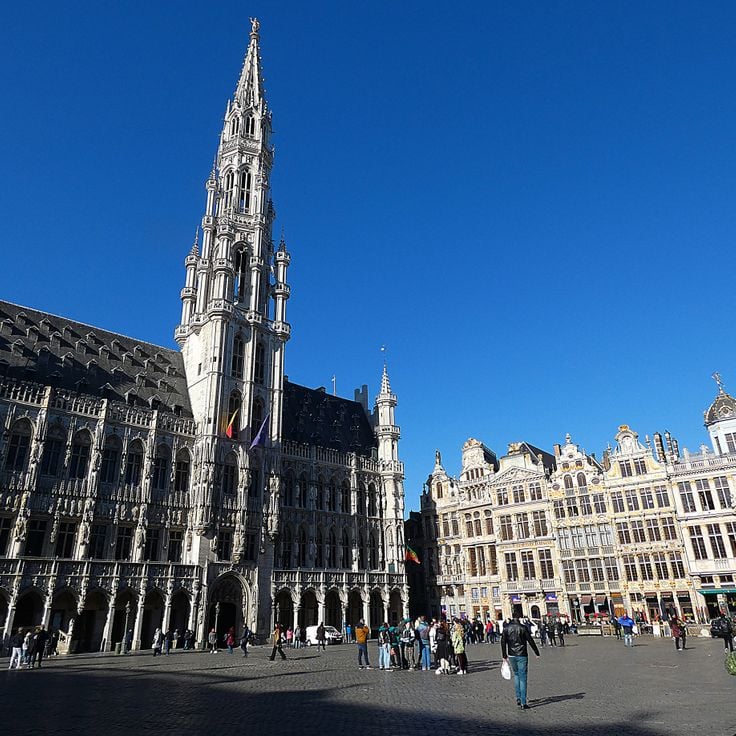
The Grand-Place of Brussels is a medieval square surrounded by guild houses from the 17th century. The Gothic town hall on the south side features a 315-foot (96-meter) tower topped with a statue of Saint Michael. The facades of the guild houses display Baroque ornamentation with gilded details. The rectangular square measures approximately 360 by 223 feet (110 by 68 meters) and was designated a UNESCO World Heritage Site in 1998. The architecture combines Gothic and Baroque elements from different centuries, forming a unified ensemble of historical buildings.
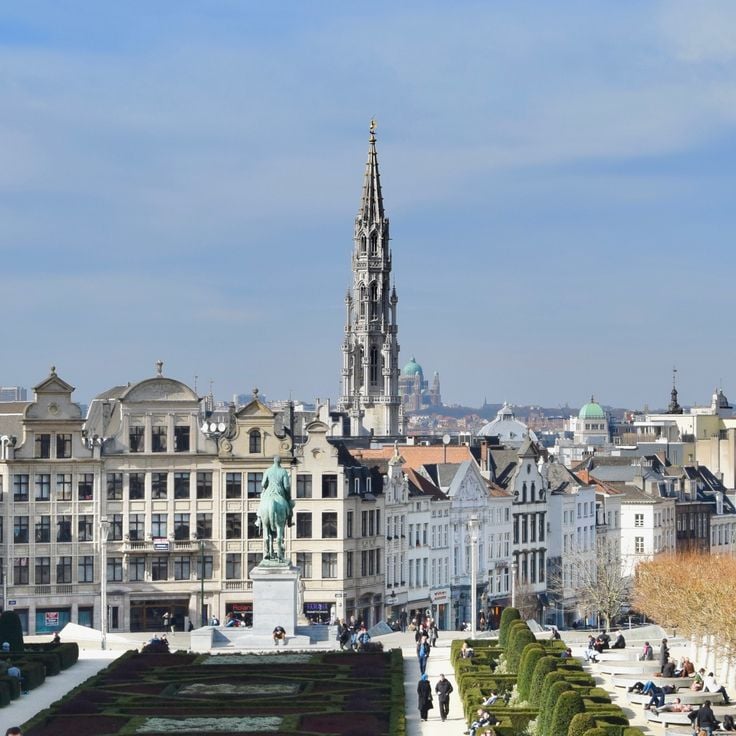
The Mont des Arts offers an elevated terrace with French gardens and views of the Town Hall and the lower city. The complex extends between the Kunstberg and the Place Royale, encompassing several museums and the Royal Library. Wide staircases and symmetrical flowerbeds give the site a formal structure, while the central axis directs the gaze toward the Gothic spire of the Town Hall. The combination of 20th-century architecture and historical sightlines makes this location suitable for capturing urban perspectives and architectural details.
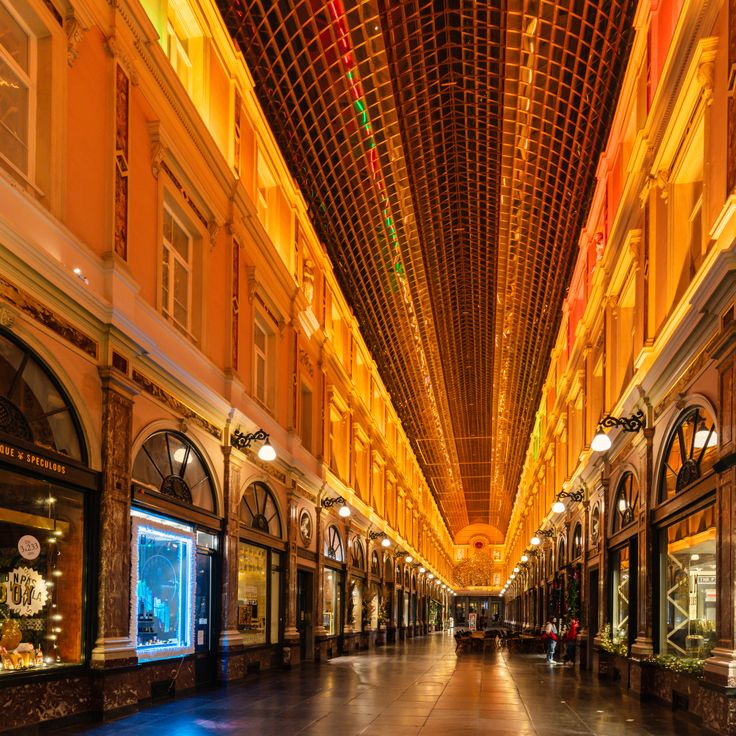
This 19th century shopping arcade stretches 213 meters (nearly 700 feet) and consists of three glass-roofed galleries with shops, restaurants and a theater. The Galeries Royales Saint-Hubert opened in 1847 and connects several streets in the city center through neoclassical style arches. The glass roof stands 18 meters (about 60 feet) above the ground and covers passages with mosaic floors and pilasters along the facades. Photographers will find perspectives along the three sections and details of mid-19th century architecture.
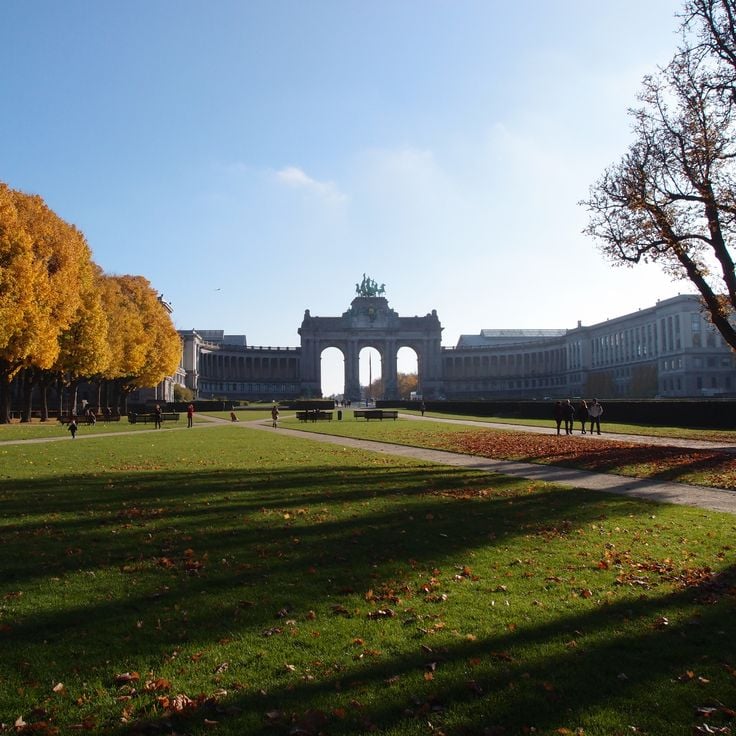
This public park spans 74 acres (30 hectares) and contains three museums, landscaped gardens and a triumphal arch built to commemorate the 50th anniversary of Belgian independence. The symmetrical lawns and neoclassical buildings provide opportunities for architectural photography, while the avenue leading to the monumental archway can be captured at different times of day.
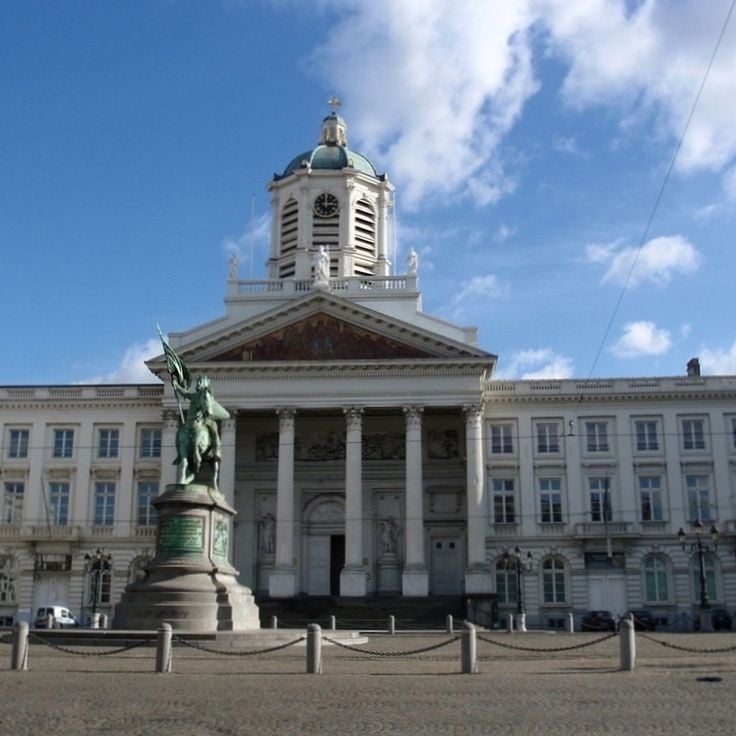
This square from the 1780s displays uniformly designed buildings in Louis XVI style, housing cultural institutions and the Saint-Jacques church. Place Royale forms the architectural center of Brussels' royal quarter, combining neoclassical symmetry with historical significance. The rectangular layout offers clear sightlines to the surrounding facades and the central equestrian statue of Godfrey of Bouillon, while the uniformity of building heights creates a composed setting for photographic work.
The Royal Palace of Brussels holds a significant place in this collection of photo spots throughout the city. The building serves as the administrative seat of the Belgian monarchy and opens its state rooms to visitors during summer months. These rooms display gilded decorations, crystal chandeliers and art collections that offer excellent subjects for interior photography of historic architecture.
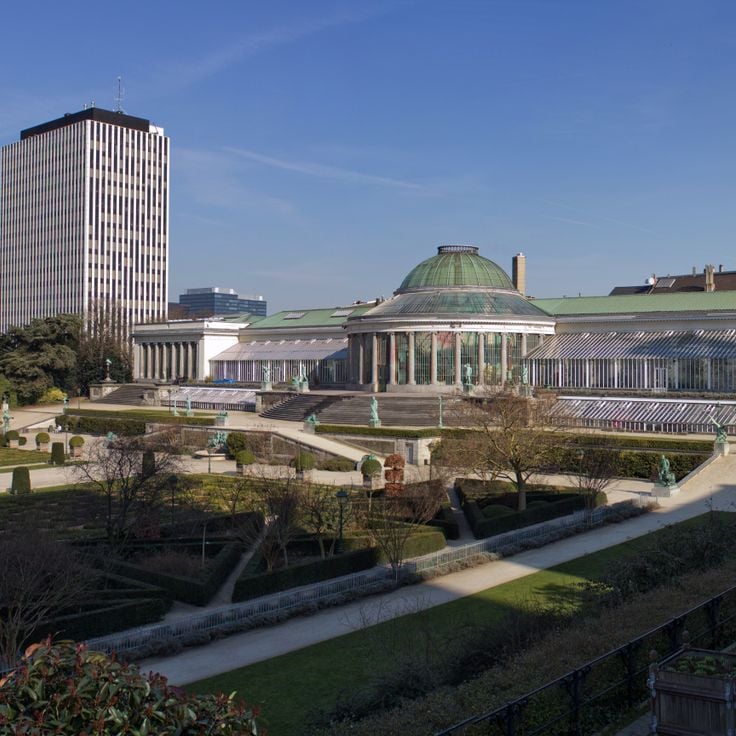
Le Botanique is a cultural center housed in a former orangery from 1826, now serving as a concert hall and exhibition space. The glass and iron structure offers photographers architectural details from the early 19th century along with rotating art installations. The building combines historic greenhouse architecture with contemporary cultural events and sits within a garden that provides additional opportunities for exterior shots.
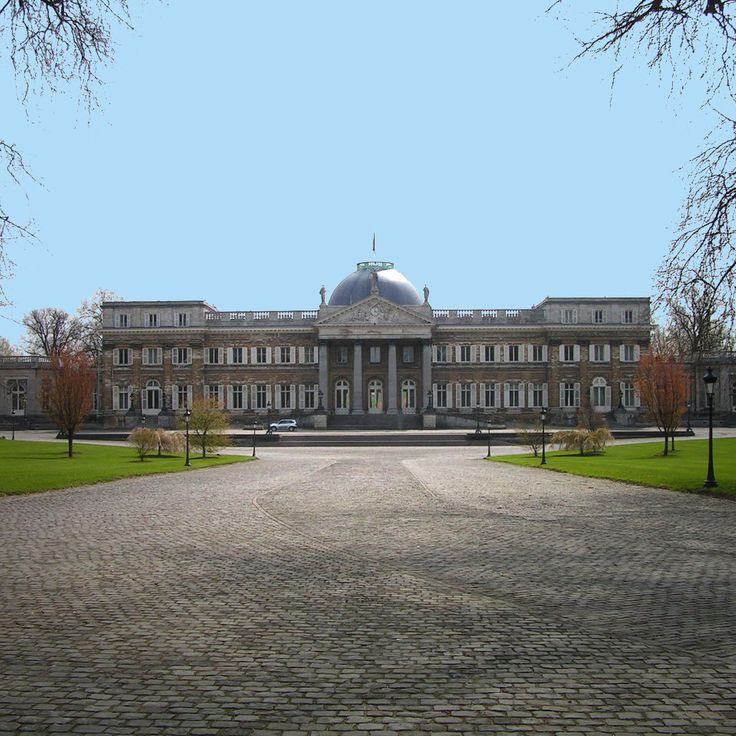
The Château de Laeken has served as the official residence of Belgian monarchs since 1831 and sits within extensive parkland in northern Brussels. The estate was built in the late 18th century in neoclassical style and has undergone several expansions since then. The property includes several iron and glass greenhouses constructed in the mid-19th century that open to the public for a few weeks each spring. While the château itself remains reserved for the royal family, the gardens and greenhouses with their collections of tropical plants, azaleas and camellias offer photographic opportunities for architecture and botanical subjects.
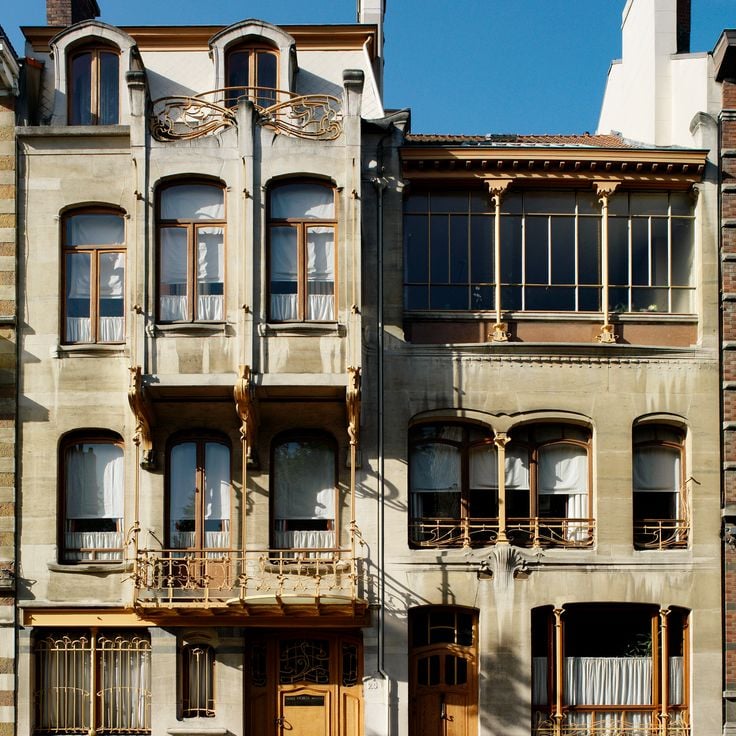
The Musée Horta preserves the former residence and studio of Victor Horta, one of the principal architects of the Art Nouveau movement. The museum houses original furniture, household items and artworks that illustrate Horta's design principles and his contribution to Belgian architecture in the late 19th and early 20th centuries. Interior spaces display characteristic elements of this style, including organic lines, wrought-iron details and carefully planned lighting. The building is a UNESCO World Heritage site and offers insight into Horta's working methods and the aesthetic ideals of his era, making it a relevant location for architecture and design photography.
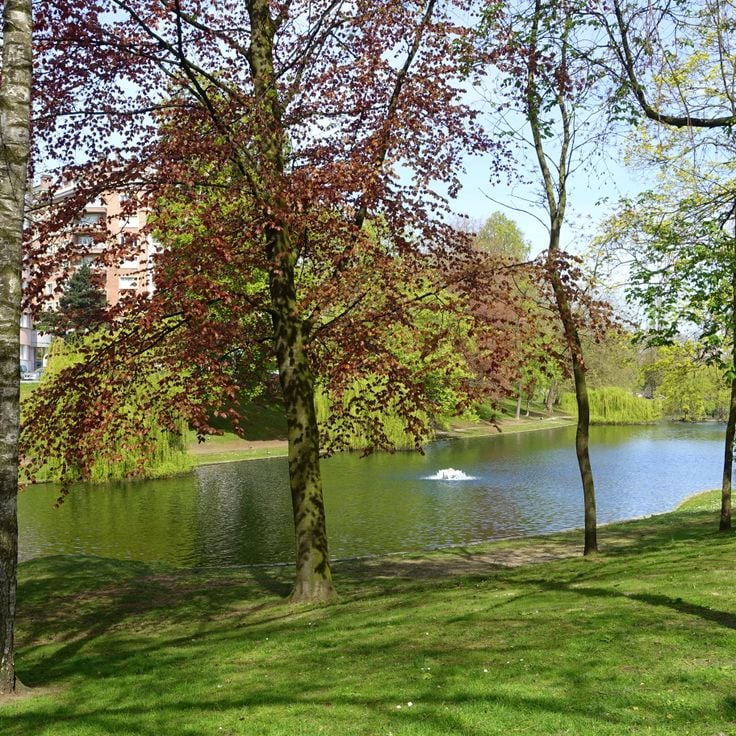
The Étangs d'Ixelles consist of two connected ponds dating from the 13th century in a residential district southeast of the city center. Historic houses with decorative facades line the shores, where waterfowl establish nesting sites. The ponds provide subjects for architectural and nature photography with reflections of surrounding buildings on the water. Walking paths run along both bodies of water through the neighborhood.
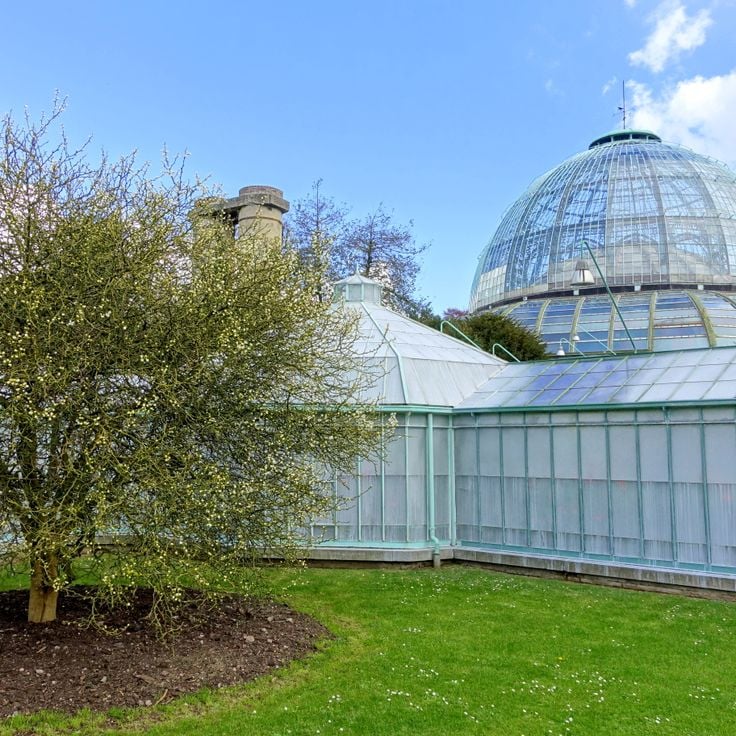
The Royal Greenhouses of Laeken were built in 1873 and consist of several glass pavilions connected by iron frameworks and dome-shaped roofs. The complex houses tropical plants, orchids and geraniums across multiple sections. The architecture combines 19th-century metalwork with botanical collections from various climates. The greenhouses open to the public for a few weeks each year, providing photographers with scenes of glass and steel structures alongside diverse plant life in a functional setting designed by architect Alphonse Balat.
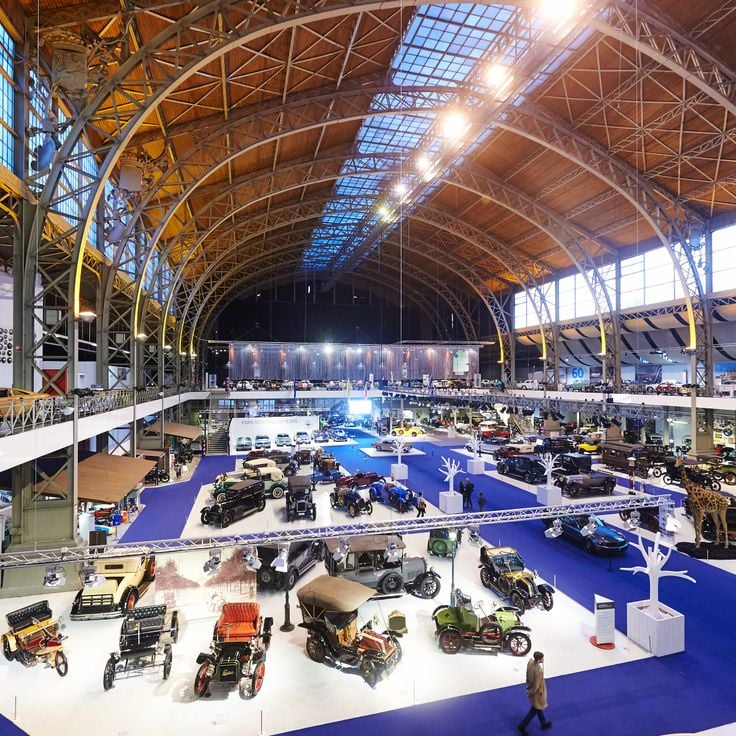
The Autoworld Museum displays more than 250 vehicles spanning different eras of automotive history. The collection includes European and American automobiles, motorcycles and historic racing cars. The exhibits are housed in renovated exhibition halls and document the technical evolution of motor vehicles from the late 19th century to the present day.
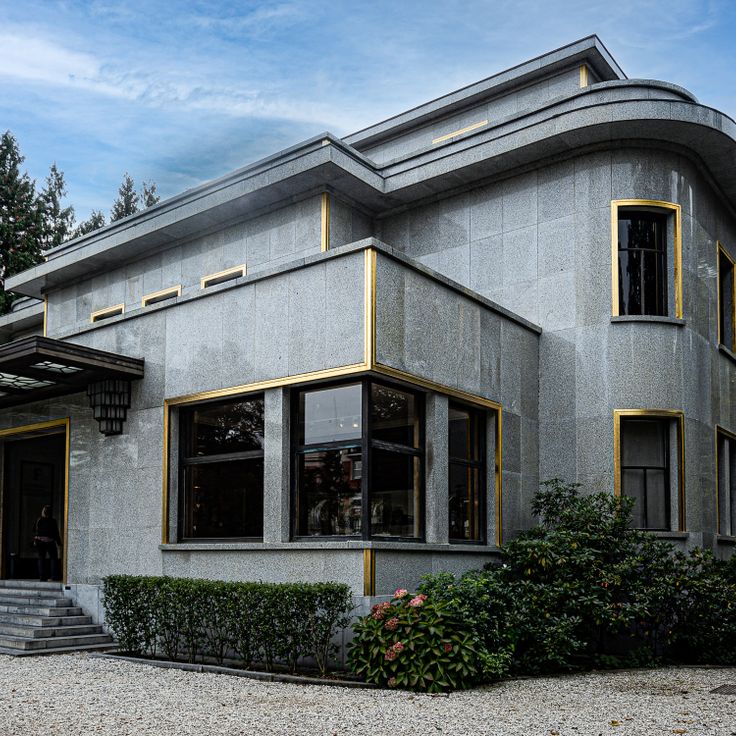
Villa Empain is a former private residence from 1934 converted into an art center. The building displays Art Deco architecture with marble halls, bronze details and geometric patterns in its interior design. The villa combines symmetrical facades with decorative elements and offers photographers subjects from the interwar period. Interior spaces present original materials and craftsmanship from the 1930s.
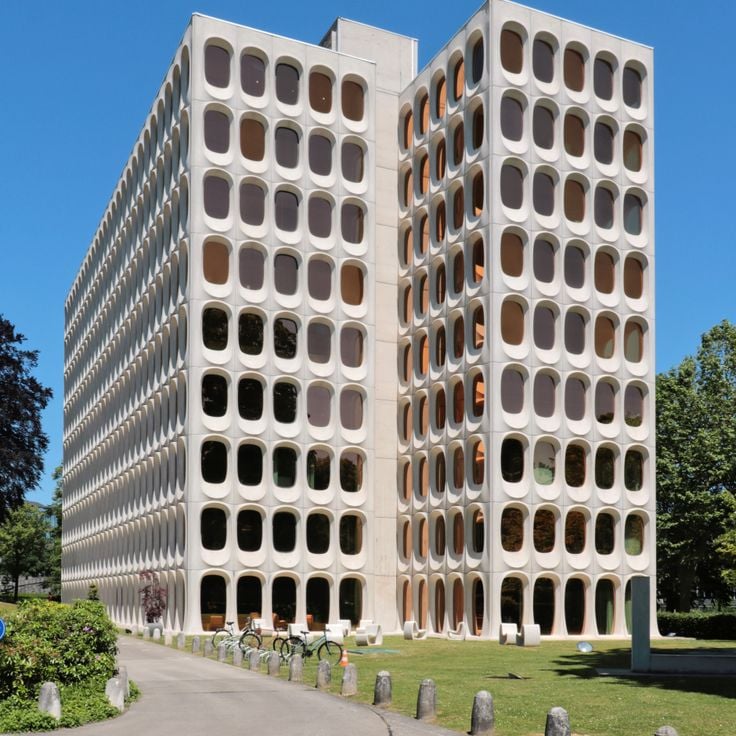
The CBR Building is an office complex from 1970 with concrete and glass facades. The building displays characteristic architectural elements of postwar modernism and large windows that reflect the surrounding urban environment. The geometric structure works well for photographs documenting Brussels' architectural development during the 1970s.
Avenue Louise extends 2.7 kilometers (1.7 miles) through Brussels, connecting the city center with the Bois de la Cambre park. This wide boulevard displays architecture from the late 19th and early 20th centuries, including several Art Nouveau and Art Deco buildings. Photographers find facade details, wrought iron balconies and ornamental elements along the tree lined street. Avenue Louise also offers perspectives on Brussels urban structure, with its mix of historical and contemporary construction.
The Musical Instruments Museum houses over 8,000 instruments from different periods and regions in an early 20th-century Art Nouveau building. The collection includes mechanical instruments, historical keyboards and traditional music makers from around the world. Audio guides allow visitors to hear the sounds of displayed instruments, while interactive exhibits trace the history and evolution of music. The building itself, originally designed as the Old England department store, offers views over the city from its rooftop terrace.
Place Flagey sits in the Ixelles district and has served as a busy gathering point since the 1930s. The former broadcasting building in Art Deco style dominates the square and now functions as a cultural center with concert halls. Photographers find curved facades, geometric details and the characteristic architecture of the interwar period. On weekends a food market transforms the square into a busy scene with stalls and visitors. The surrounding cafes and open plaza design offer additional subjects for urban photography at different times of day.
The Galerie Bortier connects Rue de la Madeleine with Rue Saint-Jean through a glass-roofed passage built in 1848. Architect Jean-Pierre Cluysenaar designed this 148-foot (45-meter) shopping arcade in neoclassical style, which now specializes in antiquarian bookshops, art dealers and vendors of old prints. The passage preserves its original architecture with iron supports holding a transparent ceiling that allows natural light into the narrow space. This arcade ranks among the few remaining covered passages in Brussels and documents 19th-century commercial architecture in the Belgian capital.
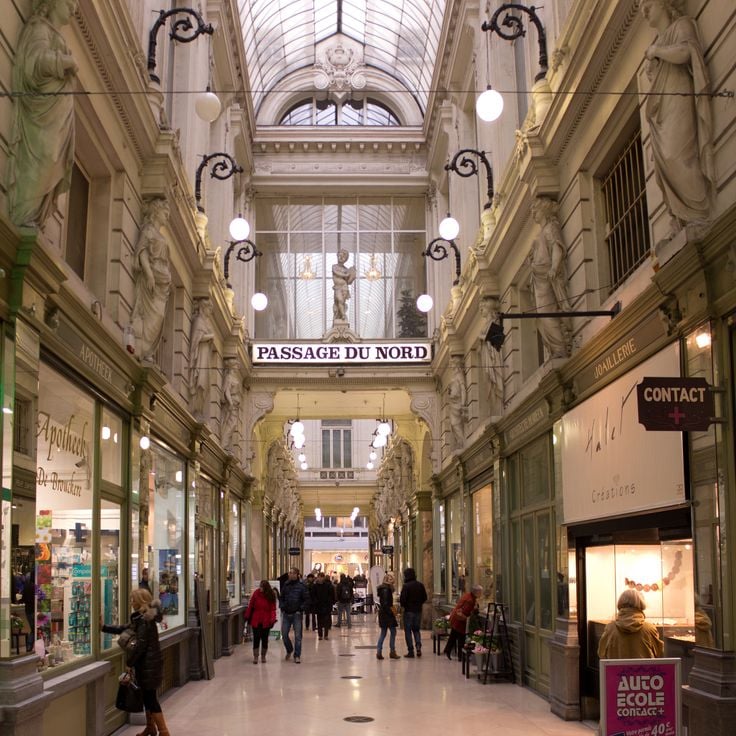
The Passage du Nord has connected two central Brussels streets since 1881, displaying the neoclassical architecture of the late 19th century. This covered shopping arcade consists of two parallel galleries with glass domes that cast natural light onto marble columns and decorated facades. Shops and cafes line both sides of the passage, creating perspectives for architectural photography. The glass structure produces changing light conditions throughout the day, while ornamental details on walls and ceilings show the craftsmanship of this period.
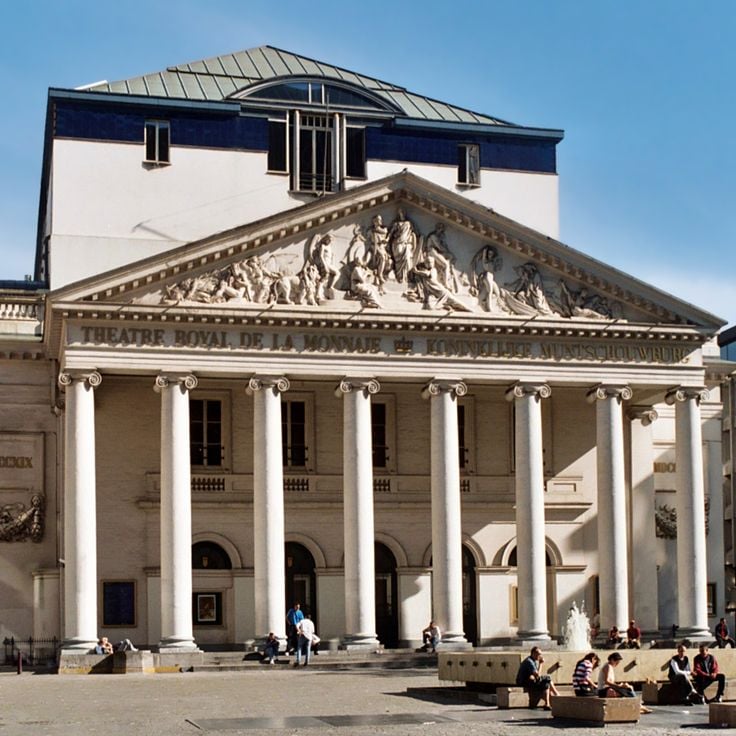
Built in 1700, the opera house combines a neoclassical facade with a modernized auditorium. The main staircase, foyers and gilded balconies provide various architectural perspectives. The theater stages around 250 opera and ballet performances annually. Daily guided tours in multiple languages offer access to the halls, stage and public spaces between performances.
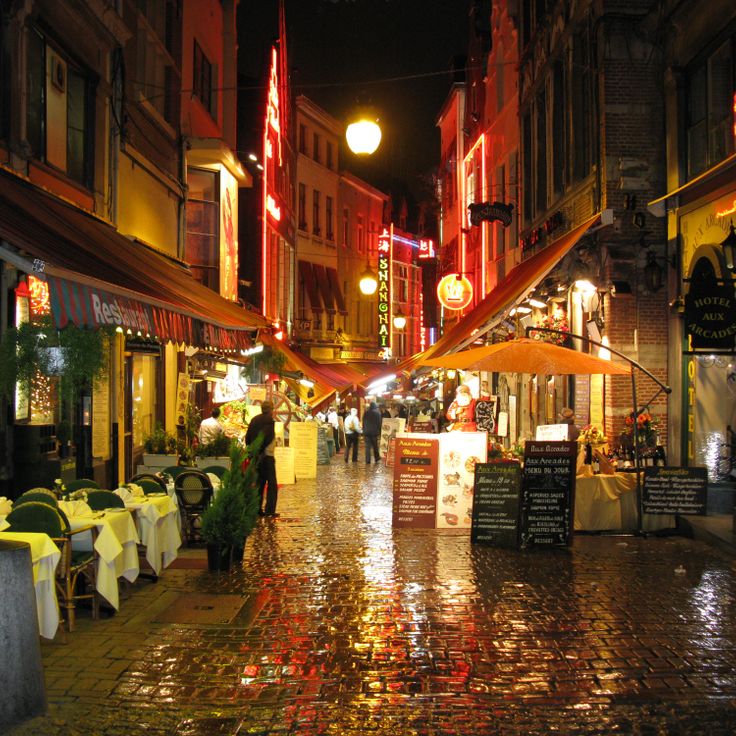
Rue des Bouchers runs through central Brussels as a pedestrian street lined with Belgian restaurants serving local dishes including mussels. The street features traditional facades with outdoor terraces and storefronts displaying chocolate and waffles. Photographers find subjects along this thoroughfare that represent Brussels dining culture, with its characteristic building fronts and active outdoor seating areas offering views into the culinary traditions of the Belgian capital.
This street in the historic center displays 17th-century Flemish architecture with decorated facades, stone carvings and traditional gables characteristic of Brussels residential buildings from that period.
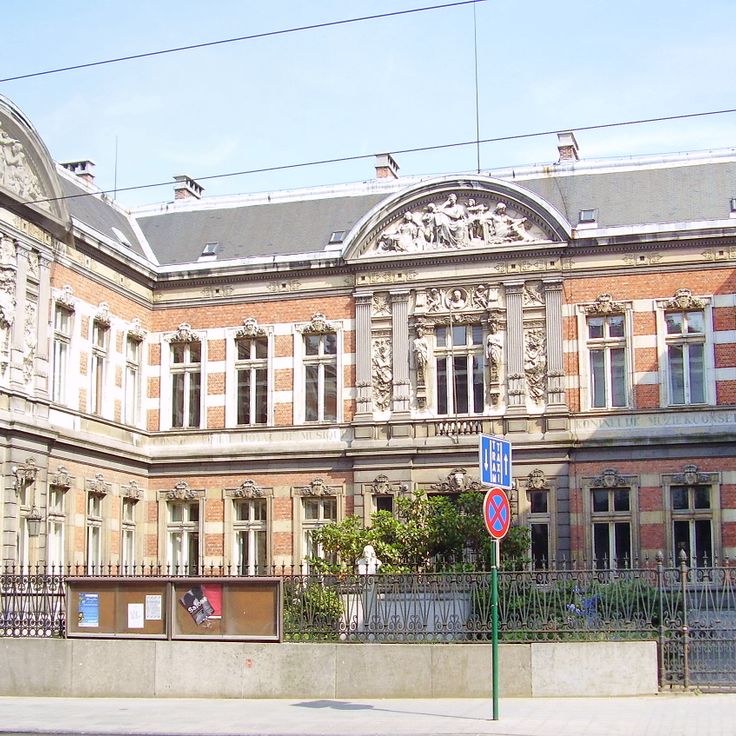
This neoclassical building from 1876 houses Belgium's leading music institution. The conservatory includes concert halls, practice rooms and a specialized music library with historical scores and recordings. The facade displays typical elements of late nineteenth century neoclassical architecture. Located centrally in Brussels, the building has shaped the city's cultural life for over a century.
This fortified gate from 1381 is the last remaining section of Brussels' second city wall and now houses historical exhibitions along with a tower offering panoramic views over the Belgian capital.
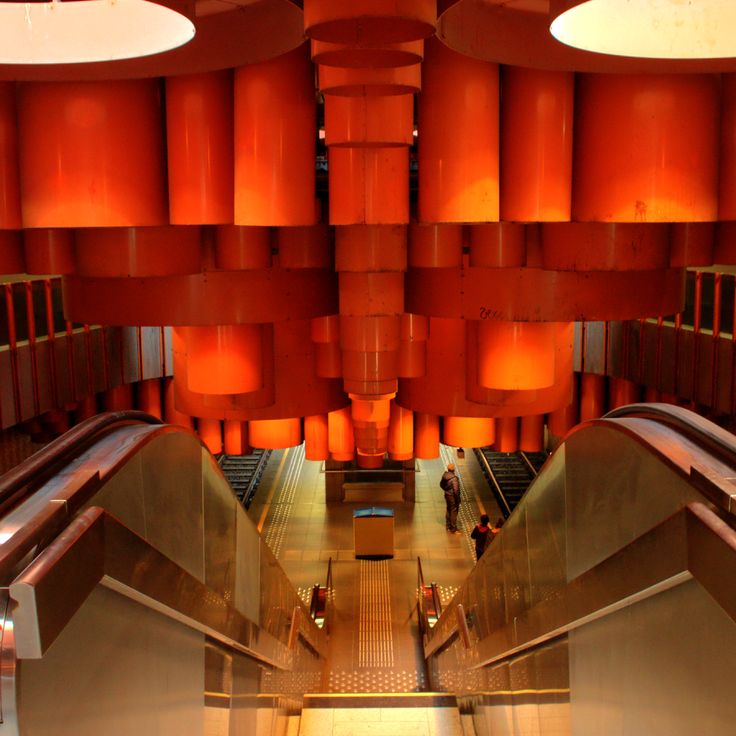
The Pannenhuis metro station sits on line 6 of the Brussels metro system in the Laeken district, connecting residential areas to the city's transit network. The underground architecture follows the functional design of the Brussels metro from the 1970s, featuring tiled walls and clean lines. Photographers will find typical elements of Belgian metro design here, from the illuminated platforms to the geometric shapes of ceilings and columns that reflect the city's modernist heritage.
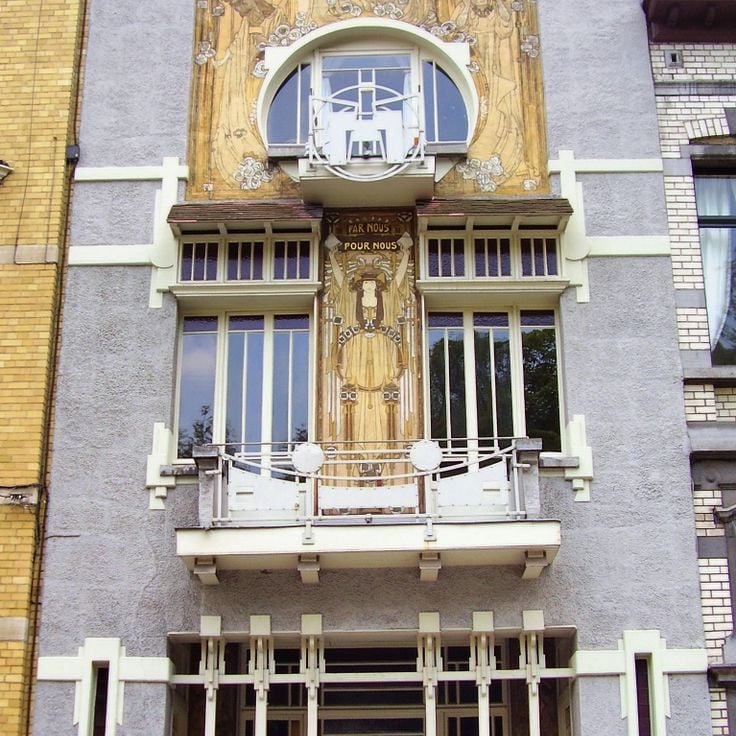
Built in 1905, Maison Cauchie displays a combination of geometric and floral Art Nouveau motifs on its facade. The interior contains original furniture and decorative elements by Paul Cauchie, who designed the building as both his residence and studio. The facade was created using the sgraffito technique, in which layers of plaster are applied and partially scraped away to produce multicolored patterns.
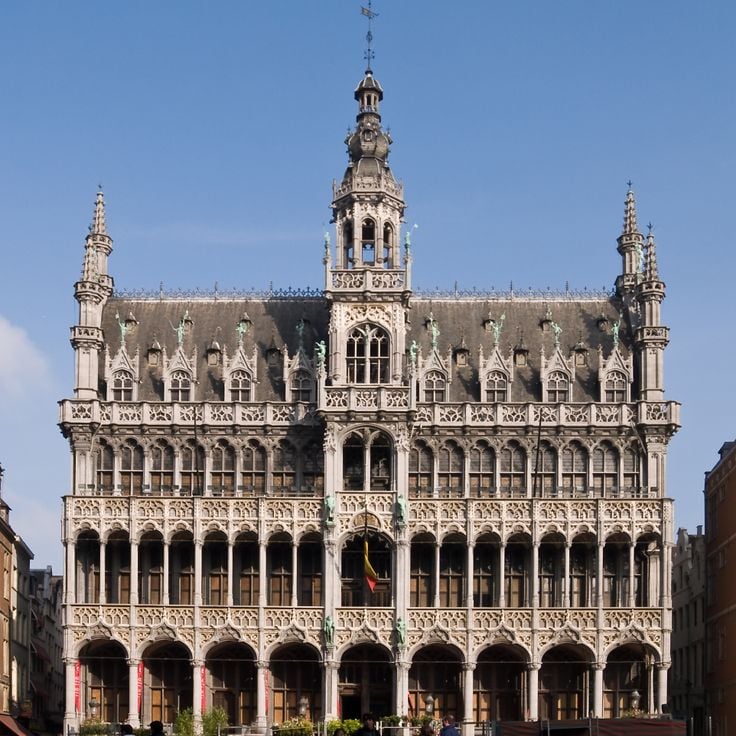
The museum displays collections tracing the history of Brussels from medieval times to the present, with archaeological finds, historical documents, artworks and models that document urban development and social change while offering insights into daily life across different periods.
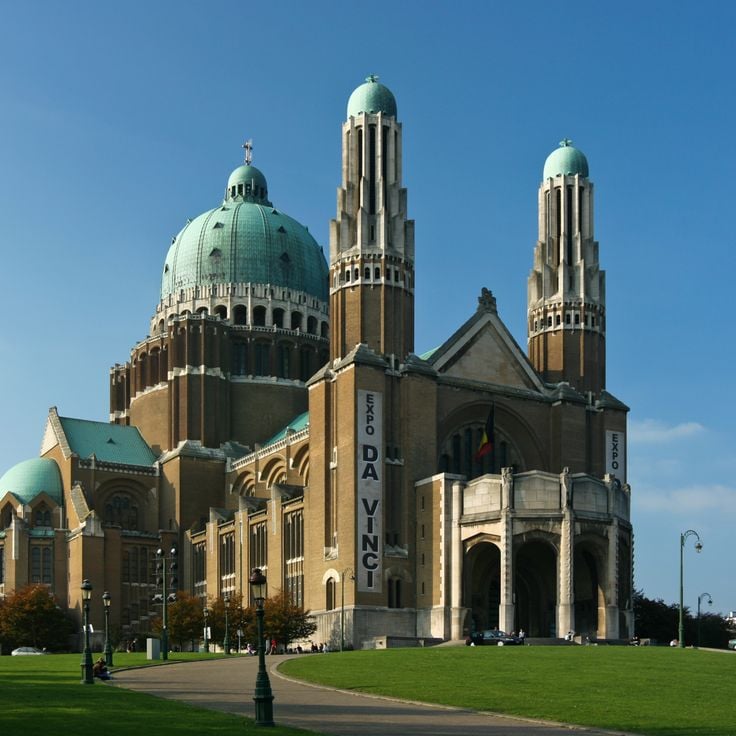
The Basilica of the Sacred Heart dominates Brussels' skyline with its twin 290-foot (89-meter) towers and green copper dome. Built between 1905 and 1969, this church showcases Art Deco architecture applied to religious design, offering photographers geometric facades, monumental proportions, and panoramic views across the Belgian capital from the Koekelberg plateau.
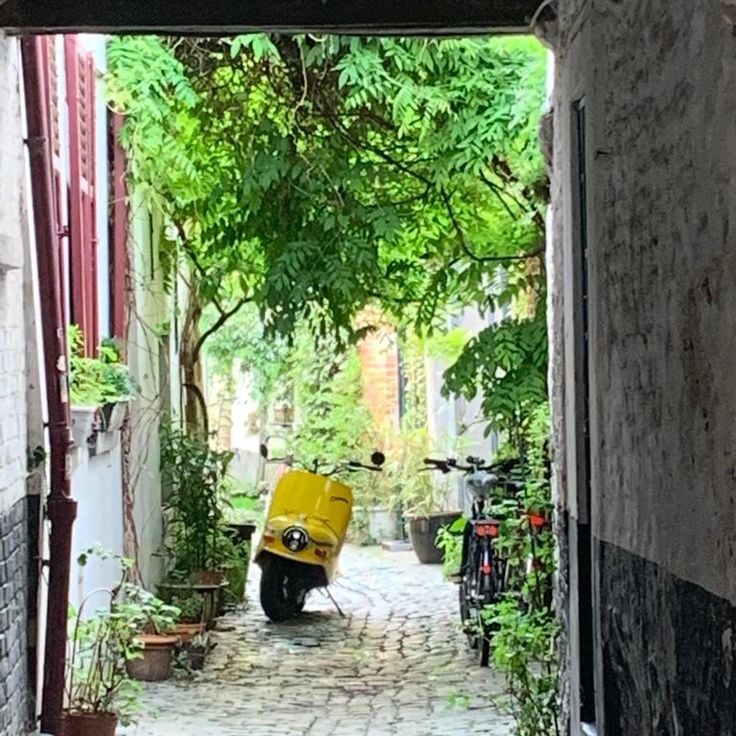
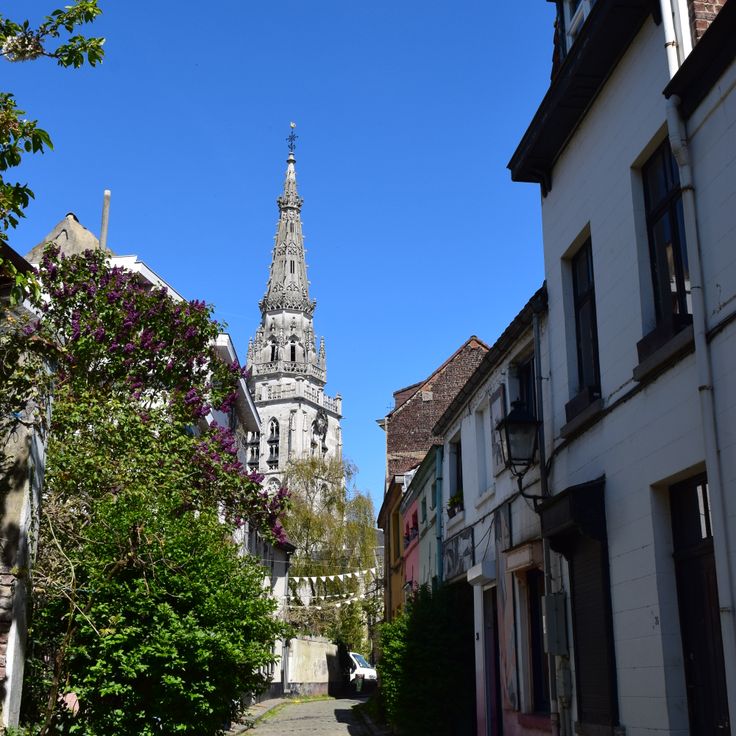
Rue Porselein combines history and architecture in central Brussels, featuring traditional Belgian facades from the 17th and 18th centuries along with original cobblestones that provide photographers an authentic urban setting for architectural shots.
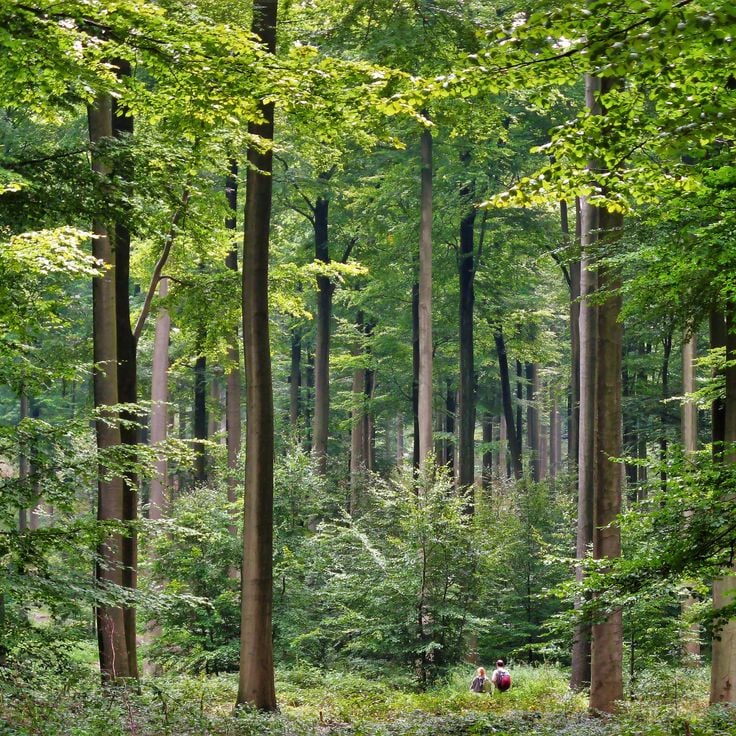
The Forêt de Soignes covers approximately 4,400 hectares (10,900 acres) southeast of Brussels, preserving beech stands and plant species dating to the last ice age. Trails thread through the forest, offering opportunities to photograph historic avenues and protected flora, including relics of the post-glacial vegetation that established itself across this area.
This steel pedestrian bridge features a circular design spanning 130 feet (40 meters) and connects two neighborhoods across railway tracks. The bridge provides views of urban landscapes and serves as an example of contemporary infrastructure solutions in Brussels.
The Atomium represents a metal structure depicting an iron crystal magnified 165 billion times. Standing 335 feet (102 meters) tall, the building houses exhibition spaces and a restaurant. Nine spheres are connected by tubes, six of which are accessible to visitors. The top sphere offers views across the city and surrounding areas. Built for the 1958 World's Fair, the structure has become a symbol of the Belgian capital and provides a setting for photography that emphasizes geometric forms and reflective surfaces.
The Grand-Place of Brussels is a medieval square surrounded by guild houses from the 17th century. The Gothic town hall on the south side features a 315-foot (96-meter) tower topped with a statue of Saint Michael. The facades of the guild houses display Baroque ornamentation with gilded details. The rectangular square measures approximately 360 by 223 feet (110 by 68 meters) and was designated a UNESCO World Heritage Site in 1998. The architecture combines Gothic and Baroque elements from different centuries, forming a unified ensemble of historical buildings.
The Mont des Arts offers an elevated terrace with French gardens and views of the Town Hall and the lower city. The complex extends between the Kunstberg and the Place Royale, encompassing several museums and the Royal Library. Wide staircases and symmetrical flowerbeds give the site a formal structure, while the central axis directs the gaze toward the Gothic spire of the Town Hall. The combination of 20th-century architecture and historical sightlines makes this location suitable for capturing urban perspectives and architectural details.
This 19th century shopping arcade stretches 213 meters (nearly 700 feet) and consists of three glass-roofed galleries with shops, restaurants and a theater. The Galeries Royales Saint-Hubert opened in 1847 and connects several streets in the city center through neoclassical style arches. The glass roof stands 18 meters (about 60 feet) above the ground and covers passages with mosaic floors and pilasters along the facades. Photographers will find perspectives along the three sections and details of mid-19th century architecture.
This public park spans 74 acres (30 hectares) and contains three museums, landscaped gardens and a triumphal arch built to commemorate the 50th anniversary of Belgian independence. The symmetrical lawns and neoclassical buildings provide opportunities for architectural photography, while the avenue leading to the monumental archway can be captured at different times of day.
This square from the 1780s displays uniformly designed buildings in Louis XVI style, housing cultural institutions and the Saint-Jacques church. Place Royale forms the architectural center of Brussels' royal quarter, combining neoclassical symmetry with historical significance. The rectangular layout offers clear sightlines to the surrounding facades and the central equestrian statue of Godfrey of Bouillon, while the uniformity of building heights creates a composed setting for photographic work.
The Royal Palace of Brussels holds a significant place in this collection of photo spots throughout the city. The building serves as the administrative seat of the Belgian monarchy and opens its state rooms to visitors during summer months. These rooms display gilded decorations, crystal chandeliers and art collections that offer excellent subjects for interior photography of historic architecture.
Le Botanique is a cultural center housed in a former orangery from 1826, now serving as a concert hall and exhibition space. The glass and iron structure offers photographers architectural details from the early 19th century along with rotating art installations. The building combines historic greenhouse architecture with contemporary cultural events and sits within a garden that provides additional opportunities for exterior shots.
The Château de Laeken has served as the official residence of Belgian monarchs since 1831 and sits within extensive parkland in northern Brussels. The estate was built in the late 18th century in neoclassical style and has undergone several expansions since then. The property includes several iron and glass greenhouses constructed in the mid-19th century that open to the public for a few weeks each spring. While the château itself remains reserved for the royal family, the gardens and greenhouses with their collections of tropical plants, azaleas and camellias offer photographic opportunities for architecture and botanical subjects.
The Musée Horta preserves the former residence and studio of Victor Horta, one of the principal architects of the Art Nouveau movement. The museum houses original furniture, household items and artworks that illustrate Horta's design principles and his contribution to Belgian architecture in the late 19th and early 20th centuries. Interior spaces display characteristic elements of this style, including organic lines, wrought-iron details and carefully planned lighting. The building is a UNESCO World Heritage site and offers insight into Horta's working methods and the aesthetic ideals of his era, making it a relevant location for architecture and design photography.
The Étangs d'Ixelles consist of two connected ponds dating from the 13th century in a residential district southeast of the city center. Historic houses with decorative facades line the shores, where waterfowl establish nesting sites. The ponds provide subjects for architectural and nature photography with reflections of surrounding buildings on the water. Walking paths run along both bodies of water through the neighborhood.
The Royal Greenhouses of Laeken were built in 1873 and consist of several glass pavilions connected by iron frameworks and dome-shaped roofs. The complex houses tropical plants, orchids and geraniums across multiple sections. The architecture combines 19th-century metalwork with botanical collections from various climates. The greenhouses open to the public for a few weeks each year, providing photographers with scenes of glass and steel structures alongside diverse plant life in a functional setting designed by architect Alphonse Balat.
The Autoworld Museum displays more than 250 vehicles spanning different eras of automotive history. The collection includes European and American automobiles, motorcycles and historic racing cars. The exhibits are housed in renovated exhibition halls and document the technical evolution of motor vehicles from the late 19th century to the present day.
Villa Empain is a former private residence from 1934 converted into an art center. The building displays Art Deco architecture with marble halls, bronze details and geometric patterns in its interior design. The villa combines symmetrical facades with decorative elements and offers photographers subjects from the interwar period. Interior spaces present original materials and craftsmanship from the 1930s.
The CBR Building is an office complex from 1970 with concrete and glass facades. The building displays characteristic architectural elements of postwar modernism and large windows that reflect the surrounding urban environment. The geometric structure works well for photographs documenting Brussels' architectural development during the 1970s.
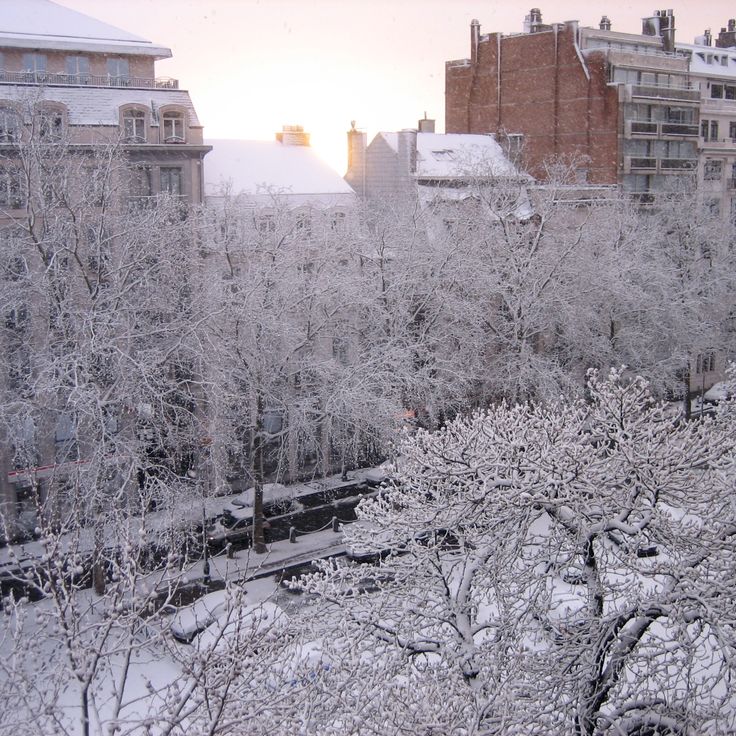
Avenue Louise extends 2.7 kilometers (1.7 miles) through Brussels, connecting the city center with the Bois de la Cambre park. This wide boulevard displays architecture from the late 19th and early 20th centuries, including several Art Nouveau and Art Deco buildings. Photographers find facade details, wrought iron balconies and ornamental elements along the tree lined street. Avenue Louise also offers perspectives on Brussels urban structure, with its mix of historical and contemporary construction.
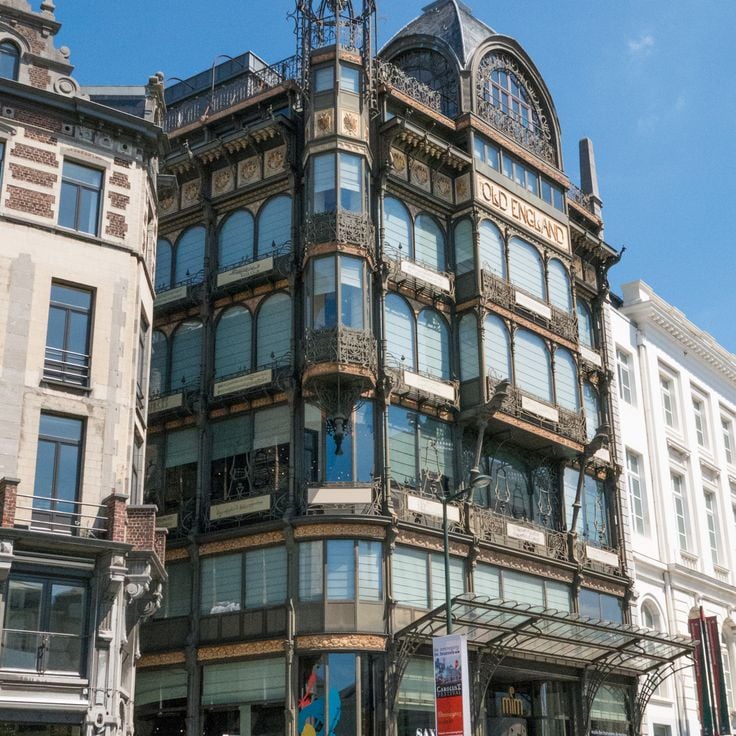
The Musical Instruments Museum houses over 8,000 instruments from different periods and regions in an early 20th-century Art Nouveau building. The collection includes mechanical instruments, historical keyboards and traditional music makers from around the world. Audio guides allow visitors to hear the sounds of displayed instruments, while interactive exhibits trace the history and evolution of music. The building itself, originally designed as the Old England department store, offers views over the city from its rooftop terrace.
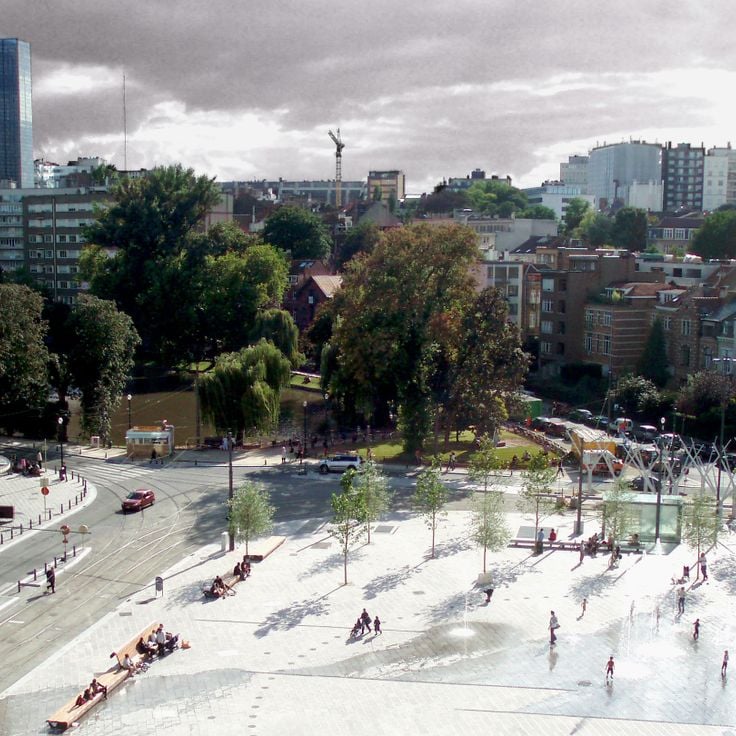
Place Flagey sits in the Ixelles district and has served as a busy gathering point since the 1930s. The former broadcasting building in Art Deco style dominates the square and now functions as a cultural center with concert halls. Photographers find curved facades, geometric details and the characteristic architecture of the interwar period. On weekends a food market transforms the square into a busy scene with stalls and visitors. The surrounding cafes and open plaza design offer additional subjects for urban photography at different times of day.
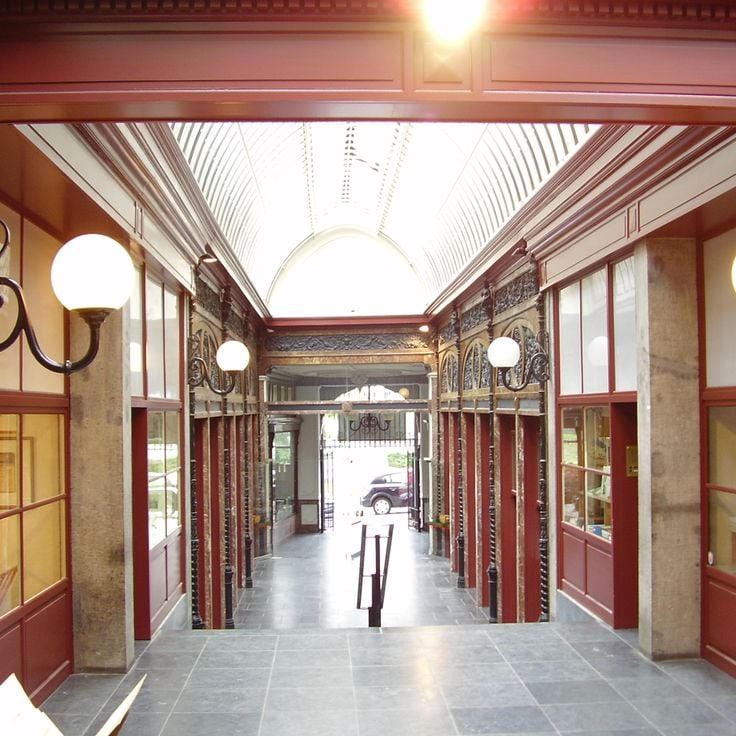
The Galerie Bortier connects Rue de la Madeleine with Rue Saint-Jean through a glass-roofed passage built in 1848. Architect Jean-Pierre Cluysenaar designed this 148-foot (45-meter) shopping arcade in neoclassical style, which now specializes in antiquarian bookshops, art dealers and vendors of old prints. The passage preserves its original architecture with iron supports holding a transparent ceiling that allows natural light into the narrow space. This arcade ranks among the few remaining covered passages in Brussels and documents 19th-century commercial architecture in the Belgian capital.
The Passage du Nord has connected two central Brussels streets since 1881, displaying the neoclassical architecture of the late 19th century. This covered shopping arcade consists of two parallel galleries with glass domes that cast natural light onto marble columns and decorated facades. Shops and cafes line both sides of the passage, creating perspectives for architectural photography. The glass structure produces changing light conditions throughout the day, while ornamental details on walls and ceilings show the craftsmanship of this period.
Built in 1700, the opera house combines a neoclassical facade with a modernized auditorium. The main staircase, foyers and gilded balconies provide various architectural perspectives. The theater stages around 250 opera and ballet performances annually. Daily guided tours in multiple languages offer access to the halls, stage and public spaces between performances.
Rue des Bouchers runs through central Brussels as a pedestrian street lined with Belgian restaurants serving local dishes including mussels. The street features traditional facades with outdoor terraces and storefronts displaying chocolate and waffles. Photographers find subjects along this thoroughfare that represent Brussels dining culture, with its characteristic building fronts and active outdoor seating areas offering views into the culinary traditions of the Belgian capital.
This street in the historic center displays 17th-century Flemish architecture with decorated facades, stone carvings and traditional gables characteristic of Brussels residential buildings from that period.
This neoclassical building from 1876 houses Belgium's leading music institution. The conservatory includes concert halls, practice rooms and a specialized music library with historical scores and recordings. The facade displays typical elements of late nineteenth century neoclassical architecture. Located centrally in Brussels, the building has shaped the city's cultural life for over a century.
This fortified gate from 1381 is the last remaining section of Brussels' second city wall and now houses historical exhibitions along with a tower offering panoramic views over the Belgian capital.
The Pannenhuis metro station sits on line 6 of the Brussels metro system in the Laeken district, connecting residential areas to the city's transit network. The underground architecture follows the functional design of the Brussels metro from the 1970s, featuring tiled walls and clean lines. Photographers will find typical elements of Belgian metro design here, from the illuminated platforms to the geometric shapes of ceilings and columns that reflect the city's modernist heritage.
Built in 1905, Maison Cauchie displays a combination of geometric and floral Art Nouveau motifs on its facade. The interior contains original furniture and decorative elements by Paul Cauchie, who designed the building as both his residence and studio. The facade was created using the sgraffito technique, in which layers of plaster are applied and partially scraped away to produce multicolored patterns.
The museum displays collections tracing the history of Brussels from medieval times to the present, with archaeological finds, historical documents, artworks and models that document urban development and social change while offering insights into daily life across different periods.
The Basilica of the Sacred Heart dominates Brussels' skyline with its twin 290-foot (89-meter) towers and green copper dome. Built between 1905 and 1969, this church showcases Art Deco architecture applied to religious design, offering photographers geometric facades, monumental proportions, and panoramic views across the Belgian capital from the Koekelberg plateau.
Rue Porselein combines history and architecture in central Brussels, featuring traditional Belgian facades from the 17th and 18th centuries along with original cobblestones that provide photographers an authentic urban setting for architectural shots.
The Forêt de Soignes covers approximately 4,400 hectares (10,900 acres) southeast of Brussels, preserving beech stands and plant species dating to the last ice age. Trails thread through the forest, offering opportunities to photograph historic avenues and protected flora, including relics of the post-glacial vegetation that established itself across this area.
This steel pedestrian bridge features a circular design spanning 130 feet (40 meters) and connects two neighborhoods across railway tracks. The bridge provides views of urban landscapes and serves as an example of contemporary infrastructure solutions in Brussels.
The Atomium represents a metal structure depicting an iron crystal magnified 165 billion times. Standing 335 feet (102 meters) tall, the building houses exhibition spaces and a restaurant. Nine spheres are connected by tubes, six of which are accessible to visitors. The top sphere offers views across the city and surrounding areas. Built for the 1958 World's Fair, the structure has become a symbol of the Belgian capital and provides a setting for photography that emphasizes geometric forms and reflective surfaces.
The Grand-Place of Brussels is a medieval square surrounded by guild houses from the 17th century. The Gothic town hall on the south side features a 315-foot (96-meter) tower topped with a statue of Saint Michael. The facades of the guild houses display Baroque ornamentation with gilded details. The rectangular square measures approximately 360 by 223 feet (110 by 68 meters) and was designated a UNESCO World Heritage Site in 1998. The architecture combines Gothic and Baroque elements from different centuries, forming a unified ensemble of historical buildings.
The Mont des Arts offers an elevated terrace with French gardens and views of the Town Hall and the lower city. The complex extends between the Kunstberg and the Place Royale, encompassing several museums and the Royal Library. Wide staircases and symmetrical flowerbeds give the site a formal structure, while the central axis directs the gaze toward the Gothic spire of the Town Hall. The combination of 20th-century architecture and historical sightlines makes this location suitable for capturing urban perspectives and architectural details.
This 19th century shopping arcade stretches 213 meters (nearly 700 feet) and consists of three glass-roofed galleries with shops, restaurants and a theater. The Galeries Royales Saint-Hubert opened in 1847 and connects several streets in the city center through neoclassical style arches. The glass roof stands 18 meters (about 60 feet) above the ground and covers passages with mosaic floors and pilasters along the facades. Photographers will find perspectives along the three sections and details of mid-19th century architecture.
This public park spans 74 acres (30 hectares) and contains three museums, landscaped gardens and a triumphal arch built to commemorate the 50th anniversary of Belgian independence. The symmetrical lawns and neoclassical buildings provide opportunities for architectural photography, while the avenue leading to the monumental archway can be captured at different times of day.
This square from the 1780s displays uniformly designed buildings in Louis XVI style, housing cultural institutions and the Saint-Jacques church. Place Royale forms the architectural center of Brussels' royal quarter, combining neoclassical symmetry with historical significance. The rectangular layout offers clear sightlines to the surrounding facades and the central equestrian statue of Godfrey of Bouillon, while the uniformity of building heights creates a composed setting for photographic work.
The Royal Palace of Brussels holds a significant place in this collection of photo spots throughout the city. The building serves as the administrative seat of the Belgian monarchy and opens its state rooms to visitors during summer months. These rooms display gilded decorations, crystal chandeliers and art collections that offer excellent subjects for interior photography of historic architecture.
Le Botanique is a cultural center housed in a former orangery from 1826, now serving as a concert hall and exhibition space. The glass and iron structure offers photographers architectural details from the early 19th century along with rotating art installations. The building combines historic greenhouse architecture with contemporary cultural events and sits within a garden that provides additional opportunities for exterior shots.
The Château de Laeken has served as the official residence of Belgian monarchs since 1831 and sits within extensive parkland in northern Brussels. The estate was built in the late 18th century in neoclassical style and has undergone several expansions since then. The property includes several iron and glass greenhouses constructed in the mid-19th century that open to the public for a few weeks each spring. While the château itself remains reserved for the royal family, the gardens and greenhouses with their collections of tropical plants, azaleas and camellias offer photographic opportunities for architecture and botanical subjects.
The Musée Horta preserves the former residence and studio of Victor Horta, one of the principal architects of the Art Nouveau movement. The museum houses original furniture, household items and artworks that illustrate Horta's design principles and his contribution to Belgian architecture in the late 19th and early 20th centuries. Interior spaces display characteristic elements of this style, including organic lines, wrought-iron details and carefully planned lighting. The building is a UNESCO World Heritage site and offers insight into Horta's working methods and the aesthetic ideals of his era, making it a relevant location for architecture and design photography.
The Étangs d'Ixelles consist of two connected ponds dating from the 13th century in a residential district southeast of the city center. Historic houses with decorative facades line the shores, where waterfowl establish nesting sites. The ponds provide subjects for architectural and nature photography with reflections of surrounding buildings on the water. Walking paths run along both bodies of water through the neighborhood.
The Royal Greenhouses of Laeken were built in 1873 and consist of several glass pavilions connected by iron frameworks and dome-shaped roofs. The complex houses tropical plants, orchids and geraniums across multiple sections. The architecture combines 19th-century metalwork with botanical collections from various climates. The greenhouses open to the public for a few weeks each year, providing photographers with scenes of glass and steel structures alongside diverse plant life in a functional setting designed by architect Alphonse Balat.
The Autoworld Museum displays more than 250 vehicles spanning different eras of automotive history. The collection includes European and American automobiles, motorcycles and historic racing cars. The exhibits are housed in renovated exhibition halls and document the technical evolution of motor vehicles from the late 19th century to the present day.
Villa Empain is a former private residence from 1934 converted into an art center. The building displays Art Deco architecture with marble halls, bronze details and geometric patterns in its interior design. The villa combines symmetrical facades with decorative elements and offers photographers subjects from the interwar period. Interior spaces present original materials and craftsmanship from the 1930s.
The CBR Building is an office complex from 1970 with concrete and glass facades. The building displays characteristic architectural elements of postwar modernism and large windows that reflect the surrounding urban environment. The geometric structure works well for photographs documenting Brussels' architectural development during the 1970s.
Avenue Louise extends 2.7 kilometers (1.7 miles) through Brussels, connecting the city center with the Bois de la Cambre park. This wide boulevard displays architecture from the late 19th and early 20th centuries, including several Art Nouveau and Art Deco buildings. Photographers find facade details, wrought iron balconies and ornamental elements along the tree lined street. Avenue Louise also offers perspectives on Brussels urban structure, with its mix of historical and contemporary construction.
The Musical Instruments Museum houses over 8,000 instruments from different periods and regions in an early 20th-century Art Nouveau building. The collection includes mechanical instruments, historical keyboards and traditional music makers from around the world. Audio guides allow visitors to hear the sounds of displayed instruments, while interactive exhibits trace the history and evolution of music. The building itself, originally designed as the Old England department store, offers views over the city from its rooftop terrace.
Place Flagey sits in the Ixelles district and has served as a busy gathering point since the 1930s. The former broadcasting building in Art Deco style dominates the square and now functions as a cultural center with concert halls. Photographers find curved facades, geometric details and the characteristic architecture of the interwar period. On weekends a food market transforms the square into a busy scene with stalls and visitors. The surrounding cafes and open plaza design offer additional subjects for urban photography at different times of day.
The Galerie Bortier connects Rue de la Madeleine with Rue Saint-Jean through a glass-roofed passage built in 1848. Architect Jean-Pierre Cluysenaar designed this 148-foot (45-meter) shopping arcade in neoclassical style, which now specializes in antiquarian bookshops, art dealers and vendors of old prints. The passage preserves its original architecture with iron supports holding a transparent ceiling that allows natural light into the narrow space. This arcade ranks among the few remaining covered passages in Brussels and documents 19th-century commercial architecture in the Belgian capital.
The Passage du Nord has connected two central Brussels streets since 1881, displaying the neoclassical architecture of the late 19th century. This covered shopping arcade consists of two parallel galleries with glass domes that cast natural light onto marble columns and decorated facades. Shops and cafes line both sides of the passage, creating perspectives for architectural photography. The glass structure produces changing light conditions throughout the day, while ornamental details on walls and ceilings show the craftsmanship of this period.
Built in 1700, the opera house combines a neoclassical facade with a modernized auditorium. The main staircase, foyers and gilded balconies provide various architectural perspectives. The theater stages around 250 opera and ballet performances annually. Daily guided tours in multiple languages offer access to the halls, stage and public spaces between performances.
Rue des Bouchers runs through central Brussels as a pedestrian street lined with Belgian restaurants serving local dishes including mussels. The street features traditional facades with outdoor terraces and storefronts displaying chocolate and waffles. Photographers find subjects along this thoroughfare that represent Brussels dining culture, with its characteristic building fronts and active outdoor seating areas offering views into the culinary traditions of the Belgian capital.
This street in the historic center displays 17th-century Flemish architecture with decorated facades, stone carvings and traditional gables characteristic of Brussels residential buildings from that period.
This neoclassical building from 1876 houses Belgium's leading music institution. The conservatory includes concert halls, practice rooms and a specialized music library with historical scores and recordings. The facade displays typical elements of late nineteenth century neoclassical architecture. Located centrally in Brussels, the building has shaped the city's cultural life for over a century.
This fortified gate from 1381 is the last remaining section of Brussels' second city wall and now houses historical exhibitions along with a tower offering panoramic views over the Belgian capital.
The Pannenhuis metro station sits on line 6 of the Brussels metro system in the Laeken district, connecting residential areas to the city's transit network. The underground architecture follows the functional design of the Brussels metro from the 1970s, featuring tiled walls and clean lines. Photographers will find typical elements of Belgian metro design here, from the illuminated platforms to the geometric shapes of ceilings and columns that reflect the city's modernist heritage.
Built in 1905, Maison Cauchie displays a combination of geometric and floral Art Nouveau motifs on its facade. The interior contains original furniture and decorative elements by Paul Cauchie, who designed the building as both his residence and studio. The facade was created using the sgraffito technique, in which layers of plaster are applied and partially scraped away to produce multicolored patterns.
The museum displays collections tracing the history of Brussels from medieval times to the present, with archaeological finds, historical documents, artworks and models that document urban development and social change while offering insights into daily life across different periods.
The Basilica of the Sacred Heart dominates Brussels' skyline with its twin 290-foot (89-meter) towers and green copper dome. Built between 1905 and 1969, this church showcases Art Deco architecture applied to religious design, offering photographers geometric facades, monumental proportions, and panoramic views across the Belgian capital from the Koekelberg plateau.
Rue Porselein combines history and architecture in central Brussels, featuring traditional Belgian facades from the 17th and 18th centuries along with original cobblestones that provide photographers an authentic urban setting for architectural shots.
The Forêt de Soignes covers approximately 4,400 hectares (10,900 acres) southeast of Brussels, preserving beech stands and plant species dating to the last ice age. Trails thread through the forest, offering opportunities to photograph historic avenues and protected flora, including relics of the post-glacial vegetation that established itself across this area.