See the monuments around you in AROpen chests in the app
Around Us is built for your phone — point your camera at the streets and discover the monuments and places around you in augmented reality.Around Us is built for your phone — chests unlock when you walk, explore and capture nearby places.
Warsaw photo spots: historic center, parks, museums
Warsaw combines medieval architecture with modern districts and offers visitors a look at several centuries of Polish history. The Old Town was reconstructed after World War II and includes the Market Square, the Royal Castle and the Barbican. The Palace of Culture has defined the skyline since the 1950s, while Wilanów outside the center displays baroque grandeur.
The city stretches along the Vistula River, whose banks provide space for walking. Łazienki Park combines gardens with neoclassical buildings, while the Saxon Garden counts among Poland's oldest public parks. The POLIN Museum documents the history of Polish Jews, and the Neon Museum preserves postwar commercial signs.
Praga on the right bank of the Vistula retains prewar buildings and has become an emerging arts district. Zabkowska Street shows preserved 19th-century tenements. Scientific institutions like the Copernicus Center and cultural venues complement the historical sites.
Warsaw photo spots: historic center, parks, museums
Warsaw combines medieval architecture with modern districts and offers visitors a look at several centuries of Polish history. The Old Town was reconstructed after World War II and includes the Market Square, the Royal Castle and the Barbican. The Palace of Culture has defined the skyline since the 1950s, while Wilanów outside the center displays baroque grandeur.
The city stretches along the Vistula River, whose banks provide space for walking. Łazienki Park combines gardens with neoclassical buildings, while the Saxon Garden counts among Poland's oldest public parks. The POLIN Museum documents the history of Polish Jews, and the Neon Museum preserves postwar commercial signs.
Praga on the right bank of the Vistula retains prewar buildings and has become an emerging arts district. Zabkowska Street shows preserved 19th-century tenements. Scientific institutions like the Copernicus Center and cultural venues complement the historical sites.
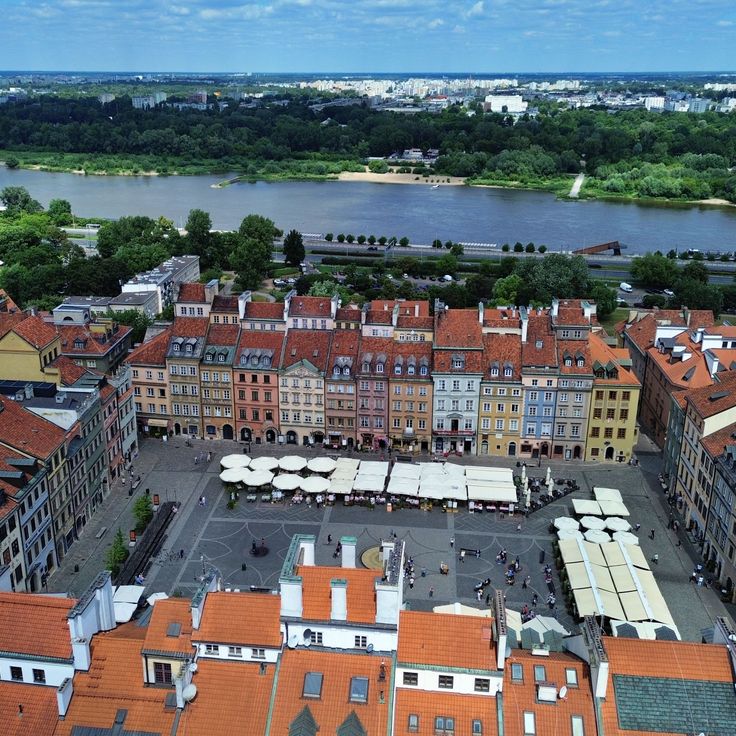
This central square from the 13th century was rebuilt after the war with colorful townhouses and monuments following the original plans, restoring the medieval appearance of Warsaw's old market square.
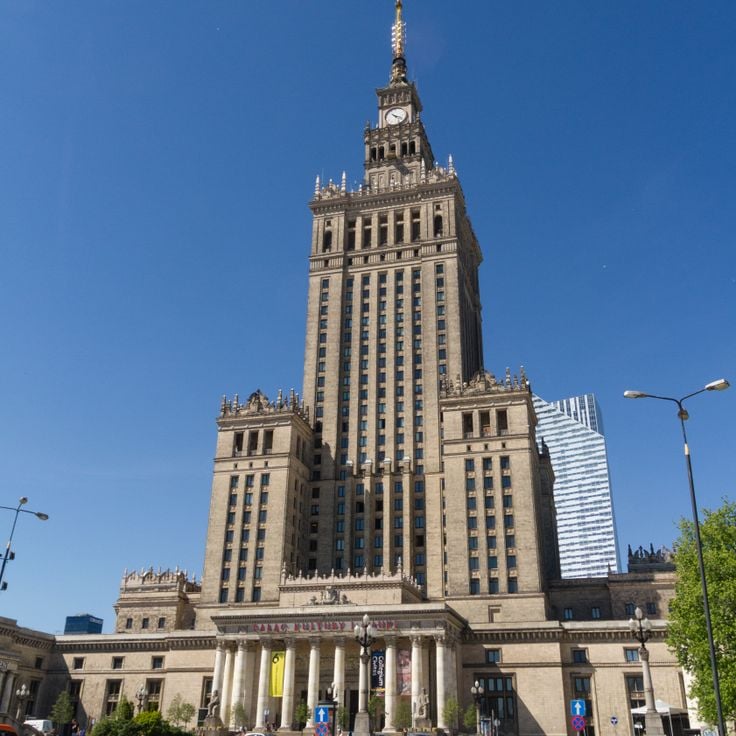
The Palace of Culture and Science is a 777-foot (237-meter) tall skyscraper from the 1950s built as part of a Soviet gift to the Polish capital. The building houses an observation platform on the 30th floor offering panoramic views across the city, along with several congress halls and event spaces used throughout the year for various purposes.
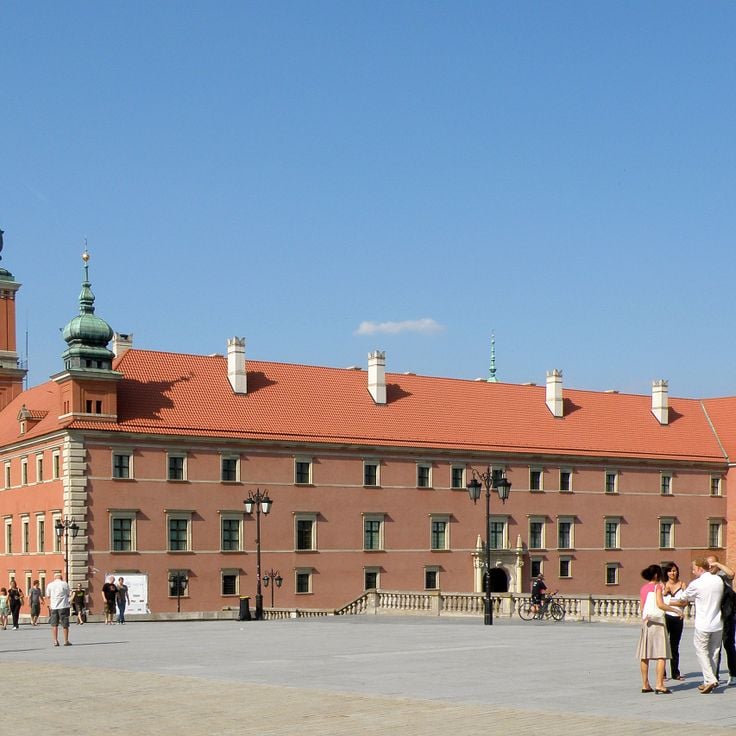
The Royal Castle in Warsaw dates from the 14th century and houses art collections, state rooms, and a clock tower with a 17th-century timepiece. The building serves as an important witness to Polish monarchy and was meticulously rebuilt after its destruction during World War II.
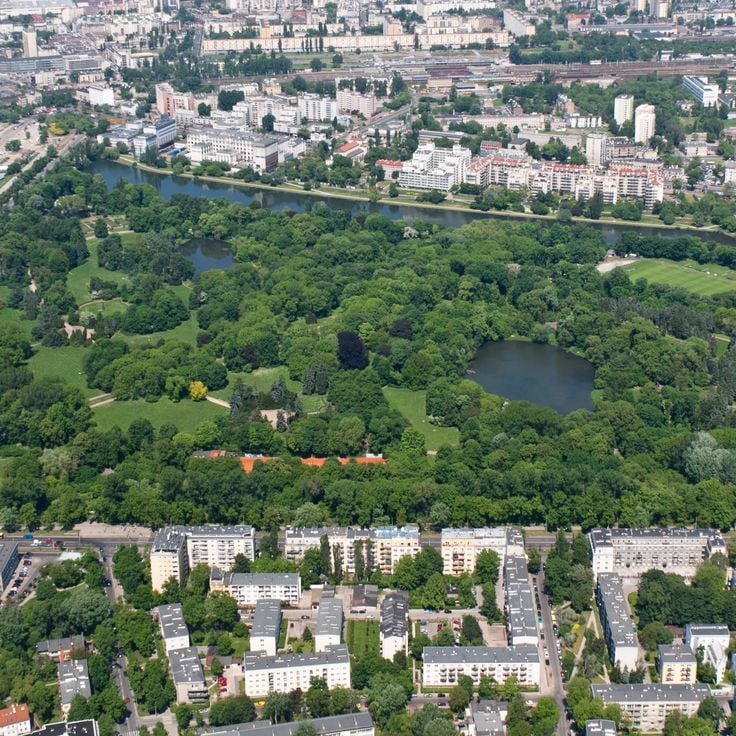
Łazienki Park covers 188 acres (76 hectares) in the city center and contains the Palace on the Isle, an 18th-century neoclassical building on the shore of an artificial lake. The park includes an amphitheater, the Chopin Monument and several other historical pavilions among old trees and landscaped gardens. Paths lead to sculptures, bridges and viewpoints along the waterways.
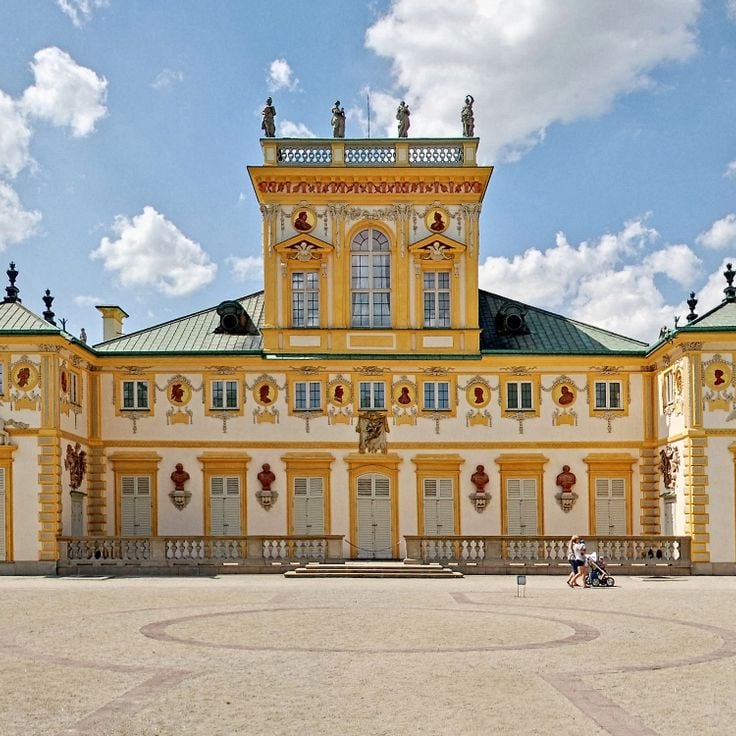
This Baroque palace from 1696 houses a museum of Polish royal art with period furniture and decorative objects. The surrounding gardens feature fountains and sculptures. The collection documents 17th and 18th century court culture through paintings, textiles and artisan objects. The complex is located in the southern part of Warsaw.
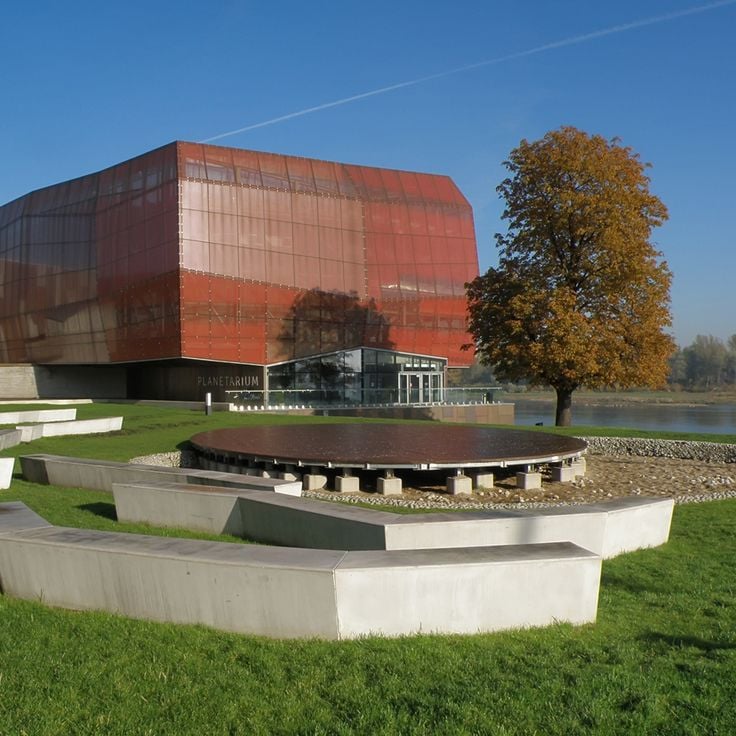
The Copernicus Science Centre holds more than 450 interactive exhibits spread across several thematic galleries, allowing visitors to conduct experiments and explore scientific phenomena through hands-on activities. The museum combines education with practical learning, covering subjects from physics and chemistry to biology and technology. For families with children and curious travelers, this modern science space offers a place where abstract concepts become tangible through direct interaction.
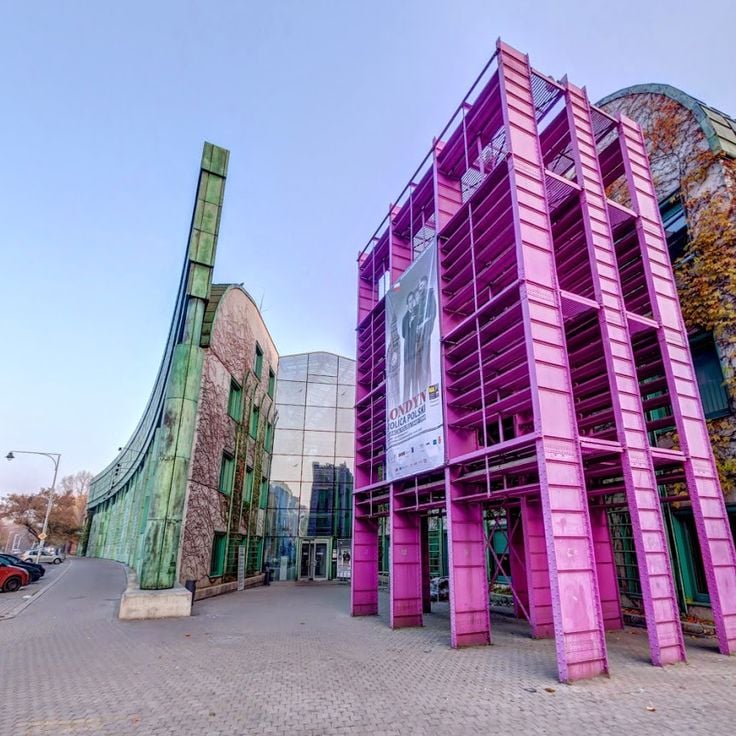
Warsaw University Library is a modern building with a public rooftop garden covering approximately 110,000 square feet (10,000 square meters). Visitors can access observation platforms that overlook the Vistula River. The green roof ranks among the largest of its kind in Europe and adds to the cultural offerings of the Polish capital.
This neighborhood features 19th century industrial architecture, street art on building facades, and former factories converted into cultural centers. Praga sits on the eastern bank of the Vistula River and largely survived World War II destruction, preserving its historic fabric. Today, artist studios, galleries and event spaces mix with traditional market squares and residential blocks.
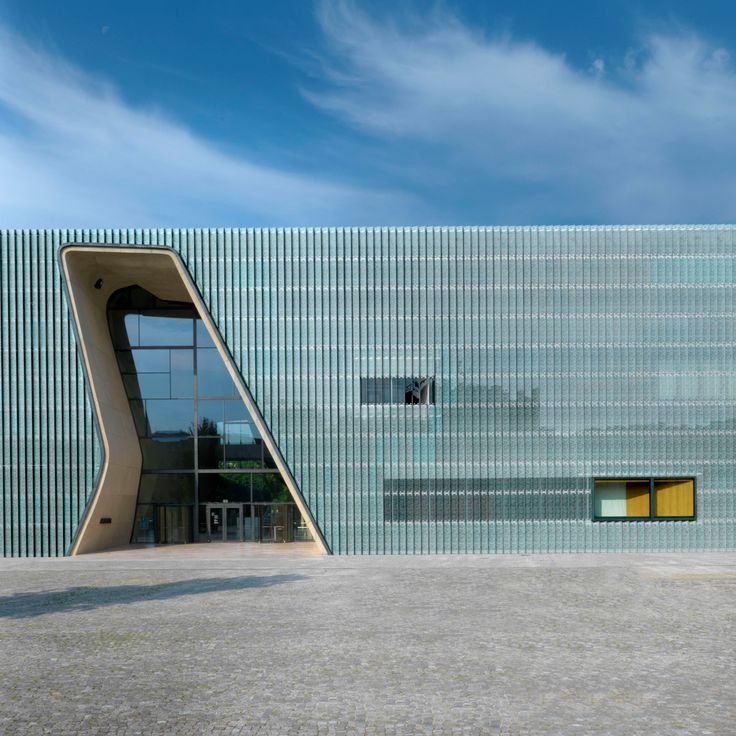
The POLIN Museum documents a thousand years of Jewish history in Poland. The modern building in Warsaw houses multimedia and interactive exhibitions that present the life, culture and contributions of the Jewish community from the Middle Ages to the present day. Audiovisual installations, historical documents and reconstructed spaces convey the development of Jewish communities across different eras.
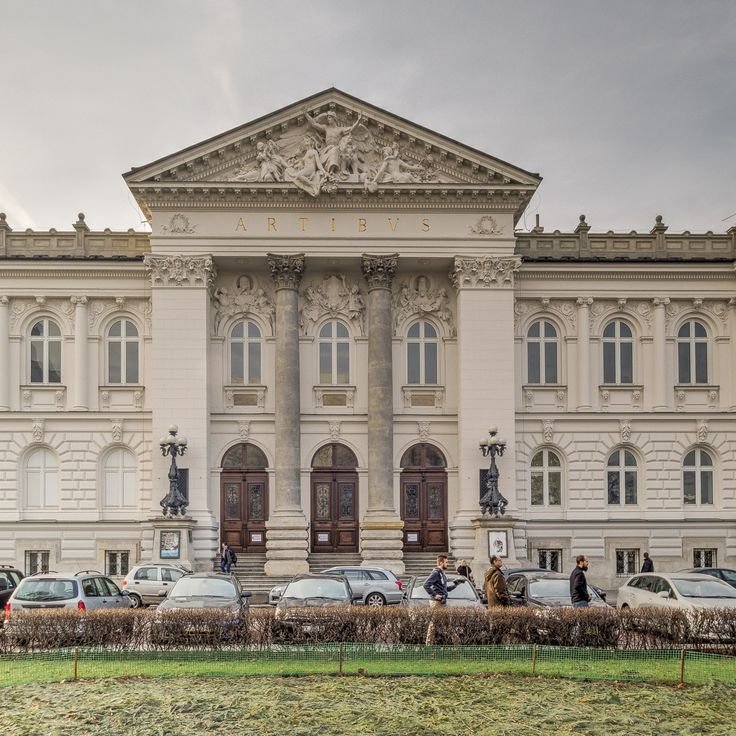
This art gallery in a neoclassical building from 1900 displays Polish and international contemporary art. The Zachęta regularly organizes exhibitions featuring works by established and emerging artists. The building itself ranks among Warsaw's significant cultural structures and stands in the city center.
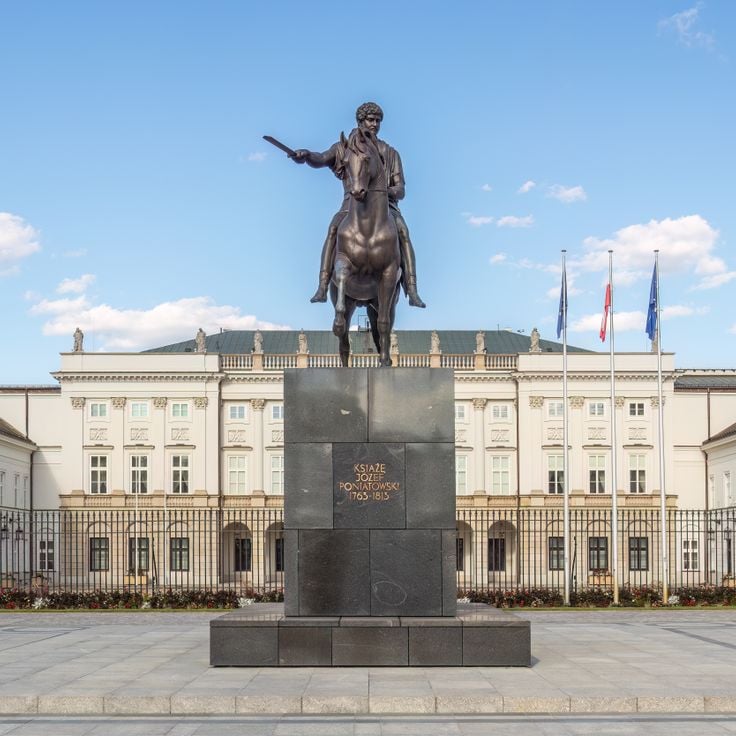
The Presidential Palace serves as the official seat of the Polish head of state and hosts major state ceremonies and receptions. This 17th-century neoclassical building stands on Krakowskie Przedmieście, one of Warsaw's main thoroughfares. The white facade with its Corinthian columns defines the historic streetscape. Honor guards in dress uniform stand watch at the main entrance. While the palace is not open to the public, visitors can view the exterior and observe the changing of the guard from the sidewalk.
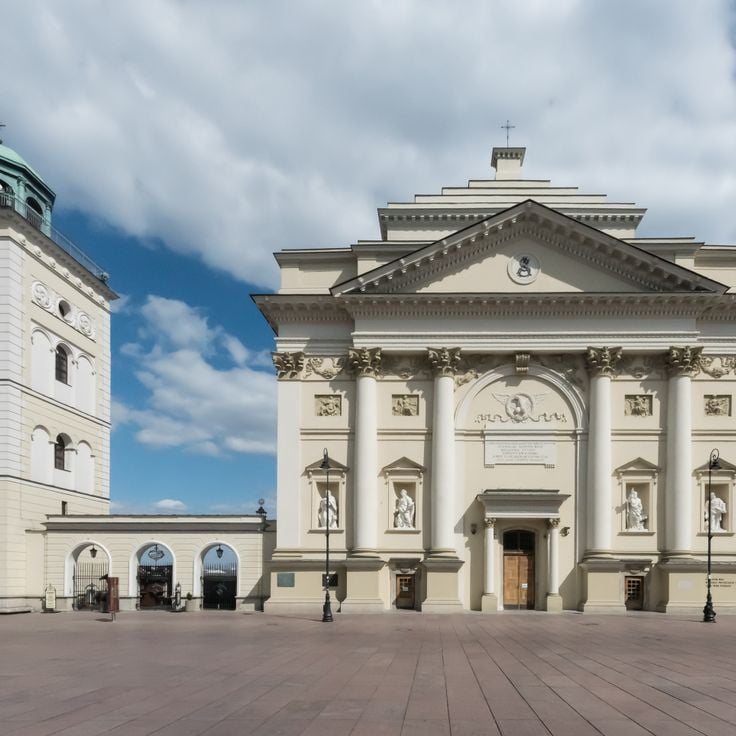
The church dates to 1454 and evolved through centuries of renovations into a structure that blends Gothic framework with Baroque decoration. Inside, wall paintings and several historic altars remain intact, offering insight into 17th- and 18th-century liturgical furnishings and documenting the complex history of this Warsaw parish church.
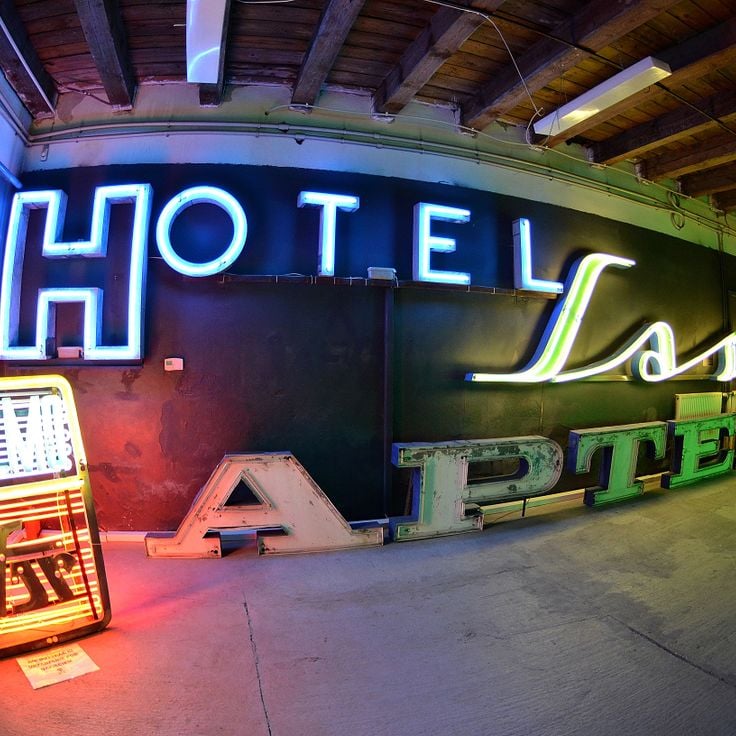
This museum preserves commercial neon signs from the 1950s through 1980s, documenting the visual culture of socialist Poland. The collection includes over 100 restored pieces from Warsaw shops, cinemas and restaurants, illustrating graphic design principles and typographic standards of the era.
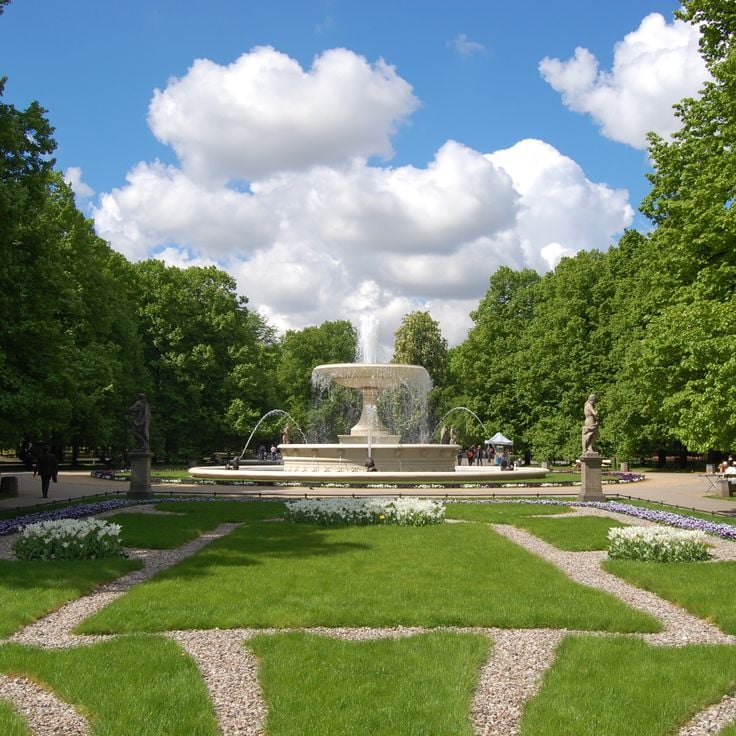
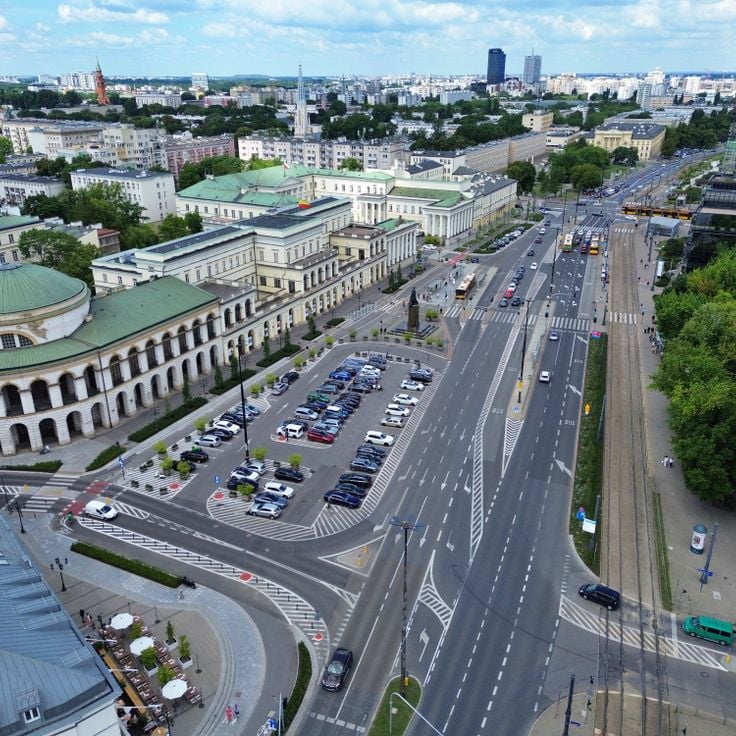
This 17th-century park in central Warsaw ranks among the city's oldest public green spaces. Saxon Garden covers 38 acres (15.5 hectares) and follows French baroque design principles with geometric flower beds, fountain features and wide tree-lined avenues. Twenty-one statues line the pathways, depicting mythological figures and allegorical representations. A baroque sundial stands near the main entrance. The park connects to Piłsudski Square and serves as a recreation area between the business districts and historic buildings of the city center.
Fort Czerniaków dates from the 19th century and stands on the left bank of the Vistula River. The fortification includes preserved casemates, underground passages and earthen ramparts now covered with vegetation. Today the fort operates as an open air museum that offers insight into military architecture of the period. The site occupies a green area in the Czerniaków district and provides walking routes along the historic defensive structures. Information panels explain the fort's history within the Warsaw fortress system that was built to protect the city during the 19th century.
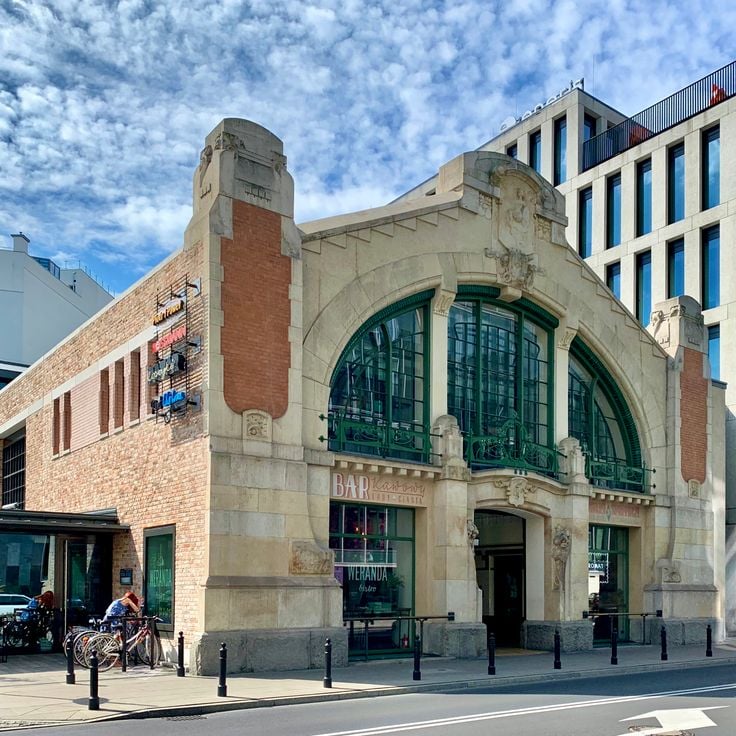
This restored market hall from 1908 combines restaurants, bars and shops under one roof. The building preserves its Art Nouveau architectural elements and provides visitors with a mix of dining options and local products. The structure now serves as a social gathering point in the city center, where visitors find various food vendors and retail spaces within a historic setting.
The Praga District Museum documents the social and cultural evolution of this historic Warsaw neighborhood through photographs, everyday objects and archival materials. The exhibitions trace the transformation of the area from a working-class quarter to a revitalized district and present the stories of its residents. The museum preserves the heritage of Praga and illustrates the urban changes that have shaped the neighborhood.
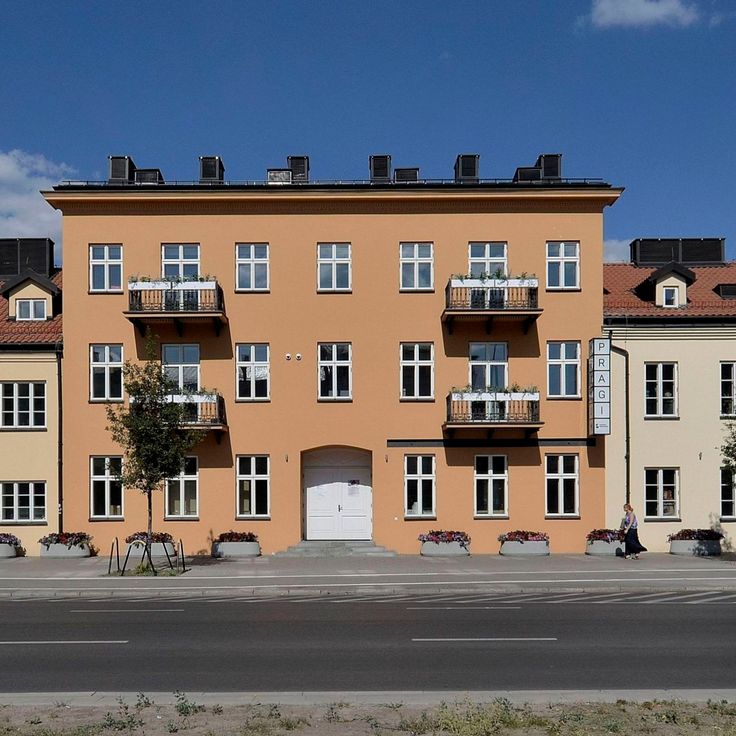
Zabkowska Street runs through Praga with residential buildings from the 19th century and traditional restaurants in converted cellar spaces. The section connects former working-class neighborhoods with newer dining establishments. The facades display brick and stucco surfaces from the prewar period. Visitors find local cuisine in the former storage rooms beneath the tenement houses.
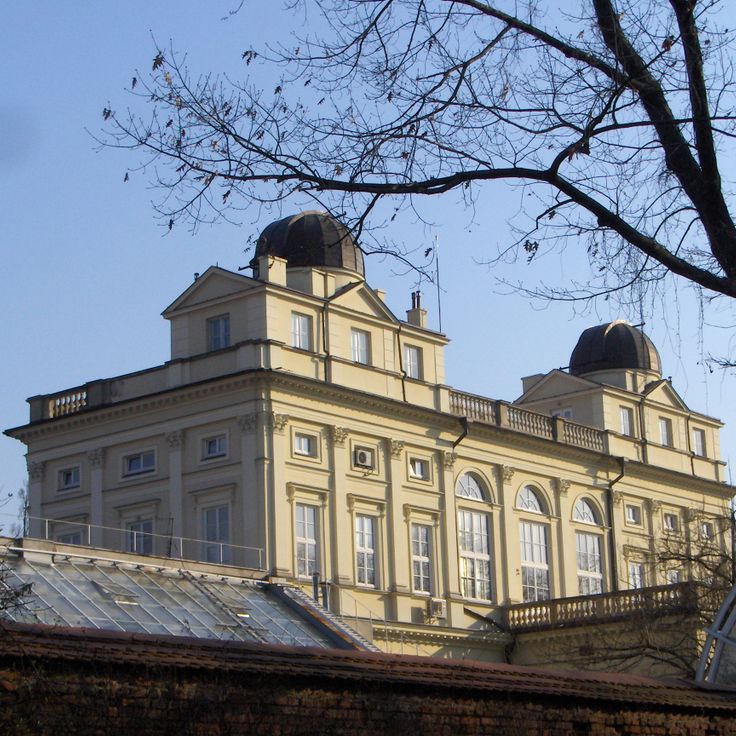
The Warsaw University Observatory houses astronomical instruments and several telescopes for sky observation. This scientific facility serves research purposes and occasionally opens for public tours, allowing visitors to observe planets, stars and other celestial bodies above the Polish capital. Located on the university campus, the observatory combines academic activity with public education in astronomy for interested guests.
The Keret House occupies a narrow gap between two buildings, measuring just 36 inches (92 centimeters) at its narrowest point and 60 inches (152 centimeters) at its widest. Built in 2012 as a residential art installation in Warsaw, this structure demonstrates how architecture can adapt to extreme urban constraints. The house extends vertically across multiple levels, providing functional living space that includes sleeping quarters, bathroom facilities and a work area despite its unusual dimensions.
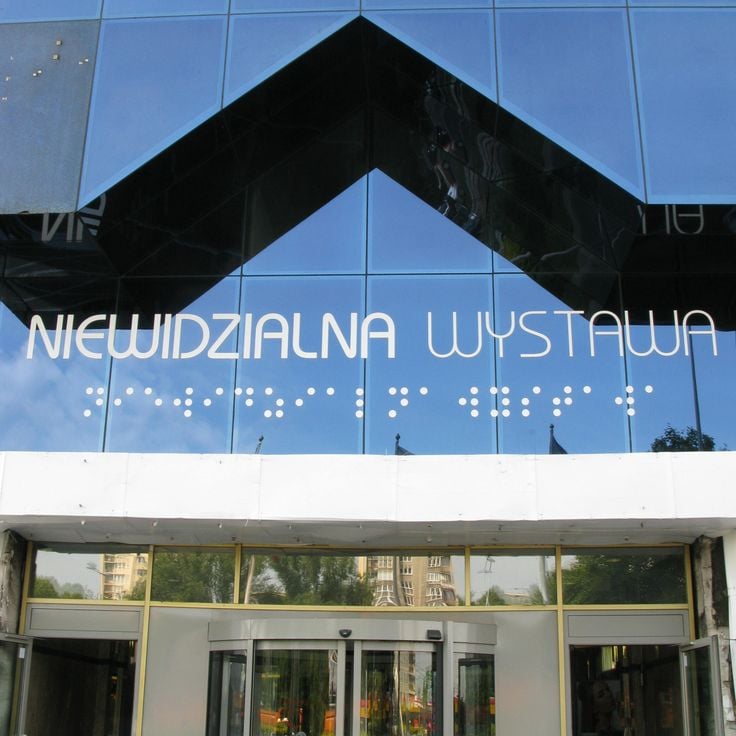
This installation in Warsaw uses photography and direct participation to help visitors understand the daily lives of blind people. The exhibition concept invites participants to experience the perspective of people without sight through designed methods, raising awareness of their everyday challenges and ways of perceiving the world around them.
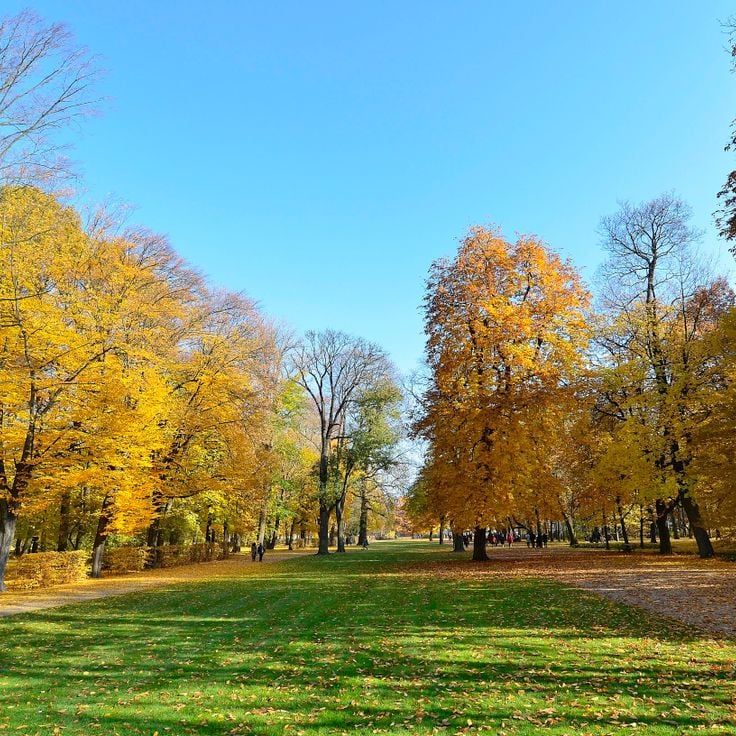
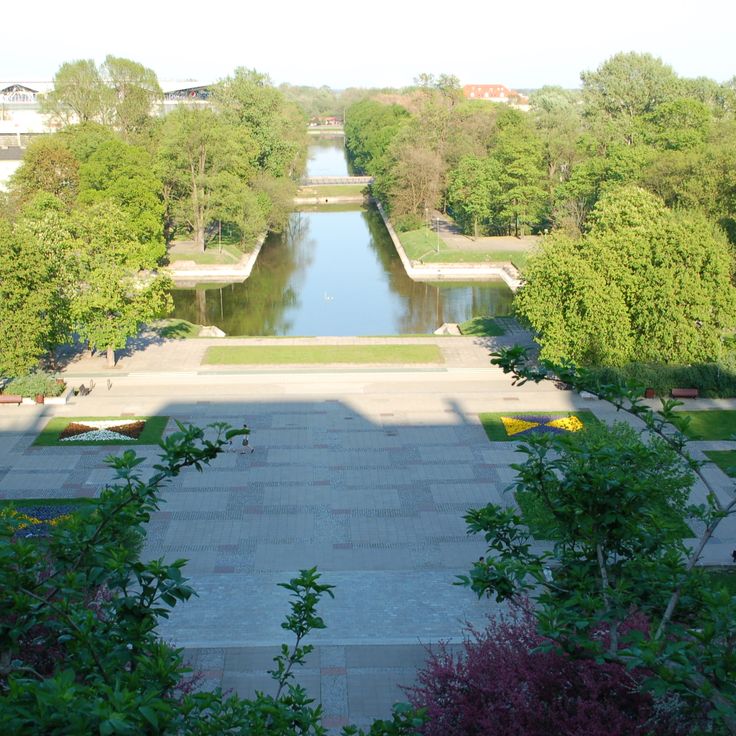
This park stretches along the river escarpment with oak and linden lined avenues winding between an eighteenth century summer residence and the remnants of a nineteenth century orangery. The park offers shaded walking paths connecting historic pavilions with open lawns and provides photographic subjects of autumn foliage and neoclassical facades on the southern edge of the Łazienki complex.
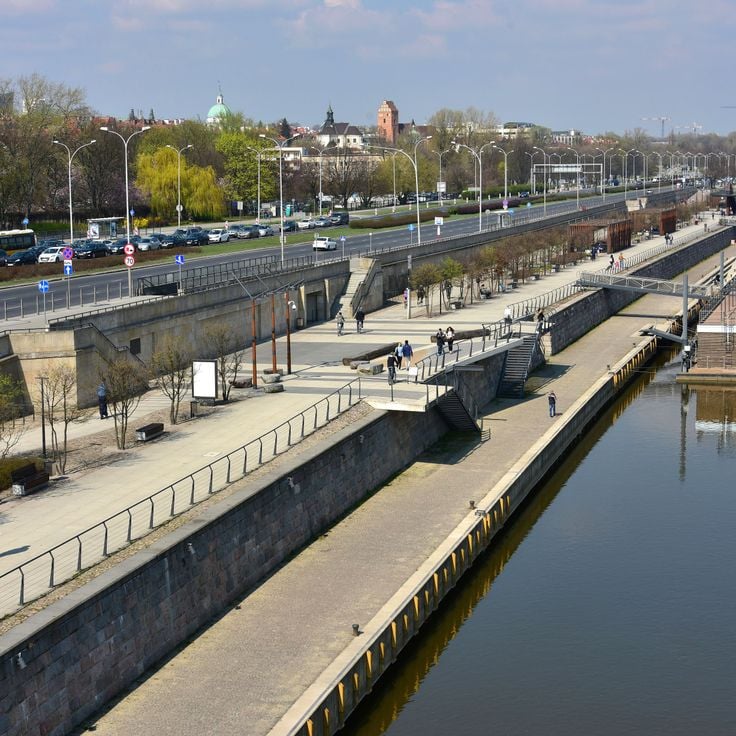
This riverside walkway provides shots of the Vistula River, the city skyline and everyday life in Warsaw. The waterfront extends several miles and offers varied perspectives on historic buildings across the river, bridges and river traffic. In good weather, pedestrians, cyclists and anglers show urban life along the water. The promenade connects several districts and provides subjects at different times of day, particularly at sunset over the water.
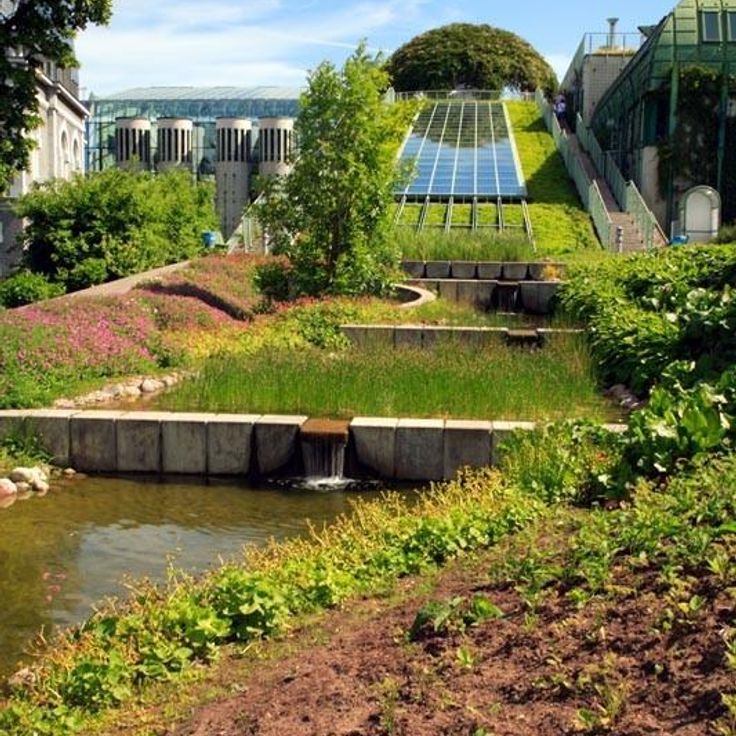
The rooftop garden of the Warsaw University Library spans multiple levels and provides various angles on the city along with botanical subjects. The terraced design connects green spaces with urban views and allows photography of Warsaw's architecture from an elevated position. The garden sits centrally and demonstrates the connection between modern library construction and landscaped outdoor space.
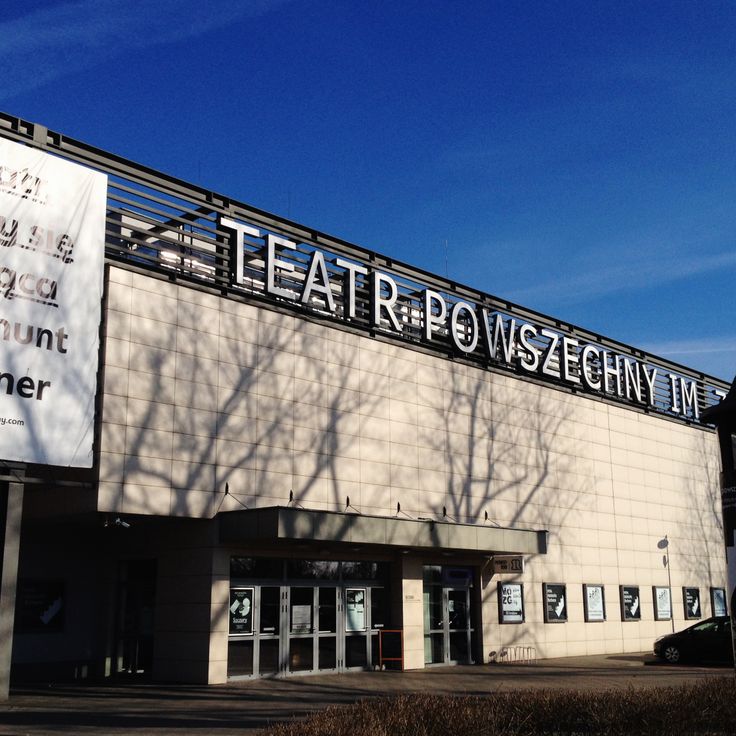
This theater combines geometric forms with extensive glass surfaces in a contemporary design. The auditorium accommodates 500 spectators for theatrical performances and concerts. The building stands among Warsaw's modern cultural facilities, complementing the architectural landscape between medieval structures and contemporary urban development. The stage regularly hosts national and international productions.
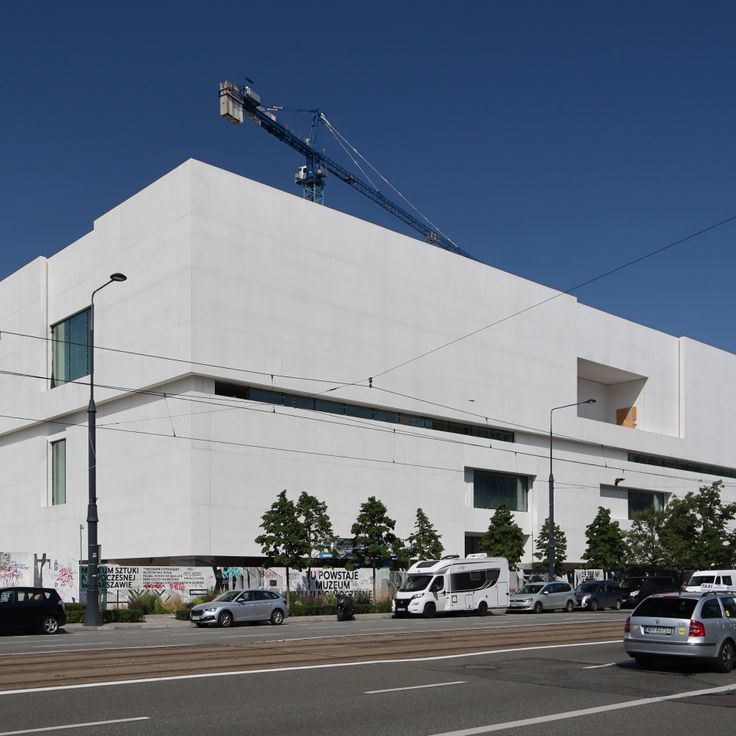
This museum presents works by Polish and international artists through rotating exhibitions. The main hall spans 2,000 square meters (21,500 square feet) and serves as the central space for major presentations. The collection includes paintings, sculptures and contemporary installations. The museum occupies a central location and adds to Warsaw's cultural offerings alongside historic landmarks such as the Old Town and the Royal Castle.
This plaza is surrounded by office towers with glass facades and houses branches of several banks as well as corporate headquarters in Warsaw's business district. Place Financière forms a modern hub of economic activity in the Polish capital.
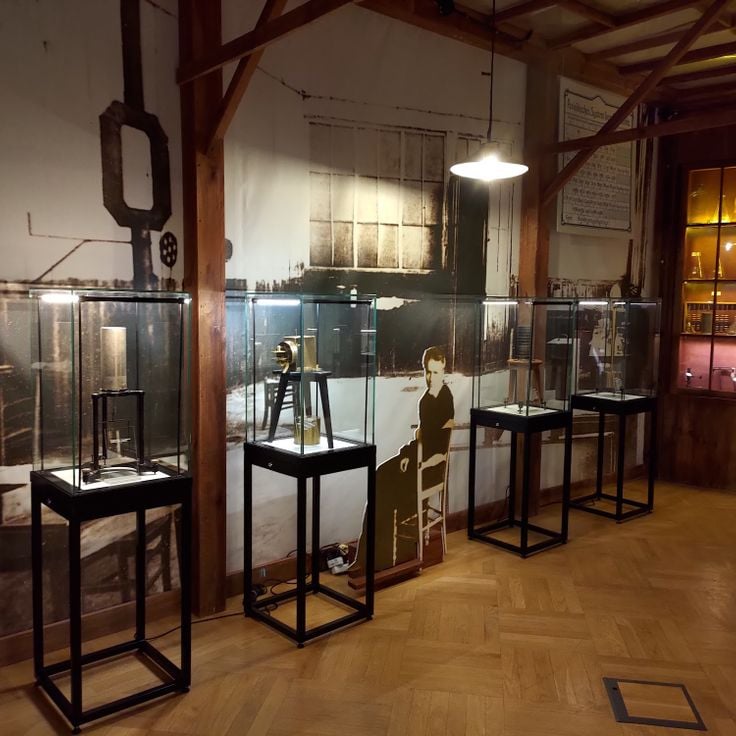
The museum displays original laboratory equipment and personal items belonging to the scientist. Exhibits document her research on radioactivity and her two Nobel Prizes. The Curie Museum occupies Marie Curie's birthplace in Warsaw's Old Town and adds an important chapter of scientific history to the Polish capital's medieval and modern landmarks.
The Route W-Z features several observation points with views over the city skyline. At night, urban lighting defines the panorama. The elevated roadway allows perspective shots of the Warsaw skyline with its historic and modern buildings along the Vistula River.
Skaryszewski Park features several ponds, extensive lawns and a collection of native and exotic tree species. Visitors will find walking paths, waterside viewpoints and areas suitable for photographing plants and water landscapes.
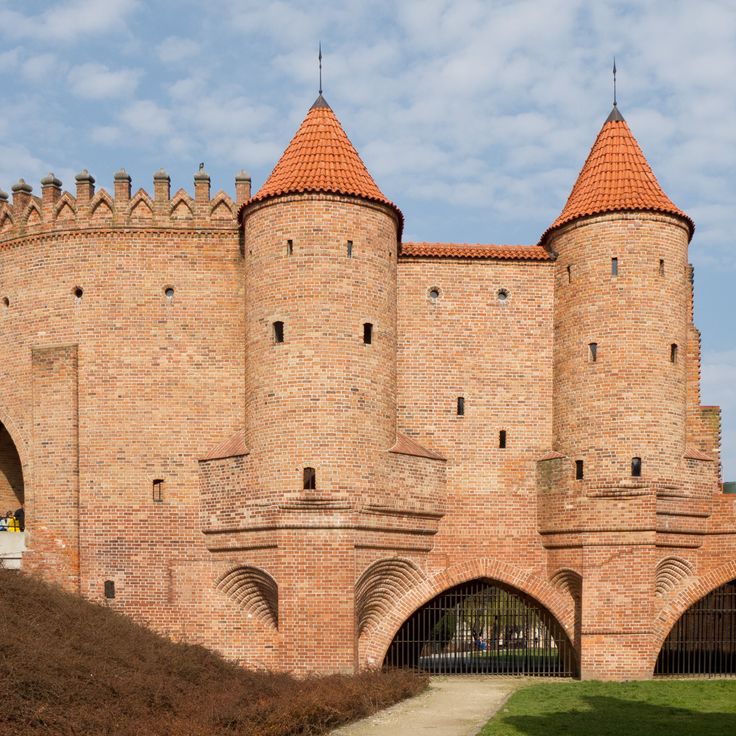
The Barbican is a historic fortification built from red brick, positioned between the Old Town and New Town. It served as a key component of the medieval defense system and remains one of the few preserved examples of this type of structure in Poland. The installation consists of a central passage and several defensive towers that once protected the northern approaches to the city. Visitors can explore the walls and passageways to understand the historical military architecture.
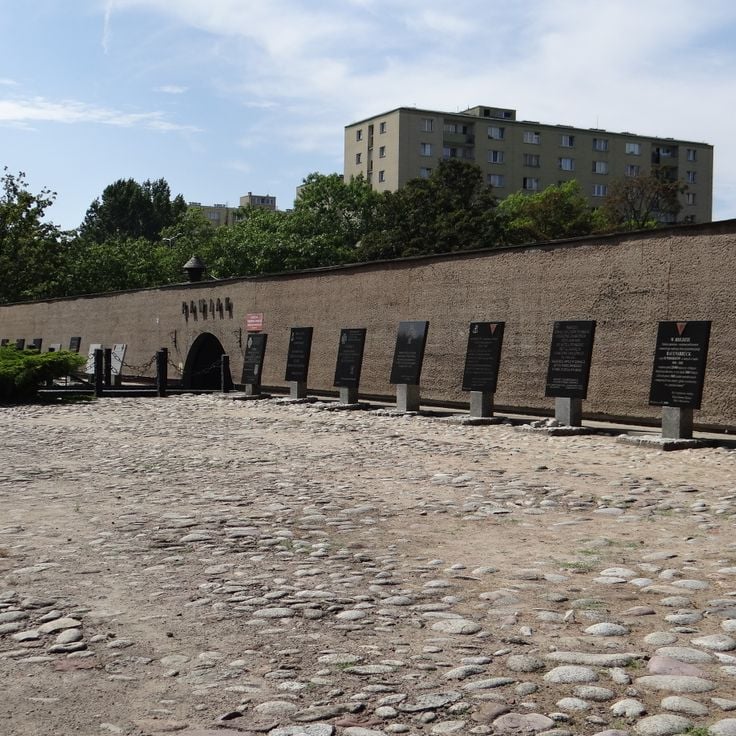
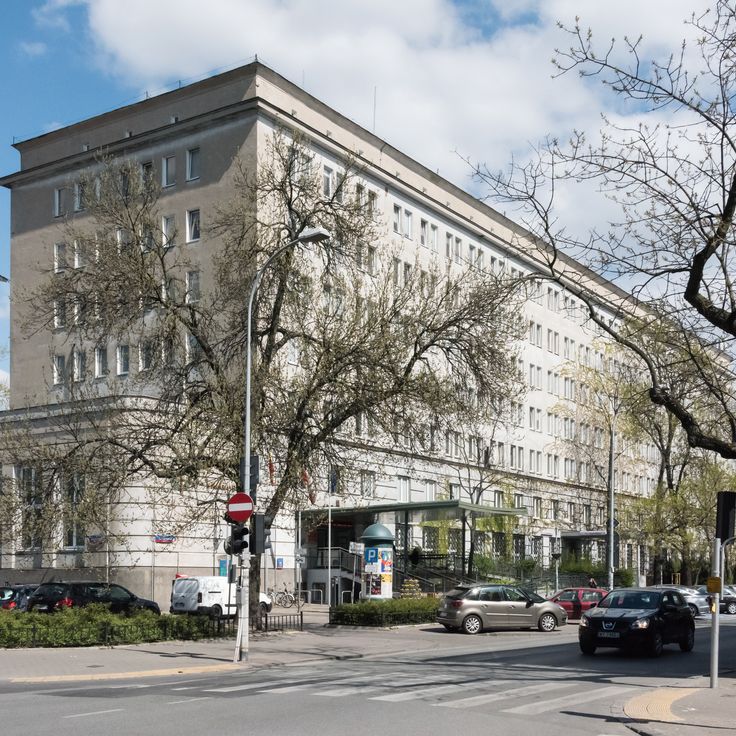
This museum documents the history of the prison during the German occupation of Warsaw between 1939 and 1945. The permanent exhibition displays personal belongings of prisoners, Gestapo documents and preserved sections of the prison walls. Pawiak Prison served as a transit facility for tens of thousands of Polish citizens, many of whom were deported to concentration camps or executed on site. A preserved tree in the courtyard bears memorial plaques with the names of victims.
This central square from the 13th century was rebuilt after the war with colorful townhouses and monuments following the original plans, restoring the medieval appearance of Warsaw's old market square.
The Palace of Culture and Science is a 777-foot (237-meter) tall skyscraper from the 1950s built as part of a Soviet gift to the Polish capital. The building houses an observation platform on the 30th floor offering panoramic views across the city, along with several congress halls and event spaces used throughout the year for various purposes.
The Royal Castle in Warsaw dates from the 14th century and houses art collections, state rooms, and a clock tower with a 17th-century timepiece. The building serves as an important witness to Polish monarchy and was meticulously rebuilt after its destruction during World War II.
Łazienki Park covers 188 acres (76 hectares) in the city center and contains the Palace on the Isle, an 18th-century neoclassical building on the shore of an artificial lake. The park includes an amphitheater, the Chopin Monument and several other historical pavilions among old trees and landscaped gardens. Paths lead to sculptures, bridges and viewpoints along the waterways.
This Baroque palace from 1696 houses a museum of Polish royal art with period furniture and decorative objects. The surrounding gardens feature fountains and sculptures. The collection documents 17th and 18th century court culture through paintings, textiles and artisan objects. The complex is located in the southern part of Warsaw.
The Copernicus Science Centre holds more than 450 interactive exhibits spread across several thematic galleries, allowing visitors to conduct experiments and explore scientific phenomena through hands-on activities. The museum combines education with practical learning, covering subjects from physics and chemistry to biology and technology. For families with children and curious travelers, this modern science space offers a place where abstract concepts become tangible through direct interaction.
Warsaw University Library is a modern building with a public rooftop garden covering approximately 110,000 square feet (10,000 square meters). Visitors can access observation platforms that overlook the Vistula River. The green roof ranks among the largest of its kind in Europe and adds to the cultural offerings of the Polish capital.
This neighborhood features 19th century industrial architecture, street art on building facades, and former factories converted into cultural centers. Praga sits on the eastern bank of the Vistula River and largely survived World War II destruction, preserving its historic fabric. Today, artist studios, galleries and event spaces mix with traditional market squares and residential blocks.
The POLIN Museum documents a thousand years of Jewish history in Poland. The modern building in Warsaw houses multimedia and interactive exhibitions that present the life, culture and contributions of the Jewish community from the Middle Ages to the present day. Audiovisual installations, historical documents and reconstructed spaces convey the development of Jewish communities across different eras.
This art gallery in a neoclassical building from 1900 displays Polish and international contemporary art. The Zachęta regularly organizes exhibitions featuring works by established and emerging artists. The building itself ranks among Warsaw's significant cultural structures and stands in the city center.
The Presidential Palace serves as the official seat of the Polish head of state and hosts major state ceremonies and receptions. This 17th-century neoclassical building stands on Krakowskie Przedmieście, one of Warsaw's main thoroughfares. The white facade with its Corinthian columns defines the historic streetscape. Honor guards in dress uniform stand watch at the main entrance. While the palace is not open to the public, visitors can view the exterior and observe the changing of the guard from the sidewalk.
The church dates to 1454 and evolved through centuries of renovations into a structure that blends Gothic framework with Baroque decoration. Inside, wall paintings and several historic altars remain intact, offering insight into 17th- and 18th-century liturgical furnishings and documenting the complex history of this Warsaw parish church.
This museum preserves commercial neon signs from the 1950s through 1980s, documenting the visual culture of socialist Poland. The collection includes over 100 restored pieces from Warsaw shops, cinemas and restaurants, illustrating graphic design principles and typographic standards of the era.
This 17th-century park in central Warsaw ranks among the city's oldest public green spaces. Saxon Garden covers 38 acres (15.5 hectares) and follows French baroque design principles with geometric flower beds, fountain features and wide tree-lined avenues. Twenty-one statues line the pathways, depicting mythological figures and allegorical representations. A baroque sundial stands near the main entrance. The park connects to Piłsudski Square and serves as a recreation area between the business districts and historic buildings of the city center.
Fort Czerniaków dates from the 19th century and stands on the left bank of the Vistula River. The fortification includes preserved casemates, underground passages and earthen ramparts now covered with vegetation. Today the fort operates as an open air museum that offers insight into military architecture of the period. The site occupies a green area in the Czerniaków district and provides walking routes along the historic defensive structures. Information panels explain the fort's history within the Warsaw fortress system that was built to protect the city during the 19th century.
This restored market hall from 1908 combines restaurants, bars and shops under one roof. The building preserves its Art Nouveau architectural elements and provides visitors with a mix of dining options and local products. The structure now serves as a social gathering point in the city center, where visitors find various food vendors and retail spaces within a historic setting.
The Praga District Museum documents the social and cultural evolution of this historic Warsaw neighborhood through photographs, everyday objects and archival materials. The exhibitions trace the transformation of the area from a working-class quarter to a revitalized district and present the stories of its residents. The museum preserves the heritage of Praga and illustrates the urban changes that have shaped the neighborhood.
Zabkowska Street runs through Praga with residential buildings from the 19th century and traditional restaurants in converted cellar spaces. The section connects former working-class neighborhoods with newer dining establishments. The facades display brick and stucco surfaces from the prewar period. Visitors find local cuisine in the former storage rooms beneath the tenement houses.
The Warsaw University Observatory houses astronomical instruments and several telescopes for sky observation. This scientific facility serves research purposes and occasionally opens for public tours, allowing visitors to observe planets, stars and other celestial bodies above the Polish capital. Located on the university campus, the observatory combines academic activity with public education in astronomy for interested guests.
The Keret House occupies a narrow gap between two buildings, measuring just 36 inches (92 centimeters) at its narrowest point and 60 inches (152 centimeters) at its widest. Built in 2012 as a residential art installation in Warsaw, this structure demonstrates how architecture can adapt to extreme urban constraints. The house extends vertically across multiple levels, providing functional living space that includes sleeping quarters, bathroom facilities and a work area despite its unusual dimensions.
This installation in Warsaw uses photography and direct participation to help visitors understand the daily lives of blind people. The exhibition concept invites participants to experience the perspective of people without sight through designed methods, raising awareness of their everyday challenges and ways of perceiving the world around them.
This park stretches along the river escarpment with oak and linden lined avenues winding between an eighteenth century summer residence and the remnants of a nineteenth century orangery. The park offers shaded walking paths connecting historic pavilions with open lawns and provides photographic subjects of autumn foliage and neoclassical facades on the southern edge of the Łazienki complex.
This riverside walkway provides shots of the Vistula River, the city skyline and everyday life in Warsaw. The waterfront extends several miles and offers varied perspectives on historic buildings across the river, bridges and river traffic. In good weather, pedestrians, cyclists and anglers show urban life along the water. The promenade connects several districts and provides subjects at different times of day, particularly at sunset over the water.
The rooftop garden of the Warsaw University Library spans multiple levels and provides various angles on the city along with botanical subjects. The terraced design connects green spaces with urban views and allows photography of Warsaw's architecture from an elevated position. The garden sits centrally and demonstrates the connection between modern library construction and landscaped outdoor space.
This theater combines geometric forms with extensive glass surfaces in a contemporary design. The auditorium accommodates 500 spectators for theatrical performances and concerts. The building stands among Warsaw's modern cultural facilities, complementing the architectural landscape between medieval structures and contemporary urban development. The stage regularly hosts national and international productions.
This museum presents works by Polish and international artists through rotating exhibitions. The main hall spans 2,000 square meters (21,500 square feet) and serves as the central space for major presentations. The collection includes paintings, sculptures and contemporary installations. The museum occupies a central location and adds to Warsaw's cultural offerings alongside historic landmarks such as the Old Town and the Royal Castle.
This plaza is surrounded by office towers with glass facades and houses branches of several banks as well as corporate headquarters in Warsaw's business district. Place Financière forms a modern hub of economic activity in the Polish capital.
The museum displays original laboratory equipment and personal items belonging to the scientist. Exhibits document her research on radioactivity and her two Nobel Prizes. The Curie Museum occupies Marie Curie's birthplace in Warsaw's Old Town and adds an important chapter of scientific history to the Polish capital's medieval and modern landmarks.
The Route W-Z features several observation points with views over the city skyline. At night, urban lighting defines the panorama. The elevated roadway allows perspective shots of the Warsaw skyline with its historic and modern buildings along the Vistula River.
Skaryszewski Park features several ponds, extensive lawns and a collection of native and exotic tree species. Visitors will find walking paths, waterside viewpoints and areas suitable for photographing plants and water landscapes.
The Barbican is a historic fortification built from red brick, positioned between the Old Town and New Town. It served as a key component of the medieval defense system and remains one of the few preserved examples of this type of structure in Poland. The installation consists of a central passage and several defensive towers that once protected the northern approaches to the city. Visitors can explore the walls and passageways to understand the historical military architecture.
This museum documents the history of the prison during the German occupation of Warsaw between 1939 and 1945. The permanent exhibition displays personal belongings of prisoners, Gestapo documents and preserved sections of the prison walls. Pawiak Prison served as a transit facility for tens of thousands of Polish citizens, many of whom were deported to concentration camps or executed on site. A preserved tree in the courtyard bears memorial plaques with the names of victims.
This central square from the 13th century was rebuilt after the war with colorful townhouses and monuments following the original plans, restoring the medieval appearance of Warsaw's old market square.
The Palace of Culture and Science is a 777-foot (237-meter) tall skyscraper from the 1950s built as part of a Soviet gift to the Polish capital. The building houses an observation platform on the 30th floor offering panoramic views across the city, along with several congress halls and event spaces used throughout the year for various purposes.
The Royal Castle in Warsaw dates from the 14th century and houses art collections, state rooms, and a clock tower with a 17th-century timepiece. The building serves as an important witness to Polish monarchy and was meticulously rebuilt after its destruction during World War II.
Łazienki Park covers 188 acres (76 hectares) in the city center and contains the Palace on the Isle, an 18th-century neoclassical building on the shore of an artificial lake. The park includes an amphitheater, the Chopin Monument and several other historical pavilions among old trees and landscaped gardens. Paths lead to sculptures, bridges and viewpoints along the waterways.
This Baroque palace from 1696 houses a museum of Polish royal art with period furniture and decorative objects. The surrounding gardens feature fountains and sculptures. The collection documents 17th and 18th century court culture through paintings, textiles and artisan objects. The complex is located in the southern part of Warsaw.
The Copernicus Science Centre holds more than 450 interactive exhibits spread across several thematic galleries, allowing visitors to conduct experiments and explore scientific phenomena through hands-on activities. The museum combines education with practical learning, covering subjects from physics and chemistry to biology and technology. For families with children and curious travelers, this modern science space offers a place where abstract concepts become tangible through direct interaction.
Warsaw University Library is a modern building with a public rooftop garden covering approximately 110,000 square feet (10,000 square meters). Visitors can access observation platforms that overlook the Vistula River. The green roof ranks among the largest of its kind in Europe and adds to the cultural offerings of the Polish capital.
This neighborhood features 19th century industrial architecture, street art on building facades, and former factories converted into cultural centers. Praga sits on the eastern bank of the Vistula River and largely survived World War II destruction, preserving its historic fabric. Today, artist studios, galleries and event spaces mix with traditional market squares and residential blocks.
The POLIN Museum documents a thousand years of Jewish history in Poland. The modern building in Warsaw houses multimedia and interactive exhibitions that present the life, culture and contributions of the Jewish community from the Middle Ages to the present day. Audiovisual installations, historical documents and reconstructed spaces convey the development of Jewish communities across different eras.
This art gallery in a neoclassical building from 1900 displays Polish and international contemporary art. The Zachęta regularly organizes exhibitions featuring works by established and emerging artists. The building itself ranks among Warsaw's significant cultural structures and stands in the city center.
The Presidential Palace serves as the official seat of the Polish head of state and hosts major state ceremonies and receptions. This 17th-century neoclassical building stands on Krakowskie Przedmieście, one of Warsaw's main thoroughfares. The white facade with its Corinthian columns defines the historic streetscape. Honor guards in dress uniform stand watch at the main entrance. While the palace is not open to the public, visitors can view the exterior and observe the changing of the guard from the sidewalk.
The church dates to 1454 and evolved through centuries of renovations into a structure that blends Gothic framework with Baroque decoration. Inside, wall paintings and several historic altars remain intact, offering insight into 17th- and 18th-century liturgical furnishings and documenting the complex history of this Warsaw parish church.
This museum preserves commercial neon signs from the 1950s through 1980s, documenting the visual culture of socialist Poland. The collection includes over 100 restored pieces from Warsaw shops, cinemas and restaurants, illustrating graphic design principles and typographic standards of the era.
This 17th-century park in central Warsaw ranks among the city's oldest public green spaces. Saxon Garden covers 38 acres (15.5 hectares) and follows French baroque design principles with geometric flower beds, fountain features and wide tree-lined avenues. Twenty-one statues line the pathways, depicting mythological figures and allegorical representations. A baroque sundial stands near the main entrance. The park connects to Piłsudski Square and serves as a recreation area between the business districts and historic buildings of the city center.
Fort Czerniaków dates from the 19th century and stands on the left bank of the Vistula River. The fortification includes preserved casemates, underground passages and earthen ramparts now covered with vegetation. Today the fort operates as an open air museum that offers insight into military architecture of the period. The site occupies a green area in the Czerniaków district and provides walking routes along the historic defensive structures. Information panels explain the fort's history within the Warsaw fortress system that was built to protect the city during the 19th century.
This restored market hall from 1908 combines restaurants, bars and shops under one roof. The building preserves its Art Nouveau architectural elements and provides visitors with a mix of dining options and local products. The structure now serves as a social gathering point in the city center, where visitors find various food vendors and retail spaces within a historic setting.
The Praga District Museum documents the social and cultural evolution of this historic Warsaw neighborhood through photographs, everyday objects and archival materials. The exhibitions trace the transformation of the area from a working-class quarter to a revitalized district and present the stories of its residents. The museum preserves the heritage of Praga and illustrates the urban changes that have shaped the neighborhood.
Zabkowska Street runs through Praga with residential buildings from the 19th century and traditional restaurants in converted cellar spaces. The section connects former working-class neighborhoods with newer dining establishments. The facades display brick and stucco surfaces from the prewar period. Visitors find local cuisine in the former storage rooms beneath the tenement houses.
The Warsaw University Observatory houses astronomical instruments and several telescopes for sky observation. This scientific facility serves research purposes and occasionally opens for public tours, allowing visitors to observe planets, stars and other celestial bodies above the Polish capital. Located on the university campus, the observatory combines academic activity with public education in astronomy for interested guests.
The Keret House occupies a narrow gap between two buildings, measuring just 36 inches (92 centimeters) at its narrowest point and 60 inches (152 centimeters) at its widest. Built in 2012 as a residential art installation in Warsaw, this structure demonstrates how architecture can adapt to extreme urban constraints. The house extends vertically across multiple levels, providing functional living space that includes sleeping quarters, bathroom facilities and a work area despite its unusual dimensions.
This installation in Warsaw uses photography and direct participation to help visitors understand the daily lives of blind people. The exhibition concept invites participants to experience the perspective of people without sight through designed methods, raising awareness of their everyday challenges and ways of perceiving the world around them.
This park stretches along the river escarpment with oak and linden lined avenues winding between an eighteenth century summer residence and the remnants of a nineteenth century orangery. The park offers shaded walking paths connecting historic pavilions with open lawns and provides photographic subjects of autumn foliage and neoclassical facades on the southern edge of the Łazienki complex.
This riverside walkway provides shots of the Vistula River, the city skyline and everyday life in Warsaw. The waterfront extends several miles and offers varied perspectives on historic buildings across the river, bridges and river traffic. In good weather, pedestrians, cyclists and anglers show urban life along the water. The promenade connects several districts and provides subjects at different times of day, particularly at sunset over the water.
The rooftop garden of the Warsaw University Library spans multiple levels and provides various angles on the city along with botanical subjects. The terraced design connects green spaces with urban views and allows photography of Warsaw's architecture from an elevated position. The garden sits centrally and demonstrates the connection between modern library construction and landscaped outdoor space.
This theater combines geometric forms with extensive glass surfaces in a contemporary design. The auditorium accommodates 500 spectators for theatrical performances and concerts. The building stands among Warsaw's modern cultural facilities, complementing the architectural landscape between medieval structures and contemporary urban development. The stage regularly hosts national and international productions.
This museum presents works by Polish and international artists through rotating exhibitions. The main hall spans 2,000 square meters (21,500 square feet) and serves as the central space for major presentations. The collection includes paintings, sculptures and contemporary installations. The museum occupies a central location and adds to Warsaw's cultural offerings alongside historic landmarks such as the Old Town and the Royal Castle.
This plaza is surrounded by office towers with glass facades and houses branches of several banks as well as corporate headquarters in Warsaw's business district. Place Financière forms a modern hub of economic activity in the Polish capital.
The museum displays original laboratory equipment and personal items belonging to the scientist. Exhibits document her research on radioactivity and her two Nobel Prizes. The Curie Museum occupies Marie Curie's birthplace in Warsaw's Old Town and adds an important chapter of scientific history to the Polish capital's medieval and modern landmarks.
The Route W-Z features several observation points with views over the city skyline. At night, urban lighting defines the panorama. The elevated roadway allows perspective shots of the Warsaw skyline with its historic and modern buildings along the Vistula River.
Skaryszewski Park features several ponds, extensive lawns and a collection of native and exotic tree species. Visitors will find walking paths, waterside viewpoints and areas suitable for photographing plants and water landscapes.
The Barbican is a historic fortification built from red brick, positioned between the Old Town and New Town. It served as a key component of the medieval defense system and remains one of the few preserved examples of this type of structure in Poland. The installation consists of a central passage and several defensive towers that once protected the northern approaches to the city. Visitors can explore the walls and passageways to understand the historical military architecture.
This museum documents the history of the prison during the German occupation of Warsaw between 1939 and 1945. The permanent exhibition displays personal belongings of prisoners, Gestapo documents and preserved sections of the prison walls. Pawiak Prison served as a transit facility for tens of thousands of Polish citizens, many of whom were deported to concentration camps or executed on site. A preserved tree in the courtyard bears memorial plaques with the names of victims.