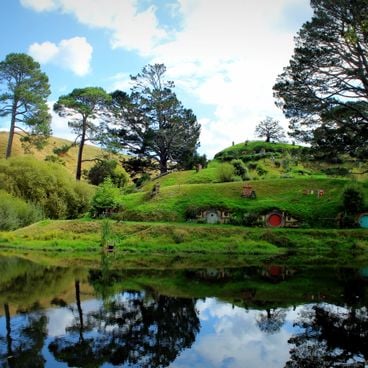
Ireland offers photographers a combination of historical structures, landscape formations and coastal sections. The island contains medieval fortresses such as Blarney Castle and Rock of Cashel, basalt formations at Giant's Causeway, and early medieval monastery sites at Glendalough. Trinity College Library in Dublin displays historical architecture, while Kilmainham Gaol provides insights into 19th and 20th century Irish history. Natural formations include the Cliffs of Moher in County Clare, rising 702 feet (214 meters) above the Atlantic, and the prehistoric burial mound at Newgrange in County Meath. The Dark Hedges in County Antrim form a tunnel of 18th century beech trees. National parks such as Killarney, Connemara and Glenveagh show different landscape types from lake districts to moorland. Coastal sections along the Ring of Kerry and Dingle Peninsula, plus smaller locations like Hook Head Lighthouse and Cobh, complete the island's geographic range.
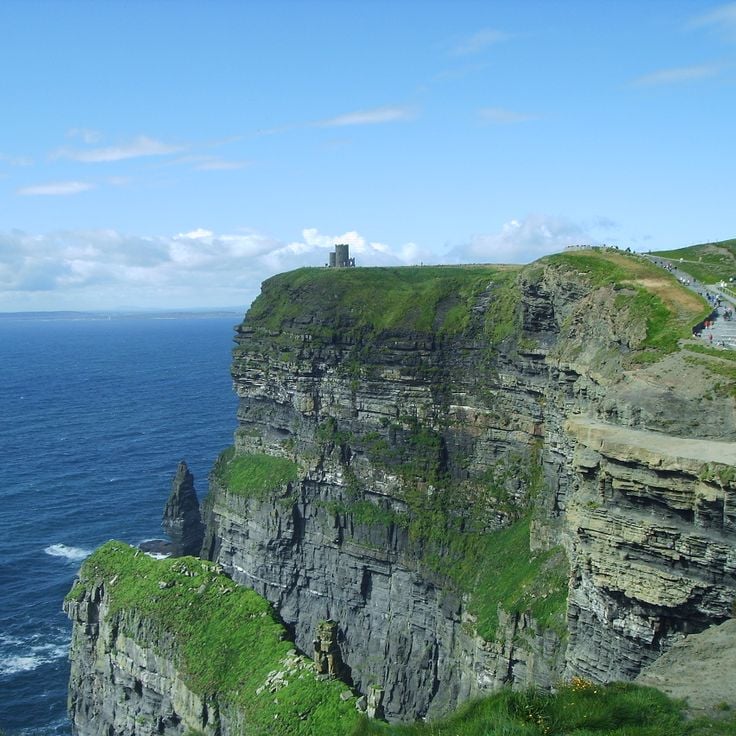
County Clare, Ireland
These limestone cliffs rise 700 feet (214 meters) above the Atlantic Ocean and extend for five miles (8 kilometers) along the County Clare coast. The Cliffs of Moher present photographers with views of ocean scenery, rock formations, and seabird colonies nesting along the steep cliff faces.
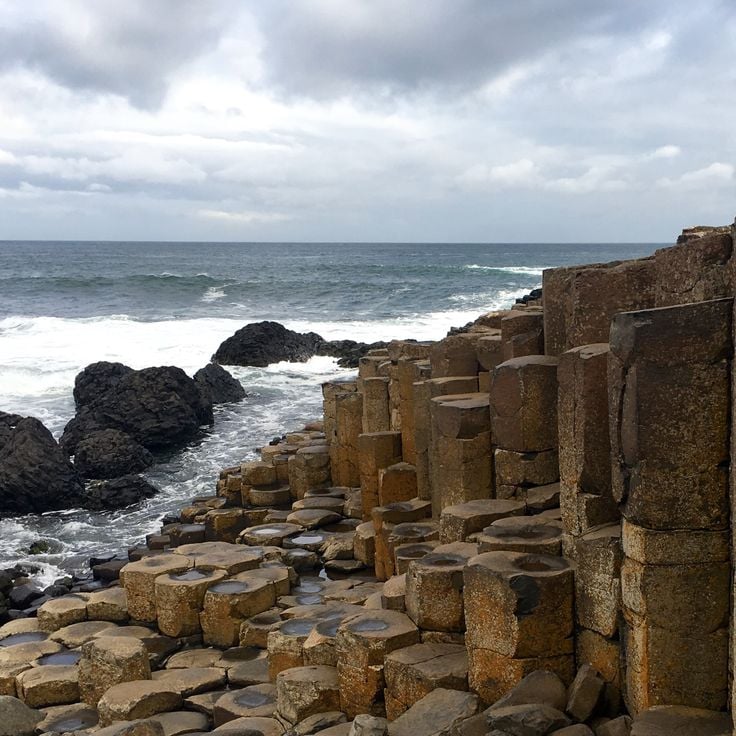
County Antrim, Northern Ireland
The Giant's Causeway features approximately 40,000 hexagonal basalt columns along the County Antrim coast, formed by volcanic activity 60 million years ago. The geometric rock formations create an unusual coastal landscape and document the geological processes of the Cretaceous period. This site serves as an example of basalt cooling and provides photographs of the distinctive structures that extend from the cliff edge into the sea.
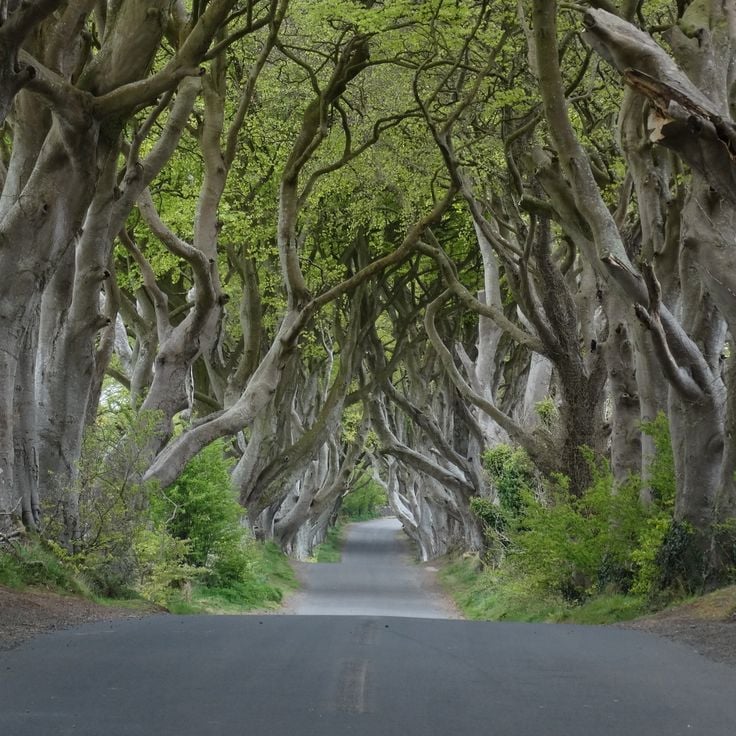
County Antrim, Northern Ireland
The Dark Hedges along Bregagh Road ranks among Ireland's most photographed tree formations. These beech trees were planted in 1775 by the Stuart family as an ornamental approach to their mansion and now form a natural tunnel of interlocking branches. The beeches reach heights up to 98 feet (30 meters) and frame the narrow country road in County Antrim. Though storms have claimed several trees over the years, the formation remains a popular subject for visitors capturing Ireland's historical landscapes and distinctive natural features.
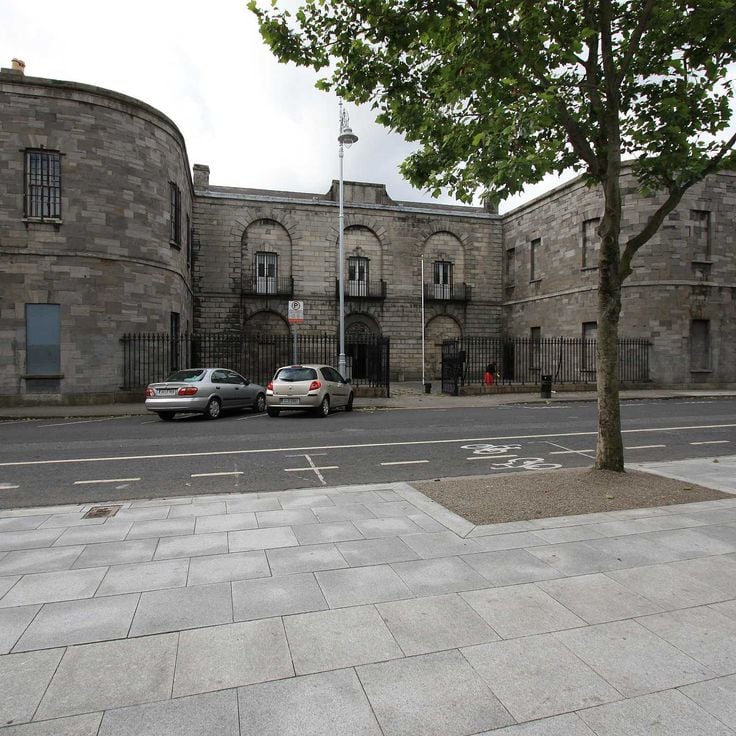
Dublin, Ireland
This former prison in Dublin documents Ireland's path to independence through its preserved cells and execution sites. Kilmainham Gaol held political prisoners during the 1798, 1803, 1848, 1867, and 1916 uprisings and offers insights into 19th and early 20th century social conditions through its Victorian architecture and restored chambers.
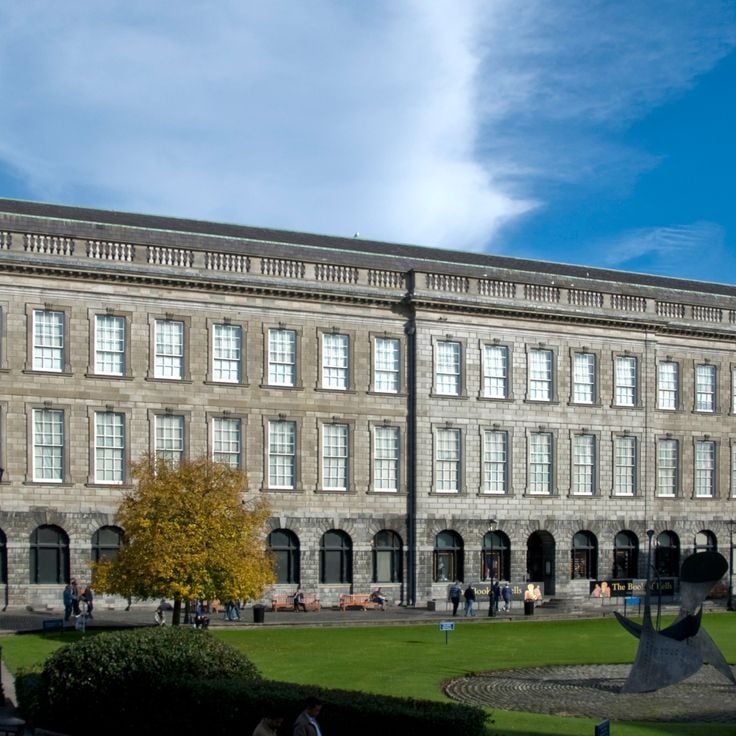
Dublin, Ireland
This 18th century library at Trinity College houses over 200,000 rare books and the Book of Kells in a 210-foot long hall (65 meters) with two-story wooden shelving. The vaulted ceiling space known as the Long Room attracts photographers interested in historic academic spaces. The collection includes significant manuscripts and early printed works that contribute to Irish scholarship history.
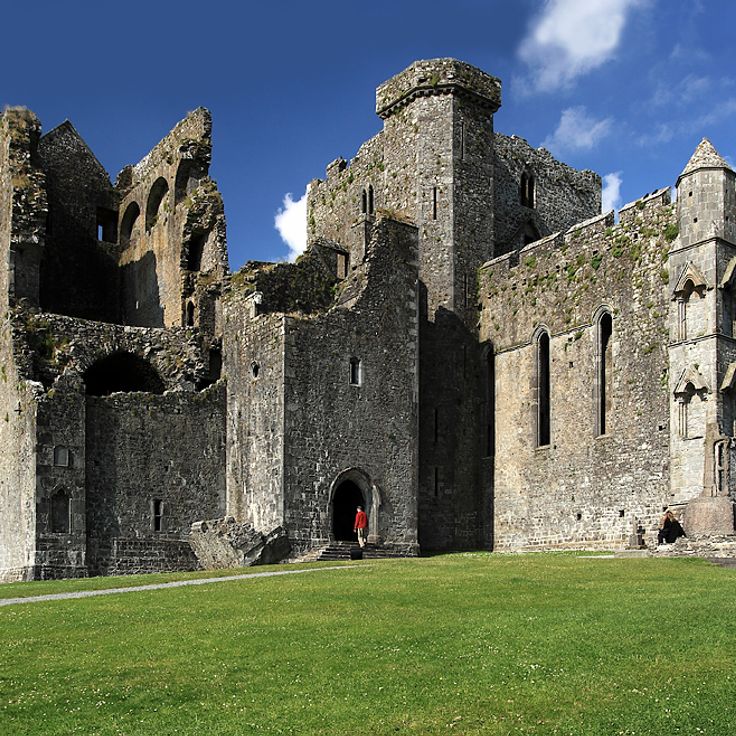
County Tipperary, Ireland
This medieval fortress rises from a limestone outcrop in County Tipperary and contains a 12th-century Romanesque chapel, round tower, and Gothic cathedral. The Rock of Cashel ranks among Ireland's most photographed historic sites, combining architectural elements from multiple periods at a location that once served as the seat of the Kings of Munster.
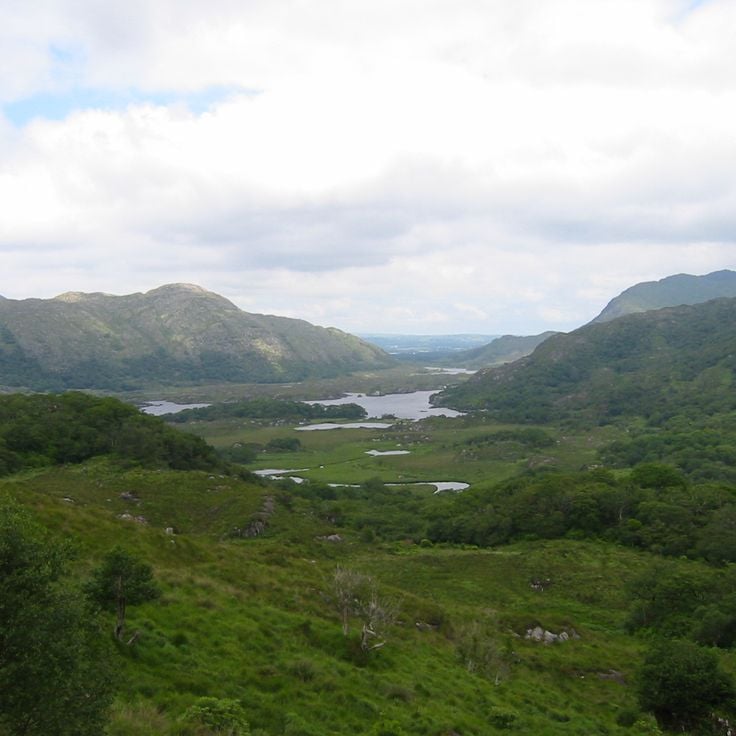
County Kerry, Ireland
This national park covers 25,000 acres (10,000 hectares) with three lakes, the 19th-century Muckross House and a population of wild red deer, offering photographers mountain backdrops, forest trails, historic estates and water landscapes as subjects for documenting Irish nature and architecture.
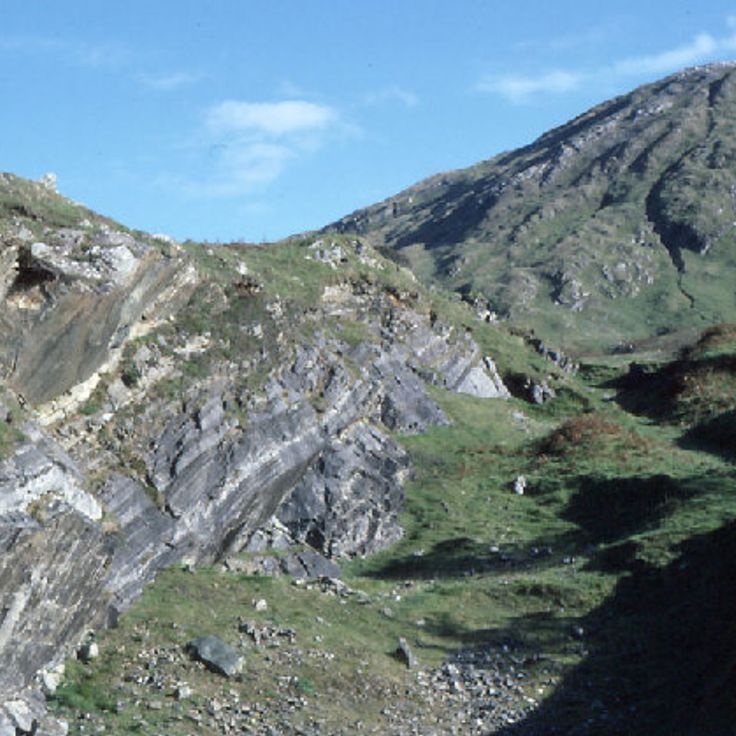
County Galway, Ireland
Connemara National Park spans approximately 5,000 acres (2,000 hectares) and encompasses moorland, blanket bogs, and the Twelve Bens mountain range, with peaks reaching 2,300 feet (700 meters). This park offers photographers Irish terrain that includes granite summits, heathlands, and wetlands. The landscape transitions from valleys to exposed uplands, with vegetation changing by elevation.
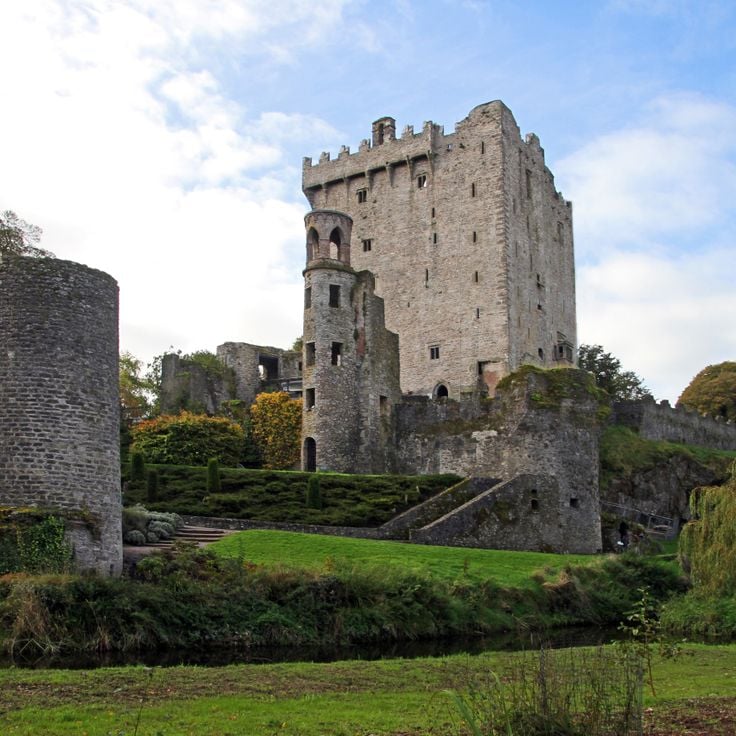
County Cork, Ireland
This medieval fortress in County Cork ranks among Ireland's most photographed historic structures. Blarney Castle dates from the 15th century and sits on a rocky outcrop surrounded by landscaped gardens and natural waterfalls. Visitors climb steep spiral staircases to reach the top platform, where the Stone of Eloquence is set into the exterior wall. Legend holds that kissing this stone grants eloquence, which can result in queues forming. The grounds extend across several hectares and include wooded paths, rock formations, and ruins from an earlier castle. The gardens offer photographic compositions with the castle as backdrop, while the elevated position provides wide views across the surrounding countryside.
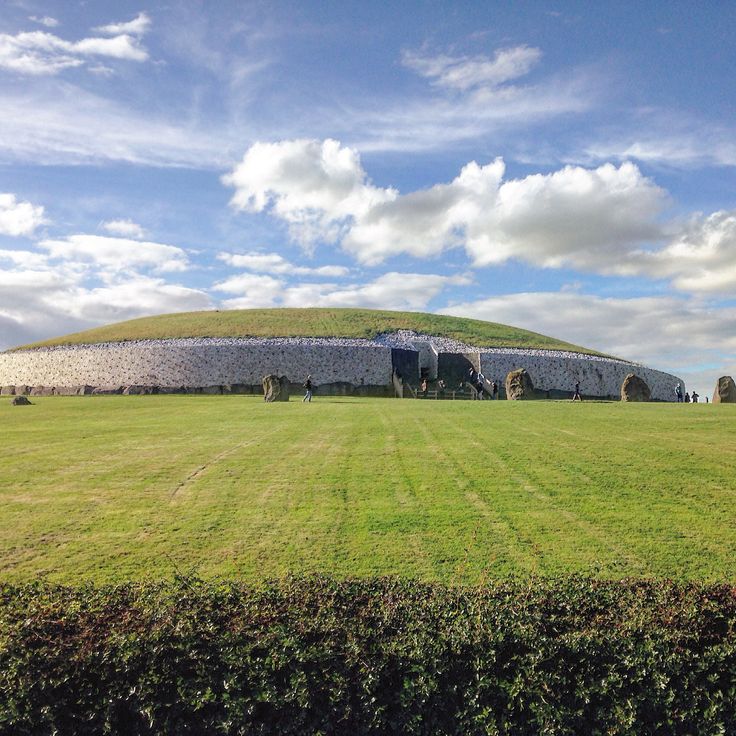
County Meath, Ireland
This Neolithic passage tomb in County Meath was constructed approximately 5,200 years ago and features a reconstructed white quartz facade along with the precise alignment of its interior passage, which is illuminated by the rising sun during the winter solstice and stands as a significant example of prehistoric engineering.
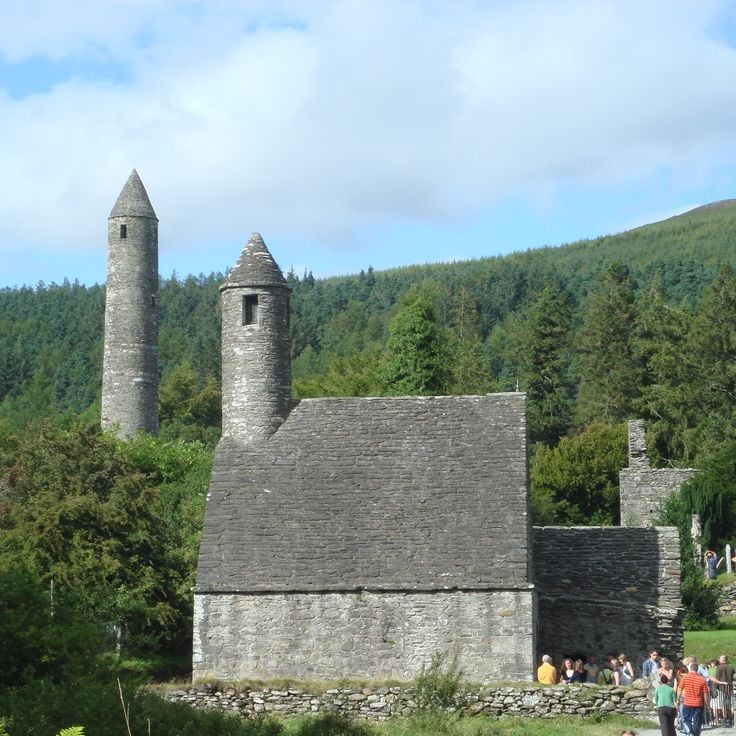
County Wicklow, Ireland
This medieval monastery settlement sits between two lakes in the Wicklow uplands, preserving a 98 foot (30 meter) round tower and the remains of several stone churches. Founded in the 6th century, Glendalough offers photographic subjects combining historical architecture with forested lakeside settings, making it a notable site for capturing both heritage structures and natural landscapes within a glacial valley.
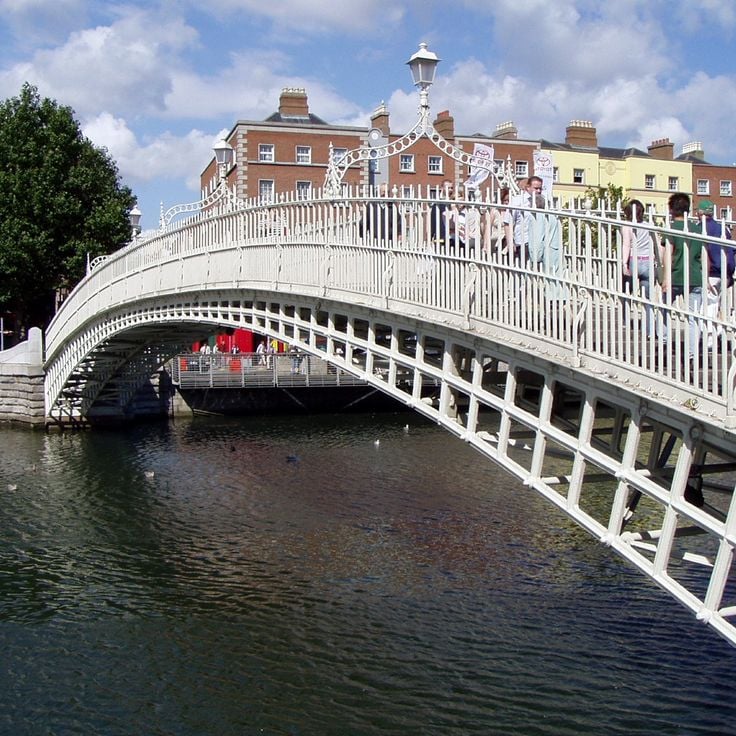
Dublin, Ireland
This cast iron pedestrian bridge from 1816 spans the River Liffey with its distinctive oval railings and white paint. The Ha'penny Bridge connects Dublin's north and south banks across 140 feet (43 meters) and takes its name from the halfpenny toll charged for crossing until 1919. The bridge serves as a popular photography point for capturing views of the river landscape and surrounding Georgian architecture.
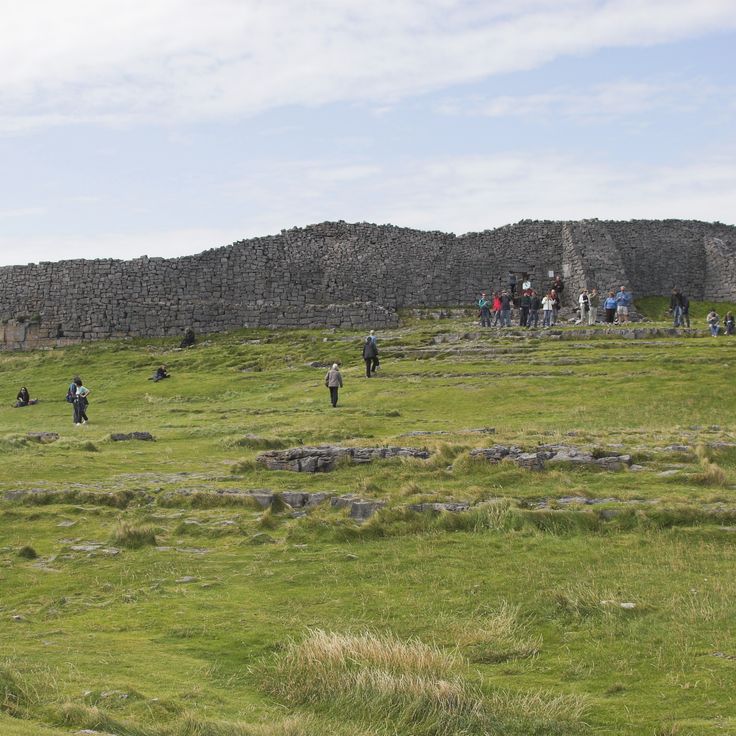
County Galway, Ireland
This Bronze Age stone fortification on Inishmore island provides a notable vantage point for photographers of historic sites in Ireland. Dún Aonghasa sits at the edge of a 295-foot (90-meter) cliff and displays semicircular stone walls that extend to the precipice. The fortress consists of several concentric ramparts and a defensive ring of pointed stones set into the bedrock.
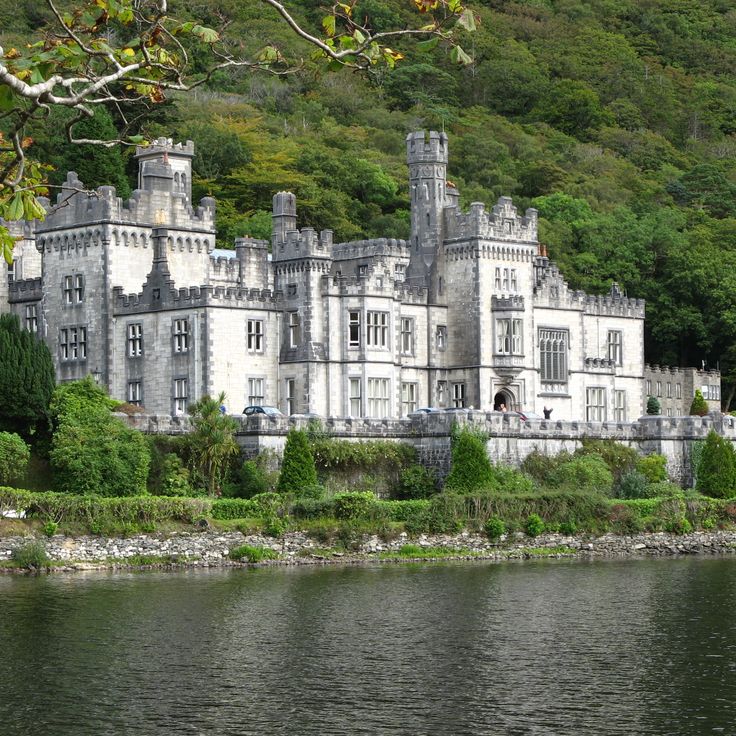
County Galway, Ireland
Kylemore Abbey stands as a neo-Gothic castle on the shore of Pollacappul Lake and ranks among Ireland's most photographed historical structures. The former Benedictine abbey includes a Victorian walled garden with a restored greenhouse, set against forested mountains that provide varied compositions for landscape and architectural photography.
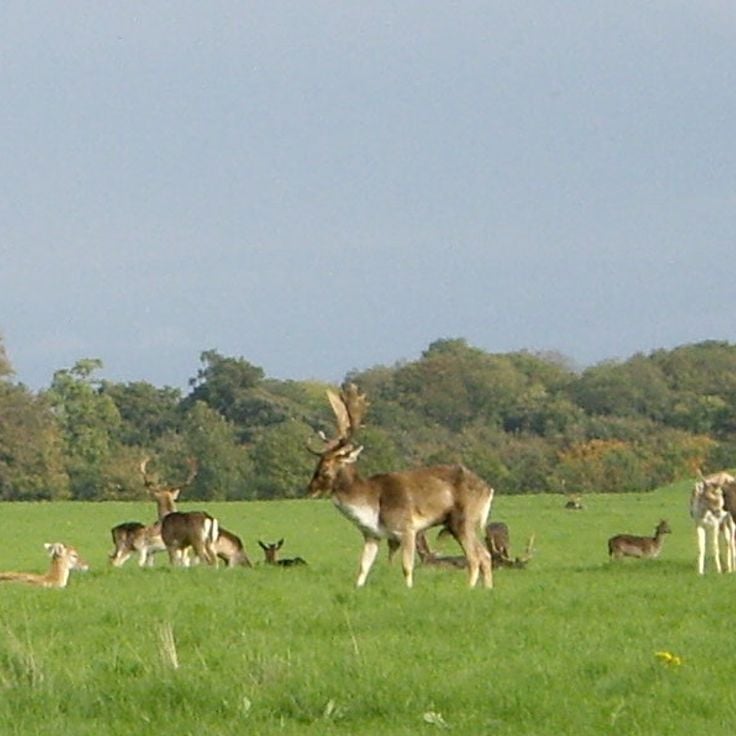
Dublin, Ireland
This urban park spans 707 hectares and includes Dublin Zoo along with a population of fallow deer that roam freely across the grounds, making it an expansive setting for photographers documenting historical landscapes and wildlife in Ireland.
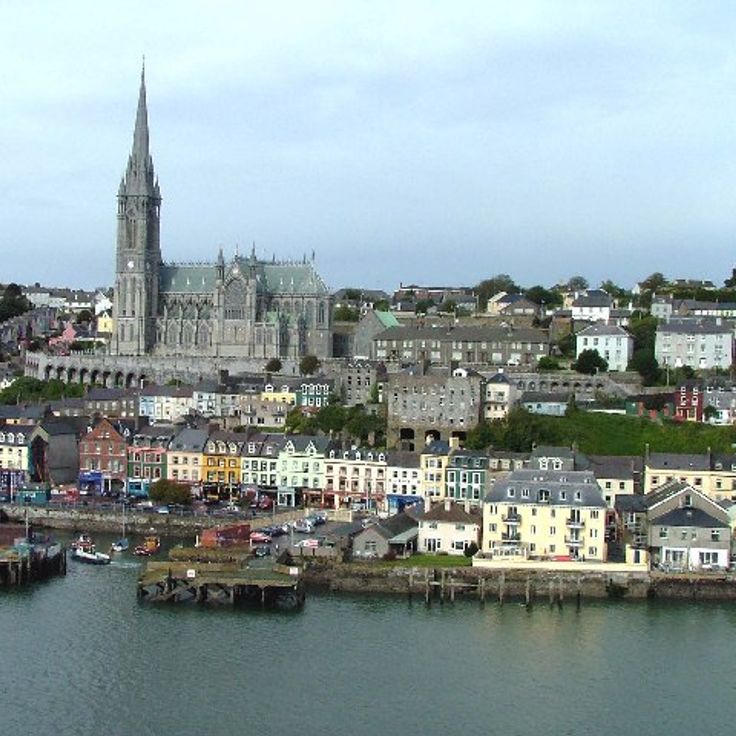
County Cork, Ireland
This harbor town in County Cork served as the Titanic's final port of call before crossing the Atlantic. Rows of colored houses climb the hillside while St. Colman's Cathedral rises above the town with its 330-foot bell tower. The steep streets wind from the waterfront up to the neo-Gothic cathedral, which took from 1868 to 1915 to complete.
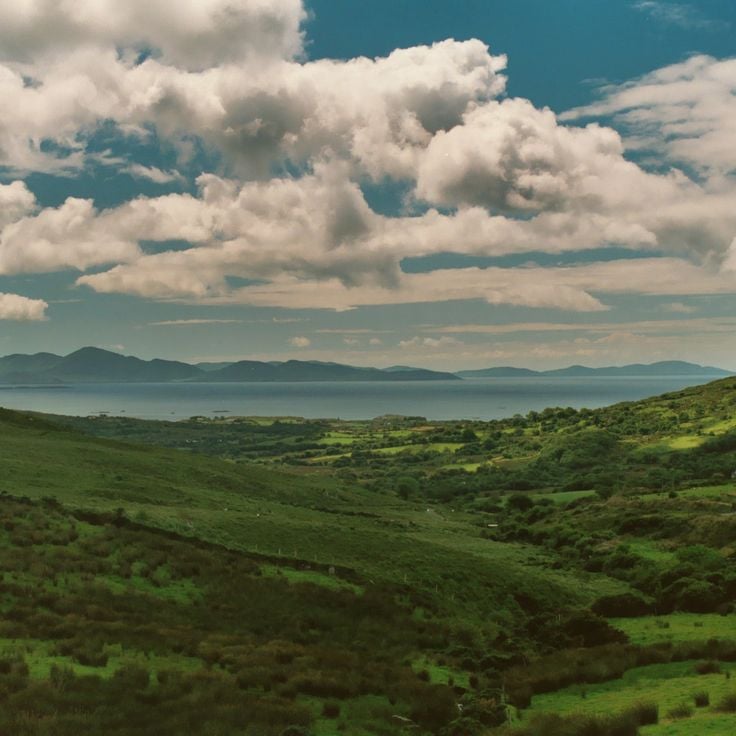
County Kerry, Ireland
This scenic route stretches 111 miles (179 kilometers) around the Iveragh Peninsula, linking Atlantic coastal sections with mountain ranges, lakes and rural villages. The circular road gives photographers shifting landscapes from ocean views to mountain formations and provides access to historical structures across County Kerry for Ireland photography.
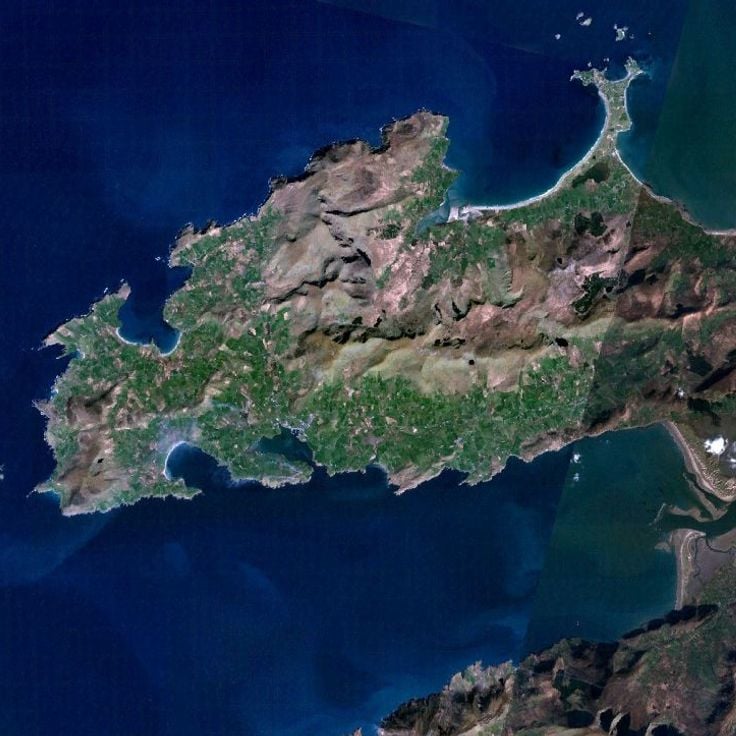
County Kerry, Ireland
The Dingle Peninsula extends 48 kilometers (30 miles) into the Atlantic and presents Celtic monuments, stone forts and sandy beaches suitable for photographs of the Irish west coast. This westernmost peninsula of Ireland combines historical structures with coastal landscapes and offers various subjects for capturing the Atlantic shoreline region.
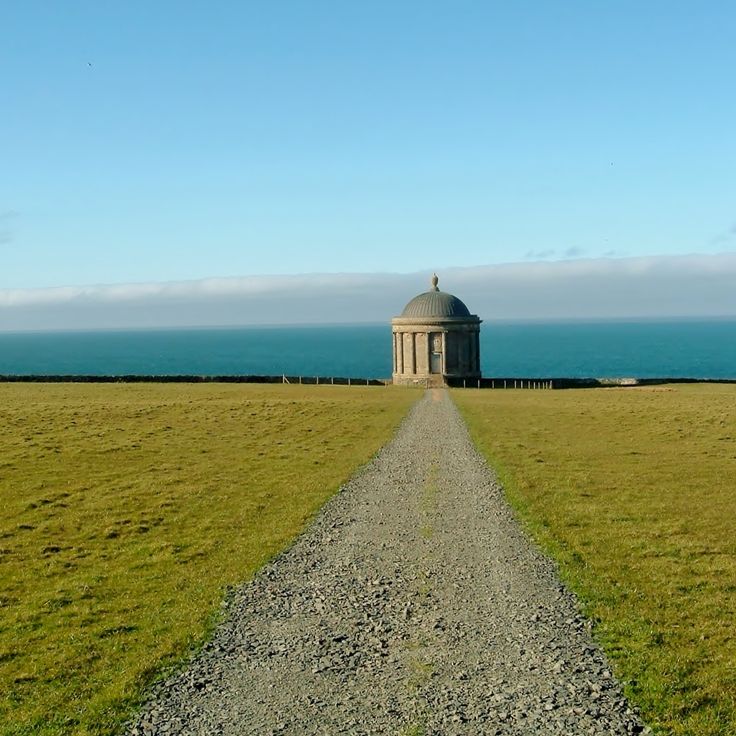
County Londonderry, Northern Ireland
This temple, a circular stone structure built in 1785, rises 120 feet (37 meters) above the ocean on basalt cliffs and provides views across the Northern Ireland coastline. The Mussenden Temple ranks among the most photographed sites in Ireland, combining historical architecture with dramatic coastal formations that yield compelling images, particularly during shifting light conditions.
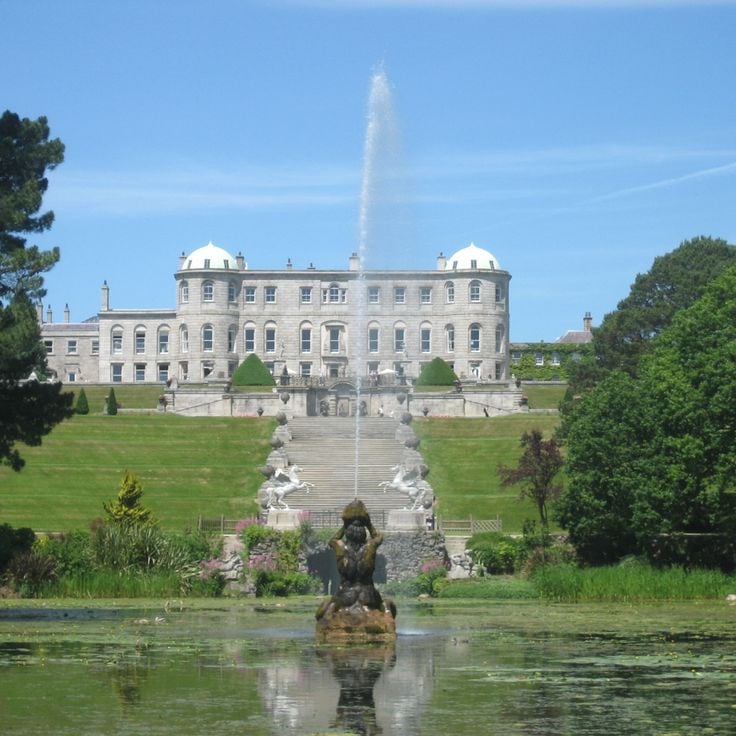
County Wicklow, Ireland
These 19th century gardens cover 47 acres (19 hectares) next to a Palladian mansion in County Wicklow. Powerscourt Gardens features Italian terraces, Japanese gardens, ornamental lakes and a walled garden with historic plantings. The estate combines different garden styles with views of the Wicklow Mountains and includes design elements from several periods.
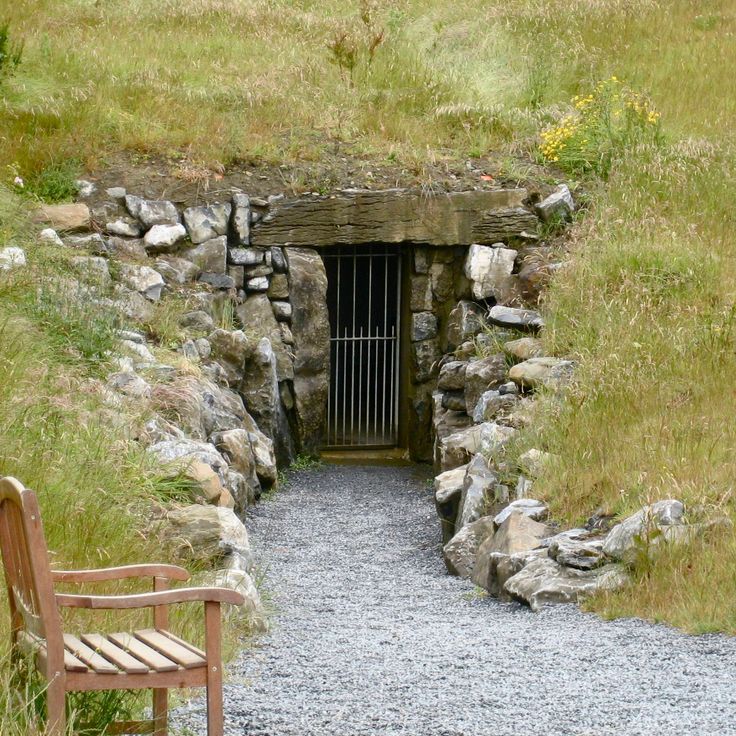
County Clare, Ireland
This cave in County Clare contains a 23-foot 11-inch (7.3-meter) limestone stalactite hanging from the ceiling. Doolin Cave allows visitors to observe this geological formation during guided tours. The stalactite ranks among the longest freehanging examples of its kind in Europe and provides photographers with an unusual underground setting for capturing images of this natural structure.
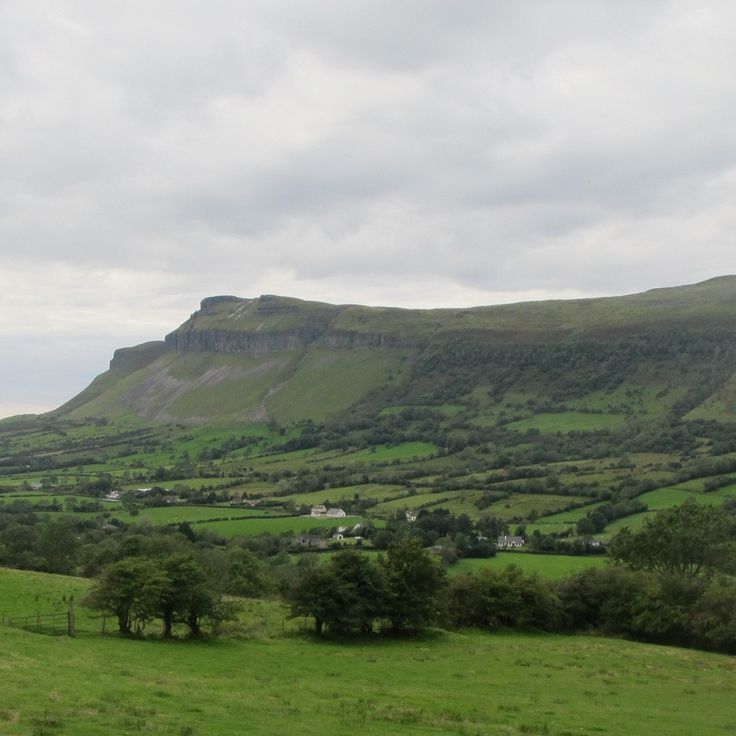
County Sligo, Ireland
This table mountain in County Sligo rises to 1,726 feet (526 meters) and displays a distinctive flat surface. The slopes of Benbulben offer several walking paths that lead photographers to exposed rock formations and views across the northwestern coastal region. The mountain's characteristic silhouette appears in numerous depictions of Irish landscapes.
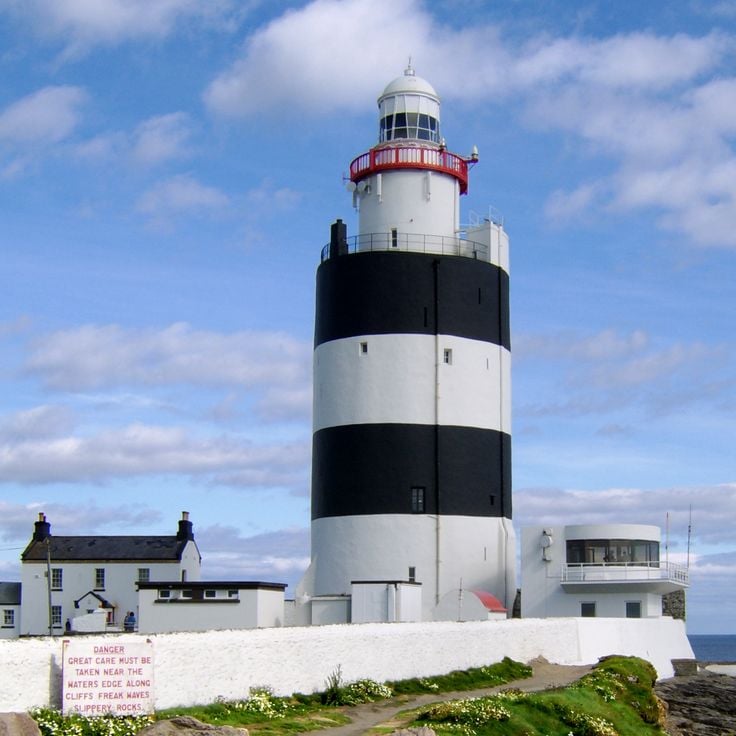
County Wexford, Ireland
This lighthouse dates from the 13th century and ranks among the oldest working lighthouses in the world. The black and white stripes on its exterior served as a daymark for mariners, while the light beacon guided ships at night. The structure stands on a rocky headland along the southeastern coast of Ireland, offering visitors insight into medieval lighthouse engineering and views across the Celtic Sea.
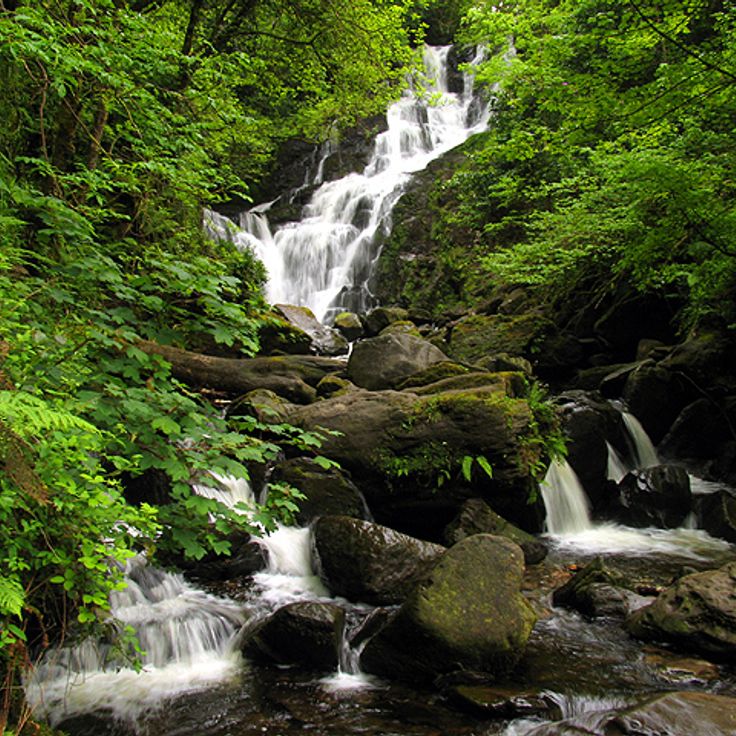
County Kerry, Ireland
This 66-foot (20-meter) waterfall sits at the base of Torc Mountain in County Kerry and ranks among Ireland's accessible natural features for photography. A forest path leads through native woodland to a viewing platform where water descends over rock formations. Torc Waterfall provides clear sightlines to the cascades and represents the landscape features of the Kerry region. Access follows a developed trail that allows approach to this natural element of Irish geography.
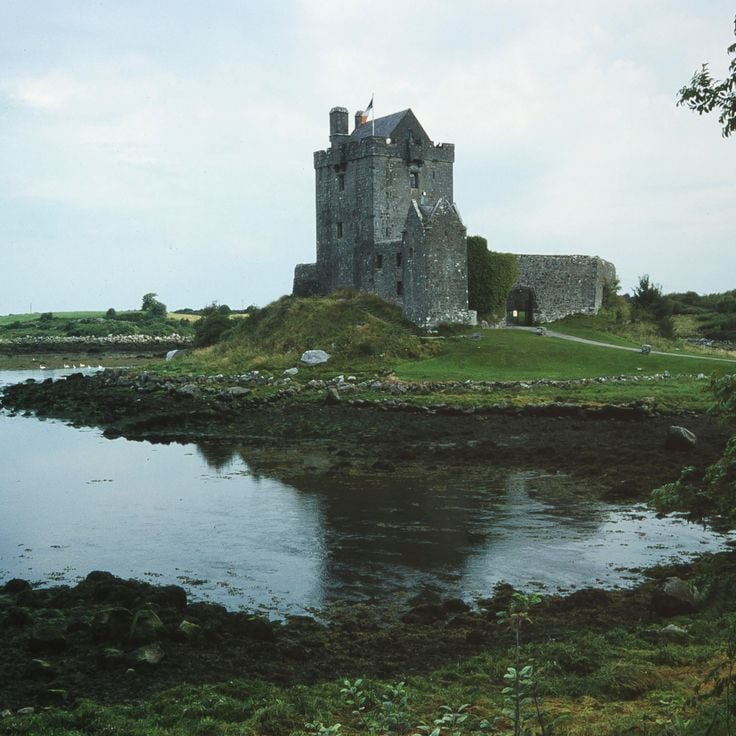
County Galway, Ireland
This 16th-century fortress rises from a rocky outcrop overlooking Galway Bay and the town of Kinvarra. Dunguaire Castle ranks among the most photographed structures in western Ireland and has served for centuries as a landmark for fishermen and travelers. The complex consists of a rectangular tower and a walled courtyard that become surrounded by water at high tide. Access is via a paved causeway that remains exposed at low ebb.
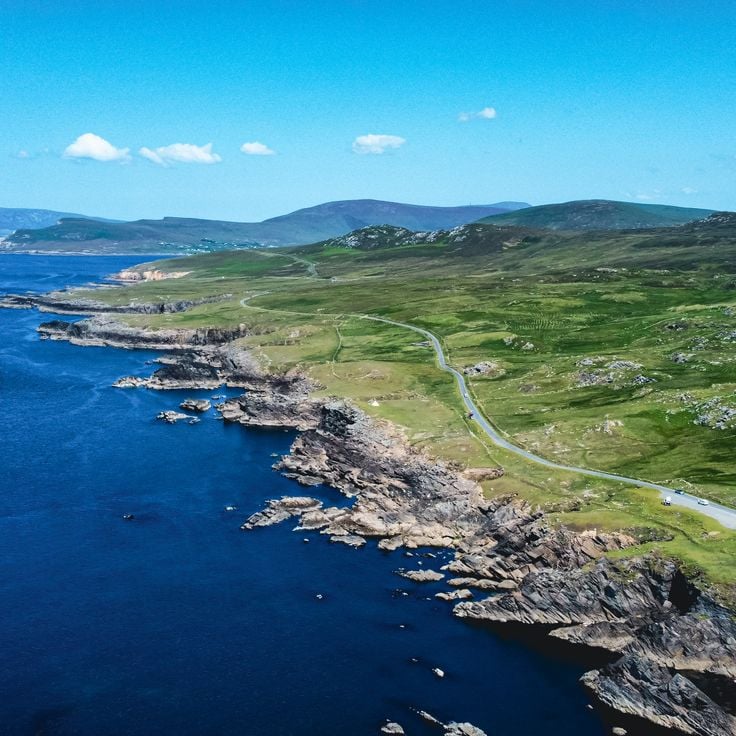
County Mayo, Ireland
This island off the west coast of Ireland encompasses steep cliffs, sandy beaches and mountain ranges reaching to Slievemore. Achill Island presents coastal formations and elevated vantage points for landscape photography. The island features contrasts between mountain terrain and Atlantic coastline with accessible locations for wide-angle captures and natural compositions.
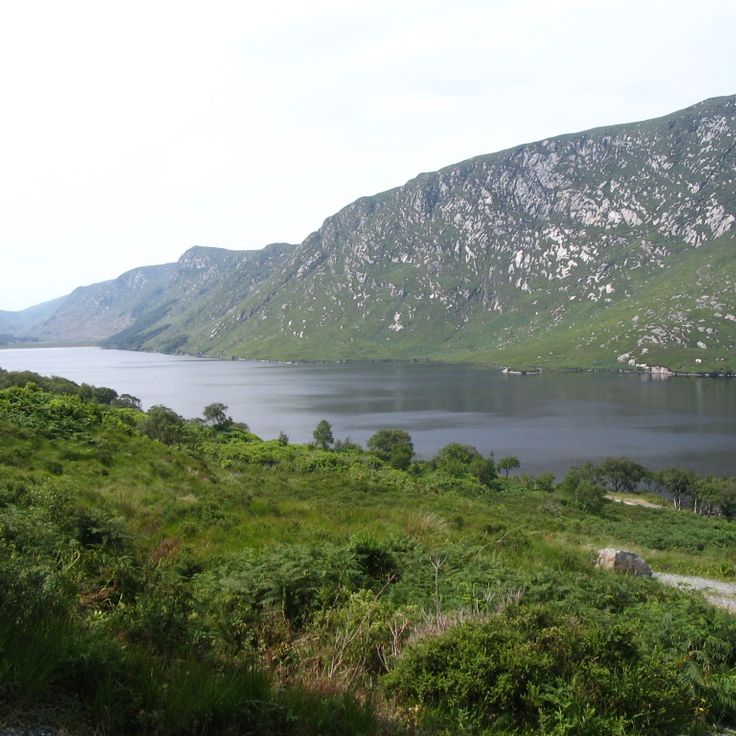
County Donegal, Ireland
This 66 square mile (170 square kilometer) national park in County Donegal encompasses a 19th century castle, lakes and native red deer populations, offering photographically rewarding landscapes with mountains, woodlands and water features that document Ireland's natural diversity.
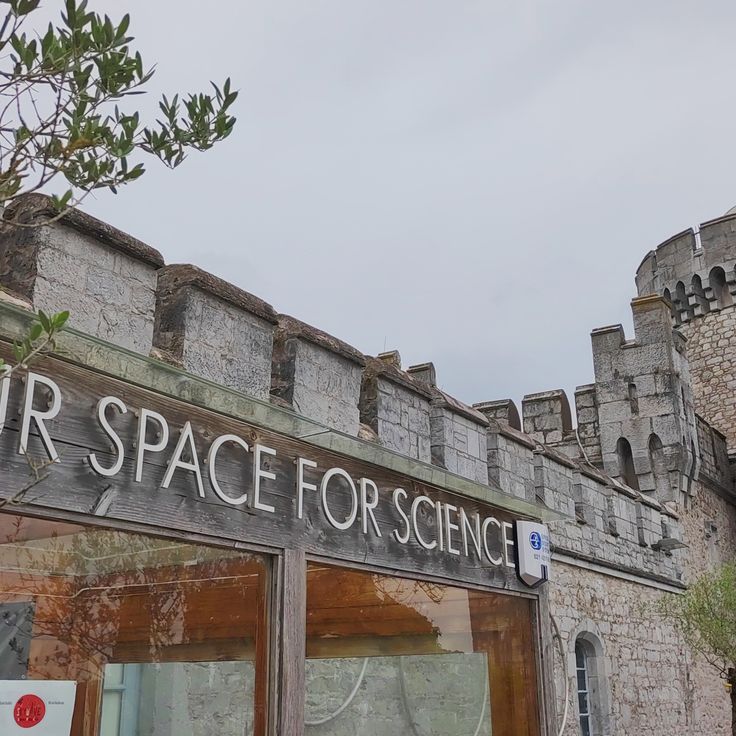
County Cork, Ireland
Blackrock Castle Observatory combines historical architecture with science education in a 16th century riverside tower. The former defensive structure now houses an observatory and interactive exhibits about space exploration, astronomy, and science. The castle's distinctive silhouette offers photographers a subject that bridges Ireland's coastal heritage with modern scientific engagement.
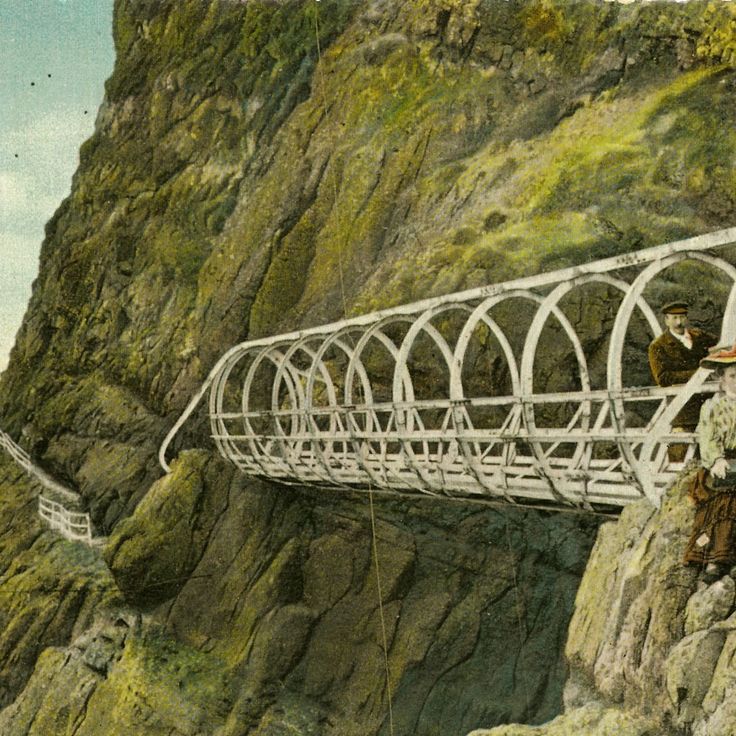
County Antrim, Northern Ireland
This coastal path in County Antrim features suspended bridges and tunnels carved into the rock face 250 feet (75 meters) above the sea. Originally built in 1902, the route reopened in 2015 and provides access to cliffs and sea caves along a basalt coastline. Visitors traverse narrow passages and tubular structures while seabirds like kittiwakes and guillemots nest on the rock ledges. The guided tour takes approximately three hours and requires proper footwear.
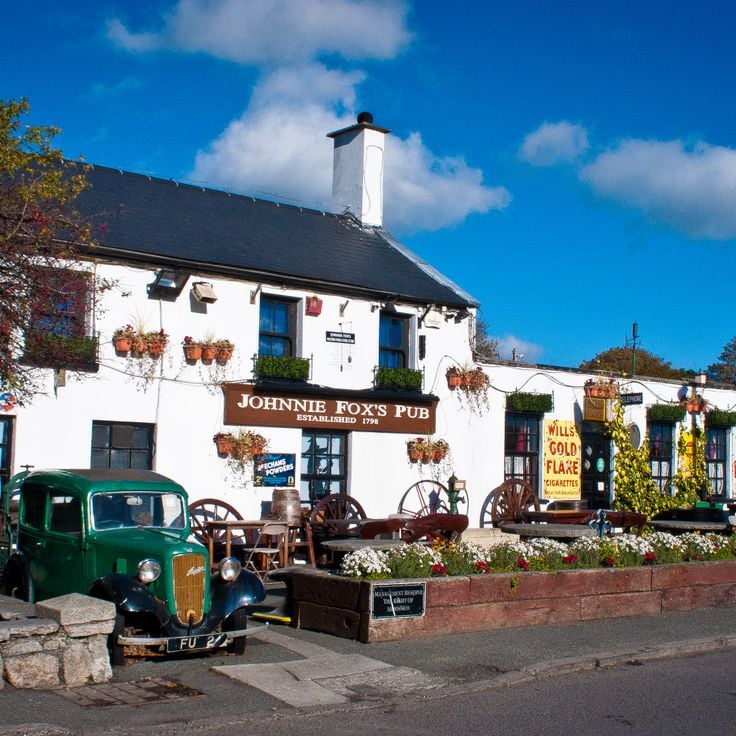
County Dublin, Ireland
Johnnie Fox's Pub sits at 1,509 feet (460 meters) altitude in the Dublin Mountains and hosts traditional Irish music sessions alongside regional cuisine. This historic establishment in the hills outside Dublin presents authentic Irish character and serves as a popular photography subject through its elevated location and rural architecture.
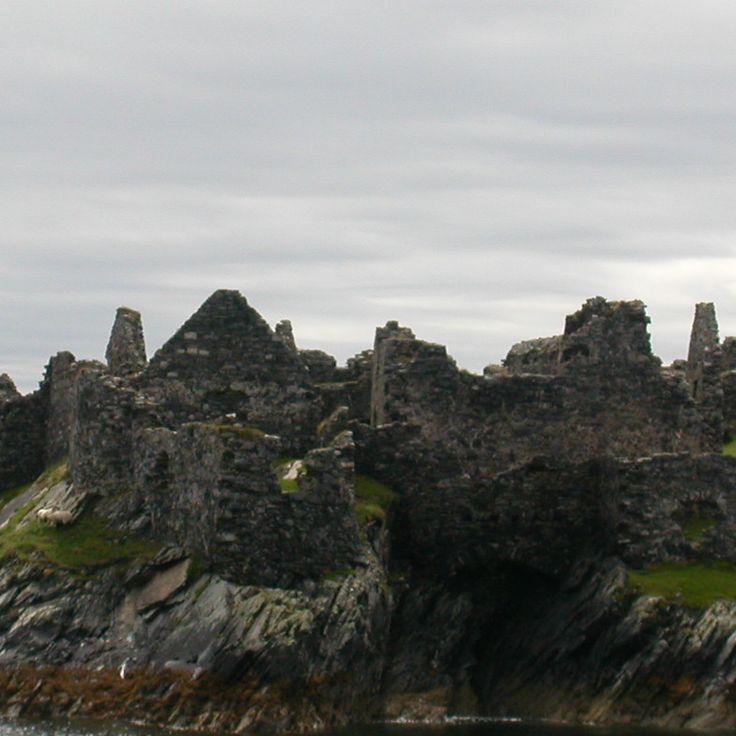
County Galway, Ireland
This island off the western coast holds a historic fort from the 16th century that provides insight into the military past of the region. The coastline of Inishbofin Island extends across sandy beaches and marked trails that lead to various viewpoints. The fort was originally a stronghold of the O'Malley family and later expanded by Cromwellian forces. The island works well for capturing coastal landscapes and historic fortifications.
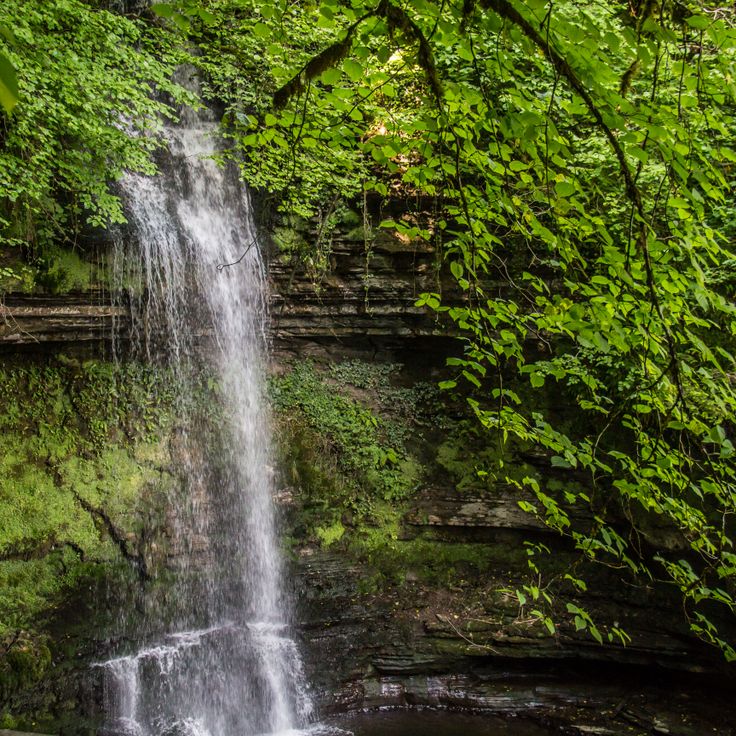
County Leitrim, Ireland
This 50-foot (15-meter) waterfall sits in a forested valley in County Leitrim and appears in William Butler Yeats' poem 'The Stolen Child'. The cascades provide a worthwhile subject for photographs of Irish natural landscapes, particularly after rainfall when water volume increases and surrounding rocks glisten with moisture.
Similar collections
Natural landscapes and historic sites in Ireland
Monuments of Dublin: medieval castle, Trinity College and Guinness Storehouse
Explore Northern Ireland amidst Celtic legends, castles, and volcanic landscapes
Geological formations and natural wonders on Earth