In Saône-et-Loire, walk in the footsteps of thousands of years of history by exploring prehistoric caves, medieval forts, and monasteries that shaped Europe.
Saône-et-Loire holds stories from all parts of French history. You can find caves where prehistoric people lived, like the Azé cave with its stalactites or the rocks of Solutré that overlook the vineyards. The area also has Celtic remains at Bibracte, a fortified city on the heights of Mount Beuvray. The Romanesque monasteries show the time when Cluny was the spiritual heart of medieval Europe, and its basilica served as a model for the one in Paray-le-Monial. Medieval castles like Brancion or Berzé-le-Châtel still stand on their hills, with towers and walls keeping watch over the valleys.
The villages still have their solid stone Romanesque churches, castles, and squares where life goes on quietly. In Tournus, you can visit the Saint-Philibert Abbey from the tenth century and find paintings by an eighteenth-century painter at the Greuze museum. Some places are surprising, like the Blanot caves that go deep under the ground. This mix of sights lets you walk through many centuries of history while exploring the Burgundy countryside.
In Saône-et-Loire, walk in the footsteps of thousands of years of history by exploring prehistoric caves, medieval forts, and monasteries that shaped Europe.
Saône-et-Loire holds stories from all parts of French history. You can find caves where prehistoric people lived, like the Azé cave with its stalactites or the rocks of Solutré that overlook the vineyards. The area also has Celtic remains at Bibracte, a fortified city on the heights of Mount Beuvray. The Romanesque monasteries show the time when Cluny was the spiritual heart of medieval Europe, and its basilica served as a model for the one in Paray-le-Monial. Medieval castles like Brancion or Berzé-le-Châtel still stand on their hills, with towers and walls keeping watch over the valleys.
The villages still have their solid stone Romanesque churches, castles, and squares where life goes on quietly. In Tournus, you can visit the Saint-Philibert Abbey from the tenth century and find paintings by an eighteenth-century painter at the Greuze museum. Some places are surprising, like the Blanot caves that go deep under the ground. This mix of sights lets you walk through many centuries of history while exploring the Burgundy countryside.
The cave at Azé follows a network of passages where water has carved chambers and galleries from the limestone over thousands of years. Stalactites hang from the ceilings, and traces remain of people who lived here during prehistoric times. Walking through the cave shows how nature and early inhabitants used this underground space. It feels cool and damp, and lighting highlights the formations that water created. The cave connects geological processes with the first chapters of human presence in the region.
The Château de Brancion stands on a hilltop above the Grosne valley and still shows its towers and fortifications from the twelfth century. From the walls you can look far across the Burgundian countryside. The castle was once among the important strongholds of the region and controlled the roads through the valley. Today you can walk through the old rooms and visit the chapel where wall paintings remain visible.
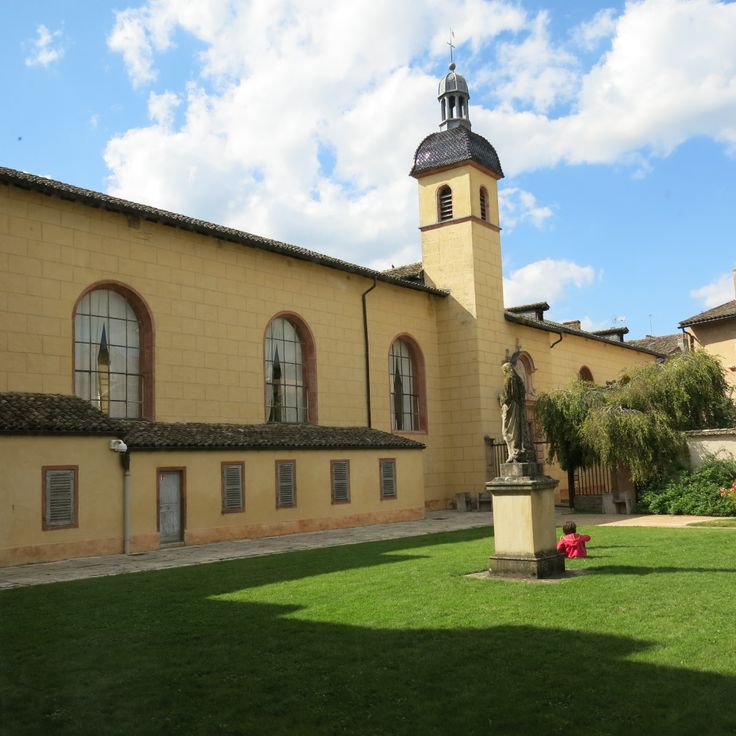
The monastery was built after the Viking invasions and took several decades to complete. The Abbaye Saint-Philibert stands as one of the important examples of Burgundian architecture from that period, with thick stone walls and rounded arches. Inside, tall columns and the cool atmosphere of a space designed for prayer and meditation make an impression. The crypt houses ancient relics and reflects the spiritual importance this place held over the centuries. The building feels sturdy yet elegant, a testimony to early medieval architecture.
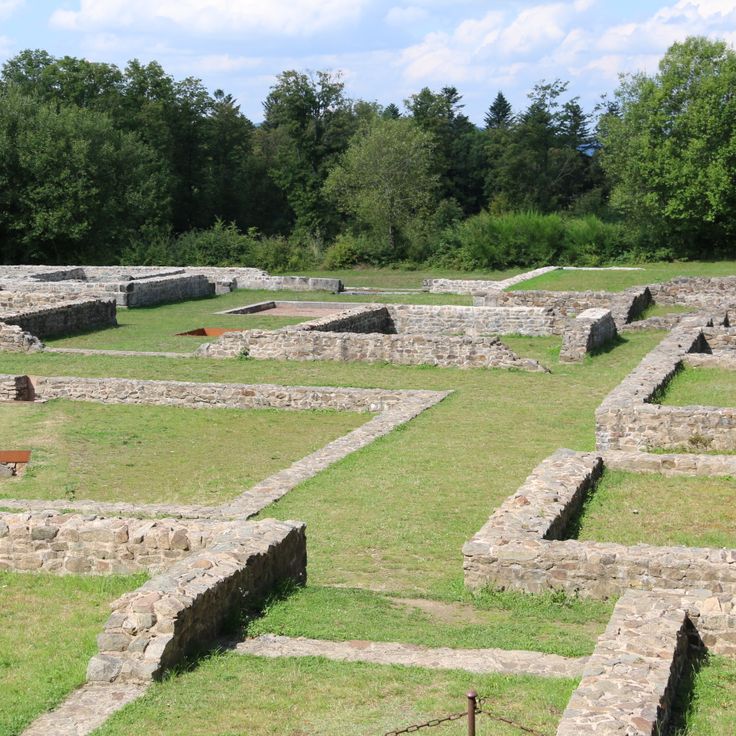
The Celtic city of Bibracte sits on the heights of Mont Beuvray and shows remains of fortifications, dwellings and workshops from the second century BC. You can still make out the earthen ramparts that surrounded the oppidum and the foundations of buildings where craftsmen worked and families lived. Excavations have uncovered coins, pottery and metal objects that tell of trade and daily life in this Celtic capital. The site spreads across the wooded slopes, and paths lead through the different quarters of the ancient city. A museum displays the finds and explains how this settlement functioned before it was abandonned in the first century. The position on the mountain gave protection and control over the surrounding valleys.
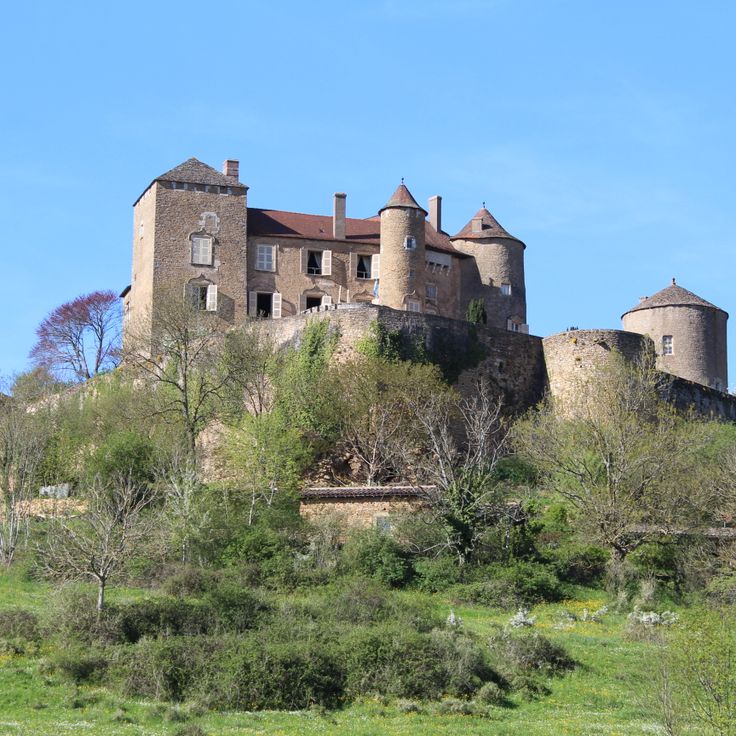
The medieval fortress of Berzé-le-Châtel stands on a hill and still shows its thirteen towers and thick walls from the thirteenth century. You walk through several courtyards and can climb onto the ramparts, where you overlook the valleys and vineyards all around. The place feels massive and compact, with its defensive walls and round towers that once protected the lands of Cluny Abbey. Inside, some halls have survived, and you still sense the atmosphere of a time when this castle played an important military role.
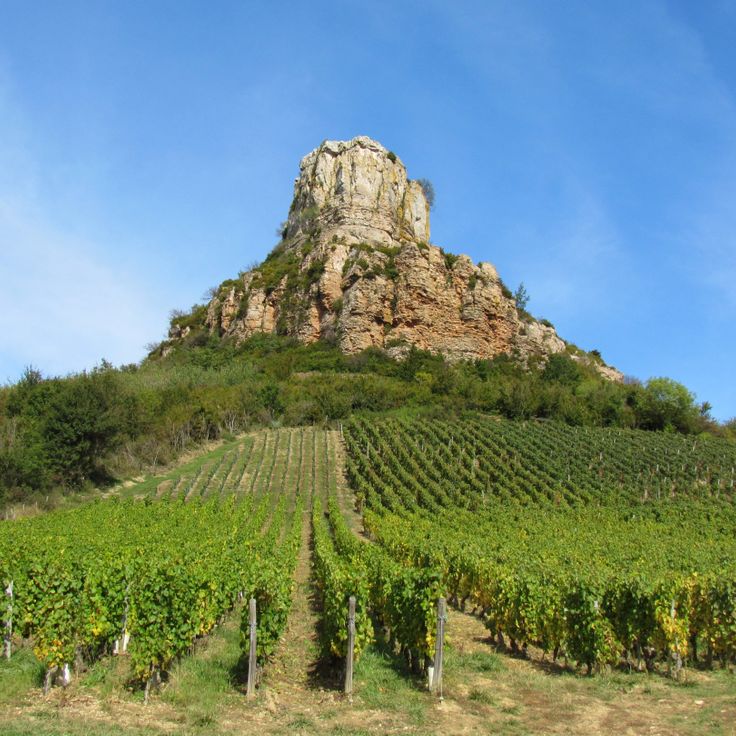
The Roche de Solutré is a limestone cliff that rises abruptly above the vineyards of Pouilly-Fuissé and has shaped this landscape for thousands of years. At the base of this rock wall, archaeologists discovered bones and tools from the Old Stone Age in the nineteenth century, showing that people hunted and lived here more than twenty thousand years ago. The site even gave its name to a prehistoric culture called the Solutrean, and you can see the finds in the museum at the foot of the cliff. Today a hiking trail leads to the top, where you stand among grasses and wildflowers on the plateau and look out over the vines, the villages and the gentle hills of the Mâconnais. In the mornings fog often sits in the valleys while the summit of the Roche is already in sunshine. The walk takes about half an hour, the path is sometimes steep, but the view makes up for the effort.
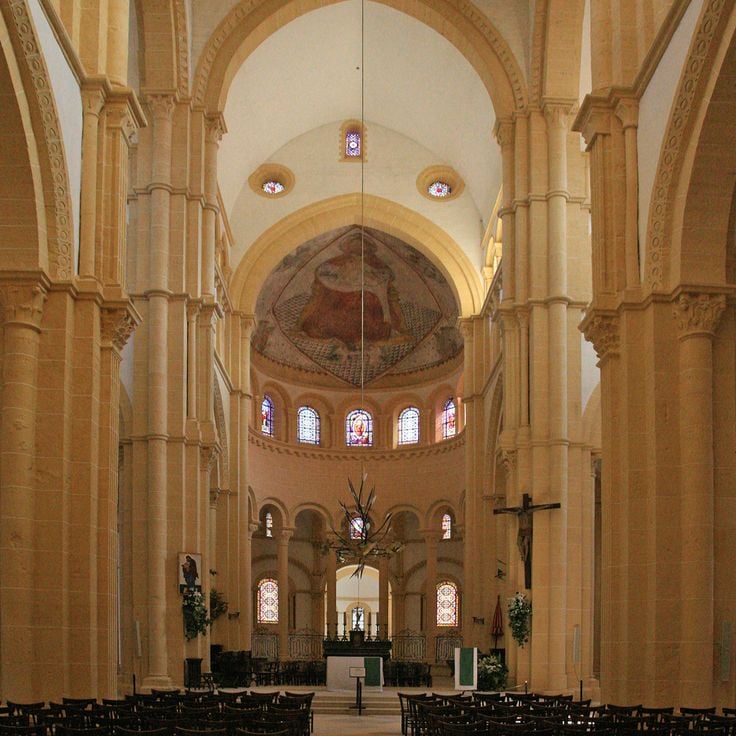
The basilica of Paray-le-Monial dates from the twelfth century and shows what the great abbey church of Cluny must have looked like. The church was built following the same design but on a smaller scale. You can see here the Romanesque architecture that was common in Burgundy at the time: massive stone walls, rounded arches and a high vault. The interior feels calm and bright, with simple forms that structure the space. Pilgrims visit this basilica also because of visions that a nun experienced here in the seventeenth century. The church sits in the center of town and remains an important place for believers from different countries.
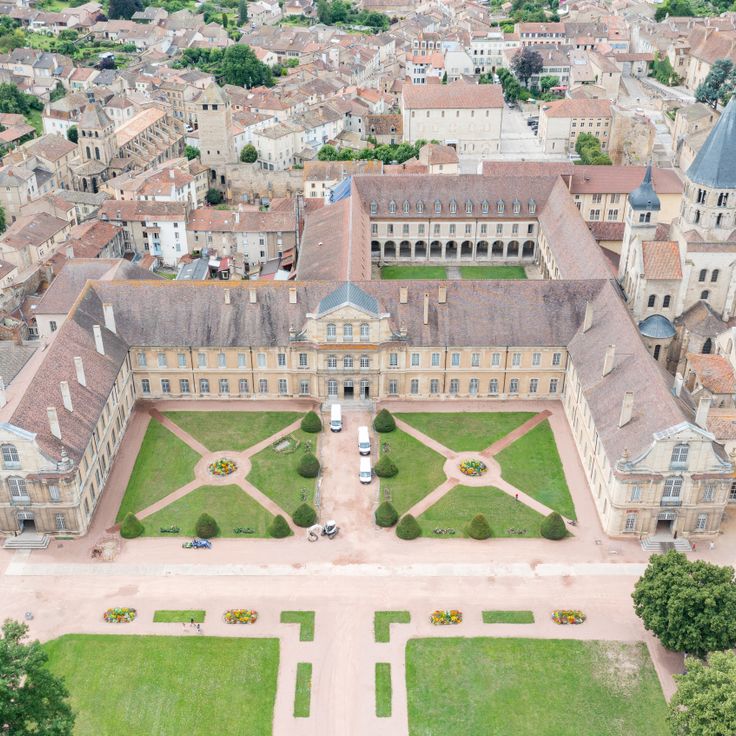
The abbey of Cluny was founded in 910 and grew into the center of a European network of monasteries. Its church was considered the largest in Christendom until the sixteenth century, before St. Peter's Basilica surpassed it. Today only parts of the original structure remain, including a bell tower and sections of the southern transept. The surviving spaces still give a sense of the power and spiritual influence that Cluny once held. Walking through the gardens and among the ruins helps to imagine the scale of this religious empire.
The museum in Tournus displays paintings by the French artist Jean Baptiste Greuze from the eighteenth century and his contemporaries, including portraits and genre scenes that capture the daily life of the middle class during that period.
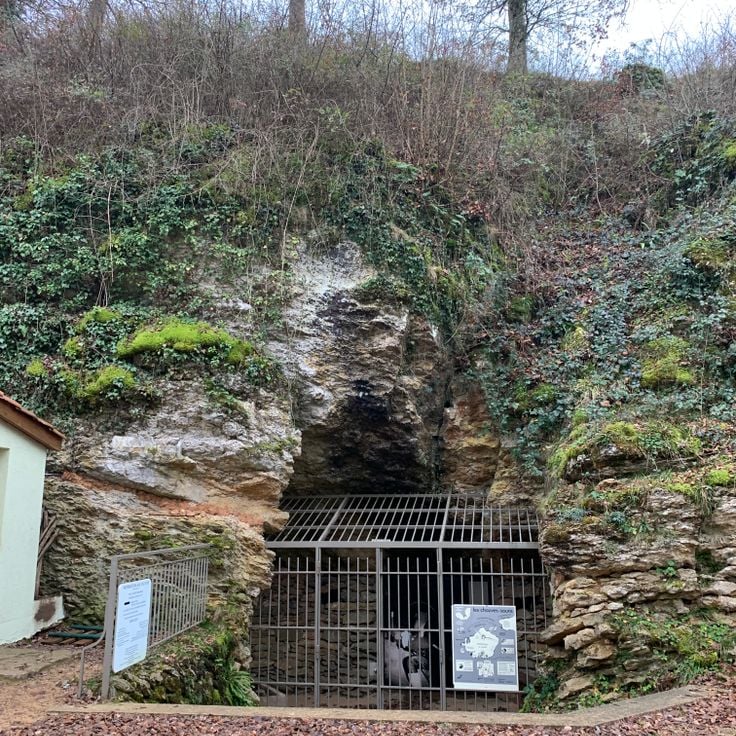
The Blanot caves are an underground network of limestone formations and passages that stretch about 1,000 feet (300 m) beneath the surface. You descend through narrow corridors and discover chambers where the air grows cooler and where water has shaped forms over thousands of years, emerging from the darkness. Guided tours reveal different levels where stalactites hang from the ceilings and stalagmites rise from the ground. These caves are among the geological features of Saône-et-Loire and offer a glimpse into the hidden structures beneath the Burgundy countryside.
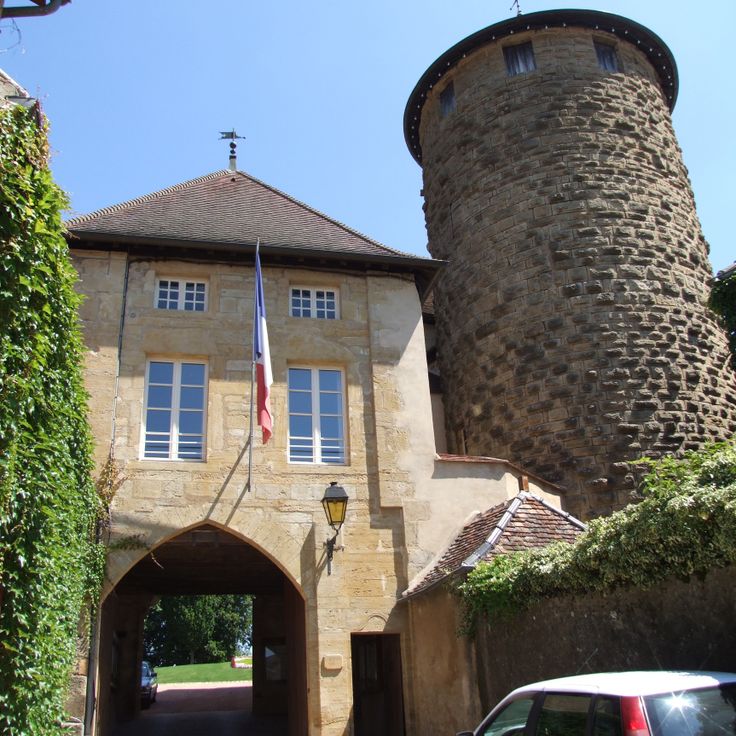
The remains of a 13th century fortress sit high on a hill above the valley. The Château de Thil combines a strategic position with sweeping views across the surroundings. The walls and towers still show how such castles were built to control the land below. The path up leads through woods and as you get closer you see the old stone walls that have faced the weather for centuries.
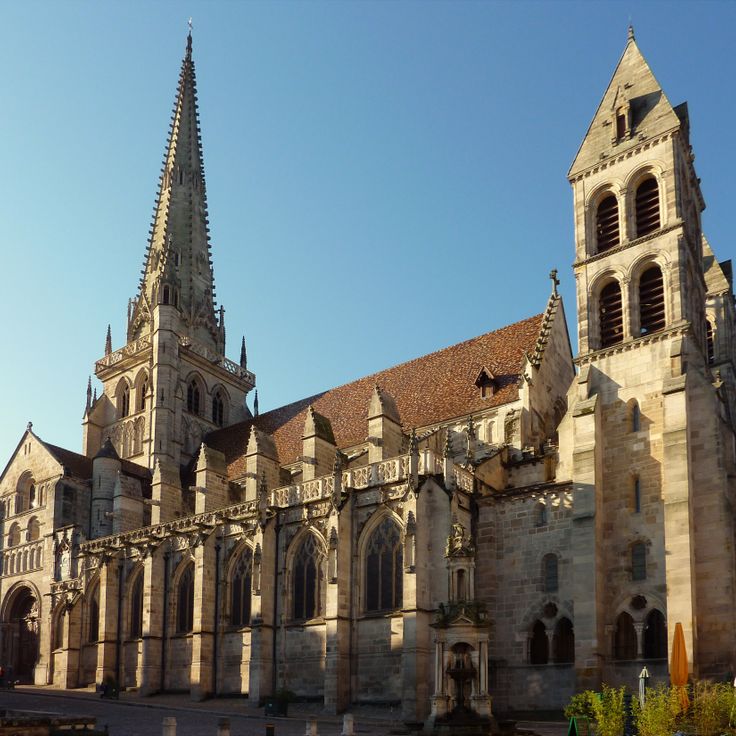
This cathedral stands above Autun since the twelfth century, with thick walls of pale stone and a high tower. The main doorway shows a huge tympanum carved with hundreds of figures depicting the Last Judgment. Inside, the columns carry capitals with scenes from biblical stories and medieval daily life, each one different. You can still see geometric patterns on the walls that were once painted in color. The nave is long and high, with rounded arches like many Romanesque churches in the region. Light comes through narrow windows. You feel the weight of centuries in this space.
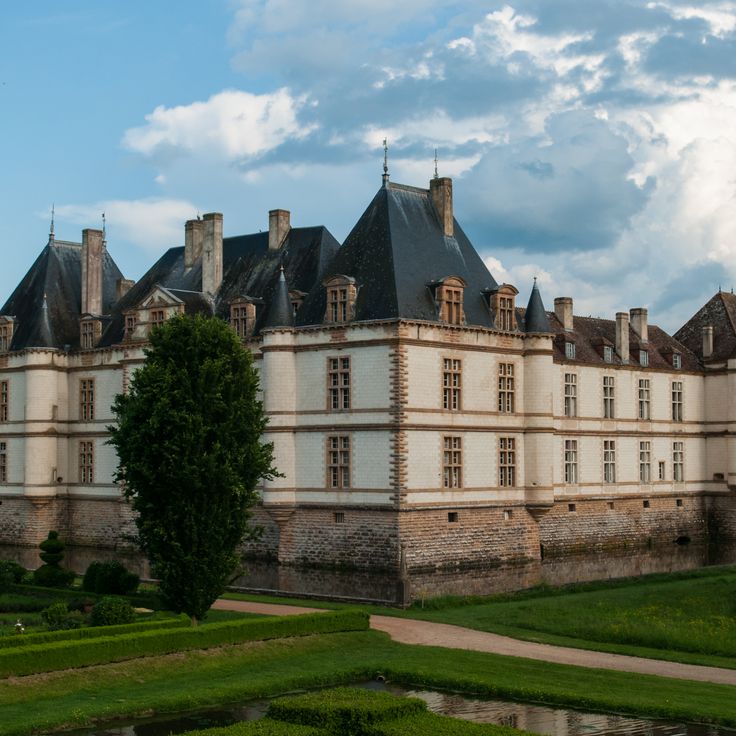
The castle of Cormatin was built in the seventeenth century and has kept its wall paintings from that time. The rooms display baroque furniture and painted ceilings, while outside geometric gardens were laid out with water basins and trimmed hedges. The estate sits near the abbey of Cluny and belongs to the manor houses that appeared in Saône-et-Loire after the medieval period.
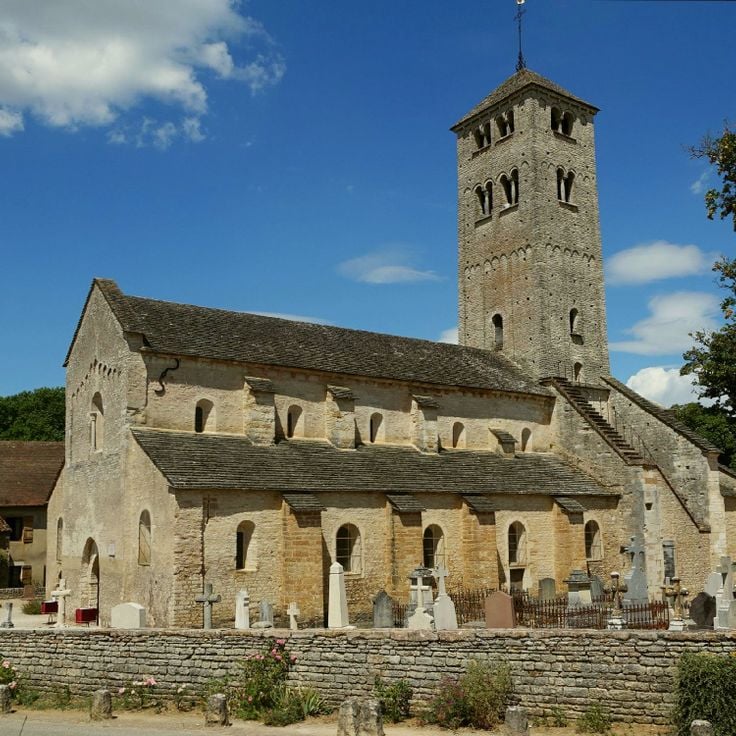
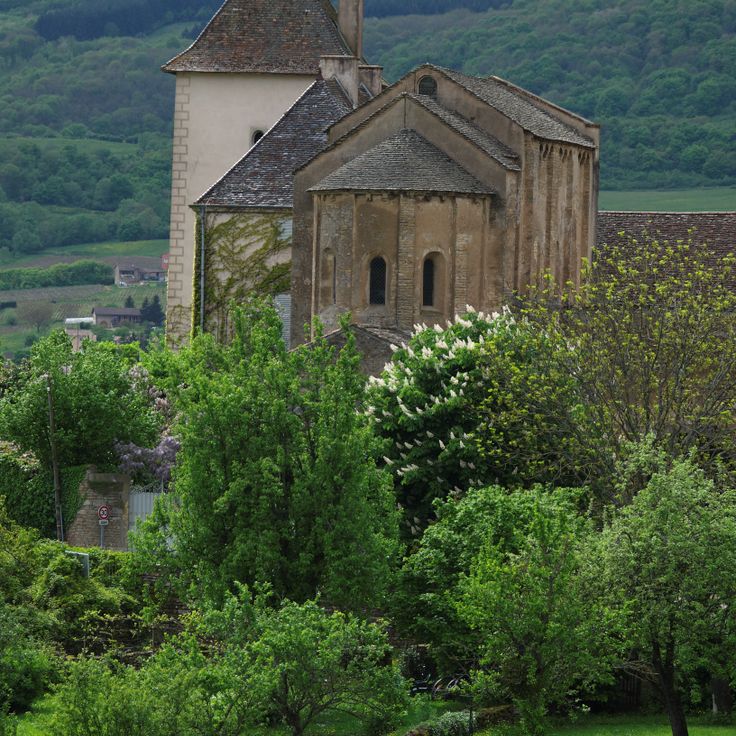
The church of Chapaize rises with its impressive tower over the surrounding landscape and belongs to the notable Romanesque buildings of Saône-et-Loire. The tower from the eleventh century reaches a height of about 115 feet (35 meters) and has served for centuries as a landmark for the region. Inside you can admire stone sculptures from the construction period, which testify to the craftsmanship of the stonemasons of that time. The massive walls and simple design correspond to the Romanesque style that was widespread in Burgundy when monasteries like Cluny shaped religious architecture. This place conveys the atmosphere of a medieval village where the church tower forms the central element of the community.
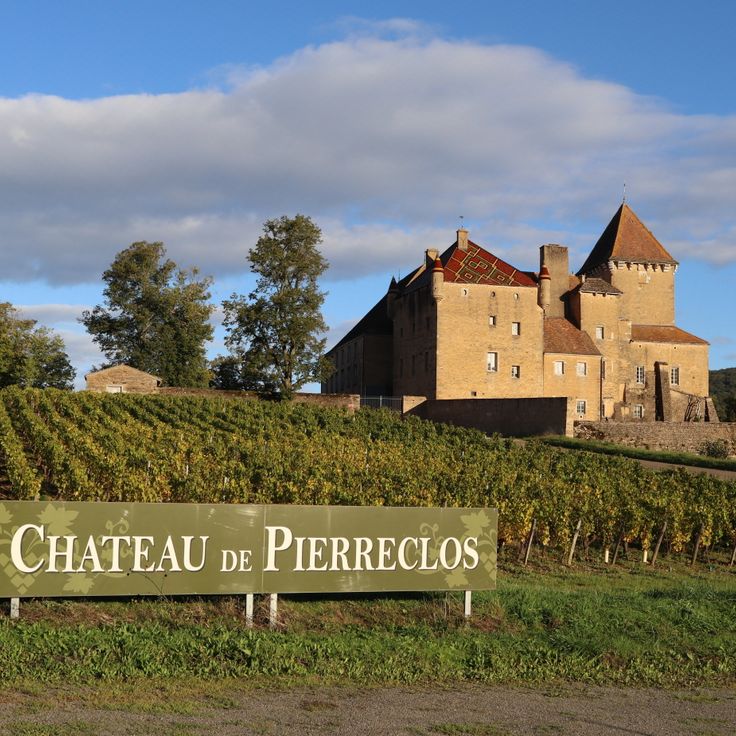
The Château de Pierreclos rises on a hill above the Burgundian vineyards, combining medieval architecture with the region's winemaking tradition. The old cellars store local wines while the towers and ramparts recall the time when this fortress watched over the valley. From the watchtower you can see rows of vines stretching across gentle slopes. The rooms preserve the atmosphere of past centuries, and walking through them you feel the history that lives in these stone walls.
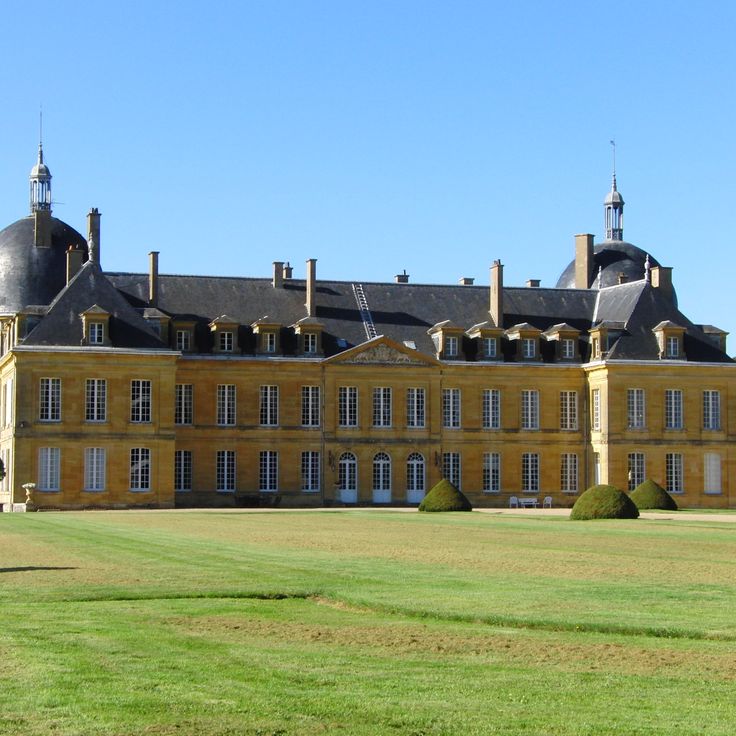
This castle was built in the eighteenth century and still houses French furniture from that period. You can walk through the rooms and see the furnishings that have been preserved. The park has old trees arranged in the English style, with curved paths and open lawns. A private theater is part of the estate, where residents and their guests once held performances. The Château de Digoine shows how wealthy families lived in the countryside, with comfort and cultural pleasures far from the large cities.
This watchtower from the fourteenth century rises above Charolles with its thick stone walls and allows views over the rooftops toward the valley of the Arconce River. You climb narrow spiral stairs to reach a platform where the surrounding countryside stretches into open farmland. The fortress was built to control the area and belonged to the defensive system of the counts. Today you can still see the heavy walls and understand how these towers worked when guards stood at the top and watched in all directions.
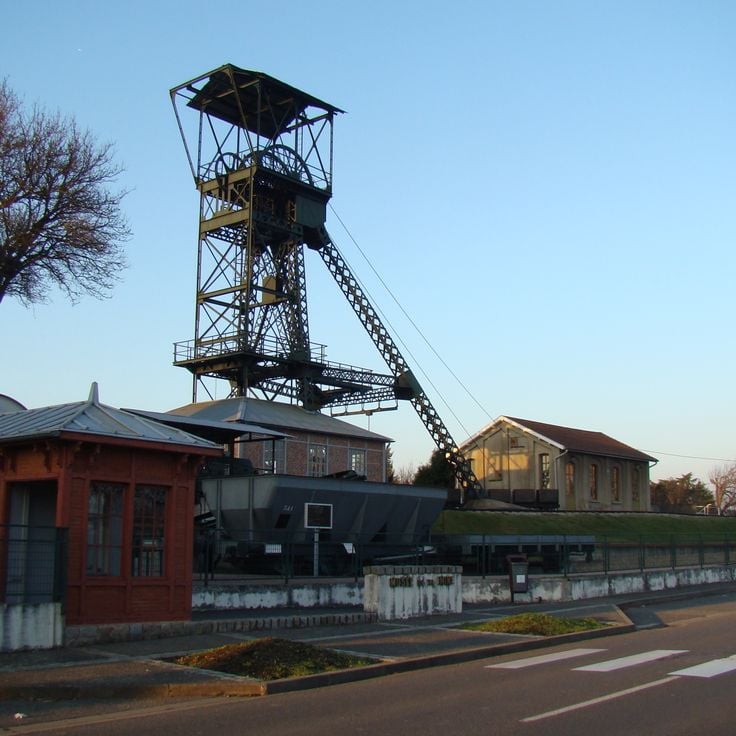
The Museum of the Mine in Blanzy traces the history of coal mining in Burgundy through authentic machinery and tools spanning a century and a half. Inside the former mining building you see reconstructed work areas and equipment that illustrate the tough life underground between the mid nineteenth century and the final decades of the twentieth century. The collection preserves documents, personal belongings of the miners and technical gear that witness the industrial transformation in Saône-et-Loire.
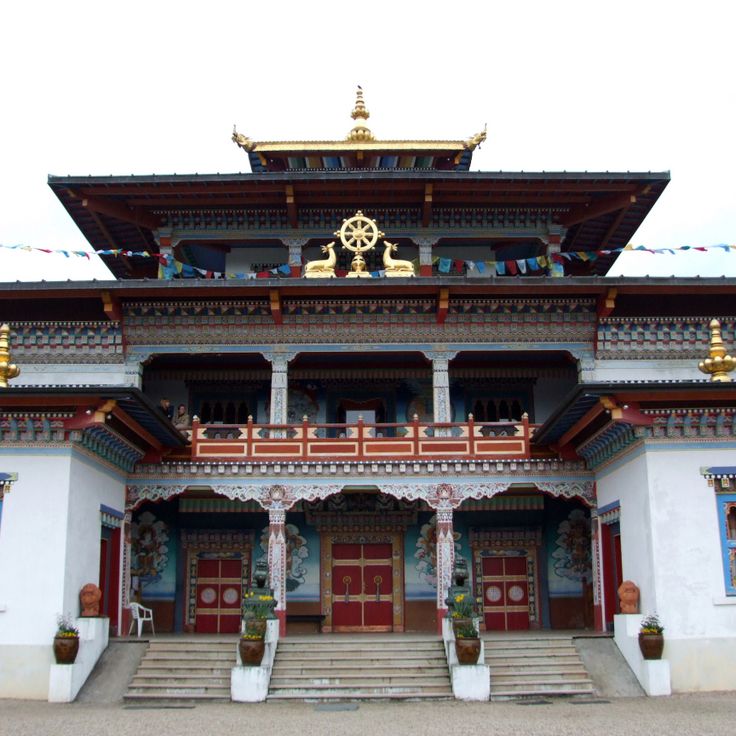
This temple brings the silence and forms of Tibetan Buddhism into the middle of the Burgundy countryside. You find buildings that remind of monasteries from the Himalaya, with their colored roofs and carved beams. The gardens stretch over gentle hills, with statues, prayer flags fluttering in the wind and maintained paths that invite calm. In the meditation halls a particular atmosphere prevails, where light falls through tall windows and where visitors can withdraw. The place serves as a spiritual center for the Buddhist community and also welcomes curious people who simply want to discover the architecture and the peaceful surroundings. You can walk between the buildings, hear the sound of bells and observe the decoration that fills every detail with meaning.
The castle of Saint-Aubin has stood in the Charollais countryside since the fifteenth century, combining the austerity of a medieval fortress with the decorative elements of the French Renaissance. The square layout is flanked by round towers that still keep their original shape. The facades show carved window frames and ornaments influenced by Italian styles, while the thick walls recall a time when defense mattered more than comfort. The building feels quiet and secluded, surrounded by meadows and woods, far from the tourist crowds that visit other Burgundian castles.
This canal bridge crosses the Loire at Digoin and connects the Canal latéral à la Loire with the Canal du Centre. The aqueduct from the nineteenth century carries a waterway over the river and allows boats to move between two canal systems without dealing with the change in elevation. You can watch the metal structure from the riverbank and sometimes see houseboats or barges gliding slowly across it. The banks of the Loire here are wide and flat, the riverbed changes with the seasons. In some places you can walk under the arches and admire the engineering that joins two waterways together.
The Abbey of La Ferté in Saint-Ambreuil was the first daughter foundation of Cîteaux, established in 1113 when the Cistercians began spreading their reform ideas beyond Burgundy. Parts of the original Romanesque buildings remain, including sections of walls and arches that show how plain and strict these monks built their monasteries. The surroundings are quiet, with meadows and low hills, and walking around you sense this was once a center of monastic life. Today the abbey is privately owned, but the old stones still speak of a time when prayer shaped the daily rhythm.
The Maison de la Forêt shows tools and work techniques of wood processing as well as information about local forestry and forest ecology. You can see here how people used to work in the forest and what importance the woods had for the region. The exhibition also explains how the relationship between people and forest developed over the centuries and what role the forest still plays in daily life today.
This Romanesque chapel from the twelfth century preserves wall paintings inside that depict religious themes and draw from Byzantine models. The colors have kept their brightness across the centuries, and you can see figures of saints and biblical scenes on the walls, painted in a style that echoes the art of the eastern Mediterranean. The small chapel sits on the edge of Berzé-la-Ville and once belonged to the domain of the monks of Cluny, who found here a quiet place for their devotion. Today it stands as a rare witness to Romanesque wall painting in the Burgundian countryside.
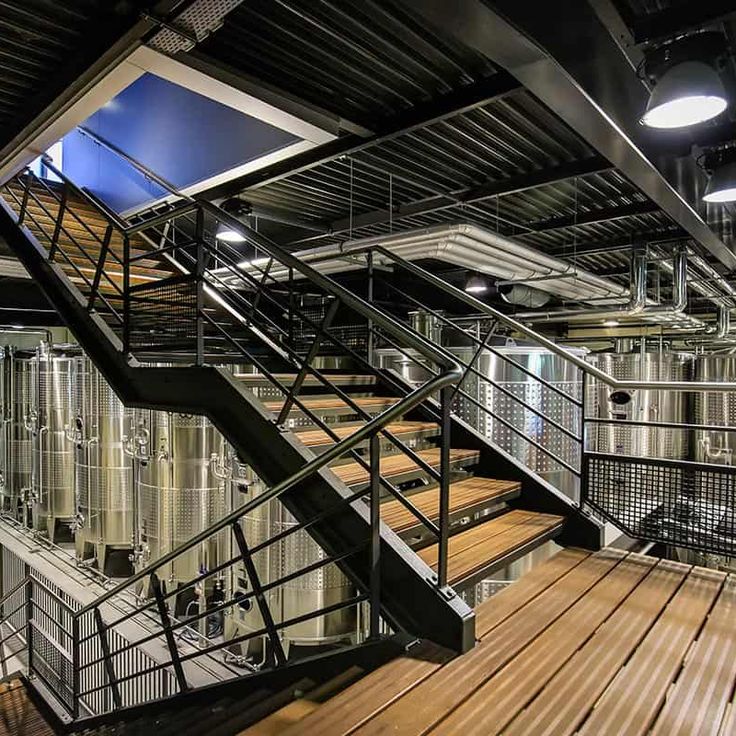
The Hameau Dubœuf brings together the history of winemaking with the culture of the region and displays old tools, barrels and machines from different centuries in its spaces. You walk through reconstructed wine cellars, see carriages and discover how work in the vineyard has changed over time. In one part of the museum you can visit a train from the early twentieth century that once transported wine and travelers. This museum sits in the Beaujolais area and fits into a landscape that has lived from wine for a long time.
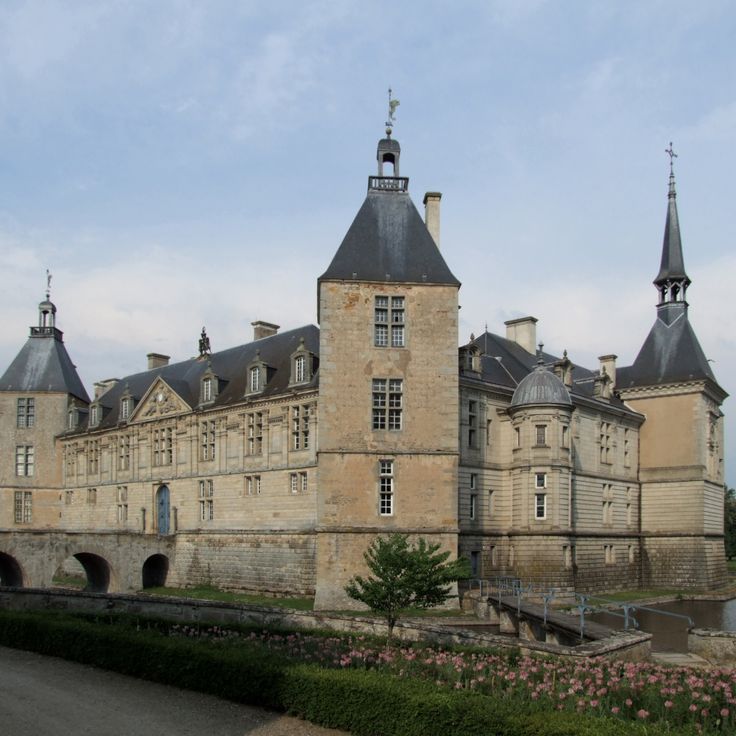
The Château de Sully was built in the sixteenth century and kept its defensive towers that once watched over the surrounding country. Wide moats circle the estate and separate it from the park beyond. The French gardens show the geometric patterns favored at the time, with trimmed hedges and symmetrical paths. You walk between the high stone walls and the calm water surfaces while the towers reflect in the moat. The architecture still combines the medieval defensive tradition with the Renaissance elegance that emerged in Saône-et-Loire during that period.
The museum displays tools, documents and objects from the history of French trade guilds. The collection starts in the Middle Ages and continues to the present day through various crafts. You see masterpieces made of wood, metal and stone that apprentices created to prove their skills. Each guild had its own symbols, rituals and travel routes across Europe. The collection explains how young craftsmen moved from town to town, learned from different masters and at the end of their journey built a complex piece of work. The objects show the precision and patience of these traditions, which still continue today.
This museum in Le Creusot traces the story of the metal industry and the lives of workers from the eighteenth to the twentieth century, in a town shaped for generations by its steelworks. The exhibits document how people worked and lived, with tools, machines and everyday objects that tell of industrial change. You can see photographs and documents about the workers' families, their settlements and the rhythm of their days between factory and home.
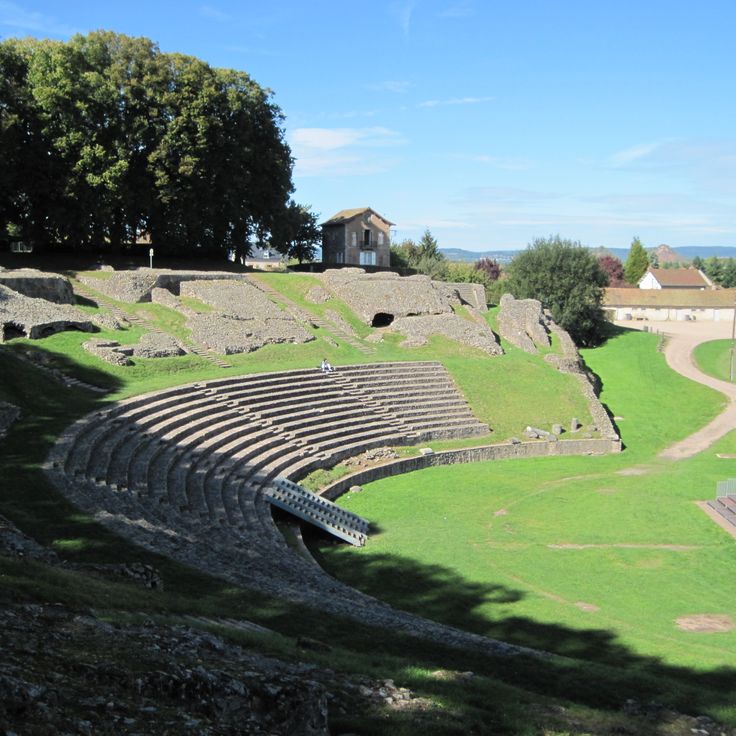
This Roman theater from the first century stands in an old neighborhood where parts of the ancient walls can still be seen. The structure belonged to Augustodunum, a city that was considered a sister and rival to Rome at the time. You can climb through the rows and imagine how people gathered here for plays and games. The steps were carved from local stone, and although many stones were taken over the centuries for other buildings, the original shape remains clear. During summer, performances sometimes take place here, reviving the old tradition. The theater sat outside the city walls, and archaeologists discovered other Roman remains nearby.
The museum building in Mâcon preserves the living quarters and personal belongings of the French poet from the nineteenth century. The Lamartine family lived here for several generations, and you can walk through the rooms where the writer spent his youth. Portraits hang on the walls, manuscripts and letters lie on the tables, books and mementos from his life fill the display cases. The atmosphere is quiet, almost intimate, as if someone had just left the rooms. You sense here the bourgeois world of the nineteenth century, with its heavy furniture and wallpaper, where Lamartine wrote his romantic poems.
This museum inside a seventeenth century castle presents the history of Bresse and its rural traditions. You see old tools, reconstructed living spaces and everyday objects from past centuries. The exhibition explains how people worked in this farming region, built their houses and celebrated their festivals. In the park stand typical buildings of the area, including timber framed houses and agricultural structures. The castle itself is a fine example of architecture from that period, with its symmetrical facades and French garden.
The cave at Azé follows a network of passages where water has carved chambers and galleries from the limestone over thousands of years. Stalactites hang from the ceilings, and traces remain of people who lived here during prehistoric times. Walking through the cave shows how nature and early inhabitants used this underground space. It feels cool and damp, and lighting highlights the formations that water created. The cave connects geological processes with the first chapters of human presence in the region.
The Château de Brancion stands on a hilltop above the Grosne valley and still shows its towers and fortifications from the twelfth century. From the walls you can look far across the Burgundian countryside. The castle was once among the important strongholds of the region and controlled the roads through the valley. Today you can walk through the old rooms and visit the chapel where wall paintings remain visible.
The monastery was built after the Viking invasions and took several decades to complete. The Abbaye Saint-Philibert stands as one of the important examples of Burgundian architecture from that period, with thick stone walls and rounded arches. Inside, tall columns and the cool atmosphere of a space designed for prayer and meditation make an impression. The crypt houses ancient relics and reflects the spiritual importance this place held over the centuries. The building feels sturdy yet elegant, a testimony to early medieval architecture.
The Celtic city of Bibracte sits on the heights of Mont Beuvray and shows remains of fortifications, dwellings and workshops from the second century BC. You can still make out the earthen ramparts that surrounded the oppidum and the foundations of buildings where craftsmen worked and families lived. Excavations have uncovered coins, pottery and metal objects that tell of trade and daily life in this Celtic capital. The site spreads across the wooded slopes, and paths lead through the different quarters of the ancient city. A museum displays the finds and explains how this settlement functioned before it was abandonned in the first century. The position on the mountain gave protection and control over the surrounding valleys.
The medieval fortress of Berzé-le-Châtel stands on a hill and still shows its thirteen towers and thick walls from the thirteenth century. You walk through several courtyards and can climb onto the ramparts, where you overlook the valleys and vineyards all around. The place feels massive and compact, with its defensive walls and round towers that once protected the lands of Cluny Abbey. Inside, some halls have survived, and you still sense the atmosphere of a time when this castle played an important military role.
The Roche de Solutré is a limestone cliff that rises abruptly above the vineyards of Pouilly-Fuissé and has shaped this landscape for thousands of years. At the base of this rock wall, archaeologists discovered bones and tools from the Old Stone Age in the nineteenth century, showing that people hunted and lived here more than twenty thousand years ago. The site even gave its name to a prehistoric culture called the Solutrean, and you can see the finds in the museum at the foot of the cliff. Today a hiking trail leads to the top, where you stand among grasses and wildflowers on the plateau and look out over the vines, the villages and the gentle hills of the Mâconnais. In the mornings fog often sits in the valleys while the summit of the Roche is already in sunshine. The walk takes about half an hour, the path is sometimes steep, but the view makes up for the effort.
The basilica of Paray-le-Monial dates from the twelfth century and shows what the great abbey church of Cluny must have looked like. The church was built following the same design but on a smaller scale. You can see here the Romanesque architecture that was common in Burgundy at the time: massive stone walls, rounded arches and a high vault. The interior feels calm and bright, with simple forms that structure the space. Pilgrims visit this basilica also because of visions that a nun experienced here in the seventeenth century. The church sits in the center of town and remains an important place for believers from different countries.
The abbey of Cluny was founded in 910 and grew into the center of a European network of monasteries. Its church was considered the largest in Christendom until the sixteenth century, before St. Peter's Basilica surpassed it. Today only parts of the original structure remain, including a bell tower and sections of the southern transept. The surviving spaces still give a sense of the power and spiritual influence that Cluny once held. Walking through the gardens and among the ruins helps to imagine the scale of this religious empire.
The museum in Tournus displays paintings by the French artist Jean Baptiste Greuze from the eighteenth century and his contemporaries, including portraits and genre scenes that capture the daily life of the middle class during that period.
The Blanot caves are an underground network of limestone formations and passages that stretch about 1,000 feet (300 m) beneath the surface. You descend through narrow corridors and discover chambers where the air grows cooler and where water has shaped forms over thousands of years, emerging from the darkness. Guided tours reveal different levels where stalactites hang from the ceilings and stalagmites rise from the ground. These caves are among the geological features of Saône-et-Loire and offer a glimpse into the hidden structures beneath the Burgundy countryside.
The remains of a 13th century fortress sit high on a hill above the valley. The Château de Thil combines a strategic position with sweeping views across the surroundings. The walls and towers still show how such castles were built to control the land below. The path up leads through woods and as you get closer you see the old stone walls that have faced the weather for centuries.
This cathedral stands above Autun since the twelfth century, with thick walls of pale stone and a high tower. The main doorway shows a huge tympanum carved with hundreds of figures depicting the Last Judgment. Inside, the columns carry capitals with scenes from biblical stories and medieval daily life, each one different. You can still see geometric patterns on the walls that were once painted in color. The nave is long and high, with rounded arches like many Romanesque churches in the region. Light comes through narrow windows. You feel the weight of centuries in this space.
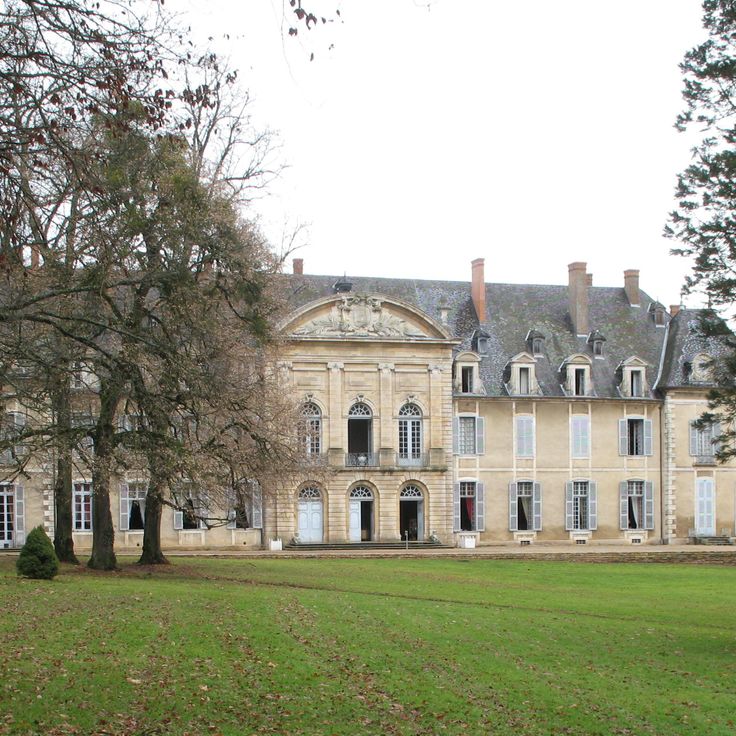
The castle of Cormatin was built in the seventeenth century and has kept its wall paintings from that time. The rooms display baroque furniture and painted ceilings, while outside geometric gardens were laid out with water basins and trimmed hedges. The estate sits near the abbey of Cluny and belongs to the manor houses that appeared in Saône-et-Loire after the medieval period.
The church of Chapaize rises with its impressive tower over the surrounding landscape and belongs to the notable Romanesque buildings of Saône-et-Loire. The tower from the eleventh century reaches a height of about 115 feet (35 meters) and has served for centuries as a landmark for the region. Inside you can admire stone sculptures from the construction period, which testify to the craftsmanship of the stonemasons of that time. The massive walls and simple design correspond to the Romanesque style that was widespread in Burgundy when monasteries like Cluny shaped religious architecture. This place conveys the atmosphere of a medieval village where the church tower forms the central element of the community.
The Château de Pierreclos rises on a hill above the Burgundian vineyards, combining medieval architecture with the region's winemaking tradition. The old cellars store local wines while the towers and ramparts recall the time when this fortress watched over the valley. From the watchtower you can see rows of vines stretching across gentle slopes. The rooms preserve the atmosphere of past centuries, and walking through them you feel the history that lives in these stone walls.
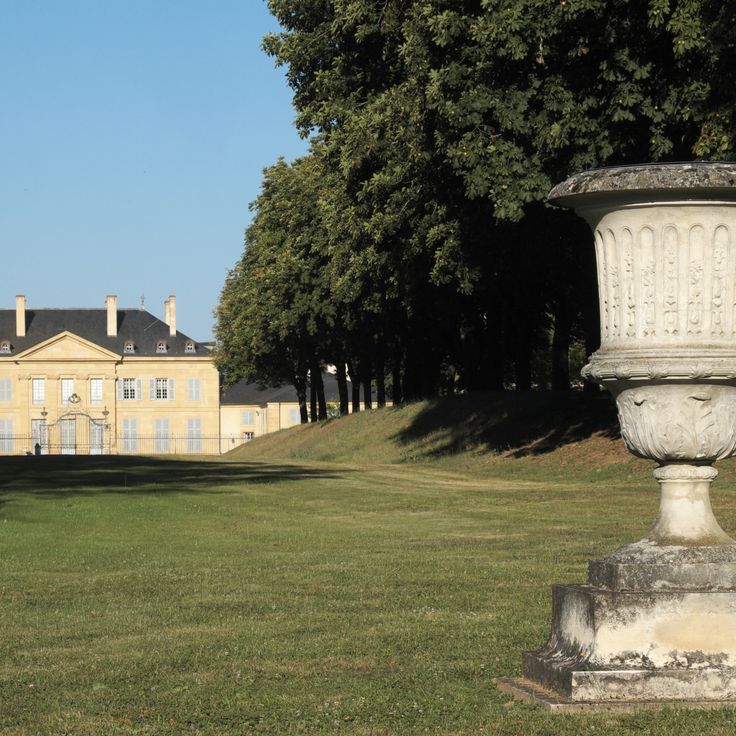
This castle was built in the eighteenth century and still houses French furniture from that period. You can walk through the rooms and see the furnishings that have been preserved. The park has old trees arranged in the English style, with curved paths and open lawns. A private theater is part of the estate, where residents and their guests once held performances. The Château de Digoine shows how wealthy families lived in the countryside, with comfort and cultural pleasures far from the large cities.
This watchtower from the fourteenth century rises above Charolles with its thick stone walls and allows views over the rooftops toward the valley of the Arconce River. You climb narrow spiral stairs to reach a platform where the surrounding countryside stretches into open farmland. The fortress was built to control the area and belonged to the defensive system of the counts. Today you can still see the heavy walls and understand how these towers worked when guards stood at the top and watched in all directions.
The Museum of the Mine in Blanzy traces the history of coal mining in Burgundy through authentic machinery and tools spanning a century and a half. Inside the former mining building you see reconstructed work areas and equipment that illustrate the tough life underground between the mid nineteenth century and the final decades of the twentieth century. The collection preserves documents, personal belongings of the miners and technical gear that witness the industrial transformation in Saône-et-Loire.
This temple brings the silence and forms of Tibetan Buddhism into the middle of the Burgundy countryside. You find buildings that remind of monasteries from the Himalaya, with their colored roofs and carved beams. The gardens stretch over gentle hills, with statues, prayer flags fluttering in the wind and maintained paths that invite calm. In the meditation halls a particular atmosphere prevails, where light falls through tall windows and where visitors can withdraw. The place serves as a spiritual center for the Buddhist community and also welcomes curious people who simply want to discover the architecture and the peaceful surroundings. You can walk between the buildings, hear the sound of bells and observe the decoration that fills every detail with meaning.
The castle of Saint-Aubin has stood in the Charollais countryside since the fifteenth century, combining the austerity of a medieval fortress with the decorative elements of the French Renaissance. The square layout is flanked by round towers that still keep their original shape. The facades show carved window frames and ornaments influenced by Italian styles, while the thick walls recall a time when defense mattered more than comfort. The building feels quiet and secluded, surrounded by meadows and woods, far from the tourist crowds that visit other Burgundian castles.
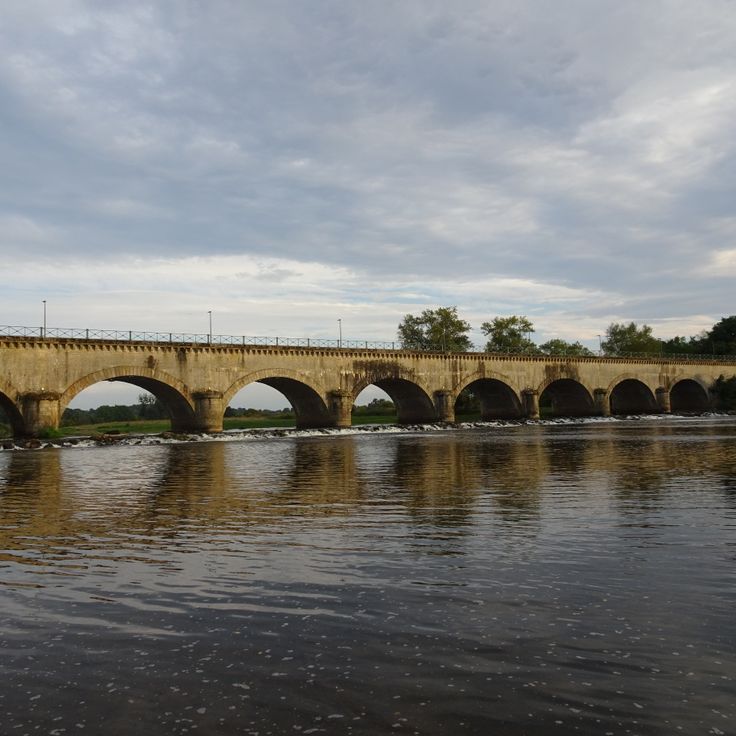
This canal bridge crosses the Loire at Digoin and connects the Canal latéral à la Loire with the Canal du Centre. The aqueduct from the nineteenth century carries a waterway over the river and allows boats to move between two canal systems without dealing with the change in elevation. You can watch the metal structure from the riverbank and sometimes see houseboats or barges gliding slowly across it. The banks of the Loire here are wide and flat, the riverbed changes with the seasons. In some places you can walk under the arches and admire the engineering that joins two waterways together.
The Abbey of La Ferté in Saint-Ambreuil was the first daughter foundation of Cîteaux, established in 1113 when the Cistercians began spreading their reform ideas beyond Burgundy. Parts of the original Romanesque buildings remain, including sections of walls and arches that show how plain and strict these monks built their monasteries. The surroundings are quiet, with meadows and low hills, and walking around you sense this was once a center of monastic life. Today the abbey is privately owned, but the old stones still speak of a time when prayer shaped the daily rhythm.
The Maison de la Forêt shows tools and work techniques of wood processing as well as information about local forestry and forest ecology. You can see here how people used to work in the forest and what importance the woods had for the region. The exhibition also explains how the relationship between people and forest developed over the centuries and what role the forest still plays in daily life today.
This Romanesque chapel from the twelfth century preserves wall paintings inside that depict religious themes and draw from Byzantine models. The colors have kept their brightness across the centuries, and you can see figures of saints and biblical scenes on the walls, painted in a style that echoes the art of the eastern Mediterranean. The small chapel sits on the edge of Berzé-la-Ville and once belonged to the domain of the monks of Cluny, who found here a quiet place for their devotion. Today it stands as a rare witness to Romanesque wall painting in the Burgundian countryside.
The Hameau Dubœuf brings together the history of winemaking with the culture of the region and displays old tools, barrels and machines from different centuries in its spaces. You walk through reconstructed wine cellars, see carriages and discover how work in the vineyard has changed over time. In one part of the museum you can visit a train from the early twentieth century that once transported wine and travelers. This museum sits in the Beaujolais area and fits into a landscape that has lived from wine for a long time.
The Château de Sully was built in the sixteenth century and kept its defensive towers that once watched over the surrounding country. Wide moats circle the estate and separate it from the park beyond. The French gardens show the geometric patterns favored at the time, with trimmed hedges and symmetrical paths. You walk between the high stone walls and the calm water surfaces while the towers reflect in the moat. The architecture still combines the medieval defensive tradition with the Renaissance elegance that emerged in Saône-et-Loire during that period.
The museum displays tools, documents and objects from the history of French trade guilds. The collection starts in the Middle Ages and continues to the present day through various crafts. You see masterpieces made of wood, metal and stone that apprentices created to prove their skills. Each guild had its own symbols, rituals and travel routes across Europe. The collection explains how young craftsmen moved from town to town, learned from different masters and at the end of their journey built a complex piece of work. The objects show the precision and patience of these traditions, which still continue today.
This museum in Le Creusot traces the story of the metal industry and the lives of workers from the eighteenth to the twentieth century, in a town shaped for generations by its steelworks. The exhibits document how people worked and lived, with tools, machines and everyday objects that tell of industrial change. You can see photographs and documents about the workers' families, their settlements and the rhythm of their days between factory and home.
This Roman theater from the first century stands in an old neighborhood where parts of the ancient walls can still be seen. The structure belonged to Augustodunum, a city that was considered a sister and rival to Rome at the time. You can climb through the rows and imagine how people gathered here for plays and games. The steps were carved from local stone, and although many stones were taken over the centuries for other buildings, the original shape remains clear. During summer, performances sometimes take place here, reviving the old tradition. The theater sat outside the city walls, and archaeologists discovered other Roman remains nearby.
The museum building in Mâcon preserves the living quarters and personal belongings of the French poet from the nineteenth century. The Lamartine family lived here for several generations, and you can walk through the rooms where the writer spent his youth. Portraits hang on the walls, manuscripts and letters lie on the tables, books and mementos from his life fill the display cases. The atmosphere is quiet, almost intimate, as if someone had just left the rooms. You sense here the bourgeois world of the nineteenth century, with its heavy furniture and wallpaper, where Lamartine wrote his romantic poems.
This museum inside a seventeenth century castle presents the history of Bresse and its rural traditions. You see old tools, reconstructed living spaces and everyday objects from past centuries. The exhibition explains how people worked in this farming region, built their houses and celebrated their festivals. In the park stand typical buildings of the area, including timber framed houses and agricultural structures. The castle itself is a fine example of architecture from that period, with its symmetrical facades and French garden.
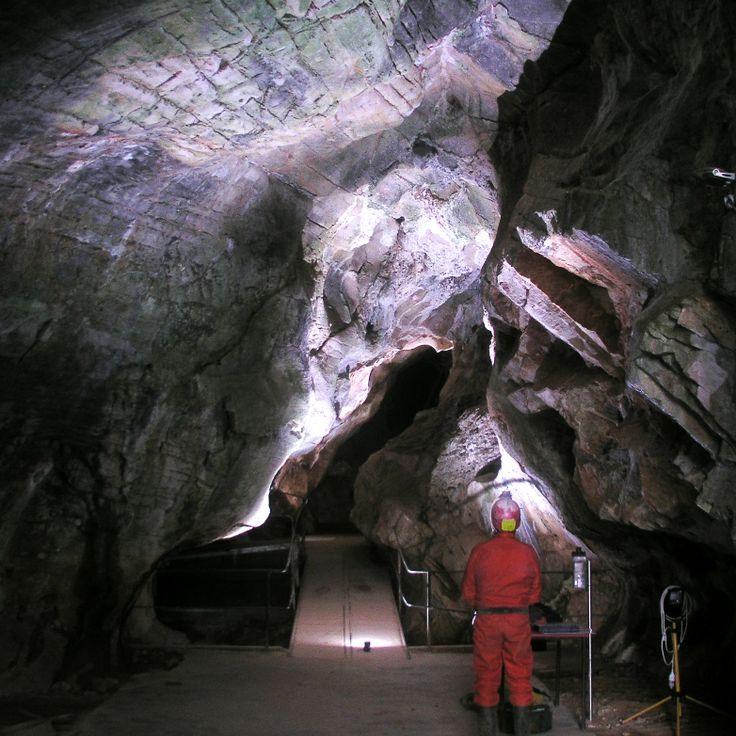
The cave at Azé follows a network of passages where water has carved chambers and galleries from the limestone over thousands of years. Stalactites hang from the ceilings, and traces remain of people who lived here during prehistoric times. Walking through the cave shows how nature and early inhabitants used this underground space. It feels cool and damp, and lighting highlights the formations that water created. The cave connects geological processes with the first chapters of human presence in the region.
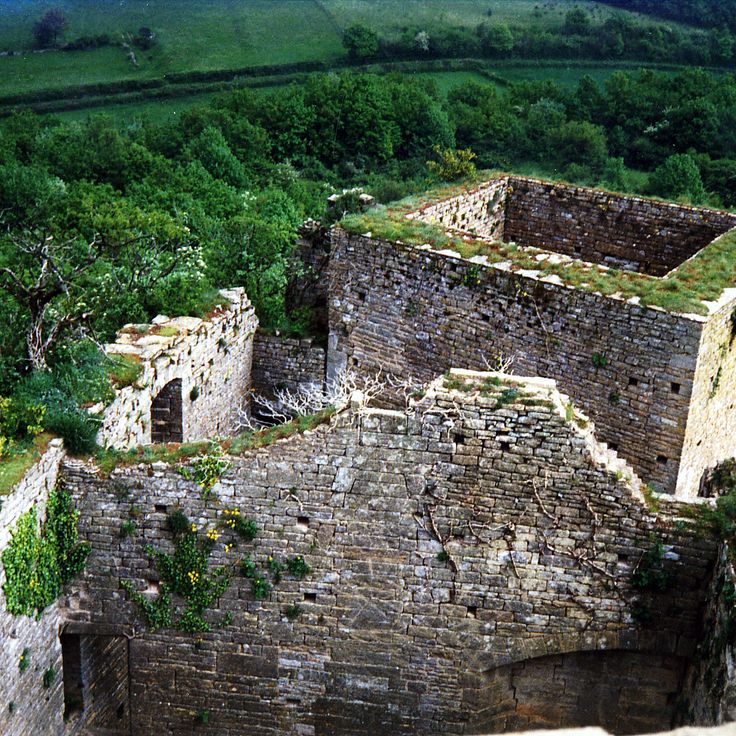
The Château de Brancion stands on a hilltop above the Grosne valley and still shows its towers and fortifications from the twelfth century. From the walls you can look far across the Burgundian countryside. The castle was once among the important strongholds of the region and controlled the roads through the valley. Today you can walk through the old rooms and visit the chapel where wall paintings remain visible.
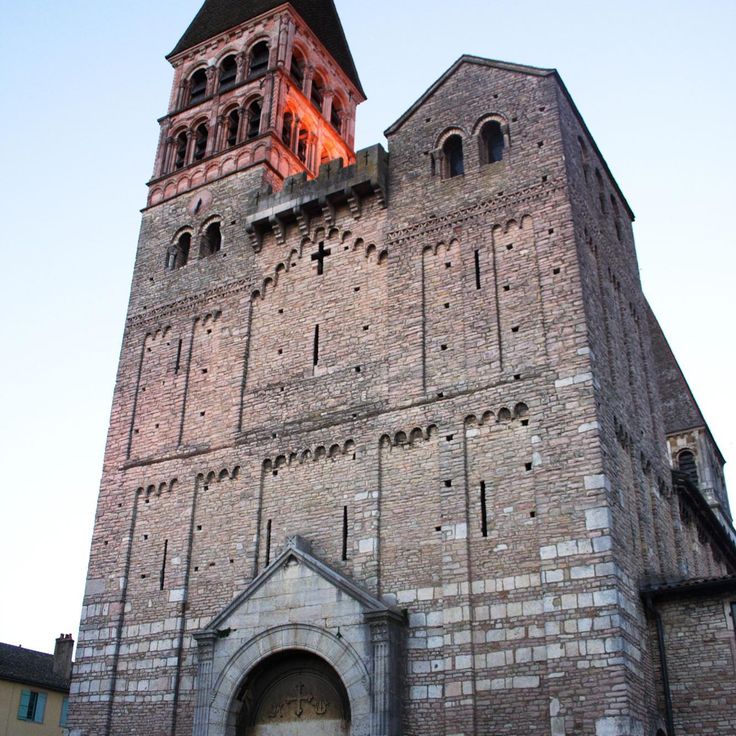
The monastery was built after the Viking invasions and took several decades to complete. The Abbaye Saint-Philibert stands as one of the important examples of Burgundian architecture from that period, with thick stone walls and rounded arches. Inside, tall columns and the cool atmosphere of a space designed for prayer and meditation make an impression. The crypt houses ancient relics and reflects the spiritual importance this place held over the centuries. The building feels sturdy yet elegant, a testimony to early medieval architecture.
The Celtic city of Bibracte sits on the heights of Mont Beuvray and shows remains of fortifications, dwellings and workshops from the second century BC. You can still make out the earthen ramparts that surrounded the oppidum and the foundations of buildings where craftsmen worked and families lived. Excavations have uncovered coins, pottery and metal objects that tell of trade and daily life in this Celtic capital. The site spreads across the wooded slopes, and paths lead through the different quarters of the ancient city. A museum displays the finds and explains how this settlement functioned before it was abandonned in the first century. The position on the mountain gave protection and control over the surrounding valleys.
The medieval fortress of Berzé-le-Châtel stands on a hill and still shows its thirteen towers and thick walls from the thirteenth century. You walk through several courtyards and can climb onto the ramparts, where you overlook the valleys and vineyards all around. The place feels massive and compact, with its defensive walls and round towers that once protected the lands of Cluny Abbey. Inside, some halls have survived, and you still sense the atmosphere of a time when this castle played an important military role.
The Roche de Solutré is a limestone cliff that rises abruptly above the vineyards of Pouilly-Fuissé and has shaped this landscape for thousands of years. At the base of this rock wall, archaeologists discovered bones and tools from the Old Stone Age in the nineteenth century, showing that people hunted and lived here more than twenty thousand years ago. The site even gave its name to a prehistoric culture called the Solutrean, and you can see the finds in the museum at the foot of the cliff. Today a hiking trail leads to the top, where you stand among grasses and wildflowers on the plateau and look out over the vines, the villages and the gentle hills of the Mâconnais. In the mornings fog often sits in the valleys while the summit of the Roche is already in sunshine. The walk takes about half an hour, the path is sometimes steep, but the view makes up for the effort.
The basilica of Paray-le-Monial dates from the twelfth century and shows what the great abbey church of Cluny must have looked like. The church was built following the same design but on a smaller scale. You can see here the Romanesque architecture that was common in Burgundy at the time: massive stone walls, rounded arches and a high vault. The interior feels calm and bright, with simple forms that structure the space. Pilgrims visit this basilica also because of visions that a nun experienced here in the seventeenth century. The church sits in the center of town and remains an important place for believers from different countries.
The abbey of Cluny was founded in 910 and grew into the center of a European network of monasteries. Its church was considered the largest in Christendom until the sixteenth century, before St. Peter's Basilica surpassed it. Today only parts of the original structure remain, including a bell tower and sections of the southern transept. The surviving spaces still give a sense of the power and spiritual influence that Cluny once held. Walking through the gardens and among the ruins helps to imagine the scale of this religious empire.
The museum in Tournus displays paintings by the French artist Jean Baptiste Greuze from the eighteenth century and his contemporaries, including portraits and genre scenes that capture the daily life of the middle class during that period.
The Blanot caves are an underground network of limestone formations and passages that stretch about 1,000 feet (300 m) beneath the surface. You descend through narrow corridors and discover chambers where the air grows cooler and where water has shaped forms over thousands of years, emerging from the darkness. Guided tours reveal different levels where stalactites hang from the ceilings and stalagmites rise from the ground. These caves are among the geological features of Saône-et-Loire and offer a glimpse into the hidden structures beneath the Burgundy countryside.
The remains of a 13th century fortress sit high on a hill above the valley. The Château de Thil combines a strategic position with sweeping views across the surroundings. The walls and towers still show how such castles were built to control the land below. The path up leads through woods and as you get closer you see the old stone walls that have faced the weather for centuries.
This cathedral stands above Autun since the twelfth century, with thick walls of pale stone and a high tower. The main doorway shows a huge tympanum carved with hundreds of figures depicting the Last Judgment. Inside, the columns carry capitals with scenes from biblical stories and medieval daily life, each one different. You can still see geometric patterns on the walls that were once painted in color. The nave is long and high, with rounded arches like many Romanesque churches in the region. Light comes through narrow windows. You feel the weight of centuries in this space.
The castle of Cormatin was built in the seventeenth century and has kept its wall paintings from that time. The rooms display baroque furniture and painted ceilings, while outside geometric gardens were laid out with water basins and trimmed hedges. The estate sits near the abbey of Cluny and belongs to the manor houses that appeared in Saône-et-Loire after the medieval period.
The church of Chapaize rises with its impressive tower over the surrounding landscape and belongs to the notable Romanesque buildings of Saône-et-Loire. The tower from the eleventh century reaches a height of about 115 feet (35 meters) and has served for centuries as a landmark for the region. Inside you can admire stone sculptures from the construction period, which testify to the craftsmanship of the stonemasons of that time. The massive walls and simple design correspond to the Romanesque style that was widespread in Burgundy when monasteries like Cluny shaped religious architecture. This place conveys the atmosphere of a medieval village where the church tower forms the central element of the community.
The Château de Pierreclos rises on a hill above the Burgundian vineyards, combining medieval architecture with the region's winemaking tradition. The old cellars store local wines while the towers and ramparts recall the time when this fortress watched over the valley. From the watchtower you can see rows of vines stretching across gentle slopes. The rooms preserve the atmosphere of past centuries, and walking through them you feel the history that lives in these stone walls.
This castle was built in the eighteenth century and still houses French furniture from that period. You can walk through the rooms and see the furnishings that have been preserved. The park has old trees arranged in the English style, with curved paths and open lawns. A private theater is part of the estate, where residents and their guests once held performances. The Château de Digoine shows how wealthy families lived in the countryside, with comfort and cultural pleasures far from the large cities.
This watchtower from the fourteenth century rises above Charolles with its thick stone walls and allows views over the rooftops toward the valley of the Arconce River. You climb narrow spiral stairs to reach a platform where the surrounding countryside stretches into open farmland. The fortress was built to control the area and belonged to the defensive system of the counts. Today you can still see the heavy walls and understand how these towers worked when guards stood at the top and watched in all directions.
The Museum of the Mine in Blanzy traces the history of coal mining in Burgundy through authentic machinery and tools spanning a century and a half. Inside the former mining building you see reconstructed work areas and equipment that illustrate the tough life underground between the mid nineteenth century and the final decades of the twentieth century. The collection preserves documents, personal belongings of the miners and technical gear that witness the industrial transformation in Saône-et-Loire.
This temple brings the silence and forms of Tibetan Buddhism into the middle of the Burgundy countryside. You find buildings that remind of monasteries from the Himalaya, with their colored roofs and carved beams. The gardens stretch over gentle hills, with statues, prayer flags fluttering in the wind and maintained paths that invite calm. In the meditation halls a particular atmosphere prevails, where light falls through tall windows and where visitors can withdraw. The place serves as a spiritual center for the Buddhist community and also welcomes curious people who simply want to discover the architecture and the peaceful surroundings. You can walk between the buildings, hear the sound of bells and observe the decoration that fills every detail with meaning.
The castle of Saint-Aubin has stood in the Charollais countryside since the fifteenth century, combining the austerity of a medieval fortress with the decorative elements of the French Renaissance. The square layout is flanked by round towers that still keep their original shape. The facades show carved window frames and ornaments influenced by Italian styles, while the thick walls recall a time when defense mattered more than comfort. The building feels quiet and secluded, surrounded by meadows and woods, far from the tourist crowds that visit other Burgundian castles.
This canal bridge crosses the Loire at Digoin and connects the Canal latéral à la Loire with the Canal du Centre. The aqueduct from the nineteenth century carries a waterway over the river and allows boats to move between two canal systems without dealing with the change in elevation. You can watch the metal structure from the riverbank and sometimes see houseboats or barges gliding slowly across it. The banks of the Loire here are wide and flat, the riverbed changes with the seasons. In some places you can walk under the arches and admire the engineering that joins two waterways together.
The Abbey of La Ferté in Saint-Ambreuil was the first daughter foundation of Cîteaux, established in 1113 when the Cistercians began spreading their reform ideas beyond Burgundy. Parts of the original Romanesque buildings remain, including sections of walls and arches that show how plain and strict these monks built their monasteries. The surroundings are quiet, with meadows and low hills, and walking around you sense this was once a center of monastic life. Today the abbey is privately owned, but the old stones still speak of a time when prayer shaped the daily rhythm.
The Maison de la Forêt shows tools and work techniques of wood processing as well as information about local forestry and forest ecology. You can see here how people used to work in the forest and what importance the woods had for the region. The exhibition also explains how the relationship between people and forest developed over the centuries and what role the forest still plays in daily life today.
This Romanesque chapel from the twelfth century preserves wall paintings inside that depict religious themes and draw from Byzantine models. The colors have kept their brightness across the centuries, and you can see figures of saints and biblical scenes on the walls, painted in a style that echoes the art of the eastern Mediterranean. The small chapel sits on the edge of Berzé-la-Ville and once belonged to the domain of the monks of Cluny, who found here a quiet place for their devotion. Today it stands as a rare witness to Romanesque wall painting in the Burgundian countryside.
The Hameau Dubœuf brings together the history of winemaking with the culture of the region and displays old tools, barrels and machines from different centuries in its spaces. You walk through reconstructed wine cellars, see carriages and discover how work in the vineyard has changed over time. In one part of the museum you can visit a train from the early twentieth century that once transported wine and travelers. This museum sits in the Beaujolais area and fits into a landscape that has lived from wine for a long time.
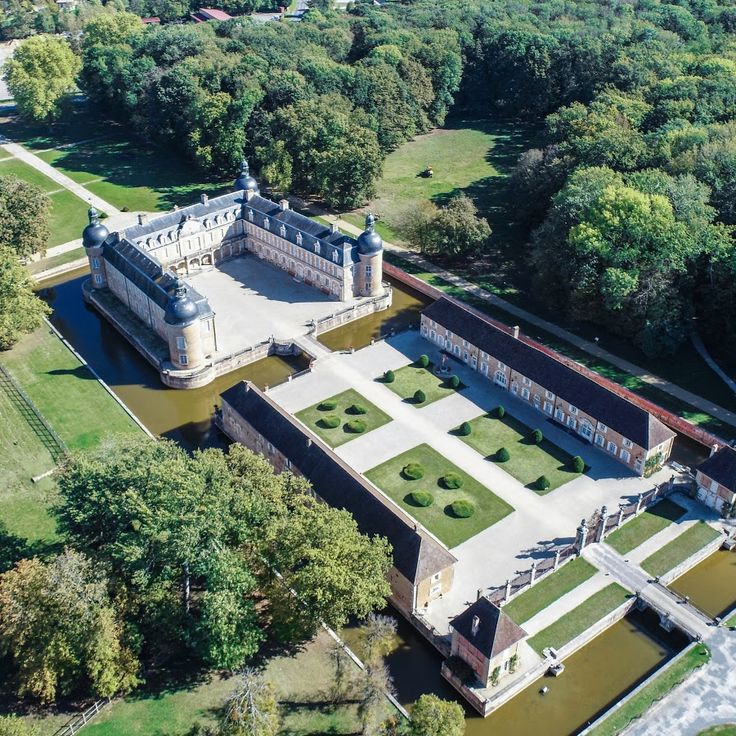
The Château de Sully was built in the sixteenth century and kept its defensive towers that once watched over the surrounding country. Wide moats circle the estate and separate it from the park beyond. The French gardens show the geometric patterns favored at the time, with trimmed hedges and symmetrical paths. You walk between the high stone walls and the calm water surfaces while the towers reflect in the moat. The architecture still combines the medieval defensive tradition with the Renaissance elegance that emerged in Saône-et-Loire during that period.
The museum displays tools, documents and objects from the history of French trade guilds. The collection starts in the Middle Ages and continues to the present day through various crafts. You see masterpieces made of wood, metal and stone that apprentices created to prove their skills. Each guild had its own symbols, rituals and travel routes across Europe. The collection explains how young craftsmen moved from town to town, learned from different masters and at the end of their journey built a complex piece of work. The objects show the precision and patience of these traditions, which still continue today.
This museum in Le Creusot traces the story of the metal industry and the lives of workers from the eighteenth to the twentieth century, in a town shaped for generations by its steelworks. The exhibits document how people worked and lived, with tools, machines and everyday objects that tell of industrial change. You can see photographs and documents about the workers' families, their settlements and the rhythm of their days between factory and home.
This Roman theater from the first century stands in an old neighborhood where parts of the ancient walls can still be seen. The structure belonged to Augustodunum, a city that was considered a sister and rival to Rome at the time. You can climb through the rows and imagine how people gathered here for plays and games. The steps were carved from local stone, and although many stones were taken over the centuries for other buildings, the original shape remains clear. During summer, performances sometimes take place here, reviving the old tradition. The theater sat outside the city walls, and archaeologists discovered other Roman remains nearby.
The museum building in Mâcon preserves the living quarters and personal belongings of the French poet from the nineteenth century. The Lamartine family lived here for several generations, and you can walk through the rooms where the writer spent his youth. Portraits hang on the walls, manuscripts and letters lie on the tables, books and mementos from his life fill the display cases. The atmosphere is quiet, almost intimate, as if someone had just left the rooms. You sense here the bourgeois world of the nineteenth century, with its heavy furniture and wallpaper, where Lamartine wrote his romantic poems.
This museum inside a seventeenth century castle presents the history of Bresse and its rural traditions. You see old tools, reconstructed living spaces and everyday objects from past centuries. The exhibition explains how people worked in this farming region, built their houses and celebrated their festivals. In the park stand typical buildings of the area, including timber framed houses and agricultural structures. The castle itself is a fine example of architecture from that period, with its symmetrical facades and French garden.
Saône-et-Loire holds signs of all the major moments in French history. You can find caves where early humans lived, like the Azé cave with its underground limestone formations, and Solutré rock above the vineyards. The department also has Celtic remains at Bibracte, a fortified center that was on the slopes of Mount Beuvray. Roman monasteries show the time when Cluny was a spiritual hub of medieval Europe, and its church inspired the one in Paray-le-Monial. Castles from the Middle Ages such as Brancion or Berzé-le-Châtel still stand on their hills, with towers and defensive walls that overlook the valleys.
Villages keep their thick stone churches, castles, and squares where local life has not changed much. In Tournus, the Saint-Philibert Abbey from the 10th century is open for visits, and the Greuze museum shows paintings from the 18th century. Some places seem more striking, like the Blanot caves that go deep into the earth.
Traveling on the roads of this Burgundy region lets visitors cross many centuries in just a few hours. Every stone, village, and hill tells a forgotten story. Just stop, look around, and let these places speak for themselves.