See the monuments around you in AROpen chests in the app
Around Us is built for your phone — point your camera at the streets and discover the monuments and places around you in augmented reality.Around Us is built for your phone — chests unlock when you walk, explore and capture nearby places.
Friuli Venezia Giulia: Adriatic coasts, mountain villages and history
Friuli Venezia Giulia is found between the Adriatic Sea and the mountain peaks. This part of northeastern Italy has port cities with history from Austria-Hungary, Roman sites listed as world heritage, castles on the edge of the sea, and villages tucked in the mountains. Trieste, with its squares overlooking the gulf and its old landmarks, shows how Latin, Slavic, and German cultures meet.
From the Giant Cave near Trieste to the limestone areas of the Carso, from the ruins of Aquileia to the coastal paths of Duino, each place tells a part of this border land. The Julian Alps have green valleys and mountain lakes. The coast switches between seaside resorts and fishing ports. This list of places helps visitors see how different the land is, from the beaches on the Adriatic to the mountain passes.
Friuli Venezia Giulia: Adriatic coasts, mountain villages and history
Friuli Venezia Giulia is found between the Adriatic Sea and the mountain peaks. This part of northeastern Italy has port cities with history from Austria-Hungary, Roman sites listed as world heritage, castles on the edge of the sea, and villages tucked in the mountains. Trieste, with its squares overlooking the gulf and its old landmarks, shows how Latin, Slavic, and German cultures meet.
From the Giant Cave near Trieste to the limestone areas of the Carso, from the ruins of Aquileia to the coastal paths of Duino, each place tells a part of this border land. The Julian Alps have green valleys and mountain lakes. The coast switches between seaside resorts and fishing ports. This list of places helps visitors see how different the land is, from the beaches on the Adriatic to the mountain passes.
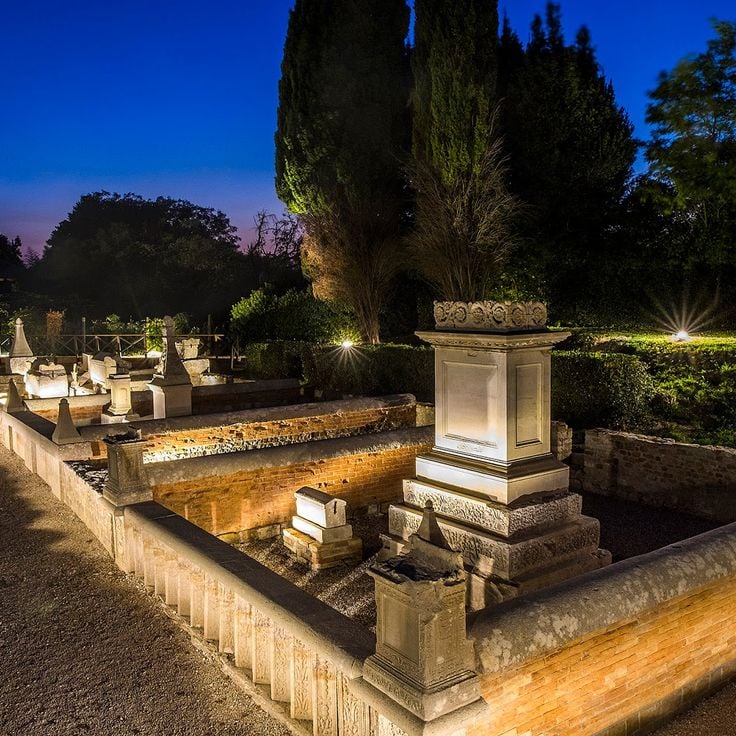
The Roman Forum of Aquileia is one of the most significant archaeological sites in northeastern Italy. This forum displays the remains of a Roman city that once served as a major port on the Adriatic coast. Excavations reveal building layouts, floors, and artifacts from ancient times. Adjacent to the forum stands a basilica whose floor is covered with large-scale mosaics from the early Christian period. These mosaics feature geometric patterns and figurative scenes. The entire site is recognized by UNESCO as a World Heritage site and represents one of the most important testimonies to Roman settlement in the region.
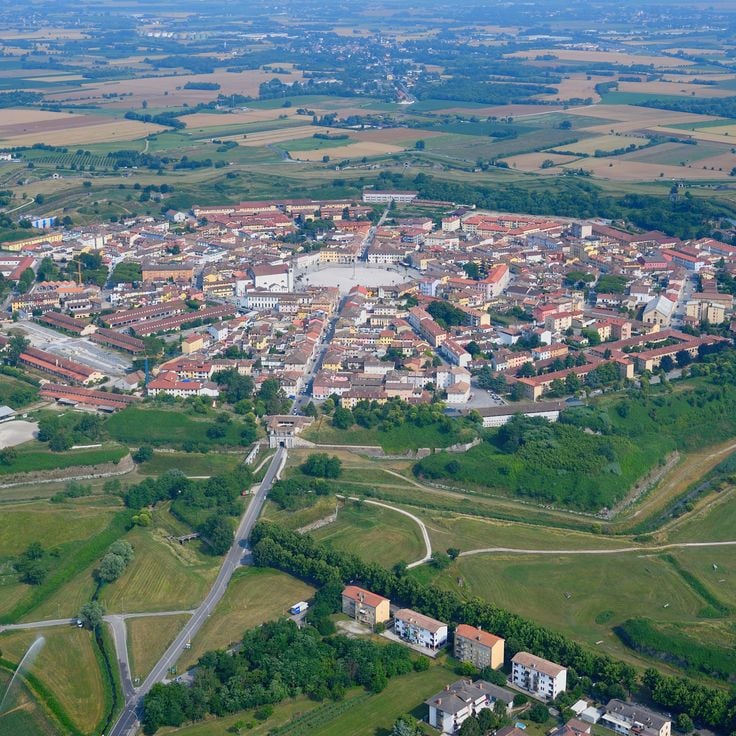
Palmanova is a fortified city built around a distinctive star-shaped design. This city was created as a military project, showing how soldiers and architects worked together to shape the space. The streets arrange in a geometric pattern that becomes especially clear when viewed from above. The defensive walls surrounding the city tell the story of a time when such fortresses protected borders. Walking through the streets, you notice how each one was carefully planned - nothing feels accidental. The city demonstrates how military needs directly influenced its architecture.
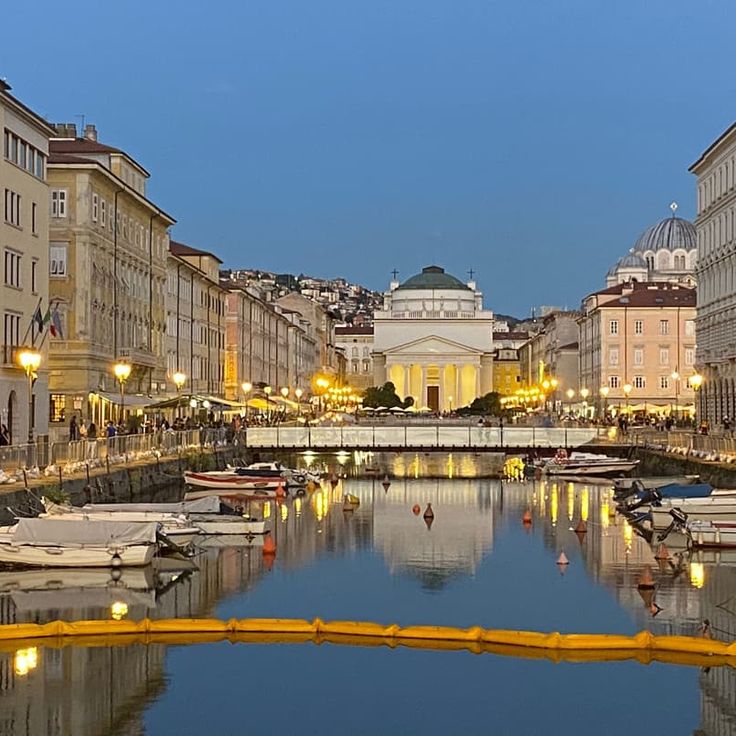
The Canal Grande is a navigable waterway in the Borgo Teresiano district of Trieste. It runs between impressive palaces that line its banks and defines this historic quarter. Built in the 18th century, the canal connects the city to the port. The buildings along its edges reveal the architecture of a time when Trieste was an important harbor under Austro-Hungarian rule. Today, the waters of the Canal Grande reflect the history of this border region, where Mediterranean and Central European cultures meet.
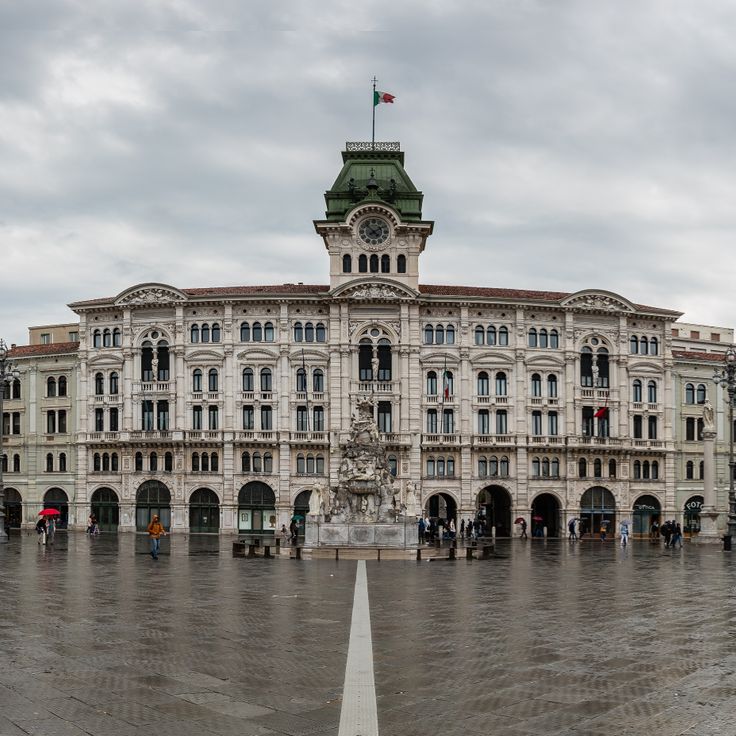
Piazza Unita d'Italia is the main square of Trieste and opens directly onto the Adriatic Gulf. This place has always been the heart of civic life in the city. From here you can see the water and distant coastlines. The square is bordered by buildings shaped by different cultures. Trieste spent centuries under Austro-Hungarian rule, and you see this in the architecture. People come here to walk, sit, and watch the harbor. The square is flat and open, with little shade. It feels like the center of the city, where history and daily life meet.
The Castle of Duino stands on a cliff overlooking the Adriatic Sea. This ruin tells the story of a fortress that guarded the border between different worlds for centuries. The site connects the beauty of the coast with the region's political past and shows how people linked power and defense with dramatic landscapes.
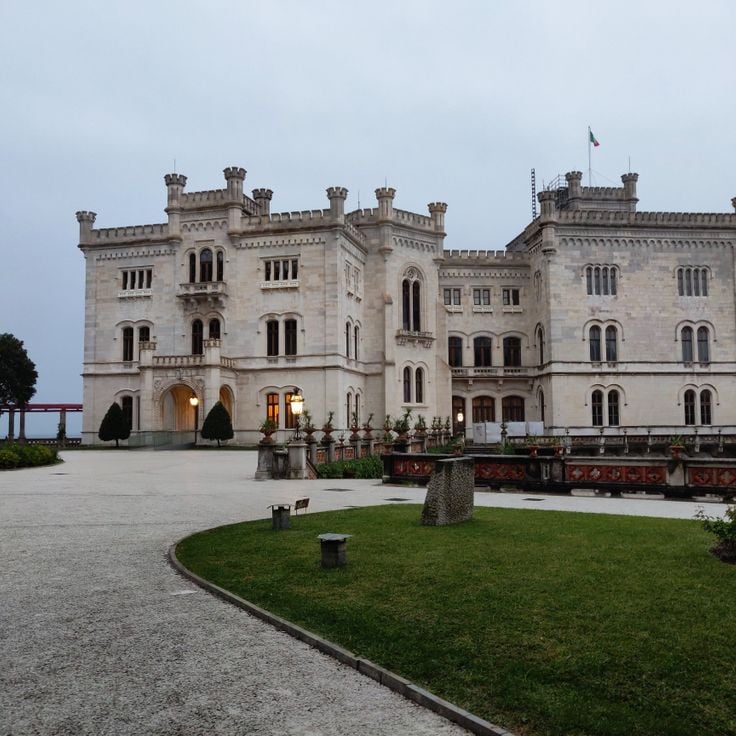
Castello di Miramare rises white and elegant above the Adriatic Sea, embodying the Habsburg splendor that shaped this border region. Built in the 19th century as a residence for Archduke Maximilian, the castle sits on a rocky outcrop directly by the water. From its terraces, you look out toward Trieste's bay, while the interior is furnished with period pieces and artworks from that era. This castle shows how Austro-Hungarian culture marked the Adriatic coast and still defines the landscape today. It stands as one of the landmarks that reflects the diversity of this northeastern Italian region.
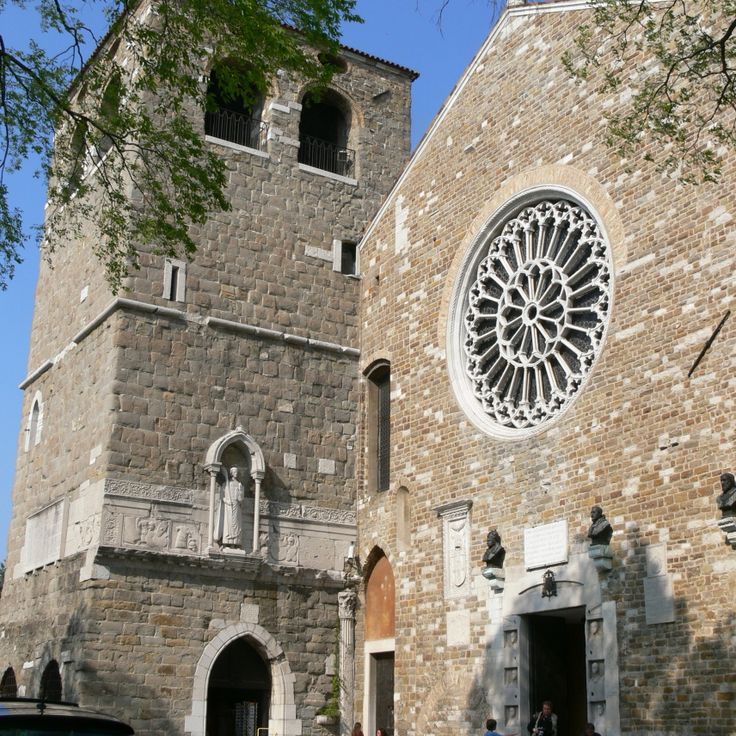
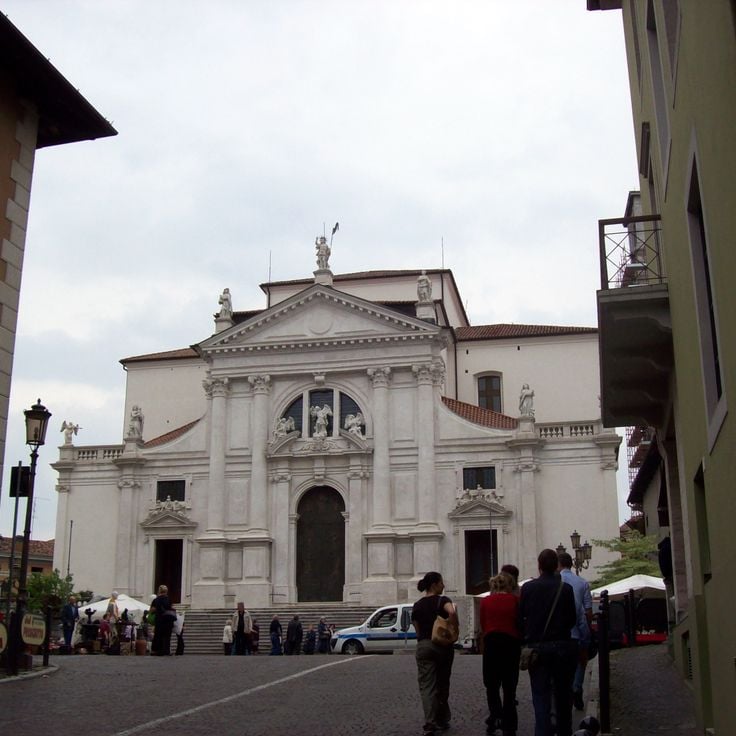
The Cattedrale di San Giusto stands in the heart of Trieste and reflects the long history of this port city. The cathedral was built over centuries and blends Romanesque, Gothic, and Byzantine influences. Inside, mosaics and artworks from different periods tell stories of the past. From its hilltop location, you can look out over the Gulf of Trieste and the city below. This cathedral shows how Trieste developed as an important port under Austro-Hungarian rule.
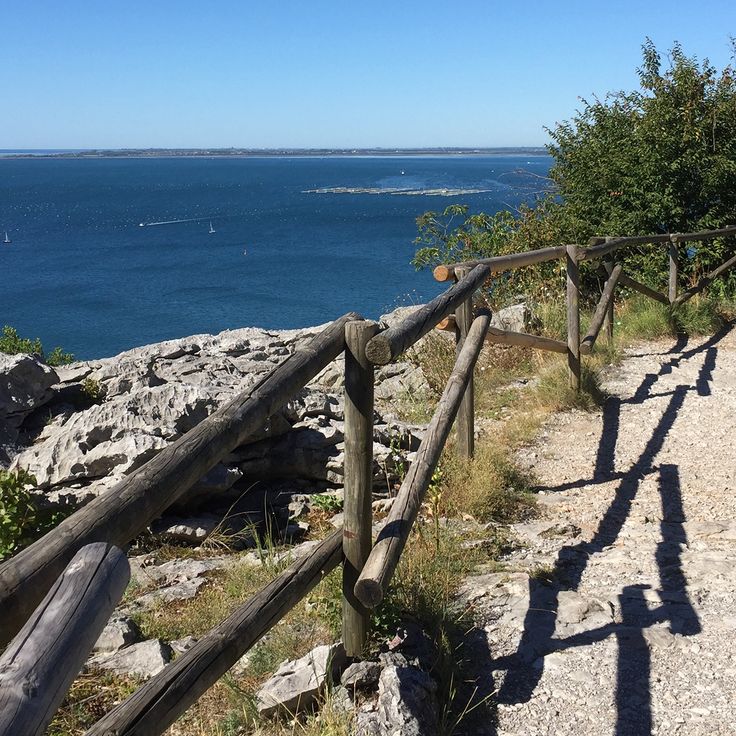
The Sentiero Rilke is a coastal path at Duino Aurisina that runs along the Adriatic shore. The path connects Duino Castle to the village of Sistiana and offers views of the sea and limestone cliffs that define this coastline. As you walk, you pass vegetation adapted to the coastal climate and reach areas where the landscape shifts between rocky terrain and softer earth. The path takes its name from poet Rainer Maria Rilke, who stayed in the area and drew inspiration from these views.
Grado is a coastal town on the northern Adriatic Sea with a charming old town and sandy beaches. The historic center features narrow streets and squares shaped by Venetian influence. Long sandy beaches make Grado a popular seaside destination. The surrounding landscape of flat coastal plains and wetlands offers a different perspective on the region between the sea and the Alps.
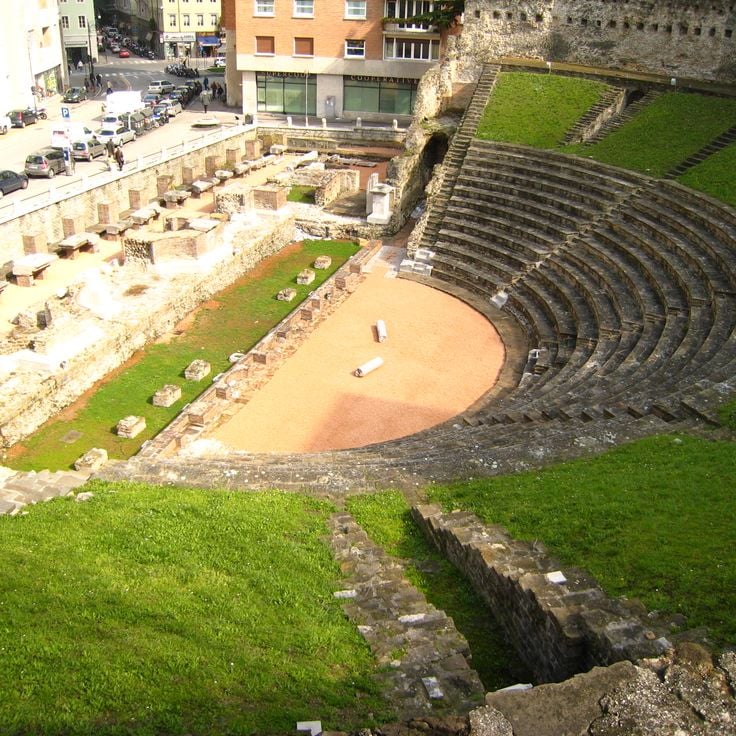
The Teatro Romano in Trieste preserves the remains of an ancient Roman theater. This site marks the city's long history as a Roman port on the Adriatic Sea. The ruins show how Trieste once functioned as a major trading hub where cultural performances brought the community together. Walking through the site, you can trace the shape of the ancient structure and understand how audiences gathered here centuries ago to watch theatrical shows.
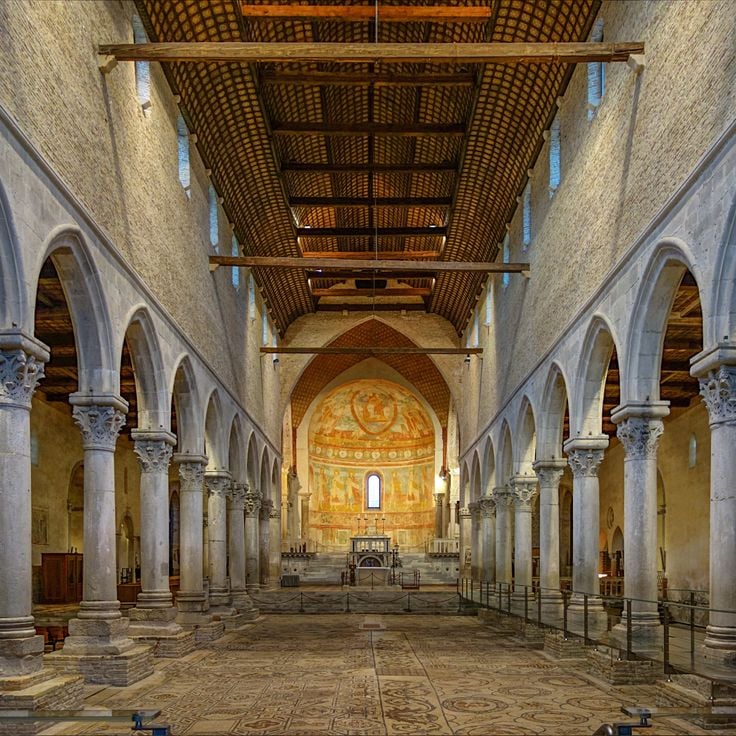
The Basilica of Aquileia is an ancient place where you can see into the Roman past. The mosaics from the 4th century show what life was like in a city that once served ships from across the sea. Walking through the basilica, you can look down at colorful stone work laid centuries ago. These patterns tell stories about the people who lived here and their beliefs. This site connects visitors to a distant time and place.
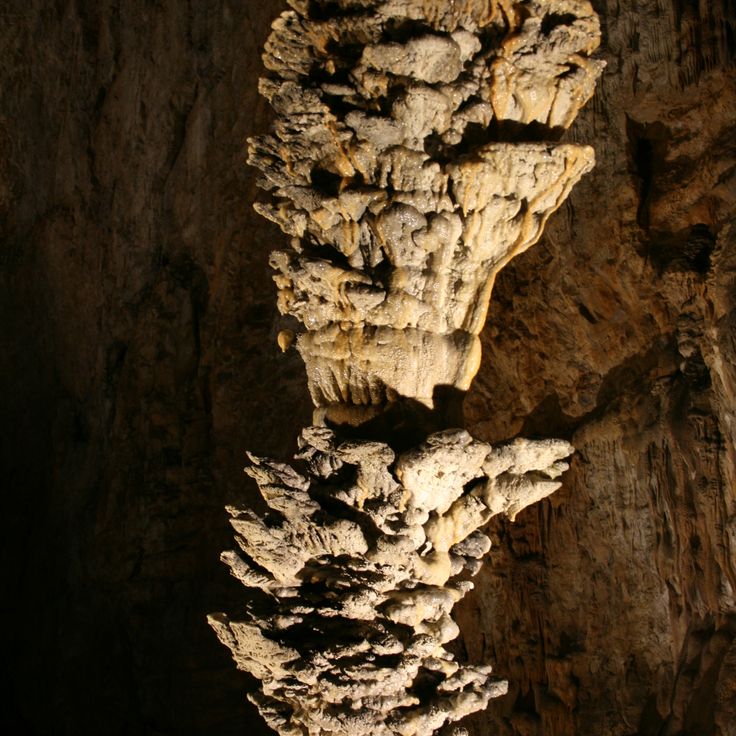
The Grotta Gigante is a large underground cave located near Trieste that is open to visitors. This cave reveals the geological character of the Karst plateau and allows exploration of the underground landscapes typical of this border region. The cave illustrates the natural diversity of Friuli-Venezia Giulia, which extends between the Adriatic Sea and the Julian Alps.
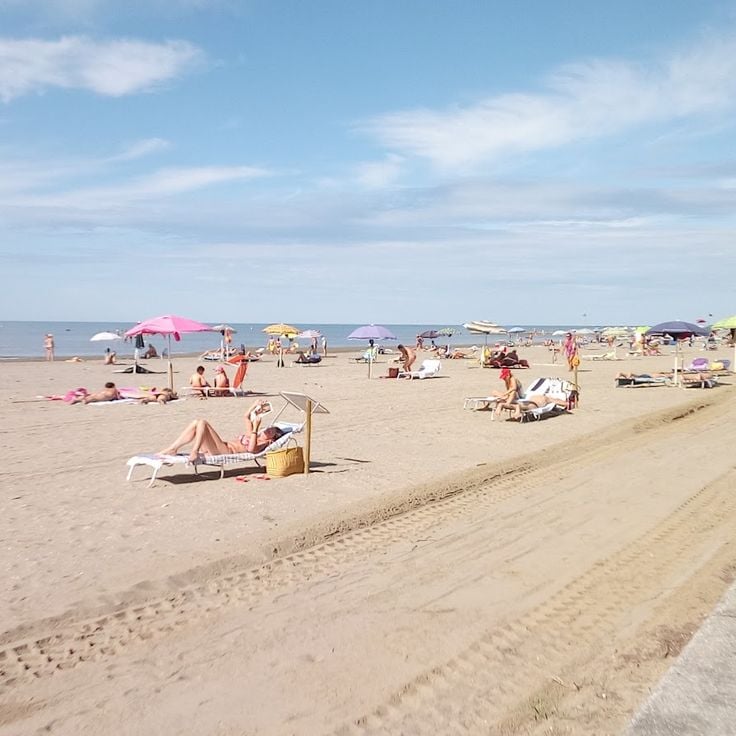
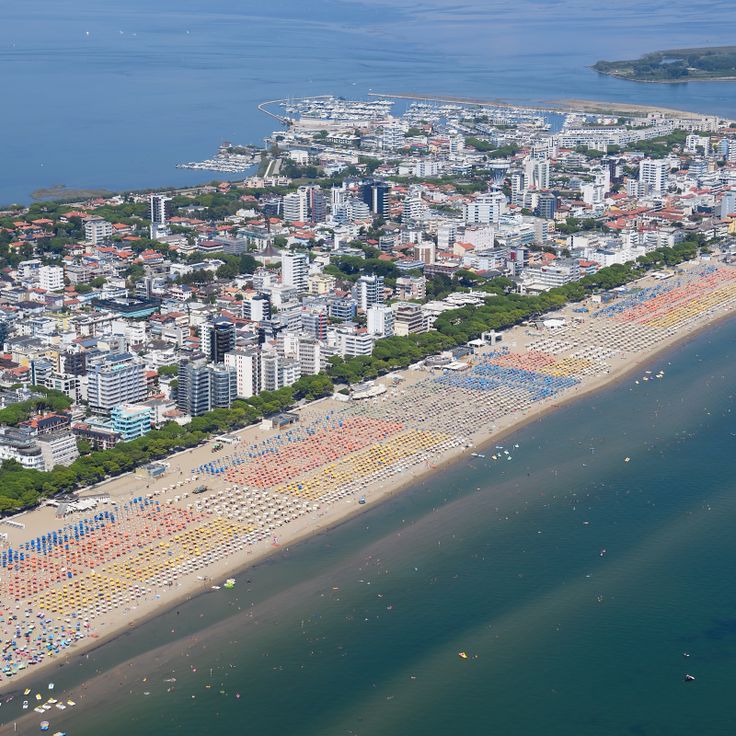
Lignano Sabbiadoro is a seaside resort on the Adriatic coast known for its wide sandy beaches. Located in the Friuli-Venezia Giulia region, this place connects coastal life with proximity to the Alps and historical sites. The fine sand beaches attract visitors seeking relaxation and water activities. The resort demonstrates the varied nature of this border region, where flat coastal landscapes gradually transition to mountain terrain.
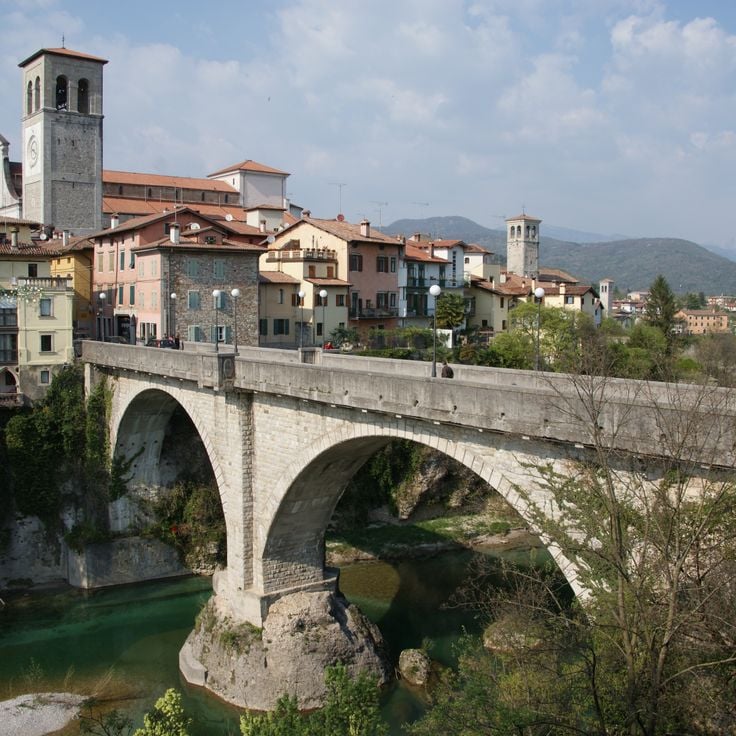
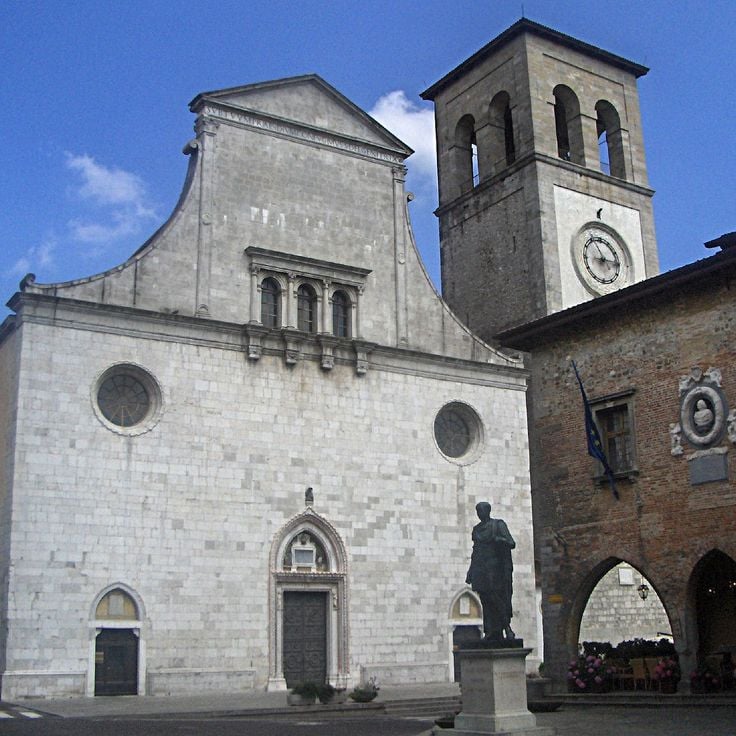
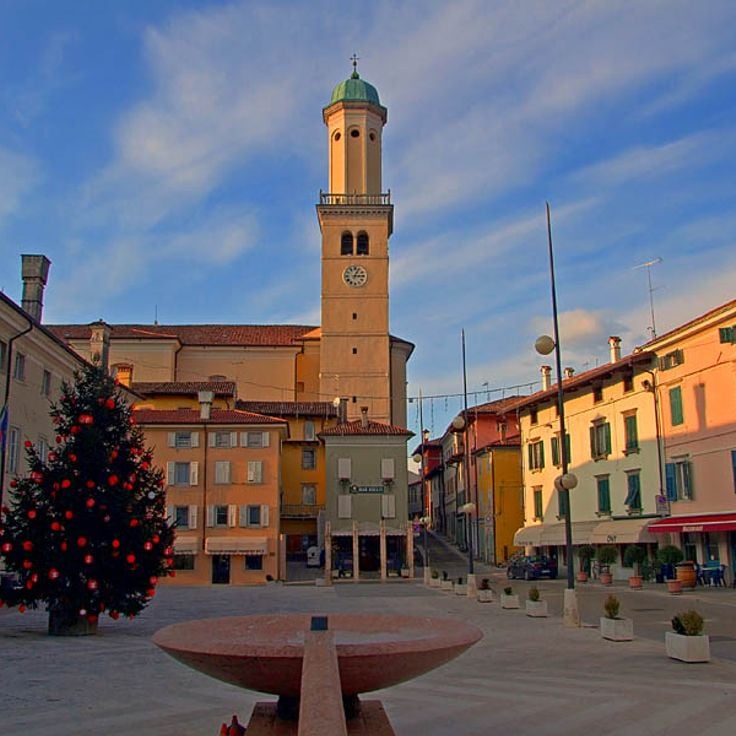
Cividale del Friuli is a medieval city in northeastern Italy known for its Lombard heritage. Founded by Julius Caesar, the city sits at the crossroads of different cultures. Here you find churches and buildings from the Langobard period, recognized as a UNESCO World Heritage site. Narrow streets lead to squares with old houses and bridges spanning the Natisone River. Cividale del Friuli shows the history of a border city shaped by Romans, Langobards, and later Venetians.
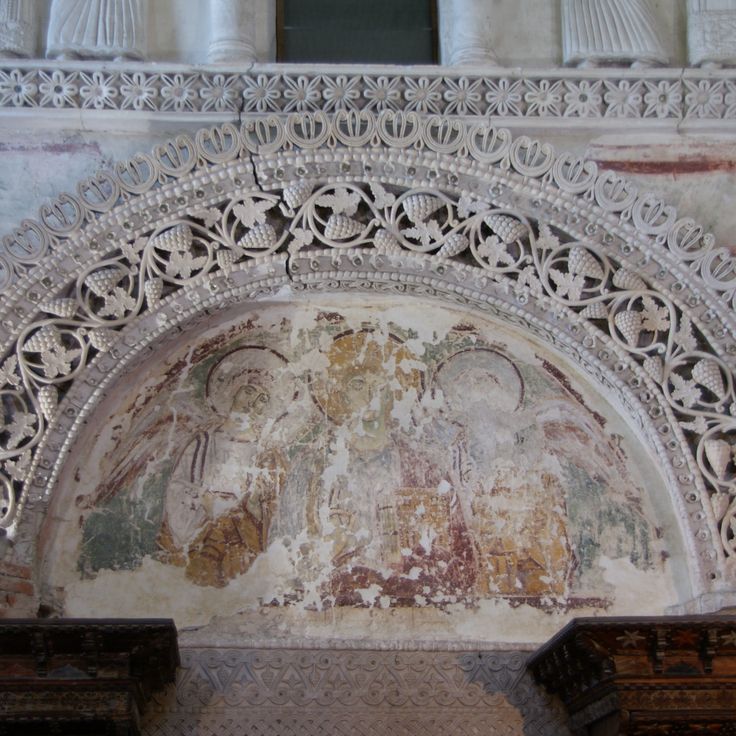
The Tempietto Longobardo is a small 8th-century building that reflects the religious architecture of the Lombards. Located in Cividale del Friuli, it is one of the few surviving structures from this period in the region. The building's simple forms give a sense of what early medieval life was like in this frontier area between north and south.
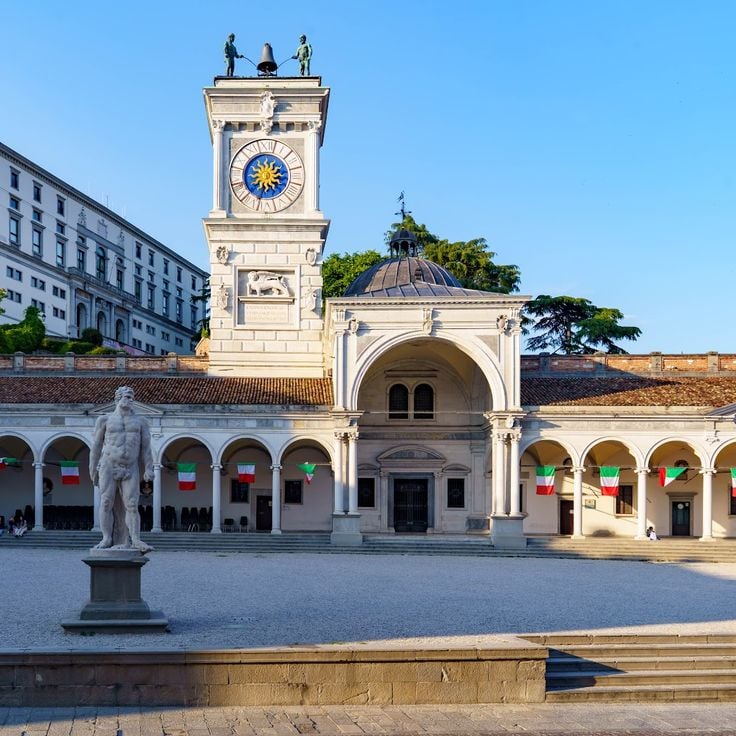
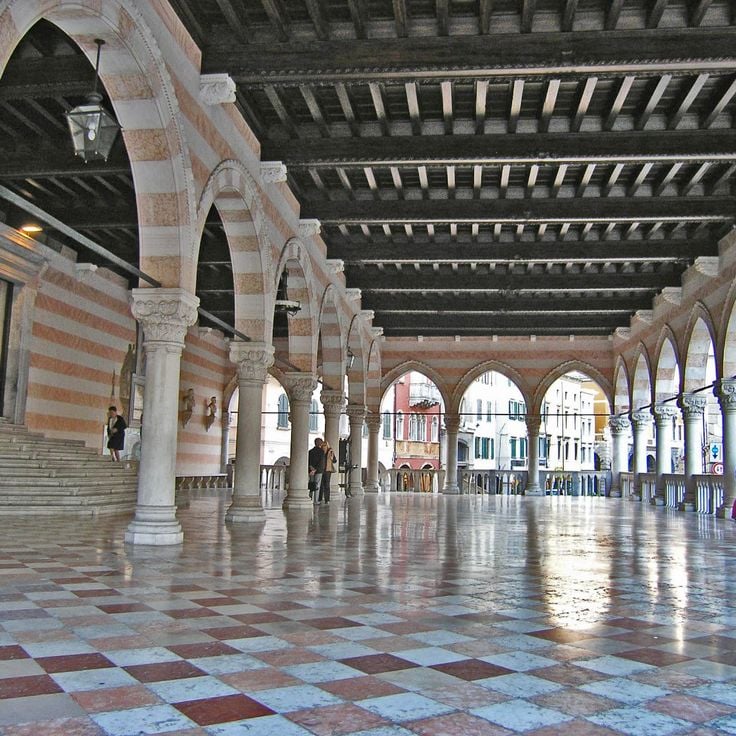
Piazza della Libertà is the central square of Udine and displays the Venetian architecture that shapes the city. Here, locals and visitors gather on a spacious plaza surrounded by elegant stone buildings. The facades tell of a time when Venice influenced this region. The square is framed by arcades that provide shelter from sun and rain. It is a place where you can read the city's history in its architecture and watch the daily life of Udine unfold around you.
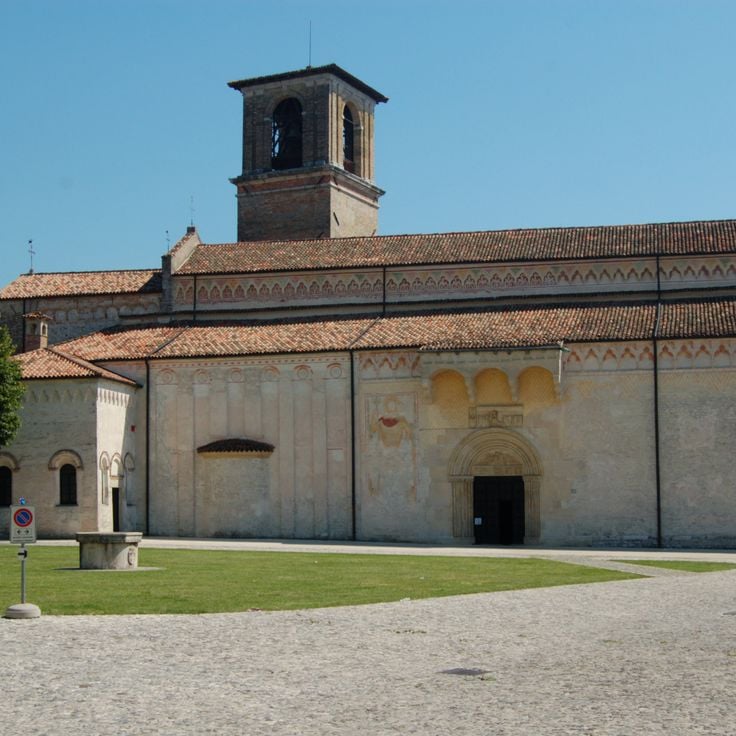
The Cathedral of Cividale del Friuli is a church museum in this small town near Trieste. It holds religious objects and ancient treasures that show the long history of this region. The cathedral combines Romanesque and Gothic architecture and tells of the meeting of different cultures in Friuli-Venezia Giulia. Visitors can see ancient items here that speak of the past as an important trading center.
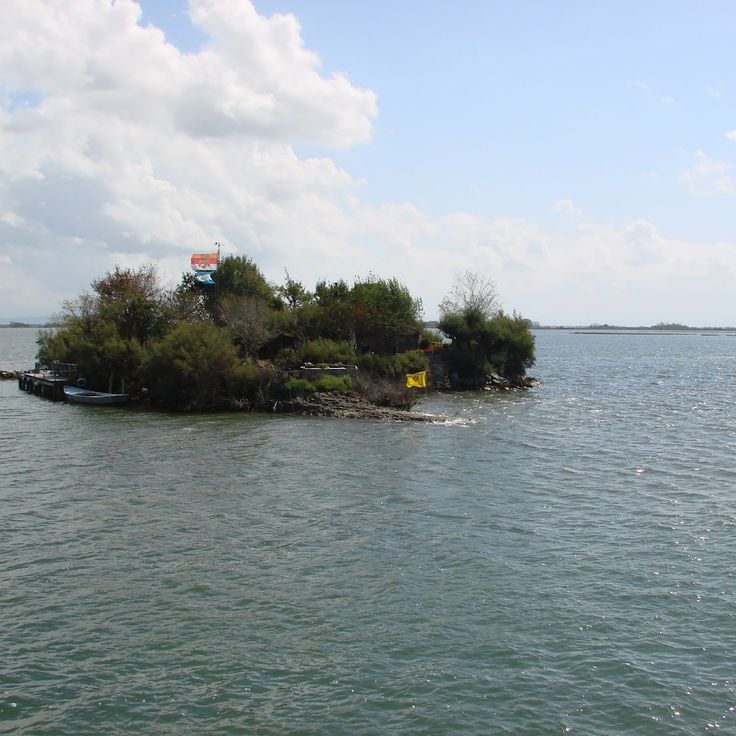
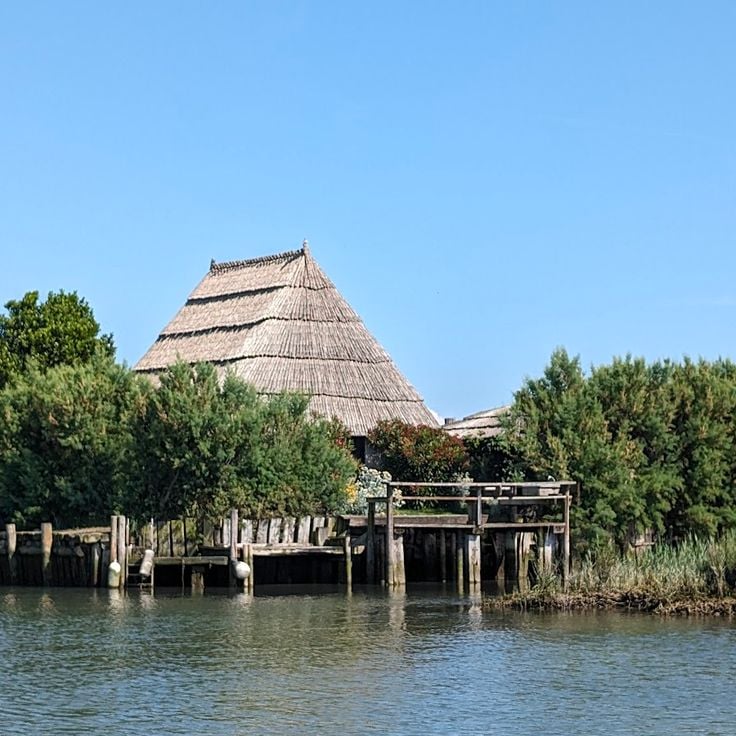
Grado Lagoon is a water system with channels, boats, and natural surroundings. It sits on the Adriatic coast and serves as an important habitat for birds and fish. The lagoon connects the sea to the land through a network of waterways, where traditional fishermen cast their nets and small boats move between islands. This place shows the connection between sea and mainland that defines the Friuli-Venetia-Julian region.
The Riserva naturale Foci dello Stella sits within this border region where rivers meet the Adriatic Sea. This protected area is shaped by lagoons, channels, and diverse wildlife. The site shows how water and land connect in this northeastern part of Italy. Visitors can experience the natural character of this coastal zone, where river deltas and wetlands provide habitat for birds and other animals.
The Loggia del Lionello sits at the heart of Udine and displays the Venetian Gothic style that shaped this city. The building was constructed in the 15th century and served as the seat of city government. Its facade features arcades and pointed arches that reflect Udine's connection to Venice. Today the interior houses the city museum, which displays artworks and objects from different periods. The square in front is a gathering place for locals and visitors, especially during market days and events.
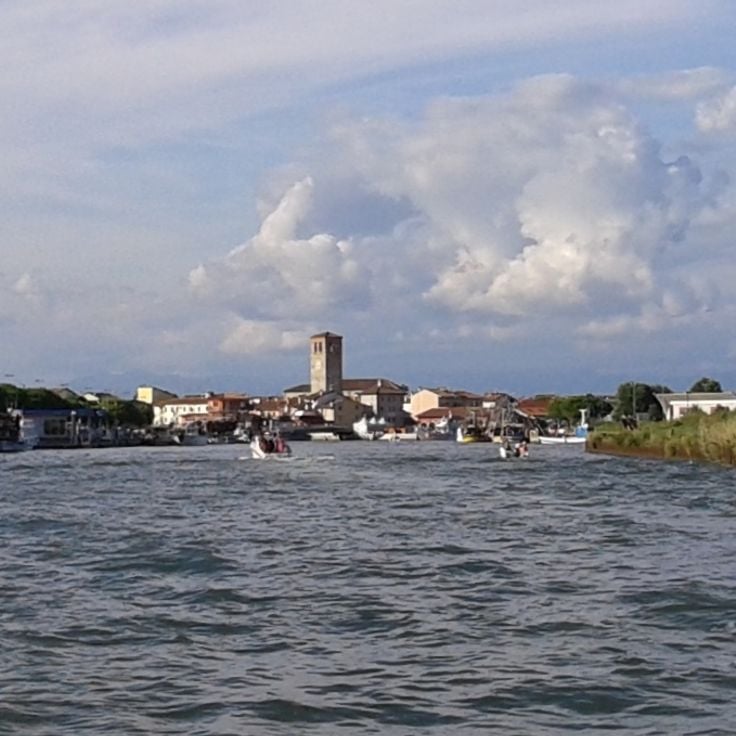
Marano Lagunare is a fishing village on the edge of a lagoon facing the Adriatic Sea. The settlement features modest homes with colorful boat sheds built directly along the water. Canals run through the village, shaping its character and the daily rhythm of life. Fishermen set out regularly in their boats to work the lagoon waters, keeping alive traditions passed down through generations. The village has retained its rural character and offers visitors a chance to see how people live connected to the water. At Marano Lagunare, traditional ways of fishing and boat building remain part of everyday life.
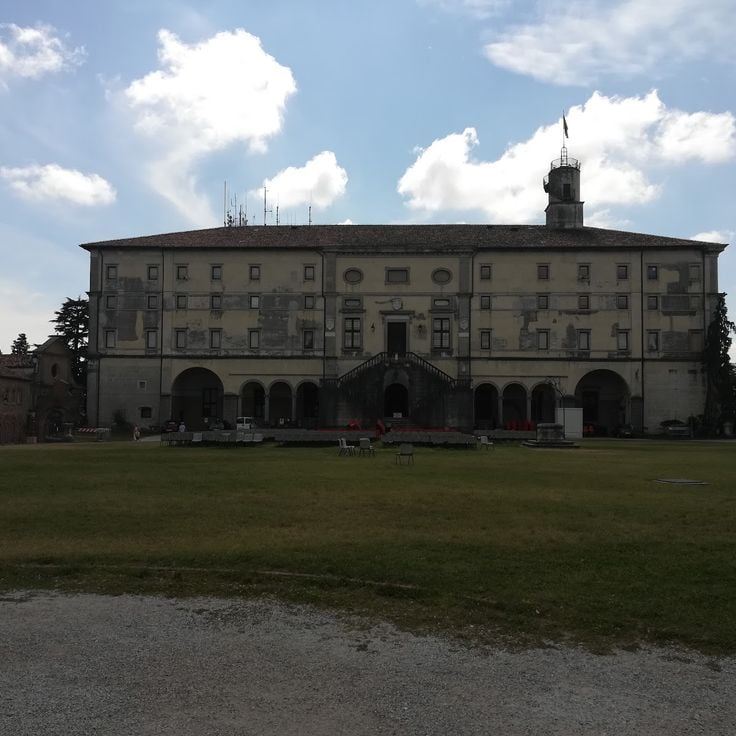
Castello di Udine stands high above the city of Udine. The castle holds several museums within its walls and offers views of the city and the plain beyond. The fortress was rebuilt and enlarged many times throughout history. Visitors can walk through its rooms and see artworks that show the history of this region. The castle is a place where you can discover the past of Friuli-Venezia Giulia.
San Daniele del Friuli is a small town in the Friuli-Venezia Giulia region known around the world for its ham. The village sits in the hills between the Adriatic Sea and the Julian Alps. Narrow streets wind through a historic center filled with medieval buildings and towers. Ham production has shaped life here for centuries. The smell of smoking and aging meat fills the air throughout the streets. Visitors find small shops where craftspeople produce and cure the ham using traditional methods passed down through generations.
Spilimbergo is a town in the flatlands of Friuli known for its ancient mosaic art. The town has a renowned mosaic school that has trained craftspeople for generations. Buildings display beautiful mosaic decorations on facades and public spaces. Located between the Adriatic coasts and the Julian Alps, Spilimbergo connects the artistic traditions of this borderland region. Visitors can tour the school and see the old techniques that artisans still practice here today.
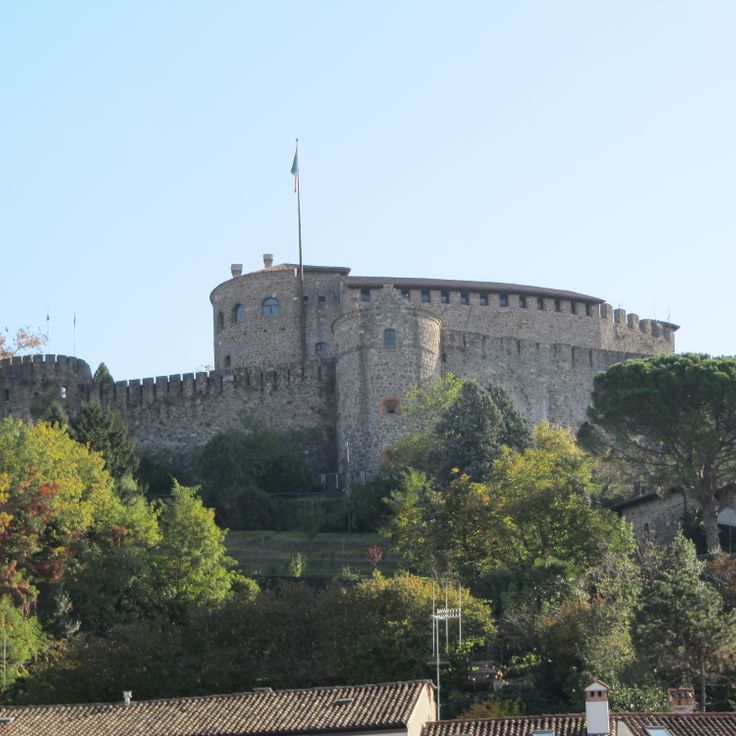
Castello di Gorizia overlooks the town and the border with Slovenia. This medieval fortress sits high above the city and reflects the strategic importance of this location throughout the region's history. From the castle walls, you can see across the town and toward the plains beyond. The ruins show traces of the different powers that ruled here over the centuries.
Cormons is the heart of the Collio wine region in Frioul-Venezia-Giulia. The town sits among gentle hills between the Adriatic coast and the Julian Alps. Wine producers dot the landscape, offering tastings of local wines. The area is known for white wines and its position at the boundary between Italian and Slovenian culture. Visitors can walk through the vineyards and explore the countryside.
Piazza Transalpina in Gorizia sits directly on the border between Italy and Slovenia. This square marks where two countries meet, creating a space shaped by its unique position. The history of this frontier region, with its Austro-Hungarian heritage and shifting boundaries, is tangible here. The square connects the Italian city to the Slovenian landscape beyond, showing how people live with this border as part of their daily reality.
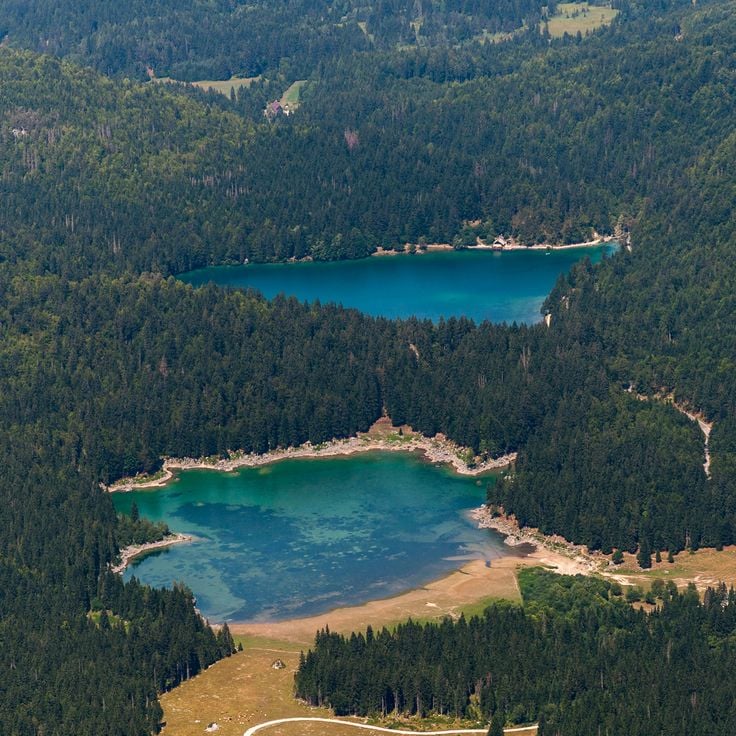
The Fusine Lakes are mountain waters in the far northeast of Italy, fitting into this region between the Adriatic and the Alps. These alpine lakes are framed by high peaks and mirror the surrounding mountains. Walking paths around the lakes connect this landscape to other places across the region, from Roman archaeological sites to the coast. Here visitors can experience the nature of the Julian Alps and understand how mountains shape this area.
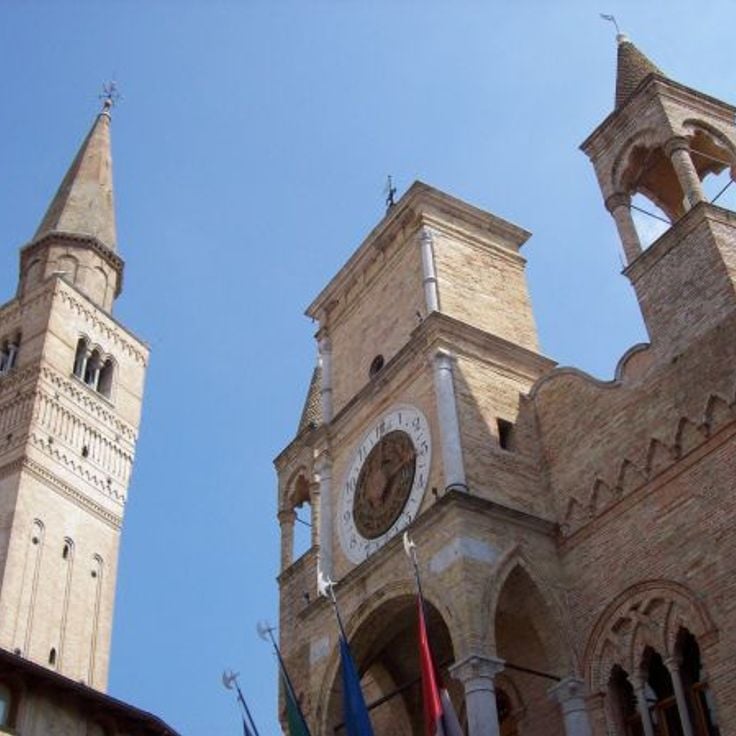
Pordenone is located in northeastern Italy and features a vibrant city center with deep roots in the past. The historic old town draws visitors with its narrow streets and traditional buildings that tell stories of centuries gone by. Corso Vittorio Emanuele, the main thoroughfare, connects the ancient core to modern daily life. Here people walk between shops and cafes while the architecture reflects the time when Venetian and Central European influences met. The city is a place where everyday activity and history exist side by side.
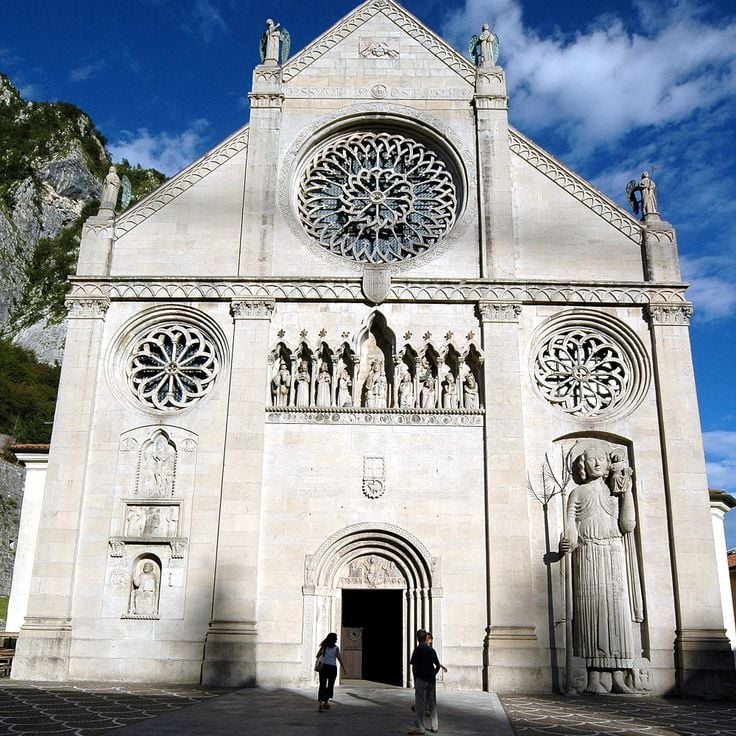
Gemona del Friuli is a town nestled in the foothills of the Julian Alps, with a historic center framed by mountain views. The town connects its position between valleys and alpine heights in a direct way. Its old center bears traces of different periods, and the location offers views toward the surrounding mountain landscape. Life here follows the rhythm of this border region, where plains and mountains meet.
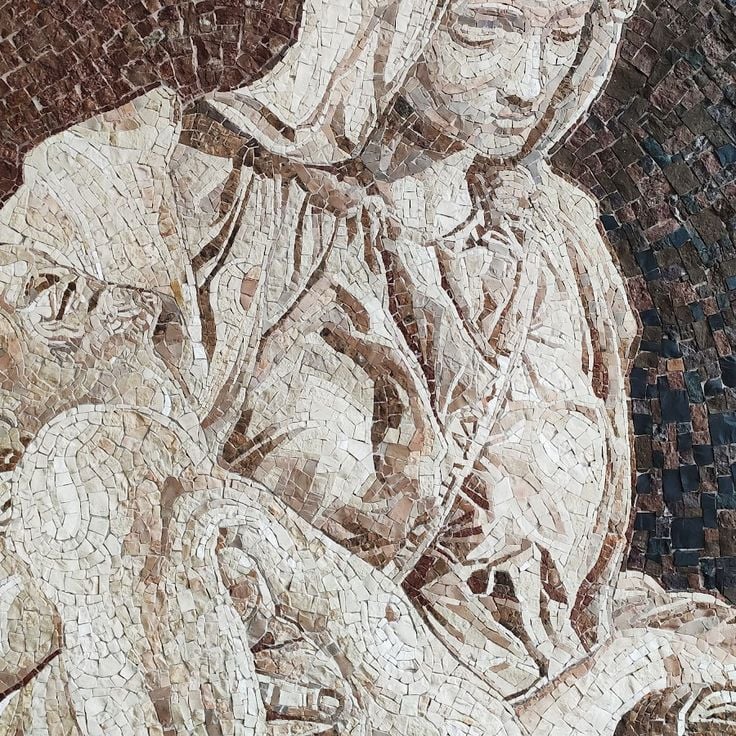
The Scuola Mosaicisti del Friuli in Spilimbergo is a school where craftspeople learn and pass down the traditional art of mosaic making. Here, students work alongside experienced masters and discover techniques that have been practiced in this region for centuries. This school helps preserve a craft deeply connected to the Roman and medieval history of Friuli, showing how traditional skills remain alive in modern times.
Maniago is a small town in the Friuli-Venezia Giulia region known for its centuries-old knife-making craft. In this place, skilled artisans work in studios and small factories throughout the town, creating blades and handles using traditional methods passed down through generations. The workshops are woven into daily life, and local shops display these handcrafted products. Maniago shows how this northeastern Italian region keeps its craft traditions alive.
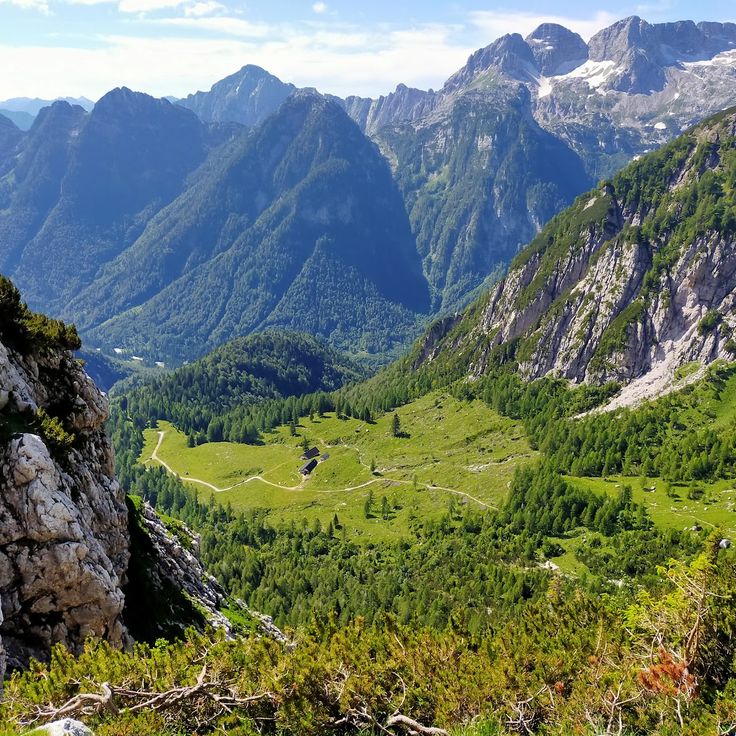
The Parco Naturale delle Prealpi Giulie sits in the mountains between Resia and the Natisone Valleys. It shows the eastern Alps with rolling green slopes, peaks, and hiking trails. The area is home to alpine plants and animals. Walking paths take you through forests and across meadows. This park brings together the mountain character of Friuli-Venezia Giulia with the border region between Italy and Slovenia.
Tarvisio is a mountain town in the Julian Alps, located where Italy, Austria, and Slovenia meet. The town sits in a green mountain landscape with forests and valleys. Tarvisio serves as a base for hiking and mountain activities in this border region. The town connects alpine nature with the history of an area shaped by different cultures.
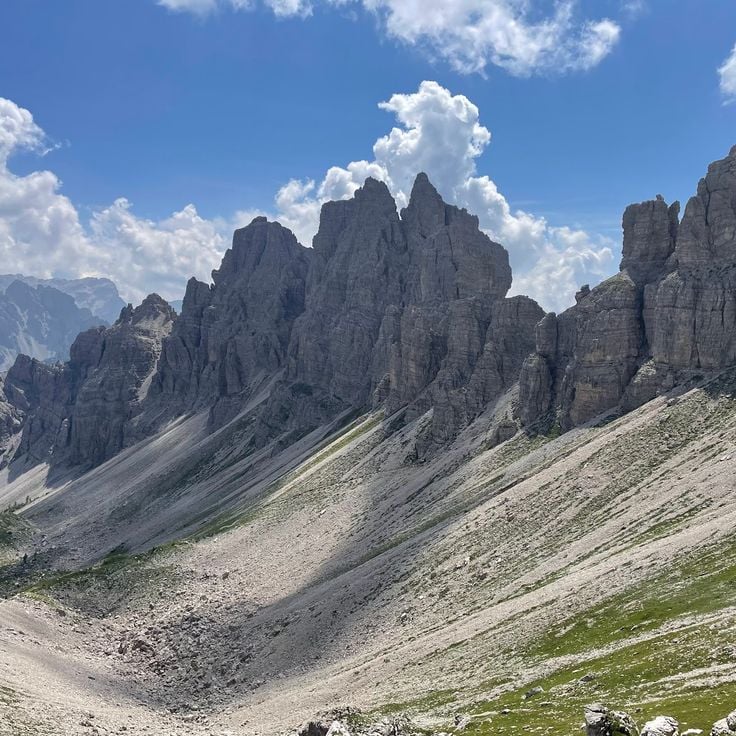
The Dolomiti Friulane Natural Park sits in the Julian Alps and shows the mountain landscapes of this border region. The park spreads across jagged rock peaks and thick forests that are typical of the northern reaches of the Dolomites. Hikers follow trails through coniferous forests and along steep cliff faces. The landscape shifts between wild high plateaus and deep valleys where small streams flow. This park displays the raw character of the region, far from coastal cities, where nature feels untouched.
Monte Lussari is a sanctuary village set at about 5 000 feet (1 500 meters) near Tarvisio, nestled high in the Alps. Pilgrims and hikers arrive here by mountain paths and cable car, drawn by centuries of religious tradition. From the plateau at the summit, views stretch across the Julian Alps and toward the borders with Slovenia and Austria. A small church and modest buildings have been rebuilt and maintained over time. The place has a rhythm tied to the seasons and the people who walk or ride up to it. On clear days, you can see far across the mountains and down into the valleys below.
Lake Sauris sits in the Julian Alps and is surrounded by steep mountain slopes. This lake shows the landscapes that shape this border region. The water reflects the surrounding peaks, and meadows and forests ring the shore. The lake is part of the alpine culture of this area, where mountains, water, and traditional settlements meet. Here you see how the Julian Alps create their own world between lowlands and summits.
Val Resia is a high valley in the Julian Alps where Slovenian culture and language shape daily life. The people here speak their own Slovenian dialect, wear traditional clothing at festivals, and maintain customs that distinguish them from surrounding regions. The valley shows how local communities preserve their identity across generations. Small villages sit scattered across the mountainous landscape, and residents keep old crafts and festivals alive that mark the year.
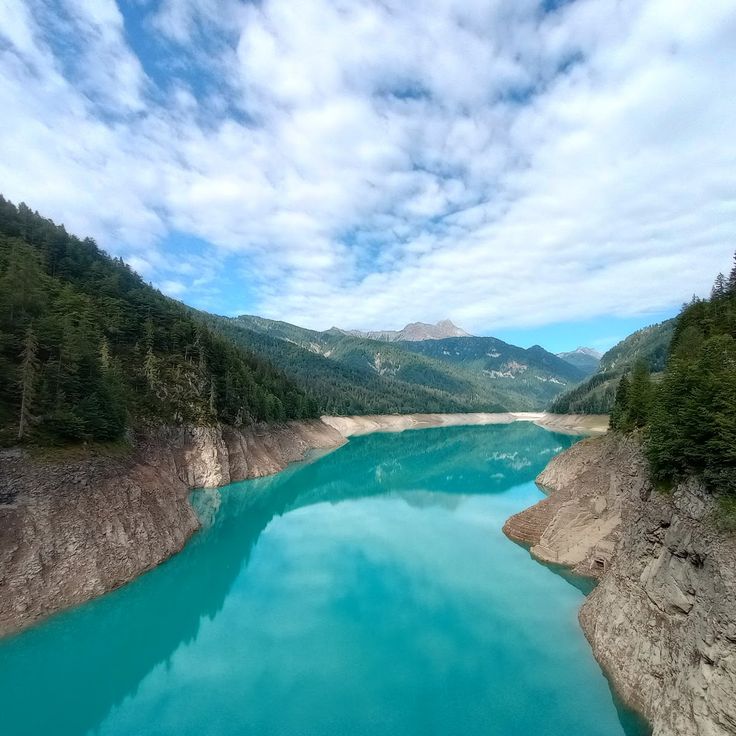
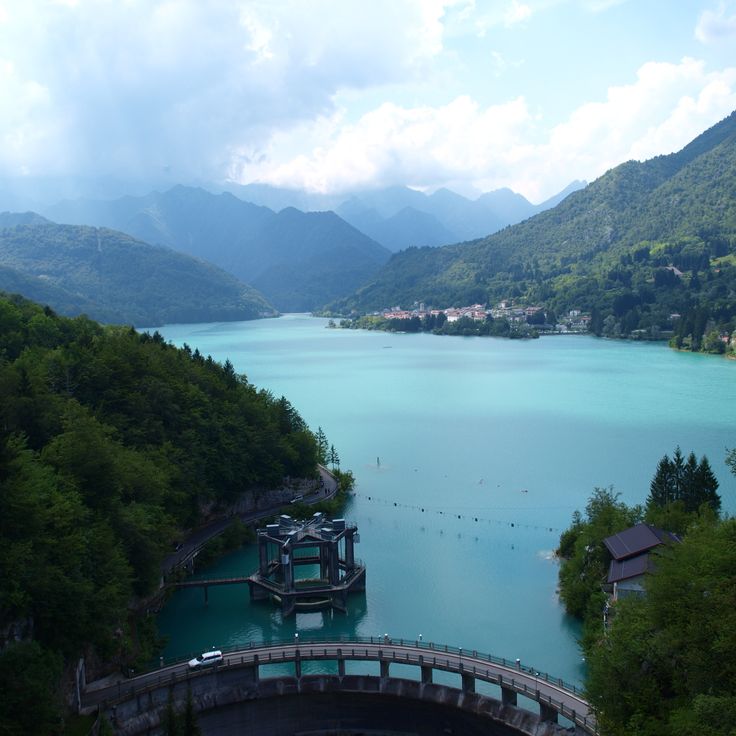
Lake Barcis sits in the Julian Alps and is a mountain lake with turquoise water. The lake was created by a dam and is surrounded by steep rock walls and green slopes. The clear water reflects the surrounding mountains. The lake is a place for swimming, paddling, and hiking. Nearby are small villages and walking paths that run along the lakeshore.
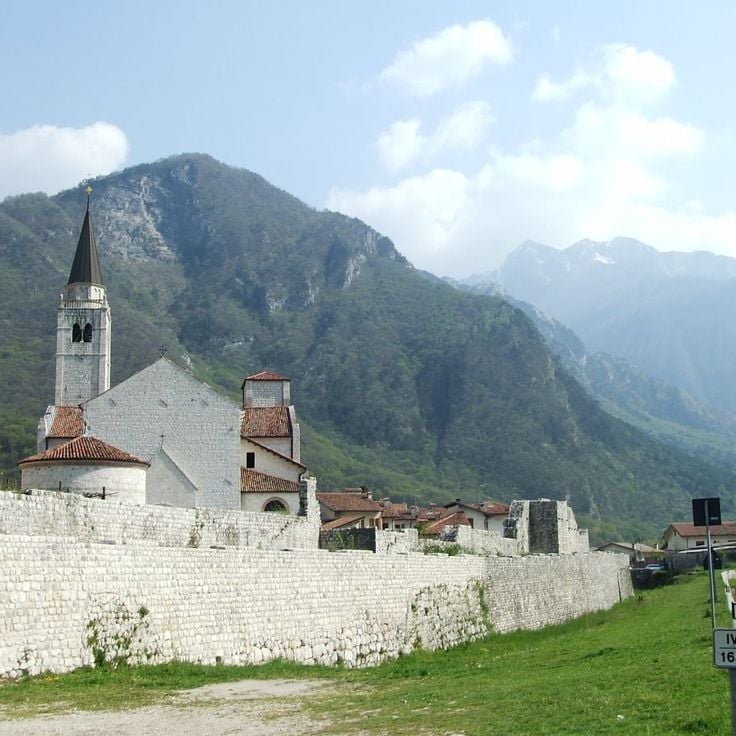
Venzone is a medieval fortified village nestled between the Friuli plains and the Julian Alps, serving as a window into this border region's past. Stone walls encircle narrow streets and ancient houses that bear witness to centuries of Venetian, Austrian, and Italian rule. The village church and defensive structures reflect the strategic importance this place held as protection against invasion. Walking through Venzone, you experience how people once lived in this frontier settlement, with every corner revealing traces of its layered history.
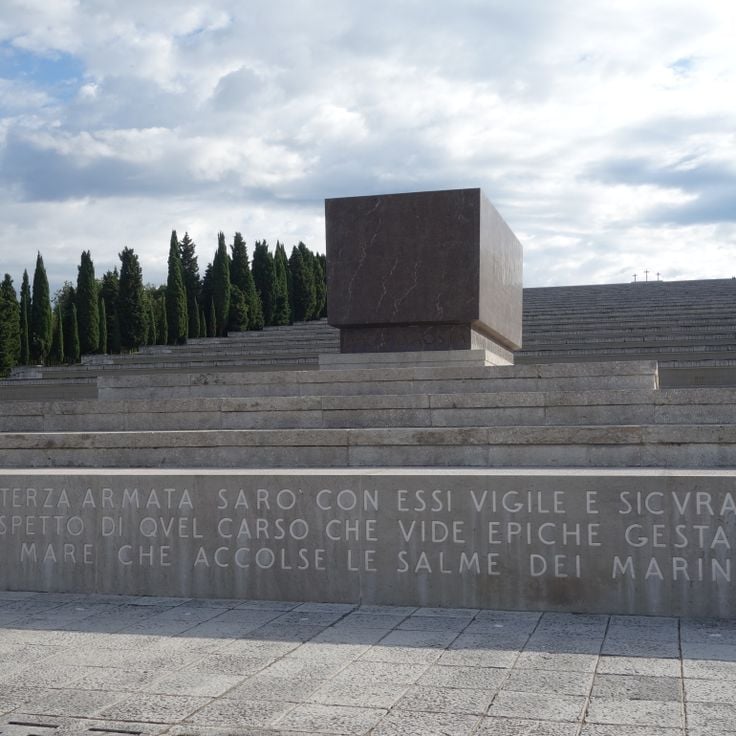
The Redipuglia Sacrario Militare stands in this border region where history shapes the land. This military shrine honors soldiers who fell during the First World War and speaks to the fierce battles that swept through these northeastern valleys. The site sits among the same territory marked by Austro-Hungarian fortresses and Roman remains. The sanctuary connects to the character of Friuli-Venezia Giulia, where cultures met and wars left their mark on the landscape.
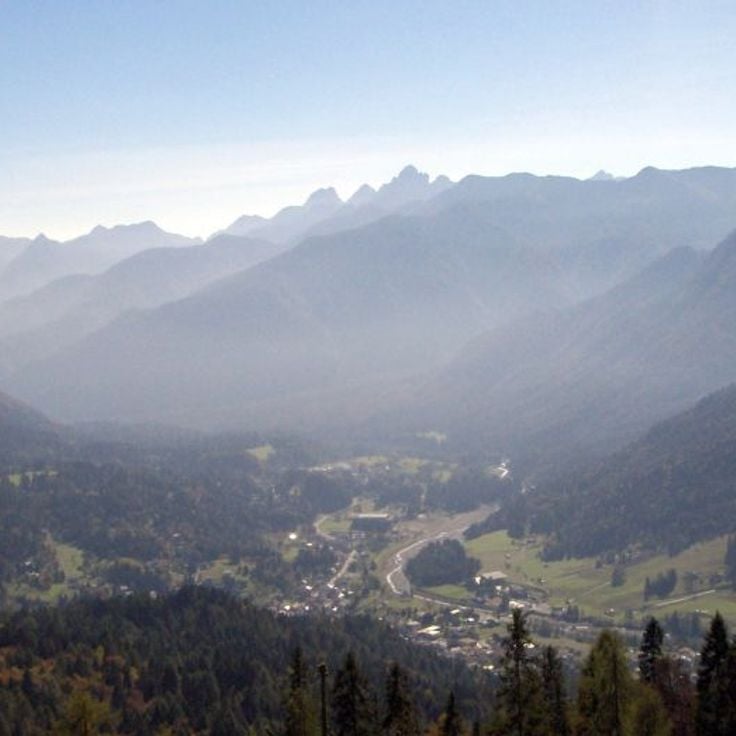
Forni di Sopra is an alpine village and gateway to the Friuli Dolomites. Located in the Julian Alps, this village serves as a starting point for hiking trails through green valleys and mountain lakes. The settlement preserves mountain traditions and connects the history of this border region with the natural landscape of the eastern Alps. Here you experience the range of Friuli-Venezia Giulia: from peaks to valleys that shape local life.
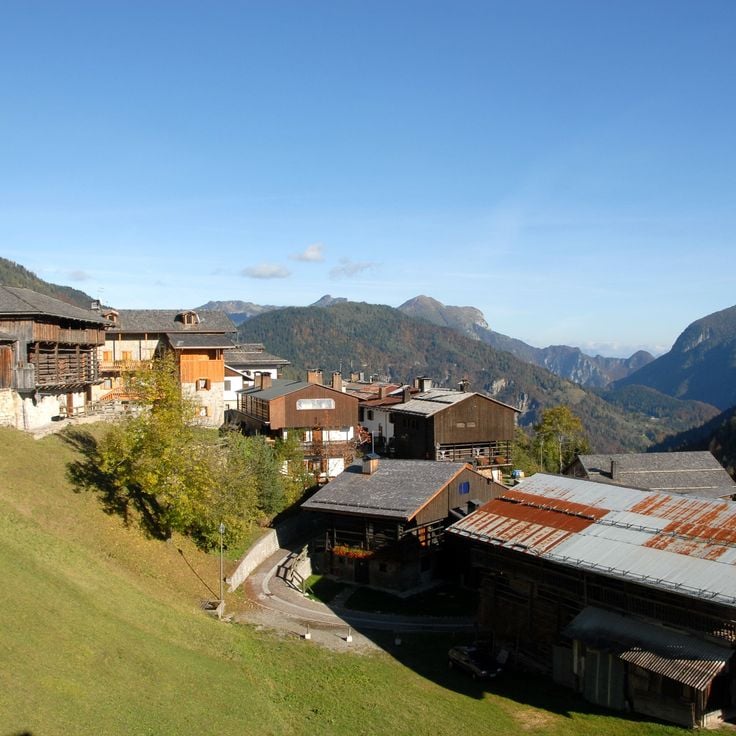
Sauris is a village in the Julian Alps surrounded by forested slopes and mountain lakes. The village has a living cultural heritage visible in its traditions, architecture, and local crafts. The surrounding mountains offer hiking trails and lakes that draw visitors throughout the year. The community maintains its local character and history while welcoming tourism. This is a place where mountain culture and natural landscapes meet.
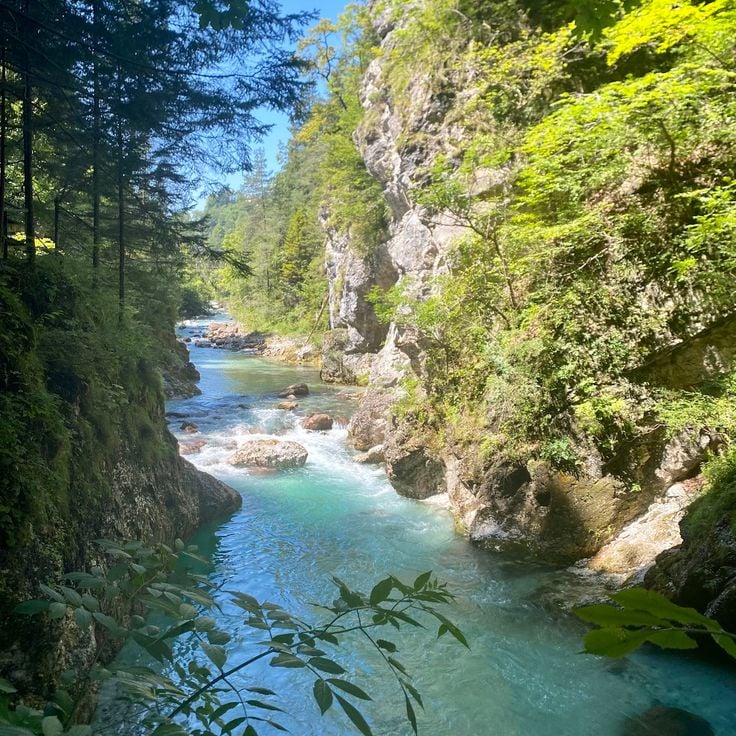
Valcellina is a valley with gorges and a deep river channel. This place shows the geological variety of the Friuli-Venezia Giulia region, where water and rock create dramatic formations. The valley has walking paths along the river and views of the mountain landscape that is common in the eastern Alps.
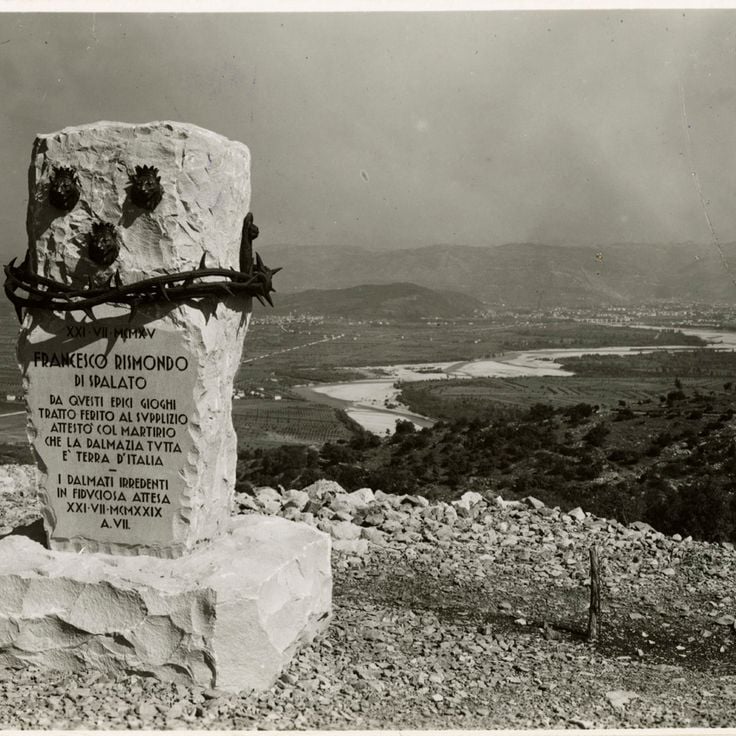
Monte San Michele is a hilltop in the Gorizia area where major fighting took place during World War I. Today, visitors can walk historical trails that follow the paths used by soldiers during the conflict. The summit offers views across the plain and toward the surrounding mountains. It is a place to learn about the region's history while experiencing its landscape.
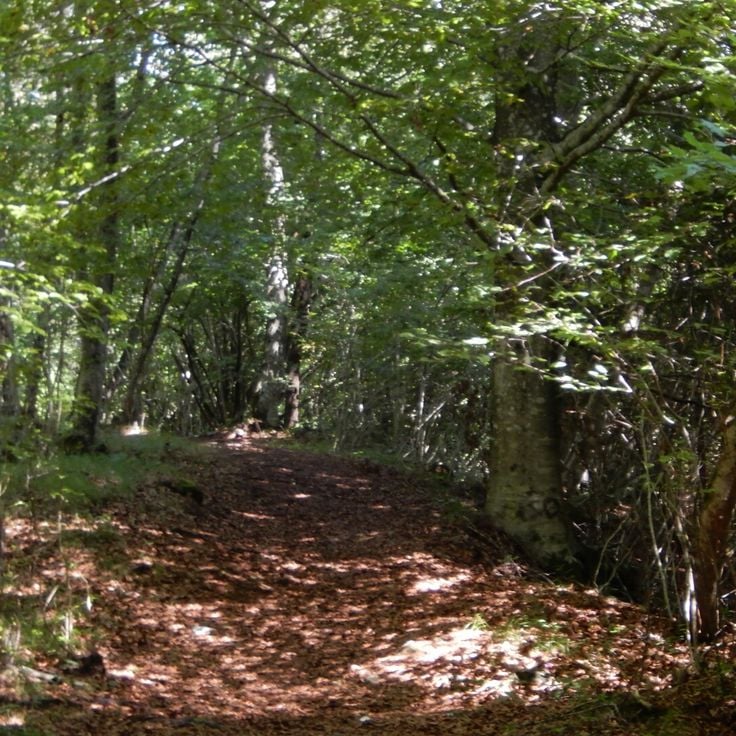
The Sentiero Alpe Adria is a long-distance hiking and cycling trail that connects the Alps to the Adriatic Sea. Within this region between mountains and coast, it forms a path through changing landscapes: from the heights of the Julian Alps south of Tarvisio down to the flat coastal areas. The route passes through valleys, by alpine villages and along mountain lakes, eventually reaching the Adriatic shores. Along the way, hikers and cyclists encounter traces of the diverse history of this border region.
The Roman Forum of Aquileia is one of the most significant archaeological sites in northeastern Italy. This forum displays the remains of a Roman city that once served as a major port on the Adriatic coast. Excavations reveal building layouts, floors, and artifacts from ancient times. Adjacent to the forum stands a basilica whose floor is covered with large-scale mosaics from the early Christian period. These mosaics feature geometric patterns and figurative scenes. The entire site is recognized by UNESCO as a World Heritage site and represents one of the most important testimonies to Roman settlement in the region.
Palmanova is a fortified city built around a distinctive star-shaped design. This city was created as a military project, showing how soldiers and architects worked together to shape the space. The streets arrange in a geometric pattern that becomes especially clear when viewed from above. The defensive walls surrounding the city tell the story of a time when such fortresses protected borders. Walking through the streets, you notice how each one was carefully planned - nothing feels accidental. The city demonstrates how military needs directly influenced its architecture.
The Canal Grande is a navigable waterway in the Borgo Teresiano district of Trieste. It runs between impressive palaces that line its banks and defines this historic quarter. Built in the 18th century, the canal connects the city to the port. The buildings along its edges reveal the architecture of a time when Trieste was an important harbor under Austro-Hungarian rule. Today, the waters of the Canal Grande reflect the history of this border region, where Mediterranean and Central European cultures meet.
Piazza Unita d'Italia is the main square of Trieste and opens directly onto the Adriatic Gulf. This place has always been the heart of civic life in the city. From here you can see the water and distant coastlines. The square is bordered by buildings shaped by different cultures. Trieste spent centuries under Austro-Hungarian rule, and you see this in the architecture. People come here to walk, sit, and watch the harbor. The square is flat and open, with little shade. It feels like the center of the city, where history and daily life meet.
The Castle of Duino stands on a cliff overlooking the Adriatic Sea. This ruin tells the story of a fortress that guarded the border between different worlds for centuries. The site connects the beauty of the coast with the region's political past and shows how people linked power and defense with dramatic landscapes.
Castello di Miramare rises white and elegant above the Adriatic Sea, embodying the Habsburg splendor that shaped this border region. Built in the 19th century as a residence for Archduke Maximilian, the castle sits on a rocky outcrop directly by the water. From its terraces, you look out toward Trieste's bay, while the interior is furnished with period pieces and artworks from that era. This castle shows how Austro-Hungarian culture marked the Adriatic coast and still defines the landscape today. It stands as one of the landmarks that reflects the diversity of this northeastern Italian region.
The Cattedrale di San Giusto stands in the heart of Trieste and reflects the long history of this port city. The cathedral was built over centuries and blends Romanesque, Gothic, and Byzantine influences. Inside, mosaics and artworks from different periods tell stories of the past. From its hilltop location, you can look out over the Gulf of Trieste and the city below. This cathedral shows how Trieste developed as an important port under Austro-Hungarian rule.
The Sentiero Rilke is a coastal path at Duino Aurisina that runs along the Adriatic shore. The path connects Duino Castle to the village of Sistiana and offers views of the sea and limestone cliffs that define this coastline. As you walk, you pass vegetation adapted to the coastal climate and reach areas where the landscape shifts between rocky terrain and softer earth. The path takes its name from poet Rainer Maria Rilke, who stayed in the area and drew inspiration from these views.
Grado is a coastal town on the northern Adriatic Sea with a charming old town and sandy beaches. The historic center features narrow streets and squares shaped by Venetian influence. Long sandy beaches make Grado a popular seaside destination. The surrounding landscape of flat coastal plains and wetlands offers a different perspective on the region between the sea and the Alps.
The Teatro Romano in Trieste preserves the remains of an ancient Roman theater. This site marks the city's long history as a Roman port on the Adriatic Sea. The ruins show how Trieste once functioned as a major trading hub where cultural performances brought the community together. Walking through the site, you can trace the shape of the ancient structure and understand how audiences gathered here centuries ago to watch theatrical shows.
The Basilica of Aquileia is an ancient place where you can see into the Roman past. The mosaics from the 4th century show what life was like in a city that once served ships from across the sea. Walking through the basilica, you can look down at colorful stone work laid centuries ago. These patterns tell stories about the people who lived here and their beliefs. This site connects visitors to a distant time and place.
The Grotta Gigante is a large underground cave located near Trieste that is open to visitors. This cave reveals the geological character of the Karst plateau and allows exploration of the underground landscapes typical of this border region. The cave illustrates the natural diversity of Friuli-Venezia Giulia, which extends between the Adriatic Sea and the Julian Alps.
Lignano Sabbiadoro is a seaside resort on the Adriatic coast known for its wide sandy beaches. Located in the Friuli-Venezia Giulia region, this place connects coastal life with proximity to the Alps and historical sites. The fine sand beaches attract visitors seeking relaxation and water activities. The resort demonstrates the varied nature of this border region, where flat coastal landscapes gradually transition to mountain terrain.
Cividale del Friuli is a medieval city in northeastern Italy known for its Lombard heritage. Founded by Julius Caesar, the city sits at the crossroads of different cultures. Here you find churches and buildings from the Langobard period, recognized as a UNESCO World Heritage site. Narrow streets lead to squares with old houses and bridges spanning the Natisone River. Cividale del Friuli shows the history of a border city shaped by Romans, Langobards, and later Venetians.
The Tempietto Longobardo is a small 8th-century building that reflects the religious architecture of the Lombards. Located in Cividale del Friuli, it is one of the few surviving structures from this period in the region. The building's simple forms give a sense of what early medieval life was like in this frontier area between north and south.
Piazza della Libertà is the central square of Udine and displays the Venetian architecture that shapes the city. Here, locals and visitors gather on a spacious plaza surrounded by elegant stone buildings. The facades tell of a time when Venice influenced this region. The square is framed by arcades that provide shelter from sun and rain. It is a place where you can read the city's history in its architecture and watch the daily life of Udine unfold around you.
The Cathedral of Cividale del Friuli is a church museum in this small town near Trieste. It holds religious objects and ancient treasures that show the long history of this region. The cathedral combines Romanesque and Gothic architecture and tells of the meeting of different cultures in Friuli-Venezia Giulia. Visitors can see ancient items here that speak of the past as an important trading center.
Grado Lagoon is a water system with channels, boats, and natural surroundings. It sits on the Adriatic coast and serves as an important habitat for birds and fish. The lagoon connects the sea to the land through a network of waterways, where traditional fishermen cast their nets and small boats move between islands. This place shows the connection between sea and mainland that defines the Friuli-Venetia-Julian region.
The Riserva naturale Foci dello Stella sits within this border region where rivers meet the Adriatic Sea. This protected area is shaped by lagoons, channels, and diverse wildlife. The site shows how water and land connect in this northeastern part of Italy. Visitors can experience the natural character of this coastal zone, where river deltas and wetlands provide habitat for birds and other animals.
The Loggia del Lionello sits at the heart of Udine and displays the Venetian Gothic style that shaped this city. The building was constructed in the 15th century and served as the seat of city government. Its facade features arcades and pointed arches that reflect Udine's connection to Venice. Today the interior houses the city museum, which displays artworks and objects from different periods. The square in front is a gathering place for locals and visitors, especially during market days and events.
Marano Lagunare is a fishing village on the edge of a lagoon facing the Adriatic Sea. The settlement features modest homes with colorful boat sheds built directly along the water. Canals run through the village, shaping its character and the daily rhythm of life. Fishermen set out regularly in their boats to work the lagoon waters, keeping alive traditions passed down through generations. The village has retained its rural character and offers visitors a chance to see how people live connected to the water. At Marano Lagunare, traditional ways of fishing and boat building remain part of everyday life.
Castello di Udine stands high above the city of Udine. The castle holds several museums within its walls and offers views of the city and the plain beyond. The fortress was rebuilt and enlarged many times throughout history. Visitors can walk through its rooms and see artworks that show the history of this region. The castle is a place where you can discover the past of Friuli-Venezia Giulia.
San Daniele del Friuli is a small town in the Friuli-Venezia Giulia region known around the world for its ham. The village sits in the hills between the Adriatic Sea and the Julian Alps. Narrow streets wind through a historic center filled with medieval buildings and towers. Ham production has shaped life here for centuries. The smell of smoking and aging meat fills the air throughout the streets. Visitors find small shops where craftspeople produce and cure the ham using traditional methods passed down through generations.
Spilimbergo is a town in the flatlands of Friuli known for its ancient mosaic art. The town has a renowned mosaic school that has trained craftspeople for generations. Buildings display beautiful mosaic decorations on facades and public spaces. Located between the Adriatic coasts and the Julian Alps, Spilimbergo connects the artistic traditions of this borderland region. Visitors can tour the school and see the old techniques that artisans still practice here today.
Castello di Gorizia overlooks the town and the border with Slovenia. This medieval fortress sits high above the city and reflects the strategic importance of this location throughout the region's history. From the castle walls, you can see across the town and toward the plains beyond. The ruins show traces of the different powers that ruled here over the centuries.
Cormons is the heart of the Collio wine region in Frioul-Venezia-Giulia. The town sits among gentle hills between the Adriatic coast and the Julian Alps. Wine producers dot the landscape, offering tastings of local wines. The area is known for white wines and its position at the boundary between Italian and Slovenian culture. Visitors can walk through the vineyards and explore the countryside.
Piazza Transalpina in Gorizia sits directly on the border between Italy and Slovenia. This square marks where two countries meet, creating a space shaped by its unique position. The history of this frontier region, with its Austro-Hungarian heritage and shifting boundaries, is tangible here. The square connects the Italian city to the Slovenian landscape beyond, showing how people live with this border as part of their daily reality.
The Fusine Lakes are mountain waters in the far northeast of Italy, fitting into this region between the Adriatic and the Alps. These alpine lakes are framed by high peaks and mirror the surrounding mountains. Walking paths around the lakes connect this landscape to other places across the region, from Roman archaeological sites to the coast. Here visitors can experience the nature of the Julian Alps and understand how mountains shape this area.
Pordenone is located in northeastern Italy and features a vibrant city center with deep roots in the past. The historic old town draws visitors with its narrow streets and traditional buildings that tell stories of centuries gone by. Corso Vittorio Emanuele, the main thoroughfare, connects the ancient core to modern daily life. Here people walk between shops and cafes while the architecture reflects the time when Venetian and Central European influences met. The city is a place where everyday activity and history exist side by side.
Gemona del Friuli is a town nestled in the foothills of the Julian Alps, with a historic center framed by mountain views. The town connects its position between valleys and alpine heights in a direct way. Its old center bears traces of different periods, and the location offers views toward the surrounding mountain landscape. Life here follows the rhythm of this border region, where plains and mountains meet.
The Scuola Mosaicisti del Friuli in Spilimbergo is a school where craftspeople learn and pass down the traditional art of mosaic making. Here, students work alongside experienced masters and discover techniques that have been practiced in this region for centuries. This school helps preserve a craft deeply connected to the Roman and medieval history of Friuli, showing how traditional skills remain alive in modern times.
Maniago is a small town in the Friuli-Venezia Giulia region known for its centuries-old knife-making craft. In this place, skilled artisans work in studios and small factories throughout the town, creating blades and handles using traditional methods passed down through generations. The workshops are woven into daily life, and local shops display these handcrafted products. Maniago shows how this northeastern Italian region keeps its craft traditions alive.
The Parco Naturale delle Prealpi Giulie sits in the mountains between Resia and the Natisone Valleys. It shows the eastern Alps with rolling green slopes, peaks, and hiking trails. The area is home to alpine plants and animals. Walking paths take you through forests and across meadows. This park brings together the mountain character of Friuli-Venezia Giulia with the border region between Italy and Slovenia.
Tarvisio is a mountain town in the Julian Alps, located where Italy, Austria, and Slovenia meet. The town sits in a green mountain landscape with forests and valleys. Tarvisio serves as a base for hiking and mountain activities in this border region. The town connects alpine nature with the history of an area shaped by different cultures.
The Dolomiti Friulane Natural Park sits in the Julian Alps and shows the mountain landscapes of this border region. The park spreads across jagged rock peaks and thick forests that are typical of the northern reaches of the Dolomites. Hikers follow trails through coniferous forests and along steep cliff faces. The landscape shifts between wild high plateaus and deep valleys where small streams flow. This park displays the raw character of the region, far from coastal cities, where nature feels untouched.
Monte Lussari is a sanctuary village set at about 5 000 feet (1 500 meters) near Tarvisio, nestled high in the Alps. Pilgrims and hikers arrive here by mountain paths and cable car, drawn by centuries of religious tradition. From the plateau at the summit, views stretch across the Julian Alps and toward the borders with Slovenia and Austria. A small church and modest buildings have been rebuilt and maintained over time. The place has a rhythm tied to the seasons and the people who walk or ride up to it. On clear days, you can see far across the mountains and down into the valleys below.
Lake Sauris sits in the Julian Alps and is surrounded by steep mountain slopes. This lake shows the landscapes that shape this border region. The water reflects the surrounding peaks, and meadows and forests ring the shore. The lake is part of the alpine culture of this area, where mountains, water, and traditional settlements meet. Here you see how the Julian Alps create their own world between lowlands and summits.
Val Resia is a high valley in the Julian Alps where Slovenian culture and language shape daily life. The people here speak their own Slovenian dialect, wear traditional clothing at festivals, and maintain customs that distinguish them from surrounding regions. The valley shows how local communities preserve their identity across generations. Small villages sit scattered across the mountainous landscape, and residents keep old crafts and festivals alive that mark the year.
Lake Barcis sits in the Julian Alps and is a mountain lake with turquoise water. The lake was created by a dam and is surrounded by steep rock walls and green slopes. The clear water reflects the surrounding mountains. The lake is a place for swimming, paddling, and hiking. Nearby are small villages and walking paths that run along the lakeshore.
Venzone is a medieval fortified village nestled between the Friuli plains and the Julian Alps, serving as a window into this border region's past. Stone walls encircle narrow streets and ancient houses that bear witness to centuries of Venetian, Austrian, and Italian rule. The village church and defensive structures reflect the strategic importance this place held as protection against invasion. Walking through Venzone, you experience how people once lived in this frontier settlement, with every corner revealing traces of its layered history.
The Redipuglia Sacrario Militare stands in this border region where history shapes the land. This military shrine honors soldiers who fell during the First World War and speaks to the fierce battles that swept through these northeastern valleys. The site sits among the same territory marked by Austro-Hungarian fortresses and Roman remains. The sanctuary connects to the character of Friuli-Venezia Giulia, where cultures met and wars left their mark on the landscape.
Forni di Sopra is an alpine village and gateway to the Friuli Dolomites. Located in the Julian Alps, this village serves as a starting point for hiking trails through green valleys and mountain lakes. The settlement preserves mountain traditions and connects the history of this border region with the natural landscape of the eastern Alps. Here you experience the range of Friuli-Venezia Giulia: from peaks to valleys that shape local life.
Sauris is a village in the Julian Alps surrounded by forested slopes and mountain lakes. The village has a living cultural heritage visible in its traditions, architecture, and local crafts. The surrounding mountains offer hiking trails and lakes that draw visitors throughout the year. The community maintains its local character and history while welcoming tourism. This is a place where mountain culture and natural landscapes meet.
Valcellina is a valley with gorges and a deep river channel. This place shows the geological variety of the Friuli-Venezia Giulia region, where water and rock create dramatic formations. The valley has walking paths along the river and views of the mountain landscape that is common in the eastern Alps.
Monte San Michele is a hilltop in the Gorizia area where major fighting took place during World War I. Today, visitors can walk historical trails that follow the paths used by soldiers during the conflict. The summit offers views across the plain and toward the surrounding mountains. It is a place to learn about the region's history while experiencing its landscape.
The Sentiero Alpe Adria is a long-distance hiking and cycling trail that connects the Alps to the Adriatic Sea. Within this region between mountains and coast, it forms a path through changing landscapes: from the heights of the Julian Alps south of Tarvisio down to the flat coastal areas. The route passes through valleys, by alpine villages and along mountain lakes, eventually reaching the Adriatic shores. Along the way, hikers and cyclists encounter traces of the diverse history of this border region.
The Roman Forum of Aquileia is one of the most significant archaeological sites in northeastern Italy. This forum displays the remains of a Roman city that once served as a major port on the Adriatic coast. Excavations reveal building layouts, floors, and artifacts from ancient times. Adjacent to the forum stands a basilica whose floor is covered with large-scale mosaics from the early Christian period. These mosaics feature geometric patterns and figurative scenes. The entire site is recognized by UNESCO as a World Heritage site and represents one of the most important testimonies to Roman settlement in the region.
Palmanova is a fortified city built around a distinctive star-shaped design. This city was created as a military project, showing how soldiers and architects worked together to shape the space. The streets arrange in a geometric pattern that becomes especially clear when viewed from above. The defensive walls surrounding the city tell the story of a time when such fortresses protected borders. Walking through the streets, you notice how each one was carefully planned - nothing feels accidental. The city demonstrates how military needs directly influenced its architecture.
The Canal Grande is a navigable waterway in the Borgo Teresiano district of Trieste. It runs between impressive palaces that line its banks and defines this historic quarter. Built in the 18th century, the canal connects the city to the port. The buildings along its edges reveal the architecture of a time when Trieste was an important harbor under Austro-Hungarian rule. Today, the waters of the Canal Grande reflect the history of this border region, where Mediterranean and Central European cultures meet.
Piazza Unita d'Italia is the main square of Trieste and opens directly onto the Adriatic Gulf. This place has always been the heart of civic life in the city. From here you can see the water and distant coastlines. The square is bordered by buildings shaped by different cultures. Trieste spent centuries under Austro-Hungarian rule, and you see this in the architecture. People come here to walk, sit, and watch the harbor. The square is flat and open, with little shade. It feels like the center of the city, where history and daily life meet.
The Castle of Duino stands on a cliff overlooking the Adriatic Sea. This ruin tells the story of a fortress that guarded the border between different worlds for centuries. The site connects the beauty of the coast with the region's political past and shows how people linked power and defense with dramatic landscapes.
Castello di Miramare rises white and elegant above the Adriatic Sea, embodying the Habsburg splendor that shaped this border region. Built in the 19th century as a residence for Archduke Maximilian, the castle sits on a rocky outcrop directly by the water. From its terraces, you look out toward Trieste's bay, while the interior is furnished with period pieces and artworks from that era. This castle shows how Austro-Hungarian culture marked the Adriatic coast and still defines the landscape today. It stands as one of the landmarks that reflects the diversity of this northeastern Italian region.
The Cattedrale di San Giusto stands in the heart of Trieste and reflects the long history of this port city. The cathedral was built over centuries and blends Romanesque, Gothic, and Byzantine influences. Inside, mosaics and artworks from different periods tell stories of the past. From its hilltop location, you can look out over the Gulf of Trieste and the city below. This cathedral shows how Trieste developed as an important port under Austro-Hungarian rule.
The Sentiero Rilke is a coastal path at Duino Aurisina that runs along the Adriatic shore. The path connects Duino Castle to the village of Sistiana and offers views of the sea and limestone cliffs that define this coastline. As you walk, you pass vegetation adapted to the coastal climate and reach areas where the landscape shifts between rocky terrain and softer earth. The path takes its name from poet Rainer Maria Rilke, who stayed in the area and drew inspiration from these views.
Grado is a coastal town on the northern Adriatic Sea with a charming old town and sandy beaches. The historic center features narrow streets and squares shaped by Venetian influence. Long sandy beaches make Grado a popular seaside destination. The surrounding landscape of flat coastal plains and wetlands offers a different perspective on the region between the sea and the Alps.
The Teatro Romano in Trieste preserves the remains of an ancient Roman theater. This site marks the city's long history as a Roman port on the Adriatic Sea. The ruins show how Trieste once functioned as a major trading hub where cultural performances brought the community together. Walking through the site, you can trace the shape of the ancient structure and understand how audiences gathered here centuries ago to watch theatrical shows.
The Basilica of Aquileia is an ancient place where you can see into the Roman past. The mosaics from the 4th century show what life was like in a city that once served ships from across the sea. Walking through the basilica, you can look down at colorful stone work laid centuries ago. These patterns tell stories about the people who lived here and their beliefs. This site connects visitors to a distant time and place.
The Grotta Gigante is a large underground cave located near Trieste that is open to visitors. This cave reveals the geological character of the Karst plateau and allows exploration of the underground landscapes typical of this border region. The cave illustrates the natural diversity of Friuli-Venezia Giulia, which extends between the Adriatic Sea and the Julian Alps.
Lignano Sabbiadoro is a seaside resort on the Adriatic coast known for its wide sandy beaches. Located in the Friuli-Venezia Giulia region, this place connects coastal life with proximity to the Alps and historical sites. The fine sand beaches attract visitors seeking relaxation and water activities. The resort demonstrates the varied nature of this border region, where flat coastal landscapes gradually transition to mountain terrain.
Cividale del Friuli is a medieval city in northeastern Italy known for its Lombard heritage. Founded by Julius Caesar, the city sits at the crossroads of different cultures. Here you find churches and buildings from the Langobard period, recognized as a UNESCO World Heritage site. Narrow streets lead to squares with old houses and bridges spanning the Natisone River. Cividale del Friuli shows the history of a border city shaped by Romans, Langobards, and later Venetians.
The Tempietto Longobardo is a small 8th-century building that reflects the religious architecture of the Lombards. Located in Cividale del Friuli, it is one of the few surviving structures from this period in the region. The building's simple forms give a sense of what early medieval life was like in this frontier area between north and south.
Piazza della Libertà is the central square of Udine and displays the Venetian architecture that shapes the city. Here, locals and visitors gather on a spacious plaza surrounded by elegant stone buildings. The facades tell of a time when Venice influenced this region. The square is framed by arcades that provide shelter from sun and rain. It is a place where you can read the city's history in its architecture and watch the daily life of Udine unfold around you.
The Cathedral of Cividale del Friuli is a church museum in this small town near Trieste. It holds religious objects and ancient treasures that show the long history of this region. The cathedral combines Romanesque and Gothic architecture and tells of the meeting of different cultures in Friuli-Venezia Giulia. Visitors can see ancient items here that speak of the past as an important trading center.
Grado Lagoon is a water system with channels, boats, and natural surroundings. It sits on the Adriatic coast and serves as an important habitat for birds and fish. The lagoon connects the sea to the land through a network of waterways, where traditional fishermen cast their nets and small boats move between islands. This place shows the connection between sea and mainland that defines the Friuli-Venetia-Julian region.
The Riserva naturale Foci dello Stella sits within this border region where rivers meet the Adriatic Sea. This protected area is shaped by lagoons, channels, and diverse wildlife. The site shows how water and land connect in this northeastern part of Italy. Visitors can experience the natural character of this coastal zone, where river deltas and wetlands provide habitat for birds and other animals.
The Loggia del Lionello sits at the heart of Udine and displays the Venetian Gothic style that shaped this city. The building was constructed in the 15th century and served as the seat of city government. Its facade features arcades and pointed arches that reflect Udine's connection to Venice. Today the interior houses the city museum, which displays artworks and objects from different periods. The square in front is a gathering place for locals and visitors, especially during market days and events.
Marano Lagunare is a fishing village on the edge of a lagoon facing the Adriatic Sea. The settlement features modest homes with colorful boat sheds built directly along the water. Canals run through the village, shaping its character and the daily rhythm of life. Fishermen set out regularly in their boats to work the lagoon waters, keeping alive traditions passed down through generations. The village has retained its rural character and offers visitors a chance to see how people live connected to the water. At Marano Lagunare, traditional ways of fishing and boat building remain part of everyday life.
Castello di Udine stands high above the city of Udine. The castle holds several museums within its walls and offers views of the city and the plain beyond. The fortress was rebuilt and enlarged many times throughout history. Visitors can walk through its rooms and see artworks that show the history of this region. The castle is a place where you can discover the past of Friuli-Venezia Giulia.
San Daniele del Friuli is a small town in the Friuli-Venezia Giulia region known around the world for its ham. The village sits in the hills between the Adriatic Sea and the Julian Alps. Narrow streets wind through a historic center filled with medieval buildings and towers. Ham production has shaped life here for centuries. The smell of smoking and aging meat fills the air throughout the streets. Visitors find small shops where craftspeople produce and cure the ham using traditional methods passed down through generations.
Spilimbergo is a town in the flatlands of Friuli known for its ancient mosaic art. The town has a renowned mosaic school that has trained craftspeople for generations. Buildings display beautiful mosaic decorations on facades and public spaces. Located between the Adriatic coasts and the Julian Alps, Spilimbergo connects the artistic traditions of this borderland region. Visitors can tour the school and see the old techniques that artisans still practice here today.
Castello di Gorizia overlooks the town and the border with Slovenia. This medieval fortress sits high above the city and reflects the strategic importance of this location throughout the region's history. From the castle walls, you can see across the town and toward the plains beyond. The ruins show traces of the different powers that ruled here over the centuries.
Cormons is the heart of the Collio wine region in Frioul-Venezia-Giulia. The town sits among gentle hills between the Adriatic coast and the Julian Alps. Wine producers dot the landscape, offering tastings of local wines. The area is known for white wines and its position at the boundary between Italian and Slovenian culture. Visitors can walk through the vineyards and explore the countryside.
Piazza Transalpina in Gorizia sits directly on the border between Italy and Slovenia. This square marks where two countries meet, creating a space shaped by its unique position. The history of this frontier region, with its Austro-Hungarian heritage and shifting boundaries, is tangible here. The square connects the Italian city to the Slovenian landscape beyond, showing how people live with this border as part of their daily reality.
The Fusine Lakes are mountain waters in the far northeast of Italy, fitting into this region between the Adriatic and the Alps. These alpine lakes are framed by high peaks and mirror the surrounding mountains. Walking paths around the lakes connect this landscape to other places across the region, from Roman archaeological sites to the coast. Here visitors can experience the nature of the Julian Alps and understand how mountains shape this area.
Pordenone is located in northeastern Italy and features a vibrant city center with deep roots in the past. The historic old town draws visitors with its narrow streets and traditional buildings that tell stories of centuries gone by. Corso Vittorio Emanuele, the main thoroughfare, connects the ancient core to modern daily life. Here people walk between shops and cafes while the architecture reflects the time when Venetian and Central European influences met. The city is a place where everyday activity and history exist side by side.
Gemona del Friuli is a town nestled in the foothills of the Julian Alps, with a historic center framed by mountain views. The town connects its position between valleys and alpine heights in a direct way. Its old center bears traces of different periods, and the location offers views toward the surrounding mountain landscape. Life here follows the rhythm of this border region, where plains and mountains meet.
The Scuola Mosaicisti del Friuli in Spilimbergo is a school where craftspeople learn and pass down the traditional art of mosaic making. Here, students work alongside experienced masters and discover techniques that have been practiced in this region for centuries. This school helps preserve a craft deeply connected to the Roman and medieval history of Friuli, showing how traditional skills remain alive in modern times.
Maniago is a small town in the Friuli-Venezia Giulia region known for its centuries-old knife-making craft. In this place, skilled artisans work in studios and small factories throughout the town, creating blades and handles using traditional methods passed down through generations. The workshops are woven into daily life, and local shops display these handcrafted products. Maniago shows how this northeastern Italian region keeps its craft traditions alive.
The Parco Naturale delle Prealpi Giulie sits in the mountains between Resia and the Natisone Valleys. It shows the eastern Alps with rolling green slopes, peaks, and hiking trails. The area is home to alpine plants and animals. Walking paths take you through forests and across meadows. This park brings together the mountain character of Friuli-Venezia Giulia with the border region between Italy and Slovenia.
Tarvisio is a mountain town in the Julian Alps, located where Italy, Austria, and Slovenia meet. The town sits in a green mountain landscape with forests and valleys. Tarvisio serves as a base for hiking and mountain activities in this border region. The town connects alpine nature with the history of an area shaped by different cultures.
The Dolomiti Friulane Natural Park sits in the Julian Alps and shows the mountain landscapes of this border region. The park spreads across jagged rock peaks and thick forests that are typical of the northern reaches of the Dolomites. Hikers follow trails through coniferous forests and along steep cliff faces. The landscape shifts between wild high plateaus and deep valleys where small streams flow. This park displays the raw character of the region, far from coastal cities, where nature feels untouched.
Monte Lussari is a sanctuary village set at about 5 000 feet (1 500 meters) near Tarvisio, nestled high in the Alps. Pilgrims and hikers arrive here by mountain paths and cable car, drawn by centuries of religious tradition. From the plateau at the summit, views stretch across the Julian Alps and toward the borders with Slovenia and Austria. A small church and modest buildings have been rebuilt and maintained over time. The place has a rhythm tied to the seasons and the people who walk or ride up to it. On clear days, you can see far across the mountains and down into the valleys below.
Lake Sauris sits in the Julian Alps and is surrounded by steep mountain slopes. This lake shows the landscapes that shape this border region. The water reflects the surrounding peaks, and meadows and forests ring the shore. The lake is part of the alpine culture of this area, where mountains, water, and traditional settlements meet. Here you see how the Julian Alps create their own world between lowlands and summits.
Val Resia is a high valley in the Julian Alps where Slovenian culture and language shape daily life. The people here speak their own Slovenian dialect, wear traditional clothing at festivals, and maintain customs that distinguish them from surrounding regions. The valley shows how local communities preserve their identity across generations. Small villages sit scattered across the mountainous landscape, and residents keep old crafts and festivals alive that mark the year.
Lake Barcis sits in the Julian Alps and is a mountain lake with turquoise water. The lake was created by a dam and is surrounded by steep rock walls and green slopes. The clear water reflects the surrounding mountains. The lake is a place for swimming, paddling, and hiking. Nearby are small villages and walking paths that run along the lakeshore.
Venzone is a medieval fortified village nestled between the Friuli plains and the Julian Alps, serving as a window into this border region's past. Stone walls encircle narrow streets and ancient houses that bear witness to centuries of Venetian, Austrian, and Italian rule. The village church and defensive structures reflect the strategic importance this place held as protection against invasion. Walking through Venzone, you experience how people once lived in this frontier settlement, with every corner revealing traces of its layered history.
The Redipuglia Sacrario Militare stands in this border region where history shapes the land. This military shrine honors soldiers who fell during the First World War and speaks to the fierce battles that swept through these northeastern valleys. The site sits among the same territory marked by Austro-Hungarian fortresses and Roman remains. The sanctuary connects to the character of Friuli-Venezia Giulia, where cultures met and wars left their mark on the landscape.
Forni di Sopra is an alpine village and gateway to the Friuli Dolomites. Located in the Julian Alps, this village serves as a starting point for hiking trails through green valleys and mountain lakes. The settlement preserves mountain traditions and connects the history of this border region with the natural landscape of the eastern Alps. Here you experience the range of Friuli-Venezia Giulia: from peaks to valleys that shape local life.
Sauris is a village in the Julian Alps surrounded by forested slopes and mountain lakes. The village has a living cultural heritage visible in its traditions, architecture, and local crafts. The surrounding mountains offer hiking trails and lakes that draw visitors throughout the year. The community maintains its local character and history while welcoming tourism. This is a place where mountain culture and natural landscapes meet.
Valcellina is a valley with gorges and a deep river channel. This place shows the geological variety of the Friuli-Venezia Giulia region, where water and rock create dramatic formations. The valley has walking paths along the river and views of the mountain landscape that is common in the eastern Alps.
Monte San Michele is a hilltop in the Gorizia area where major fighting took place during World War I. Today, visitors can walk historical trails that follow the paths used by soldiers during the conflict. The summit offers views across the plain and toward the surrounding mountains. It is a place to learn about the region's history while experiencing its landscape.
The Sentiero Alpe Adria is a long-distance hiking and cycling trail that connects the Alps to the Adriatic Sea. Within this region between mountains and coast, it forms a path through changing landscapes: from the heights of the Julian Alps south of Tarvisio down to the flat coastal areas. The route passes through valleys, by alpine villages and along mountain lakes, eventually reaching the Adriatic shores. Along the way, hikers and cyclists encounter traces of the diverse history of this border region.