See the monuments around you in AROpen chests in the app
Around Us is built for your phone — point your camera at the streets and discover the monuments and places around you in augmented reality.Around Us is built for your phone — chests unlock when you walk, explore and capture nearby places.
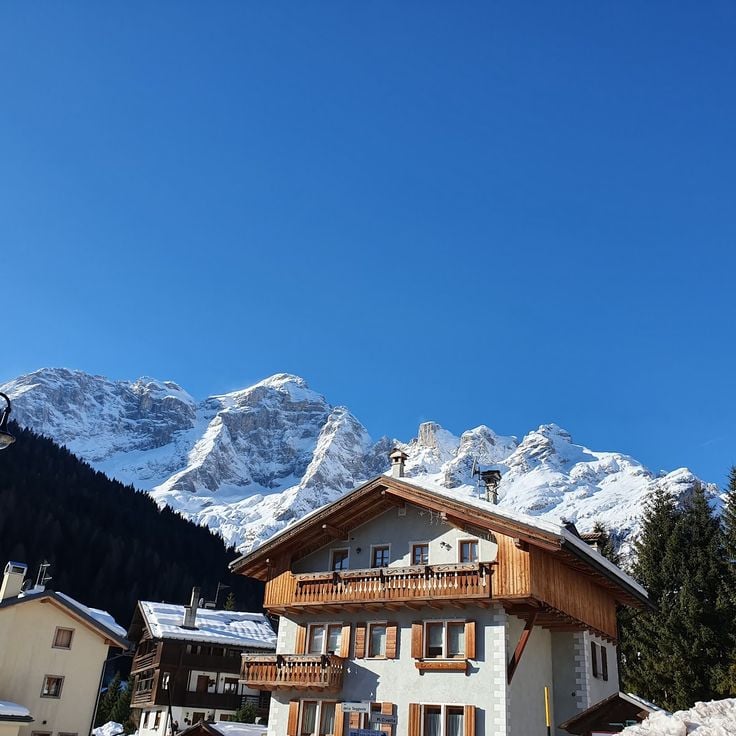
Venetian reveals many other treasures besides Venice: Roman towns, masterful frescoes, spectacular mountains, and villages where time flows differently.
Venetian area is more than Venice. This part of northern Italy has towns from Roman times like Verona with its ancient amphitheater, Padua with Giotto's paintings in the Scrovegni Chapel, or Vicenza with the Olympic theatre designed by Palladio in the 1500s. The Dolomites provide hiking trails and mountain villages. The shores of Lake Garda have small towns with narrow streets and terraced vineyards.
This collection includes around forty places that show different views of the region. There are old town centers to walk through, countryside villas with gardens, quiet small cities with weekly markets, and natural spaces for walking. Some sites are in the UNESCO World Heritage list. Others are simply nice places to spend a day away from crowds.
Venetian reveals many other treasures besides Venice: Roman towns, masterful frescoes, spectacular mountains, and villages where time flows differently.
Venetian area is more than Venice. This part of northern Italy has towns from Roman times like Verona with its ancient amphitheater, Padua with Giotto's paintings in the Scrovegni Chapel, or Vicenza with the Olympic theatre designed by Palladio in the 1500s. The Dolomites provide hiking trails and mountain villages. The shores of Lake Garda have small towns with narrow streets and terraced vineyards.
This collection includes around forty places that show different views of the region. There are old town centers to walk through, countryside villas with gardens, quiet small cities with weekly markets, and natural spaces for walking. Some sites are in the UNESCO World Heritage list. Others are simply nice places to spend a day away from crowds.
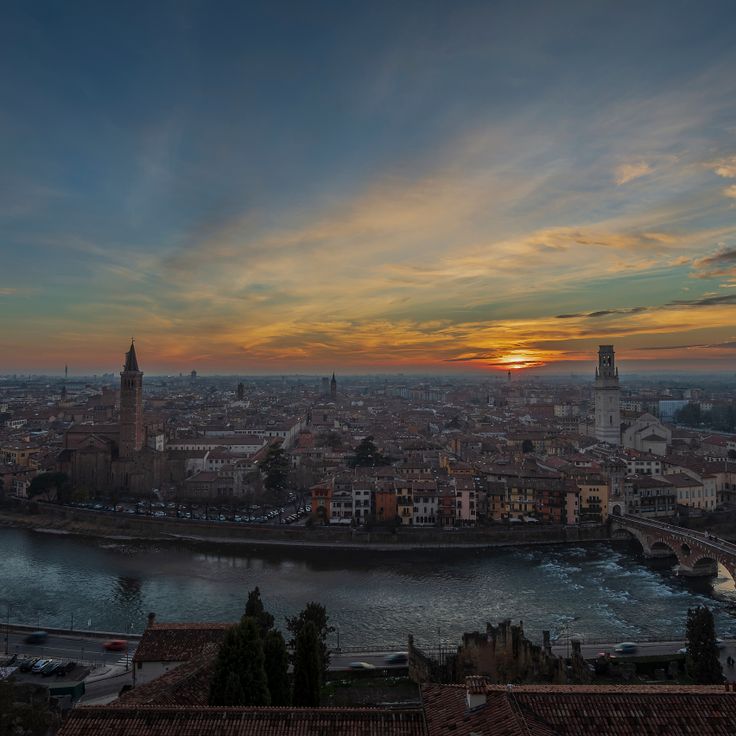
The historic center of Verona displays facades from Roman, medieval and Renaissance times, among the best preserved in Italy. The city was an important Roman trading post and kept its ancient structure. Here you find the famous Roman amphitheater, narrow streets with old stone houses and squares where daily life unfolds. The architecture tells the story of different eras that shaped Verona over centuries.
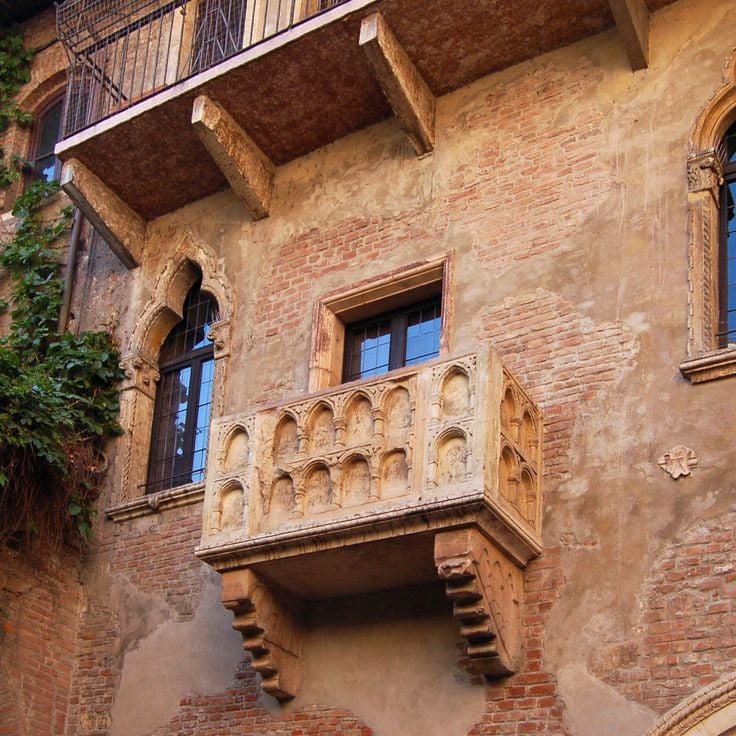
Casa di Giulietta is a medieval house in Verona connected to the Romeo and Juliet legend. The building draws visitors because of its famous balcony, where the literary character Juliet is said to have called out to Romeo. The house dates to the 13th century and shows Veronese Gothic architecture. Inside, visitors can see rooms furnished with period objects and furniture. The courtyard offers a quiet spot to pause and reflect on the building's story. The house attracts many travelers interested in this famous love story.
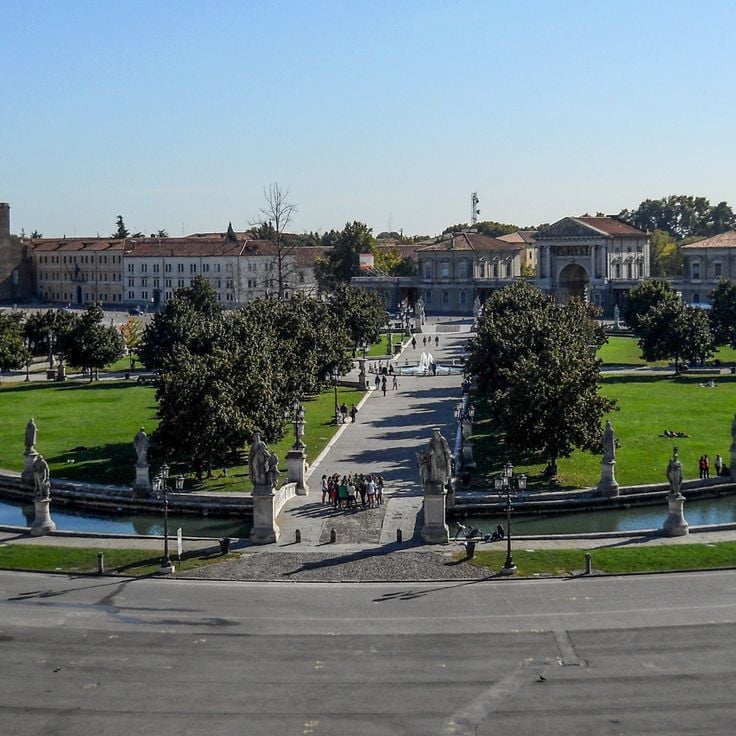
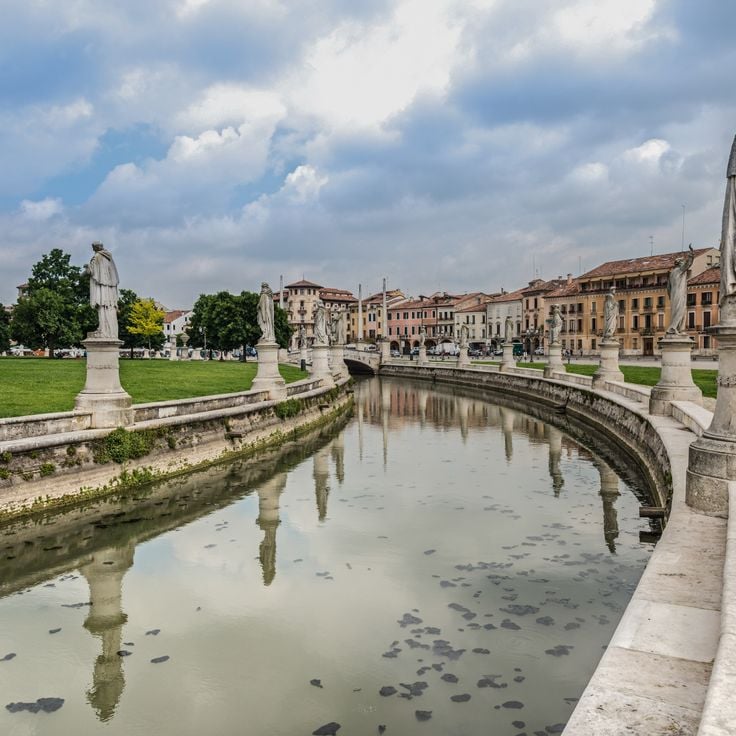
Prato della Valle is a large circular plaza at the heart of Padua where locals and visitors gather. The plaza is ringed by statues of notable figures, and a central basin of water shapes its character. This space serves as a social hub for the city and invites leisurely strolls.
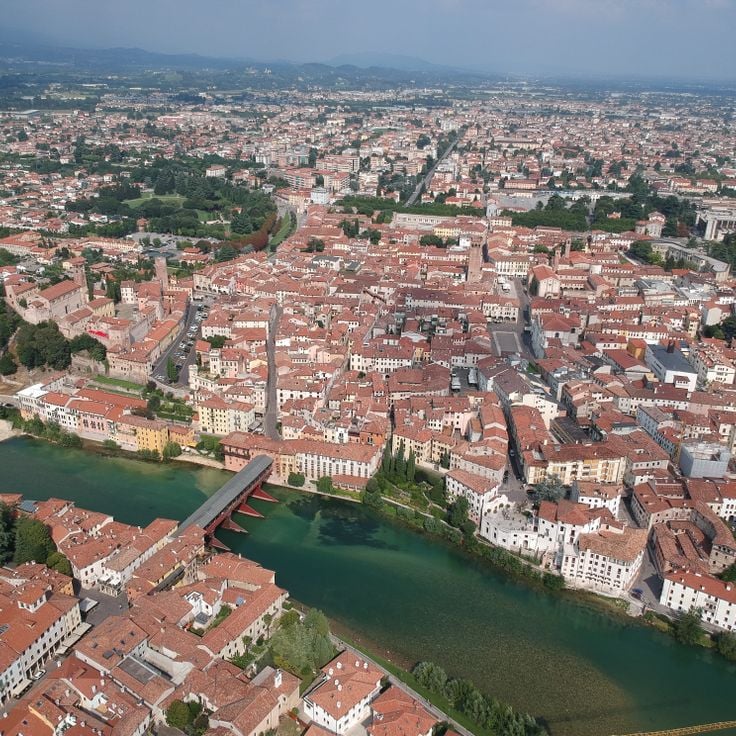
The Ponte degli Alpini is a wooden arch bridge spanning the Brenta River in Bassano del Grappa since the 13th century. This bridge defines the town's character and draws visitors who cross it to enjoy views of the water and surrounding buildings. It has been rebuilt several times, most recently after World War II, but retains its original wooden structure. The bridge connects the two riverbanks and remains central to daily life in Bassano.
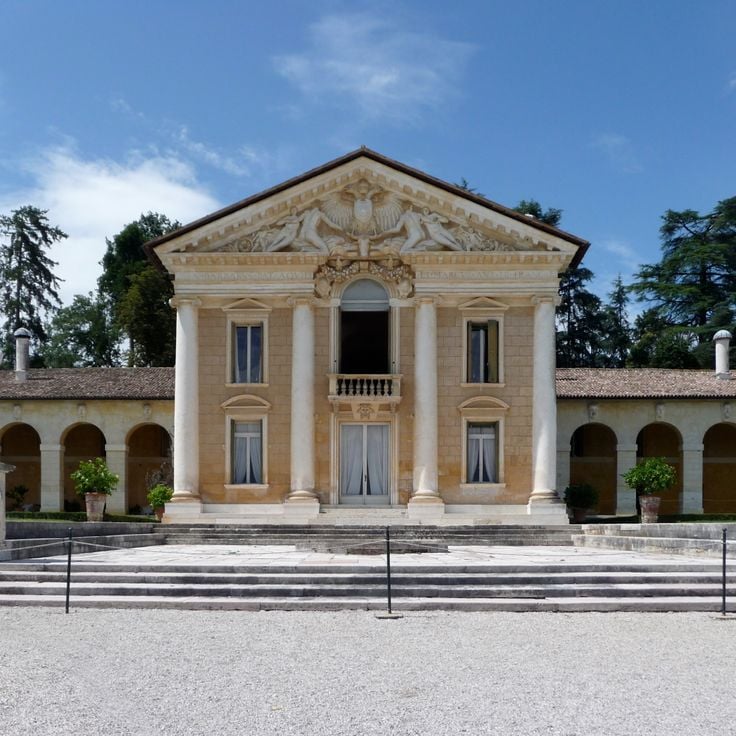
Villa Barbaro is a Palladian villa in Maser built in the 16th century. The house features elaborate frescoes by Veronese that cover the interior walls, depicting biblical and mythological scenes. The architecture follows the classical proportions that define Palladio's style. The surrounding gardens were designed according to historical plans. This villa is part of the UNESCO World Heritage list and stands as one of the most important residences in the region.
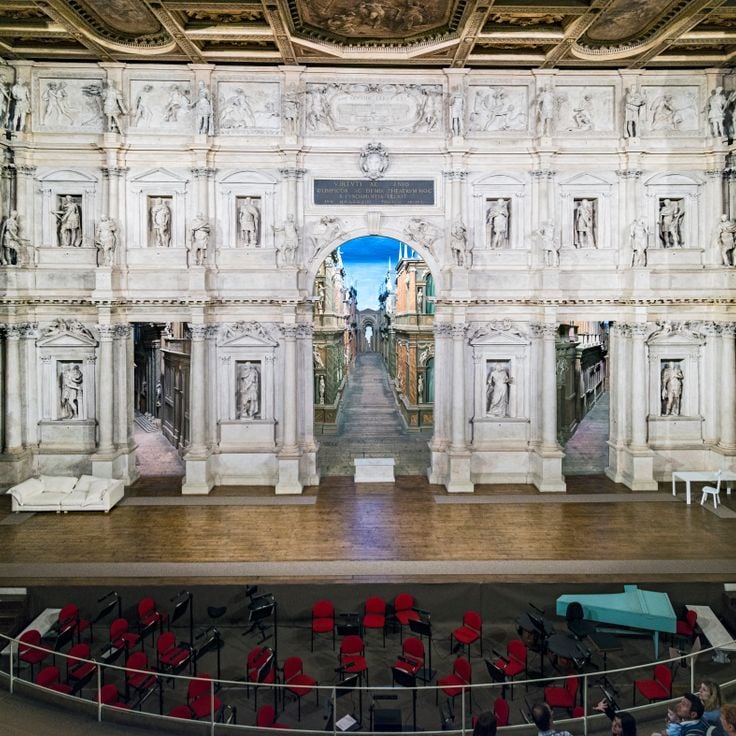
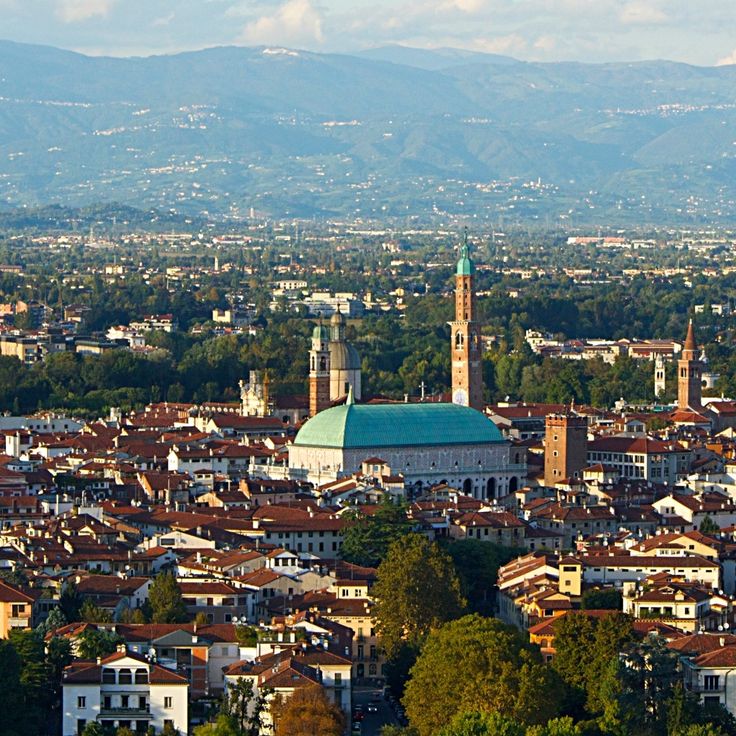
The Teatro Olimpico in Vicenza is a Renaissance theater designed by Palladio. The stage employs a special perspective technique and features fixed scenery that creates the illusion of depth. The building itself displays the classical forms of the Renaissance and was a major achievement in architecture when completed in the 16th century. Today visitors can explore the theater and experience the refined design from inside.
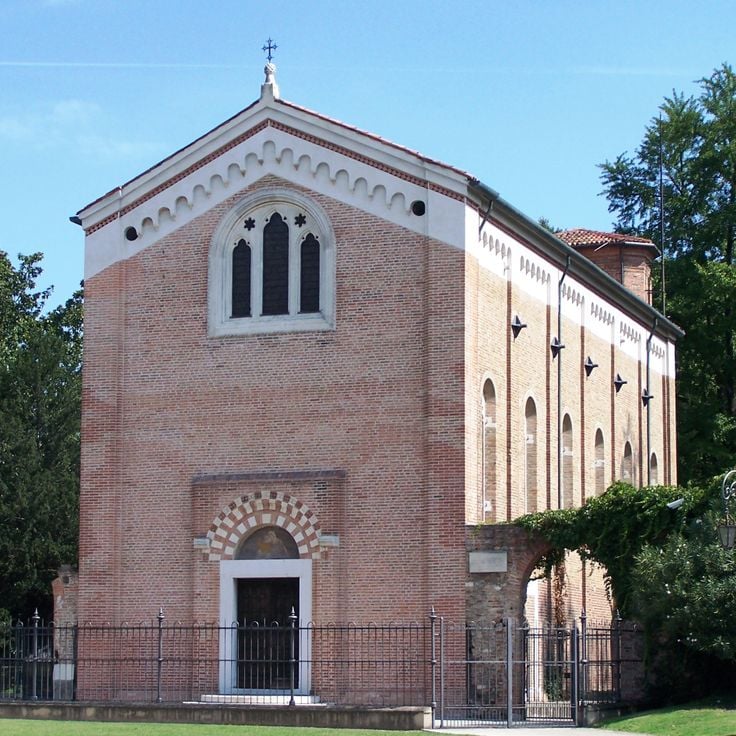
This chapel in Padua displays frescoes painted by Giotto, one of the greatest artists of the Middle Ages. The walls are covered entirely with images that tell biblical stories. The artworks date from the early 14th century and represent major turning points in European painting. Visitors can experience firsthand how art developed during this period. The chapel is listed as a UNESCO World Heritage site and attracts those interested in medieval art.
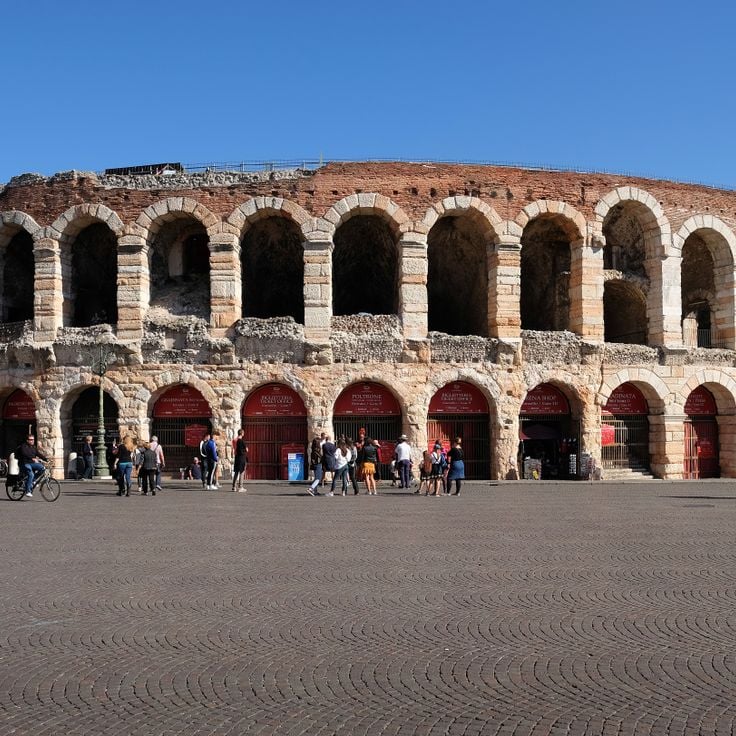
The Verona Arenas are a Roman amphitheater built in the 1st century. The structure remains in good condition and continues to host concerts and opera performances today. When you arrive in Verona, you notice this ancient stone building right in the city center. It is a significant gathering place where residents and visitors come together.
The historic center of Bassano del Grappa shows how life unfolds in a northern Italian town. Colorful buildings line narrow streets, and locals gather on squares to shop and chat. You will find small shops, cafes, and restaurants run by families for generations. The architecture reflects the time when Venice ruled this area. Walking through these streets, you experience the daily rhythm of a city that has kept its past alive without feeling like a museum.
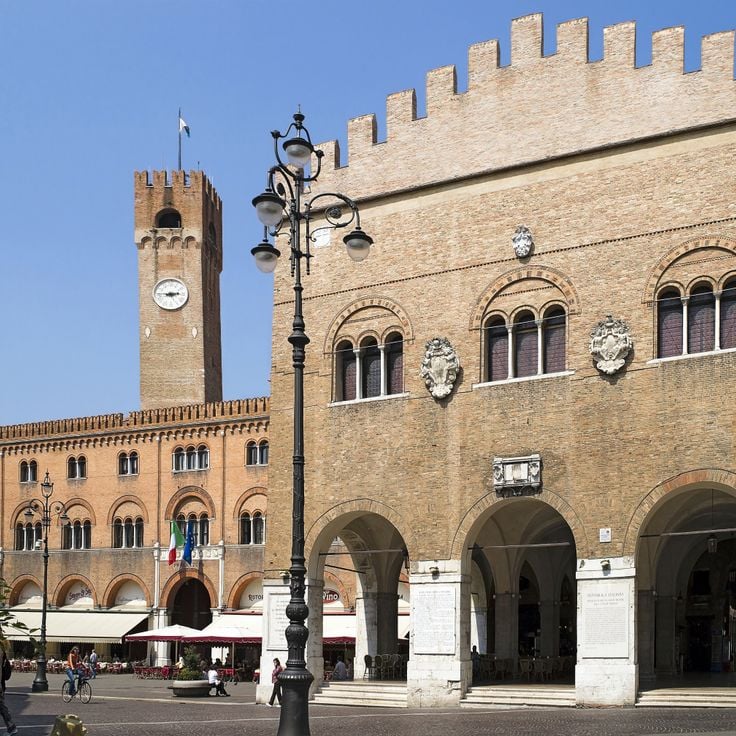
The historic center of Treviso is a medieval town shaped by the channels running through its streets. Paved alleys connect the old buildings, and water defines the look of this area. It is a place to walk and explore, where the history of the region is visible on every building face.
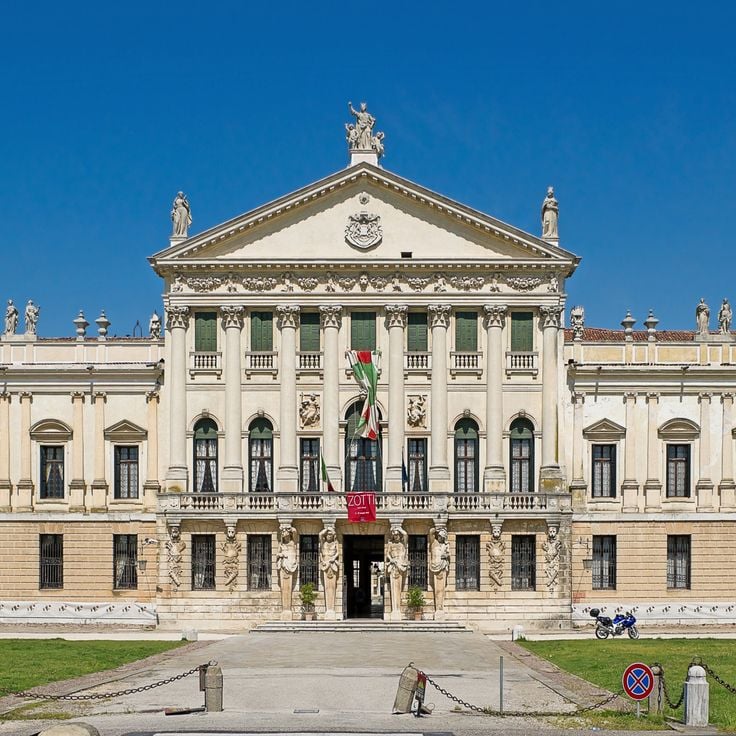
Villa Pisani is a large Baroque palace on the Riviera del Brenta that shows the power and wealth of Venetian merchant families. The house contains lavish interior spaces decorated with frescoes and stucco work, along with a spacious park designed with geometric paths and artificial lakes. It was a place where Venetian nobles spent time away from the city and entertained guests. The villa reveals how the Venetian elite lived and spent their leisure time.
The historic center of Padua invites you to walk its streets. Palaces and churches shape the cityscape, while arcades line the streets and offer shelter from rain and sun. Daily life unfolds beneath these arches, where people shop, meet, and stroll. Piazza della Frutta and Piazza delle Erbe are two large squares at the heart of the city, where markets take place and life flows. The Scrovegni Chapel contains frescoes painted by Giotto.
Val di Zoldo is an alpine valley in Veneto where villages sit naturally within the mountain landscape. Visitors here experience mountain life away from the main tourist routes. The villages have small squares, old buildings, and narrow streets. Hiking trails wind through forests and meadows surrounding the valley, and from many spots you can see the mountain peaks. It is a place where you can discover mountain nature and the quiet way of life in this region.
The historic center of Vicenza is closely tied to the work of architect Andrea Palladio, who was active here for several decades during the 16th century. Walking through the old streets and squares, you pass churches, palaces, and public buildings that reflect his style: clean lines, symmetrical facades, and references to ancient Roman architecture. The Teatro Olimpico, which he designed shortly before his death, is one of his last works. The city center is easy to explore on foot and has been part of the UNESCO World Heritage List since 1994.
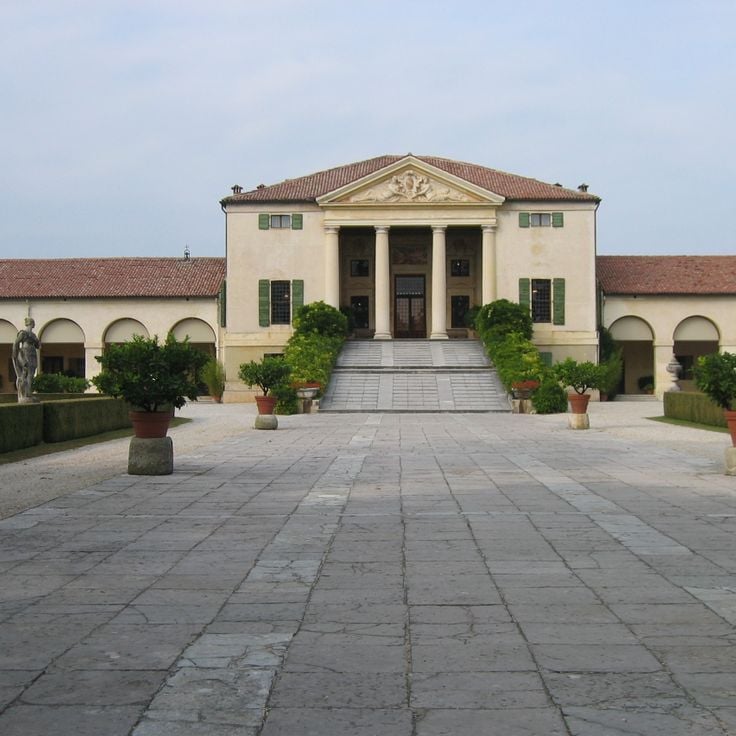
This villa in Fanzolo di Vedelago was designed by Palladio in the 16th century. It was originally a working farm that combined living spaces with agricultural buildings around a central courtyard. The structure follows classical Renaissance design principles and has been part of the UNESCO World Heritage list since 2016. The courtyard is enclosed by arcades that organized daily farm life. Today visitors can explore the rooms and understand how the house and agricultural work fit together.
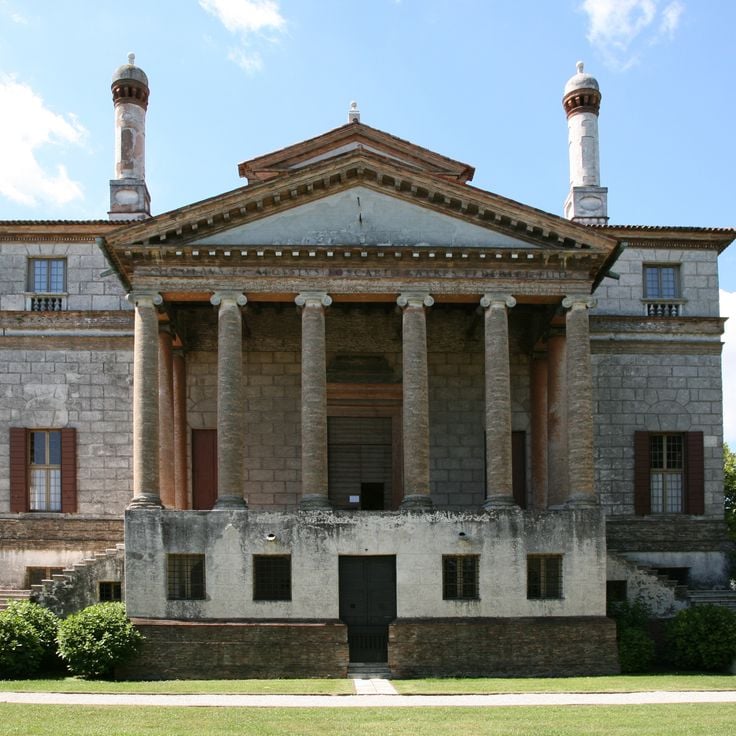
Villa Foscari La Malcontenta is a Palladian villa with classical proportions located beside the Brenta River in Venetian territory. This villa shows the typical features of architecture by Andrea Palladio, the important architect of the 16th century. The villa sits in Mira and represents the kind of elegant country houses that surrounded Venice. The riverside location allowed for the transport of goods during the time of the Venetian Republic. Visitors can see the rooms and structure that reflected the wealth of the Foscari family.
This villa near Vicenza features frescoes from the 18th century that decorate its interior walls. The grounds include small stone statues of dwarves that give the villa its name. Inside, the frescoes depict scenes from ancient stories and daily life of that period. Visitors can walk through the rooms and see these painted walls, which remain colorful to this day.
Feltre sits at the foot of the Dolomites and has a medieval old town still surrounded by ramparts. Narrow streets and small squares are where daily life takes place. From here, mountain trails and villages of the surrounding Dolomites are easy to reach. Feltre is a good base for exploring a side of the Veneto region far from the crowds of Venice.
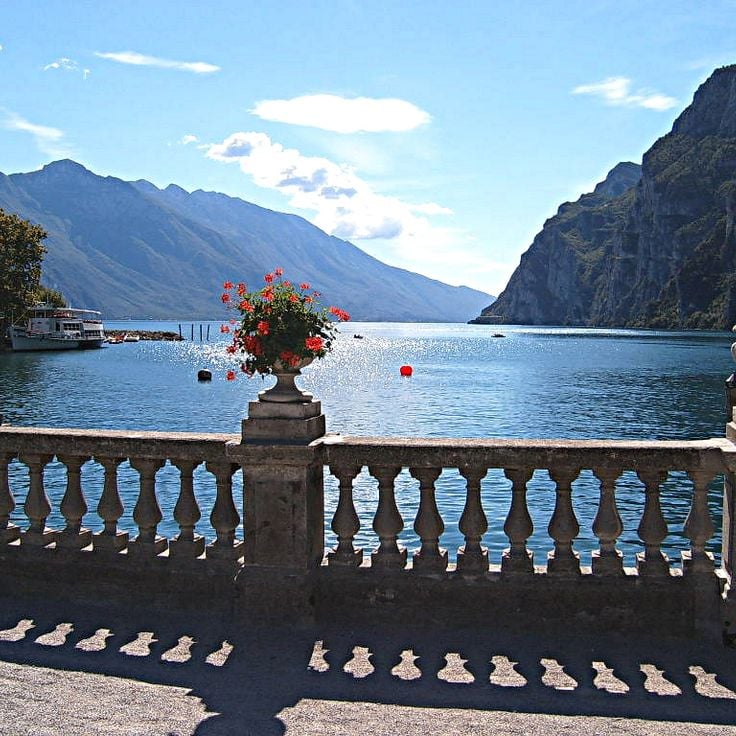
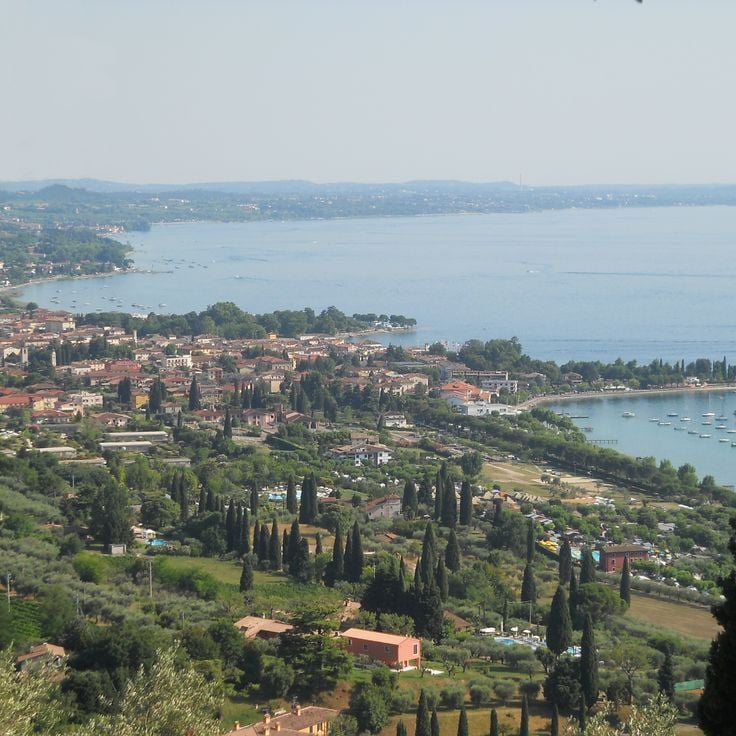
Lake Garda is Italy's largest lake, with part of it lying in the Veneto region. Its shores are lined with green hills and small villages. These towns feature narrow streets and traditional buildings tucked against steep slopes. The landscape varies from rocky mountain sides in the north to gentler terrain with terraced vineyards in the south. Visitors find quiet coves for swimming, beaches for walking, and local markets in the villages.
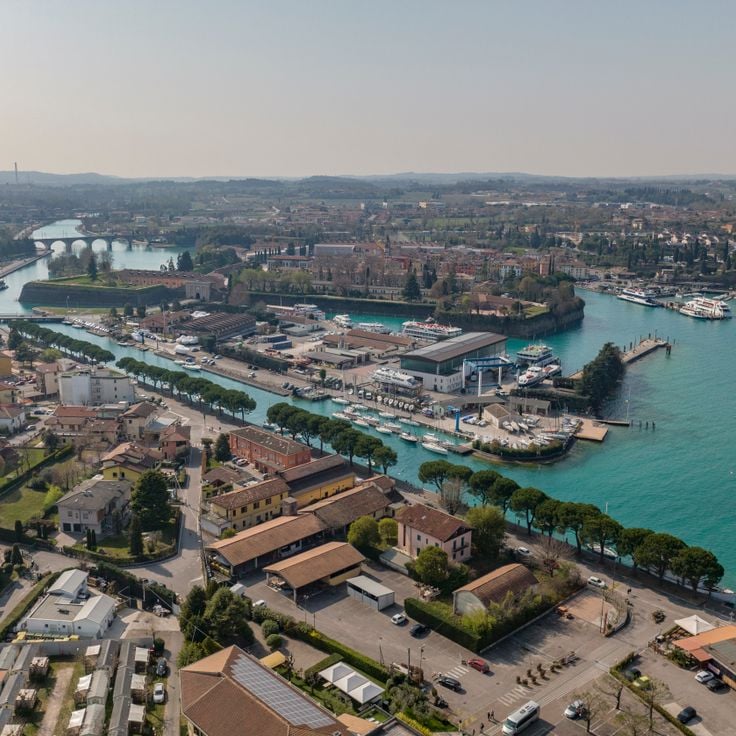
Peschiera del Garda is a small fortified port town on Lake Garda with star-shaped defensive walls. The town served as a military harbor and today offers walks along the ramparts and views of the lake. The old town sits within the fortifications, with narrow streets and local shops. The harbor and waterfront promenades are places where visitors naturally gather to enjoy the lake and the surroundings.
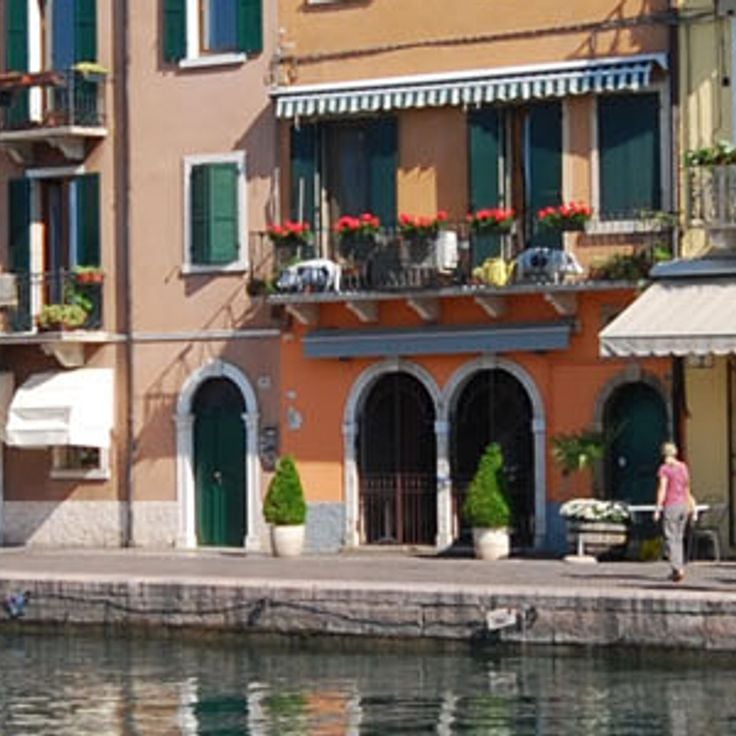
Lazise is a village on the shores of Lake Garda with a characteristic harbor and medieval fortifications. The village has narrow streets, old stone buildings, and a small waterfront square where boats anchor. The medieval castle and city walls define the character of the place. For centuries, Lazise was an important port for trade on the lake. Today, visitors walk through the old streets, sit in cafes by the harbor, and watch life on the water unfold.
Bardolino is a village on the shore of Lake Garda, known for its vineyards and a peaceful waterfront promenade. This place in the Veneto region shows how life unfolds along the lake. The Bardolino wine region shapes the landscape, and visitors can walk through narrow streets and explore the shoreline.
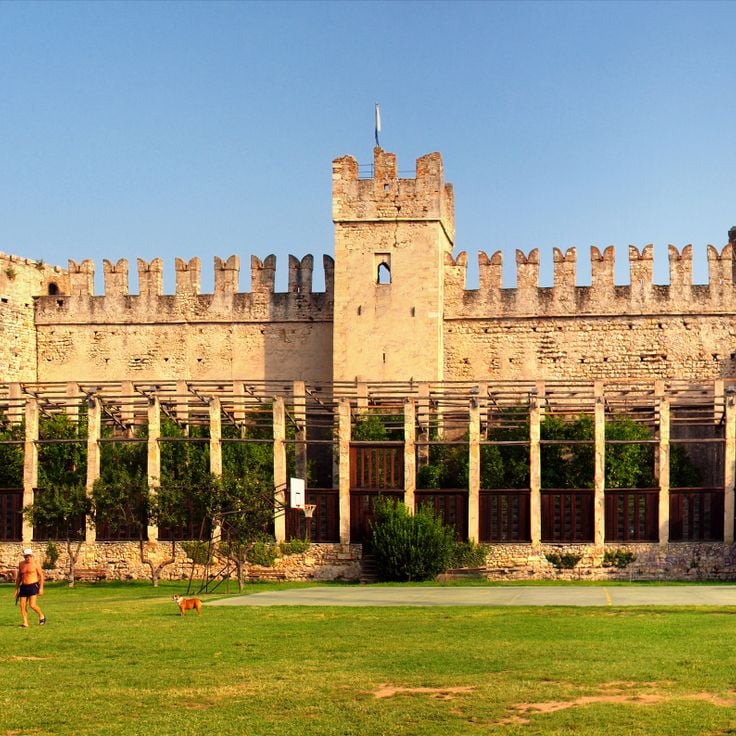
Torri del Benaco is a small village on the shores of Lake Garda. A medieval castle overlooks the settlement from a hilltop above the water. Houses cluster around the harbor where small boats are moored. Narrow streets slope down toward the lake. From here, you can see across to the opposite shores. The castle dates from the 14th century and has been modified several times over the centuries. Today visitors can explore the fortress and look out across the water from its walls.
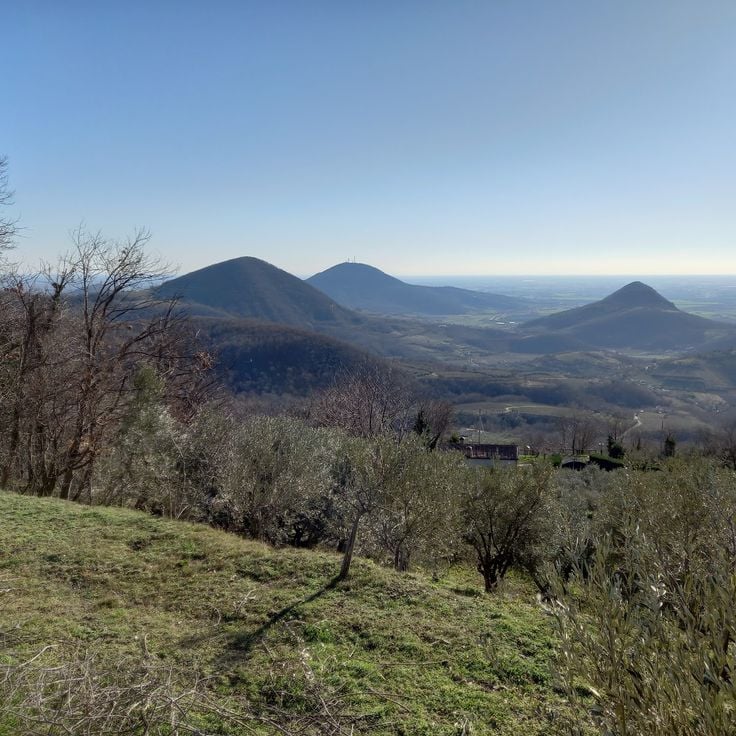
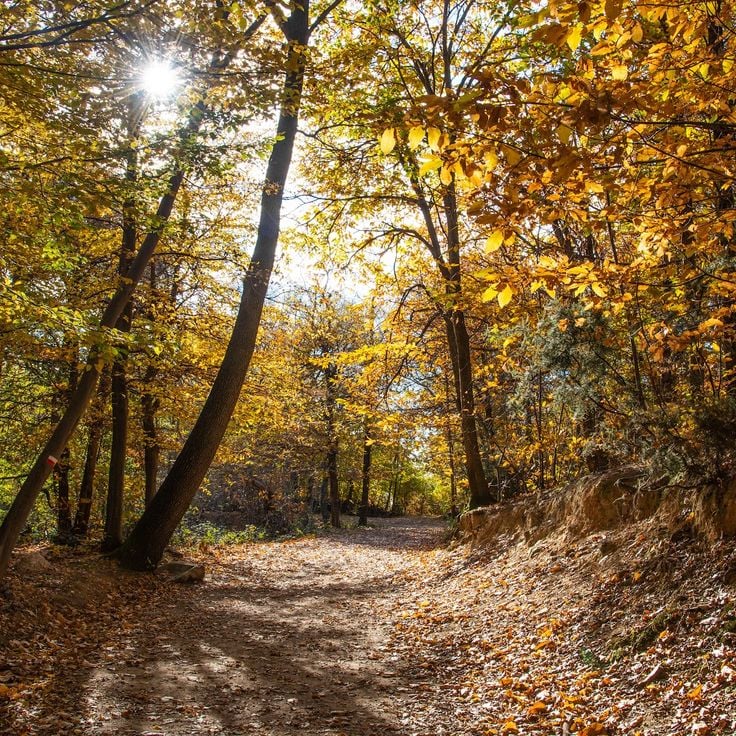
The Colli Euganei are a regional nature park in Veneto with forested hills rising from the surrounding plains. Walking paths wind through the trees and over the ridges. Several thermal spas use the warm springs that flow from the earth. Small villages are scattered between the hills, and vineyards cover many slopes.
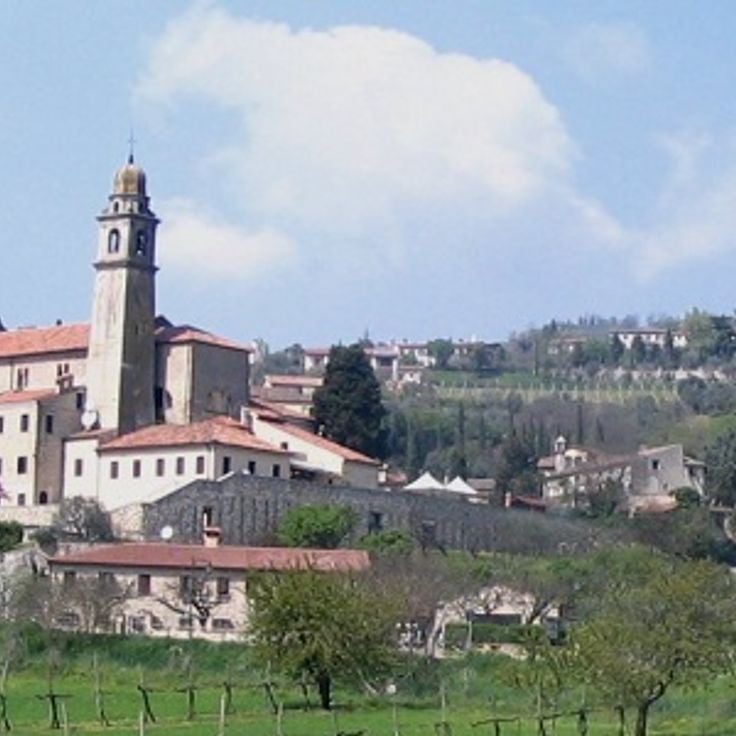
Arquà Petrarca sits in the Colli Euganei hills and shows how a small Italian village has taken shape over the centuries. Houses cluster tightly along narrow streets, some painted with frescoes, others with stone details. The poet Petrarca made his home here at the end of his life, and his house still stands in the center of the village. Walking through the streets, you notice people actually living and working here, not just passing through. The view down from the village across the green hills is open and peaceful. A visit gives a real sense of rural life in the region's hill towns.
Monte Venda is a hill in the Euganean Hills where you can walk on trails and see the Po Plain below. From here you look out over the Veneto landscape and the slopes around you. The site sits southwest of Padua and offers paths through the countryside for those who like to explore on foot.
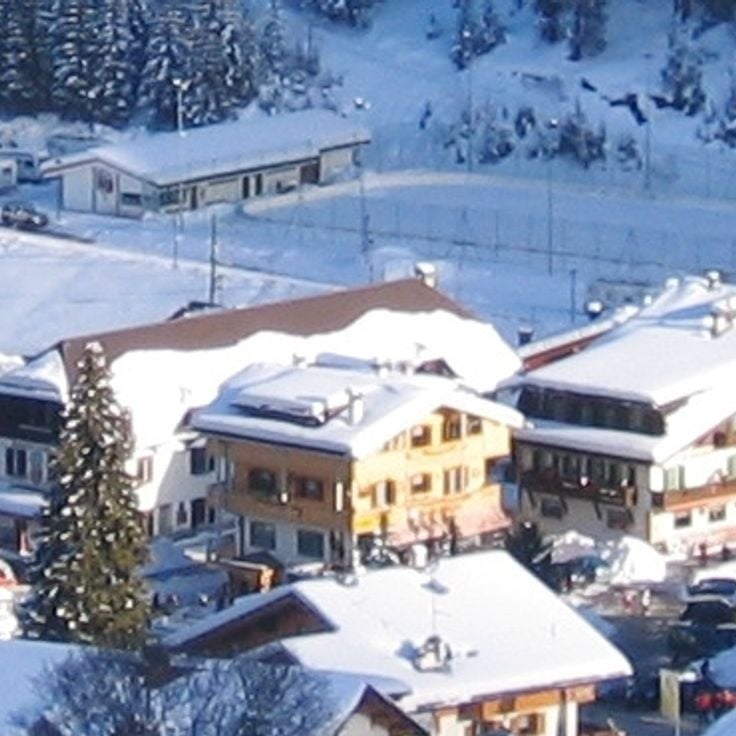
Arabba is a mountain village at the entrance to the Dolomites. The village sits in the Alps and offers access to hiking trails and alpine scenery. Visitors find paths through meadows and forests, as well as views of rock formations. The village itself is small and quiet, with traditional buildings. It serves as a good starting point for anyone who enjoys walking in nature.
Cortina d'Ampezzo is a mountain resort in the Dolomites where dramatic peaks surround a valley town. Winter sports and summer hiking define much of what happens here. The local Ampezzaner culture has shaped the town's character over centuries, visible in the buildings and customs. People come to walk mountain trails, ski when snow falls, and experience life in a working alpine community.
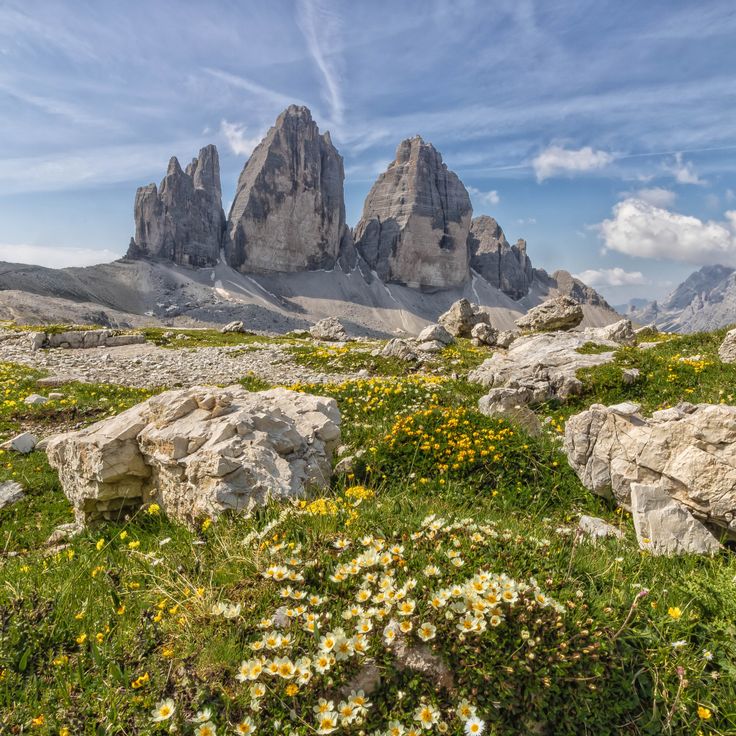
Tre Cime di Lavaredo consists of three distinctive rocky peaks in the Dolomites. These formations are among the most recognizable mountain destinations in the region and offer hiking trails for different skill levels. The rocks display the characteristic colors of the Dolomites and change in appearance depending on the time of day and light conditions. Many people visit this location to hike, photograph, or simply experience the mountain landscape. The area is accessible from Padua and Venice and serves as a good starting point for exploring the nature of this region.
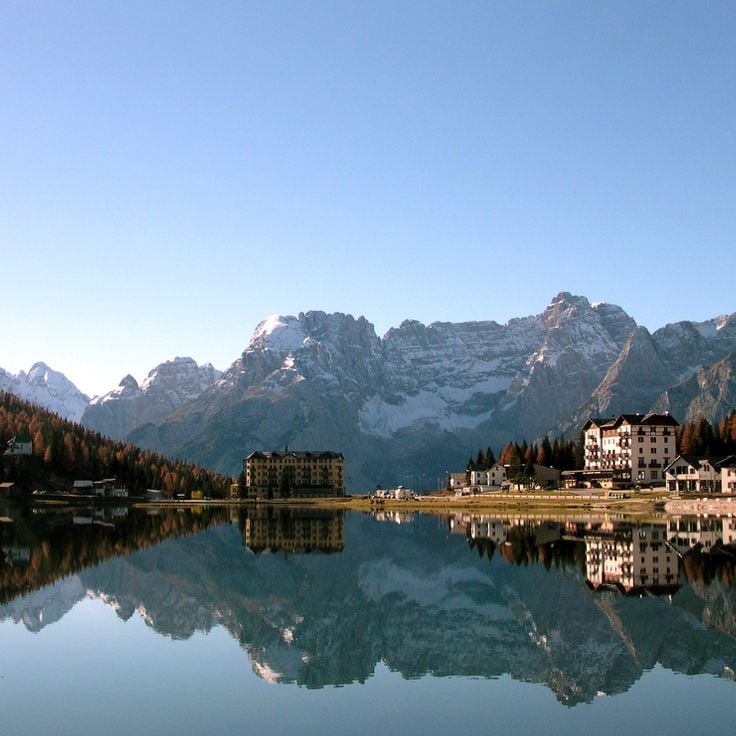
Lago di Misurina is an alpine lake surrounded by the Dolomite mountains. The water reflects the sharp peaks above, creating a striking view. Walking paths circle the lake and lead into the surrounding mountains and forests. In summer, visitors come to walk, rest, and take photographs. The lake sits high in the mountains and offers views that capture the raw beauty of the Dolomites. In quieter seasons, the place feels almost remote.
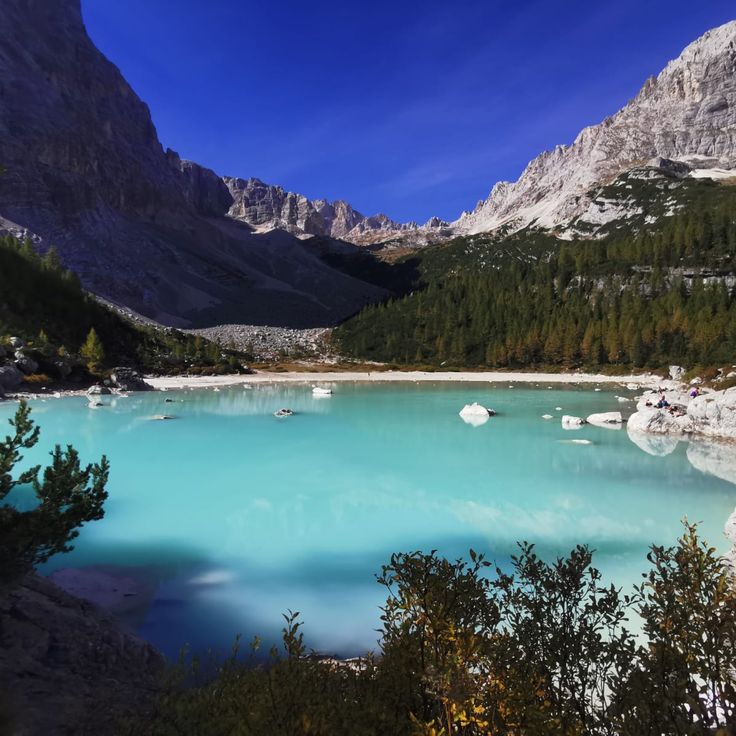
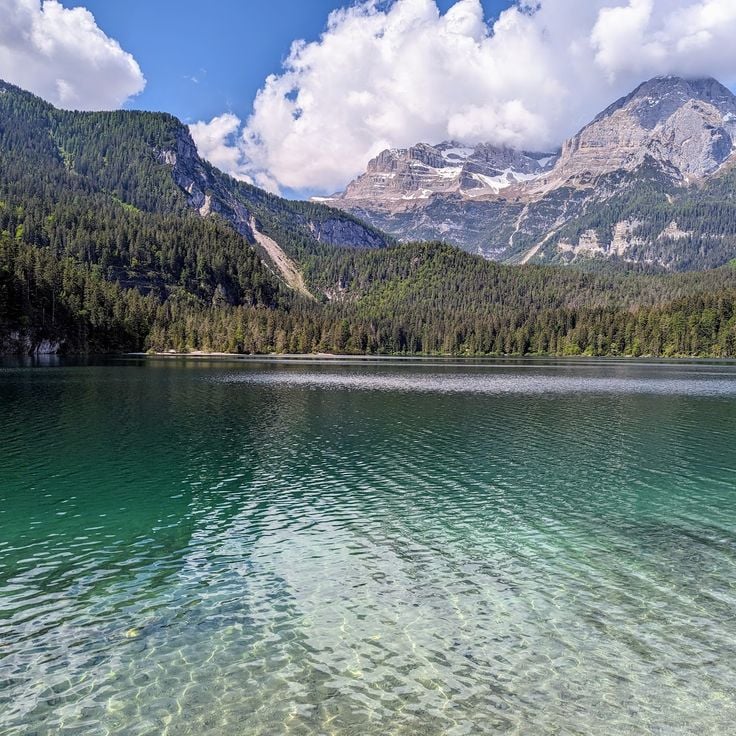
Lake Sorapis is an alpine lake in the Dolomites with turquoise water, surrounded by steep rocky peaks. You reach it by hiking through the mountain landscape. The clear water and towering cliff walls create a striking setting. The lake sits at high elevation and draws hikers exploring the Dolomites. Within this collection of roughly forty places, this lake represents the region's natural spaces, perfect for those who enjoy walking.
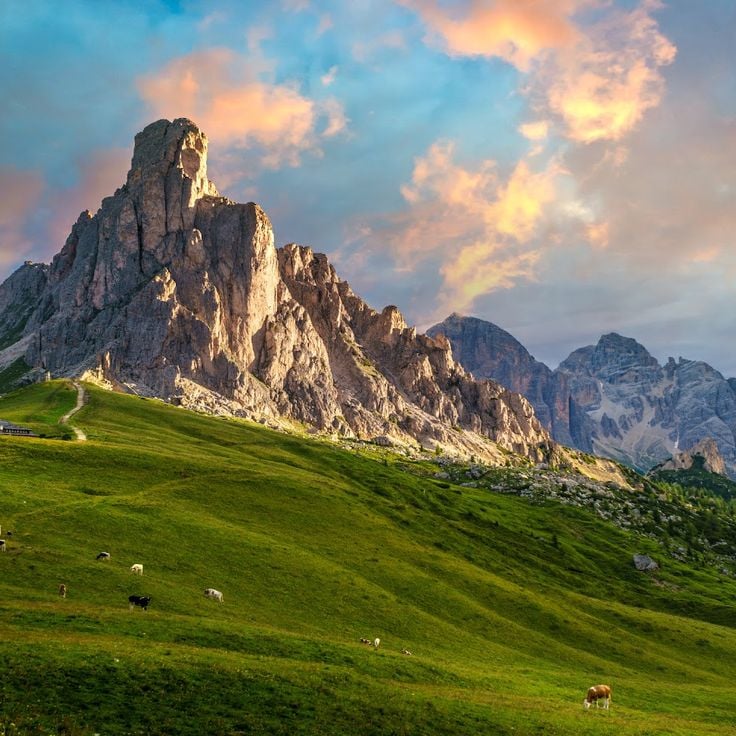
The Passo Giau is a mountain pass in the Dolomites where a winding road climbs through the peaks. From the top, you can see across the surrounding mountains and take in the rough beauty of the landscape. The road passes through tight switchbacks as it connects different valleys below. On clear days, the views spread far across the distinctive rock formations that make these mountains recognizable. Hikers and cyclists come here to move through the alpine terrain and experience the changing landscape as they go higher.
Asolo is a small town sitting on a hill. Walking through its narrow streets, you notice old stone buildings and passages that open onto small squares. The center has the feeling of a place that has seen centuries pass. From the hilltop, you can see rolling countryside with vineyards and farmland spreading below. People move slowly here, stopping to shop at small stores or sit at outdoor tables. The town gives you the sense of stepping into a quieter version of life.
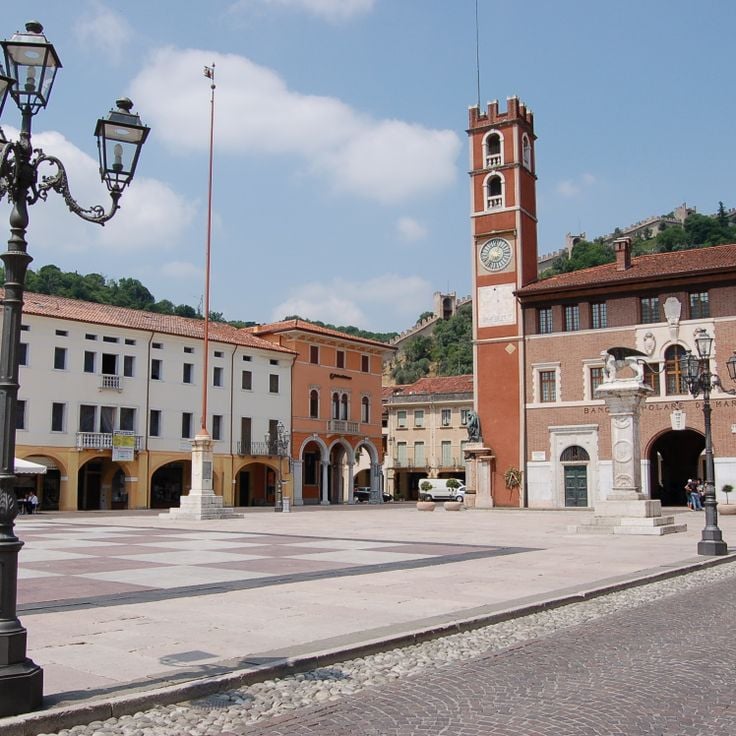
Marostica is a walled medieval town in the Veneto region known for its unusual chess game. Every two years, the Partita di Scacchi takes place in the main square, where performers in historical costumes take on the roles of chess pieces. The town has narrow streets, ancient walls, and two castles perched on the hills above. Walking through Marostica, you see timber-framed houses and small shops along the way. The main square is large and transforms into a chessboard for the event.
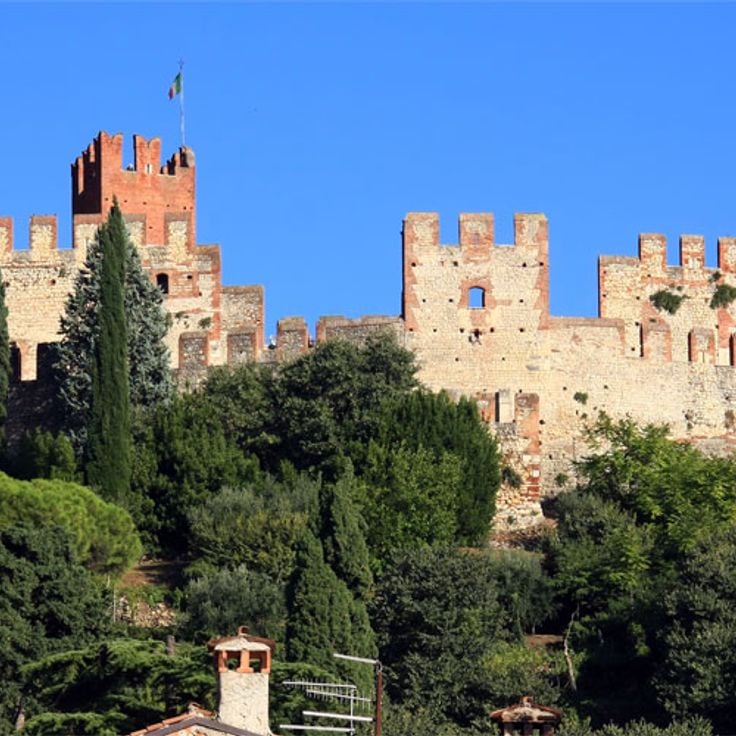
Soave is a fortified village in the Veneto region, surrounded by medieval walls. The village sits amid vineyards that produce Soave white wine, one of the area's best-known exports. The old town has narrow streets and stone buildings clustered around a castle on a hill. Vineyards cover the hills that surround the settlement. Walking through Soave gives you a sense of how the village has developed around winemaking, with the landscape shaped by centuries of cultivation.
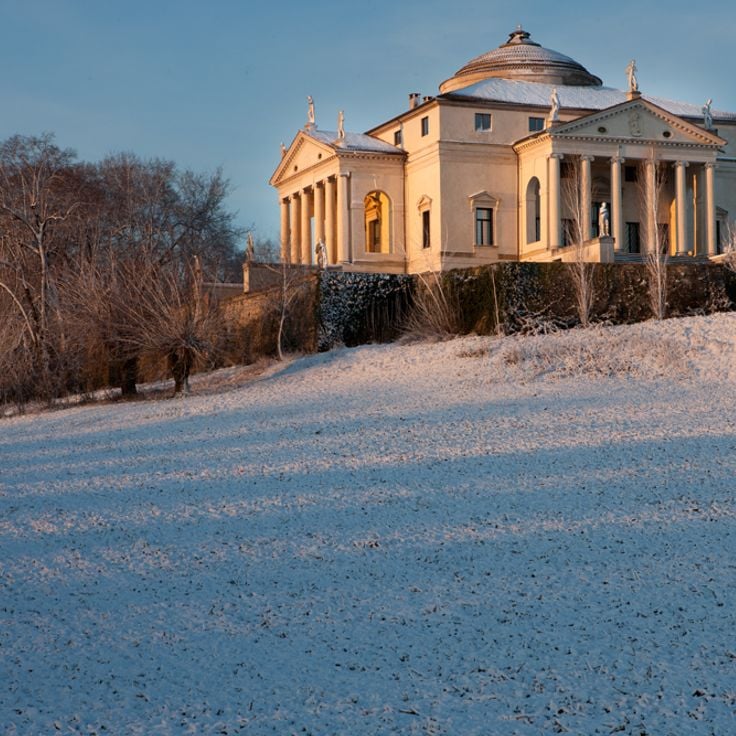
Villa La Rotonda in Vicenza is a Renaissance masterpiece designed by architect Andrea Palladio in the 16th century. The building stands out for its circular floor plan and four identical porticoes that provide access from all sides. Located on a hilltop, the villa offers views of the surrounding countryside. It is recognized as a UNESCO World Heritage site and demonstrates Palladio's understanding of harmonious proportions and classical principles. Visitors can tour the interior to see the rooms and decorations from the Renaissance period.
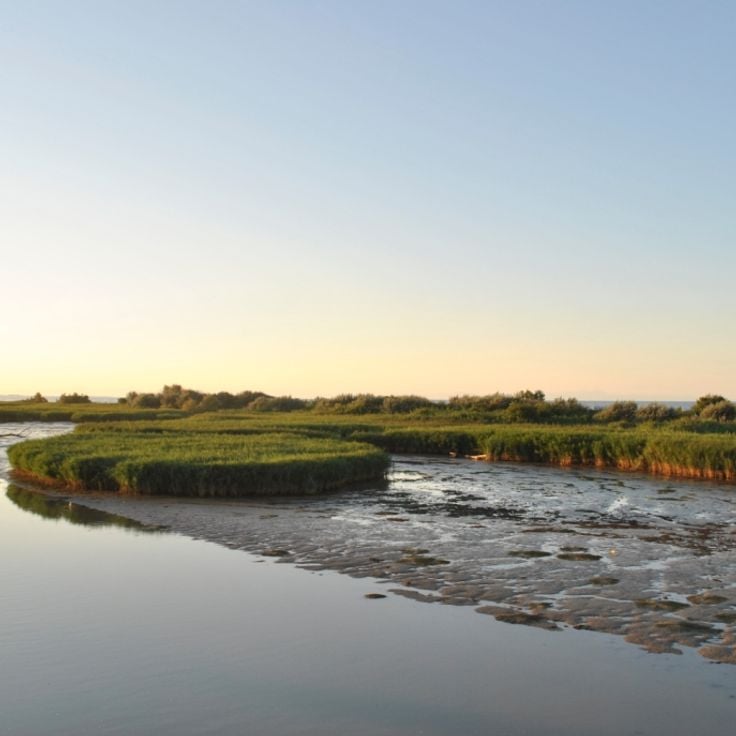
The Po Delta is a natural region of lagoons and wetlands that stretches for several kilometers along the Adriatic coast. Hundreds of bird species live here, and the landscape shifts between open water, reed beds, and sandy shores. This area is less known than Venice but is equally part of the Venetian natural landscape. Visitors come here to find quiet and observe the flora and fauna of the region.
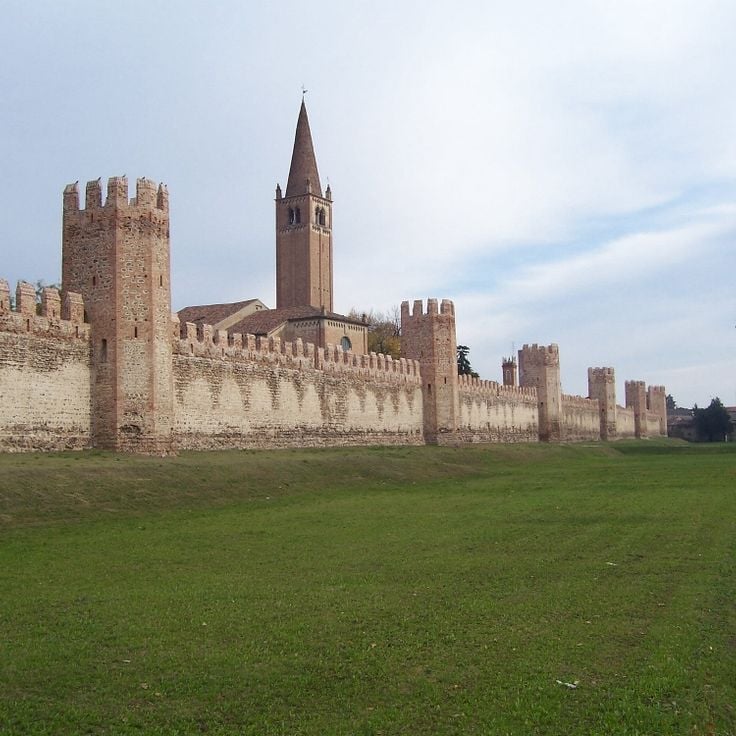
Montagnana is a medieval town in the Veneto region surrounded by walls that run for 2 km. Stone towers punctuate the fortifications, giving the town a defensive character. Walking through the narrow streets and alleyways, you experience what it was like to live within a fortified settlement. The town served as a military stronghold for centuries, and this purpose is still visible in its layout and architecture.
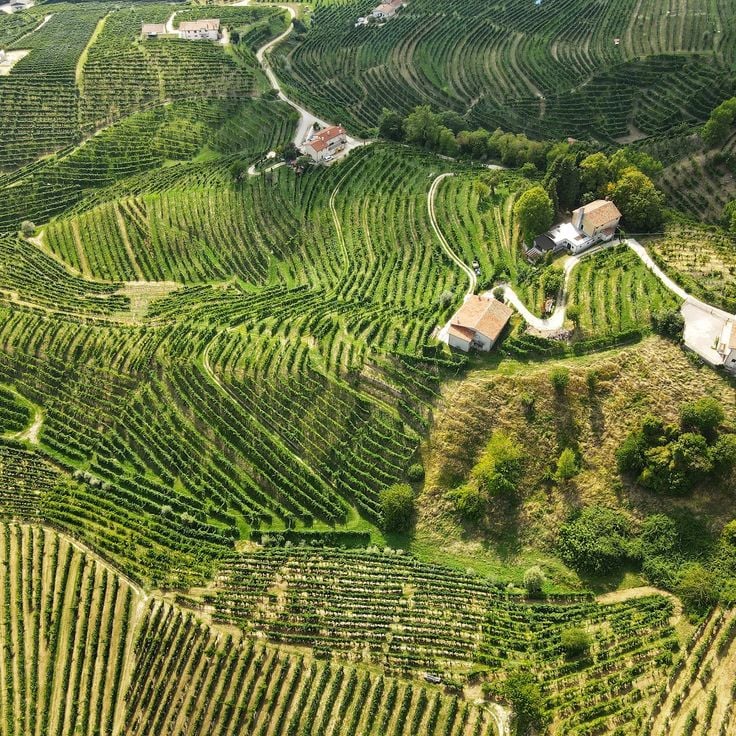
The hills of Prosecco from Valdobbiadene and Conegliano are gentle vineyards in Veneto where Prosecco has been grown for centuries. The landscape shows a patchwork of grapevines on slopes, broken up by small villages and farmhouses. In Valdobbiadene and Conegliano you find timber-framed houses and churches that tell of the long history of this wine region. Walkers can follow paths between the vineyards while enjoying views of valleys and distant mountains. UNESCO recognized the region because the way people grow wine here is part of their identity and heritage.
The Lessinia Natural Park sits in the mountains of Veneto and offers hikers a varied landscape of high plateaus, forests, and marked trails. This area shows a different face of the region beyond Venice. Visitors find nature and quiet here, with paths that pass through mountain villages and give a sense of how life unfolds in these hills.
Belluno serves as the gateway to the Dolomites and sits on elevated ground that offers wide views of the Alpine peaks. The old town has narrow streets and squares meant for walking. From here, you can easily reach the mountain villages and hiking trails of the Dolomites, while the city itself provides reason to spend time with its history and local markets.
The Brenta Gorges are a dramatic canyon carved by the Brenta River through the Dolomites, with steep cliffs rising on both sides. Visitors can explore the area on foot along established trails that wind through the gorge, offering views of the river below and the rock formations above. This area draws walkers and hikers who want to experience the power of running water and mountain terrain up close.
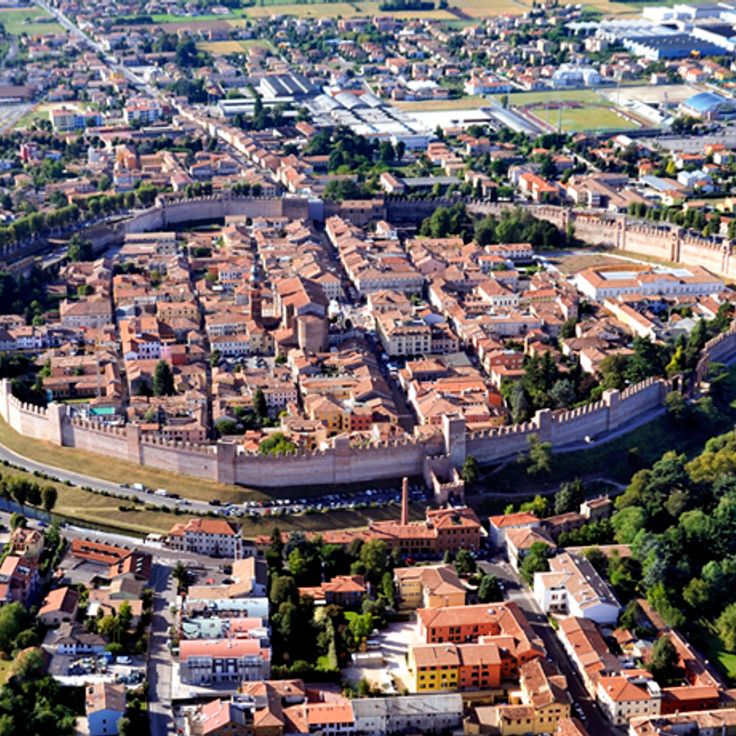
Cittadella is a walled city with intact circular fortifications from the 13th century. The town has a distinctive structure with narrow streets and historic buildings that reflect its medieval past. You can walk along the ramparts for views of the surrounding landscape. Inside the walls lies a town center with squares and local shops. Cittadella sits near Padua and offers a chance to explore the medieval history of the Veneto region.
The historic center of Verona displays facades from Roman, medieval and Renaissance times, among the best preserved in Italy. The city was an important Roman trading post and kept its ancient structure. Here you find the famous Roman amphitheater, narrow streets with old stone houses and squares where daily life unfolds. The architecture tells the story of different eras that shaped Verona over centuries.
Casa di Giulietta is a medieval house in Verona connected to the Romeo and Juliet legend. The building draws visitors because of its famous balcony, where the literary character Juliet is said to have called out to Romeo. The house dates to the 13th century and shows Veronese Gothic architecture. Inside, visitors can see rooms furnished with period objects and furniture. The courtyard offers a quiet spot to pause and reflect on the building's story. The house attracts many travelers interested in this famous love story.
Prato della Valle is a large circular plaza at the heart of Padua where locals and visitors gather. The plaza is ringed by statues of notable figures, and a central basin of water shapes its character. This space serves as a social hub for the city and invites leisurely strolls.
The Ponte degli Alpini is a wooden arch bridge spanning the Brenta River in Bassano del Grappa since the 13th century. This bridge defines the town's character and draws visitors who cross it to enjoy views of the water and surrounding buildings. It has been rebuilt several times, most recently after World War II, but retains its original wooden structure. The bridge connects the two riverbanks and remains central to daily life in Bassano.
Villa Barbaro is a Palladian villa in Maser built in the 16th century. The house features elaborate frescoes by Veronese that cover the interior walls, depicting biblical and mythological scenes. The architecture follows the classical proportions that define Palladio's style. The surrounding gardens were designed according to historical plans. This villa is part of the UNESCO World Heritage list and stands as one of the most important residences in the region.
The Teatro Olimpico in Vicenza is a Renaissance theater designed by Palladio. The stage employs a special perspective technique and features fixed scenery that creates the illusion of depth. The building itself displays the classical forms of the Renaissance and was a major achievement in architecture when completed in the 16th century. Today visitors can explore the theater and experience the refined design from inside.
This chapel in Padua displays frescoes painted by Giotto, one of the greatest artists of the Middle Ages. The walls are covered entirely with images that tell biblical stories. The artworks date from the early 14th century and represent major turning points in European painting. Visitors can experience firsthand how art developed during this period. The chapel is listed as a UNESCO World Heritage site and attracts those interested in medieval art.
The Verona Arenas are a Roman amphitheater built in the 1st century. The structure remains in good condition and continues to host concerts and opera performances today. When you arrive in Verona, you notice this ancient stone building right in the city center. It is a significant gathering place where residents and visitors come together.
The historic center of Bassano del Grappa shows how life unfolds in a northern Italian town. Colorful buildings line narrow streets, and locals gather on squares to shop and chat. You will find small shops, cafes, and restaurants run by families for generations. The architecture reflects the time when Venice ruled this area. Walking through these streets, you experience the daily rhythm of a city that has kept its past alive without feeling like a museum.
The historic center of Treviso is a medieval town shaped by the channels running through its streets. Paved alleys connect the old buildings, and water defines the look of this area. It is a place to walk and explore, where the history of the region is visible on every building face.
Villa Pisani is a large Baroque palace on the Riviera del Brenta that shows the power and wealth of Venetian merchant families. The house contains lavish interior spaces decorated with frescoes and stucco work, along with a spacious park designed with geometric paths and artificial lakes. It was a place where Venetian nobles spent time away from the city and entertained guests. The villa reveals how the Venetian elite lived and spent their leisure time.
The historic center of Padua invites you to walk its streets. Palaces and churches shape the cityscape, while arcades line the streets and offer shelter from rain and sun. Daily life unfolds beneath these arches, where people shop, meet, and stroll. Piazza della Frutta and Piazza delle Erbe are two large squares at the heart of the city, where markets take place and life flows. The Scrovegni Chapel contains frescoes painted by Giotto.
Val di Zoldo is an alpine valley in Veneto where villages sit naturally within the mountain landscape. Visitors here experience mountain life away from the main tourist routes. The villages have small squares, old buildings, and narrow streets. Hiking trails wind through forests and meadows surrounding the valley, and from many spots you can see the mountain peaks. It is a place where you can discover mountain nature and the quiet way of life in this region.
The historic center of Vicenza is closely tied to the work of architect Andrea Palladio, who was active here for several decades during the 16th century. Walking through the old streets and squares, you pass churches, palaces, and public buildings that reflect his style: clean lines, symmetrical facades, and references to ancient Roman architecture. The Teatro Olimpico, which he designed shortly before his death, is one of his last works. The city center is easy to explore on foot and has been part of the UNESCO World Heritage List since 1994.
This villa in Fanzolo di Vedelago was designed by Palladio in the 16th century. It was originally a working farm that combined living spaces with agricultural buildings around a central courtyard. The structure follows classical Renaissance design principles and has been part of the UNESCO World Heritage list since 2016. The courtyard is enclosed by arcades that organized daily farm life. Today visitors can explore the rooms and understand how the house and agricultural work fit together.
Villa Foscari La Malcontenta is a Palladian villa with classical proportions located beside the Brenta River in Venetian territory. This villa shows the typical features of architecture by Andrea Palladio, the important architect of the 16th century. The villa sits in Mira and represents the kind of elegant country houses that surrounded Venice. The riverside location allowed for the transport of goods during the time of the Venetian Republic. Visitors can see the rooms and structure that reflected the wealth of the Foscari family.
This villa near Vicenza features frescoes from the 18th century that decorate its interior walls. The grounds include small stone statues of dwarves that give the villa its name. Inside, the frescoes depict scenes from ancient stories and daily life of that period. Visitors can walk through the rooms and see these painted walls, which remain colorful to this day.
Feltre sits at the foot of the Dolomites and has a medieval old town still surrounded by ramparts. Narrow streets and small squares are where daily life takes place. From here, mountain trails and villages of the surrounding Dolomites are easy to reach. Feltre is a good base for exploring a side of the Veneto region far from the crowds of Venice.
Lake Garda is Italy's largest lake, with part of it lying in the Veneto region. Its shores are lined with green hills and small villages. These towns feature narrow streets and traditional buildings tucked against steep slopes. The landscape varies from rocky mountain sides in the north to gentler terrain with terraced vineyards in the south. Visitors find quiet coves for swimming, beaches for walking, and local markets in the villages.
Peschiera del Garda is a small fortified port town on Lake Garda with star-shaped defensive walls. The town served as a military harbor and today offers walks along the ramparts and views of the lake. The old town sits within the fortifications, with narrow streets and local shops. The harbor and waterfront promenades are places where visitors naturally gather to enjoy the lake and the surroundings.
Lazise is a village on the shores of Lake Garda with a characteristic harbor and medieval fortifications. The village has narrow streets, old stone buildings, and a small waterfront square where boats anchor. The medieval castle and city walls define the character of the place. For centuries, Lazise was an important port for trade on the lake. Today, visitors walk through the old streets, sit in cafes by the harbor, and watch life on the water unfold.
Bardolino is a village on the shore of Lake Garda, known for its vineyards and a peaceful waterfront promenade. This place in the Veneto region shows how life unfolds along the lake. The Bardolino wine region shapes the landscape, and visitors can walk through narrow streets and explore the shoreline.
Torri del Benaco is a small village on the shores of Lake Garda. A medieval castle overlooks the settlement from a hilltop above the water. Houses cluster around the harbor where small boats are moored. Narrow streets slope down toward the lake. From here, you can see across to the opposite shores. The castle dates from the 14th century and has been modified several times over the centuries. Today visitors can explore the fortress and look out across the water from its walls.
The Colli Euganei are a regional nature park in Veneto with forested hills rising from the surrounding plains. Walking paths wind through the trees and over the ridges. Several thermal spas use the warm springs that flow from the earth. Small villages are scattered between the hills, and vineyards cover many slopes.
Arquà Petrarca sits in the Colli Euganei hills and shows how a small Italian village has taken shape over the centuries. Houses cluster tightly along narrow streets, some painted with frescoes, others with stone details. The poet Petrarca made his home here at the end of his life, and his house still stands in the center of the village. Walking through the streets, you notice people actually living and working here, not just passing through. The view down from the village across the green hills is open and peaceful. A visit gives a real sense of rural life in the region's hill towns.
Monte Venda is a hill in the Euganean Hills where you can walk on trails and see the Po Plain below. From here you look out over the Veneto landscape and the slopes around you. The site sits southwest of Padua and offers paths through the countryside for those who like to explore on foot.
Arabba is a mountain village at the entrance to the Dolomites. The village sits in the Alps and offers access to hiking trails and alpine scenery. Visitors find paths through meadows and forests, as well as views of rock formations. The village itself is small and quiet, with traditional buildings. It serves as a good starting point for anyone who enjoys walking in nature.
Cortina d'Ampezzo is a mountain resort in the Dolomites where dramatic peaks surround a valley town. Winter sports and summer hiking define much of what happens here. The local Ampezzaner culture has shaped the town's character over centuries, visible in the buildings and customs. People come to walk mountain trails, ski when snow falls, and experience life in a working alpine community.
Tre Cime di Lavaredo consists of three distinctive rocky peaks in the Dolomites. These formations are among the most recognizable mountain destinations in the region and offer hiking trails for different skill levels. The rocks display the characteristic colors of the Dolomites and change in appearance depending on the time of day and light conditions. Many people visit this location to hike, photograph, or simply experience the mountain landscape. The area is accessible from Padua and Venice and serves as a good starting point for exploring the nature of this region.
Lago di Misurina is an alpine lake surrounded by the Dolomite mountains. The water reflects the sharp peaks above, creating a striking view. Walking paths circle the lake and lead into the surrounding mountains and forests. In summer, visitors come to walk, rest, and take photographs. The lake sits high in the mountains and offers views that capture the raw beauty of the Dolomites. In quieter seasons, the place feels almost remote.
Lake Sorapis is an alpine lake in the Dolomites with turquoise water, surrounded by steep rocky peaks. You reach it by hiking through the mountain landscape. The clear water and towering cliff walls create a striking setting. The lake sits at high elevation and draws hikers exploring the Dolomites. Within this collection of roughly forty places, this lake represents the region's natural spaces, perfect for those who enjoy walking.
The Passo Giau is a mountain pass in the Dolomites where a winding road climbs through the peaks. From the top, you can see across the surrounding mountains and take in the rough beauty of the landscape. The road passes through tight switchbacks as it connects different valleys below. On clear days, the views spread far across the distinctive rock formations that make these mountains recognizable. Hikers and cyclists come here to move through the alpine terrain and experience the changing landscape as they go higher.
Asolo is a small town sitting on a hill. Walking through its narrow streets, you notice old stone buildings and passages that open onto small squares. The center has the feeling of a place that has seen centuries pass. From the hilltop, you can see rolling countryside with vineyards and farmland spreading below. People move slowly here, stopping to shop at small stores or sit at outdoor tables. The town gives you the sense of stepping into a quieter version of life.
Marostica is a walled medieval town in the Veneto region known for its unusual chess game. Every two years, the Partita di Scacchi takes place in the main square, where performers in historical costumes take on the roles of chess pieces. The town has narrow streets, ancient walls, and two castles perched on the hills above. Walking through Marostica, you see timber-framed houses and small shops along the way. The main square is large and transforms into a chessboard for the event.
Soave is a fortified village in the Veneto region, surrounded by medieval walls. The village sits amid vineyards that produce Soave white wine, one of the area's best-known exports. The old town has narrow streets and stone buildings clustered around a castle on a hill. Vineyards cover the hills that surround the settlement. Walking through Soave gives you a sense of how the village has developed around winemaking, with the landscape shaped by centuries of cultivation.
Villa La Rotonda in Vicenza is a Renaissance masterpiece designed by architect Andrea Palladio in the 16th century. The building stands out for its circular floor plan and four identical porticoes that provide access from all sides. Located on a hilltop, the villa offers views of the surrounding countryside. It is recognized as a UNESCO World Heritage site and demonstrates Palladio's understanding of harmonious proportions and classical principles. Visitors can tour the interior to see the rooms and decorations from the Renaissance period.
The Po Delta is a natural region of lagoons and wetlands that stretches for several kilometers along the Adriatic coast. Hundreds of bird species live here, and the landscape shifts between open water, reed beds, and sandy shores. This area is less known than Venice but is equally part of the Venetian natural landscape. Visitors come here to find quiet and observe the flora and fauna of the region.
Montagnana is a medieval town in the Veneto region surrounded by walls that run for 2 km. Stone towers punctuate the fortifications, giving the town a defensive character. Walking through the narrow streets and alleyways, you experience what it was like to live within a fortified settlement. The town served as a military stronghold for centuries, and this purpose is still visible in its layout and architecture.
The hills of Prosecco from Valdobbiadene and Conegliano are gentle vineyards in Veneto where Prosecco has been grown for centuries. The landscape shows a patchwork of grapevines on slopes, broken up by small villages and farmhouses. In Valdobbiadene and Conegliano you find timber-framed houses and churches that tell of the long history of this wine region. Walkers can follow paths between the vineyards while enjoying views of valleys and distant mountains. UNESCO recognized the region because the way people grow wine here is part of their identity and heritage.
The Lessinia Natural Park sits in the mountains of Veneto and offers hikers a varied landscape of high plateaus, forests, and marked trails. This area shows a different face of the region beyond Venice. Visitors find nature and quiet here, with paths that pass through mountain villages and give a sense of how life unfolds in these hills.
Belluno serves as the gateway to the Dolomites and sits on elevated ground that offers wide views of the Alpine peaks. The old town has narrow streets and squares meant for walking. From here, you can easily reach the mountain villages and hiking trails of the Dolomites, while the city itself provides reason to spend time with its history and local markets.
The Brenta Gorges are a dramatic canyon carved by the Brenta River through the Dolomites, with steep cliffs rising on both sides. Visitors can explore the area on foot along established trails that wind through the gorge, offering views of the river below and the rock formations above. This area draws walkers and hikers who want to experience the power of running water and mountain terrain up close.
Cittadella is a walled city with intact circular fortifications from the 13th century. The town has a distinctive structure with narrow streets and historic buildings that reflect its medieval past. You can walk along the ramparts for views of the surrounding landscape. Inside the walls lies a town center with squares and local shops. Cittadella sits near Padua and offers a chance to explore the medieval history of the Veneto region.
The historic center of Verona displays facades from Roman, medieval and Renaissance times, among the best preserved in Italy. The city was an important Roman trading post and kept its ancient structure. Here you find the famous Roman amphitheater, narrow streets with old stone houses and squares where daily life unfolds. The architecture tells the story of different eras that shaped Verona over centuries.
Casa di Giulietta is a medieval house in Verona connected to the Romeo and Juliet legend. The building draws visitors because of its famous balcony, where the literary character Juliet is said to have called out to Romeo. The house dates to the 13th century and shows Veronese Gothic architecture. Inside, visitors can see rooms furnished with period objects and furniture. The courtyard offers a quiet spot to pause and reflect on the building's story. The house attracts many travelers interested in this famous love story.
Prato della Valle is a large circular plaza at the heart of Padua where locals and visitors gather. The plaza is ringed by statues of notable figures, and a central basin of water shapes its character. This space serves as a social hub for the city and invites leisurely strolls.
The Ponte degli Alpini is a wooden arch bridge spanning the Brenta River in Bassano del Grappa since the 13th century. This bridge defines the town's character and draws visitors who cross it to enjoy views of the water and surrounding buildings. It has been rebuilt several times, most recently after World War II, but retains its original wooden structure. The bridge connects the two riverbanks and remains central to daily life in Bassano.
Villa Barbaro is a Palladian villa in Maser built in the 16th century. The house features elaborate frescoes by Veronese that cover the interior walls, depicting biblical and mythological scenes. The architecture follows the classical proportions that define Palladio's style. The surrounding gardens were designed according to historical plans. This villa is part of the UNESCO World Heritage list and stands as one of the most important residences in the region.
The Teatro Olimpico in Vicenza is a Renaissance theater designed by Palladio. The stage employs a special perspective technique and features fixed scenery that creates the illusion of depth. The building itself displays the classical forms of the Renaissance and was a major achievement in architecture when completed in the 16th century. Today visitors can explore the theater and experience the refined design from inside.
This chapel in Padua displays frescoes painted by Giotto, one of the greatest artists of the Middle Ages. The walls are covered entirely with images that tell biblical stories. The artworks date from the early 14th century and represent major turning points in European painting. Visitors can experience firsthand how art developed during this period. The chapel is listed as a UNESCO World Heritage site and attracts those interested in medieval art.
The Verona Arenas are a Roman amphitheater built in the 1st century. The structure remains in good condition and continues to host concerts and opera performances today. When you arrive in Verona, you notice this ancient stone building right in the city center. It is a significant gathering place where residents and visitors come together.
The historic center of Bassano del Grappa shows how life unfolds in a northern Italian town. Colorful buildings line narrow streets, and locals gather on squares to shop and chat. You will find small shops, cafes, and restaurants run by families for generations. The architecture reflects the time when Venice ruled this area. Walking through these streets, you experience the daily rhythm of a city that has kept its past alive without feeling like a museum.
The historic center of Treviso is a medieval town shaped by the channels running through its streets. Paved alleys connect the old buildings, and water defines the look of this area. It is a place to walk and explore, where the history of the region is visible on every building face.
Villa Pisani is a large Baroque palace on the Riviera del Brenta that shows the power and wealth of Venetian merchant families. The house contains lavish interior spaces decorated with frescoes and stucco work, along with a spacious park designed with geometric paths and artificial lakes. It was a place where Venetian nobles spent time away from the city and entertained guests. The villa reveals how the Venetian elite lived and spent their leisure time.
The historic center of Padua invites you to walk its streets. Palaces and churches shape the cityscape, while arcades line the streets and offer shelter from rain and sun. Daily life unfolds beneath these arches, where people shop, meet, and stroll. Piazza della Frutta and Piazza delle Erbe are two large squares at the heart of the city, where markets take place and life flows. The Scrovegni Chapel contains frescoes painted by Giotto.
Val di Zoldo is an alpine valley in Veneto where villages sit naturally within the mountain landscape. Visitors here experience mountain life away from the main tourist routes. The villages have small squares, old buildings, and narrow streets. Hiking trails wind through forests and meadows surrounding the valley, and from many spots you can see the mountain peaks. It is a place where you can discover mountain nature and the quiet way of life in this region.
The historic center of Vicenza is closely tied to the work of architect Andrea Palladio, who was active here for several decades during the 16th century. Walking through the old streets and squares, you pass churches, palaces, and public buildings that reflect his style: clean lines, symmetrical facades, and references to ancient Roman architecture. The Teatro Olimpico, which he designed shortly before his death, is one of his last works. The city center is easy to explore on foot and has been part of the UNESCO World Heritage List since 1994.
This villa in Fanzolo di Vedelago was designed by Palladio in the 16th century. It was originally a working farm that combined living spaces with agricultural buildings around a central courtyard. The structure follows classical Renaissance design principles and has been part of the UNESCO World Heritage list since 2016. The courtyard is enclosed by arcades that organized daily farm life. Today visitors can explore the rooms and understand how the house and agricultural work fit together.
Villa Foscari La Malcontenta is a Palladian villa with classical proportions located beside the Brenta River in Venetian territory. This villa shows the typical features of architecture by Andrea Palladio, the important architect of the 16th century. The villa sits in Mira and represents the kind of elegant country houses that surrounded Venice. The riverside location allowed for the transport of goods during the time of the Venetian Republic. Visitors can see the rooms and structure that reflected the wealth of the Foscari family.
This villa near Vicenza features frescoes from the 18th century that decorate its interior walls. The grounds include small stone statues of dwarves that give the villa its name. Inside, the frescoes depict scenes from ancient stories and daily life of that period. Visitors can walk through the rooms and see these painted walls, which remain colorful to this day.
Feltre sits at the foot of the Dolomites and has a medieval old town still surrounded by ramparts. Narrow streets and small squares are where daily life takes place. From here, mountain trails and villages of the surrounding Dolomites are easy to reach. Feltre is a good base for exploring a side of the Veneto region far from the crowds of Venice.
Lake Garda is Italy's largest lake, with part of it lying in the Veneto region. Its shores are lined with green hills and small villages. These towns feature narrow streets and traditional buildings tucked against steep slopes. The landscape varies from rocky mountain sides in the north to gentler terrain with terraced vineyards in the south. Visitors find quiet coves for swimming, beaches for walking, and local markets in the villages.
Peschiera del Garda is a small fortified port town on Lake Garda with star-shaped defensive walls. The town served as a military harbor and today offers walks along the ramparts and views of the lake. The old town sits within the fortifications, with narrow streets and local shops. The harbor and waterfront promenades are places where visitors naturally gather to enjoy the lake and the surroundings.
Lazise is a village on the shores of Lake Garda with a characteristic harbor and medieval fortifications. The village has narrow streets, old stone buildings, and a small waterfront square where boats anchor. The medieval castle and city walls define the character of the place. For centuries, Lazise was an important port for trade on the lake. Today, visitors walk through the old streets, sit in cafes by the harbor, and watch life on the water unfold.
Bardolino is a village on the shore of Lake Garda, known for its vineyards and a peaceful waterfront promenade. This place in the Veneto region shows how life unfolds along the lake. The Bardolino wine region shapes the landscape, and visitors can walk through narrow streets and explore the shoreline.
Torri del Benaco is a small village on the shores of Lake Garda. A medieval castle overlooks the settlement from a hilltop above the water. Houses cluster around the harbor where small boats are moored. Narrow streets slope down toward the lake. From here, you can see across to the opposite shores. The castle dates from the 14th century and has been modified several times over the centuries. Today visitors can explore the fortress and look out across the water from its walls.
The Colli Euganei are a regional nature park in Veneto with forested hills rising from the surrounding plains. Walking paths wind through the trees and over the ridges. Several thermal spas use the warm springs that flow from the earth. Small villages are scattered between the hills, and vineyards cover many slopes.
Arquà Petrarca sits in the Colli Euganei hills and shows how a small Italian village has taken shape over the centuries. Houses cluster tightly along narrow streets, some painted with frescoes, others with stone details. The poet Petrarca made his home here at the end of his life, and his house still stands in the center of the village. Walking through the streets, you notice people actually living and working here, not just passing through. The view down from the village across the green hills is open and peaceful. A visit gives a real sense of rural life in the region's hill towns.
Monte Venda is a hill in the Euganean Hills where you can walk on trails and see the Po Plain below. From here you look out over the Veneto landscape and the slopes around you. The site sits southwest of Padua and offers paths through the countryside for those who like to explore on foot.
Arabba is a mountain village at the entrance to the Dolomites. The village sits in the Alps and offers access to hiking trails and alpine scenery. Visitors find paths through meadows and forests, as well as views of rock formations. The village itself is small and quiet, with traditional buildings. It serves as a good starting point for anyone who enjoys walking in nature.
Cortina d'Ampezzo is a mountain resort in the Dolomites where dramatic peaks surround a valley town. Winter sports and summer hiking define much of what happens here. The local Ampezzaner culture has shaped the town's character over centuries, visible in the buildings and customs. People come to walk mountain trails, ski when snow falls, and experience life in a working alpine community.
Tre Cime di Lavaredo consists of three distinctive rocky peaks in the Dolomites. These formations are among the most recognizable mountain destinations in the region and offer hiking trails for different skill levels. The rocks display the characteristic colors of the Dolomites and change in appearance depending on the time of day and light conditions. Many people visit this location to hike, photograph, or simply experience the mountain landscape. The area is accessible from Padua and Venice and serves as a good starting point for exploring the nature of this region.
Lago di Misurina is an alpine lake surrounded by the Dolomite mountains. The water reflects the sharp peaks above, creating a striking view. Walking paths circle the lake and lead into the surrounding mountains and forests. In summer, visitors come to walk, rest, and take photographs. The lake sits high in the mountains and offers views that capture the raw beauty of the Dolomites. In quieter seasons, the place feels almost remote.
Lake Sorapis is an alpine lake in the Dolomites with turquoise water, surrounded by steep rocky peaks. You reach it by hiking through the mountain landscape. The clear water and towering cliff walls create a striking setting. The lake sits at high elevation and draws hikers exploring the Dolomites. Within this collection of roughly forty places, this lake represents the region's natural spaces, perfect for those who enjoy walking.
The Passo Giau is a mountain pass in the Dolomites where a winding road climbs through the peaks. From the top, you can see across the surrounding mountains and take in the rough beauty of the landscape. The road passes through tight switchbacks as it connects different valleys below. On clear days, the views spread far across the distinctive rock formations that make these mountains recognizable. Hikers and cyclists come here to move through the alpine terrain and experience the changing landscape as they go higher.
Asolo is a small town sitting on a hill. Walking through its narrow streets, you notice old stone buildings and passages that open onto small squares. The center has the feeling of a place that has seen centuries pass. From the hilltop, you can see rolling countryside with vineyards and farmland spreading below. People move slowly here, stopping to shop at small stores or sit at outdoor tables. The town gives you the sense of stepping into a quieter version of life.
Marostica is a walled medieval town in the Veneto region known for its unusual chess game. Every two years, the Partita di Scacchi takes place in the main square, where performers in historical costumes take on the roles of chess pieces. The town has narrow streets, ancient walls, and two castles perched on the hills above. Walking through Marostica, you see timber-framed houses and small shops along the way. The main square is large and transforms into a chessboard for the event.
Soave is a fortified village in the Veneto region, surrounded by medieval walls. The village sits amid vineyards that produce Soave white wine, one of the area's best-known exports. The old town has narrow streets and stone buildings clustered around a castle on a hill. Vineyards cover the hills that surround the settlement. Walking through Soave gives you a sense of how the village has developed around winemaking, with the landscape shaped by centuries of cultivation.
Villa La Rotonda in Vicenza is a Renaissance masterpiece designed by architect Andrea Palladio in the 16th century. The building stands out for its circular floor plan and four identical porticoes that provide access from all sides. Located on a hilltop, the villa offers views of the surrounding countryside. It is recognized as a UNESCO World Heritage site and demonstrates Palladio's understanding of harmonious proportions and classical principles. Visitors can tour the interior to see the rooms and decorations from the Renaissance period.
The Po Delta is a natural region of lagoons and wetlands that stretches for several kilometers along the Adriatic coast. Hundreds of bird species live here, and the landscape shifts between open water, reed beds, and sandy shores. This area is less known than Venice but is equally part of the Venetian natural landscape. Visitors come here to find quiet and observe the flora and fauna of the region.
Montagnana is a medieval town in the Veneto region surrounded by walls that run for 2 km. Stone towers punctuate the fortifications, giving the town a defensive character. Walking through the narrow streets and alleyways, you experience what it was like to live within a fortified settlement. The town served as a military stronghold for centuries, and this purpose is still visible in its layout and architecture.
The hills of Prosecco from Valdobbiadene and Conegliano are gentle vineyards in Veneto where Prosecco has been grown for centuries. The landscape shows a patchwork of grapevines on slopes, broken up by small villages and farmhouses. In Valdobbiadene and Conegliano you find timber-framed houses and churches that tell of the long history of this wine region. Walkers can follow paths between the vineyards while enjoying views of valleys and distant mountains. UNESCO recognized the region because the way people grow wine here is part of their identity and heritage.
The Lessinia Natural Park sits in the mountains of Veneto and offers hikers a varied landscape of high plateaus, forests, and marked trails. This area shows a different face of the region beyond Venice. Visitors find nature and quiet here, with paths that pass through mountain villages and give a sense of how life unfolds in these hills.
Belluno serves as the gateway to the Dolomites and sits on elevated ground that offers wide views of the Alpine peaks. The old town has narrow streets and squares meant for walking. From here, you can easily reach the mountain villages and hiking trails of the Dolomites, while the city itself provides reason to spend time with its history and local markets.
The Brenta Gorges are a dramatic canyon carved by the Brenta River through the Dolomites, with steep cliffs rising on both sides. Visitors can explore the area on foot along established trails that wind through the gorge, offering views of the river below and the rock formations above. This area draws walkers and hikers who want to experience the power of running water and mountain terrain up close.
Cittadella is a walled city with intact circular fortifications from the 13th century. The town has a distinctive structure with narrow streets and historic buildings that reflect its medieval past. You can walk along the ramparts for views of the surrounding landscape. Inside the walls lies a town center with squares and local shops. Cittadella sits near Padua and offers a chance to explore the medieval history of the Veneto region.
Remember that many small mountain villages close partly in winter. If you are interested in the Dolomites, check the access conditions for passes and trails before you go.