See the monuments around you in AROpen chests in the app
Around Us is built for your phone — point your camera at the streets and discover the monuments and places around you in augmented reality.Around Us is built for your phone — chests unlock when you walk, explore and capture nearby places.
Highlights of Galicia: history, nature, and the Atlantic coast
Galicia lies in the northwest of Spain, between the Atlantic Ocean and the mountains that separate it from the Iberian Peninsula. For centuries, pilgrims have walked here to reach Santiago de Compostela, but there is more than just the famous path. Its towns hold memories of sea and faith: cathedrals, monasteries, old walls, and stone buildings tell stories of the past. La Coruña, Vigo, Pontevedra, and Lugo each have a center where churches, paved squares, and busy streets mix.
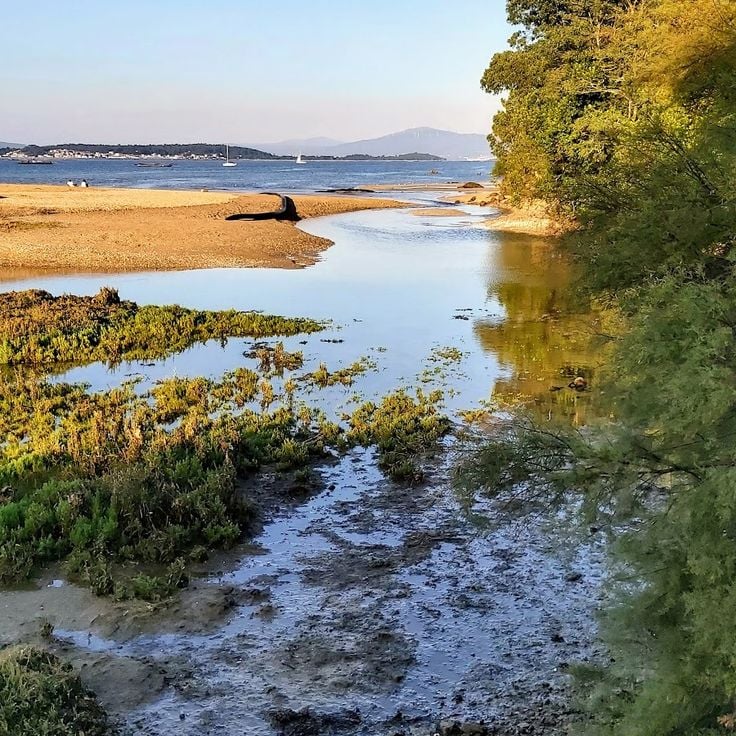
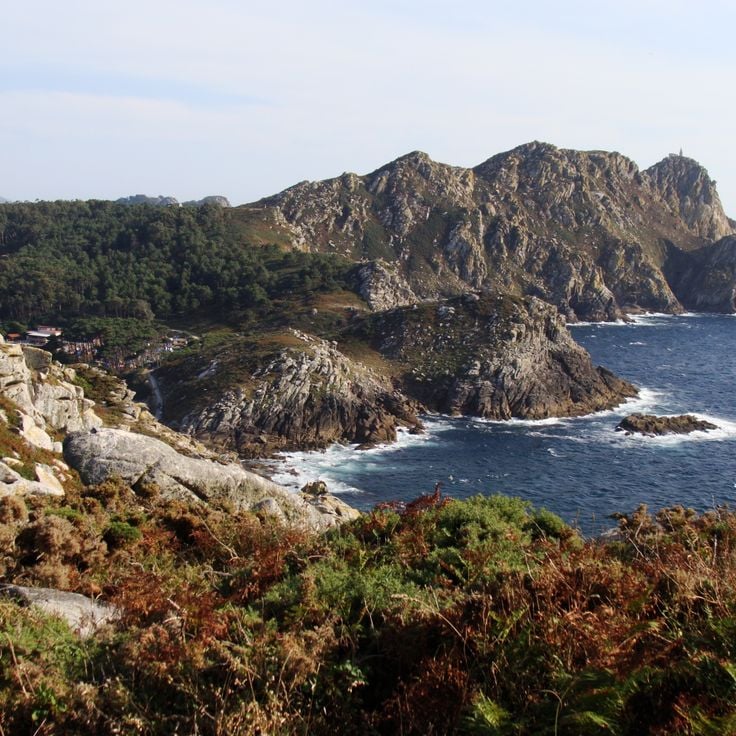
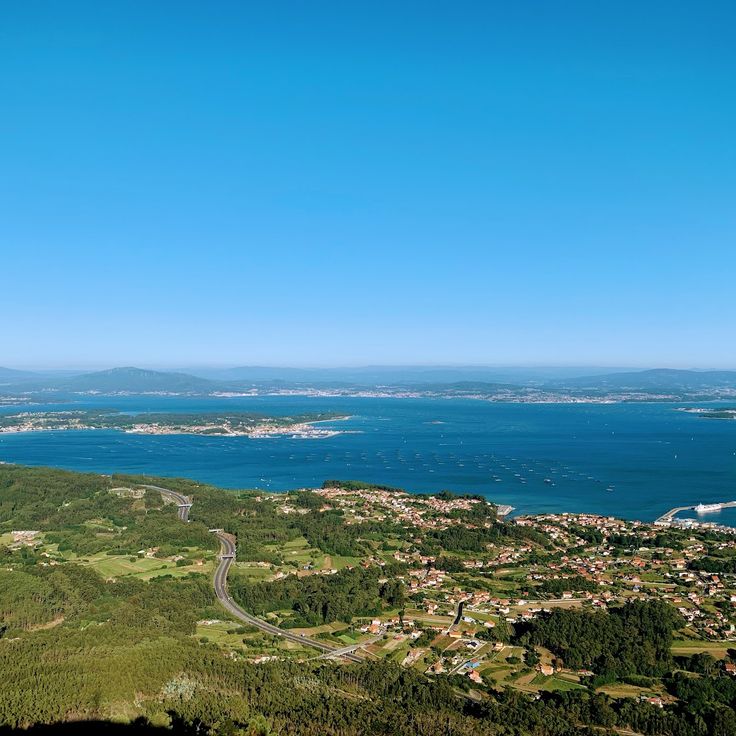
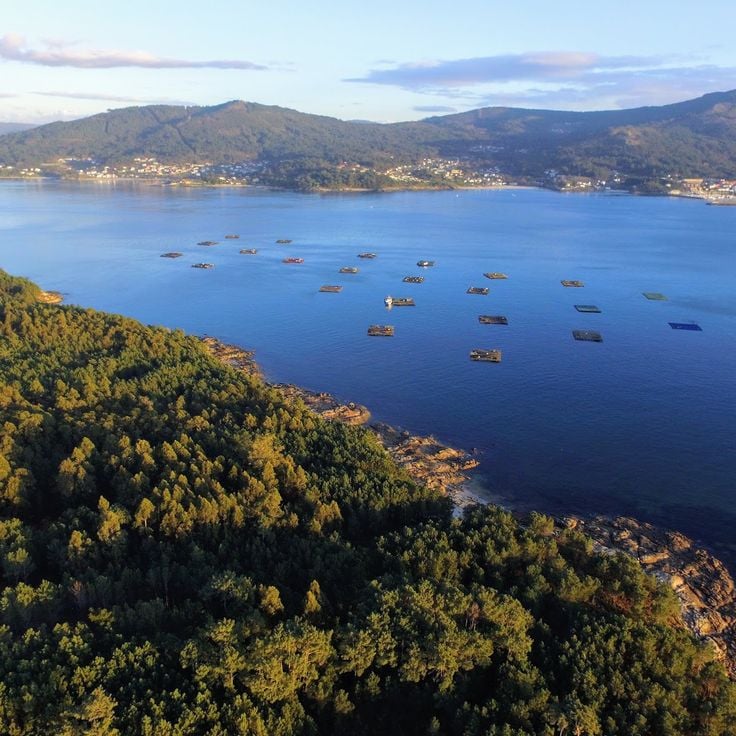
The coastline in Galicia spreads out in bays called rias. These long arms of water cut into the land. Cliffs drop into the sea, beaches open in the bays, and fishing villages cling to the slopes. Further out, the Cíes Islands and other groups of islands show scenes of water and rock shaped by the wind. Inland, archaeological sites and natural areas fill in the picture of a place where nature and history meet easily.
Highlights of Galicia: history, nature, and the Atlantic coast
Galicia lies in the northwest of Spain, between the Atlantic Ocean and the mountains that separate it from the Iberian Peninsula. For centuries, pilgrims have walked here to reach Santiago de Compostela, but there is more than just the famous path. Its towns hold memories of sea and faith: cathedrals, monasteries, old walls, and stone buildings tell stories of the past. La Coruña, Vigo, Pontevedra, and Lugo each have a center where churches, paved squares, and busy streets mix.
The coastline in Galicia spreads out in bays called rias. These long arms of water cut into the land. Cliffs drop into the sea, beaches open in the bays, and fishing villages cling to the slopes. Further out, the Cíes Islands and other groups of islands show scenes of water and rock shaped by the wind. Inland, archaeological sites and natural areas fill in the picture of a place where nature and history meet easily.
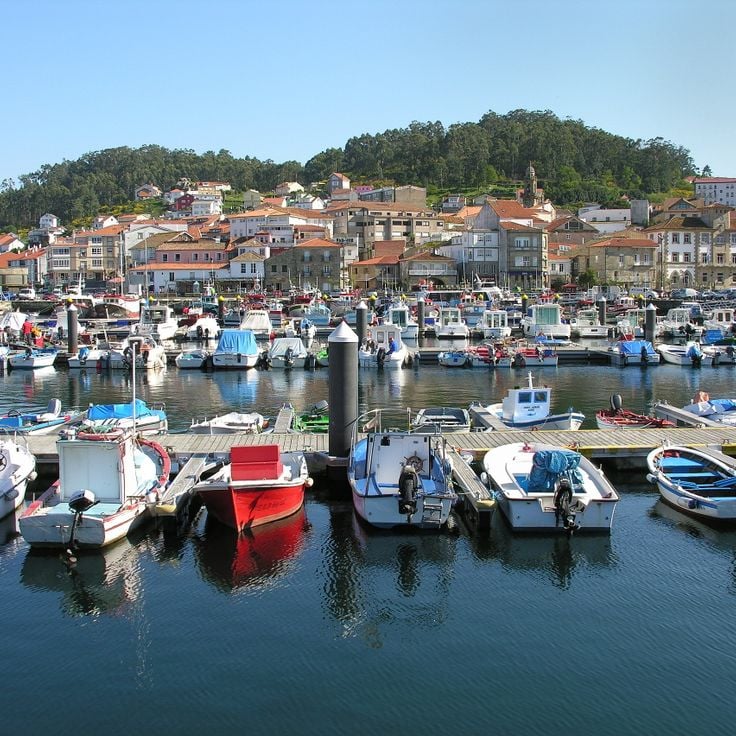
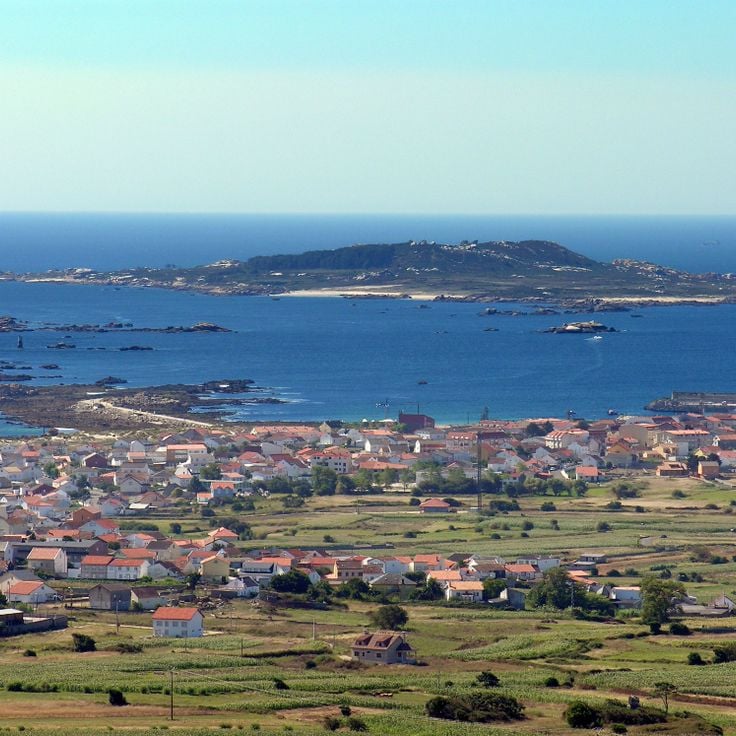
Muros is a fishing village on the Galician coast, built around an active harbor. The town preserves old houses with characteristic stone facades and sits along a curved bay. Streets slope down toward the water, where fishermen and boats define daily life. The village shows how people here have lived from the sea for generations, offering a view of the maritime past of this region.
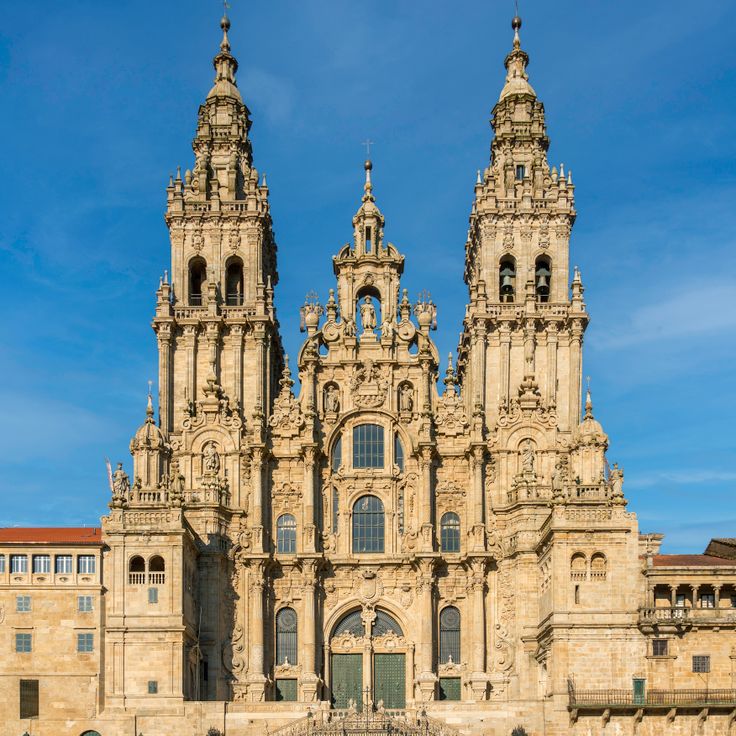
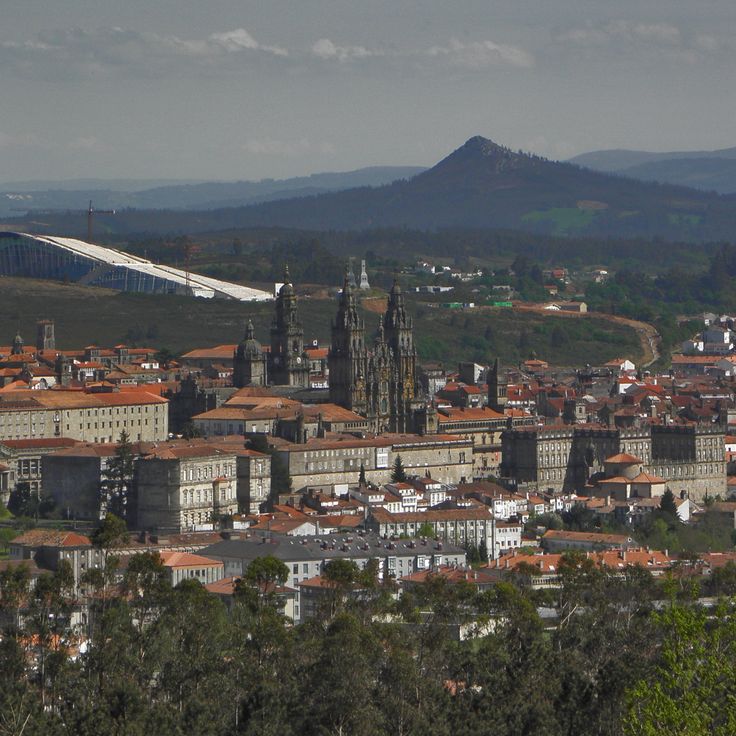
The Cathedral of Santiago de Compostela is the final destination of the Way of Saint James, one of Europe's most important pilgrimage routes. The building began its construction in the 12th century and continued through several centuries, displaying different architectural styles that reflect its long history. The exterior showcases elaborate stone details that draw the eye upward. Inside, a large space with high vaults welcomes pilgrims who come from across Europe. This cathedral is not only a place of worship but also a testament to the artistic skill of past generations and the spiritual longing that has moved people across centuries.
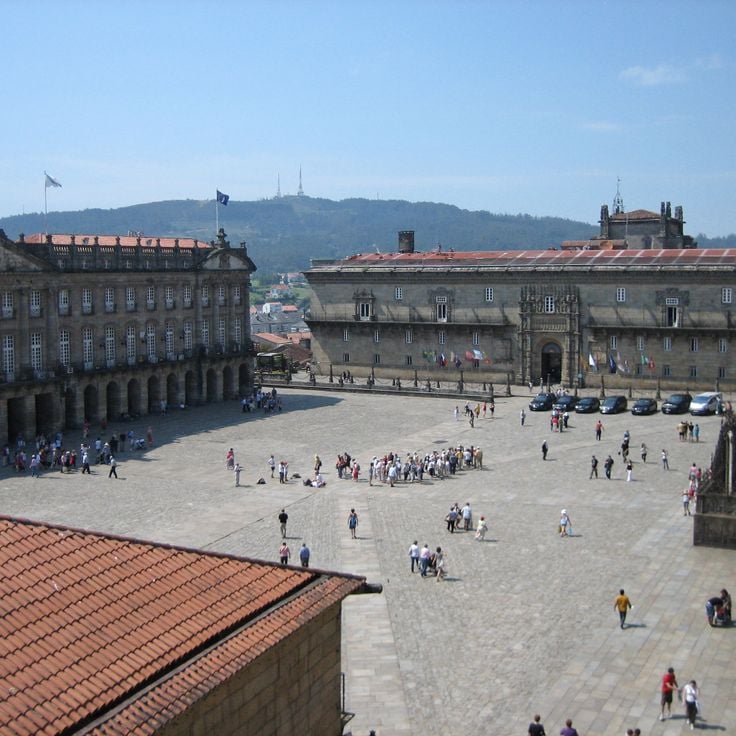
The Plaza do Obradoiro is the main square of Santiago de Compostela, surrounded by historic buildings that reflect the importance of this location. This open space in the heart of the city serves as a meeting point for pilgrims and visitors arriving from the Way of Saint James. The cathedral dominates the scenery, while the surrounding facades from different eras tell the long history of the city. The square comes alive as people pass through, reach their destinations, or simply pause to take in the space.
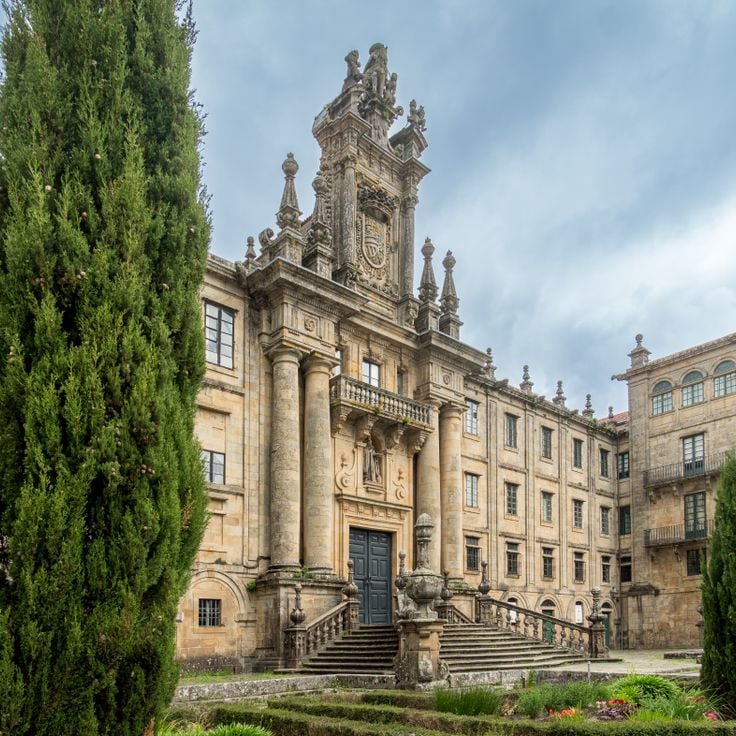
The Monastery of San Martiño Pinario stands as one of Santiago de Compostela's defining structures. Its grand baroque facade rises prominently on the cathedral square, a stone declaration of the church's power in this pilgrimage city. Built as a Benedictine monastery, this building housed monks for centuries and now serves as a museum. Inside, you walk through cloisters and galleries that show how daily monastic life was organized. The monastery tells you about the religious forces that shaped this city and guided the flow of pilgrims for hundreds of years.
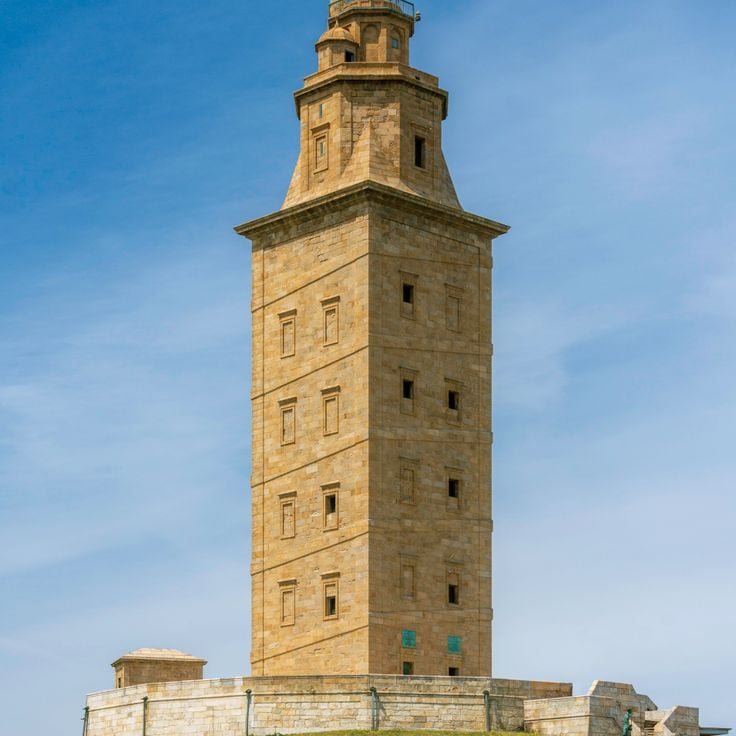
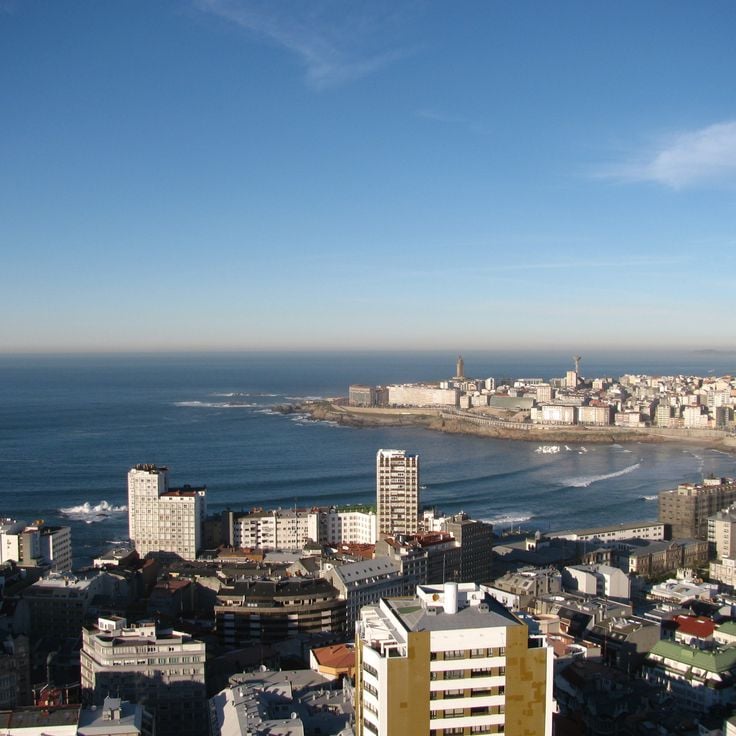
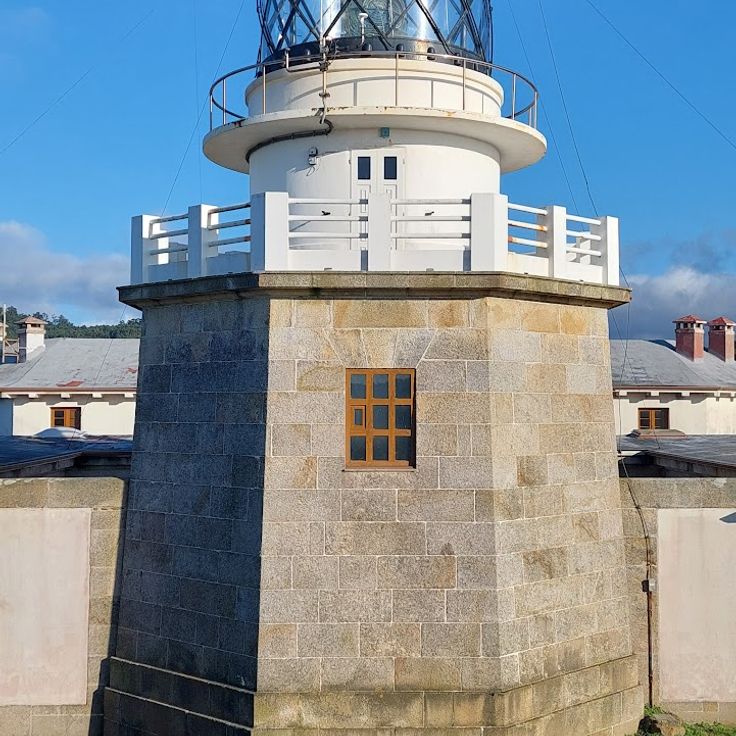
The Tower of Hercules is a Roman lighthouse from the 2nd century located in La Corogne on the Galician coast. It is considered the oldest operating lighthouse in the world and is protected by UNESCO. The tower rises above a hill overlooking the Atlantic Ocean and has guided seafarers for centuries. Visitors can climb the spiral stairs to see the city and the sea from above. This site connects ancient Galician history with the region's strong maritime tradition.
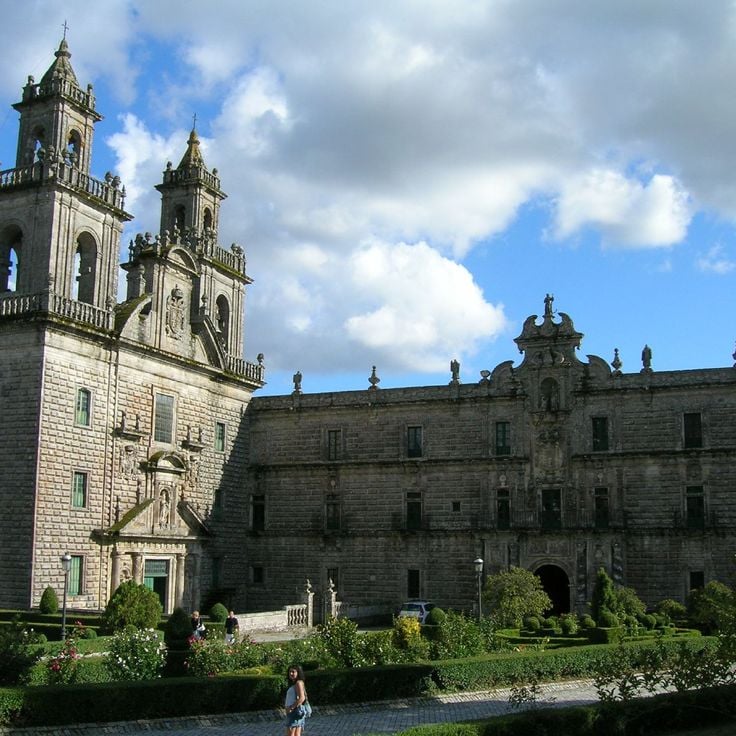
The Monastery of Santa Maria de Oseira is one of the notable witnesses to monastic culture in Galicia. Built in the 12th century, it stands isolated in the mountains and shows the typical architecture of the Cistercian order. The cloister and gardens offer insight into the life of monks in this remote mountain setting. The monastery reflects the religious history of the region that has attracted pilgrims for centuries.
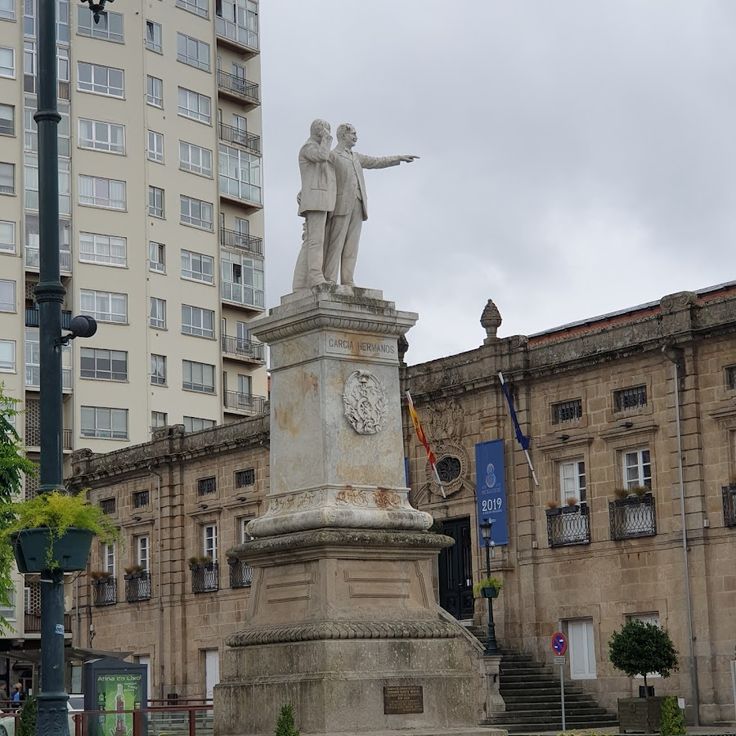
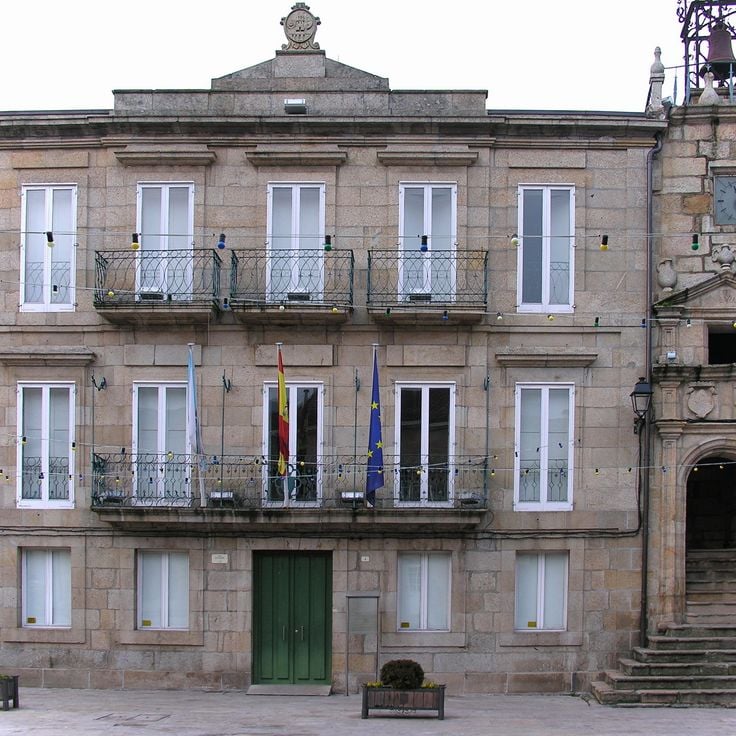
Pontevedra is a medieval city in northwestern Spain where the old center is reserved for pedestrians. Walking through its core, you find narrow streets and ancient plazas bordered by stone churches and historic buildings. The city carries the memory of its past as a port town, with granite architecture and winding pathways that connect religious buildings and old homes. Daily life unfolds in the squares and streets, where locals and visitors move through centuries of urban heritage.
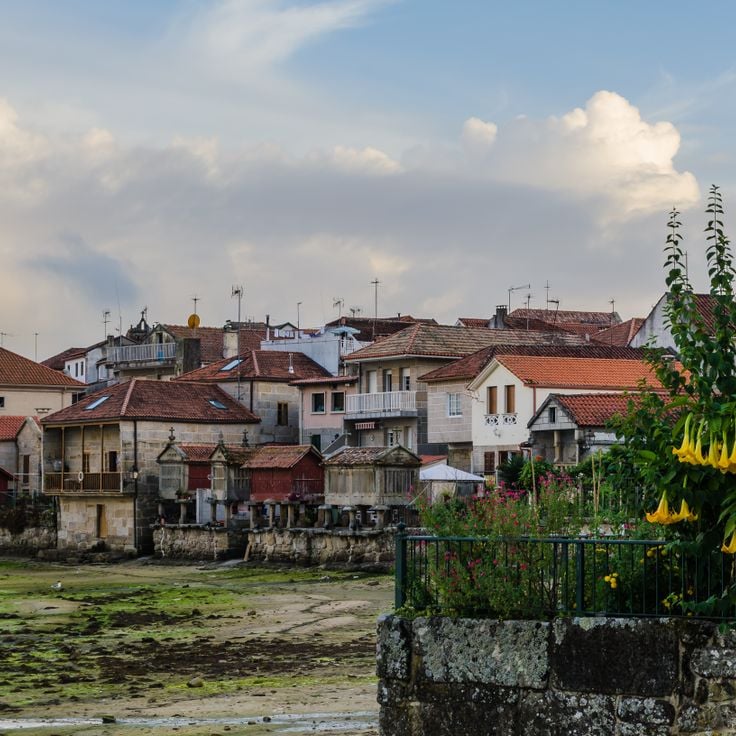
Combarro is a small coastal village in Galicia that sits along the Ría of Pontevedra. The village is defined by hórreos, the traditional wooden grain stores raised on stone legs that stand directly on the beach and shape the character of the place. Narrow paved lanes run between the houses, while the small harbor tells of fishing traditions. The mix of old buildings, water, and the rhythm of fishing life makes Combarro a place where the past of the Galician coast still feels present.
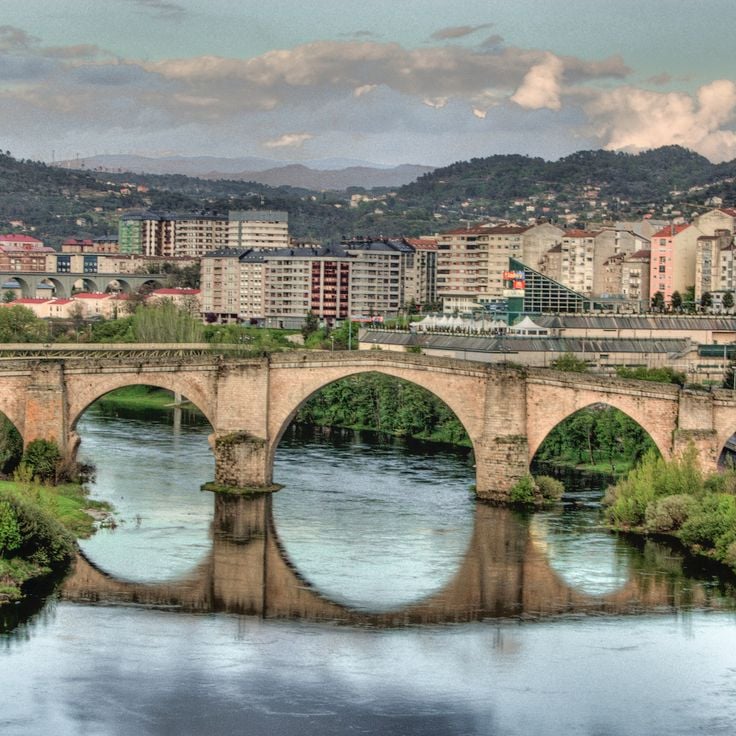
Ourense sits inland in Galicia with an old city center shaped by medieval architecture. The cathedral rises above narrow streets with its Gothic lines. Historic bridges cross the river that flows through the city, and stone buildings from different periods line the streets. Churches, plazas, and homes sit side by side, creating a layered sense of time. Thermal springs near the city have drawn visitors for centuries.
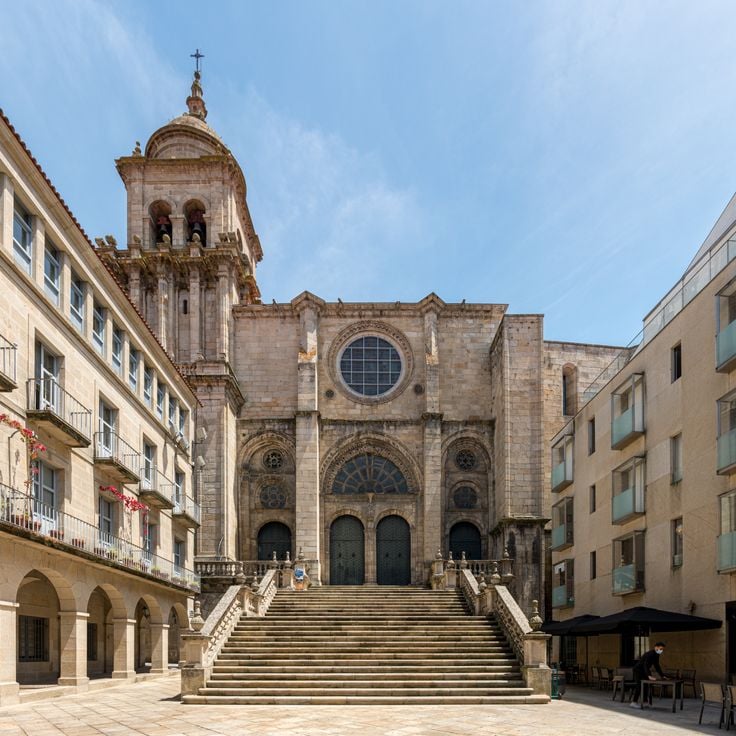
The Cathedral of Ourense combines Romanesque and Gothic styles and stands at the heart of the city. Its interior holds artworks and sculptures from different periods. The building extends over several centuries and shows how architecture changed over time. The granite facade shapes the cityscape and recalls the long history of this place. Visitors find here a location that reflects the religious and cultural past of Galicia.
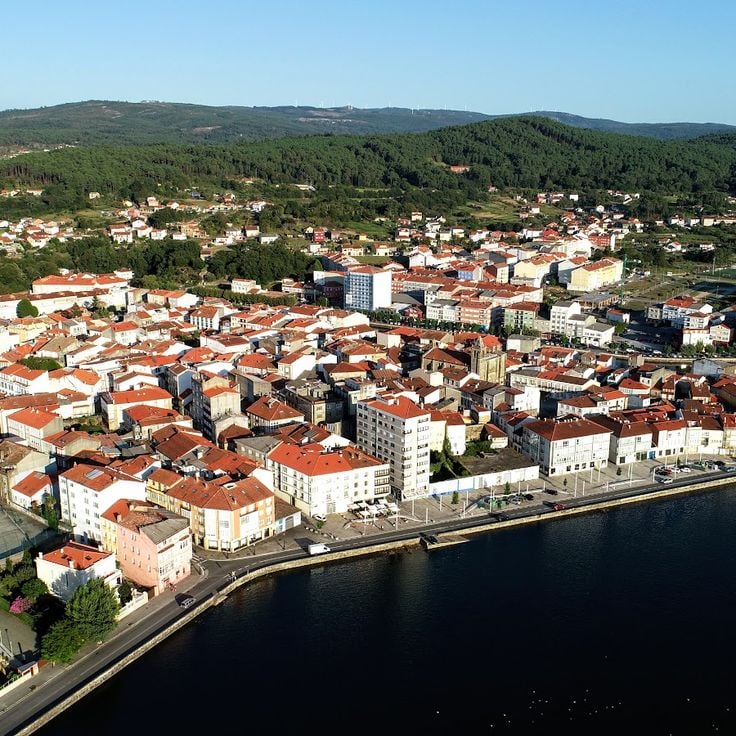
Noia is a medieval town on the Galician coast. Its historic center preserves old stone buildings and narrow streets that recall the time when this place was an important port. In Noia, several ancient churches stand as witnesses to the generations who lived here. Around the center lie beaches where rocks and sand alternate, and views open onto the Atlantic.
The old town of Santiago de Compostela centers on the cathedral and forms a medieval urban core recognized by UNESCO as a World Heritage site. This place has been the destination of pilgrims walking the Way of Saint James for many centuries. The streets are paved with stone, lined by granite buildings, and open onto squares where history feels present. The cathedral itself anchors this city, connecting religious faith with a long past that is written into its architecture and streets.
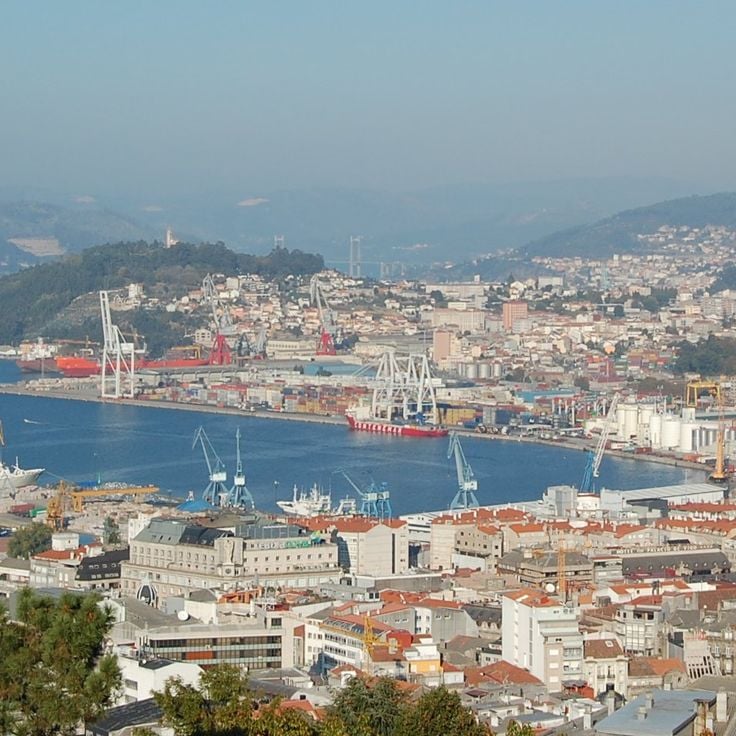
Vigo is a lively port city on Galicia's coast in northwestern Spain. The harbor pulses with fishing boats and cargo ships that shape daily life. The downtown has narrow streets, plazas, and cafes where locals and visitors mix. Along the waterfront, parks and promenades offer views across the bay. The older quarters contain churches and stone buildings that reflect the city's past as both a religious and maritime hub.
La Corogne is a port city on the northwestern coast of Spain where maritime traditions have shaped daily life for centuries. The old town contains narrow streets, granite buildings, and traces of its long history as a trading hub. From the city walls, views extend toward the Atlantic Ocean, while the waterfront offers a place to walk and observe the harbor. Churches and a cathedral stand throughout the city, reflecting the religious life that has touched its residents across generations. Along the shore, rocks meet water where fishing boats and sailing vessels continue to work as they have for centuries.
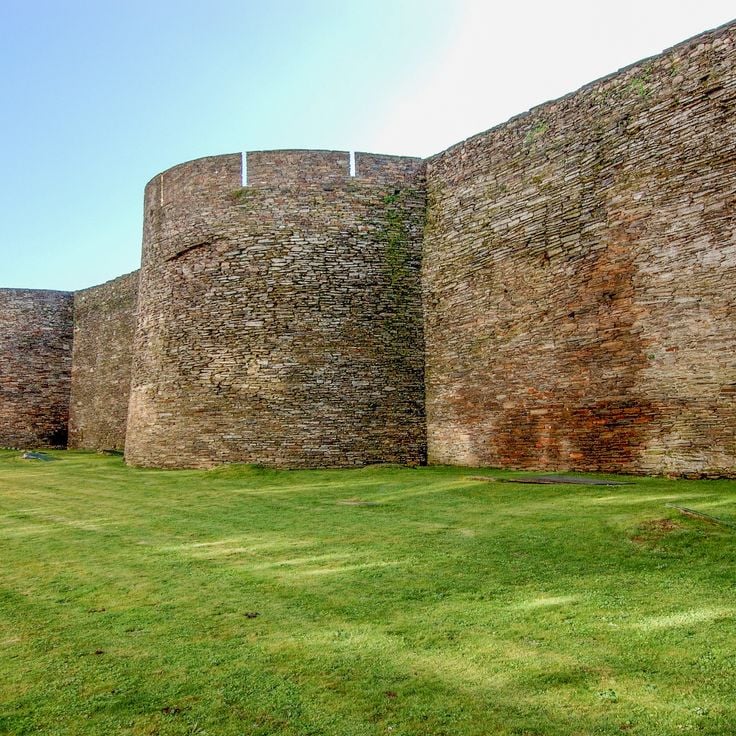
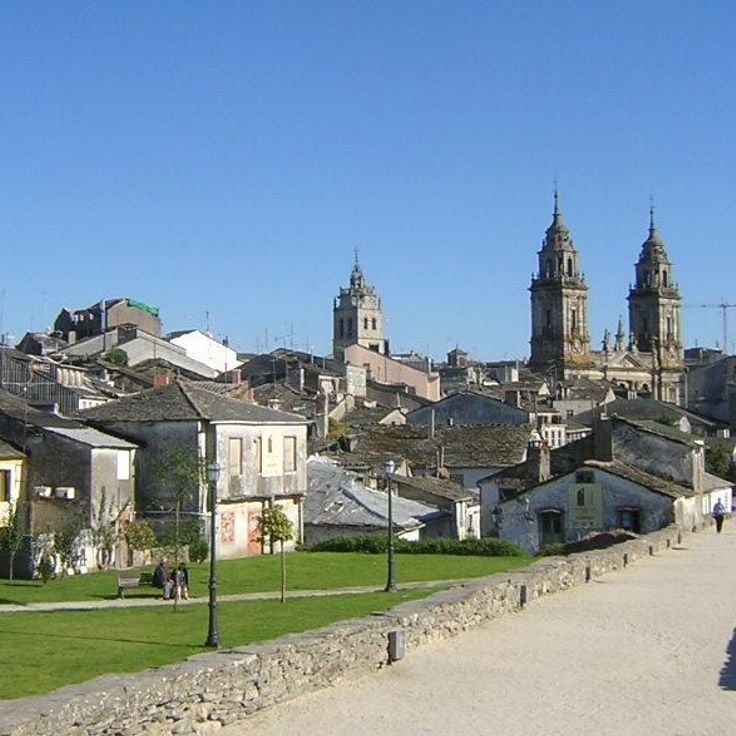
The city walls of Lugo date from the 3rd century and encircle the town in a complete circuit. These Roman fortifications have been recognized by UNESCO and are part of the heritage of this Galician city, which preserves its maritime and religious past. The walls tell of a time when Lugo was an important point on the coast, and they show the Roman building techniques that shaped the region.
Betanzos is a medieval town set in a river valley in northwestern Galicia. The town holds several Gothic churches, including the Iglesia de Santa Maria do Azougue with its distinctive stonework. A central plaza forms the heart of the old town, where arcades and stone buildings give the space its character. The streets are narrow and follow the medieval layout. Betanzos played an important role in maritime trade and keeps traces of this seafaring past in its architecture.
Lugo is an old Roman city in northwestern Spain, known for its city walls from the 3rd century. These walls surround the old town and are recognized as a UNESCO World Heritage site. The city preserves traces of its long past: narrow streets run past churches and old granite buildings. The city center is filled with activity, where people walk through paved squares. You can climb the walls themselves and look out over the city and the countryside beyond. Lugo shows how a city from Roman times can survive and thrive today.
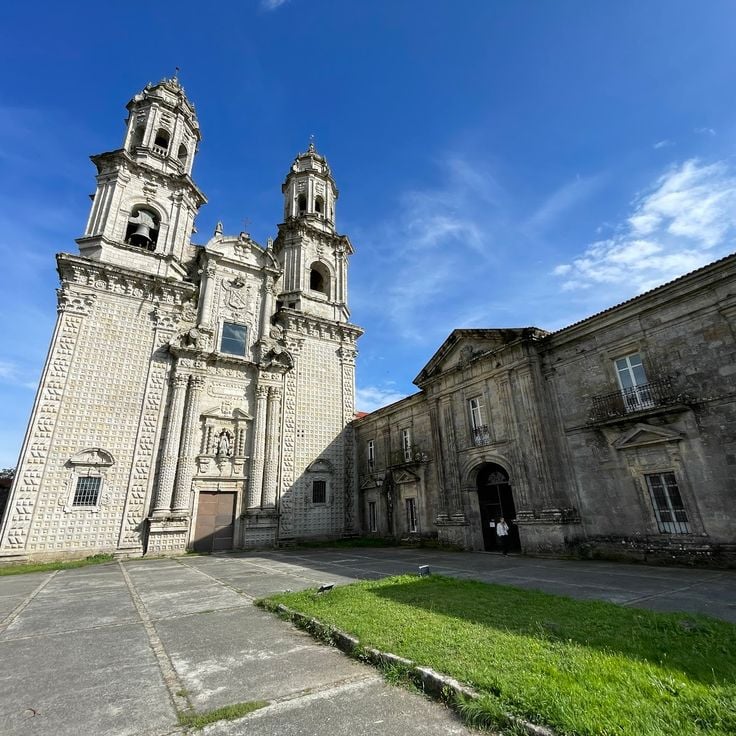
The Monastery of Sobrado dos Monxes is a Cistercian monastery from the 12th century located in Galicia. This monastery served as an important religious center for centuries, where monks devoted themselves to prayer and work. The buildings display the characteristic architecture of the Cistercian order, with simple stone structures and sober designs. Visitors can experience the history of monastic life and religious devotion that shaped this place.
Ribadavia is a medieval town in northwestern Spain located in Galicia, where it stands at the crossroads of the region's cultural and religious history. The town is known for its historic Jewish quarter, which still preserves its narrow streets and ancient stone buildings. Several churches shape the town's character, and an old bridge connects the two sides of the river. This place tells the story of Galicia's diverse past, where religious and Jewish communities lived alongside each other.
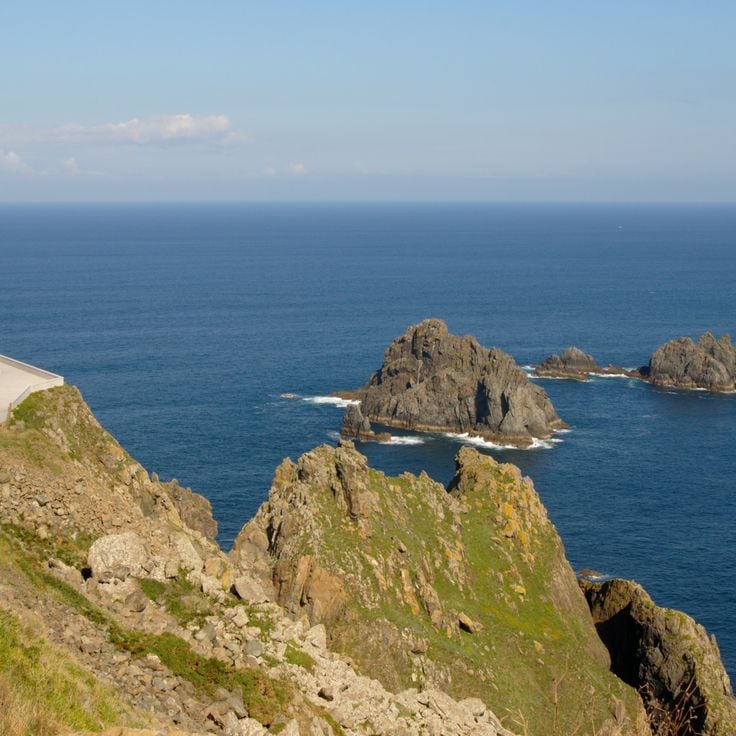
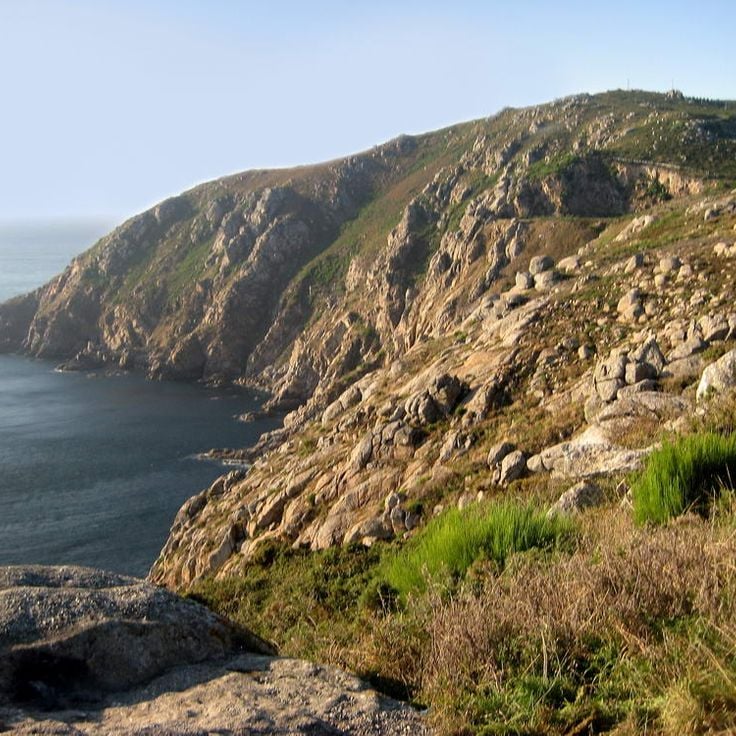
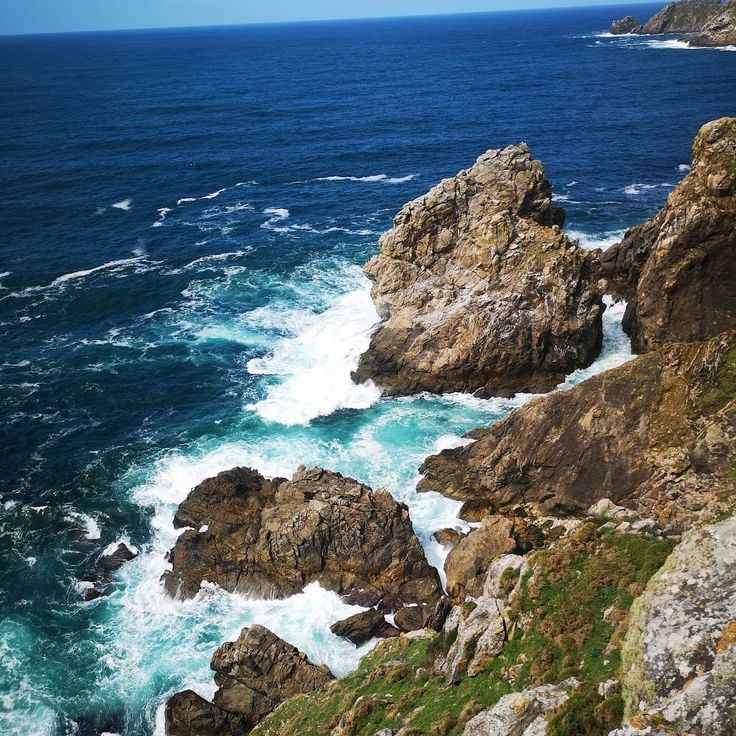
Cabo Ortegal is a headland on the northwestern coast of Galicia where steep cliffs drop directly into the Atlantic Ocean. At this location, the power of the ocean meets the region's geology. The cliffs rise high and offer views across the open sea and the coastline. Visitors come here to experience the raw force of nature and watch the waves crash against the rocks.
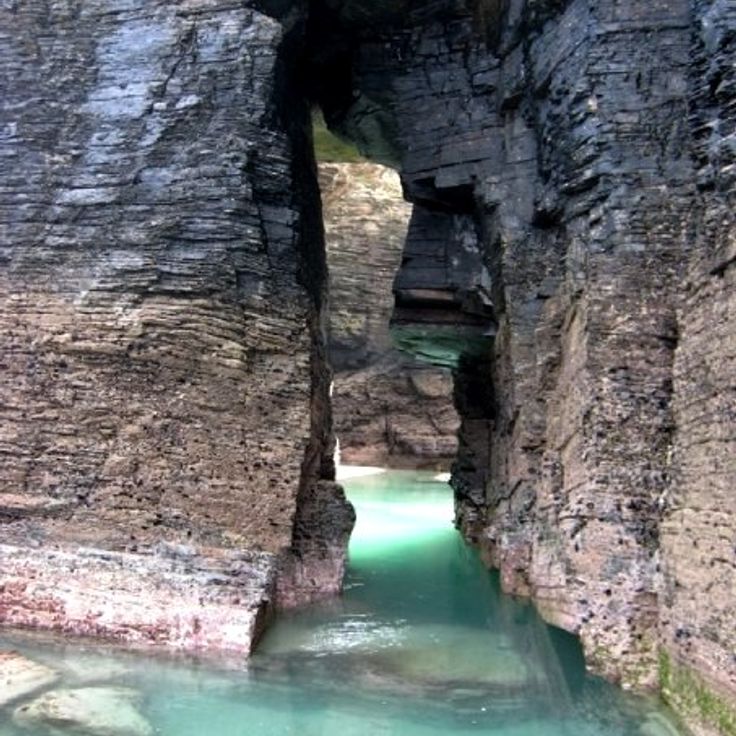
Playa de las Catedrales near Ribadeo features natural rock formations that rise from the sand like cathedral walls. At low tide, visitors can walk across the beach floor and explore sea caves, stone arches, and tall pillars carved by water and time. The turquoise water laps against gray granite cliffs, and the light changes throughout the day on these sculpted surfaces. This beach shows how the Atlantic coast has shaped Galician landscapes over centuries.
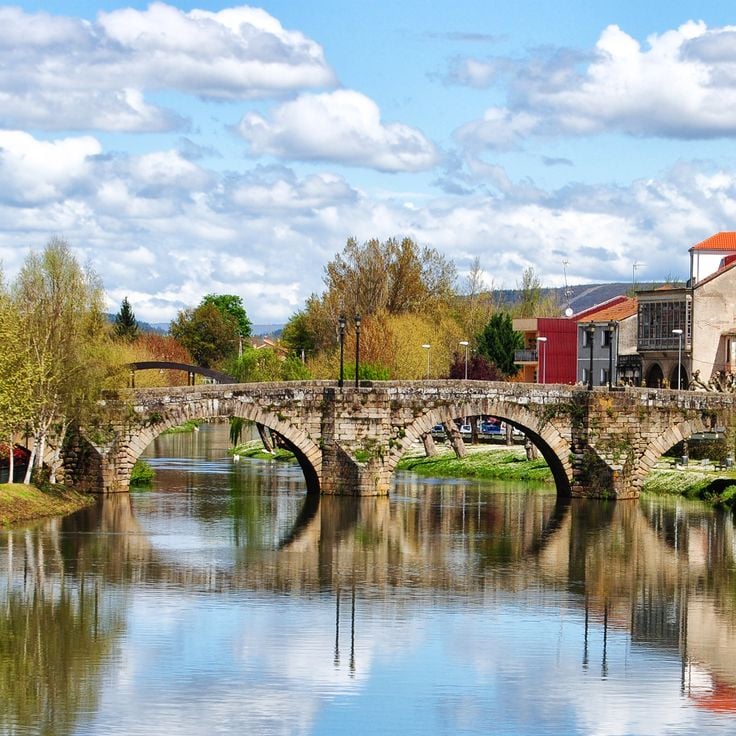
Allariz is a village in Galicia situated along the Avia River. The village features a medieval stone bridge that crosses the water. Churches from different centuries stand in the streets, and stone buildings line the pathways. The natural surroundings are green and full of life. This place shows how people lived in the past and how nature and buildings coexist here.
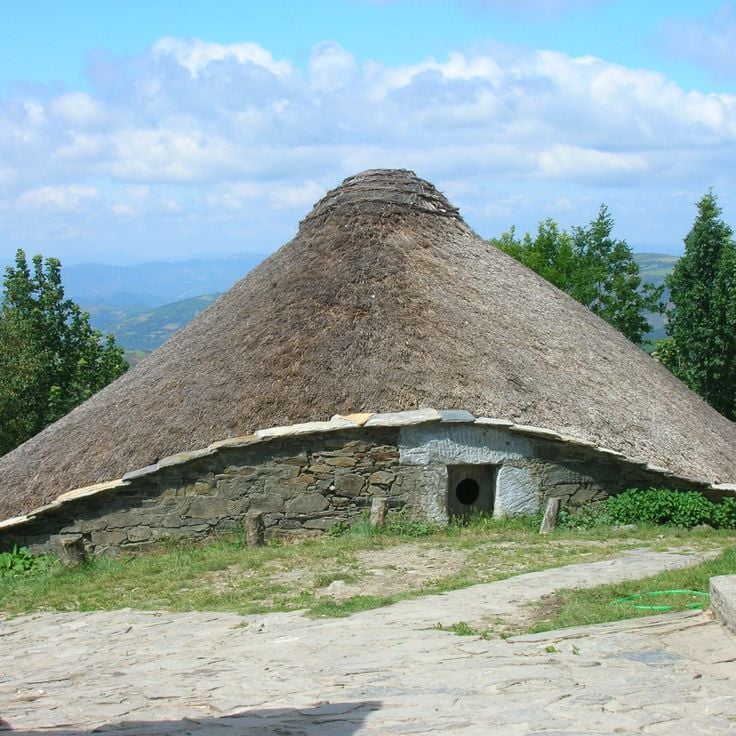
O Cebreiro is a mountain village that serves as an important stopping point on the Camino de Santiago pilgrimage route. Located in the highlands of Galicia, the village preserves traditional architecture, including characteristic hórreos, the wooden granaries that define Galician rural landscapes. An old chapel stands at the center of the village, marking its religious significance. The village welcomes pilgrims who walk the ancient route each year and offers a glimpse into the daily life of mountain communities in this region.
The Rías Baixas are a coastal zone in southwestern Galicia, defined by long, branching inlets that cut deep into the land. These arms of the sea create a complex landscape where water and earth intertwine. Small fishing villages perch on steep slopes, their houses facing the water. Wide sandy beaches open into sheltered coves, while cliffs drop sharply to the sea in other spots. Fishing has shaped life here for centuries. Boats rest in harbors, nets dry on piers, and the rhythm of the tides governs daily routines. The Rías Baixas connect to the pilgrimage route to Santiago de Compostela, blending this spiritual journey with the working life of the coast.
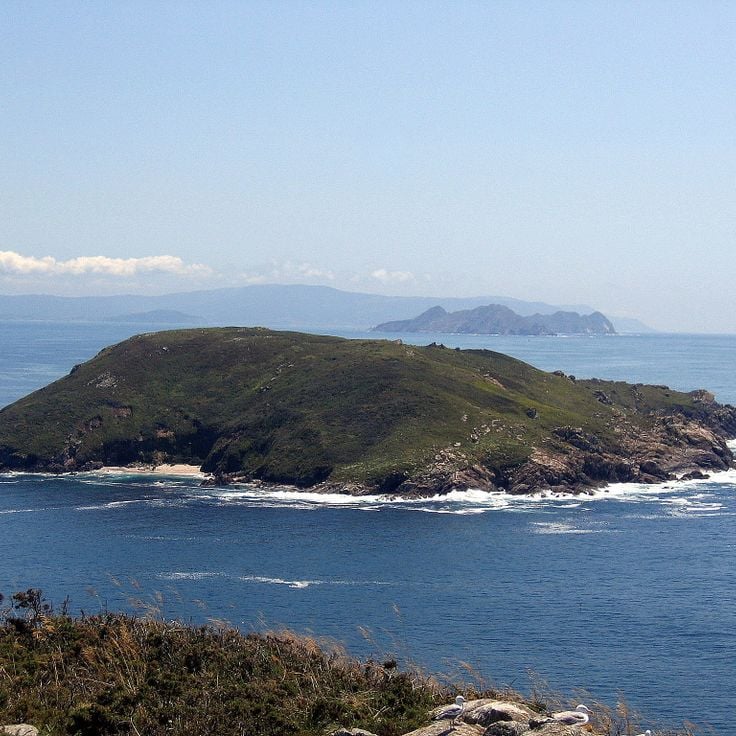
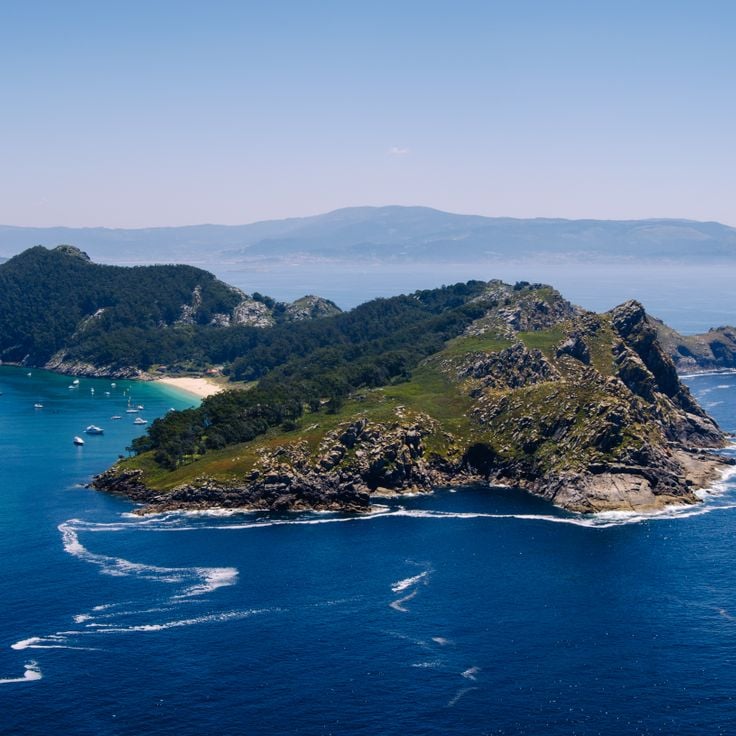
The Cíes Islands are an archipelago off the Galician coast with sand beaches, pine forests, and hiking trails. These islands form part of Galicia's treasures, a region at Spain's northwestern corner between the Atlantic and the mountains. The island group offers visitors nature and solitude, with cliffs dropping into the water and fishing villages clinging to slopes. They are part of a region where the sea cuts deep into the land and islands of water and rock rise up.
Ría de Arousa is the largest estuary along Galicia's Atlantic coast and lies at the heart of this northwestern Spanish region. The landscape shifts constantly: fishing villages cling to the shoreline, shallow waters hold shellfish beds, and granite cliffs rise from the water's edge. Salt air and the smell of fish define the place. People have lived here for centuries, working the sea and tending the waters. This estuary shows how Galicia's nature is deeply woven into the daily rhythms of coastal life.
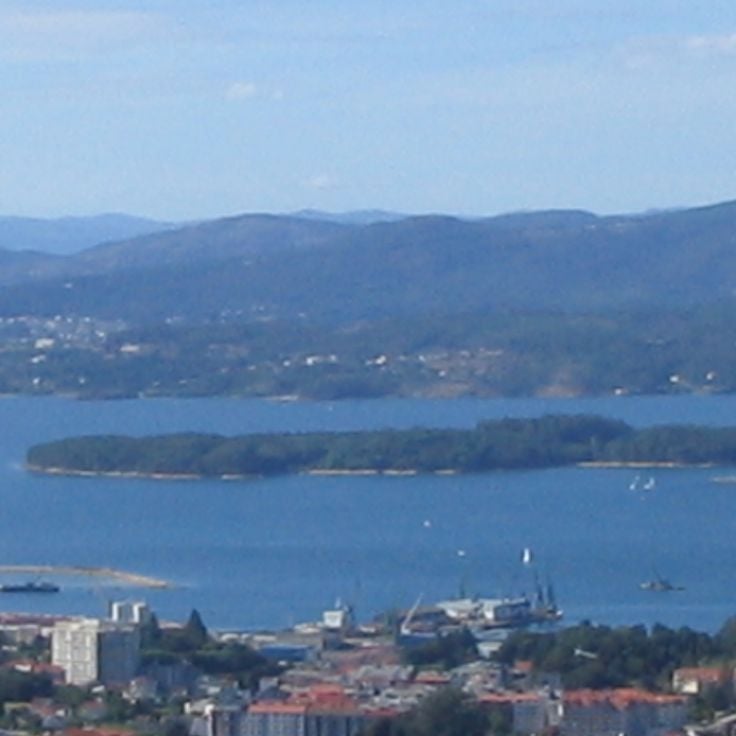
The Ría de Muros e Noia is a coastal inlet in Galicia where the sea cuts deep into the land. Small villages nestle along the slopes, beaches open into the coves, and mountains rise beyond. Water and landscape create a quiet setting where fishing villages and nature coexist.
Ons Island sits off the coast of Galicia and is reached by boat. This small island holds a lighthouse, coastal trails, and wild beaches where few people gather. The island is part of the Rias Baixas National Park, where you can observe seabirds and walk through unspoiled landscapes. Paths wind along rocky edges with views of the Atlantic Ocean and the Galician coast.
Cabo Finisterre sits at the westernmost point of Galicia and marks the symbolic end of the pilgrimage route to Santiago de Compostella. This rocky headland juts into the sea, with cliffs dropping to the water and waves crashing below. Many pilgrims reach this place after their long journey to watch the sunset over the Atlantic Ocean.
Estaca de Bares is the northernmost point of the Iberian Peninsula. Wild cliffs meet the sea here, and a lighthouse stands watch over the water. The location marks a geographic boundary and draws visitors seeking to experience the rough character of Galicia's coast. The landscape reveals the force of the Atlantic, which constantly pounds against the rocks. On clear days, you can look out from the cape and feel the vastness that defines this corner of Spain.
The Costa da Morte sits on the northwestern edge of Galicia, where steep cliffs and wild landscapes define the coastline. This stretch of coast faces strong winds and harsh ocean conditions with little shelter from the elements. Small fishing villages cling to the slopes, and waves crash against the rocks below. The name of this coast reflects the many ships lost to storms in these waters. Paths run along the cliff edges where visitors can see the power of the sea up close.
This national park protects four island groups off the coast of Galicia. The islands of Cíes, Ons, Sálvora and Cortegada sit in the Atlantic Ocean and form a world of rocks, water and wild life. Seabirds nest here, fish swim in the coves, and rare plants grow on the slopes. The park preserves this nature and allows visitors to arrive by boat and explore the islands. Trails lead across grass and stone, beaches invite swimming, and everywhere you smell salt water and feel the wind from the sea.
Sálvora is an island off the coast of Galicia, reached by boat. The island presents visitors with an old lighthouse that has guided ships for generations. Wide beaches and smaller coves shape the shoreline, and paths along the coast invite you to walk. The island is a known place for watching birds - both migratory birds and species that live here year-round. Nature has shaped this island, and it belongs to a protected area that preserves the surroundings.
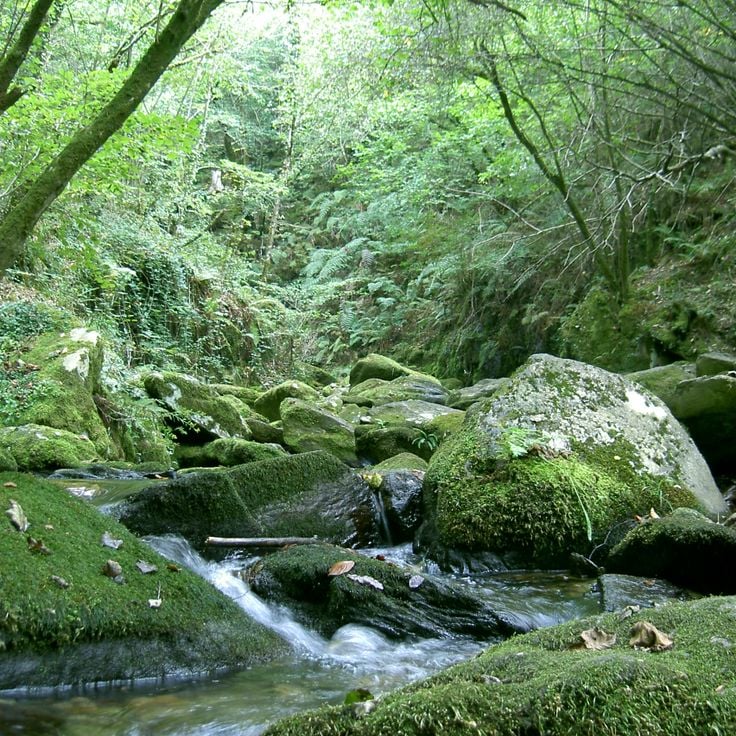
The Fragas do Eume Natural Park is a forested area in Galicia with a river canyon cut by the Eume River. Dense vegetation surrounds the waterway as it flows through deep gorges. The park protects this woodland and the ecosystem that has developed over time. Visitors walk along trails beside the river and through the trees, seeing the landscape as it has existed for centuries.
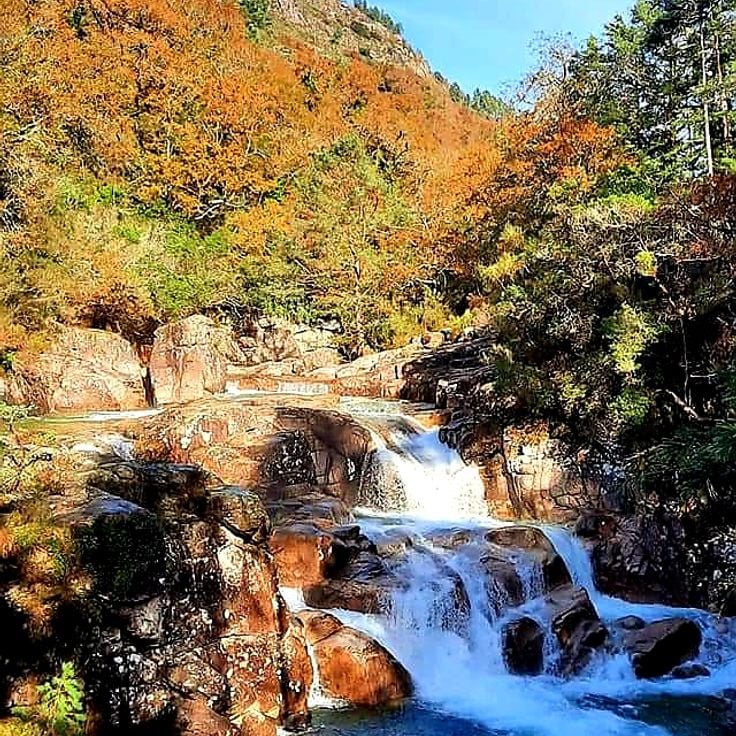
The Baixa Limia-Serra do Xurés Natural Park in Galicia reveals the wild landscapes that define this northwestern corner of Spain. The park spreads across mountainous terrain where rivers flow through deep valleys and support wildlife adapted to these harsh conditions. The land feels remote and largely untouched. Walking trails wind through forests and alongside streams. This park shows visitors what Galicia looks like away from its coastal towns and cities.
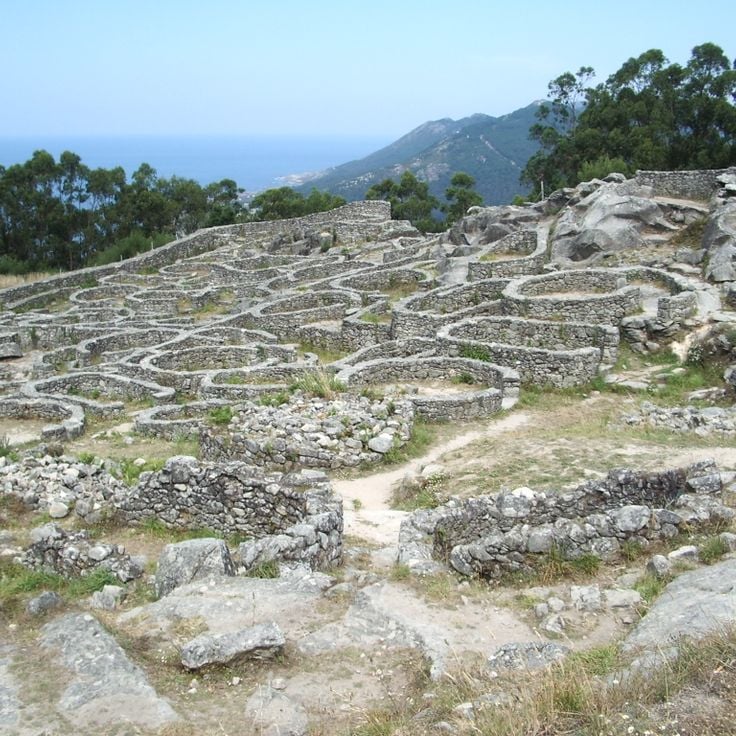
Castro de Santa Tegra in A Guarda is a Celtic archaeological site with fortified remains perched on a hillside overlooking the estuary. Visitors can see the remains of ancient settlements and learn about Celtic life in Galicia through the on-site museum. The site reveals how people built homes and defenses in this region long ago.
O Invernadeiro Natural Park sits in Galicia and protects a mountain landscape with valleys, rivers, and high-altitude forests. This park is part of the region's varied nature that extends beyond the famous coastal routes. Visitors can walk through forests where trees grow thick at higher elevations and follow rivers that flow through narrow valleys. The park shows how nature in Galicia looks inland, far from the rocks and coves of the Atlantic coast.
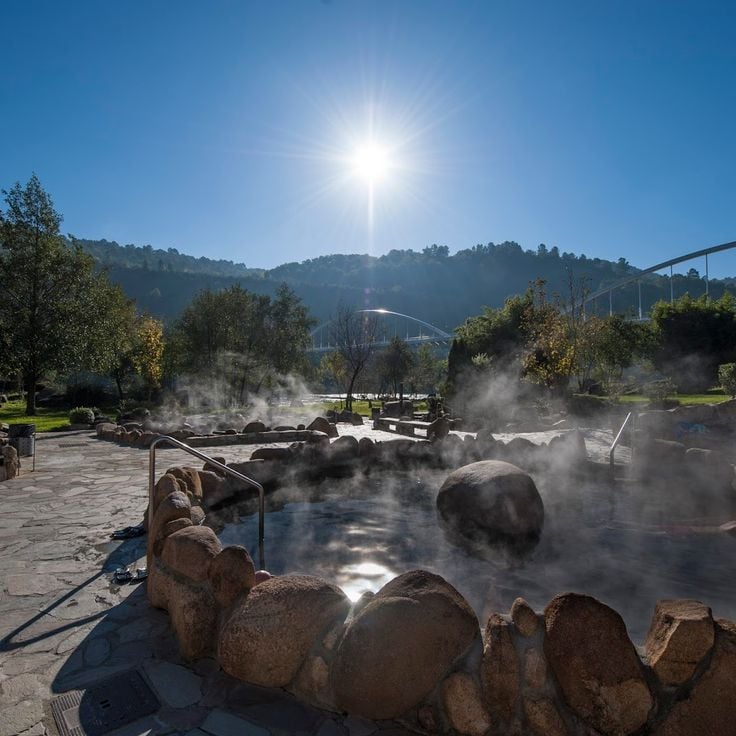
The Ourense Thermal Springs offer natural hot water in the city center, with free public baths and bathing areas. Located in Galicia on Spain's Atlantic coast, this site represents how the region has used its natural resources throughout history. The warm waters have drawn visitors for centuries, seeking the restorative qualities of the geothermal springs. This place shows the connection between Galicia's natural landscape and the daily life of its people.
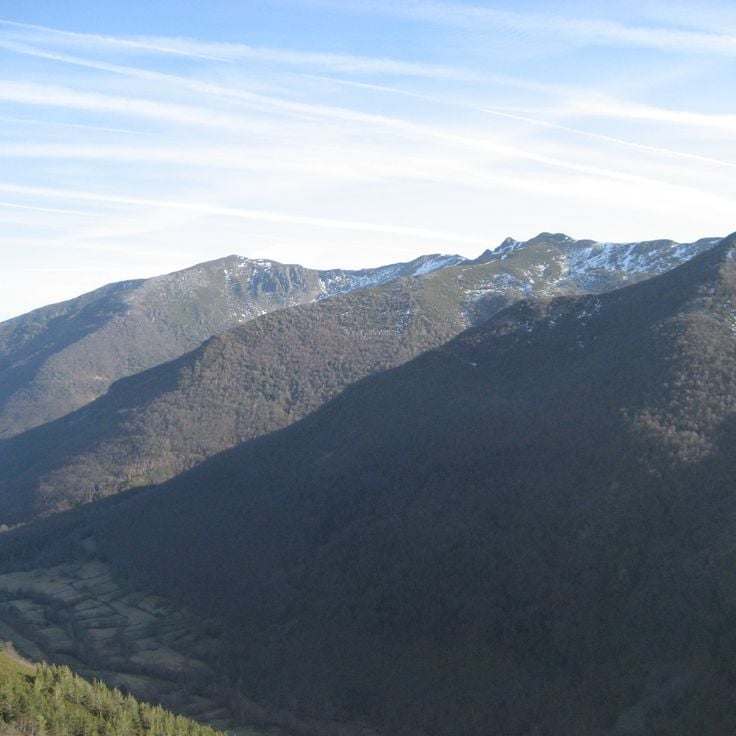
Serra de Ancares is a mountain range in Galicia that rises at the border between Galicia and Asturias. This mountain chain displays alpine landscapes with steep slopes and far-reaching views. Traditional villages with stone houses sit scattered in the valleys, showing the old building style of the region. Hiking trails cross through different elevations and reveal forests, meadows, and rock formations. Serra de Ancares is part of Galicia's natural diversity, where mountain landscapes shape the culture and daily life of its people.
Monforte de Lemos is a place where history lives in stone. The monastery rises above the surrounding landscape, telling the story of centuries of religious devotion. The church and castle blend into a fabric of old streets where visitors walk through spaces filled with the past. Views across the Sil Valley remind you how this region between ocean and mountains anchored its roots in water and stone.
Cortegada Island is a forested island in the Arousa estuary. Pine trees and other woodland cover the land. The island has forest paths for walking and small beaches for resting. It is part of a protected nature reserve that safeguards the forest and wildlife. The island is not large, but it shows how nature looks along the Galician coast. You can walk the paths and feel the quiet of the woods while listening to the sea.
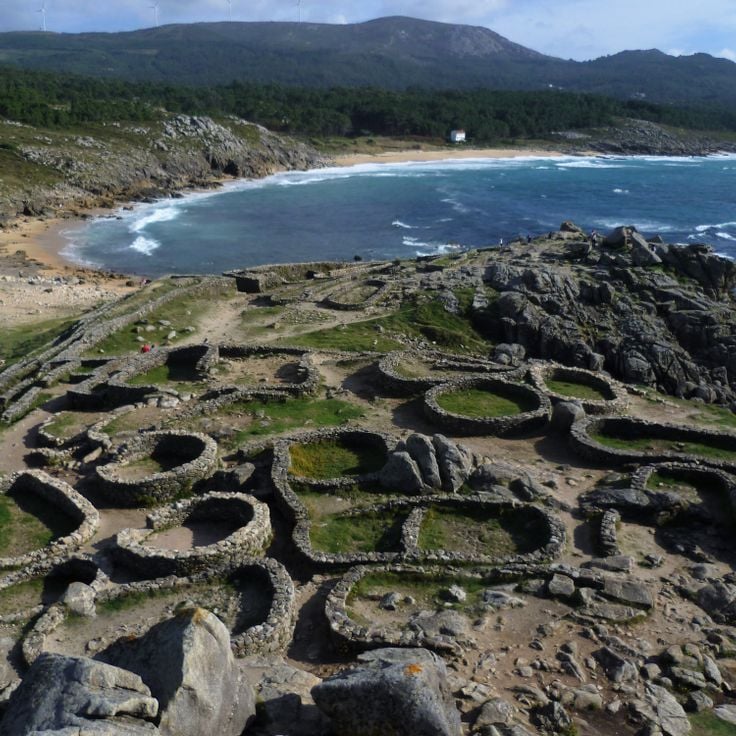
Castro de Baroña is a fortified archaeological site that rises from a rocky point above the Atlantic. The ruins of a Celtic settlement sit at the edge of the water, offering a direct connection to the ancient people who once inhabited this corner of northwestern Spain. The site shows how communities here integrated with the sea and the landscape, making it a key location for understanding Galicia's prehistoric past.
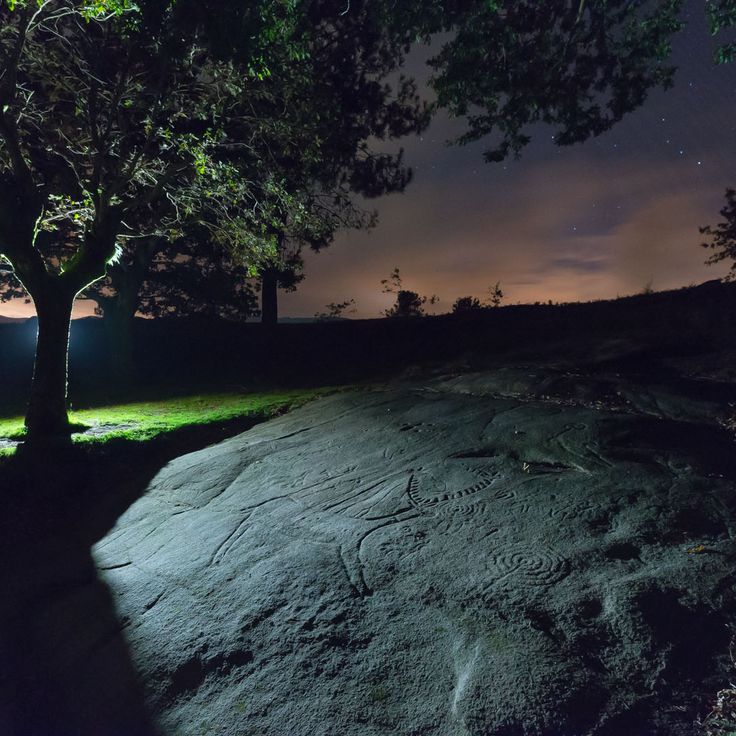
The petroglyphs of Campo Lameiro are prehistoric rock carvings etched into the landscape of southern Galicia. This site includes engravings cut into natural rock surfaces and an interpretation center that explains the history of these ancient markings. Walking trails wind through the area, connecting several different locations with carvings. These places show how early people used and understood their surroundings. The engravings depict animals, weapons, and other shapes that reflect hunting and daily life.
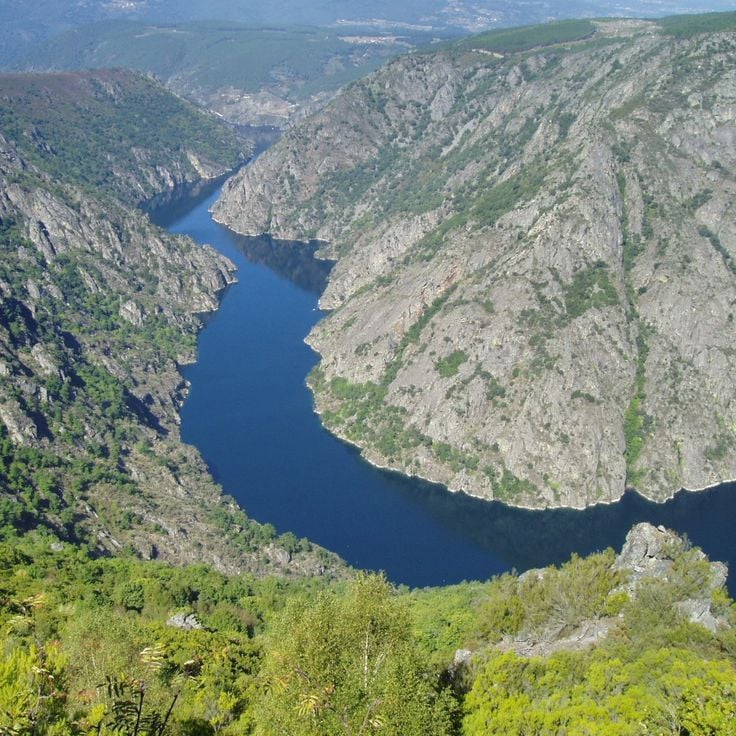
The Sil Canyons cut through inland Galicia with deep river gorges that offer impressive views. From vantage points above, you can see steep rock walls dropping into the water. Boat trips on the river take you through the canyon and show the landscape from water level. Plants and trees grow along the banks. This place sits away from the famous pilgrimage routes and reveals a quieter side of Galicia.
Muros is a fishing village on the Galician coast, built around an active harbor. The town preserves old houses with characteristic stone facades and sits along a curved bay. Streets slope down toward the water, where fishermen and boats define daily life. The village shows how people here have lived from the sea for generations, offering a view of the maritime past of this region.
The Cathedral of Santiago de Compostela is the final destination of the Way of Saint James, one of Europe's most important pilgrimage routes. The building began its construction in the 12th century and continued through several centuries, displaying different architectural styles that reflect its long history. The exterior showcases elaborate stone details that draw the eye upward. Inside, a large space with high vaults welcomes pilgrims who come from across Europe. This cathedral is not only a place of worship but also a testament to the artistic skill of past generations and the spiritual longing that has moved people across centuries.
The Plaza do Obradoiro is the main square of Santiago de Compostela, surrounded by historic buildings that reflect the importance of this location. This open space in the heart of the city serves as a meeting point for pilgrims and visitors arriving from the Way of Saint James. The cathedral dominates the scenery, while the surrounding facades from different eras tell the long history of the city. The square comes alive as people pass through, reach their destinations, or simply pause to take in the space.
The Monastery of San Martiño Pinario stands as one of Santiago de Compostela's defining structures. Its grand baroque facade rises prominently on the cathedral square, a stone declaration of the church's power in this pilgrimage city. Built as a Benedictine monastery, this building housed monks for centuries and now serves as a museum. Inside, you walk through cloisters and galleries that show how daily monastic life was organized. The monastery tells you about the religious forces that shaped this city and guided the flow of pilgrims for hundreds of years.
The Tower of Hercules is a Roman lighthouse from the 2nd century located in La Corogne on the Galician coast. It is considered the oldest operating lighthouse in the world and is protected by UNESCO. The tower rises above a hill overlooking the Atlantic Ocean and has guided seafarers for centuries. Visitors can climb the spiral stairs to see the city and the sea from above. This site connects ancient Galician history with the region's strong maritime tradition.
The Monastery of Santa Maria de Oseira is one of the notable witnesses to monastic culture in Galicia. Built in the 12th century, it stands isolated in the mountains and shows the typical architecture of the Cistercian order. The cloister and gardens offer insight into the life of monks in this remote mountain setting. The monastery reflects the religious history of the region that has attracted pilgrims for centuries.
Pontevedra is a medieval city in northwestern Spain where the old center is reserved for pedestrians. Walking through its core, you find narrow streets and ancient plazas bordered by stone churches and historic buildings. The city carries the memory of its past as a port town, with granite architecture and winding pathways that connect religious buildings and old homes. Daily life unfolds in the squares and streets, where locals and visitors move through centuries of urban heritage.
Combarro is a small coastal village in Galicia that sits along the Ría of Pontevedra. The village is defined by hórreos, the traditional wooden grain stores raised on stone legs that stand directly on the beach and shape the character of the place. Narrow paved lanes run between the houses, while the small harbor tells of fishing traditions. The mix of old buildings, water, and the rhythm of fishing life makes Combarro a place where the past of the Galician coast still feels present.
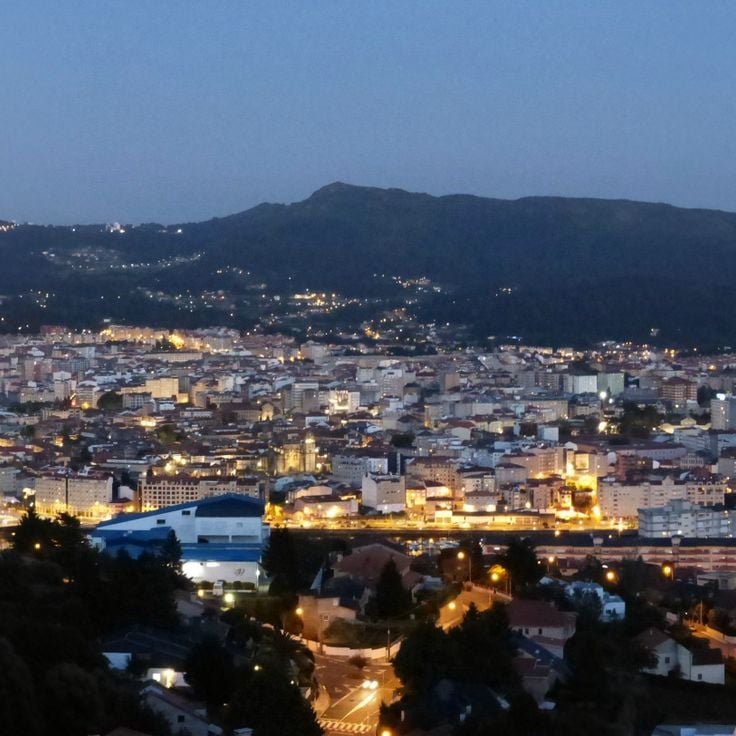
Ourense sits inland in Galicia with an old city center shaped by medieval architecture. The cathedral rises above narrow streets with its Gothic lines. Historic bridges cross the river that flows through the city, and stone buildings from different periods line the streets. Churches, plazas, and homes sit side by side, creating a layered sense of time. Thermal springs near the city have drawn visitors for centuries.
The Cathedral of Ourense combines Romanesque and Gothic styles and stands at the heart of the city. Its interior holds artworks and sculptures from different periods. The building extends over several centuries and shows how architecture changed over time. The granite facade shapes the cityscape and recalls the long history of this place. Visitors find here a location that reflects the religious and cultural past of Galicia.
Noia is a medieval town on the Galician coast. Its historic center preserves old stone buildings and narrow streets that recall the time when this place was an important port. In Noia, several ancient churches stand as witnesses to the generations who lived here. Around the center lie beaches where rocks and sand alternate, and views open onto the Atlantic.
The old town of Santiago de Compostela centers on the cathedral and forms a medieval urban core recognized by UNESCO as a World Heritage site. This place has been the destination of pilgrims walking the Way of Saint James for many centuries. The streets are paved with stone, lined by granite buildings, and open onto squares where history feels present. The cathedral itself anchors this city, connecting religious faith with a long past that is written into its architecture and streets.
Vigo is a lively port city on Galicia's coast in northwestern Spain. The harbor pulses with fishing boats and cargo ships that shape daily life. The downtown has narrow streets, plazas, and cafes where locals and visitors mix. Along the waterfront, parks and promenades offer views across the bay. The older quarters contain churches and stone buildings that reflect the city's past as both a religious and maritime hub.
La Corogne is a port city on the northwestern coast of Spain where maritime traditions have shaped daily life for centuries. The old town contains narrow streets, granite buildings, and traces of its long history as a trading hub. From the city walls, views extend toward the Atlantic Ocean, while the waterfront offers a place to walk and observe the harbor. Churches and a cathedral stand throughout the city, reflecting the religious life that has touched its residents across generations. Along the shore, rocks meet water where fishing boats and sailing vessels continue to work as they have for centuries.
The city walls of Lugo date from the 3rd century and encircle the town in a complete circuit. These Roman fortifications have been recognized by UNESCO and are part of the heritage of this Galician city, which preserves its maritime and religious past. The walls tell of a time when Lugo was an important point on the coast, and they show the Roman building techniques that shaped the region.
Betanzos is a medieval town set in a river valley in northwestern Galicia. The town holds several Gothic churches, including the Iglesia de Santa Maria do Azougue with its distinctive stonework. A central plaza forms the heart of the old town, where arcades and stone buildings give the space its character. The streets are narrow and follow the medieval layout. Betanzos played an important role in maritime trade and keeps traces of this seafaring past in its architecture.
Lugo is an old Roman city in northwestern Spain, known for its city walls from the 3rd century. These walls surround the old town and are recognized as a UNESCO World Heritage site. The city preserves traces of its long past: narrow streets run past churches and old granite buildings. The city center is filled with activity, where people walk through paved squares. You can climb the walls themselves and look out over the city and the countryside beyond. Lugo shows how a city from Roman times can survive and thrive today.
The Monastery of Sobrado dos Monxes is a Cistercian monastery from the 12th century located in Galicia. This monastery served as an important religious center for centuries, where monks devoted themselves to prayer and work. The buildings display the characteristic architecture of the Cistercian order, with simple stone structures and sober designs. Visitors can experience the history of monastic life and religious devotion that shaped this place.
Ribadavia is a medieval town in northwestern Spain located in Galicia, where it stands at the crossroads of the region's cultural and religious history. The town is known for its historic Jewish quarter, which still preserves its narrow streets and ancient stone buildings. Several churches shape the town's character, and an old bridge connects the two sides of the river. This place tells the story of Galicia's diverse past, where religious and Jewish communities lived alongside each other.
Cabo Ortegal is a headland on the northwestern coast of Galicia where steep cliffs drop directly into the Atlantic Ocean. At this location, the power of the ocean meets the region's geology. The cliffs rise high and offer views across the open sea and the coastline. Visitors come here to experience the raw force of nature and watch the waves crash against the rocks.
Playa de las Catedrales near Ribadeo features natural rock formations that rise from the sand like cathedral walls. At low tide, visitors can walk across the beach floor and explore sea caves, stone arches, and tall pillars carved by water and time. The turquoise water laps against gray granite cliffs, and the light changes throughout the day on these sculpted surfaces. This beach shows how the Atlantic coast has shaped Galician landscapes over centuries.
Allariz is a village in Galicia situated along the Avia River. The village features a medieval stone bridge that crosses the water. Churches from different centuries stand in the streets, and stone buildings line the pathways. The natural surroundings are green and full of life. This place shows how people lived in the past and how nature and buildings coexist here.
O Cebreiro is a mountain village that serves as an important stopping point on the Camino de Santiago pilgrimage route. Located in the highlands of Galicia, the village preserves traditional architecture, including characteristic hórreos, the wooden granaries that define Galician rural landscapes. An old chapel stands at the center of the village, marking its religious significance. The village welcomes pilgrims who walk the ancient route each year and offers a glimpse into the daily life of mountain communities in this region.
The Rías Baixas are a coastal zone in southwestern Galicia, defined by long, branching inlets that cut deep into the land. These arms of the sea create a complex landscape where water and earth intertwine. Small fishing villages perch on steep slopes, their houses facing the water. Wide sandy beaches open into sheltered coves, while cliffs drop sharply to the sea in other spots. Fishing has shaped life here for centuries. Boats rest in harbors, nets dry on piers, and the rhythm of the tides governs daily routines. The Rías Baixas connect to the pilgrimage route to Santiago de Compostela, blending this spiritual journey with the working life of the coast.
The Cíes Islands are an archipelago off the Galician coast with sand beaches, pine forests, and hiking trails. These islands form part of Galicia's treasures, a region at Spain's northwestern corner between the Atlantic and the mountains. The island group offers visitors nature and solitude, with cliffs dropping into the water and fishing villages clinging to slopes. They are part of a region where the sea cuts deep into the land and islands of water and rock rise up.
Ría de Arousa is the largest estuary along Galicia's Atlantic coast and lies at the heart of this northwestern Spanish region. The landscape shifts constantly: fishing villages cling to the shoreline, shallow waters hold shellfish beds, and granite cliffs rise from the water's edge. Salt air and the smell of fish define the place. People have lived here for centuries, working the sea and tending the waters. This estuary shows how Galicia's nature is deeply woven into the daily rhythms of coastal life.
The Ría de Muros e Noia is a coastal inlet in Galicia where the sea cuts deep into the land. Small villages nestle along the slopes, beaches open into the coves, and mountains rise beyond. Water and landscape create a quiet setting where fishing villages and nature coexist.
Ons Island sits off the coast of Galicia and is reached by boat. This small island holds a lighthouse, coastal trails, and wild beaches where few people gather. The island is part of the Rias Baixas National Park, where you can observe seabirds and walk through unspoiled landscapes. Paths wind along rocky edges with views of the Atlantic Ocean and the Galician coast.
Cabo Finisterre sits at the westernmost point of Galicia and marks the symbolic end of the pilgrimage route to Santiago de Compostella. This rocky headland juts into the sea, with cliffs dropping to the water and waves crashing below. Many pilgrims reach this place after their long journey to watch the sunset over the Atlantic Ocean.
Estaca de Bares is the northernmost point of the Iberian Peninsula. Wild cliffs meet the sea here, and a lighthouse stands watch over the water. The location marks a geographic boundary and draws visitors seeking to experience the rough character of Galicia's coast. The landscape reveals the force of the Atlantic, which constantly pounds against the rocks. On clear days, you can look out from the cape and feel the vastness that defines this corner of Spain.
The Costa da Morte sits on the northwestern edge of Galicia, where steep cliffs and wild landscapes define the coastline. This stretch of coast faces strong winds and harsh ocean conditions with little shelter from the elements. Small fishing villages cling to the slopes, and waves crash against the rocks below. The name of this coast reflects the many ships lost to storms in these waters. Paths run along the cliff edges where visitors can see the power of the sea up close.
This national park protects four island groups off the coast of Galicia. The islands of Cíes, Ons, Sálvora and Cortegada sit in the Atlantic Ocean and form a world of rocks, water and wild life. Seabirds nest here, fish swim in the coves, and rare plants grow on the slopes. The park preserves this nature and allows visitors to arrive by boat and explore the islands. Trails lead across grass and stone, beaches invite swimming, and everywhere you smell salt water and feel the wind from the sea.
Sálvora is an island off the coast of Galicia, reached by boat. The island presents visitors with an old lighthouse that has guided ships for generations. Wide beaches and smaller coves shape the shoreline, and paths along the coast invite you to walk. The island is a known place for watching birds - both migratory birds and species that live here year-round. Nature has shaped this island, and it belongs to a protected area that preserves the surroundings.
The Fragas do Eume Natural Park is a forested area in Galicia with a river canyon cut by the Eume River. Dense vegetation surrounds the waterway as it flows through deep gorges. The park protects this woodland and the ecosystem that has developed over time. Visitors walk along trails beside the river and through the trees, seeing the landscape as it has existed for centuries.
The Baixa Limia-Serra do Xurés Natural Park in Galicia reveals the wild landscapes that define this northwestern corner of Spain. The park spreads across mountainous terrain where rivers flow through deep valleys and support wildlife adapted to these harsh conditions. The land feels remote and largely untouched. Walking trails wind through forests and alongside streams. This park shows visitors what Galicia looks like away from its coastal towns and cities.
Castro de Santa Tegra in A Guarda is a Celtic archaeological site with fortified remains perched on a hillside overlooking the estuary. Visitors can see the remains of ancient settlements and learn about Celtic life in Galicia through the on-site museum. The site reveals how people built homes and defenses in this region long ago.
O Invernadeiro Natural Park sits in Galicia and protects a mountain landscape with valleys, rivers, and high-altitude forests. This park is part of the region's varied nature that extends beyond the famous coastal routes. Visitors can walk through forests where trees grow thick at higher elevations and follow rivers that flow through narrow valleys. The park shows how nature in Galicia looks inland, far from the rocks and coves of the Atlantic coast.
The Ourense Thermal Springs offer natural hot water in the city center, with free public baths and bathing areas. Located in Galicia on Spain's Atlantic coast, this site represents how the region has used its natural resources throughout history. The warm waters have drawn visitors for centuries, seeking the restorative qualities of the geothermal springs. This place shows the connection between Galicia's natural landscape and the daily life of its people.
Serra de Ancares is a mountain range in Galicia that rises at the border between Galicia and Asturias. This mountain chain displays alpine landscapes with steep slopes and far-reaching views. Traditional villages with stone houses sit scattered in the valleys, showing the old building style of the region. Hiking trails cross through different elevations and reveal forests, meadows, and rock formations. Serra de Ancares is part of Galicia's natural diversity, where mountain landscapes shape the culture and daily life of its people.
Monforte de Lemos is a place where history lives in stone. The monastery rises above the surrounding landscape, telling the story of centuries of religious devotion. The church and castle blend into a fabric of old streets where visitors walk through spaces filled with the past. Views across the Sil Valley remind you how this region between ocean and mountains anchored its roots in water and stone.
Cortegada Island is a forested island in the Arousa estuary. Pine trees and other woodland cover the land. The island has forest paths for walking and small beaches for resting. It is part of a protected nature reserve that safeguards the forest and wildlife. The island is not large, but it shows how nature looks along the Galician coast. You can walk the paths and feel the quiet of the woods while listening to the sea.
Castro de Baroña is a fortified archaeological site that rises from a rocky point above the Atlantic. The ruins of a Celtic settlement sit at the edge of the water, offering a direct connection to the ancient people who once inhabited this corner of northwestern Spain. The site shows how communities here integrated with the sea and the landscape, making it a key location for understanding Galicia's prehistoric past.
The petroglyphs of Campo Lameiro are prehistoric rock carvings etched into the landscape of southern Galicia. This site includes engravings cut into natural rock surfaces and an interpretation center that explains the history of these ancient markings. Walking trails wind through the area, connecting several different locations with carvings. These places show how early people used and understood their surroundings. The engravings depict animals, weapons, and other shapes that reflect hunting and daily life.
The Sil Canyons cut through inland Galicia with deep river gorges that offer impressive views. From vantage points above, you can see steep rock walls dropping into the water. Boat trips on the river take you through the canyon and show the landscape from water level. Plants and trees grow along the banks. This place sits away from the famous pilgrimage routes and reveals a quieter side of Galicia.
Muros is a fishing village on the Galician coast, built around an active harbor. The town preserves old houses with characteristic stone facades and sits along a curved bay. Streets slope down toward the water, where fishermen and boats define daily life. The village shows how people here have lived from the sea for generations, offering a view of the maritime past of this region.
The Cathedral of Santiago de Compostela is the final destination of the Way of Saint James, one of Europe's most important pilgrimage routes. The building began its construction in the 12th century and continued through several centuries, displaying different architectural styles that reflect its long history. The exterior showcases elaborate stone details that draw the eye upward. Inside, a large space with high vaults welcomes pilgrims who come from across Europe. This cathedral is not only a place of worship but also a testament to the artistic skill of past generations and the spiritual longing that has moved people across centuries.
The Plaza do Obradoiro is the main square of Santiago de Compostela, surrounded by historic buildings that reflect the importance of this location. This open space in the heart of the city serves as a meeting point for pilgrims and visitors arriving from the Way of Saint James. The cathedral dominates the scenery, while the surrounding facades from different eras tell the long history of the city. The square comes alive as people pass through, reach their destinations, or simply pause to take in the space.
The Monastery of San Martiño Pinario stands as one of Santiago de Compostela's defining structures. Its grand baroque facade rises prominently on the cathedral square, a stone declaration of the church's power in this pilgrimage city. Built as a Benedictine monastery, this building housed monks for centuries and now serves as a museum. Inside, you walk through cloisters and galleries that show how daily monastic life was organized. The monastery tells you about the religious forces that shaped this city and guided the flow of pilgrims for hundreds of years.
The Tower of Hercules is a Roman lighthouse from the 2nd century located in La Corogne on the Galician coast. It is considered the oldest operating lighthouse in the world and is protected by UNESCO. The tower rises above a hill overlooking the Atlantic Ocean and has guided seafarers for centuries. Visitors can climb the spiral stairs to see the city and the sea from above. This site connects ancient Galician history with the region's strong maritime tradition.
The Monastery of Santa Maria de Oseira is one of the notable witnesses to monastic culture in Galicia. Built in the 12th century, it stands isolated in the mountains and shows the typical architecture of the Cistercian order. The cloister and gardens offer insight into the life of monks in this remote mountain setting. The monastery reflects the religious history of the region that has attracted pilgrims for centuries.
Pontevedra is a medieval city in northwestern Spain where the old center is reserved for pedestrians. Walking through its core, you find narrow streets and ancient plazas bordered by stone churches and historic buildings. The city carries the memory of its past as a port town, with granite architecture and winding pathways that connect religious buildings and old homes. Daily life unfolds in the squares and streets, where locals and visitors move through centuries of urban heritage.
Combarro is a small coastal village in Galicia that sits along the Ría of Pontevedra. The village is defined by hórreos, the traditional wooden grain stores raised on stone legs that stand directly on the beach and shape the character of the place. Narrow paved lanes run between the houses, while the small harbor tells of fishing traditions. The mix of old buildings, water, and the rhythm of fishing life makes Combarro a place where the past of the Galician coast still feels present.
Ourense sits inland in Galicia with an old city center shaped by medieval architecture. The cathedral rises above narrow streets with its Gothic lines. Historic bridges cross the river that flows through the city, and stone buildings from different periods line the streets. Churches, plazas, and homes sit side by side, creating a layered sense of time. Thermal springs near the city have drawn visitors for centuries.
The Cathedral of Ourense combines Romanesque and Gothic styles and stands at the heart of the city. Its interior holds artworks and sculptures from different periods. The building extends over several centuries and shows how architecture changed over time. The granite facade shapes the cityscape and recalls the long history of this place. Visitors find here a location that reflects the religious and cultural past of Galicia.
Noia is a medieval town on the Galician coast. Its historic center preserves old stone buildings and narrow streets that recall the time when this place was an important port. In Noia, several ancient churches stand as witnesses to the generations who lived here. Around the center lie beaches where rocks and sand alternate, and views open onto the Atlantic.
The old town of Santiago de Compostela centers on the cathedral and forms a medieval urban core recognized by UNESCO as a World Heritage site. This place has been the destination of pilgrims walking the Way of Saint James for many centuries. The streets are paved with stone, lined by granite buildings, and open onto squares where history feels present. The cathedral itself anchors this city, connecting religious faith with a long past that is written into its architecture and streets.
Vigo is a lively port city on Galicia's coast in northwestern Spain. The harbor pulses with fishing boats and cargo ships that shape daily life. The downtown has narrow streets, plazas, and cafes where locals and visitors mix. Along the waterfront, parks and promenades offer views across the bay. The older quarters contain churches and stone buildings that reflect the city's past as both a religious and maritime hub.
La Corogne is a port city on the northwestern coast of Spain where maritime traditions have shaped daily life for centuries. The old town contains narrow streets, granite buildings, and traces of its long history as a trading hub. From the city walls, views extend toward the Atlantic Ocean, while the waterfront offers a place to walk and observe the harbor. Churches and a cathedral stand throughout the city, reflecting the religious life that has touched its residents across generations. Along the shore, rocks meet water where fishing boats and sailing vessels continue to work as they have for centuries.
The city walls of Lugo date from the 3rd century and encircle the town in a complete circuit. These Roman fortifications have been recognized by UNESCO and are part of the heritage of this Galician city, which preserves its maritime and religious past. The walls tell of a time when Lugo was an important point on the coast, and they show the Roman building techniques that shaped the region.
Betanzos is a medieval town set in a river valley in northwestern Galicia. The town holds several Gothic churches, including the Iglesia de Santa Maria do Azougue with its distinctive stonework. A central plaza forms the heart of the old town, where arcades and stone buildings give the space its character. The streets are narrow and follow the medieval layout. Betanzos played an important role in maritime trade and keeps traces of this seafaring past in its architecture.
Lugo is an old Roman city in northwestern Spain, known for its city walls from the 3rd century. These walls surround the old town and are recognized as a UNESCO World Heritage site. The city preserves traces of its long past: narrow streets run past churches and old granite buildings. The city center is filled with activity, where people walk through paved squares. You can climb the walls themselves and look out over the city and the countryside beyond. Lugo shows how a city from Roman times can survive and thrive today.
The Monastery of Sobrado dos Monxes is a Cistercian monastery from the 12th century located in Galicia. This monastery served as an important religious center for centuries, where monks devoted themselves to prayer and work. The buildings display the characteristic architecture of the Cistercian order, with simple stone structures and sober designs. Visitors can experience the history of monastic life and religious devotion that shaped this place.
Ribadavia is a medieval town in northwestern Spain located in Galicia, where it stands at the crossroads of the region's cultural and religious history. The town is known for its historic Jewish quarter, which still preserves its narrow streets and ancient stone buildings. Several churches shape the town's character, and an old bridge connects the two sides of the river. This place tells the story of Galicia's diverse past, where religious and Jewish communities lived alongside each other.
Cabo Ortegal is a headland on the northwestern coast of Galicia where steep cliffs drop directly into the Atlantic Ocean. At this location, the power of the ocean meets the region's geology. The cliffs rise high and offer views across the open sea and the coastline. Visitors come here to experience the raw force of nature and watch the waves crash against the rocks.
Playa de las Catedrales near Ribadeo features natural rock formations that rise from the sand like cathedral walls. At low tide, visitors can walk across the beach floor and explore sea caves, stone arches, and tall pillars carved by water and time. The turquoise water laps against gray granite cliffs, and the light changes throughout the day on these sculpted surfaces. This beach shows how the Atlantic coast has shaped Galician landscapes over centuries.
Allariz is a village in Galicia situated along the Avia River. The village features a medieval stone bridge that crosses the water. Churches from different centuries stand in the streets, and stone buildings line the pathways. The natural surroundings are green and full of life. This place shows how people lived in the past and how nature and buildings coexist here.
O Cebreiro is a mountain village that serves as an important stopping point on the Camino de Santiago pilgrimage route. Located in the highlands of Galicia, the village preserves traditional architecture, including characteristic hórreos, the wooden granaries that define Galician rural landscapes. An old chapel stands at the center of the village, marking its religious significance. The village welcomes pilgrims who walk the ancient route each year and offers a glimpse into the daily life of mountain communities in this region.
The Rías Baixas are a coastal zone in southwestern Galicia, defined by long, branching inlets that cut deep into the land. These arms of the sea create a complex landscape where water and earth intertwine. Small fishing villages perch on steep slopes, their houses facing the water. Wide sandy beaches open into sheltered coves, while cliffs drop sharply to the sea in other spots. Fishing has shaped life here for centuries. Boats rest in harbors, nets dry on piers, and the rhythm of the tides governs daily routines. The Rías Baixas connect to the pilgrimage route to Santiago de Compostela, blending this spiritual journey with the working life of the coast.
The Cíes Islands are an archipelago off the Galician coast with sand beaches, pine forests, and hiking trails. These islands form part of Galicia's treasures, a region at Spain's northwestern corner between the Atlantic and the mountains. The island group offers visitors nature and solitude, with cliffs dropping into the water and fishing villages clinging to slopes. They are part of a region where the sea cuts deep into the land and islands of water and rock rise up.
Ría de Arousa is the largest estuary along Galicia's Atlantic coast and lies at the heart of this northwestern Spanish region. The landscape shifts constantly: fishing villages cling to the shoreline, shallow waters hold shellfish beds, and granite cliffs rise from the water's edge. Salt air and the smell of fish define the place. People have lived here for centuries, working the sea and tending the waters. This estuary shows how Galicia's nature is deeply woven into the daily rhythms of coastal life.
The Ría de Muros e Noia is a coastal inlet in Galicia where the sea cuts deep into the land. Small villages nestle along the slopes, beaches open into the coves, and mountains rise beyond. Water and landscape create a quiet setting where fishing villages and nature coexist.
Ons Island sits off the coast of Galicia and is reached by boat. This small island holds a lighthouse, coastal trails, and wild beaches where few people gather. The island is part of the Rias Baixas National Park, where you can observe seabirds and walk through unspoiled landscapes. Paths wind along rocky edges with views of the Atlantic Ocean and the Galician coast.
Cabo Finisterre sits at the westernmost point of Galicia and marks the symbolic end of the pilgrimage route to Santiago de Compostella. This rocky headland juts into the sea, with cliffs dropping to the water and waves crashing below. Many pilgrims reach this place after their long journey to watch the sunset over the Atlantic Ocean.
Estaca de Bares is the northernmost point of the Iberian Peninsula. Wild cliffs meet the sea here, and a lighthouse stands watch over the water. The location marks a geographic boundary and draws visitors seeking to experience the rough character of Galicia's coast. The landscape reveals the force of the Atlantic, which constantly pounds against the rocks. On clear days, you can look out from the cape and feel the vastness that defines this corner of Spain.
The Costa da Morte sits on the northwestern edge of Galicia, where steep cliffs and wild landscapes define the coastline. This stretch of coast faces strong winds and harsh ocean conditions with little shelter from the elements. Small fishing villages cling to the slopes, and waves crash against the rocks below. The name of this coast reflects the many ships lost to storms in these waters. Paths run along the cliff edges where visitors can see the power of the sea up close.
This national park protects four island groups off the coast of Galicia. The islands of Cíes, Ons, Sálvora and Cortegada sit in the Atlantic Ocean and form a world of rocks, water and wild life. Seabirds nest here, fish swim in the coves, and rare plants grow on the slopes. The park preserves this nature and allows visitors to arrive by boat and explore the islands. Trails lead across grass and stone, beaches invite swimming, and everywhere you smell salt water and feel the wind from the sea.
Sálvora is an island off the coast of Galicia, reached by boat. The island presents visitors with an old lighthouse that has guided ships for generations. Wide beaches and smaller coves shape the shoreline, and paths along the coast invite you to walk. The island is a known place for watching birds - both migratory birds and species that live here year-round. Nature has shaped this island, and it belongs to a protected area that preserves the surroundings.
The Fragas do Eume Natural Park is a forested area in Galicia with a river canyon cut by the Eume River. Dense vegetation surrounds the waterway as it flows through deep gorges. The park protects this woodland and the ecosystem that has developed over time. Visitors walk along trails beside the river and through the trees, seeing the landscape as it has existed for centuries.
The Baixa Limia-Serra do Xurés Natural Park in Galicia reveals the wild landscapes that define this northwestern corner of Spain. The park spreads across mountainous terrain where rivers flow through deep valleys and support wildlife adapted to these harsh conditions. The land feels remote and largely untouched. Walking trails wind through forests and alongside streams. This park shows visitors what Galicia looks like away from its coastal towns and cities.
Castro de Santa Tegra in A Guarda is a Celtic archaeological site with fortified remains perched on a hillside overlooking the estuary. Visitors can see the remains of ancient settlements and learn about Celtic life in Galicia through the on-site museum. The site reveals how people built homes and defenses in this region long ago.
O Invernadeiro Natural Park sits in Galicia and protects a mountain landscape with valleys, rivers, and high-altitude forests. This park is part of the region's varied nature that extends beyond the famous coastal routes. Visitors can walk through forests where trees grow thick at higher elevations and follow rivers that flow through narrow valleys. The park shows how nature in Galicia looks inland, far from the rocks and coves of the Atlantic coast.
The Ourense Thermal Springs offer natural hot water in the city center, with free public baths and bathing areas. Located in Galicia on Spain's Atlantic coast, this site represents how the region has used its natural resources throughout history. The warm waters have drawn visitors for centuries, seeking the restorative qualities of the geothermal springs. This place shows the connection between Galicia's natural landscape and the daily life of its people.
Serra de Ancares is a mountain range in Galicia that rises at the border between Galicia and Asturias. This mountain chain displays alpine landscapes with steep slopes and far-reaching views. Traditional villages with stone houses sit scattered in the valleys, showing the old building style of the region. Hiking trails cross through different elevations and reveal forests, meadows, and rock formations. Serra de Ancares is part of Galicia's natural diversity, where mountain landscapes shape the culture and daily life of its people.
Monforte de Lemos is a place where history lives in stone. The monastery rises above the surrounding landscape, telling the story of centuries of religious devotion. The church and castle blend into a fabric of old streets where visitors walk through spaces filled with the past. Views across the Sil Valley remind you how this region between ocean and mountains anchored its roots in water and stone.
Cortegada Island is a forested island in the Arousa estuary. Pine trees and other woodland cover the land. The island has forest paths for walking and small beaches for resting. It is part of a protected nature reserve that safeguards the forest and wildlife. The island is not large, but it shows how nature looks along the Galician coast. You can walk the paths and feel the quiet of the woods while listening to the sea.
Castro de Baroña is a fortified archaeological site that rises from a rocky point above the Atlantic. The ruins of a Celtic settlement sit at the edge of the water, offering a direct connection to the ancient people who once inhabited this corner of northwestern Spain. The site shows how communities here integrated with the sea and the landscape, making it a key location for understanding Galicia's prehistoric past.
The petroglyphs of Campo Lameiro are prehistoric rock carvings etched into the landscape of southern Galicia. This site includes engravings cut into natural rock surfaces and an interpretation center that explains the history of these ancient markings. Walking trails wind through the area, connecting several different locations with carvings. These places show how early people used and understood their surroundings. The engravings depict animals, weapons, and other shapes that reflect hunting and daily life.
The Sil Canyons cut through inland Galicia with deep river gorges that offer impressive views. From vantage points above, you can see steep rock walls dropping into the water. Boat trips on the river take you through the canyon and show the landscape from water level. Plants and trees grow along the banks. This place sits away from the famous pilgrimage routes and reveals a quieter side of Galicia.