Punjab, in the north of India, is a land shaped by the story of Sikhism and many years of cultural exchange. This farming region, crossed by large rivers, has golden temples where sacred songs can be heard. There are cities that played important roles in India's fight for independence and old forts that remember the times of the Mughal rulers. You can also see gardens built by local rulers, lakes visited by pilgrims, and border areas where daily military ceremonies have become shows for visitors. This collection shows different sides of Punjab. You will find the Golden Temple in Amritsar, a religious place for Sikhs where thousands come to pray each day. There is also Jallianwala Bagh, a garden that became a symbol of the fight for freedom. The towns of Patiala and Kapurthala show buildings from the old princely states. Rural areas around villages like Rurki reveal daily village life. Museums tell the story of the 1947 split, and quiet sanctuaries give moments of peace away from busy crowds.
Amritsar, India
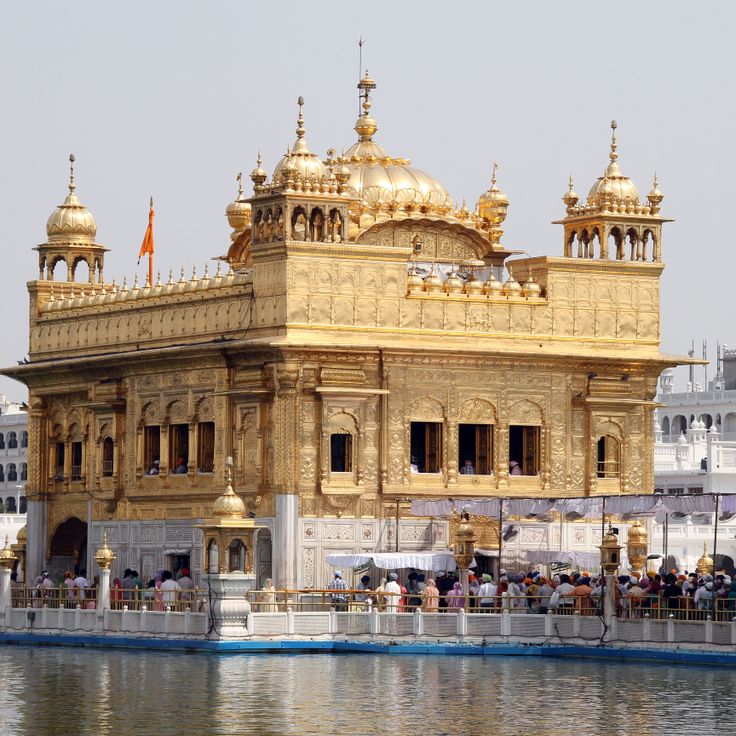
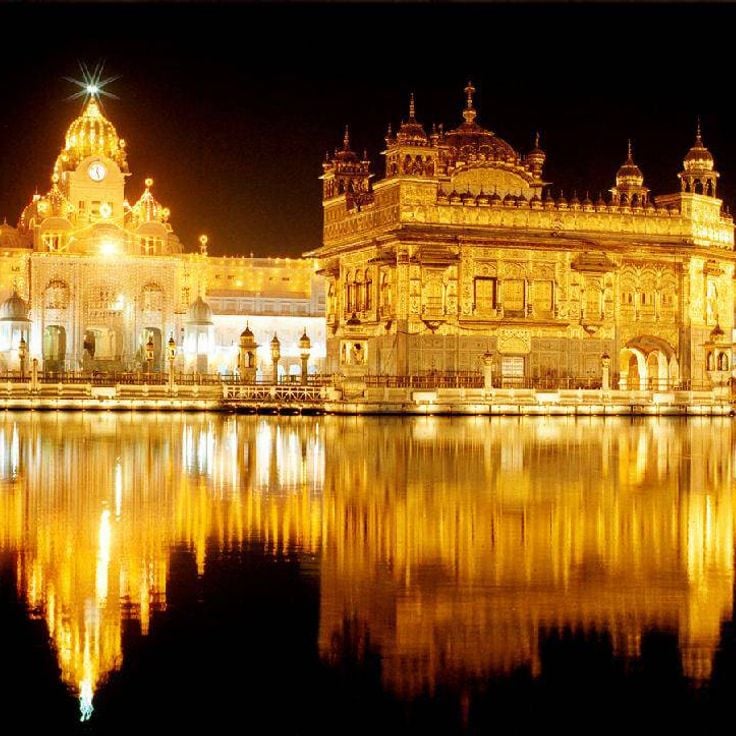
The Golden Temple in Amritsar is the holiest shrine in Sikhism. It stands at the heart of the city and draws thousands of pilgrims each day who come to pray and experience community. The temple with its shining exterior reflects in the surrounding pool of water. Visitors of all faiths are welcome here. In the adjoining kitchen and dining hall, free meals are served to everyone, regardless of background or belief.
Amritsar, India
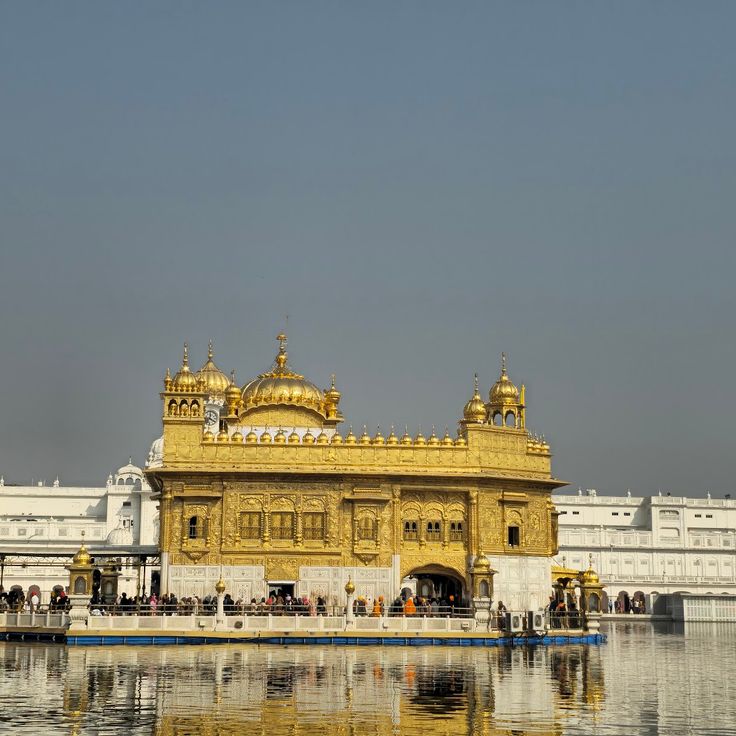
The Amrit Sarovar is the sacred pool surrounding the Golden Temple in Amritsar. Pilgrims come here to bathe in its waters, believing they hold spiritual power. The pool is central to Sikh religious life and attracts thousands of visitors daily who come to perform their devotions and connect with their faith.
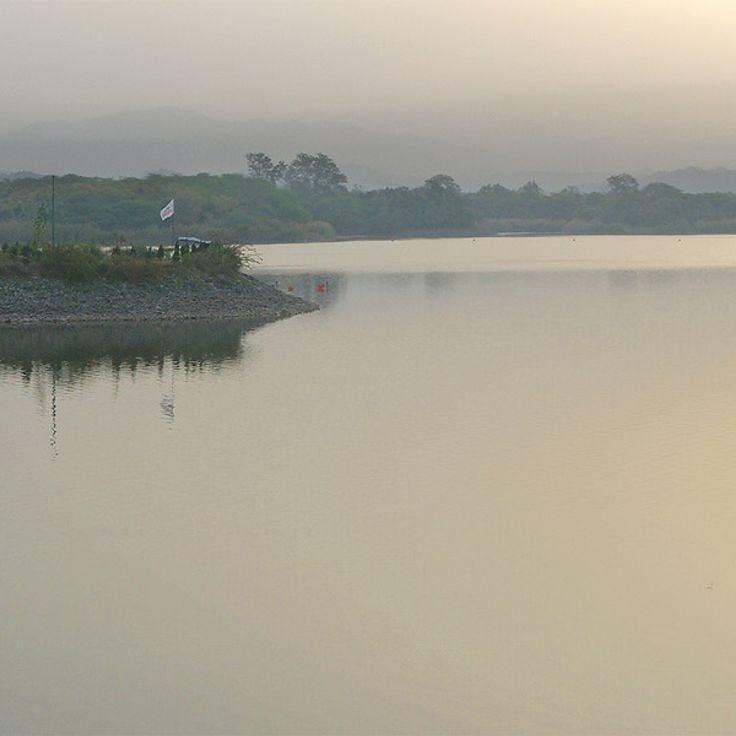
Chandigarh, India
Sukhna Lake is an artificial lake in the heart of Chandigarh where residents come to walk and spend quiet time. The shoreline offers views of the water and surrounding green spaces filled with trees and gardens. In the early morning and evening, the lake comes alive with joggers, cyclists, and families seeking fresh air. The water attracts birds from many regions, making it a place where you can observe nature within the city. This lake forms part of the landscape that shaped Chandigarh after Indian independence.
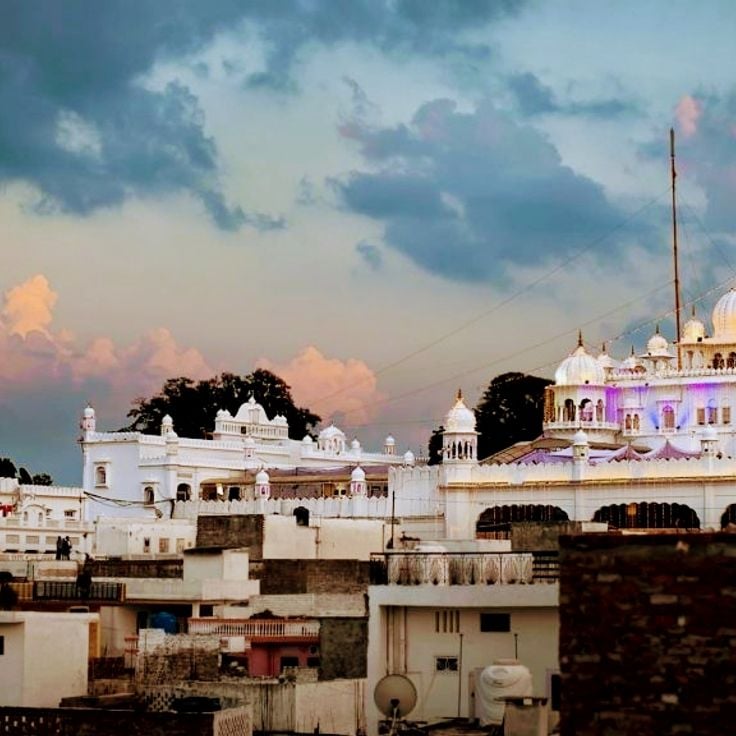
Anandpur Sahib, India
Takht Sri Kesgarh Sahib is a sacred fortress of Sikhism and one of five major spiritual seats of this faith. Pilgrims come here to pray and meditate. Located in Anandpur Sahib, the fortress gathers believers daily who come to express their devotion and seek inner reflection. It stands as an important center where the spiritual life of Sikhs unfolds through daily worship and contemplation.
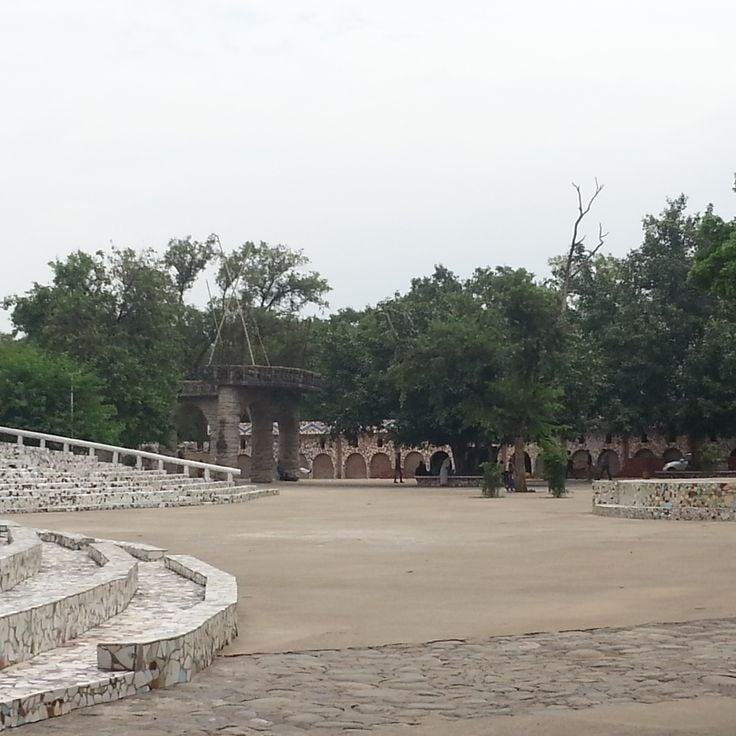
Chandigarh, India
The Rock Garden in Chandigarh is a creative space where sculptures and structures were built from waste materials and recycled objects. Visitors walk among unusual artworks made from bricks, tiles, pottery, and metal parts arranged into installations. The garden demonstrates how artists transformed everyday materials into art. The site draws many visitors and offers a view of creative expression beyond traditional art venues.
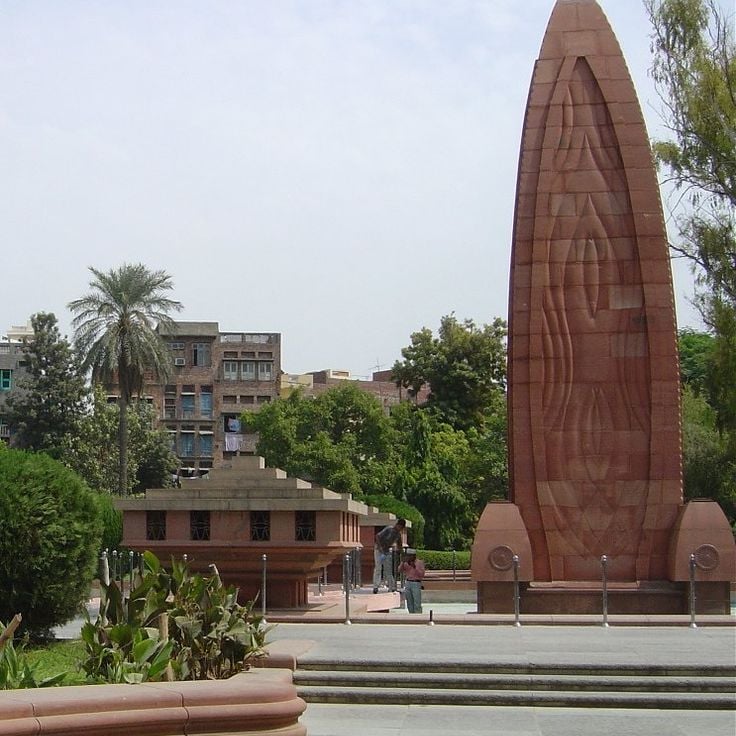
Amritsar, India
Jallianwala Bagh is a memorial garden in Amritsar that marks the site of a tragic event from April 1919. On that day, British soldiers fired on a peaceful gathering of Indians who were advocating for their rights. Today, this garden serves as a place of remembrance and reflection. Visitors come here to honor those who died and to understand the history of India's fight for independence. The garden is quiet and contemplative, with monuments and information plaques that explain what happened. For many Indians, Jallianwala Bagh represents an important moment in their nation's struggle for freedom.
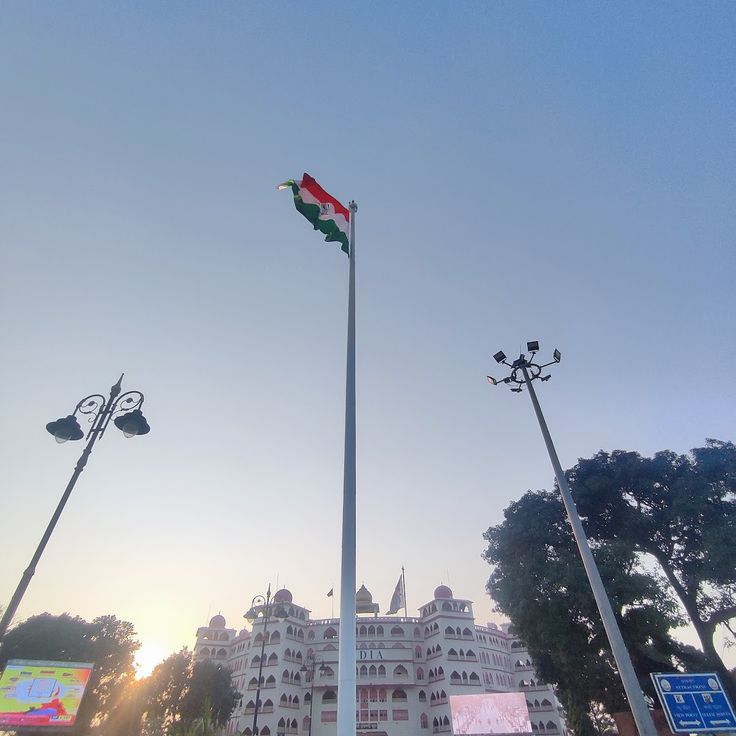
Wagah, India
Wagah Border is a crossing between India and Pakistan near Amritsar where a military ceremony takes place daily. Soldiers from both countries perform an elaborate flag exchange in a carefully choreographed display. Visitors can watch this event and see the soldiers move with high kicks and exaggerated gestures, creating an intense and energetic scene. The ceremony draws crowds every day and has become a popular spectacle for travelers.

Chandigarh, India
The Capitol Complex in Chandigarh is a government complex designed by architect Le Corbusier and recognized as a World Heritage site. The buildings display modernist architecture with clean lines and functional forms. Large public squares connect the different structures and invite people to gather and move through the space. Visitors can explore the halls, assembly chambers, and outdoor areas that were created according to modern design principles. The complex serves as the seat of Punjab's government and shows how an entire city was built around new architectural ideas. This place stands as a symbol of post-independence India's vision for urban planning and administration.
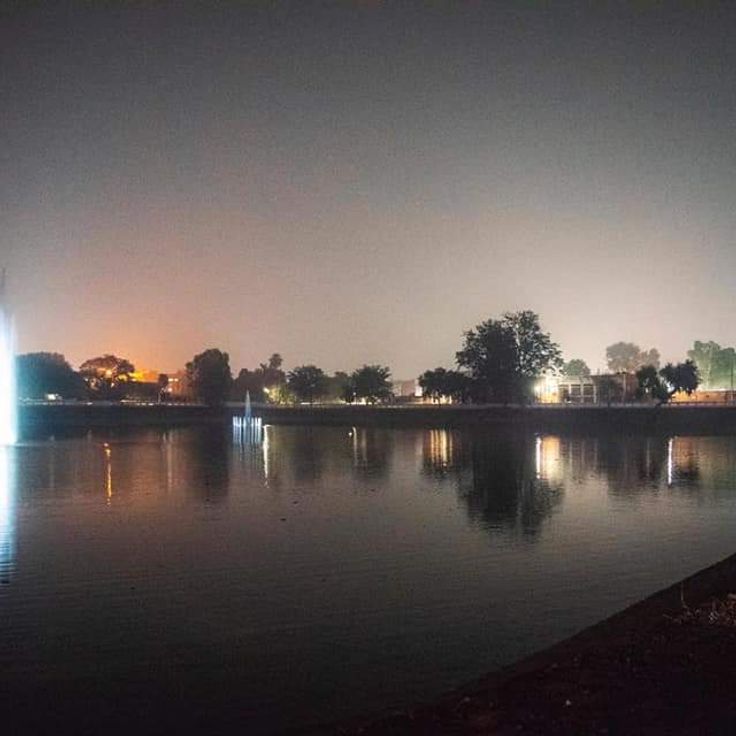
Patiala, India
Patiala Lake sits in the heart of the city and provides a calm place for walking and relaxing. The water surrounded by green spaces invites visitors to step away from the busy streets. The lake is part of the important history of Patiala, since it lies near the historic palace built by the maharajas. Along the water you see local people spending time with family, jogging, or simply enjoying nature. The lake shows a piece of daily life in Patiala, where the city's past as a princely state is still visible in its buildings and gardens.
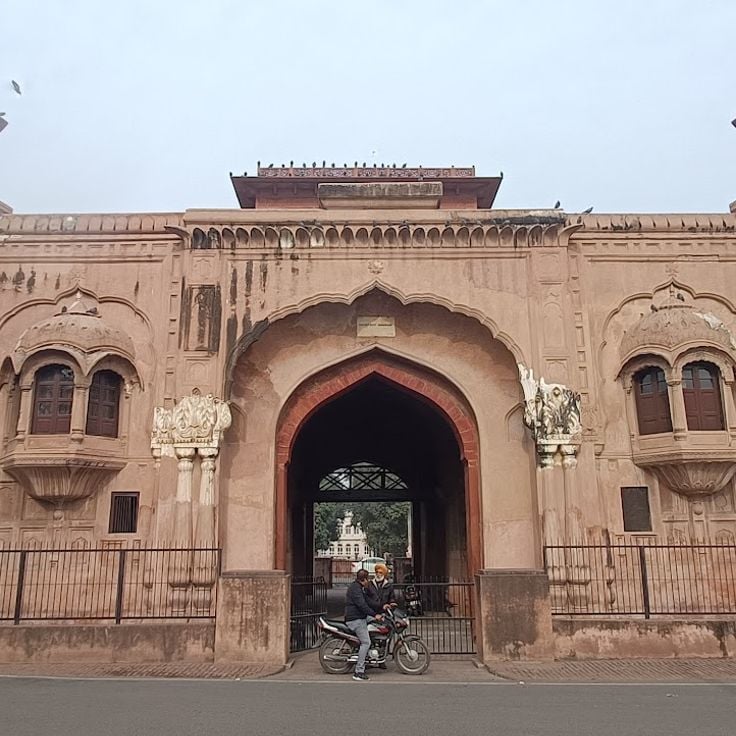
Amritsar, India
The Rambagh Gardens are historical gardens laid out during the time of Maharaja Ranjit Singh. These green spaces offer a quiet place in the heart of Amritsar. Visitors find here wide paths, maintained lawns and trees that provide shade. The garden shows how the princely rulers of Punjab surrounded their residences. Today people come here to escape the bustle of the city and spend time in a green setting.
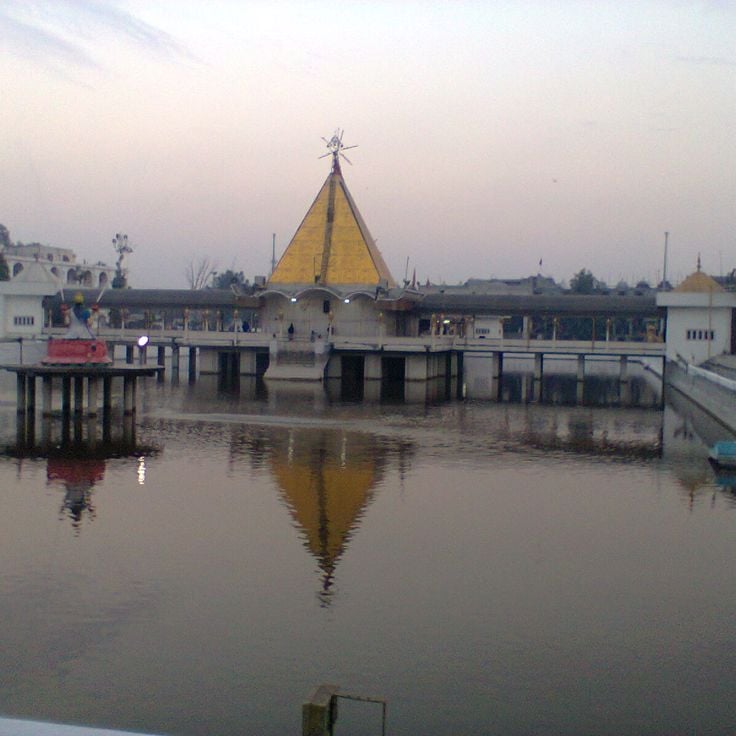
Jalandhar, India
Devi Talab Mandir is a Hindu temple in Jalandhar dedicated to the goddess Devi. This temple holds an important place in the religious life of the region and draws pilgrims who come to express their devotion. The inner sanctuary displays the craftsmanship of its architectural style, reflecting the building methods of its time. The temple is a location where you can observe daily Hindu worship practices and watch devotees gather for prayer.
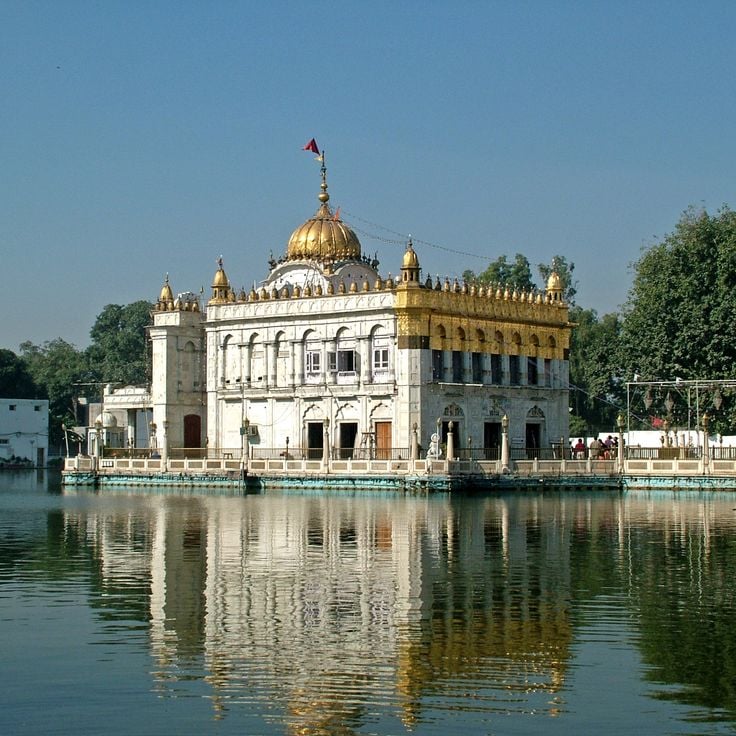
Amritsar, India
The Durgiana Temple in Amritsar is a Hindu temple dedicated to the goddess Durga. Its appearance resembles the famous Golden Temple nearby, with gilded domes and white marble walls. The temple attracts pilgrims daily who come to pray and experience the atmosphere of spiritual devotion. Inside, visitors find quiet courtyards and shrines where priests perform rituals. The temple is an important place for Hindus in the region and shows how different religious traditions coexist in Punjab. The architecture combines old building styles with later additions and reflects the history of the city.
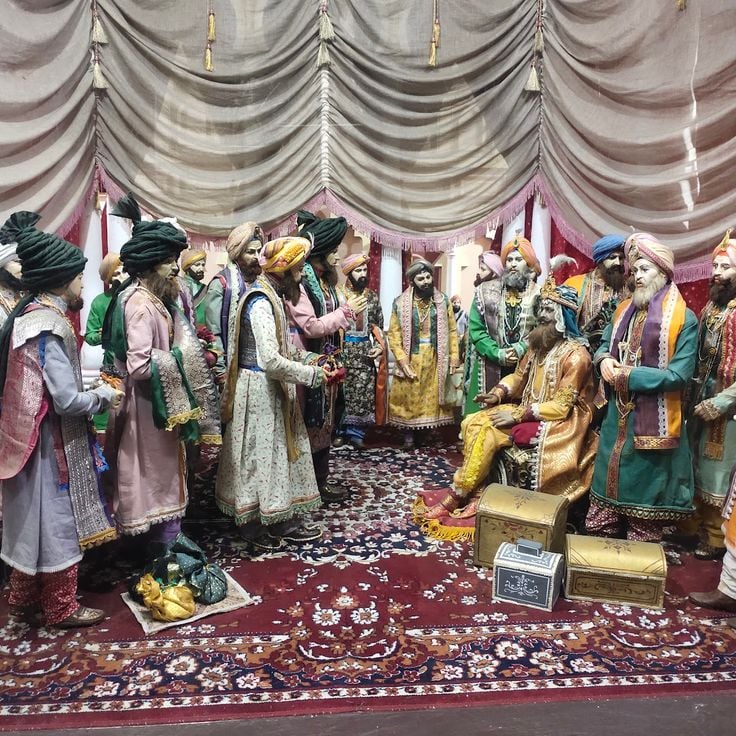
Amritsar, India
This museum tells the story of Maharaja Ranjit Singh and his empire. The collections show the history of Punjab in the 18th and 19th centuries. The museum helps visitors understand how this ruler shaped the region and what role he played in Punjab's development.
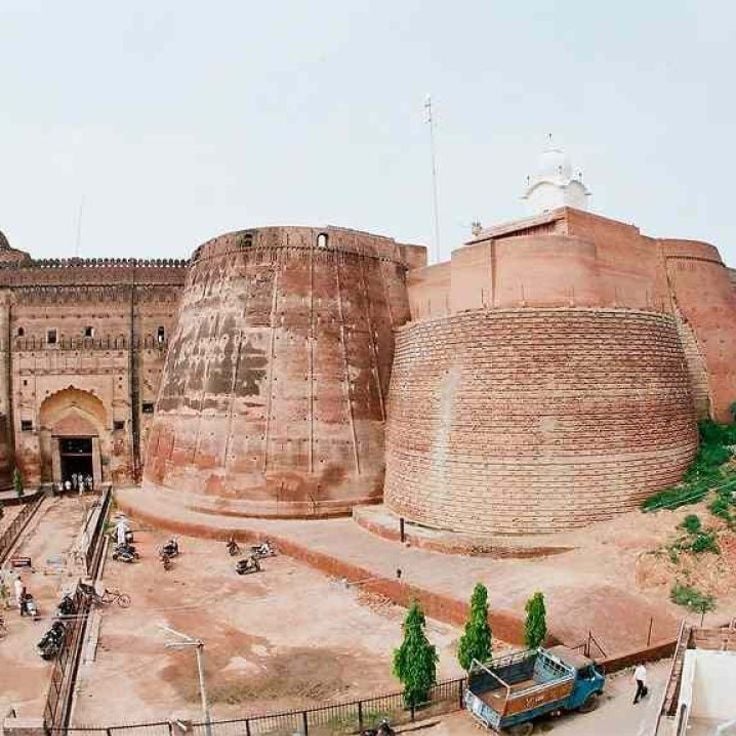
Bathinda, India
The Qila Mubarak in Bathinda is one of the oldest fortifications in Punjab. This fortress with its thick walls carries the story of a thousand years of history. It shows traces of different periods and rulers who held power in this region. Visitors can see how military architecture developed here.
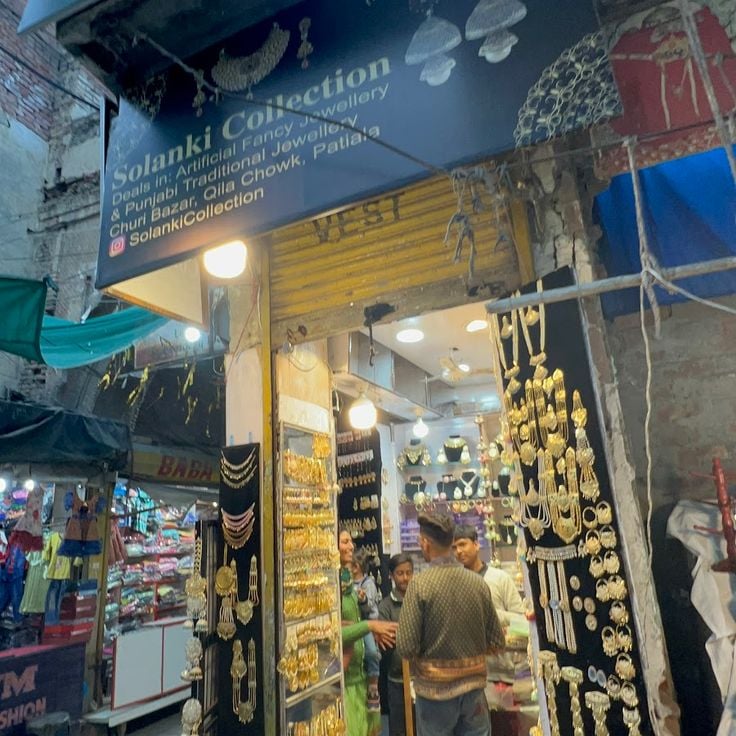
Patiala, India
Qila Mubarak Patiala is a historic fort at the heart of the city of Patiala. It shows the military and administrative importance of the city during the princely state era. Built and expanded by the rulers of Patiala, this fort served as an administrative center and residence. Today, visitors can explore the architecture and history of this fort, which is part of the rich past of Punjab.
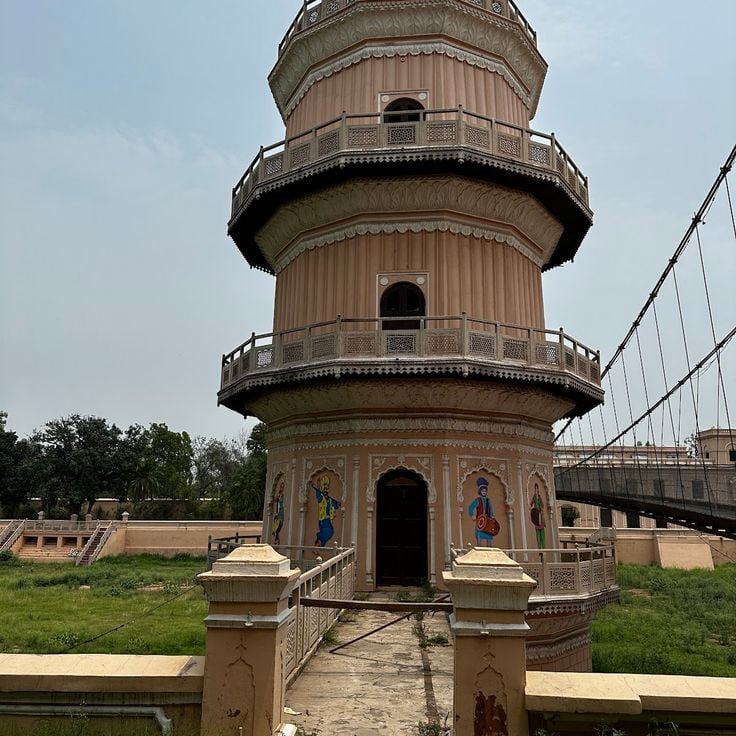
Patiala, India
The Sheesh Mahal in Patiala is a royal palace whose rooms are decorated with mirrors and mosaics. This palace shows the luxury and taste of the former princes of Punjab. The mirrors on the walls reflect light and create rooms that seem larger than they are. The mosaics tell of a time when the maharajas displayed their power and wealth.

Harike, India
The Harike Wetland and Bird Sanctuary provides habitat for both migratory and resident bird species. Located at the confluence of two major rivers in Punjab, this protected area draws thousands of birds, especially during winter months. Visitors come here to observe birds in their natural setting and experience the region's ecological importance.
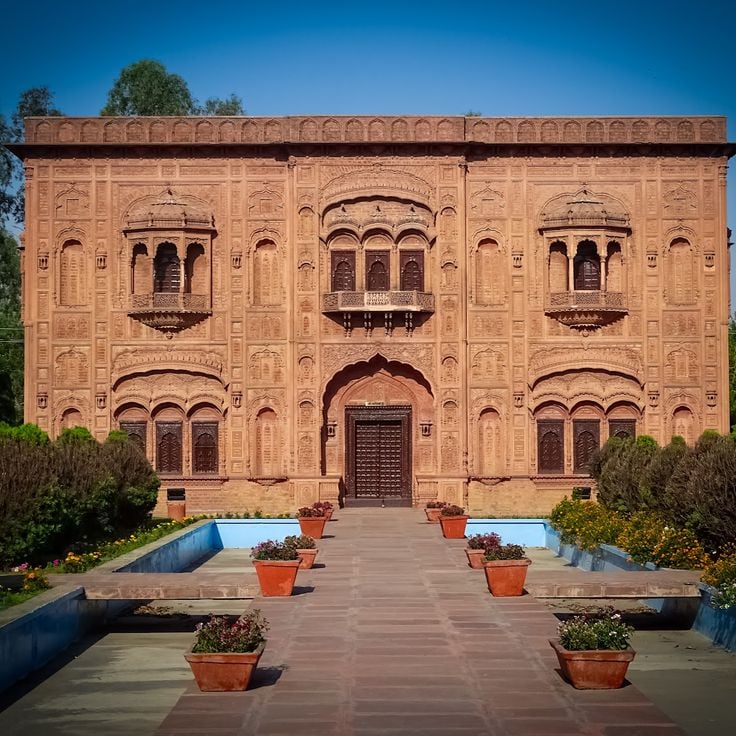
Ludhiana, India
The Punjab Agricultural University Museum in Ludhiana tells the story of farming in this region. It shows how farmers have worked their fields and what new methods have developed over time. The museum displays tools, old machines, and objects from daily village life. Visitors see how rural work has evolved and what role agriculture plays in Punjab's identity.
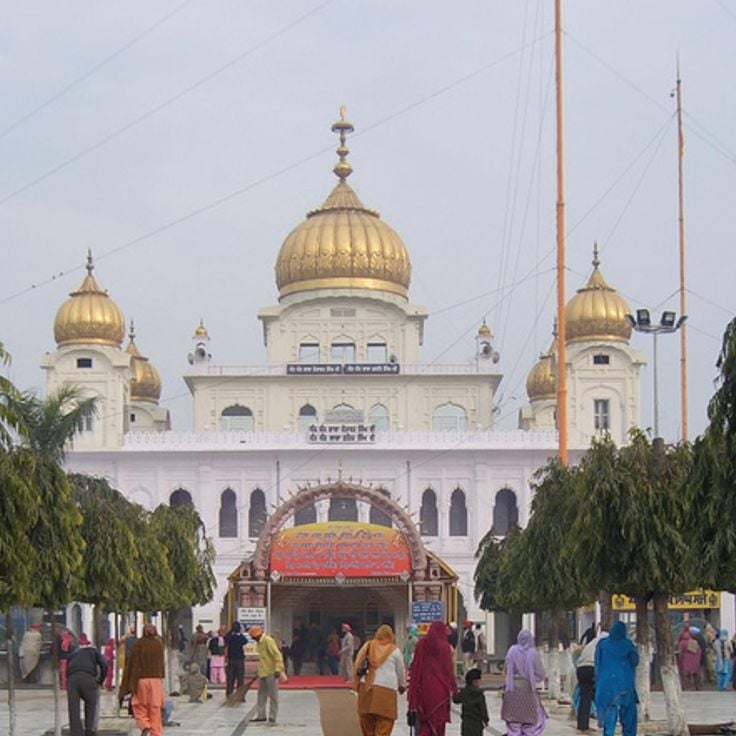
Fatehgarh Sahib, India
Gurdwara Fatehgarh Sahib is an important Sikh shrine dedicated to those who died for their faith. This place draws pilgrims from across the world who come to pray and honor the history of the martyrs. The shrine serves as a center for reflection and spiritual life, where people gather daily to sing and meditate together. The architecture and surroundings make this location a key center for the Sikh community in Punjab.
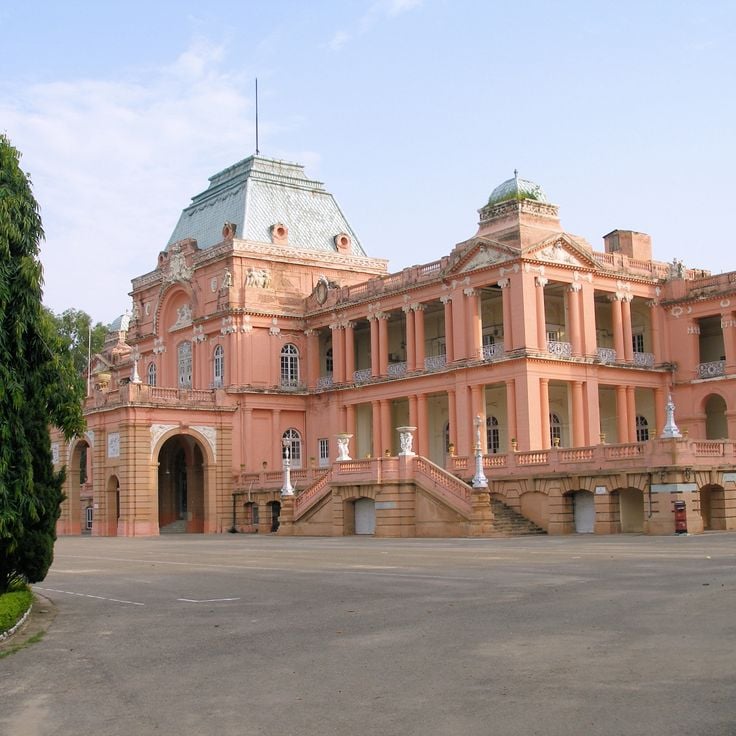
Kapurthala, India
Jagatjit Palace in Kapurthala blends French colonial architecture with local design traditions. It was the residence of the Maharaja and reflects the princely past of the city. The palace showcases how European influences reached India and merged with regional styles. Its halls and gardens reveal the connections Kapurthala's rulers maintained with Europe. Walking through the palace gives a sense of the wealth and power that the princely states held during their rule. The building stands as a record of the cosmopolitan nature of Kapurthala under its royal family.
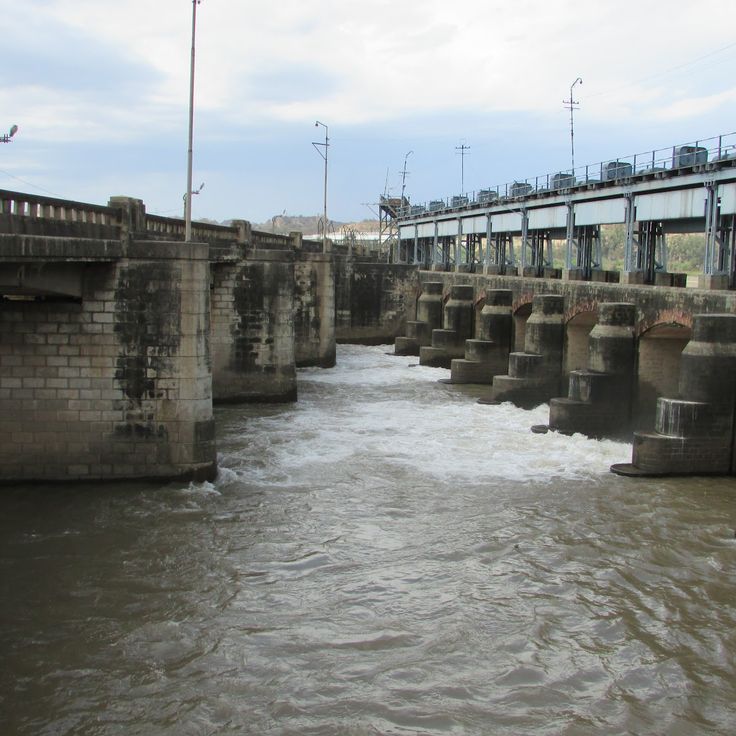
Ropar, India
The Ropar Wetland in Punjab is a natural area with many bird species and wildlife. This wetland sits along a river and offers visitors chances to watch birds and other animals in their habitat. The site shows a side of Punjab focused on nature rather than cities or temples.
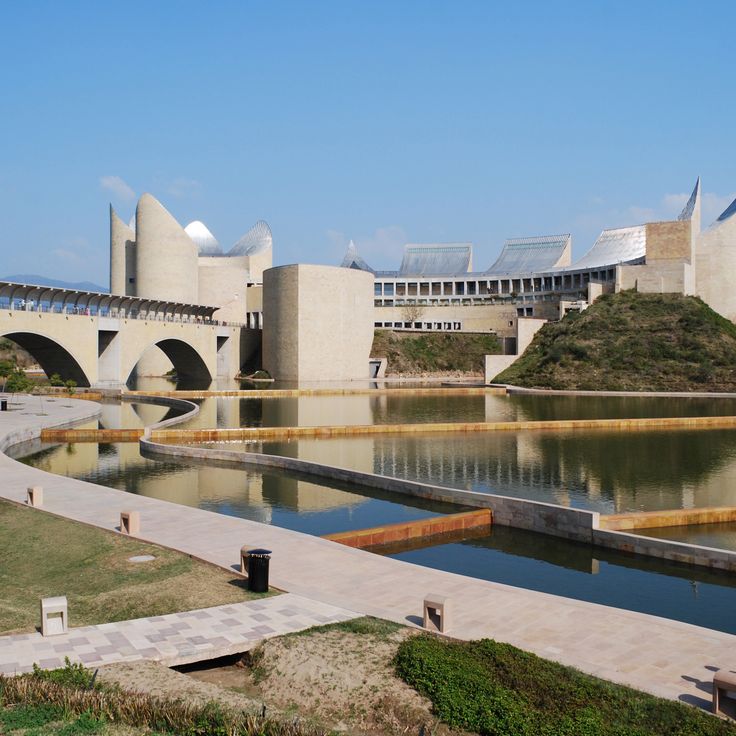
Anandpur Sahib, India
Virasat e Khalsa is a modern museum in Anandpur Sahib dedicated to Sikh history and culture. It takes visitors through five centuries of Sikh traditions and development. The museum shows how Sikhism emerged and evolved across generations. Through exhibits and displays, visitors can understand the teachings, way of life, and significant events of the Sikh community. The museum helps people grasp the roots of Sikhism and its influence on the Punjab region.
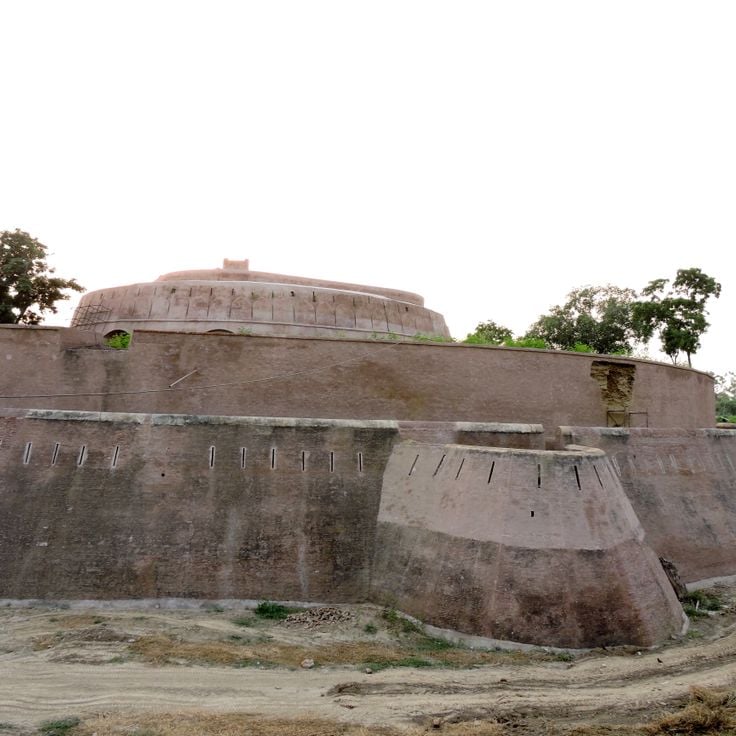
Amritsar, India
Gobindgarh Fort is a historic fortress in Amritsar with thick walls that offer views over the city. This fort tells the military story of Punjab and shows how soldiers and traders lived and fought here over the centuries. The site preserves memories from the Mughal period and the centuries that followed.
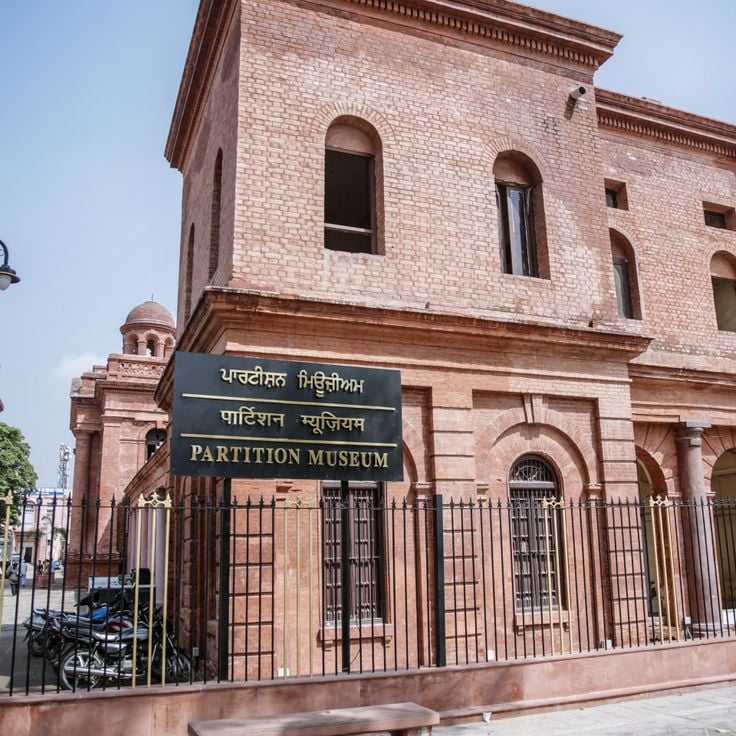
Amritsar, India
The Partition Museum in Amritsar documents India's division in 1947 and its impact on millions of people. This museum presents personal stories, memories, and objects from those whose lives changed during this turbulent period. It offers insight into the human dimensions of a historical moment that separated families and shook communities. The museum helps visitors understand the complexity of these events and hear the voices of those who lived through them.
Patiala, India
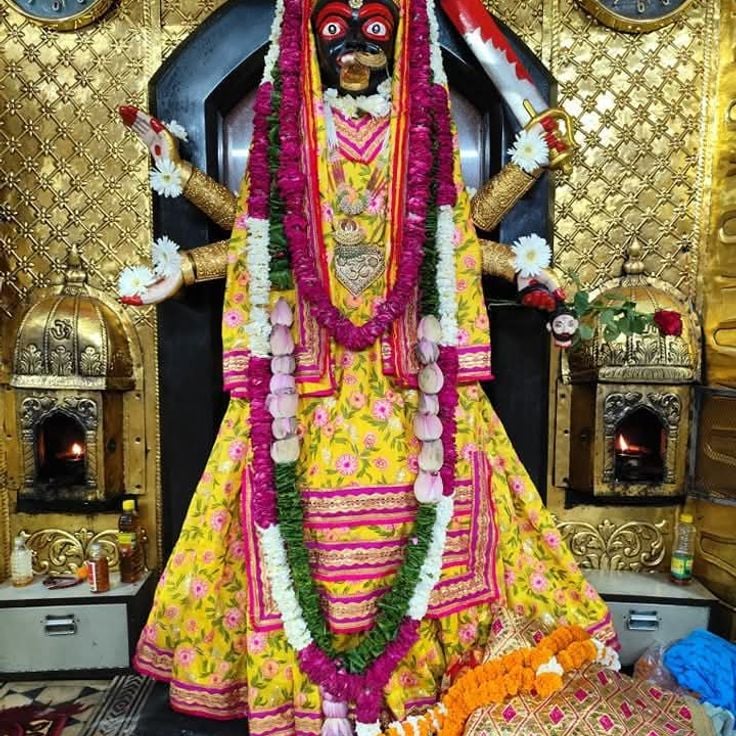
The Kali Temple in Patiala is a Hindu temple dedicated to the goddess Kali. It serves as an important place of worship and reflects the religious architecture found throughout Punjab. Daily visitors come to pray and observe the craftsmanship evident in the temple's structure. This site connects faith and history in a region shaped by many cultures.
Sanghol, India
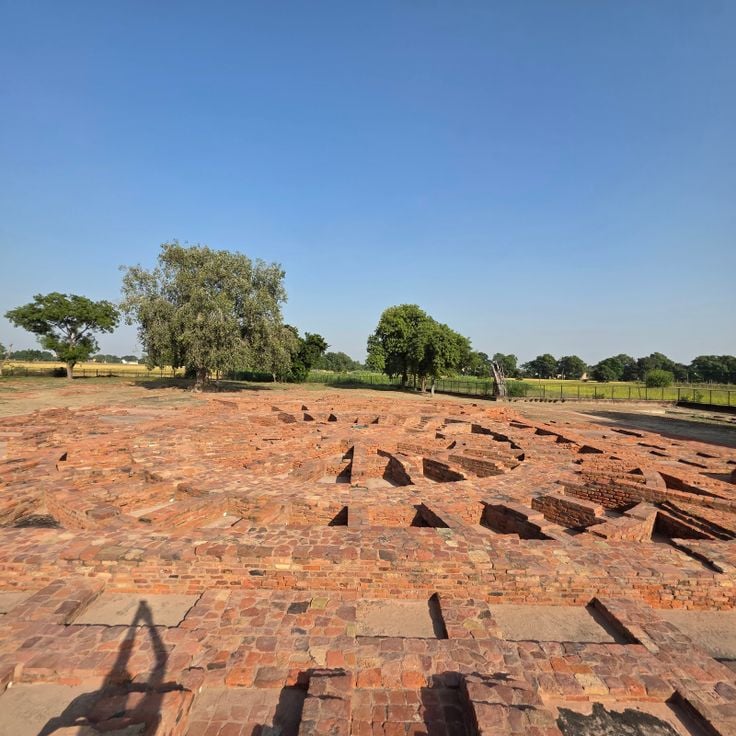
The Sanghol Archaeological Site contains Buddhist remains uncovered through excavations. This location in Punjab reveals objects and structures of historical importance and contributes to understanding the religious past of the region.
Punjab, India
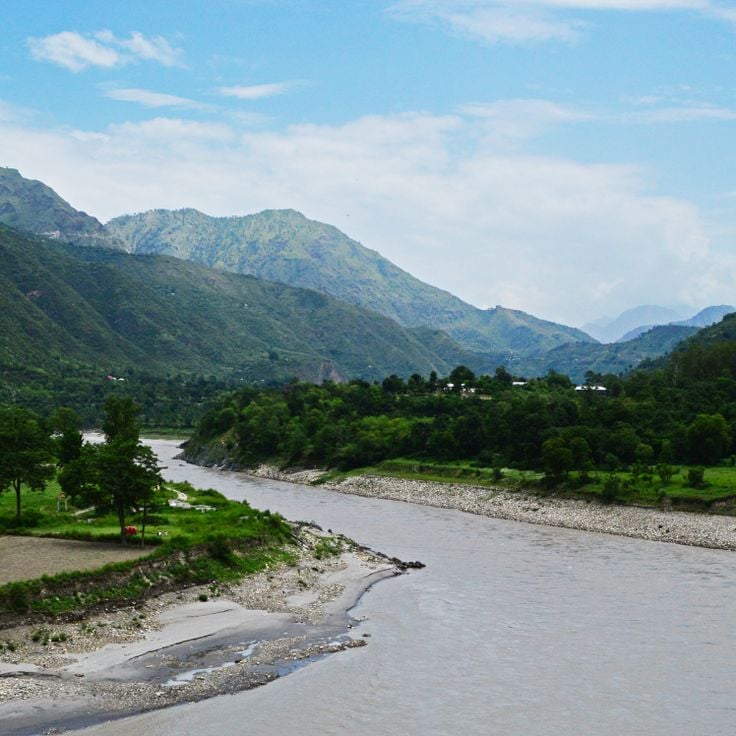
The Sutlej River is the main river of Punjab and has shaped this region for thousands of years. Along its banks, villages and irrigation canals spread across the landscape, carrying water to the fields. Farmers use the river for their work, and people gather at the water to wash, drink, or rest. The landscape changes between green fields and drier areas depending on the season. In some places the water is shallow and flows slowly, while in others it moves faster. Villages on the riverbank are built simply, with houses made of stone and clay. Small workshops and markets often sit near the water's edge. The Sutlej is a lifeline for the people who live along its course, supporting their daily activities and agricultural work.
Punjab, India
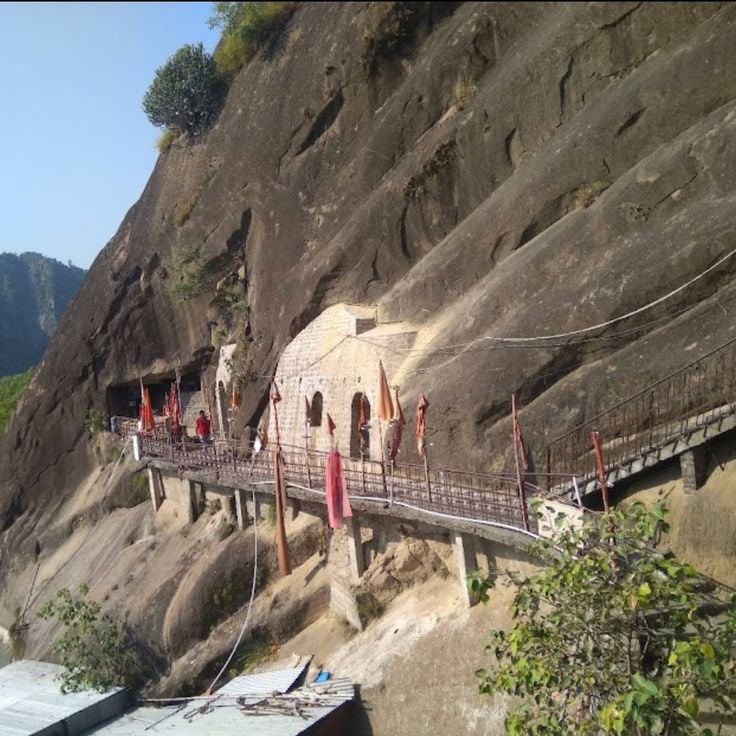
The Mukteshwar Temple stands on a hilltop dedicated to Shiva and offers views across the Punjab landscape. Visitors come here to spend time in a quiet place and look out over the region. The temple draws people who want to step back from the bustle of cities and spend time in reflection.
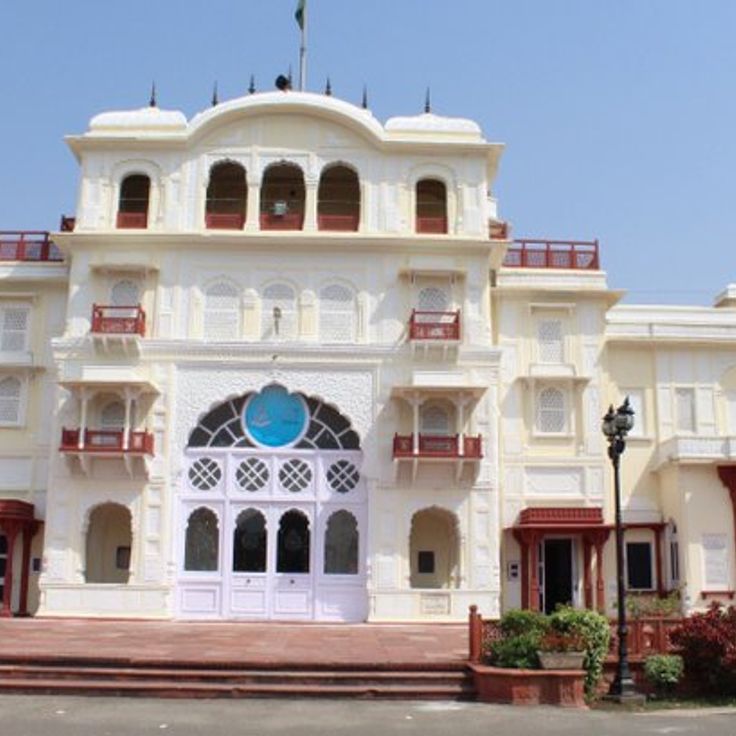
Patiala, India
The Moti Bagh Palace in Patiala was once the royal residence of this princely state's rulers. Today, the palace houses an art gallery displaying works from different periods. The rooms reflect the taste and passion of the maharajas for art and culture. Visitors can explore the history of Punjab through paintings, sculptures, and crafts displayed here.
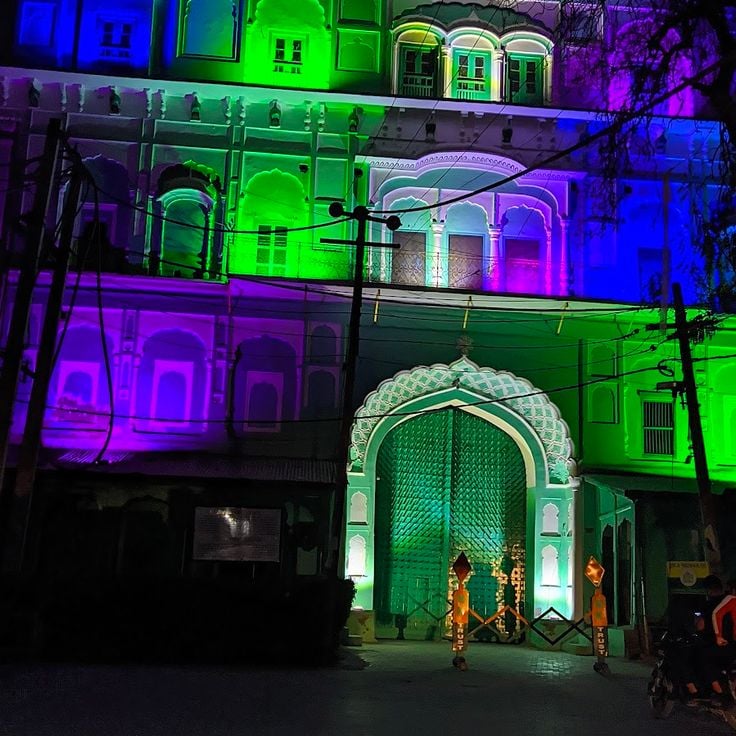
Faridkot, India
Faridkot Fort is a palatial fortress in the heart of Faridkot. It blends military construction with the refinement of princely palaces. This fort shows how the ruling families of Punjab expressed their power and wealth. The rooms tell the story of the region and Faridkot's role in Indian history. Visitors can see how the princes and their families lived while governing their territories.
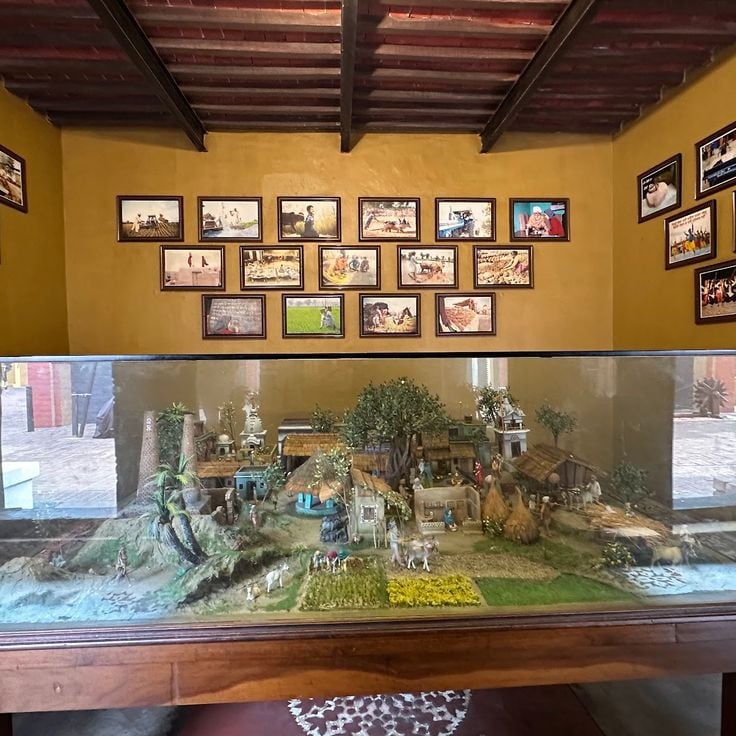
Amritsar, India
The Rangla Punjab Haveli in Amritsar is a traditional mansion that recreates the architecture and daily life of earlier times. It shows how people in this region lived, with rooms that preserve old building styles. The place offers cultural performances where local artists present traditional dances and music. Punjab cuisine is served here, featuring dishes passed down through generations of families. Visitors can experience the feeling of an old household and learn more about the culture and traditions of the region.
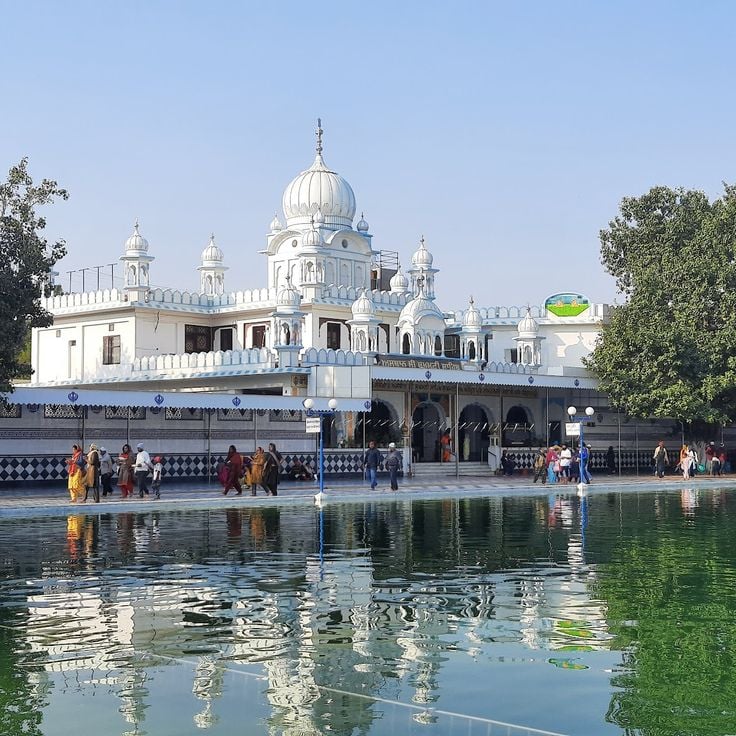
Jagroan, India
Gurdwara Nanaksar Jagroan in Jagroan is a sikh shrine that draws people from across the region. The temple offers a space where believers gather to pray, sing sacred hymns, and share community meals. This gurdwara is a place where the values of sikhism are lived daily. The building and its rituals reflect the spiritual practice of the community and the role of this site in regional sikh life.
Punjab, India
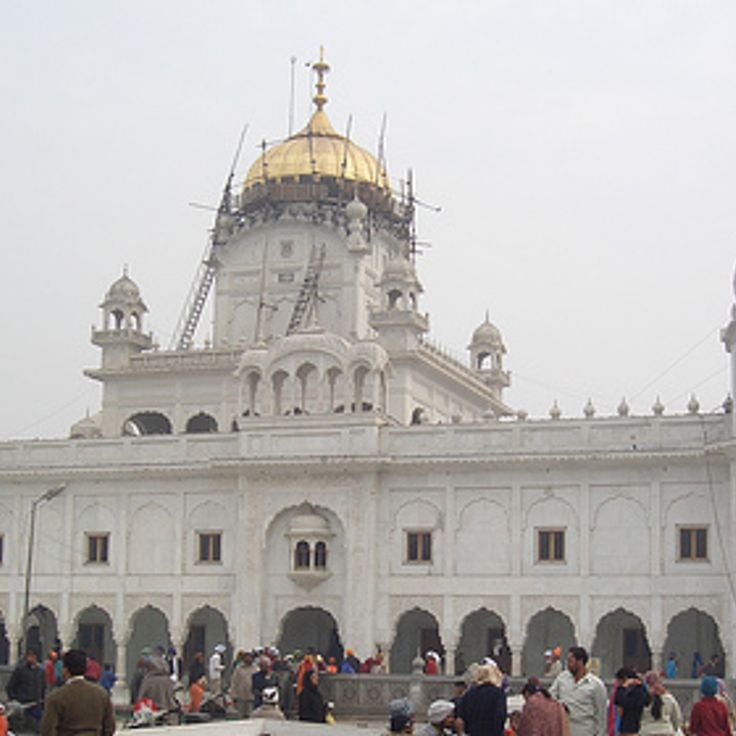
This Gurdwara in Punjab is a place of worship where visitors come seeking healing and spiritual comfort. The temple sits within gardens and overlooks a pond, creating a peaceful setting for prayer and reflection. Many devotees visit to experience what they believe to be the healing power of this sacred space. The Gurdwara Dukh Nivaran Sahib reflects the spiritual traditions that have shaped Punjab and the lives of Sikh communities across the region.
Amritsar, India
The Old City of Amritsar is the living heart of the city, where history and daily life intertwine. Its narrow lanes wind past old buildings, colorful markets, and shops where craftspeople and merchants display their goods. Here the city moves to its own rhythm: people hurry to work, families shop in the markets, and voices and activity fill the streets. The Old City of Amritsar reveals how people live and work here, with buildings from different periods that speak to the area's long past.
Punjab, India
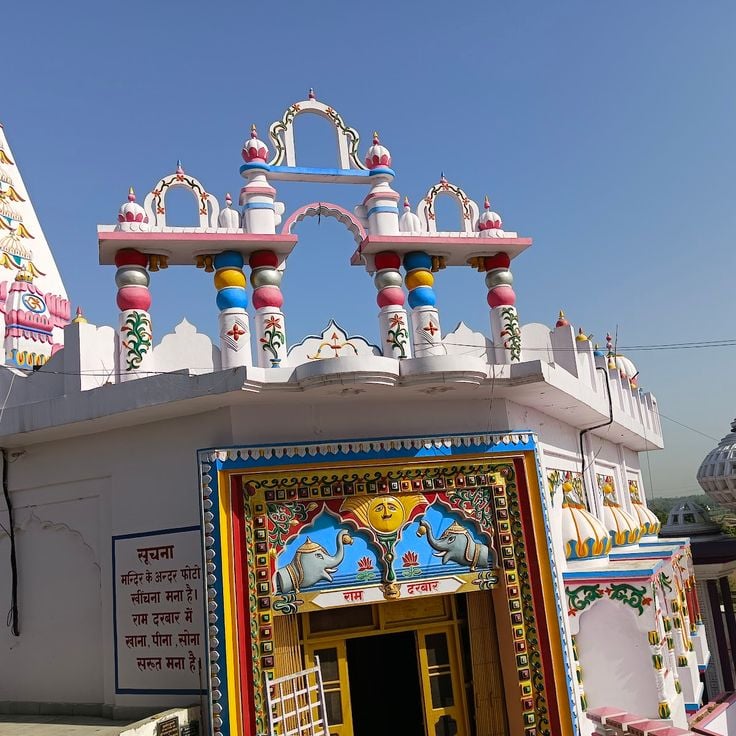
The Kathgarh Temple is a Hindu temple with a history spanning several centuries. Located in Punjab, this temple represents the religious diversity of the region. Its architectural design shows the traditional building styles of this area. Believers come here to pray and reflect. The temple serves as an important place of worship and attracts visitors interested in learning about Hindu traditions in Punjab.
Punjab, India
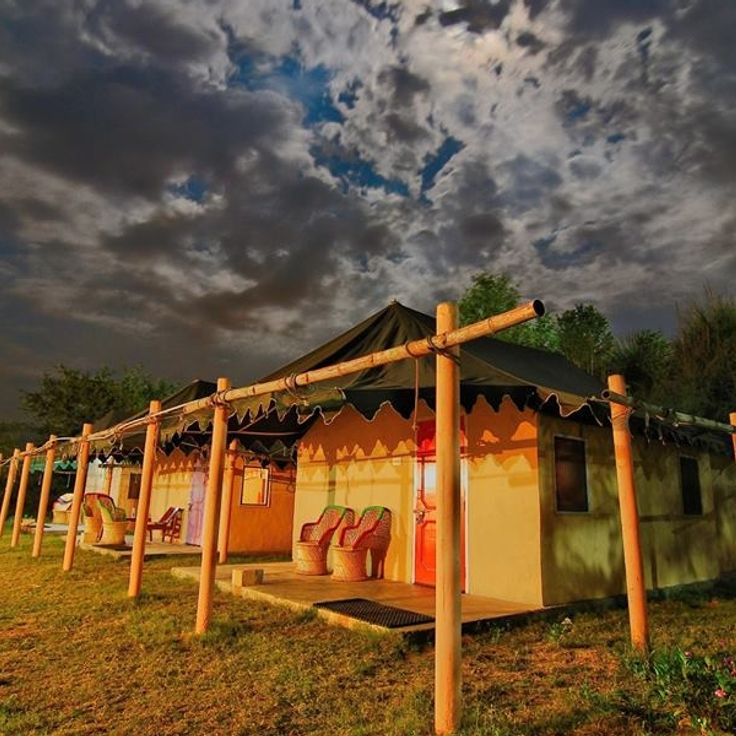
The farm stays and agritourism experiences in this collection let you see rural life in Punjab as it really is. You can join in agricultural activities, take tractor rides through the fields, and spend time with farming families. These places show how farming shapes daily life and culture in this region.
Chandigarh, India
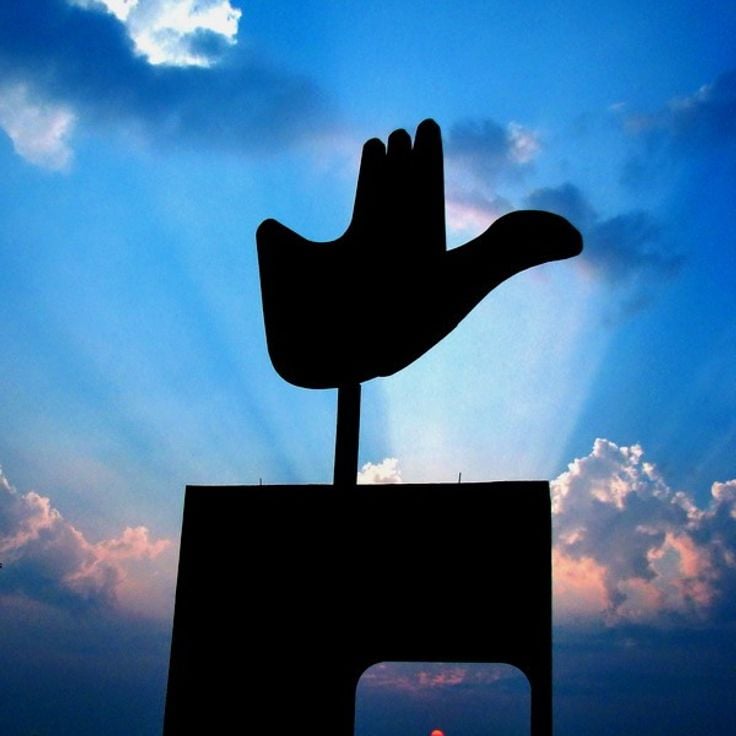
The Open Hand Monument sits within Chandigarh's Capitol complex and represents renewal and openness. Designed by Le Corbusier, this sculpture is part of a UNESCO World Heritage site. The open hand reaches upward, symbolizing the willingness to give and receive. The monument is open to visitors daily and provides a place for reflection in the heart of the planned city.
Chandigarh, India
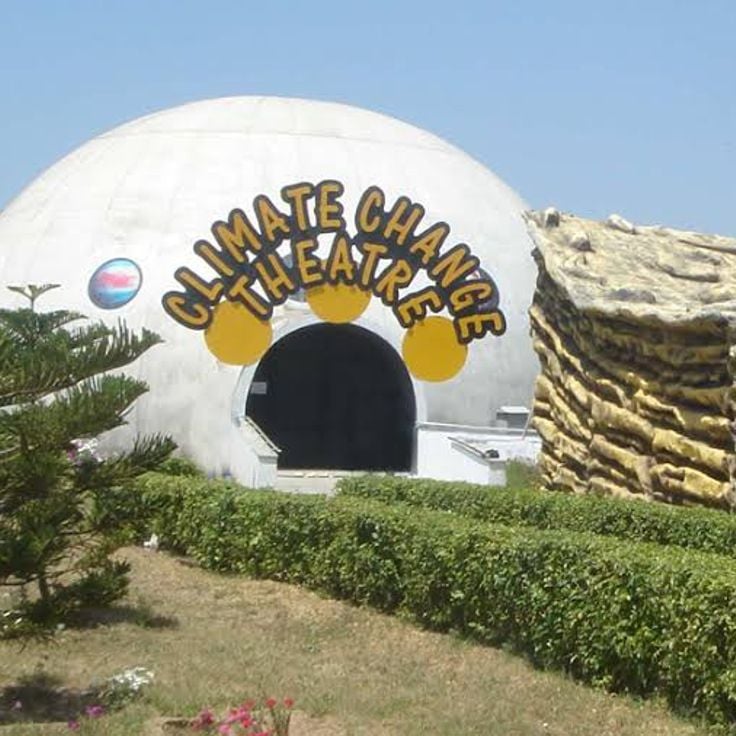
The Pushpa Gujral Science City in Chandigarh is a scientific center offering interactive exhibitions and a planetarium. Visitors of all ages can explore scientific concepts through hands-on activities. The facility demonstrates how science connects to everyday life and makes complex topics accessible to everyone. In this planned city, this center shares knowledge in ways that engage and inform different generations.
Punjab, India
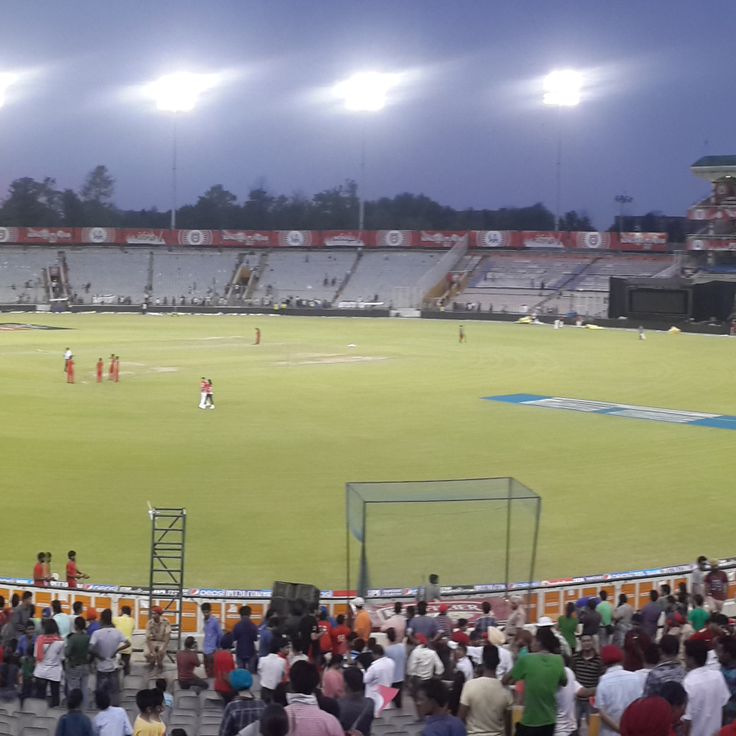
The Punjab Cricket Association IS Bindra Stadium is a modern sports facility in the Punjab region where international and national cricket matches take place. The stadium draws fans from across the region who come to watch live games and experience the energy of major sporting events. The facility reflects the passion that cricket inspires in this region and contributes to Punjab's sporting identity.
Punjab, India
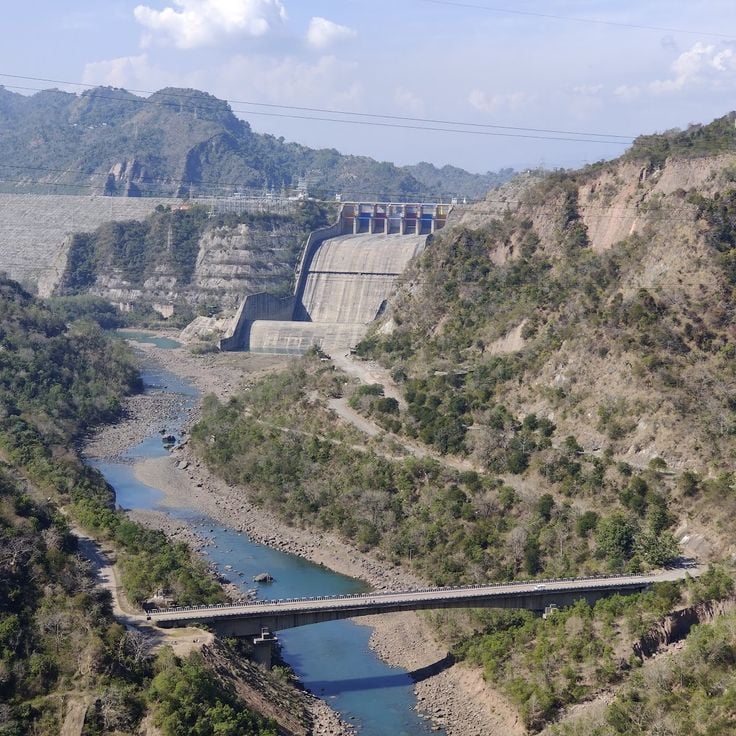
The Ranjit Sagar Dam is a large dam in Punjab that creates an artificial lake. From here, you see water spreading between mountains. Many people come to get away from city noise. The dam itself shows the engineering skill needed to build such a structure. Around the lake there are places to sit and watch nature. Locals and visitors alike use this spot to spend quiet time by the water.
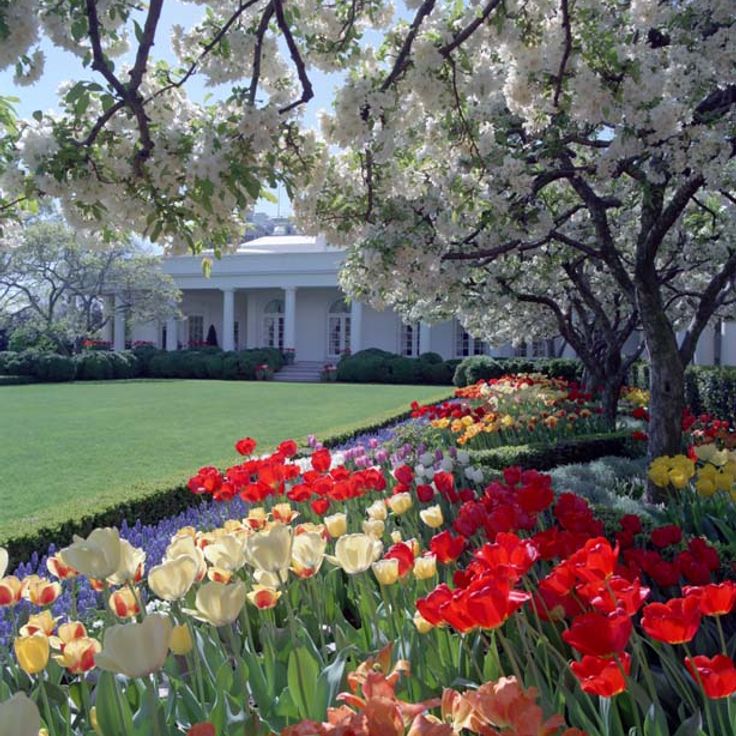
Chandigarh, India
The Rose Garden in Chandigarh offers walks through rows of flowering plants. Located within the city, this garden brings people together to enjoy the presence of blooming roses in different varieties. It is a place where locals and visitors slow down to observe the flowers and spend time among plants and greenery.
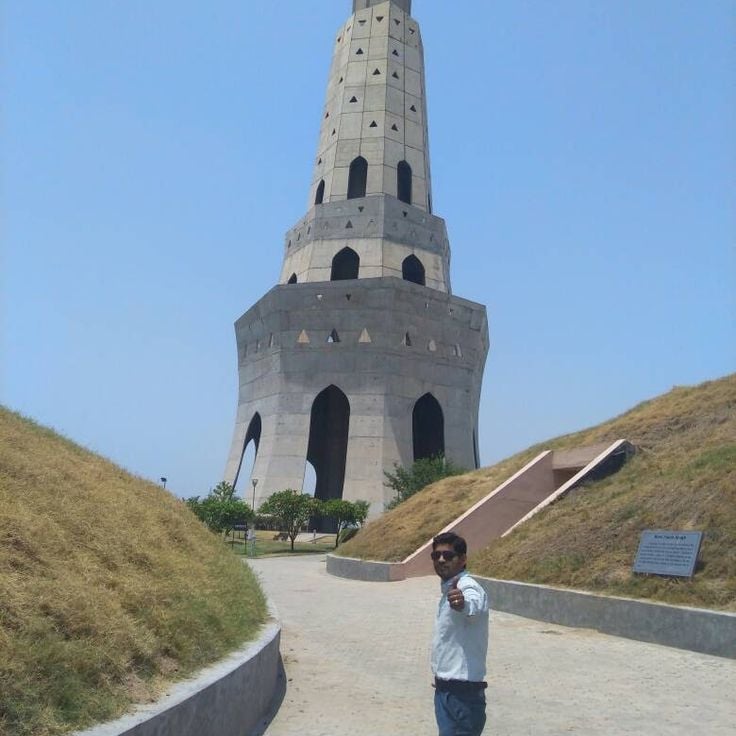
Punjab, India
The Baba Banda Singh Bahadur War Memorial honors one of the most important leaders of the Sikh movement. In the early 18th century, Banda Singh Bahadur fought for religious freedom and led resistance against those who opposed his people. This memorial stands as a tribute to his courage and to the soldiers who fought at his side. In Punjab, it marks a place where history and faith come together.
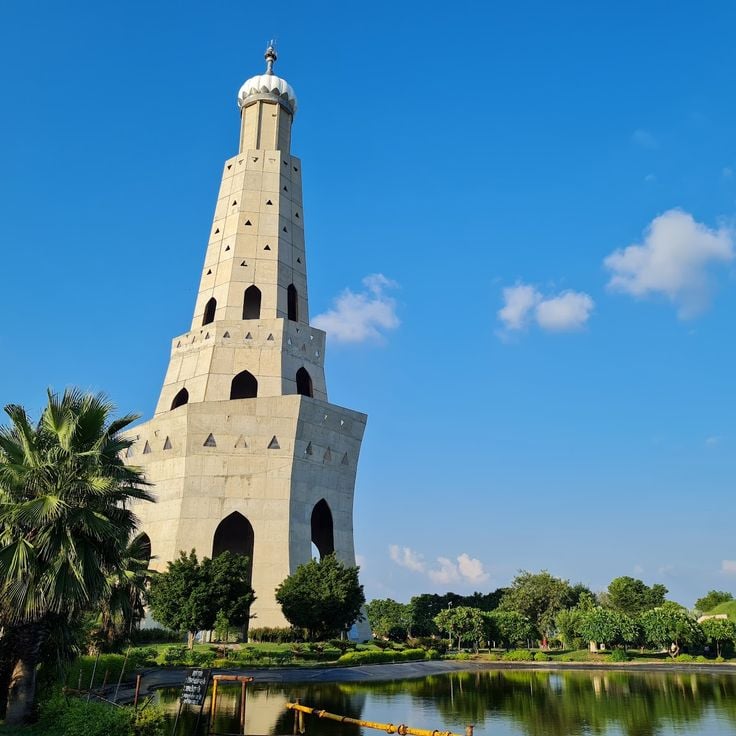
Punjab, India
Fateh Burj is a tower in Punjab that commemorates the victory of Banda Singh Bahadur over the Mughal Empire. From its height, you can see across the surrounding region. This site marks an important moment in Sikh history, when local leaders fought against Mughal rule. The tower stands as a reminder of this resistance and draws visitors who want to understand the struggles for freedom and independence that shaped the region and its people.
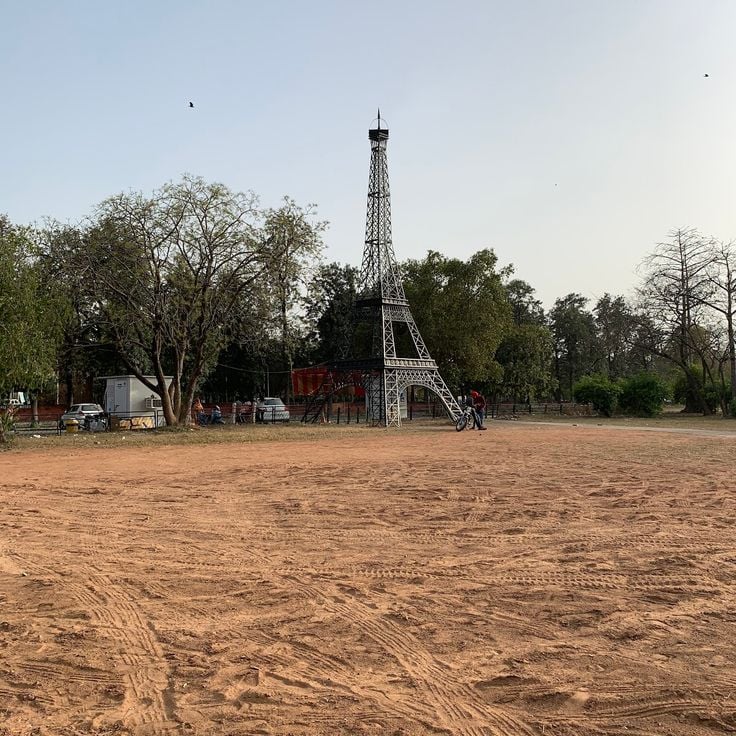
Chandigarh, India
This Eiffel Tower replica stands in Chandigarh and shows the link between Indian and Western architecture. The tower rises 56 feet (17 meters) high in the Leisure Valley, across from the Government Museum. It recalls the time when French planners shaped the city after its founding in 1951. Visitors come here to see the blend of European design in an Indian setting and to take photographs.
Amritsar, India
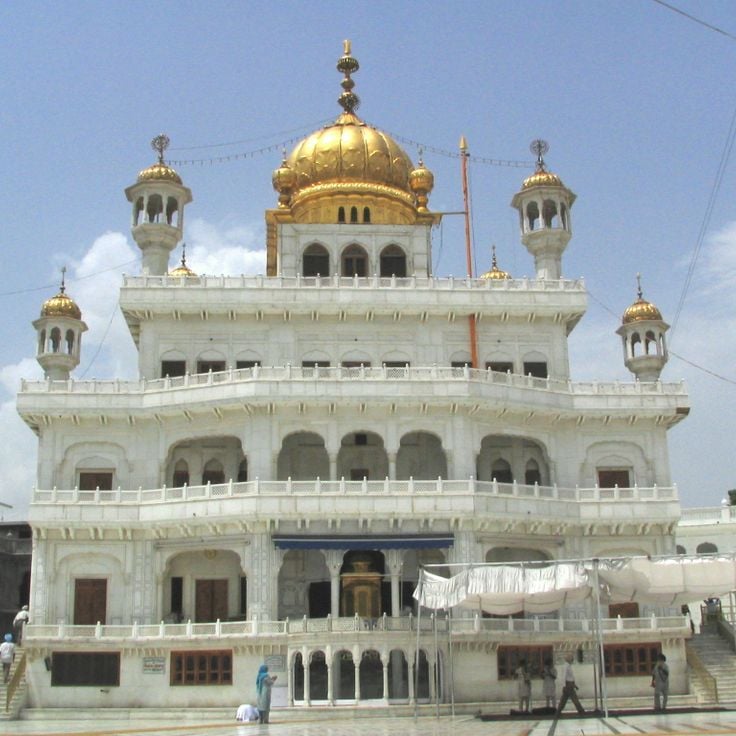
The Akal Takht is a building within the Golden Temple complex in Amritsar. It serves as the spiritual headquarters of Sikhism and is where important religious decisions are made. The name means "eternal throne." This building stands beside the holiest shrine and is revered by Sikhs worldwide. The architecture displays traditional Sikh craftsmanship with gilded domes and ornately decorated gateways.
Chandigarh, India
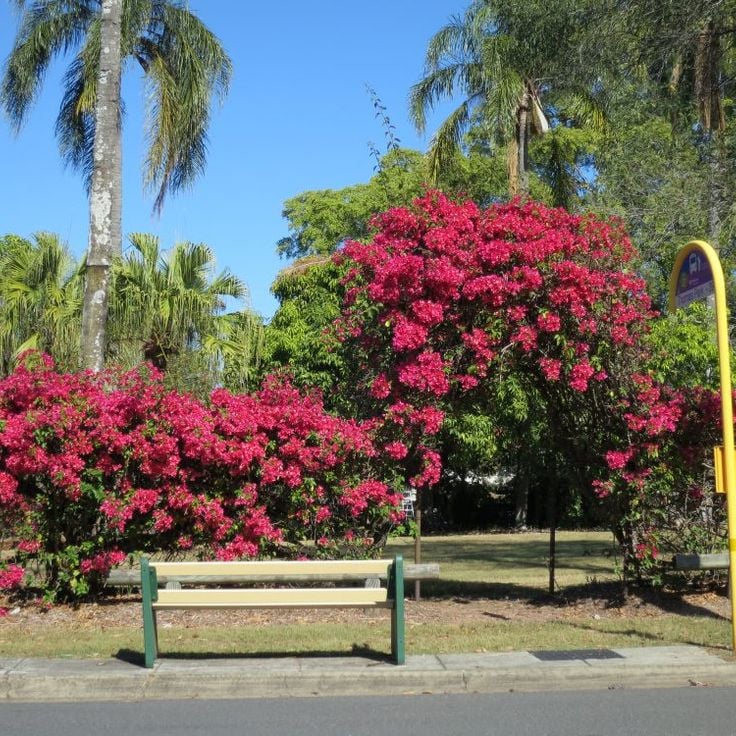
The Bougainvillea Garden in Chandigarh is a place for walking among flowering plants. This garden focuses on different varieties of bougainvillea that bloom throughout the year. Visitors come here to spend time in green spaces away from the city's busy streets. The garden has shaded areas for sitting and taking in the surroundings quietly.