Mallorca, Mediterranean island in Balearic Islands, Spain
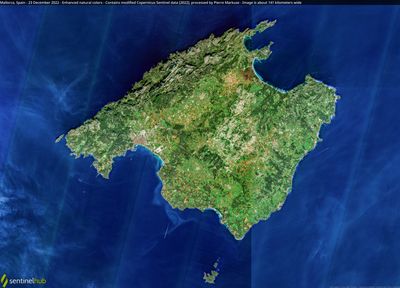
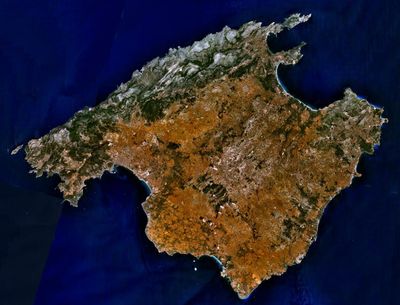
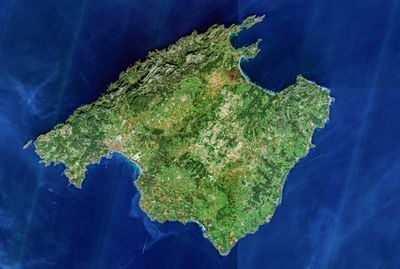
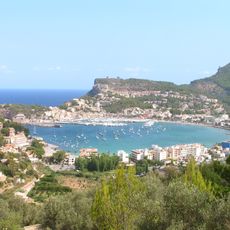
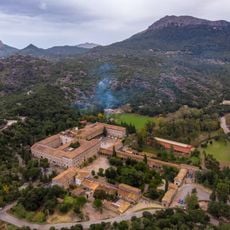
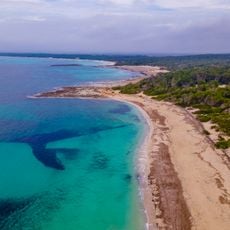
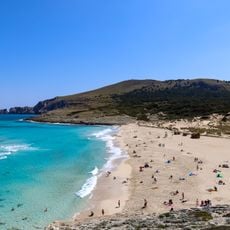
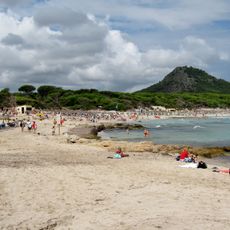
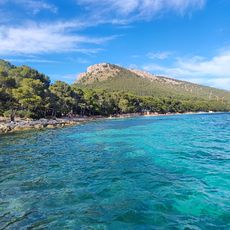
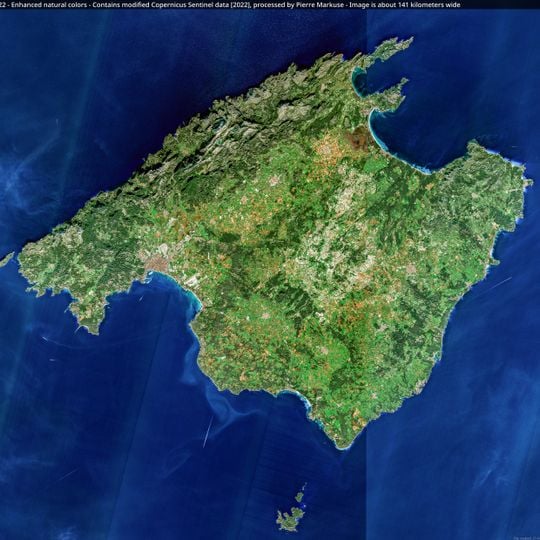
Mallorca is a Mediterranean island in the Balearic Islands off the eastern coast of Spain, about 180 kilometers from the mainland. The landscape shifts between rocky coastline in the north, flat beaches in the south, and a mountainous western side with forested slopes.
The Romans conquered the island in 123 BCE and left settlements that were later taken over by Vandals and Moors. In the 13th century, Moorish rule ended with the Catalan conquest under King James I.
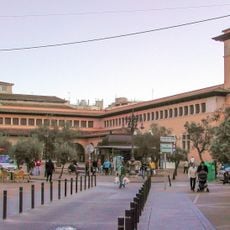
Residents speak both Spanish and Catalan in daily life and maintain traditions in small villages across the interior. Weekly markets display local crafts while family-run businesses produce regional specialties like ensaïmada pastries and sobrassada sausage.
The climate allows outdoor activities throughout the year, with winter months being milder and less crowded. Summer brings higher temperatures and more visitors to coastal areas.
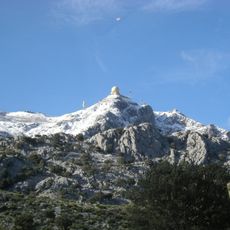
The Serra de Tramuntana in the northwest reaches heights above 1400 meters (4600 feet) and shows terraces from the Moorish farming period. This mountain range separates the interior from the northern coast and creates different climate zones within short distances.
Location: Balearic Islands
Part of: Gymnesian Islands
Address: Majorca, Balearic Islands, Spain
Website: http://conselldemallorca.cat
GPS coordinates: 39.61667,2.98333
Latest update: December 2, 2025 23:05
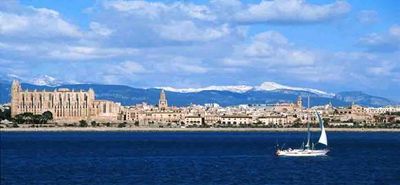
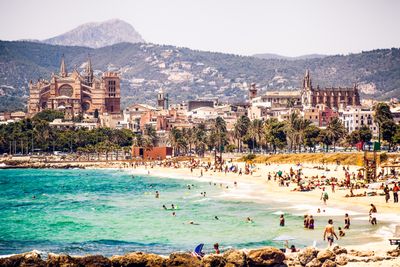
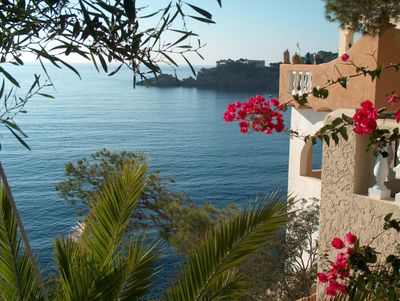
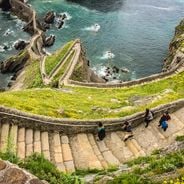
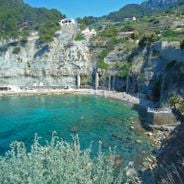
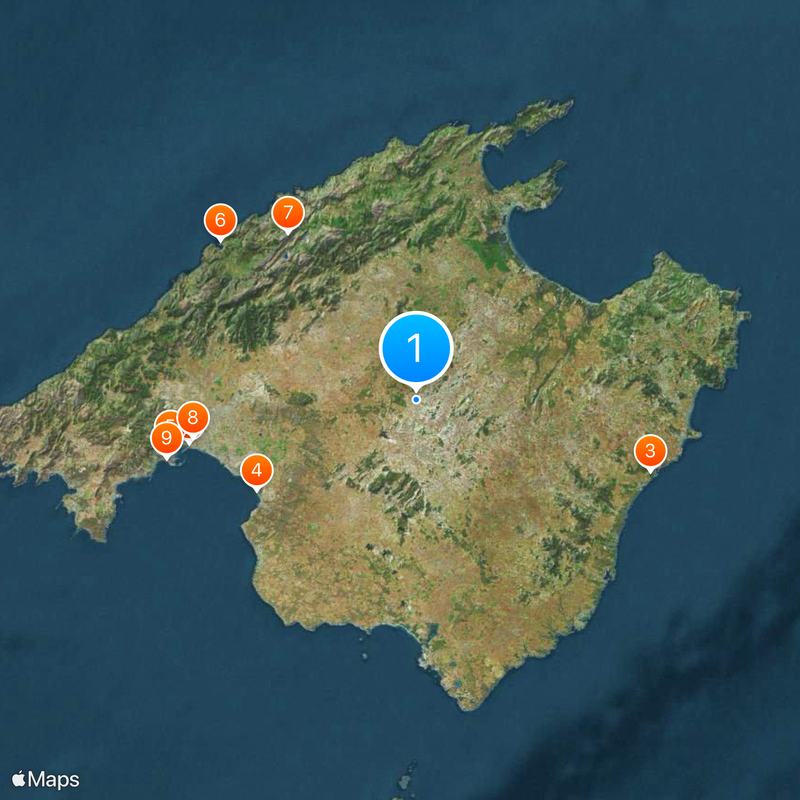
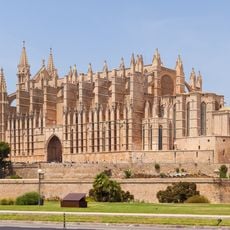
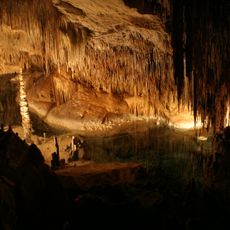
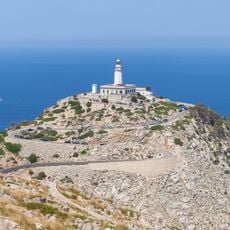
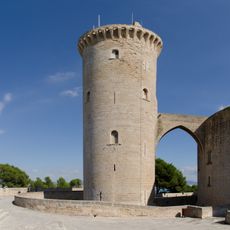
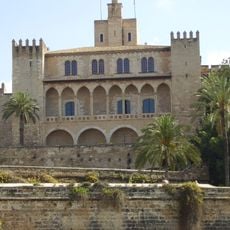
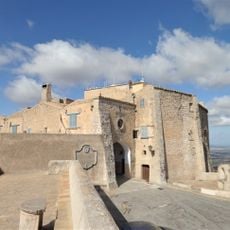
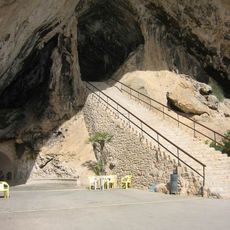
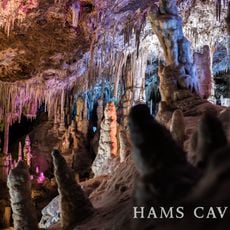
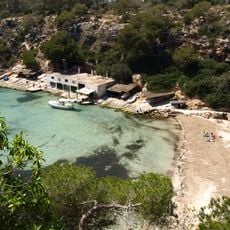
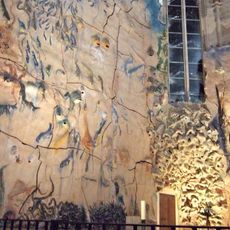
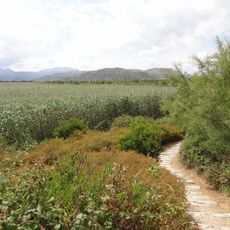
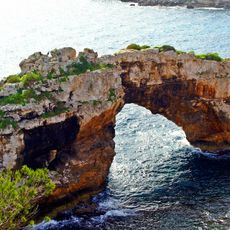
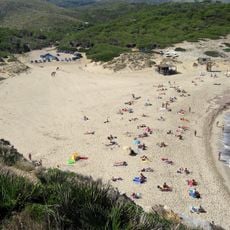
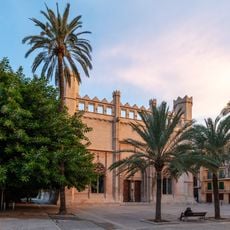
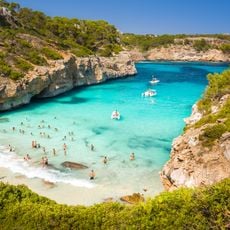
Mallorca offers diverse landscapes where fine sandy beaches and wild coves surrounded by limestone cliffs succeed one another. On the northwest coast, Sa Calobra marks the spectacular mouth of the Torrent de Pareis, while Cala Figuera nestles between the rocky walls of Cape Formentor. To the southeast, near Santanyí, Caló del Moro and the Mondragó natural park reveal other facets of the Mediterranean coast. The island's architectural heritage reflects centuries of history. In Palma, the Gothic cathedral from the 14th century dominates the port with its nave standing 144 feet (44 meters) high and 61 stained glass windows. The round Bellver Castle, built in 1311, is perched on the heights of the city. The Drach Caves in Porto Cristo reveal an underground world spanning approximately 0.75 miles (1.2 km), including Lake Martel, one of Europe’s largest underground lakes. The Alfàbia Gardens in Sóller preserve Moorish hydraulic art from the 13th century, while the Roman site of Pol·lèntia in Alcúdia dates back to the 1st century BC. To the north, the s'Albufera natural park conserves 4,200 acres (1,700 hectares) of wetlands hosting over 250 species of migratory birds.
Palma Cathedral
29.3 km
Coves del Drach
31.1 km
Mega-Park
23.2 km
Bellver Castle
31.8 km
Puig Major
26.7 km
Mercat de l'Olivar
28.7 km
Royal Palace of La Almudaina
29.3 km
Santuari de Lluc
24.5 km
Es Trenc
30.2 km
Cala Mesquida
41.1 km
Santuario de San Salvador
25 km
Coves d’Artà
40.3 km
Llotja de Palma
29.6 km
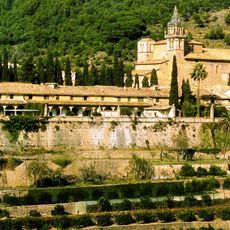
Valldemossa Charterhouse
32.6 km
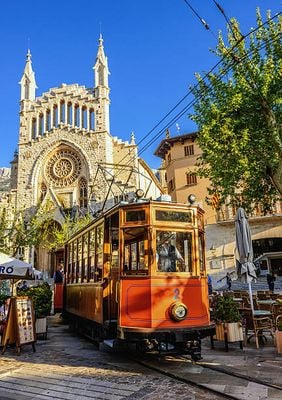
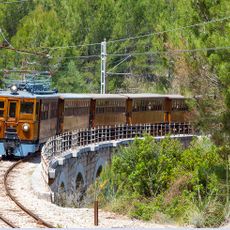
Ferrocarril de Sóller
26.8 km
Cala Agulla
41.9 km
Villa Colani
46.2 km
Cala Pi
30.9 km
Formentor Beach
37 km
Capilla del Santísimo, Catedral de Palma
29.2 km
S'Albufera de Mallorca Natural Park
23.5 km
Caló d'es Moro
35.8 km
Es Pontàs
35.2 km
Cala Torta
40.1 km
Cala Llombards
35.2 km
Castell de Capdepera
39.8 km
Caló dels Mariners
35.8 km
Mondragó Natural Park
34.2 kmReviews
Visited this place? Tap the stars to rate it and share your experience / photos with the community! Try now! You can cancel it anytime.
Discover hidden gems everywhere you go!
From secret cafés to breathtaking viewpoints, skip the crowded tourist spots and find places that match your style. Our app makes it easy with voice search, smart filtering, route optimization, and insider tips from travelers worldwide. Download now for the complete mobile experience.
A unique approach to discovering new places❞
— Le Figaro
All the places worth exploring❞
— France Info
A tailor-made excursion in just a few clicks❞
— 20 Minutes