Tungabhadra River, Sacred river in Karnataka, Telangana, and Andhra Pradesh, India.
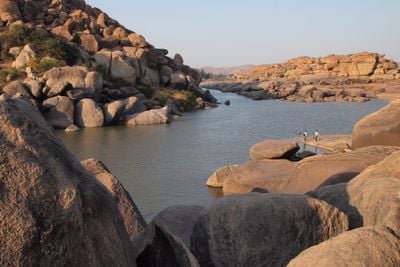
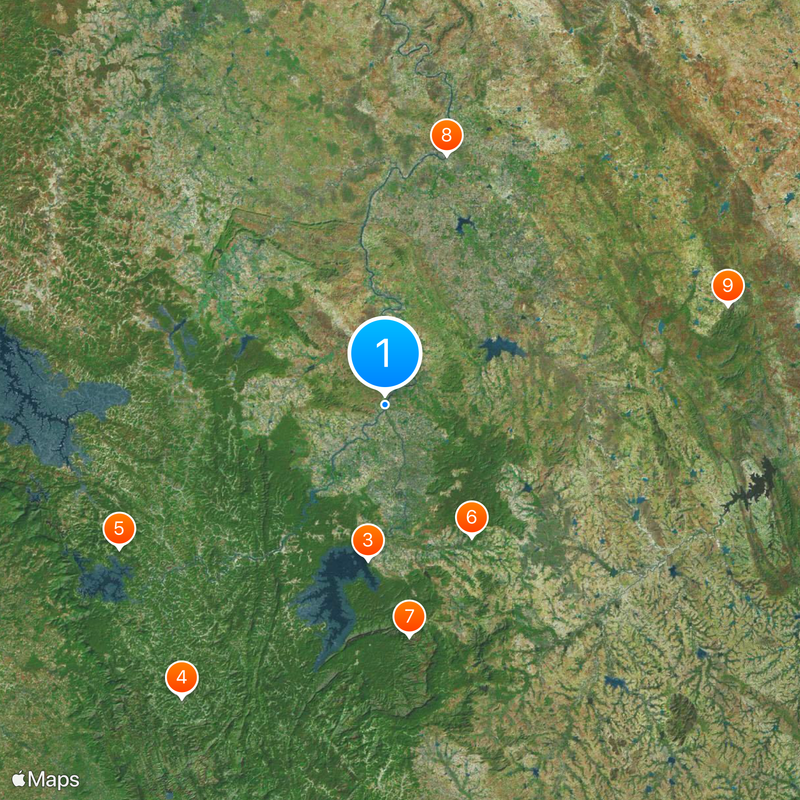
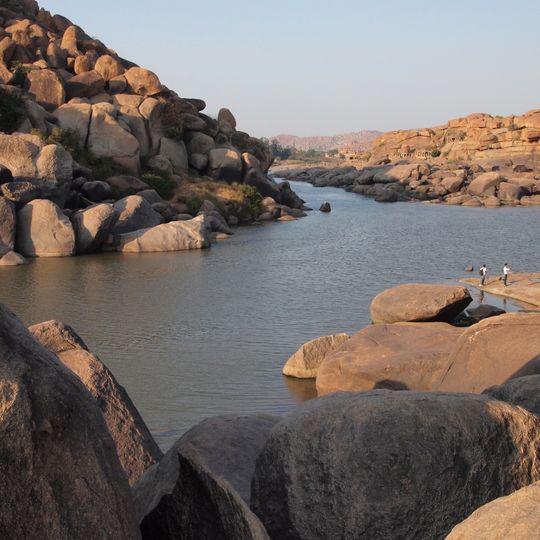
The Tungabhadra is a river in southern India that forms at Koodli in Karnataka state, where the Tunga and Bhadra rivers join, and runs for about 531 kilometers. It flows through Karnataka, Telangana and Andhra Pradesh before emptying into the Krishna River, passing through dry plains and plateaus as it goes.
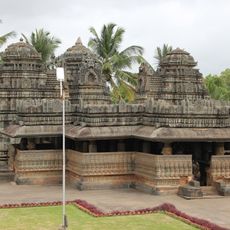
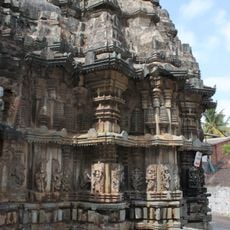
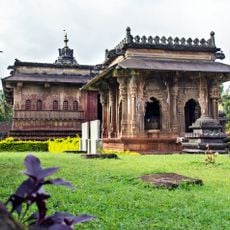
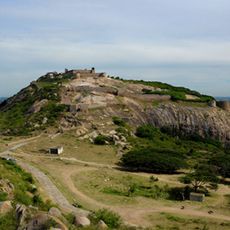
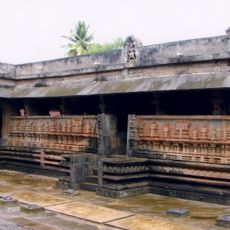
In the 14th century the Vijayanagara Empire chose this river's banks for its capital at Hampi, which grew into a major political and religious center. Over the following centuries temples, palaces and irrigation channels were built along the water, many of which survive today.
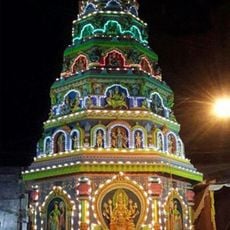
The name combines its two source rivers, the Tunga and Bhadra, which according to Hindu tradition flow from opposite sides of the deity Varaha. Along the banks today you find ghats and small shrines where locals perform ritual bathing and leave offerings.
The river is accessible at several points, with areas around the dams and historic sites like Hampi being well suited for visits. The best time to visit is between October and March, when temperatures are cooler and water levels are more stable.
The Tungabhadra Dam near Hosapete is part of a network of installations that provide irrigation and power to large parts of southern India. The river system includes several additional reservoirs, among them Srisailam and Nagarjuna Sagar, which rank among the largest in India.
The community of curious travelers
AroundUs brings together thousands of curated places, local tips, and hidden gems, enriched daily by 60,000 contributors worldwide.