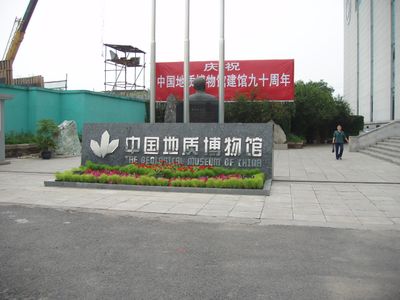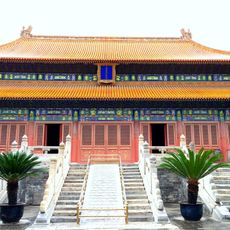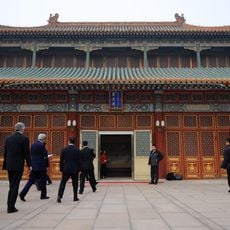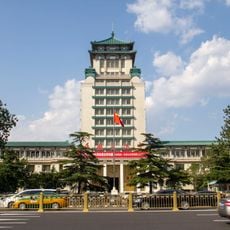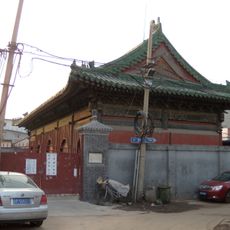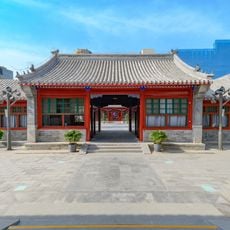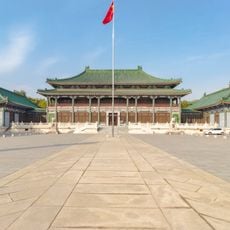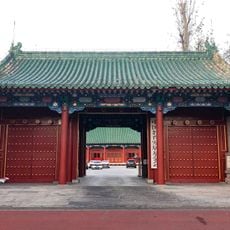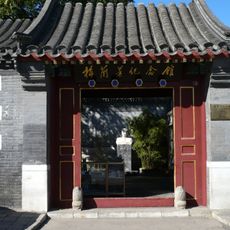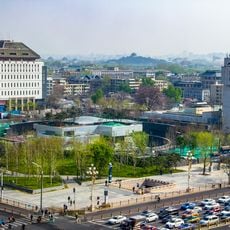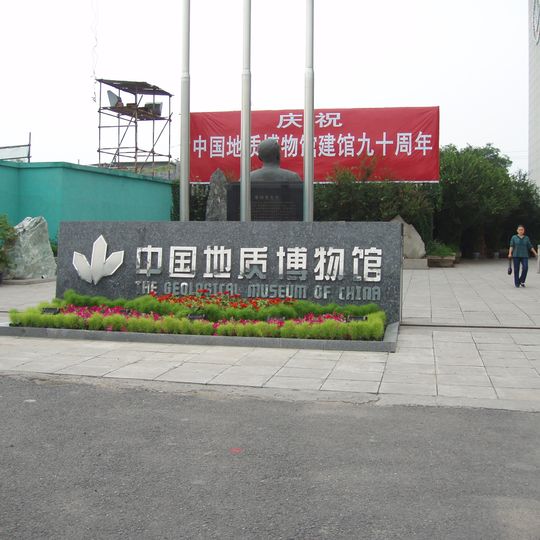
Geological Museum of China, Geological museum in Jinrongjie Subdistrict, Beijing, China
The Geological Museum of China displays over 200,000 specimens across five exhibition halls covering mineral resources, geological history, stratum paleontology, minerals, and gemstones. The permanent exhibitions feature different themed sections where visitors can see rock samples, crystals, and fossil collections arranged by type and origin.
The museum originated in 1916 as an exhibition hall for geological and mineral products, opening to the public in 1959. Its establishment marked the beginning of organized geological research collections in the country.
The museum displays teeth fossils of the Yuanmou Man from Yunnan Province, which document the earliest evidence of human presence in Chinese territory. Visitors can observe these finds in the exhibition halls and learn about the region's first inhabitants.
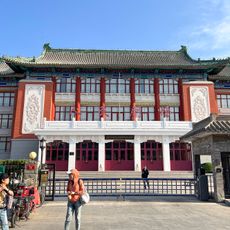
The museum is located in the Jinrongjie Subdistrict and is easily accessible by public transportation. Visitors should plan several hours to explore the different exhibition areas thoroughly.
The museum houses a famous 237-gram cinnabar crystal known as the King of Cinnabar, one of the most magnificent specimens of its kind. Equally remarkable is the extensive collection of dinosaur fossils, including a particularly well-preserved specimen from the Shandong region.
The community of curious travelers
AroundUs brings together thousands of curated places, local tips, and hidden gems, enriched daily by 91,740 contributors worldwide.