Huairen Hall, Government hall in Zhongnanhai, China
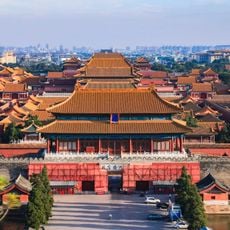
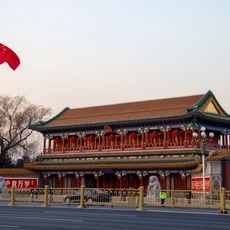
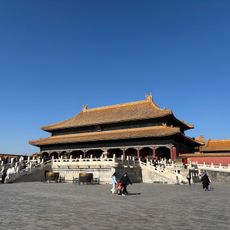
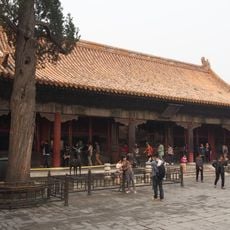
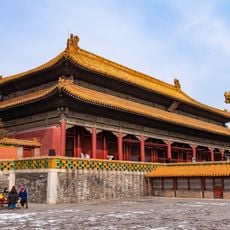
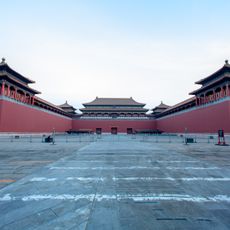
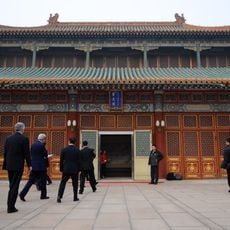
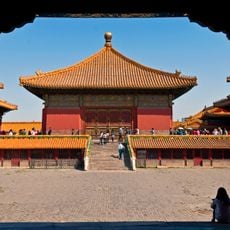
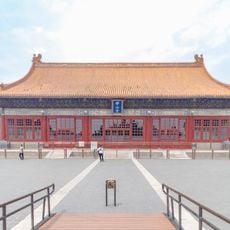
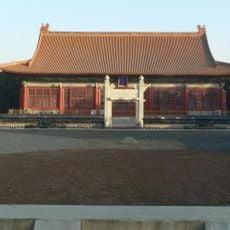
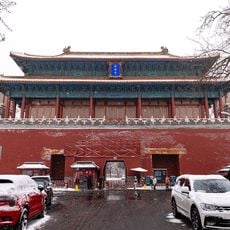
Huairen Hall is a building within the Zhongnanhai governmental complex in Beijing, containing a main hall that seats around 1000 people and a conference room on the upper floor. The structure combines traditional design with spaces organized for official gatherings and state functions.
Yixuan, Prince Chun, began building the hall in 1885 as the Yiluan Hall; it was completed in 1888 and became Empress Dowager Cixi's daily residence, displacing the Hall of Mental Cultivation as the seat of real power. In 1900 Alfred von Waldersee used it as headquarters of the Eight-Nation Alliance, and it burned on 18 April 1901. Cixi rebuilt it in 1902 for over five million taels of silver as the Fozhao Tower and died there in 1908. Yuan Shikai renamed it Huairen Hall and received foreign guests and New Year greetings in it.
The name Huairen, "cherishing benevolence", was given by President Yuan Shikai in 1911, replacing the Qing name Fozhao Lou. Since 1949 the hall has hosted the CCP Politburo and its Standing Committee, as well as leading groups on finance and on deepening reform. Its stage also serves party plenums and art performances.
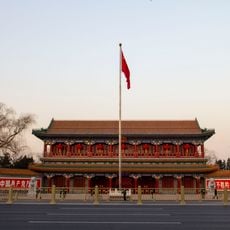
The building is closed to public entry as it sits within the secured Zhongnanhai compound and operates solely for government functions. Visitors can view the exterior from surrounding areas but cannot enter the interior spaces.
The hall's name dates from 1911, when President Yuan Shikai renamed the former Buddha Light Tower (Fozhao Lou) Huairen Hall; his funeral was later held in the same building. In 1976 the arrest of three Gang of Four members here marked the end of the Cultural Revolution.
The community of curious travelers
AroundUs brings together thousands of curated places, local tips, and hidden gems, enriched daily by 93,811 contributors worldwide.