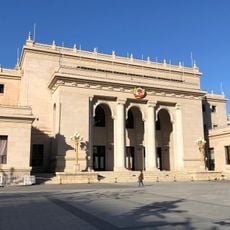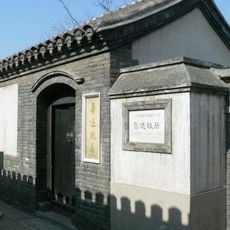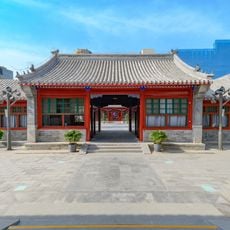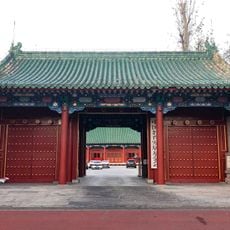
Temple of the Moon, Ming dynasty temple in Yuetan Subdistrict, China
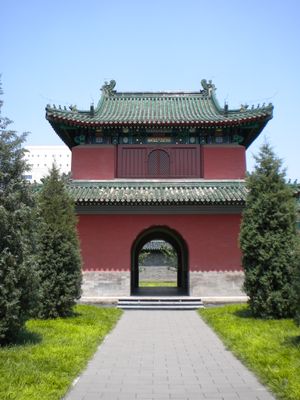
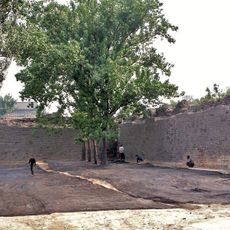
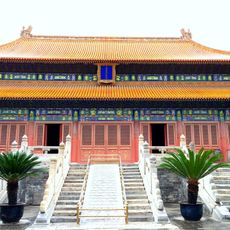
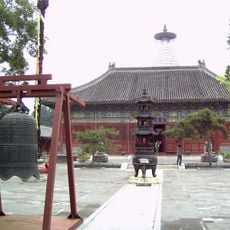
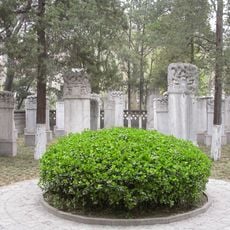
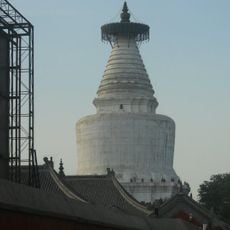
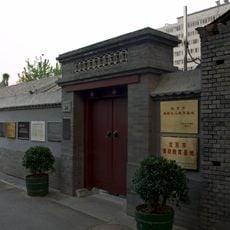
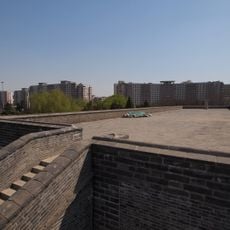
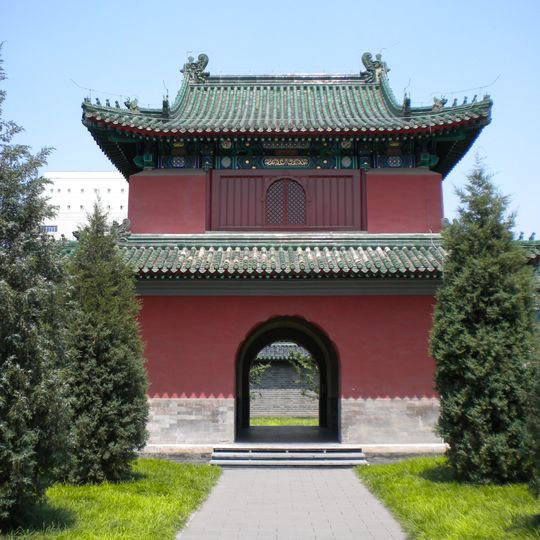
The Temple of the Moon is an imperial ceremonial site from the Ming Dynasty in the Yuetan district of Beijing, built specifically for moon worship rituals. At its center stands a square white-glazed altar platform, surrounded by pavilions, halls, and enclosure walls that define the boundaries of the complex.
The site was built in 1530 under the Jiajing Emperor of the Ming Dynasty, who also commissioned similar ritual sites for the sun, earth, and sky. In the 20th century, the complex lost its ceremonial role and was gradually opened to the public as a park.
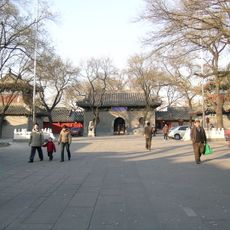
Only the emperor was allowed to perform the rituals here, making the site off-limits to ordinary people for centuries. Today it serves as a public park where local residents come in the morning to walk, do tai chi, or sit under old trees.
The complex sits in central Beijing and is easy to reach on foot or by bike from many nearby neighborhoods. Visiting in the early morning gives a calmer experience, as local residents tend to use the park at that time before the day picks up.
The Temple of the Moon was originally part of a set of four altars built at the same time under the same imperial order, each dedicated to a different element of the cosmos. The other three sites for the sun, earth, and sky still exist in Beijing and can be visited today.
The community of curious travelers
AroundUs brings together thousands of curated places, local tips, and hidden gems, enriched daily by 91,110 contributors worldwide.