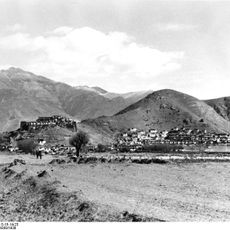
Tradruk Temple, Buddhist monastery in Nêdong District, China
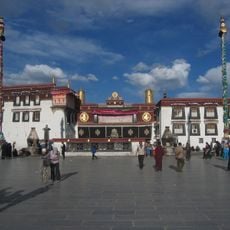
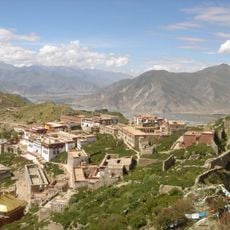
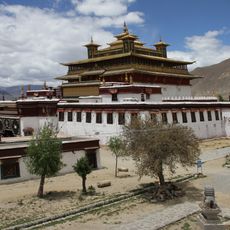
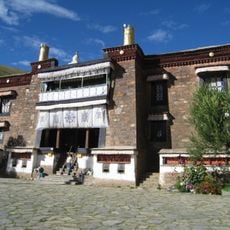
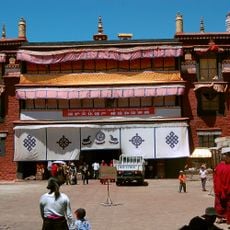
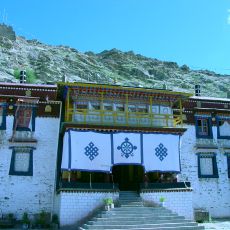
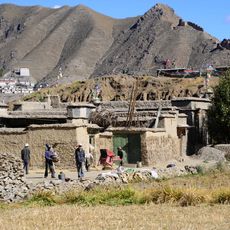
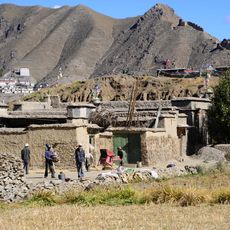
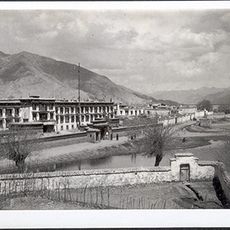
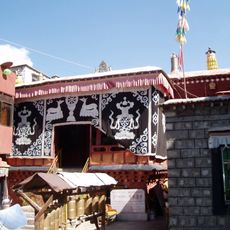
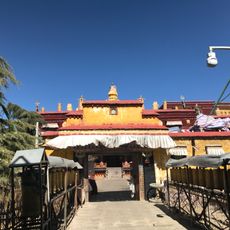
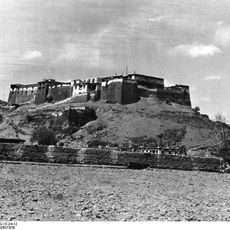
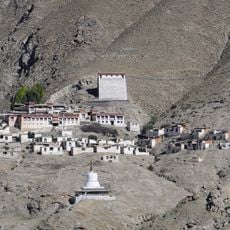
Tradruk Temple stands in Nêdong District, about seven kilometres south of Tsetang. Its main hall, the Tsuklakhang, is a two-storey brick-and-timber building whose lower layout resembles the Jokhang in Lhasa, with 60 thick wooden pillars supporting the assembly hall. Twelve chapels surround the hall, and smaller shrines ring the main building.
Founded in the 7th century under Songtsen Gampo, Tradruk was one of twelve geomantic temples built to pin down a supine ogress, standing on her left shoulder. It was damaged under Langdarma (841–846) and by a 16th-century Dzungar invasion, restored in 1351, given a golden roof under the 5th Dalai Lama, and expanded under the 7th. Several buildings were destroyed during the Cultural Revolution; renovation in the 1980s led to reconsecration in 1988.
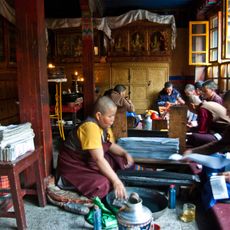
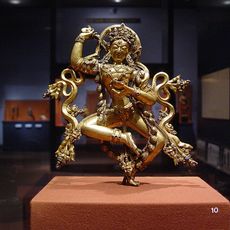
Inside the temple you can see fragments of original Buddha statues and a pearl-embroidered thangka depicting Princess Wencheng as White Tara. These religious artworks are central to worship and draw pilgrims who come to pay their respects.
Tradruk lies about seven kilometres south of Tsetang in Nêdong County. The complex covers 4,667 square metres, with the main hall surrounded by smaller shrines. The pearl thangka is kept in the central chapel on the upper floor. Ritual dances called Métok Chöpa are staged each June.
The temple's name comes from this legend: khra-'brug means "falcon and dragon" in Tibetan. Songtsen Gampo is said to have summoned a great falcon through meditation; it defeated the five-headed dragon, drank the lake dry, and left the ground on which the temple was built.
The community of curious travelers
AroundUs brings together thousands of curated places, local tips, and hidden gems, enriched daily by 94,446 contributors worldwide.