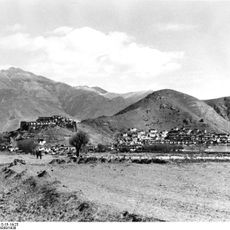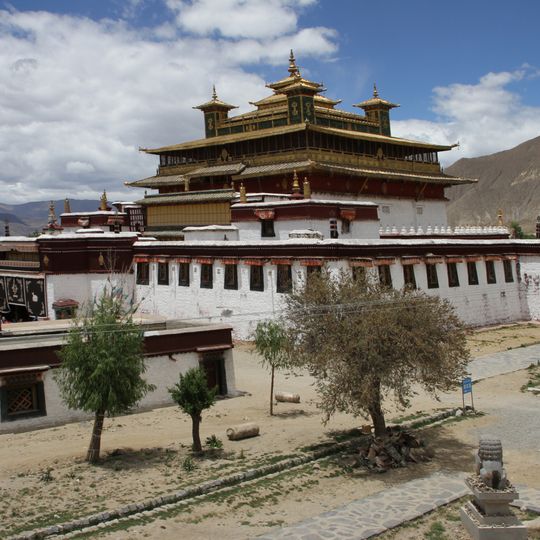
Samye, Buddhist monastery in Zhanang County, Tibet, China
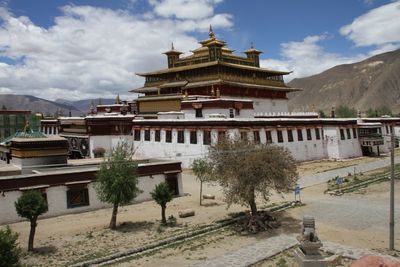
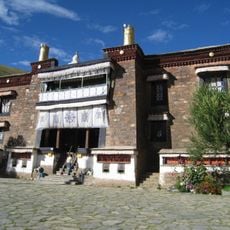
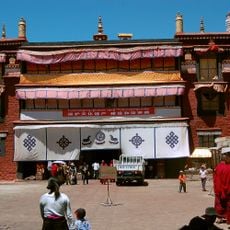
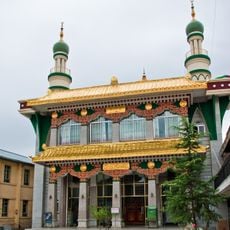
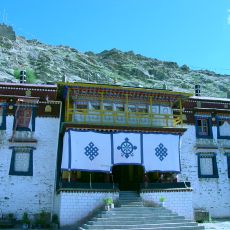
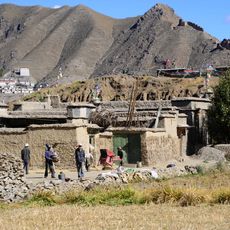
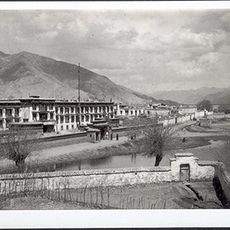
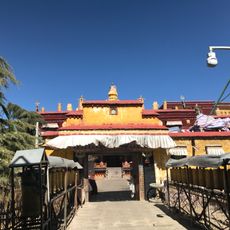
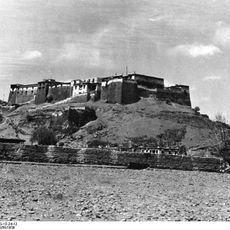
Samye is a Buddhist monastery in Zhanang County, Tibet, with a central temple surrounded by smaller structures of varying heights and functions. The complex mixes Tibetan, Chinese, and Indian architectural elements arranged in a deliberate spatial pattern that reflects religious principles.
Construction started in the mid-8th century under imperial sponsorship and took roughly a decade to complete. This completion marked a turning point in how Buddhism became established and organized across the region.
The name reflects Buddhist cosmology and the spiritual importance of the layout. Visitors notice how the complex organizes itself around a central sacred space, creating a deliberate pattern that shapes daily worship and pilgrimage practices.
The complex is best explored during daylight hours, as interior spaces rely on natural light and the exterior architecture shows itself clearly. Visitors should plan to move through the site on foot at a relaxed pace, as the grounds cover considerable space.
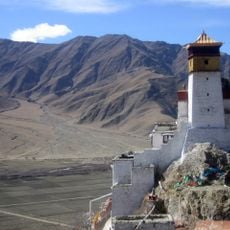
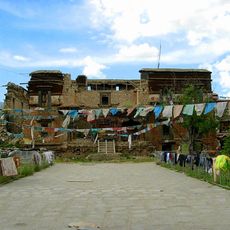
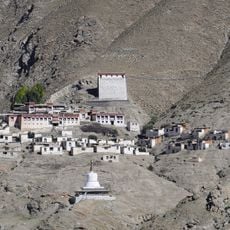
Four tower-shaped structures painted in different colors—red, white, green, and black—stand at the edges of the grounds and were built during different construction phases over centuries. Each color carries specific spiritual meaning in Buddhist teaching and was positioned intentionally to reinforce the protective character of the site.
The community of curious travelers
AroundUs brings together thousands of curated places, local tips, and hidden gems, enriched daily by 91,191 contributors worldwide.