China Danxia, Sandstone cliffs in South China
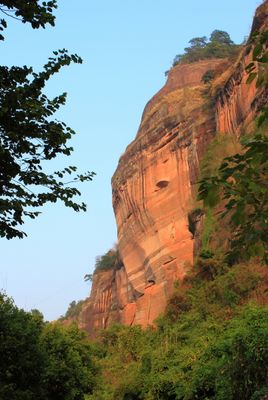
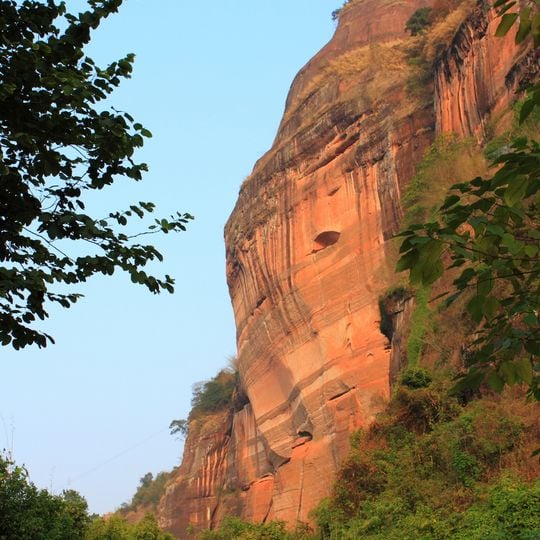
China Danxia consists of red and orange sandstone cliffs that spread across multiple provinces in South China, towering hundreds of meters above the surrounding terrain. The rock formations display varied layers and erosion patterns that create a distinctive landscape across each site.
These sandstone formations began taking shape roughly 80 million years ago during the Cretaceous period through tectonic activity and erosion. Over vast stretches of time, water and weathering carved the rock layers into the varied forms visible today.
The name danxia comes from Cao Pi's 3rd-century poem The Hibiscus Pool, meaning "vermilion sunglow"; geologist Feng Jinglan coined it in 1928. At Longhu Mountain the name is tied to a Daoist legend: dragons and tigers appeared when Zhang Ling made his elixir. In Taining villages, iron-rich soils support tea-oil production from camellia seeds.
Visitors can access the sites through established routes from major nearby cities, with multiple viewing platforms offering different perspectives of the formations. Spring and autumn bring the clearest skies and most comfortable temperatures for exploring the area.
The name danxia was coined in 1928 by geologist Feng Jinglan, who took it from a 3rd-century poem by Cao Pi: 丹 (vermilion) 霞 (sunglow). The World Heritage listing covers six areas, not Zhangye Danxia National Geological Park, which is often mistaken for a listed site. The six core areas total 73,945 hectares, with a buffer of 65,446 hectares.
The community of curious travelers
AroundUs brings together thousands of curated places, local tips, and hidden gems, enriched daily by 93,185 contributors worldwide.