Xiyuan Jiechuanglü Temple, Buddhist temple in Suzhou, China
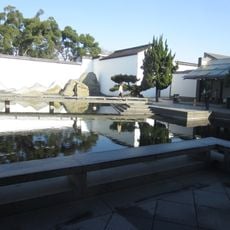
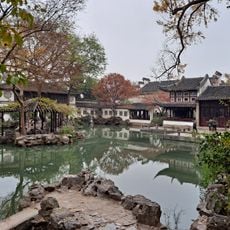
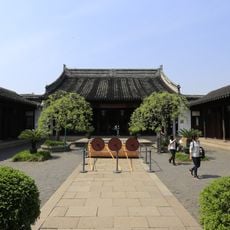
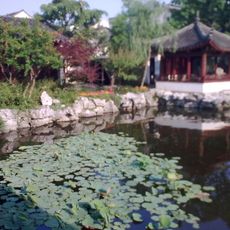
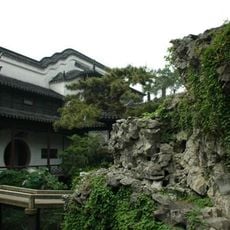
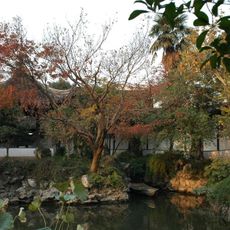
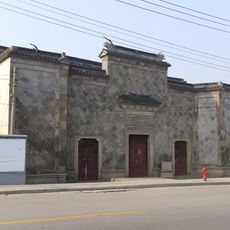
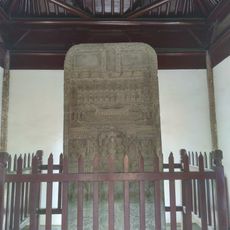
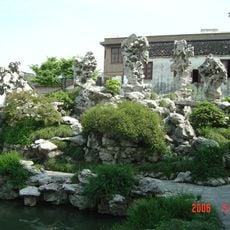
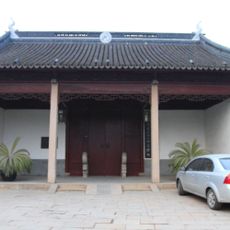
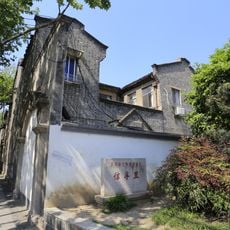
Xiyuan Jiechuanglü Temple is a Buddhist temple in Suzhou featuring multiple halls including Jingang Hall, Guanyin Hall, and Arhat Hall arranged around a central garden with ponds. Located on Liuyuan Road, the complex connects several buildings through landscaped courtyards and water features.
Founded during the Yuan dynasty as Guiyuan Temple, it was converted into a private garden called Xiyuan by Xu Taishi, a Ming official, during the Jiajing era. His son later donated the estate back as a monastery. In 1635 abbot Maolin renamed it Jiechuanglü Temple to promote the Vinaya school. Destroyed in 1860 during the Taiping Rebellion, it was rebuilt from 1875 by monk Guanghui under its present name.
The name Jiechuanglu combines jie (precepts), chuang (banner) and lü (Vinaya): in 1635 abbot Maolin renamed the temple to make it a Vinaya school centre. The vegetarian restaurant serves Suzhou-style meatless noodles and toppings, and many stray cats live on the grounds.
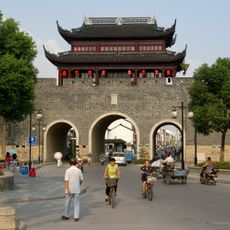
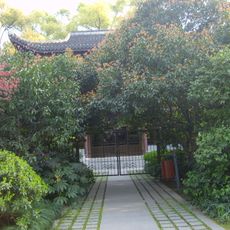
The temple lies on Liuyuan Road outside Changmen Gate, just west of the Lingering Garden, and is entered from the south along a central axis: screen wall, then the Fude and Zhihui bridges, the Zhenguo Ordination Platform archway, the mountain gate, bell and drum towers, the Heavenly Kings Hall and the Mahavira Hall. The Arhat Hall stands west of the Mahavira Hall, with the garden and its life-release pond and hexagonal pavilion further west. A vegetarian restaurant inside serves Suzhou-style noodles and meatless toppings.
The temple's Free Life Pond once held two Asian giant softshell turtles, said to be long-lived. One died in 2007 at an estimated age of 400; the other disappeared. The pond lies in the garden section west of the 500 Arhat Hall, beside a hexagonal pavilion.
The community of curious travelers
AroundUs brings together thousands of curated places, local tips, and hidden gems, enriched daily by 93,120 contributors worldwide.