Hamburg Metropolitan Region, Metropolitan region in northern Germany
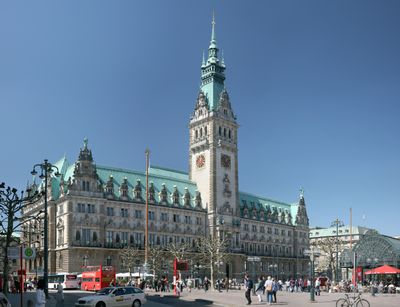
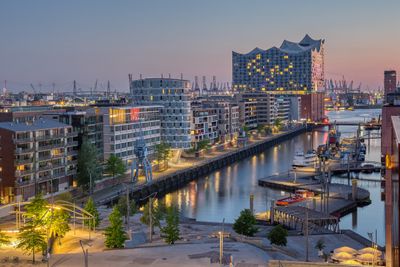
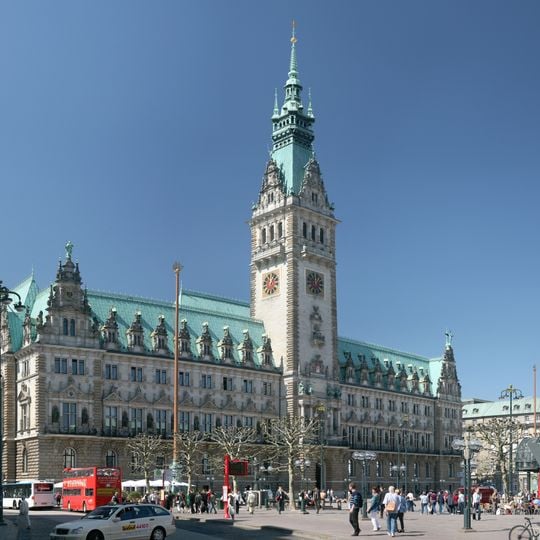
This metropolitan region spreads across four German states, centered on Hamburg and reaching into surrounding provinces with mixed urban and rural character. The landscape includes dense city districts, small towns, farmland, river valleys, and coastal stretches that form a varied patchwork.
This region developed as a major trading hub on the Elbe River, with Hamburg's harbor becoming the economic center over many centuries. In 2006, neighboring areas and the city agreed to work together formally to manage development across the fragmented territory.
Maritime traditions run deep here, especially around Hamburg where harbor customs and seafaring heritage shape daily life. In the surrounding villages and countryside, older rural customs still influence how communities gather and celebrate together.
You can enter through Hamburg's international airport or train connections that link all major towns together. Moving around is possible by local transit between cities, though having a car makes it easier to reach the countryside and smaller villages.
This region generates economic output around 249 billion euros annually through harbor trade, technology, and farming spread across many industries and small places. Most visitors do not realize they are walking through one of northern Europe's strongest economic zones.
The community of curious travelers
AroundUs brings together thousands of curated places, local tips, and hidden gems, enriched daily by 90,845 contributors worldwide.