Harz National Park, National park in Lower Saxony and Saxony-Anhalt, Germany
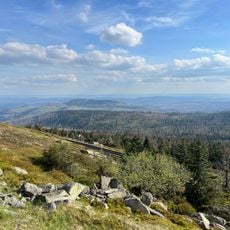
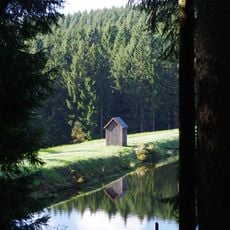
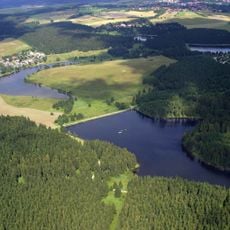
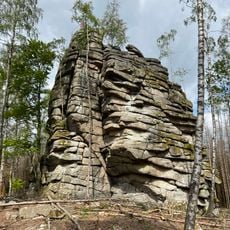
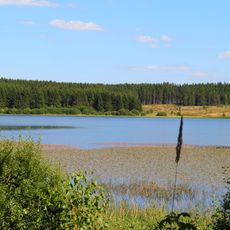
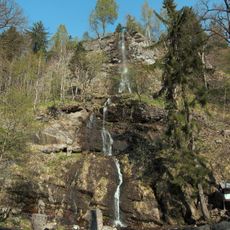
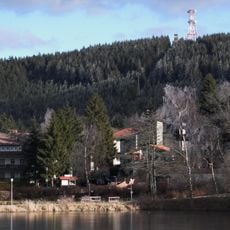
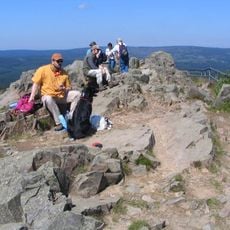
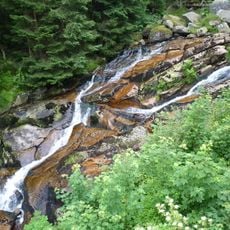
Harz National Park is a large forested protected area that spans two German states, with terrain ranging from low valleys to the Brocken peak. The landscape consists mainly of dense coniferous forests mixed with rocky areas, streams, and mountain terrain across its entire extent.
The park was established in 2006 by merging two separate protected areas that had been divided by the border between East and West Germany. After reunification, these previously isolated sections could finally be connected into one continuous natural space.
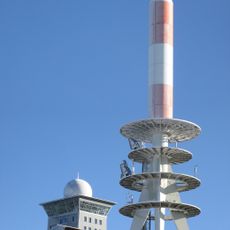
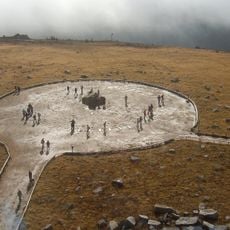
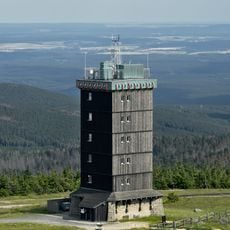
The Brocken's reputation as a gathering place for witches on Walpurgis Night, the eve of 1 May, comes from Goethe's Faust and older local tales. The Brocken was closed to tourists from 13 August 1961 until reunification, so the legends survived without visitor traffic. The national park's rangers and information houses now present this folklore alongside the mountain's natural history.
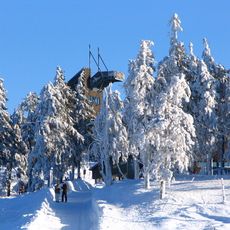
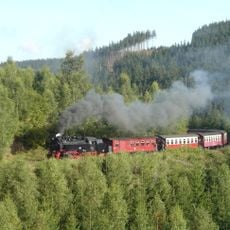
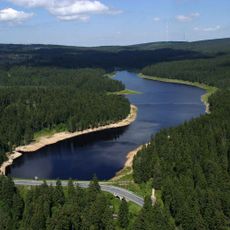
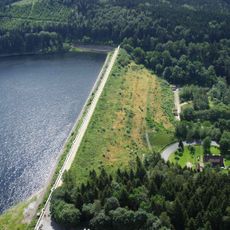
The park's terrain climbs from about 230 m at its northern edge to 1,141 m at the Brocken summit, so snow can persist on high ground while lower valleys are clear. The Brocken railway and the Oderteich reservoir, finished in 1722 to supply the Sankt Andreasberg mines, are fixed landmarks for orientation. Rangers based in Wernigerode and Sankt Andreasberg lead guided tours.
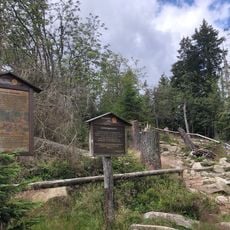
The Eurasian lynx was shot out in the Harz in 1818; a reintroduction project began in 1999, and since 2002 several wild lynxes have given birth. An attempt to reintroduce the western capercaillie failed. The park's rangers, around 40 of them, lead guided tours and staff the information points.
The community of curious travelers
AroundUs brings together thousands of curated places, local tips, and hidden gems, enriched daily by 94,688 contributors worldwide.