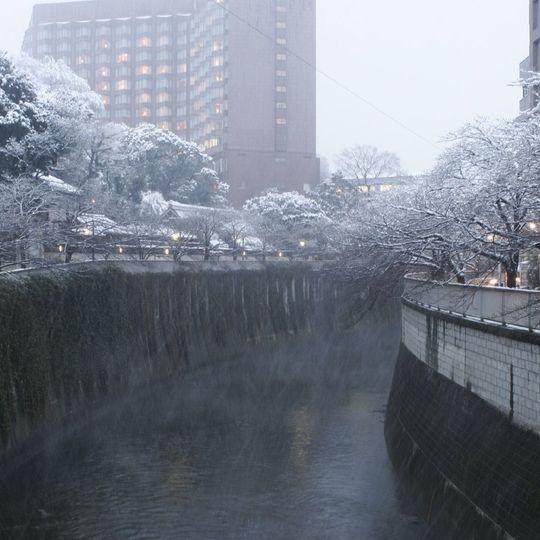
Kanda River, Urban river in central Tokyo, Japan.
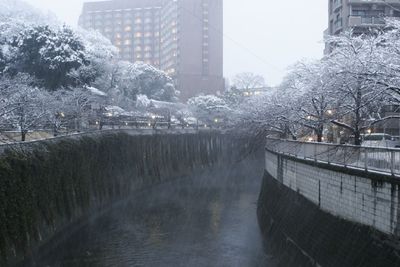
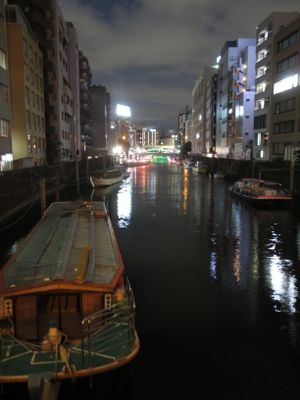
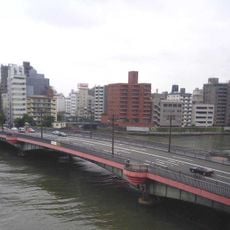
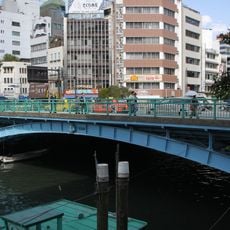
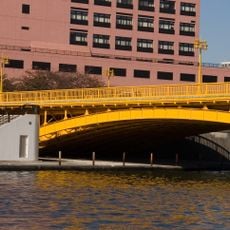
The Kanda River is an urban waterway that runs through roughly 25 kilometers of central Tokyo, linking Inokashira Park in Mitaka with the Sumida River at Ryogoku Bridge. Small footpaths and low walls line the banks, while residential and commercial districts stretch along the route.
In the early sixteen hundreds, the Tokugawa shogunate redirected the course of the waterway from Hibiya Bay toward the Sumida River to make room for the growing city. This diversion allowed former marshlands to be transformed into habitable farmland and later into urban neighborhoods.
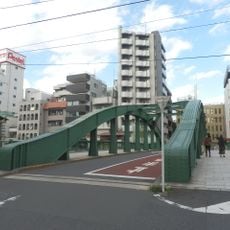
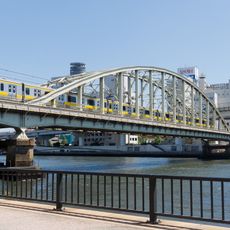
Residents gather along the banks in spring to watch and photograph cherry blossoms from the many bridges spanning the water. This old tradition has shaped how Tokyoites use the quieter stretches for walks and seasonal festivals since the late nineteenth century.
A roughly four-kilometer underground diversion channel lies about 40 meters below street level and carries excess water during heavy rain to prevent flooding. Walkers find narrow paths along most sections suitable for slow strolls and watching the flowing water.
The waterway inspired the million-selling song Kandagawa by folk group Kaguyahime in 1973, describing a modest apartment near the banks. This song remains influential in Japanese music and is still often sung in karaoke bars today.
The community of curious travelers
AroundUs brings together thousands of curated places, local tips, and hidden gems, enriched daily by 91,596 contributors worldwide.