神明神社, Shinto shrine in Japan
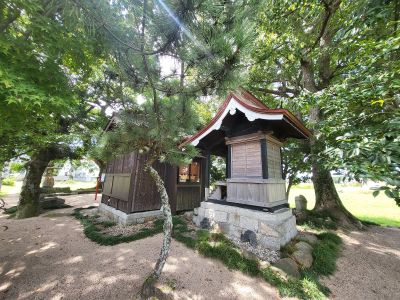
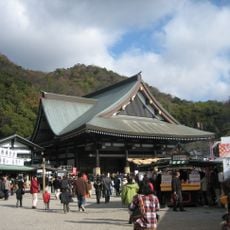
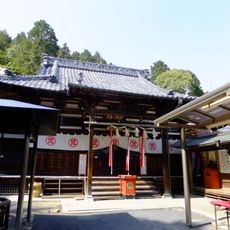
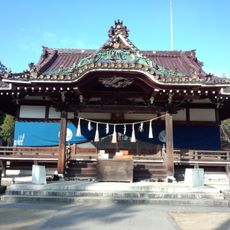
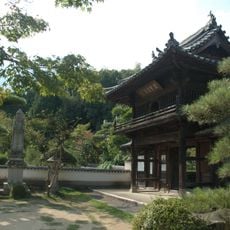
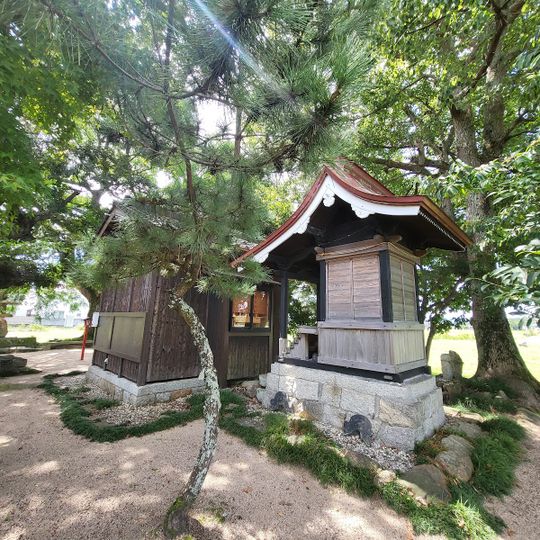
Shinjinja is a small shrine in the city of Soja featuring the nagare-zukuri architectural style, where the roof extends smoothly over the front entrance with a gentle slope. The main structure is modest wooden construction with auxiliary shrines nearby, each housing different deities and creating a cohesive sacred space that feels both simple and intentional.
The shrine's origins trace to the ancient worship of the Sun Goddess in early Japanese religion, though its exact founding date remains unclear. Over centuries, it evolved into an important spiritual center for the local community and continues to function as a place where tradition is maintained through regular ceremonies and seasonal festivals.
The shrine is dedicated to Amaterasu, the Sun Goddess and one of the most important deities in Japanese tradition. Local people visit regularly to pray for protection, good harvests, and health, reflecting how deeply this place is woven into the community's spiritual life.
The shrine is easily accessible by train, located about 10 minutes walk from East Soja Station, with free parking nearby. The site rarely feels crowded, allowing visitors to walk around at their own pace and spend as much time as they wish without feeling rushed or waiting in line.
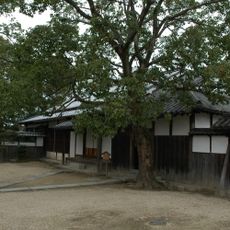
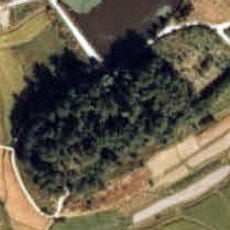
A sacred tree called a shinboku grows within the shrine grounds and is believed by visitors to hold special power, with many touching it for good luck. This tree is often overlooked but represents a living connection to spiritual practice that visitors can experience firsthand during their visit.
The community of curious travelers
AroundUs brings together thousands of curated places, local tips, and hidden gems, enriched daily by 91,372 contributors worldwide.