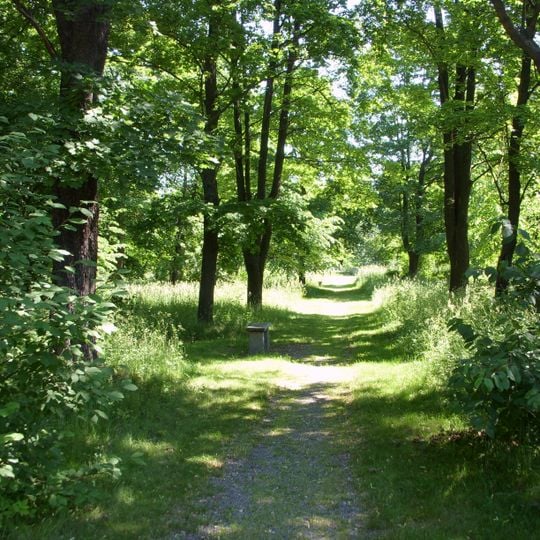
Kolerakyrkogården, Historical burial ground in Johanneshov, Sweden.
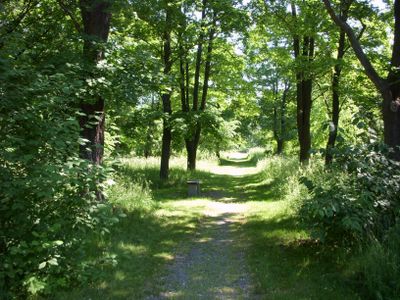
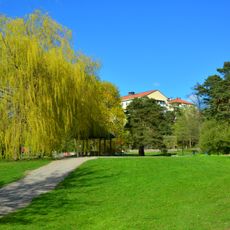
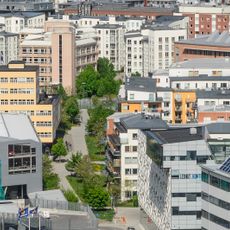
Kolerakyrkogården is a historical cemetery in southern Stockholm with stone paths, green areas, and preserved grave markers from different periods. The grounds contain a range of monuments reflecting burial practices across several centuries of the city's past.
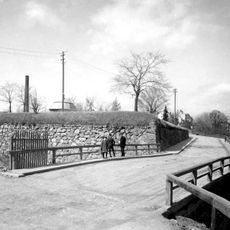
It was established in 1809 to bury soldiers from the Finnish War, and later became the burial place for victims of the 1834 cholera outbreak that gave the site its name. The grounds then transitioned to public park use in 1947 while maintaining its historical character.
The name comes from the cholera outbreak of 1834 that deeply affected Stockholm's population and became part of the city's memory. Today locals use it as a green refuge where the graves and monuments serve as reminders of that period.
The grounds are walkable via stone paths and include benches for sitting throughout the site. Information boards explain the history, and the space is accessible for visitors of different mobilities.
The graves from the cholera period show how quickly the cemetery became overwhelmed as many died in a short span of time. Some stones bear barely legible inscriptions, reflecting the difficult circumstances of those years.
The community of curious travelers
AroundUs brings together thousands of curated places, local tips, and hidden gems, enriched daily by 92,978 contributors worldwide.