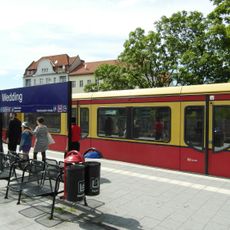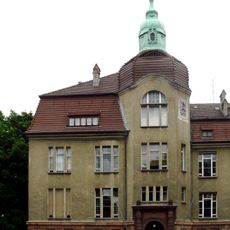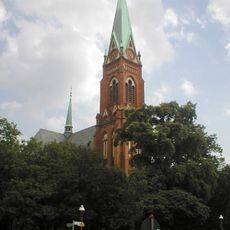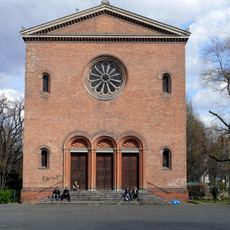
Wedding, Residential district in northern Berlin, Germany
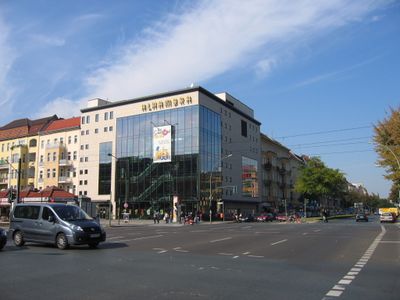
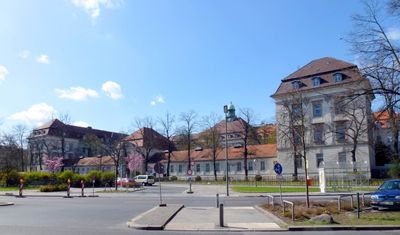
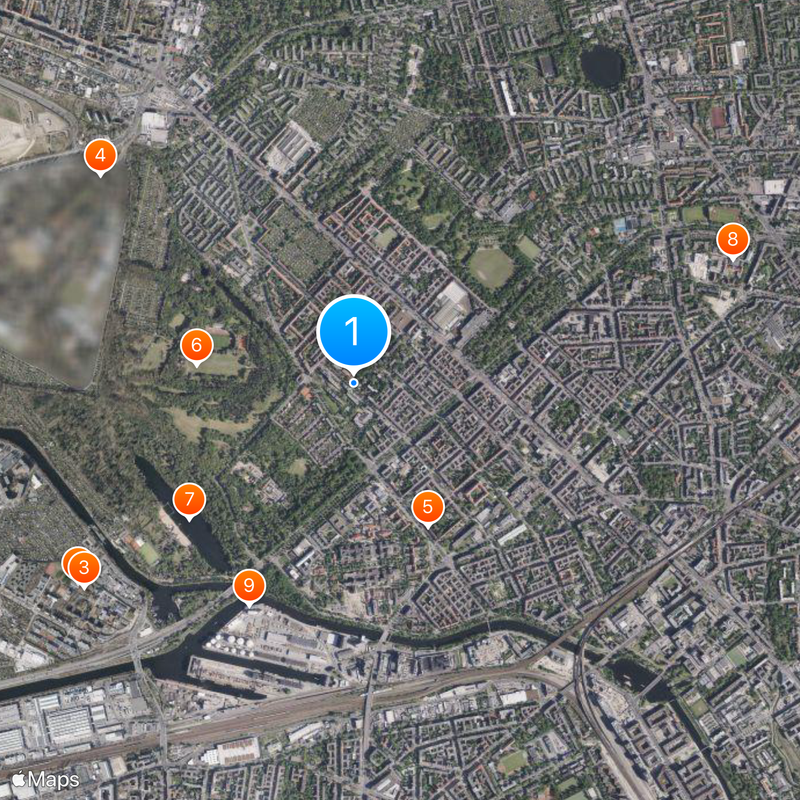
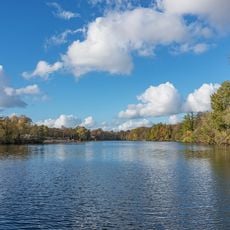
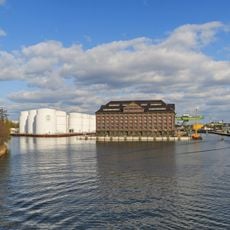
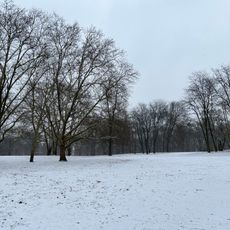
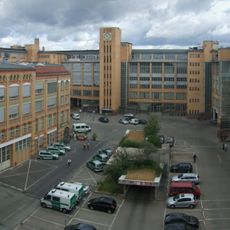
Wedding is an area in the Mitte district of northern Berlin that stretches from Humboldthain to Plötzensee and is crossed by the small Panke River. The neighborhood combines tenement blocks from imperial times with postwar housing and recent construction projects, interspersed with parks, sports facilities, and small commercial strips along the main roads.
The territory emerged in the 13th century as the estate of nobleman Rudolf de Weddinge and remained rural until the second half of the 19th century. With the construction of railway lines and the arrival of factories, the population grew rapidly, and the village turned into a dense working-class district that became part of Greater Berlin in 1920.
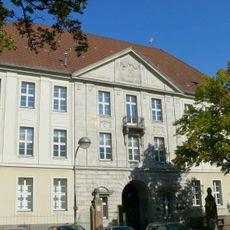
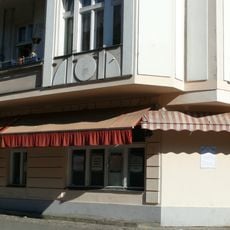
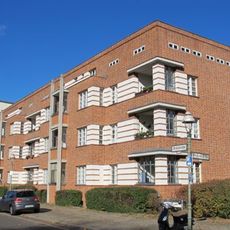
The neighborhood takes its name from Rudolf de Weddinge, a medieval landowner whose estate became the seed of the later settlement. Around Leopoldplatz and Nettelbeckplatz, streets filled with tenement buildings for workers starting in the 1870s, and their facades still shape the streetscape and reflect the dense construction style of that era.
The area is well connected by several underground lines and a section of the Ringbahn, making it quick to reach the center and other parts of the city. Many shops and cafes are concentrated along Müllerstraße and Badstraße, where you also find weekly markets and smaller public squares.
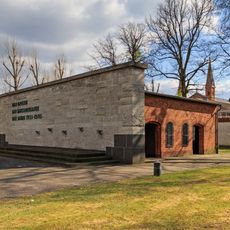
On Bernauer Strasse, residents jumped from the windows of their homes to escape from East to West Berlin in the first weeks after the wall went up in August 1961. The buildings stood right on the border, and the doors were already blocked, so the windows became the only way out.
The community of curious travelers
AroundUs brings together thousands of curated places, local tips, and hidden gems, enriched daily by 91,293 contributors worldwide.