Yangtze River
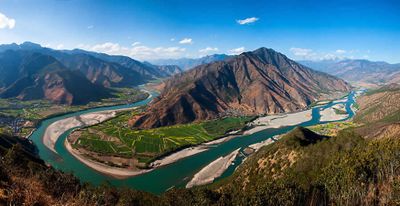
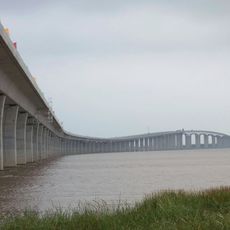
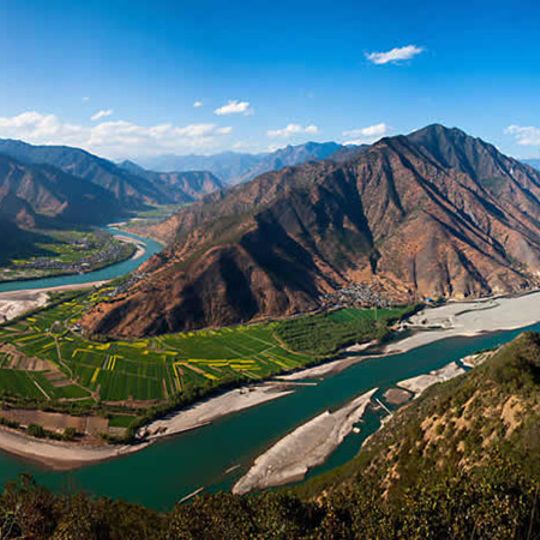
The Yangtze is Asia's longest river, flowing from the Tibetan Plateau eastward across nearly 3,900 miles (6,300 km) before reaching China's eastern coast. Along its course, the river cuts through deep gorges, wide valleys, and densely populated plains, with the landscape changing dramatically between regions.
The Yangtze was the lifeblood of Chinese civilization for thousands of years, supporting early dynasties through fertile soil and water transport. During the 20th century, major dams were built along the river, most notably the Three Gorges Dam, to generate hydroelectric power and manage flooding.
The river spans multiple provinces with different accessibility options, from walking along the banks to cruises that cover various sections. Visitors should expect different conditions and activities depending on the region and time of year.
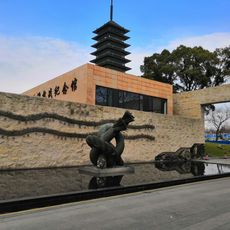
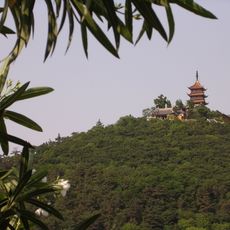
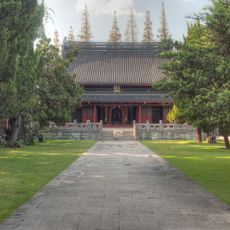
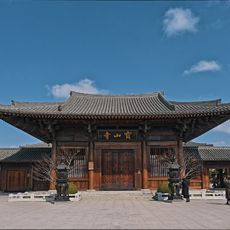
The river inspired countless literary works, poems, and artworks across thousands of years and plays a central role in Chinese legends. This cultural significance is visible at many locations where temples, monuments, and traditional performances reflect the historical relationship between people and the waterway.
The community of curious travelers
AroundUs brings together thousands of curated places, local tips, and hidden gems, enriched daily by 91,952 contributors worldwide.