Qiuxia Garden, Classical garden in Jiading District, China
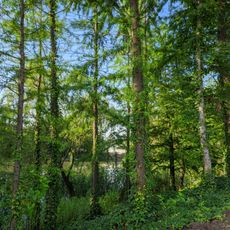
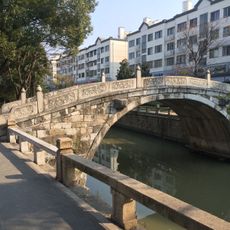
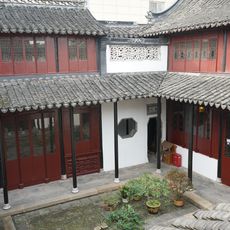
Qiuxia Garden is a classical Chinese garden in Jiading featuring a large pond shaded by willow trees, multiple pavilions, bamboo groves, and white stone walls arranged according to traditional design principles. The pathways wind through the landscape with carefully positioned rocks creating focal points throughout the grounds.
This garden was built between 1505 and 1526 during the Ming Dynasty and originally belonged to Gong Hong, a minister of public works. It remains one of Shanghai's oldest classical gardens and represents a significant example of landscape design from that era.
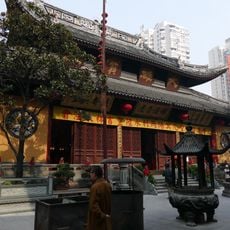
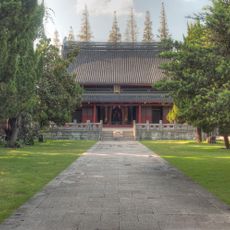
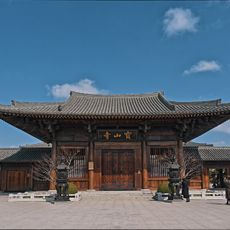
The garden's name, Qiuxia, means 'autumn rosy clouds', and it was adopted after the Wang family, who owned the Gong garden in the Qing dynasty, restored it. The site also includes the Jiading City God Temple, moved here in 1370, whose main hall now displays city god, Guanyin and 60 zodiac star statues. In autumn, the temple and garden host local worshippers.
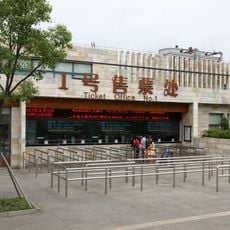
The garden is accessible by Metro Line 11 to Jiading Beizhan station, where you can continue by local bus or taxi to reach the entrance. Plan to visit during daylight hours to fully appreciate the landscape and structures throughout the grounds.
The west gate's plaque reads "Hanfang Ninglu" (Holding Fragrance, Gathering Dew), written by Tongji University professor Chen Congzhou and inscribed by writer Zhu Liaoran. In the Jiyun Cave on the northern hill, the original "Guiyun" and "Dongtian" characters were destroyed; calligrapher Pu Yong rewrote them when the cave was rebuilt in 1982.
The community of curious travelers
AroundUs brings together thousands of curated places, local tips, and hidden gems, enriched daily by 93,378 contributors worldwide.