Wicklow Hall Plantation, Historic plantation in Georgetown County, South Carolina
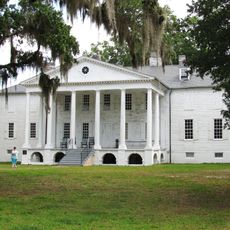
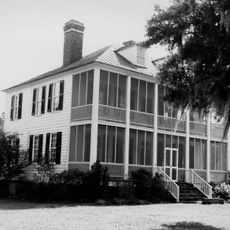
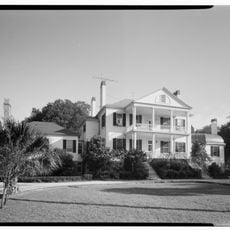
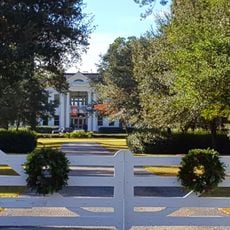
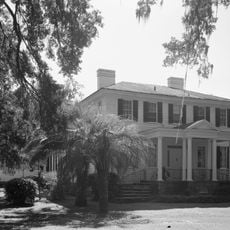
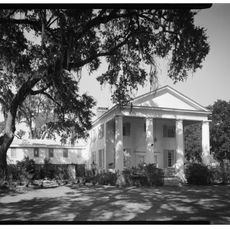
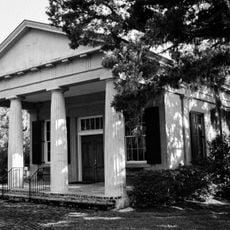
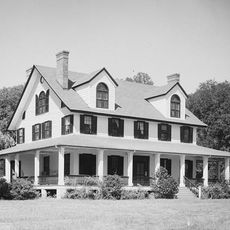
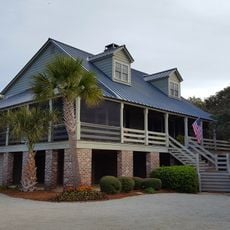
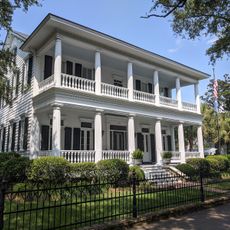
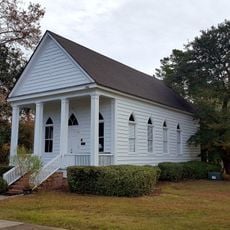
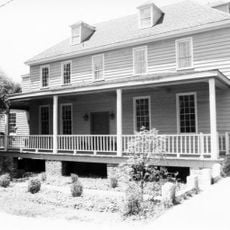
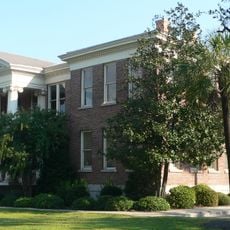
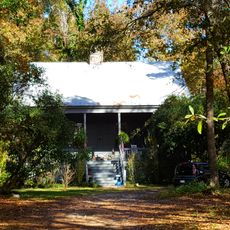
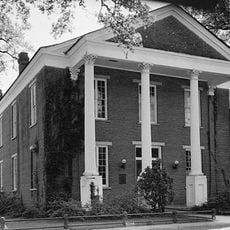
Wicklow Hall is a two-story Greek Revival clapboard house on a low brick foundation near Georgetown, South Carolina. Its main section dates to around 1850, with additions after 1912. The property includes a kitchen, corn crib, carriage house, and a playhouse once believed to be a schoolhouse.
Wicklow Hall's main section dates to around 1850, with additions made after 1912. The house was part of a rice plantation worked in the mid-1800s and associated with the Lowndes family of South Carolina; its rice fields, some 380 to 480 acres, lay on the delta between the North and South Santee rivers. It was listed on the National Register of Historic Places in 1978.
The name Wicklow recalls the Lowndes family's South Carolina rice-planting operation, whose fields of 380 to 480 acres lay on the delta between the North and South Santee rivers, separate from the house tract. The outbuildings — kitchen, corn crib, carriage house and a playhouse once thought to be a schoolhouse — show the working routine of the mid-1800s property.
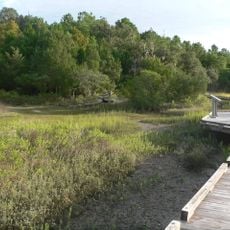
The house stands on its own strip of land, separate from the rice fields on the delta between the North and South Santee rivers, so the fields are not reached from the house itself. The complex includes the main house plus a kitchen, corn crib, carriage house and playhouse, once believed to be a schoolhouse. The property lies near Georgetown, in Georgetown County, South Carolina.
The property preserves a complete working infrastructure with specialized buildings like a corn crib and dedicated schoolhouse that reveal how larger plantations were self-contained communities. These functional structures are uncommon to find today, offering a rare window into everyday operations.
The community of curious travelers
AroundUs brings together thousands of curated places, local tips, and hidden gems, enriched daily by 92,628 contributors worldwide.