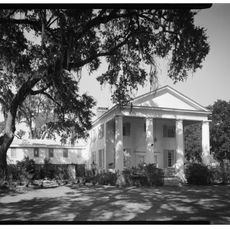
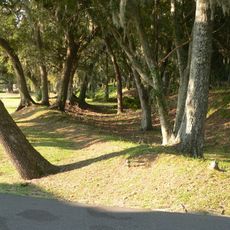
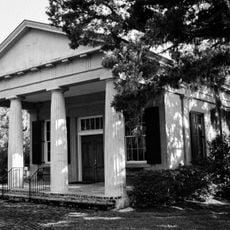
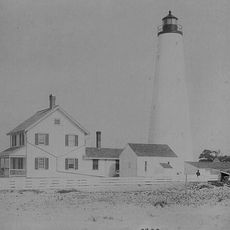
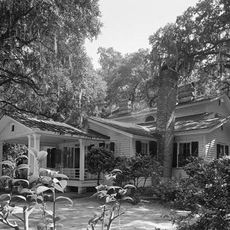
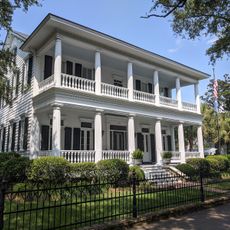
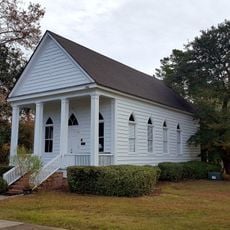
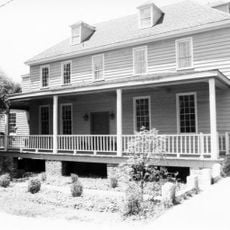
Hopsewee, Rice plantation in Georgetown County, South Carolina.
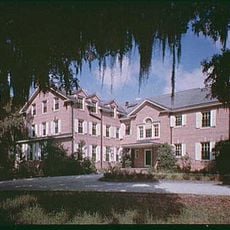
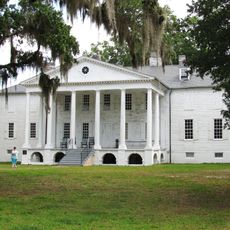
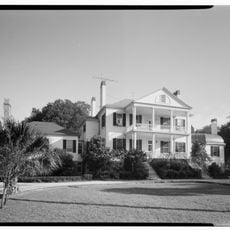
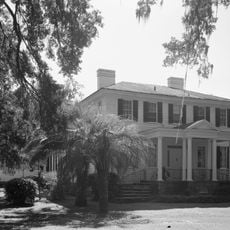
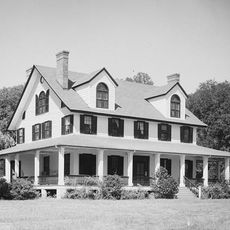
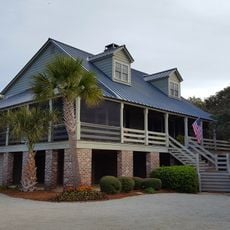
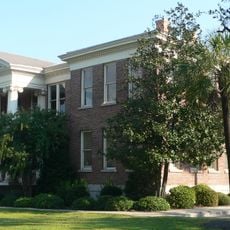
Hopsewee is a 1735 rice plantation house near Georgetown, South Carolina, built of black cypress on a brick foundation that forms a cellar. The house is forty feet wide and fifty feet deep, with four rooms and a central hall on each floor. Its double-tiered piazza, added in 1845, replaced an earlier verandah, and the dormered hip roof shows West Indian influence.
Built in 1735 as the main house of a rice plantation, Hopsewee was the birthplace of Thomas Lynch Jr., a signer of the Declaration of Independence. The Lynch family sold it in 1752 to Robert Hume; his descendants, the Humes and Lucases, occupied it until 1925. Abandoned during the Civil War, it was bought by Col. and Mrs. Wilkinson in 1949 and named a National Historic Landmark in 1971.
The rooms and outbuildings tell stories of two different lives on this property: plantation owners lived here, while enslaved people worked and lived on the grounds. These narratives remain visible today through how the buildings are arranged and used.
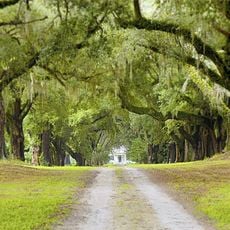
Visitors can book guided tours of the main house, gardens, and surrounding landscape. Check ahead for operating hours and access conditions, as these may vary depending on the season and time of day.
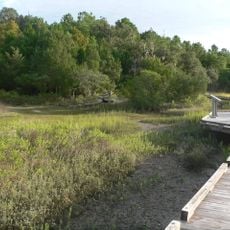
The property still displays visible remains of historic rice cultivation systems directly along the river, including canal networks that are partially preserved. These structures show how rice was once grown and managed, setting this site apart from others.
The community of curious travelers
AroundUs brings together thousands of curated places, local tips, and hidden gems, enriched daily by 92,727 contributors worldwide.