Annandale Plantation, Historical plantation in Georgetown County, United States.
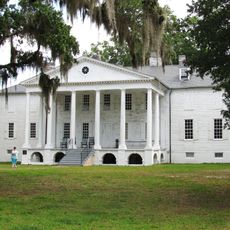
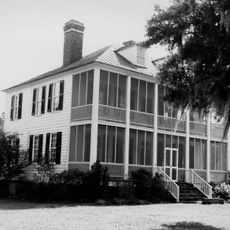
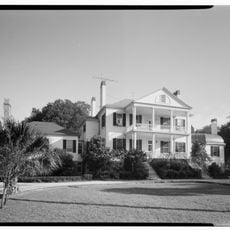
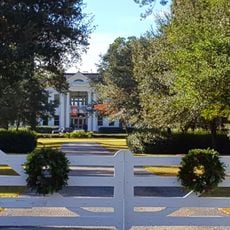
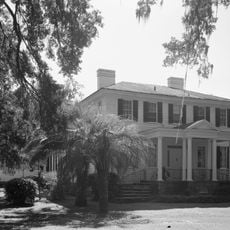
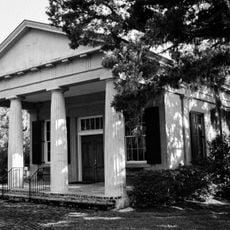
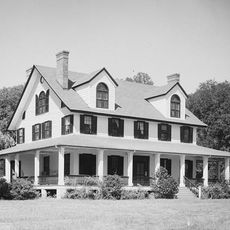
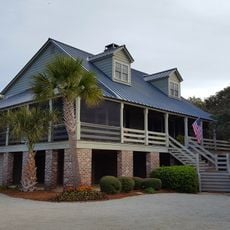
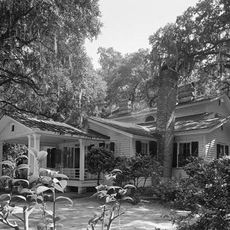
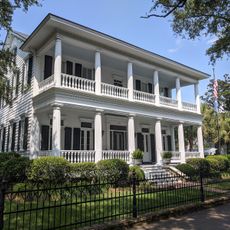
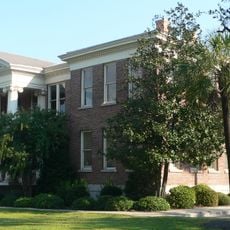
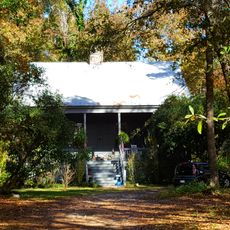
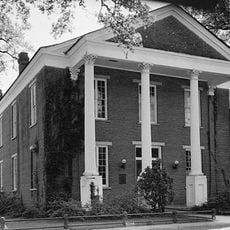
Annandale Plantation is a two-story Greek Revival house near Georgetown, South Carolina, with a Tuscan-order portico and notable window surrounds. A rear addition dates to about 1880 and a north wing to 1966. Of the original outbuildings, a single slave cabin survives, later converted into a recreation building, and the plantation doctor's house is now a private residence.
The estate was founded in the 1790s and became one of South Carolina's major rice producers of its time. Its growth was tied to innovations in processing technology that transformed local agricultural methods.
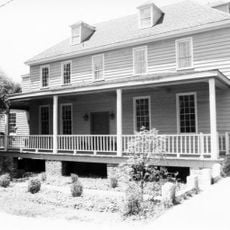
The name Annandale comes from the Johnstone family's ancestral birthplace in Scotland, adopted when Andrew Johnston changed the spelling of his surname around 1833. The single surviving slave cabin, likely used by African-American workers after emancipation, has been converted into a recreation building, while the plantation doctor's house is a private residence.
The house is a private residence and is not open to the public; the grounds and outbuildings are best viewed from the public road. The property lies near Georgetown, off the route between Georgetown and the Santee River delta. Visitors should not enter the slave cabin, which has been converted into a recreation building, or the doctor's house, which is a private home.
The property housed South Carolina's first tide-powered rice mill, built around 1792, which changed how rice was processed locally. This innovation harnessed natural forces to grind rice rather than relying on manual labor.
The community of curious travelers
AroundUs brings together thousands of curated places, local tips, and hidden gems, enriched daily by 92,892 contributors worldwide.